Friday, November 6, 2026
Home Blog Page 158

Gulf states back plan to let Iran collect voluntary fees to use Hormuz

Washington launched its renewed bombing campaign earlier this month to break Iran’s grip on the strait, through which about a fifth of global oil and liquefied natural gas flowed before the war

International News via Reuters:

Oman has won backing from Gulf states for a plan that would let Tehran collect voluntary fees to use the Strait of Hormuz, a Gulf source told Reuters on Tuesday, a path towards ending the disruption to oil trade caused by the U.S.-Israeli war on Iran.

President Donald Trump, who abruptly called off a two-week U.S. bombing campaign over the weekend in his latest strategic U-turn, said there were “good talks” under way with Iran but threatened to restart strikes unless negotiations deliver. Iran denies seeking to resume talks with the United States.

Washington launched its renewed bombing campaign earlier this month to break Iran’s grip on the strait, through which about a fifth of global oil and liquefied natural gas flowed before the war.

Iran effectively shut the strait to ships other than its own after the United States and Israel attacked on February 28. A deal last month between the United States and Iran partially reopened it, but the agreement collapsed in early July after Iran fired on ships using a channel it does not approve.

Iran has said it wants to manage the strait alongside Oman which controls the opposite shore, and charge service fees to ships that use it. Washington wants to return to the status quo prior to the war, when ships were able to pass freely with no payments, and says charging mandatory fees would be illegal.

Under the Omani proposal, Iran would not exercise sole control and fees would be voluntary, a source told Reuters. The system would be analogous to one in place on Asia’s Strait of Malacca, where Indonesia, Malaysia and Singapore ask ships to pay voluntary contributions to fund navigation, environmental protection and search-and-rescue operations.

Iran’s Foreign Minister Abbas Araqchi discussed the Strait of Hormuz with his Omani and Saudi counterparts on Monday and stressed the need for regional cooperation, an Iranian Foreign Ministry statement said.

TRUMP WARNS OF MORE STRIKES

Trump called off his latest campaign of air strikes after receiving advice from military commanders that the strategy had run its course. The 13 nights of renewed U.S. bombing killed scores in Iran and destroyed bridges and tunnels across the south as well as military targets.

Iran had responded with attacks on U.S. bases in neighbouring countries that killed four service members, and strikes on civil infrastructure in Gulf states that it said was retaliation for U.S. strikes on civilian targets.

Iran has said it would hold fire as long as Washington does. But drone attacks were reported in Jordan, Saudi Arabia and northern Iran on Monday, and Jordan reported another drone being downed on Tuesday.

Speaking on Monday, Trump expressed optimism for a deal to end the five-month conflict, while warning that U.S. strikes would resume if negotiations failed to deliver.

“I think there’s a good chance that something could happen, and if it does, good, if it doesn’t, we go back to doing what we were doing two days ago.”

Iran says it has not sought any new negotiations with the United States, which it accuses of violating the agreement reached last month on a framework for talks to end the war.

The U.S. president is scheduled to meet Israeli Prime Minister Benjamin Netanyahu in Washington on Tuesday. Although Israel was involved in the initial bombing campaign, it has not been part of subsequent peace talks, and recent relations between the two leaders have been strained.

Trump has had to rein in the Israeli leader from attacking targets in Lebanon to try to weaken Iran-backed Hezbollah militants, complicating peace talks with Tehran.

The end of the U.S. bombing campaign over the weekend sent oil prices tumbling by around 8% on Monday, and the fall continued on Tuesday. Brent crude futures were down more than 2.5% at around $86 a barrel by mid-morning on Tuesday. 

Washington and Tehran reached an agreement in June on a framework for talks meant to take place by the end of August to resolve major issues such as Iran’s nuclear programme.

But they have disputed the meaning of the memorandum’s language about the strait, with Washington insisting it requires Tehran to allow free travel, while Iran says it grants it the authority to supervise transit.

Reporting by Timour Azhari and Parisa HafeziWriting by Sharon SingletonEditing by Peter Graff
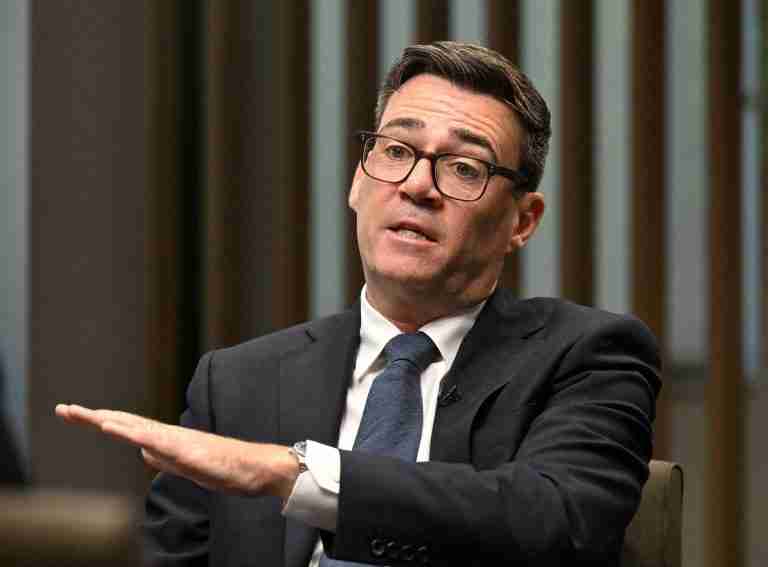
UK’s Labour Party catches Reform in polls after Burnham becomes PM

Farage’s anti-immigrant Reform party had led nearly every opinion poll for more than a year and gained hundreds of seats in local and regional votes in May

International News via Reuters:

Britain’s governing Labour Party has caught up with, or overtaken, Nigel Farage’s populist Reform UK in the polls, according to three different surveys which showed a bounce for new leader Andy Burnham a week after he became prime minister.

Farage’s anti-immigrant Reform party had led nearly every opinion poll for more than a year and gained hundreds of seats in local and regional votes in May, prompting Labour to remove the unpopular Keir Starmer and install Burnham, a more charismatic former mayor, as prime minister on July 20.

He spent his first week as leader looking to give voters “breathing space” on the cost of living – removing a tax on energy bills, capping bus fares and cutting taxes for pubs and bars.

A poll by Survation found that Labour was on 26% after Burnham’s first week in office, overtaking Reform on 24%. The week before Starmer announced his resignation in June, Labour had been on just 19%, with Reform on 27%.

Survation Chief Executive Damian Lyons Lowe said the poll was “the highest Survation has had Labour since 3 June 2025, and the first Labour polling lead since 3 May 2025”.

Other pollsters reported a similar pattern. On Monday, More In Common showed Labour on 28% ahead of Reform on 24%, while YouGov had Reform and Labour tied at 22%, with Labour up 6 points since May and Reform at their lowest level of support since March 2025.

YouGov also said more Britons saw Burnham as a better prime minister than Farage, or any other major party leader.

As Labour enjoys a bounce, Reform has faced questions over whether gifts from wealthy backers were properly declared, which Farage has angrily decried as a bid by the establishment to discredit him.

Asked about the bounce in the polls on Monday, Burnham said he would not get “carried away” but was pleased to have “made a start where hopefully I’ve connected with people”.

Reporting by Alistair Smout;Editing by Alison Williams

Southern Japan rocked by major earthquake, people trapped in mall

Speaking to reporters at her office in Tokyo, Japanese Prime Minister Sanae Takaichi said the number of casualties and extent of the damage in the area – which was devastated by a tremblor a decade ago – were still being assessed

International News via Reuters:

A 7.1-magnitude earthquake hit Japan’s southern Kumamoto prefecture on Tuesday, knocking out power to thousands of homes, rupturing roads and injuring at least 50 people, including some trapped inside a partially collapsed shopping mall.

Speaking to reporters at her office in Tokyo, Japanese Prime Minister Sanae Takaichi said the number of casualties and extent of the damage in the area – which was devastated by a tremblor a decade ago – were still being assessed.

“We have already been informed that people have been injured. Power outages and fires have occurred in some areas, and there has also been damage to roads and bridges and the collapse of buildings,” Takaichi said.

“I ask everyone to take action to protect themselves, including evacuating to a safe location.”

‘LIKE VOLCANIC ASH WAS FALLING’

One hospital had reported more than 50 injuries, public broadcaster NHK said. Several people on a high-speed train at the time of the quake were also injured, Nikkei newspaper said.

Multiple people were trapped inside an Aeon shopping mall rocked by an explosion that occurred after the earthquake, emergency services said.

An Aeon spokesperson said customers and employees were evacuated right after the initial quake and that the exact cause of the ensuing explosion was unclear.

Kazuya Tsurunaga told broadcaster TBS he heard the explosion while cleaning up dishes broken by the earthquake inside a pub about 300 metres from the Aeon mall.

“It was a huge impact,” he said. “A large cloud of smoke billowed up, and because the wind happened to be blowing and the wind direction was towards the shop, the area around us was in a state like volcanic ash was falling.”

BUILDINGS ON FIRE

Several other buildings were also on fire or partially collapsed, according to footage from NHK, while large cracks appeared on major roads, including an elevated highway. Rail services were halted and flights grounded.

TSMC, the world’s largest contract chipmaker, evacuated workers from its plant in the area as a precaution, a spokesperson for the firm said.

Sony and Fujifilm also evacuated staff from their plants in the area, Nikkei newspaper reported. A Sony spokesperson earlier said it was checking the situation.

Around 300,000 people have been instructed to go to evacuation centres, the disaster management agency said. The quake’s epicentre was about 20 kilometres south of Kumamoto, central Kyushu island’s largest city with a population of around 700,000.

Residents in the areas that felt the biggest tremors must beware of further strong quakes for about a week, as well as the risk of landslides, an official for the Japan Meteorological Agency said.

TSUNAMI WARNING LIFTED

Japan is one of the world’s most earthquake-prone countries, with a tremor occurring at least every five minutes.

Located along the “Ring of Fire” of volcanoes and oceanic trenches partly encircling the Pacific Basin, Japan accounts for about 20% of the world’s earthquakes of magnitude 6.0 or more. 

A tsunami warning was issued immediately after Tuesday’s quake, but was later lifted.

Kyushu Electric Power said 48,000 homes had lost power as a result of the latest quake, while railway company JR Kyushu said that it had suspended services, including its high-speed bullet trains. Kumamoto airport also shut its runway, as airlines diverted and cancelled flights.

Telecoms operators KDDI and Docomo said there was disruption to their mobile phone services due to power shortages and transmission-line failures.

There were no irregularities reported at the nuclear power stations in the area, Japan’s nuclear regulation authority said.

A massive earthquake in Kumamoto 10 years ago killed 275 people and injured a further 2,739, according to an official count, and damaged thousands of buildings including the city’s castle, a top tourist site.

Some portions of the stone walls at the castle also collapsed as a result of Tuesday’s quake, an official at the castle’s office said.

Reporting by Chang-Ran Kim, Anton Bridge, Kantaro Komiya, Mariko Katsumura, Hina Suzuki and Tim Kelly; Writing by John Geddie; Editing by Kate Mayberry and Alex Richardson

France braces for fourth major heatwave as crews tackle Bordeaux blaze

Temperatures in Bordeaux are forecast to reach 33 degrees Celsius (91 degrees Fahrenheit) during the day, around 7 degrees above the average high between 1961 and 1990

International News via Reuters:

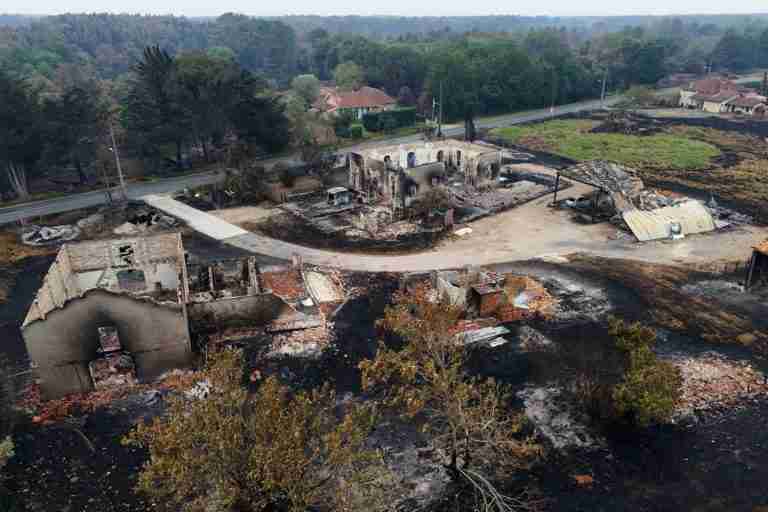
France was bracing for its fourth major heatwave of the year on Tuesday, as soaring temperatures and tinder-dry conditions across the southwest piled pressure on crews battling a giant wildfire in the Bordeaux region.

Temperatures in Bordeaux are forecast to reach 33 degrees Celsius (91 degrees Fahrenheit) during the day, around 7 degrees above the average high between 1961 and 1990, according to the Reuters Climate Monitor.

“The situation we are dealing with today is the most severe we have ever recorded, the toughest since the Second World War,” President Emmanuel Macron, who flew to the area, said on Monday evening.

Fire crews had contained the blaze overnight, but the situation remained difficult, Nathalie Delattre, Senator for Gironde which covers the city of Bordeaux, said.

“Everything will depend on how the firefighters on the ground get on,” she told BFM TV on Tuesday.

France is going through an unprecedented wildfire season. The area burned has already surpassed the previous record year of 2022.

The Landes area, southwest of Bordeaux, is covered by pine forests, which become highly flammable when dry. The fire has burned down 42,000 hectares so far.

Authorities have evacuated about 220,000 people, including holidaymakers and local residents.

In the area of Biscarrosse, a town about 40 km south, which was hit by another wildfire last week, the situation has improved and some 15,000 evacuated people were gradually allowed back home in the town and a campsite nearby, the local administration said on X.

“However, (the favourable) development does not mean the risk has been eliminated. Flare-ups remain possible, particularly due to weather conditions (wind, drought, etc.),” it said.

Temperatures were set to increase in the region from the afternoon and peak at 37 degrees Celsius on Wednesday, weather office Meteo France said.

Reporting by Yves Herman, Manuel Ausloos, Inti Landauro, Sarah Meysonnier; Editing by Andrew Heavens

UK’s Burnham outlines youth training overhaul as AI reshapes jobs market

Britain has faced a worsening youth employment crisis since the COVID-19 pandemic, with more than a million 16-to-24-year-olds not in education, employment or training

International News via Reuters:

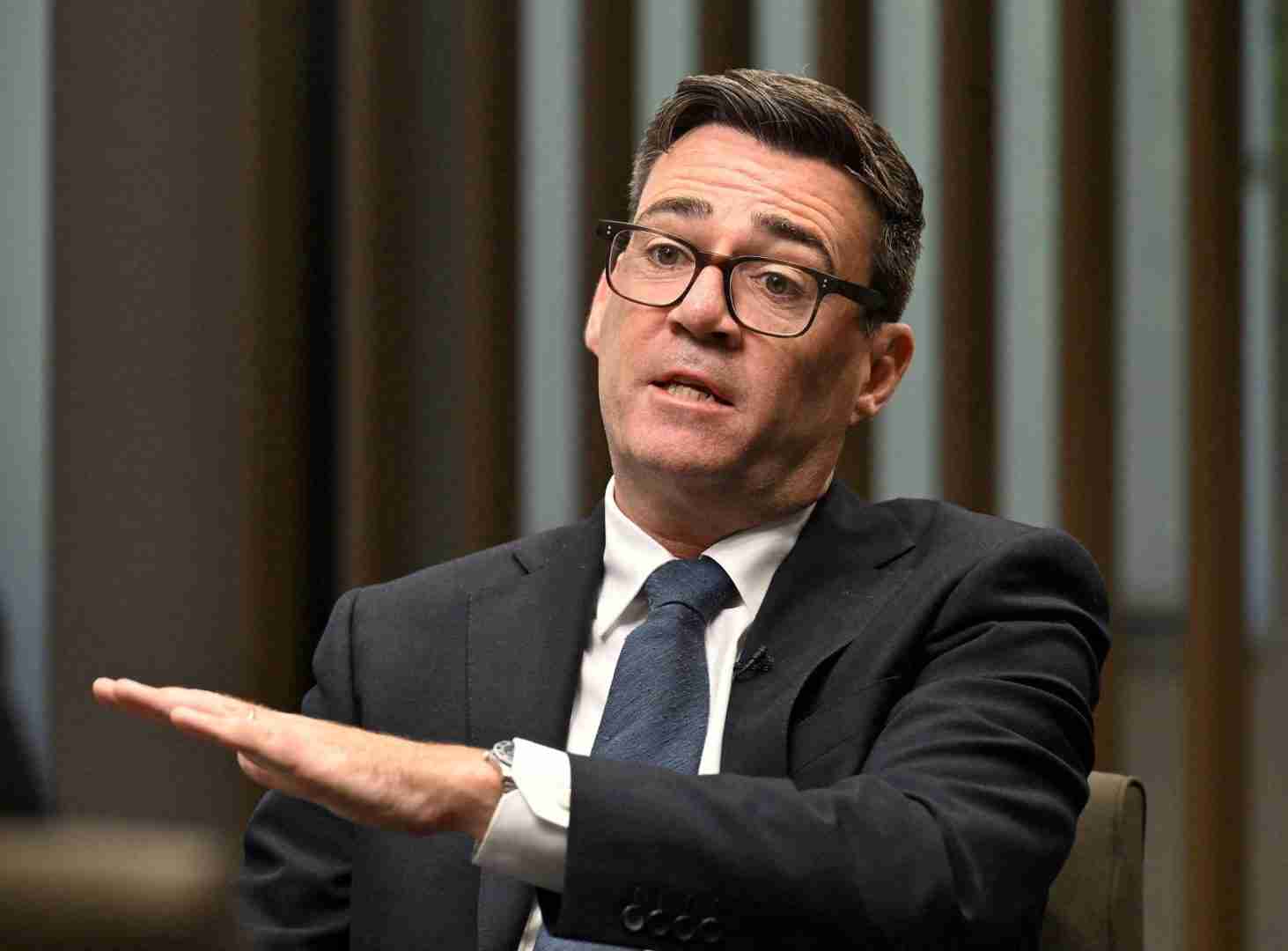
Britain’s new Prime Minister Andy Burnham on Tuesday outlined plans to align technical education and training for young people with local employment needs, seeking to tackle rising youth unemployment by preparing people for an AI-driven future.

Britain has faced a worsening youth employment crisis since the COVID-19 pandemic, with more than a million 16-to-24-year-olds not in education, employment or training.

For 18-to-24-year-olds, the percentage of so-called NEETs is 15.8%, more than triple that in the Netherlands, a country ministers have increasingly cited as a model for reform.

Burnham’s government, seeking to produce results quickly after a decade of political instability and stagnant living standards, says advances in artificial intelligence are changing the types of jobs available, increasing demand for new technical skills and giving “new life” to traditional trades.

NEW ROUTES TO WORK

In an article for the Times, Burnham said Britain had become too focused on university as the main route to success. 

Under his plans, pupils in England will be able to study core subjects such as English, maths and science alongside technical qualifications, work experience and employer-led projects. He hopes that regional authorities, schools, colleges and businesses will help design programmes around local labour market needs, with a national rollout planned from 2028.

A government-commissioned review warned in May that Britain risked creating a “lost generation” of young people. 

Last month, Work and Pensions Secretary Pat McFadden visited Dutch youth employment centres, known as Jongerenpunt, before announcing plans to open almost 180 new “Youth Hubs” to bring together employment, education, welfare and health support in a single location.

McFadden told Sky News on Tuesday the advance of AI meant that a country that had traditionally lagged its northern European peers in creating vocational routes into employment needed to change.  

“Perhaps the assumptions about what was a safe and secure job in the past no longer apply today,” he told Sky News. “This is a general-purpose technology. It will both destroy jobs and create jobs.”

Burnham’s plans build on efforts by previous governments to strengthen technical education, including T-level qualifications introduced under Theresa May, skills and apprenticeship reforms under Boris Johnson, and measures under Keir Starmer aimed at improving links between employers and education providers.

Reporting by Sam Tabahriti, additional reporting by David Milliken, editing by Andrei Khalip

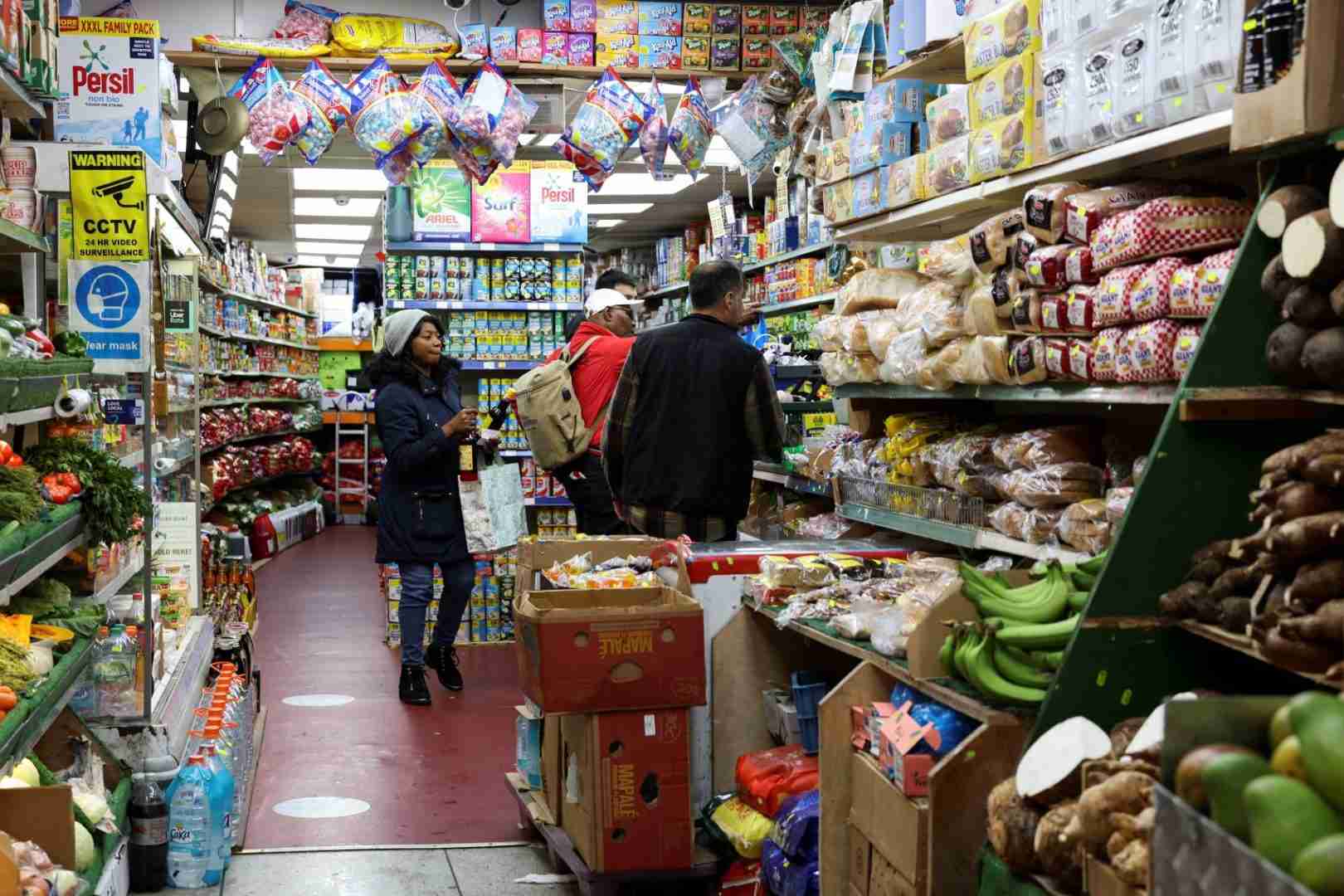
UK shop prices rise by least since December, BRC says

BRC annual shop price inflation fell to 0.9% in July from 1.2% in June after a 0.1% drop on the month

International News via Reuters:

Average prices at British retailers rose by an annual 0.9% this month, the smallest increase since December 2025, as the men’s soccer world cup triggered supermarket discounts on alcohol and snacks, the British Retail Consortium said on Tuesday.

“Retailers competed hard to limit prices rises, with a wave of summer promotions across food and other goods,” BRC Chief Executive Helen Dickinson said, adding that some clothing and footwear retailers were also discounting summer items.

• BRC annual shop price inflation fell to 0.9% in July from 1.2% in June after a 0.1% drop on the month

• Food price inflation slowed to 2.2% from 2.4%, its lowest since February 2025

• Non-food inflation slowed to 0.2% from 0.6%, though electrical and health and beauty product prices rose due to higher semi-conductor and manufacturing costs

• The BRC survey was based on prices collected between July 1 and July 9

• The Office for National Statistics’ broader consumer price inflation measure fell to a 15-month low of 2.6% in June

• Last month the Bank of England forecast CPI would rise to just over 3.25% later this year due to higher energy costs caused by the U.S.-Iran war

Reporting by David Milliken, editing by Andy Bruce

Britain’s FTSE indexes climb as consumer earnings boost offsets banks, energy drag

The blue-chip FTSE 100 index rose 0.5% to 10,845.71 points by 0950 GMT, while the mid-cap FTSE 250 climbed 0.2%

International News via Reuters:

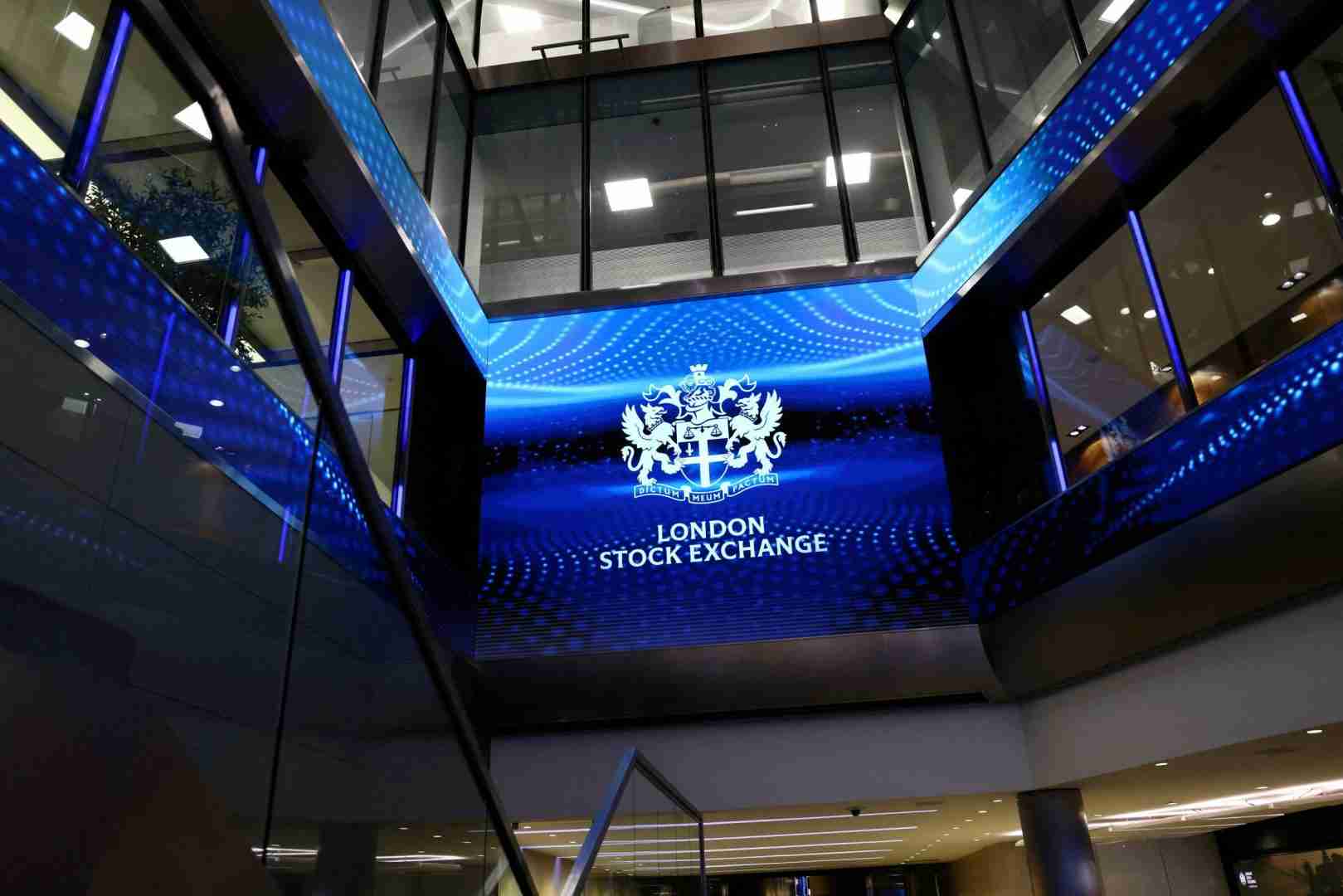
London’s main FTSE indexes edged higher on Tuesday, supported by earnings-driven gains in consumer-focused stocks, including Unilever and Man Group, shrugging off pressure from declines in banks and energy shares.

The blue-chip FTSE 100 index rose 0.5% to 10,845.71 points by 0950 GMT, while the mid-cap FTSE 250 climbed 0.2%.

• Unilever jumped 6.8%, putting it on track for its biggest one-day gain in two years, after the company raised its annual forecast and delivered its strongest quarterly volume growth in more than a decade, as consumers continued to buy brands such as Vaseline, Dove and Cif despite concerns over household budgets.

• Coats jumped 7.1% to the top of the FTSE mid-cap index after the thread maker reported higher first-half profit.

• Meanwhile, banks led sectoral declines, falling 0.7% after Barclays slipped 5.1% despite reporting a better-than-expected 17% rise in first-half profit, suggesting investors had already priced in robust results from British banks.

• Energy stocks also fell 0.6% as oil prices slid more than 2% as hopes for a resolution to the U.S.-Iran conflict grew. [O/R]

• Among individual stocks, Man Group shares jumped 4.6% to their highest since 2010 after the hedge fund manager posted a better-than-expected 11% half-yearly rise in assets under management.

• Canal+ jumped 6.2% after the French pay-TV and media group reported a slight rise in half-year revenue, as growth in its legacy businesses offset a narrowing decline at MultiChoice, the African broadcaster it acquired last year.

• Policy statements from the U.S. Federal Reserve and the Bank of England will be watched later this week for hints on the central banks’ next likely moves.

Reporting by Tharuniyaa Lakshmi in Bengaluru; Editing by Harikrishnan Nair

Britain’s FTSE indexes climb as consumer earnings boost offsets banks, energy drag

The pound traded near its weakest level since early July at $1.327 on Tuesday, down 0.1% on the day

International News via Reuters:

Sterling fell to a more than three-week low against a stronger dollar on Tuesday as lower oil prices eased inflation concerns, while expectations of a U.S. interest rate hike this week continued to support the greenback.

The pound traded near its weakest level since early July at $1.327 on Tuesday, down 0.1% on the day.

Brent crude retreated 2.6% to $86.08 a barrel, extending its pullback from last week’s spike above $100, amid growing hopes of a resolution to the U.S.-Israeli war on Iran after U.S. President Donald Trump said Washington was having “good talks” with Tehran.

Rate-sensitive 2-year gilt yields retreated 3 bps to 4.352%.

The Federal Reserve wraps up its two-day policy meeting on Wednesday, with traders pricing in a nearly 40% chance of a 25-basis-point rate hike, up from about 20% a week earlier, according to LSEG data. U.S. rate futures show 95% probability of a quarter-point increase by September.

“With a September hike now fully priced in by futures, we think that the bar for a hawkish surprise that meaningfully boosts the dollar is high,” said Matthew Ryan, head of market strategy at global financial services firm Ebury.

Softer labour-market data has cemented expectations the Bank of England stands pat on Thursday, but unease over the spending plans under the new Prime Minister Andy Burnham have weighed on the pound this month.

Burnham on Monday ruled out any changes to stamp duty, a tax on home sales, at the next budget due later in the year.

Previously Burnham has said he may ask people to pay “a little more” in tax as the country faces major spending pressures from an ageing population and a need to rebuild its armed forces as well as broader investment goals.

The pound was largely unchanged against the euro at 0.855 after retreating 1.1% from last week’s one-year high.

Reporting by Medha Singh in Bengaluru; Editing by Anil D’Silva

Heart of Bermuda: A winning tradition

Crown and Anchor: More than a game of chance

It’s a tradition that has become as synonymous with Cup Match as the cricket itself, yet surprisingly little is known about how it first arrived on the island. 
In tonight’s episode of Heart of Bermuda, Julie Matthews-Borchardt explores the history, the personalities and the enduring appeal of the island’s unique game of chance.

UK retailers report smallest sales drop since January, CBI says

The CBI said it hoped new Prime Minister Andy Burnham’s pledge to boost growth “in every postcode” would include lower property taxes for high-street retailers

International News via Reuters:

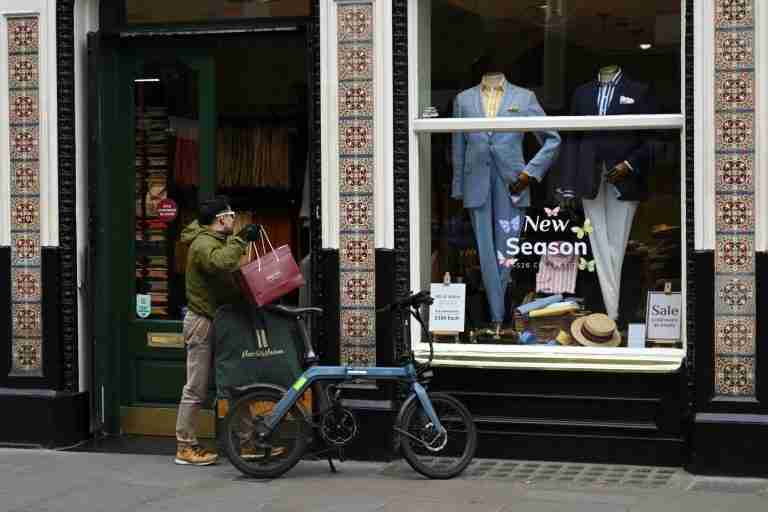
British retailers reported the smallest downturn in sales in six months in July but remained gloomy overall due to continued cost pressures, the Confederation of British Industry said on Monday.

The CBI’s headline distributive trades balance, which measures activity compared with a year earlier, jumped to -26 in July from -54 in June, its highest reading since January, while sales for the time of year were judged to be below normal for the time of year by the smallest amount since February.

“Retailers reported that the ongoing sales downturn lost steam in July, but a recovery still looks some way off as gloomy sentiment and elevated cost pressures weigh on activity,” CBI economist Martin Sartorius said.

• The CBI said it hoped new Prime Minister Andy Burnham’s pledge to boost growth “in every postcode” would include lower property taxes for high-street retailers

• The CBI also called on Burnham to tackle rising labour costs and preserve employers’ flexibility in hiring when the details of new employment legislation are finalised

• Wholesalers reported broadly unchanged sales volumes in July for the first time in just over 2 years

• Retailers’ expected sales volumes for August rose to -26 from -45, the strongest expectations since March

• CBI retail data has been persistently more downbeat than that from the British Retail Consortium and the Office for National Statistics

• ONS retail sales data last week showed 5.4% annual volume growth excluding fuel in the year to June, as a heat wave encouraged shoppers to buy summer clothing and fans online

• The CBI survey was based on responses from 67 retail chains and 105 wholesalers between June 26 and July 14

Reporting by David MillikenEditing by William Schomberg

Collective call for Cup Match road safety

A call for responsible driving during Cup Match went out today from Government, the Bermuda Road Safety Council and CADA (SCROLL down for full press conference).

Transport Minister Owen Darrell, BRSC Chair Altonio Roberts and CADA Chair Anthony Santucci echoed each other…


Minister Darrell also addressed the latest road traffic fatality on Sunday night, offering condolences to the family.

We have now reached ten road deaths so far this year, more than the annual statistics for 2025 and 2024.

Unless we arrest this trend, we are on target to equal the deadliest years on our roads of the last 25 years – 17 deaths per year in 2021 and 2008.

Minister Darrell eschewed talking about statistics regarding the most recent road fatality, but affirmed that Government was focused on updating laws to improve road safety…