Britain’s interior ministry declined to comment on individual cases, beyond saying it remains fully committed to members of the Hong Kong community in Britain
International News via Reuters:
Britain is looking again at an immigration order that a former Hong Kong political opposition leader must leave after a week’s visit, his lawyer said, after the order appeared at odds with UK policy on its former colony.
Wu Chi-Wai, a former leader of the now-defunct Democratic Party, had come to Britain last week to be reunited with his wife and son, after he was released in June from jail where he had been serving a sentence under China’s national security law.
Since the sweeping national security law was imposed on the city in 2020, the British government has made it easier for many Hong Kong residents to resettle by easing the residency requirements for the British National (Overseas) passport.
Wu’s lawyer said he had been stopped when he arrived at Heathrow Airport and told he could only stay for a week. His passport was also seized.
But lawyer Paul Harris said Wu was told on Monday that Border Force officials were now “revisiting the case”.
Britain’s interior ministry declined to comment on individual cases, beyond saying it remains fully committed to members of the Hong Kong community in Britain.
Wu’s treatment has sparked alarm among members of Hong Kong’s community in Britain.
Hong Kong’s history as a British colony means that many families have close ties to relatives in Britain who settled in the decades before 1997, when control of Hong Kong switched from Britain to China.
In February, the British government estimated that the easing of passport rules meant 170,000 Hong Kongers had moved since 2021, with a further 26,000 expected in five years under further easing.
Reporting by Kate Holton in London and Greg Torode in Hong Kong; Editing by Hugh Lawson
Bermuda’s Under-15 girls ended an impressive Goombay Cup campaign as runners-up after defeating hosts the Bahamas before narrowly losing a winner-takes-all clash against the Cayman Islands.
Knowing two victories on the final day would secure the title, Bermuda opened with a commanding performance before seeing their championship hopes ended in the tournament finale.
Bermuda made the perfect start against the Bahamas, taking the lead after just five minutes when sustained pressure forced an own goal.
The hosts responded before the interval to level the match at 1-1, but Bermuda took complete control after the restart.
Just one minute into the second half, Kierra Broadley-Samuels restored Bermuda’s advantage before adding her second goal only three minutes later to put her side firmly in command.
Tournament top scorer Priya Dill came off the bench to complete the scoring in the 43rd minute as Bermuda sealed an emphatic 4-1 victory.
The Goombay Cup came down to a final showdown with the Cayman Islands, with Bermuda needing victory to lift the trophy.
A disciplined defensive display ensured the teams remained locked at 0-0 through the first half in a tense and closely contested encounter.
The breakthrough came in the 34th minute when the Cayman Islands found the only goal of the match, leaving Bermuda chasing an equalizer.
Despite creating late pressure, Bermuda were unable to break through the Cayman defence, with the 1-0 defeat confirming the Cayman Islands as Goombay Cup champions.
Although the trophy slipped away in the final match, Bermuda’s campaign featured attacking football, resilient performances and another goal from Priya Dill. Finishing as runners-up provided further evidence of the promise within the island’s next generation of women’s football talent.
St George’s Cricket Club delivered a commanding all-round display to defeat Somerset Cricket Club by six wickets and lift the 2026 Colts Cup Match at Somerset Cricket Club.
Captain Keegan Jones produced a sensational spell with the ball before Logan Jones anchored a composed run chase, ensuring St George’s claimed the honours ahead of this week’s Annual Cup Match Classic.
After winning the toss and electing to field, St George’s were made to work hard early on as Somerset openers Callum MacFarlane and Patrick Dill shared an impressive 97-run opening partnership, putting the home side in complete control.
But the match turned dramatically once the first wicket fell.
With Somerset cruising at 97 without loss, Keegan Jones ripped through the batting order in devastating fashion. The skipper claimed 8 for 38 from 12.4 overs, including two maidens, as Somerset lost their final 10 wickets for just 42 runs to be dismissed for 139.
It was a match-winning spell that completely shifted the momentum and left St. George’s needing 140 for victory.
The chase was built around a superb 98-run third-wicket partnership between Logan Jones and Shane Robinson.
Jones paced the innings expertly, scoring 79 from 97 balls, striking 10 fours, while Robinson provided the acceleration with a fluent 50 from 60 deliveries, including seven fours and two sixes.
Although Callum McIntosh briefly raised Somerset’s hopes with figures of 2 for 47, St George’s remained in control, reaching 140 for 4 to complete a comfortable six-wicket victory.
With Keegan Jones producing one of the finest bowling performances of the season and Logan Jones guiding the chase with a captain’s knock of his own, St George’s head into the Annual Cup Match Classic with confidence after an emphatic Colts Cup triumph over their traditional rivals.
Bermuda’s athletes experienced mixed fortunes as the Central American and Caribbean (CAC) Games continued, with rugby sevens providing the day’s standout result.
The men’s rugby sevens team opened day two with a convincing 21-7 victory over Guatemala. Steven Doyling scored two first-half tries, both converted by Hadleigh Tucker, before Tucker added a try and conversion of his own to complete the win. Bermuda were unable to finish the day unbeaten, however, falling 20-14 to the Dominican Republic despite tries from Tucker and Aiden Kendall.
In hockey, Bermuda’s women suffered a heartbreaking 3-2 defeat to Barbados after surrendering a two-goal lead. Robin Stempel and Elizabeth Davidson had given Bermuda control before Barbados mounted a second-half comeback.
There were difficult outings in beach volleyball, with Benjamin Barnett and Connor Somerville losing in straight sets to Mexico, while Natalie Gazzard and Megan Hands were beaten by Nicaragua.
In tennis, Trey Mallory and Daniel Phillips exited the men’s doubles after taking the opening set against Venezuela, only to lose the next two, including a deciding match tiebreak.
While results were mixed across the competition, Bermuda’s victory over Guatemala highlighted another determined day of competition against some of the Caribbean and Central America’s strongest nations.
Against the yen, the U.S. dollar was down 0.2% at 163.53 yen, on course for its sharpest daily decline since July 10
International News via Reuters:
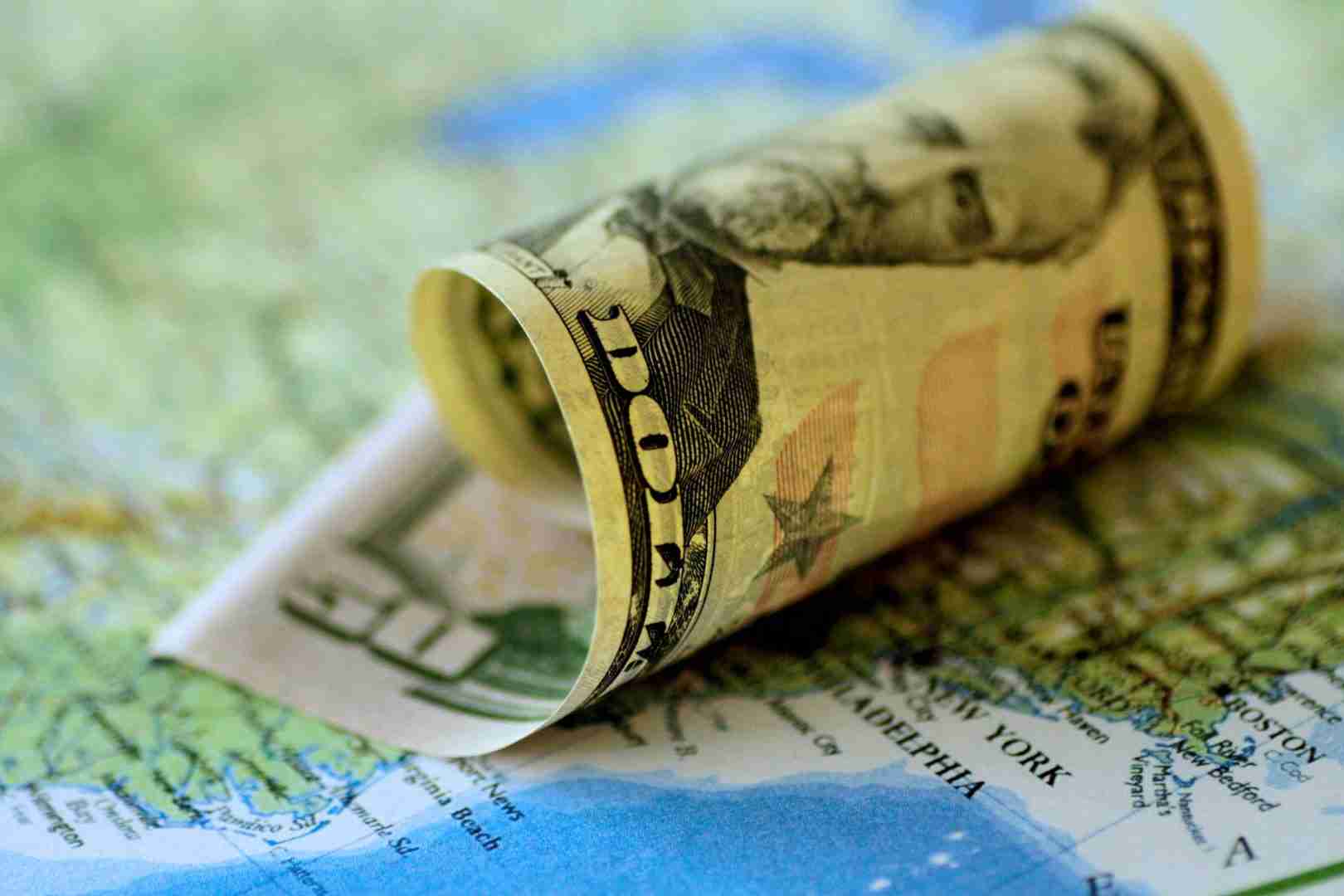
The dollar dropped against other major currencies on Monday, after the U.S. paused its bombing in Iran, which dragged oil prices lower and lifted investor confidence ahead of a busy week of central bank meetings.
Against the yen, the U.S. dollar was down 0.2% at 163.53 yen, on course for its sharpest daily decline since July 10. The euro was up 0.3% at $1.1404, while the pound rose 0.1% to $1.333.
Oil prices sank, with Brent crude tumbling 6.5% to $90.45 per barrel after the U.S. military temporarily halted its two-week-long strikes.
Iran will halt its own attacks as long as the U.S. does the same, a senior Iranian official told Reuters on Sunday, following a China-led push to resume stalled diplomatic efforts in Pakistan to end the war.
The dollar index, which measures the U.S. currency’s strength against a basket of six others, was flat at 101.27 ahead of the Federal Reserve’s July 28-29 policy meeting.
With new Fed Chair Kevin Warsh offering little guidance on the policy outlook, markets have dramatically recalibrated rate expectations this month, first after a softer-than-expected inflation report and then in response to an escalation in U.S.-Iran hostilities that briefly lifted crude above $100 a barrel.
Fed funds futures are pricing a one-in-three chance of a 25-basis-point hike on Wednesday, up from a 16% probability a week ago, according to the CME Group’s FedWatch tool.
“It could be that the market is not particularly well-informed after this meeting because Warsh doesn’t like to give forward guidance, and there is so much uncertainty, particularly with respect to how long the Iran war will last,” said Jane Foley, head of FX strategy at Rabobank.
The Bank of England and Bank of Japan are widely expected to keep interest rates unchanged at their meetings on Thursday and Friday, respectively, while maintaining a cautious stance on inflation.
POLICY UNCERTAINTY
With the yen pinned near last week’s 40-year lows against the dollar, the Bank of Japan is expected to leave the door open to further hikes to arrest the currency’s decline, although policymakers will likely stay ambiguous on the pace and timing of the moves. Verbal efforts to support the Japanese currency have so far yielded muted results.
“There is a sense of walking on eggshells when the Fed and Japan’s authorities are prepared to be less predictable and when there is not a great understanding of what could happen next between the U.S. and Iran,” wrote Paul Mackel, HSBC’s global head of FX research.
“We still side with favouring the dollar.”
Sterling was up for a second day after hitting multi-week lows of $1.330 against the dollar last week.
The Bank of England also faces renewed inflation risks from higher oil prices, just days after new Prime Minister Andy Burnham and Finance Minister John Healey took office.
The Norwegian crown strengthened 0.4% to 9.567 per dollar. The currency has been among the best-performing majors this month, buoyed by a rebound in oil prices that has improved the outlook for the energy-exporting economy.
In cryptocurrencies, bitcoin was up about 1% at $65,155.60, while ether climbed 2.7% to its highest since June 2 at $1,963.70.
Reporting by Gregor Stuart Hunter in Singapore and Medha Singh in Bengaluru; Editing by Shri Navaratnam, Amanda Cooper and Mrigank Dhaniwala
About 220,000 people have been evacuated in France, while in neighbouring Spain more than 75,000 people have been told to leave their homes and a further 30,000 ordered to shelter in place
International News via Reuters:
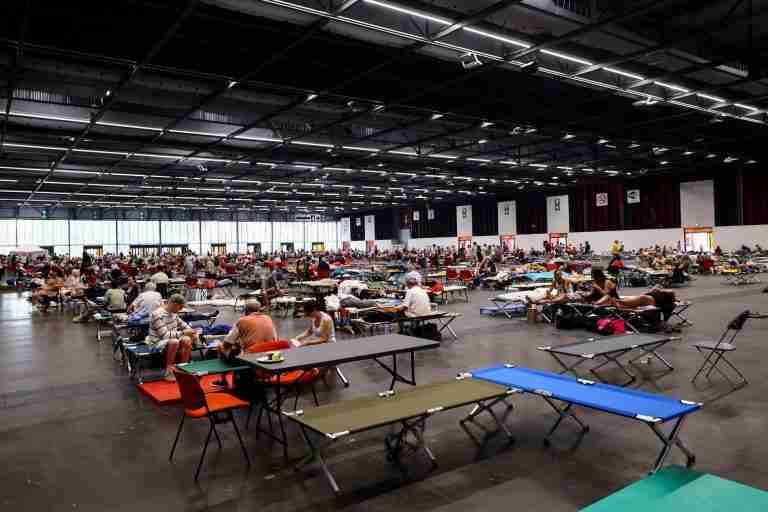
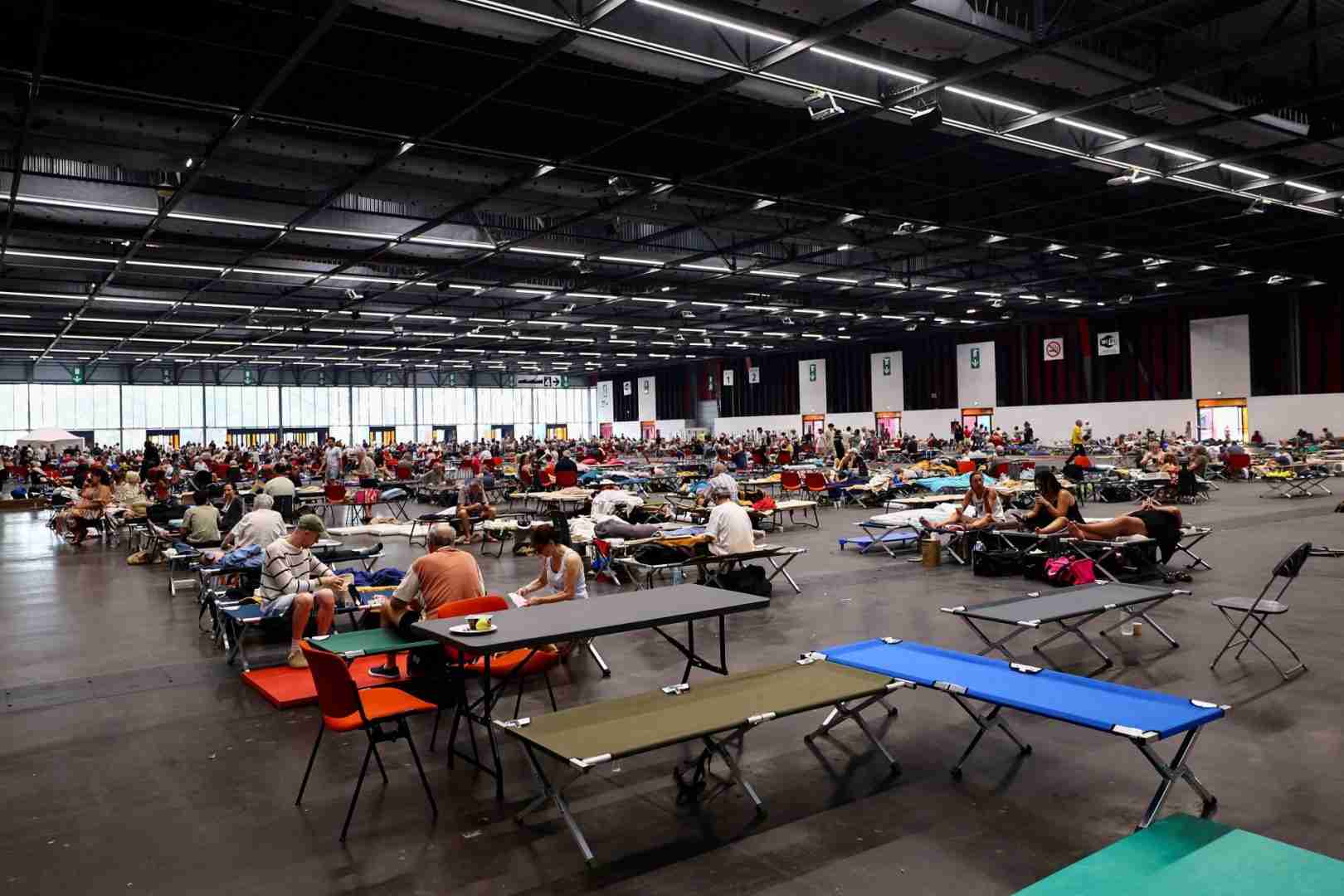
Firefighters battled massive wildfires threatening the French city of Bordeaux on Monday while crews in Spain struggled to control a series of forest blazes raging since last week, the result of a blisteringly hot and dry summer in Western Europe.
About 220,000 people have been evacuated in France, while in neighbouring Spain more than 75,000 people have been told to leave their homes and a further 30,000 ordered to shelter in place, authorities said over the weekend.
The French blazes, which broke out last week near the Atlantic coast, are now only 15 kilometres (9.3 miles) from entry points to the main metropolitan area of Bordeaux.
“This is a fire of a size never seen before,” Jerome Steffe, mayor of Cestas, said on Monday. Cestas is one of the suburbs just outside the main Bordeaux city area.
In Spain, fires were burning in the central provinces of Madrid, Avila and Toledo. Flames have devastated more than 50,000 hectares (123,500 acres) of countryside in Avila, making it the biggest wildfire in Spain’s recent history, according to Environment Minister Sara Aagesen.
A separate blaze in Spain’s eastern Castellon province has ravaged over 6,500 hectares, regional authorities said.
ECONOMIC IMPACT BEING FELT
The wildfires around Bordeaux in southwestern France have delivered a shock to the regional economy, Finance Minister Roland Lescure said on Monday. The region is one of the centres of French wine production and a major centre for tourism.
“It’s like a clap of thunder for an area which could have done without this,” Lescure told reporters.
President Emmanuel Macron’s government will discuss the wildfire situation at a cabinet meeting on Monday.
Spanish Prime Minister Pedro Sanchez has said his government will on Tuesday declare a civil protection emergency for the central provinces plagued by the wildfires, unlocking additional recovery funding.
More than 150,000 hectares have burned across Spain since January, Sanchez has said, six times the area destroyed during the same period last year.
In both Bordeaux and Avila, July high temperatures have averaged 32 degrees Celsius (90 degrees Fahrenheit), almost 6 C above the month’s normal high between 1961 and 1990, according to the Reuters Climate Monitor.
RESPONSE UNDER SCRUTINY
The scale of this summer’s wildfires in Europe is putting pressure on firefighting resources and raising questions about how to respond.
Under the European Union’s civil protection mechanism, Greece and Italy have each sent two Canadair water-bombing aircraft to Spain, while Portugal has deployed more than 100 military personnel along with equipment.
Two more planes were due to arrive from Turkey, the Spanish interior ministry said.
French firefighters are hoping to take advantage of more favourable conditions on Monday before the temperatures rise again to as high as 37 C (98.6 F) later this week in the Bordeaux area, according to forecasts from France’s weather office.
“It’s a race against time before the heatwave returns,” said Steffe, the mayor of Cestas.
Reporting by Sudip Kar-Gupta, Manuel Ausloos, Elizabeth Howcroft, Yves Hermann and David Latona;Writing by Keith Weir, editing by Andrei Khalip Editing by Raju Gopalakrishnan
Iran said on Sunday it would halt its own attacks as long as the United States did the same, with the U.S. military reportedly concerned about dwindling supplies of ammunition
International News via Reuters:
Global stock markets climbed on Monday as easing Middle East hostilities sent oil prices sharply lower and eased inflation worries ahead of a packed week of central bank meetings and earnings reports.
Iran said on Sunday it would halt its own attacks as long as the United States did the same, with the U.S. military reportedly concerned about dwindling supplies of ammunition. The lull in fighting over the Strait of Hormuz saw Brent crude slide 6.3% to $90.70 a barrel, while U.S. crude dropped 5.7% to $84.12. [O/R]
Stock markets across the globe staged a relief rally on Monday after intense fighting in the Middle East over the past week pushed oil prices to above $100 a barrel.
Europe’s STOXX 600 climbed nearly 0.5%, at one point, touching its highest since July 7. Economically sensitive retail and travel stocks rallied more than 2% although a drop in oil stocks weighed on the broader market. [.EU]
S&P 500 futures rose 0.9%, while Nasdaq futures jumped 1.5%. The MSCI’s broadest index of Asia-Pacific shares outside Japan rose 0.3%.
The euro edged up 0.23% to $1.1395. Most major currencies also advanced against the dollar, as traders slightly pared back the probability of rate hikes from the Federal Reserve this week.
The U.S. central bank’s decision is due on Wednesday and markets imply around a one-in-three chance of a rate rise, though most analysts doubt Chair Kevin Warsh would be in favour of such a move.
“A rate hike this week would send (a) powerful signal at the start of his term that he is serious about improving the Fed’s inflation fighting credibility. However, we are not convinced that he wants to back up his tough talk on inflation with policy action as soon as this week,” Lee Hardman, a senior currency analyst at MUFG said in a note.
“If inflation risks do not ease over the summer, a September rate hike would become more likely.”
The Bank of England will announce its policy decision on Thursday and the Bank of Japan on Friday, and both are expected to hold steady, while remaining cautious about inflation risks ahead.
The dollar dipped 0.2% against the yen to 163.53.
TECH EARNINGS TO TEST BULLS
Chinese blue chips gained 1.2% as chipmaker CXMT Corp surged nearly 500% in its Shanghai trading debut after raising $8.6 billion in Asia’s biggest initial public offering this year.
About one-third of S&P 500 companies are due to report this week, with earnings on track to boast a 26.5% increase over last year, according to LSEG IBES data.
With expectations so high and mounting unease over the vast cost of AI capex, even blockbuster results may not be enough to please investors.
The massive sums involved were underlined by a Wall Street Journal report that Nvidia was in talks to provide a roughly $250-billion backstop for OpenAI as part of a data center project.
Companies reporting this week include tech darlings Microsoft, Meta Platforms, Amazon, Apple and Qualcomm, along with a host of industrial, defence and healthcare stocks.
Data highlights include U.S. advance second-quarter GDP with growth expected to pick up to an annualised 1.5% after a soft start to the year. The June PCE price index, personal income and consumption, weekly jobless claims, second quarter employment cost index and July Michigan consumer sentiment round out the week’s diary.
The euro zone’s schedule includes flash Q2 GDP, July economic sentiment, consumer confidence, flash inflation and June unemployment.
The Ifo Institute’s survey on Monday showed German business morale grew more than expected in July thanks to significantly improved expectations.
The pullback in oil helped 10-year Treasury yields fall 3.8 basis points to 4.64%.
In commodity markets, the drop in yields helped non-interest-paying gold climb 0.92% to $4,090.45 an ounce. [GOL/]
Reporting by Wayne Cole and Sruthi Shankar; Editing by Stephen Coates, Sam Holmes and Mrigank Dhaniwala
The ECB left rates unchanged last week but clearly hinted at a rate hike at its next meeting in September as oil and gas prices both surged this month on renewed conflict in the Middle East
International News via Reuters:
The European Central Bank will need to raise interest rates at least once more to contain inflation and a deterioration in the outlook could warrant more tightening than now expected, Slovak central bank chief Peter Kazimir said on Monday.
The ECB left rates unchanged last week but clearly hinted at a rate hike at its next meeting in September as oil and gas prices both surged this month on renewed conflict in the Middle East.
“I remain of the view that at least one more hike will be needed as part of our measured adjustment to inflation risks,” Kazimir, an outspoken policy hawk, said in an opinion piece. “This is warranted even if the situation improves somewhat.”
He added that “very convincing” economic data and geopolitical developments would be needed in the coming weeks for him not to advocate a move in September.
A key reason the ECB held out this month was that the inflation surge has yet to generate any significant second-round price impacts but Kazimir said policymakers needed to act preemptively.
“They often form quietly. By the time they are fully visible, they are costly to reverse. Our task is to act before that point, not after,” he said.
Financial markets see at least two more rate hikes from the ECB, with the first move fully priced in by October and the second by March.
These expectations are highly volatile, however, and move with oil prices, which are now between the ECB’s “baseline” and “milder” scenarios.
“Should the situation escalate, with the price pressures becoming stronger and more persistent, we will need to tighten more over the next quarters than is currently expected,” Kazimir added.
“We did not surprise the markets in July, and we should not surprise them in September,” Kazimir said.
Reporting by Balazs Koranyi; Editing by Sharon Singleton
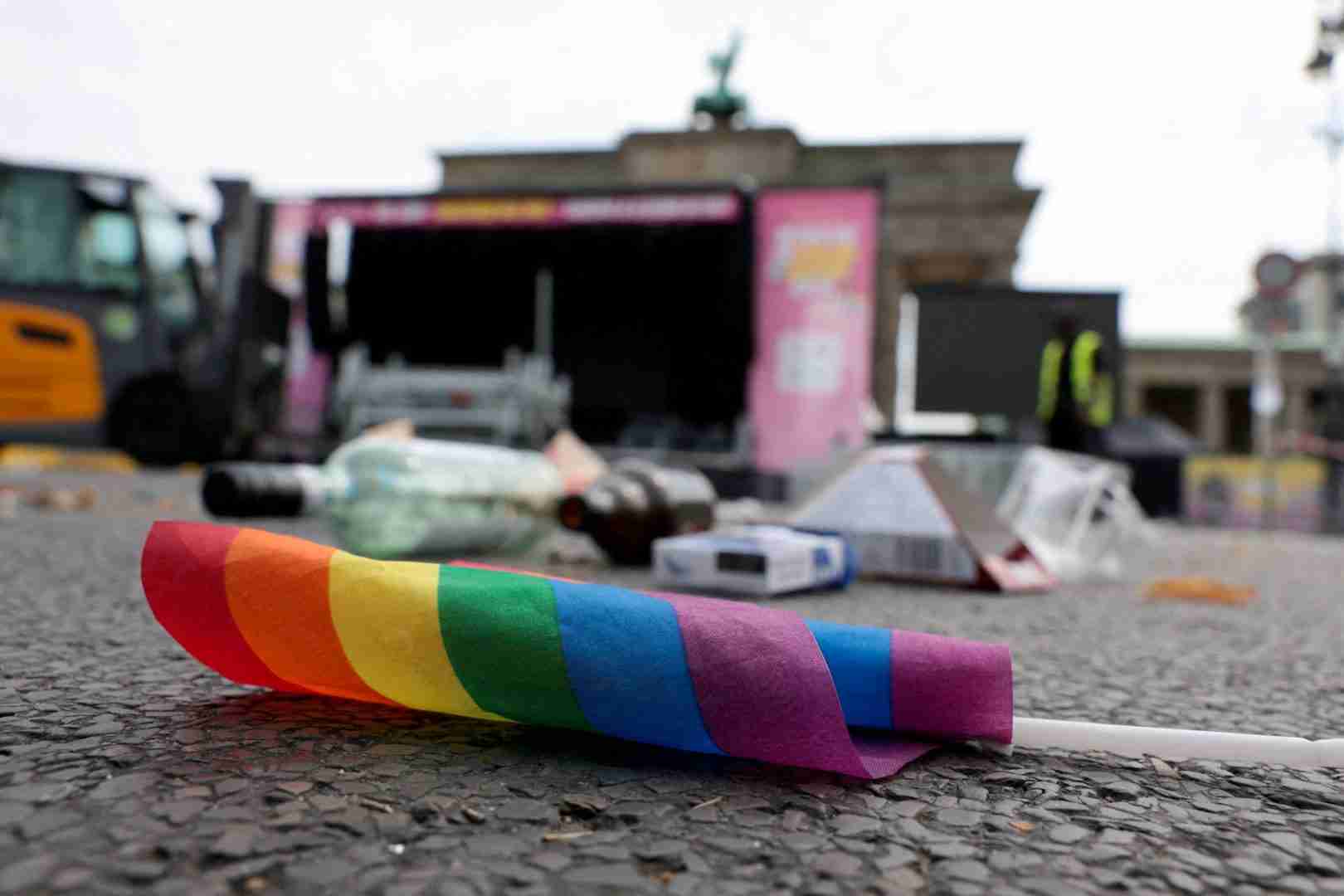
Organisers of the parade cancelled several related events after Saturday night’s attack, including a breakfast market at a popular food hall and a post-parade clean-up
International News via Reuters:
Members of Berlin’s LGBTQ community and others voiced grief, anger and solidarity on Sunday after a vehicle rammed into crowds at the city’s annual Christopher Street Day Pride celebrations, killing one person and injuring more than a dozen.
Organisers of the parade cancelled several related events after Saturday night’s attack, including a breakfast market at a popular food hall and a post-parade clean-up.
Instead, thousands of people gathered for a community vigil at 2 p.m. (1200 GMT) in Pariser Platz, the square surrounding the Brandenburg Gate, just a few hundred metres from where the attack took place.
The event hit maximum capacity about 30 minutes after beginning, despite on and off rain, with police limiting attendance due to security precautions, according to organisers.
Attendees held a moment of silence for the victims and waved pride flags, with one holding an oversized sign reading “From grief, to anger to resistance!”
German Chancellor Friedrich Merz and Justice Minister Stefanie Hubig attended a memorial service at the medieval St Mary’s Church.
Alfonso Pantisano, the Berlin state government’s LGBTQ affairs commissioner, said he was at Brandenburg Gate when everything changed in a matter of moments.
“To you, my dear community: I know that many of you are afraid right now. I won’t sugarcoat it – I am, too. But you are not alone in this fear, in your grief, and in your anger,” Pantisano wrote on Instagram.
BERLIN HAS LONG HISTORY AS LGBTQ HUB
Up to 1 million people participate in Berlin’s CSD parade each year, according to city authorities.
The march through Berlin’s green heart, the Tiergarten park, brings together groups and supporters campaigning for the rights and inclusion of gay, lesbian, bisexual, transgender and intersex people.
The event — first held in 1979 — takes its name from Christopher Street in New York’s Greenwich Village, commemorating the 1969 Stonewall uprising against police raids and harassment.
Berlin has long occupied a central place in the history of gay rights and culture, starting in the late 19th century, when sexologist Magnus Hirschfeld founded what is regarded as the world’s first gay rights organisation in 1897.
The city became an international hub of gay and lesbian life during the liberal Weimar era, but the flourishing cultural scene that emerged was largely destroyed under Nazi rule.
Despite continued discrimination after World War Two and during Germany’s division, gay communities gradually re-emerged in Berlin through bars, social organisations and political activism.
“I hope that many people realise how important it is that we stay strongly together, now more than ever,” German rapper Ikkimel, who was part of the stage show for the first day of CSD, wrote on Instagram.
“Please please please stay strong. I will always stand up for us.”
Reporting by Miranda Murray, Lena Toepfler and Martin Schlicht; Editing by Helen Popper and Peter Graff
The two leaders are expected to meet at a naval base, where they will hear how UK-led training programmes are helping strengthen Ukraine’s armed forces and deliver results on the battlefield
International News via Reuters:
Britain’s new prime minister, Andy Burnham, will welcome Ukrainian President Volodymyr Zelenskiy as his first international visitor on Monday, in a move that underscores London’s steadfast support for Ukraine, Burnham’s office said.
• The two leaders are expected to meet at a naval base, where they will hear how UK-led training programmes are helping strengthen Ukraine’s armed forces and deliver results on the battlefield, according to Downing Street.
• “Britain stands with Ukraine, shoulder to shoulder, and our support remains unwavering,” Burnham said in a statement. “Russia should be in no doubt of our resolve, and we will not back down until we achieve long-lasting and just peace for Ukraine.”
• During the visit, Burnham and Zelenskiy will meet more than 200 Ukrainian military personnel and sailors who have spent the past three weeks in Britain taking part in Exercise Sea Breeze, a maritime security and counter-mine exercise designed to prepare participants for future missions in the Black Sea.
• Since Russia’s full-scale invasion in 2022, the UK’s total support for Ukraine has reached £25 billion ($33.3 billion), including £16 billion in military assistance and £5.6 billion in non-military support, Burnham’s office said.
• Burnham’s predecessor Keir Starmer visited Kyiv days before he stood down earlier this month, where he pledged €300 million ($345 million) to help equip Ukraine with a squadron of 16 Swedish-made Gripen fighter jets.
Burnham’s predecessor Keir Starmer, who announced he was stepping down last month, had a fraught relationship with Trump due to differences over the U.S.-Israeli war on Iran, immigration, energy and tech regulation
International News via Reuters:
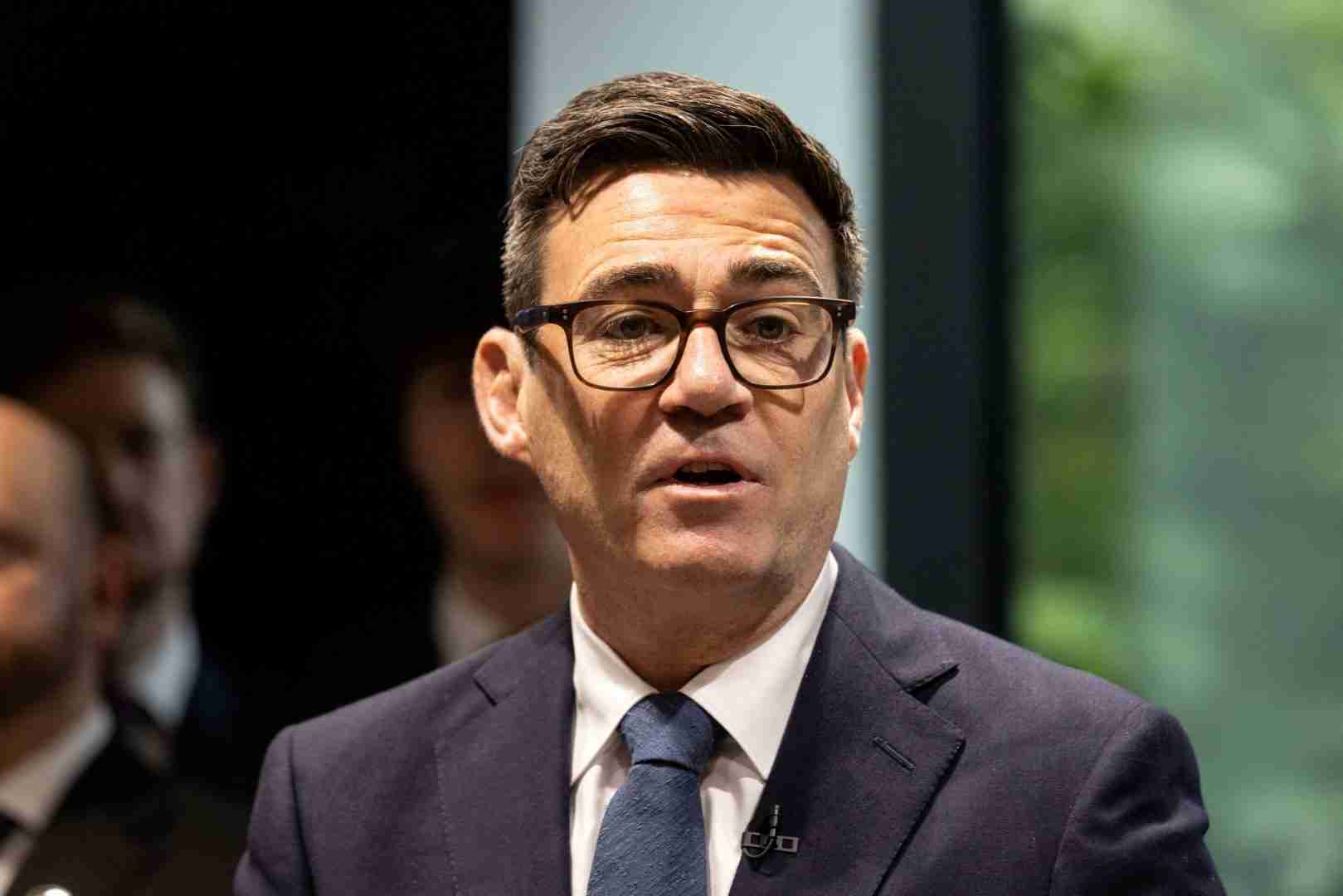
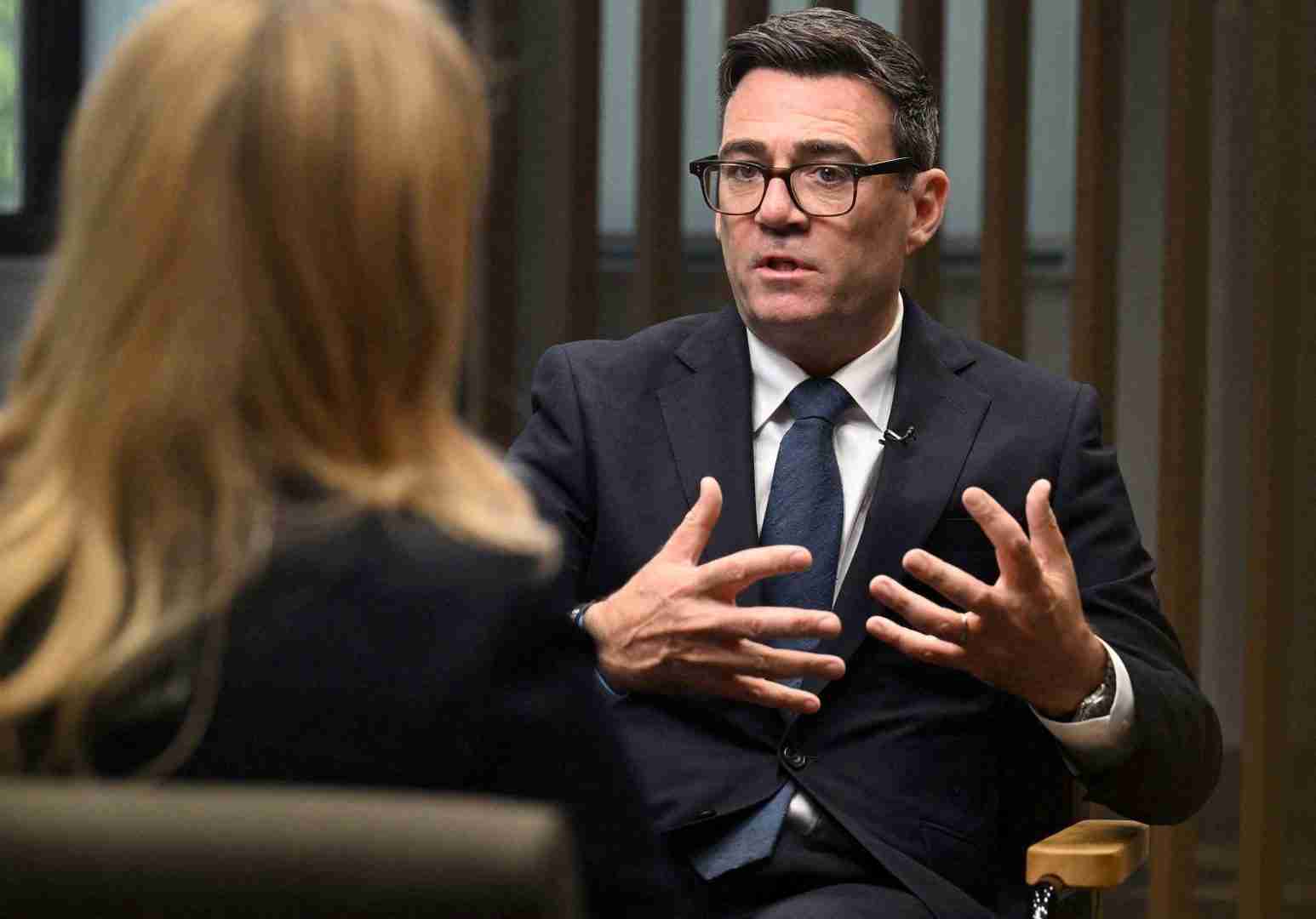
Britain’s new Prime Minister Andy Burnham “will always put Britain’s interests first”, he told the BBC in an interview when asked whether he was willing to call out U.S. President Donald Trump.
Burnham’s predecessor Keir Starmer, who announced he was stepping down last month, had a fraught relationship with Trump due to differences over the U.S.-Israeli war on Iran, immigration, energy and tech regulation.
While Trump initially described Starmer’s successor as “extremely liberal”, he said this week he had a “very good conversation” with Burnham, who became Britain’s seventh prime minister in a decade on Monday.
In his first major interview since taking office, parts of which were released on Sunday, BBC journalist Laura Kuenssberg asked Burnham if he was willing to call out Trump if he thought it was the right thing to do.
“All leaders have to do that. You have to defend your own national interest before anything else. That’s what you’re required to do if you’re to do this job properly,” he said.
The prime minister also said he would not call a general election before 2029.
“I’m going to rule it out. Yeah, there’s no early general election. I don’t think people want it,” he said.
UK WILL HONOUR NATO PROMISES, RAMP UP DEFENCE SPENDING
On Britain’s national defence, Burnham said he was “absolutely committed” to what was promised to NATO partners. London has pledged to spend 3.5% of GDP on defence by 2035, in line with a new NATO target.
“We’ve got to work out the way of doing that,” he said.
“The first challenge … is to ensure that the defence investment plan is fully funded, and that’s the thing that’s right in front of us, and we need to work that through as we go towards the budget later this year,” he said.
Burnham’s newly appointed chancellor (finance minister) John Healey resigned as defence minister in the previous government after saying that, unless a commitment was made to spend 3% of GDP on defence by 2030, Britain would not be safe.
Burnham did not commit to the 2030 target in the interview.
When asked on Sunday, Wes Streeting, who was appointed defence secretary by Burnham last week, said any timetable for increasing defence spending was the decision of the finance minister.
“It’s for the chancellor to set out, both at the budget and future spending reviews, how we will achieve 3.5% by 2035,” he told Sky News.
The full interview with Burnham will air on the BBC’s Panorama programme on Monday.
Reporting by Chandni Shah in Bengaluru and Paul Sandle in London; Editing by Joe Bavier
Hours after the apparent attack many details remained unclear, but police said the vehicle struck multiple people after charging into the city’s central Tiergarten park close to the Brandenburg Gate
International News via Reuters:
One person has been killed and 17 injured, with some in life-threatening condition, after a vehicle mowed down a crowd near Berlin’s Pride celebrations on Saturday evening, setting off a manhunt for those responsible, the police said.
Hours after the apparent attack many details remained unclear, but police said the vehicle struck multiple people after charging into the city’s central Tiergarten park close to the Brandenburg Gate. They later said they had identified an Islamist as a suspect and were seeking his arrest.
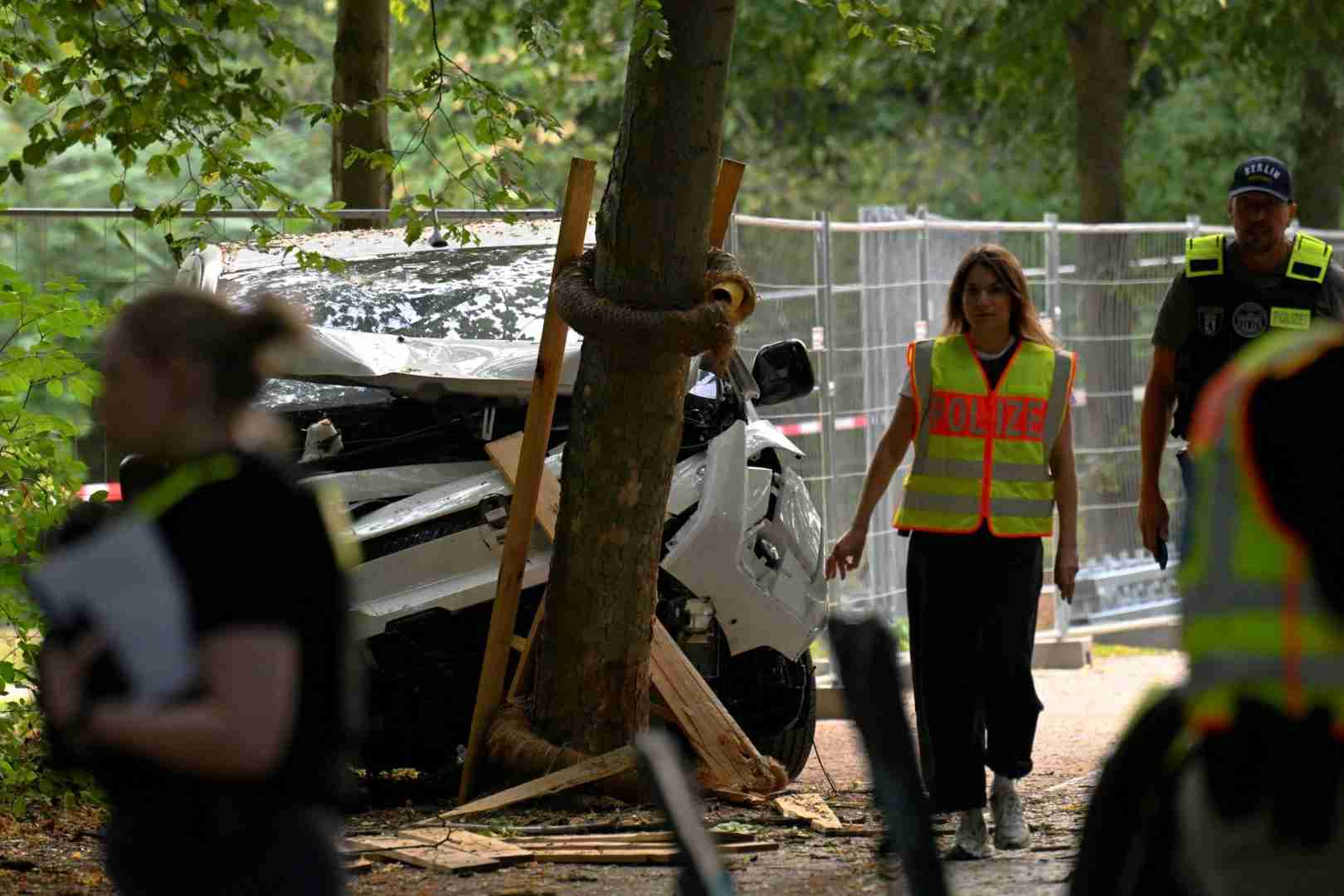
“According to our latest information, the vehicle drove … into the Tiergarten around 10 p.m. (2000 GMT), injuring several people in the process, and then came to a standstill after hitting a tree here in the Tiergarten,” a police spokesperson at the scene said.
“It was empty, which is why we are currently working intensively to track down the perpetrator or perpetrators.”
EIGHT SERIOUSLY INJURED
Among the injured, eight had serious injuries and of those, three were in life-threatening condition, a fire brigade spokesperson said.
“We have now identified a suspected perpetrator. Measures against this suspected perpetrator, who has not yet been arrested, are underway. However, this suspected perpetrator is known to the police as a member of the Islamist scene here in Berlin,” the police spokesperson told reporters.
The police said the vehicle was white, describing it as possibly a car or minivan or minibus. Tabloid newspaper Bild cited a witness as saying it was a van and that a man emerged from it and fled on foot.
Hundreds of thousands of people had gathered peacefully in the German capital for the annual Christopher Street Day celebrations, one of Europe’s largest LGBTQ events, before the apparent attack brought it to an abrupt end.
A large number of emergency service vehicles were at the scene.
“It’s one of the worst days for the queer community and a day I personally hoped I’d never have to experience… I’m shocked,” said Julian Miethig, who attended the event.
Christopher Street Day draws hundreds of thousands of people to the German capital each year. The event commemorates the 1969 Stonewall uprising in New York and combines a parade with political demands for equality, inclusion and protection against discrimination.
SERIES OF CAR ATTACKS
First held in West Berlin in 1979, the CSD has grown from a small demonstration into a major fixture of the city’s cultural and political calendar. The parade is the centrepiece of the CSD, but it is accompanied by a range of political, cultural and party events held across the city.
Germany has in recent years suffered a series of incidents in which a car has charged into a crowd, causing deaths.
In May, a man believed to have mental health issues drove his car into a central pedestrian zone of the eastern German city of Leipzig, killing two people and seriously injuring three.
Last year, two people were killed in the western city of Mannheim when a 40-year-old man whom authorities described as psychologically unwell drove a car into a group of pedestrians. Weeks before that, an Afghan national suspected by prosecutors of having carried out a similar attack on a trade union demonstration in Munich, killing two and injuring more than 40, including children.
In December 2024, several people were killed in a car-ramming attack on a Christmas market in the eastern city of Magdeburg. The suspected perpetrator was a psychiatrist from Saudi Arabia with a history of anti-Islamic rhetoric who had lived in Germany for almost two decades.
Reporting by Kirsti Knolle, Michele Sani and Martin Schlicht and Christian Mang in Berlin and Sabine Wollrab in Frankfurt; Writing by Francois Murphy; Editing by Rod Nickel, David Gregorio and Matthew Lewis
To provide the best experiences, we use technologies like cookies to store and/or access device information. Consenting to these technologies will allow us to process data such as browsing behavior or unique IDs on this site. Not consenting or withdrawing consent, may adversely affect certain features and functions.
Functional
Always active
The technical storage or access is strictly necessary for the legitimate purpose of enabling the use of a specific service explicitly requested by the subscriber or user, or for the sole purpose of carrying out the transmission of a communication over an electronic communications network.
Preferences
The technical storage or access is necessary for the legitimate purpose of storing preferences that are not requested by the subscriber or user.
Statistics
The technical storage or access that is used exclusively for statistical purposes.The technical storage or access that is used exclusively for anonymous statistical purposes. Without a subpoena, voluntary compliance on the part of your Internet Service Provider, or additional records from a third party, information stored or retrieved for this purpose alone cannot usually be used to identify you.
Marketing
The technical storage or access is required to create user profiles to send advertising, or to track the user on a website or across several websites for similar marketing purposes.