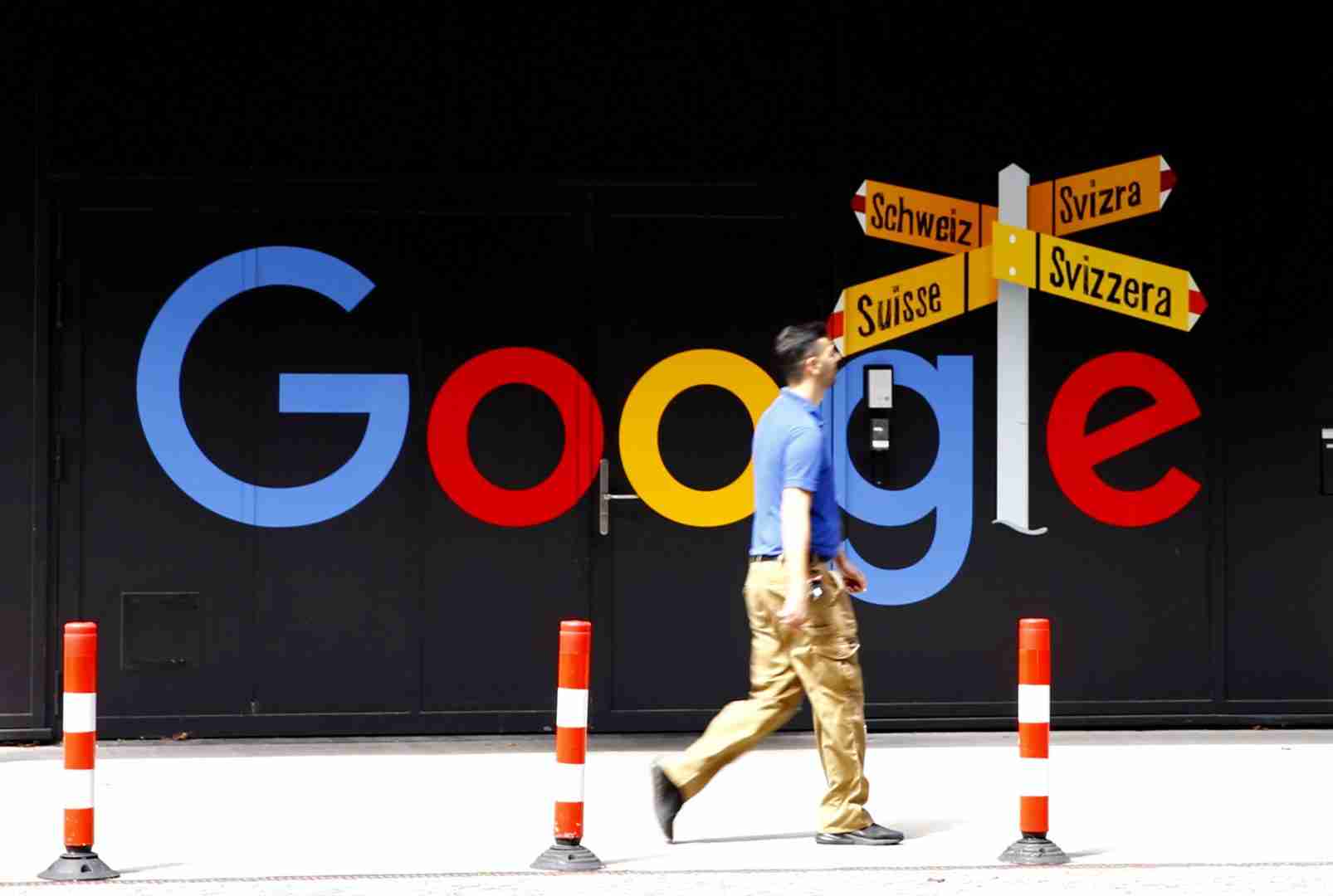
The “Choice Screen” feature allows users to choose their default search engines during the initial set up of their new Android device
International News via Reuters:
Switzerland’s Competition Commission (COMCO) has launched a preliminary investigation into Google’s removal of a feature that allows mobile phone users to opt out of using its search engine as default, the authority said on Tuesday.
The “Choice Screen” feature allows users to choose their default search engines during the initial set up of their new Android device.
COMCO said Google had removed this feature in Switzerland, even though it remained available in other countries in Europe.
As a result, the Google search engine is imposed as the default option for Swiss users.
Google said it was aware of the investigation. “We look forward to cooperating fully with the authority to address their questions,” a spokesperson said.
In digital markets, default settings play a decisive role, COMCO said, with the removal of the option limiting the visibility of other search engines competing with Google when users set up their devices.
“This new practice by Google could affect the ability of search engine providers and, more broadly, other digital service providers to compete,” COMCO said.
“It also creates an unequal treatment between Swiss users and those in the European Economic Area,” it added.
The preliminary investigation will determine whether there were any indications of unlawful competition under the Swiss Cartel Act.
Google has a dominant position in the Swiss online market, holding 82% of the search market in the country, according Statcounter, a web analytics company.
Reporting by John Revill, editing by Miranda Murray
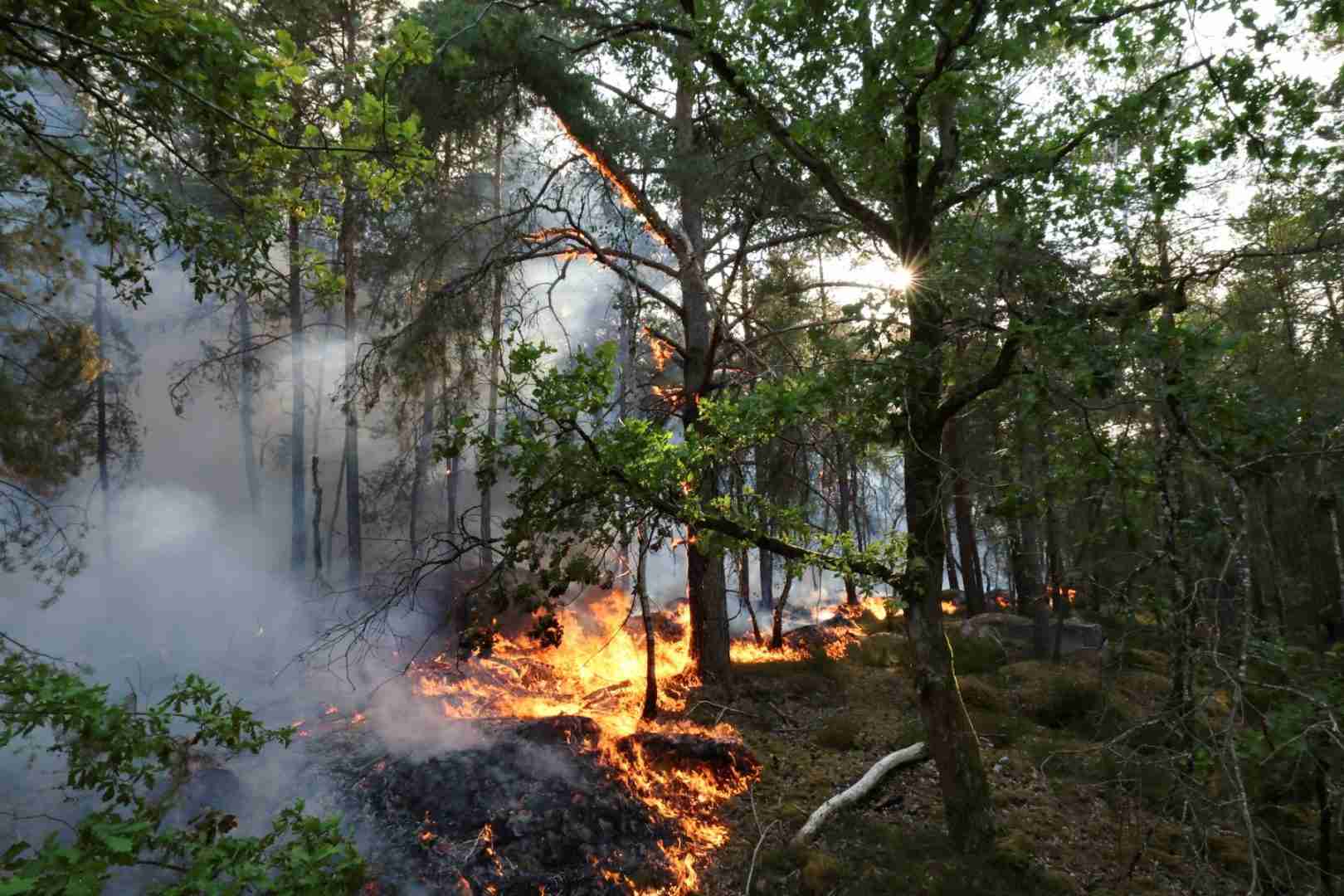
For the first time, Canadair aircraft on Monday skimmed the River Seine to fill their tanks, attempting to contain a blaze that turned the sky black
International News via Reuters:
Firefighters battled through the night to tackle a blaze that tore through a historic forest near Paris on Tuesday, with at least two people arrested on suspicion of having started the fire near one of France’s best-known royal palaces.
“It is not under control,” Interior Minister Laurent Nunez said late on Monday, adding that the main blaze in Fontainebleau and another one nearby that started on Monday afternoon had scorched 1,300 hectares (3,212 acres).
Nunez said the fire was just a few kilometres away from the Palace of Fontainebleau, which explained the deployment of considerable resources, including water-carrying planes and helicopters.
For the first time, Canadair aircraft on Monday skimmed the River Seine to fill their tanks, attempting to contain a blaze that turned the sky black.
Just 70 km (40 miles) from Paris, the fire forced the closure of the A6 highway linking the capital with Lyon and the south. Smaller fires in the area also disrupted high-speed train services.
As many as 900 people were evacuated from their homes.
Nunez said the Fontainebleau blaze is contributing to what will likely be a historic year for fires in France, with 32,000 hectares burned already this year, more than the total in 2025.
“We’ll probably have a record year,” he said. “We expected this with this major drought.”
Europe is enduring its third heatwave of the summer, with tinder-dry vegetation and high temperatures fuelling blazes from the Iberian Peninsula to France. Many scientists say climate change is making wildfires more frequent and difficult to combat.
Nunez said 59 people have been arrested across France on suspicion of starting fires across the country. Around half were adults and half minors, with some repeat offenders, he said.
Reporting by Gabriel Stargardter; Editing by Kevin Buckland
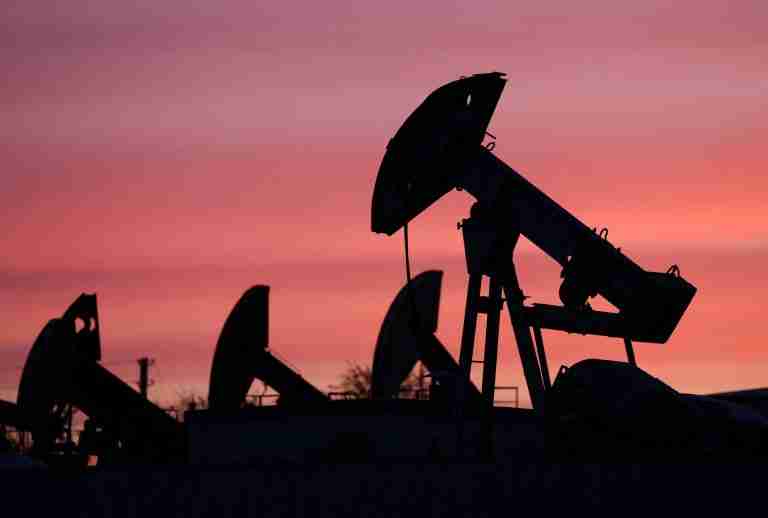
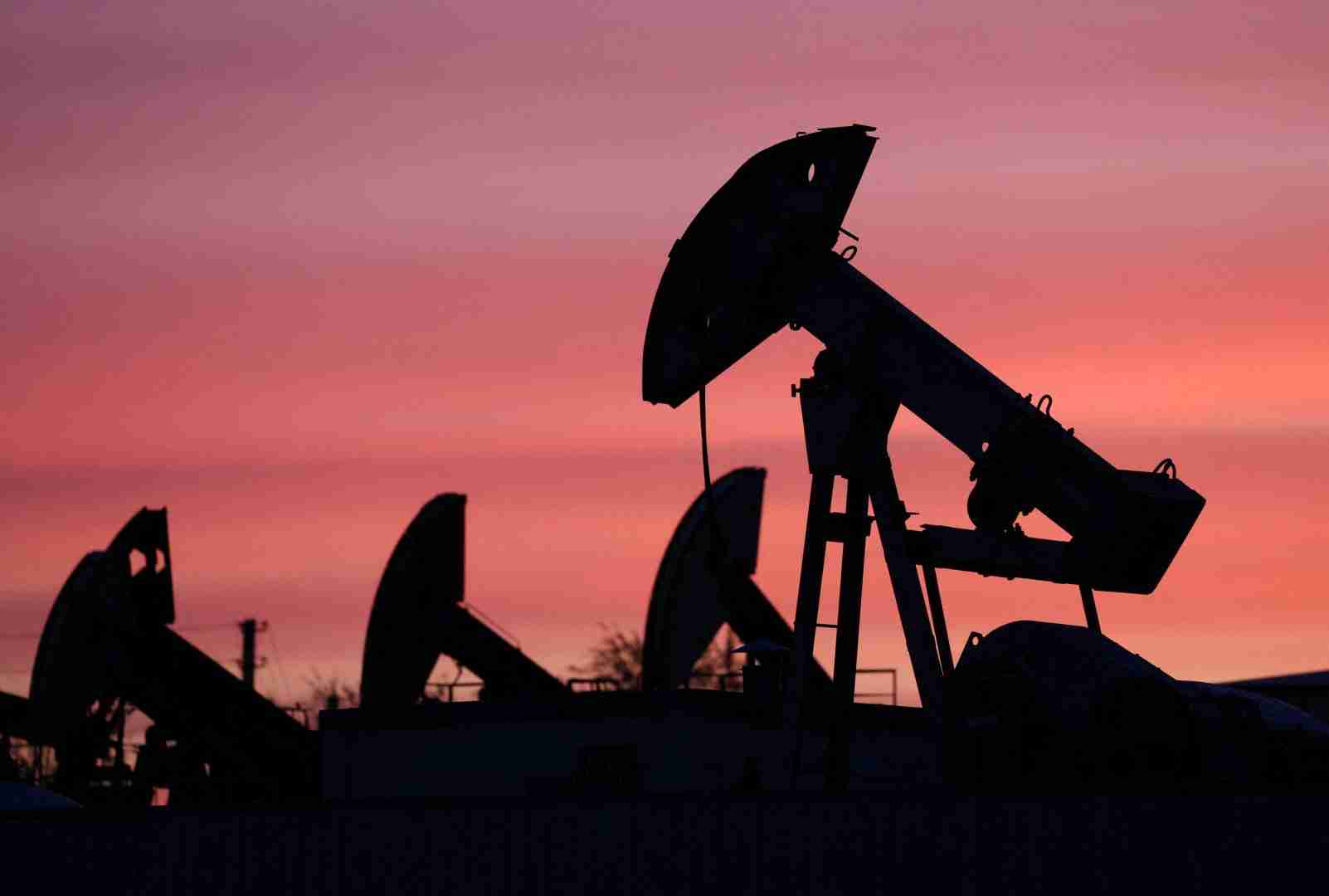
Brent crude rose to its highest since June 12 and WTI to its highest since June 16 – before the United States and Iran signed a memorandum of understanding to end the conflict on June 17
International News via Reuters:
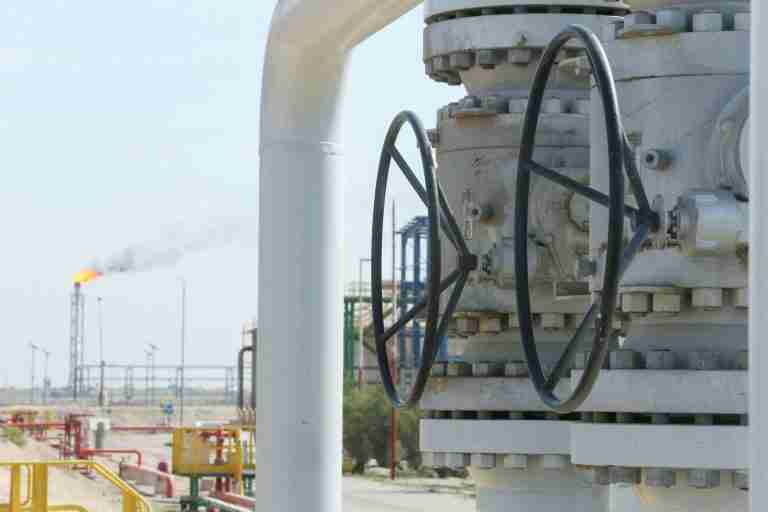
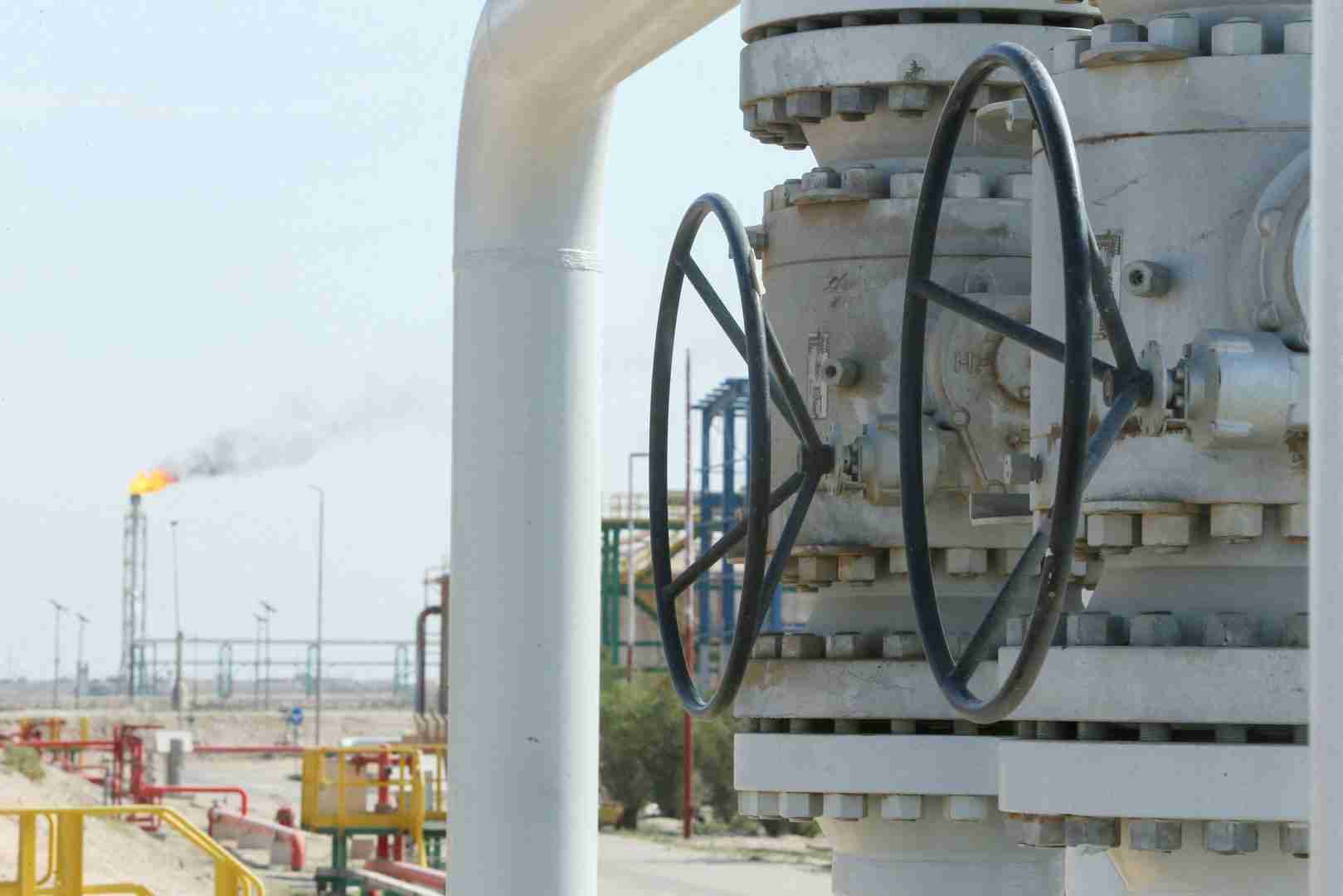
Oil prices rose on Tuesday to their highest in four weeks, after the U.S. reimposed a naval blockade of Iran and renewed attacks between Washington and Tehran heightened concerns over energy flows through the Strait of Hormuz.
Brent crude rose to its highest since June 12 and WTI to its highest since June 16 – before the United States and Iran signed a memorandum of understanding to end the conflict on June 17.
Brent crude futures were up $3.17, or 3.81%, at $86.47 per barrel at 0941 GMT, while U.S. West Texas Intermediate crude rose $2.15, or 2.75%, to $80.29 a barrel.
“Despite signing the memorandum of understanding and having a deal, this did not last for even a few weeks. So that’s the concern the market is trying to price right now,” said ANZ analyst Soni Kumari.
“What we think is that the peak of the escalation is behind us, but there are upside risks to oil prices if these disruptions continue and that will keep prices in the $85-$90 range.”
Hostilities between the United States and Iran intensified this week, as U.S. President Donald Trump reinstated a blockade of Iranian shipping and proposed charging a 20% fee to guard the Strait of Hormuz.
The waterway is a critical artery for global energy trade, carrying about a fifth of the world’s daily oil and liquefied natural gas supplies before the conflict began.
Amid the strikes, one Indian crew member was killed and eight others were wounded when two Emirati oil tankers were struck by Iranian cruise missiles in the Strait of Hormuz, the United Arab Emirates Ministry of Defence said.
Shipping data on Monday also showed the number of tankers transiting the Strait of Hormuz fell in the past day to the lowest level in two months.
Citi said in a note that the possibility of the Iranian regime walking away from the memorandum of understating until after the U.S. mid-term elections has also risen, a scenario which would most likely see higher for longer oil prices.
However, Iran’s oil exports are continuing as usual despite the cancellation last week of a 60-day waiver of U.S. oil sanctions, oil minister Mohsen Paknejad said on his official Telegram account.
Elsewhere, Yemen’s Houthi movement fired missiles at Saudi Arabia after accusing the kingdom of bombing an airport under its control on Monday.
“If the Houthis extend their attacks to Saudi’s crude products in the Red Sea, it could put (further) uncertainties on crude flows from the region,” Simon Wong, a portfolio manager at Gabelli Funds, said in a note.
Meanwhile, Ukraine’s military said on Tuesday that it struck two Russian oil refineries in the Bashkortostan and Krasnodar regions overnight.
Reporting by Anushree Mukherjee and Ishaan Arora in Bengaluru and Emily Chow in Singapore; Editing by Jamie Freed and Susan Fenton
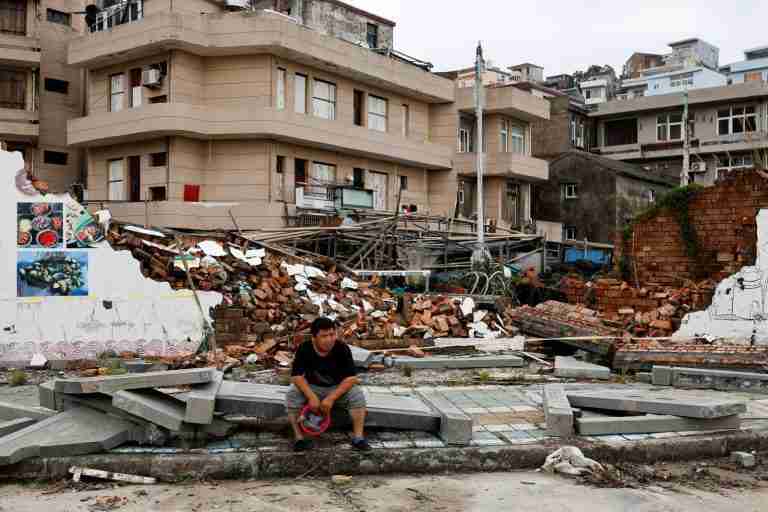
Heavy rain is expected to persist through Tuesday, with extreme downpours in some areas, authorities said as Bavi draws vast amounts of tropical moisture northward, creating a sustained flow of humid air into northern China
International News via Reuters:
The most powerful storm to strike mainland China this year forced more than 260,000 people to evacuate their homes in northeastern Liaoning province, as Typhoon Bavi brought intense flooding.
Heavy rain is expected to persist through Tuesday, with extreme downpours in some areas, authorities said as Bavi draws vast amounts of tropical moisture northward, creating a sustained flow of humid air into northern China.
In Shenyang, Liaoning’s provincial capital, a lighthouse severed its high-voltage power line and began drifting through floodwaters along main roads and crossing under a bridge, according to videos posted on Chinese social media.
All schools and training institutions have been ordered to suspend classes, while transport services have been largely disrupted in northeastern cities including in Shenyang and Jilin.
Bavi, covering an area the size of France, formed in the Pacific Ocean 13 days ago. Its structure remained largely intact on Monday even after making landfall in eastern China on Saturday night, making it the longest-lasting tropical cyclone in the Asia-Pacific region this year.
Its longevity is largely due to its unusually well-preserved warm core, Chinese meteorologists say, allowing Bavi to retain much of its moisture as it churns north towards the Korean peninsula. Intense rainfall is expected when Bavi, currently classified as a tropical storm, slows further and starts to release all the moisture that it has been holding.
Reporting by the Beijing newsroom; writing by Farah Master; Editing by Stephen Coates
The ECB has been working on the digital euro for years, partly to wean the bloc off U.S.-based payment providers, and hopes for first issuance in 2029
International News via Reuters:
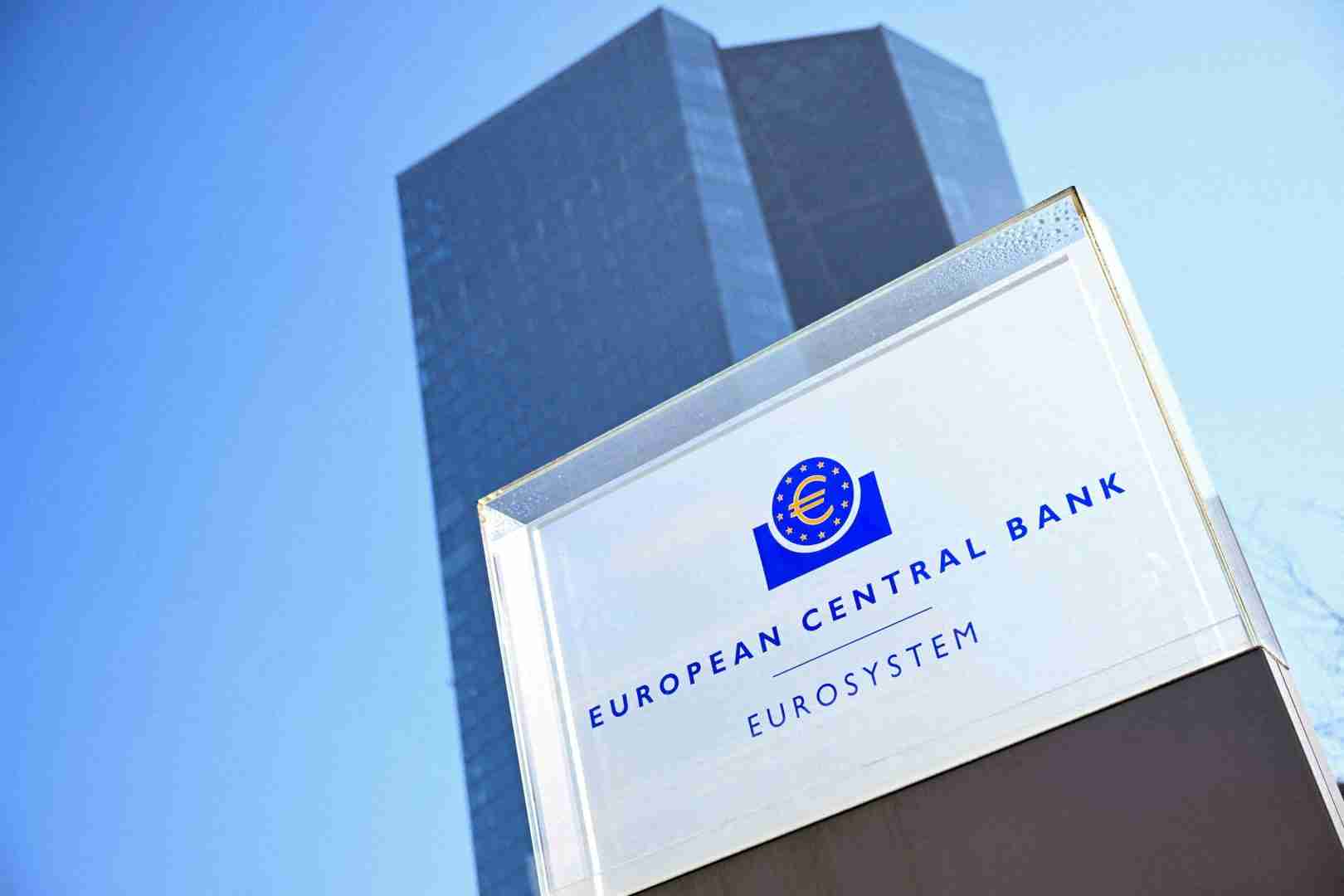
The European Central Bank has picked 36 payment service providers, including some of the euro zone’s biggest financial firms, to join the pilot programme for its digital euro project, it said on Tuesday.
The ECB has been working on the digital euro for years, partly to wean the bloc off U.S.-based payment providers, and hopes for first issuance in 2029, provided that long-delayed legislation is put in place by the end of this year.
The pilot, due to start in the second half of 2027, will last for 12 months and will test the digital euro’s technical functionality and operational processes, and will also be used to refine user experience, the ECB said in a statement.
More than 50 companies applied to participate in the pilot and the 36 selected firms include such top names as Deutsche Bank and UniCredit as well as fast-growing digital banks such as Revolut.
The pilot will take place at the ECB and 19 of the euro zone’s 21 central banks, with absences from Bulgaria and Malta.
“The pilot will involve staff from the ECB and participating national central banks, as well as e-commerce merchants, and merchants offering everyday services on their premises,” the ECB said.
“Staff at participating central banks will have the opportunity to make beta digital euro payments from person to person and from person to business,” the ECB added.
The pilot will use a beta version of the digital euro. It will be functionally and technically close to the digital euro but will not have legal tender status, the ECB added.
Reporting by Balazs Koranyi; editing by Barbara Lewis and Louise Heavens
The blue-chip FTSE 100 index fell 0.3% to 10,461.14 points by 1024 GMT, while the midcap FTSE 250 slipped 0.7%
International News via Reuters:
UK’s FTSE indexes edged lower on Tuesday on escalating U.S.-Iran tensions, while losses in financial and travel stocks outweighed gains in energy shares from oil major BP’s comment that it benefited from the surge in oil prices earlier this year.
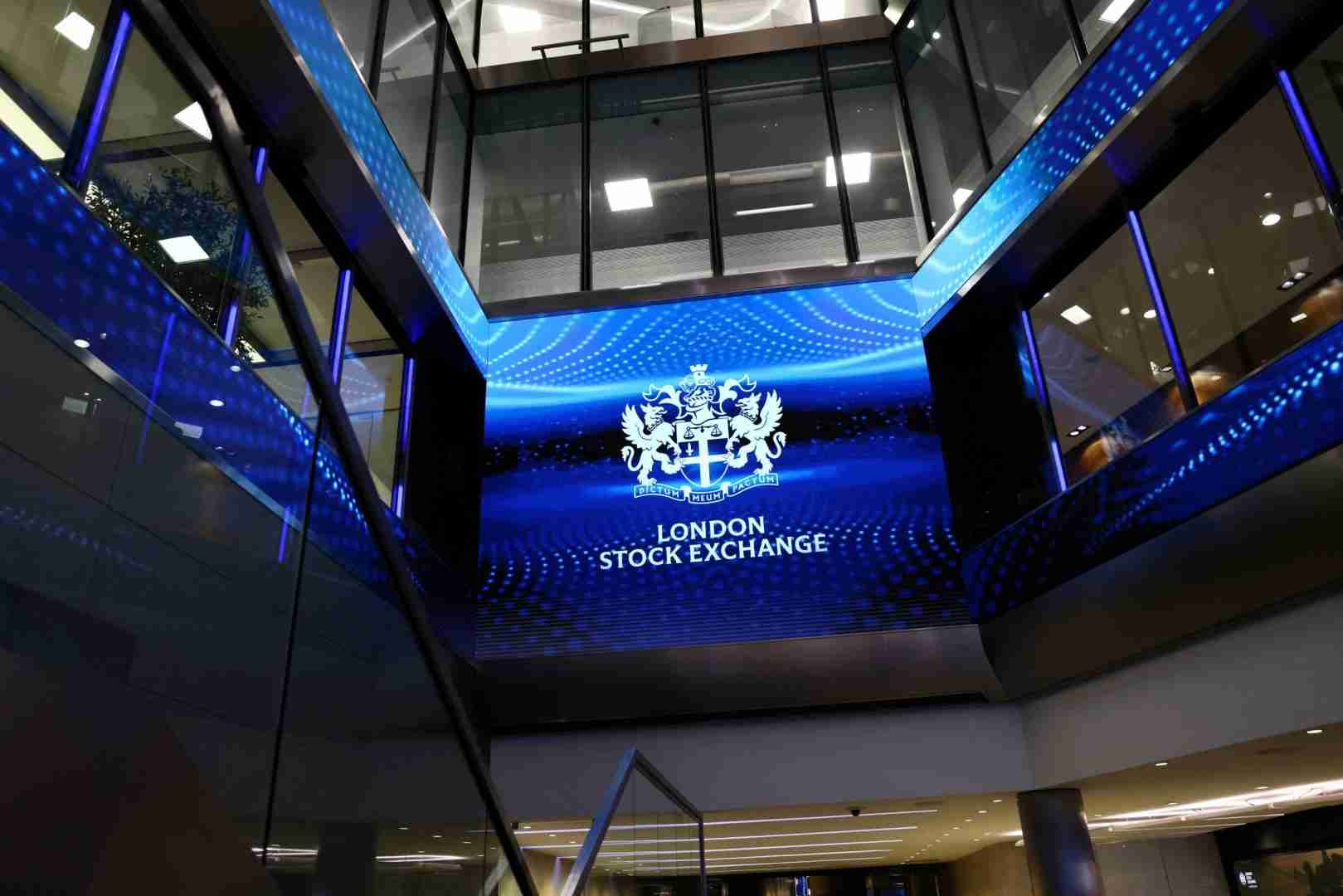
The blue-chip FTSE 100 index fell 0.3% to 10,461.14 points by 1024 GMT, while the midcap FTSE 250 slipped 0.7%.
• The U.S. carried out strikes against Iran for a third straight night, while President Donald Trump announced a blockade of Iranian shipping and a 20% fee on cargo transiting the Strait of Hormuz, sending Brent crude prices up 3% to around $85 a barrel. [O/R]
• Travel and leisure stocks led sectoral losses, down 2.4%, with InterContinental Hotels Group falling 3.7% to the bottom of the FTSE 100 index.
• Banks also weighed on the index as investors awaited earnings from big U.S. banks later in the day.
• On the flip side, energy stocks led sectoral gains, up 1.8%, helped by a 2.3% rise in BP after the company said strong oil trading and higher refining margins would support second-quarter earnings.
• Industrial metals miners followed, with Atalaya Mining Copper, Glencore and Rio Tinto up 1.6% to 3.5% each.
• Investors await the U.S. inflation report and commentary from Federal Reserve Chair Kevin Warsh that could offer insights into the health of the world’s largest economy.
• Among individual stocks, Ashmore fell 1.8% after the British asset manager reported quarterly net inflows ahead of expectations, with investors continuing to allocate capital to higher-yielding emerging market assets despite geopolitical uncertainty.
• Debenhams Group rose 3.1% after the online retailer said positive trading momentum continued through June and July, supported by improving sales margins and lower customer returns as its turnaround strategy gained traction.
Reporting by Tharuniyaa Lakshmi in Bengaluru; Editing by Leroy Leo
Bermuda Summer Rave is set to bring music, colour, and TikTok culture to the CedarBridge Academy Courtyard on Saturday, July 18, from 9:PM to 3:AM.
The event will feature popular influencers, live entertainment, and will encourage attendees to join in on the latest viral dance trends. Kendal Trott spoke to Greashena Spence, who is part of the Events marketing team. She shared what attendees can expect and explained why the Summer Rave promises to be a high-energy experience.
The Alliance Française de Bermuda is inviting the community to celebrate Bastille Day on Tuesday, July 14th, with an evening dedicated to French culture, cuisine, music, and dancing. The event will feature authentic French food, and live performances by the duo Tête à Tête. Both French speakers and those simply looking to experience the country’s rich culture are welcome.. Kendal Trott spoke with Nicky Gurret, Past President of the Alliance, and Tiffany Smith-Richol, one half of the musical duo Tête à Tête.
Renowned Bermudian actress Tsilala Brock shares her story
The highly acclaimed Broadway production Suffs features Bermudian actress and writer Tsilala Brock. The show is available to stream on PBS through the end of this month. In a recent interview with Kendal Trott, Ms Brock talked about the production, her journey from Bermuda to Broadway, and the advice she has for the next generation of aspiring performers.
Brent crude futures were up $4.06, or 5.34%, to $80.07 at 12:44 p.m. EDT (1644 GMT), while U.S. West Texas Intermediate crude was up $3.74, or 5.24%, to $75.15 a barrel
International News via Reuters:
Oil prices jumped more than 5% on Monday after U.S. President Donald Trump said the United States was reinstating a naval blockade on Iran, reigniting concerns over energy shipments through the Strait of Hormuz.
Brent crude futures were up $4.06, or 5.34%, to $80.07 at 12:44 p.m. EDT (1644 GMT), while U.S. West Texas Intermediate crude was up $3.74, or 5.24%, to $75.15 a barrel.
Oil gained after Trump said the U.S. was reinstating the blockade and that the United States would be reimbursed 20% on all cargo shipped through the Strait of Hormuz, following renewed military exchanges with Iran.
“President Trump’s reinstatement of restrictions on Iranian maritime traffic, alongside retaliatory attacks and sharply reduced vessel flows through the strait has intensified concerns over near-term supply availability,” said Gelber & Associates analysts in a note.
Iran’s top joint military command had earlier said it would not allow Washington to intervene in the management of the strait and any attempt by the U.S. to transit without its authorization would be confronted.
The UN’s shipping agency pushed back against Trump’s proposal, saying it opposes any fees for straits used in international navigation and stressing that there is no legal basis for introducing mandatory tolls on strait transits.
Before the conflict began in late February, the Strait of Hormuz handled about one-fifth of global daily oil and liquefied natural gas supplies.
Traffic had begun to increase during a fragile ceasefire agreed in June, but had slowed as tensions rose.
“The focus will remain on the number of inbound tankers as a lower number could impact production, so currently we see a risk premium and a disruption risk supporting prices,” said UBS analyst Giovanni Staunovo.
As the prospect of long-term disruption looms, analysts expect countries to work on ways to permanently bypass the Strait of Hormuz.
Goldman Sachs estimated that expanding pipeline capacity in the Middle East could shield more than 60% of pre-war Gulf oil exports from any future Hormuz disruptions by end-2028.
The bank’s base-case forecast assumes pipeline capacity bypassing Hormuz will rise by 3.8 million bpd by end-2027 and 7.3 million bpd cumulatively by end-2028, taking total effective bypass capacity to more than 14 million bpd by end-2028.
During the interim peace deal, Tehran increased exports, which has led to an increase in Iranian oil supplies held at sea.
Sales have been slow, however, as China’s independent refiners have turned to cheaper crude from Iraq, the UAE and Qatar.
The Abu Dhabi National Oil Company set the August official selling price of its benchhmark Murban crude at $80.01 a barrel, it said on Monday, down from $101.48 a barrel the month before.
Russian energy supplies have also been disrupted as Ukraine seeks to cut off funding for Moscow’s war effort.
Ukraine’s Security Service said it struck an oil depot in Russia’s Stavropol region overnight, as well as three storage tanks at an oil-loading site in the port of Kavkaz in the southern Russian region of Krasnodar.
Meanwhile, the Caspian Pipeline Consortium, which accounts for 80% of Kazakhstan’s oil exports, cut supplies by 7% last month from May as a result of maintenance at the country’s largest oilfield, Tengiz, as well as lower Russian flows, two industry sources said on Monday.
Elsewhere, stocks of crude oil in the U.S. Strategic Petroleum Reserve fell by about 3 million barrels to 316.5 million barrels last week, the lowest level since April 1983, according to data from the Department of Energy.
The drawdowns are a part of a U.S. agreement to release 172 million barrels from the facility.
Reporting by Georgina McCartney in Houston, Anushree Mukherjee in Bengaluru, Florence Tan, Helen Clark. Editing by Muralikumar Anantharaman, Mark Potter, Barbara Lewis and Nick Zieminski
Britain said the deal could boost exports by £5.2 billion ($7 billion) a year with its enhancements on services and digital trade
International News via Reuters:
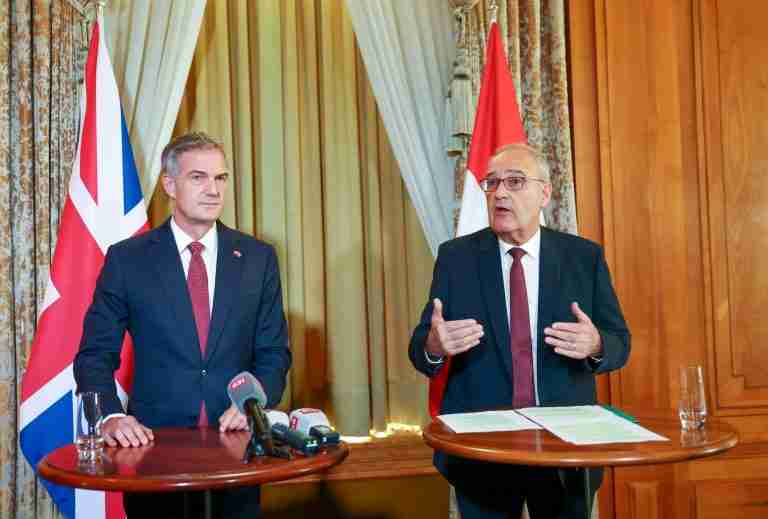
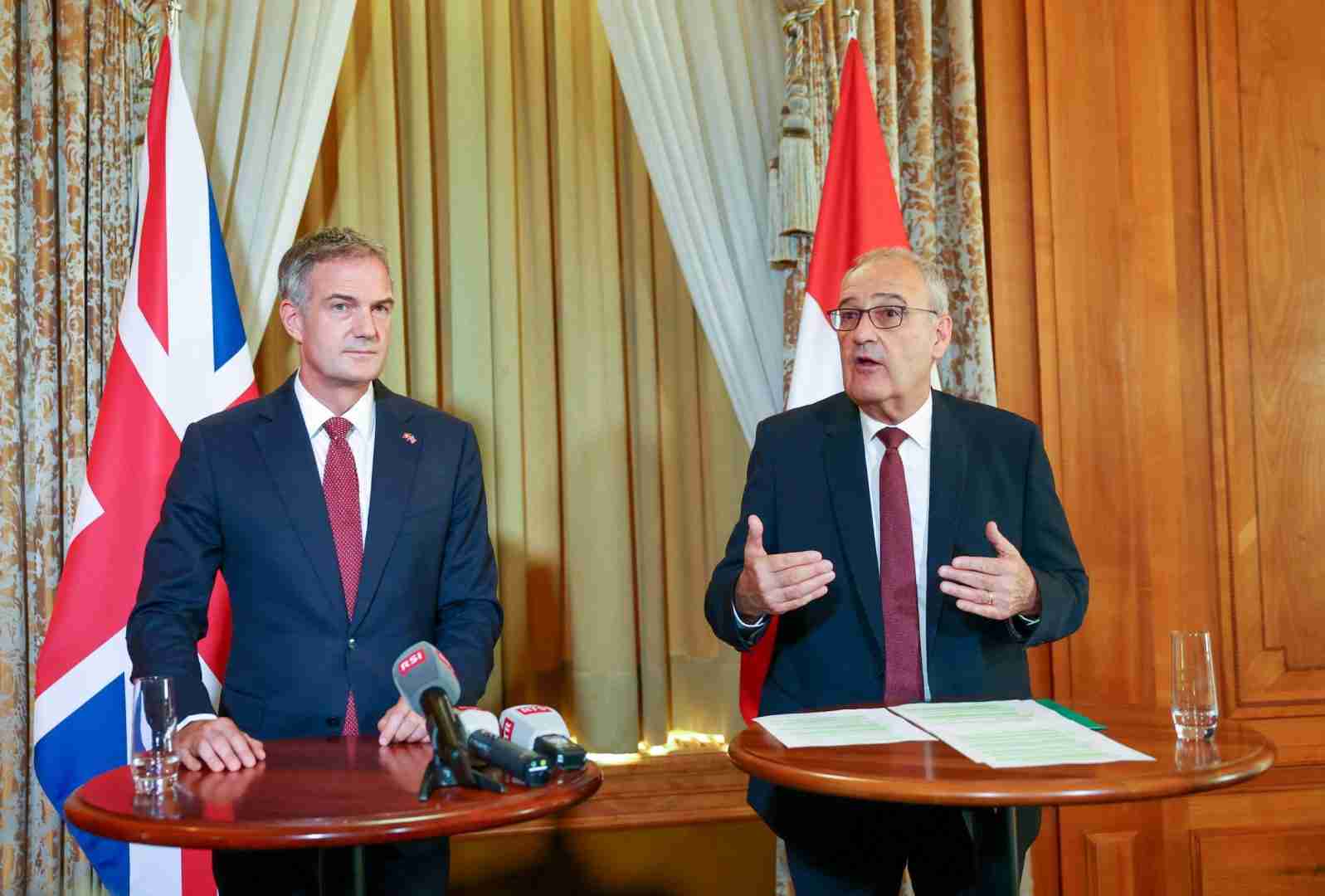
Britain and Switzerland agreed a trade deal on Monday that they said would boost their services industries and let workers in finance and other sectors travel visa-free in each other’s territories for up to 90 days a year.
Britain said the deal could boost exports by £5.2 billion ($7 billion) a year with its enhancements on services and digital trade.
“This is the most significant services trade deal the UK has ever negotiated,” British Trade Secretary Peter Kyle said. “It will bring huge benefits to British business and consumers.”
Total bilateral trade would increase by around 7.9 billion Swiss francs ($9.76 billion) per year in the long run, equivalent to a 25% uplift, the British embassy in Switzerland said.
FIVE-YEAR TRANSFERS AND NO ROAMING FEES
The deal built on the previous Free Trade Agreement between the two countries which was carried over when Britain left the European Union and already covered most trade in goods.
As well as reciprocal 90-day visa-free travel for services professionals each year, the deal also allows UK businesses to transfer staff to offices in Switzerland for up to five years without needing to pass Swiss economic tests.
Under the agreement, both sides aim to scrap mobile roaming fees and, in a separate arrangement, UK nationals will soon be able to use e-gates when entering Switzerland.
Britain has sealed post-Brexit free trade agreements with India, Gulf countries and South Korea since the start of last year. It has also claimed some successes in talks on trade with the United States and the European Union.
Switzerland has been pushing hard to expand its base of free-trade agreements since the shock of suffering the highest U.S. tariffs in Europe last year when U.S. President Donald Trump set a 39% import duty on Swiss products.
Earlier this month, Switzerland and the other members of the European Free Trade Association announced they had concluded negotiations with Vietnam on a free trade agreement.
Swiss President Guy Parmelin, who is also Switzerland’s economy minister, said at an event with Kyle in Bern that in a world of “growing protectionism and tariffs coming from all sides” the accord benefited both countries, securing reliable conditions for businesses to operate in.
“And having predictability, ultimately, is essential,” he told reporters. “Without legal certainty, investments slow down.”
Asked about disagreements reported by Politico over intellectual property in the pharmaceutical industry during talks, Parmelin said the deal safeguarded the high levels of protection already applied by both countries.
This includes 10 years of regulatory protection for products intended for human use, he noted.
The Association of the British Pharmaceutical Industry (ABPI) welcomed the commitment to a “strong and proportionate IP regime”, adding that “this message of stability helpfully underpins our efforts to drive more investment in both countries.”
Once legal formalities have been finalised, the aim is to have the agreement signed by the end of 2026, Switzerland said.
($1 = 0.7468 pounds)
($1 = 0.8092 Swiss francs)
Reporting by Alistair Smout in London and Dave Graham in Bern; Editing by Andrew Heavens
To provide the best experiences, we use technologies like cookies to store and/or access device information. Consenting to these technologies will allow us to process data such as browsing behavior or unique IDs on this site. Not consenting or withdrawing consent, may adversely affect certain features and functions.
Functional
Always active
The technical storage or access is strictly necessary for the legitimate purpose of enabling the use of a specific service explicitly requested by the subscriber or user, or for the sole purpose of carrying out the transmission of a communication over an electronic communications network.
Preferences
The technical storage or access is necessary for the legitimate purpose of storing preferences that are not requested by the subscriber or user.
Statistics
The technical storage or access that is used exclusively for statistical purposes.The technical storage or access that is used exclusively for anonymous statistical purposes. Without a subpoena, voluntary compliance on the part of your Internet Service Provider, or additional records from a third party, information stored or retrieved for this purpose alone cannot usually be used to identify you.
Marketing
The technical storage or access is required to create user profiles to send advertising, or to track the user on a website or across several websites for similar marketing purposes.