Saturday, November 7, 2026
Home Blog Page 200

NATO leaders to gather in Ankara, aiming to smooth over tensions with Trump

NATO Secretary General Mark Rutte says the gathering next Tuesday and Wednesday will show Europeans are honouring pledges to hike defence spending to deter Russia from any attack
International News via Reuters:

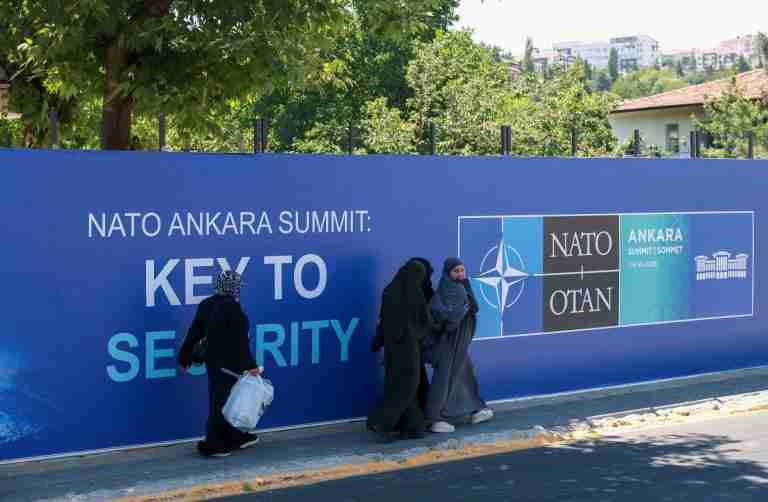
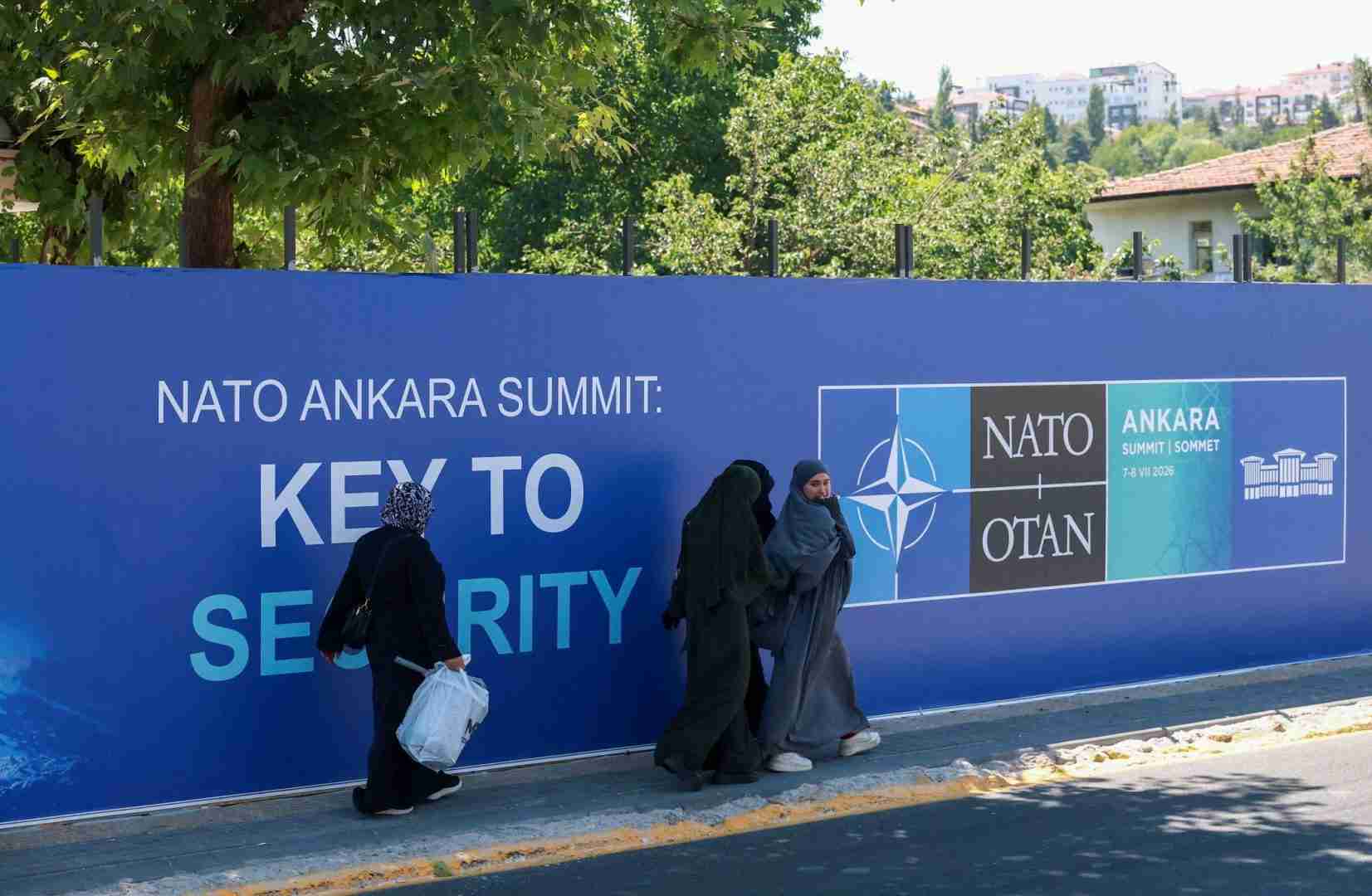
NATO leaders gather next week in Ankara, where Europeans aim to set aside strife with U.S. President Donald Trump over Iran and Greenland and show they are stepping up to defend the continent as Washington cuts back on its commitments to the alliance.

NATO Secretary General Mark Rutte says the gathering next Tuesday and Wednesday will show Europeans are honouring pledges to hike defence spending to deter Russia from any attack, with arms deals worth tens of billions of dollars to be signed.

Leaders are also expected to vow to keep funding weapons for Ukraine’s fight against Russia’s invasion. Ukrainian President Volodymyr Zelenskiy will attend a dinner hosted by Turkish President Tayyip Erdogan, who will also hold bilateral talks with Trump.

European officials say they hope Trump’s strong relationships with Erdogan and Rutte will ensure a smooth summit but cannot be sure, given lingering transatlantic bitterness over the Iran war and the U.S. president’s frequent criticism of NATO.

In a Truth Social post on Thursday, Trump complained the United States was spending money to protect NATO members “without getting any benefit from so doing”.

Rutte and other NATO leaders have insisted the alliance contributes to the United States’ own security and that Europeans are heeding Trump’s longstanding calls to spend more on their own defence.

RUTTE SAYS EUROPEANS TAKING GREATER RESPONSIBILITY

“The summit next week will focus on turning extra spending into combat-ready capabilities, and significantly scaling up our defence industries,” Rutte said in Berlin on Wednesday.

“NATO is, and will always be, a transatlantic alliance but we need to rebalance it for the better,” he added. “Working closely with the United States, European allies and Canada are taking greater responsibility for conventional defence in Europe.”

Rutte said last month that NATO’s European members and Canada spent $90 billion more on defence in 2025 than in the previous year, to reach a total of more than $570 billion.

In The Hague last year, NATO leaders agreed to spend 3.5% of GDP on core defence items such as weapons and troops by 2035 – up from a previous goal of 2%. They also agreed to invest a further 1.5% of GDP on broader defence-related investments such as boosting cybersecurity.

EUROPEANS HOPE FOR REPEAT OF SMOOTH HAGUE SUMMIT

European officials are hoping for a repeat of that summit, where Trump reaffirmed the U.S. commitment to the 32-member alliance and its Article 5 mutual defence pact, as well as praising his fellow leaders.

But the past 12 months have severely strained the alliance, with Trump threatening to take Greenland from fellow NATO member Denmark and then waging a war against Iran that roiled the global economy without consulting European allies.

The U.S. has also announced troop withdrawals from Europe, cut the forces it assigns to NATO’s defence plans – including an aircraft carrier, refuelling aircraft, fighter jets and drones – and launched a six-month review of its military presence on the continent.

“The alliance is alive and kicking but a bit bruised,” said a European diplomat, speaking on condition of anonymity.

IRAN WAR ADDS EXTRA UNCERTAINTY TO SUMMIT

European officials worry that the Iran war could overshadow the summit – if there is a flare-up in the conflict, currently the subject of a fragile ceasefire, or if Trump vents his anger at Europeans for not doing more to assist U.S. military operations.

Trump suggested this meant the U.S. did not need to honour its commitment to aid a fellow NATO member under attack.

NATO officials also say the vast majority of allies honoured commitments to allow the U.S. to use their airspace and bases on their territory, even though the war was deeply unpopular in Europe and many European leaders did not support it.

The war also ruptured personal ties between Trump and European leaders such as Italian Prime Minister Giorgia Meloni and outgoing British Prime Minister Keir Starmer, raising the possibility that those strains could resurface at the summit.

“I’m optimistic (that won’t happen) because I think the leaders know what is at stake,” a senior NATO diplomat said. “And if something like that does occur, then we always have the ultimate marriage counsellor, Mark Rutte, to smooth things over.”

Additional reporting by Lili Bayer, Jonathan Spicer, Sabine Siebold, John Irish and Tuvan Gumrukcu; Reporting by Andrew Heavens
At least 3,700 excess deaths reported during heatwave in France, Belgium and Netherlands

Experts have said the heatwave, which lasted from about June 20-28, was the worst recorded in Europe, causing disruption to power generation, damaging infrastructure and overwhelming healthcare systems

International News via Reuters:

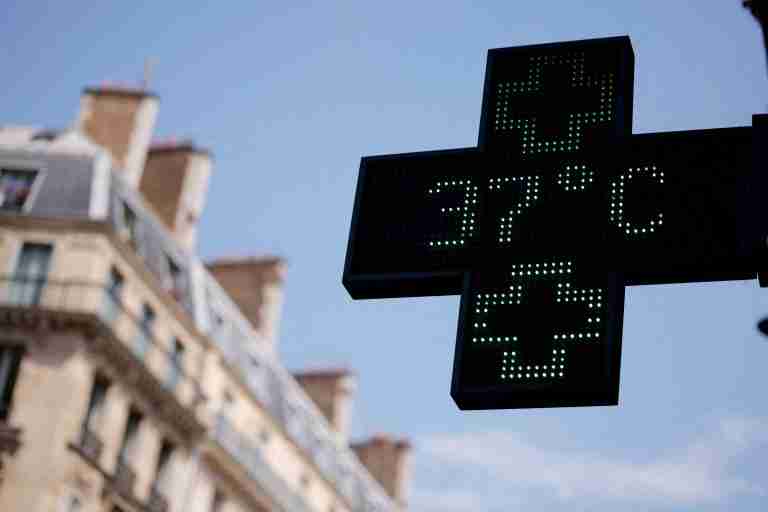
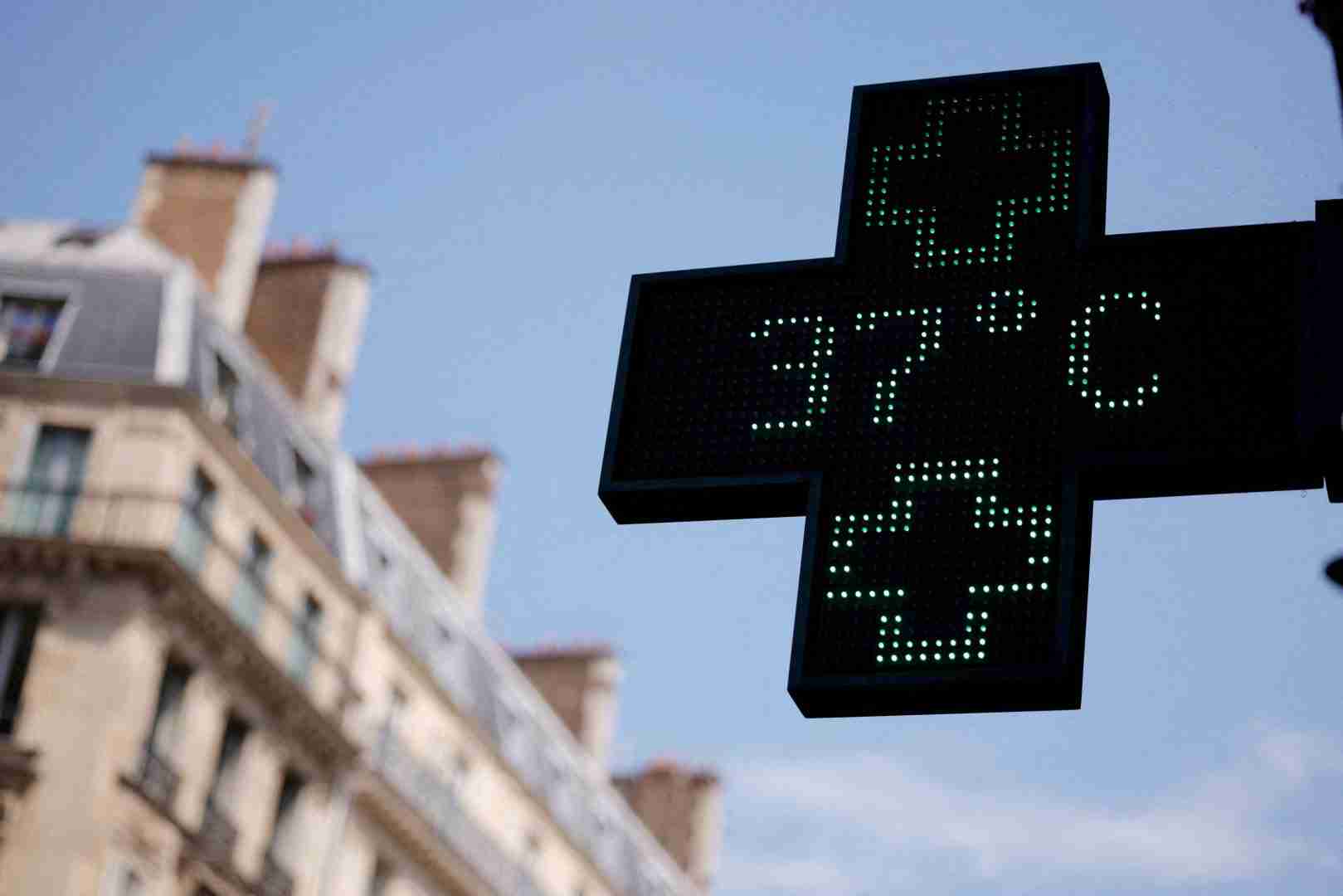
France, the Netherlands and Belgium have recorded 3,700 excess deaths during the June heatwave that sent temperatures soaring across Europe, with authorities warning that the numbers are preliminary and could rise.

Experts have said the heatwave, which lasted from about June 20-28, was the worst recorded in Europe, causing disruption to power generation, damaging infrastructure and overwhelming healthcare systems. The extreme heat was almost certainly driven by climate change, scientists said.

There were 2,025 excess deaths recorded in France during the heatwave, with a particular increase in deaths among people aged over 45, French Health Minister Stephanie Rist told local television on Friday.

Deaths at home rose 91% between June 22-28 compared to the previous week, while deaths in nursing homes and healthcare facilities also increased, the country’s public health authority said in a bulletin.

“Mortality will … be higher than these initial figures suggest,” the authority warned.

‘UNPRECEDENTED’ MORTALITY DATA

In Belgium, the Health Ministry said on Thursday it had registered excess mortality of about 1,200 deaths between June 18 and June 29, adding that 530 of the deaths were among people aged 85 or older. People aged under 65 accounted for 180 of the excess deaths.

“Such excess mortality during a heatwave is unprecedented in our country,” the ministry said in a statement.

Authorities in the Netherlands said the heatwave led to about 480 excess deaths, mainly among the over 80s.

Reporting by Sudip Kar-Gupta and Inti Landauro; Editing by Makini Brice and Helen Popper

Young survivors of Venezuela quakes run shelters as search drags on

Their task is the management of a shelter for victims of the magnitude 7.2 and 7.5 quakes, which devastated this part of the South American country after striking less than a minute apart, killing more than 2,200, according to the latest tally

International News via Reuters:

The command center hums with activity as radios crackle to life, medical staff stop in to say hello and supplies are arranged in orderly piles.

Though this organization would not be out of place at a military barracks overseen by generals, the deployment is taking place at the ‘Republic of Panama’ school in La Guaira, the Venezuelan state hardest hit by twin earthquakes last week, and the commanders – casually dressed volunteers – are aged between 20 and 27.

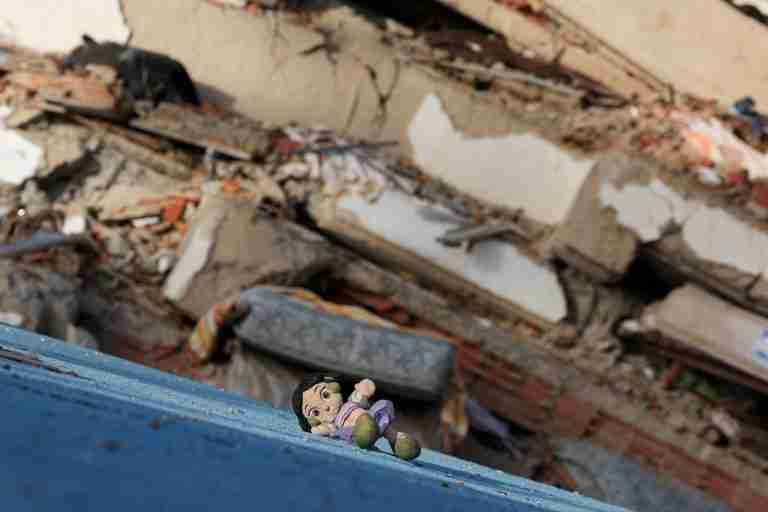
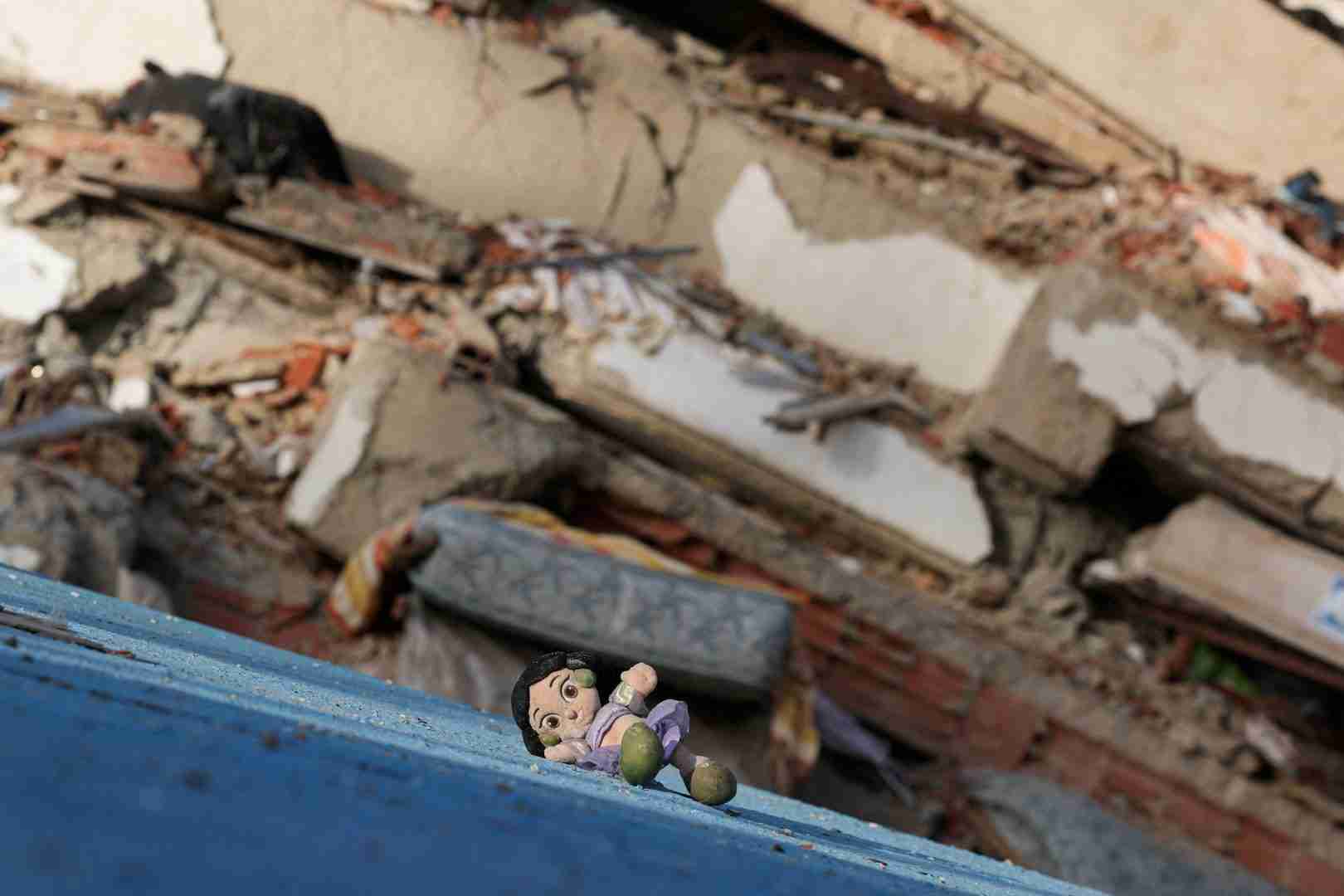
Their task is the management of a shelter for victims of the magnitude 7.2 and 7.5 quakes, which devastated this part of the South American country after striking less than a minute apart, killing more than 2,200, according to the latest tally. 

The dozen or so staff – members of the youth wing of Venezuela’s socialist party – have designed a digital system to register residents, most of whom have lost loved ones, their homes, or both in the disaster.

The volunteer team is also largely homeless after the quakes, and rotate work shifts to staff the command center 24 hours a day. Like other shelter residents, they sleep in a classroom stuffed with metal bunk beds delivered by the commerce ministry.

The group’s system has information about each of the more than 350 people staying at the shelter, where an average of three families sleep per classroom. The program records their previous addresses, injuries, and who has yet to grab lunch in the cafeteria.

“We’re like the Titanic. We go down with the ship,” said Daniel Rivas, 25, as his colleagues searched the registry for a missing person sought by a relative standing at the school gate.

Showers, a medical clinic, a laundromat and cafeteria are available to the residents, whose children play in stairwells and on the basketball court.

Each of the nine shelters in La Guaira is run by a different team, the staff at this school said.

‘FULL OF RAGE’

“People are 50% very sensitive and 50% full of rage, lost,” said Jose Mendez, who is also part of the team. “They are angry about not finding their family members, about losing everything. But we’re ready to help.”

All the team members were born just before or in the years after La Guaira’s last major disaster – a 1999 landslide that killed up to 30,000 people.

Last week’s quakes have killed 2,295, according to government figures published on Wednesday.

An unofficial but widely used list of the missing stands at 40,567. A United Nations envoy this week said it was procuring 10,000 body bags for Venezuela and the USGS has estimated more than ⁠10,000 deaths were possible due to the quakes.

The school has functioning bathrooms and places for play, but other shelters lack privacy, safe spaces for children and hygiene facilities, said Geraldine Gomez of NGO Plan International.

“There are no separate spaces for mothers, there are no separate spaces for children. Children have no space for recreation, for play, for talking,” she said.

Residents have criticized the government of interim President Delcy Rodriguez for what they call a slow and inadequate response by the state, while NGO the International Rescue Committee on Tuesday said the scale of the response was not meeting humanitarian needs.

Rodriguez in a post on X said that authorities continue helping those affected, as well as supervising recovery efforts. “I know that many Venezuelans feel pain and frustration. I deeply share those feelings,” she said, before declaring seven days of national mourning.

NEXT STEPS

The volunteer team at the school is waiting on two major next steps: visits from the registration authority, to replace lost government identification cards, and from the housing ministry, to clarify what people who lost their homes should do to get aid.

“I feel like I still have the earthquake within me,” said shelter resident Deisy Tapias, 36, who is staying at the shelter with two of her five children. “I wish I could go home.”

Her apartment further down the coast was nearly destroyed, though her 17-year-old son was able to rescue their identity cards and tank of cooking gas from the ruins.

Tapias said she was willing to move out of state if that is how she can replace her home.

Her mother, Deisy Bermudez, 55, has an intact home in a nearby community and arrived with clothing and food for her family.

“I can’t stand shelters,” said Bermudez, who lost her house in the 1999 disaster and said she missed out on government housing constructed afterward for victims.

As the women spoke with Reuters, an army transport truck pulled up outside, and soldiers helped eight new families carrying in  sparse bags of belongings, where they were welcomed by the team.

Many of those arriving now have been living alongside the ruins, the team said, and searching for loved ones trapped under rubble.

STILL SEARCHING

Dozens of police officers line the road deeper into La Guaira, some directing traffic while others gestured waves of cars, trucks and motorcycles onward. Soldiers carrying automatic weapons stood guard at several intersections.

Deep into the rubble at the Hugo Chavez housing complex, known colloquially as Los Cocos, alongside what used to be a basketball court, a ragtag civilian rescue team, assisted by a handful of army soldiers, removed three bodies they began uncovering yesterday. 

The volunteers first pulled the remains onto bed sheets gathered from the rubble and then hoisted the bodies into black plastic body bags. One bag ripped at the top.

The two women and one man died holding onto each other.

Just below them, civilian rescuers digging a different tunnel say they can hear a scratching sound, though not knocking or any voices. They do not know whether they are hearing a human or an animal.

Twenty-seven-year-old Yiscar Yzaguirre sat outside the tunnel, watching as her husband John Berroteran, 26, worked to remove debris from inside it.

He hopes to recover Yzaguirre’s father, Oscar Yzaguirre, 43, stepmother Elizabeth Vargas, 44, and eight-year-old half-sister Kristal.

Clad for safety in a black motorcycle helmet, Berroteran ordered silence on at least three occasions, so he could listen for a response from beneath the rubble.

Yzaguirre, who has been in Los Cocos since Saturday, said she was not sure whether those being sought could actually turn out to be her family.

“But it doesn’t matter. We have to get them all out,” she said.

Reporting by Julia Symmes Cobb and Vivian Sequera; Writing by Julia Symmes Cobb and Oliver Griffin; Editing by Bill Berkrot

Tibetan man dies after setting himself on fire near UN headquarters, activists say

A New York City Police Department spokesman said police responding to an emergency call made around 6:30 p.m. ET (2230 GMT) on Thursday found the man badly burned

International News via Reuters:

Police in New York City said on Thursday a man died from severe burns near the United Nations headquarters, and activists and a media outlet of exiled Tibetans identified him as a Tibetan who set himself on fire in an appeal for independence.

A New York City Police Department spokesman said police responding to an emergency call made around 6:30 p.m. ET (2230 GMT) on Thursday found the man badly burned.

He was taken to Bellevue Hospital where he was pronounced dead, police said, adding an investigation was ongoing. Police did not name the man and did not provide any potential motive for his action.

Voice of Tibet, a media outlet of exiled Tibetans, said Tibetan activist Lobga Rangzen “self-immolated outside the UN headquarters in New York after a live appeal for Tibetan independence and unity.”

He was an Uber driver and went to the scene with a Tibetan flag, local news site amNewYork reported. The website quoted fellow Uber driver Lobsang Paljor as saying he knew Rangzen from gatherings in the Tibetan community.

Paljor told the news website that Rangzen “was enraged by the restrictions the Chinese government had placed on his countrymen.”

ETHNIC UNITY LAW ENACTED

The United States and the European Union have expressed concern about China’s new ethnic unity law, which went into effect this week and gives Beijing the legal basis to take action against people outside its borders. 

The law creates a “shared” national identity among the country’s 55 ethnic minority groups, including Tibetans and Uyghurs, some of whom chafe under Chinese governance. Tibetans around the world have opposed the law.

Tibetans have also previously committed acts of self-immolation in protest against Beijing’s policies in Tibet and nearby regions with large Tibetan populations.

China seized control of Tibet in 1950 in what it describes as a “peaceful liberation” from feudalistic serfdom.

Responding to the immolation at a daily news conference on Friday, Chinese foreign ministry spokesperson Guo Jiakun said Tibet has been an inalienable part of the country’s territory since ancient times and Beijing believes “relevant countries will handle the matter in accordance with domestic laws.”

International human rights groups and exiles, however, have routinely condemned what they call China’s oppressive rule in Tibetan areas. China rejects such assessments.

Ethnic minority issues are highly sensitive in China, with Tibetans and other minorities put under heavy surveillance for any sign of alleged “separatism”. Beijing has exerted greater institutional control in Tibet since Xi Jinping became the country’s president in 2012.

Tencho Gyatso, president of the International Campaign for Tibet, described Rangzen as “a tireless advocate for Tibet” and said she was “deeply saddened” by his death.

The International Campaign for Tibet says there were more than 150 self-immolations by Tibetans between 2009 and 2022. According to its data, 10 self-immolations by Tibetans have occurred while people were in exile.

Reporting by Kanishka Singh in Washington, Additional reporting by Joe Cash in Beijing; Editing by Donna Bryson, Kate Mayberry and Thomas Derpinghaus

Britain’s services sector contracts sharply under strain of Iran war, PMI shows

The S&P Global Purchasing Managers’ Index for the services sector in June fell to 48.8 from May’s 49.3, representing the second fall in a row in activity and the weakest since January 2023

International News via Reuters:

Activity in Britain’s dominant services sector contracted for a second month running in June and by the most since early 2023 as the fallout from the Iran war continued to weigh on companies, a closely watched survey showed on Friday.

The S&P Global Purchasing Managers’ Index for the services sector in June fell to 48.8 from May’s 49.3, representing the second fall in a row in activity and the weakest since January 2023. 

Friday’s reading was slightly stronger than a preliminary flash estimate of 48.7. A reading below 50 signals contraction.

Overall new work contracted at the fastest pace since November 2022, with companies citing concerns about who would replace Prime Minister Keir Starmer and their fiscal policies, as well as global inflationary pressures.

The survey added to signs of a slowdown ahead of former Greater Manchester mayor Andy Burnham’s likely installation as prime minister.

“June data confirmed a clear loss of momentum for the UK economy during the second quarter of 2026, following a positive start to the year,” Tim Moore, economics director at S&P Global Market Intelligence, said.

“Strong cost pressures, lacklustre demand and business uncertainties arising from the Middle East conflict were the most prominent themes highlighted by service sector firms in June.”

There were signs that inflation pressures eased slightly, although they remained strong. The PMI’s gauge of input cost inflation fell in June to its weakest since March. Businesses said higher input costs were partly due to rising salaries and transport costs.

While firms continued to pass on their costs to customers, the increase was at the softest pace since February.

The composite PMI, which includes Wednesday’s manufacturing data, was revised down to ​49.3 from a preliminary reading of 49.4, the weakest since April 2025 and down from 49.7 in May.

S&P said business sentiment about the coming 12 months was the second-lowest since April 2025, but firms turned slightly more optimistic on hopes of a peace deal between the United States and Iran and investment in artificial intelligence.

Hiring contracted for the 21st consecutive month, the longest continuous period of job shedding since February 2010.

Reporting by Suban Abdulla; Editing by Toby Chopra

Global stocks climb as US jobs data cools Fed hike fears

Europe’s broadest index hit a record high on Friday, and was set for its biggest weekly gain in over a month

International News via Reuters:

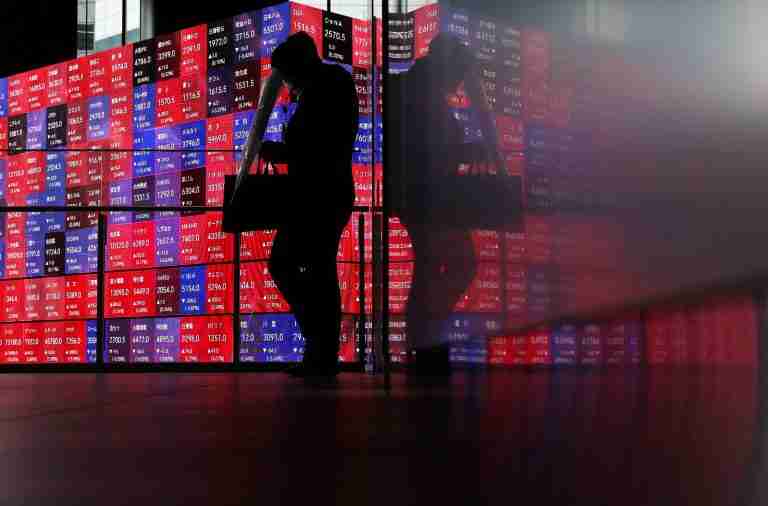
Global stocks climbed on Friday after a lukewarm U.S. jobs report softened expectations for an imminent rate hike from the Federal Reserve and regional activity gauges pointed to an economic expansion during June.

Europe’s broadest index hit a record high on Friday, and was set for its biggest weekly gain in over a month. 

The pan-European STOXX 600 reached 651.77 before settling to a steadied 648.74. Germany’s DAX index rose 0.1% while the French and UK indices were a touch lower on the day. 

MSCI’s broadest index of world shares rose 0.4%. 

“Europe’s Stoxx 600 ended the week with a bang as investors lapped up utilities, industrials and basic materials stocks,” Dan Coatsworth, at investment platform AJ Bell, said in a note. 

“While these movements imply a more upbeat investor, it’s important to keep watching the U.S. tech stocks, as many are coming off the boil,” he added.     

South Korea’s Kospi swung between gains and losses before closing around 6% higher, as buyers pounced on battered chipmaker stocks. 

Purchasing Managers’ Index (PMI) data released on Friday indicated increased activity across Asia.

Japan’s services sector returned to expansion in June after stalling the previous month. China’s services activity expanded at a slightly slower pace, but overseas demand rose at the fastest rate in 20 months.

“The PMIs remain healthy by recent standards and still imply stronger economic momentum across Q2 as a whole,” analysts from Capital Economics said of the Chinese data.

U.S. LABOUR MARKET COOLING

U.S. job growth slowed sharply in June and payroll gains for the prior two months were revised lower, according to data released on Thursday, pointing to a cooling labour market.

The unemployment rate dropped to 4.2% last month from 4.3% in May as workers left the labour force, pushing the participation rate to the lowest level in more than five years. 

The tepid jobs data doused traders’ expectations of an imminent rate hike and raised the chances that the Fed will keep rates on hold until October. 

Fed funds futures are pricing an implied 46.8% probability that the U.S. central bank will keep rates steady at its meeting on September 15 to 16, compared to a 35.8% chance a day earlier, according to the CME Group’s FedWatch tool.

Inflation remained a concern.

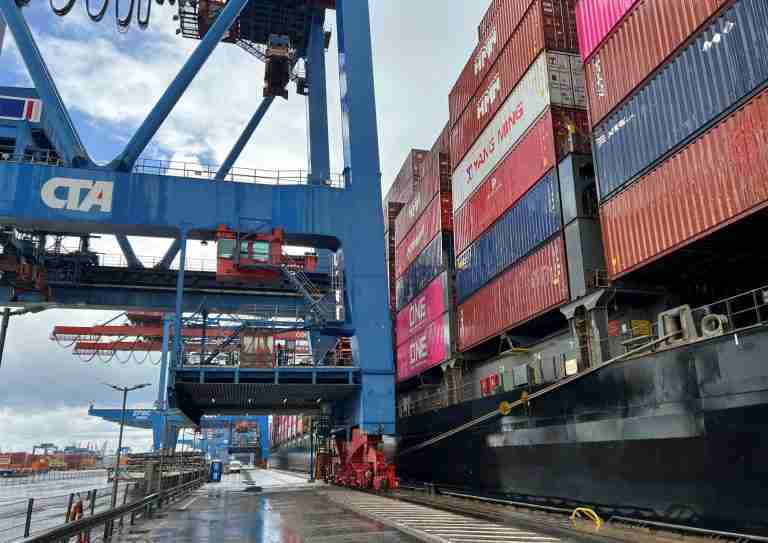
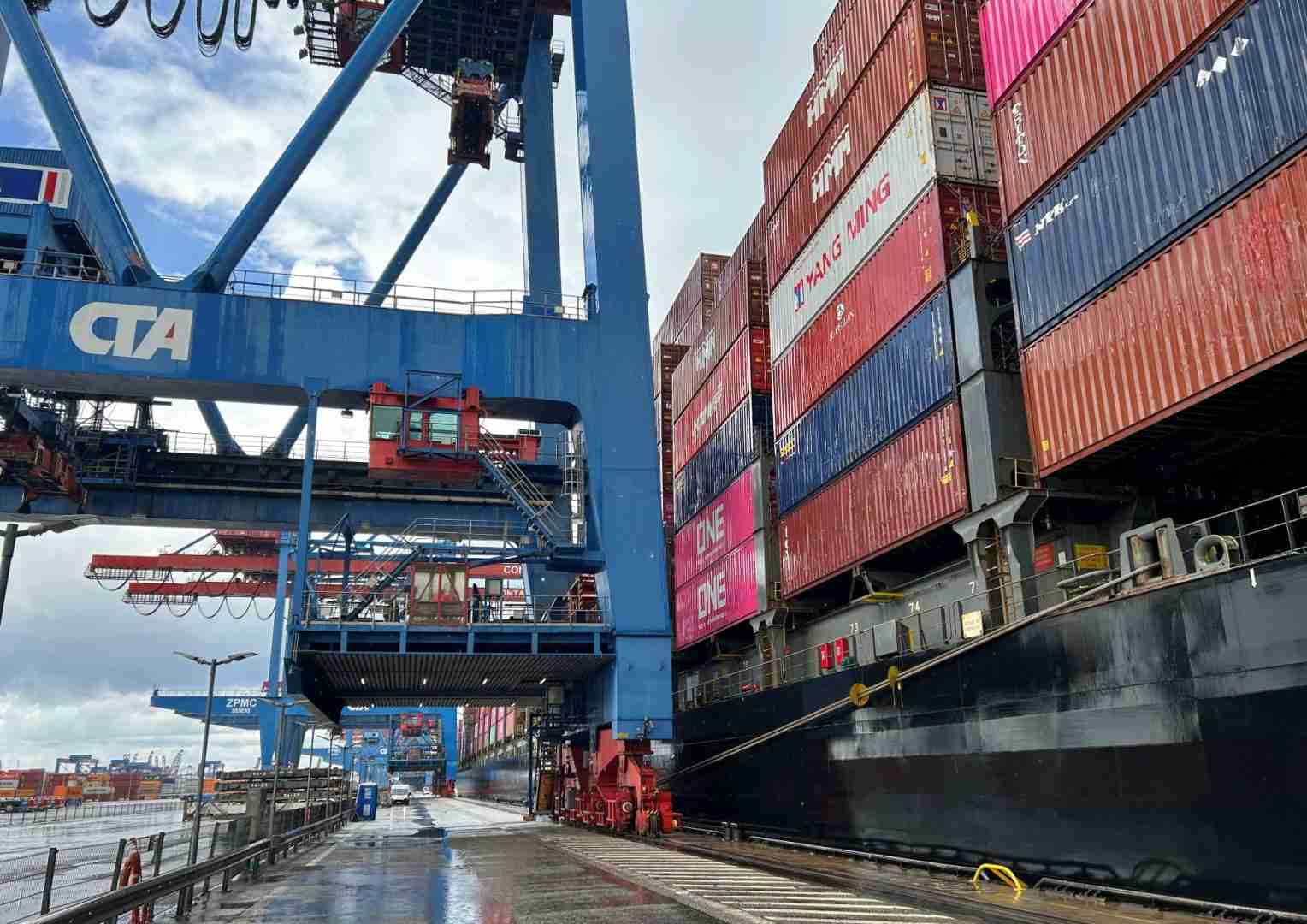
“Our biggest anticipated risk this year, even before the Iran war, was shipping,” said James Rossiter, head of global economics at TD Securities.

“Ships have been rerouted all over the world because of the Hormuz Strait closure, leading to less shipping capacity globally,” he told Reuters in a phone call, suggesting the price effects of this were still working their way through the global economy.

U.S. futures remained buoyant, with S&P 500 and Nasdaq futures up 0.3% and 1% respectively. The U.S. market will be closed on Friday to celebrate Independence Day.

Against the yen, the U.S. dollar held steady around 161, with the greenback having given up earlier gains as market liquidity was thinned by the holiday and traders remained on watch for intervention. 

The Japanese currency has been choppy this week after Reuters reported on Thursday authorities may have adopted a new approach to their forays into the market. 

The U.S. dollar index, which measures the greenback’s strength against a basket of six currencies, was down 0.3% at 100.71.

In commodities, Brent crude futures steadied at $71.80. Gold was up 1.3% at $4,176.

In cryptocurrencies, bitcoin ticked up 0.1% to $61,604.53.

Reporting by Nell Mackenzie and Gregor Stuart Hunter; Editing by Thomas Derpinghaus and Jan Harvey

EU trade with US hits record high despite tariff tensions, study shows

The research by the German Economic Institute, or IW, found a 7.7% rise in EU exports to the U.S. to €580 billion, while U.S. imports into the EU climbed 2.2% to €295 billion

International News via Reuters:

Trade in goods between the European Union and the U.S. reached a record €875 billion ($1.00 trillion) last year despite tariffs, but the figures mask significant economic damage, notably to Germany’s auto sector, a study published on Friday found.

The research by the German Economic Institute, or IW, found a 7.7% rise in EU exports to the U.S. to €580 billion, while U.S. imports into the EU climbed 2.2% to €295 billion, pushing the EU’s trade surplus to nearly €285 billion.

The report attributed some of the increase to front-loading of exports ahead of tariffs that took effect in April and said European manufacturing had suffered.

“This first impression is misleading,” said IW economist Samina Sultan.

EU car and parts exports to the U.S. fell 20.4% in 2025, with Germany, which accounts for nearly two-thirds of EU auto exports to the United States, posting an 18.9% drop.

Ireland bucked the trend with a 52.7% surge in exports, driven by tariff-exempt pharmaceutical and chemical products.

Most EU member states recorded a decline in their goods exports to the U.S. Apart from Ireland only the Czech Republic (+5.1%), Italy (+7.2%), Denmark (+10.6%) and Finland (+10.8%) reported growth.

TRANSATLANTIC SERVICES ALSO HIT A RECORD

Transatlantic services trade also hit a record €865 billion, though the EU ran a €178 billion deficit in that category.

“The transatlantic trade relationship is therefore much more balanced, when considering both goods and service trade,” the study said, contrasting the EU deficit in services and the surplus in goods.

Intellectual property fees – covering software licences, patents and trademarks – accounted for more than 40% of EU service imports from the U.S., rising 13.7%.

Although the services sector has so far avoided the impact of U.S. tariffs, the trade conflict has had a negative effect.

EU imports of travel services from the U.S. fell by around 8%. “This decline is likely attributable to the reduced number of European tourists in the U.S. last year,” said co-author Galina Kolev-Schaefer.

The study said the Turnberry trade deal between the EU and the U.S. asymmetrically benefited the U.S., but still it was a workable solution that should be honoured by both sides. 

“New tariff threats would cause new uncertainty that only hampers business activities on both sides of the Atlantic,” the IW said. 

($1 = 0.8730 euros)

Reporting by Maria Martinez and Rene WagnerEditing by Miranda Murray and Barbara Lewis

Sterling set for biggest weekly jump in 12 weeks on easing political risk, soft dollar

Sterling was up 0.1% at $1.3357, taking its weekly gain to 1.2%, its biggest weekly jump against the dollar since early April

International News via Reuters:

The British pound was headed for its biggest weekly jump in 12 weeks against the U.S. dollar on Friday, helped by easing domestic political risk and soft U.S. labour market data. 

Sterling was up 0.1% at $1.3357, taking its weekly gain to 1.2%, its biggest weekly jump against the dollar since early April. The dollar retreated after the U.S. added fewer jobs than expected last month, cooling expectations for rate hikes from the Federal Reserve.   

British markets had shown signs of unease when Andy Burnham, the only Labour lawmaker to say he wants to replace outgoing Prime Minister Keir Starmer, gained support for a possible leadership challenge.

Burnham had previously stated that the country had to get “beyond this thing of being in hock to the bond markets”, worrying some investors that thought he would abandon the government’s borrowing pledges. 

But markets have taken comfort from Burnham’s commitment to the country’s existing fiscal rules, which include balancing day-to-day spending with tax revenues and reducing debt as a share of output.  

“There’s a bit of risk premia leaving sterling and therefore the currency is strengthening,” said Karl Steiner, head of analysis at SEB. 

Against the euro, the pound was down slightly at 85.73 pence. On Thursday it touched its strongest level against the single currency in a year at 85.47 pence. 

BOE IN FOCUS

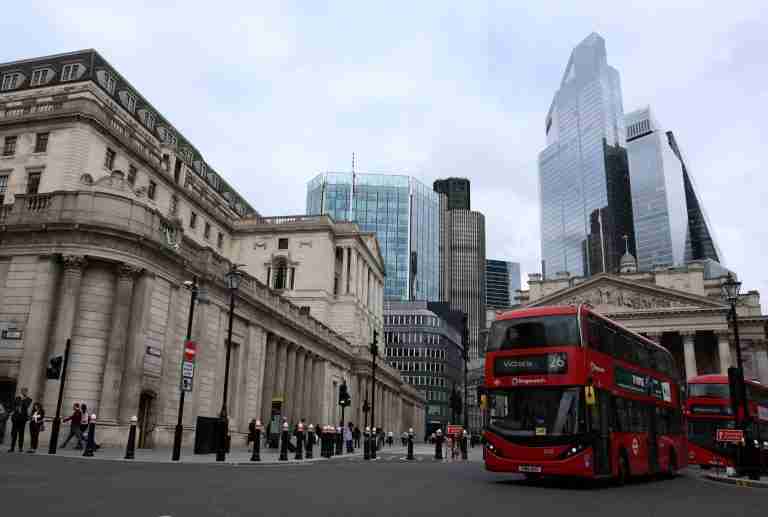
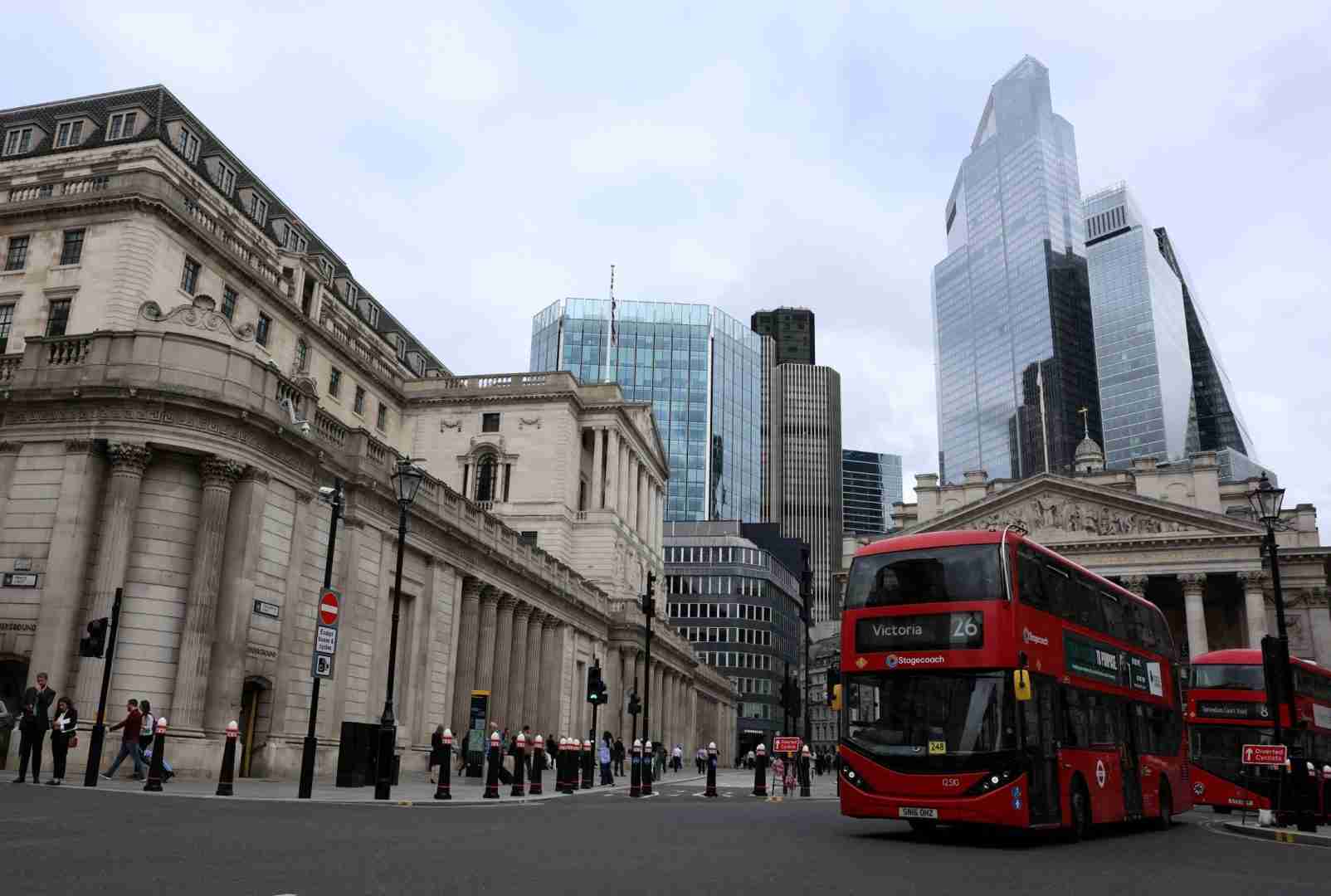
Markets are still pricing in a greater chance of a rate hike than a rate cut from the Bank of England this year, despite the easing of hostilities in Iran and the slow resumption of oil supplies from the Middle East.

On Thursday, BoE rate-setter Catherine Mann said looser financial conditions since the last rate meeting in June will be a key factor in her decision on rates at the July meeting.     

In Thursday’s speech, Mann said she would be ready to vote for a rate rise if higher inflation expectations in the wake of the U.S.-Iran war make it less likely that inflation will return to its 2% target.

“Mann signalled a readiness to make an ‘activist’ increase in the policy interest rate if H2 2026 data disappoint on inflation expectations,” said Commonwealth Bank of Australia currency strategist Carol Kong, adding that sterling was underpinned by Mann’s comments.

Money market futures imply around a 70% chance of a rate hike by year-end. Prior to the Middle East conflict, investors had expected the BoE to cut rates twice in 2026. 

Reporting by Samuel Indyk; Editing by Jan Harvey

Crystal Caesar resigns as Education Minister and Senator

Ms. Caesar said she tendered her resignation with the Progressive Labour Party citing concerns of being ‘unable to discharge’ those responsibilities as Minister of Education

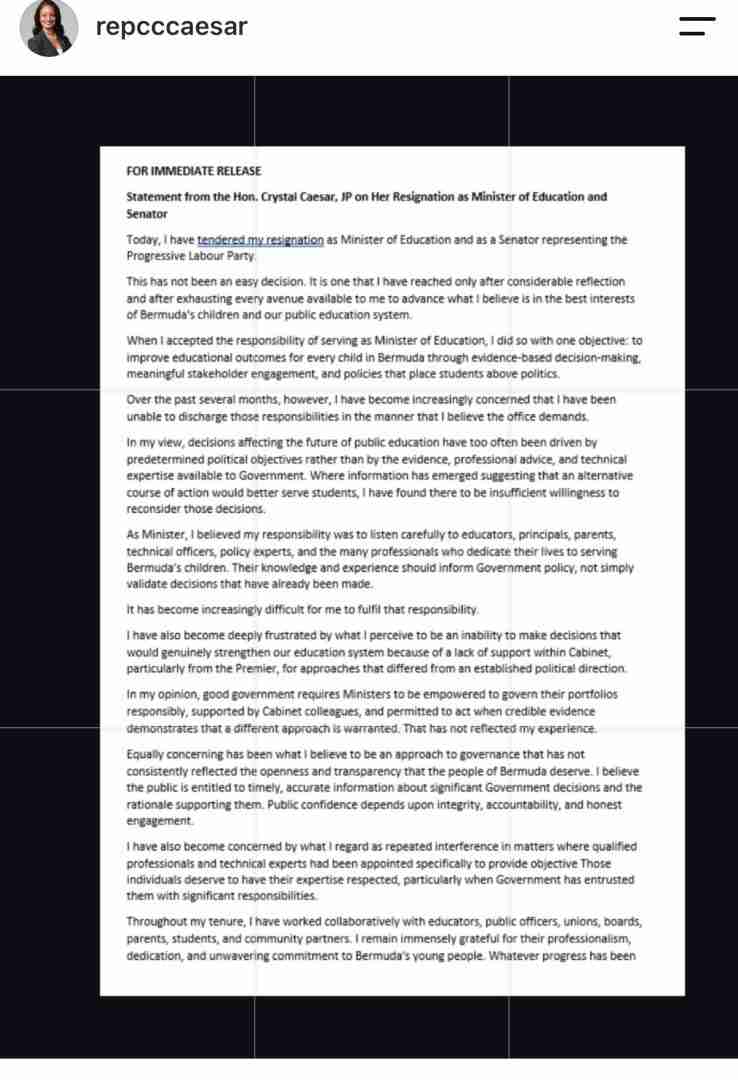
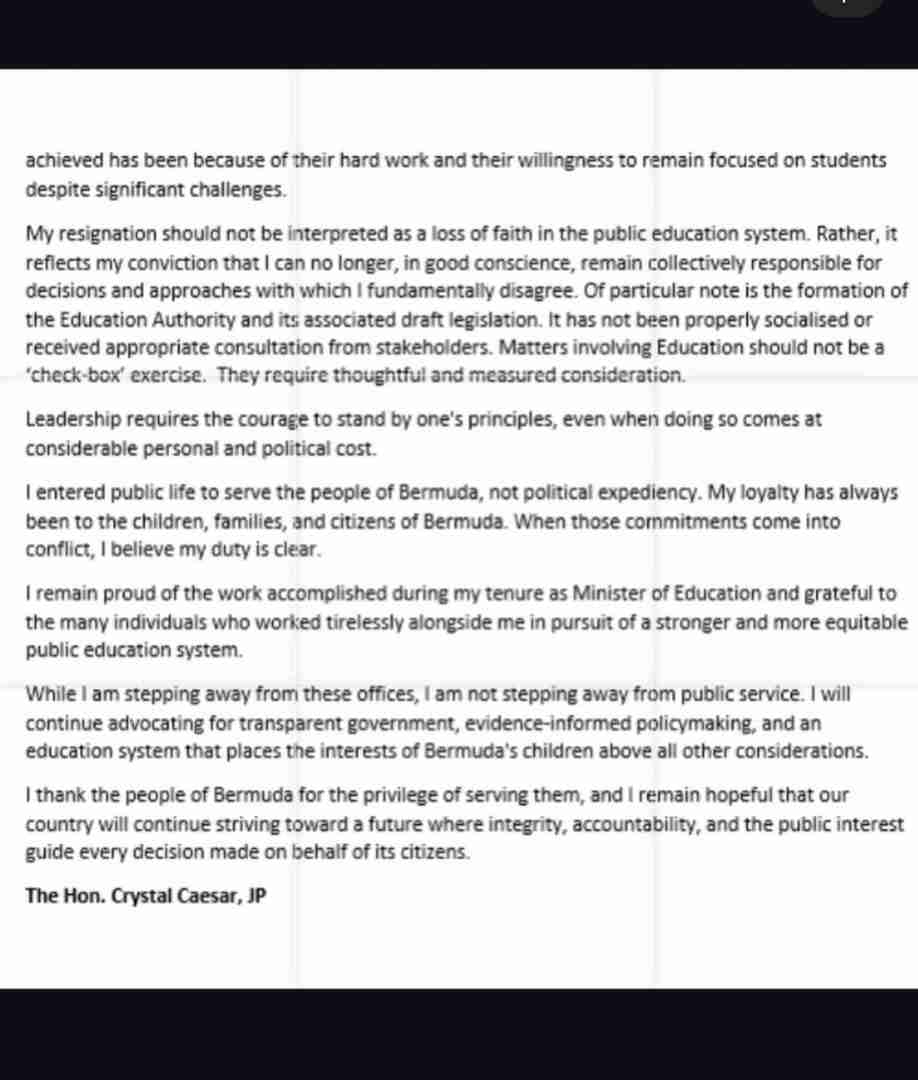
Crystal Caesar has tendered her resignation as government Minister of Education and Government Senator, Thursday evening.

Ms. Caesar posted a lengthy statement on her social media page explaining her decision to step down from the role after taking over from MP Diallo Rabain in February 2025.

She said in the statement, “This has not been an easy decision. It is one that I have reached only after considerable reflection and after exhausting every avenue available to me to advance what I believe is in the best interests of Bermuda’s children and our public education system.”

“Over the past several months, however, I have become increasingly concerned that I have been unable to discharge those responsibilities in the manner that I believe the office demands,” she explained.

Ms. Caesar was responsible for continuing the Government’s transition under education reform from a three-tier to a two-tier system which has been marred by delays this year.

The statement alluded to disagreements with the future direction in rolling out education reform under her mandate as Minister.

She said, “In my view, decisions affecting the future of public education have too often been driven by predetermined political objectives rather than by evidence, professional advice, and technical expertise available to government.

“Where information has emerged suggesting that an alternative course of action would better serve students, I have found there to be insufficient willingness to reconsider those decisions.”

” I have also become deeply frustrated by what I perceive to be an inability to make decisions that would genuinely strengthen our education system because of lack of support within Cabinet, particularly from the Premier, for approaches that differed from an established political direction.”

Premier and leader of the ruling Progressive Labour Party David Burt issued a statement on Thursday night confirming that he met with Ms. Caesar’s and accepted her resignation from the Cabinet and Senate.

He said, “Ms. Caesar is entitled to her views. But I consider her comments on her former Cabinet colleagues surprising and unfortunate. 

 “The Premier’s responsibility is to ensure that the Government is best positioned to deliver on its Throne Speech commitments, advance the legislative agenda, and keep the work of Government moving as we near the end of this Legislative session.

“I respect Crystal’s decision to resign. Collective responsibility is a fundamental principle of our system of government and Ministers express their frank and honest views on every issue before Cabinet, but decisions made by the body must be supported and executed by all.

The full statement from Ms. Caesar can be viewed below.

Expert says snake knows how to stay hidden

The head of a snake conservation group in the US says an Eastern Diamondback Rattlesnake, one of which is thought to be loose in Bermuda, blends well into environments

An unexpected snake sighting has left some Bermudians… well, rattled.

There has been no further sighting or reported evidence of the Eastern Diamondback Rattlesnake since a photo first alerted Government to the potential invader last Friday.

However, the head of a snake conservation body in the US says keeping out of sight is a speciality of the species.

Tiffany Bright is the Executive Director of the Rattlesnake Conservancy in Jacksonville, Florida. She told us more about the species, and the challenges of both locating and capturing it.

WATCH the interview above…

Scared but staying: Some migrants dig in as South Africa turns hostile

While thousands of immigrants packed up and left South Africa ahead of the June 30 protests, many more feel their best option is to stay, even though the country has turned hostile

International News via Reuters:

Ethiopian refugee Helana Wolde locked his home and watched on television as thousands of angry demonstrators marched through South Africa this week calling for foreigners like him to leave.

His wife and their three South African-born children were terrified, he said in the shop in downtown Durban where he sells coffee and lentils.

But after leaving Ethiopia 21 years ago to escape political persecution, he does not see going back as an option.

While thousands of immigrants packed up and left South Africa ahead of the June 30 protests, many more feel their best option is to stay, even though the country has turned hostile.

“I have no place, no property, no family” in Ethiopia, said Wolde, adding his brothers there had been jailed. He reopened his shop, which unlike others wasn’t looted, the morning after the protest and was hoping for the best.

Although Tuesday’s nationwide marches were largely peaceful, there were several pockets of attacks on foreigners and looting of migrant-owned businesses.

“We’re all extra-scared,” Wolde said.

PROTESTERS BLAME IMMIGRANTS FOR ECONOMIC WOES

South Africa hosts over 167,000 refugees and asylum-seekers, according to the United Nations, a small number compared to many African countries — Uganda has 1.8 million, according to the U.N. refugee agency; Chad has 1.2 million; Kenya, 850,000.

The overall immigrant population in South Africa stands at about 3 million, or 4% of the total, low by global standards.

The main group behind the protests, March and March, says it only objects to illegal immigration and is not xenophobic.

But the vigilantes it has riled up often target foreigners indiscriminately, and their frequent demands that immigrants show their documents are themselves illegal — as the government has pointed out in several statements — as only police have the authority to ask for them.

Several South African protesters said that what really bothered them was seeing foreign-owned shops on their streets, while they were struggling to make a living.

“This economy belongs to our people and it has been hijacked,” the group’s leader, Jacinta Ngobese, a former radio presenter, said in a speech on Tuesday.

She has called for marches every Thursday until its demands — including mass deportation — are met.

A third of South Africans are unemployed and frustration with overstretched public services and rampant crime has boiled over, although researchers say that immigration is not to blame for these problems.

“Foreigners are not taking jobs from South Africans. We are starting some small jobs here in South Africa. We are paying rent,” said Daniel Abide, 33, whose small convenience store in Clermont, a township near Durban, was looted on Tuesday night.

“If you want to open a shop, you must open a shop like us,” he said.

BUSINESS DOWN FOR FOREIGN SHOP OWNERS

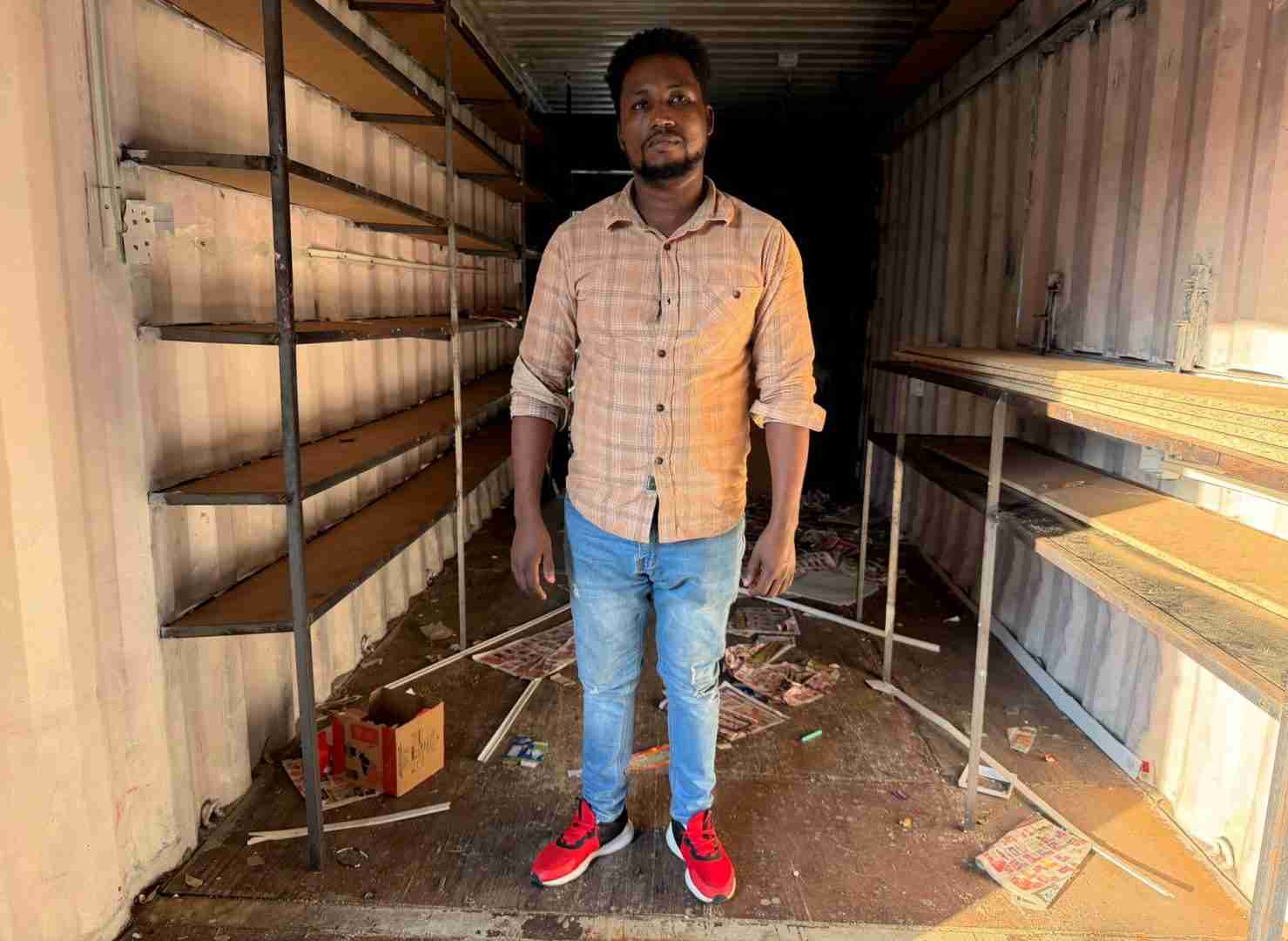
Abide came from Ethiopia a decade ago and has two shops, one of which was not targeted. He hopes to eventually re-open the other one, which was broken into and emptied out by looters. He employs one South African in his small business.

Other shops that were looted in Clermont were run by people from Somalia and Pakistan, locals told Reuters.

Outside one, men were working to fix the broken doors before nightfall, when they were afraid looters might come back.

Wolde keeps a laminated stack of documents — his refugee certificate, tax and bank statements — on hand to show anyone who questions his legal status.

Sometimes he has to show them two or three times a day to police or other people who come into his shop, which is on a bustling street with mostly Ethiopian businesses.

“Now business is no good,” Wolde said. “Everybody is scared to come here.”

He has soured on South Africa. But having already survived a shooting in 2008, and xenophobic looting in 2015 and 2021, he plans to stick it out anyway.

“I make business here. I don’t know why they’re angry.”

Reporting by Nellie Peyton;Editing by Tim Cocks, William Maclean