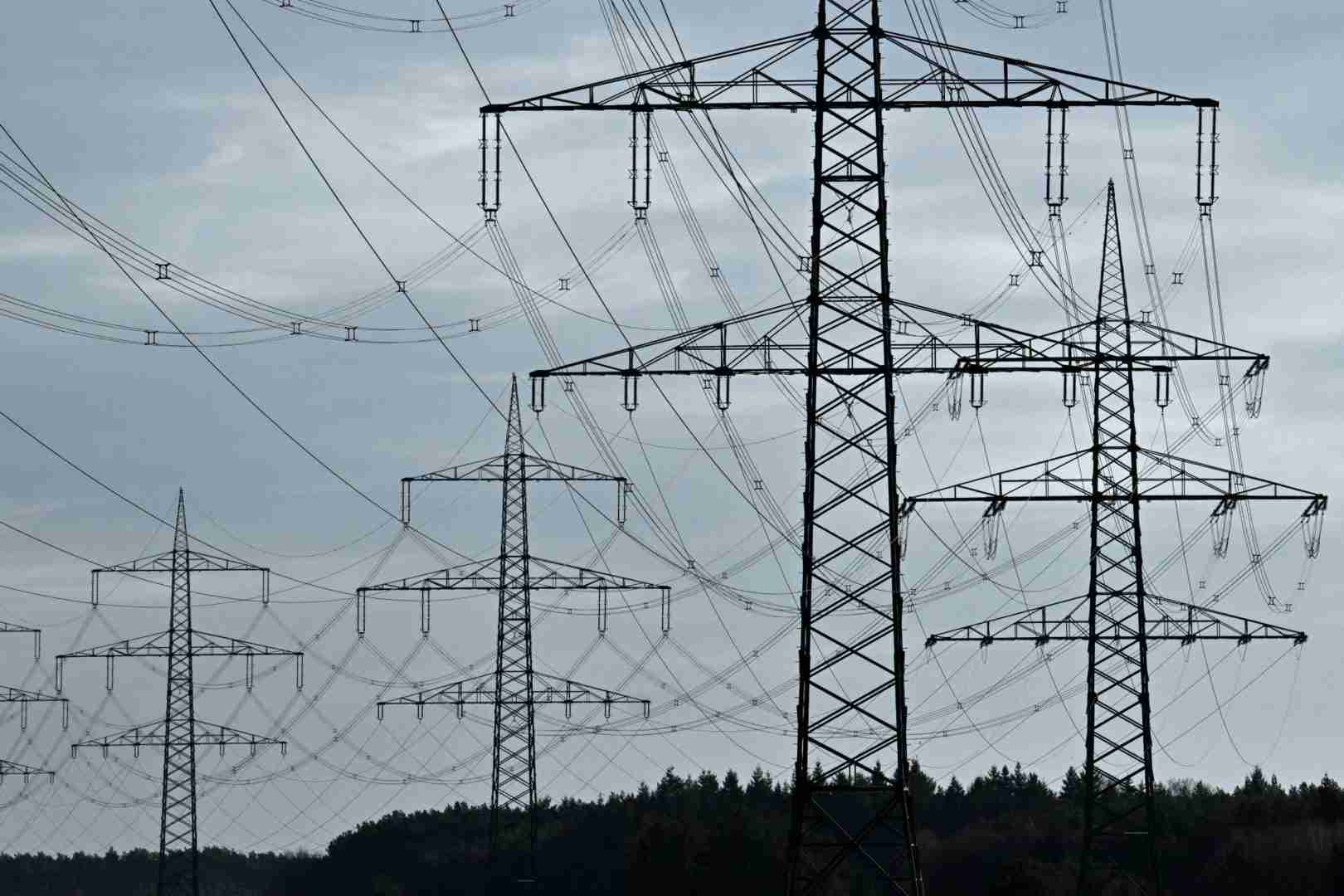
Companies including Nestle and Ikea on Monday urged governments to make electrification central to their economic strategies, to help reduce exposure to volatile fossil fuel costs and bolster energy security
International News via Reuters:
MORE THAN 100 COMPANIES INCLUDING NESTLE, UBER URGE GOVERNMENTS TO MAKE ELECTRIFICATION CENTRAL TO ECONOMIC STRATEGY
Companies including Nestle and Ikea on Monday urged governments to make electrification central to their economic strategies, to help reduce exposure to volatile fossil fuel costs and bolster energy security.
In an open statement seen by Reuters and backed by 112 businesses from sectors including industrials, consumer goods and healthcare, they said exposure to fossil fuel-driven price shocks undermined competitiveness.
The group, with combined annual revenues of about $1.5 trillion, also included Iberdrola, Volvo Cars and Uber, Mahindra Group, Nikon Corporation, and Levi Strauss.
“Continued reliance on volatile fuel markets exposes economies to disruptions that drive price spikes, destabilise supply chains and delay investment,” said the statement, coordinated by the We Mean Business Coalition and the Global Renewables Alliance.
However, making the shift would depend heavily on clear and predictable government policy and reforms, including improving electricity market design, investing in grids and speeding up permitting, it added.
As many governments and companies reassess their energy strategies in response to price spikes, most recently those linked to the Iran conflict, the statement said volatility can translate into “persistent uncertainty”, higher operating costs and weaker competitiveness.
The intervention comes at the start of London Climate Action Week, with more than 75,000 people expected to attend 1,000-plus events, including leading policymakers, investors and company executives.
It also aligns with a push by Turkey, the hosts of the COP31 climate talks in November, for countries to agree a global target for electricity to supply 35% of the world’s energy demand by 2035.
Many of the technologies required to electrify key sectors such as transport, buildings and industry are already commercially available, and would help to lower overall energy demand, the statement said.
“To reach the required scale, the transition to electrification notably needs to be accelerated through predictable and enabling policy frameworks,” said Kim Hellström, Senior Sustainability Climate Manager at retailer H&M.
A poll released last week said 90% of business leaders expected their operations to be electrified within a decade.
Reporting by Simon Jessop; Editing by Kirsten Donovan
The historic 635-nautical-mile Newport Bermuda Race has been conquered at exceptional speed, with the formidable super-maxi Black Jack 100 arriving first to claim line honours.
After an incredible offshore sprint, the 100-foot vessel sliced through the Atlantic to cross the finish line off St. David’s in 1 day, 11 hours, 26 minutes, and 46 seconds. While falling just 48 minutes short of the absolute race record, the crew, led by Ramon Vos and Tristan Le Brun, celebrated wildly as they arrived in the pitch darkness off Bermuda.
Owned by Dutch billionaire Remon Vos, the yacht is purpose-built for outright speed and already holds a legendary reputation in prestigious ocean races worldwide.
The triumphant finish was met with raucous cheers and smiles, sealing an outstanding passage to the “Onion Patch” and marking a remarkable opening performance for the 2026 fleet.
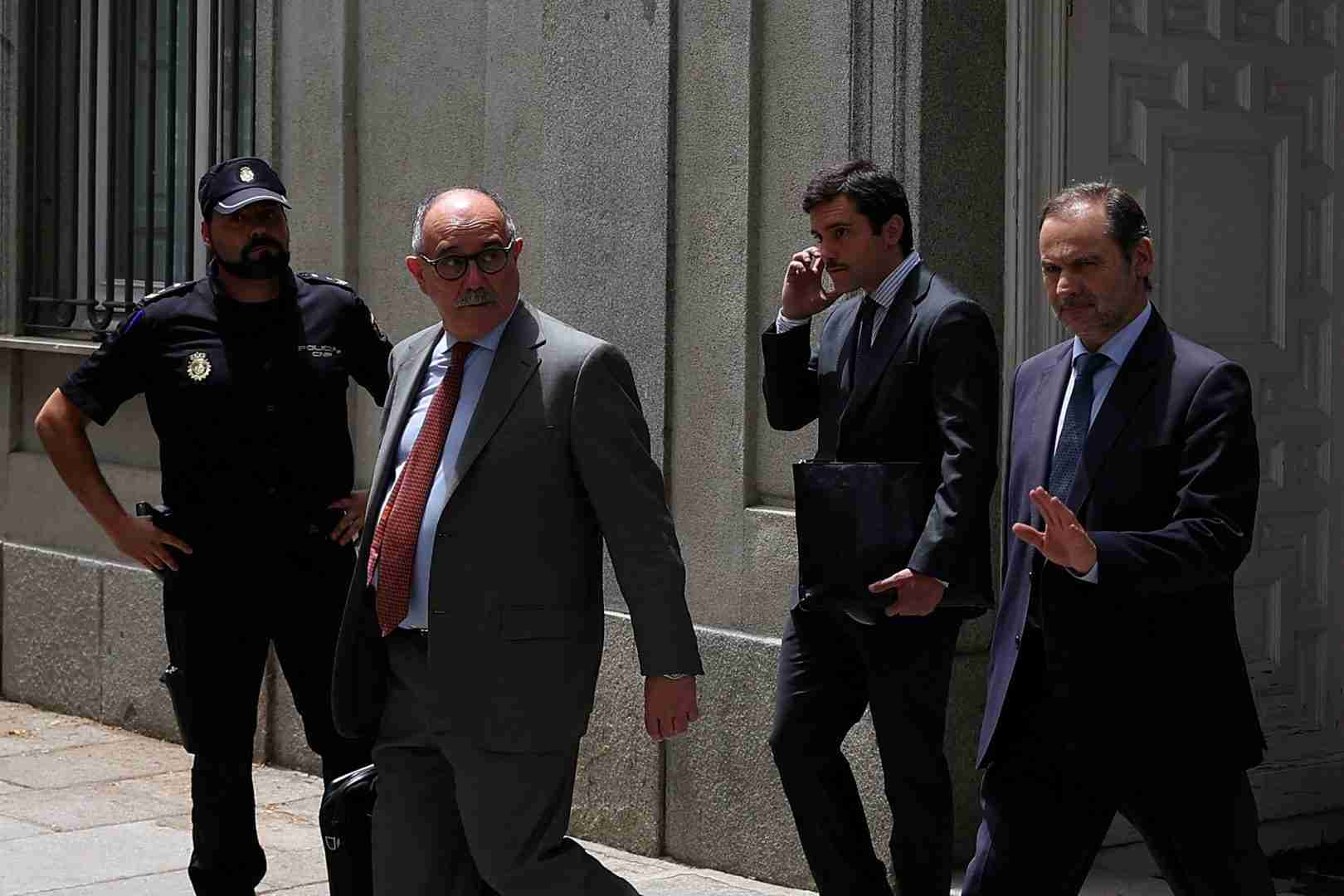
Abalos was convicted of offences including criminal organisation, bribery, embezzlement and influence peddling
International News via Reuters:
Spain’s Supreme Court on Monday sentenced former Transport Minister Jose Luis Abalos to 24 years in prison for corruption, marking the first verdict in a series of scandals affecting the ruling Socialist Party.
Abalos was convicted of offences including criminal organisation, bribery, embezzlement and influence peddling, linked to the rigging of public contracts for medical supplies such as face masks during the COVID-19 pandemic, when he was in office.
His aide, Koldo Garcia, was sentenced to 19 years in prison.
Businessman Victor de Aldama received a four-and-a-half-year sentence, but the court suspended the prison term in recognition of his cooperation in uncovering the scheme, on condition that he does not reoffend, submits biannual activity reports and completes one year of community service.
The trial concerns one of a slew of graft cases involving the entourage of Prime Minister Pedro Sanchez, one of Europe’s few remaining leftist leaders, who came to power eight years ago by ousting a corruption-plagued centre-right government on the promise of cleaning up politics.
While he is under fire even from allies, Sanchez himself has not been named in any of the cases and has said they are a part of a campaign to oust him.
Reporting by Emma Pinedo, editing by Andrei Khalip
Temperatures in Bordeaux in southwestern France were forecast to exceed 42 degrees Celsius (107.6 degrees Fahrenheit) on Monday and weather agency Meteo France said 49 regional administrative areas will be under a red heatwave warning
International News via Reuters:
Three people died in France from health issues caused by extreme heat and almost 2,700 French schools were set to close or modify timetables as authorities across Europe issued heatwave warnings for Monday.
Temperatures in Bordeaux in southwestern France were forecast to exceed 42 degrees Celsius (107.6 degrees Fahrenheit) on Monday and weather agency Meteo France said 49 regional administrative areas will be under a red heatwave warning.
“We’re heading for, at the very least, several days of very, very hot weather. We don’t know when temperatures will start falling,” French Health Minister Stephanie Rist said on TV channel TF1.
Three elderly people, aged between 80 and 95, died over the weekend in the Bordeaux region as a result of health issues caused by the current heatwave in France, local government official Sophie Brocas told France TV late on Sunday.
In Spain, state weather agency Aemet issued a red alert for the Basque country, in the normally cooler north of the country, with the mercury in San Sebastian set to rise to a high of 40C, more than double its historic average for June 22, according to the Reuters Climate Monitor.
San Sebastian was set to be hotter than the southern cities of Seville and Cordoba, which normally record the country’s most intense summer heat.
“We are seeing temperatures between 5 and 10 degrees above normal for this time of year, and in some northern areas even more than 10 degrees above average,” said Rubén del Campo, spokesperson for Aemet.
LITTLE RELIEF AT NIGHT
The night was providing little relief in some parts of Spain, with temperatures failing to drop below 25C or even 30C in places like the southwestern province of Almeria, Aemet said.
Europe on Monday was the continent furthest from its historic norm, with an average high temperature of 24C, which was 4.1C above what was typical from 1961-1990, according to the climate monitor. By comparison, Asia and North America were 2C and 1.3C above the historic norm.
Wildlife shelters in northern Europe were struggling to cope with the number of animals being brought in suffering from the heat. Birds such as swifts, swallows, sparrows and starlings, which make their nests in the eaves of roofs, have been particularly affected by abnormally high temperatures, said Romaine de Jaegere, a biologist and founder of the Centre for the Rehabilitation of Animals Living in the Wild (Creaves) wildlife refuge in Temploux in Belgium.
“Temperatures on the roofs can sometimes reach 50, even 60 degrees Celsius. So they prefer to jump rather than let themselves die and literally cook in their nests,” De Jaegere told Reuters, adding that the shelter had received 150 animals in the last three days.
Spain’s Labour Ministry on Monday said it was monitoring whether companies were complying with laws that allow workers to reduce or adjust their working hours when orange or red weather alerts are issued. Workers are also entitled to up to four days of paid leave if they are unable to reach their workplace due to weather conditions, it said.
Reporting by Richard Lough and Lewis Macdonald in Paris, Hugo Lhomedet in Gdansk, Emma Pinedo in Madrid, Zoran Mikletic in BrusselsWriting by Charlie Devereux; Editing by Alexandra Hudson
Leo, who has been more outspoken on political issues in recent months, urged governments to increase their spending to combat hunger and not subject food aid to limits based on geopolitical concerns
International News via Reuters:
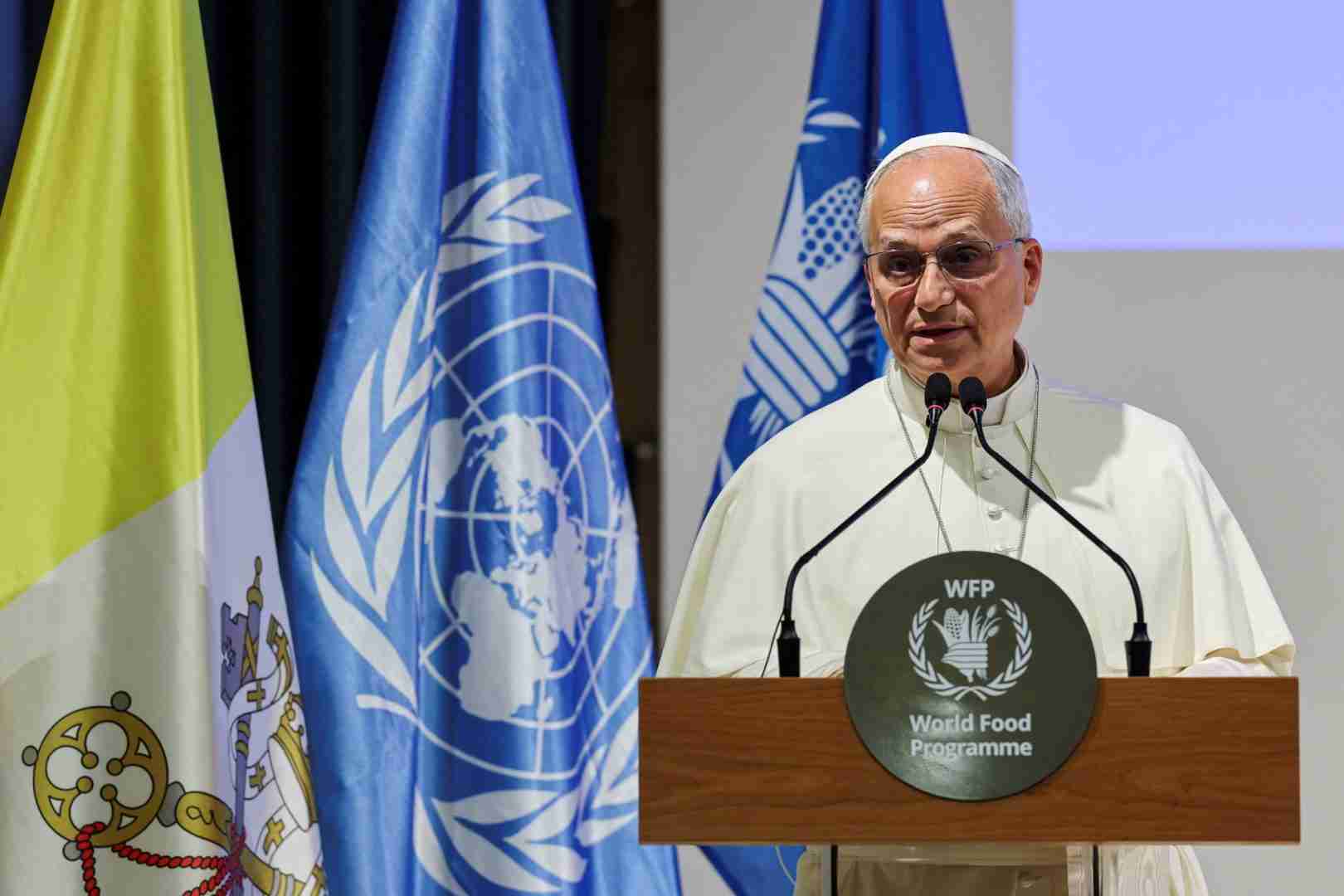
World leaders are “feeding” wars instead of the hungry, Pope Leo said on Monday, telling the U.N. food aid agency that global priorities were badly skewed.
Leo, who has been more outspoken on political issues in recent months, urged governments to increase their spending to combat hunger and not subject food aid to limits based on geopolitical concerns.
“Conflicts are ‘fed’ more readily than people are nourished,” the first U.S. pope said in a visit to the Rome headquarters of the World Food Programme (WFP).
“This reality reflects not only operational shortcomings but also a fundamental imbalance in political and moral priorities,” he said.
The WFP is the largest provider of food aid worldwide. Its biggest donor is the U.S., which announced a new $800 million contribution last week, following earlier cuts by President Donald Trump that more than halved planned U.S. funding.
POPE SAYS ACCESS TO FOOD IS A FUNDAMENTAL RIGHT
Leo, who drew Trump’s ire earlier this year after criticizing the Iran war, did not mention any specific leaders on Monday.
The pope lamented that the world’s humanitarian crises were being relegated to a “secondary place among international priorities”.
He said that countries “have increasingly allocated their resources towards national security, economic growth and domestic stability, disregarding the close link between these issues and multilateral cooperation”.
Leo was welcomed to the WFP on Monday by Cindy McCain, who resigned as director of the agency earlier this year for health reasons.
The WFP, which won the Nobel Peace Prize in 2020, provided 15.6 billion daily rations to 121 million people in 2025, funded by $6.5 billion in private donations, according to the agency.
Leo said that access to food was “a fundamental human right grounded in the dignity of every person”.
He said alleviating hunger not only helped those in need but also addressed underlying causes of geopolitical instability.
“Food security is an essential component of global and integral security,” said the pope.
Reporting by Joshua McElwee; Editing by Crispian Balmer
The two sides agreed to a roadmap towards a lasting deal to end their war within 60 days at the talks in the Qatari-owned Swiss mountain resort of Buergenstock, which concluded early on Monday
International News via Reuters:
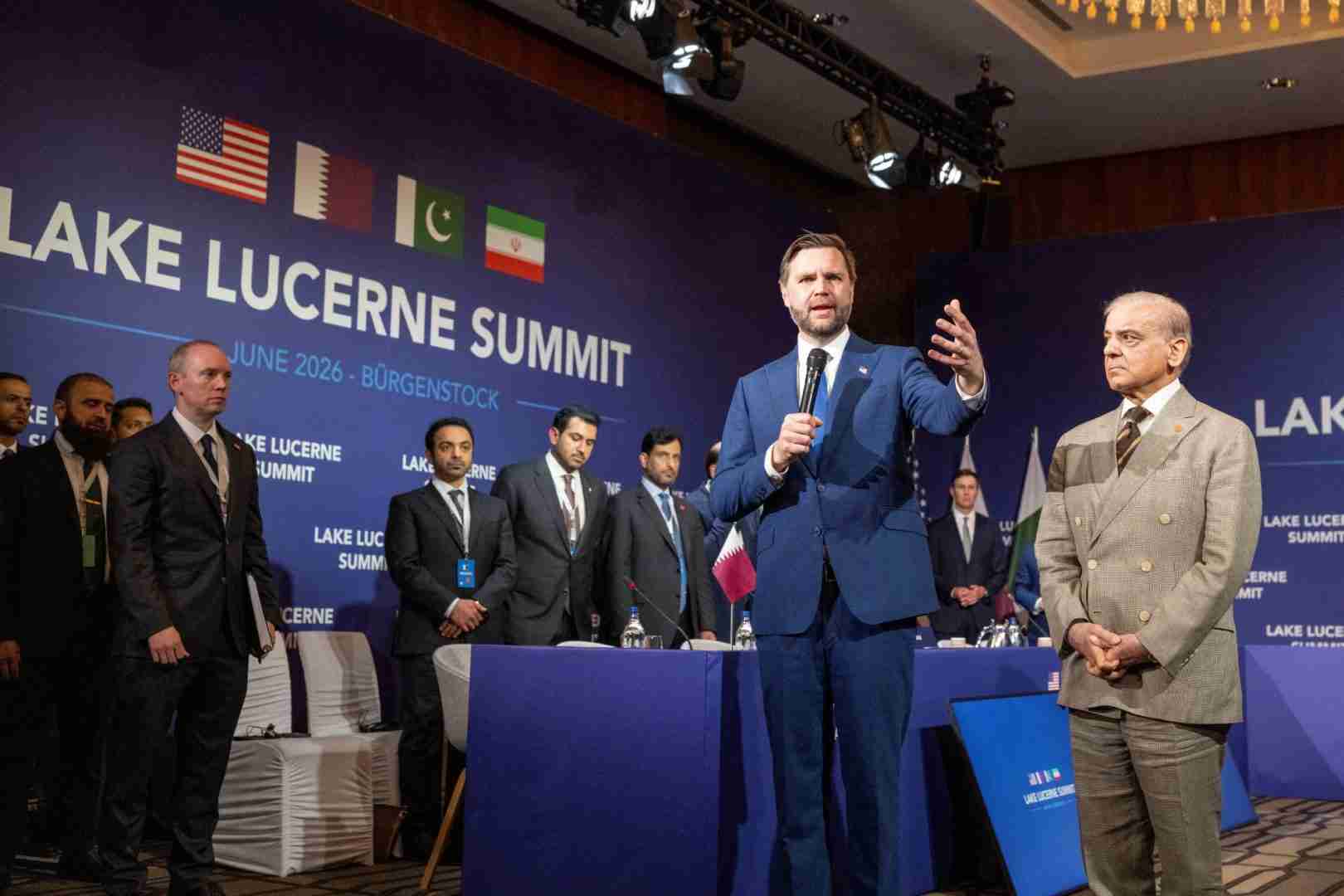
The United States and Iran made “encouraging progress” at the first round of talks aimed at reaching a final peace deal, mediators said on Monday, although tension persisted over Lebanon and the Strait of Hormuz.
The two sides agreed to a roadmap towards a lasting deal to end their war within 60 days at the talks in the Qatari-owned Swiss mountain resort of Buergenstock, which concluded early on Monday, mediators Pakistan and Qatar said.
They also agreed on a mechanism to end fighting in Lebanon between U.S. ally Israel and Iran-aligned Hezbollah, and opened a communications line to help ensure safe passage for commercial ships through the strait, a vital global oil supply route.
Sunday’s meeting followed an interim deal signed last week and stretched into the early hours of Monday, despite Tehran again shutting the waterway on Saturday and U.S. President Donald Trump threatening to resume attacks on Iran.
‘CONSTRUCTIVE ATMOSPHERE’
“The discussions were held in a positive and constructive atmosphere and yielded encouraging progress,” Pakistani Prime Minister Shehbaz Sharif wrote on X, adding that the first round of talks had “concluded successfully”.
Vice President JD Vance, who led Washington’s delegation, told reporters Trump had “asked us to turn over a new leaf to transform our relationship with the people of Iran” and said progress had been made towards ending hostilities in Lebanon.
“These things are always a little bit messy,” he said.
The main Iranian negotiating team, including senior diplomat Mohammad Baqer Qalibaf, left Switzerland for Tehran, Iranian student news agency ISNA reported, but technical talks were due to continue for the rest of this week.
In a post on social media, Iranian Foreign Minister Abbas Araqchi said Tehran had secured waivers for oil and petrochemical exports, the release of some frozen assets and the launch of a reconstruction and development plan for Iran.
Oil prices had risen sharply when Tehran started blockading the Strait of Hormuz, prompting a U.S. blockade of Iranian ports, but after the interim deal fell to their lowest since before the war began on February 28 with U.S.-Israeli attacks on Iran.
Oil prices fell further after Monday’s joint statement, with worries about a supply shortage in global markets easing and global benchmark Brent crude trading below $80 per barrel.
TALKS AIM TO REACH LASTING DEAL
The talks began under the terms of the memorandum of understanding reached last week to extend a tenuous ceasefire from April for at least another 60 days.
Before the talks officially began, Fox News quoted Trump as saying he had told Iranian officials “you won’t have a country” if they tried to close the strait again. Trump also reiterated an earlier threat that the U.S. would take over the waterway and possibly charge a toll of its own, Fox News said.
Iran’s semi-official Tasnim news agency, citing an informed source, said that after Trump’s threats became public, the Iranian delegation refused to return to the room where talks were held, though messages were traded via the mediators.
According to Tasnim’s source, the Iranians said the start of negotiations on nuclear matters required the delivery of other parts of the MOU, including the release of frozen assets and U.S. waivers authorizing Iranian oil exports.
The interim agreement calls for reopening the Strait of Hormuz and ending all hostilities, including in Lebanon, where violence continued after a ceasefire was declared on Friday.
Accusing the U.S. of failing to meet its commitment to halt fighting in Lebanon, Iran said at the weekend that it had again stopped maritime traffic through the strait.
Five vessels passed through the strait on Sunday, a sharp drop from the 26 ships spotted a day earlier, data from analytics firm Kpler showed. The data may exclude vessels that switch off their transponders while travelling in the Gulf.
VIOLENCE IN LEBANON ABATES
The violence between Hezbollah and Israel has abated since late on Saturday.
Security sources in Lebanon said Israel’s last airstrike was on Saturday evening, and that the lull in violence was the longest since Hezbollah opened fire in support of Iran on March 2 although an Israeli drone could be heard over Beirut.
Reflecting reduced tensions, the Israeli military lifted safety restrictions in eight communities near the Lebanese border beginning at 6 a.m. (0300 GMT) on Monday.
Lebanese President Joseph Aoun discussed efforts to maintain the ceasefire and halt Israeli military escalation during a phone call with Vance, Qatar’s prime minister and White House envoy Jared Kushner, the Lebanese presidency said.
Israeli President Isaac Herzog said Israel was not opposed to a diplomatic end to the Iran war, but any agreement must ensure Tehran cannot use funds it receives as part of the deal for military purposes or to support regional proxies.
Reporting by Reuters bureaus; Writing by Ann Saphir, Stephen Coates and Timothy Heritage; Editing by Sergio Non and Alexandra Hudson
European Commission President Ursula von der Leyen earlier praised Starmer
International News via Reuters:
The European Union is reassessing whether to hold a summit with Britain as planned on July 22 after British Prime Minister Keith Starmer said he would resign, a European Commission spokesperson said on Monday.
“Our relations with the UK are and will remain strong,” the spokesperson said. “On the question of the EU-UK summit, against the announcement this morning of the resignation of Prime Minister Starmer, we are reassessing with (European Council) President Costa and the UK the opportunity of still holding the summit as had been announced last week,” the spokesperson said.
European Commission President Ursula von der Leyen earlier praised Starmer.
“It can take many leaders years to grow into the statesman you became in just two years,” she said in a post on X. “European and Ukrainian security is stronger because of you.”
Reporting by Inti Landauro; editing by Philip Blenkinsop
The chaos dates back to the Brexit referendum, 10 years ago to the day on Tuesday
International News via Reuters:
British Prime Minister Keir Starmer said he would quit on Monday, paving the way for the country to have its seventh leader in 10 years.
The chaos dates back to the Brexit referendum, 10 years ago to the day on Tuesday.
In the years since the vote, Britain has tried to forge its own path but struggled to boost its low-growth economy, hamstrung by high debts and a growing welfare bill, at a time of growing geopolitical volatility.
JUNE 2016: UK VOTES FOR BREXIT, PM CAMERON QUITS
Britons cause a global shock by voting 52%-48% to leave the European Union, ending a more than 40-year union and plunging the country into its biggest political crisis since World War Two. Conservative Prime Minister David Cameron resigns and the party chooses Theresa May to succeed him.
JUNE 2017: SNAP ELECTION GAMBLE BACKFIRES
Riding high in opinion polls and seeking a bigger majority in parliament to push Brexit legislation through, May calls a snap election. The Conservatives lose their majority and form a government by striking a deal with Northern Ireland’s pro-UK Democratic Unionist Party.
MAY 2019: BREXIT PARALYSIS, MAY RESIGNS, JOHNSON TAKES OVER
May quits after failing to break a parliamentary deadlock over how Britain should leave the EU. Boris Johnson, one of the main faces of the pro-Brexit campaign, wins the internal Conservative Party contest to succeed her.
DECEMBER 2019: JOHNSON LEADS CONSERVATIVES TO SWEEPING WIN
With parliament paralysed over Brexit, Johnson calls a snap election. Campaigning under the slogan “Get Brexit Done” he steers the Conservatives to their biggest election win since Margaret Thatcher’s landslide victory in 1987.
JANUARY 2020: BREXIT GETS DONE
Johnson uses his mandate to drive a Brexit deal through parliament and Brussels, and Britain exits the EU on January 31, 2020, becoming the first state to withdraw from the bloc.
JULY 2022: JOHNSON OUSTED
Johnson leads Britain during the COVID-19 pandemic – at one point being hospitalised himself with the disease – but a long list of scandals and missteps proves too much and he steps down after a ministerial revolt.
SEPTEMBER 2022: TRUSS’ CHAOTIC PREMIERSHIP
Liz Truss beats Rishi Sunak in a contest to succeed Johnson. Her “mini-budget” containing unfunded tax cuts spooks financial markets, pushing up borrowing costs sharply and further tarnishing Britain’s reputation for political and fiscal stability. She lasts only 44 days before announcing her resignation.
OCTOBER 2022: SUNAK BECOMES PRIME MINISTER
Sunak takes over as Britain’s third prime minister in as many months, pledging to restore stability to government. He makes five key pledges focused on the economy, stopping illegal immigration and improving the health system. In February 2023, Sunak strikes a deal with the EU on trade rules for Northern Ireland, improving ties with the bloc.
MAY 2024: SUNAK CALLS ELECTION
Trailing the Labour Party by around 20 points in the polls, Sunak calls an election for July 4.
JULY 2024: STARMER BECOMES PRIME MINISTER
“We said we would end the chaos and we will,” Keir Starmer, leader of the Labour Party, told supporters on July 5, 2024, after winning a landslide election but with the smallest share of the electoral vote of any majority government in modern history.
AUGUST 2024: STARMER WARNS ‘THINGS WILL GET WORSE’
Starmer warns over the state of the public finances, saying the Labour Party has inherited “an economic black hole” and tells voters “things will get worse before they get better”.
OCTOBER 2024: LABOUR’S FIRST BUDGET
Finance minister Rachel Reeves announces tax rises worth £40 billion ($52.76 billion) a year, primarily by raising employers’ social security contributions, bringing the tax burden to its highest level on record in peacetime and prompting an outcry from businesses.
FEBRUARY 2025: NIGEL FARAGE’S REFORM UK PARTY SURGES
Right-wing anti-immigration party Reform UK overtakes Labour in a national opinion poll for the first time. Reform UK, led by Brexit campaigner Nigel Farage, has topped polls ever since.
JUNE 2025: REBELLION FORCES STARMER U-TURN ON WELFARE
Starmer is forced to reverse plans to cut Britain’s welfare bill after his own lawmakers threatened to defeat the government.
SEPTEMBER-APRIL 2025: MANDELSON SCANDAL
Pressure on Starmer ramps up over his appointment of Peter Mandelson as Britain’s ambassador to Washington. Mandelson was later sacked over his ties to the late sex offender Jeffrey Epstein, as questions emerge over Starmer’s judgment and the vetting process involved.
MAY 2026: LOCAL ELECTION DISASTER
The Labour Party suffers heavy losses in English local elections and votes for the Scottish and Welsh assemblies, deepening questions over Starmer’s ability to govern, with Reform UK the main beneficiary.
MAY 2026: WES STREETING RESIGNS AS HEALTH MINISTER
Health Minister Wes Streeting quits saying he had lost confidence in Starmer’s leadership and calls for a leadership contest, in which he said he would hope to compete.
JUNE 2026: DEFENCE MINISTER JOHN HEALEY QUITS
British Defence Minister John Healey quits over a months-long dispute over defence spending, accusing Starmer of failing to commit the money needed to keep the country safe from mounting threats.
JUNE 2026: ANDY BURNHAM SHOWS HE CAN BEAT REFORM UK
Greater Manchester Mayor Andy Burnham wins an election in the north of England, trouncing Reform UK in the process, and allowing him to return to Westminster, removing a key obstacle to any leadership challenge against Starmer.
($1 = 0.7581 pounds)
Reporting by Sarah Young and Muvija M; Editing by Sharon Singleton
Starmer, who has been in the job less than two years after his Labour party won a landslide election victory, said nominations for anyone to replace him would open on July 9
International News via Reuters:
Sterling slipped and UK borrowing costs edged up on Monday, after Prime Minister Keir Starmer said he would resign and a new leader to be in place by September, leaving investors with no clarity on how Britain’s next leader might run the economy.
Starmer, who has been in the job less than two years after his Labour party won a landslide election victory, said nominations for anyone to replace him would open on July 9. His rival Andy Burnham is the clear frontrunner.
Sterling, which has lost some 3% since pressure on Starmer began to heat up in February, was down 0.2% at $1.319, near its lowest in three months.
Britain already has the highest borrowing costs in the Group of Seven wealthy nations due to its high debt and interest payments, years of anaemic economic growth, its struggles to cut spending and the need to invest in areas like defence.
“At the moment, Andy Burnham is the favourite and he’s tried to reassure the gilt market that he will stick to the fiscal rules, and there are reports that he’s working with respected economists,” said MUFG senior currency analyst Lee Hardman.
“That has definitely provided some reassurance to investors and will limit the downside risks for the pound and gilts in the near term.”
The options market shows traders are willing to pay more to hedge against volatility in sterling in the coming weeks than they were on Friday.
UK 10-year gilt yields are at around 4.85%, not far off their highest since the 2008 financial crisis, meaning Britain must pay more for its medium-term borrowing needs than any other developed nation.
“The question is, is it going to be a coronation or a contest? If it’s a coronation, then I think we can see a little bit of a rally in gilts and/or sterling holding on,” CIBC head of G10 currency strategy Jeremy Stretch said of Starmer’s potential successor.
“But if there’s a contest, then the danger would be that could involve various protagonists involving themselves, or being dragged into fiscal commitments that they would not otherwise have made, or not be comfortable with. So that would be much more problematic from a sterling perspective.”
Political instability and concern over Britain’s stretched finances have made investors wary of sterling and gilts, which have been prone to higher volatility than other markets in recent years.
Burnham is viewed as being more left-leaning than Starmer, and although he has said he will stick to incumbent finance minister Rachel Reeves’ tight fiscal rules, investors will need to see proof.
Jefferies strategist Mohit Kumar said he had stayed away from long-dated gilts given concern about Britain’s long-term finances.
Additional reporting by Alun John; Editing by Alexander Smith, Jan Harvey and Dhara Ranasinghe
In an emotional speech, Starmer said he had listened to his governing Labour Party and realised that he was no longer the man who should lead it into a national election due in 2029
International News via Reuters:
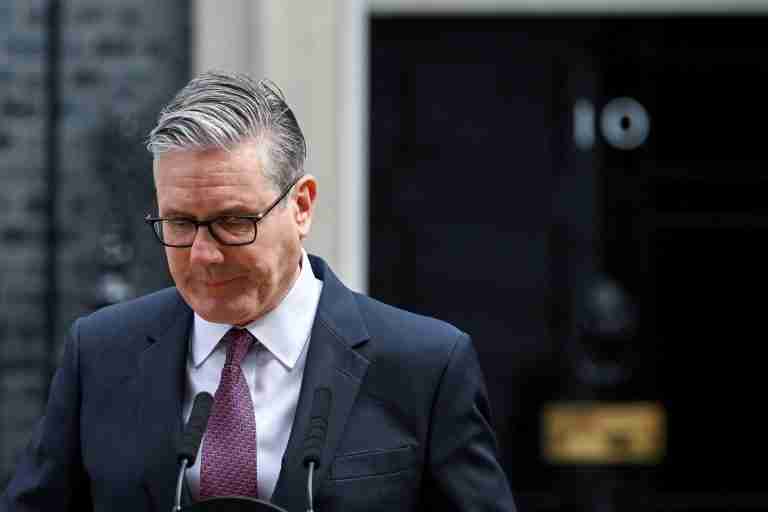
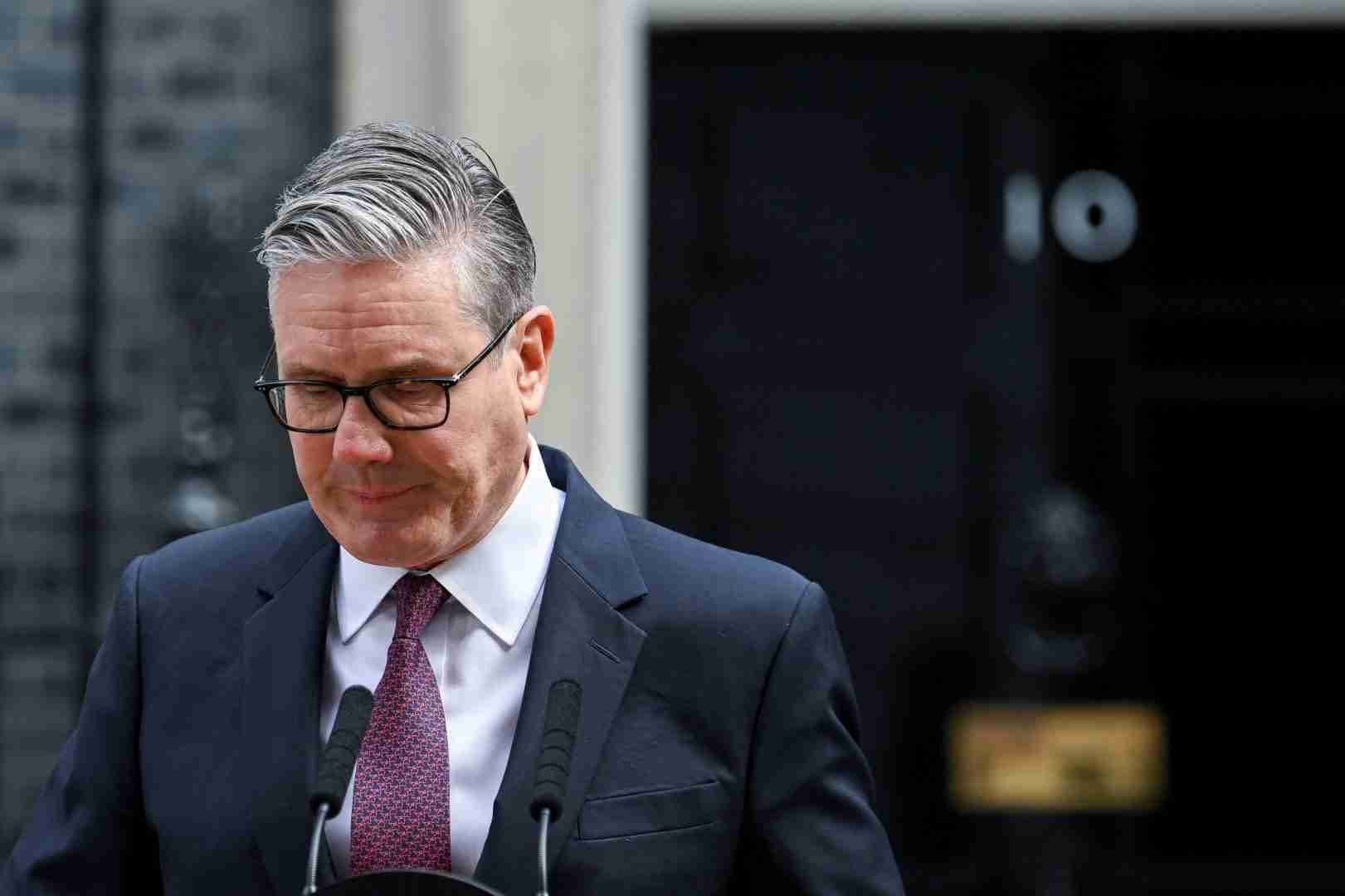
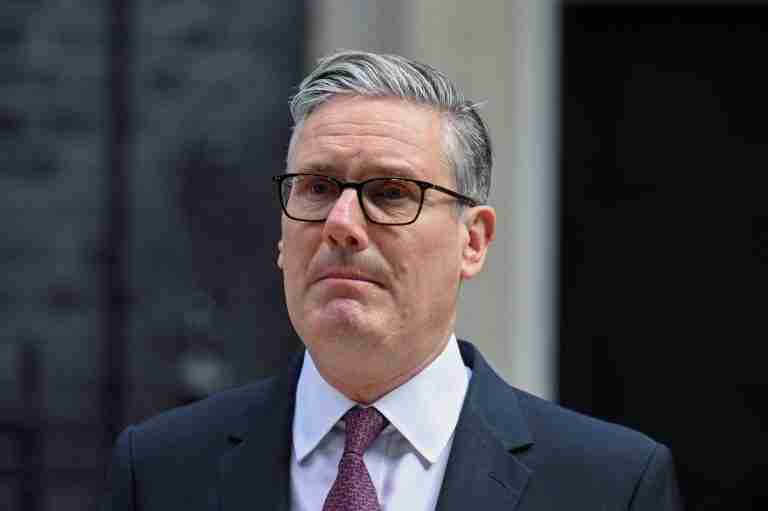
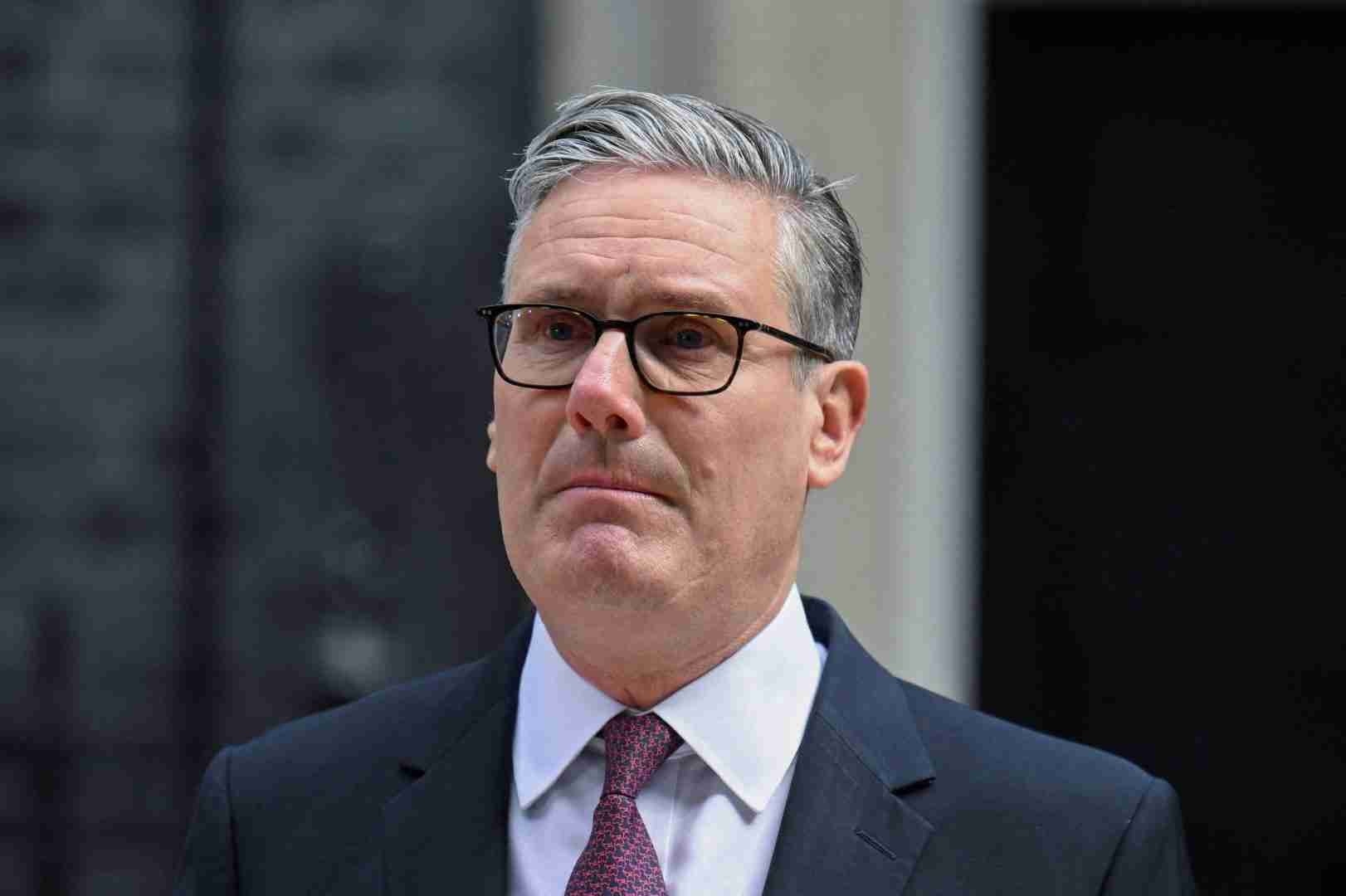
Prime Minister Keir Starmer said on Monday he would quit, paving the way for what is expected to be an orderly transfer of power to frontrunner Andy Burnham, who could soon become Britain’s seventh leader in 10 years.
In an emotional speech, Starmer said he had listened to his governing Labour Party and realised that he was no longer the man who should lead it into a national election due in 2029.
His announcement, made on the steps of his Downing Street office and London residence, could trigger another leadership contest or, for many in the party, lead to the preferred option of a seamless coronation of former Greater Manchester mayor, Burnham.
Burnham, a 56-year-old career politician, was quick to say on X he would put himself forward in any leadership contest, receiving the support of former health minister Wes Streeting, who had been seen as a potential rival in any race.
POLITICAL CHURN IN BRITAIN
By installing Britain’s seventh prime minister since the Brexit vote to leave the European Union 10 years ago, the Labour government is the latest to fall foul of voter anger over politicians’ failure to deliver on their promises of change.
Starmer said he would ask the Labour Party’s organising committee to set out a timeline for a leadership contest to find his replacement. Nominations would open on July 9, close by mid-July, and if there is a contest, a new leader will be in place by September. A coronation could mean a new leader would enter office by mid-July.
“The question my party is asking now is whether I am best placed to lead us into the next general election. I have heard the answer from my parliamentary party to that question and I accept that answer with good grace,” he said.
After describing the achievements his government had secured in his two years of power, a man who was often criticised for being robotic, became visibly emotional, his voice cracking when he thanked his family for their support.
“When I leave the biggest job in the country I will spend more time on the most important job, being the best husband I can to my fantastic wife Vic who has been a rock by my side through good times and bad, and being the best dad I can to my beautiful children who are my pride and my joy.”
PRESSURE HAD BEEN BUILDING FOR MONTHS
Starmer spent the weekend with his wife, Victoria, at his country residence to consider his future. With support draining away, he realised the political reality of his position.
The threat to Starmer, which had been building for months, increased sharply on Friday when Burnham decisively won a parliamentary election to return to Westminster, beating a candidate from Nigel Farage’s Reform UK party, which has led opinion polls for more than a year.
That victory gave hope to Labour lawmakers that Burnham, known for his strong communication skills, could transform the fortunes of a party that has lost support under Starmer.
The pound rose against other currencies and British government bonds rallied after Streeting’s announcement, as investors welcomed a more certain path to Burnham’s premiership.
Despite hoping for a smooth handover, the change is not without risk.
If other candidates decide to enter any leadership race, the party could end up with a divisive contest that could paralyse government, although Streeting’s move appeared to reduce the likelihood of that and suggested to some Labour lawmakers that the former health minister had been offered a job by Burnham.
Burnham, who is expected to arrive in London on Monday to take up his newly won seat for the northwestern English area of Makerfield, has yet to flesh out a full policy agenda and Reform’s Farage immediately called for a national election.
“I’ve had enough of waiting around. Britain needs change – real change, not another washed-up has-been shoved into place by the uniparty,” Farage said in a statement.
NO CLEAR APPROACH YET
Beyond saying that the country needs fundamental change and that he wants to bring down the cost of living, Burnham has yet to make clear his approach to foreign affairs, the economy and defence.
Like Starmer, he could find he has little room to manoeuvre, hemmed in by bond market investors opposed to any additional borrowing, and confronted by an angry electorate which believes the country is not working properly.
Britain already has the highest borrowing costs in the Group of Seven wealthy nations due to its high debt and interest payments, years of anaemic economic growth, its struggles to cut spending and the need to invest in areas like defence.
additional reporting by Andrew MacAskill, Alistair Smout, David Milliken, Sam Tabahriti, William James; editing by Barbara Lewis and Sharon Singleton
Speaking at the Athene Life Careers Expo, Ms Williams emphasised the collaborative approach which makes Bermuda attractive to international companies
The trinity of the insurance sector, government and the Bermuda Monetary Authority is what makes Bermuda uniquely successful as a global reinsurance hub.
This from Suzanne Williams, CEO of BILTIR – Bermuda International Long Term Insurers and Reinsurers.
Speaking at the Athene Life Careers Expo, Ms Williams emphasised the collaborative approach which makes Bermuda attractive to international companies.
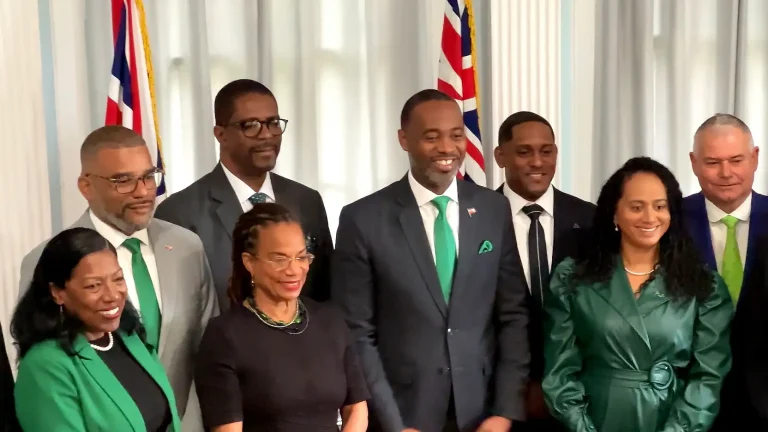
An estimated extra million dollars spent on the Premier’s and Ministers’ political advisors; Premier says these individuals “make significant sacrifices” to support the work of Ministers
He says these individuals make significant sacrifices, while citing his own time in such a role under Premier Paula Cox.
After winning the February 2025 election, the PLP Government appeared to have at least doubled the cost of personal staff within Ministries.
For the year ending March 2026, $1.78 million dollars had been spent on personal staff for the Premier’s Office, Ministers, and also the Opposition Leader.
For the year ending March 2026, $1.78 million dollars had been spent on personal staff for the Premier’s Office, Ministers and the Opposition Leader.
This is up from an estimated $838 thousand reported in 2023/2024, and $774 thousand in 2024/2025 – although the annual cost of hourly staff was not recorded in previous reports, leaving the exact cost unclear.
The bulk of the recent increase comes from extra hiring within Cabinet ministries.
Some roles appear to have received a salary increase, while three roles in the Premier’s office, and three Minister’s advisors, earned between $120- and $145-thousand for the year.
To provide the best experiences, we use technologies like cookies to store and/or access device information. Consenting to these technologies will allow us to process data such as browsing behavior or unique IDs on this site. Not consenting or withdrawing consent, may adversely affect certain features and functions.
Functional
Always active
The technical storage or access is strictly necessary for the legitimate purpose of enabling the use of a specific service explicitly requested by the subscriber or user, or for the sole purpose of carrying out the transmission of a communication over an electronic communications network.
Preferences
The technical storage or access is necessary for the legitimate purpose of storing preferences that are not requested by the subscriber or user.
Statistics
The technical storage or access that is used exclusively for statistical purposes.The technical storage or access that is used exclusively for anonymous statistical purposes. Without a subpoena, voluntary compliance on the part of your Internet Service Provider, or additional records from a third party, information stored or retrieved for this purpose alone cannot usually be used to identify you.
Marketing
The technical storage or access is required to create user profiles to send advertising, or to track the user on a website or across several websites for similar marketing purposes.