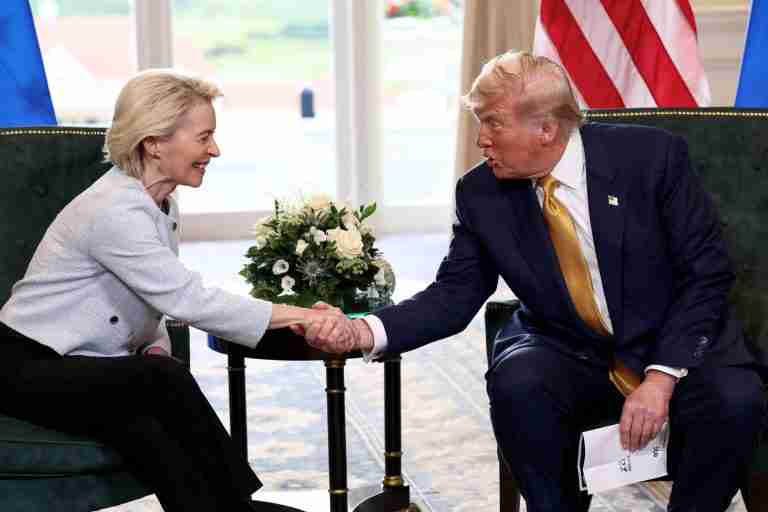
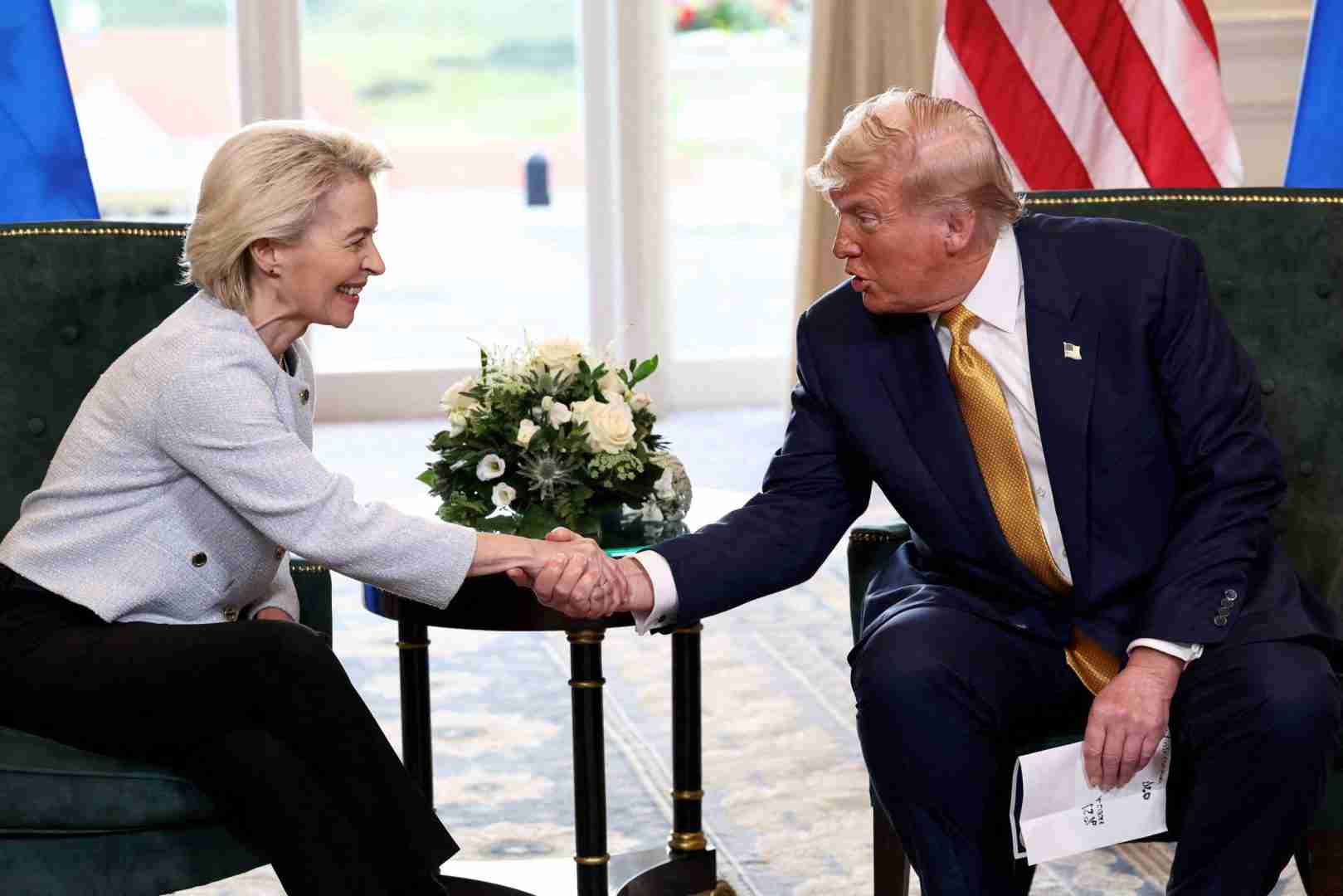
U.S. President Donald Trump struck a deal with the European Union at his Turnberry golf course in Scotland last July
International News via Reuters:
The European Parliament approved on Tuesday cutting duties on many U.S. goods imports to fulfill the European Union’s side of a trade deal struck last year, and avert a fresh round of tariff conflict between the world’s largest trading partners.
U.S. President Donald Trump struck a deal with the European Union at his Turnberry golf course in Scotland last July under which the EU agreed to remove import duties on U.S. industrial goods and provide preferential access to U.S. farm produce in return for U.S. tariffs of 15% on most EU goods.
Almost 11 months after that framework agreement, the EU had yet to pass legislation to implement those duty reductions. Trump threatened to impose “much higher” tariffs if the EU did not act by July 4.
Reporting by Philip Blenkinsop; Editing by Sudip Kar-Gupta
Speaking at a conference for bond investors hosted by the Financial Times, Reeves said Britain paid more to borrow than similar countries
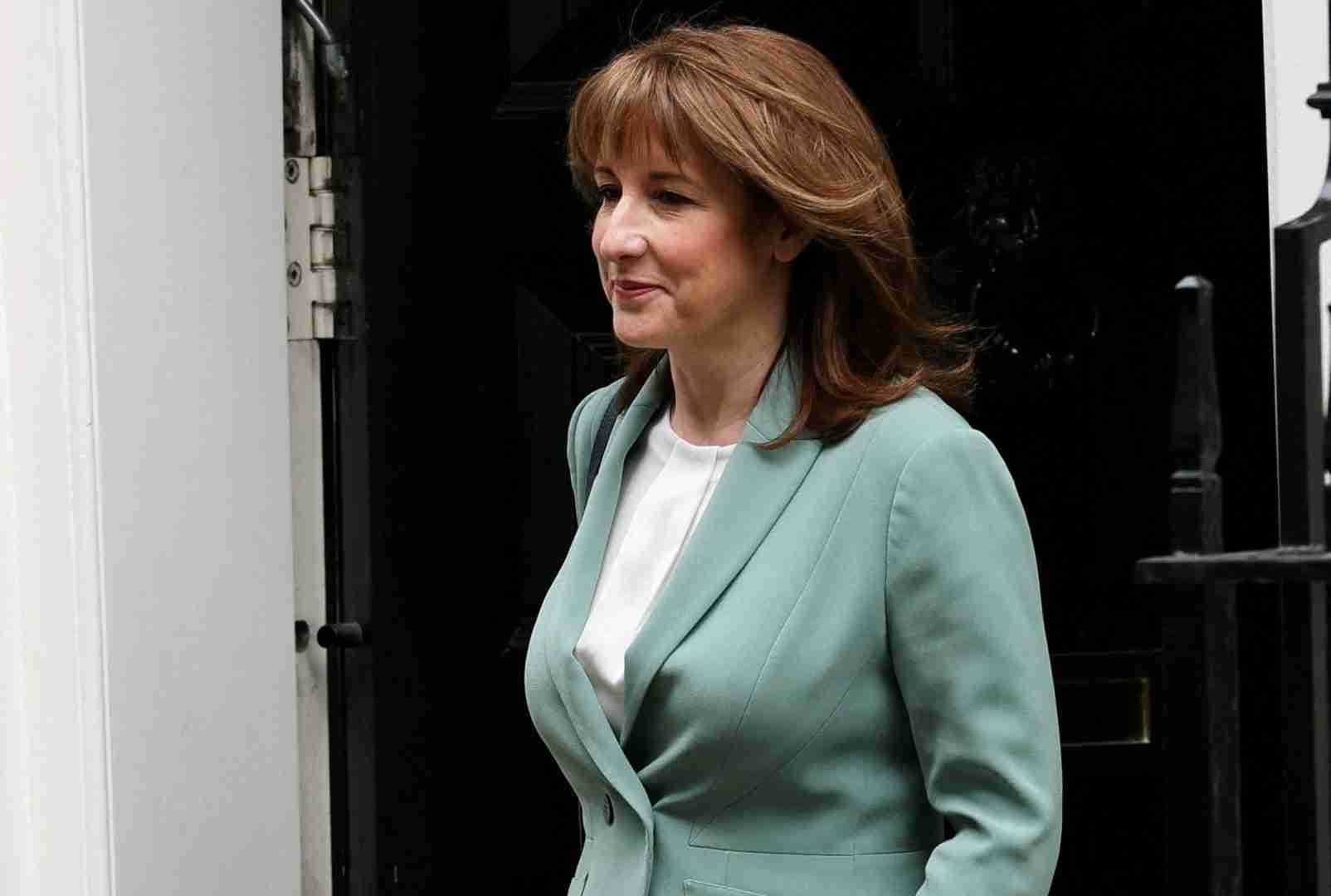
FILE PHOTO: Britain’s Chancellor of the Exchequer Rachel Reeves leaves 11 Downing Street on the day she is to deliver the Mais Lecture, in London, Britain, March 17, 2026. REUTERS/Isabel Infantes/File Photo
International News via Reuters:
British finance minister Rachel Reeves said on Tuesday that it was “very important” for the country to lower its borrowing costs, which on some measures are running at their highest in close to 30 years.
Speaking at a conference for bond investors hosted by the Financial Times, Reeves said Britain paid more to borrow than similar countries, due to a sharp rise in debt during the COVID-19 pandemic under the previous Conservative government as well as shocks from the Iran war.
“It is very important that we start to bring down borrowing costs,” Reeves said.
Last week Britain sold £9 billion ($12.1 billion) of 15-year bonds with a yield of 5.3454% – he highest for any 15-year bond sold since the UK Debt Management Office was created in 1998.
By comparison, German 15-year bonds yield 3.28% and the United States pays a yield of around 4.83%.
“We do pay more for government borrowing in the UK than … comparable countries around the world,” Reeves said.
“Things have moved against us this year. Britain is perceived, at least, as being more exposed to an energy price shock,” she added.
Britain would face economic pressures from the Iran war over the coming months, but Reeves said she very much hoped that further tax rises would not be needed by the time of the next annual budget due towards the end of the year.
It was increasingly obvious that extra defence spending likely to be recommended by an upcoming review would need to be funded by scaling back previously agreed budget increases for other departments, she added.
Reeves said the government was taking steps to reduce the exposure of its economy to imported natural gas and that unlike the United States or France, it was making a substantial reduction to its budget deficit.
Political uncertainty has also added to the upward pressure on gilt yields.
Reeves said Greater Manchester mayor Andy Burnham – who is widely expected to challenge Prime Minister Keir Starmer for the leadership if he wins election to parliament on Thursday – was “really clear” that he would stick to the existing fiscal rules.
($1 = 0.7452 pounds)
Reporting by Harry Robertson; additional reporting by Sarah Young and Sam Tabahriti; writing by David Milliken; editing by Alexandra Hudson
Over 800 cases of the rare Bundibugyo strain, for which there is no proven treatment or vaccine, have been reported in Congo, 192 of them fatal
International News via Reuters:
A Red Cross official said on Tuesday that the Ebola epidemic in eastern Democratic Republic of the Congo had not yet peaked, and could last for a year.
Over 800 cases of the rare Bundibugyo strain, for which there is no proven treatment or vaccine, have been reported in Congo, 192 of them fatal. The disease, transmitted through body fluids even after death, is spreading fast across three provinces, government data shows.
“It’s very difficult to know exactly to what extent the epidemic is spreading … but yes, the peak is, I think, not behind us, but in front of us,” Bruno Michon, operations manager for the International Federation of Red Cross and Red Crescent Societies, told reporters by video link from eastern Congo.
“We are afraid that this could last one year, to end this disease.”
The response has been hampered by a lack of treatment centres and by community resistance to stringent hygiene measures, and health officials say that, over a month since the outbreak was declared, the true scale is still unknown.
Michon said that IFRC teams – which help with community engagement and safe and dignified burials of Ebola victims – had faced verbal abuse, threats and attacks in recent days.
“Building trust takes time. It requires honesty, patience, and humility, but in this outbreak it is not optional, it is life-saving,” he said.
Reporting by Emma Farge and Vincent Mumo Nzilani; Editing by Alison Williams and Kevin Liffey
Brent crude futures were down $1.70, or 2%, at $81.47 a barrel, by 1034 GMT
International News via Reuters:
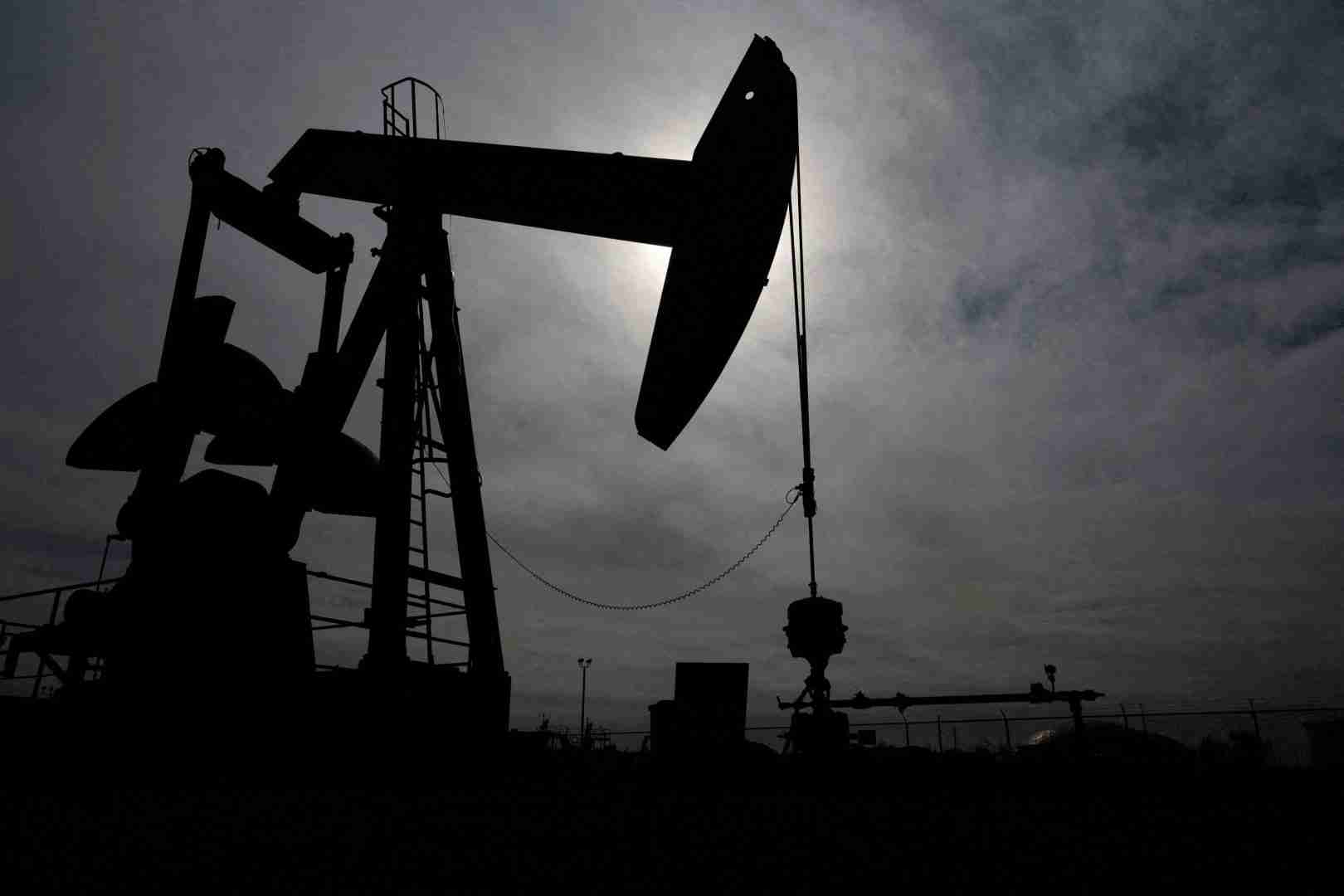
Oil prices slid to fresh three-month lows on Tuesday as markets weighed prospects for a resumption of supplies through the Strait of Hormuz alongside weaker physical demand and scant details on a preliminary deal to end the Iran war.
Brent crude futures were down $1.70, or 2%, at $81.47 a barrel, by 1034 GMT. The benchmark fell to $81.00 per barrel, the lowest since March 4.
U.S. West Texas Intermediate was down $1.89, or 2.3%, at $78.86 a barrel, after dropping to $78.41, the lowest since March 10.
Oil prices had already dropped nearly 5% on Monday to their lowest close since March 4 after U.S. President Donald Trump said a memorandum of understanding had been signed to end the U.S.-Israeli war with Iran, though full details have not been released.
Iranian Foreign Minister Abbas Araqchi said on Tuesday that Iran and the U.S. would start a new round of talks in Switzerland on Friday to reach a final agreement after the start of an interim deal.
INVESTORS EYE STRAIT REOPENING
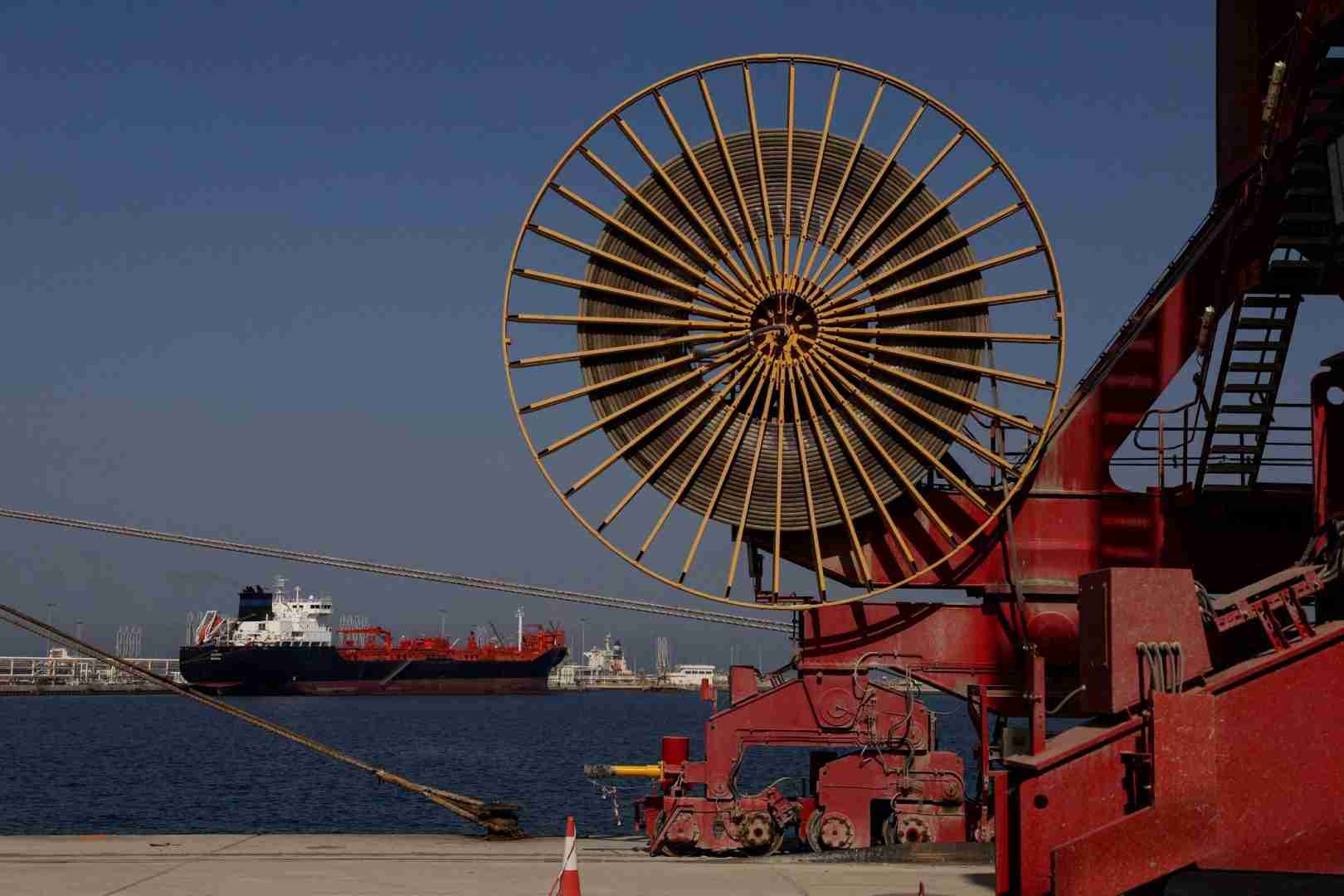
The conflict led to the closure of the Strait of Hormuz, which typically carries about one-fifth of global oil supplies.
So far, few tankers have crossed the strait since the framework agreement was announced, though ships have been quietly moving barrels along Oman’s coast for weeks, sailing “dark” with U.S. navy support. Shippers are awaiting reassurance on safety to cross the strait, including the clearing of mines.
The U.S. military has overseen scores of secretive ship-to-ship oil transfers to keep Gulf energy exports flowing, using aerial and water drones as well as helicopters in an operation to guide convoys to awaiting tankers.
Shippers are awaiting reassurance on safety to cross the strait, including the clearing of mines, which could delay a return to normal shipping traffic by weeks.
Early indications suggest the U.S.-Iran deal would reopen the blockaded strait and extend a ceasefire for 60 days, buying time for negotiations on issues including Iran’s nuclear programme.
Some analysts expect flows through the strait to resume soon, adding to downward pressure from already soft physical markets.
Goldman Sachs lowered its fourth-quarter Brent forecast to $80 a barrel from $90 and cut its 2027 average estimate to $75 from $80, saying it now assumes Gulf exports return to pre-war levels by the end of July rather than late August.
A range of indicators has pointed to weakening physical oil markets in recent weeks, Morgan Stanley analysts said in a client note.
China’s crude imports slumped 29% in May to their lowest in eight years, extending a sharp decline for the world’s largest importer, with shipments of Saudi crude also expected to fall in July.
“We did have some weaker-than-expected Chinese data as well, suggesting perhaps that demand from the world’s second-largest economy and one of the top oil consumer nations could be weakening at a time when oil supply is expected to rise again with the easing of restrictions on Iran,” said Fawad Razaqzada, market analyst at Forex.com.
With details still unclear and a permanent truce yet to be secured, analysts say volatility risks remain.
Reporting by Stephanie Kelly in London, Anushree Mukherjee and Pranav Mathur in Bengaluru and Trixie Yap in Singapore; Editing by Clarence Fernandez, Mark Potter and Susan Fenton
The government’s decision is preliminary but could impact Britain’s water regulator Ofwat, which will have the final say on whether to accept the proposal
International News via Reuters:
The British government rejected a £10 billion rescue proposal from creditors for Thames Water on Tuesday and said it was ready for “any outcome”, making nationalisation of the UK’s biggest water supplier more likely.
The government’s decision is preliminary but could impact Britain’s water regulator Ofwat, which will have the final say on whether to accept the proposal. Its decision is expected in coming months before Thames Water runs out of money later in the year.
The proposal is the only offer on the table for the utility which has been fending off financial collapse since 2023, struggling with a £20 billion pound debt pile, heavy fines for sewage pollution and its Victorian-era pipes and pumps.
Environment minister Emma Reynolds said that she was “not convinced the current proposal was good enough for consumers or the environment”, after years of sewage pollution and rising bills resulted in a public backlash.
“We standby for any outcome,” Reynolds said.
The government’s previous position was to say its preference was for a market-led solution to prevent Thames Water from ending up in its special administration regime (SAR), a form of temporary public ownership.
MONEY RUNNING OUT FOR THAMES
SAR, which would keep the taps running for the company’s 16 million customers, could create problems for the government. Thames Water’s debt could be added to the already-strained public sector balance sheet and international investors may turn away from the country if there are big debt write-downs.
The rescue package, proposed by a group of senior creditors including Invesco, Elliott Management and Silver Point Capital, is currently being reviewed by Ofwat.
SYMBOL OF FAILURE
Within Britain’s privatised water sector, Thames Water has become a symbol of failure, blamed for polluting rivers after previous owners loaded the company with debt and paid themselves dividends.
Having called the water industry broken, the government is in the process of overhauling it, a move that will create a new regulator to replace Ofwat.
But in the meantime, Ofwat is considering the rescue plan.
It must tread a line between holding Thames Water to account by fining it for pollution – the company last year received a record £123 million fine – while heeding warnings that the company will not attract the new investment it needs to improve without leniency on penalties.
Last year, U.S. private equity firm KKR walked away from a plan to buy Thames Water.
Under the creditor plan on the table, £3.35 billion of new cash would be pumped into Thames Water, alongside a new £6.55 billion debt facility, while £9.4 billion of debt would be written off.
Ofwat did not immediately respond to a request for comment. Thames Water said a market-led solution would best deliver its turnaround.
($1 = 0.7453 pounds)
Reporting by Sarah Young in London, Carlos Méndez in Mexico City and Preetika Parashuraman in Bengaluru; Editing by Joyjeet Das, Kate Holton and Susan Fenton
The war, which began in late February, has largely halted shipping through the key route for around a fifth of the world’s oil and liquefied natural gas supply, along with products such as aluminum and urea
International News via Reuters:
Shipowners will not resume transit through the Strait of Hormuz for weeks until they are confident that the U.S.-Iran peace deal is “material”, the CEO of Japan’s Mitsui O.S.K. Lines told the Financial Times in an interview published on Tuesday.
The war, which began in late February, has largely halted shipping through the key route for around a fifth of the world’s oil and liquefied natural gas supply, along with products such as aluminum and urea.
“Given the experiences in the last couple of months, I think it’s reasonable to assume that it may take at least a couple of weeks or if not a month,” Jotaro Tamura told FT, before U.S. President Donald Trump announced a deal to end the war in Iran.
The agreement between Washington and Tehran has not changed Tamura’s view, the FT report said.
“We recognize that there are signs of movement toward a ceasefire. However, operations will not be resumed until safety has been sufficiently confirmed,” Mitsui O.S.K. said in an emailed statement to Reuters.
“The resumption of transit will require close coordination with the governments of the relevant countries, insurers, and other stakeholders,” the Japanese shipping giant added.
Mitsui O.S.K., one of Japan’s three biggest shipping firms, has a fleet of more than 900 vessels, including bulk carriers, tankers and ferries.
Trump in a Truth Social post on Monday said that ships loaded with oil are starting to move out of the strait, “going along the Southern ‘Highway,’ which is totally safe, secure, and pristine”.
Reporting by Anusha Shah and Abu Sultan in Bengaluru; Editing by Sonia Cheema
The eight-engine, jet-powered aircraft, built to carry a wide array of nuclear and conventional bombs, was on a routine test mission when it crashed on the runway at Edwards just after leaving the ground
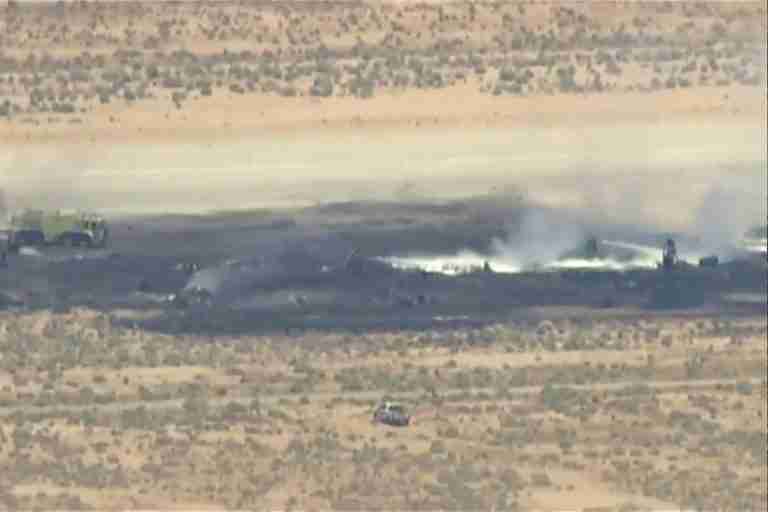
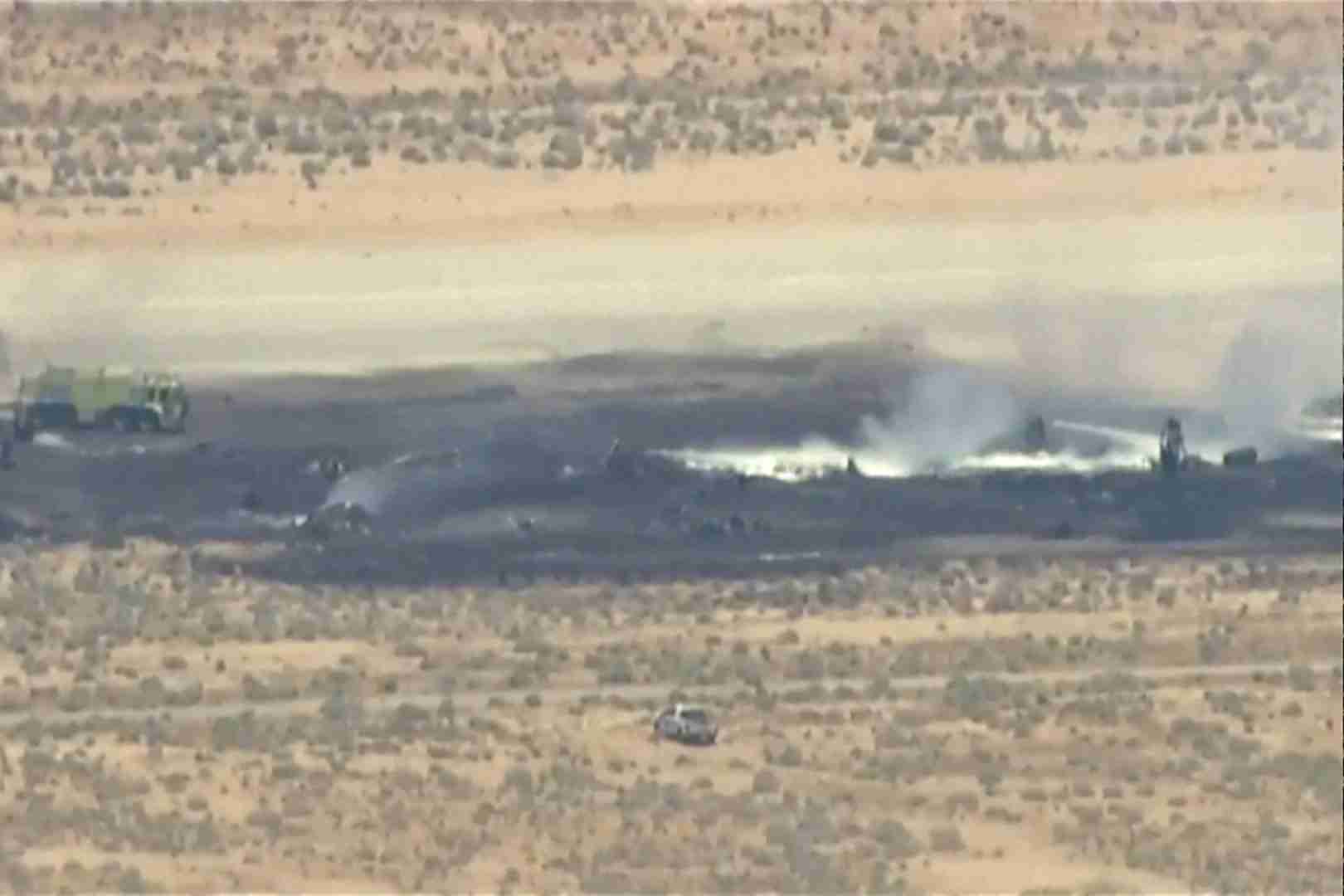
Smoke rises from a blackened part of Edwards Air Force Base after the crash of a U.S. Air Force B-52 bomber aircraft in Edwards, California, U.S., June 15, 2026, in a still image from news helicopter video. ABC Affiliate KABC via REUTERS
International News via Reuters:
A U.S. Air Force B-52 Stratofortress bomber crashed on takeoff on Monday at Edwards Air Force Base in Southern California’s Mojave Desert, bursting into flames and killing all eight crew members aboard, Air Force officials said.
The eight-engine, jet-powered aircraft, built to carry a wide array of nuclear and conventional bombs, was on a routine test mission when it crashed on the runway at Edwards just after leaving the ground, Air Force Colonel James Hayes said at a press conference hours later.
A towering pall of black smoke billowing from the crash site was visible for miles immediately after the accident.
He said the “mixed crew” aboard the aircraft consisted of government civilians, government contractors and uniformed military personnel. Aerospace giant Boeing, which designed and built the plane, said two of its employees were among the dead.
The flight was intended to support a radar modernization program, Hayes told reporters. The cause of the crash was unknown and under investigation, he added.
Air Force officials did not name the victims, saying they were still in the process of notifying their next of kin.
Aerial video footage of the crash scene, about 100 miles (161 km) north of Los Angeles, showed a charred, smoldering patch of the desert floor larger than a football field as an emergency vehicle was seen driving along the site’s perimeter. From a distance, there were no large pieces of debris readily visible in the footage.
Hayes said the crash was quickly “deemed to be unsurvivable.”
Because of damage to the runway, he said, “we’re grounding all operations at Edwards Air Force Base” through at least Tuesday, adding that no operations beyond the base would be suspended.
Edwards, a sprawling test flight facility established in the 1930s around a dry lake bed, occupies about 481 square miles (1,245 square km) of the Mojave desert, making it the Air Force’s largest airfield.
Its experimental aviation legacy includes the flight by Chuck Yeager in the Bell X-1 aircraft that broke the sound barrier in 1947, test flights of the X-15 aircraft and the first landings of NASA’s space shuttles.
BACKBONE OF BOMBER FORCE
The B-52 Stratofortress, a long-range, subsonic aircraft built to carry up to 70,000 pounds (31,750 kg) of weapons and supplies, has long served as the backbone of the U.S. crewed strategic bomber force, according to the military.
The swept-wing aircraft is capable of unleashing the widest range of weapons in the U.S. inventory, from cluster bombs and gravity bombs to precision-guided missiles and nuclear warheads, at altitudes of up to 50,000 feet (15,166 m), according to an Air Force fact sheet. Its combat range extends more than 8,000 miles without refueling.
Monday’s incident marked the first crash of a B-52 Stratofortress since the same type of bomber crashed on the island of Guam in May 2016, according to the Bureau of Aircraft Accidents Archives, a Geneva-based organization that collects global aviation accident data. All seven crew members aboard that aircraft survived.
Only H models of the B-52 remain in the Air Force inventory.
The aircraft involved in Monday’s crash was assigned to the 412th Test Wing, which is based at Edwards. Most B-52s are stationed in North Dakota and Louisiana.
Reporting by Steve Gorman in Los Angeles and Phil Stewart in Washington; Additional reporting by Costas Pitas and Jasper Ward; Editing by Bill Berkrot and Jamie Freed
U.S. President Donald Trump said on Monday that a preliminary agreement to end the war in the Middle East had been signed by the U.S. and Iran
International News via Reuters:
The dollar held near 10-day lows on Tuesday as a preliminary deal to end the Iran war buoyed risk appetite, while the yen teetered near the closely watched 160 level after the Bank of Japan hiked interest rates, as expected, in an effort to tame inflationary risks from the conflict.
U.S. President Donald Trump said on Monday that a preliminary agreement to end the war in the Middle East had been signed by the U.S. and Iran. But doubts around the interim deal swirled and shippers said it could take weeks for confidence to return after any reopening of the Strait of Hormuz.
A flurry of central bank meetings this week is also top of mind for investors.
The Bank of Japan raised interest rates to a 31-year high on Tuesday as widely expected. But the board’s 7-1 vote was noted by market analysts, suggesting at least some uncertainty over the timing of the next hike.
Investors also closely followed a press briefing from BOJ Deputy Governor Shinichi Uchida.
“We will look at economic, price and financial developments, particularly with an eye on the Middle East situation, for the time being. We’ll look at whether the economy and prices are moving in line with our forecasts, as well as risks. With underlying inflation approaching 2%, we need to be mindful of upward price risks. We will guide policy so that we won’t fall behind the curve,” he said.
Derek Halpenny, head of research for global markets EMEA at MUFG, said that “looking at everything that’s happened, the statements, the messaging, Deputy Governor Uchida, I think they were as hawkish as you could have expected.”
“They’ve emphasized upside inflation risks. They’ve made that quite clear. They’ve made very clear that the monetary stance is still accommodative, and they’ve made clear that the guidance is the same as before, which is essentially that they can continue to raise rates going forward,” he said.
The yen was almost unchanged on the day at 160.26 per U.S. dollar, having hovered near the 160 milestone in recent days and keeping traders wary of another bout of interventions from Tokyo.
Elsewhere, the Reserve Bank of Australia left rates unchanged in a unanimous decision after three consecutive hikes even as inflation remains elevated. The Australian dollar was last down 0.1% at $0.706.
Later this week, monetary policy decisions are also due from the Bank of England and the U.S. Federal Reserve.
IRAN DEAL LIFTS SENTIMENT BUT DOUBTS LINGER
While global markets appeared cautiously optimistic over the Iran news and oil prices pulled back, the currency market reaction was comparatively constrained as traders awaited comments from central bankers across the globe.
The dollar index, which measures the U.S. currency against six other units, was steady at 99.62.
The euro was a touch higher at $1.16 and sterling was steady at $1.3418.
Questions around supply chain normalisation are likely to keep investors on edge with the near-term pathway for inflation and interest rates still uncertain.
ING analysts said the market reaction has been faster than realities on the ground, and it could be altered by the prospects of a deal.
“A more durable repricing requires safe, predictable and insured shipping through the Strait of Hormuz,” they said in a note. “And demand could likely be higher than usual as depleted reserves need to be replenished. Re-escalation risks are reduced, but not off the table.”
Reporting by Sophie Kiderlin in London and Ankur Banerjee in Singapore; Editing by Kim Coghill, Shri Navaratnam and Hugh Lawson
J’Ouvert took over Bernard’s Park in the early hours of the morning, as revelers gathered from 2:30 a.m. through sunrise for one of Carnival weekend’s most anticipated events. The atmosphere was electric, vibrant, and colourful, with participants covered in paint while dancing through the streets in a celebration of music, culture, and freedom.
Kendal Trott was there to capture the energy as the neon-filled event transformed the park into a sea of colour and excitement. From the paint-filled festivities to the lively crowd and nonstop music, J’Ouvert once again delivered a memorable start to the day for Carnival enthusiasts across the island.
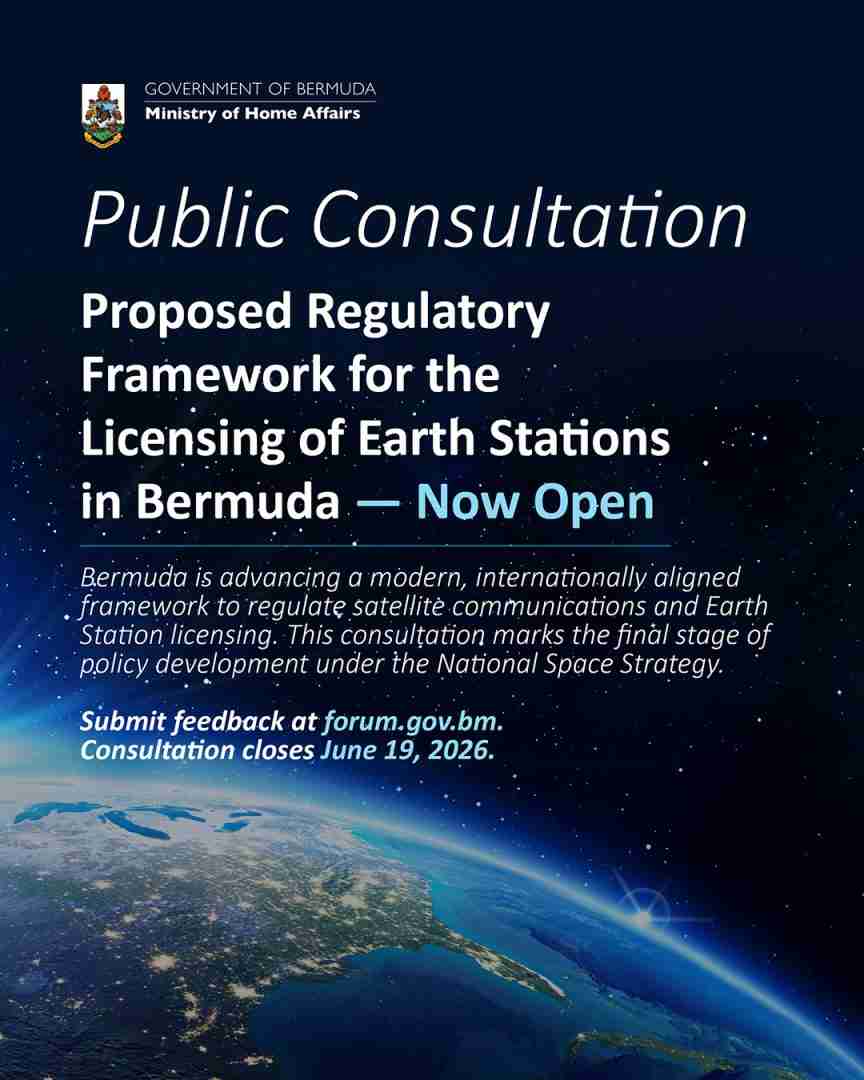
The Ministry of Home Affairs is reminding the community that the public consultation on a consolidated framework for the licensing of Earth Stations in Bermuda remains open.
Stakeholders, operators, and members of the public are invited to review the policy and submit feedback at forum.gov.bm.
Consultation closes June 19, 2026.
The proposed framework is the final stage of policy development under Bermuda’s National Space Strategy. It was developed in consultation with the Regulatory Authority and sits within Bermuda’s existing legal and regulatory regime.
The framework is a decisive step in strengthening Bermuda’s position in the global space and satellite economy.
And it sets out a proportionate, internationally aligned approach to satellite communications infrastructure, including gateway stations, teleports, and user terminals.
The proposed model includes a two-tier licensing structure, distinguishing between blanket authorisations for standardised user terminals and individual licences for more complex infrastructure such as teleports and tracking facilities. It also sets out clear requirements for spectrum licensing, equipment standards, cybersecurity, and compliance with Bermuda’s data protection framework.
The framework positions Bermuda to support the next generation of satellite infrastructure and services without compromising on oversight. It is part of the Ministry’s broader work to diversify the economy, attract responsible investment, and open pathways for skills development in technical and emerging fields.
All submissions will inform the finalisation of the National Earth Stations Licensing Framework.
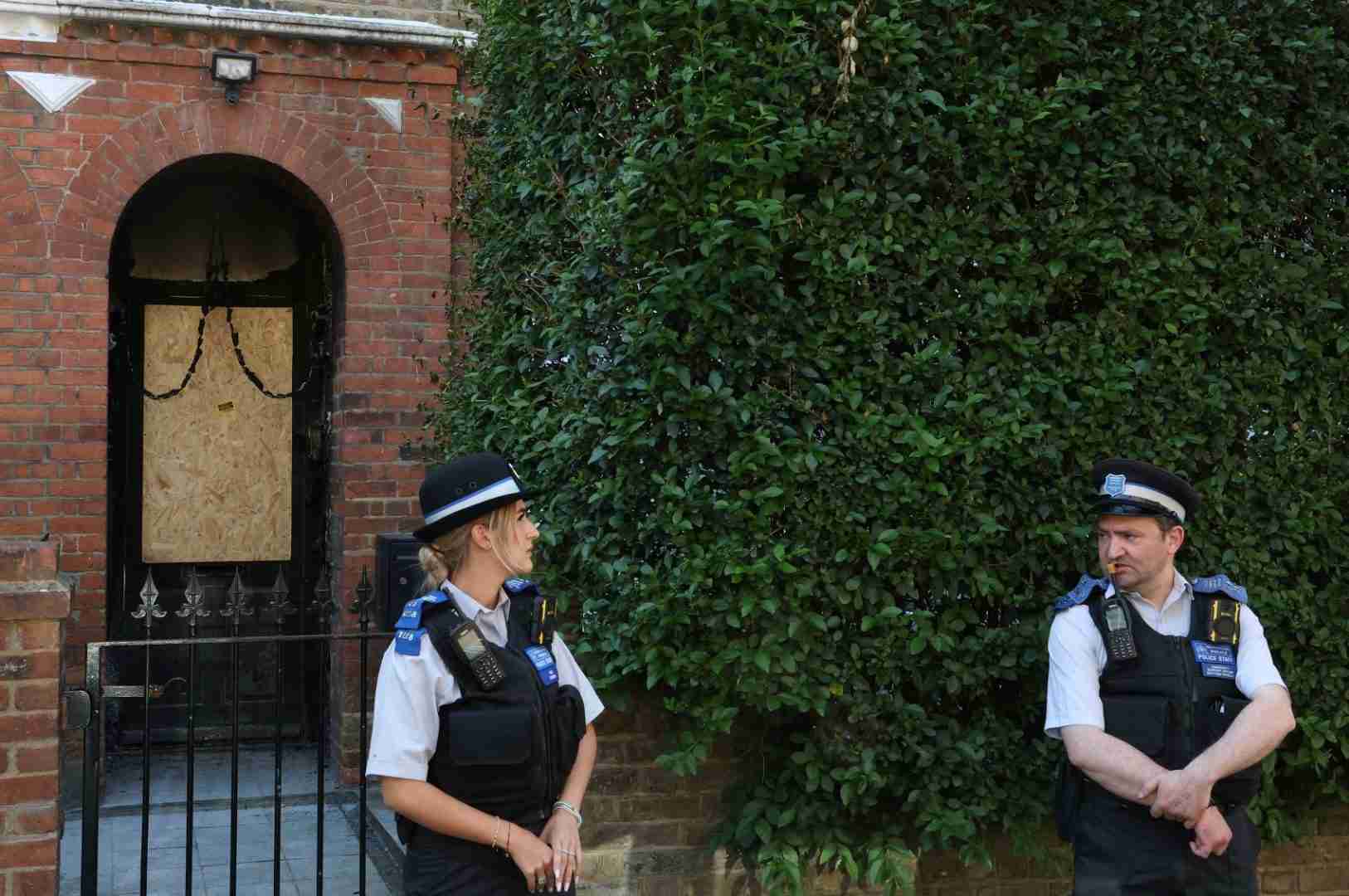
Over five days, police were called to fires at a house in north London connected to Starmer, another at a property nearby where he used to live and his sister-in-law still does, and to a blaze involving a Toyota car that also used to belong to the British leader
International News via Reuters:
A Ukrainian man was found guilty on Monday of carrying out an arson attack on a property connected to British Prime Minister Keir Starmer in May last year.
Over five days, police were called to fires at a house in north London connected to Starmer, another at a property nearby where he used to live and his sister-in-law still does, and to a blaze involving a Toyota car that also used to belong to the British leader.
Roman Lavrynovych, 22, was found guilty at London’s Old Bailey Court of one count of committing arson with intent to endanger life and of committing arson being reckless as to whether life was endangered in connection with one of the house fires.
He was acquitted on charges relating to another property. Lavrynovych and Romanian national Stanislav Carpiuc, 27, who was born in Ukraine, were found guilty of conspiracy to commit arson. Fellow Ukrainian Petro Pochynok, 35, was acquitted of the same charge.
Reporting by Michael Holden; editing by Sarah Young
The risk that a traveler infected with Ebola could arrive in the United States during the 2026 World Cup tournament that kicked off last week is low but not zero, and if that happens, U.S. hospitals are ready to respond, U.S. infectious disease experts say
International News via Reuters:
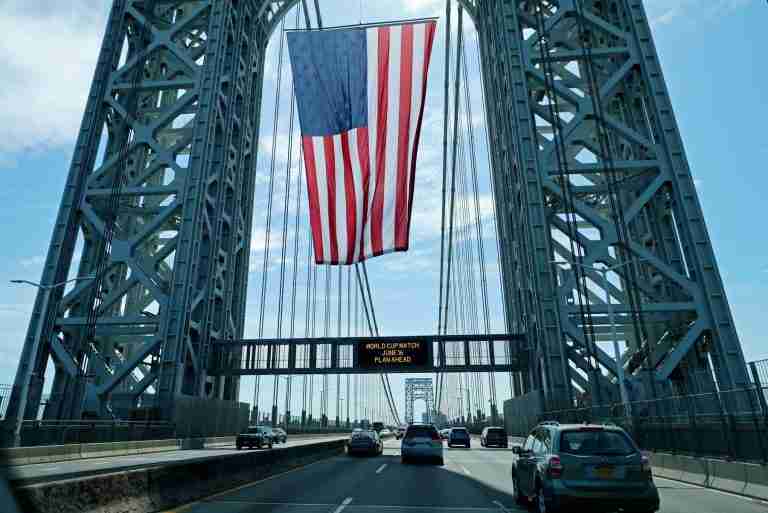
The risk that a traveler infected with Ebola could arrive in the United States during the 2026 World Cup tournament that kicked off last week is low but not zero, and if that happens, U.S. hospitals are ready to respond, U.S. infectious disease experts say.
It wasn’t always so.
During the 2014 West African Ebola outbreak, a Liberian man, Thomas Eric Duncan, arrived in a Dallas hospital with Ebola symptoms and was turned away before being admitted.
Two nurses were infected but survived.
That led to $260 million in U.S. funding for Ebola preparedness training and response capabilities and 13 specialized treatment centers – all intended to help hospitals identify, isolate and safely care for suspected Ebola patients.
“We’re not going to be able to prevent 100% of infections, but we certainly are the most prepared that we have ever been,” said Dr. Gavin Harris, an expert in serious communicable diseases at Emory University in Atlanta, one of 11 U.S. World Cup host cities.
Public health officials and hospitals in the U.S. host cities have been preparing for a range of infectious disease threats as 6.5 million fans travel across North America during the 39-day event featuring 104 matches in the United States, Mexico and Canada.
The U.S. Centers for Disease Control and Prevention, the Pan American Health Organization and the World Health Organization have all described the risk of Ebola to World Cup host countries as low, citing measles, COVID-19 and influenza – which spread when large crowds gather – as the most likely threats.
But the Ebola outbreak in the Democratic Republic of Congo that has infected more than 675 people and killed more than 135 remains a concern.
“The risk of Ebola to anyone at the World Cup is extremely low. Ebola isn’t airborne and doesn’t spread through casual contact — it requires direct contact with the body fluids of someone who is ill,” said Dr. Tom Frieden, chief executive of Resolve to Save Lives and former director of the CDC.
“But low isn’t zero, and it won’t be zero until the outbreak is stopped at its source in DRC.”
LEARNING FROM THE PAST
U.S. Ebola preparedness efforts that began in 2015 were born out of a collaboration between Emory University, the University of Nebraska Medical Center and NYC Health + Hospitals/Bellevue in New York City – facilities that cared for Ebola patients during the West African Ebola outbreak, the largest to date.
“There was a recognition that we had a duty to train other facilities to recognize potential patients who might be exposed or sick with something like Ebola,” Emory’s Harris said.
Thousands of healthcare workers have since been trained to recognize and treat patients with Ebola and other serious pathogens.
For the World Cup, preparedness experts have conducted nationwide training exercises simulating a potential MERS outbreak at the games.
They have also compiled guidance for physicians, raising awareness of illnesses not typical of their home cities, including mosquito-borne conditions such as malaria, dengue and chikungunya.
The United States, Mexico and Canada have instituted airport screening and travel bans restricting entry of non-citizens with recent travel to countries affected by the outbreak, and the U.S. has urged Europe to impose similar restrictions. Harris said those bans are likely to decrease the chances of Ebola at World Cup venues.
In order to comply with U.S. restrictions, the DRC national soccer team left the country in May and trained in Belgium ahead of travel to the United States.
In each host city, FIFA, local public health officials and hospital systems have formed medical committees that have been conducting Ebola and other infectious disease threat assessments based on the teams that will play in their cities, diseases prevalent within their home countries, visa restrictions and stadium logistics, Harris said.
Some areas have discussed supplying disease-specific treatments or protective gear to the venues and are using surveillance tools, including wastewater monitoring, air quality data and electronic medical records, to detect unusual illness clusters.
FIFA said medical-related risks are assessed as part of overall tournament planning and managed in close coordination with the host cities, which provide medical leaders that oversee and coordinate services.
It said it is monitoring the Ebola outbreak and is in contact with sporting and health authorities in the DRC and the three host countries.
FILLING IN THE GAPS
Dr. Michael Osterholm, an infectious disease expert at the University of Minnesota, said planning for mass gatherings in the U.S. is not new.
“State and local health departments working in conjunction with CDC have for many years been at the forefront of individuals coming into this country,” he said.
To help with disease monitoring and coordination, Georgetown University has set up an independent Health Security Operations Center in collaboration with more than 30 public and private sector entities.
More than 700 state and local health authorities have signed up for the group’s daily reports, as have some 60 federal partners, FIFA and the CDC.
Still, staff cuts at the CDC, the U.S. departure from WHO, and strain on state and local health departments that have been battling the biggest U.S. measles outbreak in decades have taken a toll, Frieden and two other experts said.
“My biggest concern is whether a CDC that’s lost thousands of staff has the capacity, support, and mandate to move fast enough — both here and in DRC,” Frieden said.
The U.S. Department of Health and Human Services, which oversees the CDC, did not respond to a request for comment.
Jeanne Marrazzo, chief executive of the Infectious Diseases Society of America, said health secretary Robert F. Kennedy Jr.’s cuts to public health have led to an exodus from government agencies.
“Nonetheless, we know the people who are still there are working around the clock in many cases to try to keep us safe,” she said in a briefing.
Reporting by Julie Steenhuysen; Additional reporting by Siddhi Mahatole and Rohith Nair in Bengaluru and Julien Pretot in New York; Editing by Caroline Humer and Rosalba O’Brien
To provide the best experiences, we use technologies like cookies to store and/or access device information. Consenting to these technologies will allow us to process data such as browsing behavior or unique IDs on this site. Not consenting or withdrawing consent, may adversely affect certain features and functions.
Functional
Always active
The technical storage or access is strictly necessary for the legitimate purpose of enabling the use of a specific service explicitly requested by the subscriber or user, or for the sole purpose of carrying out the transmission of a communication over an electronic communications network.
Preferences
The technical storage or access is necessary for the legitimate purpose of storing preferences that are not requested by the subscriber or user.
Statistics
The technical storage or access that is used exclusively for statistical purposes.The technical storage or access that is used exclusively for anonymous statistical purposes. Without a subpoena, voluntary compliance on the part of your Internet Service Provider, or additional records from a third party, information stored or retrieved for this purpose alone cannot usually be used to identify you.
Marketing
The technical storage or access is required to create user profiles to send advertising, or to track the user on a website or across several websites for similar marketing purposes.