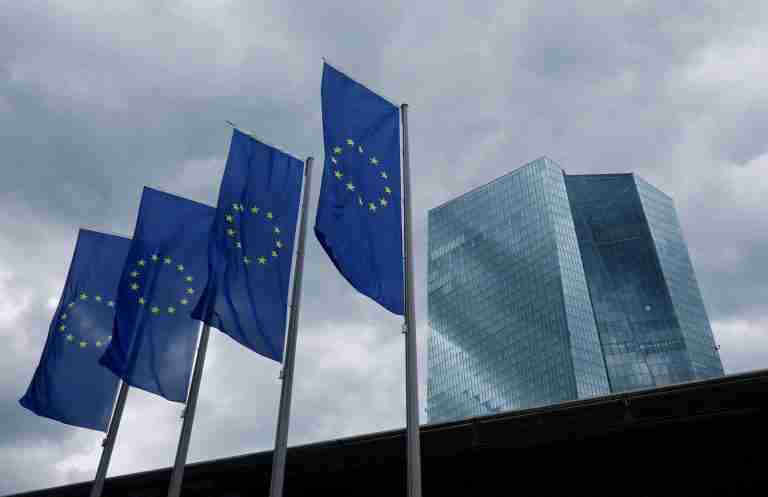
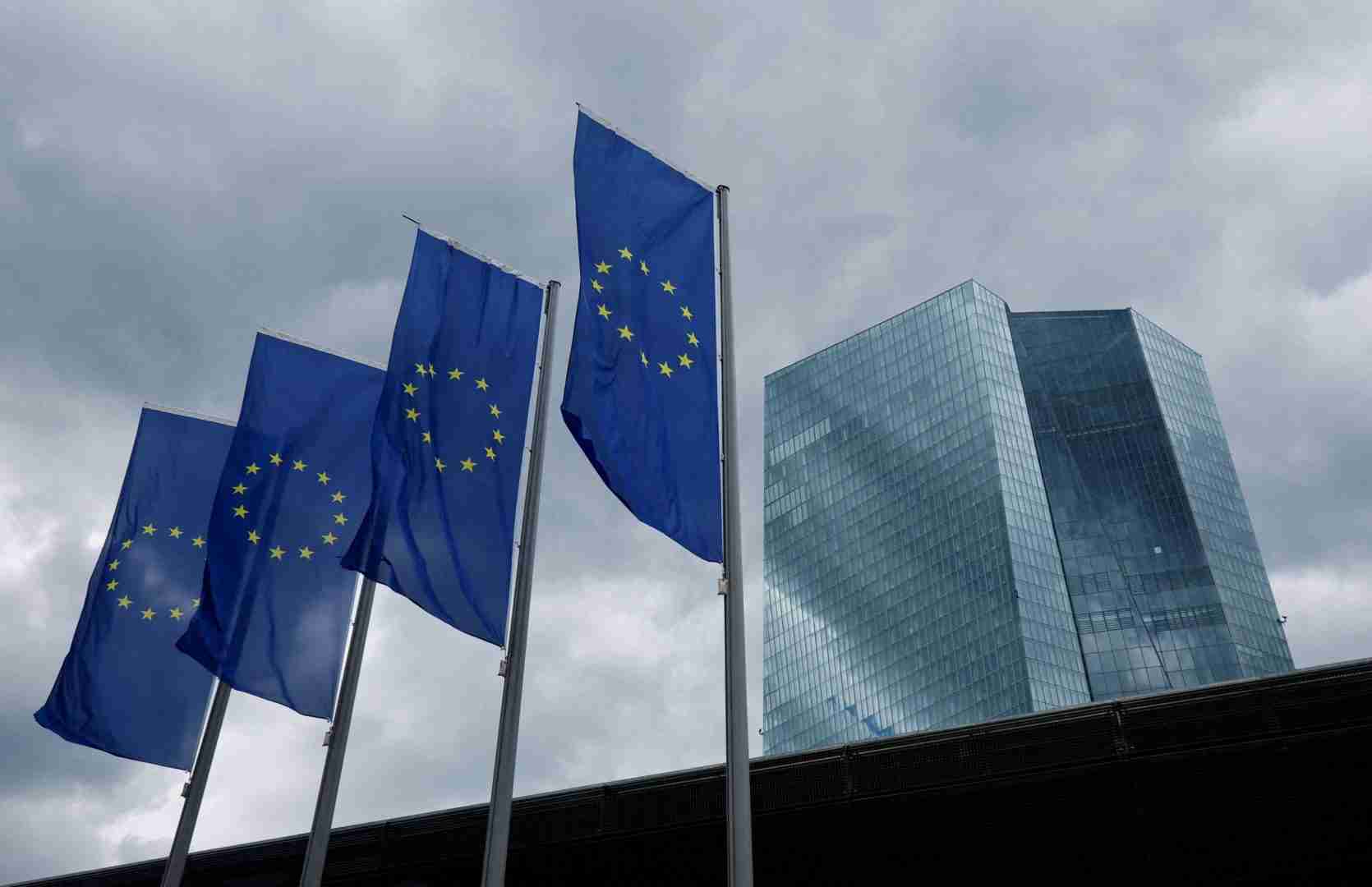
It was the first hike by one of the major global central banks in response to the energy shock
International News via Reuters:
The European Central Bank raised interest rates for the first time in nearly three years on Thursday in the hope of curbing inflation before a surge in energy costs triggered by the Iran war spreads more broadly across the euro zone economy.
It was the first hike by one of the major global central banks in response to the energy shock and comes a week before the U.S. Federal Reserve, Bank of Japan, Bank of England and several other leading institutions take policy decisions.
The well-telegraphed ECB move came as inflation in the 21-country currency bloc is already above 3%, well in excess of the ECB’s 2% target, and economic growth is very weak – a backdrop that has economists split over the case for tighter policy.
Policymakers, some of whom had already pushed for action in April, nonetheless pressed ahead with the unanimous decision, which was accompanied by higher projections for inflation this year and the next but weaker forecasts for growth.
“The war in the Middle East is generating inflation pressures, and the decision to raise rates is robust across a range of scenarios mapping out how the shock might evolve,” ECB President Christine Lagarde said in her opening statement.
However, ECB policymakers see a pause at their next meeting in July as the more likely scenario, if energy prices stay near their current level.
Nevertheless, they remain open to further tightening, possibly as soon as September, partly because the bank’s own updated projections were predicated on more policy tightening, two sources told Reuters.
LAGARDE PUSHES BACK ON ‘INSURANCE HIKE’
Economists had expected Thursday’s move, saying it was mainly designed to keep a lid on inflation expectations and safeguard the ECB’s credibility after it was slow to react to a post-pandemic inflation spike in 2022.
Several ECB watchers called it an “insurance hike” – a precautionary step that could be reversed if price pressures fade.
But Lagarde rejected that characterisation, saying the hike was an “obvious” decision that would stand even in a “milder” scenario in which inflation falls below 2% by the spring of next year.
“If we were not taking this very obvious monetary policy decision, then at the end of the medium term that we look out for projection purposes, we would be north of our target,” she told a press conference.
ING’s global head of macro Carsten Brzeski said Lagarde’s comments suggested more tightening is on its way.
“The warning that inflationary pressures were broadening, as well as the emphasis on broadening indirect effects from higher energy prices, suggest that today’s rate hike is not yet the end,” Brzeski said.
INFLATION PROJECTIONS REVISED UP, GROWTH TRIMMED
Supporting the rate hike, the ECB raised its expectations for inflation – substantially for a core measure – while barely trimming the outlook for growth.
The ECB’s new baseline projections for inflation put it at 3.0% this year, 2.3% in 2027 and 2.0% in 2028, bringing them closer to an “adverse” scenario the bank had published in March.
Growth forecasts for 2026 and 2027 were trimmed by 10 basis points and the 2028 figures upgraded by the same degree.
Consumers, companies and financial investors have revised their own views about price hikes, although medium-term expectations remain close to the ECB target and far from their levels following Russia’s 2022 invasion of Ukraine.
A POLICY MISTAKE?
Not all economists are convinced that a hike is justified: some have warned that the ECB risks tightening into an economy that is already paying a high price for the conflict in Iran.
Paul Donovan, chief economist at UBS Global Wealth Management, said the ECB was committing an “error” and was stuck in an “unhelpful 2022 mindset”, referring to the inflation rebound that followed COVID-19 lockdowns.
A Reuters analysis of earnings call transcripts by euro zone companies showed just 40% of those outside the financial sector had raised prices or were planning to, roughly half the share seen in 2022 as the Ukraine war pushed up energy prices.
Berenberg’s Holger Schmieding also called Thursday’s decision “a policy mistake” given the stagnant labour market and weak consumer demand.
“Amid the ongoing destruction of demand, the inevitable temporary surge in prices … seems unlikely to turn into a protracted inflation problem that would need to be addressed by higher rates,” he wrote in a note before the meeting.
But the ECB has sharpened its messaging in support of tighter policy. Chief Economist Philip Lane – typically seen as an inflation “dove” – has said the Iran-related shock may be broader in scope than the Ukraine crisis, as it affects global energy markets rather than primarily Europe.
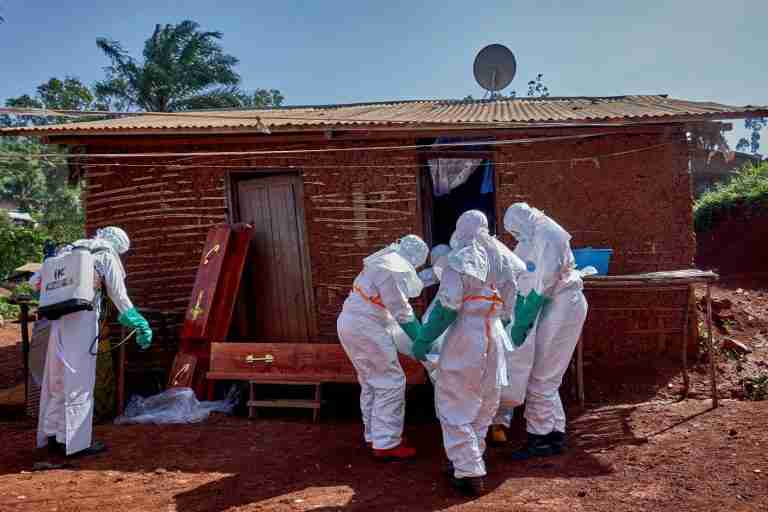
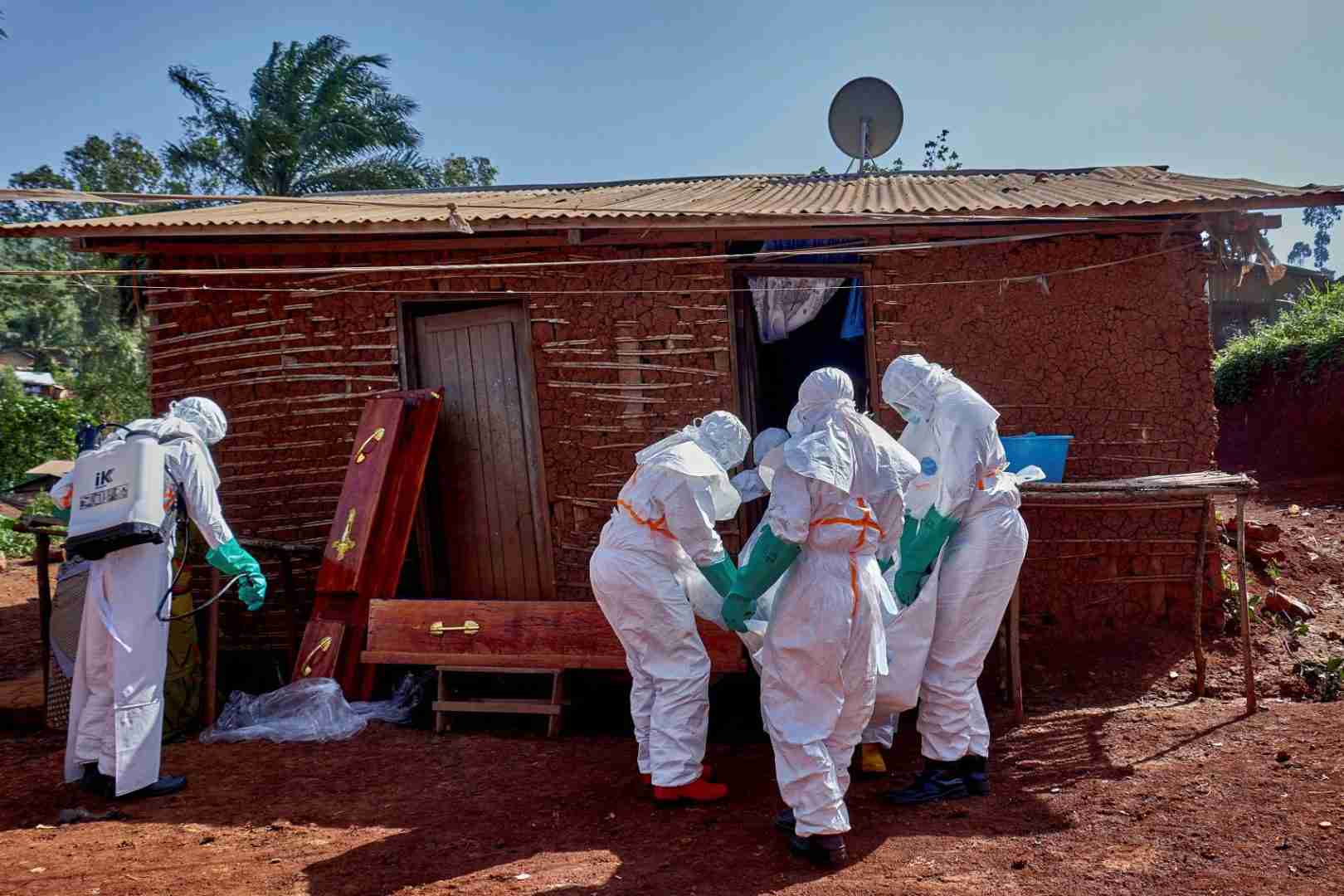
These are among events being examined by investigators hunting for the “patient zero”, or earliest infection, of the Ebola epidemic raging in the war-torn Democratic Republic of Congo
International News via Reuters:
By the time the truck pulled away from the morgue in Bunia, the morning heat hung heavily over the road to Mongbwalu.
The body of a 44-year-old Congolese pastor lay inside a wooden coffin strapped into the back of an aging Nissan SUV with the backseats pushed flat. A group of young relatives were crammed in, too, sitting atop the casket.
The drive across Ituri province takes about three hours, longer when the dirt roads are as dry and broken as they were that February day. The four-wheel-drive bucked violently, showering dust over the potholes, rocks and gullies carved into the red earth.
By the time the truck reached Mongbwalu, the coffin was cracked, after collapsing under the weight of those sitting on it.
These are among events being examined by investigators hunting for the “patient zero”, or earliest infection, of the Ebola epidemic raging in the war-torn Democratic Republic of Congo, according to four experts on the team conducting the health ministry inquiry.
The investigators said the casket’s rocky journey preceded one of the earliest suspected super-spreader events: the February 4 funeral of the man inside the coffin, Pastor Paluku Makundi Denis.
Health authorities are struggling to catch up with the mushrooming epidemic of a rare Ebola strain that kills 30% to 50% of those infected and has no vaccine or cure. The outbreak has caused about 635 confirmed infections and at least 127 deaths in eastern Congo, according to the country’s health ministry. The true toll could be much higher, officials warn.
A surveillance epidemiologist on the inquiry estimated the strain, Bundibugyo, had been circulating for four to six months before Congo’s official outbreak confirmation on May 15. He stressed more work is needed to determine whether Pastor Makundi, who was never tested for Ebola, was infected and to identify the outbreak’s origin — a key step to understanding its scale and preventing further epidemics.
Congo’s health ministry and Ituri’s health authority didn’t respond to comment requests. WHO chief Tedros Adhanom Ghebreyesus declined to comment on Makundi’s case and said many outbreak scenarios are being investigated.
Reuters pieced together the events surrounding the pastor’s funeral in the remote gold-mining town of Mongbwalu through interviews with doctors, local officials and victims’ relatives and a review of hospital, burial and government records.
The broken coffin was only the beginning.
The corpse was transferred into a new casket by residents who touched the remains before community members converged for the funeral – a perilous move if Makundi had Ebola because victims’ bodies are highly infectious.
Within weeks, dozens of deaths were recorded in the locale.
The original cracked coffin was meanwhile set ablaze in mysterious circumstances, helping spawn rumors that a curse caused the spreading sickness.
THE PASTOR’S DEATH AND A NEW COFFIN
A Bunia hospital had diagnosed Makundi with peritonitis, a severe abdominal infection, on February 3, according to three doctors and a nurse there.
No samples were taken for Ebola testing, they said, because Congolese officials were unaware of any outbreak.
David Heymann, an infectious-disease professor at the London School of Hygiene and Tropical Medicine, said peritonitis is one manifestation of a severe Ebola infection but it was impossible to confirm the cause of Makundi’s death without testing.
The broken coffin carrying the pastor arrived the afternoon of February 4 in Mongbwalu, a town of about 130,000 people, many of them transient.
Dozens of mourners had gathered at a family compound. Silence fell as the pastor’s father, Pascal Kibali, known as Paka, inspected the broken box in the fading light.
Before moving to Bunia to become a clergyman, Makundi – better known as Paluku – had been a pillar of Mongbwalu’s ethnic Nande community and a founder of the local charcoal cooperative, the 70-year-old Kibali said.
He recalled thinking: “My eldest son cannot be buried in such a coffin.”
Relatives hurried to buy a new casket from a local coffin maker.
The body was transferred before sunset, and a wake was held at the family compound before a cemetery burial. At traditional Congolese wakes, mourners often touch and kiss the body. It remains unclear whether the tradition was followed in this case.
THE FUNERAL AND ITS DEADLY AFTERMATH
More than 80 relatives, friends and neighbors assembled at the local cemetery at dusk, according to Edmond Kambale Katuwene, the leader of the town’s Nande community. A priest led prayers, urging mourners to reflect on the fragility of life and prepare for their own end, Katuwene said.
In the following days, several community members began falling ill, Mongbwalu’s Mayor Sesereki Mandro Israel said. Nearly 50 deaths were recorded within two weeks of the burial, he said, with many presenting symptoms of Ebola: fever, vomiting, bleeding.
Pastor Makundi’s brother Idi was among the first. The 36-year-old miner died on February 16 from suspected appendicitis, according to a May 16 situation report by the provincial health authority. Within weeks, another brother and a relative died, from suspected hemorrhoids and tuberculosis, respectively, according to the bulletin, which flagged the deaths as needing further investigation.
The relatives’ deaths preceded at least 108 deaths in Mongbwalu between April and May, according to the same report by the Ituri authority, an arm of the national health ministry. Patients in family clusters collapsed with fever, vomiting, diarrhea and in some cases hemorrhaging symptoms, it said.
The deaths are among those being examined by investigators seeking to map the spread of Ebola, with Makundi’s the earliest suspected case, according to the report. The disease, it said, might have smoldered undetected in Mongbwalu for months.
Congo’s health ministry said on June 9 that at least 40 people were confirmed to have died of Ebola in Mongbwalu. Aid workers warned the official figures may be incomplete due to limited testing.
RUMORS OF COFFIN SET ABLAZE SOW CHAOS
As tragedy rippled through the community, frightened residents searched for answers. Some turned not to clinics or laboratories, but to the events surrounding Pastor Makundi’s burial.
As prayers ended and families drifted away from the cemetery in the warm evening, word spread that the damaged coffin had been set ablaze.
None of the six relatives and locals interviewed said they witnessed the fire, though all reported seeing the coffin’s burnt remains. Pastor Makundi’s father and uncle blamed a group of intoxicated youths but had no further details. The whole family was left stunned and struggling to understand what had happened, they added.
Among residents, the burned coffin was viewed as an affront to ancestors, community leader Katuwene said.
The unease had deepened after the burial of Tsongo Kenda Kenda, Makundi’s younger brother, when local police intervened during a dispute between relatives over the opening of the coffin, according to the May 16 situation report at the provincial authority.
Katuwene said family members had argued over where the pre-burial wake should be held and that a relative removed the coffin lid in protest before putting it back on. Such meddling is viewed by many as disrespectful to the dead, Katuwene added.
For some residents, neighborhood chief administrator Joseph Payi Mute said, the subsequent deaths were interpreted not as the work of a virus but a punishment from ancestors angered by what had occurred around the two brothers’ burials.
Jeremy Rayan Tamelegu, who was working as a mining-geology consultant in the same neighborhood as the pastor’s family, said the unexplained surge in sickness and death fed into the curse narrative. He saw people in the neighborhood suddenly become ill and die within days.
Soon the story took on a life of its own on social media across Mongbwalu and the surrounding area. Gallows humor prevailed among the nervous population, even prompting a local music group to record a song about the rumors.
One lyric: “We hear a coffin is wandering Mongbwalu, leaving devastation in its wake.”
The tune helped ignite a TikTok craze across eastern Congo, with users posting videos of coffins appearing to move by themselves along dirt roads or float above terrified residents.
‘THEY VANDALIZED MY SON’S COFFIN AND BLAMED ME’
By the time provincial health investigators from the patient-zero inquiry arrived in Mongbwalu in early May, curse rumors spread and some residents had grown hostile towards health workers and officials, one investigator said.
The mistrust has turned violent, much as in previous Ebola outbreaks, when many locals have blamed the plague on modern medicine.
On May 22, an unspecified number of youths in the nearby village of Mabilindey attacked a response team gathering information about a confirmed Ebola case, according to the epidemiologist on the patient zero inquiry. A day later, assailants set fire to an isolation tent erected by aid workers at Mongbwalu General Hospital.
It’s not just medics being blamed.
Pastor Makundi’s father, Paka Kibali, said his family has been unjustly accused by some locals of starting the outbreak because of the events around the two burials.
“They vandalized my son’s coffin and blamed me for the deaths that followed,” he said in tears. “Yet I am the victim – it was my son’s coffin that was desecrated.”
Reporting by Giulia Paravicini, Clement Bonnerot and Fiston Mahamba; Additional reporting by Erikas Mwisi, Benoit Nyemba and Gradel Muyisa in Bunia, Silvia Aloisi in Nairobi and Jennifer Rigby in London; Editing by Pravin Char
Security officials in Geneva outlined their plans on Thursday in preparation for around 50,000 people expected for the protest on Sunday in Geneva
International News via Reuters:
France plays host to a Group of Seven summit next week but it is shopkeepers in neighbouring Switzerland who have already boarded up many businesses ahead of an anti-G7 protest expected to roll through Geneva this weekend.
Security officials in Geneva outlined their plans on Thursday in preparation for around 50,000 people expected for the protest on Sunday in Geneva. The plans include the closure and control of 27 border crossings between France and Switzerland from Friday evening, officials said.
G7 leaders will land in the city – on the western French-speaking side of Switzerland – before being transported across the border to the summit venue in the French town of Evian-les-Bains.
Switzerland is mobilising 4,000 soldiers inside its territory to ensure security during the three-day meeting of the leaders of Britain, Canada, France, Germany, Italy, Japan and the United States, alongside the European Union, the army said last week. France said it was deploying 8,000 police officers for the summit in Evian beginning on Monday.
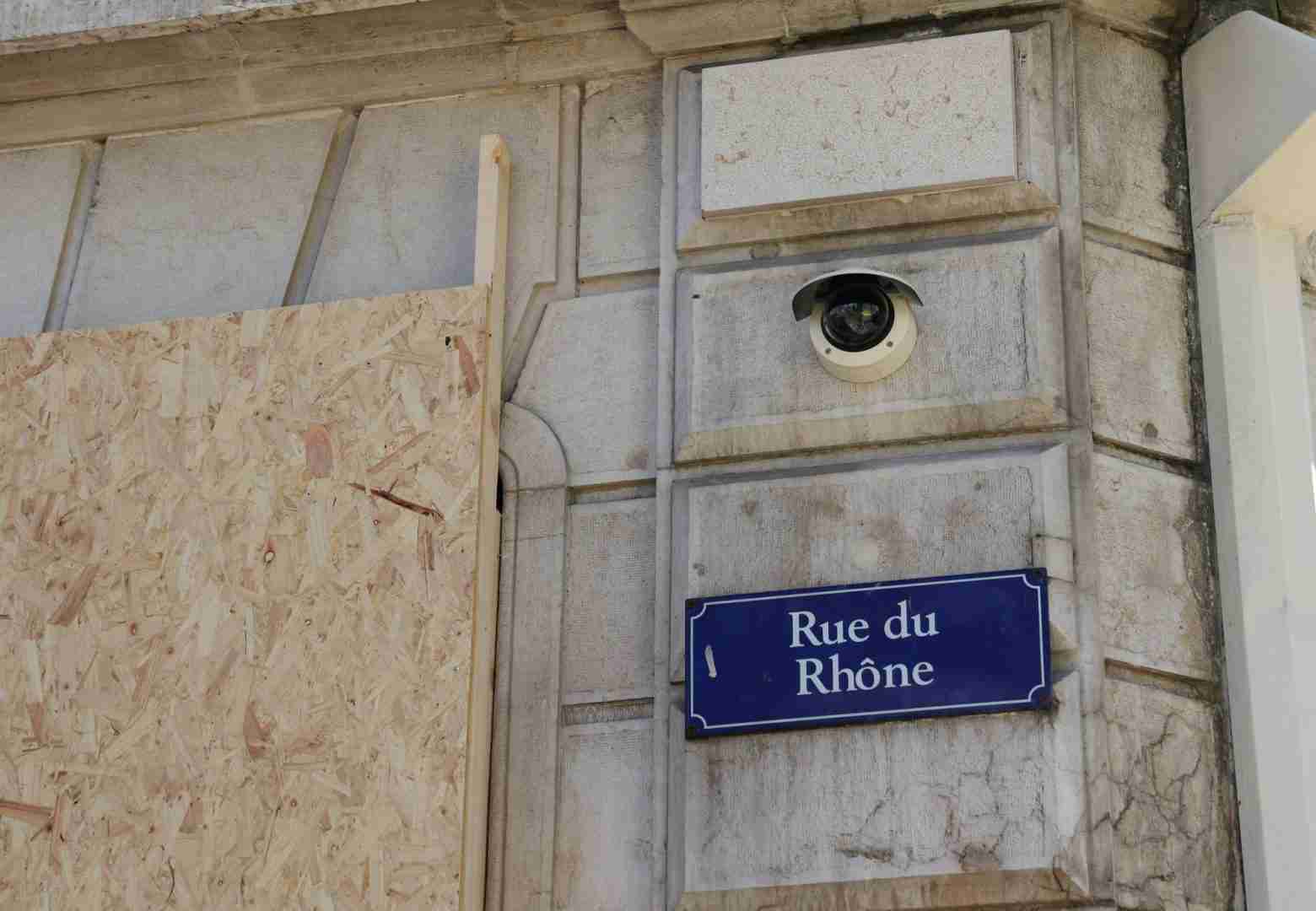
Scores of shops across Geneva have been boarded up over fears of damage during the planned anti-G7 protest.
Damien Gall, owner of carpentry company Espace, said it has installed more than 2,000 square metres of wooden panels for businesses to protect their premises.
Taxi driver Lamine Lasbet said the preparations for the protest were having a “catastrophic impact” on business.
“We’ll stay at home, I won’t lie. So it’s three or four days without working,” Lasbet said.
ECONOMIC FALLOUT
Some Geneva residents raised concern about the fallout from the summit.
“Geneva isn’t in France, so the problem is spilling over into another country,” said Eric Affolter, a souvenir store owner, recalling how properties were damaged in 2013 when a G8 summit was held in Evian as protesters clashed with police on Geneva’s left bank.
Carole-Anne Kast, a senior local authority official, said
the canton of Geneva would likely have to spend about 20 million Swiss francs ($25.01 million) on security costs.
She said authorities have tried to mitigate the risks of violence and property damage.
($1 = 0.7996 Swiss francs)
Reporting by Olivia Le Poidevin; Editing by Emelia Sithole-Matarise
Police today outlined their plans to ensure public safety and prevent crime over the holiday
As the island prepares for the National Heroes’ Day 2026 holiday weekend and the much-anticipated Carnival in Bermuda festivities, the Bermuda Police Service (BPS) has implemented a comprehensive operational plan to ensure public safety and the enjoyment of all residents and visitors.
Throughout the holiday period, the BPS will maintain a high-visibility presence across the island. Officers will be deployed strategically with a primary focus on safeguarding the welfare of the public and proactive crime prevention.
Superintendent Arthur Glasford, Gold Commander for the policing operation, emphasized the commitment of the BPS to fostering a safe environment for the long holiday weekend and the attendant festivities.
Mr. Glasford stated: “We are committed to facilitating an enjoyable holiday experience for the community, while ensuring the safety of all residents and visitors to the island. We ask that you do your part by partnering with us to make this year’s National Heroes Day and carnival celebrations safe and memorable”
The BPS issues a firm reminder that all incidents of criminal or antisocial behaviour will be addressed with proportionate and decisive enforcement.
To ensure a positive and secure experience, the BPS encourages eventgoers to prioritize their personal safety by following these guidelines:
Travel in groups:
Stay with friends or in pairs whenever possible.
Plan your parking:
Park in well-lit, populated areas and ensure you are not obstructing roads or private driveways.
Share your plans:
Inform a trusted friend or family member of your itinerary and expected return time.
Cooperate with officers:
Assist police personnel on the ground to facilitate smooth operations and a positive atmosphere for all.
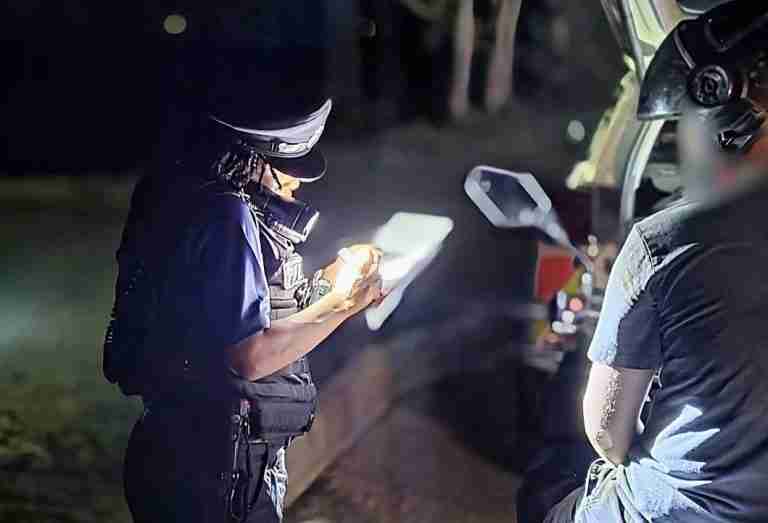
Motorists should anticipate an increased police presence on the roads, as the BPS will be conducting enhanced traffic enforcement throughout the weekend. The Service remains committed to reducing road harm and will be operating Roadside Sobriety Checkpoints in all parishes commencing today, Thursday, June 11, 2026 until and including, Tuesday, June 16, 2026.
The Bermuda Police Service wishes all residents and visitors a joyous and festive National Heroes’ Day and Carnival 2026. We urge the community to celebrate responsibly, look out for one another, and contribute to a safe and memorable holiday weekend.
Media release supplied by the Bermuda Police Service.
Feeling exhausted despite getting enough sleep? You’re not alone. In this eye-opening episode; Shara shares her personal journey from burnout to resilience, revealing how ignoring your body’s signals can lead to chronic fatigue, brain fog, and even dangerous health crises. She uncovers the silent signs your body sends and the crucial shift needed to turn stress into sustainable energy.
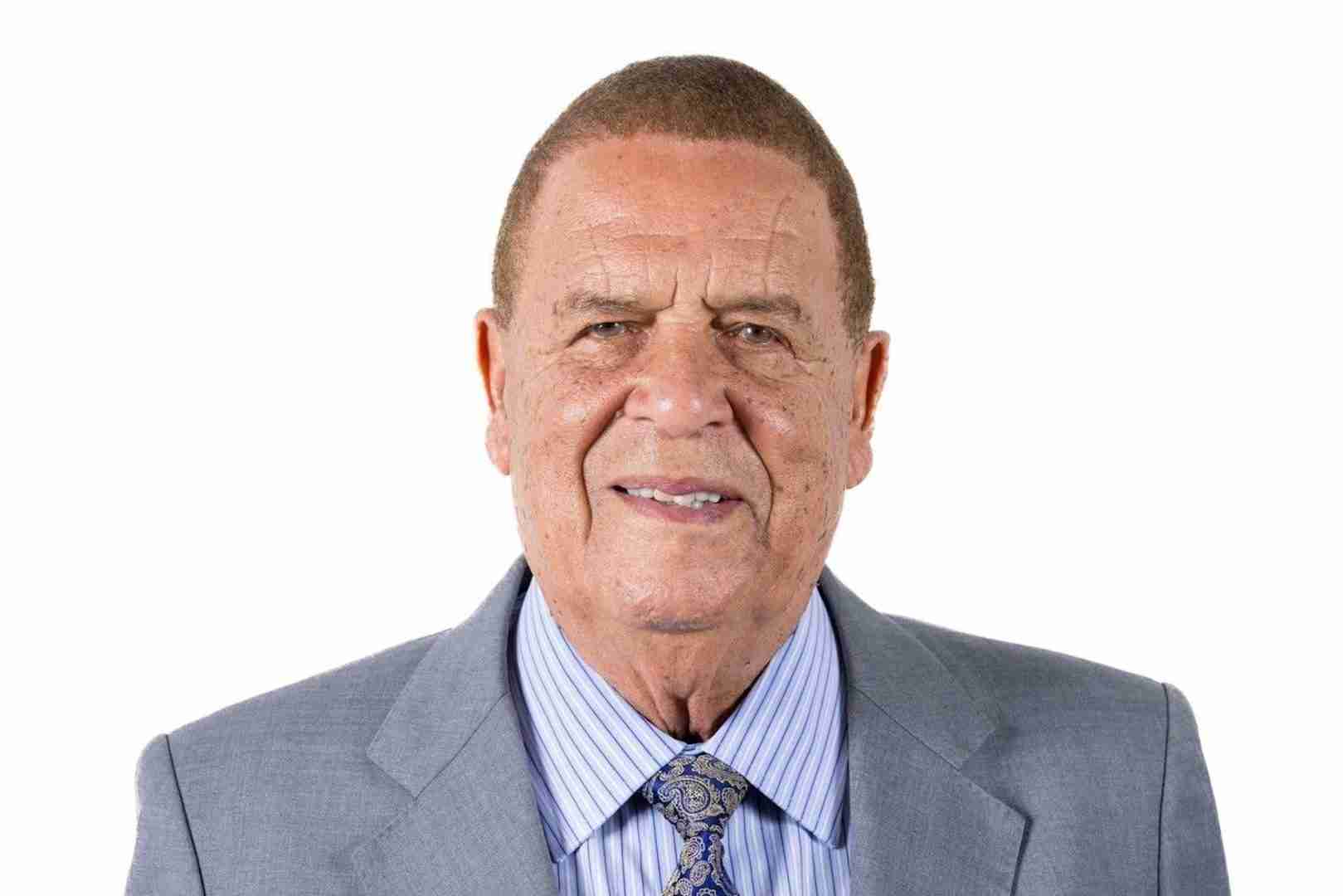
Sir John Swan, who passed away last week at the age of 90.
The family of Sir John Swan wishes to express our heartfelt gratitude to the people of Bermuda and those beyond our shores for the overwhelming love, support, prayers, and kindness shown to us following his passing.
We have been deeply touched by the many messages, calls, visits, tributes, and personal stories shared during this difficult time. Your words have brought us great comfort and have reminded us of the countless lives our father has touched throughout his life.
Our father loved Bermuda deeply and believed wholeheartedly in its people. He came from humble beginnings and never lost sight of the values of hard work, humility, and service that shaped his life. We know he would have been profoundly moved by the outpouring of support and affection.
In keeping with those values, he expressed a wish for a simple and dignified service that reflected who he was rather than the positions he held. We are sincerely grateful to the Government of Bermuda for its exceptional cooperation and respect in helping to ensure that his wishes are carried out.
On behalf of our entire family, thank you for your kindness, prayers, and many expressions of sympathy. Your support has meant more to us than words can adequately express.
Investment brings tablets, drones and AI-focused learning tools to environmental education programmes island-wide
The Bermuda Zoological Society (BZS) is proud to announce a new initiative with Google, marked by an investment to support the expansion of science and technology-enabled learning across Bermuda.
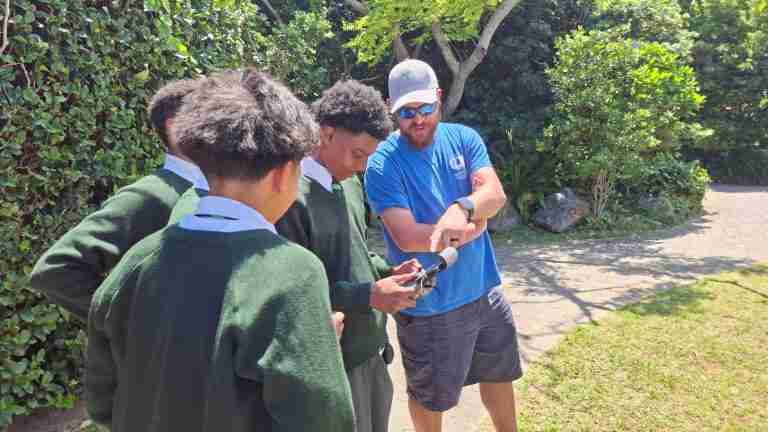
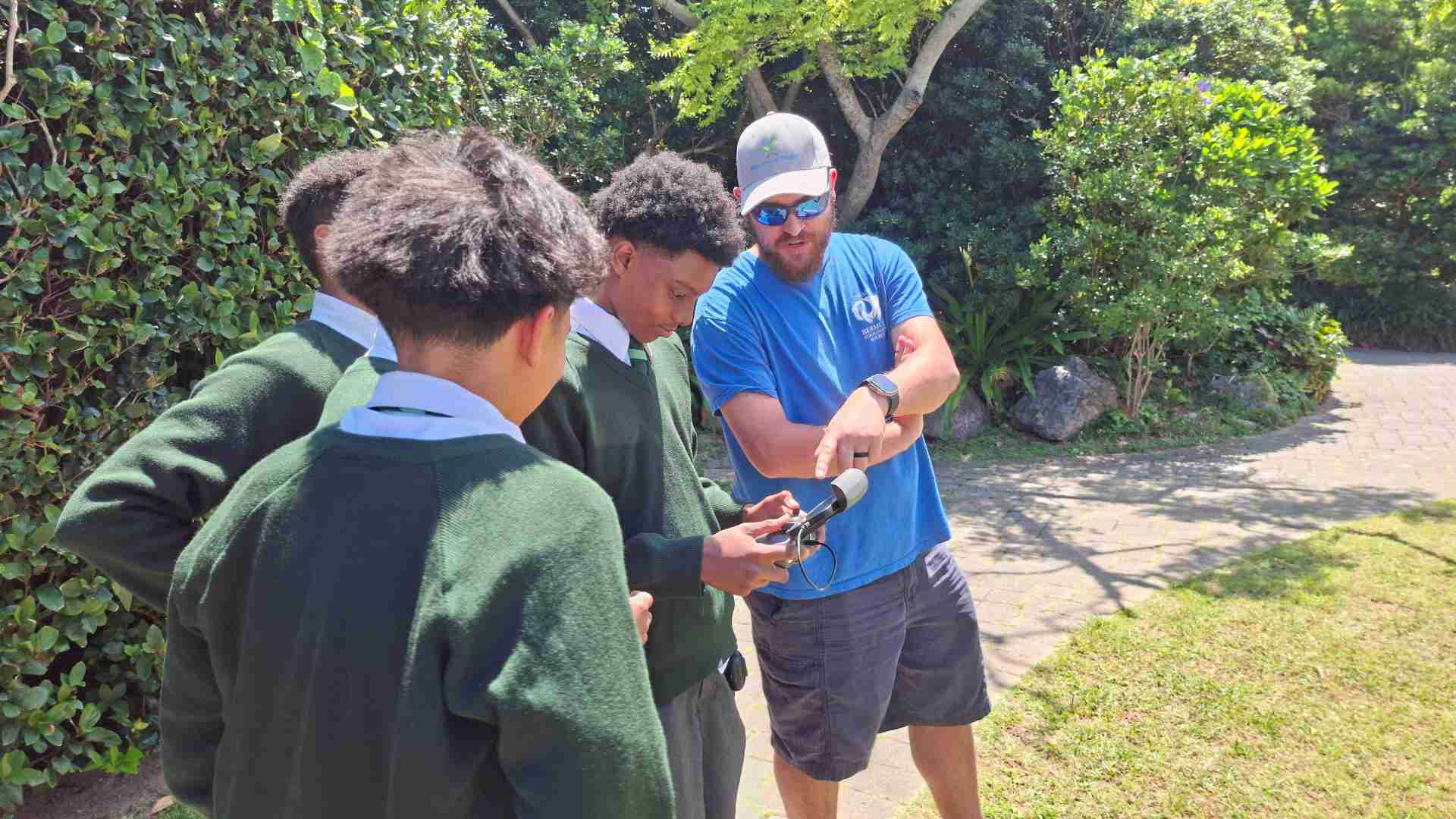
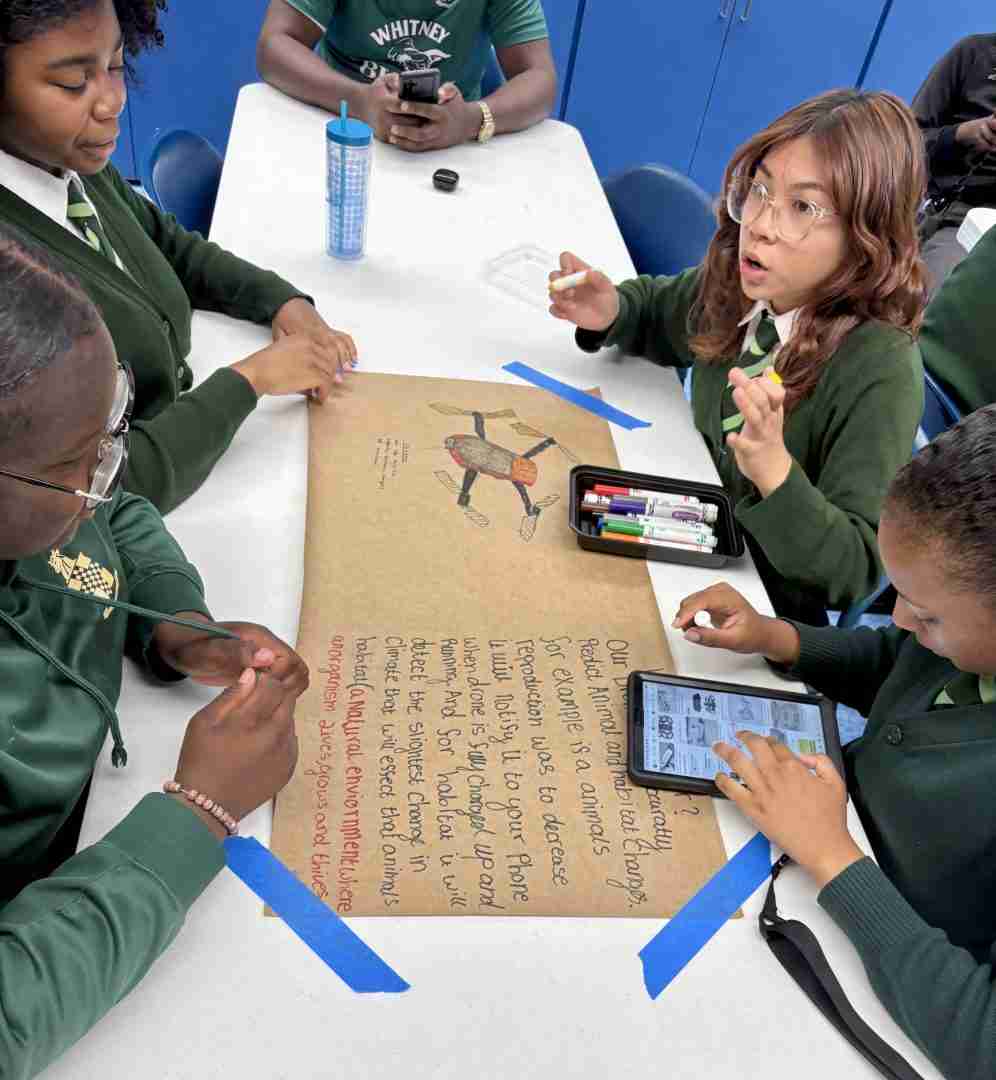
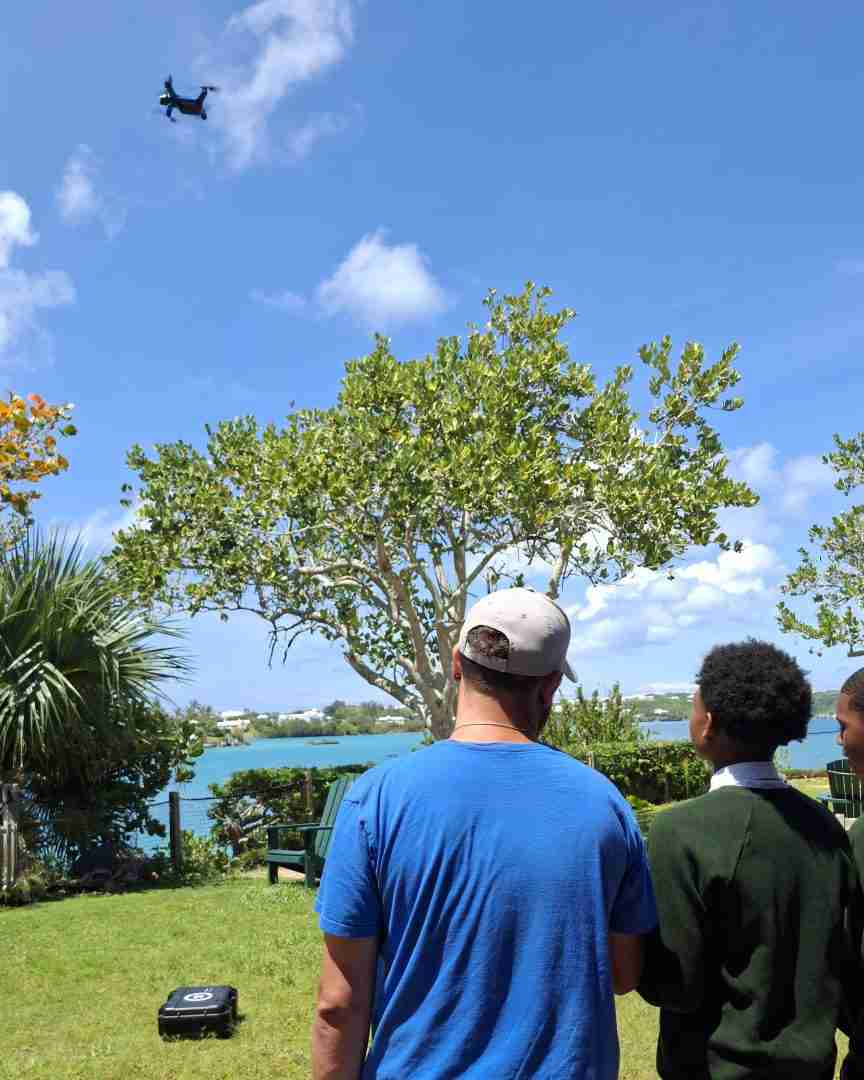
Through this collaboration, BZS is already enhancing its education programmes with the introduction of 25 new tablets, 6 drones, underwater cameras, classroom monocular microscopes and projection technology, enabling students to engage more deeply in science, technology and emerging fields such as artificial intelligence.
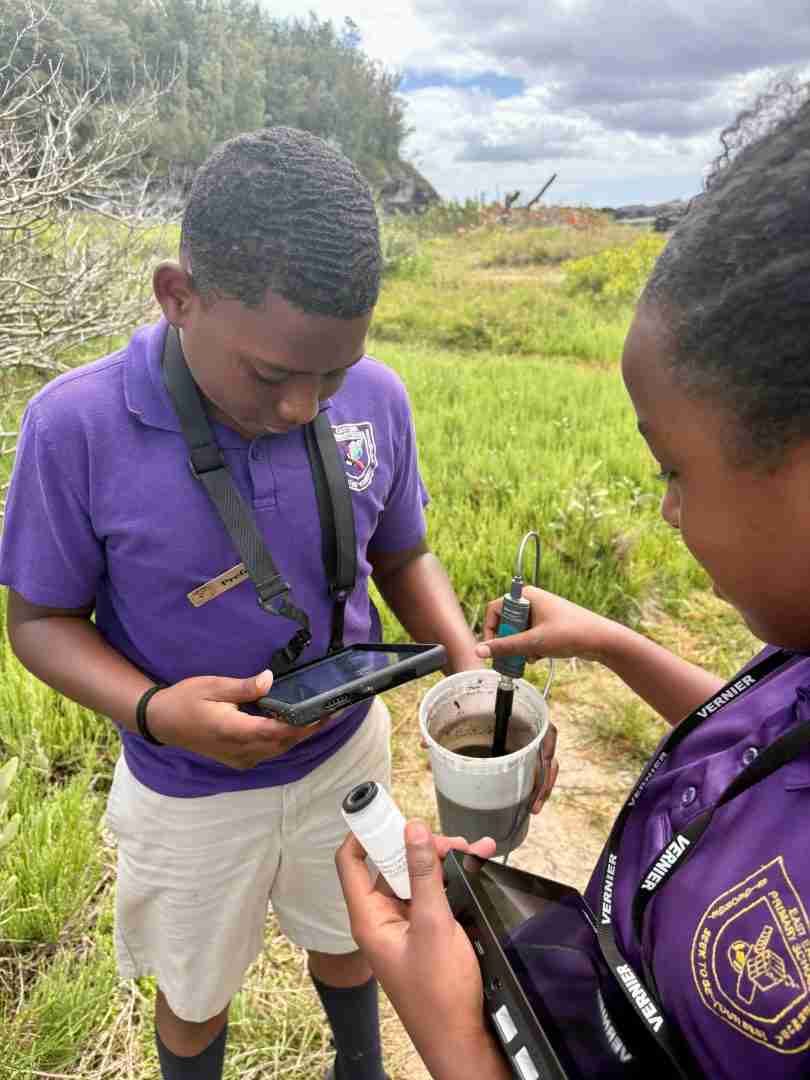
Through BZS’s signature Living Classroom approach where learning extends beyond traditional classrooms into Bermuda’s natural environments, students are now using these tools during field investigations, data collection and hands-on learning activities. Tablets support real-time research and documentation, while drones introduce students to aerial observation, environmental monitoring and technology-driven inquiry.
In addition, the use of tablets for data collection helps BZS gather valuable insights across its 28 micro forest sites, including identifying species, tracking plant growth, measuring land coverage and monitoring soil health. This integration of technology not only enhances student learning but also contributes meaningful environmental data to support conservation efforts.
“This initiative with Google represents a meaningful investment in Bermuda’s future,” said Philippe Bacon, BZS President. “By integrating technology such as tablets and drones into our programmes, we are equipping students with the skills and curiosity needed to explore science and innovation in real-world settings.”
Since the start of the partnership, BZS has continued to deliver curriculum-aligned, hands-on environmental education to students from preschool to senior school levels, with a strong focus on accessibility. Google’s support also contributes to broader programme enhancements, including improved infrastructure and resources that allow BZS to scale its impact and reach to more students across the island.
“We are pleased to work together with the Bermuda Zoological Society in support of our shared commitment to education, conservation, and community,” said a Google spokesperson. “We are proud to play a role in inspiring and supporting the next generation of environmental stewards and innovators in Bermuda.”
For more information about BZS education programmes, visit www.bzs.bm.
Hilary Benn said there was less disorder on the streets of Belfast on Wednesday night as opposed to Tuesday, when rioters targeted ethnic minorities and foreign residents by torching homes and vehicles
International News via Reuters:
Two days of anti-immigration violence in Northern Ireland is nothing short of racist thuggery, Britain’s minister for the province said on Thursday, after police deployed water cannon and plastic bullets to tackle rioters for a second night.
Hilary Benn said there was less disorder on the streets of Belfast on Wednesday night as opposed to Tuesday, when rioters targeted ethnic minorities and foreign residents by torching homes and vehicles following a knife attack for which a Sudanese man has been charged with attempted murder.
But many of those who did clash with police on Wednesday were seeking to get to a hotel outside Belfast that has been targeted in the past for housing asylum seekers. Police said they used water cannon and plastic bullets, or baton rounds, on the street.
Asked on Sky News if violent scenes were racist riots rather than protests, he said: “Well, if you are targeting people on the basis of the colour of their skin, how else can you describe them? That is racist thuggery.”
ONLINE TOXICITY ‘NEEDS TO STOP’
Police and politicians say much of the violence had been encouraged and coordinated online.
“What we have seen is significant coordination from online social media activity. Some from people within Northern Ireland and some from … outside the island of Ireland,” Assistant Chief Constable Ryan Henderson told reporters.
“That toxicity is what’s bringing people out onto the streets. It needs to stop,” he said, adding that there may be prosecutions related to social media posts.
The original knife attack in Belfast on Monday night, which is currently not being treated as terrorism, comes at a time of heightened tensions in Britain over crime and immigration, with populist parties saying Britain’s asylum policy had allowed dangerous men into the country.
Tech billionaire Elon Musk has reposted many messages on his X platform denouncing the state of the United Kingdom following the Belfast incident, including reposting the leader of Britain’s Restore political party, which wants to deport hundreds of thousands of people from Britain.
‘COMMUNITY DEFENDERS’
There are also local factors at play and the unrest has brought back memories of the “Troubles”, three decades of violence between mainly Catholic Irish nationalists and predominantly Protestant pro-British “loyalists”.
“You have a fundamental problem in Northern Irish society in which we have a glorification of past violence,” said Professor Peter Shirlow, Director of the institute of Irish Studies at the University of Liverpool.
Young men “wish to replicate the actions of their fathers in terms of appointing themselves as community defenders,” he said.
Most of the trouble has been in loyalist areas, but there are voices for and against the violence on both sides of the sectarian divide, Shirlow said. A majority across the region say immigrants do not make a contribution, according to a regular University of Liverpool survey.
Northern Ireland has now been gripped by anti-immigration violence for three summers in a row. Over the last two nights rioters have burnt houses, smashed windows, hurled bricks at police and marched down streets saying they were there to get “foreigners out”.
In recent days lists have circulated showing where asylum seekers were living, the addresses of immigration businesses were published and a nursing union official said ethnic minority nurses had been chased by masked men as they tried to get to work.
Police on Thursday said they were patrolling the addresses and hospitals to reassure workers.
Reporting by Amanda Ferguson in Belfast and Sarah Young in London; Writing by Kate Holton; additional reporting by Graham Fahy and Muvija M; Editing by Kate Holton, Toby Chopra, William Maclean
The two sides in 2004 lodged parallel cases at the World Trade Organization over subsidies for U.S. plane maker Boeing and European rival Airbus, accusing each other of unfair competition
International News via Reuters:
The United States and the European Union have yet to decide whether to continue suspending or to reimpose tariffs on $11.5 billion of goods in a decades-long dispute over aircraft subsidies with just days to go before their truce expires.
The two sides in 2004 lodged parallel cases at the World Trade Organization over subsidies for U.S. plane maker Boeing and European rival Airbus, accusing each other of unfair competition.
The WTO in 2019 authorised the United States to impose tariffs on $7.5 billion of EU goods, such as cheese, in the case against Airbus. A year later, it gave the EU the right to respond with countermeasures on $4 billion of U.S. imports, including tobacco and spirits. On June 15, 2021, both sides agreed to suspend these tariffs for five years.
A European Commission spokesperson said on Thursday that discussions were ongoing to extend the suspension.
The two sides said in 2021 they aimed to work on an overarching agreement on subsidies for large aircraft and to counter investments in aircraft by “non-market actors,” meaning China. They said then they expected the dispute would be resolved within five years.
Instead, tariff tensions have risen, with the European Union facing fees on most of its exports to the United States, although aircraft and aircraft parts are excluded.
Reporting by Philip Blenkinsop; editing by Barbara Lewis
Euro Exchange Securities UK Ltd, the London arm of an electronic money and payments firm with U.S. and Spanish businesses, now has to ensure that client money is returned as quickly as possible
International News via Reuters:
Britain’s Financial Conduct Authority succeeded in shuttering Euro Exchange Securities on Thursday after London’s High Court approved the regulator’s application to appoint administrators for the payments firm.
Euro Exchange Securities UK Ltd, the London arm of an electronic money and payments firm with U.S. and Spanish businesses, now has to ensure that client money is returned as quickly as possible, the FCA said.
Joint special administrators Duncan Perring and James Bennett of Teneo Financial Advisory, who were provisionally appointed last week and have now had their positions confirmed, had secured “a significant amount of material” and frozen funds.
The FCA, which ordered EES to cease trading on June 4, said it took action after lengthy engagement over serious concerns about financial crime risks, such as money laundering, in the way the firm was operating.
EES did not immediately respond to requests for comment.
But the regulator said the firm had not fought a decision to force it to stop trading last week and that it had agreed it was not in its interests to seek to return to normal trading.
The payments firm posted a statement on its website stating it was unable to trade, onboard new customers, was not accepting any new funds and that customers were also unable to withdraw funds.
“The risk of payment firms being used by criminals to launder cash to fund other offences is significant, which is why they must meet expected standards,” said Matthew Long, the FCA’s director of payments and digital assets.
“Fighting financial crime is at the heart of our strategy – and that means using our powers to their fullest extent to protect consumers and the integrity of the financial system.”
Reporting by Kirstin Ridley; Editing by Paul Simao
The approval gives more than 10 million people living in England a more convenient alternative as drugmakers race to expand use of the medicines
International News via Reuters:
Britain’s medicines regulator approved Novo Nordisk’s weight-loss pill on Thursday, giving patients a new needle-free treatment option and bolstering the Danish drugmaker’s first-to-market lead against U.S. rival Eli Lilly.
The approval gives more than 10 million people living in England a more convenient alternative as drugmakers race to expand use of the medicines, which have transformed demand for weight-loss treatments and reshaped the pharmaceutical industry.
UK’s Medicines and Healthcare products Regulatory Agency approved the pill for adults with obesity who have a body mass index of 30 or above, or those with a BMI between 27 and 30 and at least one related condition.
U.S.-listed shares of Novo rose 2% in morning trading.
Novo also received an early approval in the U.S. for its weight-loss pill and a launch earlier this year, while Lilly moved quickly behind, rolling out its oral medication, Foundayo, after getting a regulatory go-ahead in April.
Both drugmakers are aiming to increase their share of the rapidly growing obesity drug market, which analysts expect to surpass $100 billion annually in the next decade, by expanding into oral treatments.
“Oral GLP-1s will bring more people into treatment and give patients greater choice, but they are not silver bullets,” said Danielle Brightman, clinical director at UK-based private digital healthcare platform Numan.
The pill contains semaglutide, the same active ingredient used in Novo’s blockbuster injectable drugs Wegovy for weight loss and Ozempic for diabetes.
The approval will be followed by an assessment by Britain’s National Institute for Health and Care Excellence before the pill becomes available on NHS.
Until then, patients can access the pill through private providers. Novo expects the drug to be available through private channels within weeks.
Obesity affects about 30% of adults in England, equivalent to an estimated 13 million to 14 million people, according to latest estimates by NHS England.
Reporting by Christy Santhosh in Bengaluru and Bhanvi Satija in London; Editing by Shilpi Majumdar
All ranks of the Royal Bermuda Regiment invited to a barbecue to celebrate 60th anniversary
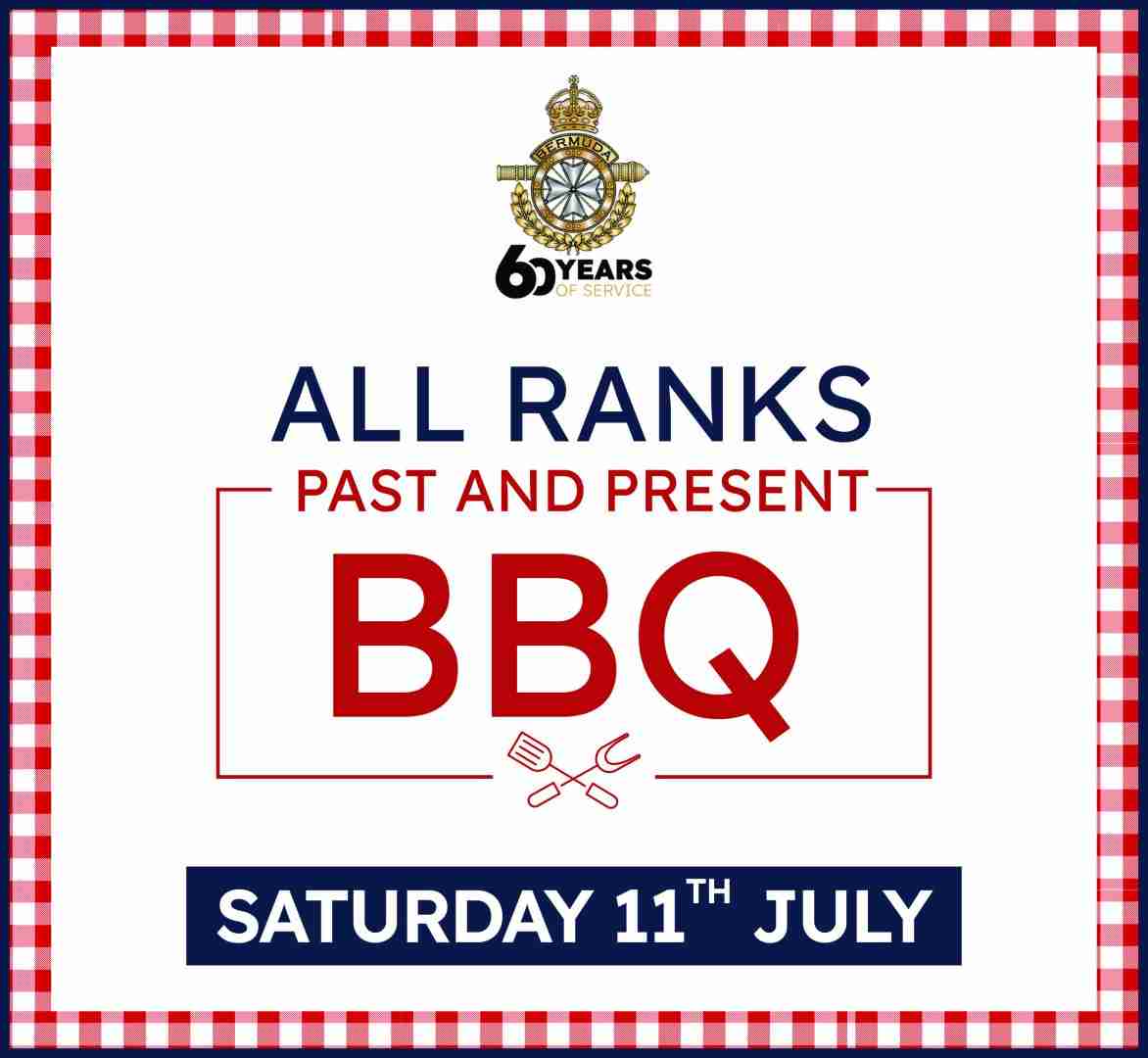
Former and serving members of the Royal Bermuda Regiment (RBR) are invited to come together for camaraderie and connection at a 60 th anniversary celebration this summer.
The All Ranks Past and Present barbecue on July 11 will offer a rare opportunity to host troops from across different command levels and generations as they honour six decades of service and help to strengthen the battalion’s future.
Typically hosted by the Sergeants’ and Warrant Officers’ Mess during recruit camps, the past-and-present event is a long-standing regimental tradition that allows people to unite, reconnect and share stories.
For the 60th anniversary year, the practice is being expanded beyond its usual format and will open for the first time to all ranks, past and present, hosted by the RBR at Warwick Camp in partnership with the Royal Bermuda Regiment Association (RBRA).
The informal gathering will also serve as a meaningful introduction for new recruits, marking their initiation into the traditions and camaraderie of regimental life and highlighting the importance of community and belonging within the battalion.
Warrant Officer Class One Luis Pereira, the RBR’s Regimental Sergeant Major (RSM), noted that past-and-present events offer an opportunity for soldiers to engage with people who served before them, and allow them to meet those whom they might otherwise see only in photographs from earlier years.
“Past members get to be amongst their brotherhood again, the stories that were told the year before seeming to be more embellished year upon year,” he added.
“I am looking forward to this one because of the inclusion of all ranks. Personally, it will be very good to reconnect with soldiers from all different periods of my 29 years of service.”
The RSM noted: “I believe that with a very good showing of past soldiers, our current young soldiers can feel a greater sense of belonging within their platoons and sub-units, as they hopefully can chat with someone who filled a similar role in prior years.”
The RBRA, which is dedicated to promoting, fostering and maintaining the traditions and wellbeing of the Regiment and its predecessors, looks forward to partnering with the RBR for the event.
Captain (ret’d) Alvin Harvey, the Association’s president, said: “This is not just a celebration of the Regiment present and those newer soldiers, but also a tribute to those who helped to shape the Regiment into what it has become.
“It gives people who served the opportunity to reconnect and rekindle old relationships that we had. We can share stories, camaraderie, experiences and memories from exercises or overseas camps.
“I see it as an open celebration of the Regiment, 60 years of service and of those who served since day one and wish to come along to enjoy that recognition and feel part of it.
“Even on this tiny little island, we don’t see each other as much as we think we do, so this is a great chance to catch up.”
Through the preservation of comradeship among members and former members, the Association plays a vital role in strengthening the wider regimental network
All serving and former members are encouraged to attend and be part of this milestone occasion.
Key information: Date: July 11, 2026 Time: 6.30pm to 9.30pm Location: Warwick Camp RSVP:https://rbr.bm/event/all-ranks-past-present/ or call 238-1045 RSVP deadline: 26th June Dress code: Smart / casual (collared shirt)
To provide the best experiences, we use technologies like cookies to store and/or access device information. Consenting to these technologies will allow us to process data such as browsing behavior or unique IDs on this site. Not consenting or withdrawing consent, may adversely affect certain features and functions.
Functional
Always active
The technical storage or access is strictly necessary for the legitimate purpose of enabling the use of a specific service explicitly requested by the subscriber or user, or for the sole purpose of carrying out the transmission of a communication over an electronic communications network.
Preferences
The technical storage or access is necessary for the legitimate purpose of storing preferences that are not requested by the subscriber or user.
Statistics
The technical storage or access that is used exclusively for statistical purposes.The technical storage or access that is used exclusively for anonymous statistical purposes. Without a subpoena, voluntary compliance on the part of your Internet Service Provider, or additional records from a third party, information stored or retrieved for this purpose alone cannot usually be used to identify you.
Marketing
The technical storage or access is required to create user profiles to send advertising, or to track the user on a website or across several websites for similar marketing purposes.