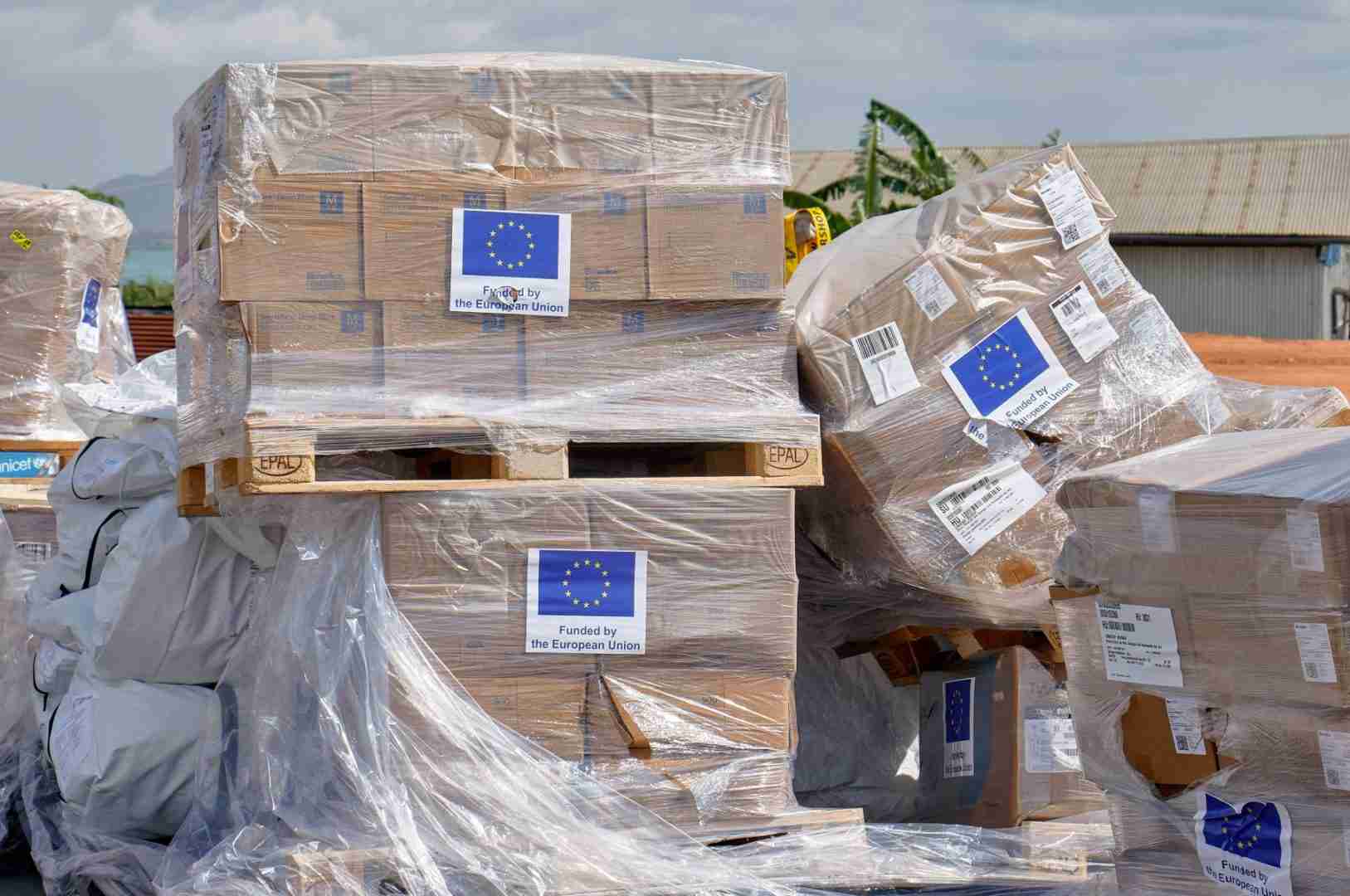
The European Union’s executive aims to pitch ideas ahead of an EU leaders’ summit on June 18 to 19
International News via Reuters:
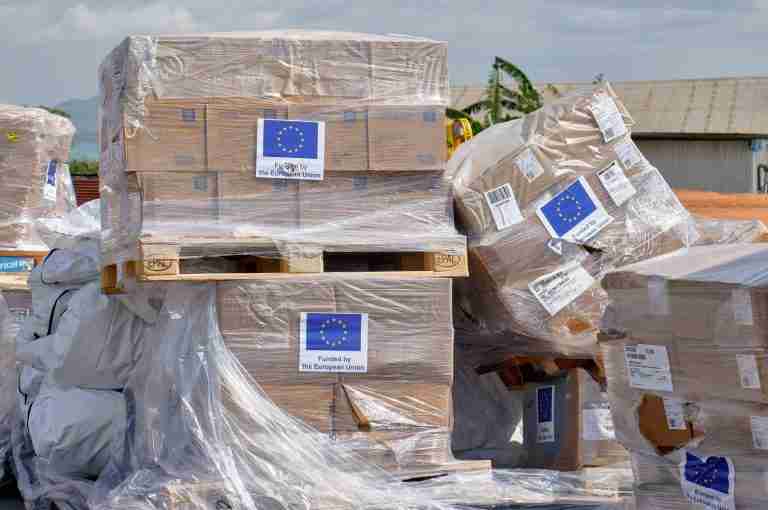
European commissioners met on Friday to discuss how to shield Europe’s industries from surging Chinese imports, and secure alternative supplies of key inputs and critical minerals to reduce the bloc’s heavy dependence on China.
The European Union’s executive aims to pitch ideas ahead of an EU leaders’ summit on June 18 to 19, and possible measures could include forcing EU companies to diversify supply chains or to create new trade tools to curb China’s access in chemicals, metals and clean technology.
Western powers are trying to reverse some of the offshoring to China that peaked in the early 2000s, depleting industrial know-how and hubs across the West, particularly in the U.S. and the EU.
TRADE IMBALANCES, OVERCAPACITY IN FOCUS
The Group of Seven nations (G7) will also tackle trade imbalances and overcapacities at a mid-June summit as China increasingly flexes its dominance on rare earths and other metals that are critical for sectors including defence, tech, energy and automotive industries.
U.S. President Donald Trump has pitched “America First” and, early this year, the EU proposed a new “Buy European” policy and RESourceEU to accelerate the development of critical mineral supply chains in the EU and partnerships with mineral-rich countries from Central Asia to Australia and Brazil.
China’s Foreign Ministry accused the EU on Thursday of using trade data selectively to justify claims of imbalances and it has repeatedly threatened “strong countermeasures” should the EU adopt the “Buy European” policy and revised tech sovereignty. China rejects the notion that its trade practices are unjust.
Europe’s industry faces a tougher climate than U.S. rivals as it confronts structurally higher energy costs and stricter regulation.
Industry Commissioner Stephane Sejourne said this week he wants the bloc’s existing trade tools such as import duties and quotas to be used “more systematically” across sectors rather than targeting specific companies or materials.
The EU has made efforts to curb some Chinese imports but the results have been mixed. The bloc imposed tariffs on heavily subsidised Chinese electric vehicles (EVs), but not hybrid models. Hybrids accounted for nearly 40% of new car registrations so far this year and China’s market share in Europe continues to rise.
Heavy Israeli strikes hit towns and villages in southern Lebanon overnight on Wednesday and into Thursday, after Israel declared a new swathe of the area “a combat zone”
International News via Reuters:
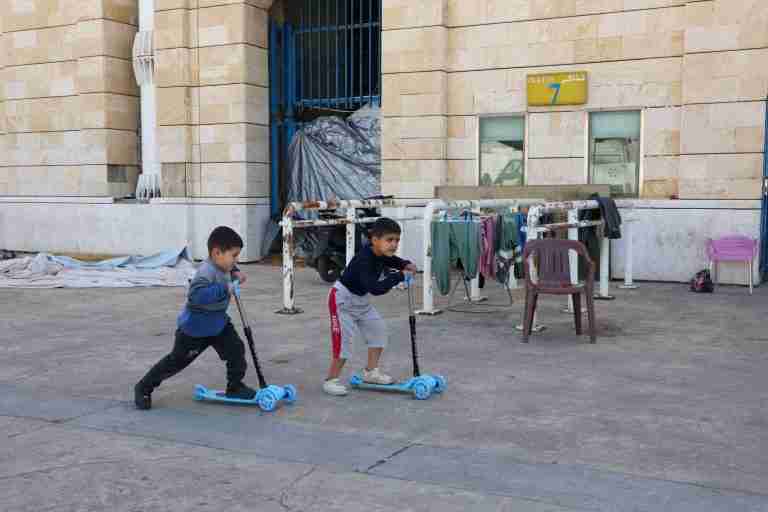
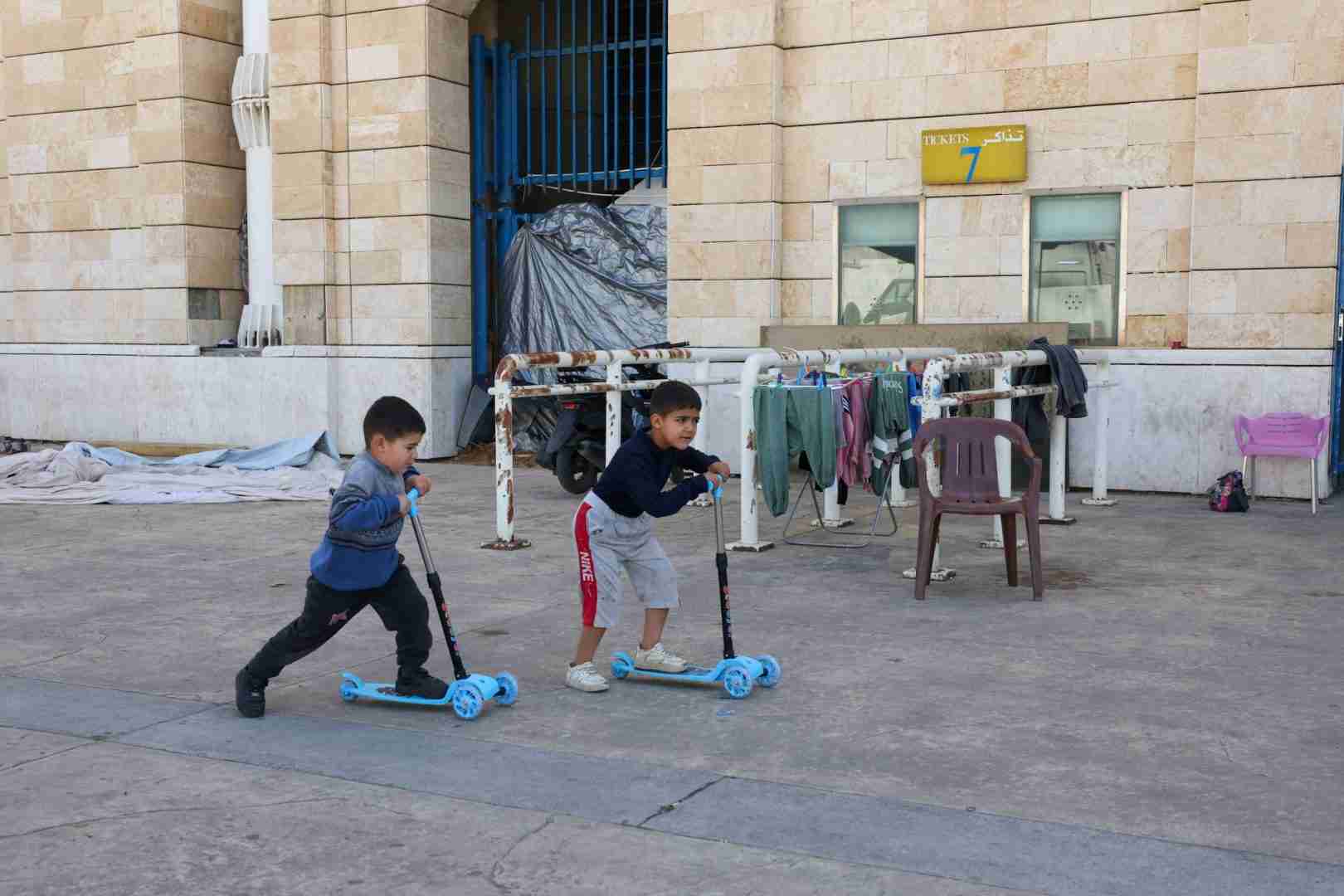
An average of 11 children have been killed or injured every 24 hours in Lebanon in the last week, as Israel expanded strikes across the country in spite of a ceasefire being in place.
Heavy Israeli strikes hit towns and villages in southern Lebanon overnight on Wednesday and into Thursday, after Israel declared a new swathe of the area “a combat zone”.
On Thursday, an Israeli strike hit a building in the southern suburbs of Beirut amid a ceasefire that has failed to halt fighting between Israeli troops and Hezbollah in south Lebanon.
A total of 77 children have been killed or injured in the last seven days, UNICEF said. Since the ceasefire began in April 55 children have been killed, and 212 injured, according to the agency.
UNICEF spokesperson Ricardo Pires described the toll as “staggering”.
The ceasefire announced by Washington on April 16 was meant to halt the war raging between Israel and Iran-backed Hezbollah since March 2.
Reporting by Olivia Le PoidevinEditing by Madeline Chambers
An outbreak of the Bundibugyo strain of Ebola is continuing in the Democratic Republic of the Congo, with cases also reported in Uganda
International News via Reuters:
The World Health Organization said on Friday that there are 906 suspected cases of Ebola in the Democratic Republic of Congo, including 223 suspected deaths that are being investigated.
An outbreak of the Bundibugyo strain of Ebola is continuing in the Democratic Republic of the Congo, with cases also reported in Uganda.
There have been 125 confirmed cases of Ebola in the DRC, including 17 confirmed deaths in Ituri, North Kivu and South Kivu. There have also been seven confirmed cases of Ebola in Uganda, three of which were imported from the DRC, and one death. However, no community transmission has been reported, the WHO said.
The rate of people who died among those confirmed to have the infection ranges from 30% to 50%, said Anais Legand from the High Threat Pathogens Team which is part of WHO Health Emergencies Programme.
“It’s huge. It means that up to five out of 10 people are likely to die,” Legand said, adding, however, that the data is preliminary and requires further investigation. Early care could help drive down fatality rates, Legand said.
There are currently no approved vaccines or therapies specifically for the Bundibugyo virus disease, the WHO said.
Reporting by Olivia Le Poidevin Editing by Madeline Chambers
Brent crude futures for July were down 34 cents, or 0.3%, at $94.05 a barrel by 0810 GMT
International News via Reuters:
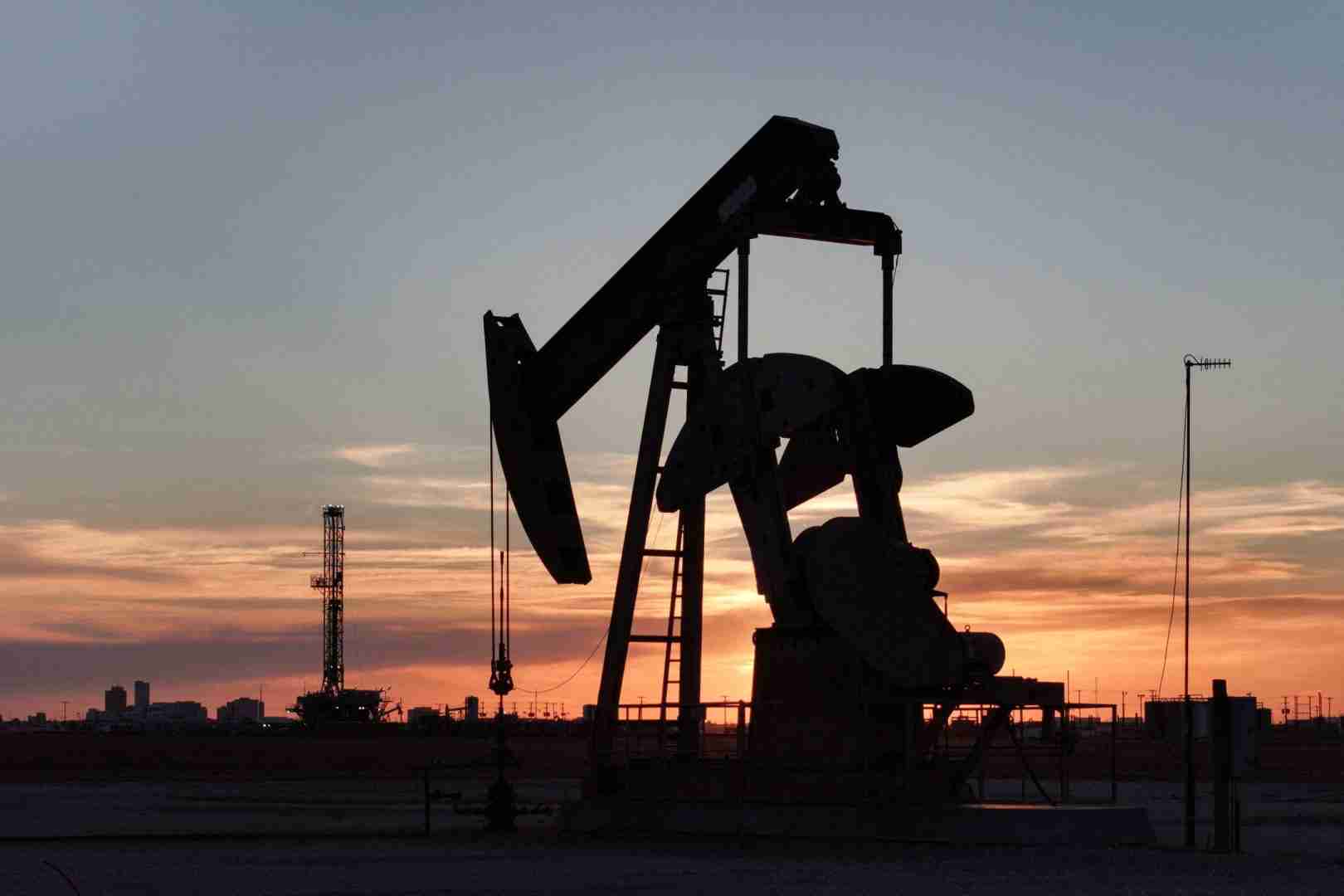
Oil futures steadied on Friday but were on track for their steepest weekly decline since early April after reports that the U.S. and Iran had reached agreement on a potential ceasefire extension.
Brent crude futures for July were down 34 cents, or 0.3%, at $94.05 a barrel by 0810 GMT. U.S. oil futures were steady at $88.89. Both had fallen more than 1% earlier in the session.
Brent has plunged by about 9% this week for its steepest weekly decline since the week to April 6. WTI, meanwhile, has dropped by nearly 8% for its biggest weekly loss since the week to April 13.
“While oil flows through the Strait of Hormuz remain restricted and oil inventories keep falling, the market focus remains on the possibility of a deal between the U.S. and Iran,” said UBS analyst Giovanni Staunovo.
The U.S. and Iran reached an agreement on Thursday to extend a ceasefire and lift restrictions on shipping through the Strait of Hormuz, sources told Reuters, though U.S. President Donald Trump has yet to approve it and Iranian state media said it had not been finalised.
Prices have been volatile in recent sessions, swinging by as much as $6 for both benchmarks on conflicting signals over a possible end to the Iran war and potential reopening of the Strait of Hormuz, which was previously a conduit for a fifth of the world’s oil and liquefied natural gas supplies.
Traffic through the maritime chokepoint remains a small fraction of levels before the conflict. Analysts at ING said a reopening of the waterway would offer some immediate relief to the oil market, but a recovery is still uncertain.
Japan, which relies heavily on oil from the Middle East, last month registered a 66% drop in crude oil imports compared with April last year.
U.S. crude, gasoline and distillate stockpiles fell last week, the Energy Information Administration said on Thursday, as demand from refiners and consumers rose and exports fell by 1.16 million bpd to 4.4 million bpd. [EIA/S]
Reporting by Seher Dareen in LondonAdditional reporting by Helen Clark and Sudarshan Varadhan in SingaporeEditing by David Goodman
Reports said the U.S. and Iran had agreed to extend their ceasefire and lift shipping restrictions through the Strait of Hormuz, but the deal still awaits approval from U.S. President Donald Trump
International News via Reuters:
The British pound edged lower against the dollar on Friday as uncertainty over a possible U.S.-Iran peace deal kept investors cautious, while Bank of England Governor Andrew Bailey signalled there was no urgency to raise interest rates.
Reports said the U.S. and Iran had agreed to extend their ceasefire and lift shipping restrictions through the Strait of Hormuz, but the deal still awaits approval from U.S. President Donald Trump.
“If we get close to a ceasefire, some of these underlying macroeconomic developments start taking focus again,” said Kirstine Kundby-Nielsen, senior FX strategist at Danske Bank.
“The UK economy isn’t in great shape.”
Britain’s reliance on energy imports leaves it more exposed than the U.S. to higher fuel costs. While oil prices have fallen in recent weeks, they remain almost 30% higher than before the war.
Sterling was last down 0.2% at $1.3410, near the middle of the $1.33 to $1.35 range it has traded in over the past two weeks. It was down 0.1% for the week.
BOE IN NO RUSH TO HIKE
Before the conflict, investors had expected the BoE to cut rates at least twice this year as inflation eased towards target. Since late February, concerns that higher energy prices could reignite inflation have pushed markets to price in rate increases instead.
Money market futures now imply 32 basis points of tightening this year – one quarter-point hike and roughly a 30% chance of a second.
Bailey said allowing inflation to run above the BoE’s 2% target was justified given uncertainty over the economic impact of the Iran war and the weak pace of growth, signalling policymakers can afford to wait before making any rate moves.
The BoE kept rates on hold last month and is widely expected to do so when it meets in June.
“I don’t expect the Bank of England to hike to the extent that it’s priced by market,” Danske Bank’s Kundby-Nielsen said.
“That should lift euro-sterling over the next year.”
Against the euro, the pound was down 0.1% at 86.77 pence.
Ministry urges public to submit feedback by Sunday 31 May 2026 and vows to address cost, immigration and timing concerns in the White Paper
Media Release:
The Hon. Alexa N. H. Lightbourne, JP, MP, Minister of Home Affairs, issued the following statement ahead of the close of the public consultation on Bermuda’s pursuit of full membership in the Caribbean Community (CARICOM).
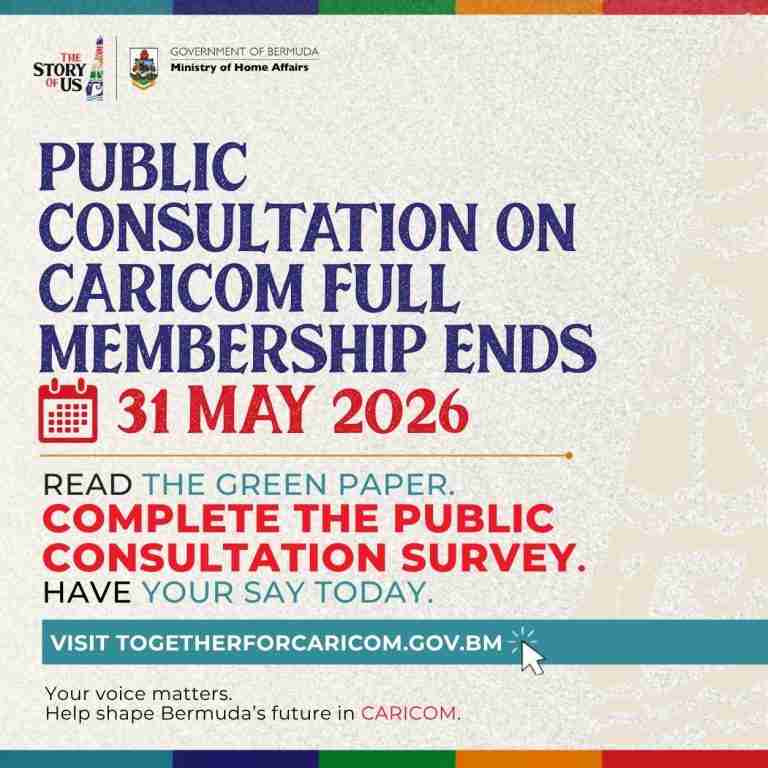
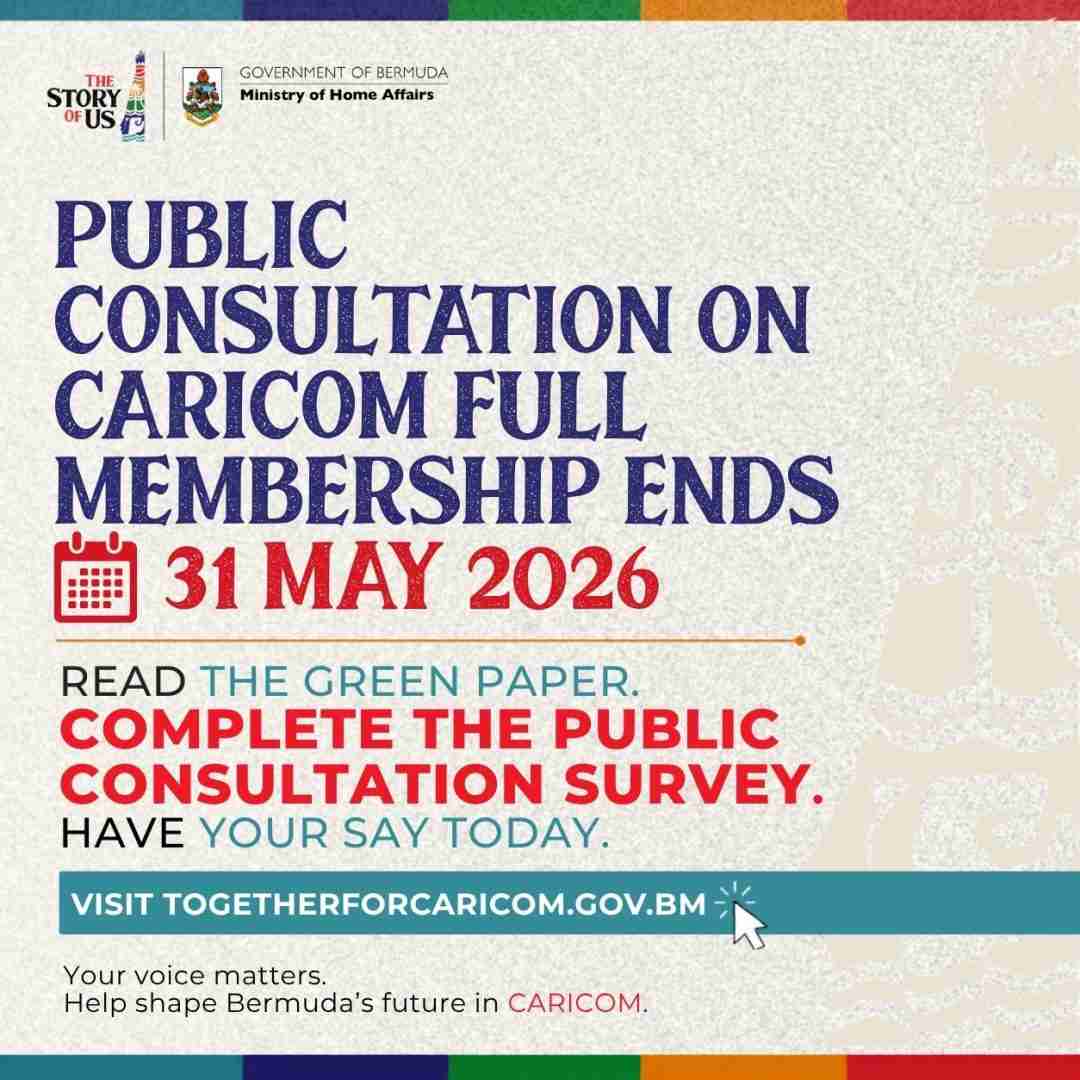
The public consultation on the Green Paper, The Story of Us, will close on Sunday, 31 May 2026.
The Ministry concluded its island-wide town hall series with a final session in St. George’s, completing an engagement that publicly opened in March 2026 with the release of the Green Paper. The consultation has included structured stakeholder sessions with public and private sector bodies, regional associations, faith communities, youth groups, and educational institutions, alongside public town halls and the online survey at togetherforcaricom.gov.bm.
Across the engagement, the Ministry has heard supportive, undecided, and opposed views. The questions most frequently raised concern the cost of membership, the protection of Bermuda’s immigration and economic frameworks, the tangible return on a deeper regional position, and the timing of the pursuit alongside the Government’s domestic affordability agenda. The Ministry has tracked every concern on the record. Each will be addressed in the White Paper that follows this consultation.
Members of the public are invited to visit TogetherForCaricom.gov.bm to review the Green Paper, complete the consultation survey, and submit feedback by Sunday, 31 May 2026.
Figures suggest that what Bermudian taxpayers could pay for full CARICOM membership is disproportionately high compared to other countries; government counters that it’s not all about dollars and cents
One of the questions often raised when the conversation turns to Caricom membership is … what will it cost?
We crunched the numbers, drawing from the United Nations global population figures, along with the member contributions to CARICOM HQ as recorded in the organisation’s 2023 annual report.
They show that Bermudian residents paid just under $3 per person for Associate CARICOM membership in 2023… that’s more per person than 9 out of 15 Full CARICOM member states.
If we became full members and the fee went up to $2.2 Million, we would be paying more than $35 per person per year… that’s five times more per person than the closest other full member paid in 2023, the Bahamas, and 10-15 times more than most full members.
Even if that final payment is adjusted, for example reduced by a third to $1.5 Million, it would still be more than $23 per person, and many times more than other full member states.
Of course, comparisons can be skewed by Bermuda’s small population and the relative strength of our dollar.
Home Affairs Minister Alexa Lightbourne told Gary Foster Skelton that the decision to deepen ties with CARICOM cannot be reduced to a dollars and cents issue.
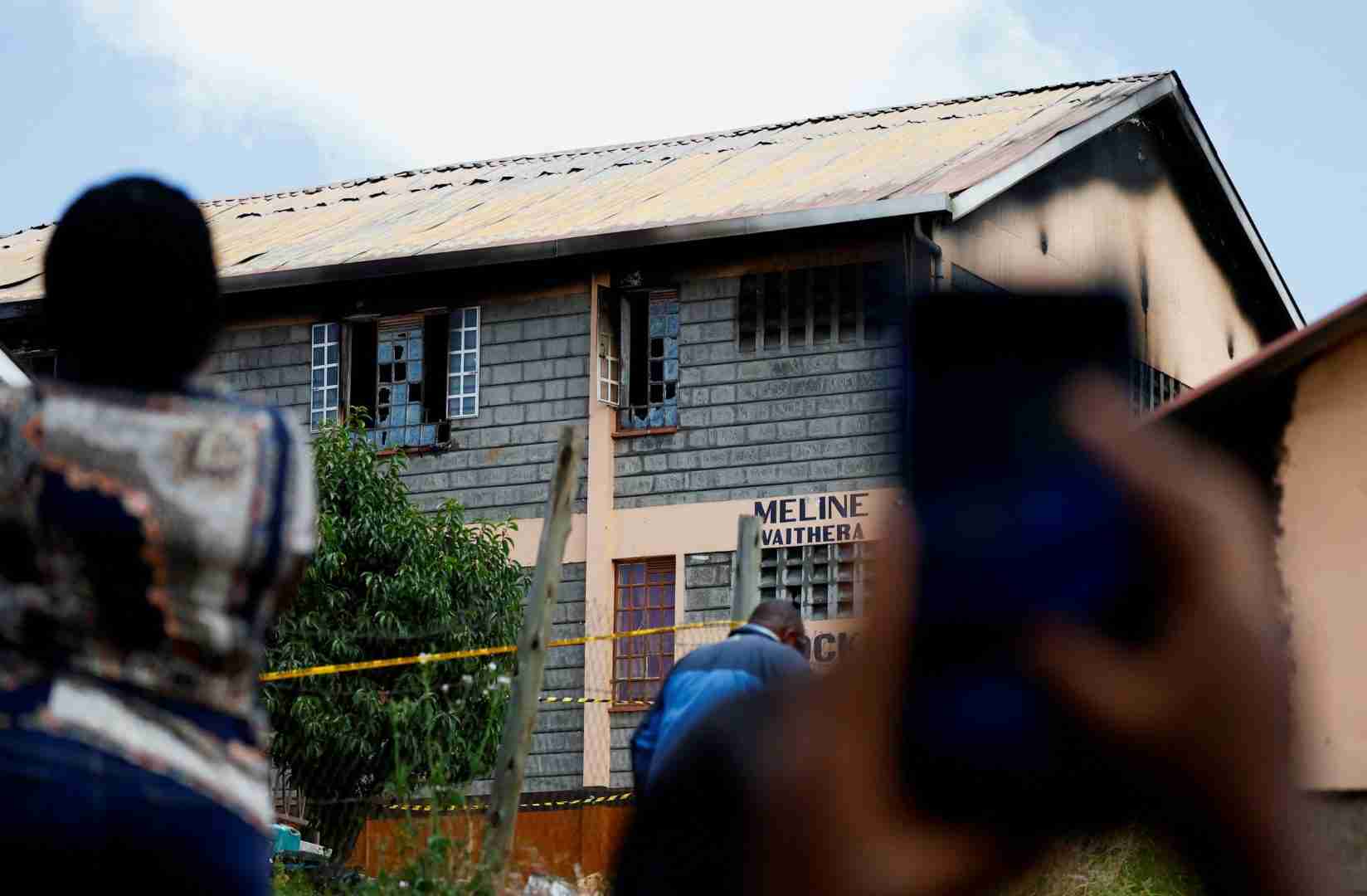
The fire broke out just after midnight at the Utumishi Girls’ Academy Senior School in Gilgil in west-central Kenya and burned for more than two hours, Education Minister Julius Migos told reporters
International News via Reuters:
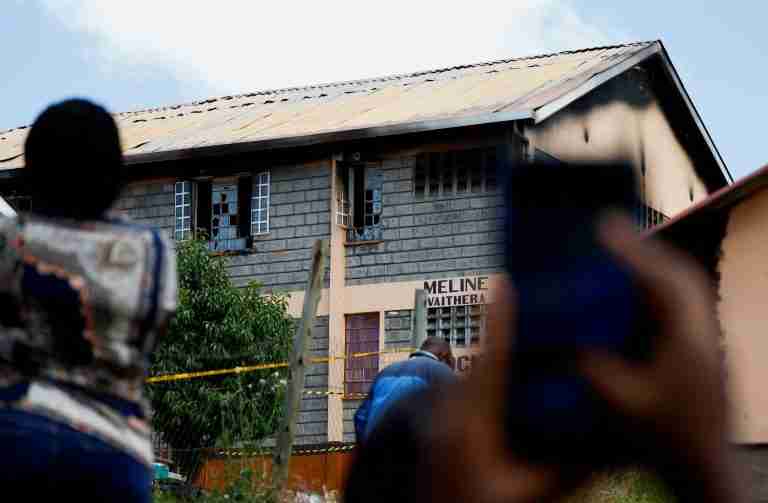
A fire tore through a dormitory at a girls’ secondary school in a town in Kenya’s Rift Valley overnight, killing at least 16 students, the government said on Thursday.
The fire broke out just after midnight at the Utumishi Girls’ Academy Senior School in Gilgil in west-central Kenya and burned for more than two hours, Education Minister Julius Migos told reporters.
He said 79 other students were injured, although 71 of them had already been discharged from hospital. Students at the school are aged between 15 and 18 years.
“Investigations are ongoing, but the … cause of the fire is not yet identified,” Migos said.
FIRST RESPONDER SAYS STUDENT HAD SET FIRE TO MATTRESS
Speaking to reporters at the school, Interior Minister Kipchumba Murkomen urged people not to speculate on the cause of the fire.
However multiple survivors told first responders that a student had lit a mattress with a match, said one first responder, who asked not to be named because they were not authorised to speak to the media.
They did not know what the student’s motive might have been.
Fires are common at Kenyan schools, with more than 100 recorded in 2024, according to the government. Many fires are set by students protesting harsh discipline and poor conditions, researchers have found.
STUDENTS WERE TRAPPED UPSTAIRS
Doors on the second floor where the fire started were initially locked and some students died while jumping out of the windows, the first responder said. The fire broke window panes and left the walls of the school stained with smoke.
Outside the school on Thursday, hundreds of family members gathered to seek news of their loved ones. Injured students could be seen, some limping with bandaged limbs, others carried by police officers.
Local resident Wambui Nderitu said she had rushed to the school at around 4 a.m. to look for her aunt’s daughter.
“Fortunately, I found her child, but she was slightly injured. She told me she was on a lower dormitory, which is how she managed to get out,” Nderitu told local broadcaster Asulab TV. “Many of those who were upstairs jumped from the balcony.”
Another local resident Leah Wanjiru told Asulab TV: “I heard children screaming … so I went outside to check and saw that the school was on fire … We started fetching water, trying to help put out the fire and rescue people.”
A fire in 2024 at a primary boarding school in nearby Nyeri County killed 21 students. Its cause was never conclusively established.
In the worst school fire of recent times, 67 schoolboys were killed in 2001 at Kyanguli Secondary School outside Nairobi, an incident the authorities attributed to arson.
Additional reporting by George Obulutsa and Vincent Mumo Nzilani; Editing by Tomasz Janowski and David Holmes
Carney said that while the world is undergoing a “rupture” as the U.S. transforms its commercial relationships, working closely with Canada in specific sectors, including aluminum, automobiles and critical minerals, will strengthen both countries
International News via Reuters:
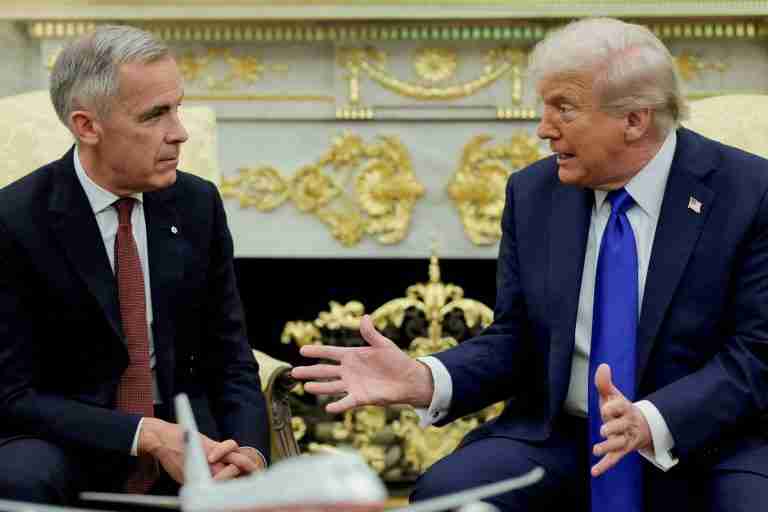
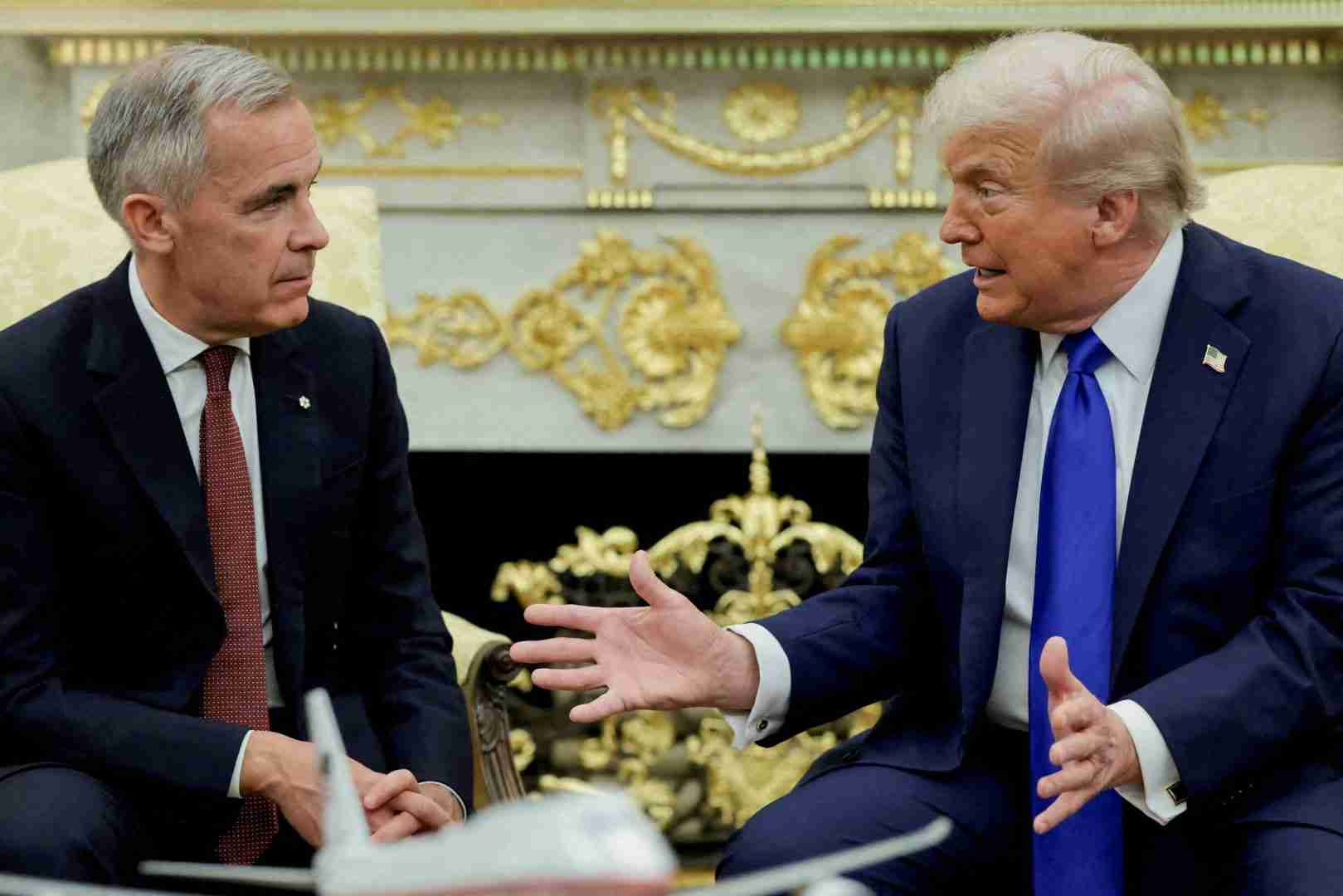
Canadian Prime Minister Mark Carney called for a “new partnership” with the United States to “help make America great again,” in a speech delivered in New York on Thursday.
Carney said that while the world is undergoing a “rupture” as the U.S. transforms its commercial relationships, working closely with Canada in specific sectors, including aluminum, automobiles and critical minerals, will strengthen both countries.
Amid an ongoing trade war with the U.S., Carney has vowed to double Canadian exports to other markets in the next decade and signed more than 20 economic and security deals in the last year.
After President Donald Trump’s threats to annex Canada as the 51st state, Carney described Canada’s ties to the U.S. as “weaknesses we must correct” and said the U.S. had fundamentally changed its approach to trade, raising tariffs to levels last seen during the Great Depression.
In January, Carney referred to “American hegemony” in a speech at the World Economic Forum in Davos, Switzerland, saying that greater integration with great powers created “vulnerabilities to be exploited.”
In New York, however, the prime minister adopted a more conciliatory tone, describing the U.S. as “the most dynamic, resilient and inventive country the world has ever known.” He said the founding values of the U.S., liberty, democracy, justice and openness, “should continue to serve as guides to its future and that of the world.”
Carney acknowledged that while the U.S. and Canada have had disputes over the years, the countries have always worked through them.
He said a strong Canada would “help make America great again,” and called for greater cooperation between the two countries in industries including aluminum, automobiles and critical minerals.
Reporting by Michael Derby in New York and Maria Cheng in Ottawa; Editing by Ismail Shakil, Rod Nickel
Officials at Kenya’s foreign and health ministries did not immediately respond to requests for comment, but one of the U.S. officials said the authorisation grants the U.S. access to land at an air force base in Laikipia in central Kenya
International News via Reuters:
Kenya has approved a request from the U.S. to open a quarantine facility in the East African nation for Americans exposed to Ebola, two U.S. officials told Reuters on Thursday, as the head of the World Health Organization was travelling to the epicentre of the outbreak in Democratic Republic of Congo.
Officials at Kenya’s foreign and health ministries did not immediately respond to requests for comment, but one of the U.S. officials said the authorisation grants the U.S. access to land at an air force base in Laikipia in central Kenya.
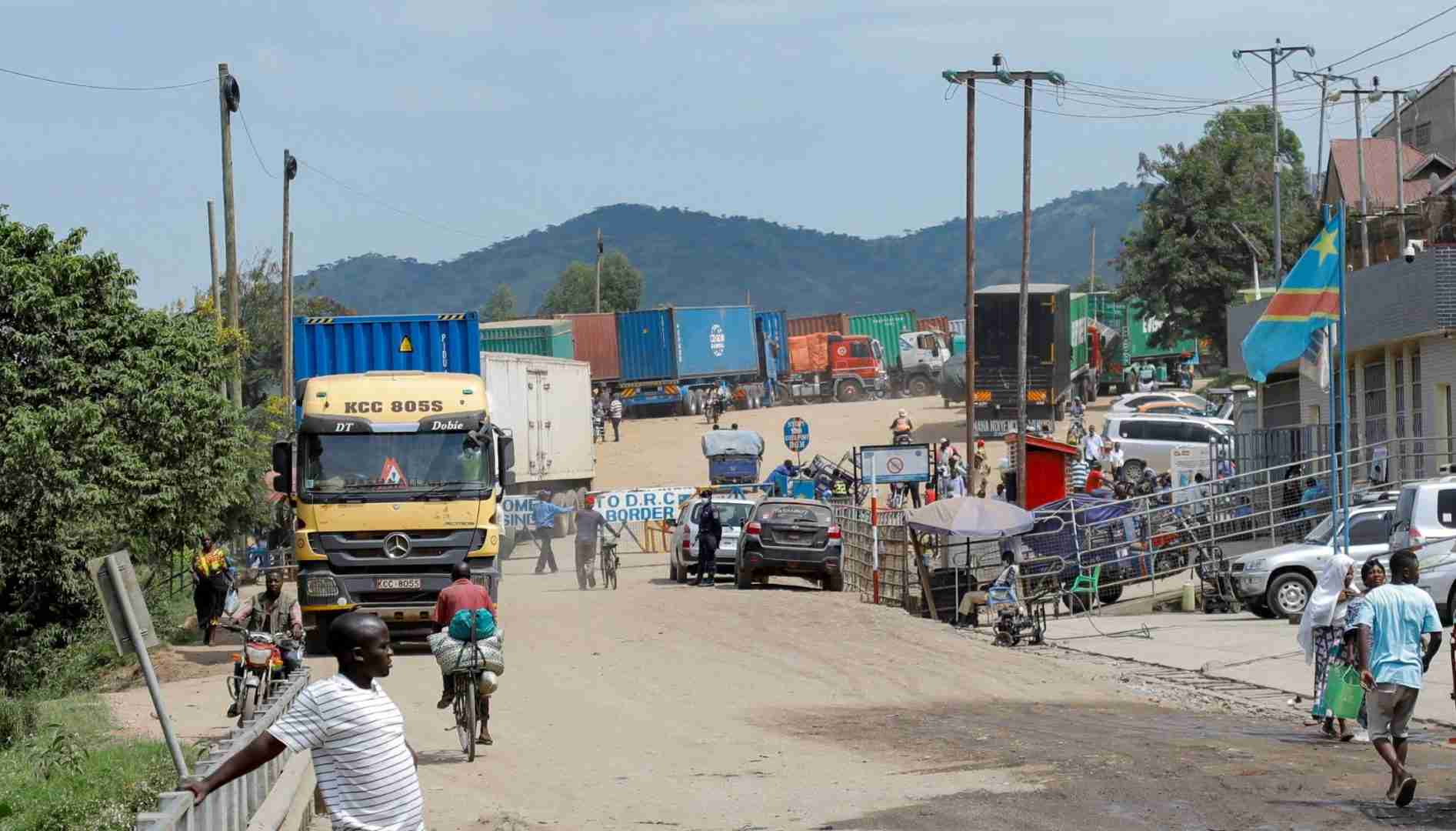
Health authorities in Congo and neighbouring countries are scrambling to contain the latest outbreak of the rare Bundibugyo strain, for which there is no vaccine or treatment. However, the outbreak, which is the third largest on record, is outpacing the world’s response.
The approach, which hinges on identifying and isolating potential cases to control the spread of the disease, is weeks, if not months behind the curve and the WHO has declared a public health emergency of international concern.
“16 times, this country has defeated Ebola. The 17th will be no different. But we must act now, together,” said WHO Director-General Tedros Adhanom Ghebreyesus on X, ahead of flying to Congo.
Tedros is due to arrive in Kinshasa on Thursday and will then travel to Ituri province in Congo’s northeast, where the first Ebola cases were reported and the virus has been circulating for weeks.
CONTAINMENT MEASURES
In a bid to curb the spread, countries across the world have rolled out travel-related containment measures.
The United States has taken some of the strictest, saying it “cannot and will not allow” any cases of Ebola to enter the country. It temporarily banned the entry of green card holders who have been in Congo, Uganda or South Sudan in the previous 21 days.
The planned facility in Kenya is due to be staffed by members of the U.S. Public Health Service, a uniformed branch of the Department of Health and Human Services.
Kenya had been pushing for the facility to be open to all nationalities, not just U.S. citizens. It was not immediately clear if that would be the case.
Some Kenyans have questioned why the U.S. would not repatriate citizens exposed to Ebola back home.
“Kenya is a sovereign republic, not a geopolitical isolation ward,” Davji Bhimji Atellah, Secretary General of Kenya’s Medical Union, posted on X.
The Katiba Institute, a Kenyan legal advocacy group, filed a lawsuit challenging the U.S. request.
Meanwhile, some experts said the U.S. move could discourage Americans from joining the Ebola response.
“We need a cavalry to help support the on-the-ground response if we have any hope of ending this outbreak. But programs and policies like this are exactly the reasons people will hesitate to sign up,” Craig Spencer, a U.S. doctor who was infected with Ebola during the 2014-2016 outbreak in West Africa and repatriated to the U.S. for treatment, wrote in a blog post.
RAMPING UP TESTING
Since the Ebola outbreak was confirmed in mid-May, there have been 1,077 suspected cases, of which 121 have been confirmed, according to the latest WHO figures, which also showed 246 suspected deaths from Ebola and 17 confirmed fatalities.
Health experts have warned that the real number of cases and deaths is likely to be much higher.
WHO said on Thursday it was scaling up testing in Congo in partnership with the country’s national medical research organization.
But Jean Kaseya, head of the Africa Centres for Disease Control and Prevention (Africa CDC), told reporters on Thursday that the $500 million initially pledged globally to support the Ebola response had now fallen to around $290 million.
“How can we come and say we commit x million dollars, and the next day they are calling me to say no, it was a mistake, we didn’t really want to say that,” he said, while also criticising travel restrictions imposed by Western countries on travellers from Africa.
FLIGHT RESTRICTIONS HAMPERING RESPONSE
MONUSCO, the U.N. peacekeeping mission in Congo, said it had shipped just under five tonnes of medical cargo to Ituri on Thursday, the latest in a series of flights to deliver supplies.
However, three humanitarian officials involved in the Ebola response in Congo said that continued restrictions on flights in and out of Bunia, the capital of Ituri province, were hampering operations.
One humanitarian official said that despite promising to grant ad hoc exemptions for aid workers, the ministry of transport was not processing them.
The Congolese government did not immediately respond to a request for comment on flight restrictions.
Already facing a shortage of supplies, doctors in Congo are also tackling attacks on their facilities caused by denial of the disease among some there.
Further complicating the response, eastern Congo is awash with armed groups, including in North and South Kivu provinces, which are partially controlled by Rwanda-backed M23 rebels.
Reporting by Emma Farge in Geneva and Aaron Ross in Nairobi; Additional reporting by Giulia Paravicini in Nairobi; Writing by David Lewis; Editing by Toby Chopra
The World Health Organization on Sunday, May 17, declared an Ebola outbreak in the Democratic Republic of Congo a Public Health Emergency of International Concern and said there was a high risk it could spread to neighboring countries
International News via Reuters:
The United States, Mexico and Canada on Thursday announced aligned public health travel measures for people coming from African regions at the greatest risk from Ebola, they said in a joint statement, as they aim to protect citizens and visitors during the World Cup.
“The health and safety of every person in the region remains our highest priority as we welcome the world to North America,” they said in the statement, which did not detail the aligned measures.
The World Health Organization on Sunday, May 17, declared an Ebola outbreak in the Democratic Republic of Congo a Public Health Emergency of International Concern and said there was a high risk it could spread to neighboring countries.
The decision has prompted governments to step up travel-related containment measures.
Washington last week banned non-citizens who had traveled to the DRC, Uganda or South Sudan in recent weeks from entering the United States. On Friday, the ban was extended by the Centers for Disease Control and Prevention to green card holders who have been in those countries in the previous 21 days.
Canada has banned residents from the DRC, Uganda and South Sudan from entering the country for 90 days, which started on Wednesday.
Canadian citizens, permanent residents and other foreign nationals who have been in affected areas in recent weeks and do not have symptoms will have to quarantine for 21 days from May 30, according to a statement from Canada’s public health agency.
Mexico’s Health Secretary David Kershenovich on Monday outlined tighter Ebola screening measures at airports, urging the public to avoid travel to DRC and asking arrivals from the country to observe a 21-day quarantine.
Reporting by Katharine Jackson; Writing by Daphne Psaledakis; editing by Michelle Nichols
To provide the best experiences, we use technologies like cookies to store and/or access device information. Consenting to these technologies will allow us to process data such as browsing behavior or unique IDs on this site. Not consenting or withdrawing consent, may adversely affect certain features and functions.
Functional
Always active
The technical storage or access is strictly necessary for the legitimate purpose of enabling the use of a specific service explicitly requested by the subscriber or user, or for the sole purpose of carrying out the transmission of a communication over an electronic communications network.
Preferences
The technical storage or access is necessary for the legitimate purpose of storing preferences that are not requested by the subscriber or user.
Statistics
The technical storage or access that is used exclusively for statistical purposes.The technical storage or access that is used exclusively for anonymous statistical purposes. Without a subpoena, voluntary compliance on the part of your Internet Service Provider, or additional records from a third party, information stored or retrieved for this purpose alone cannot usually be used to identify you.
Marketing
The technical storage or access is required to create user profiles to send advertising, or to track the user on a website or across several websites for similar marketing purposes.