It was a weekend of high drama and ultimate frustration for Jediah Cumbermack at Donington Park, as a promising outing in the 1p Mobile Junior Sportbike National Championship was derailed by bad luck, mechanical failure, and sudden illness.
Despite showing flashes of the pace that has made him a rider to watch this season, Cumbermack left Leicestershire empty-handed after recording two Did Not Finishes (DNFs) in circumstances entirely beyond his control.
The trouble began in the opening race on a track slicked by rain. When a rival rider crashed directly in his racing line, Cumbermack’s lightning-fast reflexes saved him from a catastrophic collision. He slammed on the brakes, causing his bike to lose traction and slide onto the grass, where it was unfortunately collected by another unsighted machine.
Determined to salvage the weekend, a physically depleted Cumbermack battled through a sudden illness to line up for Race Two. However, just two laps into the contest, his bike suffered a terminal mechanical failure, forcing an early retirement to the pit lane.
While Donington offers little comfort on paper, Cumbermack can take solace in his resilient decision-making under pressure. His focus now shifts entirely to recovery, resetting, and turning his undeniable speed into points at the next round.
Manchester City and Bermuda international legend Shaun Goater has labeled Pep Guardiola’s achievements at the Etihad Stadium as “simply mind-blowing” amid mounting speculation that the manager will depart at the end of the season. City’s draw with Bournemouth last night means that the Premiership title will elude him this year, but that does not detract from a glittering managerial career in England.
Guardiola has spent a decade delivering trophy after trophy, completely redefining English football with his trademark possession-heavy style. “He didn’t just change City; he influenced football at the lower levels too,” Goater reflected, noting how teams down the pyramid now mimic Pep’s philosophy of playing out from the back.
Goater, who observed Guardiola’s tactical sessions while working with City’s women’s team, believes the manager’s true genius lies in his mid-game adjustments. “Pep has this unbelievable ability to make that little tweak—switching a formation, telling a player to go higher or drop—to completely get on top of the game.”
From mastering the ‘False Nine’ system to unleashing Erling Haaland, Guardiola’s tactical evolution has kept City dominant.
“He is going to be a huge, absolute loss,” Goater added. “As for the next manager trying to fill his shoes? Good luck to them! I can’t wait to see where they put his statue. It needs to be front and center of the building.”
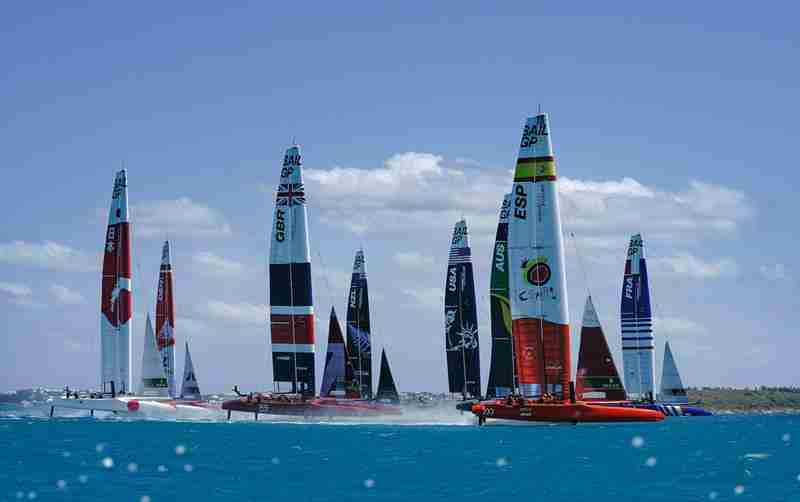
The world’s most exciting racing on water is heading back to the Atlantic, with the Apex Group Bermuda Sail Grand Prix officially confirmed for May 1-2, 2027.
Forming a crucial part of SailGP’s most ambitious global calendar to date, the championship’s fleet of high-speed F50 catamarans will return to the crystal-clear waters of the Great Sound. The announcement follows a roaring success earlier this month, which saw a sold-out crowd of nearly 6,000 spectators descend on Morgan’s Point.
Bermuda has become a standout venue since SailGP’s inaugural season, offering a natural arena where teams clash at breath-taking speeds exceeding 100 km/h (60 mph).
“Bermuda has played an important role in SailGP’s story from the very beginning,” said SailGP Chief Operating Officer Julien di Biase. “The energy from this year’s sold-out crowd showed exactly why Bermuda is one of the most iconic stops on our global calendar.”
The island features as one of four North American stops in an expanded 13-event season, alongside San Francisco, Halifax, and New York. Tickets for the front-row waterfront action are expected to go on sale later this year.
The Bermuda Monetary Authority has announced two senior executive appointments aimed at strengthening its leadership team and advancing digital transformation initiatives.
Mesheiah Keane has been appointed Chief Operating Officer, reporting to Deputy Chief Executive Officer Shanna Lespere. Mrs. Keane brings more than 25 years of experience in financial regulation, reinsurance, operations and human capital management.
Previously the BMA’s Chief Human Resources Officer and Director of Human Resources, she led initiatives in workforce planning, diversity and organisational culture. In her new role, she will oversee Finance and Currency Operations, Human Resources, Corporate Affairs, and Business and Operations Support.
The Authority also announced the appointment of Graham Collier as Chief Technology Officer, effective May 15. Mr. Collier has more than 17 years of experience in financial technology, cybersecurity, engineering and digital transformation.
Before joining the BMA, he served as Global Head of SaaS Operations at FlexTrade in London. In his new position, he will lead the BMA’s technology strategy, including the development of AI tools and digital platforms.
Ms. Lespere said both executives bring strong leadership and technical expertise that will help enhance resilience and accelerate innovation across the Authority’s operations.
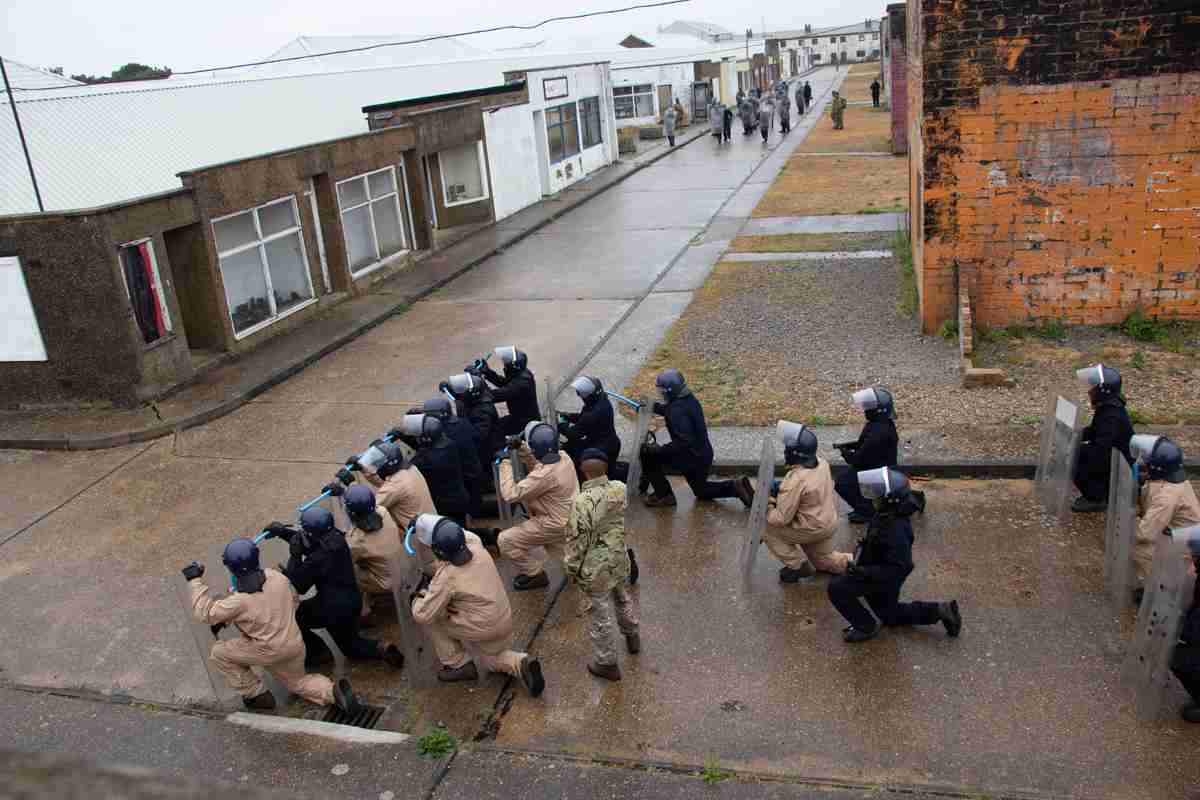
Troops from the Royal Bermuda Regiment are sharpening their public order response skills during a major overseas training exercise in Kent, England.
More than 100 soldiers arrived at Lydd Camp on May 18 for Exercise Active Shield 26, the Regiment’s annual overseas camp, where they are taking part in mock riot scenarios designed to strengthen the battalion’s response capabilities during civil unrest situations.
The Bermuda contingent has been joined by members of the Cayman Islands Regiment, with training support provided by the British Army’s The Royal Lancers.
Soldiers are training in crowd control formations, manoeuvres and response tactics while interacting with role players simulating members of the public in escalating situations.
Warrant Officer Class 2 Julian Simmons said the exercise is intended to ensure the Regiment’s public order capabilities remain current and compliant with modern standards for potential international security deployments.
Training scenarios will also include petrol bomb simulations aimed at exposing troops to high-pressure environments outside their comfort zones.
The two-week overseas exercise will later move to Catterick in Yorkshire, where soldiers will complete live firing exercises, defence engagement activities and specialist training.
Captain Andrew Wallace described the opportunity to train at the Lydd facility as a privilege and said the exercise also strengthens ties between British Overseas Territories through continued collaboration with the Cayman Islands Regiment.
A joint news conference outlining security plans for Friday’s Bermuda Day Holiday was held on Tuesday
Bermuda Day 2026 is shaping up to be one for the books and officials are reminding residents to keep safety in mind. At a news conference today, Owen Darrell, Transport & Tourism, Culture and Sport Minister had said more than 70 parade entrants had registered this year for the annual parade in Hamilton under this year’s theme: ‘For the Culture.’ In anticipation of the festivities in the city, he made a specific plea to revellers to help prevent delays to the parade schedule.
National Security Minister Michael Weeks urged residents to take precautions this holiday weekend, avoid drinking & driving and be responsible while operating a vessel on the water.
Gold Commander for the weekend’s operations, AS Alex Rollin said roads will close at 7.30 am along the half-marathon derby race and parade route. Despite no sobriety checkpoints in place for the weekend, he assured that there will be a hightened police precense on the roads.
The Bermuda Half Marathon Derby has announced the appointment of Melissa Looby as its new President, effective May 22, 2026.
Ms. Looby succeeds Dr. Gina Tucker, who is stepping down after 19 years of service on the Derby committee, including nearly two decades leading the organisation.
Dr. Tucker said the transition follows years of succession planning and described Ms. Looby as well prepared to lead the historic race into its next chapter.
Ms. Looby has served on the Derby’s executive committee since 2021 and has worked closely alongside Dr. Tucker in organising the annual event.
She said it was an honour to build on the foundation laid by Dr. Tucker, describing the Derby as “more than a race” and a tradition that unites Bermuda and celebrates athletic achievement.
This year’s race celebrations will also include a public tribute to Dr. Tucker at the Finish Line Viewing Village at North Village Field on May 22 from 8:30 a.m. The event will feature race coverage presented by Bermuda Broadcasting and the Bermuda Today app, along with vendors, post-race recovery services and community activities.
Organisers said more than 1,100 participants have already registered for this year’s event as the Derby prepares for another major community turnout.
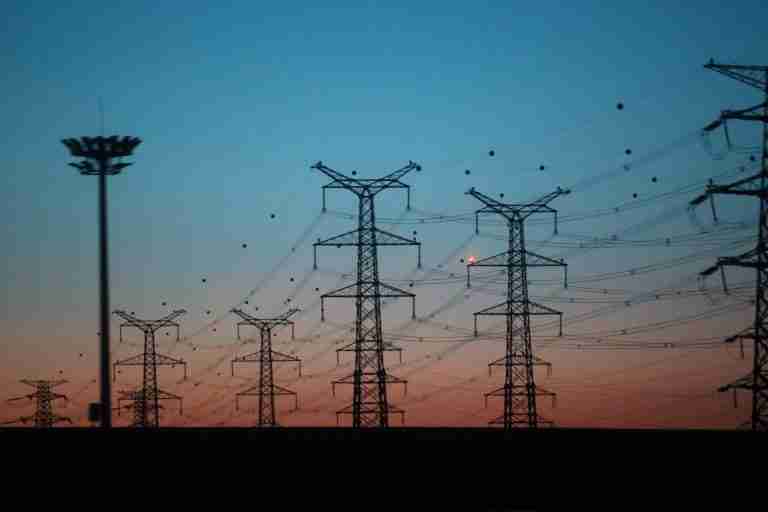
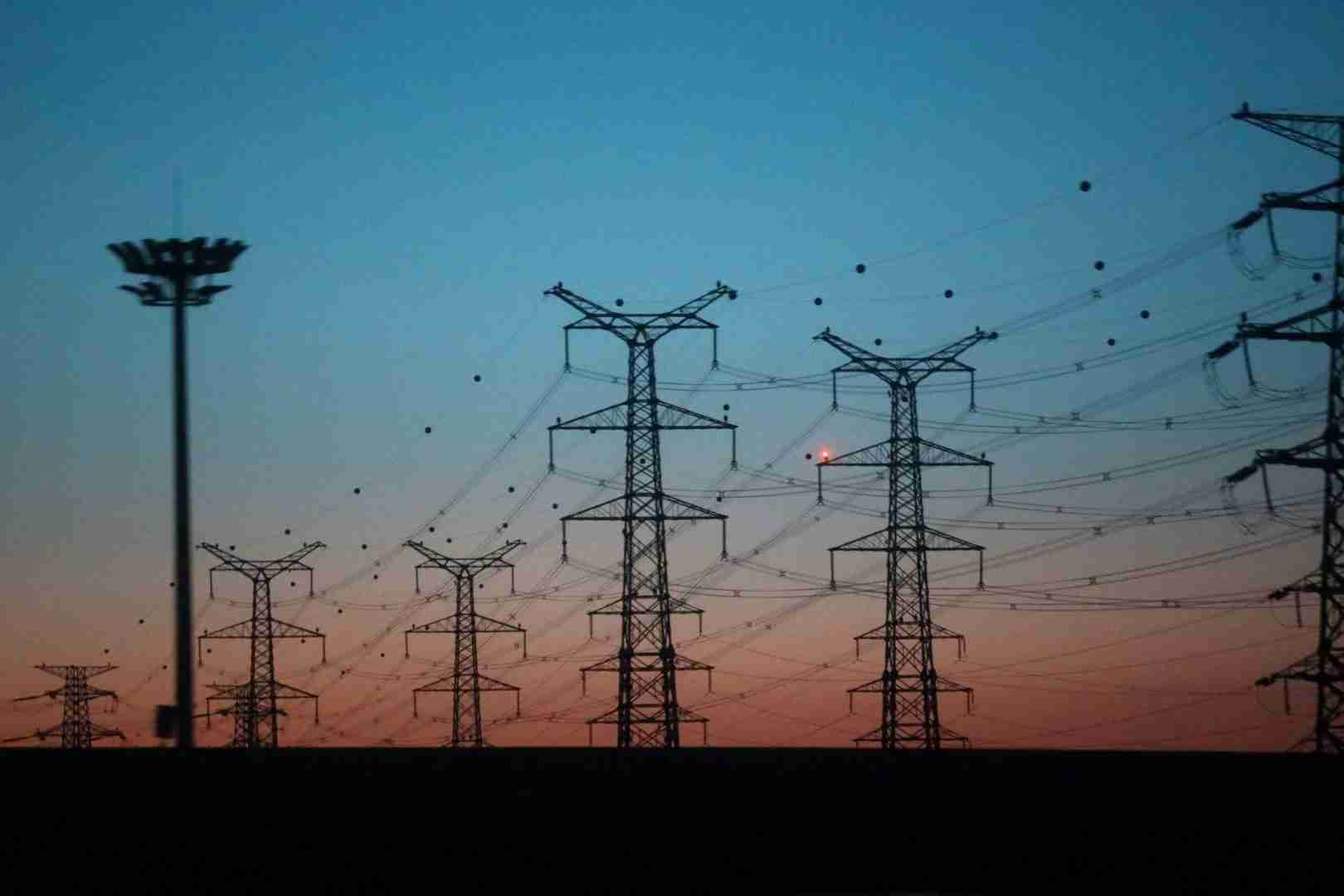
Governments worldwide are trying to shield consumers from soaring energy costs resulting from the U.S.-Israeli war on Iran.
Here’s how different countries are responding:
ARGENTINA
** Argentina’s government partially increased fuel taxes while postponing further increases until June, according to a decree.
AUSTRALIA
** Australia is releasing petrol/gasoline and diesel from domestic reserves to ease shortages affecting rural supply chains, mining and agriculture.
** Its prime minister has encouraged citizens to use public transport.
BANGLADESH
** Bangladesh is seeking billions in external financing to secure fuel and liquefied natural gas imports.
BRAZIL
** The Brazilian government announced measures, including subsidies for diesel and liquefied petroleum gas, as well as lower taxes on jet fuel and biodiesel.
** Brazil’s government is looking at ways to accelerate testing of higher biodiesel blends in diesel.
CHINA
** China’s top leadership pledged to strengthen the country’s energy security while pursuing rapid technological development and greater self-sufficiency.
** In mid-March, Beijing tightened restrictions on exports of most fertiliser products to protect its farmers.
EGYPT
** Egypt and the International Islamic Trade Finance Corporation signed a $1.5 billion loan agreement on Wednesday to support food and energy security in the North African country.
** Egypt will slow down large state projects that involve high fuel and diesel consumption for at least two months, while fuel allocations for all government vehicles will be cut by 30%.
** Egypt has capped the price of unsubsidised bread sold in private bakeries.
ETHIOPIA
** Ethiopia has increased fuel subsidies.
EUROPEAN UNION
** The European Union will let governments spend more on subsidising companies affected by soaring fuel and fertiliser prices.
The European Union is considering requiring countries to hold stockpiles of jet fuel and potentially redistribute it based on regional needs and shortages.
** The European Commission set out plans to cut electricity taxes and coordinate the summer refill of countries’ gas storage.
GREECE
** Greece will offer subsidies for fuel and fertilisers and ferry ticket discounts worth a total 300 million euros ($346 million) in April and May to shield consumers and farmers, the prime minister said.
** Athens has announced 500 million euros ($588 million) in extra aid to households and farmers struggling with the impact of the Iran war after a higher primary budget surplus for 2025 offered headroom for fresh support.
JAPAN
** Japan said it will relax rules for the fiscal year that began in April to increase the use of coal-fired power plants. The country has also opened up its oil stockpiles, rolled out gasoline subsidies and is seeking energy supplies beyond the Middle East.
** The country plans to increase imports of intermediate chemical products such as plastics, as it faces tighter naphtha supplies due to the conflict.
INDIA
** Indian Prime Minister Narendra Modi urged citizens and businesses to conserve fuel and revive work-from-home practices to cut petrol and diesel consumption.
** India further raised a windfall tax on exports of diesel and aviation turbine fuel to ensure adequate domestic supply.
** The country has barred consumers with piped natural gas from retaining or refilling LPG cylinders and has invoked emergency powers directing refiners to maximise LPG production, widely used for cooking.
INDONESIA
** Indonesia announced a slew of measures intended to counter soaring energy prices, including limiting fuel sales and implementing a “work from home” policy for civil servants.
** President Prabowo Subianto wants to increase the country’s coal production, and the government is considering a windfall tax on exports.
** Indonesia will start implementing the B50 biodiesel programme on July 1. B50 – a blend of 50% palm oil-based biodiesel and 50% conventional diesel – is part of a government programme to mitigate Iran war risks.
ITALY
** Italy extended a cut in excise duties on fuels, with the extension focusing more on diesel than on petrol.
MALAYSIA
** Malaysia’s treasury has ordered all federal ministries, departments and agencies to cut their operating budgets for 2026 due to Iran war costs.
Malaysia will raise spending on petrol subsidies to 2 billion ringgit ($510 million) from 700 million ringgit to maintain the fixed price of the fuel.
** The government said it is applying measures to shore up fertiliser supply amid a domestic supply crunch.
MAURITIUS
** Mauritius said it would introduce energy-saving measures. Restrictions announced include curbs on grid power for non-essential uses such as decorative lighting, swimming pool heating and fountains, the government said.
NAMIBIA
** Namibia’s government will temporarily reduce fuel levies by 50% for at least three months until the end of June.
THE NETHERLANDS
** The Dutch government announced temporary tax breaks to compensate for rising fuel prices and said it would prepare further measures in case the energy crisis worsens.
NIGERIA
** Nigeria’s Dangote refinery, the largest in Africa, has increased exports of gasoline and the widely used chemical urea to African countries hit by supply disruptions caused by the war.
PHILIPPINES
** The energy market regulator said it had suspended the wholesale electricity spot market across its three grids until further notice due to fuel supply risks and price volatility.
** It plans to curb power bills by boosting coal-fired power generation and regulating electricity tariffs.
** The Philippines is working with Washington to secure waivers so it can obtain oil from U.S.-sanctioned countries and guarantee supplies.
** The energy ministry said it was activating a 20 billion peso ($333 million) emergency fund to strengthen fuel security amid oil price volatility.
POLAND
** Measures introduced by Poland to keep fuel prices under control due to the war in the Middle East may still be in place after May 15 if the situation requires this, Polish Finance Minister Andrzej Domanski said.
ROMANIA
** The government said it will reduce excise tax on diesel by 0.30 lei ($0.0679) per litre.
SERBIA
** Serbia will cut excise duties on crude oil by a cumulative 60% and has extended a ban on crude oil and fuel product exports.
SINGAPORE
** Singapore will deliver a support package worth almost S$1 billion ($780 million), including cash handouts and fuel vouchers, to offset the economic impact of the conflict.
SLOVENIA
** Slovenia temporarily limited fuel purchases to tackle shortages at the pump caused in part by cross-border fuelling and stockpiling.
SOUTH KOREA
** South Korea is easing limits on coal-fired power generation capacity and raising nuclear plant utilisation to as high as 80%.
** It has begun enforcing a ban on naphtha exports to boost domestic supplies.
SPAIN
** Spain’s government proposed measures worth 5 billion euros ($5.8 billion) to counter the economic impact of the Middle East conflict on local energy prices.
SRI LANKA
** Sri Lanka is relying on $1.73 billion in funding from international agencies and India to help it manage the financial impact of the soaring price of energy imports.
** It introduced fuel rationing and declared Wednesdays a public holiday.
SWEDEN** Sweden warned of a potential shortage of jet fuel, with the country’s energy minister telling travellers they needed to build some flexibility into their plans where possible.
Sweden’s government will cut fuel taxes and hike electricity subsidies in its spring mini-budget.
** The government is planning a borrowing guarantee for an oil subsidy fund, along with other support measures, to mitigate the impact of high oil prices.
** The Thai Planning Agency said the government will freeze prices of some goods and provide support for farmers.
UK
** Britain plans to weaken the link between electricity costs and volatile gas prices, saying it would push older wind and solar generators onto fixed contracts to reduce energy bills.
VIETNAM
** Vietnam will switch fully to ethanol-blended gasoline earlier than planned to help curb fossil fuel use, a government document showed.
Reporting by Katha Kalia, Ashitha Shivaprasad, and Anjana Anil in Bengaluru; Editing by Mark Potter, Hugh Lawson and Cynthia Osterman
M&S said its outlook for the current year takes account of higher fuel, freight and input costs caused by the Iran war and continued government tax levies and regulatory challenges for the sector
International News via Reuters:
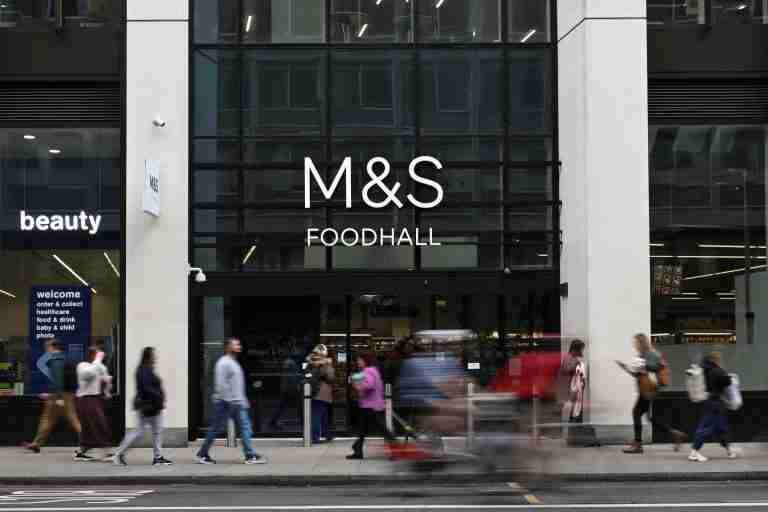
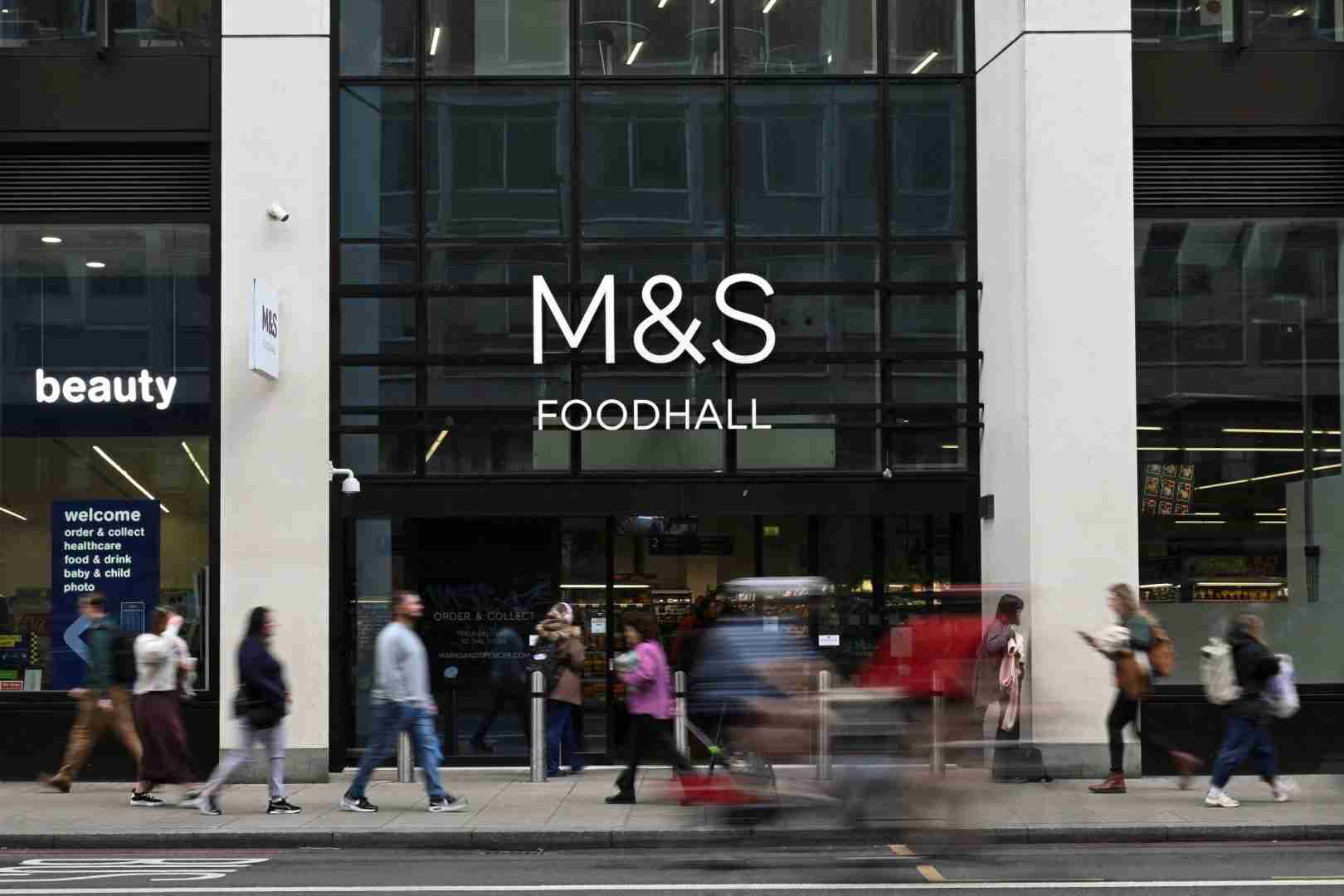
British retailer Marks & Spencer forecast a return to profit growth this year after it slumped 24% in 2025/26, hit by a disruptive cyberattack that dented sales and margins.
The 142-year-old M&S, one of the biggest names on the UK high street, said it entered its current reporting year to March 2027 with a clear plan and a strong balance sheet and was focused on delivering further improvements to product availability and service levels.
“Profit growth is expected to resume versus 2024/25,” it said on Wednesday, sending its shares up 5%.
M&S said its outlook for the current year takes account of higher fuel, freight and input costs caused by the Iran war and continued government tax levies and regulatory challenges for the sector.
It would mitigate these through improved buying, reinvestment in value to drive volume, and savings from its structural cost-reduction programme.
Dominic Younger, fund manager at Columbia Threadneedle Investments, one of M&S’ top five investors, said the group’s update drew a line under a year of huge adversity.
“When actively investing on behalf of clients, we look for companies to emerge from crises stronger and it is a credit to M&S that, just as we saw after COVID, the business appears in good shape to face the fresh challenges of this year.”
ONLINE CLOTHING ORDERS SUSPENDED
The cyberattack forced M&S to suspend online clothing orders for seven weeks and click-and-collect services for nearly four. Clothing and food availability in stores was also hit, while additional waste and logistics costs were incurred.
“We were laser focused on our customers, worked incredibly hard to recover our business, and we came out stronger,” CEO Stuart Machin said.
The group made adjusted profit before tax of £671.4 million in the year to March 28, down from £881.1 million in 2024/25. Second-half profit grew 4.1% from the previous year.
M&S said costs related to the cyber hack were £131.3 million.
While food sales rose 7.0% and the division grew market share, sales in fashion, home and beauty slid 7.7%.
Machin said recovery in fashion, home and beauty has taken longer, “but there is strong growth potential.”
He also said, however, that retailers faced “a triple whammy of headwinds with increased taxation, a greater regulatory burden and ongoing global conflict.”
British consumers, shaken by the inflationary impact of the Middle East conflict, cut their spending last month for the first time since November 2024, a survey by Barclays showed last week.
Reporting by James Davey; editing by Sarah Young, Elizabeth Piper and Tomasz Janowski
Prime Minister Keir Starmer, facing potential leadership challenges after a heavy local election defeat this month, is pushing departments to shield households from rising prices
A customer shops inside Londis N16 corner shop in London, Britain April 17, 2026 REUTERS/Marissa Davison
International News via Reuters:
Britain’s government ruled out mandatory supermarket price caps on Wednesday, but said it was in talks with the sector on ways to ease cost-of-living pressures partly driven by the Iran war.
Prime Minister Keir Starmer, facing potential leadership challenges after a heavy local election defeat this month, is pushing departments to shield households from rising prices.
Suggestions of price caps, however, drew a sharp backlash.
‘PREPOSTEROUS’ IDEA, SAYS M&S
Marks & Spencer Chief Executive Stuart Machin called the idea “completely preposterous”.
On Tuesday, a Financial Times report, later confirmed by Reuters, said the government was asking major supermarkets to introduce price caps on key products such as eggs, bread and milk, in exchange for delaying levies and relaxing regulations.
A day later, Treasury minister Dan Tomlinson played down the proposal.
“The government is going to be having conversations with supermarkets about what more we can do to support households, but no, we are not going to be implementing a mandatory price cap,” he told BBC radio.
The Scottish National Party, which holds power in Scotland’s devolved parliament, has announced a plan to introduce a maximum price for “essential” supermarket items.
“I don’t think the government should be trying to run business. I think they should probably try to understand business better,” Machin told reporters after M&S reported annual results.
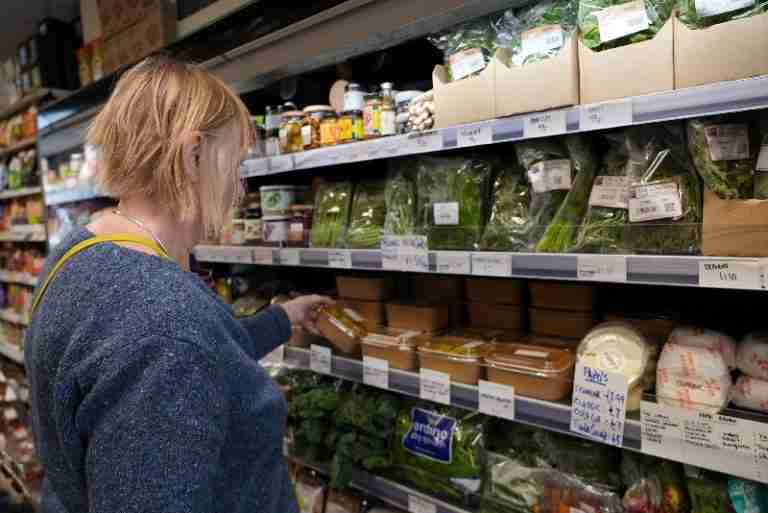
He said many retailers, including M&S, already sold staples such as milk, bread and bananas at a loss, adding that easing tax and regulatory pressures would do more to curb food inflation.
The sector says recent government measures – higher employer taxes, a rise in the minimum wage, new packaging levies and proposed product reformulations – were already stoking inflation before added pressure from the Middle East conflict.
Asked about the FT report, a finance ministry spokesperson said on Tuesday that finance minister Rachel Reeves “has been clear we want to do more to help keep costs down for families, and will set out more detail in due course”.
FOOD PRICE PRESSURES
Official data on Wednesday showed food inflation eased to 3.0% in April, but the Bank of England has said firms it spoke to last month expect it to reach 6% to 7% later this year.
The British Retail Consortium, which represents major supermarket groups including market leader Tesco and Sainsbury’s, said it opposed price caps.
“Rather than introduce 1970s-style price controls and trying to force retailers to sell goods at a loss, the government must focus on how it will reduce the public policy costs which are pushing up food prices in the first place,” BRC CEO Helen Dickinson said.
A 2023 investigation by Britain’s competition regulator cleared supermarket groups of profiteering during a cost-of-living crisis, when food inflation peaked at 19%.
On Wednesday, Reeves said she will give the Competition and Markets Authority stronger powers to crack down on companies found to have raised prices unfairly during crises.
Reporting by James Davey. Additional reporting by Alistair Smout and Muvija M. Editing by Gareth Jones, Elizabeth Piper and Mark Potter
It marked the weakest reading since the year to April 2024
International News via Reuters:
British house prices were flat in the 12 months to March after a 1.7% increase in the year to February, the Office for National Statistics said on Wednesday.
It marked the weakest reading since the year to April 2024.
Average UK monthly private rents increased by 3.5% in the year to April, compared with 3.4% the 12 months to March.
Reporting by Andy BruceEditing by William Schomberg
To provide the best experiences, we use technologies like cookies to store and/or access device information. Consenting to these technologies will allow us to process data such as browsing behavior or unique IDs on this site. Not consenting or withdrawing consent, may adversely affect certain features and functions.
Functional
Always active
The technical storage or access is strictly necessary for the legitimate purpose of enabling the use of a specific service explicitly requested by the subscriber or user, or for the sole purpose of carrying out the transmission of a communication over an electronic communications network.
Preferences
The technical storage or access is necessary for the legitimate purpose of storing preferences that are not requested by the subscriber or user.
Statistics
The technical storage or access that is used exclusively for statistical purposes.The technical storage or access that is used exclusively for anonymous statistical purposes. Without a subpoena, voluntary compliance on the part of your Internet Service Provider, or additional records from a third party, information stored or retrieved for this purpose alone cannot usually be used to identify you.
Marketing
The technical storage or access is required to create user profiles to send advertising, or to track the user on a website or across several websites for similar marketing purposes.