Saturday, October 31, 2026
Home Blog Page 300

Weight-loss drugs fuel protein-rich whey craving

Whey, a by-product of cheese-making which is traditionally used as pig feed, is an essential component of the food products now targeting consumers looking to prevent muscle loss
International News via Reuters:

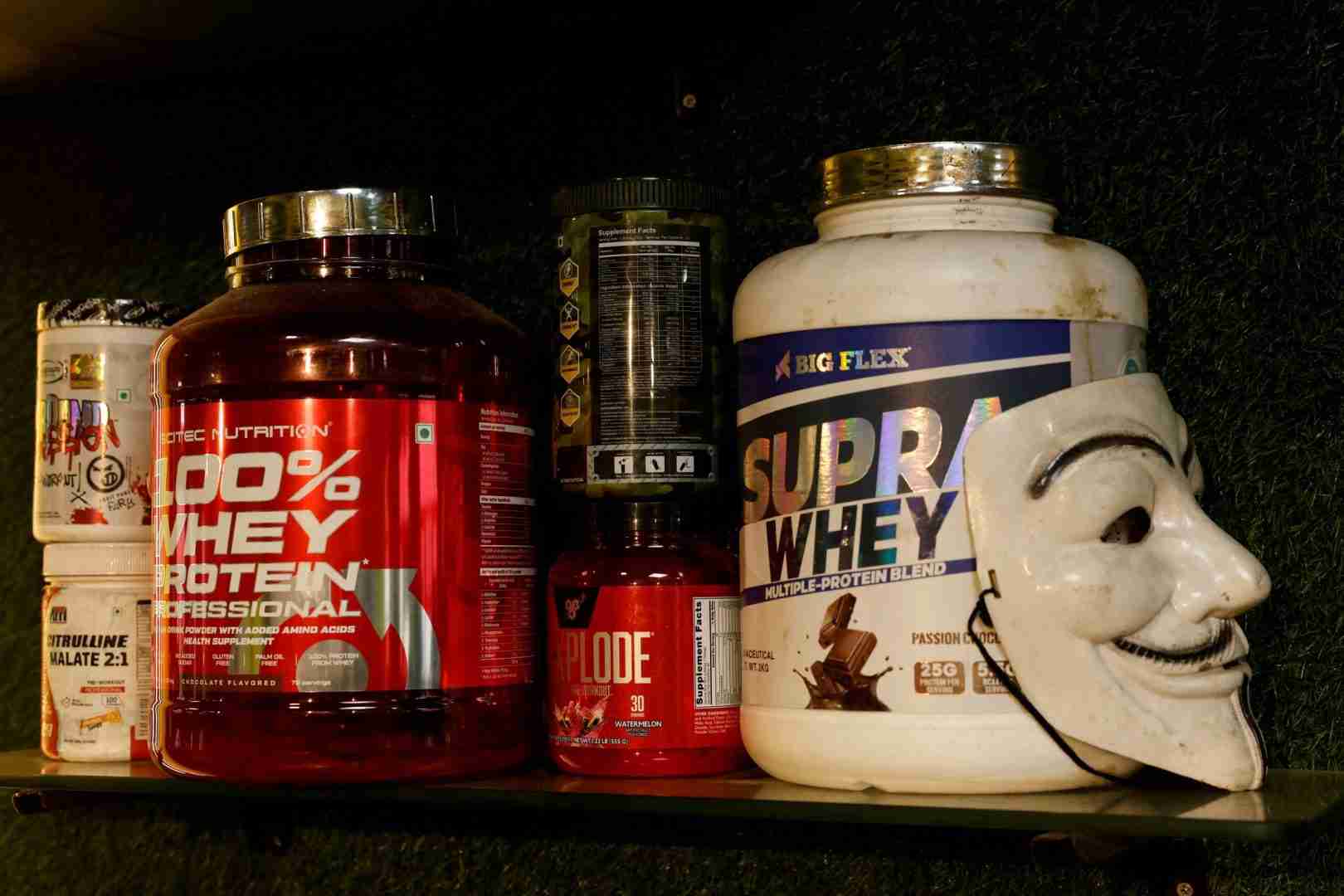
Global dairy companies and food producers are investing heavily to meet soaring demand for protein-rich whey, driven by a surge in the use of weight-loss drugs and healthier eating trends.

Whey, a by-product of cheese-making which is traditionally used as pig feed, is an essential component of the food products now targeting consumers looking to prevent muscle loss.

Data from StoneX consultancy shows the price of whey protein concentrate with 80% protein content (WPC 80) has risen by almost 90% in the last year to 20,000 euros ($23,410) a metric ton, far exceeding rises in other dairy segments including powdered milk and cheese.

While improved health awareness and ageing populations have also boosted whey prices, the GLP-1 trend is the key factor behind demand, interviews with a dozen companies and people working in the dairy and food sector showed.

“The ongoing strong demand for whey proteins, being fuelled even further by GLP (-1) in recent years, is what the industry needs to figure out,” Luis Cubel, managing director of Arla Foods Ingredients, told Reuters. “Are there any more untapped volumes you can tap into?”

Dairy companies including Lurpak butter maker Arla Foods and Dutch producer FrieslandCampina have expanded whey production capacity, while food firms are widening their protein-rich offerings, such as Danone’s Oikos yoghurt brand and Bel Group’s Babybel Protein.

WEIGHT-LOSS DRUGS DRIVE PROTEIN APPETITE

Kristen Coady, chief innovation and brand officer at Dairy Farmers of America, said users of weight-loss drugs are seeking out protein, which is helping to drive new industry innovations.

DFA, the largest U.S. dairy farm collective, last month launched MULU, a cottage cheese with added whey and 18 grams of complete protein per half-cup serving, well above the typical 12 to 13 grams for a regular product.

“What we’ve been seeing is almost a run on dairy proteins,” Coady said.

The popularity of cottage cheese has led the DFA to increase investments in its cultured capabilities, switching production sites in Pennsylvania and New Mexico from fluid milk, Coady said.

Health and wellness retailer iHerb has seen huge growth in its GLP-1-adjacent products, primarily in the U.S.

“Customers are starting to really look for ways to fight the downside or the side effects of GLP-1,” said iHerb’s Chief Revenue Officer Hyeyoung Moon.

She noted an uptick of searches using ‘GLP-1’ and more female customers looking for supplements to help when losing muscle, not just the stereotypical gym-going muscle builders that whey proteins traditionally attracted.

HIGH-END WHEY RACE

John Lancaster, head of EMEA dairy and food consulting at StoneX, said the food industry lacks the infrastructure to keep up with demand for high-protein whey concentrates and isolates.

“There’s a shortage of the capacity to turn (whey) into what is required by the market at the moment,” he said.

FrieslandCampina Global Director for Marketing and Product Strategy Guus Aerts said the protein boom has encouraged the Dutch Lady and Yazoo maker to invest heavily in high-end whey processing.

The company finalised its purchase of Wisconsin Whey Protein, a U.S.-based producer of whey protein isolates (WPI), in January and has doubled capacity at its Dutch Borculo plant.

For dairy companies, improving whey quality is crucial as food producers develop more high-protein versions of yoghurt, cottage cheese, drinks and salty snacks.

FrieslandCampina said on Tuesday it was investing more than 90 million euros to accelerate its growth in high-value whey proteins.

Marion Bucas, marketing director at Lactalis Ingredients, part of the world’s largest dairy company, said protein represents a huge opportunity.

“Dairy proteins are still the best quality proteins on the market, but there will be lots of work to try to find substitutes to answer the demand,” Bucas said.

SEEKING ALTERNATIVE PROTEIN-RICH INGREDIENTS

Demand for protein-rich peas and lentils is giving struggling U.S. farmers a crucial new revenue stream. Meanwhile, biotechnology companies producing alternative proteins using a method called precision fermentation are attracting investment.

French startup Verley, which ferments fungi to produce the protein that targets muscle recovery, said the GLP-1 impact on the typically slow-moving food sector has been “insane”.

“In the U.S., in just two to three years, everything changed,” said Verley co-founder and CEO Stephane Mac Millan, adding: “And that puts the whole food industry under pressure to reformulate (products)”.

Standing Ovation, another French startup, which has raised investments from Danone and Bel Group, makes casein proteins and expects to begin selling its products this year.

Co-founder Romain Chayot said 80% of the products it is developing are for high-protein solutions.

“With GLP-1, developing high-protein yoghurt or cheese or beverage is booming today,” he said.

Although analysts say precision fermentation is too expensive to gain critical mass for now, high whey prices create opportunities.

But one issue for sceptical consumers is taste.

“Dairy protein is delicious,” said Bel Group’s North America CEO Peter McGuinness, adding: “In this protein race, we’ve lost deliciousness”.

($1 = 0.8543 euros)

Reporting by Alexander Marrow; additional reporting by Guz Trompiz in Paris and Nicholas Brown in New York; Editing by Lisa Jucca and Alexander Smith


HSBC profit underwhelms on surprise $400 million private credit loss

The loss shows why regulators worldwide have become more concerned about banks’ exposure to the $3.5 trillion private credit industry, highlighting the often indirect and opaque nature of the lending

International News via Reuters:

HSBC reported an unexpected $400 million loss linked to a fraud case in Britain on Tuesday, raising further questions about lenders’ private credit exposure and sending the bank’s shares down 5%.

The loss shows why regulators worldwide have become more concerned about banks’ exposure to the $3.5 trillion private credit industry, highlighting the often indirect and opaque nature of the lending.

The British bank lent money to a private equity firm, which in turn financed a securitisation – the form of lending made notorious during the 2008 financial crisis in which smaller loans such as mortgages are packaged together and sold to investors.

Chief Financial Officer Pam Kaur declined to identify the firm involved when questioned by reporters on Tuesday but confirmed the exposure was to “private credit-related loans”.

“We did a broad read at all our highest risk concentrations and exposures across the board, and we don’t see anything comparable there,” Kaur said, referring to the fraud-related charge.

HSBC shares, which have risen 52% in the last year, dropped 5% in London on Tuesday following the results announcement.

The emergence of wider signs of stress in private credit has driven regulators in the U.S., Britain and elsewhere to probe lenders’ exposure, while officials such as U.S. Federal Reserve Chair Jerome Powell have also tried to calm market anxiety.

The U.S. Treasury Department last month said it would meet international insurance regulators over distress concern, while Canada’s banking regulator has also launched a review of lenders’ exposure.

HSBC rival Barclays reported a 228 million pounds ($308 million) impairment charge in the quarter related to exposure to collapsed bridging lender Market Financial Solutions which entered administration following fraud allegations.

Wall Street peers told investors last month they were stress-testing or monitoring private credit portfolios.

The six biggest U.S. lenders disclosed about $108 billion financing exposure to private credit or related loans during their quarterly earnings.

HSBC last year began to expand its private credit lending, Reuters reported at the time, joining a raft of its global peers that had already begun partnering with specialist private credit firms as the industry ballooned.

The bank said it has $111 billion in private markets-related exposure, of which $22 billion is private credit-related.

The fraud-related loss alongside provisions taken against the impact of the U.S.-Israel war with Iran drove HSBC’s expected credit loss for the first quarter a net $400 million to $1.3 billion, causing earnings to undershoot analysts’ expectations.

Europe’s largest bank posted pretax profit of $9.4 billion for January-March, versus $9.5 billion a year earlier and the $9.59 billion average of broker estimates compiled by HSBC.

HSBC revised its 2026 credit charge to 45 basis points of average gross loans, from 40 bps, citing “uncertainty in the outlook”.

HSBC UNDERPERFORMS EUROPEAN RIVALS

The results overall were “lacklustre”, analyst Ed Firth at KBW said, especially given the performance of British rivals including Standard Chartered which reported first-quarter earnings last week.

HSBC’s flat profit performance also compared unfavourably with European peers like Deutsche Bank, which reported record first-quarter profit last week, and UBS which beat forecasts thanks to bumper trading.

At the same time, HSBC as well as Standard Chartered have bet on increased Middle East trade with ​Asia and beyond to ​fuel growth, making them ⁠two of the global banks most exposed to the U.S.-Israel war with Iran, according to company data and sector analysts.

StanChart last week booked a $190 million credit charge due to cautious scenario planning stemming from the conflict, along with Lloyds Banking Group’s $204 million and Deutsche Bank’s $90 million provision in the same quarter.

($1 = 0.7395 pounds)

Reporting by Selena Li in Hong Kong and Lawrence White in London; Editing by Christopher Cushing

Top US diplomat Rubio will have ‘frank’ dialogue with Pope Leo, ambassador says

U.S. Secretary of State Marco Rubio’s meeting with Pope Leo on Thursday will include a “frank conversation” about Trump administration policies, the U.S. ambassador to the Holy See said on Tuesday

International News via Reuters:

U.S. Secretary of State Marco Rubio’s meeting with Pope Leo on Thursday will include a “frank conversation” about Trump administration policies, the U.S. ambassador to the Holy See said on Tuesday.

“Nations have disagreements, and I think one of the ways that you work through those is … through fraternity and authentic dialogue,” Brian Burch said.

“I think the Secretary is coming here in that spirit,” Burch told journalists. “To have a frank conversation about U.S. policy, to engage in dialogue.”

Reporting by Joshua McElwee, editing by Cristina Carlevaro

Seven cases of deadly hantavirus confirmed or suspected on stranded cruise ship

In its most detailed update on the outbreak, published late on Monday, the U.N. health body said the risk to the wider public was low from a disease typically spread from infected rodents that only rarely passes between humans

International News via Reuters:

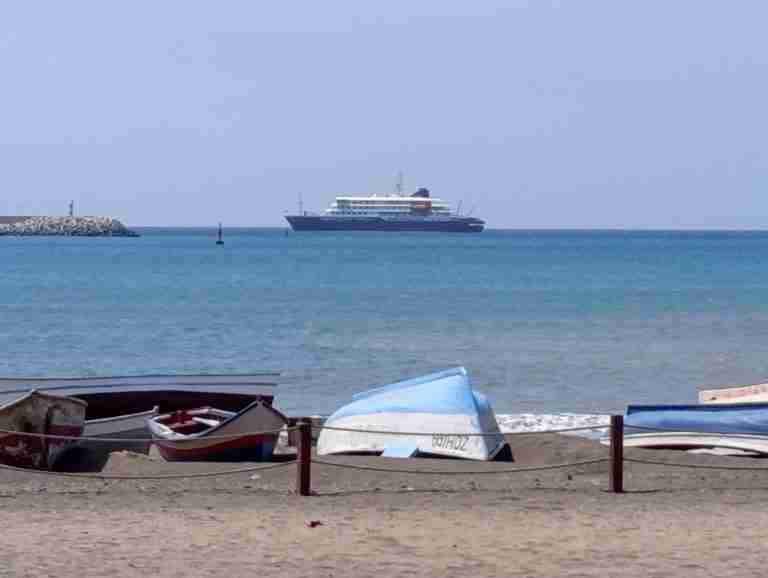
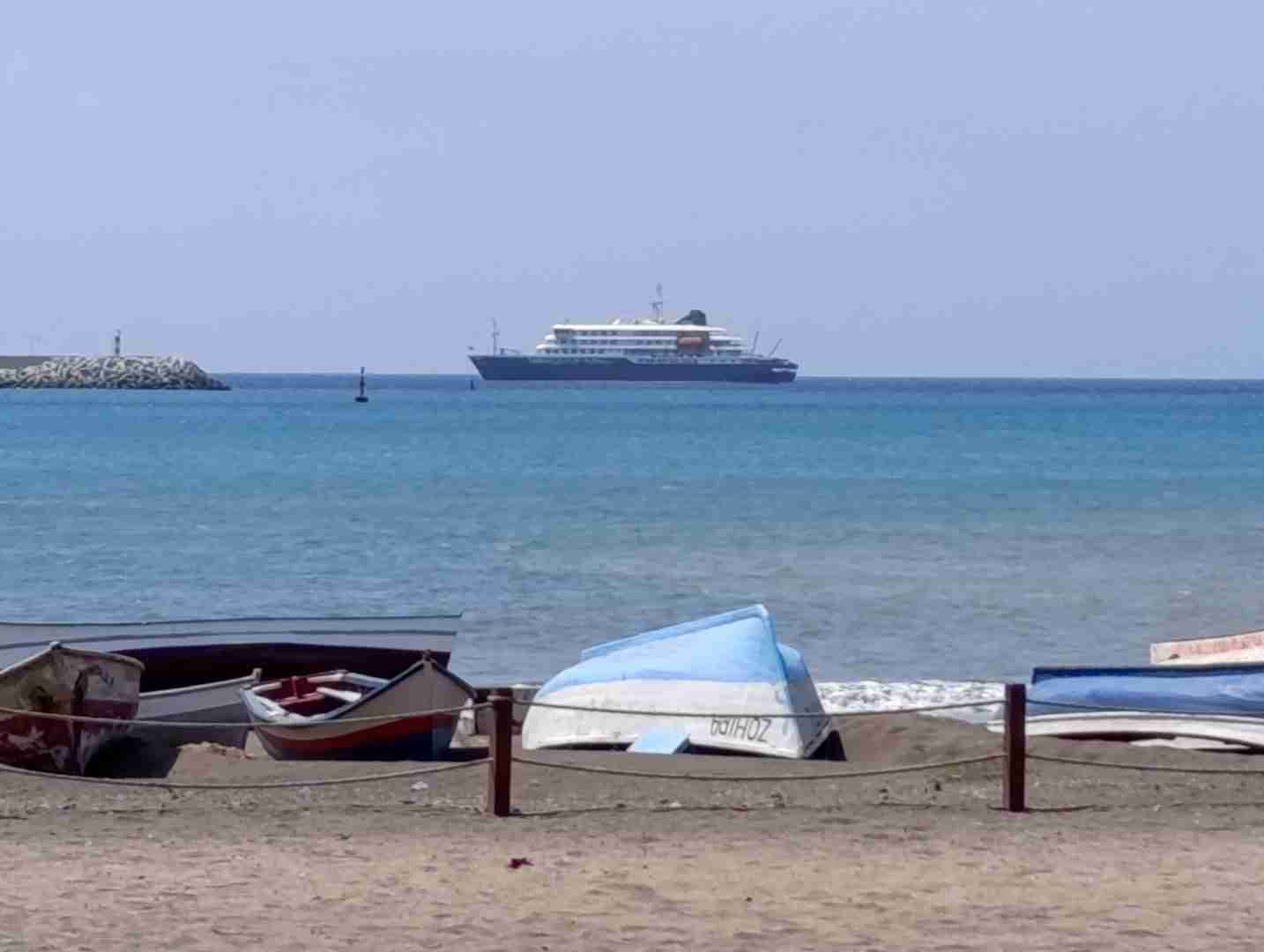
Two cases of the deadly hantavirus have been confirmed, and five more are suspected, among people who fell ill on a cruise ship now marooned off the Cape Verde islands and unable to put passengers ashore, the World Health Organization said.

In its most detailed update on the outbreak, published late on Monday, the U.N. health body said the risk to the wider public was low from a disease typically spread from infected rodents that only rarely passes between humans.

But it added that limited human-to-human transmission had been reported in some strains of the virus.

The authorities in Cape Verde – an island nation in the Atlantic off West Africa – said they had not allowed the Dutch-flagged MV Hondius to dock as a precaution.

THREE PEOPLE HAVE DIED, AROUND 150 STUCK ON BOARD

Around 150 people are stuck on the Hondius, which was carrying mostly British, American and Spanish passengers on a luxury cruise that set off from the southern tip of Argentina in late March. The cruise visited the Antarctic peninsula and South Georgia and Tristan da Cunha – some of the remotest islands on the planet.

The seven confirmed or suspected cases comprise three people who have died, one who is critically ill and three with mild symptoms, the WHO said.

The three fatalities were a Dutch couple and a German national, while a British national was evacuated from the ship and is in intensive care in South Africa, officials said.

RISK TO WIDER PUBLIC LOW, WHO SAYS

As a precaution, passengers aboard the Hondius have been instructed to remain inside their cabins whenever possible, the WHO said, adding that the incubation period can last several weeks, meaning some people may not yet be showing symptoms.

Epidemiological investigations were under way to determine the source of the outbreak, the WHO said. Medical teams in Cape Verde are evaluating the patients and collecting additional specimens for testing.

The WHO added that although uncommon, limited human‑to‑human transmission of the Andes virus, a species of hantavirus found in Argentina and Chile, “has been reported in community settings involving close and prolonged contact”.

The Dutch couple who were the first to die had travelled in South America, including Argentina, before they boarded the cruise ship.

LOOKING FOR A SAFE PORT

The ship’s operator, Oceanwide Expeditions, said authorities were working on a plan for a medical evacuation of two people on board who are ill, as well as person who travelled with one of the passengers who has died.

There is no definitive plan yet for the disembarkation of the remaining guests on board, the company said. It only confirmed that this would not be done in Cape Verde.

“Sailing on to Las Palmas or Tenerife is being considered, where further medical screening and handling could take place, organised and supervised by the WHO and Dutch health services. This is yet to be confirmed,” it said.

A spokesperson for Spain’s Health Ministry told Reuters they had not yet received a request to dock at the Canary Islands.

VOYAGE STARTED IN SOUTHERN ARGENTINA

The Hondius left Ushuaia in southern Argentina in March, according to company documentation, on a voyage marketed as an Antarctic nature expedition, with berth prices ranging from 14,000 to 22,000 euros ($16,000 to $25,000).

The first stricken passenger, the Dutch man, died on April 11. His body remained on board until April 24, when it “was disembarked on St Helena, with his wife accompanying the repatriation”, Oceanwide Expeditions said.

His wife, who had gastrointestinal symptoms when she was disembarked, later deteriorated during a flight to Johannesburg. She died upon arrival at the emergency department on April 26, the WHO said, adding that contact tracing was under way for passengers on that flight.

South African authorities have confirmed that the British patient, who is being treated in a Johannesburg hospital, tested positive for the hantavirus. The Netherlands has confirmed the virus in the Dutch woman who died. 

Reporting by Chandni Shah in Bengaluru and Charlotte Van Campenhout in Amsterdam; Additional reporting by David Latona and Monica Naime; Writing by Ingrid Melander and Charlotte Van Campenhout; Editing by Nia Williams and Andrew Heavens

Stocks rise as investors take heart from upbeat earnings, dip in oil

Traders also had their eyes on the yen after the Japanese currency briefly jumped in the previous session, stoking speculation of another round of intervention from Tokyo

International News via Reuters:

Global stocks rose on Tuesday, taking some heart from a series of robust earnings, while simmering hostilities between the U.S. and Iran over the Strait of Hormuz kept the oil price well above $100 a barrel.

Traders also had their eyes on the yen after the Japanese currency briefly jumped in the previous session, stoking speculation of another round of intervention from Tokyo.

In Europe, the STOXX 600 rose 0.5%, lifted by brewer Anheuser-Busch, which beat forecasts with first-quarter results, and by shares in Italian lender Unicredit, which reported record quarterly profits.

The U.S. and Iran launched new attacks in the Gulf on Monday as they wrestled for control over the Strait of Hormuz with duelling maritime blockades, not long after U.S. President Donald Trump launched a new effort to get stranded tankers and other ships through the vital energy-trade chokepoint.

Maersk said the Alliance Fairfax, a U.S.-flagged vehicle carrier operated by its Farrell Lines subsidiary, exited the Gulf via the Strait of Hormuz accompanied by U.S. military assets on Monday.

Stocks and other risk assets got some respite from a modest retreat in the oil price, which edged below Monday’s high around $115 a barrel.  

Still, the renewed hostilities jolted markets and served as a stark reminder that the war in the Middle East was far from over.

In oil markets, Brent crude futures fell 1.3% to $112.93 a barrel while U.S. crude slid 2.3% to $104 per barrel, having both jumped in the previous session on heightened worries about supply disruption.

“Markets may find some relief today following President Trump’s overnight comments suggesting the conflict could continue for another two to three weeks. However, markets are likely to view this with considerable scepticism, given the recent escalation and the repeated extensions of projected timelines for ending hostilities since the conflict began,” ING head of commodities strategy Warren Patterson said.

Data from S&P Global Market Intelligence showed 83% of S&P 500 companies that have already reported have beaten EPS estimates and 78.2% of them have beaten revenue estimates. LSEG data shows earnings growth for the S&P 500 is now projected to top 18% in the first quarter, up from estimates of around 12.8% just a month ago.

Nasdaq futures rose 0.6% and S&P 500 futures were up 0.3%, suggesting a pickup from Monday’s negative close.

“With no signs of slowing down, AI-driven spending will likely continue to do the heavy lifting for S&P 500 earnings growth, led by the technology sector,” said Jeff Buchbinder, chief equity strategist at LPL Financial.

YEN INTERVENTION WATCH

The yen was last steady at 157.26 per dollar, after Monday’s short-lived surge that saw the Japanese currency touch an intraday high of 155.69. 

Japanese Finance Minister Satsuki Katayama on Monday spoke out against speculative trading in foreign exchange, leaving market participants on alert for further intervention after sources told Reuters Tokyo intervened to prop up its ailing currency on Thursday.

Abbas Keshvani, Asia Macro Strategist at RBC Capital Markets, said authorities could intervene again if dollar/yen continues to test 160 which they have historically defended, noting that in 2022, Tokyo “fired three volleys of intervention in a few weeks”.

“We suspect intervention will merely act as a lid on USD/JPY, not a catalyst for protracted yen strength,” he said.

In other currencies, the Australian dollar last traded 0.1% lower at $0.7161, after the Reserve Bank of Australia on Tuesday raised rates for a third time this year in a widely expected move.    

Elsewhere, spot gold rose 0.7% to $4,553 an ounce, above Monday’s trough at $4,500, the lowest since March 31.

Reporting by Rae Wee; Editing by Christopher Cushing, Muralikumar Anantharaman, William Maclean

Mangrove Bay Road closure rescheduled

Closure moved to Monday, May 11 for community restoration ceremony

Media Release:

The Ministry of Public Works and Environment advises the public that the road closure on Mangrove Bay Road in Sandys, from Cambridge Road through to Somerset Road, has been rescheduled.

The closure, which was previously scheduled for Monday, 4 May 2026, will now take place on Monday, 11 May to accommodate a community restoration ceremony.

The road closure will commence at 4:00 p.m., and the ceremony is expected to take place from 4:00 p.m. to 10:00 p.m. Traffic controls will be directed by representatives from Community Restoration Group.

Motorists are advised to use detour routes via Cambridge Road or Somerset Road to avoid the closure. Residents will continue to have access from Cambridge Road to enter their homes on Mangrove Bay Road.

The Ministry encourages full cooperation from the motoring public and apologises for any inconvenience that may arise. Please refer to the attached amended Road Traffic Notice for more information.

Athene Life Career Expo opens registration

Free event at Pier 6 on June 17 with keynote speakers, an AI career tool, networking lunch and prizes

Media Release:

Registration is now open for the 2026 Athene Life Career Expo, a free, award-winning event designed to introduce students, recent graduates and career shifters to opportunities in Bermuda’s life (re)insurance industry. The event will take place June 17, 2026, at Pier 6 on Front Street in Hamilton.

The Athene Life Career Expo will feature keynote remarks from Patrick Tannock, former CEO of AXA XL Bermuda and former Chair of the Association of Bermuda International Companies. Natasha Scotland Courcy, CEO and General Counsel of Athene Life Re, Chair of the Bermuda International Long Term Insurers and Reinsurers board and recipient of the 2024 Women in Reinsurance Woman of the Year Award will also be a keynote speaker at the event.

“This event is about helping more people learn about the opportunities available in the life (re)insurance industry,” Scotland Courcy said. “Bermuda is a global reinsurance hub, and we are proud to give people the chance to speak with industry experts and learn about the many different career paths available.”

New this year, the event will feature an interactive artificial intelligence tool designed to help participants explore the life and annuity (re)insurance industry. Attendees will also have the opportunity to connect with executives over a networking lunch and participate in a dedicated student session offering practical guidance on securing a first role or internship. In addition, participants can take advantage of one-on-one resume reviews, personalized career guidance and complimentary professional headshots.

The Athene Life Career Expo continues to build interest in the industry. Last year, 96% of attendees said they wanted to pursue a career in the field after attending the event.

Giveaway prizes, including a laptop from Red Laser and one round-trip ticket through BermudAir, will also be offered. Martello Re is the platinum sponsor of the 2026 Athene Life Career Expo. Somerset Reinsurance, Chariot Re, Chubb and Sun Life International are gold sponsors.

For more information or to register, visit www.lifecareerexpo.bm.

Extended Interview: U.S. Ambassador to the U.K.

Warren Stephens, U.S. Ambassador to the U.K, arrived in Bermuda for a short visit prior to the Royal Visit by King Charles III.
In an interview with Gary Foster Skelton, Mr Stephens reflected on the King’s U.S. State Visit, spoke about Bermuda’s importance as “the capital of the reinsurance world”, and responded to our questions on trade relations, border controls, and whether independence for Bermuda could impact our relationship with the U.S.

EU countries could better target measures to lower energy prices-Dombrovskis

Many EU governments have adopted measures like cutting excise or VAT taxes on fuel, which lowers the price for all users rather than those who are affected the most

International News via Reuters:

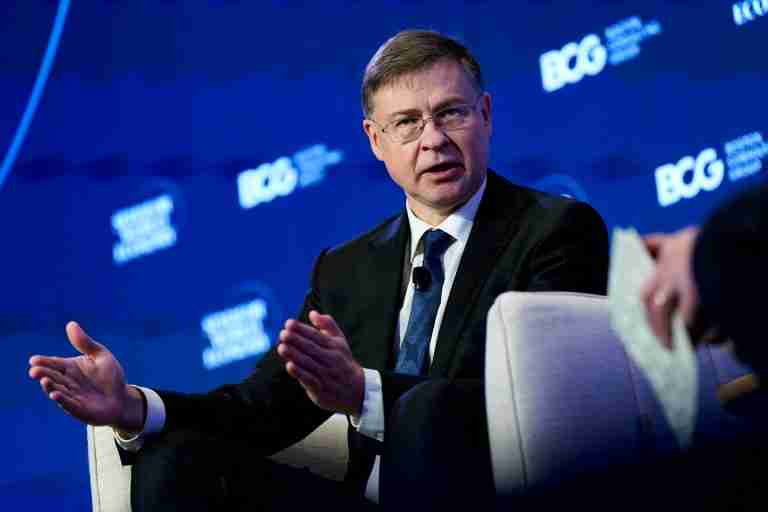
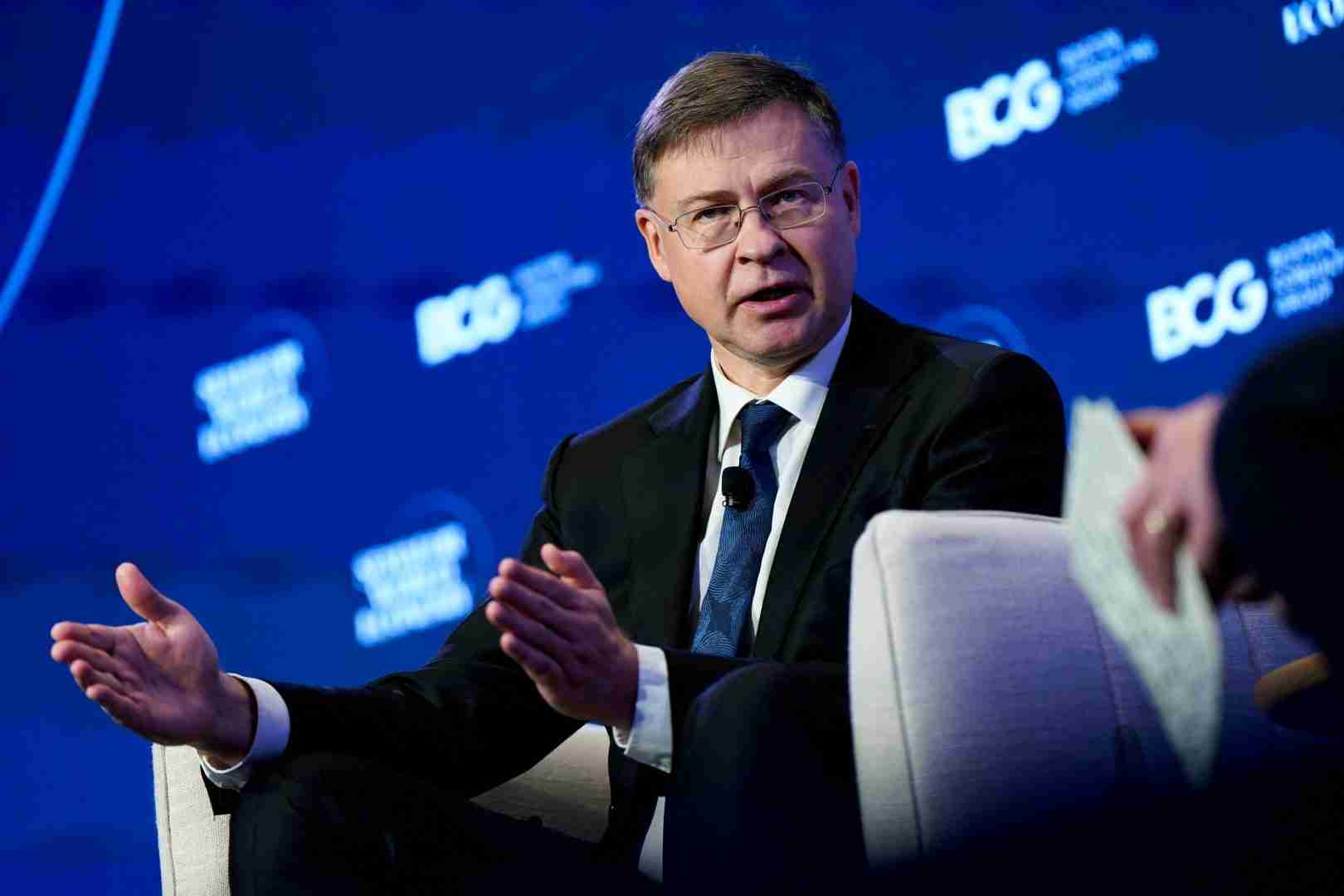
European Union governments could be better in targeting the measures to lower energy prices to the most vulnerable sectors of the economy, European Economic Commissioner Valdis Dombrovskis told a news conference on Monday.

Many EU governments have adopted measures like cutting excise or VAT taxes on fuel, which lowers the price for all users rather than those who are affected the most, drawing criticism from the Commission and the International Monetary Fund.

Reporting by Makini Brice and Jan Strupczewski

Brazil’s Bolsonaro returns to house arrest after shoulder surgery

The procedure was intended to treat a chronic problem that had been causing persistent pain and limited his mobility

International News via Reuters:

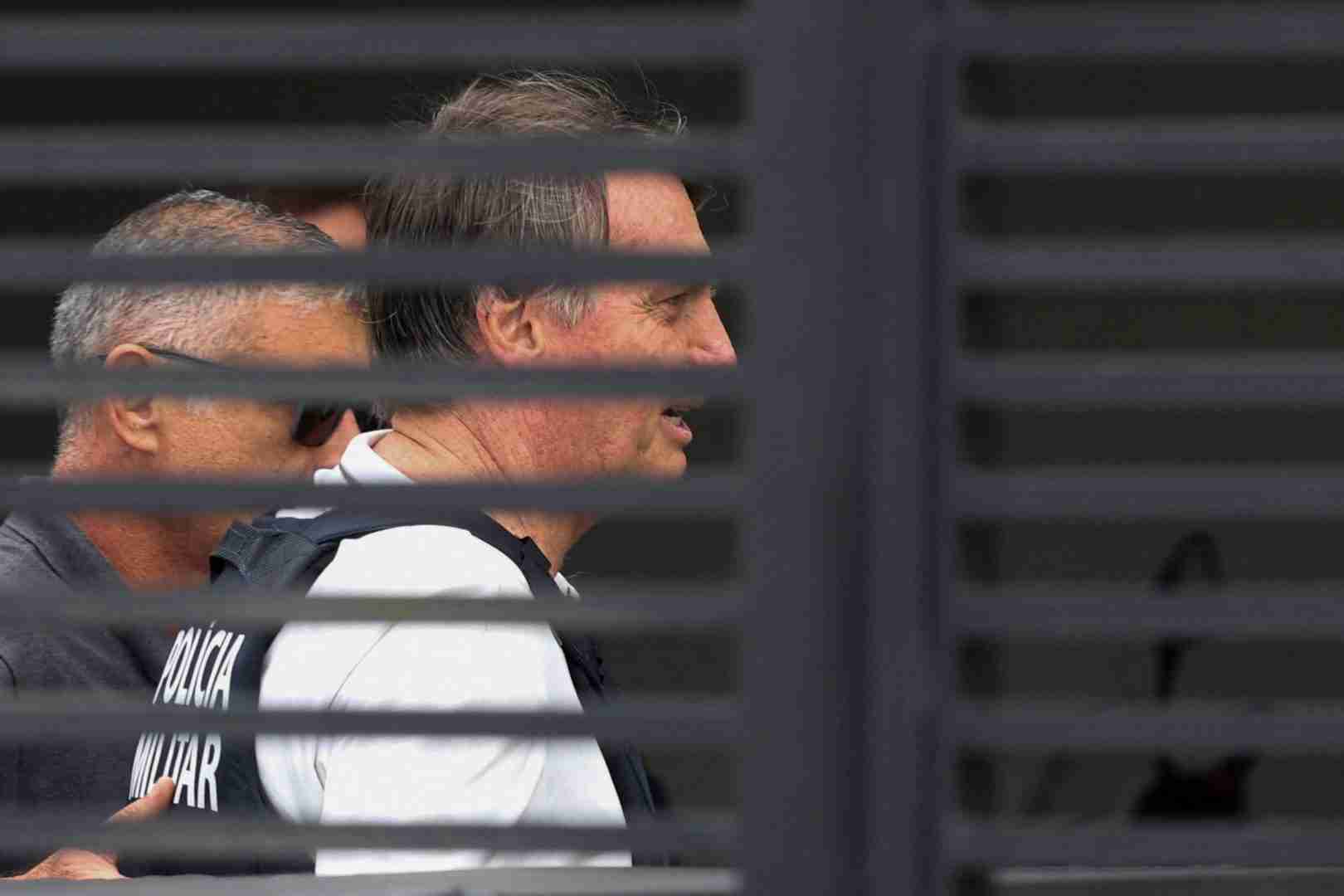
Former Brazilian President Jair Bolsonaro was discharged from hospital on Monday after undergoing surgery on his right shoulder on Friday, his doctor Brasil Caiado told reporters in Brasilia.

The procedure was intended to treat a chronic problem that had been causing persistent pain and limited his mobility.

Bolsonaro’s wife confirmed in a post on social media he has returned home. He has been under humanitarian house arrest since late March, after the Supreme Court judge authorized an initial 90-day period on medical grounds.

Bolsonaro, 71, has been serving a 27-year prison sentence since November for plotting a coup after losing the 2022 election to current President Luiz Inacio Lula da Silva.

Reporting by Ricardo Brito; Writing by Isabel Teles; Editing by Nick Zieminski

Don’t cut banks’ capital requirements, ECB tells governments

European Union lawmakers are reviewing options to boost the competitiveness of euro zone banks, which lag behind their U.S. rivals on international markets

International News via Reuters:

Euro zone governments should not lower banks’ capital requirements as this would do little to boost credit while demand is weak and the environment is fraught with risks including war in the Middle East, European Central Bank chief supervisor Claudia Buch said on Monday.

European Union lawmakers are reviewing options to boost the competitiveness of euro zone banks, which lag behind their U.S. rivals on international markets.

Addressing euro zone finance ministers, Buch argued banks needed solid capital and liquidity positions to weather risks ranging from the Iran war and its economic consequences to trouble in private markets and cyberattacks.

“Banks currently have sufficient capital to lend to the economy, but elevated risks, lower risk tolerance and weak demand for loans are preventing the supply of credit from expanding more quickly,” she said in remarks prepared for a meeting with the Eurogroup of finance ministers on Monday.

“In this situation, lowering capital requirements may simply result in higher distributions to shareholders rather than more lending to firms and households.”

She reiterated the ECB’s long-standing calls for establishing a common deposit guarantee and knocking down regulatory hurdles between countries that prevent the free flowing of liquidity and capital.

As for the ECB’s own role, Buch repeated that supervisors would “treat cross-border and domestic mergers alike”.

Her comments came as Italian bank UniCredit was trying to take over Germany’s Commerzbank amid fierce opposition from the government in Berlin.

Reporting by Francesco Canepa; Editing by Andrew Heavens