Bermuda Electric Light Company Limited (BELCO) has been named the title sponsor of the 14th Annual Kappa Classic, reinforcing its ongoing commitment to youth development through its Giveback Programme.
The Kappa Classic, recognised as the island’s largest youth spectator event and premier youth football tournament, will run from April 16 to 19 at the Bermuda National Sports Centre. The event is organised and hosted by the Brothers of Kappa Alpha Psi Incorporated, who are guided by the principle of “Achievement in Every Field of Human Endeavour.”
BELCO says its support reflects a long-standing tradition of investing in Bermuda’s young people, particularly through initiatives that promote teamwork, discipline and personal growth. The company noted that football, deeply embedded in Bermuda’s culture, mirrors many of the values upheld within its own organisation, including unity, adaptability and skill.
BELCO President Wayne Caines said the company is proud to play a role in one of the island’s most anticipated youth sporting events.
“Our entire team at BELCO is proud to support the 14th annual Kappa Classic,” he said. “We are excited to see the young men and women compete in their respective categories, and we know that teams have trained hard all year for this event, which represents the culmination of tremendous club and community efforts.”
Mr Caines added that sport continues to play a critical role in shaping Bermuda’s future leaders.
“We believe in Bermuda and we believe that sport is an important part of the development of our young people. We are looking forward to an amazing five days of brilliant football. This is the best of who we are, and well done to the Brothers of Kappa Alpha Psi Incorporated,” he said.
He continued: “We are committed to investing in the leaders of tomorrow, ensuring they are equipped with the skills required to move Bermuda forward. I wish all the young footballers good luck, to have fun, and I look forward to watching our future leaders in action.”
The tournament is expected to draw large crowds, showcasing top youth talent from across the island while reinforcing the importance of sport as a unifying force within the community. More information on the event is available at kappaclassic.com.
The Bermuda Police Service has issued a fresh warning to motorists attending events at the National Sports Centre in Devonshire, following a wave of illegal parking during a recent enforcement exercise.
Officers handed out 70 parking tickets on the evening of Thursday, April 16, targeting vehicles parked on sidewalks and other unauthorised areas along surrounding streets.
Acting Chief Inspector Anthony Smith said motorists must take responsibility when attending large events, stressing that improper parking creates avoidable safety risks.
“Motorists are once again urged to park responsibly and only in authorised areas,” he said. “Parking on sidewalks, verges, or roadways in a way that blocks access for residents, pedestrians, or other road users creates unnecessary inconvenience and can pose a safety risk.”
Police also pushed back against claims that parking rules are enforced inconsistently, particularly during high-profile events such as the International Rugby Classic.
Mr. Smith said the same restrictions apply across all events at the National Sports Centre, noting that clear public advisories were issued ahead of previous gatherings, including the rugby tournament.
Authorities are now urging members of the public to plan ahead when attending events at the venue, use designated parking areas, and avoid leaving vehicles in locations that could result in fines or enforcement action.
The Bermuda Police Service said it appreciates public cooperation as efforts continue to ensure safe and accessible roadways for residents and eventgoers alike.
The UK’s House of Lords’ Constitution Committee chaired by Lord Strathclyde have asked for the Minister of State for the Overseas Territories to respond to their recommendations by 17 June
“We strongly agree with the Overseas Territories that the 2012 White Paper is now badly out of date.”
Its the messsage from the UK House of Lords’ Constitution Committee that published its findings and recommendations, following the review of the Overseas Territories Joint Declaration for improving relations with the UK.
Jet fuel prices have soared from $85 to $90 per barrel to $150 to $200 per barrel in recent weeks, a financial hit for an industry where fuel accounts for up to a quarter of operating expenses
International News via Reuters:
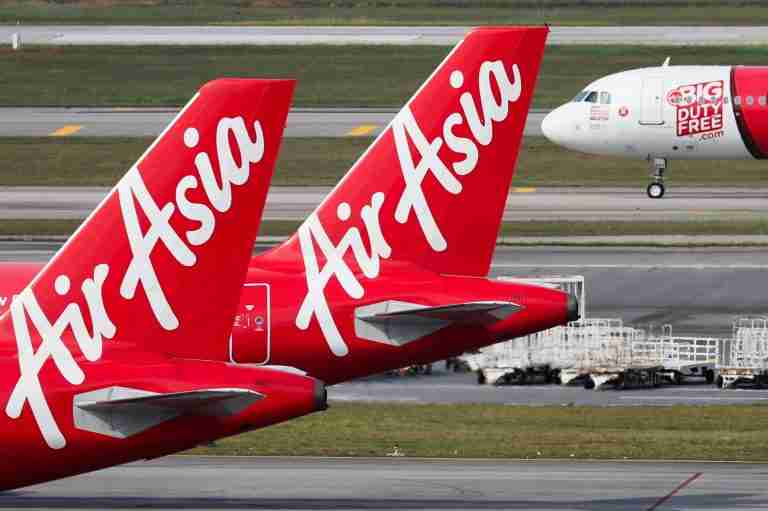
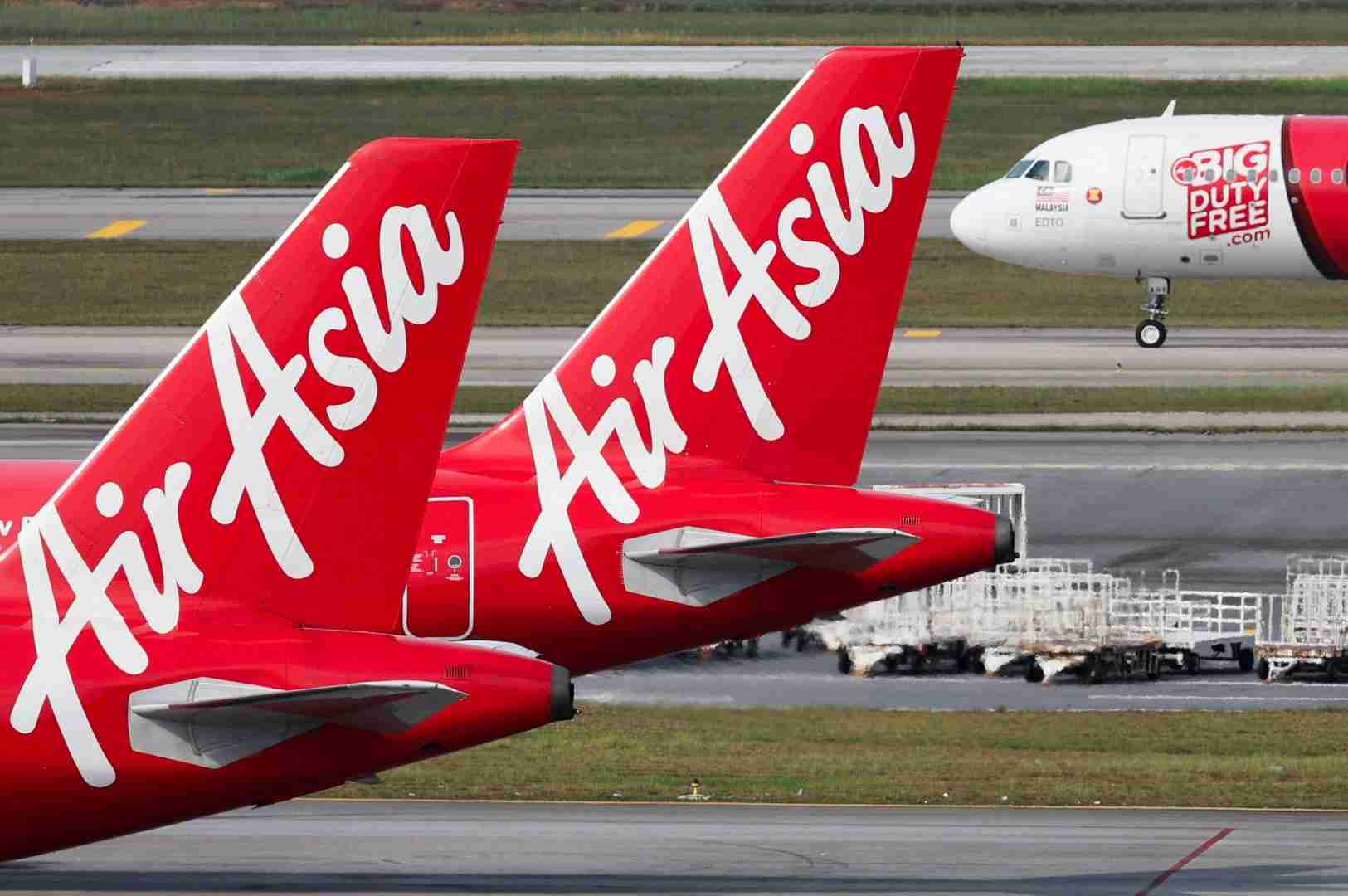
A surge in jet fuel prices driven by the U.S.-Israeli war on Iran has upended the global aviation industry, forcing airlines to raise fares and revise their financial outlooks.
Jet fuel prices have soared from $85 to $90 per barrel to $150 to $200 per barrel in recent weeks, a financial hit for an industry where fuel accounts for up to a quarter of operating expenses.
Below is a list of how airlines are responding, in alphabetical order:
AEGEAN AIRLINES
The Greek airline expects suspended Middle East flights and a spike in fuel prices to have a “notable impact” on its first-quarter results.
AIRASIA X
The Malaysian airline’s executives said the company had cut 10% of flights across the group, with a surcharge of about 20% on fuel in general.
AIR CANADA
Canada’s largest carrier plans to trim four of its 38 daily flights to New York due to higher fuel prices. The four flights to JFK International Airport will be cut from June 1 to October 25, 2026.
AIR FRANCE-KLM
The airline group said it planned to increase long-haul ticket prices to address surging fuel costs, with cabin fares set to rise by 50 euros ($58) per round trip.
The group’s Dutch arm KLM said on April 16 it would cancel 160 flights in Europe in the coming month due to rising fuel costs.
AIR INDIA
The Indian carrier said it would revise its fuel surcharge from a flat domestic surcharge to a distance-based grid. It said surcharges on international routes did not compensate for the exponential rise in fuel prices.
AIRLINE OPERATORS OF NIGERIA
The Nigerian industry body warned that Nigerian airlines would suspend all flight operations undefined from April 20 unless fuel prices are reduced, as it accused the country’s fuel industry association of artificially raising prices in a letter seen by Reuters.
AIR NEW ZEALAND
The airline said on April 7 it would slash flights through May and June and hike fares, having been one of the first to announce broad increases to ticket prices when the conflict broke out. It also suspended its full-year earnings forecast due to fuel market volatility.
AKASA AIR
India’s Akasa Air said it was introducing a fuel surcharge ranging between 199 and 1,300 Indian rupees ($2 to $14) on domestic and international flights.
ALASKA AIR
The U.S. airline said it would increase fees for the first checked bag by $5 and by $10 for the second on its North American flights, as well as for its Hawaiian Airlines unit. It hiked prices for a third checked bag from $50 to $200.
AMERICAN AIRLINES
The U.S. carrier said it would hike checked baggage fees by $10 each for the first and second checked bags and by $150 for the third checked bag on domestic and short-haul international flights. It also trimmed certain benefits for economy passengers.
It had earlier said it expected a $400 million increase in first-quarter expenses due to fuel prices.
ASIANA AIRLINES
The South Korean airline will slash 22 flights between April and July due to the fuel cost increase, Newsis reported.
CATHAY PACIFIC
The Hong Kong airline said it would cut some flights from mid-May until the end of June, cancelling about 2% of its scheduled passenger flights, while its budget airline HK Express was cutting around 6% of flights.
The carrier previously said it would hike its fuel surcharge by 34% across routes from April 1 and review them every two weeks.
CEBU AIR
The Philippines-based airline said the sharp rise in fuel prices was a key concern and it would continue to review its pricing and network strategies to mitigate the impact.
CHINA EASTERN AIRLINES
The airline said it would raise fuel surcharges for domestic flights from April 5, with flights of 800km and below hit with a 60 yuan ($9) surcharge and a 120 yuan surcharge for flights over 800km.
DELTA AIR LINES
Delta said it would cut capacity by around 3.5 percentage points from its original plan and raise fees for checked bags in an attempt to offset soaring jet fuel costs, with an increase of $10 on first and second checked bags and a $50 increase on the third.
The U.S. airline pulled all planned capacity growth for the current quarter and forecast profit below Wall Street expectations. Delta’s CEO said it would hold off on updating the full-year outlook given uncertainty over how long the fuel price spike would last.
EASYJET
EasyJet warned of a bigger half-year pre-tax loss of between 540 million and 560 million pounds ($731 million and $758 million), including 25 million pounds in extra fuel costs in March.
CEO Kenton Jarvis previously said European consumers should expect higher ticket prices towards the end of summer, when existing fuel hedges come to an end.
FRONTIER AIRLINES
The U.S. airline is reviewing its full-year forecast as fuel prices have increased significantly since it issued the outlook.
GREATER BAY AIRLINES
The Hong Kong-based company said it would raise fuel surcharges on most routes from April 1, while keeping them unchanged on mainland China and Japan routes.
Its surcharge for flights between Hong Kong and the Philippines will more than double, the carrier said.
HONG KONG AIRLINES
The airline said it would raise fuel surcharges by up to 35% from March 12, with the sharpest increase on flights between Hong Kong and the Maldives, Bangladesh and Nepal, where charges would rise to HK$384 ($49) from HK$284.
IAG
British Airways-owner IAG said in March it did not plan to increase ticket prices immediately, as it had hedged much of its fuel for the short- to medium-term.
INDIGO
India’s biggest airline said it would introduce fuel charges on domestic and international flights from March 14, including a charge of 900 rupees for flights to the Middle East and a charge of 2,300 rupees for flights to Europe.
The company is also lobbying the Indian government to cut fuel taxes, sources told Reuters.
JETBLUE AIRWAYS
The U.S.-based low-cost carrier said it was increasing fees for optional services such as checked baggage as it experiences “rising operating costs”. Baggage prices will rise by either $4 or $9, it said.
KOREAN AIR
The South Korean carrier will enter emergency management mode from April, as rising oil prices weigh on costs, a source with knowledge of the matter told Reuters. The airline plans to implement phased response measures based on oil price levels, and step up company-wide cost efficiency to offset surging fuel costs.
LUFTHANSA
The airline group said it would ground 27 planes servicing its short-haul CityLine subsidiary earlier than planned, citing jet fuel prices and costs from industrial action. Lufthansa will also withdraw four older Airbus A340-600 long-haul aircraft at the end of the summer and reduce short and medium-haul offerings by five aircraft in winter 2026/2027.
PAKISTAN INTERNATIONAL AIRLINES
The carrier said it would raise domestic flight fares by $20 and international fares by up to $100, citing higher fuel surcharges.
QANTAS AIRWAYS
Australia’s Qantas said it had delayed a planned A$150 million ($106 million) buyback and was raising its estimated fuel bill for the second half of 2026 to A$3.1 billion-A$3.3 billion, from a previous A$2.5 billion forecast.
SAS
The Scandinavian airline said it would cancel 1,000 flights in April because of high oil and jet fuel prices, after cancelling a “couple hundred” flights in March.
SAS, which had already increased flight prices, said that even if it tried to absorb the rising fuel costs, the price surge would still be a blow to the aviation industry.
SPRING AIRLINES
The budget Chinese airline said it would raise fuel surcharges on domestic flights from April 5, with details to be announced later.
SOUTHWEST AIRLINES
The American carrier said it would hike checked baggage fees by $10 for the first and second bags, raising costs to $45 for the first bag and $55 for the second.
TAP
The Portuguese airline said its price hikes would partially mitigate the impact of fuel price changes on its revenue.
THAI AIRWAYS
The Thailand-based carrier said it would raise fares by 10% to 15% to address rising fuel costs.
TURKISH AIRLINES, LUFTHANSA
SunExpress, a joint venture between Turkish Airlines and Lufthansa, said it would impose a temporary fuel surcharge of 10 euros per passenger from May 1 on routes between Turkey and Europe. The surcharge will apply to bookings made on or after April 1 for departures on or after May 1.
Turkish Airlines said on April 10 it had decided not to distribute any dividend from its 2025 net profit, opting to retain earnings to preserve cash.
T’WAY AIR
The South Korean low-cost carrier said it planned to furlough some of its cabin crew without pay in May and June as part of measures to address the impact of the war.
UNITED AIRLINES
The U.S. airline is cutting unprofitable flights over the next two quarters as it prepares for oil prices to remain above $100 until the end of 2027, CEO Scott Kirby said.
United has been able to raise fares without materially hurting bookings in response to the rapid increase in oil and jet fuel prices, Chief Commercial Officer Andrew Nocella said.
It is also increasing first and second checked bag fees by $10 for customers travelling in the U.S., Mexico and Canada and Latin America, it said in an e-mailed statement to Reuters.
VIETJET
The Vietnamese budget airline said it had adjusted flight frequency on selected routes due to potential fuel shortages.
VIETNAM AIRLINES
The carrier plans to cancel 23 flights per week across domestic routes from April, Vietnam’s aviation authority said, after the airline requested government assistance to remove an environmental tax on jet fuel.
VIRGIN ATLANTIC
The airline is adding fuel surcharges to fares but will still struggle to return to profitability this year, its CEO Corneel Koster told the Financial Times.
VIRGIN AUSTRALIA
Virgin Australia said it expected an increase in jet fuel cost of around A$30 million-A$40 million for the second half of this fiscal year, and a 1% reduction in capacity in the fourth quarter.
The airline previously said it was adjusting fares to reflect rising cost pressures.
WESTJET
The Canadian airline will add a C$60 ($43) fuel surcharge to some bookings and combine flights as costs soar, the Canadian Press reported.
($1 = 0.8557 euros)
($1 = 92.6520 Indian rupees)
($1 = 6.8306 Chinese yuan renminbi)
($1 = 7.8319 Hong Kong dollars)
($1 = 1.3834 Canadian dollars)
($1 = 1.4118 Australian dollars)
($1 = 0.7389 pounds)
Reporting by Mireia Merino, Marleen Kaesebier, Bernadette Hogg, Dimitri Rhodes and Aishwarya Jain; Editing by Matt Scuffham, Milla Nissi-Prussak and Leroy Leo
Foreign Minister Abbas Araqchi said on Friday that the Strait of Hormuz was open to all commercial vessels during a 10-day Lebanon ceasefire accord
International News via Reuters:
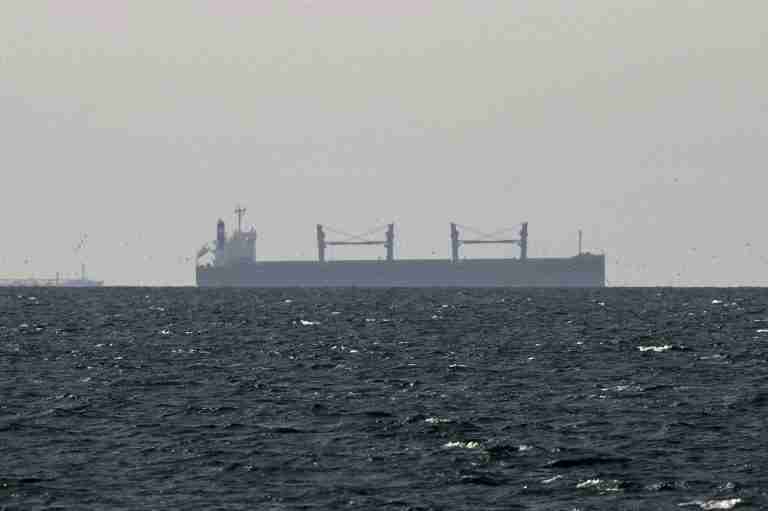
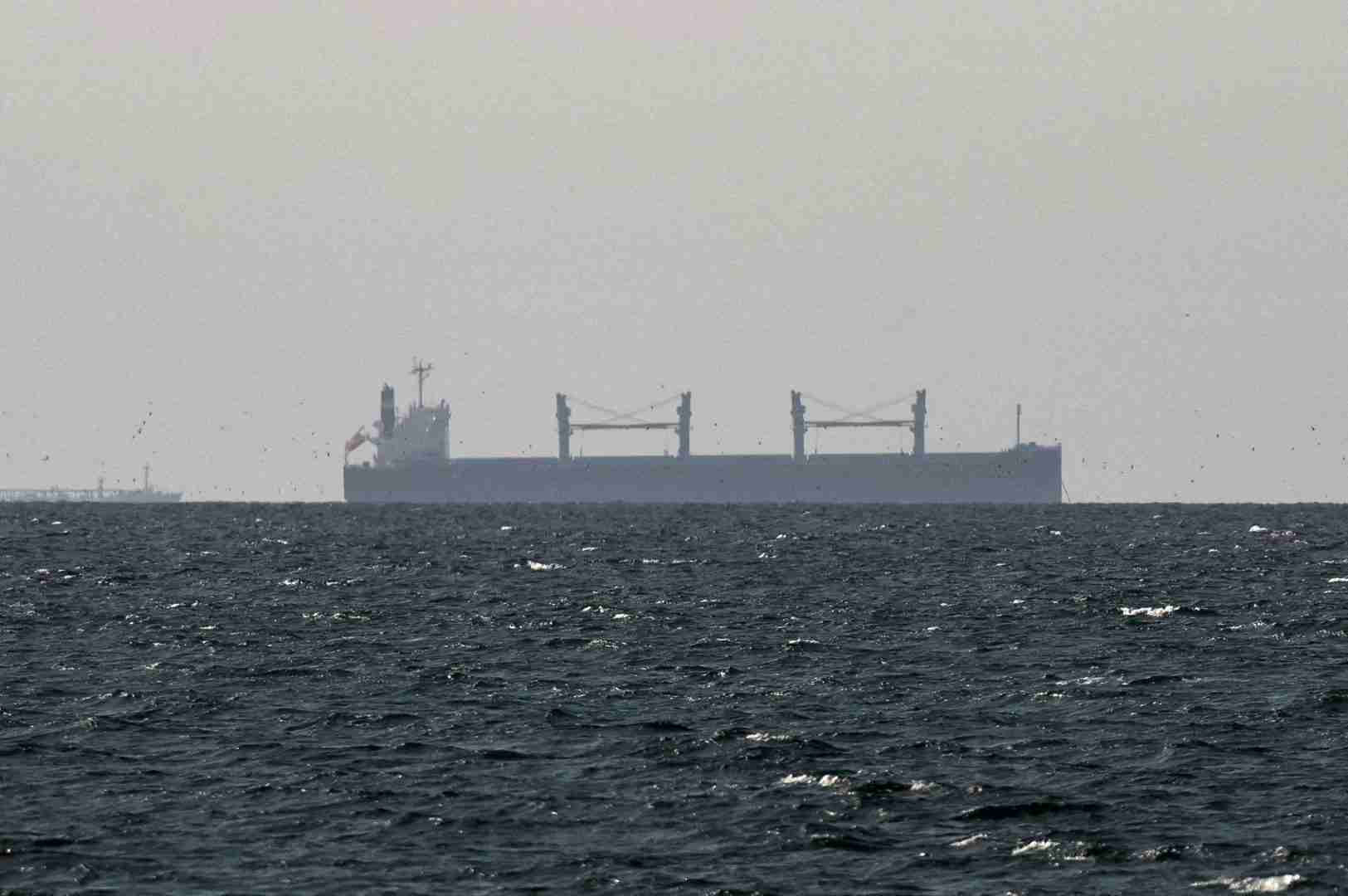
Shipping companies have cautiously welcomed Iran’s announcement that the Strait of Hormuz is open but said they would require clarifications, including about the risk of mines, before vessels move through the entry point to the Gulf.
Foreign Minister Abbas Araqchi said on Friday that the Strait of Hormuz was open to all commercial vessels during a 10-day Lebanon ceasefire accord, prompting a fall in oil and other commodity prices while stock markets rose.
All commercial ships including U.S. vessels can sail through the strait although their plans need to be coordinated with Iran’s Islamic Revolutionary Guard Corps, a senior Iranian official told Reuters.
Transit would be restricted to lanes which Iran deemed safe, adding that military vessels were still prohibited, the official said.
“We are currently verifying the recent announcement related to the reopening of the Strait of Hormuz, in terms of its compliance with freedom of navigation for all merchant vessels and secure passage,” said Arsenio Dominguez, secretary-general of UN shipping agency the International Maritime Organization.
The Norwegian Shipowners’ Association said several things had to be clarified before any ships can transit the strait, including the presence of mines, Iranian conditions and practical implementation.
“If this represents a step towards an opening, it is a welcome development,” said Knut Arild Hareide, CEO the association, which represents 130 companies with some 1,500 vessels.
Shipping association BIMCO cautioned members on returning to the strait.
“The status of mine threats… is unclear and BIMCO believes shipping companies should consider avoiding the area,” said Jakob Larsen, BIMCO’s chief safety and security officer.
The threat posed by mines in parts of the strait is not fully understood and avoidance of the area by ships should be considered, a U.S. Navy advisory seen by Reuters also said on Friday.
German shipping group Hapag-Lloyd said on Friday it was working for its ships to sail through the strait “as soon as possible” but added that a number of questions remained.
“Our crisis committee is in session and will try to resolve all open items with the relevant parties within the next 24-36 hours,” it added.
Its Danish peer Maersk said it was closely monitoring the security situation and would act based on its risk assessment.
France’s CMA CGM and Norwegian oil tanker group Frontline declined to comment.
A recent route imposed by Tehran through its territorial waters near Larak Island would present navigational challenges even if vessels were not required to pay a toll and would raise questions regarding compliance and insurance, said Matt Wright, lead freight analyst at data intelligence firm Kpler.
U.S. President Donald Trump on Friday said Iran had agreed to never close the strait again, and that it was removing sea mines from the strait.
One of the world’s most important maritime chokepoints, disruption in the strait has forced shipping companies to suspend sailings, reroute cargo and rely on costly workarounds to keep goods moving into and out of the Gulf.
Reporting by Jesus Calero in Gdansk, Christoph Steitz in Frankfurt, Stine Jacobsen in Copenhagen, Gus Trompiz in Paris; writing by Louise Rasmussen and Nerijus Adomaitis, editing by Terje Solsvik, Louise Heavens, and Jason Neely
Brent crude futures fell $10.42, or 10.48%, to $88.97 a barrel by 12:39 p.m. EDT (1639 GMT), after falling to a session low of $86.09. U.S
International News via Reuters:
Oil prices fell by around 11% on Friday after Iran’s foreign minister said passage for all commercial vessels through the Strait of Hormuz was open for the remaining ceasefire period and U.S. President Donald Trump said Iran has agreed to never close the strait again.
Brent crude futures fell $10.42, or 10.48%, to $88.97 a barrel by 12:39 p.m. EDT (1639 GMT), after falling to a session low of $86.09. U.S. West Texas Intermediate crude futures were down $11.48, or 12.12%, at $83.21 a barrel, after touching $80.56.
Both contracts were trading at their lowest since March 10, and set for their largest daily declines since April 8.
Iranian Foreign Minister Abbas Araqchi said the Strait of Hormuz was open following the agreement of a ceasefire in Lebanon.
“With the market now rapidly unwinding the extreme risk premium built over the past two weeks, crude is shifting back toward pricing actual flow normalization rather than disruption risk,” Gelber & Associates analysts said in a note.
PROGRESS IN NEGOTIATIONS
The U.S. and Iran have made progress in the negotiations over a three-page memorandum of understanding to end the war, according to an Axios reporter on X.
Prices had already fallen earlier in the session as possible further talks between the United States and Iran over the weekend and a 10-day ceasefire between Lebanon and Israel raised investors’ hopes the war in the Middle East could be nearing an end.
Addressing a sticking point in the talks, Trump said Tehran had offered to not possess nuclear weapons for more than 20 years.
“We’re going to see what happens. But I think we’re very close to making a deal with Iran,” Trump told reporters outside the White House on Thursday.
Trump also said on Friday that the United States has banned Israel from further bombing in Lebanon, using a harsher tone than usual with the longtime U.S. ally.
Shortly after the announcement that the strait was open, a U.S. official told Reuters that a military blockade of Iran involving more than 10,000 personnel remains in effect.
While the opening of the strait was a step in the right direction, the European market would remain tight for a while, analyst Ole Hvalbye at SEB Research said, since it takes roughly 21 days for ships to move from the Gulf to Rotterdam, the main crude port in the region.
Traffic could be halted once again in the strait, if an agreement about Iran’s nuclear ambitions and lifting of the U.S. sanctions remains elusive, said Tamas Varga, an analyst at PVM Oil Associates.
Reporting by Georgina McCartney in Houston, Robert Harvey, Ahmad Ghaddar, Shadia Nasralla and Seher Dareen in London, Helen Clark in Perth; Editing by Louise Heavens, Kirsten Donovan, Nia Williams and Bill Berkrot
Opposition groups said while they were in favour of quotas for women legislators, the linking of the plan to a mass redrawing of constituency boundaries was a government bid to manipulate the system
International News via Reuters:
An Indian government bill to expand assemblies that would have brought forward plans to reserve a third of the seats for women did not get enough votes to get through parliament on Friday, in a rare defeat for Prime Minister Narendra Modi.
Opposition groups said while they were in favour of quotas for women legislators, the linking of the plan to a mass redrawing of constituency boundaries was a government bid to manipulate the system and get more votes.
“The amendment bill has fallen. They used an unconstitutional trick in the name of women to break the Constitution,” opposition leader Rahul Gandhi said in a post on X, minutes after the bill failed to get through.
The government dismissed that accusation and said it would continue to campaign for women’s quotas. “The women of this country will not forgive you,” Interior Minister Amit Shah said in parliament, before the bill was put to a vote.
The government had argued the constituency changes were needed to reflect shifts in the population since seats were last fixed after a 1971 census.
The bill would have increased the number of lawmakers in the lower house by around 55% to 850 by the next parliamentary elections, due in 2029 – with a similar expansion of regional assemblies.
On Friday in parliament’s lower house, 298 lawmakers voted in favour and 230 against – far from the two-thirds majority needed for a bill that would have changed the constitution.
A one-third reservation for women had been agreed in legislation passed in 2023, but was then linked to the next census, which is still underway and would have taken the changes beyond the 2029 election.
India’s parliament does not currently reserve any seats for women, who constitute only 14% of the lawmakers in the lower house and 17% in the upper house.
About 10% of the lawmakers in the country’s state legislatures are women.
Reporting by Shilpa Jamkhandikar, writing by Sakshi Dayal; Editing by YP Rajesh and Andrew Heavens
Brian Madeiros publishes reflections born during treatment to help others navigate the journey
One man’s unexpected journey through cancer not only changed his life but also inspired him to share his experience with others, shedding light on the emotional and mental toll a diagnosis can have.
Brian Madeiros was diagnosed with prostate cancer in his early 50s. But during surgery, doctors discovered a second type of cancer that he would need to face.
Throughout his treatment, Brian found an unexpected source of comfort – writing. What began as a personal exercise turned into a public resource, offering solidarity to others navigating similar struggles.
Eventually, Mr. Madeiros compiled his reflections into a published work that explores themes of uncertainty and resilience, and aims to help others feel more prepared and less alone.
Mr. Madeiros’ personal journey also laid the groundwork for the Cancer Conversation initiative, created alongside his oncologist, Dr. Chris Fosker, in 2024.
This initiative encourages open and honest discussions about the cancer experience, including the challenges that often remain unspoken.
Mr. Madeiros’ book, ‘It’s a Curious Thing’ is available on Amazon and can also be purchased through the Bermuda Cancer and Health Centre’s website, cancer.bm with part proceeds support the Centre’s mission.
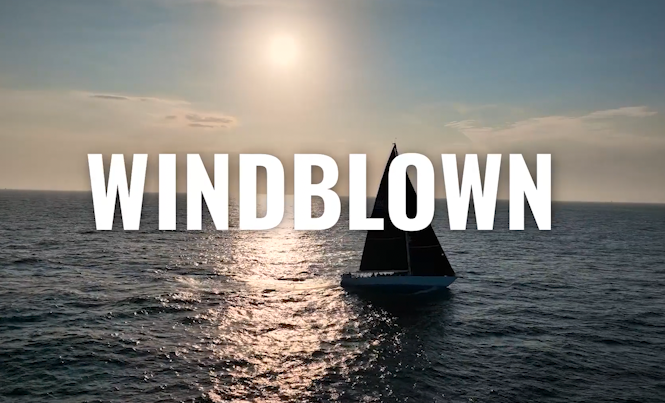
A special preview of an upcoming documentary highlighting one of sailing’s most iconic races was held last night at the Royal Bermuda Yacht Club. The film offers a rare behind-the-scenes look at the Newport to Bermuda race across the Atlantic, capturing the preparation, and challenges along the way. Kendal Trott has the story.
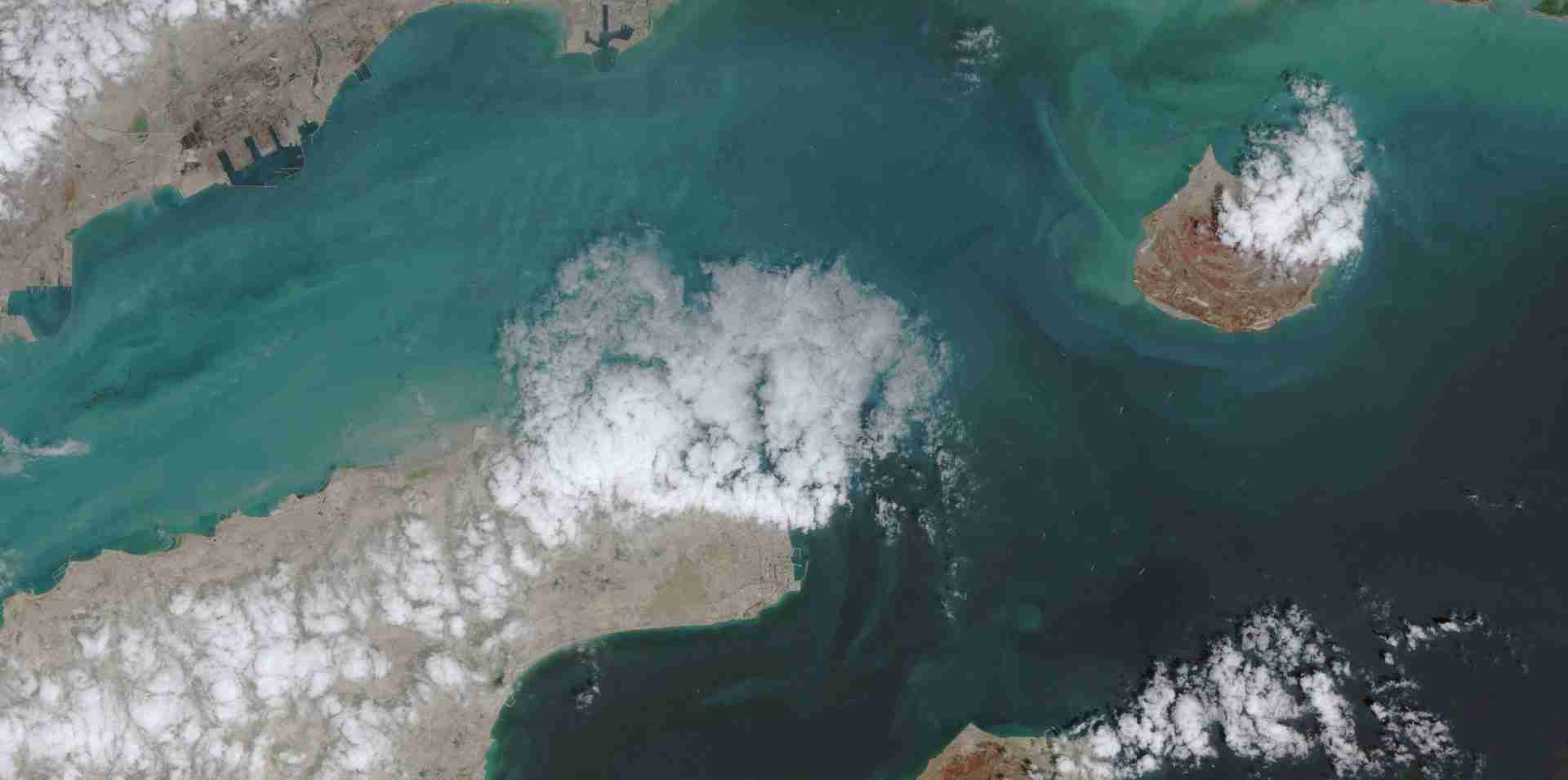
Hundreds of ships and 20,000 seafarers have remained stranded inside the Gulf waiting to pass through the key waterway, which handles about 20% of the world’s oil and liquefied natural gas flows
International News via Reuters:
All ships can sail through the Strait of Hormuz but this needs to be coordinated with Iran’s Islamic Revolutionary Guard Corps (IRGC), a senior Iranian official told Reuters, adding that unfreezing Iranian funds was part of the deal.
Foreign Minister Abbas Araqchi wrote on X that the strait was open after a ceasefire accord was agreed in Lebanon, while U.S. President Donald Trump said he believed a deal to end the Iran war would come “soon”, although the timing remains unclear.
Hundreds of ships and 20,000 seafarers have remained stranded inside the Gulf waiting to pass through the key waterway, which handles about 20% of the world’s oil and liquefied natural gas flows.
The Iranian official said transits would be restricted to lanes that Iran deemed safe, adding that military vessels were still prohibited from crossing the strait.
“Releasing Iran’s funds was part of the agreement for reopening the strait,” the official noted, referring to an estimated $30 billion in frozen revenue, generated mainly from oil and gas exports, blocked amid U.S. sanctions on Tehran.
It was not immediately clear if this included or excluded the established Traffic Separation Scheme (TSS) lanes for entering and exiting the Gulf used by international shipping since the 1970s.
“Even U.S. vessels would be permitted, excluding military ships,” he said.
The official added that certain routes through Hormuz would remain open, but added that those would need to be determined as secure by Iran.
“Navigation would take place in coordination with Iran, and with authorisation from the Guards and Iran’s Ports and Maritime Organization to ensure the safety of shipping,” the official said.
Shortly after Araqchi’s statement, U.S. President Donald Trump posted on Truth Social: “IRAN HAS JUST ANNOUNCED THAT THE STRAIT OF IRAN IS FULLY OPEN AND READY FOR PASSAGE”.
Trump added that the U.S. military blockade of ships sailing through the strait to and from Iranian ports, announced after talks with Iran last weekend in Pakistan which ended without agreement, remained in place.
Iranian state media, citing an unnamed official, said if the U.S. blockade persists, Tehran will consider it a violation of ceasefire and will re-close strait.
Iran could let ships sail freely through the Omani side of the strait without risk of attack under proposals Tehran has offered in talks with the U.S., providing a deal is clinched to prevent renewed conflict, a source briefed by Tehran told Reuters this week.
THREAT OF MINES
Iran has warned of mines placed in the strait, a threat taken seriously by ship owners, insurance underwriters, and firms sending cargo.
That threat is not fully understood and avoidance of the area by ships should be considered, a U.S. Navy advisory said on Friday.
“Status of TSS mine threat is not fully understood. Consider avoidance of that area,” the US Navy’s U.S. NCAGS agency said in the advisory sent to mariners and seen by Reuters.
It was not immediately clear whether the advisory was sent before or after the announcement about the strait being open.
Shipping industry associations said they were reviewing the situation.
“The announcement … by U.S. President Donald Trump that the Strait of Hormuz is fully open is inaccurate. The status of mine threats in the Traffic Separation Scheme is unclear,” said Jakob Larsen, chief safety and security officer with shipping association BIMCO.
“BIMCO believes shipping companies should consider avoiding the area”.
The UN’s shipping agency, the International Maritime Organization (IMO), said it was reviewing the situation.
“We are currently verifying the recent announcement related to the reopening of the Strait of Hormuz, in terms of its compliance with freedom of navigation for all merchant vessels and secure passage,” said IMO Secretary-General Arsenio Dominguez.
Reporting by Parisa Hafezi and Jonathan Saul; editing by Jason Neely
The blue-chip FTSE 100 index closed 0.7% higher at 10,667.63 points, clocking gains for a fourth straight week
International News via Reuters:
UK’s main stock indexes posted weekly gains on Friday, as equities rallied after Iran’s foreign minister announced that the Strait of Hormuz is open for the remaining period of ceasefire.
U.S. President Donald Trump said he believed a deal to end the Iran war would come “soon”. Oil prices plunged below $90 a barrel following the announcement, lifting stocks and government bonds higher.
The blue-chip FTSE 100 index closed 0.7% higher at 10,667.63 points, clocking gains for a fourth straight week. The midcap FTSE 250 climbed 1.9%, extending its winning run for three weeks.
• Travel & leisure stocks advanced as crude prices dropped; Wizz Air, Carnival gained above 7% and easyJet rose 6%.
• Top gainers: Fresnillo climbed 6.4%, while British Airways owner IAG added 6.2%.
• Oil giant BP fell 7.4% and Shell dropped 5.6%, among top losers.
• Precious metal miners rose 5% tracking bullion prices.
• Bank of England Chief Economist Huw Pill said on Friday that the central bank’s main focus should be getting inflation to its 2% target.
• Heavyweight banks advanced 2.3%; Barclays climbed 3.5% , Standard Chartered rose 2.9% and HSBC added 2%.
• The Financial Times reported on Thursday that Finance Minister Rachel Reeves vowed to cut the link between gas and electricity prices, sending the utilities sector down.
• National Grid dropped 1%, Severn Trent fell marginally by 0.6%; SSE and Centrica dipped 6.6% and 5%, respectively.
• Defence stocks: BAE Systems rose 1.8% and Rolls-Royce gained 4.8%.
• Workspace Group fell 6.2% as the office-space provider said it expects a substantial step down in annual profit.
Reporting by Utkarsh Tushar Hathi in Bengaluru; Editing by Shailesh Kuber and Maju Samuel
To provide the best experiences, we use technologies like cookies to store and/or access device information. Consenting to these technologies will allow us to process data such as browsing behavior or unique IDs on this site. Not consenting or withdrawing consent, may adversely affect certain features and functions.
Functional
Always active
The technical storage or access is strictly necessary for the legitimate purpose of enabling the use of a specific service explicitly requested by the subscriber or user, or for the sole purpose of carrying out the transmission of a communication over an electronic communications network.
Preferences
The technical storage or access is necessary for the legitimate purpose of storing preferences that are not requested by the subscriber or user.
Statistics
The technical storage or access that is used exclusively for statistical purposes.The technical storage or access that is used exclusively for anonymous statistical purposes. Without a subpoena, voluntary compliance on the part of your Internet Service Provider, or additional records from a third party, information stored or retrieved for this purpose alone cannot usually be used to identify you.
Marketing
The technical storage or access is required to create user profiles to send advertising, or to track the user on a website or across several websites for similar marketing purposes.