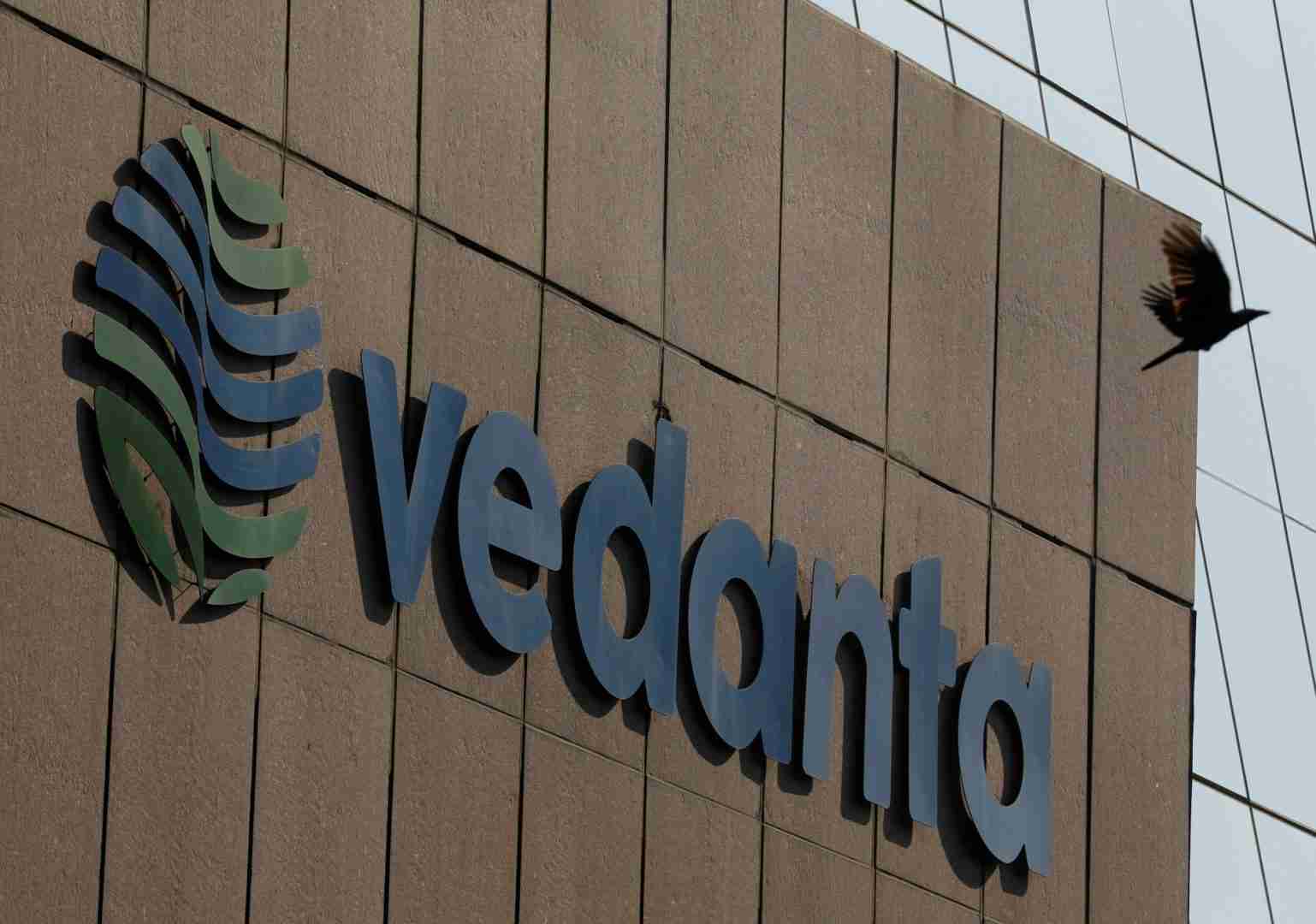
Operations at the 600-megawatt coal plant were suspended after the blast, senior administration official Amrit Vikas Topno told Reuters
International News via Reuters:
At least 17 people died and 36 others were injured following a suspected boiler explosion at a power plant operated by India’s Vedanta Ltd in the central Indian state of Chhattisgarh, a government official said on Wednesday.
Operations at the 600-megawatt coal plant were suspended after the blast, senior administration official Amrit Vikas Topno told Reuters.
The incident took place on Tuesday at Singhitarai, about 230 km (143 miles) away from the state capital of Raipur.
The shutdown of the plant comes as India is poised for a harsher summer. The government has delayed the maintenance of nearly 10 gigawatt of coal plant capacity in the absence of gas supplies due to the Mideast conflict.
The blast was likely caused by overheating in the boiler tube, District Superintendent of Police PK Thakur told Reuters.
In a statement, Vedanta said an “unfortunate incident” had occurred at its Singhitarai plant and that a thorough investigation is underway to determine the cause.
Vedanta said that NTPC GE Power Services operates and maintains the plant.
Vedanta acquired the 1,200 MW coal power plant through a bankruptcy process in 2022. Only 600 MW of the plant has been operational.
Writing by Sethuraman NR, additional reporting by Abhirami G in Bengaluru; Editing by Anil D’Silva, Sherry Jacob-Phillips and Kim Coghill
Following Australia’s groundbreaking social media ban for children launched last year, a growing number of European nations are weighing their own restrictions
International News via Reuters:
The EU’s age verification app for online platforms is ready and will soon be available to use, European Commission President Ursula von der Leyen said on Wednesday, as member states push ahead with plans to limit children’s access to social media.
Following Australia’s groundbreaking social media ban for children launched last year, a growing number of European nations are weighing their own restrictions as concerns mount over social media’s impact on the health and safety of minors.
“We are moving ahead with full speed and determination on the enforcement of our European rules. We are holding accountable those online platforms that do not protect our kids enough,” von der Leyen said at a press conference in Brussels.
The app, which will be compatible with both mobile devices and computers, will require users to upload their passport or ID card to confirm their age anonymously, she said.
“This app gives parents, teachers, caretakers a powerful tool to protect children, because we will have zero tolerance for companies that do not respect our children’s rights,” von der Leyen added.
At least a dozen European countries, including Britain and Norway, have enacted or are considering legislation setting minimum age limits – typically between 13 and 16 years – for social media usage.
Speaking at the same press conference, Henna Virkkunen, the EU’s digital chief, said the bloc plans to establish a European coordination mechanism to ensure age verification is implemented across the various national schemes.
While no EU-wide binding legislation has been adopted yet, the European Parliament approved a resolution report in November calling for a minimum age of 16 for social media access across all member states.
The Commission has been developing a harmonised digital verification system since last year.
Reporting by Gianluca Lo Nostro; Editing by Bart Meijer and Joe Bavier
“Countries from across the world are coming together here in Berlin to discuss the way, frankly, the international community has failed the people of Sudan,” British Foreign Minister Cooper said on Wednesday
International News via Reuters:
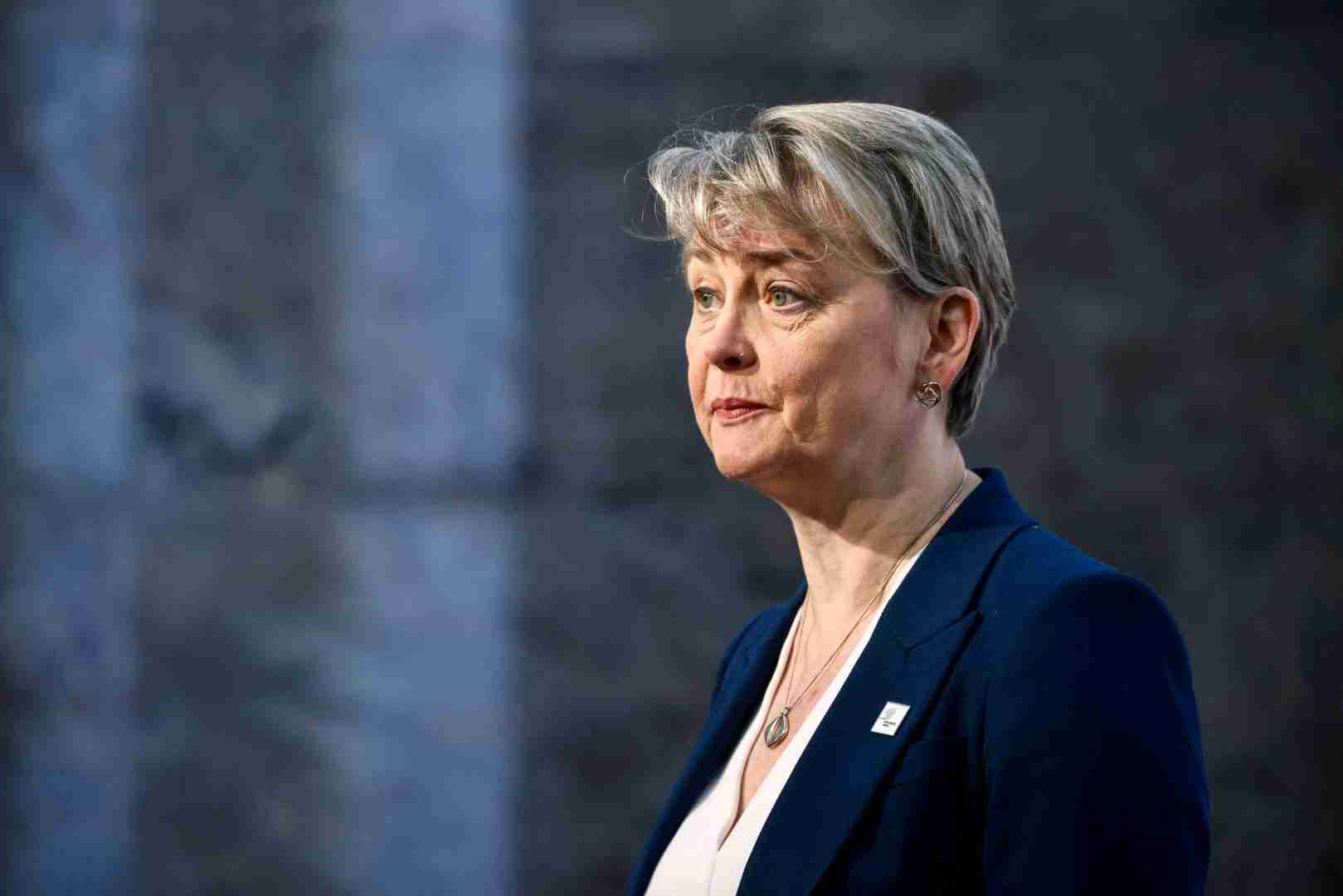
The international community has failed in Sudan, British Foreign Minister Yvette Cooper said on the sidelines of a Berlin conference on the war in the country, as she called for an international concerted effort to stop the arms flow.
“Countries from across the world are coming together here in Berlin to discuss the way, frankly, the international community has failed the people of Sudan,” Cooper said on Wednesday.
“We need to ensure that every possible pressure is put on those warring parties to reach the urgent ceasefire that we desperately need to see,” she said, as she reiterated the need for humanitarian support.
Reporting by Alexander Ratz, writing by Linda Pasquini, Editing by Madeline Chambers
Leo, who was attacked again overnight by U.S. President Donald Trump over the pope’s opposition to the Iran war, will arrive from Algeria, where he blasted violations of international law by “neocolonial” world powers
International News via Reuters:
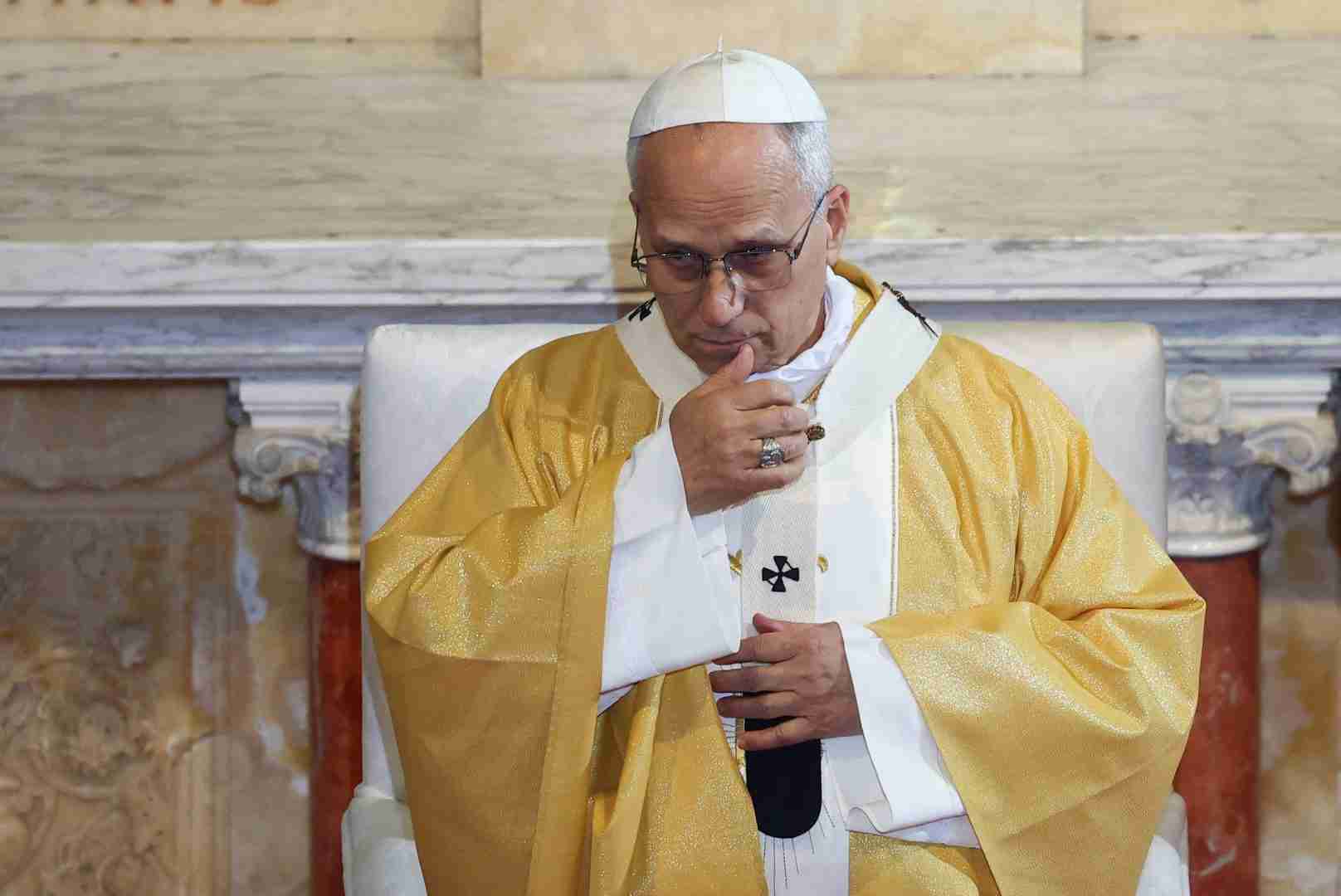
Pope Leo set off for Cameroon on Wednesday, where he is expected to appeal for peace in the simmering conflict in the country’s English-speaking regions on the second leg of an ambitious 10-day tour of four African countries.
Leo, who was attacked again overnight by U.S. President Donald Trump over the pope’s opposition to the Iran war, will arrive from Algeria, where he blasted violations of international law by “neocolonial” world powers.
Leo left Algiers on Wednesday morning and was expected to land in Yaounde, Cameroon’s capital, around 3:20 p.m. (1420 GMT), ahead of a meeting with President Paul Biya and an address to national leaders.
Cameroon is a former German colony that was divided by Britain and France after World War One. Over the last decade, thousands have died in violence between government forces and separatist groups in its two anglophone regions.
A separatist alliance said on Monday it would observe a three-day “safe travel passage” to allow civilians and visitors to move freely during the pope’s visit.
Leo, originally from Chicago, was chosen to lead the 1.4 billion-member Catholic Church last May after the death of Pope Francis.
He kept a relatively low profile in his first 10 months, but in recent weeks has become outspoken on a range of issues, and a firm critic of the U.S.-Israeli war against Iran.
POPE TRAVELLING NEARLY 18,000 KM ON AFRICA TOUR
Trump called the pontiff “terrible” on social media on Sunday, and doubled down on Tuesday night, despite widespread backlash from U.S. Christians across the political spectrum.
The pope told Reuters on Monday that he planned to keep criticizing the war, regardless of Trump’s comments.
Leo, aged 70, relatively young for a pope and in good health, is undertaking one of the most complicated tours arranged for a pontiff in decades.
He is traversing nearly 18,000 km (11,185 miles) over 18 flights to 11 cities and towns and will also visit Angola and Equatorial Guinea.
The pope will travel on Thursday to Bamenda, Cameroon’s largest English-speaking city, holding Mass and a “meeting for peace” in a cathedral.
The biggest event of Leo’s tour will likely come in Cameroon on Friday, when the Vatican said some 600,000 are expected for a Mass in the coastal city of Douala.
Reporting by Joshua McElwee; Editing by Robbie Corey-Boulet and Alex Richardson
The blue-chip FTSE 100 index was flat at 10,611.03 points by 0957 GMT, while the midcap FTSE 250 slipped 0.1%
International News via Reuters:
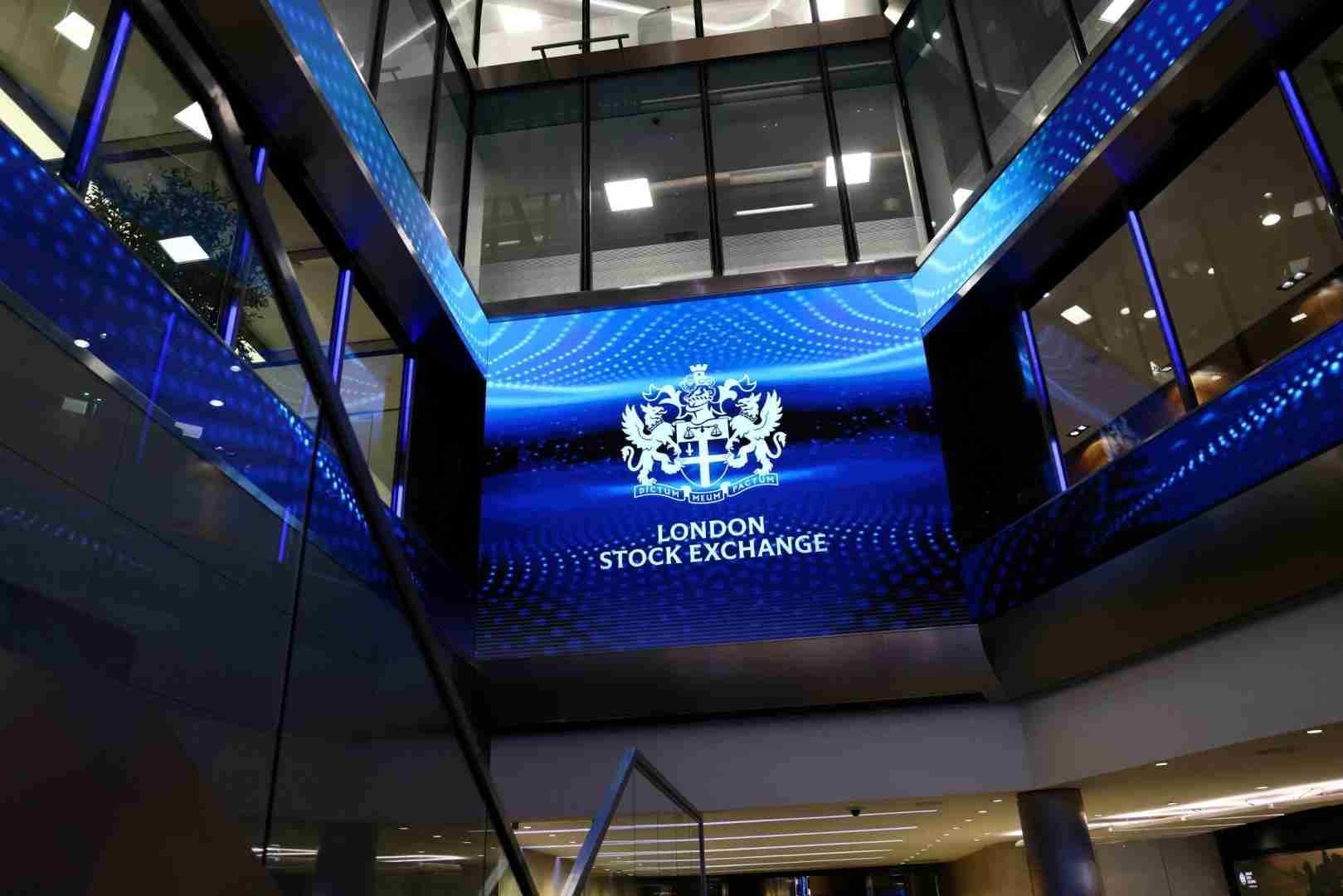
London’s FTSE 100 was muted on Wednesday as declines in heavyweight financials and energy stocks limited gains in healthcare stocks, while investors cautiously awaited developments in the Middle East conflict.
The blue-chip FTSE 100 index was flat at 10,611.03 points by 0957 GMT, while the midcap FTSE 250 slipped 0.1%.* Investors assessed conflicting signals around the Iranconflict as U.S. President Donald Trump said peace talks couldresume this week even as Washington halted Tehran’s maritimetrade. * Oil prices were little changed on Wednesday, holding below$100 a barrel. British energy stocks inched 0.1% lower. * Financial stocks were the biggest drags on the FTSE 100,with banks down 0.4% and life insurers off 0.8%. HSBC andPrudential shed 0.6% and 1.8%, respectively. * On the flip side, healthcare stocks gained, withAstraZeneca up 1%. * The personal goods sector was the biggest percentagedecliner, dragged by a 1.3% drop in Burberry after results frompeers Kering and Hermes disappointed investors. * Comments from Bank of England Governor Andrew Bailey willbe parsed later in the day. * Investors also turned their attention to corporate updatesand earnings to see how companies approach tackling headwindsfrom the Middle East conflict. * Antofagasta topped the FTSE 100 with a 2.9% gain after itsaid copper production was expected to rise quarter-on-quarterthrough the year * Saga climbed 10.7% after the over-50s holiday andinsurance group said it was ahead of schedule to reach itsmedium-term profit targets. * Britain’s largest homebuilder Barratt Redrow slashed itsland spending and approval targets, but its shares were 1.6%higher.
Sterling’s strength could prove short-lived, however, given how the war has complicated the outlook for UK growth and inflation, analysts said
International News via Reuters:
The pound on Wednesday took a breather from its longest stretch of gains in a year, dipping against the dollar after a swell of investor optimism over a possible resolution to the Iran war pushed the safe-haven greenback to six-week lows.
Sterling’s strength could prove short-lived, however, given how the war has complicated the outlook for UK growth and inflation, analysts said.
Britain suffered the sharpest cut among large rich countries to economic growth forecasts by the International Monetary Fund due largely to the Iran war. The IMF said on Tuesday that Britain’s economy was now on course to grow by only 0.8% in 2026, down from a previous projection of 1.3%, the biggest downgrade made by the Fund for any Group of Seven nation.
Sterling was last steady at $1.357, having staged a near-unbroken 3% rally since hitting four-month lows at the end of March. The pound had gained for seven days in a row, the longest such stretch since last April’s 10-day run.
Because of the UK’s dependence on imports of natural gas in particular, the price of which has shot up 40% since the war started, British government borrowing costs have risen in tandem, making its two-year bonds the worst-performing of any major economy, with a rise of nearly 70 basis points since late February to 4.2%.
As such, traders rushed to price in the prospect of Bank of England rate rises this year. But, as optimism grows for some kind of resolution to the worst of the disruption to oil flows through the Strait of Hormuz, some of that pricing has moderated, paving the way for sterling losses, analysts said.
“All in all, the latest developments keep us confident with our call that front-end rates have further to fall in the UK than the euro zone and that should offer lasting support to euro/sterling beyond the near-term,” ING strategist Francesco Pesole said in a note.
“…The pair is suffering a bit from improved risk sentiment, but rate differentials will return as primary drivers once the dust has settled.”
The euro is still showing a near-1% loss against the pound since the start of the war, and on Wednesday was flat at 86.94 pence.
Bank of England interest rate-setter Megan Greene, among the policymakers most worried about price pressures prior to the war, said on Tuesday it could take months to see how much long-lasting damage is caused to Britain’s economy by the energy price spike and that upside risks to inflation were “paramount” to her thinking.
“We can’t wait to have all the definitive data showing that there are second-round effects because then we will be too late already, so it will have to be a judgment call,” she said.
The Ministry of Health today announced that the Bermuda Hospitals Board (BHB) has been formally directed to engage an external provider to conduct an independent, focused operational assessment of Emergency Department performance at King Edward VII Memorial Hospital, aimed at immediate corrective action.
The direction follows continued operational pressure within the ED, particularly issues related to patient flow and bed boarding, which have contributed to delays in care and placed sustained strain on staff and services.
Minister of Health, the Hon. Kim Wilson, JP, MP, said the Government expects a clear operational response from BHB to address these challenges as a matter of urgency. “The Emergency Department is a critical frontline service, and the current pressures require focused and immediate action,” said Minister Wilson. “This review is intended to identify practical, short‑term changes that BHB can implement to improve patient flow, reduce bed boarding, and support staff working under difficult conditions.”
The review will be conducted within a defined timeframe and will focus specifically on operational practices within the hospital that impact ED performance. It will examine how patients move through the Emergency Department, the factors that contribute to prolonged bed boarding, the management of bed capacity and discharge processes, and the admission, escalation, and throughput practices that influence overall performance. The objective is to identify concrete, actionable measures that can be implemented quickly to improve efficiency, patient experience, and safety within the ED.
Minister Wilson emphasised that the review is operational, not theoretical, and is intended to deliver measurable improvements. “This process is about accountability and results,” the Minister said. “We expect clear findings, practical recommendations, and prompt implementation.”
BHB has been directed to provide an initial update on the scope, methodology, and leadership of the review within seven days, with findings and recommendations to follow in accordance with the established timeline.
The Government will continue to monitor progress closely and remains committed to ensuring that Bermuda’s hospital services deliver timely, safe, and effective emergency care for the public.
Public Works Minister Jache Adams says he understands public frustration with road conditions, but adds that crews are working ‘as quickly as they can’
The public’s patience over potholes may be wearing as thin as some of our road surfaces. Nevertheless, the Government is thanking the community for its tolerance.
Jache Adams, Minister of Public Works and Environment, says he understands the public’s frustration.
In a statement released today, he adds that ‘”we know people are tired of seeing potholes, and tired of feeling like the roads are not where they should be.
“Our crews are out there working at full capacity, and they are doing as much as they can, as quickly as they can, weather permitting.”
The Ministry has also confirmed that road paving works have returned to Spanish Point, and we understand the next focus will be on repairs in the East End ahead of installing the new Swing Bridge into St. George’s.
Hopes for swifter progress on road repairs are fading due to the delayed arrival of the new asphalt plant equipment, which Minister Adams has said is being held up in the US.
Originally set to be operational by now, the Ministry affirmed today that it’s not expected to arrive on-island until the end of the summer.
When the new plant is up and running, the Ministry expects it will provide “a more reliable asphalt supply and support a steadier paving programme, helping to reduce the delays caused by breakdowns with the existing plant.”
These comments from the Ministry come as a taxi driver lamented road conditions in a message to media.
They highlighted specific areas of concern on Middle Road, South Shore, and Trimingham Hill roundabout, adding that residents and visitors alike endure unacceptable driving conditions.
Urging the Government to prioritise road repairs, they added that “taxi drivers, in particular, are disproportionately affected…
“We spend 10 to12 hours a day on these roads… The ongoing damage to our vehicles is significant, resulting in excessive maintenance and repair costs.”
Customs duty was recently dropped on selected motor vehicle parts to support the automotive service sector – although the Government acknowledged that savings passed on to motorists would vary depending on the type of repair required.
Meanwhile, Minister Jache Adams wants the public to keep reporting potholes by emailing potholes@gov.bm, or using the GovAlert app.
The Ministry thanks the public for its patience, and urges caution on the roads – especially after rainfall.
Gulf, Pakistani and Iranian officials also said negotiating teams from the U.S. and Iran could return to Pakistan later this week, though one senior Iranian source said no date had been set
International News via Reuters:
Talks to end the Iran war could resume in Pakistan over the next two days, U.S. President Donald Trump said on Tuesday, after the collapse of weekend negotiations prompted Washington to impose a blockade on Iranian ports.
Gulf, Pakistani and Iranian officials also said negotiating teams from the U.S. and Iran could return to Pakistan later this week, though one senior Iranian source said no date had been set.
“You should stay there, really, because something could be happening over the next two days, and we’re more inclined to go there,” Trump was quoted as saying in an interview with the New York Post.
While the U.S. blockade drew angry rhetoric from Tehran, signs that diplomatic engagement might continue helped calm oil markets, pushing benchmark prices below $100 on Tuesday.
The highest-level talks between the two adversaries since the 1979 Islamic Revolution ended in Islamabad without a breakthrough, raising doubts over the survival of a two-week ceasefire that still has a week to run.
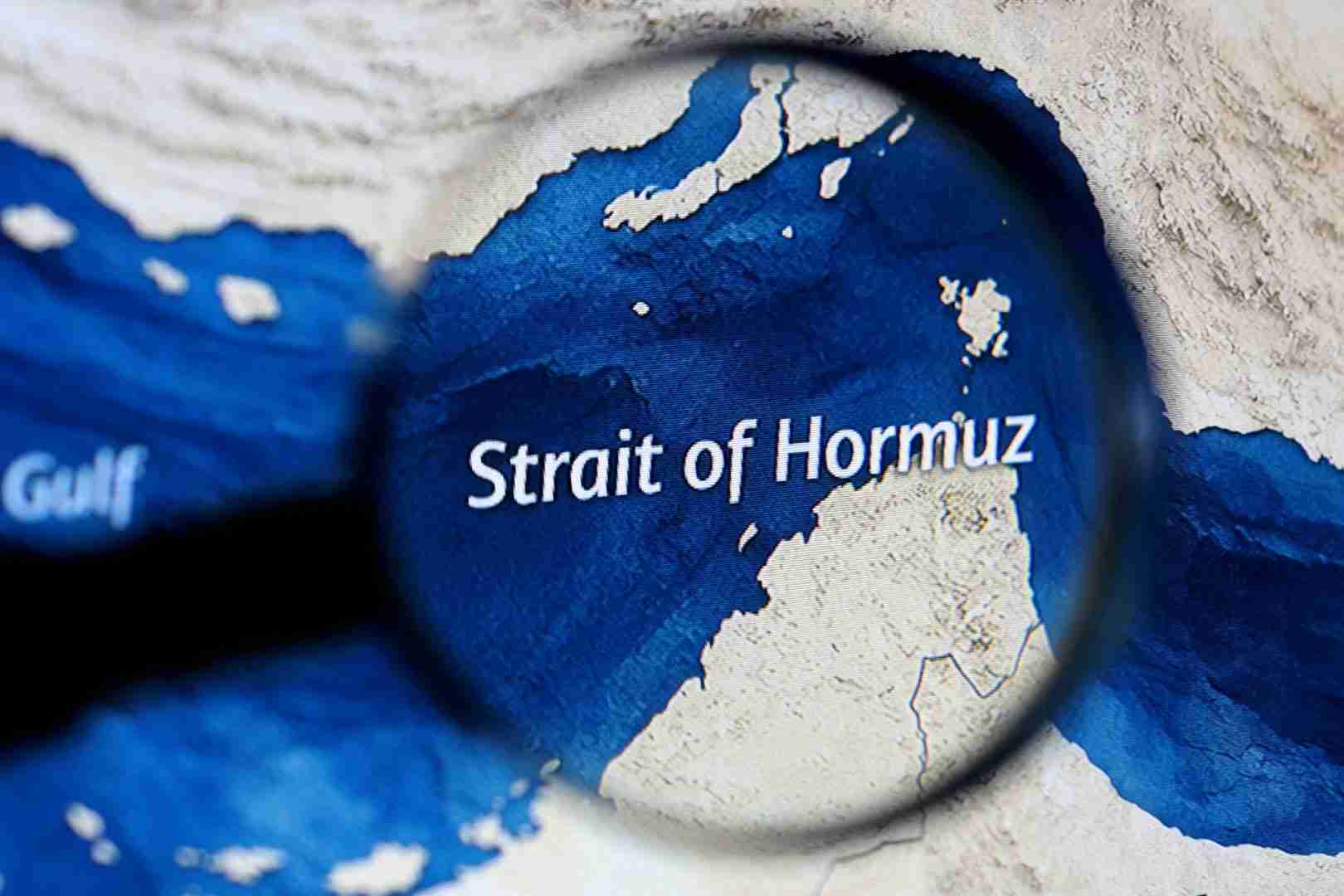
Since the United States and Israel began the war on February 28, Iran effectively shut the Strait of Hormuz to nearly all vessels except its own, saying passage would be permitted only under Iranian control and subject to a fee. Nearly a fifth of global oil and gas supplies previously flowed through the narrow waterway, making the fallout widespread.
In a countermeasure, the U.S. military said it began blocking shipping traffic in and out of Iran’s ports on Monday. Tehran has threatened to hit naval ships going through the strait and to retaliate against its Gulf neighbours’ ports.
IMF CUTS GROWTH OUTLOOK
U.S. Central Command said the blockade of Iranian ports involved more than 10,000 U.S. military personnel, more than a dozen warships and dozens of aircraft.
“During the first 24 hours, no ships made it past the U.S. blockade and 6 merchant vessels complied with direction from U.S. forces to turn around to re-enter an Iranian port on the Gulf of Oman,” CENTCOM said in a statement posted on X.
Shipping data showed the blockade had made little difference to Strait of Hormuz traffic on Tuesday, with at least eight ships crossing the waterway.
The latest standoff has further clouded the outlook for global energy security and the supply of goods that rely on petroleum.
On Tuesday, the International Monetary Fund cut its growth outlook and said the global economy would teeter on the brink of recession if the conflict worsens and oil stays above $100 per barrel into 2027.
The International Energy Agency slashed its forecasts for global oil supply and demand growth, saying both are now expected to fall from 2025 levels.
The U.S.’ NATO allies including Britain and France said they would not be drawn into the conflict by taking part in the blockade, although they have offered to help safeguard the strait by drawing together a defensive multilateral mission to assist when an agreement is in place.
China, the main buyer of Iranian oil, said the U.S. blockade was “dangerous and irresponsible” and would only aggravate tensions.
PROPOSAL FOR 20-YEAR SUSPENSION OF NUCLEAR ACTIVITY
U.S. Vice President JD Vance, who led Washington’s delegation in Pakistan, has said Trump was adamant that any enriched nuclear material must be removed from Iran and a mechanism be established to verify that Iran is not developing nuclear weapons.
A source briefed on the matter confirmed reports that the U.S. had proposed a 20-year suspension of all nuclear activity by Iran “with all sorts of restrictions.”
Two Iranian sources said Iran had rejected the proposal, suggesting a halt of just three to five years.
One source involved in the negotiations in Pakistan said backchannel talks since the weekend had produced good progress in closing the gap on the nuclear issue, bringing the two sides closer to a deal that could be put forward at a new round of talks.
Complicating Pakistan’s mediation efforts, Israel has continued targeting Iran-backed Hezbollah in Lebanon. Israel and the United States say that campaign is not covered by the ceasefire, while Iran has insisted it is.
Israeli and Lebanese envoys were to meet in Washington on Tuesday in a rare encounter also expected to be attended by Secretary of State Marco Rubio. Lebanon’s government has sought negotiations with Israel despite objections from Hezbollah.
Israel killed more than 350 people in Lebanon in the war’s worst strikes hours after the Iran ceasefire was announced last week, but later said it was willing to discuss a separate ceasefire with the Lebanese government.
Regarding Iran, Israeli Foreign Minister Gideon Saar told reporters in Jerusalem on Tuesday: “We will never allow Iran to obtain nuclear weapons … The enriched materials must be removed from Iran.”
CEASEFIRE STILL HOLDING
With the war unpopular at home and rising energy prices causing political blowback, Trump paused the U.S.-Israeli bombing campaign last week after threatening to destroy Iran’s “whole civilisation” unless it reopened the strait.
A Reuters/Ipsos poll conducted from April 10 to 12 after the ceasefire was announced showed that 35% of Americans approve of U.S. strikes against Iran, down from 37% a week earlier.
The ceasefire has largely held over its first week despite sharp rhetoric from both sides.
An Iranian military spokesperson called any U.S. restrictions on international shipping “piracy”, while Trump said that Iran’s navy had been “completely obliterated” and that only a small number of “fast-attack ships” remained.
“Warning: If any of these ships come anywhere close to our BLOCKADE, they will be immediately ELIMINATED,” Trump wrote on social media.
Reporting by Reuters bureaux, Writing by Ros Russell and Aidan Lewis; Editing by Peter Graff and Hugh Lawson
The U.S. military has said that the blockade, which started on Monday, would only apply to ships going to or from Iran, including all Iranian ports on the Gulf and Gulf of Oman
International News via Reuters:
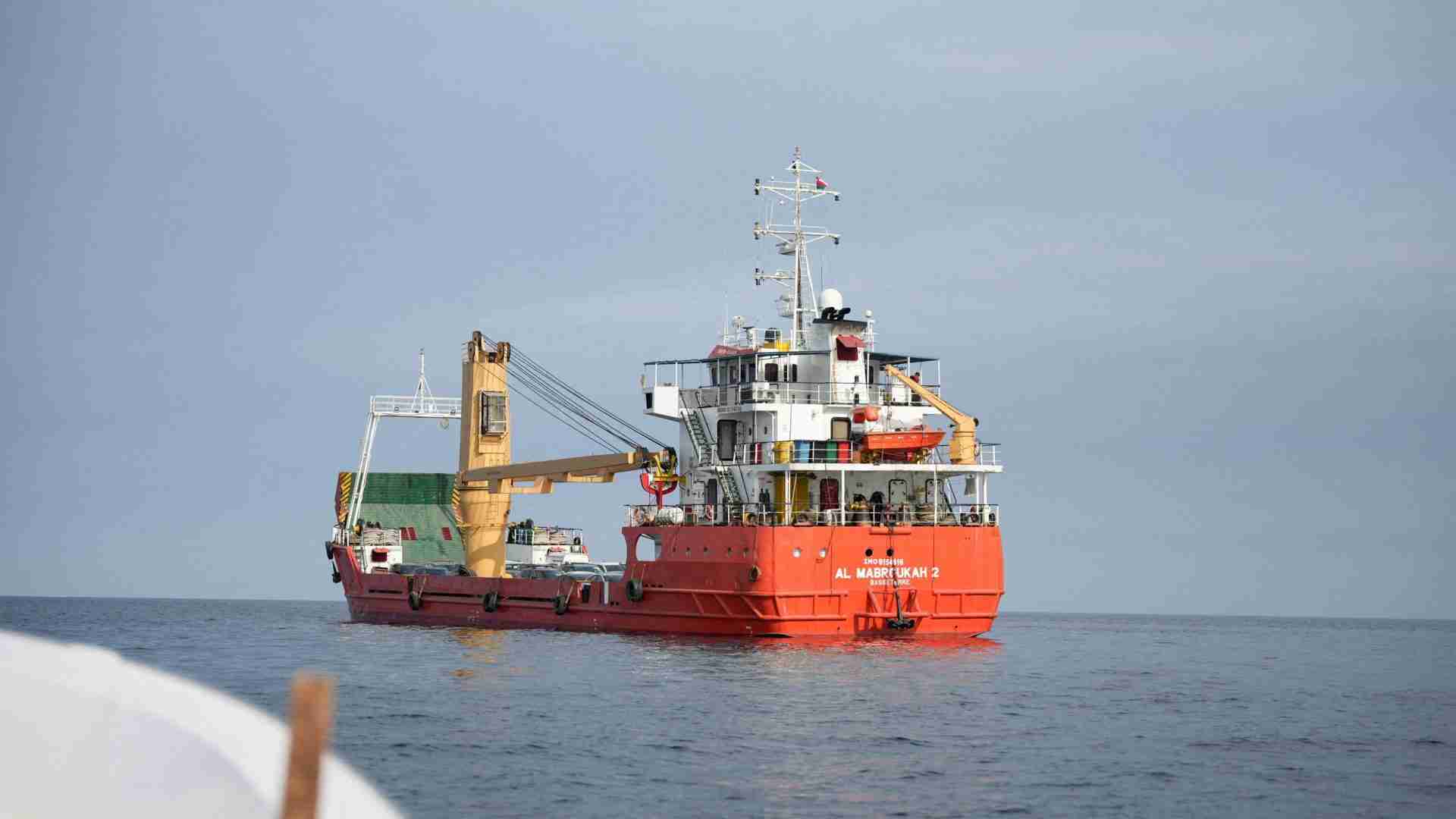
No ships have made it past a U.S. naval blockade of Iran’s ports and coastal areas, and six merchant ships have followed orders to turn back, the U.S. military said on Tuesday, providing the first details on a day-old effort ordered by President Donald Trump after peace talks between the U.S. and Iran broke down.
The U.S. military has said that the blockade, which started on Monday, would only apply to ships going to or from Iran, including all Iranian ports on the Gulf and Gulf of Oman.
“During the first 24 hours, no ships made it past the U.S. blockade and six merchant vessels complied with direction from U.S. forces to turn around to re-enter an Iranian port on the Gulf of Oman,” the U.S. military’s Central Command said in the statement.
More than 10,000 U.S. military personnel, more than a dozen warships and dozens of aircraft were enforcing the blockade, it said.
“The blockade is being enforced impartially against vessels of all nations entering or departing Iranian ports and coastal areas,” the statement added.
In a note sent to seafarers about the blockade on Monday, the U.S. military said: “Any vessel entering or departing the blockaded area without authorization is subject to interception, diversion, and capture.”
The Monday note said the blockade would include all of Iran’s coastline, but humanitarian shipments including food, medical supplies and other essential goods would be permitted, subject to inspection.
Trump announced the blockade following the breakdown of weekend talks to end the six-week-long U.S.-Israeli war with Iran. Oil prices jumped back above $100 a barrel before easing on Tuesday on hopes of further talks.
Experts have told Reuters the blockade is a major, open-ended military endeavour that could trigger fresh retaliation from Tehran and put tremendous strain on an already fragile ceasefire.
The United Kingdom Maritime Trade Operations agency said on Monday it had been informed of maritime restrictions, but was told that “neutral vessels” currently within Iranian ports had been granted a grace period to leave.
The blockade adds to uncertainty around how ships will transit the Strait of Hormuz, a crucial waterway used to move one-fifth of the world’s oil and gas supplies.
Iran’s threats to shipping have caused global oil prices to skyrocket about 50% since the U.S. and Israel launched the war on February 28.
The blockade efforts in the Strait of Hormuz will not fall on the U.S. Coast Guard, at least for now, a U.S. official told Reuters. In part, the official said, because the six Coast Guard vessels that had been in the Middle East were sent to Asia during the early days of the war.
Thousands of U.S. military strikes have severely weakened Iran’s military. But analysts say Tehran has emerged from the conflict as a vexing problem for Washington, with a more hardline leadership and a buried stockpile of highly enriched uranium.
Reporting by Idrees Ali, Phil Stewart, Bhargav Acharya and Doina Chiacu; Editing by David Ljunggren, Alex Richardson and Nia Williams
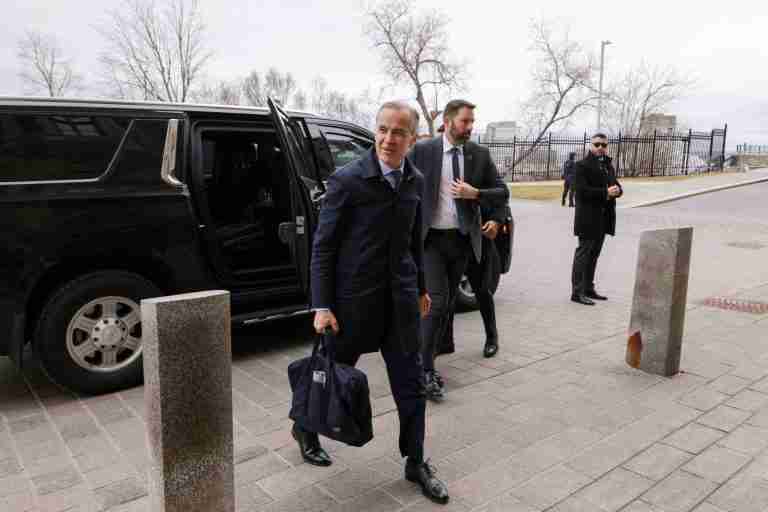
The first Liberal majority government in Canada since 2019 should allow Carney more freedom to pass the legislation he says is needed for the country to thrive in “a more divided and dangerous world,”
International News via Reuters:
Prime Minister Mark Carney said he would prioritize lowering the cost of living in Canada, tackling a housing shortage, and building major infrastructure projects to help make Canada’s economy more independent with his Liberal Party’s new parliamentary majority.
After his party swept three special elections on Monday, capping off an extraordinary few months in Canada when several opposition members joined him, Carney said he accepts the country’s support “with humility, determination and a clear understanding of what this moment demands.”
The first Liberal majority government in Canada since 2019 should allow Carney more freedom to pass the legislation he says is needed for the country to thrive in “a more divided and dangerous world,” including the uncertainty caused by U.S. President Donald Trump and the ongoing war in the Middle East.
Carney has sought to make Canada less dependent on the United States.
“We have to change fundamentally our economy to be stronger, more independent, more prosperous,” he said at a Tuesday press briefing to announce a temporary suspension of a fuel tax. He said the measure would reduce Canadians’ bills at the gas station by 10 cents per litre on regular gasoline and 4 cents on diesel.
“Canada’s new government has been relentlessly focused on making life more affordable for Canadians,” he said.
Carney’s Liberals won three special elections in Ontario and Quebec, giving him a 174 seat majority in the 343-seat House of Commons.
Carney said he had no plans to shuffle his cabinet before Parliament’s summer recess or to call an early election, following criticism from political opponents that five recent defections of legislators to Carney’s Liberals undermine the credibility of his majority government.
Conservative leader Pierre Poilievre took to X to express his dissatisfaction at both the process and the result: “The Carney Liberals did not win a majority government through a general election or today’s by-elections. Instead, it was won through backroom deals with politicians who betrayed the people who voted for them.”
Carney said in response that Canada was a parliamentary democracy and Canadians elect their local representatives.
Elizabeth McCallion, an assistant professor of political science at the University of Toronto, said Carney’s decision to cut the fuel tax comes days after the Conservatives argued for a cut and parties were becoming surprisingly aligned on some policies.
“This will make it more difficult for the opposition parties to actually be adversarial and challenge the government,” she said.
Reporting by Maria ChengEditing by Alexandra Hudson
To provide the best experiences, we use technologies like cookies to store and/or access device information. Consenting to these technologies will allow us to process data such as browsing behavior or unique IDs on this site. Not consenting or withdrawing consent, may adversely affect certain features and functions.
Functional
Always active
The technical storage or access is strictly necessary for the legitimate purpose of enabling the use of a specific service explicitly requested by the subscriber or user, or for the sole purpose of carrying out the transmission of a communication over an electronic communications network.
Preferences
The technical storage or access is necessary for the legitimate purpose of storing preferences that are not requested by the subscriber or user.
Statistics
The technical storage or access that is used exclusively for statistical purposes.The technical storage or access that is used exclusively for anonymous statistical purposes. Without a subpoena, voluntary compliance on the part of your Internet Service Provider, or additional records from a third party, information stored or retrieved for this purpose alone cannot usually be used to identify you.
Marketing
The technical storage or access is required to create user profiles to send advertising, or to track the user on a website or across several websites for similar marketing purposes.