The Ministry of Health today announced that the Bermuda Hospitals Board (BHB) has been formally directed to engage an external provider to conduct an independent, focused operational assessment of Emergency Department performance at King Edward VII Memorial Hospital, aimed at immediate corrective action.
The direction follows continued operational pressure within the ED, particularly issues related to patient flow and bed boarding, which have contributed to delays in care and placed sustained strain on staff and services.
Minister of Health, the Hon. Kim Wilson, JP, MP, said the Government expects a clear operational response from BHB to address these challenges as a matter of urgency. “The Emergency Department is a critical frontline service, and the current pressures require focused and immediate action,” said Minister Wilson. “This review is intended to identify practical, short‑term changes that BHB can implement to improve patient flow, reduce bed boarding, and support staff working under difficult conditions.”
The review will be conducted within a defined timeframe and will focus specifically on operational practices within the hospital that impact ED performance. It will examine how patients move through the Emergency Department, the factors that contribute to prolonged bed boarding, the management of bed capacity and discharge processes, and the admission, escalation, and throughput practices that influence overall performance. The objective is to identify concrete, actionable measures that can be implemented quickly to improve efficiency, patient experience, and safety within the ED.
Minister Wilson emphasised that the review is operational, not theoretical, and is intended to deliver measurable improvements. “This process is about accountability and results,” the Minister said. “We expect clear findings, practical recommendations, and prompt implementation.”
BHB has been directed to provide an initial update on the scope, methodology, and leadership of the review within seven days, with findings and recommendations to follow in accordance with the established timeline.
The Government will continue to monitor progress closely and remains committed to ensuring that Bermuda’s hospital services deliver timely, safe, and effective emergency care for the public.
Public Works Minister Jache Adams says he understands public frustration with road conditions, but adds that crews are working ‘as quickly as they can’
The public’s patience over potholes may be wearing as thin as some of our road surfaces. Nevertheless, the Government is thanking the community for its tolerance.
Jache Adams, Minister of Public Works and Environment, says he understands the public’s frustration.
In a statement released today, he adds that ‘”we know people are tired of seeing potholes, and tired of feeling like the roads are not where they should be.
“Our crews are out there working at full capacity, and they are doing as much as they can, as quickly as they can, weather permitting.”
The Ministry has also confirmed that road paving works have returned to Spanish Point, and we understand the next focus will be on repairs in the East End ahead of installing the new Swing Bridge into St. George’s.
Hopes for swifter progress on road repairs are fading due to the delayed arrival of the new asphalt plant equipment, which Minister Adams has said is being held up in the US.
Originally set to be operational by now, the Ministry affirmed today that it’s not expected to arrive on-island until the end of the summer.
When the new plant is up and running, the Ministry expects it will provide “a more reliable asphalt supply and support a steadier paving programme, helping to reduce the delays caused by breakdowns with the existing plant.”
These comments from the Ministry come as a taxi driver lamented road conditions in a message to media.
They highlighted specific areas of concern on Middle Road, South Shore, and Trimingham Hill roundabout, adding that residents and visitors alike endure unacceptable driving conditions.
Urging the Government to prioritise road repairs, they added that “taxi drivers, in particular, are disproportionately affected…
“We spend 10 to12 hours a day on these roads… The ongoing damage to our vehicles is significant, resulting in excessive maintenance and repair costs.”
Customs duty was recently dropped on selected motor vehicle parts to support the automotive service sector – although the Government acknowledged that savings passed on to motorists would vary depending on the type of repair required.
Meanwhile, Minister Jache Adams wants the public to keep reporting potholes by emailing potholes@gov.bm, or using the GovAlert app.
The Ministry thanks the public for its patience, and urges caution on the roads – especially after rainfall.
Gulf, Pakistani and Iranian officials also said negotiating teams from the U.S. and Iran could return to Pakistan later this week, though one senior Iranian source said no date had been set
International News via Reuters:
Talks to end the Iran war could resume in Pakistan over the next two days, U.S. President Donald Trump said on Tuesday, after the collapse of weekend negotiations prompted Washington to impose a blockade on Iranian ports.
Gulf, Pakistani and Iranian officials also said negotiating teams from the U.S. and Iran could return to Pakistan later this week, though one senior Iranian source said no date had been set.
“You should stay there, really, because something could be happening over the next two days, and we’re more inclined to go there,” Trump was quoted as saying in an interview with the New York Post.
While the U.S. blockade drew angry rhetoric from Tehran, signs that diplomatic engagement might continue helped calm oil markets, pushing benchmark prices below $100 on Tuesday.
The highest-level talks between the two adversaries since the 1979 Islamic Revolution ended in Islamabad without a breakthrough, raising doubts over the survival of a two-week ceasefire that still has a week to run.
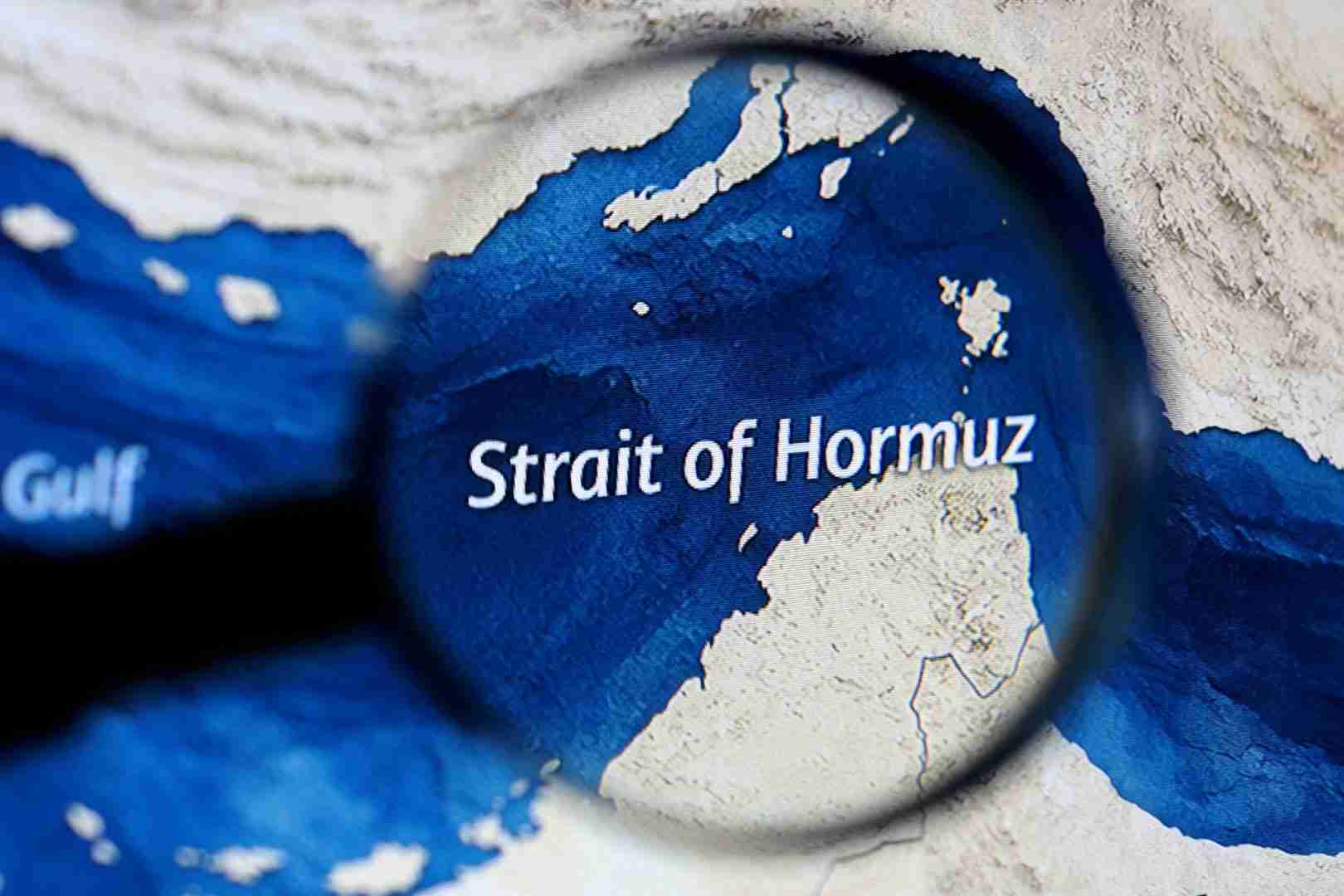
Since the United States and Israel began the war on February 28, Iran effectively shut the Strait of Hormuz to nearly all vessels except its own, saying passage would be permitted only under Iranian control and subject to a fee. Nearly a fifth of global oil and gas supplies previously flowed through the narrow waterway, making the fallout widespread.
In a countermeasure, the U.S. military said it began blocking shipping traffic in and out of Iran’s ports on Monday. Tehran has threatened to hit naval ships going through the strait and to retaliate against its Gulf neighbours’ ports.
IMF CUTS GROWTH OUTLOOK
U.S. Central Command said the blockade of Iranian ports involved more than 10,000 U.S. military personnel, more than a dozen warships and dozens of aircraft.
“During the first 24 hours, no ships made it past the U.S. blockade and 6 merchant vessels complied with direction from U.S. forces to turn around to re-enter an Iranian port on the Gulf of Oman,” CENTCOM said in a statement posted on X.
Shipping data showed the blockade had made little difference to Strait of Hormuz traffic on Tuesday, with at least eight ships crossing the waterway.
The latest standoff has further clouded the outlook for global energy security and the supply of goods that rely on petroleum.
On Tuesday, the International Monetary Fund cut its growth outlook and said the global economy would teeter on the brink of recession if the conflict worsens and oil stays above $100 per barrel into 2027.
The International Energy Agency slashed its forecasts for global oil supply and demand growth, saying both are now expected to fall from 2025 levels.
The U.S.’ NATO allies including Britain and France said they would not be drawn into the conflict by taking part in the blockade, although they have offered to help safeguard the strait by drawing together a defensive multilateral mission to assist when an agreement is in place.
China, the main buyer of Iranian oil, said the U.S. blockade was “dangerous and irresponsible” and would only aggravate tensions.
PROPOSAL FOR 20-YEAR SUSPENSION OF NUCLEAR ACTIVITY
U.S. Vice President JD Vance, who led Washington’s delegation in Pakistan, has said Trump was adamant that any enriched nuclear material must be removed from Iran and a mechanism be established to verify that Iran is not developing nuclear weapons.
A source briefed on the matter confirmed reports that the U.S. had proposed a 20-year suspension of all nuclear activity by Iran “with all sorts of restrictions.”
Two Iranian sources said Iran had rejected the proposal, suggesting a halt of just three to five years.
One source involved in the negotiations in Pakistan said backchannel talks since the weekend had produced good progress in closing the gap on the nuclear issue, bringing the two sides closer to a deal that could be put forward at a new round of talks.
Complicating Pakistan’s mediation efforts, Israel has continued targeting Iran-backed Hezbollah in Lebanon. Israel and the United States say that campaign is not covered by the ceasefire, while Iran has insisted it is.
Israeli and Lebanese envoys were to meet in Washington on Tuesday in a rare encounter also expected to be attended by Secretary of State Marco Rubio. Lebanon’s government has sought negotiations with Israel despite objections from Hezbollah.
Israel killed more than 350 people in Lebanon in the war’s worst strikes hours after the Iran ceasefire was announced last week, but later said it was willing to discuss a separate ceasefire with the Lebanese government.
Regarding Iran, Israeli Foreign Minister Gideon Saar told reporters in Jerusalem on Tuesday: “We will never allow Iran to obtain nuclear weapons … The enriched materials must be removed from Iran.”
CEASEFIRE STILL HOLDING
With the war unpopular at home and rising energy prices causing political blowback, Trump paused the U.S.-Israeli bombing campaign last week after threatening to destroy Iran’s “whole civilisation” unless it reopened the strait.
A Reuters/Ipsos poll conducted from April 10 to 12 after the ceasefire was announced showed that 35% of Americans approve of U.S. strikes against Iran, down from 37% a week earlier.
The ceasefire has largely held over its first week despite sharp rhetoric from both sides.
An Iranian military spokesperson called any U.S. restrictions on international shipping “piracy”, while Trump said that Iran’s navy had been “completely obliterated” and that only a small number of “fast-attack ships” remained.
“Warning: If any of these ships come anywhere close to our BLOCKADE, they will be immediately ELIMINATED,” Trump wrote on social media.
Reporting by Reuters bureaux, Writing by Ros Russell and Aidan Lewis; Editing by Peter Graff and Hugh Lawson
The U.S. military has said that the blockade, which started on Monday, would only apply to ships going to or from Iran, including all Iranian ports on the Gulf and Gulf of Oman
International News via Reuters:
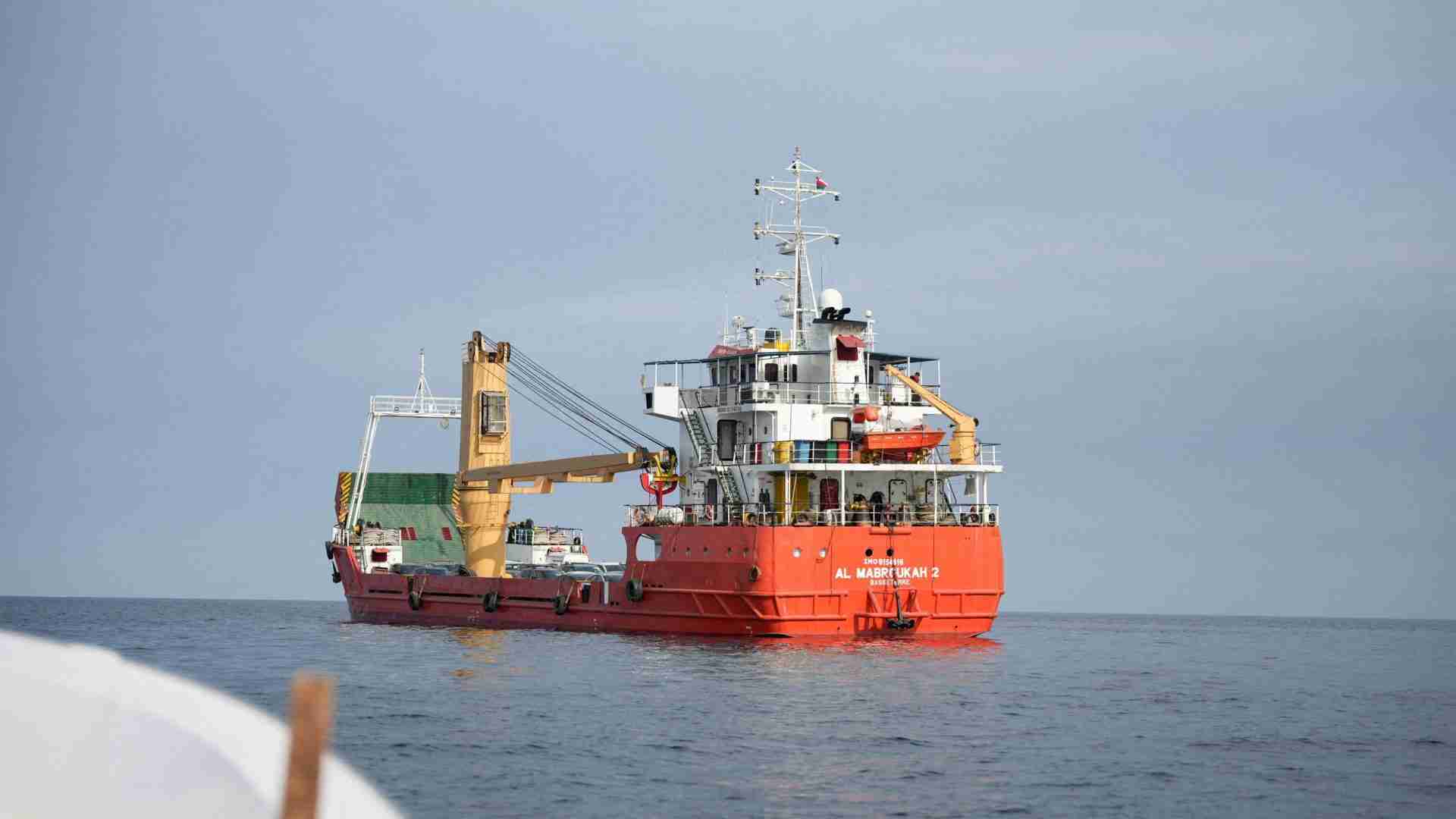
No ships have made it past a U.S. naval blockade of Iran’s ports and coastal areas, and six merchant ships have followed orders to turn back, the U.S. military said on Tuesday, providing the first details on a day-old effort ordered by President Donald Trump after peace talks between the U.S. and Iran broke down.
The U.S. military has said that the blockade, which started on Monday, would only apply to ships going to or from Iran, including all Iranian ports on the Gulf and Gulf of Oman.
“During the first 24 hours, no ships made it past the U.S. blockade and six merchant vessels complied with direction from U.S. forces to turn around to re-enter an Iranian port on the Gulf of Oman,” the U.S. military’s Central Command said in the statement.
More than 10,000 U.S. military personnel, more than a dozen warships and dozens of aircraft were enforcing the blockade, it said.
“The blockade is being enforced impartially against vessels of all nations entering or departing Iranian ports and coastal areas,” the statement added.
In a note sent to seafarers about the blockade on Monday, the U.S. military said: “Any vessel entering or departing the blockaded area without authorization is subject to interception, diversion, and capture.”
The Monday note said the blockade would include all of Iran’s coastline, but humanitarian shipments including food, medical supplies and other essential goods would be permitted, subject to inspection.
Trump announced the blockade following the breakdown of weekend talks to end the six-week-long U.S.-Israeli war with Iran. Oil prices jumped back above $100 a barrel before easing on Tuesday on hopes of further talks.
Experts have told Reuters the blockade is a major, open-ended military endeavour that could trigger fresh retaliation from Tehran and put tremendous strain on an already fragile ceasefire.
The United Kingdom Maritime Trade Operations agency said on Monday it had been informed of maritime restrictions, but was told that “neutral vessels” currently within Iranian ports had been granted a grace period to leave.
The blockade adds to uncertainty around how ships will transit the Strait of Hormuz, a crucial waterway used to move one-fifth of the world’s oil and gas supplies.
Iran’s threats to shipping have caused global oil prices to skyrocket about 50% since the U.S. and Israel launched the war on February 28.
The blockade efforts in the Strait of Hormuz will not fall on the U.S. Coast Guard, at least for now, a U.S. official told Reuters. In part, the official said, because the six Coast Guard vessels that had been in the Middle East were sent to Asia during the early days of the war.
Thousands of U.S. military strikes have severely weakened Iran’s military. But analysts say Tehran has emerged from the conflict as a vexing problem for Washington, with a more hardline leadership and a buried stockpile of highly enriched uranium.
Reporting by Idrees Ali, Phil Stewart, Bhargav Acharya and Doina Chiacu; Editing by David Ljunggren, Alex Richardson and Nia Williams
The first Liberal majority government in Canada since 2019 should allow Carney more freedom to pass the legislation he says is needed for the country to thrive in “a more divided and dangerous world,”
International News via Reuters:
Prime Minister Mark Carney said he would prioritize lowering the cost of living in Canada, tackling a housing shortage, and building major infrastructure projects to help make Canada’s economy more independent with his Liberal Party’s new parliamentary majority.
After his party swept three special elections on Monday, capping off an extraordinary few months in Canada when several opposition members joined him, Carney said he accepts the country’s support “with humility, determination and a clear understanding of what this moment demands.”
The first Liberal majority government in Canada since 2019 should allow Carney more freedom to pass the legislation he says is needed for the country to thrive in “a more divided and dangerous world,” including the uncertainty caused by U.S. President Donald Trump and the ongoing war in the Middle East.
Carney has sought to make Canada less dependent on the United States.
“We have to change fundamentally our economy to be stronger, more independent, more prosperous,” he said at a Tuesday press briefing to announce a temporary suspension of a fuel tax. He said the measure would reduce Canadians’ bills at the gas station by 10 cents per litre on regular gasoline and 4 cents on diesel.
“Canada’s new government has been relentlessly focused on making life more affordable for Canadians,” he said.
Carney’s Liberals won three special elections in Ontario and Quebec, giving him a 174 seat majority in the 343-seat House of Commons.
Carney said he had no plans to shuffle his cabinet before Parliament’s summer recess or to call an early election, following criticism from political opponents that five recent defections of legislators to Carney’s Liberals undermine the credibility of his majority government.
Conservative leader Pierre Poilievre took to X to express his dissatisfaction at both the process and the result: “The Carney Liberals did not win a majority government through a general election or today’s by-elections. Instead, it was won through backroom deals with politicians who betrayed the people who voted for them.”
Carney said in response that Canada was a parliamentary democracy and Canadians elect their local representatives.
Elizabeth McCallion, an assistant professor of political science at the University of Toronto, said Carney’s decision to cut the fuel tax comes days after the Conservatives argued for a cut and parties were becoming surprisingly aligned on some policies.
“This will make it more difficult for the opposition parties to actually be adversarial and challenge the government,” she said.
Reporting by Maria ChengEditing by Alexandra Hudson
The IMF said on Tuesday that Britain’s economy was now on course to grow by only 0.8% in 2026, down from a previous projection of 1.3%
International News via Reuters:
Britain suffered the sharpest cut to economic growth forecasts for large rich economies by the International Monetary Fund due largely to the Iran war, and finance minister Rachel Reeves slammed the “folly” of the U.S. strategy for the conflict.
The IMF said on Tuesday that Britain’s economy was now on course to grow by only 0.8% in 2026, down from a previous projection of 1.3%.
It was the biggest downgrade made by the Fund for any Group of Seven economy, leaving Britain with the same growth forecast as Germany and just below France – but bottom of the G7 on a per capita basis.
The IMF linked the weaker outlook to the U.S.-Israeli war with Iran, which initially doubled the price of natural gas that Britain relies on heavily, and on the likelihood of slower Bank of England interest rate cuts due to the energy price shock.
It said its global growth forecasts could be cut further if the war drags on.
Speaking ahead of the publication of the forecasts, Reeves said she was “very frustrated and angry” over what she described as the United States’ failure to have a clear exit plan or objectives for the war in Iran.
“That is a folly and it is one that is affecting families here in the UK but also families in the U.S. and around the world,” she said in an interview with The Mirror newspaper.
The effects of the energy price jump will set back promises made to voters by Prime Minister Keir Starmer and Reeves that they said would speed up the economy to improve living standards.
The IMF said it expected Britain’s unemployment rate to rise to 5.6% this year, from 4.9% in 2025.
TARGETED SUPPORT
The opposition Conservative Party said the scale of the growth downgrade and the expected rise in unemployment reflected Reeves’ decisions, including an increase in tax on employers.
Sam Alvis, associate director at the Institute for Public Policy Research, a think tank, said the weak outlook underlined how the UK economy remained at the mercy of global crises.
“Our dependence on volatile fossil fuels leaves households and businesses exposed to yet another wave of energy price shocks,” Alvis said.
“We will need to protect people from the effects of this now but to stop us having to do so again in the future we need to invest in electrification and clean, homegrown energy.”
The IMF said Britain’s economic growth was expected to recover to 1.3% in 2027 but that still represented a 0.2 percentage-point cut from its previous projection.
Britain’s inflation rate, the highest in the G7 for much of the last four years, was likely to peak at around 4% and average 3.2% over 2026 as a whole before falling to the BoE’s 2% target only at the end of 2027.
In its previous full set of forecasts, the IMF said Britain’s inflation rate was likely to fall to 2.5% in 2026.
The IMF’s outlook chimed with that of the Organisation for Economic Co-operation and Development which last month cut Britain’s economic growth prospects for 2026 by the most of any major economy and said inflation was set to rise faster too.
Reeves has said she will set out her approach to helping businesses struggling with high energy prices this week and has previously said the government is considering targeted support for low-income households.
IMF Chief Economist Pierre-Olivier Gourinchas said Reeves faced a “delicate exercise” in balancing support with the strain on Britain’s public finances.
Reporting by William Schomberg; Additional reporting by David Lawder; Editing by Susan Fenton and Keith Weir
The raccoon was accidentally imported in a shipping container off the Hamilton docks, according to the Department of Enviroment and Natural Resources
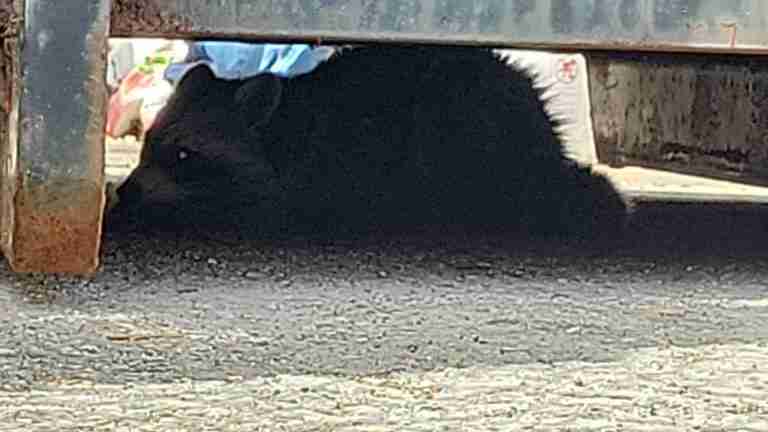
A wild raccoon ended up in Bermuda as a stowaway inside a shipping container yesterday.
The mammal was discovered around 3pm after it escaped from the container opened at Addendum Lane in Pembroke, the Department of Enviroment and Natural Resources confirmed. Animal wardens and government veterinarian responded to the incident and located the raccoon hiding under a large dumpster, sucesfully trapping it.
Due to the serious biosecurity risk, they confirmed the raccoon will be euthanised. Officials explained raccoons can carry a range of diseases and parasites, posing a threat to local pets, people and wildlife.
They said, “These include serious zoonotic threats such as rabies and raccoon roundworm, as well as other infectious diseases and parasites that are not present in Bermuda.
“In keeping with the need to protect Bermuda’s environment, animal health, and public health, the raccoon will be humanely euthanised.”
A spokesperson said, “The Department thanks the members of the public who assisted by reporting the animal’s location and helping to partially contain it until officers arrived. Their prompt action contributed to a safe and successful response.”
Importers are reminded to remain vigilant when opening containers from the Hamilton Docks.
Any unusual animal sightings should be reported immediately to DENR by phone at 1-441-236-4201.
Bridgeway Education will facilitate a boarding school fair this weekend offering students and parents the chance to explore UK-based educational programs. The event will feature representative from seven boarding schools, that specialise on sport and the arts and can provide detailed overviews into pathways available abroad.
Our Kendal Trott spoke with Neil Speight, founder of Bridgeway Education, who encouraged those interested take advantage of the opportunity.
The government is still expected to survive the confidence motion the opposition put down after protesters blockaded oil infrastructure and left about a third of Ireland’s petrol stations without fuel
International News via Reuters:
An Irish junior minister resigned on Tuesday in protest over the government’s response to a wave of public demonstration against surging fuel prices last week and said he would join the opposition in voting no confidence in the coalition.
The government is still expected to survive the confidence motion the opposition put down after protesters blockaded oil infrastructure and left about a third of Ireland’s petrol stations without fuel. The disruption ended on Monday.
However, the resignation of Michael Healy-Rae during the debate came as an unexpected blow to the government. Healy-Rae is one of a number of independent lawmakers whose support the centre-right-led coalition relies on for its majority.
“The leader of the country should have listened and because of the fact that I believe this government has let the people of Ireland down, I will be voting no confidence in the leader of the country and I will be tendering my resignation as a Minister of State from now,” Healy-Rae told parliament.
He added that his constituents in rural county Kerry did not want to see him “or any Healy-Rae” to back the government. That suggested his brother and fellow independent lawmaker, Danny, would also withdraw his support, further cutting the government’s majority.
In a bid to ease the discontent, the government announced 500 million euros ($586 million) worth of spending increases and tax cuts to soften the impact on consumers and businesses on Sunday. That was on top of a 250 million euro package introduced three weeks ago.
Investors have been speculating on ECB rate hikes as soon as this month as the closure of the Strait of Hormuz pushes up fuel prices in the energy-importing euro zone
International News via Reuters:
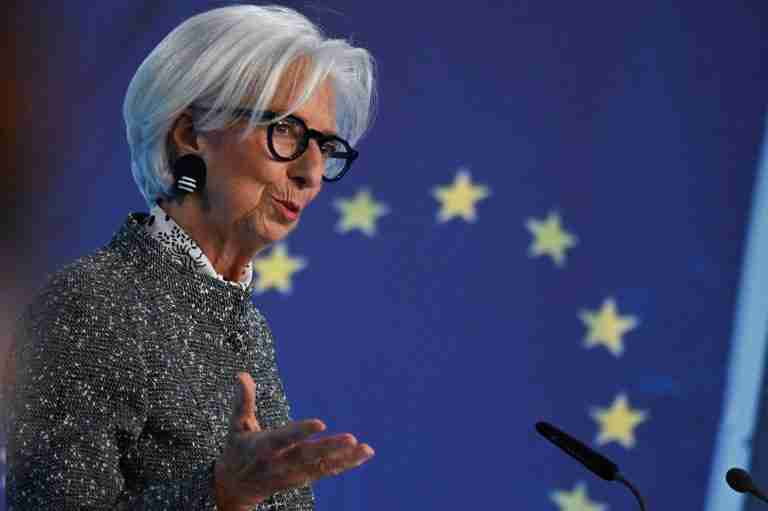
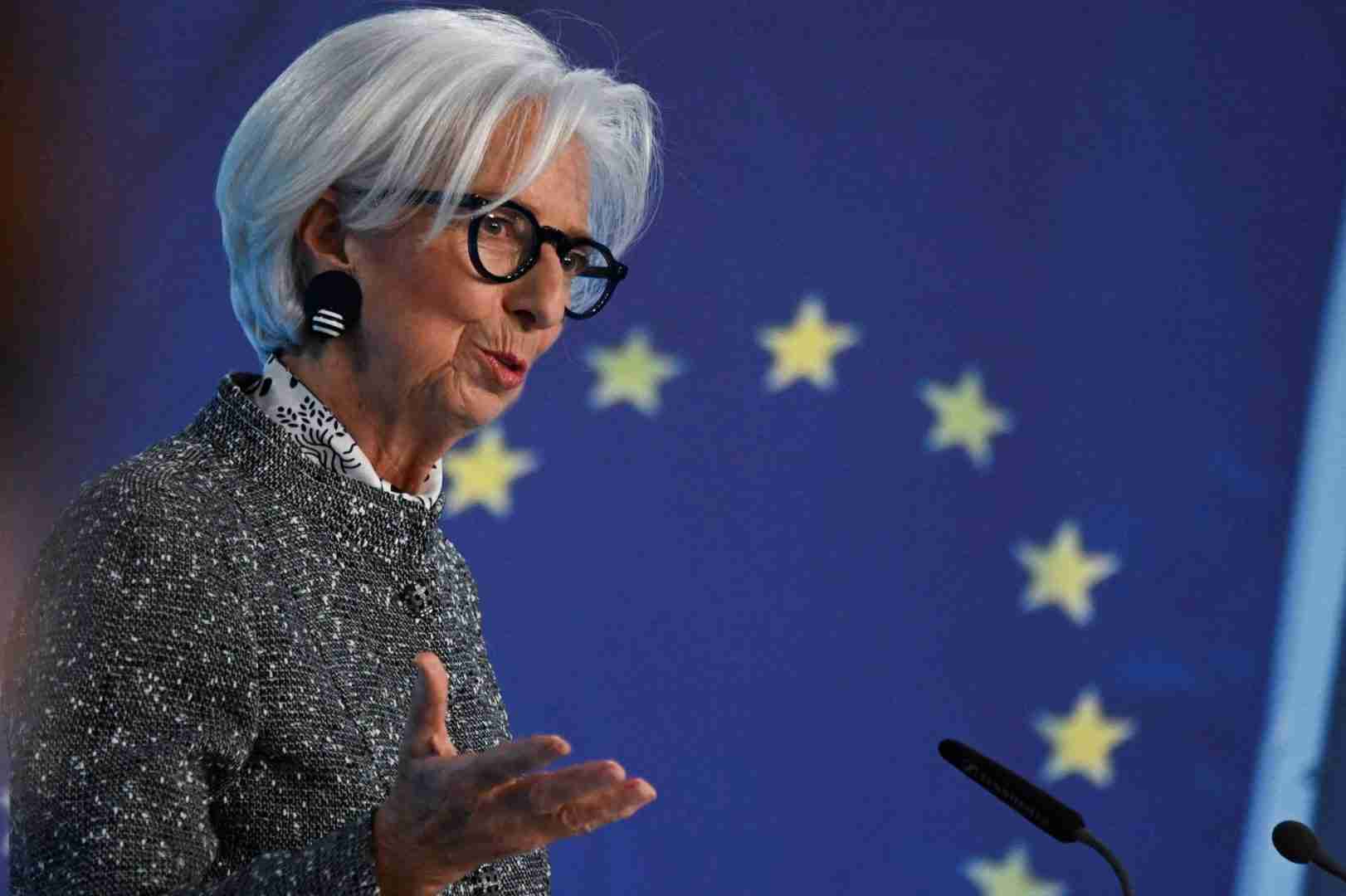
The European Central Bank has not made its mind up on whether to raise interest rates as the fallout of the Iran war on the euro zone’s economy is still unclear, ECB President Christine Lagarde said on Bloomberg TV on Tuesday.
Investors have been speculating on ECB rate hikes as soon as this month as the closure of the Strait of Hormuz pushes up fuel prices in the energy-importing euro zone, threatening to trigger another surge in inflation.
But Lagarde said it was still too early to draw conclusions and appeared to rein in colleagues who have ventured predictions about possible rate increases.
“It doesn’t predicate that we’ll go in one direction or the other and it certainly does not determine a rate path that I can confirm today,” Lagarde said of the situation in Iran.
“Any of the colleagues who are confident that it’s going to be one way or the other don’t know, honestly.”
The ECB published baseline projections last month under which the hit from the Iran war would be short-lived.
But it added an adverse scenario that assumes a much sharper increase in energy prices, greater uncertainty and international spillover, and a severe one in which inflation rises to 4.8% next year.
Lagarde said the economy was “between the baseline and the adverse” scenario — comments that traders may take as suggesting a rate hike was not imminent.
Asked about the prospect of resigning early, Lagarde likened herself to a captain who won’t abandon the ship when there are clouds on the horizon.
“This captain is not going to leave the ship, because I see clouds,” she said.
Reporting by Francesco Canepa; Editing by Alison Williams and Keith Weir
The government had forecast that the budget surplus would narrow to 0.1% of GDP this year from about 0.3% of GDP in 2025, marking Portugal’s fourth consecutive surplus
International News via Reuters:
Portugal may incur a budget deficit due to support measures after devastating winter storms and the energy price shock from the Iran war, its finance minister said on Tuesday.
Any gap should be capped at 0.5% of GDP to protect investor confidence, Joaquim Miranda Sarmento told Antena 1 radio, adding that the central scenario was to keep the budget balanced but “there is a risk of a small deficit” due to higher spending.
The government had forecast that the budget surplus would narrow to 0.1% of GDP this year from about 0.3% of GDP in 2025, marking Portugal’s fourth consecutive surplus — a relatively rare feat in the euro zone, where deficits are common.
“To protect the country and preserve the country’s good image, which allows us to attract investment and cheap financing, I believe it is important that this 0.5% threshold is never exceeded,” he said, adding that Portugal will continue to reduce public debt in any case and “once those one-off effects have passed, it would return to budgetary balance”.
He has previously said 2026 would be a “very difficult year” as 2.5 billion euros in EU recovery loans will hit the budget as expenditure, unlike last year when only grants were used.
The government has estimated more than 4 billion euros ($4.72 billion) in direct reconstruction costs and rolled out 2.5 billion euros in loans and incentives after Storm Kristin in late January.
Lisbon also proposed a diesel fuel subsidy for key sectors such as agriculture and transport to ease fuel cost rises linked to the war in Iran, a measure expected to cost up to 450 million euros over three months.
($1 = 0.8474 euros)
Reporting by Sergio Goncalves; editing by Andrei Khalip and Alexander Smith
To provide the best experiences, we use technologies like cookies to store and/or access device information. Consenting to these technologies will allow us to process data such as browsing behavior or unique IDs on this site. Not consenting or withdrawing consent, may adversely affect certain features and functions.
Functional
Always active
The technical storage or access is strictly necessary for the legitimate purpose of enabling the use of a specific service explicitly requested by the subscriber or user, or for the sole purpose of carrying out the transmission of a communication over an electronic communications network.
Preferences
The technical storage or access is necessary for the legitimate purpose of storing preferences that are not requested by the subscriber or user.
Statistics
The technical storage or access that is used exclusively for statistical purposes.The technical storage or access that is used exclusively for anonymous statistical purposes. Without a subpoena, voluntary compliance on the part of your Internet Service Provider, or additional records from a third party, information stored or retrieved for this purpose alone cannot usually be used to identify you.
Marketing
The technical storage or access is required to create user profiles to send advertising, or to track the user on a website or across several websites for similar marketing purposes.