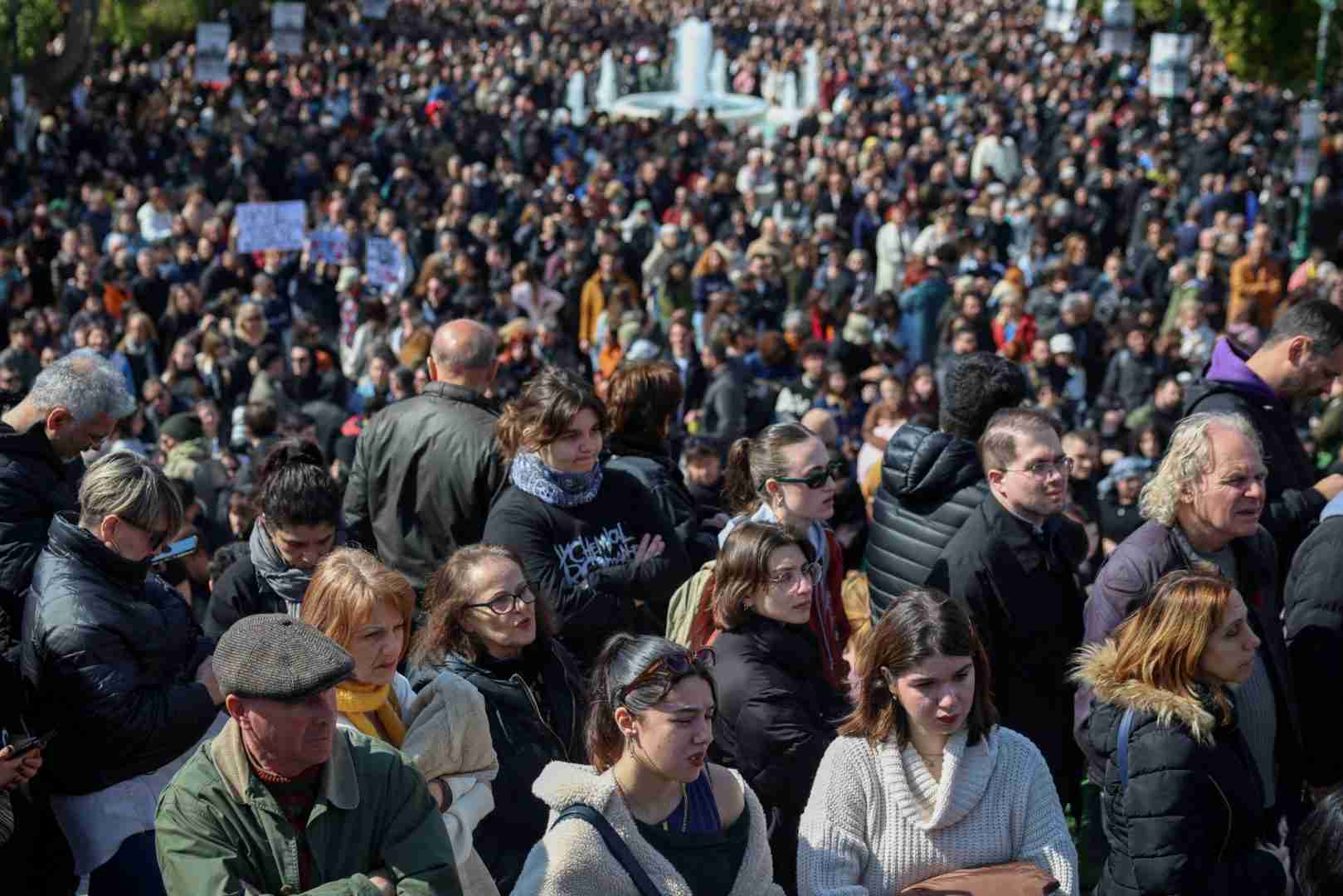
A passenger train carrying students from Athens to the northern city of Thessaloniki collided with a freight train at Tempi in central Greece on February 28, 2023
International News via Reuters:
The long-awaited trial over a train crash that killed 57 people in Greece in 2023 begins on Monday amid protests and strikes against what many see as the state’s role in the incident.
A passenger train carrying students from Athens to the northern city of Thessaloniki collided with a freight train at Tempi in central Greece on February 28, 2023. It was the worst disaster of its kind in Greece and triggered a years-long investigation.
The crash, which caused a fireball and an explosion, shed light on state failings, including corruption, safety deficiencies and years of neglect of the rail network during last decade’s debt crisis.
It has led to mass protests across Greece in which demonstrators have demanded political accountability and an end to politicians’ immunity.
On Monday, 36 people, including a station master and rail managers, will stand trial on charges ranging from traffic disruption that led to the deaths to negligent manslaughter and causing bodily harm. No politicians have been tried.
More than 350 witnesses will testify, victims’ relatives, survivors and train workers among them.
Most of the victims died in the crash, but up to seven were killed by the fire, national investigators have said.
Rail services were halted on Monday as Greek train workers staged a symbolic 24-hour strike. People rallied outside the court in the city of Larissa.
Probes have found that a project co-funded by the European Union to install safety systems was launched in 2014 but was years behind schedule in 2023. Relatives have also accused authorities of trying to cover up evidence.
The centre-right government, which denies wrongdoing, has promised justice and pledged full railway reform by 2027.
Reporting by Renee Maltezou; editing by Edward McAllister and Toby Chopra
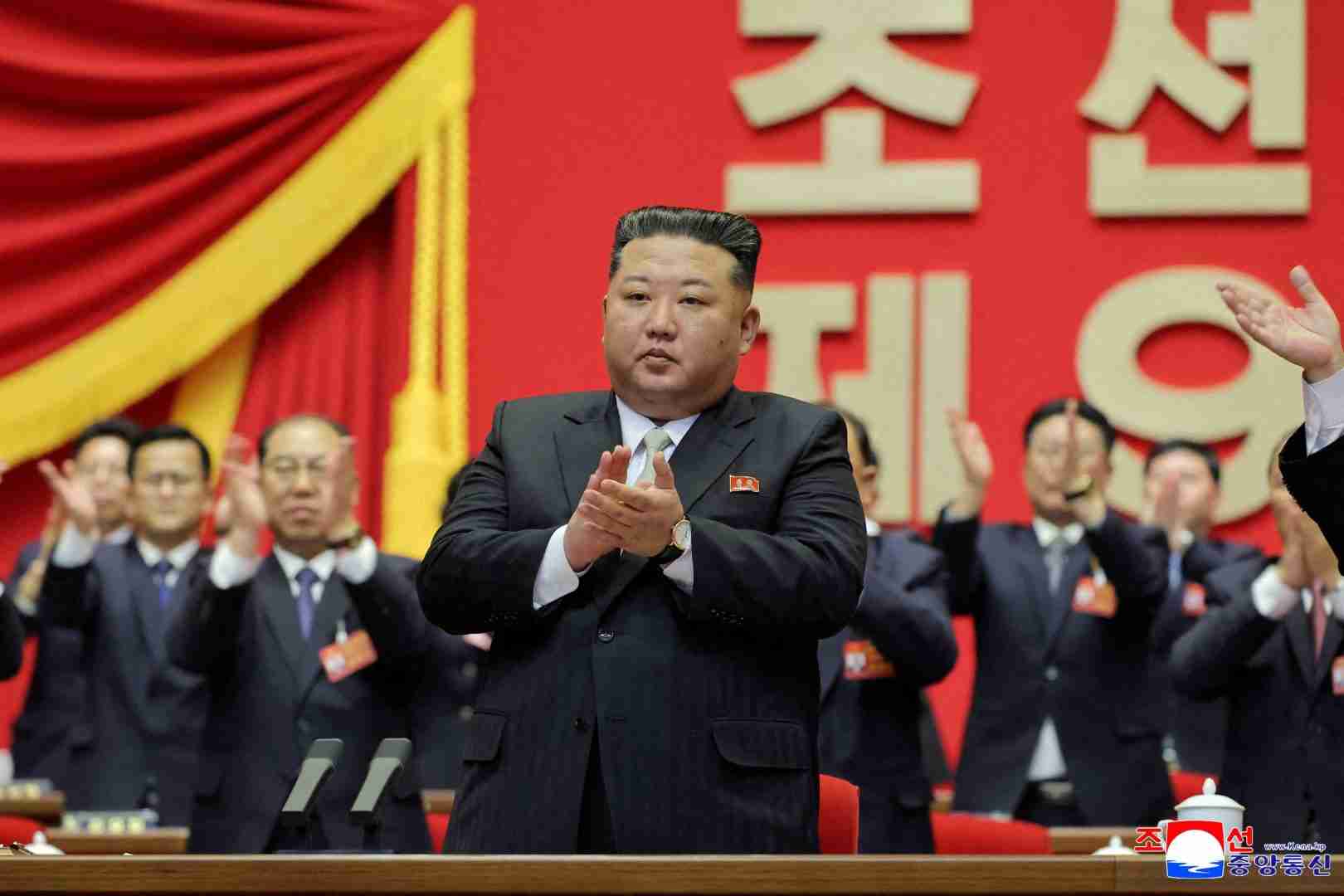
The meeting in Pyongyang will discuss amendments and supplements to the socialist constitution, as well as the election of the chairman of the State Affairs Commission and other state leadership bodies
International News via Reuters:
North Korean leader Kim Jong Un was reappointed as president of state affairs, state media KCNA reported on Monday, after the isolated nation convened the first session of its Supreme People’s Assembly a day earlier.
The meeting in Pyongyang will discuss amendments and supplements to the socialist constitution, as well as the election of the chairman of the State Affairs Commission and other state leadership bodies.
The assembly, North Korea’s rubber-stamp legislature that formally approves state policy, typically meets following a ruling Workers’ Party Congress to turn party decisions into law.
The meeting will also review the country’s economic five-year plan announced at the ninth party congress held in February, KCNA said.
Attention has been focused on whether Pyongyang will revise its constitution to formalise leader Kim Jong Un’s “two hostile states” policy toward South Korea.
In recent years, Kim has abandoned Pyongyang’s long-standing goal of peaceful reunification and redefined the South as a hostile state.
Kim’s powerful sister, Kim Yo Jong, was notably absent from KCNA’s list of members of the State Affairs Commission, the country’s highest leadership body, on which she had served since 2021.
South Korea’s Unification Ministry said it was looking into why she was no longer listed, but analysts said the move did not necessarily signal a loss of influence.
“Her absence suggests not a decline in status but a strategic division of roles,” said Lim Eul-chul, a professor at Kyungnam University, adding that the younger Kim continues to wield real power as a department director in the ruling Workers’ Party, where she may play a higher-level, party-centred role coordinating policy.
Reporting by Heejin Kim, Joyce Lee, Kyu-seok Shim; Editing by Lincoln Feast and Stephen Coates
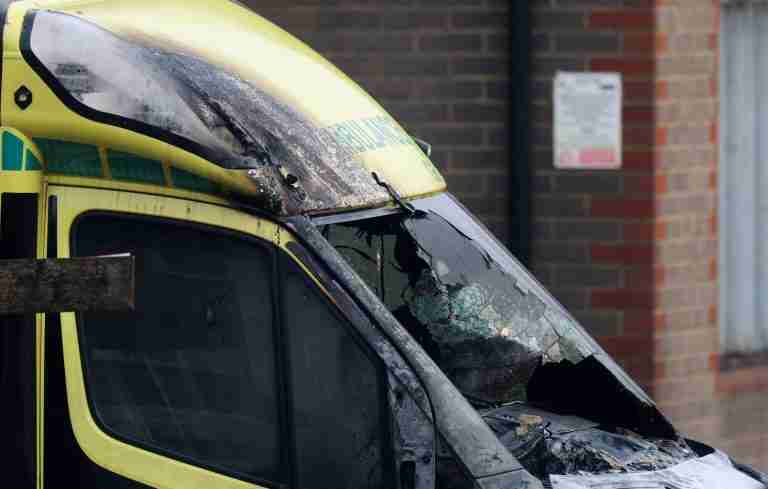
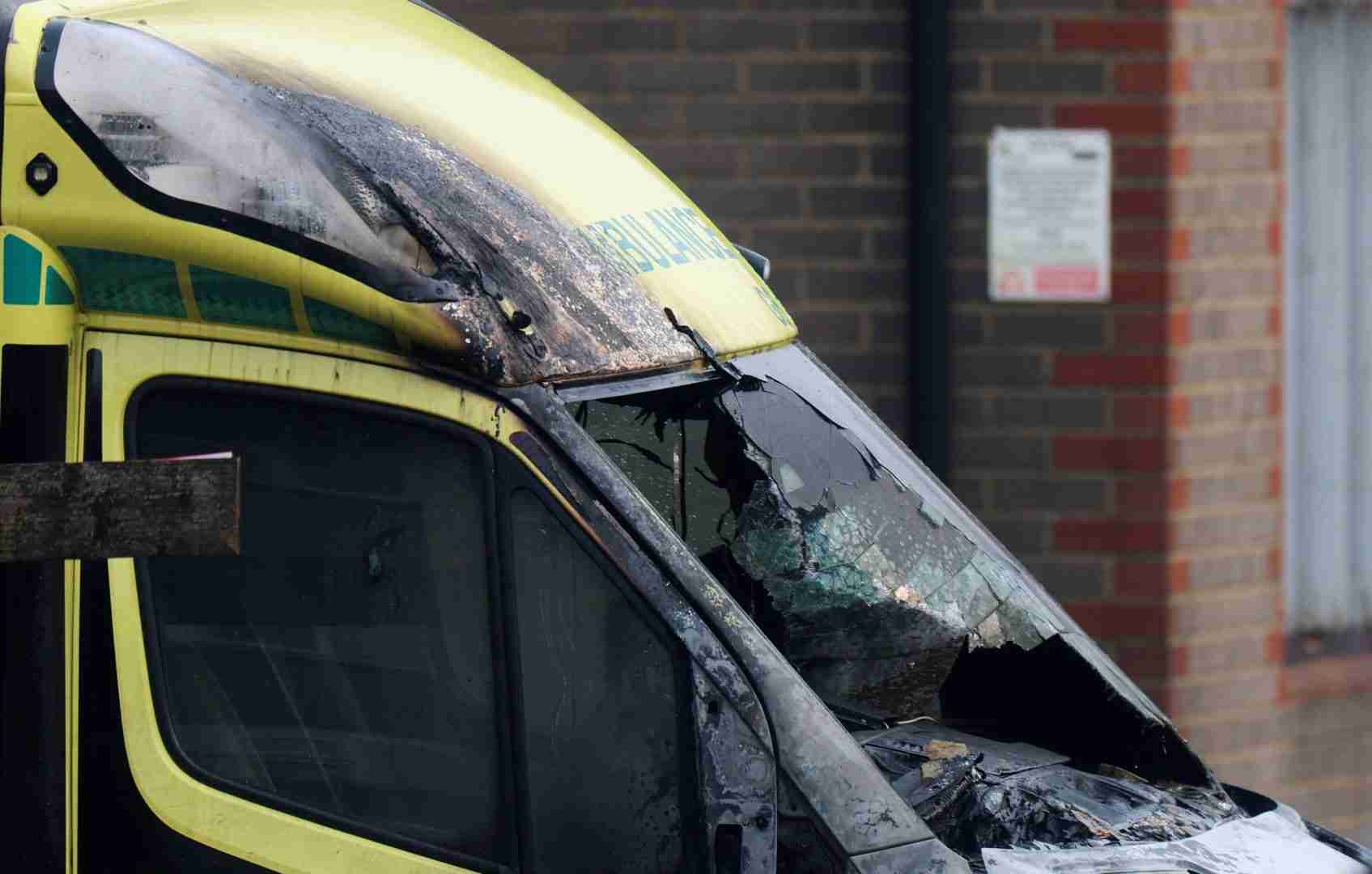
The London Fire Brigade, which sent six fire engines and 40 firefighters to the scene, said multiple cylinders on the vehicles exploded, causing windows to shatter in an adjacent apartment block
International News via Reuters:
Four ambulances belonging to a Jewish community organisation in north London were set ablaze overnight in what British Prime Minister Keir Starmer called “a deeply shocking antisemitic arson attack”.
The London Fire Brigade, which sent six fire engines and 40 firefighters to the scene, said multiple cylinders on the vehicles exploded, causing windows to shatter in an adjacent apartment block. No injuries were reported.
The SITE Intelligence website said an Iran-aligned multinational militant collective called Islamic Movement of the People of the Right Hand had claimed responsibility for the attack near a synagogue in Golders Green.
It said the group had been behind similar fires in Belgium, Greece and the Netherlands.
STARMER CONDEMNS ANTISEMITISM
Starmer described the incident as deeply shocking.
“My thoughts are with the Jewish community who are waking up this morning to this horrific news,” he said on X. “Antisemitism has no place in our society.”
Israel’s embassy in Britain said antisemitism was rampant in London and said the firebombing of ambulances was the consequence of years of hate being tolerated in plain sight.
“Enough is enough,” the embassy said on X. “There must be a thorough investigation and decisive action to put an end to this climate of intimidation before it spirals further. Silence and inaction are no longer an option.”
ATTACKS ON JEWISH TARGETS HAVE RISEN WORLDWIDE
The ambulances belonged to Hatzola, a not-for-profit volunteer organisation that responds to medical emergencies.
Attacks against Jewish people and targets have risen worldwide since the October 2023 Hamas attacks in Israel that triggered the Gaza war, and Starmer had warned that the U.S.-Israeli war on Iran would stoke tensions further.
He said in early March that the government would work with Muslim and Jewish organisations to ensure that sensitive sites had appropriate security.
Britain has recorded significantly higher levels of antisemitic hate since the 2023 attack, with the most severe incident a 2025 attack in Manchester that killed two Jewish worshippers during Yom Kippur, the holiest day in the Jewish calendar.
Mark Gardner, chief executive of the Community Security Trust, which advises Britain’s estimated 290,000 Jews on security matters, said the fires had an “obvious parallel to similar recent anti-Jewish arson attacks in Liege, Rotterdam and Amsterdam”.
London Mayor Sadiq Khan condemned the attack and said police patrols would be increased in the area.
London’s Metropolitan Police said officers remained at the scene and that the arson attack was being treated as an antisemitic hate crime.
The London Fire Brigade said the fire was under control by 0306 GMT.
Reporting by Gursimran Kaur in Bengaluru and Sam Tabahriti in London; Writing by Andy Bruce in Manchester and Kate Holton in London; Editing by Tom Hogue, Shri Navaratnam and Alison Williams
At 8 p.m. on April 21, 2002, voters learned the shock first-round results of France’s presidential election. For the first time in the Republic’s history, a far-right candidate – Jean-Marie Le Pen – would advance to the runoff.
Minutes later, Lionel Jospin addressed his supporters. The leading candidate of the left, who many had believed would be the next president, said he took full responsibility for the unexpected defeat.
As cries rose from the crowd, Jospin – pale but composed – announced that he was withdrawing from political life.
The Socialist prime minister would never again hold elected office.
Asked years later about that career-ending poll, he said: “One may regret not having had the chance to prove oneself when there was a single step left to climb, and one stumbled before that step.”
It was a typically restrained reflection from a politician often viewed as austere.
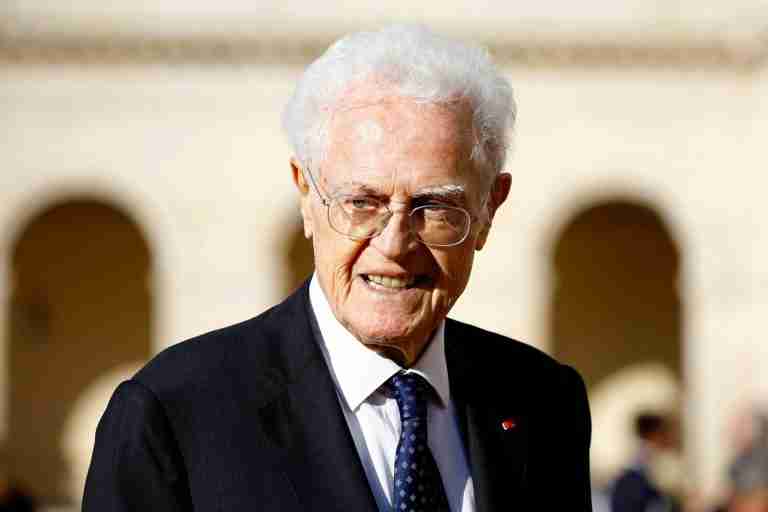
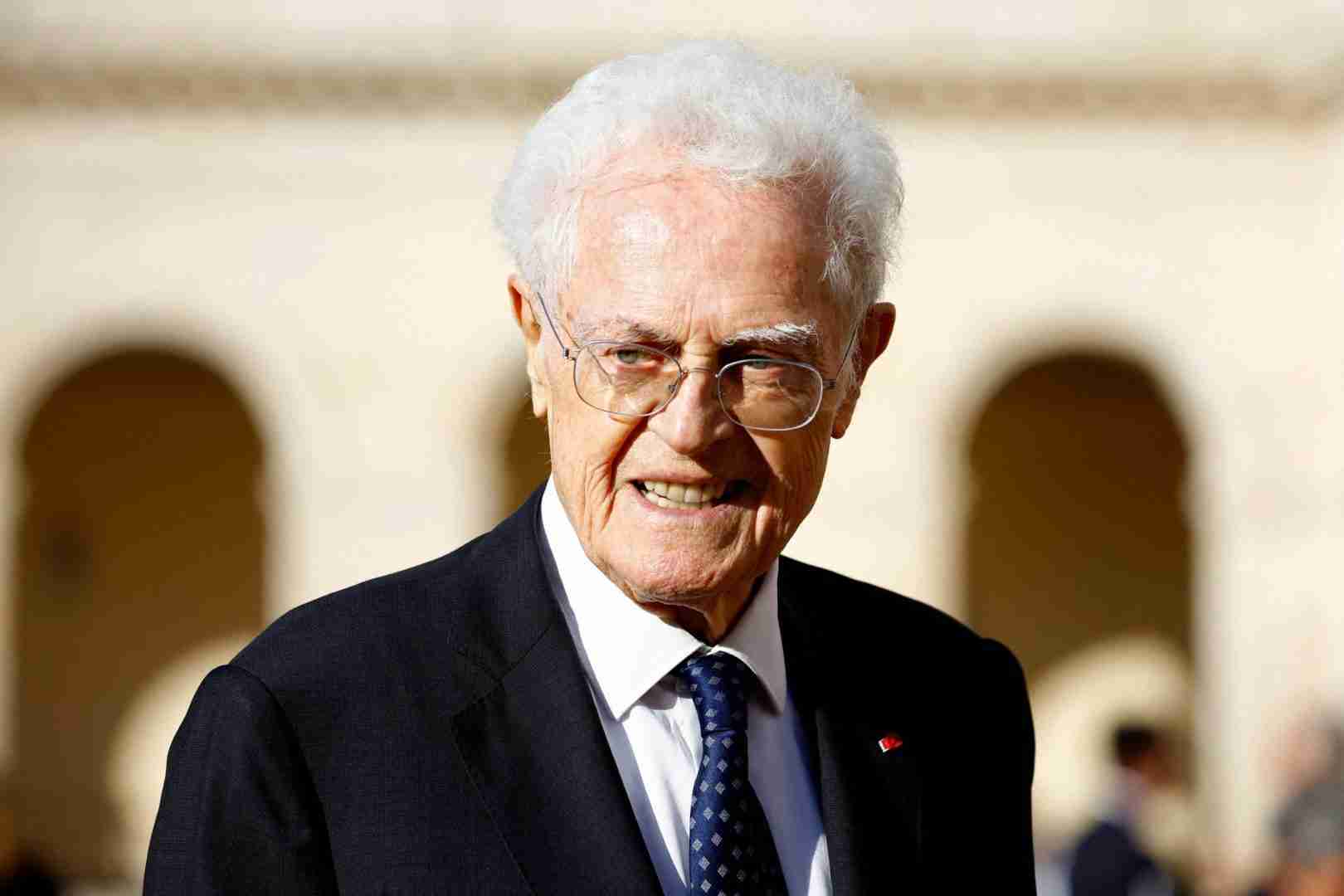
Jospin, who was unable to convert his leadership of France’s government at the turn of the century into a winning presidential bid, has died aged 88, two sources in his Socialist party said on Monday.
The cause was not immediately known.
‘NO TO A MARKET SOCIETY’
As prime minister from 1997 to 2002, Jospin cut working hours, extended free healthcare and introduced civil unions that gave unmarried couples, both gay and straight, equal rights to those who married.
A progressive politician, he nonetheless advocated fiscal restraint and sold more state assets to the private sector than any of his predecessors – a middle ground summarised by his slogan “Yes to the market economy, no to a market society”.
“For a time, Lionel Jospin was able to revive reformist politics which, after so many years of crisis, reconciled economic progress with social progress,” the editor-in-chief of France’s Le Monde newspaper wrote on April 22, 2002.
But for all his efforts, the bespectacled, white-haired Socialist never truly endeared himself to voters. His serious manner, coupled with his marriage to philosopher Sylviane Agacinski, fed the sense of a buttoned-up premier more comfortable with policy briefs than with whipping up enthusiasm.
His score in 2002 – 16.18% to Le Pen’s 16.86% – ended his hopes of occupying the Élysée presidential palace.
Le Pen roundly lost the runoff to centre-right President Jacques Chirac. But Jospin never made his way back to frontline politics.
‘AN AUSTERE PERSON WHO LAUGHS’
Born in a middle-class Parisian suburb in 1937, Lionel Robert Jospin inherited from his Protestant parents both the rigour of their faith and the militancy of their socialist politics – in a country that is historically Catholic yet secular on matters of public life.
His father, Robert Jospin, was a schoolteacher and organiser of the French Section of the Workers’ International, the predecessor to the Socialist Party Jospin would eventually come to lead. His mother, Mireille Dandieu, was a midwife who later became a nurse and school social worker.
In 1956 he attended the Institute of Political Studies in Paris, and graduated to the École Nationale d’Administration, the training ground of France’s governing elite, where he became a Trotskyist. He joined the Internationalist Communist Organisation and took the code-name Comrade Michel.
Jospin joined the French foreign ministry in 1965, but, amid student protests against President Charles de Gaulle in 1968, he quit and went to study in the United States.
Returning to France in 1970, he went on to lecture on economics at a university in Paris for over a decade.
He surrounded himself with a social circle of Left Bank intellectuals, including Agacinski, whom he married in 1994. But Jospin challenged coarse accounts of his personality. In 1999, he told journalists: “When you finally understand that I am a rigid person who evolves, an austere person who laughs, and an atheist Protestant, you will write less nonsense.”
‘FLEXIBLE ON MEANS’
He joined the Socialist Party in 1971. Rising through its ranks, he became one of President François Mitterrand’s trusted lieutenants and guided younger figures including future president François Hollande.
Mitterrand, whom he called a mentor, showed him that politics was “a will, an art, a culture and a skill”, he later told Le Nouvel Observateur magazine. But by the 1990s, Jospin emerged at the head of a group critical of the Mitterrand years.
In 1995, he narrowly lost his first presidential bid – to Chirac. Two years later, Chirac called a snap parliamentary poll that gave the left control of the National Assembly and forced the president to live with a government of opposite political stripe, led by Jospin.
Footage from election night captured Jospin jotting notes on a pad as early results came in, already planning his future government.
Largely leaving matters of foreign policy to Chirac, Jospin managed national affairs. Despite leading a coalition of Socialists, Communists and Greens, he abandoned many of the ideologies of his youth.
The former Trotskyist, who belatedly acknowledged his radical past, embarked on a programme of economic liberalisation. He privatised major state-owned companies and accepted public sector cuts to enable France’s entry to the European single currency.
Under his tenure, the country saw a sustained period of growth and a fall in unemployment, thanks in part to the creation of some 300,000 public-sector jobs for the young and his decision to cut the basic working week from 39 to 35 hours – a change praised by unions and criticised by many businesses.
The mix of progressive and liberal reforms led to conflict as much with the private sector as with his coalition partners.
“Remain firm on ends, be flexible on means,” he once said, a maxim that guided him through ideological storms.
‘I AVOIDED EVERY SCANDAL’
In an interview four days before the 2002 presidential election, Jospin dismissed the prospect of coming third as fanciful.
But what had seemed a conventional rematch between Chirac and Jospin was upended by Le Pen’s high score and competition from numerous left-wing candidates.
Jospin finished behind Le Pen, triggering mass street protests. Chirac eventually won by a landslide thanks to a big left-wing vote that plumped for him.
“I overestimated the extent to which Jacques Chirac was rejected, and I overestimated how positively the public viewed my record,” he told documentary filmmaker Patrick Rotman in 2010. “I underestimated the impact that the left’s divisions had. I underestimated the first round.”
Asked about his failures to win more votes than Chirac, who was found guilty after retirement of funding phantom work for political friends at the taxpayer’s expense, he spoke of sticking to principles.
“For my part, I simply strove in politics to respect the rules, to cultivate the principles of the Republic, to be honest and to keep my commitments,” he told Rotman.
He spoke with pride of leading a government that “worked well for five years and avoided every scandal”.
After that, he briefly weighed running for office once again, but withdrew, clearing the path for Socialist Ségolène Royal’s unsuccessful presidential bid in 2007.
In 2012, President François Hollande appointed Jospin head of his Commission on renewal and ethics in public life, tasked with cleaning up French politics from corruption.
Having won plaudits for his professionalism, he had largely avoided the scandals and sleaze that sullied many of his opponents in the late 20th and early 21st centuries.
He is survived by Agacinski and his children from an earlier marriage, composer Hugo and visual artist Eva.
Jospin, who came before an era when political leaders reached out to voters on social networks, was among the last of a kind of old-school French politician – tied more closely to textbooks and regulation than crowd-pleasing spin.
But his approach ultimately failed to keep the left’s varied factions aligned.
In 2002, each of the four parties that had joined his coalition government put forward a candidate. Had just two of them backed his campaign, he would have come first in the poll’s opening round, he reflected in an interview with France Info 20 years later.
Of his decision, on election night, to take full responsibility for the loss, he noted wryly: “I acted as if I only blamed myself.”
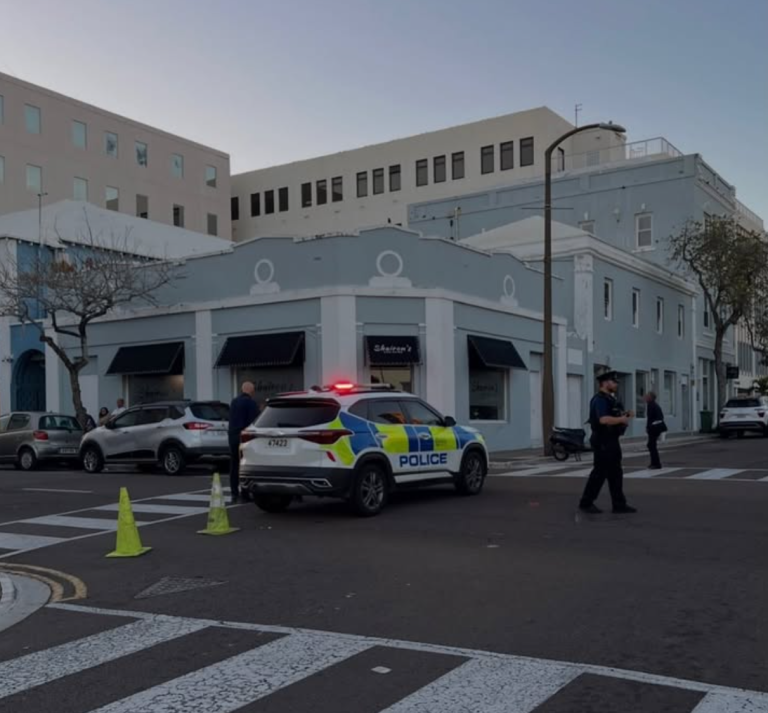
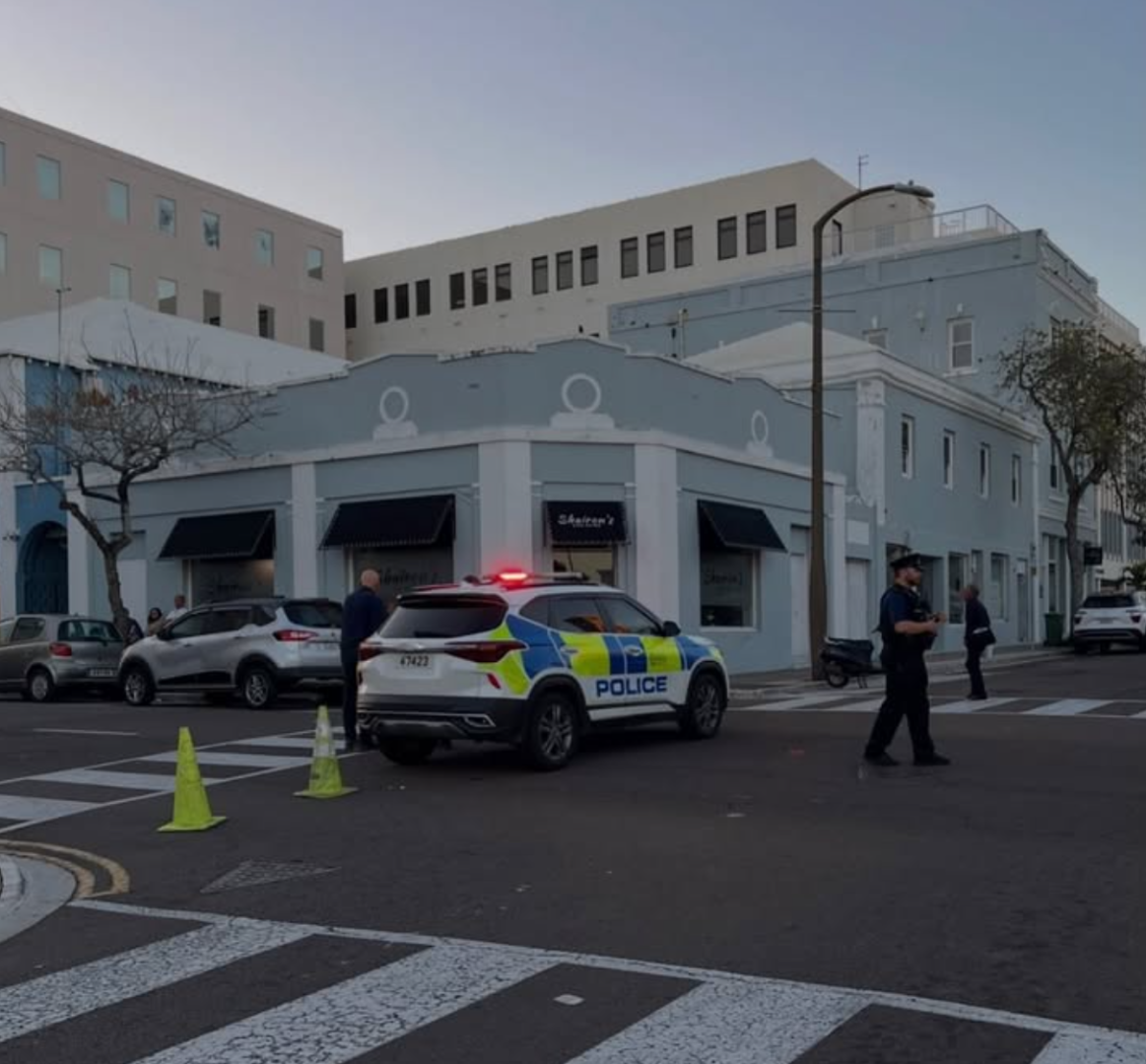
Victim struck at Reid Street and Parliament Street; 49-year-old arrested, police seek witnesses
Around 6:30 p.m. on Sunday, March 22, 2026, police were dispatched to a serious road traffic collision involving a pedestrian and a motorcar, at the junction of Reid Street and Parliament Street, in the City of Hamilton.
Upon arrival, a 73-year-old male was found lying on the pedestrian cross walk suffering from multiple injuries to the body.
The victim told the officers he was struck by a vehicle that failed to stop. He was attended to at the scene by EMTs and transported by ambulance to King Edward VII Memorial Hospital for further treatment of his injuries which are considered serious.
Subsequent enquiries by officers, including a review of CCTV footage, led to the arrest of a 49-year-old suspect.
An investigation into this matter has now begun and anyone with information is asked to call the main police number, 295-0011.
The Air Canada Express CRJ-900 plane, operated by its regional partner Jazz Aviation, was carrying 72 passengers and four crew members from Montreal, Canada
International News via Reuters:
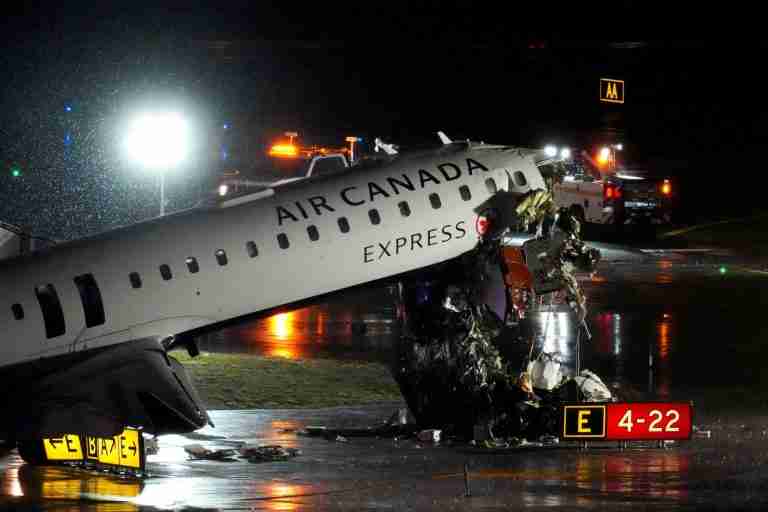
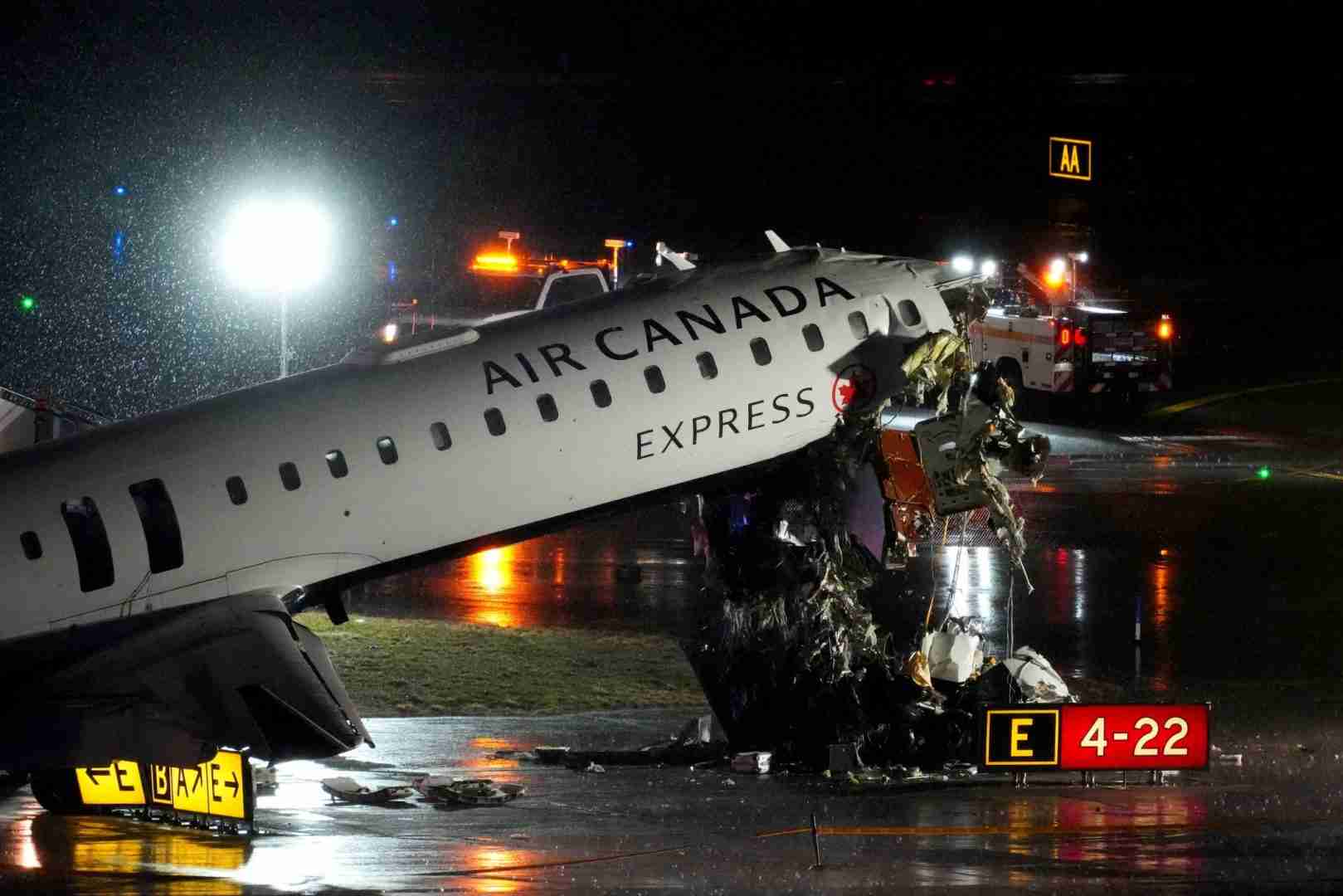
An Air Canada Express jet collided with a fire truck while landing at New York’s LaGuardia airport late on Sunday, killing both pilots, injuring dozens and closing the airport, authorities said, in an incident likely to intensify scrutiny after a series of recent aviation lapses.
The Air Canada Express CRJ-900 plane, operated by its regional partner Jazz Aviation, was carrying 72 passengers and four crew members from Montreal, Canada, said Kathryn Garcia, the executive director of the Port Authority of New York and New Jersey. Jazz is owned by Chorus Aviation.
Garcia said 32 of the 41 injured had been released, while nine remained in hospital with “serious injuries.” Those injured included passengers, crew members and the two officers aboard the fire truck; both officers remained hospitalised with non-life-threatening injuries.
FIRE TRUCK WAS CLEARED TO CROSS RUNWAY
Garcia said the fire truck was responding to a separate United Airlines aircraft that had “reported an issue with odor.”
Minutes earlier, air traffic control (ATC) audio from LiveATC.net indicated that a United Airlines flight had declared an emergency due to an odor onboard. Controllers advised the crew that fire trucks were already on site.
A second transmission then shows a fire truck was cleared to cross Runway 4, where the collision occurred, at taxiway ‘Delta.’
Moments later, according to the ATC audio, a controller can be heard saying: “Stop, stop, stop, truck 1 stop, truck 1, stop.”
The aircraft struck the fire vehicle at a speed of about 24 miles per hour (39 kph), according to flight tracking website Flightradar24, which last recorded data at 11:37 p.m. ET (0337 GMT).
Photos taken by Reuters after the accident showed visible damage to the nose of the plane, which was tilted upward.
Air Canada referred Reuters to Jazz’s statement and said it was aware of the incident. Jazz had earlier acknowledged the collision and said it would provide further details when available.
FLIGHTS CANCELLED, DELAYS EXPECTED
The U.S. National Transportation Safety Board (NTSB) said it was deploying a team of technical experts to investigate the incident, while the U.S. Federal Aviation Administration (FAA) said the airport was expected to remain shut until 2 p.m. ET (1800 GMT) on Monday.
The closure of one of New York’s busiest airports will add to travel disruption caused by the weeks-long partial government shutdown. Absences among transportation security workers have soared, leading to lengthy lines for passengers at major U.S. airports.
New York City’s emergency notification system said people could expect cancellations, road closures, traffic delays and emergency personnel near the airport.
About 537 flights had been canceled at the airport so far on Monday, according to tracking website FlightAware.
LaGuardia served more than 30 million annual passengers in 2025, according to the Port Authority of New York and New Jersey, and a wide range of U.S. airlines operate at the airport.
RECENT INCIDENTS
According to the FAA, there have been 97 runway incursions in January this year, compared to 133 incidents during the same period last year.
A bipartisan group of U.S. House lawmakers last month proposed legislation to address 50 aviation safety recommendations issued after a year-long investigation into the January 2025 collision between an American Airlines regional jet and a U.S. Army Black Hawk helicopter that killed 67 people.
Last year also saw a UPS cargo plane crash shortly after takeoff in Louisville, Kentucky, killing seven and injuring 11 on the ground.
Reporting by Gursimran Kaur, Shubham Kalia, Abu Sultan, Preetika Parashuraman and Ruchika Khanna in Bengaluru, Bing Guan in New York and David Shepardson in Washington; Additional reporting by Joanna Plucinska; Editing by Jamie Freed and Joe Bavier
Brent crude futures were up $1.15, or 1%, at $113.34 a barrel by 0957 GMT. U.S.
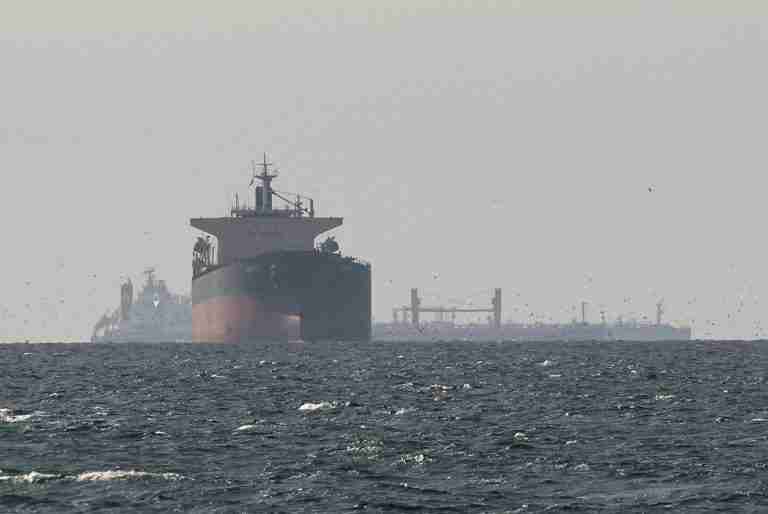
FILE PHOTO: Cargo ships in the Gulf, near the Strait of Hormuz, as seen from northern Ras al-Khaimah, near the border with Oman’s Musandam governance, amid the U.S.-Israeli conflict with Iran, in United Arab Emirates, March 11, 2026. REUTERS/Stringer/File Photo REFILE – CORRECTING “TANKERS” TO “CARGO SHIPS” AND REMOVING ACTION “SAIL”.
International News via Reuters:
Oil prices rose on Monday after Iran’s Revolutionary Guards said they would target Israel’s power plants and those supplying U.S. bases in the Middle East in retaliation against any attack on its electricity sector.
Brent crude futures were up $1.15, or 1%, at $113.34 a barrel by 0957 GMT. U.S. West Texas Intermediate was up 79 cents, or about 0.8%, at $99.02. Both contracts had swung $1 lower after an early $1 gain in volatile Asian trade.
WTI’s advance narrowed its discount to Brent, which last week had blown out to its widest in 13 years.
“Oil prices are expected to remain stable to higher until it becomes clear whether the U.S. will, in fact, go ahead with attacking Iranian power plants,” said PVM oil analyst Tamas Varga.
“It would draw significant retaliatory measures from Iran, sending prices considerably higher.”
On Saturday, U.S. President Donald Trump threatened to “obliterate” Iran’s power plants if it did not fully reopen the Strait of Hormuz within 48 hours, barely a day after he talked about “winding down” the war, now in its fourth week.
“Oil sentiment may lurch on threats and rhetoric in the near term, but its more durable direction will continue to be shaped by the state of Middle East oil flows,” said Vandana Hari, founder of oil market analysis provider Vanda Insights.
The crisis in the Middle East is worse than the two oil shocks of the 1970s put together, Fatih Birol, executive director of the International Energy Agency, said on Monday.
The war has damaged major energy facilities in the Gulf and nearly halted shipping through the Strait of Hormuz, which handles about 20% of global oil and liquefied natural gas flows.
Analysts estimated a loss of 7 million to 10 million barrels per day of oil production in the Middle East.
Iraq has declared force majeure on all oilfields developed by foreign oil companies, three energy officials said.
Crude production at Basra Oil Company has been cut to 900,000 bpd from 3.3 million bpd, Iraqi Oil Minister Hayan Abdel-Ghani said in a ministry statement.
Indian refiners plan to resume buying Iranian oil while refiners elsewhere in Asia are examining such a move, traders have said.
China’s state-run refiner Sinopec does not intend to buy Iranian oil but is pushing for permission to tap state reserves, a senior executive said on Monday.
Meanwhile, the Baltic Sea ports of Primorsk and Ust-Luga, Russia’s largest petroleum export outlets, have suspended exports of crude oil and fuel since Sunday after drone attacks, two industry sources told Reuters on Monday, adding to global shortages.
Reporting by Seher Dareen in London, Mohi Narayan in New Delhi and Florence Tan in SingaporeAdditional reporting by Dmitry ZhdannikovEditing by David Goodman
Media reports did not mention a cause of death for Mueller, a decorated Vietnam War veteran who led the FBI in the aftermath of the September 11, 2001 attacks on the U.S.
International News via Reuters:
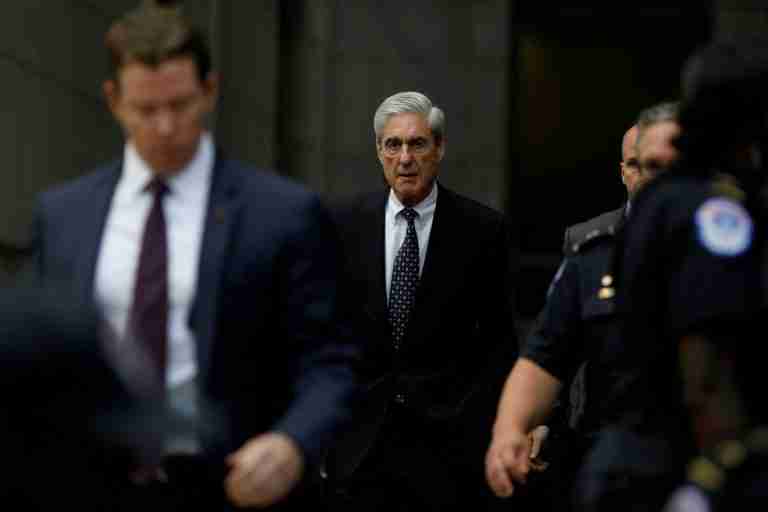
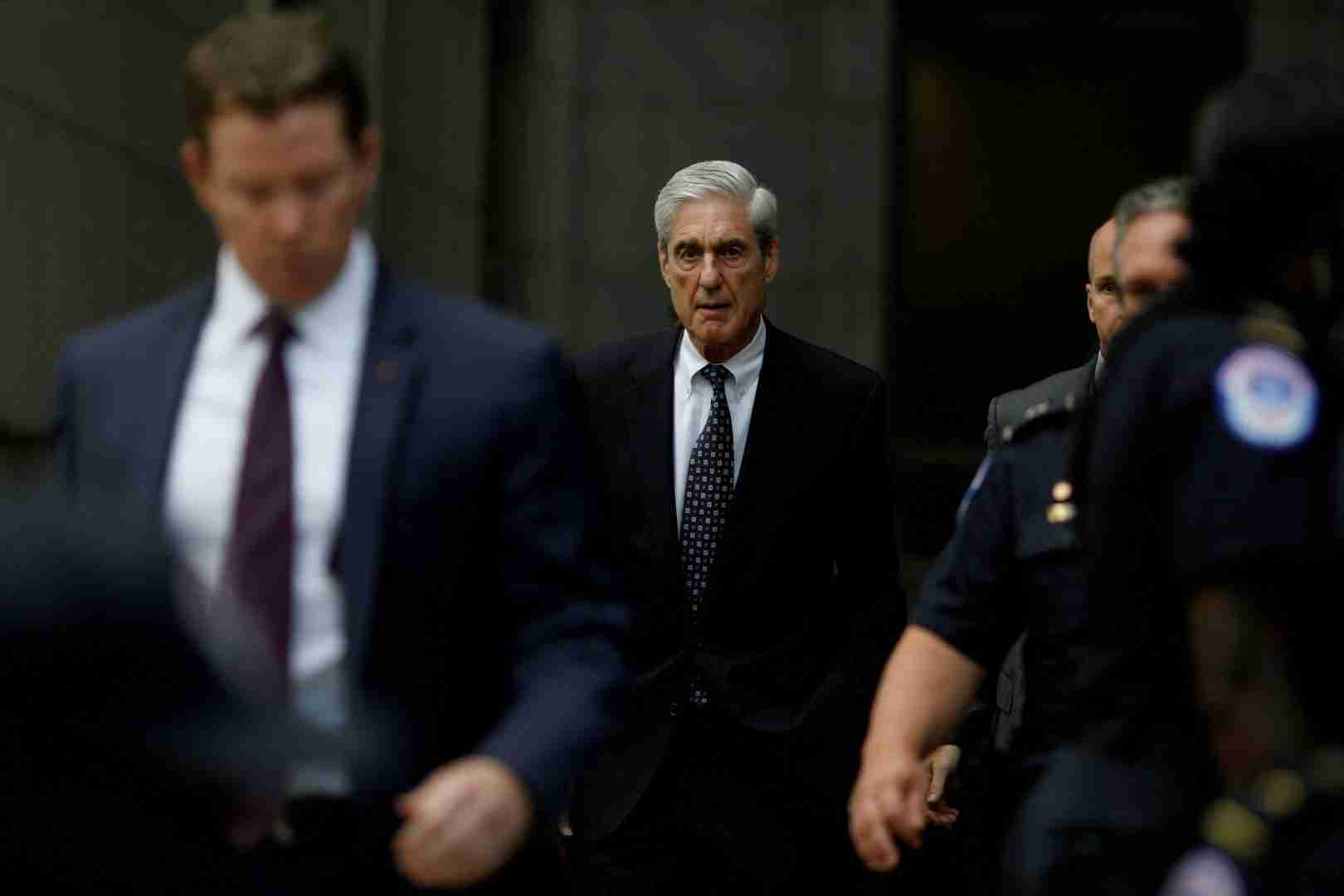
Robert Mueller, the no-nonsense former FBI chief who documented Russia’s interference in the 2016 U.S. election and its contacts with Donald Trump’s campaign but opted not to bring criminal charges against a sitting president, has died at age 81, his former law firm confirmed on Saturday.
Media reports did not mention a cause of death for Mueller, a decorated Vietnam War veteran who led the FBI in the aftermath of the September 11, 2001 attacks on the U.S. The New York Times last year reported that Mueller had Parkinson’s disease.
WilmerHale, where Mueller had worked as a lawyer until his retirement in 2021, said it mourned Mueller’s passing. “Bob was an extraordinary leader and public servant and a person of the greatest integrity,” the law firm said in a statement on Saturday.
Mueller retired after 12 years as Federal Bureau of Investigation director in 2013 but was summoned back to public service by a senior Justice Department official four years later as a special counsel to take over an inquiry into Russia’s election meddling after Trump fired then-FBI chief James Comey.
Mueller conducted a 22-month investigation that produced indictments against 34 people, including several Trump associates as well as Russian intelligence officers and three Russian companies, and a series of guilty pleas and convictions. Mueller ultimately stopped short of a criminal indictment of the Republican president, bitterly disappointing many Democrats.
Trump on Saturday celebrated Mueller’s passing. “Good, I’m glad he’s dead,” Trump wrote on the Truth Social site. “He can no longer hurt innocent people!”
During his career as a prosecutor and FBI chief, Mueller displayed a patrician manner and sometimes wooden personality – just about the opposite of the bombastic Trump. He was known by some as “Bobby Three Sticks” because of his full name – Robert Mueller III – a moniker that belied his formal bearing and sober approach to law enforcement.
His Russia inquiry, detailed in a 448-page 2019 report, laid bare what Mueller and U.S. intelligence agencies have described as a Russian campaign of hacking and propaganda to sow discord in the U.S., denigrate 2016 Democratic presidential candidate Hillary Clinton and boost Trump, the Kremlin’s preferred candidate. Russia denied election interference.
“First, our investigation found that the Russian government interfered in our election in sweeping and systematic fashion,” Mueller said during 2019 congressional testimony.
“Second, the investigation did not establish that members of the Trump campaign conspired with the Russian government in its election interference activities. We did not address ‘collusion,’ which is not a legal term. Rather, we focused on whether the evidence was sufficient to charge any member of the campaign with taking part in a criminal conspiracy. It was not,” Mueller added.
In analyzing whether Trump had committed the crime of obstruction of justice, Mueller looked at a series of actions. These included Trump’s attempts to have the special counsel fired and to limit the scope of the investigation as well as the president’s efforts to prevent the public from knowing about a 2016 meeting at Trump Tower in New York between senior Trump campaign officials and Russians. Mueller pointedly did not exonerate the president, as Trump claimed.
“Based on Justice Department policy and principles of fairness, we decided we would not make a determination as to whether the president committed a crime,” Mueller told lawmakers.
“The president was not exculpated for the acts that he allegedly committed,” Mueller added.
‘NUMEROUS LINKS’
Mueller was named by the Justice Department’s No. 2 official, Rod Rosenstein, to take over the Russia investigation.
The investigation, according to the report, unearthed “numerous links” between the Russian government and Trump’s campaign and said the president’s team “expected it would benefit electorally from information stolen and released through Russian efforts,” referring to hacked Democratic emails.
Mueller, a longtime Republican, faced unremitting attacks by Trump and his allies on his integrity as they tried to discredit the investigation and the special counsel himself. Trump used social media, speeches and comments to news media to assail Mueller, accusing him of running a politically motivated, “rigged witch hunt,” going “rogue,” surrounding himself with “thugs” and having conflicts of interest.
“It’s all a big hoax,” Trump said in 2019.
“Absolutely, it was not a hoax,” Mueller told the congressional hearing, noting the numerous charges arising from the probe.
Trump’s former campaign chairman, Paul Manafort, was convicted in 2018 on eight charges of financial wrongdoing and pleaded guilty to two others, receiving a 7-1/2-year prison sentence. Longtime Trump adviser Roger Stone was convicted in 2019 of seven counts of lying to Congress, obstruction and witness tampering and sentenced to more than three years in prison. Trump later used his executive clemency power to pardon them. Trump’s former national security adviser, Michael Flynn, entered a guilty plea to lying to the FBI. Trump also pardoned Flynn.
The Democratic-led House of Representatives at the time twice impeached Trump after Mueller had finished his work, though those actions did not grow out of the special counsel’s findings.
AN AGENCY IN CRISIS
Appointed by Republican President George W. Bush to head the FBI, Mueller took over as its director one week before the September 11 attacks on the U.S. by al Qaeda militants using hijacked planes that killed about 3,000 people. Democratic President Barack Obama later extended Mueller’s appointment. By the time Mueller left the position, his tenure was exceeded only by J. Edgar Hoover’s 48-year stint.
Mueller was credited with transforming the premier U.S. law enforcement agency after Congress and an independent government commission determined that the FBI and CIA had failed to share information before the September 11 attacks that could have helped prevent them. Mueller revamped the FBI into an agency centered on protecting national security in addition to law enforcement, putting more resources into counterterrorism investigations and improving cooperation with other U.S. agencies.
He put his career on the line in 2004 when he and Comey, then the deputy attorney general, threatened to resign when Bush White House officials sought to reauthorize a domestic eavesdropping program that the Justice Department had deemed unconstitutional. The two rushed to a Washington hospital and prevented top Bush aides from persuading an ailing Attorney General John Ashcroft, recovering from gallbladder surgery, to reauthorize the surveillance program.
Comey succeeded Mueller as FBI director in 2013, only to be fired by Trump.
Born into an affluent New York family, Mueller grew up outside of Philadelphia, graduated from Princeton University, earned a master’s degree at New York University and joined the U.S. Marine Corps, serving as an officer for three years, leading a rifle platoon in Vietnam and receiving honors including the Bronze Star and Purple Heart.
Mueller then earned a law degree from the University of Virginia and later became a federal prosecutor and headed the Justice Department’s criminal division, supervising cases including prosecution of the crime boss John J. Gotti and the probe into the bombing of Pan Am Flight 103 over Scotland, before Bush chose him to lead the FBI.
“He really hates the bad guys,” former Massachusetts Governor William Weld, who preceded Mueller as the U.S. attorney in Boston, told the New York Times in 2013.
Mueller and his wife, Ann, had two daughters.
Reporting by Will Dunham and Mike Scarcella; editing by Diane Craft, Sergio Non and Paul Simao
British 10-year Gilt yields rose to 5.079%, their highest level since 2008, as markets braced for a response to a potential inflationary shock from the Iran war
International News via Reuters:
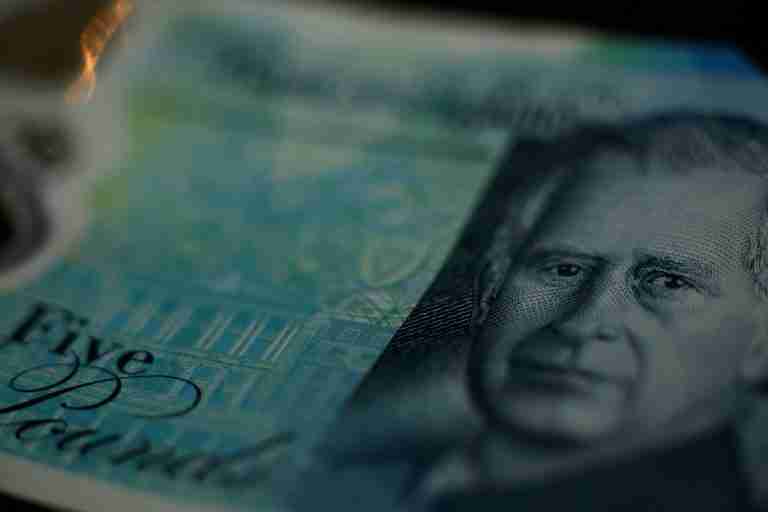
The pound slid against the dollar on Monday as investors flocked to the U.S. currency amid a selloff in global stocks, even while bond yields jumped as traders priced in four interest rate hikes from the Bank of England this year.
British 10-year Gilt yields rose to 5.079%, their highest level since 2008, as markets braced for a response to a potential inflationary shock from the Iran war. Yields rise as prices fall and vice versa.
Sterling fell 0.47% against the dollar to $1.328.
The pound rose 0.9% against the U.S. currency last week as investors bet the UK’s reliance on energy imports would force the BoE to push interest rates above those of the Federal Reserve, boosting the relative appeal of the pound.
However, the dollar rallied on Monday as global stocks tumbled and investors moved into safe-haven assets, and as investors also started to contemplate a potential Fed rate hike.
“Our sense is that yields have risen past the point where further increases are likely to be constructive for the pound,” said Nick Rees, head of macro research at Monex Europe.
He cited “downside implications for growth, and the adverse impact this will have on already stretched public finances”.
The euro was last down 0.1% against the pound at 86.64 pence as investors priced in four rate hikes from the BoE in 2026 – a dramatic reversal from the two cuts that were expected this year as recently as late February.
“Since the start of the conflict, the pound has held up relatively well,” said Jane Foley, senior FX strategist at Rabobank. “We attribute this to the sharp turnaround in expectations regarding BoE policy.”
Yet Foley said the 2022 Liz Truss “mini budget” crisis showed that the pound can be vulnerable if longer-dated UK bonds tumbled.
The pound slid to a record low of $1.033 while Gilt yields surged during that episode as investors dumped UK assets.
Foley said she sees the risk that the pound slips to $1.32 in the coming weeks and that the euro could rise against sterling in the medium term.
British Prime Minister Keir Starmer is set to hold an emergency meeting with senior ministers and BoE Governor Andrew Bailey later on Monday to discuss the response to the energy shock stemming from the war.
Reporting by Harry Robertson in London; Editing by Sharon Singleton
Dollars & Sense gives teens practical insight into cost-of-living choices
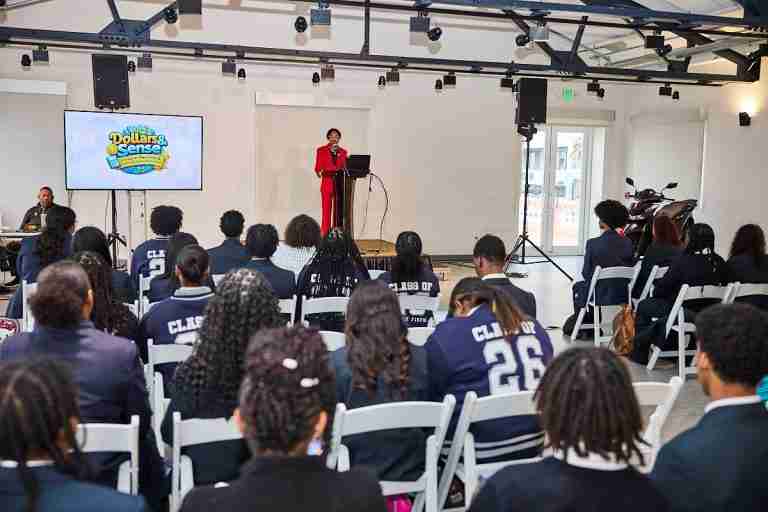
Last week (March 19 – 20), the Ministry of Home Affairs hosted the inaugural Dollars & Sense Teen Financial Literacy Experience, a two-day immersive programme designed to deepen young Bermudians’ understanding of the cost of living and the financial decisions that shape household wellbeing.
The initiative forms part of the Ministry’s broader Affordable Bermuda Agenda,the Government’s roadmap to address the structural drivers of Bermuda’s high cost of living while strengthening household resilience through education, consumer protection, and legislative reform.
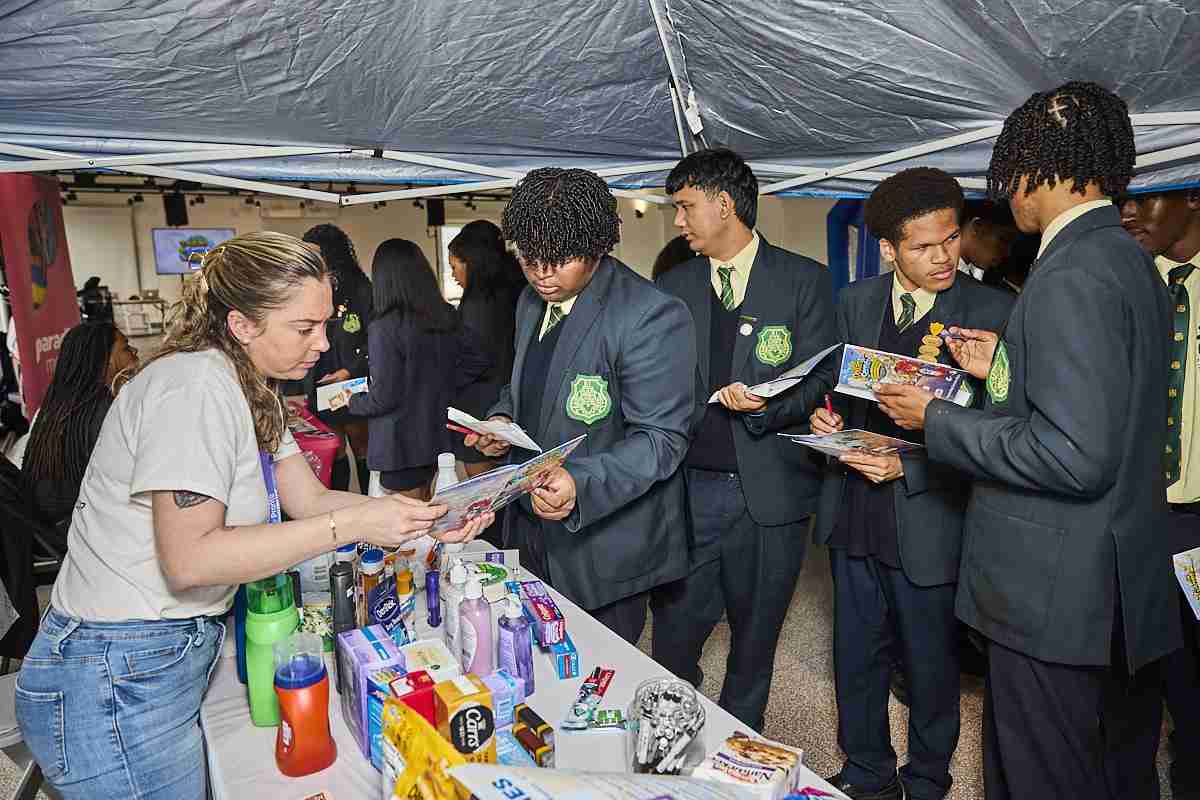
Approximately 210 secondary school students, aged 13 to 15, participated in the experience, engaging in a hands-on simulation of adult financial responsibilities. Participating schools included the Berkeley Institute, CedarBridge Academy, Bermuda Institute, Adult Education, Mount Saint Agnes Academy, Somersfield Academy, and the Bermuda Centre for Creative Learning.
The programme was further strengthened by contributions from public and private sector partners, who provided practical insights into financial decision-making.
Each student was assigned a realistic personal profile, including income and life circumstances, and guided through decision-making exercises spanning housing and rent, utilities, transportation, groceries, insurance, banking and savings, credit and debt, and unexpected expenses. The programme was designed to immerse students into real life experiences and the consequences of everyday financial choices.
The Minister of Home Affairs, the Hon. Alexa Lightbourne JP, MP, who officially opened the programme, underscored the importance of early financial awareness in today’s economic climate.
Minister Lightbourne said, “We recognise that Bermuda is one of the most expensive jurisdictions in the world, and that pressure does not wait for adulthood before it begins to shape choices. It is already present in the decisions households are making and in the realities our young people are observing every day. Dollars & Sense was about giving students the experience of making decisions and living with the consequences. That is how understanding takes root.”
Minister Lightbourne noted that the initiative reflects the Ministry’s commitment to ensuring affordability policies deliver practical outcomes for Bermudian households, bridging the gap between policy and lived experience. She added that programmes like Grow.Eat.Save. support local food production, help families manage grocery costs, and promote sustainability, an essential focus given that Bermuda imports approximately 90% of what it consumes.
Minister Lightbourne added, “Affordability will not be achieved through one policy or one initiative. Reducing the cost of groceries means less if families do not know how to budget effectively. Rent protections mean less if tenants do not understand their rights. Dollars & Sense connects those policies to real-world understanding.”
The Ministry of Home Affairs has confirmed that Dollars & Sense will be formally evaluated, with a view to expanding the programme to reach a broader cross-section of Bermuda’s student population.
The Ministry extends its sincere thanks to the Consumer Affairs section of the Ministry headquarters for facilitating the programme and for their continued commitment to empowering Bermudians with the knowledge needed to navigate in a cost-driven world.
Haiti ended their Concacaf Women’s U-17 qualifying campaign with a hard-fought 2-0 victory over Bermuda in Alajuela, Costa Rica.
With both sides already out of contention for the FIFA U-17 Women’s World Cup in Morocco, the match was a battle for pride. Haiti seized control immediately as Adjani Kamanzi-Mondestin found the net in the second minute to provide an early spark.
Despite the early setback, Bermuda remained in the contest for the vast majority of the afternoon. This was primarily due to the exceptional form of goalkeeper Kyra Simmons, who produced a series of high-class saves to frustrate the Haitian attackers.
Haiti dominated the statistics with 59% possession and 23 shots, but they were forced to wait until the 86th minute to put the result beyond doubt. Nya Jean-Baptiste finally broke through the Bermudian resistance, scoring from close range to double the lead.
While Haiti will be pleased with a dominant performance to close their tournament, Bermuda can take immense credit for a disciplined defensive display spearheaded by the inspired Simmons.
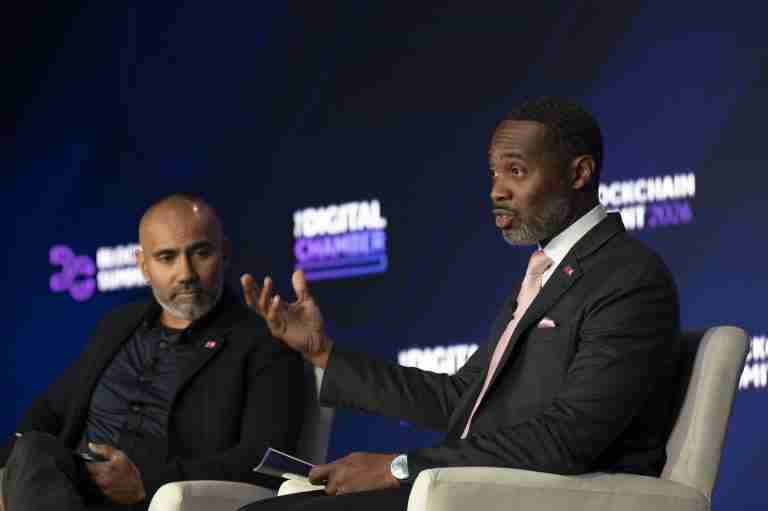
The Premier and Minister of Finance of Bermuda, the Hon. David Burt, JP, MP, travelled to Washington, DC, last week to attend the 2026 DC Blockchain Summit, one of the United States’ leading summits focused on advancing responsible digital asset innovation and regulation through practical policy and public-private collaboration.
The Premier was accompanied by officials from the Bermuda Monetary Authority (BMA), Ministry of Finance and the Government of Bermuda Washington DC Office.
Hosted by The Digital Chamber, the Summit brought together federal lawmakers, regulators, and senior industry leaders to discuss the future of blockchain technology and financial innovation.
During the Summit, Premier Burt engaged in discussions with policymakers, regulators, and industry stakeholders on regulatory cooperation, market integrity, and the evolving global framework for digital assets. The conversations highlighted Bermuda’s experience developing a comprehensive regulatory framework for digital asset businesses under the Digital Asset Business Act (DABA), and the role of the Bermuda Monetary Authority in supporting responsible innovation.
Bermuda’s participation in this year’s Summit strengthened the island’s U.S. partnerships in areas including stablecoins, payments interoperability, tokenisation, and supervisory approaches for emerging financial technologies. Premier Burt participated in a ‘fireside’ with Raja Chakravorti, Chief Business Officer of the Stellar Development Foundation, in which the two discussed Bermuda’s broader vision to become the world’s fully on-chain economy and other ongoing initiatives to modernise financial infrastructure on the island.
In addition to participating in Summit programming, the Premier participated in bilateral meetings with members of Congress with House Majority Whip Tom Emmer (MN-06), Representative Steven Horsford (NV-04), Representative Bryan Steil (WI-01), Representatives Nikki Budzinski (IL-13), in addition to senior Trump Administration officials. In these conversations, Premier Burt expressed Bermuda’s willingness to support the upcoming implementation of the United States’ digital asset regulation, in addition to aligning on comparability standards between the GENIUS Act and Bermuda’s Digital Asset Business Act.
The visit reinforced Bermuda’s position as an important participant in global policy conversations on financial innovation.
To provide the best experiences, we use technologies like cookies to store and/or access device information. Consenting to these technologies will allow us to process data such as browsing behavior or unique IDs on this site. Not consenting or withdrawing consent, may adversely affect certain features and functions.
Functional
Always active
The technical storage or access is strictly necessary for the legitimate purpose of enabling the use of a specific service explicitly requested by the subscriber or user, or for the sole purpose of carrying out the transmission of a communication over an electronic communications network.
Preferences
The technical storage or access is necessary for the legitimate purpose of storing preferences that are not requested by the subscriber or user.
Statistics
The technical storage or access that is used exclusively for statistical purposes.The technical storage or access that is used exclusively for anonymous statistical purposes. Without a subpoena, voluntary compliance on the part of your Internet Service Provider, or additional records from a third party, information stored or retrieved for this purpose alone cannot usually be used to identify you.
Marketing
The technical storage or access is required to create user profiles to send advertising, or to track the user on a website or across several websites for similar marketing purposes.