



EU’s von der Leyen to visit Australia for likely trade deal conclusion
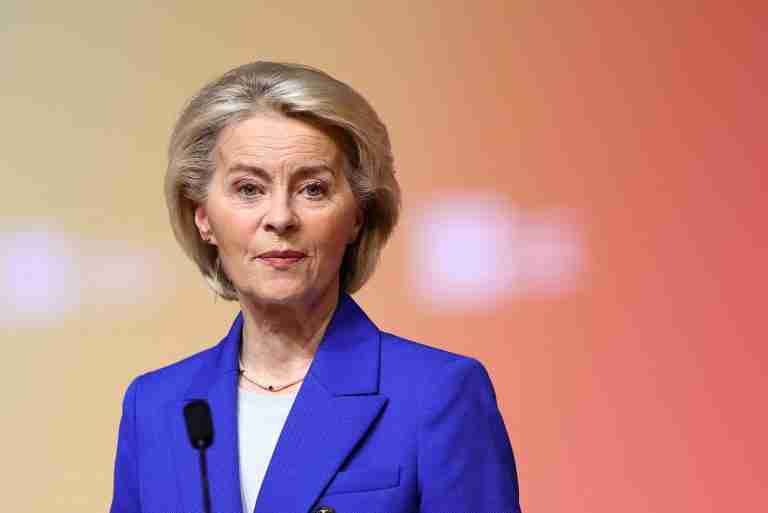
Both sides have signalled progress after previous talks between Australia and the EU collapsed in 2023, mainly over the size of meat import quotas into the European Union
International News via Reuters:
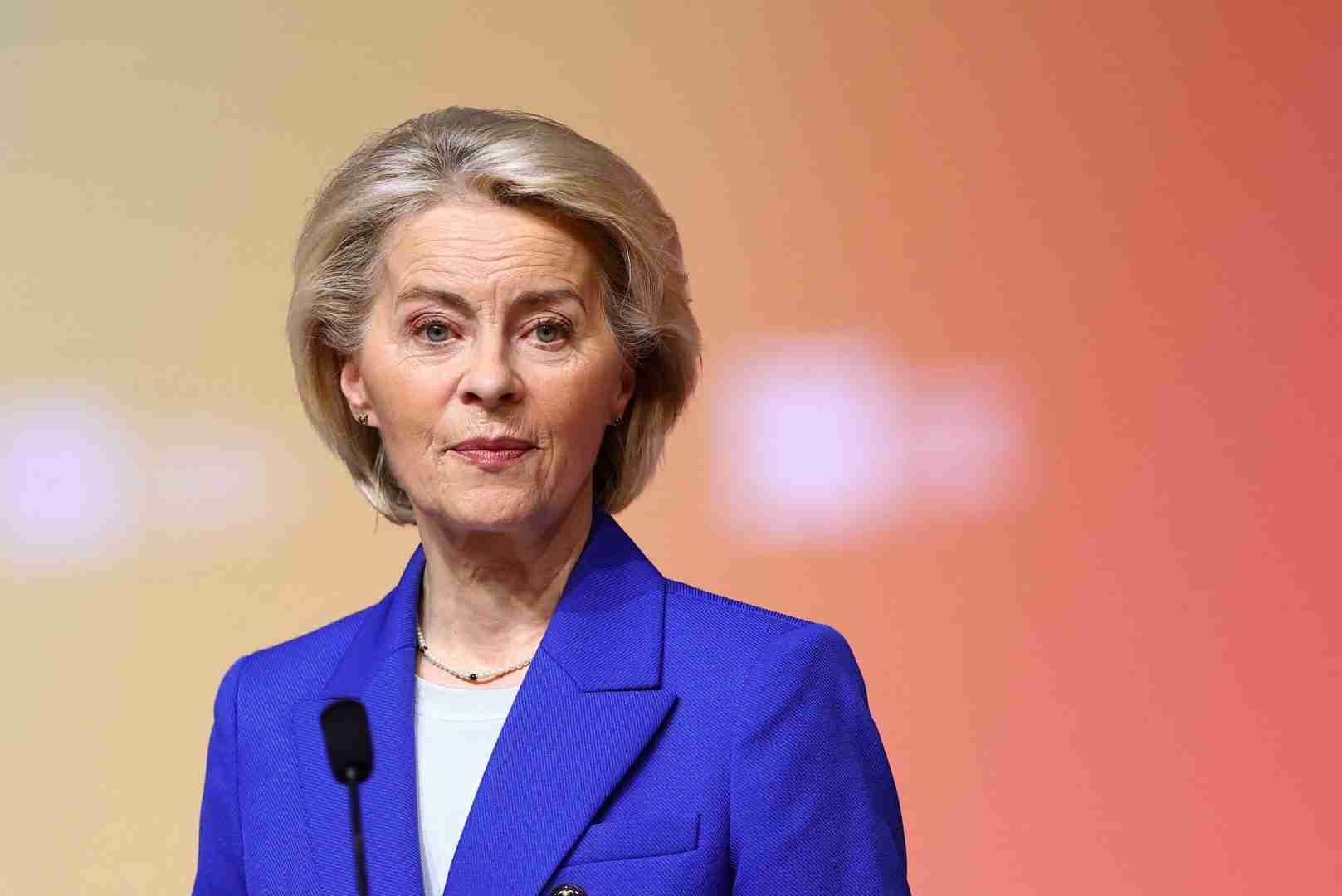
European Commission President Ursula von der Leyen will visit Australia to meet Prime Minister Anthony Albanese next week, when the two sides are likely to conclude negotiations on a free trade agreement.
Both sides have signalled progress after previous talks between Australia and the EU collapsed in 2023, mainly over the size of meat import quotas into the European Union.
The European Commission, the EU executive body, said in a statement that von der Leyen’s visit from March 23 to 25 was intended to “strengthen EU ties with a trusted, like-minded partner in the strategically vital Indo-Pacific region.”
Australia said Albanese would meet von der Leyen, who will be accompanied by EU trade chief Maros Sefcovic, in Canberra on Tuesday on her first trip to the country as European Commission president.
Australia has been seeking greater quotas for lamb and beef exports to Europe. The EU has pushed for lower tariffs on manufactured goods, particularly cars, and improved access to Australia’s critical minerals to reduce reliance on China. The two sides launched negotiations in 2018.
Total goods trade between the EU and Australia was 47.2 billion euros ($57 billion) in 2025, with the EU having a surplus of 26.5 billion euros. For services, trade totalled 38.1 billion euros in 2023, with the EU also enjoying a surplus of 17.9 billion euros.
($1 = 0.8675 euros)
Reporting by Sudip Kar-Gupta, Philip Blenkinsop in Brussels, Christine Chen in Sydney; Editing by Makini Brice and Timothy Heritage
Pope Leo calls universal healthcare a ‘moral imperative’
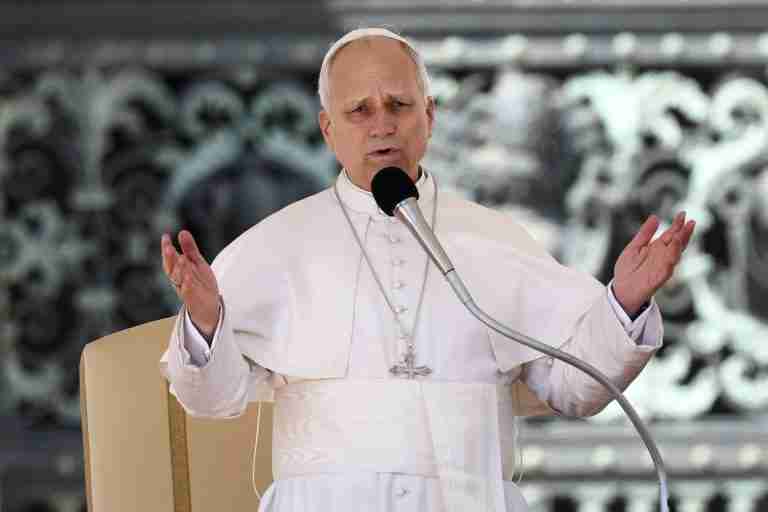
Previous popes have called for countries to offer universal healthcare, but calling an issue a “moral imperative” is an unusually strong term for a pope to use, indicating that something is required by Catholic teaching
International News via Reuters:
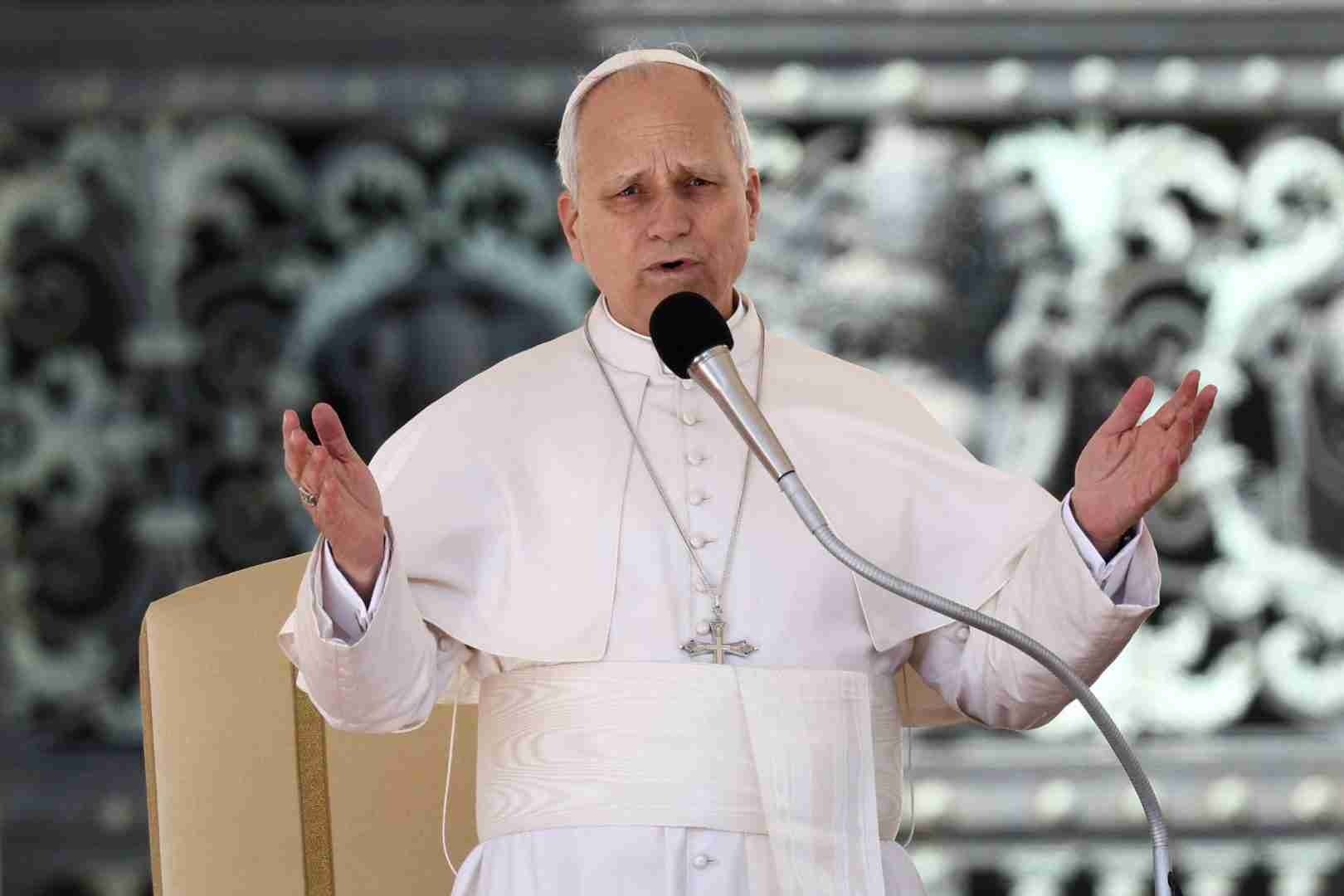
Pope Leo made a plea on Wednesday for countries to offer their citizens universal healthcare, calling it a “moral imperative” that people have access to the health services they need.
Previous popes have called for countries to offer universal healthcare, but calling an issue a “moral imperative” is an unusually strong term for a pope to use, indicating that something is required by Catholic teaching.
“Universal health coverage is … a moral imperative for societies that wish to call themselves just,” the pope said in a meeting with participants in a healthcare conference organised by the World Health Organization and European bishops.
“Healthcare must be accessible to the most vulnerable … not only because their dignity requires it but also to prevent injustice from becoming a cause of conflict,” he said. “Health cannot be a luxury for the few.”
Leo’s predecessor, Pope Francis, called in 2021 for healthcare systems to be “accessible to all”, citing Italy’s tax-funded health service as an example.
Leo is the first pope from the United States, which does not have universal health coverage. At Wednesday’s meeting, he urged bishops in Europe to address inequalities in healthcare.
“Only together can we build communities of solidarity capable of caring for everyone,” said the pope. “Caring for the humanity of others helps us to live our own lives to the full.”
Editing by Timothy Heritage
King Charles to welcome Nigerian president to UK for state visit
With trade between the two countries at a record high, Charles is expected to highlight the deep cultural and commercial links during Tinubu’s two-day visit
International News via Reuters:
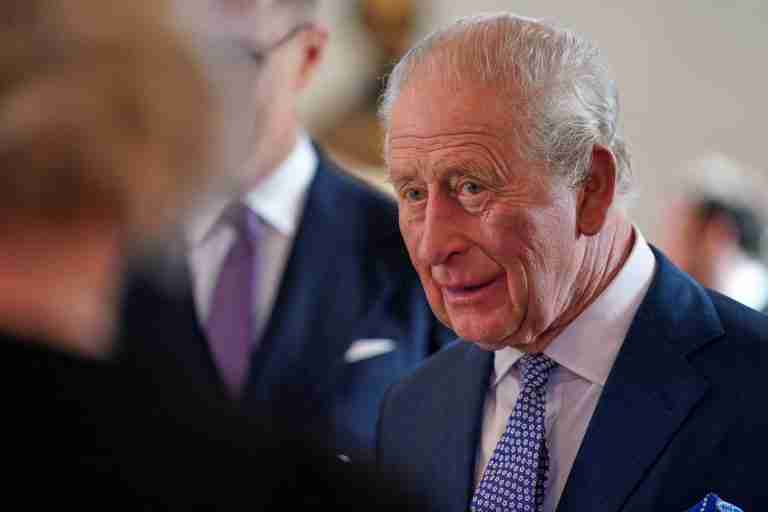
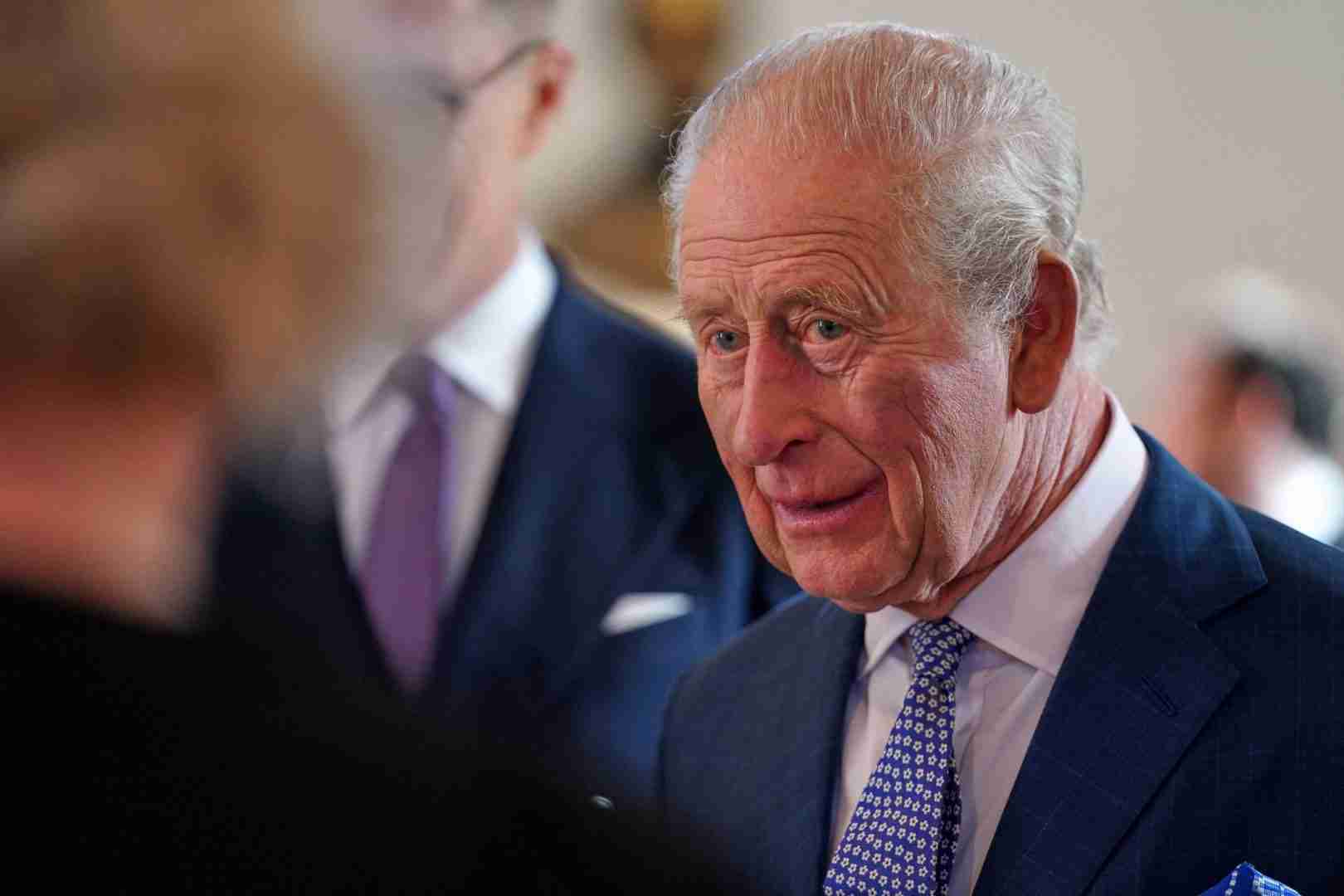
Britain’s King Charles will host Nigerian President Bola Tinubu at Windsor Castle on Wednesday, in the first state visit by a Nigerian leader in 37 years, which is aimed at strengthening bilateral ties.
With trade between the two countries at a record high, Charles is expected to highlight the deep cultural and commercial links during Tinubu’s two-day visit.
Tinubu and his wife, Oluremi, will be received by heir to the throne Prince William and his wife Kate for the journey to Windsor Castle on Wednesday morning.
They will then be greeted by the king and Queen Camilla before a full ceremonial welcome featuring a royal salute, a carriage procession and a state banquet.
STRONG LINKS WITH NIGERIA
Britain is home to a large Nigerian diaspora, with about 300,000 Nigerians living in the UK.
One of the most high-profile Britons of Nigerian heritage is Kemi Badenoch, the main opposition Conservative leader who is the first Black woman to lead a major British political party. She was born in London to Nigerian parents.
The British government hopes the visit will reinforce the UK’s role as a global centre for African business.
“Growth is the core mission of this government and it underpins our relationship with Nigeria,” deputy prime minister David Lammy said ahead of the visit.
Charles, who is still undergoing regular treatment for cancer, has hosted several high-profile state visits over the last nine months, welcoming German President Frank-Walter Steinmeier, U.S. President Donald Trump and French President Emmanuel Macron.
Tinubu is a practising Muslim who is fasting during Ramadan, and as such the state visit unusually does not include a lunch.
His wife, a Christian, is due to visit Lambeth Palace, the London residence of the Archbishop of Canterbury, on Thursday.
Reporting by Sarah YoungEditing by Ros Russell
Oil falls after Iraq resumes oil exports via Turkey’s Ceyhan port

With no signs of de-escalation in the Iran conflict, benchmark Brent futures prices have settled above $100 per barrel for the past four sessions

International News via Reuters:
Oil prices fell on Wednesday after Iraq resumed crude exports via pipeline to Turkey’s Mediterranean port of Ceyhan, providing hopes for some relief amid disrupted supply from Gulf producers.
With no signs of de-escalation in the Iran conflict, benchmark Brent futures prices have settled above $100 per barrel for the past four sessions.
After rising more than 3% on Tuesday, Brent futures were down 31 cents, or 0.3%, to $103.12 a barrel by 0902 GMT on Wednesday. U.S. West Texas Intermediate crude dropped $1.56, or 1.6%, to $94.65.
In Iraq, North Oil Company sources said exports had resumed via pipeline after Baghdad and the Kurdistan Regional Government (KRG) agreed on Tuesday to restart flows. Two oil officials said last week that Iraq was seeking to pump at least 100,000 barrels per day (bpd) through the port.
“Despite this development, supply relief remains limited, with Iraq’s production at roughly one-third of pre-crisis levels and tanker traffic through Hormuz still largely restricted,” MUFG analyst Soojin Kim said.
Oil production from Iraq’s main southern oilfields, where most of its crude is produced and exported, had plunged by 70% to just 1.3 million bpd, sources said on March 8, as the Iran conflict effectively shut the vital Strait of Hormuz through which some 20% of global oil passes.
Iran confirmed on Tuesday that its security chief Ali Larijani had been killed in an Israeli attack. He is the most senior figure targeted since Supreme Leader Ayatollah Ali Khamenei was killed on the first day of the U.S.-Israeli war at the end of February.
A senior Iranian official said Iran’s new supreme leader had rejected de-escalation offers conveyed by intermediary countries.
The U.S. military said on Tuesday it had targeted sites along Iran’s coastline near the Strait of Hormuz because Iranian anti-ship missiles posed a risk to international shipping there.
Larijani’s death and the U.S. military’s strikes on Iranian coastal positions near the strait raised some hopes that the conflict could end sooner, said Mingyu Gao, chief researcher for energy and chemicals at China Futures.
Meanwhile, Libya’s National Oil Corporation said early on Wednesday that flows from the Sharara oilfield were being gradually redirected through alternative pipelines after a fire broke out.
U.S. crude stocks rose by 6.56 million barrels in the week ended March 13, market sources said, citing API figures on Tuesday, well above a rise of about 380,000 barrels seen in a Reuters poll.
Additional reporting by Sam Li in Beijing and Siyi Liu in Singapore; editing by Jacqueline Wong and Jason Neely
Currencies tread water as a cooling oil rally calms markets
It was slightly firmer against the euro, which dipped after two sessions of gains as traders awaited the start of a two-day European Central Bank meeting
International News via Reuters:
The U.S. dollar inched higher on Wednesday as easing crude oil prices steadied currency markets ahead of a series of central bank meetings.
The greenback was little changed against the British pound and Japanese yen, which pulled back from levels where traders had braced for possible intervention by Tokyo ahead of a meeting in Washington between U.S. President Donald Trump and Japanese Prime Minister Sanae Takaichi.
It was slightly firmer against the euro, which dipped after two sessions of gains as traders awaited the start of a two-day European Central Bank meeting.
CENTRAL BANKS SEEN ON HOLD
The dollar has strengthened overall since the U.S. and Israel attacked Iran almost three weeks ago, reaching a 10-month high late last week as the conflict and rising oil prices drove investors into safe-haven U.S. assets.
With no sign of de-escalation, Brent futures prices have settled above $100 a barrel for four consecutive sessions, though prices dipped on Wednesday after Iraqi and Kurdish authorities agreed to resume oil exports via Turkey’s Ceyhan port.
Global stocks rose for a third day as steadier energy prices offered some relief.
“With the rise in crude oil prices appearing to pause for the moment, it’s not as though conditions have improved dramatically, but for now, markets across the board seem to be recovering somewhat,” said Hirofumi Suzuki, chief foreign exchange strategist at Sumitomo Mitsui Banking Corp.
“In the case of USD/JPY, you could say it has moved a bit in the direction of yen strength.”
The dollar index, which measures the greenback against six major peers, edged up 0.1% to 99.61. The euro was down 0.1% at $1.153.
Sterling was little changed at $1.335, as was the yen at 158.95 per dollar.
Japan’s prime minister is due to depart on Wednesday for her meeting with Trump. Besides the U.S.-Israeli war with Iran, Takaichi is likely to discuss a second round of Japanese investment in the U.S. as part of tariff deals.
The U.S. Federal Reserve will announce its policy decision on Wednesday, with the ECB, Bank of England and Bank of Japan following a day later.
They are all widely expected to maintain interest rates but traders will look for clues on where borrowing costs are heading amid a potential inflationary shock from the Middle East war.
Money markets broadly expect the Fed to cut rates once this year, compared with the two reductions priced in before the conflict.
“The focus will very much be on the potential implications on inflation stemming from the conflict in the Middle East,” Derek Halpenny, a senior currency analyst at MUFG, said of the Fed’s decision.
Yet he added: “We would be surprised to see any big rates or FX moves this evening given the likelihood of a balanced communication with no strong signals.”
The ECB is expected to raise interest rates in 2026, reversing expectations in February for the possibility of a further cut.
Reporting by Rocky Swift and Satoshi Sugiyama in Tokyo and Harry Robertson in London. Editing by Christopher Cushing and Mark Potter
Turkey says NATO deploying more defences to guard southern base
Turkey, which has NATO’s second-largest army and neigbhbours Iran, said last week the alliance had deployed a Patriot system to its southeastern Malatya province
International News via Reuters:
NATO is deploying another U.S. Patriot missile defence system to the southern Turkish province of Adana, where personnel from the United States and other countries are located in the Incirlik Air Base, Turkey’s Defence Ministry said on Wednesday.
Turkey, which has NATO’s second-largest army and neigbhbours Iran, said last week the alliance had deployed a Patriot system to its southeastern Malatya province, near a NATO radar base, as part of steps to boost air defences against missile threats from the Iran war.
Adana hosts Turkey’s Incirlik Air Base, where personnel from the United States, Qatar, Spain, and Poland are located, as well as Turkish troops.
“In addition to national-level measures taken to ensure the security of our airspace and our citizens, another Patriot system, commissioned by Allied Air Command in Ramstein/Germany, is being deployed in Adana, in addition to the existing Spanish Patriot system stationed there,” the ministry said at a weekly briefing.
Turkey, an emerging leader in the global defence industry, lacks its own fully fledged air defences despite development efforts, and has relied on NATO air defences stationed in the eastern Mediterranean Sea to intercept three missiles it says were fired from Iran since the war began.
Reporting by Tuvan Gumrukcu; Editing by Jonathan Spicer
Exclusive-Meta vowed to stop illegal financial ads in Britain. It failed 1,000 times in a week
Worldwide, billions of users of Meta’s platforms have been exposed to ads for fraudulent e-commerce and investment schemes, illegal online casinos and banned medical products
International News via Reuters:
U.S. tech giant Meta has repeatedly failed to stop illegal ads for high-risk financial products running on its platforms in Britain, despite committing to block them, according to a review by the country’s financial regulator.
Britain’s Financial Conduct Authority found that during one week in November, 1,052 ads for currency trading and certain complex financial instruments were posted on Meta’s platforms by advertisers not authorised by the regulator to promote them.
What’s more, 56% of those ads were from an unspecified number of unauthorised advertisers the FCA had already flagged to Meta, according to the results of the review seen by Reuters and reported here for the first time.
Worldwide, billions of users of Meta’s platforms have been exposed to ads for fraudulent e-commerce and investment schemes, illegal online casinos and banned medical products, according to internal Meta documents previously reported by Reuters.
Britain’s FCA warned last year that people were increasingly being targeted on social media by online trading scams where fraudsters offer currency trades. Its review was an attempt to see how successful Meta has been at weeding out the rogue ads.
Asked about the FCA’s findings, Ryan Daniels, a spokesperson for Meta, said it fights fraud and scams aggressively on a global level and takes swift action on the vast majority of reports within days.
The regulator focused on Meta’s platforms – which include Facebook, Instagram and WhatsApp – because they carry a disproportionate amount of suspicious financial ads, a person familiar with the FCA’s work said.
“Fraud is the most common crime in the UK,” an FCA spokesperson said. “With over half of some scams originating on their platforms, it’s vital Meta steps up and uses its tools to protect users from scam content.”
The regulator repeated its review of posts on Meta for another week in December. It again found that a small number of repeat offenders were responsible for the majority of the illegal ads it discovered, the person familiar with the FCA’s work said, without giving a breakdown of the number of illegal ads or repeat offenders.
The person said that despite regular engagement with Meta over the issue of scam ads, the FCA has failed to see a material difference in its approach and will continue to test the company’s controls and monitoring systems.
“Any suggestion that we ignore FCA reports misrepresents our ongoing efforts to protect people,” Meta’s Daniels said.
The company said further that advertisers running financial services ads in Britain were required to be authorised by the FCA and were responsible for complying with applicable law.
LEGAL BLACK HOLE
Britain’s Online Safety Act, which allows regulators to fine social media companies up to 10% of global revenue for running illegal user-generated content, started coming into force in March 2025. However, the provision giving them power to take action over scam ads which have been paid for has been delayed until at least 2027.
In the absence of legislation, Meta made a voluntary commitment back in 2022 to only allow firms authorised by the financial regulator to run financial services advertisements and updated its UK policy to reflect that commitment.
The FCA has no power to take action against Meta itself, because it is regulated by communications watchdog Ofcom. When it comes to paid-for scam ads, Ofcom also remains powerless until the provision in the Online Safety Act comes into effect.
“We’re working at pace to implement this. The timeline has been affected by factors beyond our control, in particular a legal challenge against the government,” an Ofcom spokesperson said, adding that it had proposed social media companies use automated technology to detect and remove fraudulent content.
The FCA can take action against unauthorised advertisers for running financial ads on social media platforms, although many of them are outside Britain.
It issues alerts to consumers to avoid unauthorised firms, has charged and fined unauthorised influencers in Britain for promoting high-risk products on social media and regularly asks social media platforms to take down illegal financial ads.
Britain’s National Crime Agency, meanwhile, has successfully taken down financial scam networks targeting Britons on social media platforms from countries such as Nigeria.
Fraud Minister David Hanson said he would continue to raise the issue of the need for tech firms to do more to tackle scams with Meta and other platforms until the fraudulent ad provision in the Online Safety Act comes into force.
“In the meantime … I expect them to go further and faster in standing up to this threat,” he told Reuters.
The FCA’s review was limited to ads for foreign exchange trading and contracts for difference (CFDs) because it has identified such products as being of particularly high risk of harming consumers, the person familiar with the FCA’s work said.
CFDs are complex derivative products used to speculate on price movements on a wide range of assets, including currencies. Because losses can far exceed initial investments, the FCA mandates strict protections for investors, such as requiring firms to disclose what proportion of their clients lost money.
Reuters was unable to determine the total number of currency and CFD ads posted on Meta’s platforms during the weeks the FCA reviewed. Meta did not respond when asked for a weekly tally.
ROGUE AD RUNS IN BRITAIN, BLOCKED IN AUSTRALIA
To test how effective Meta is at blocking potential scams under different regulatory regimes, a Reuters reporter created a suspicious investment promotion to run on Facebook teasing 10% returns a week.
Reuters tried to run the ad in Britain – where Meta doesn’t risk any financial penalty for running scam ads – and Australia, where it faces fines of up to A$50 million ($35 million) if it fails to detect scams under that country’s mandatory approach to financial advertiser verification.
During the ad verification process for both countries, Meta asked Reuters to declare if the ad was for financial services by ticking a box. To try to emulate scammers, it didn’t tick the box in either case.
The ad ran in Britain without further scrutiny. Reuters pulled the ad shortly after it was approved by Meta.
In Australia, even though Reuters hadn’t flagged the ad as being for financial services, Meta blocked it anyway and asked the news agency to prove it was authorised by Australia’s financial regulator to run ads for financial services.
Meta said in emailed comments that the ad posted by Reuters in Australia was caught because of enhancements in its process in that country for financial services verification, without explaining what those enhancements were.
Meta said it was working to identify more effective safeguards that worked globally. It said it had increased the percentage of ad revenue globally coming from verified advertisers to 70% in 2025 from 55% at the end of 2024.
Martin Lewis, a consumer rights campaigner in Britain, said big tech companies needed to stop framing the fight against scam adverts as a technological problem.
“This is a financial problem. If you spend enough money, you can stop the scammers, and we need to change the economics so it is worth their while to spend the money to stop the scammers,” he told Reuters.
RESET TECH DATA
Reset Tech, a digital rights advocacy group, examined Meta’s ad library over a two-week period in July and August.
It looked for ads referencing three British banks – Barclays, HSBC and Revolut – and then looked at which of those ads had three or more “red-flags”, such as offers of impossible returns, suspicious domains or fake endorsements.
Reset Tech found 51.1% of the 2,913 ads it identified were likely scams, such as suspected fraudulent investments schemes, credit offers or government support schemes. It estimated Meta could host 29,068 scam ads referencing the banks over a year, translating into 53.6 million cumulative exposures across Britain and the EU.
Reuters couldn’t independently verify Reset’s findings, which haven’t previously been reported.
Meta said Reset Tech’s report employed subjective and unreliable classification criteria to determine “suspected scams” and “suspicious ads”, none of which the advocacy group could verify as being actual scams.
Meta said the report showed suspected scams had significantly lower reach than legitimate ads and that was proof its systems were successfully limiting the distribution of potentially violating content.
Barclays said a survey it commissioned last year of 2,000 people in Britain showed eight in 10 think tech firms should do more to stop scams. It said banks, social media platforms, tech firms and telecoms companies should work together to stop fraud.
Revolut said Meta’s platforms were the biggest source of authorised fraud reported to it. The bank said Meta must act urgently to improve the effectiveness of its verification systems and show its anti-scam initiatives were having a tangible impact.
HSBC declined to comment.
($1 = 1.4021 Australian dollars)
Reporting by Phoebe Seers and Tommy Reggiori Wilkes in London, Jeff Horwitz in San Francisco; Editing by David Clarke
European shares extend gains as oil retreats; Fed decision in focus
The pan-European benchmark STOXX 600 was up 0.5% to 605.59 points by 0810 GMT
International News via Reuters:
European shares extended their rebound on Wednesday as retreating crude prices boosted sentiment, while investors also awaited an interest rate decision from the U.S. Federal Reserve.
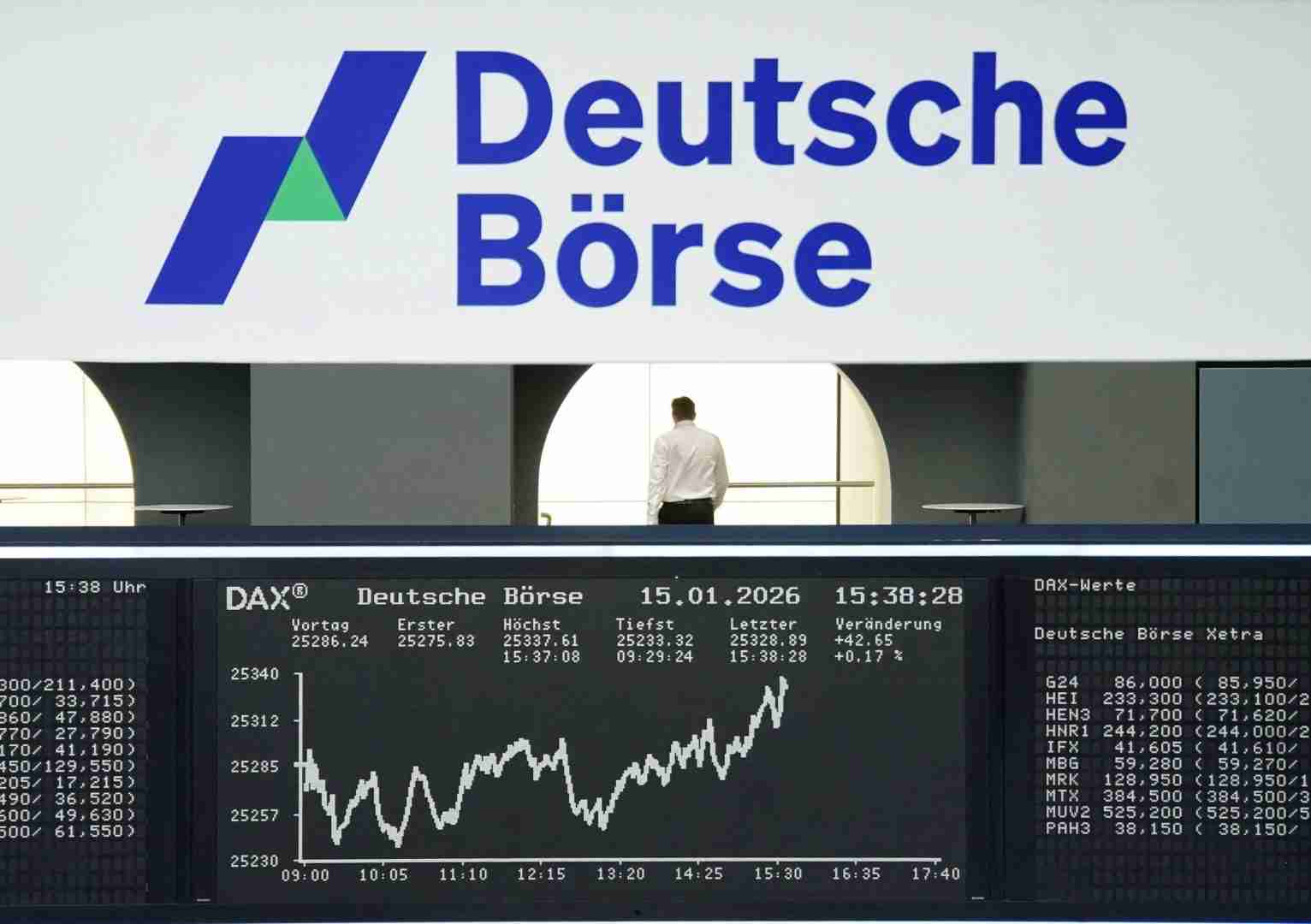
The pan-European benchmark STOXX 600 was up 0.5% to 605.59 points by 0810 GMT. The index gained for a third straight session, its longest such streak in a month.
Global markets rallied as oil prices paused gains, even as hostilities intensified between Israel and Iran following the killing of Tehran’s security chief.
Energy sector edged 0.3% lower, on track to snap an eight-day winning streak on crude’s pullback, while financial stocks provided the biggest boost to the benchmark.
Among individual movers, Diploma jumped 14.5% after the technical products and services distributor raised its fiscal year 2026 guidance.
Bollore jumped 15.7% after the company proposed an exceptional dividend of 1.5 euros per share.
On the macro front, the euro zone’s final reading for February consumer prices was due later in the day.
Investors will now closely parse the Fed’s outlook for new policy decisions post the outbreak of the Middle East conflict.
Reporting by Avinash P in Bengaluru; Editing by Janane Venkatraman

Premier Burt to attend DC Blockchain Summit 2026

Bermuda seeks regulatory alignment and innovation partnerships with US counterparts

The Premier and Minister of Finance, the Hon. David Burt, JP, MP, will represent Bermuda at the DC Blockchain Summit on March 17 – 18, 2026, in Washington, DC.
The Summit brings together federal lawmakers, regulators, and senior industry leaders to shape the future of blockchain and digital asset regulation in the United States.
Bermuda’s participation reflects the Government’s continued commitment to responsible innovation through practical policy and public-private collaboration, and to deepening partnerships with key international stakeholders at a pivotal moment for global digital asset regulation.
The Summit provides a structured forum for high-level dialogue on regulatory clarity, market integrity, consumer protection, and US competitiveness in financial innovation as the country progresses their market structure bill: The CLARITY Act.
It also presents a strategic opportunity to formalise cross-jurisdiction collaboration between Bermuda and U.S. stakeholders, with Bermuda positioned as a leading regulated hub for digital assets and financial innovation.
Premier Burt will engage US regulatory and policy counterparts on priority areas, including stablecoin frameworks, payments interoperability, tokenised markets, digital asset insurance, and financial market integrity, building on Bermuda’s established regulatory leadership under the Digital Asset Business Act (DABA) and the oversight of the Bermuda Monetary Authority (BMA).
Premier Burt will participate in a fireside discussion with an executive from the Stellar Development Foundation, which is a key partner in Bermuda’s wider digital finance strategy. With Bermuda having publicly committed to transitioning to an on-chain economy, the Summit offers a timely opportunity to align domestic initiatives with the international standards being shaped by Bermuda’s largest trading partners, particularly on stablecoins, payments interoperability, AML compliance, and market integrity.
These engagements will advance the Government’s broader strategy to position Bermuda as a trusted, innovation-friendly jurisdiction for regulated digital asset activity, including through bilateral meetings with US federal agencies, policymakers, global asset managers, financial institutions, and technology partners.
The Government’s participation underscores Bermuda’s commitment to building the international partnerships and regulatory alignment needed to lead responsibly in the global digital economy.
Premier Burt said, “Bermuda’s leadership in digital finance has always been built on practical policy, strong partnerships and collaboration. This Summit is an opportunity to continue that work and share best practices with our U.S. counterparts at an important moment for the industry.
“As the United States advances its own regulatory framework, there is a clear opportunity to align our approaches on digital payments, financial innovation, and market standards. Bermuda has committed to transitioning to an on-chain economy, and the partnerships we build at forums like this are essential to ensuring that transition is responsible, aligned with international standards, and beneficial for both jurisdictions.”
Minister Hayward champions modern labour movement
Minister tells BPSU delegates to engage, empower and evolve, at triennial conference
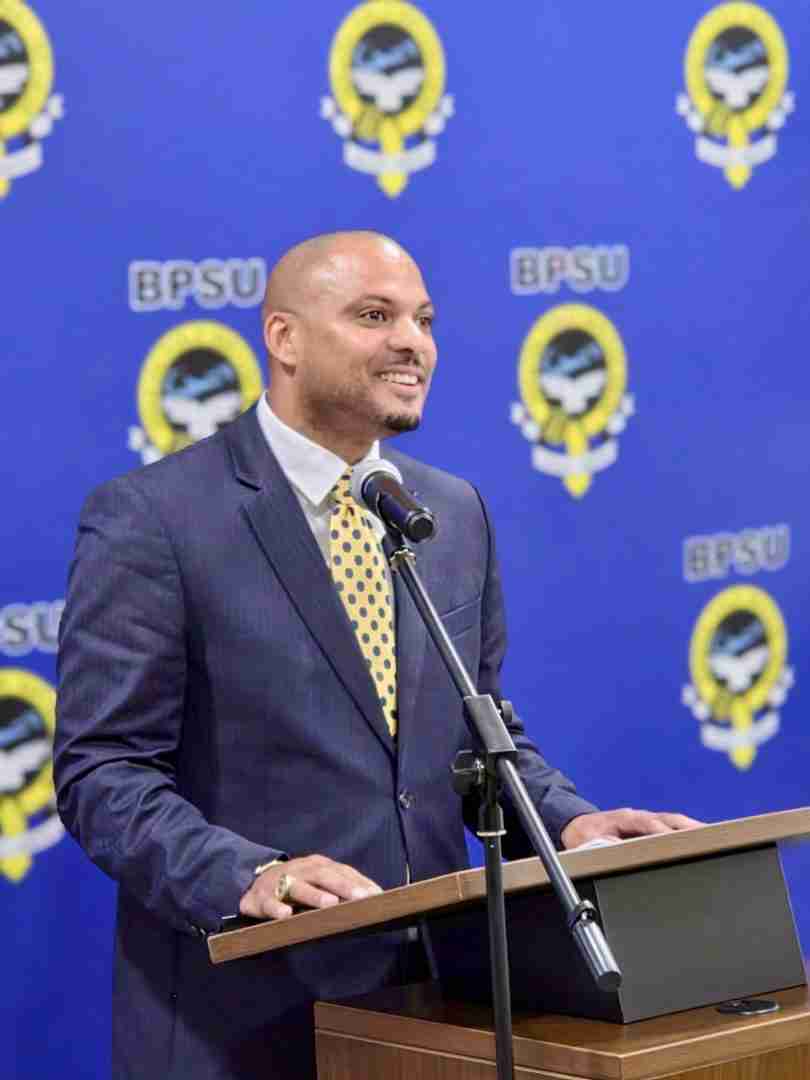
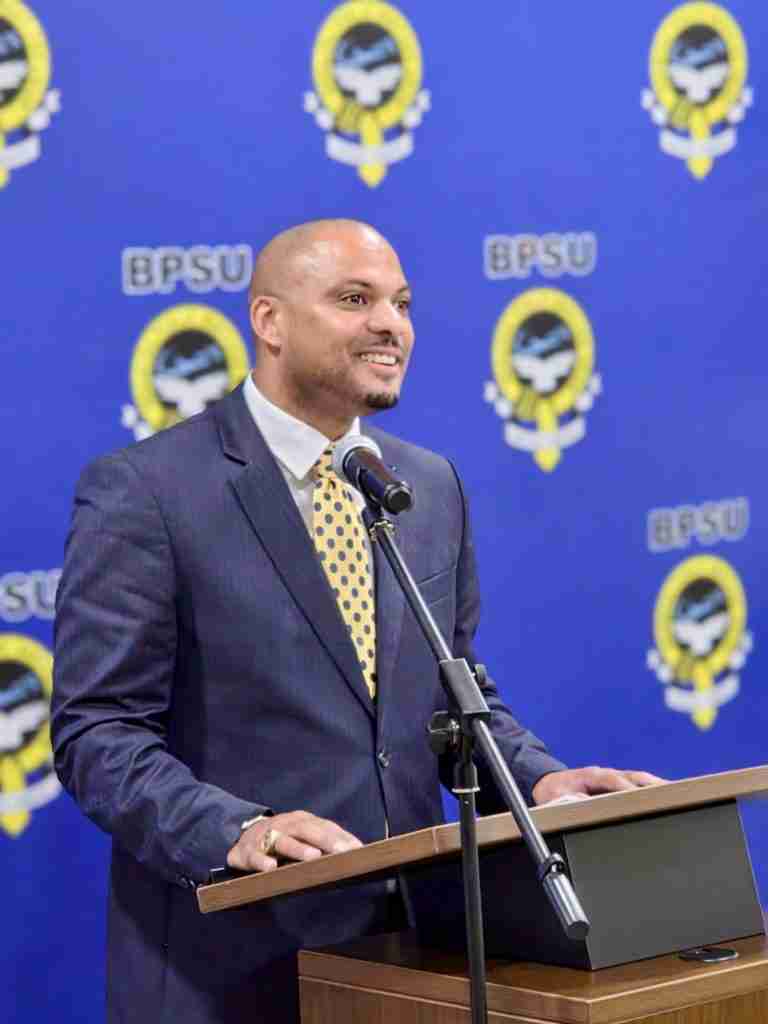
The Minister of Economy and Labour, the Hon. Jason Hayward, JP, MP, underscored the need for a modern, responsive labour movement as he addressed the Bermuda Public Service Union’s (BPSU) 9th Triennial Delegates Conference held on March 11.
Speaking at the opening ceremony, Minister Hayward urged delegates to actively shape the future of the union and Bermuda’s workforce, highlighting the importance of engagement, inclusivity, and adaptability in a rapidly changing world of work.
The conference, held under the theme “Engage, Empower, Evolve,” brought together union leadership, delegates, and members to reflect on progress and set priorities for the years ahead.
In his remarks, Minister Hayward pointed to the BPSU’s enduring role as a cornerstone of Bermuda’s labour movement and its continued advocacy for workers’ rights and protections.
“The story of Bermuda’s labour movement cannot be told without the BPSU,” the Minister said. “This organisation has played a central role in advancing the rights and well-being of workers across our country.”
Drawing on his personal experience, Minister Hayward described the union as instrumental in his own development, crediting it with shaping his leadership and commitment to public service.
“The BPSU is the institution that helped shape who I am today,” he said. “It instilled in me the values of leadership, good governance, and advocacy on behalf of workers.”
The Minister emphasised that the conference provides a critical opportunity for reflection and forward planning, enabling members to assess challenges and align on a shared vision.
“This conference is an important moment to evaluate where we are and where we need to go,” he said. “It is through honest dialogue and collective effort that we strengthen the organisation.”

Highlighting the conference theme, Minister Hayward encouraged delegates to ensure all voices are heard and valued, noting that empowering members is essential to building a strong and sustainable union.
“Every member has a role to play,” he said. “We must create spaces where individuals feel confident to contribute and are encouraged to participate fully in shaping the organisation.”
He also stressed the importance of evolution within the labour movement, particularly in response to technological change, shifting workforce dynamics, and global uncertainty.
“The world of work is changing, and our institutions must evolve with it,” the Minister said. “We must remain grounded in our principles while adapting to meet new challenges.”
Referencing past union-led initiatives, including efforts to address workplace bullying and harassment, the Minister highlighted the broader national impact of the BPSU’s work.
“These efforts demonstrate how the union’s work extends beyond its membership and contributes to improving standards across the entire country,” he said.
Minister Hayward concluded by reaffirming the importance of strong unions in supporting national development and encouraged delegates to approach the conference with purpose.
“A strong labour movement is essential to a strong community,” he said. “Together, we can continue to advance the rights of workers and build a fairer future for all.”
He also thanked outgoing executive members for their service and welcomed incoming leadership, wishing all participants a productive and successful conference.
