Saturday, November 7, 2026
Home Blog Page 521

Euro zone business activity expands steadily but price pressures reemerge

The common currency bloc started the year on a weaker note but sentiment has improved since Wednesday after U.S. President Donald Trump backed down on additional tariffs he had threatened to impose
International News via Reuters:

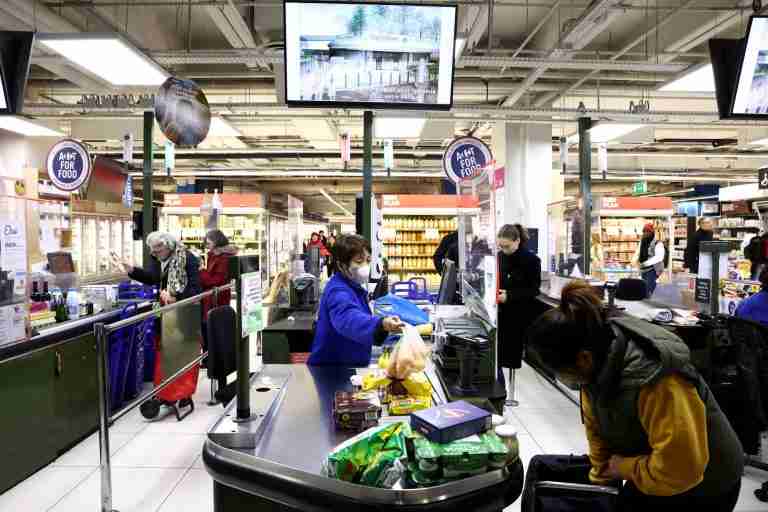
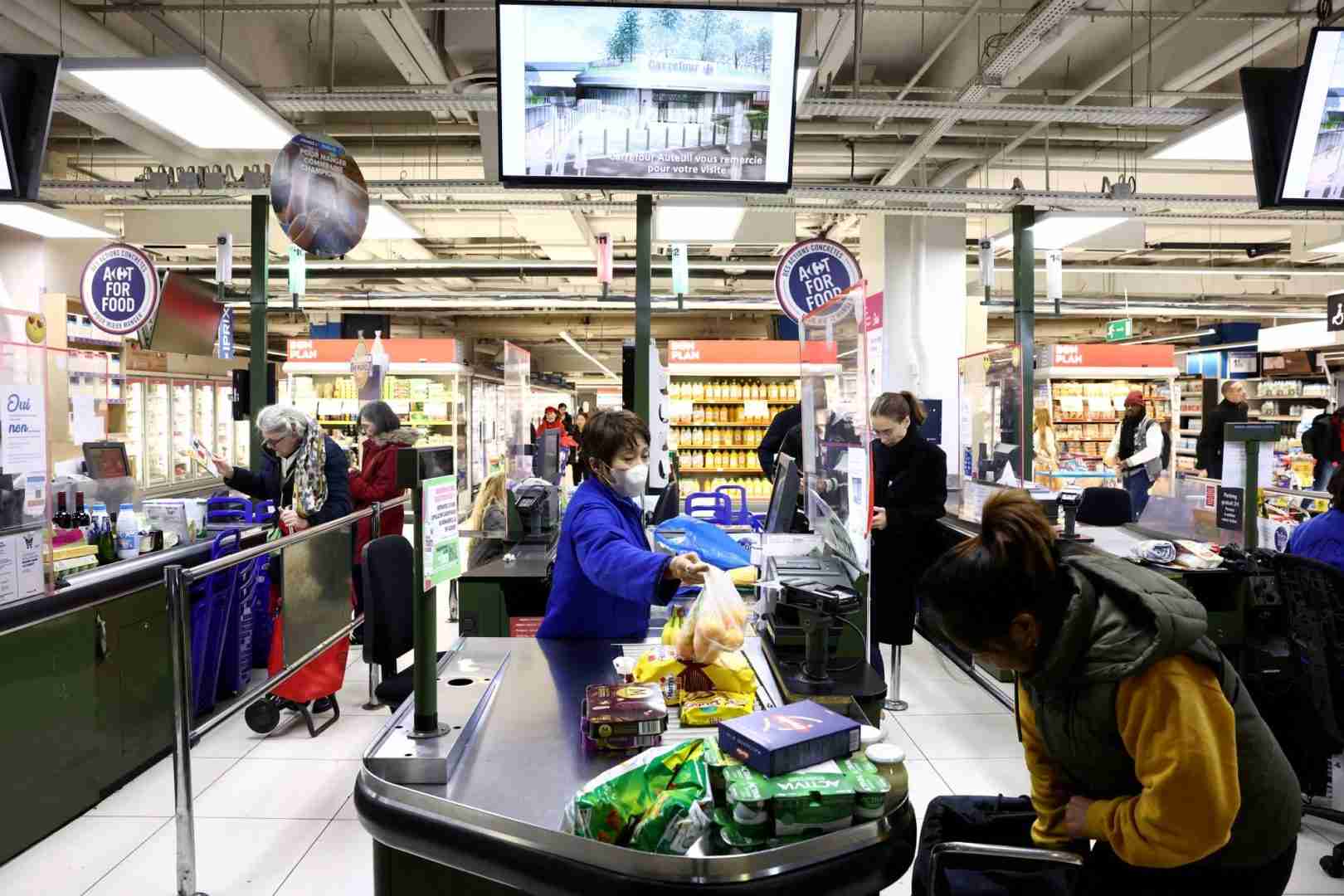
Euro zone business activity growth held steady this month as a weaker expansion in the dominant services industry offset milder factory contraction, according to a survey, while price pressures picked up.

The common currency bloc started the year on a weaker note but sentiment has improved since Wednesday after U.S. President Donald Trump backed down on additional tariffs he had threatened to impose on eight European countries as leverage to seize Greenland.

The HCOB Flash Eurozone Composite PMI, compiled by S&P Global, held at 51.5 this month but fell short of a Reuters poll forecast for 51.8. It remained above the 50.0 level that separates growth from contraction for a 13th straight month.

“Overall, these are decent data, supporting the view of a relatively resilient euro zone economy in the face of multiple shocks and ongoing policy uncertainty,” said Claus Vistesen, chief euro zone economist at Pantheon Macroeconomics. “That said, the bar to meet official and consensus forecasts is now higher.”

PRICE PRESSURES BACK ON RADAR

New orders rose at the weakest rate since September and new export business contracted at the quickest pace in four months, suggesting demand remained weak across the board. Firms shed jobs for the first time since September.

The services PMI slowed to a four-month low of 51.9 from 52.4 in December, lower than the Reuters poll prediction of 52.6. 

Manufacturing activity contracted again but at a slower pace.

An index measuring output, which feeds into the composite PMI, barely returned to expansion territory but new orders contracted for a third straight month. 

PMIs showed mixed activity across the bloc. In Germany, business activity grew at its fastest pace in three months in January but employment fell at the quickest rate since November 2009.

However, activity in France unexpectedly contracted in January, after two months of meagre growth.

In Britain, a separate PMI showed businesses reported the fastest growth since April 2024. But inflation and joblessness increased, too. 

Overall price pressures intensified with input costs rising at the fastest rate since February and output charges increasing at the quickest pace in nearly two years, reinforcing expectations the European Central Bank will keep rates steady.

“Even though inflation has remained remarkably benign in recent months despite all the economic turmoil, the PMI does indicate increasing price pressures again,” said Bert Colijn at ING. “That being said, the moves are not nearly enough to sway the ECB from its expectations to hold rates for the foreseeable future.”

Still, optimism about future activity rose to its highest since May 2024.

Reporting by Indradip Ghosh; Editing by Toby Chopra
Portugal sees no upheaval from presidential vote, minister says

The run-off is set for February 8 and will pit moderate centre-left Socialist Antonio Jose Seguro against the leader of far-right, populist Chega, Andre Ventura for the largely ceremonial post

International News via Reuters:

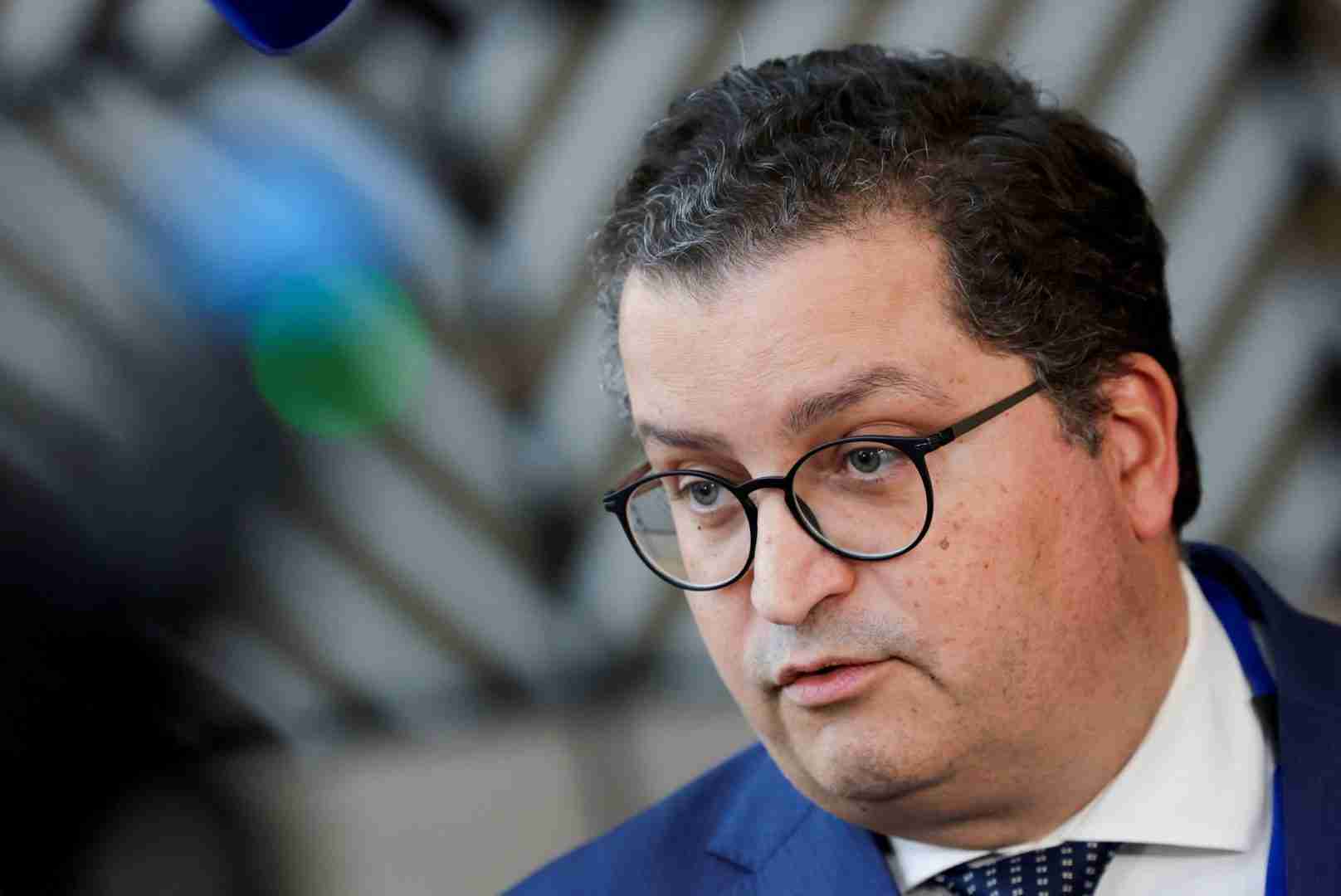
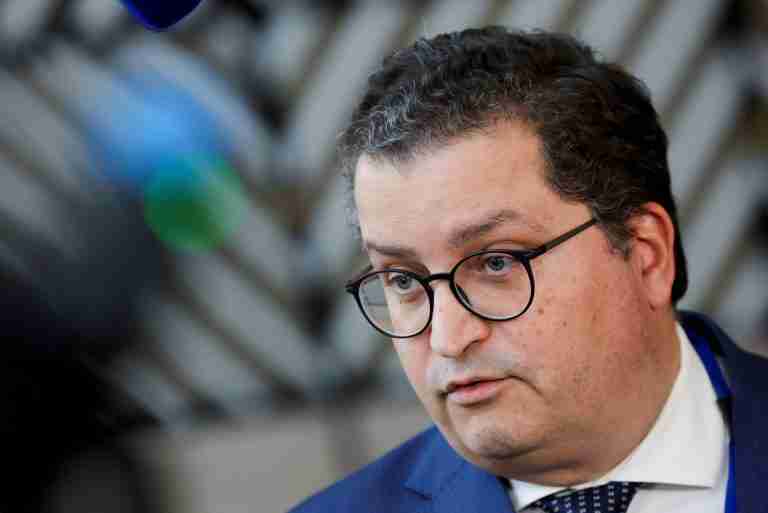
Portugal is unlikely to face political upheaval following the upcoming presidential run-off, allowing the centre-right minority government to maintain budget surpluses and cut public debt, Finance Minister Joaquim Miranda Sarmento told Reuters.

The run-off is set for February 8 and will pit moderate centre-left Socialist Antonio Jose Seguro against the leader of far-right, populist Chega, Andre Ventura for the largely ceremonial post.

Political analysts say that even though Ventura is widely expected to lose, his strong showing in the first round could stiffen resistance to Prime Minister Luis Montenegro’s rule in a fragmented parliament, where Chega is the main opposition.

“Investors look at Portugal as a stable country. I speak to a lot of investors and I’ve never heard any concerns,” Miranda Sarmento said in an interview late on Thursday in Davos.

He said that, despite the administration’s minority status, it has been able to govern, “passing bills in parliament, sometimes with one party and other times with another,” referring to Chega and the Socialist Party.

GREATER RESPONSIBILITY

Miranda Sarmento said that since the government was re‑elected in May, after the Socialists joined Chega in rejecting a confidence motion, the opposition had not imposed spending hikes or tax cuts that would squeeze fiscal space, unlike in 2024.

“I think the opposition learnt the lesson in the May election… and I believe parliament will continue to have fiscal responsibility, no one in Portugal wants a return to deficits,” he said.

The 2026 budget was passed in November when the Socialists abstained, citing the need for stability, though Chega voted against.

Portugal was subject to harsh austerity measures in 2011-2014 under the terms of an international bailout, after the public deficit exceeded 11% in 2010.

Miranda Sarmento was confident Portugal would post a 0.1% of GDP budget surplus this year, even as tax breaks were expanded and wages and pensions increased, although it would fall short of the slightly over 0.3% expected surplus for 2025.

The government has vowed to cut the public debt ratio, which peaked at more than 134% during the COVID-19 pandemic in 2020, to 87.8% of GDP this year, from 90% expected in 2025.

He said the government, in talks with unions and employers, will make “every effort” to conclude a labour reform it sees as vital to boosting productivity, and growth. The ultimate goal was to lift economic growth to around 3% in 2029, well above the 2.3% forecast for this year and 2.0% in 2025.

Reporting by Mark John; writing by Sergio Goncalves; Editing by Alex Richardson

Yen volatile as rate check speculation swirls, dollar set for steep weekly drop

The yen was last a fraction stronger on the day at 158.05 per dollar

International News via Reuters:

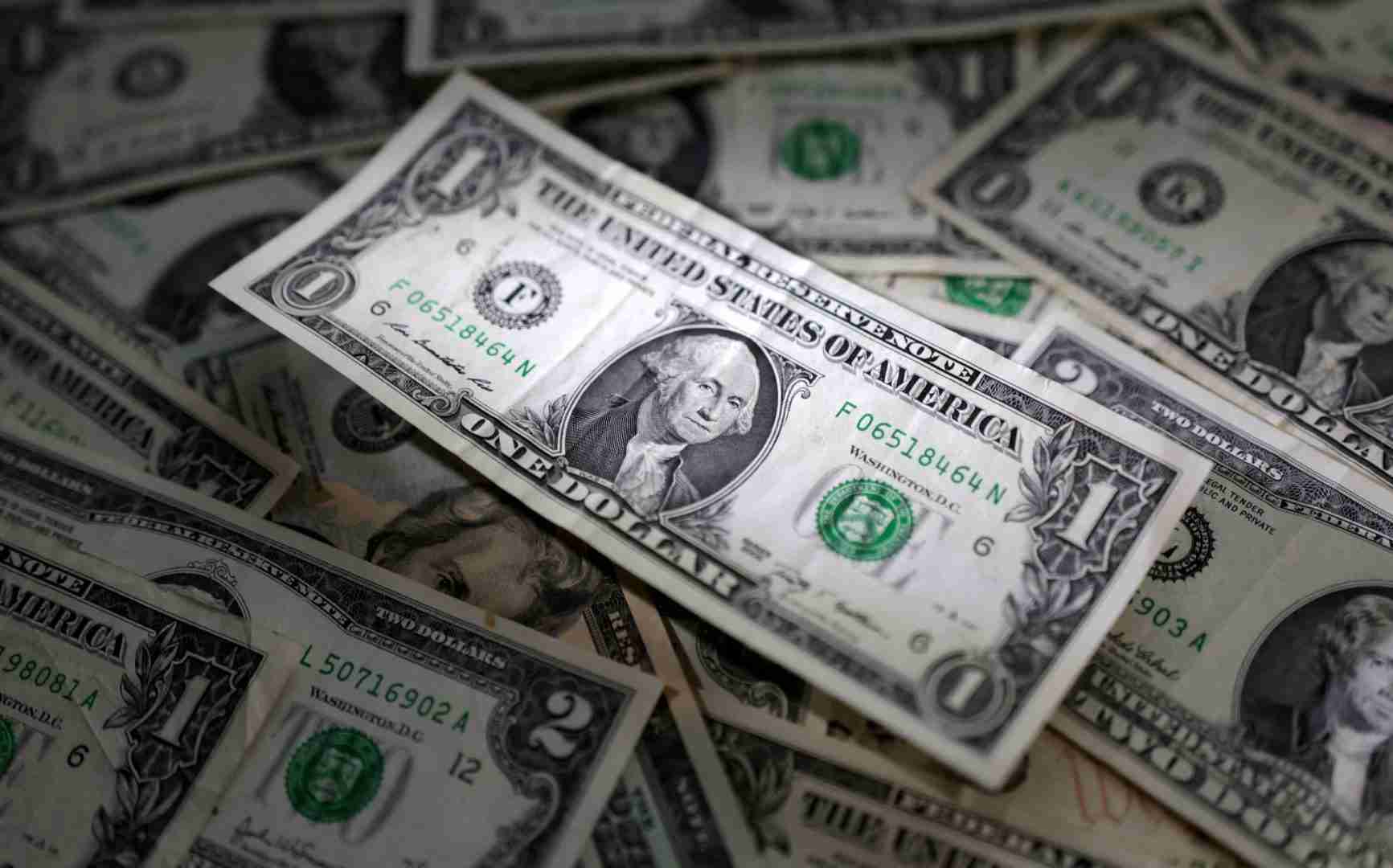
The yen suddenly strengthened on Friday, raising market speculation that authorities had conducted a rate check, often a precursor to intervention, while the dollar was set for its steepest weekly decline since June as geopolitical tensions unsettled investors.   

The yen was last a fraction stronger on the day at 158.05 per dollar.

It had weakened to as soft as 159.2 per dollar, close to 18-month lows, during a press conference by Bank of Japan governor Kazuo Ueda after the BOJ held rates steady, but then suddenly strengthened to 157.3 per dollar.

Traders are alert to the prospect of intervention from Tokyo to stem the Japanese currency’s slide, though the loose market consensus was authorities had not intervened directly but had run rate checks with banks.

“I don’t think it was intervention because it doesn’t match the pattern that we’ve seen when they have gone for it. Typically you get a very big move down in dollar-yen,” said Jonas Goltermann, deputy chief markets economist at Capital Economics.

He also pointed to the possibility of a so-called ‘rate check’.

A rate check – asking what price it would get if it were to sell yen – is something Japanese authorities can use to signal their readiness to enter the market.

Japan’s finance minister declined to comment.

The yen has been under relentless pressure since Sanae Takaichi took over as Japan’s prime minister in October, dropping more than 4% on fiscal concerns and hovering near levels that have spurred verbal warnings and intervention fears.  

A bond market rout this week underscored investor nerves about Japan’s fiscal position as Takaichi called a snap election for February and promised tax cuts, sending Japanese government bond yields to record highs. They have recovered somewhat since then but investors remain skittish. 

DOLLAR SELLING MOMENTUM    

More broadly, the shifting geopolitical landscape has weighed on sentiment this week as Trump said he had secured U.S. access to Greenland in a deal with NATO that came as he backed off tariff threats against Europe and ruled out taking the autonomous territory of Denmark by force.

The dollar has borne the brunt of investor angst in the currency markets as U.S. assets were pummelled at the start of the week amid the intensifying geopolitical tensions, which revived talk of the ‘Sell America’ trade that emerged in the aftermath of Trump’s sweeping Liberation Day levies last April. 

The dollar index, which measures the U.S. currency against six units, was last at 98.31, flat on the day. However it was still headed for an around 1% weekly decline, its steepest since June.

The euro was last around 0.1% lower at $1.1740, but set for a 1.4% weekly gain while sterling was last at $1.35. Data released Friday showed that UK retail sales rose unexpectedly in December but had little effect on the pound.

Thierry Wizman, global FX & rates strategist at Macquarie Group, said while a Greenland deal solves the immediate problem of tariffs and invasion, it doesn’t solve the core issue of the seeming alienation of allies from one another. 

“And that’s not a good place to be if you want to preserve the USD’s reserve-currency status.”

Reporting by Ankur Banerjee in Singapore and Sophie Kiderlin in London; Editing by Shri Navaratnam, Jacqueline Wong and Toby Chopra

Serious single-vehicle crash near Loyal Hill in Devonshire

Crash involving a motorcycle caused serious disruption

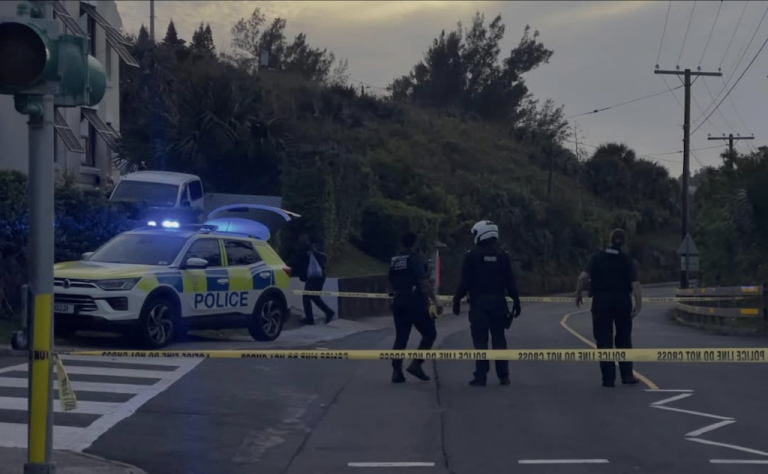
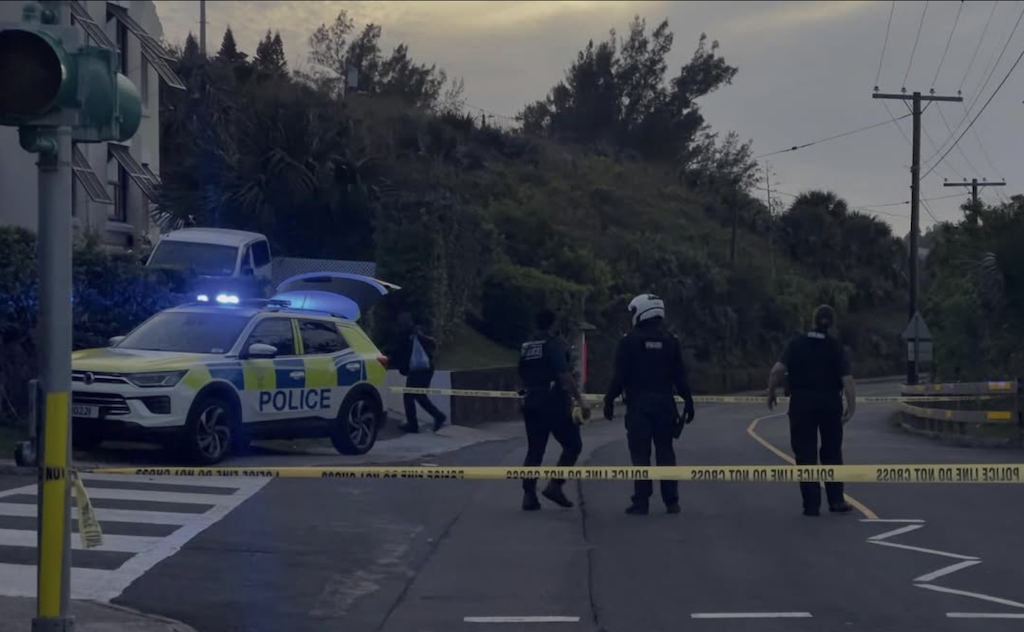
A serious single-vehicle motorcycle crash caused major disruption earlier today near the junction of Loyal Hill and North Shore Road in Pembroke. The roadway was temporarily closed while police processed the scene, with traffic diverted through Devonshire and Smith’s. Motorists were advised to avoid the area and use alternate routes. Police have since confirmed the scene has been cleared and North Shore Road has fully reopened to traffic.

Magnum accuses former Ben & Jerry’s board chair of ‘serious misconduct’ as more directors squeezed out

Unilever, which acquired the quirky, socially conscious Ben & Jerry’s in 2000, spun off its ice cream unit into Magnum in December and retains a 19.9% stake

International News via Reuters:

Ben & Jerry’s years‑long struggle to defend its progressive mission from parent‑company pressure escalated this week, as The Magnum Ice Cream Company accused the brand’s former board chair of misconduct and said its once eight‑member board had been reduced to just two directors.

Unilever, which acquired the quirky, socially conscious Ben & Jerry’s in 2000, spun off its ice cream unit into Magnum in December and retains a 19.9% stake.

Since 2024, Vermont-based Ben & Jerry’s and its independent board have fought Unilever, and now Magnum, in U.S. District Court in New York against what they said were efforts to undermine the brand’s social mission and the board’s autonomy.

In a filing dated January 20 in that U.S. District Court case in New York, Magnum said that Ben & Jerry’s CEO and a Unilever appointee were now the only members on its board.

After Magnum deemed her unfit to serve, Ben & Jerry’s Board Chair Anuradha Mittal was ousted in mid-December, and two long-serving directors left as Magnum introduced nine-year term limits.

In its new filing, Magnum said Mittal “had engaged in serious misconduct that rendered her ineligible to serve on the board” and that an Ernst & Young audit of the Ben & Jerry’s Foundation, a separate U.S. non-profit funded by the brand, led to concerns of conflicts of interest. 

Magnum said none of the three remaining independent directors had agreed to undergo compliance training, meaning they had left the board as of January 1. 

Mittal has accused Magnum and Unilever of trying to discredit her and undermine the board’s authority. 

“Magnum’s midnight purge of independent directors who provide oversight authority and holding hostage charitable funds— all while they continue to conceal the audit report and scope of work — speak for themselves,” Mittal said in a statement on Thursday. 

Magnum described the protracted litigation as “regrettable” and said it remained committed to supporting the Ben & Jerry’s team. 

“We look forward to the development of a refreshed Board with a majority of Independent Directors, led by an Independent Director,” Magnum said in a statement. 

Magnum said the foundation had regularly made grants to organisations where trustees including Mittal held senior positions and received compensation or other benefits. 

The foundation said it had “become collateral damage” in the battle.

The relationship between Ben & Jerry’s and its parent company began unravelling in 2021 when it said it would stop selling in the Israeli-occupied West Bank.

Reporting by Alexander Marrow in London and Jessica DiNapoli in New York; Editing by Cynthia Osterman

JPMorgan buys UK pensions technology firm WealthOS, memo shows

The acquisition will deepen the bank’s footprint in pensions, positioning it to tap demand for retirement planning products as customers seek predictable income in later life

International News via Reuters:

U.S. banking giant JPMorgan Chase has closed a deal to buy UK-based pensions technology platform WealthOS, according to an internal memo seen by Reuters on Thursday.

The acquisition will deepen the bank’s footprint in pensions, positioning it to tap demand for retirement planning products as customers seek predictable income in later life.

Founded in 2019, WealthOS runs a technology-focused wealth management platform with a workforce in the UK and Sri Lanka, all of whom will join JPMorgan, the memo sent by Edmund Cohen, head of pensions and wealth products at the bank, said.

J.P. Morgan Personal Investing plans to use the technology capabilities of WealthOS to enhance its pensions offering, the memo added.

Private banking is a large and competitive market in the UK, shaped by the country’s role as a global financial centre and home to a high concentration of wealthy individuals, family offices and international investors.

Demand has been supported by an ageing population, rising cross-border wealth flows and a growing need for advice on succession, tax and retirement planning, making the segment a steady source of fee income for banks and asset managers.

Reporting by Manya Saini in Bengaluru; Editing by Alan Barona

World Economic Forum attendance ‘full circle moment’ for Bermuda

The Premier and Finance Minister David Burt was a panellist in Davos, Switzerland on several sessions with senior leaders from global organizations on digital innovation and insurance

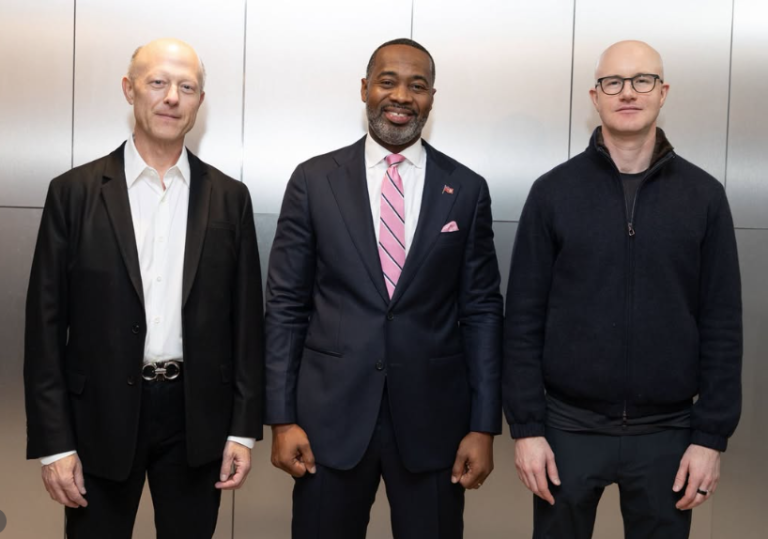
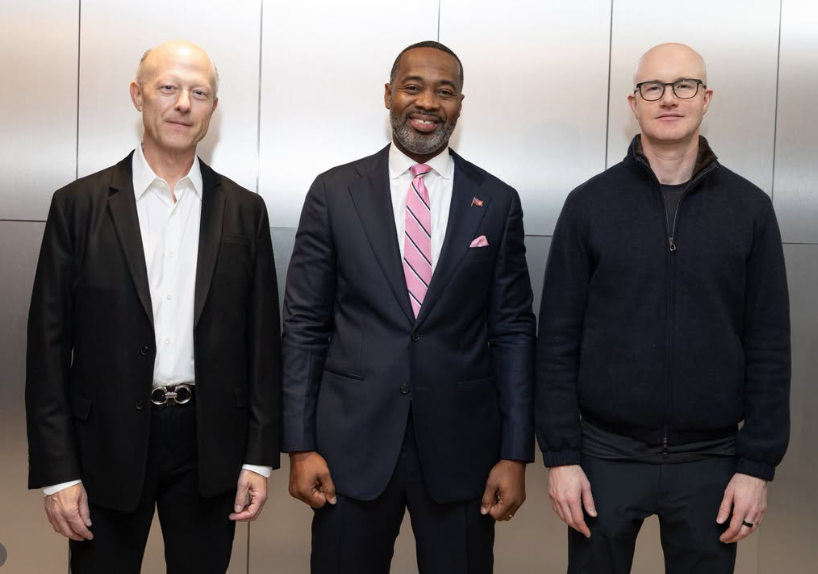
Brian Armstrong, Co-Founder and CEO of Coinbase, Bermuda Premier David Burt and Jeremy Allaire, Co-Founder, Chairman, and CEO of Circle, at the World Economic Forum met to affirm the company’s commitment to advancing digital finance in Bermuda. Photo: davidburtmp/Instagram

Premier and Finance Minister David Burt has been in Davos Switzerland for the World Economic Forum’s annual meeting.


It draws political and business leaders from around the globe to face pressing economic and technological challenges. Bermuda first attended the forum in 2018.


All eyes may be on US President Donald Trump and ongoing tensions over proposed EU tariffs, but Bermuda’s representatives were spreading the world that the island’s financial sector is well and truly open for business.


Premier Burt met with several financial service leaders of the asset management, insurance and digital asset business sector.

The Premier also took part in several panels and sessions, including “Stablecoin Adoption for Humanitarian Action”, and “Insurability in a Changing World”.
Turning to matters at home, the Premier was asked whether the growing income inequality gap between blue collar workers and the thriving international business sector can be met with targeted measures this budget season, such as introducing tax credits.

EU likely to resume ratification of US trade deal, Metsola says

The European Parliament this week decided to suspend work on the trade deal because of Trump’s new tariff threats

International News via Reuters:

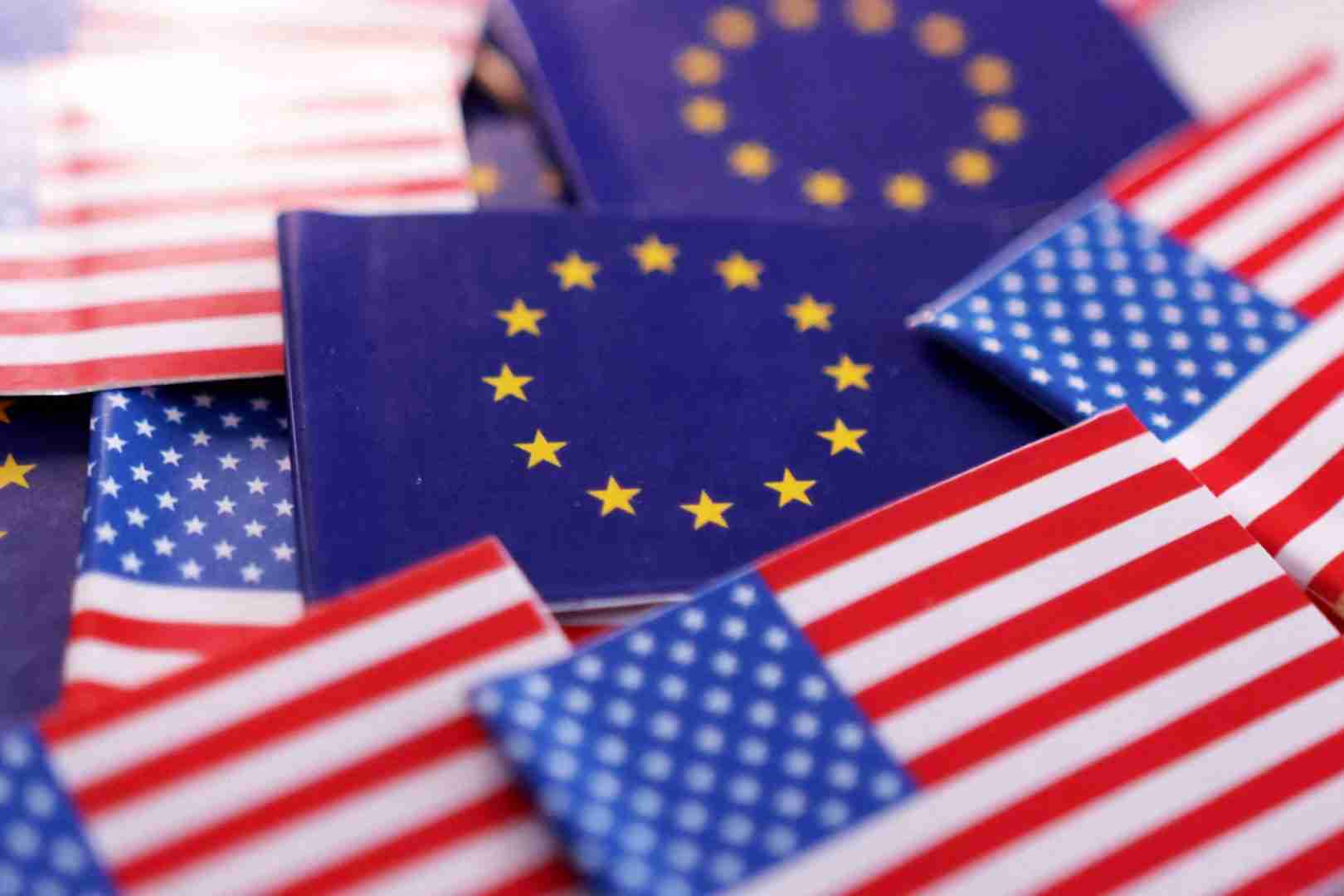
The European Union will likely resume work on a trade deal with the United States after U.S. President Donald Trump took back a tariff threat over his attempt to acquire Greenland, the European Parliament’s president said on Thursday.

“We are happy to see that the escalation is off the table for now,” President Roberta Metsola said.

“This means that we can continue at this stage our discussions internally on the EU-U.S. trade deal, which had been paused pending the impending tariff threat.”

The European Parliament this week decided to suspend work on the trade deal because of Trump’s new tariff threats.

The EU assembly has been debating legislative proposals to remove many EU import duties on U.S. goods, a key part of the agreement struck in Turnberry, Scotland, at the end of July, as well as to continue zero duties for U.S. lobsters, initially agreed with Trump in 2020. The proposals require approval by the parliament and EU governments. 

Many lawmakers have complained that the trade deal is lopsided, with the EU required to cut most import duties while the U.S. sticks to a broad rate of 15%. However, they had previously appeared willing to accept it, albeit with conditions, such as an 18-month sunset clause and measures to respond to possible surges of U.S. imports.

The trade committee of the European Parliament had been due to set its position in votes on January 26-27.

Metsola said lawmakers were optimistic that discussions could resume soon to get the process back on track.

Reporting by Bart Meijer; Editing by Lisa Shumaker

Two tiers or not two tiers? …that is the question

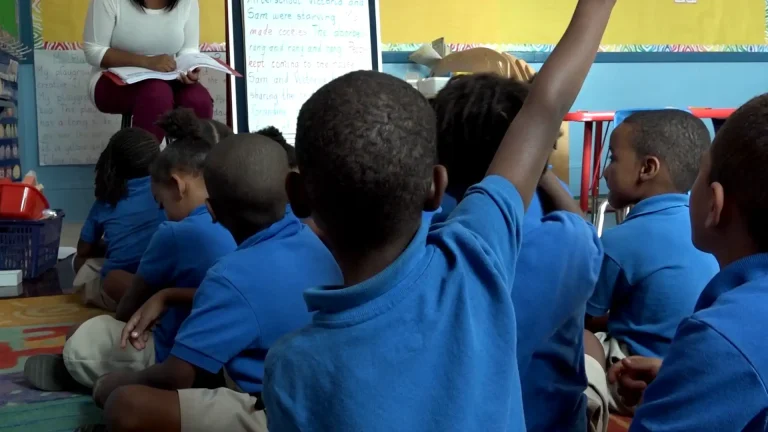
Confusion for public school parents, after it was suggested that changes to a two-tier system may not go as planned. Gary Foster Skelton elaborates…

UN agencies take responsibility for IS camps in Syria after Kurds retreat

Iraq, which has begun taking in detainees transferred from prisons in Syria as the Kurds retreat, said it would begin prosecuting them through its criminal justice system, and called on other countries to help take them in

International News via Reuters:

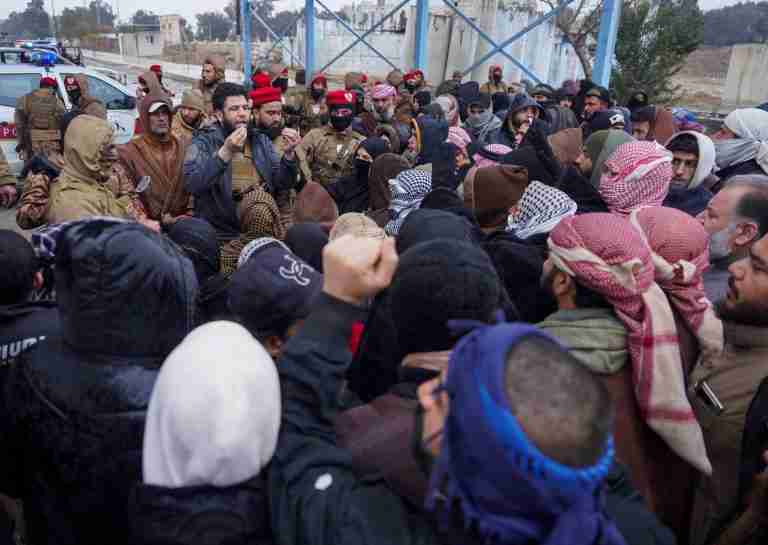
The United Nations said on Thursday it was taking management responsibility for vast camps in Syria housing tens of thousands of women and children associated with Islamic State, after the rapid collapse of Kurdish-led forces who guarded them for years.

Iraq, which has begun taking in detainees transferred from prisons in Syria as the Kurds retreat, said it would begin prosecuting them through its criminal justice system, and called on other countries to help take them in.

More than 10,000 members of Islamic State, and tens of thousands of women and children associated with them, have been held for years in about a dozen prisons and detention camps guarded by the Kurdish-led Syrian Democratic Forces (SDF) in Syria’s northeast.

The SDF has rapidly retreated this week after clashes with Syrian government forces, raising concern about security at prisons and humanitarian conditions at the camps.

The United Nations said the SDF withdrew on Tuesday from al-Hol, which along with another camp, Roj, houses 28,000 civilians, mainly women and children who fled Islamic State’s strongholds as the group’s self-proclaimed caliphate collapsed. They include Syrians, Iraqis and 8,500 nationals of other countries.

Syrian government forces had established a security perimeter around the camp and teams from the U.N. refugee agency UNHCR and the U.N. children’s agency UNICEF reached the camp on Wednesday, officials said.

“UNHCR – which has taken over camp management responsibilities – is actively coordinating with the Syrian government to urgently resume the safe delivery of life-saving humanitarian assistance,” senior U.N. aid official Edem Wosornu told the U.N. Security Council.

U.N. officials had not yet been able to enter because “the situation in the camp remains rather tense and volatile with reports of looting and burning,” U.N. Spokesperson Stephane Dujarric told reporters. He said the Syrian government had expressed a willingness to provide security and support for UNHCR and aid groups.

DETAINEES SENT TO IRAQ

The U.S. military said on Tuesday its forces had transferred 150 detainees from Syria to Iraq at the start of an operation that could eventually see up to 7,000 detainees moved out of Syria.

A U.S. official told Reuters on Tuesday that about 200 low-level IS fighters escaped from Syria’s Shaddadi prison, although Syrian government forces had recaptured many of them.

Iraq’s Deputy U.N. Ambassador Mohammed Sahib Mejid Marzooq told the U.N. Security Council on Thursday that Iraq was accepting detainees to protect regional and international security, but that other countries should be prepared to help.

“This issue should not be left to become a long-term strategic burden on Iraq alone. The insistence of some states on considering their terrorist nationals a threat to their national security and the refusal to repatriate them is unacceptable,” he said. 

Islamic State emerged in Iraq and Syria, and at the height of its power from 2014-2017 held swathes of the two countries, ruling over millions of people. Its “caliphate” eventually collapsed after military campaigns by regional governments and a U.S.-led coalition.

An Iraqi military spokesperson confirmed that Iraq had received a first batch of 150 IS detainees, including Iraqis and foreigners, and said the number of future transfers would depend on security and field assessments. The spokesperson described the detainees as senior figures within the group.

RELATIVES OF SOME DETAINEES WORRIED ABOUT THEIR FATE

Iraq’s Supreme Judicial Council said Iraqi courts would take “due legal measures” against detainees once they are handed over and placed in specialised correctional facilities.

“All suspects, regardless of their nationalities or positions within the terrorist organisation, are subject exclusively to the authority of the Iraqi judiciary,” the statement said.

Iraqi officials say IS detainees will be separated, with senior figures including foreign nationals to be held at a high‑security detention facility near Baghdad airport previously used by U.S. forces.

The transfers have raised concern among some relatives of IS detainees in Europe. A European woman whose relative joined the group and was detained in Syria said her family was alarmed by reports that prisoners were being moved to Iraq, noting that Iraq has the death penalty.

Speaking on condition of anonymity, she said the family initially hoped changes in control in Syria might bring information on her relative’s fate.

“At least we thought we might finally learn where he is, whether he is alive or sick,” she said. “But when we saw that the prisoners were being taken to Iraq, that frightened us.”

Two Iraqi legal sources said the IS detainees sent from Syria include a mix of nationalities, with Iraqis making up the largest group, alongside Arab fighters from other countries and nationals of Britain, Belgium, France, Germany and Sweden.

Reporting by Ahmed Rasheed in Baghdad and Maya Gebeily in Beirut and Michelle Nichols at the United NationsEditing by Peter Graff

Bermuda a ‘goldmine’ for humpback whale research

Andrew Stevenson hopes the 2026 season will deliver record fluke IDs and new insights into the whales’ pelagic behaviour

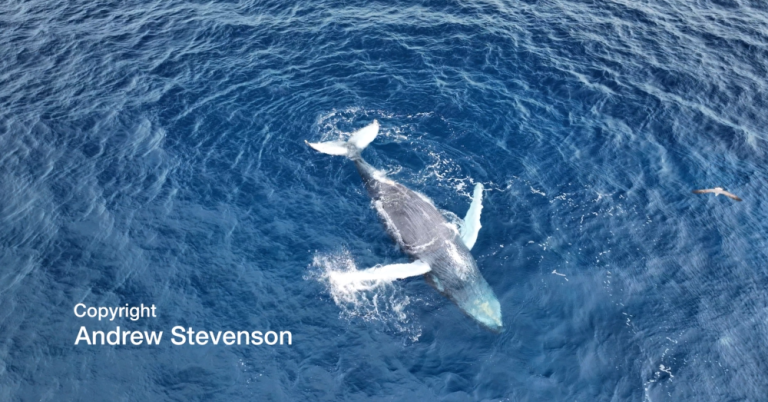
A record number of fluke IDs and a deeper behavioural window into the pelagic lives of humpback whales … those are the hopes of local researcher and filmmaker Andrew Stevenson heading into the 2026 season.

It may only be January, but the humpbacks are already putting on a show for residents.

Last week, a rare sighting of three humpback whales inside the reef system was reported off Dockyard.

Mr. Stevenson was able to study the pod up close, capturing his first fluke ID of the 2026 season.

One whale, a yearling, was matched to Labrador, Canada but had never been seen before, an indication of its young age.

Knowing that humpbacks, especially calves and yearlings, are sometimes seen alongside bottlenose dolphins, questions were raised about whether the pod was drawn to the dolphins at Dockyard.

Austin Allen, Lead Scientist and Research Coordinator at Dolphin Quest, says it is incredibly unlikely the whales were attracted to the dolphins, citing anatomical studies that suggest baleen whales may have a very limited sense of smell.

Mr. Allen also says it’s unlikely the whales could have heard the dolphins, noting that bottlenose dolphins produce high-frequency sounds that don’t travel far, especially in shallow water.

Still, the sighting highlights Bermuda’s unique role in whale research … offering scientists rare access to the mammals up close.