
On Saturday, January 17th there will be a celebration of the life for the late Zaniko Hendrickson who was a co-owner of the H&H Gombeys, the troupe’s lead drummer, and a founding member of the Bermuda Gombey Council. Qian Dickinson met with family, close friends and members of the H&H Gombey troupe to reflect on his life and legacy.
Family and friends gather to celebrate the life and legacy of Zaniko Hendrickson

Norwegian court finds Islamist guilty of orchestrating deadly 2022 pride attack

Arfan Bhatti, a 48-year-old Norwegian citizen born in Oslo, stood trial on charges of complicity in aggravated terrorism even though he was in Pakistan at the time of the attack

International News via Reuters:
A Norwegian court on Friday found an Islamist man guilty of orchestrating a deadly shooting at a gay bar during Oslo’s 2022 Pride celebrations, sentencing him to 30 years in prison.
Arfan Bhatti, a 48-year-old Norwegian citizen born in Oslo, stood trial on charges of complicity in aggravated terrorism even though he was in Pakistan at the time of the attack.
Two people died and eight others were wounded by bullets when a lone gunman, identified as Iranian-born Norwegian Zaniar Matapour, opened fire on the London Pub, a hub of Oslo’s LGBTQ+ scene, and a next-door bar in the centre of Norway’s capital.
Dozens more suffered lesser injuries in the chaos that followed.
In July 2024, Matapour was convicted of murder and aggravated terrorism for carrying out the attack, and was also sentenced to 30 years in prison, the longest possible under Norwegian law.
Bhatti was extradited to Norway in 2024 and has remained in custody. He pleaded not guilty at trial and can appeal against the verdict.An independent inquiry into the authorities’ response concluded in 2023 that police could have prevented the attack had they acted on a tip-off from a foreign intelligence agency.
Two forensic psychiatric experts concluded in court that Bhatti has severe dissocial personality disorder and meets the criteria for psychopathy, though they determined he still remains criminally responsible for his actions.
Reporting by Terje Solsvik in Oslo and Soren Jeppesen in Copenhagen; Editing by Aidan Lewis
Nigeria’s northeast faces worst hunger in a decade as aid cuts hit region, UN says

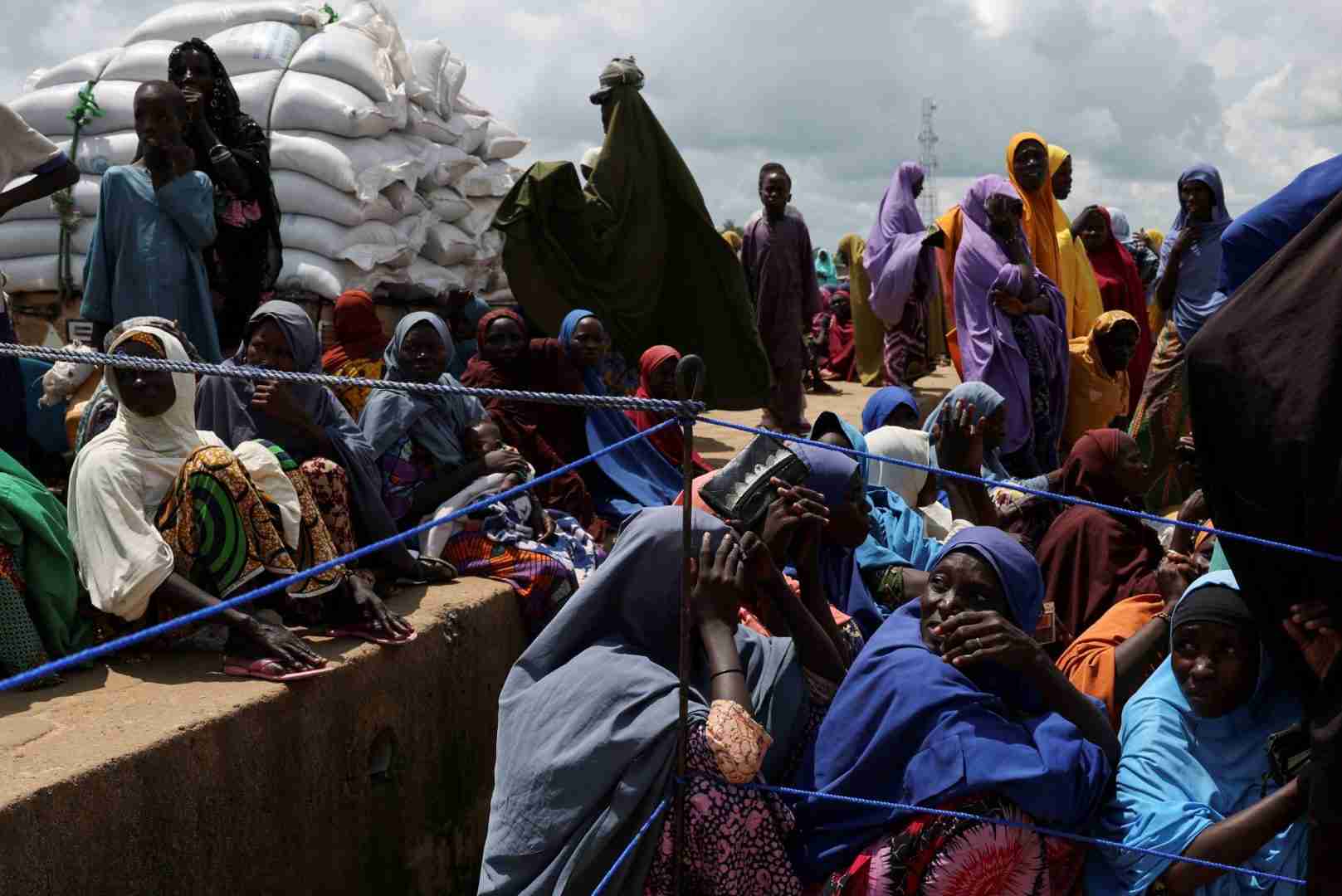
Around 15,000 people are at risk in Borno state, the agency said, an area already struggling with years of militant unrest
International News via Reuters:
Thousands of people in Nigeria’s strife-torn northeast are facing the risk of catastrophic food shortages for the first time in nearly a decade, as aid cuts deepen malnutrition across the region, the U.N. World Food Programme warned on Friday.
Around 15,000 people are at risk in Borno state, the agency said, an area already struggling with years of militant unrest.
Across West and Central Africa, 55 million people are facing severe food shortages, with more than three quarters of the people affected in Nigeria, Chad, Cameroon and Niger, it added.
The U.N. body did not pick out specific funding but agencies have been raising the alarm since the Trump administration started reducing aid as part of its “America First” policy last year, and Britain and others cut aid budgets to boost spending on defence.
More than 13 million children in the region were projected to suffer malnutrition this year, the WFP said.
Conflict, displacement and economic pressures have driven food insecurity for years, but cuts to humanitarian assistance were now pushing vulnerable communities beyond their ability to cope, the statement added.
“The reduced funding we saw in 2025 has deepened hunger and malnutrition across the region,” Sarah Longford, WFP’s deputy regional director for West and Central Africa, said.
Funding shortfalls in 2025 had already forced WFP to scale back nutrition programmes in Nigeria, affecting more than 300,000 children, after the agency warned that nearly 35 million people could go hungry as its resources ran out in December.
Elsewhere, insecurity in Mali has disrupted food supply routes, leaving 1.5 million people facing crisis levels of hunger, while more than half a million people in Cameroon risk being cut off from aid in the coming weeks, the statement said.
The U.N. agency said it needed more than $453 million over the next six months to continue providing humanitarian assistance across the region.
Writing by Ben Ezeamalu; Editing by Andrew Heavens
World shares hover near record highs on simmering geopolitics

Safe-haven gold fell, while oil prices rebounded from an earlier retreat after U.S. President Donald Trump adopted a wait-and-see attitude towards Iran, having earlier threatened intervention

International News via Reuters:
Global stocks hovered near record peaks on Friday, as international tensions simmered and the dollar held near a six-week high as traders trimmed bets on Federal Reserve interest rate cuts.
Safe-haven gold fell, while oil prices rebounded from an earlier retreat after U.S. President Donald Trump adopted a wait-and-see attitude towards Iran, having earlier threatened intervention.
International politics has been the major focus for markets since the start of year following Trump’s action in Venezuela and threats to take over Greenland.
“Although it appears that we’ve sort of dialled down the probability of U.S. intervention in the Middle East for the time being, I don’t think we can entirely rule that out,” Michael Brown, senior research strategist at Pepperstone, said.
US PUBLIC HOLIDAY CURBS MARKET ACTIVITY
Market participants may lack conviction ahead of the Martin Luther King Jr. Day U.S. holiday on Monday, Brown said.
“I wouldn’t be entirely confident if I was running a book to be long-risk or short-crude into a three-day weekend with this amount of Middle East tension going on,” he said.
The pan-European Stoxx 600 index was flat, after notching a record high on Thursday.
France’s CAC 40 was 0.4% lower, underperforming regional peers on political uncertainty.
The French government on Friday postponed talks about its 2026 budget as lawmakers failed to reach a compromise.
U.S. stock futures pointed to a firm start on Wall Street, where an earnings-packed week will end with State Street results.
In Asia, tech-heavy indexes in Taiwan .TWII and South Korea .KS11 notched all-time peaks as stellar results from Taiwanese chipmaker TSMC 2330.TW revived the AI trade.
The U.S. and Taiwan clinched a trade deal on Thursday that cuts tariffs on many of the semiconductor powerhouse’s exports, directs investments towards the U.S. technology industry and risks infuriating China.
“I guess with the TSMC report yesterday being pretty solid and sounding optimistic, it certainly provided a much-needed shot in the arm for those AI names which have been struggling on Wall Street in recent months,” said Tony Sycamore, a market analyst at IG.
TRADERS ARE ON YEN INTERVENTION WATCH
The yen grabbed the spotlight in the currency markets after Japanese Finance Minister Satsuki Katayama said on Friday Tokyo would not rule out any options to counter excessive foreign exchange volatility, including coordinated intervention with the United States.
Her comments lifted the yen JPY= slightly. The currency extended gains after a Reuters report that some Bank of Japan policymakers see scope to raise interest rates sooner than markets expect, with April a distinct possibility.
The dollar was last down 0.3% at 158 yen.
The yen has been sold off on the prospect of a snap election in Japan as early as next month, which investors bet could lead to expanded fiscal stimulus from Prime Minister Sanae Takaichi.
The dollar hovered near a six-week high after U.S. economic releases this week including data that showed the number of Americans filing new applications for unemployment benefits unexpectedly fell last week.
Against a basket of currencies, the dollar =USD stood at 99.28, close to Thursday’s peak of 99.493, its highest since early December. FRX/
Markets have priced in a 20% chance of Fed rate cut in March, down from roughly 50% a month ago.
In oil markets, prices rose slightly as supply risks remained in focus despite the receding likelihood of a U.S. military strike against Iran.
Brent crude and U.S. West Texas Intermediate both traded just over 1% higher.
Spot gold XAU= was down 0.12% at around $4,609 an ounce. GOL/
Reporting by Sophie Kiderlin in London and Rae Wee in Singapore; Editing by Dhara Ranasinghe and
Small Minneapolis businesses hit hard by ICE crackdown, while corporations stay silent
By contrast, large corporations in Minneapolis have been much less vocal about the effects of immigration enforcement on the city
International News via Reuters:
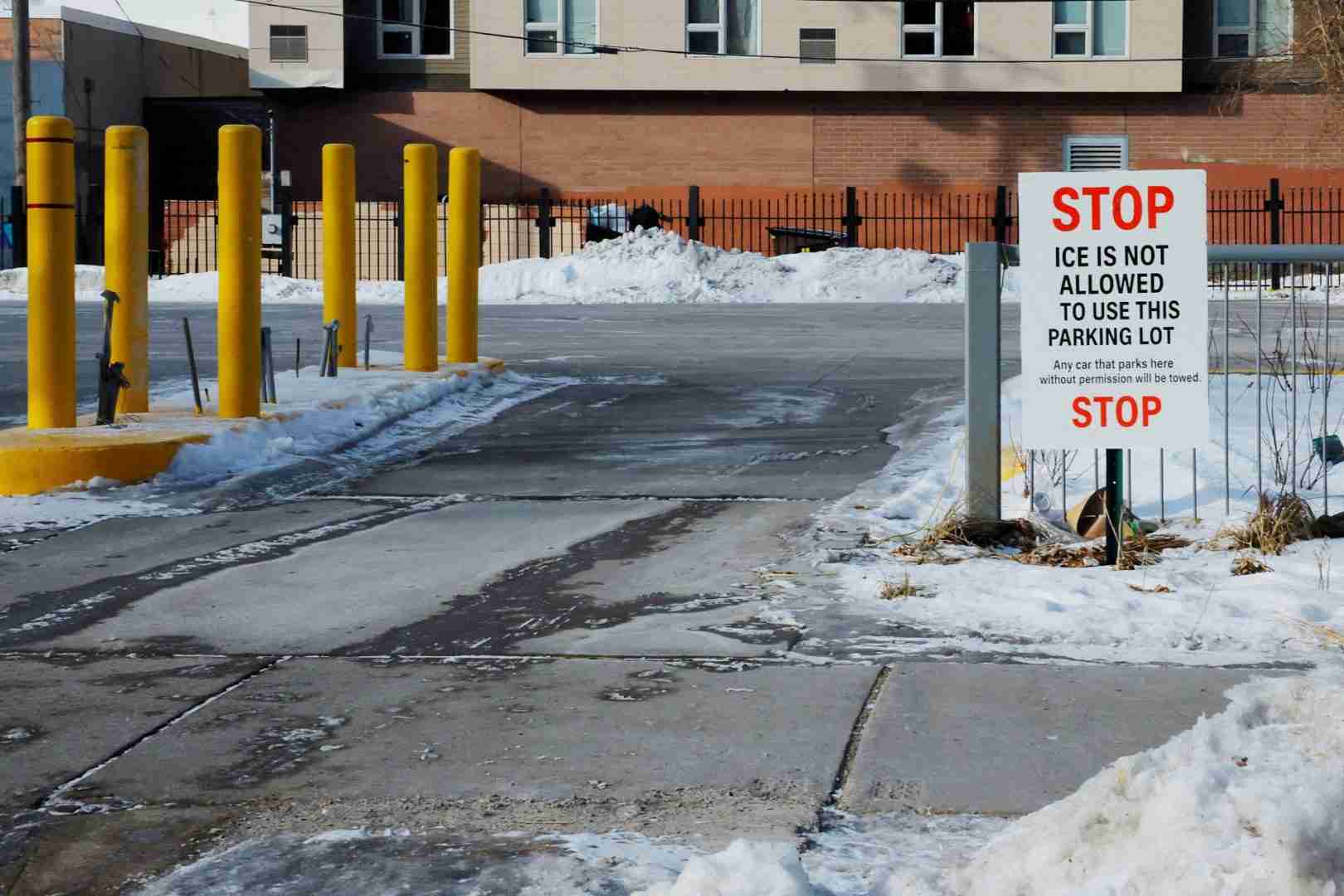
Up and down Lake Street in the heavily Latino area of south Minneapolis, numerous mom-and-pop restaurants have hung up signs that say “No ICE,” referring to U.S. Immigration and Customs Enforcement officials who have been conducting frequent raids in the area. The federal actions have also prompted thousands in the streets to protest after ICE agents killed 37-year-old Renee Good in her vehicle last week.
By contrast, large corporations in Minneapolis have been much less vocal about the effects of immigration enforcement on the city, known as both a bastion of progressive politics in the U.S. Midwest and a robust corporate employer. Seventeen Fortune 500 companies are based in Minnesota, including Target, UnitedHealth, and General Mills.
Reuters reached out to those companies, as well as Minnesota-based corporations Best Buy, Hormel, Land O’Lakes, agricultural giant Cargill, and industrial conglomerate 3M. None would speak on the record on the guidance they have given to employees. Their websites also have not addressed the current federal actions or unrest in the city.
It stands in contrast with how companies responded in 2020 after the police killing of George Floyd that spurred nationwide anger; many companies, including UnitedHealth and General Mills, spoke out in support of Floyd or his family after his death.
FEAR RESHAPING OPERATIONS
Their silence, according to Bill George, a Minneapolis-based former executive and current Harvard Business School fellow, is a mistake.
“A lot of them are very silent and I think it’s not a good time to be silent,” he told Reuters. He added he has spoken with numerous executives in the Minneapolis area who have expressed concerns about the toll on business, with many still in the process of formulating guidance to workers.
“It is disappointing to me that we don’t hear their voices. They’re charged with the safety, security and well-being of their employees,” he said.
Businesses have been much less outspoken about President Donald Trump’s policies in his second term, due to fear of retaliation or threats of boycotts. After a Hilton-owned Hampton Inn cancelled bookings for ICE members in early January, the company removed it from its network.
Many restaurants on Lake Street have reduced hours or closed. At Pineda Tacos, where a “No ICE” sign hangs in the front window and trash cans barricade the rear entrance, employees guard the door in an effort to prevent surprise raids, letting customers in one-by-one. Owner Luis Reyes Rojas said fear has reshaped daily operations.
“We have plan A, plan B and plan C,” Reyes Rojas said, describing plans to retreat to offices or basements in case agents appear. “We don’t know how much longer we can endure this.”
FEELING THE EFFECTS
Business associations say the $350 billion regional economy is feeling the effects, from sales declines at small businesses to falling attendance at large companies and agricultural operations. “There are impacts that roll up to Fortune 500 companies and all the way down to sole proprietors,” said Mike Logan, CEO of the Minneapolis Regional Chamber of Commerce.
The Trump administration has defended the operations, and has added more agents even as 69% of Americans in a recent Reuters poll say federal agents should minimize the harm to people during operations, even if arrests decline.
One high-profile ICE incident took place at a Target store in the suburb of Richfield, where a pair of workers – both U.S. citizens – were taken by ICE agents. One of those arrested was a 17-year-old Target employee, according to a source familiar with the situation. Target has not issued any public statement about the ICE raids; it declined to comment for this story.
Michael Howard, a Democratic state representative, whose district includes parts of Minneapolis and Richfield, said he has been trying to learn more about Target’s protocols related to ICE. He is urging them to “exert more clearly their private property rights and Fourth Amendment rights to request that if ICE is going into their public-private spaces that they present a judicial warrant.”
Jeff, 61, who owns a residential cleaning company in the Minneapolis suburbs, said he has told his all-Latino workforce not to work if they feel threatened. He declined to share his last name or business name out of fear of attracting ICE attention. He has been filling the tanks of company cars following reports that ICE has questioned people at gas stations.
“I’m not telling anyone they have to work,” he said. “If they want to, I will give them as safe a route as I can give them. If they don’t want to come in, I understand, and no one will get fired.”
Reporting by Maria Alejandra Cardona in Minneapolis, Savyata Mishra in Bengaluru and Ross Kerber in Boston; additional reporting by PJ Huffstutter in Chicago, Siddharth Cavale, Jessica DiNapoli and David Gaffen in New York; Writing by David Gaffen; Editing by Aurora Ellis
Bank of England’s Bailey calls on policymakers to challenge the populists
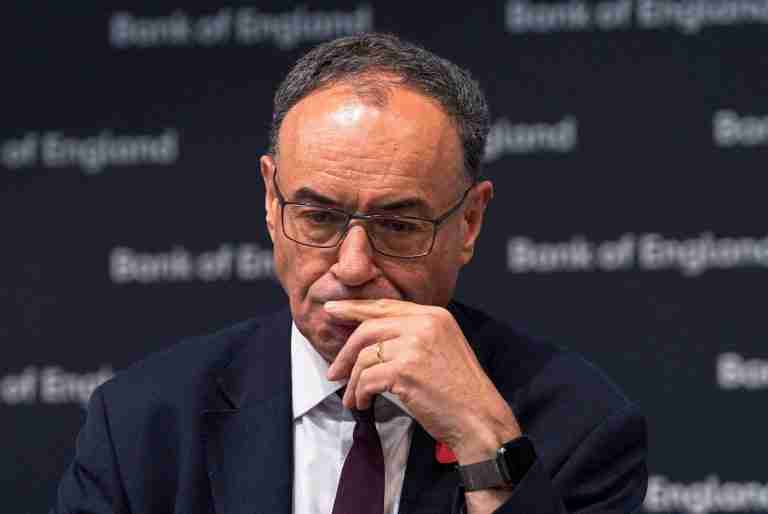
In remarks published on Friday, Bailey said populism made it harder for global agencies – such as the International Monetary Fund – to spell out risks in the world economy
International News via Reuters:
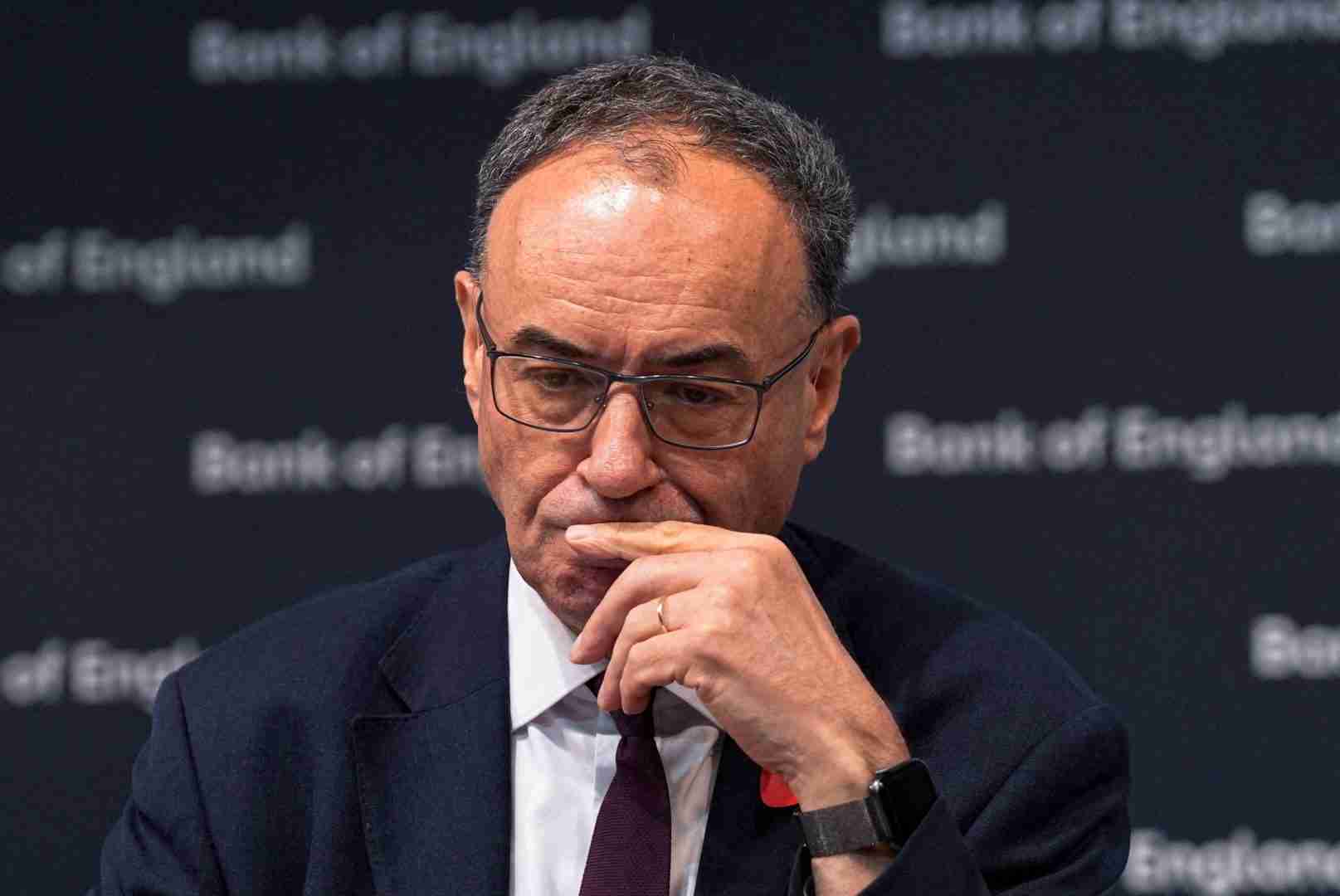
Bank of England Governor Andrew Bailey said financial policymakers had to push back against attempts by populist politicians to discredit them.
In remarks published on Friday, Bailey said populism made it harder for global agencies – such as the International Monetary Fund – to spell out risks in the world economy.
“Part of the purpose of international agencies is that from time to time they have to tell us what we don’t want to hear, let alone act upon,” Bailey said in the text of a speech he made at a closed-door meeting of the Bellagio Group of economists, central bankers and finance officials on Tuesday.
“Of course, they have to be accountable for the accuracy and quality of the assessment. But, accepting that, we have to call out messenger shooting.”
He said attempts had been made to encourage a decline in trust of “domestic and international” organisations to make them appear “distant, unresponsive and acting for the benefit of powerful and uncontrollable interests”.
Bailey, who has previously warned of the dangers of thwarting the IMF’s role in flagging the buildup of imbalances in the world economy, did not identify any politicians or countries in his speech.
The IMF last year criticised U.S. President Donald Trump’s big tax cuts and it supports open international trade. U.S. Treasury Secretary Scott Bessent has accused the Fund of straying too far from its core missions, for example by looking at the impact of climate change.
In his speech, Bailey said now was not the time to close the world to the benefits of trade. He also said the importance of rules to make the global finance industry safe was not as widely accepted as it should be.
Earlier this week, Bailey signed a statement along with other top central bankers backing Federal Reserve Chair Jerome Powell after the U.S. Justice Department launched a criminal investigation over cost overruns for renovation work at the Fed’s headquarters complex.
Writing by William Schomberg; editing by Suban Abdulla
Greece orders safety investments by Italian-owned railway after train crash

The requirements are contained in amendments to a 2017 state contract with Hellenic Train approved by parliament late on Thursday, the transport ministry said in a statement
International News via Reuters:
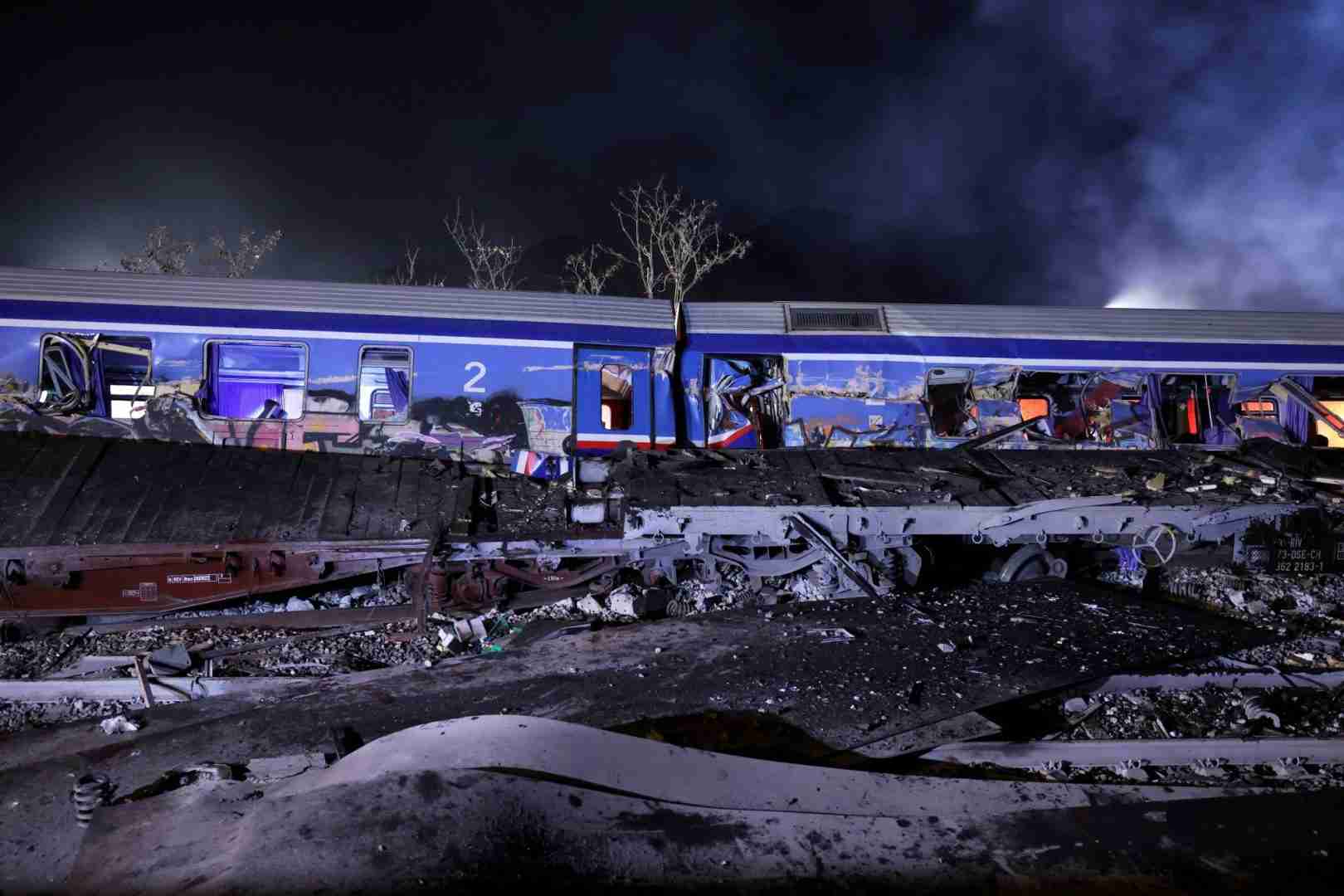
Greece is requiring Italian-owned railway operator Hellenic Train to invest 420 million euros ($487.41 million) in new trains and maintenance to improve safety nearly three years after the country’s worst rail disaster.
The requirements are contained in amendments to a 2017 state contract with Hellenic Train approved by parliament late on Thursday, the transport ministry said in a statement.
“For the first time, the contract includes a break clause. If trains are not delivered and put into service by 2027, the state can terminate the contract,” the statement said.
On February 28, 2023, a passenger train coming from Athens and a freight train coming from Thessaloniki collided head-on near the town of Larissa, killing 57 people, mostly students.
Experts hired by the families of the victims and Greek investigators have highlighted safety deficiencies.
Hellenic Train had already announced part of the new agreement – a 308 million euro investment in new electric trains from Alstom – in December, calling it “a decisive step toward a safer, more modern and more passenger-focused railway”.
The trains will be fitted with a system for remote communication between drivers and traffic controllers and to control a train’s brakes from a distance, Hellenic Train said.
A project co-funded by the European Union to install the system was launched in 2014 but was repeatedly pushed back. EU prosecutors have charged numerous Greek officials with malpractice over that contract.
The transport ministry statement said 100 million euros of investment by Hellenic Train was earmarked for maintenance infrastructure, depots and digital systems.
Following a judicial investigation, a trial over the train crash is expected to start in March. Hellenic Train said last year it had provided all required data and was committed to continuing full cooperation with the inquiry.
“We fully trust the legal proceedings due to start later this year,” Alexandra Kassimi, a spokesperson for Hellenic Train, told Reuters on Friday in response to a request for comment.
($1 = 0.8617 euros)
Reporting by Angeliki Koutantou; editing by Philippa Fletcher
London’s FTSE 100 subdued; eyes weekly advance

The blue-chip FTSE 100 was flat at 10236.58 points as of 0955 GMT, marginally easing off a three-week peak

International News via Reuters:
London’s benchmark index traded cautiously on Friday after notching a record closing high in the previous session, as falling metal prices weighed on mining stocks and offset gains in defence shares.
The blue-chip FTSE 100 was flat at 10236.58 points as of 0955 GMT, marginally easing off a three-week peak. Meanwhile, the domestically focused mid-cap index was up 0.24%, climbing to a five-week high.
Both indexes were on pace to end the week on a positive note, driven by strength in resource-focussed stocks earlier in the week, dominated by geopolitical developments and regional economic data.
London-listed miners led losses, with Anglo American, Rio Tinto and Antofagasta down between 1.8% and 2.3%, pressured by concerns over weakening demand for copper from top consumer China. [MET/L]
The index of precious metal miners was down 1.1% as gold extended its losses, pressured by stronger-than-expected U.S. economic data that dampened hopes of near-term Federal Reserve rate cuts, while easing geopolitical tensions in Iran reduced demand for the safe-haven metal. [GOL/]
Defence stocks rallied amid renewed instability around the Russia‑Ukraine conflict after President Volodymyr Zelenskiy declared a state of emergency and Britain pledged £20 million in energy aid to Ukraine.
Britain’s aerospace and defence index jumped 1.25%, with BAE Systems climbing 1.6%, Avon Technologies rising 1.5% and Rolls-Royce Holdings up 1.1%.
Separately, Britain’s Office for National Statistics is preparing contingency plans to delay the rollout of its revamped labour market survey by up to six months, Bloomberg News reported on Friday. The agency still aims for a November transition but may push the launch to May 2027, the report said.
Among other stocks, Pearson fell 3% to the bottom of the benchmark index and dragged down media stocks after Barclays cut target price to 1070 pence from 1175 pence.
Reporting by Tharuniyaa Lakshmi in Bengaluru; Editing by Vijay Kishore

‘Forced retirement due to age is discrimination’

Following a new public consultation, Lisa Reed and the Human Rights Commission aim to propose an expansion to age discrimination laws by the autumn
One day shy of age 65 and employed? Then if you are willing and capable, you should be able to continue working…
That’s the position of the Human Rights Commission’s Lisa Reed.
When we asked the HRC’s Executive Director if the Commission sees people being being able to be forced to retire at a certain age as a form of discrimination, she responded affirmatively.
“…at the age of 64 and on your birthday, all of a sudden you are made to retire”, she said. “It is an interesting proposition for someone who wishes to continue to work and who is able, and whose performance management illustrates good performance.”
The HRC this week launched a public consultation on age discrimination in the workplace.
Ms Reed says they have seen an uptick in complaints, and while the most recent have centred on forced retirement at 65, the HRC wants to understand people’s experiences at any age.
Following the consultation, the HRC will seek amendments to the Human Rights Act, which currently does not protect people from workplace discrimination due to age.
Ms Reed explained that the Human Rights Act was amended in 2013 to provide protection from age-based discrimination when buying or selling a property, renting a hotel room, or seeking services from a restaurant or health care provider.
“So, age was added to the act in those areas”, she said, “but it was not added as a protected area within section six [of the HRA], which is employment.”
Therefore, Ms Reed added, there are no protections under the HRA for someone being unfairly told that they are too young or too old for a particular role, or being passed over for a promotion due to their age.
The HRC’s consultation comes right on the heels of a new policy guide released by the Ministry of Economy & Labour, encouraging employers to retain staff who are willing and able to work past retirement age.
The timing of the two initiatives is purely a coincidence, Ms Reed says.
However, there could be a reciprocal effect, as any changes to the law with regard to discrimination in the workplace could turn some of the recommendations in the new policy guide to legal requirements.
The UK tackled age-based workplace discrimination in the 2010 Equality Act.
They went even further in 2011 – abolishing forced retirement at 65.
Asked if the HRC is looking for similar legislation as there is in the UK, Lisa Reed said ” the Commission’s position is that discrimination should be prohibited in the area of employment.”
WATCH the full report above…
Savour the flavours: Restaurant Weeks is back


Restaurant Weeks – Bermuda’s biggest culinary celebration – starts tomorrow, January 16th, and runs through February 16th.
It will feature more than 60 restaurants, entertainment offerings, and six unique culinary experiences across the island.
Utilizing fresh local seafood and international flavours, diners can enjoy specially curated two-course lunches and three-course dinners that celebrate Bermuda’s food, culture, and people.
Now in its 16th year and hosted by the Bermuda Tourism Authority, the event continues to highlight the island’s vibrant culinary scene.
Today, we spoke to James Wambui, Executive Chef at Cambridge Beaches, who shared details about his resort’s upcoming Restaurant Weeks event, which takes place on January 17th
Turkey says Syrian government could use force against Kurds

More than 150,000 people have fled from two Kurdish-run pockets of Syria’s northern city of Aleppo during five days of fighting between government forces and Kurdish fighters
International News via Reuters:
The Syrian government army could use further force against Kurdish militants after a flare-up in violence in northern Syria, the foreign minister of neighbouring Turkey, a strong backer of the Syrian authorities, said on Thursday.
More than 150,000 people have fled from two Kurdish-run pockets of Syria’s northern city of Aleppo during five days of fighting between government forces and Kurdish fighters. Syria’s health ministry says at least 23 people have died.
Turkey, the top foreign backer of the Syrian government run by former rebels that toppled Bashar al-Assad in 2024, has itself threatened a potential military operation against the Syrian Kurdish groups it calls terrorists.
It says the Kurdish-led Syrian Democratic Forces (SDF) must integrate into the central government under a nearly year-old agreement that has stalled.
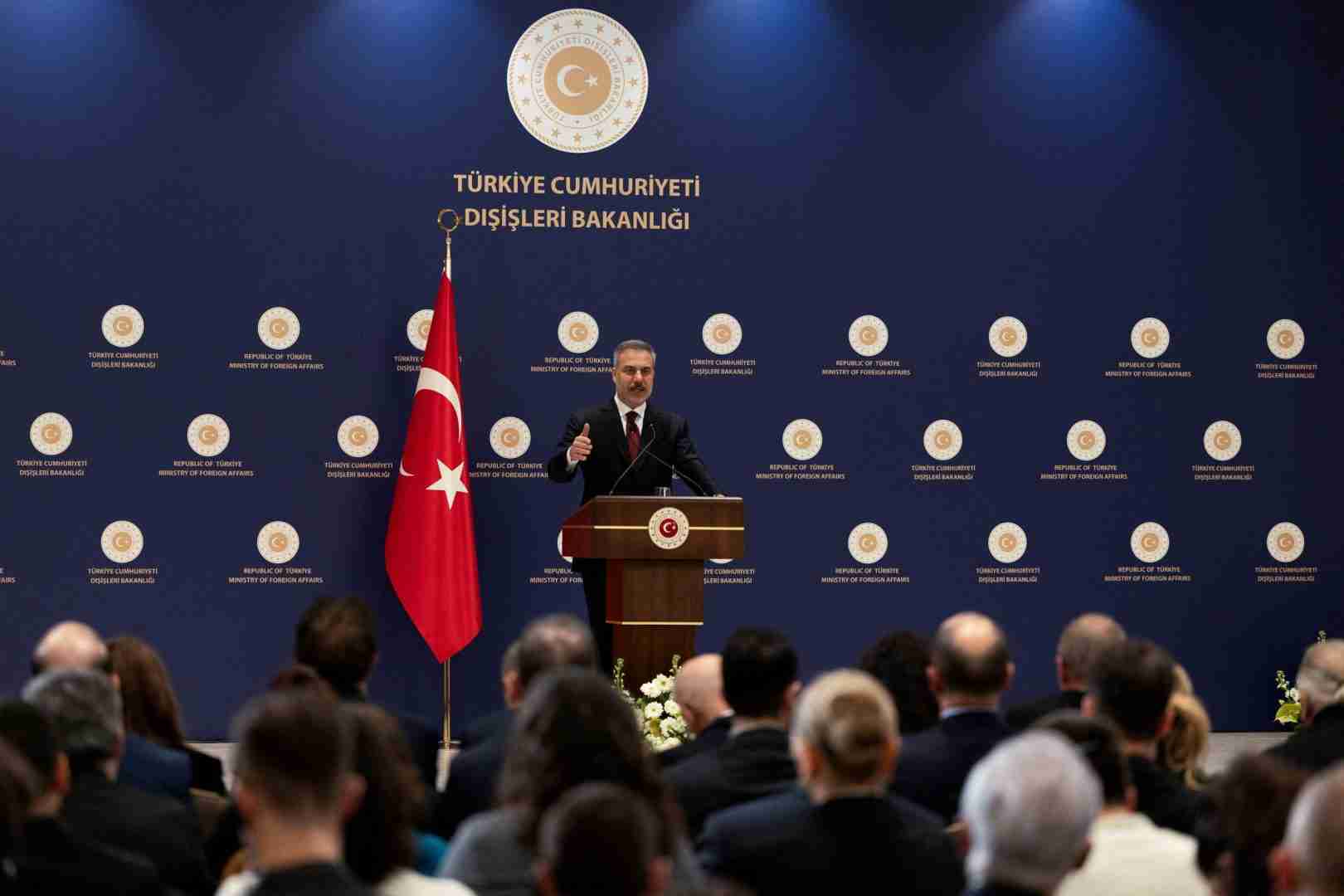
“I hope it doesn’t come to that point … but when problems are not solved through dialogue, unfortunately, I see from here that the use of force is also an option for the Syrian government,” Foreign Minister Hakan Fidan told a press conference in Istanbul.
The violence in Aleppo has deepened one of the main faultlines in Syria, where President Ahmed al-Sharaa’s promise to unify the country under one leadership after 14 years of war has faced resistance from Kurdish forces wary of his Islamist-led government.
Syria’s military has declared a handful of Kurdish-held towns in the north as a “military zone” and said all non-state factions stationed there should leave the area.
On Wednesday and Thursday, it dispatched fighters and military equipment to the zone and opened a humanitarian corridor for people to flee.
Fidan said that the SDF must show good intentions and break out of a cycle of violence. Turkey says the SDF is aligned with the outlawed Kurdistan Workers Party militant group, which is involved in a peace process with Ankara.
Fidan added that the peace process with the PKK should not become a missed opportunity, and Ankara hopes it will continue.
Additional reporting by Tuvan Gumrukcu and Huseyin Hayatsever in Ankara, and Maya Gebeily in BeirutWriting by Daren ButlerEditing by Ece Toksabay and Peter Graff
