Friday, November 6, 2026
Home Blog Page 595

Oil inches lower on oversupply concerns, on track for weekly loss

Brent crude futures were down 19 cents, or 0.31%, to $61.09 a barrel at 1125 GMT. U.S. West Texas Intermediate crude was down 15 cents, or 0.26%, at $57.45

International News via Reuters:

Oil prices inched lower on Friday and were on track for a weekly decline as investors focussed on a supply glut and potential Russia-Ukraine peace deal, amid concerns over Venezuelan oil supply disruptions.

Brent crude futures were down 19 cents, or 0.31%, to $61.09 a barrel at 1125 GMT. U.S. West Texas Intermediate crude was down 15 cents, or 0.26%, at $57.45. Both benchmarks fell by about 1.5% on Thursday.

Some price-supportive factors remain, including the ramping up of tensions between the U.S. and Venezuela and Ukrainian drone strikes on a Russian oil rig in the Caspian Sea, said Janiv Shah, analyst at Rystad Energy. 

The U.S. is preparing to intercept more ships transporting Venezuelan oil after the seizure of a tanker this week, six sources close to the matter said on Thursday.

Meanwhile, Russia’s seaborne oil product exports in November fell by just 0.8% from October, with the completion of refinery maintenance helping to offset a slump in fuel exports from southern routes such as the Black Sea and Azov Sea, data from industry sources and Reuters calculations showed.

The Brent and WTI benchmarks have so far lost more than 4% this week, reflecting broader market uncertainties.

While there might be sporadic support from hits to supply, the general market mood reflects supply exceeding demand, and any rallies are expected to be brief, said PVM Oil Associates analyst Tamas Varga.

Data from the Organization of the Petroleum Exporting Countries indicated that world oil supply would match demand closely in 2026, an outlook that contrasts with projections from the International Energy Agency but which is more bearish than earlier this year when OPEC saw demand outstripping supply. 

Reporting by Seher Dareen in London, Yuka Obayashi in Tokyo and Siyi Liu in Singapore. Editing by David Goodman and Mark Potter


Dollar set for weekly decline after Fed meeting, sterling steadies as economy shrank

The dollar index, which measures the U.S. currency against six peers, was flat at 98.34, set for a weekly drop of 0.64%

International News via Reuters:

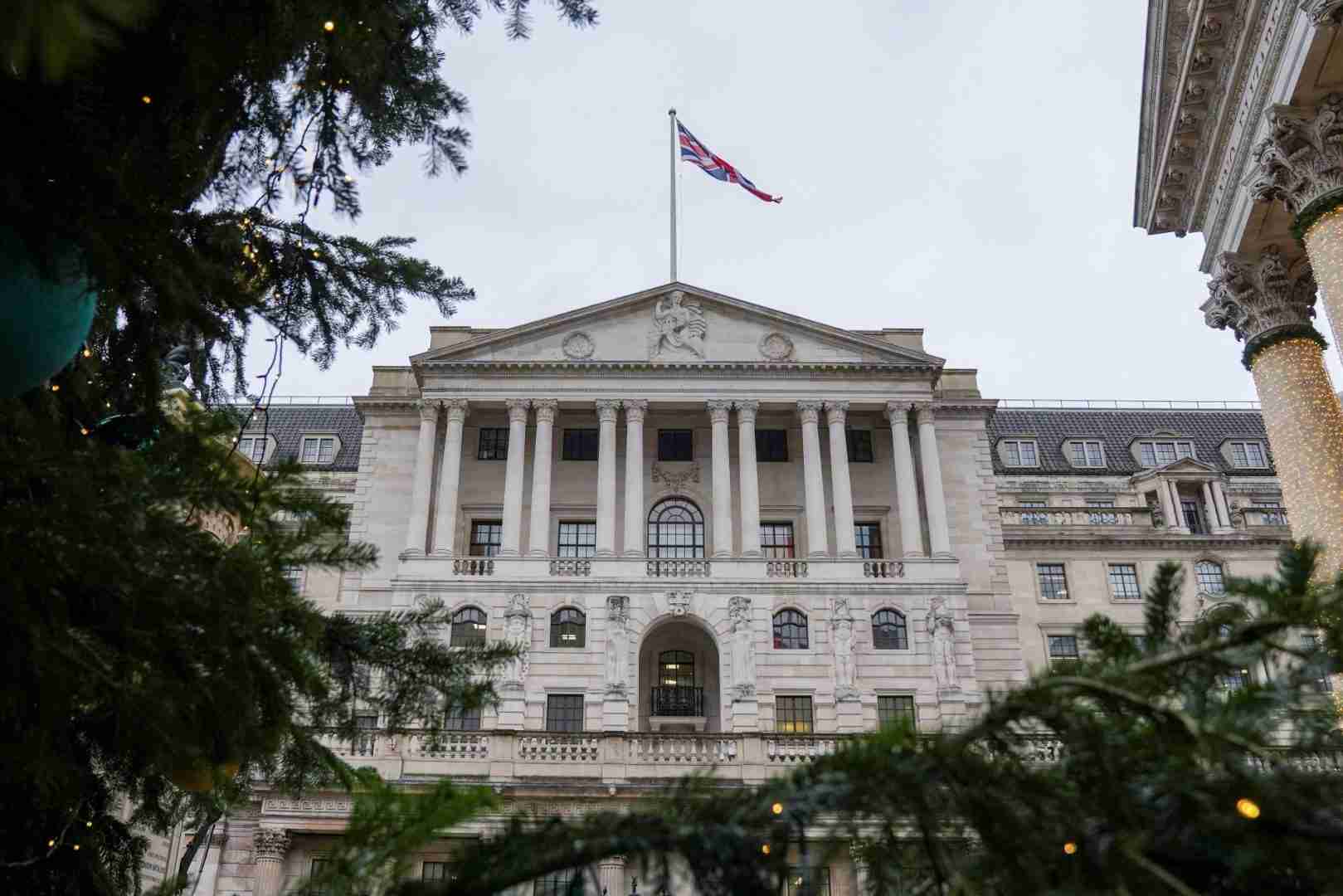
The dollar steadied on Friday but was still set for its third straight weekly drop, hurt by the prospect of rate cuts next year, while sterling was also unchanged after data showed the UK economy unexpectedly shrank in the three months to October.

The dollar index, which measures the U.S. currency against six peers, was flat at 98.34, set for a weekly drop of 0.64%. The index is down more than 9% this year, on pace for its steepest annual drop since 2017. 

Against the weak dollar, the euro last bought $1.1737 after a 0.37% rise to a more than two-month high on Thursday. The pound was firmer at $1.3383, trading near a seven-week high hit on Thursday, after economic data that was likely to boost expectations for Bank of England interest rate cuts.

Both European currencies are poised for their third-straight week of gains against the dollar. 

UNCERTAINTY OVER U.S. MONETARY POLICY NEXT YEAR

The Fed cut rates as expected this week but the comments from Fed Chair Jerome Powell and the accompanying statement were viewed by investors as less hawkish than expected and reinforced dollar-selling momentum. 

“The U.S. dollar stabilises after post-Fed selling, pressured by lower rate expectations and seasonality,” said Frantisek Taborsky, FX strategist at ING.

Investors face uncertainty over the path of U.S. monetary policy next year as inflation trends and labour market strength remain unclear, with traders pricing in two rate cuts in 2026 in contrast with policymakers who see only one cut next year and one in 2027. 

How monetary policy evolves from here will hinge on economic data that is still lagging from the impact of the 43-day federal government shutdown in October and November. This comes as the U.S. heads into a midterm-election year that is likely to focus on economic performance, with President Donald Trump urging sharper rate reductions.

Also in the spotlight for markets is the question of who will become the next Fed chair and how that will affect the growing worries about the central bank’s independence under Trump. 

UK ECONOMY STUMBLES

Sterling fell slightly on the back of the data showing gross domestic product contracted by 0.1% in the August-to-October period. Economists polled by Reuters had forecast a flat reading.

“At this stage it is not totally clear whether the recent weakness of the economy marks a fundamental downturn or whether it reflects a pre-Budget dip in spending and whether any such moves are temporary,” said Philip Shaw, chief economist at Investec.

Finance minister Rachel Reeves delivered a tax-raising budget on November 26.

The latest data cemented bets that the BoE will cut rates next week, though a cut has been nearly fully priced in for weeks.

The Japanese yen was 0.2% weaker at 155.87 per dollar ahead of next week’s Bank of Japan meeting where the broad expectation is of a rate hike. Market focus is on comments from the policymakers on how the Japanese rate path will look in 2026. 

Reuters reported that the BoJ would likely maintain a pledge next week to keep raising interest rates, but stress the pace of further hikes will depend on how the economy reacts to each increase.

The Swiss franc steadied at 0.7951 per U.S. dollar, after rising to an almost one-month high on Thursday. The Swiss National Bank left its policy rate unchanged at 0% on Thursday and said a recent agreement to reduce U.S. tariffs on Swiss goods had improved the economic outlook, even as inflation has somewhat undershot expectations.

Reporting by Joice Alves in London and Ankur Banerjee in Singapore; Editing by Alison Williams

Bulgarian lawmakers approve government resignation, snap election looks likely

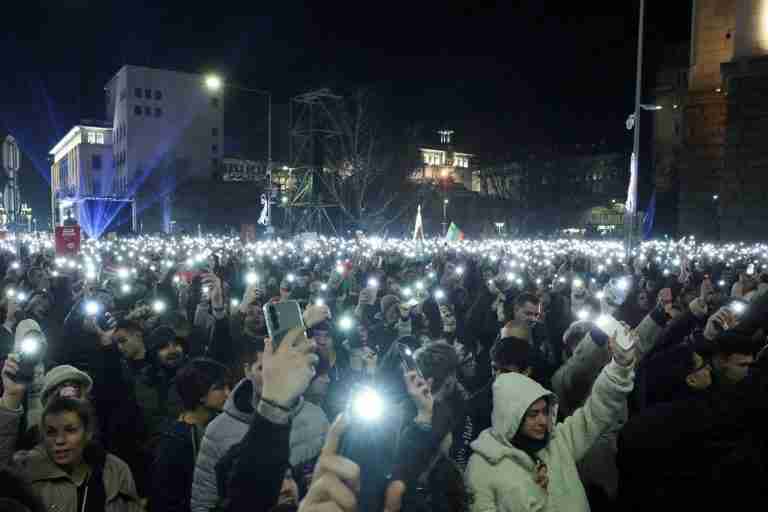
Prime Minister Rosen Zhelyakov’s government announced on Thursday it would step down after weeks of street protests against state corruption

International News via Reuters:

Bulgarian lawmakers formally approved on Friday the resignation of the country’s minority government, a day after it bowed to mass street protests and said it would quit, paving the way for talks on forming a new coalition or most likely a snap election.

Prime Minister Rosen Zhelyakov’s government announced on Thursday it would step down after weeks of street protests against state corruption and a new budget that would have hiked social security contributions and taxes on dividends.

The decision comes just three weeks before the Black Sea nation of 6.7 million people is due to join the euro zone on January 1.

All 227 lawmakers attending Friday’s session of the 240-member chamber voted in favour of the government’s resignation.

They are also expected later on Friday to approve a revised 2026 budget on its first reading.

President Rumen Radev, who himself had urged the government to resign, will now hand the largest party in parliament, GERB, the mandate to form a new government. However its leader, Boyko Borissov, has indicated it will turn down the mandate.

In such a scenario, unless two other parties accept the mandate to form a government, Radev will appoint an interim administration and call a snap election. This could pitch Bulgaria back into a cycle of repeated polls if no one can form a functioning coalition.

Bulgaria, a member of NATO and the European Union, has held seven national elections in the past four years as successive governments failed to keep control of a fractured parliament.

Reporting by Daria Sito-SucicEditing by Gareth Jones

UK’s WH Smith delays results again over audit review

Having already postponed once in October, the company had been due to release results for the year ended August 31 on December 16

International News via Reuters:

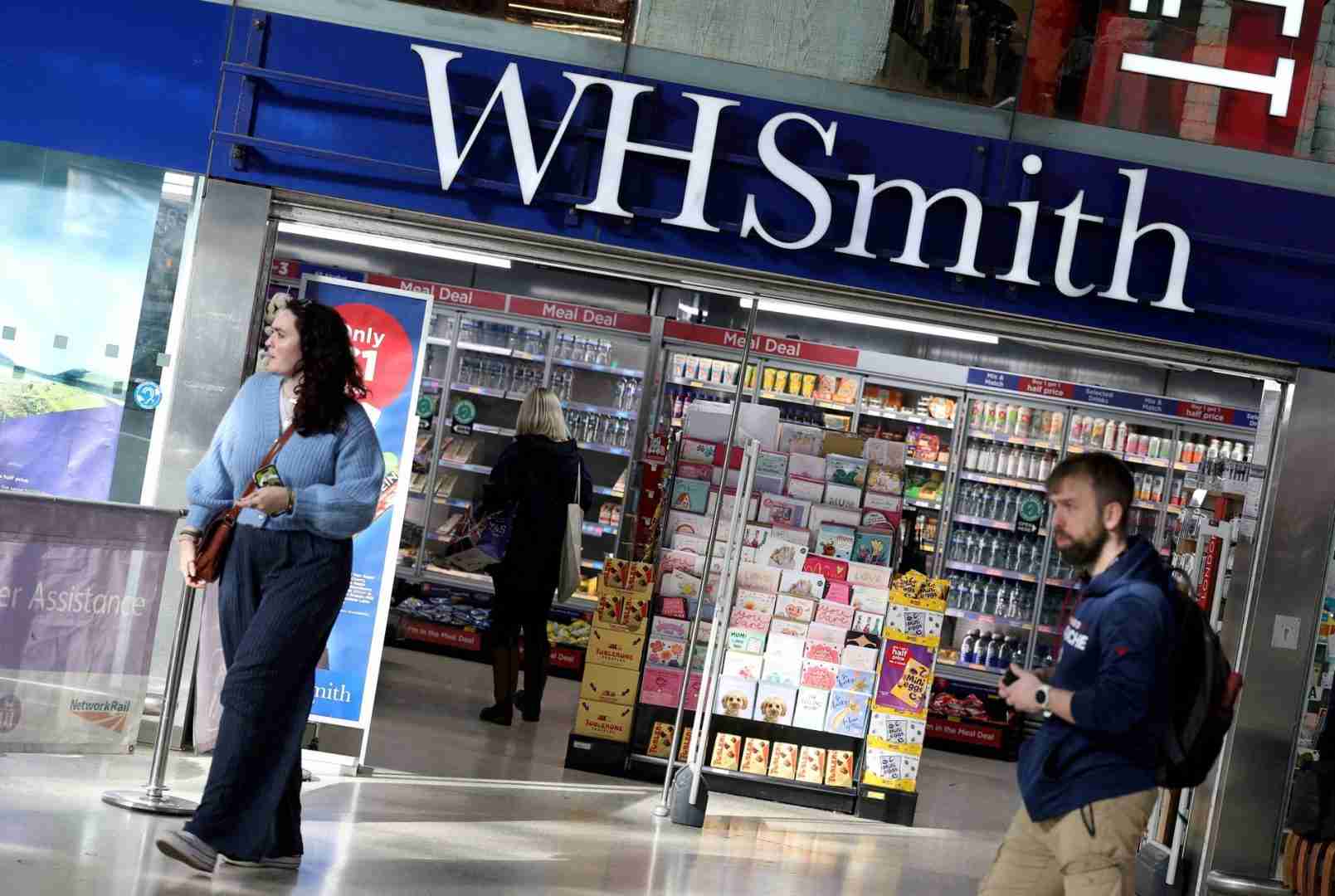
Britain’s WH Smith delayed the publication of its preliminary annual results for the second time on Friday, as the travel retailer struggles with the fallout of accounting failures at its U.S. operations.

Having already postponed once in October, the company had been due to release results for the year ended August 31 on December 16. It will now push the release date back an additional three days to December 19.

WH Smith said the revised date will provide its auditor, PricewaterhouseCoopers LLP, “further time to complete the required audit procedures”.

Shares of the company fell 2.4% to 651.5 pence in early trading before recovering somewhat to trade down around 1% by 0950 GMT.

WH Smith’s shares have dropped around 44% so far this year, recording their worst one-day fall in August when it first disclosed the accounting error.

An independent review of WH Smith’s books revealed that earnings from its North America business, its second-largest division, had been overstated. That has since prompted a profit cut and the resignation of its CEO.

WH Smith is also looking at the leadership team of its North America business after the review revealed weaknesses in the finance team’s composition and inadequate systems, controls, and review procedures.

The probe does not cover the new CEO of the regional team, who was appointed less than five months ago, the company said.

The Financial Times had reported in November that the UK financial regulator had made enquiries at the company regarding the probe, while the country’s accounting regulator was also weighing a formal investigation into PwC over its role in WH Smith’s audit.

PwC declined to comment.

Reporting by Yamini Kalia in Bengaluru; Editing by Eileen Soreng and Joe Bavier

ECB to quiz 110 banks on geopolitical risk impact

The ECB will ask banks to describe what sort of political shock would reduce their Common Equity Tier 1 capital by 300 basis points and its effect on liquidity and funding conditions

International News via Reuters:

The European Central Bank will ask 110 of the euro zone’s biggest banks to check how major geopolitical shocks would affect their business and what action would be needed to minimise the impact, the ECB said on Friday.

Conducting a so-called reverse stress test in the new year, the ECB will ask banks to describe what sort of political shock would reduce their Common Equity Tier 1 capital by 300 basis points and its effect on liquidity and funding conditions. 

Managing geopolitical risk is among the ECB’s top priorities for the coming years and it is looking to identify bank-specific vulnerabilities and challenge lenders’ assumptions about risk exposure.    

“The exercise will assess the extent to which banks’ stress-testing capabilities take geopolitical risks into account,” the ECB said in a statement.

“In this regard, the exercise will aim to foster banks’ own risk-management capabilities, particularly in reverse stress testing, and their ability to design relevant and prudent capital and recovery plans.”

Results of the test will be announced in the summer of 2026.

While the outcome should not affect capital requirements, any weakness revealed will feed into the ECB’s Supervisory Review and Evaluation Process, which is used to tell banks how much capital they need to hold in addition to the regulatory minimum. 

Reporting by Balazs KoranyiEditing by David Goodman

UK public inflation expectations ticked lower in November, BoE says

The public’s median expectation for the rate of inflation in the year ahead fell to 3.5% from 3.6% in August, according to the quarterly inflation attitudes survey

International News via Reuters:

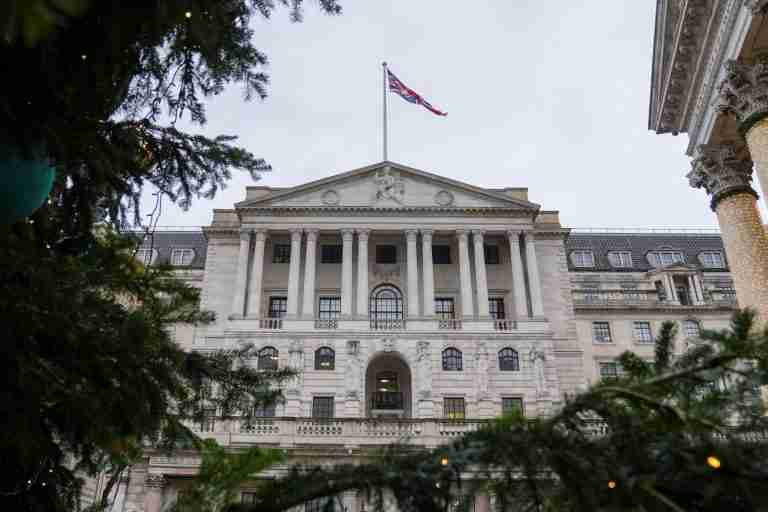
The British public’s expectations for inflation inched lower in November, according to a Bank of England survey published on Friday.

The public’s median expectation for the rate of inflation in the year ahead fell to 3.5% from 3.6% in August, according to the quarterly inflation attitudes survey.

For inflation in five years’ time, expectations fell to 3.7% from 3.8% – still far above the BoE’s target for consumer price inflation of 2.0%.

While the public are poor predictors of price growth, the survey is watched by BoE policymakers for warning signs that inflation expectations are becoming embedded in consumer behaviour.

Reporting by Andy Bruce; Editing by Sarah Young

Hong Kong leader says fire probe expected to conclude within 9 months

John Lee spoke more than two weeks after the blaze ripped through seven high-rise residential towers and left the city searching for answers about the cause of the deadly tragedy

International News via Reuters:

Hong Kong will seek to wrap up an independent investigation into a fire that killed at least 160 people in the Asia financial centre within nine months, the city’s leader said on Friday.

John Lee spoke more than two weeks after the blaze ripped through seven high-rise residential towers and left the city searching for answers about the cause of the deadly tragedy, which also displaced thousands of residents.

The government has launched an independent committee to investigate the fire that erupted in the Tai Po district, close to the border with mainland China, and named Judge David Lok, who chairs the Electoral Affairs Commission, to lead the body.

“They all have the passion and the love of Hong Kong, to be so courageous to take up this responsibility and I am really thankful to them, I take my hat off to them,” Lee said at a news conference.

The independent committee will need to investigate whether there is a systematic problem within the construction industry, conflicts of interest, improper collusion and determine if there is bid-rigging in the sector when it comes to awarding contracts, Lee added.

Residents are angry about the blaze that took nearly two days to extinguish after it broke out on November 26. Authorities have said substandard building materials used in renovating the high-rise housing estate were responsible for fuelling the fire.

Lee said the government would work with the city’s legislature to “drive institutional reform” in the aftermath of the fire, as there have been some public calls and petitions seeking greater government accountability and improved oversight of the construction sector.

Eager to soothe the public’s dismay, authorities have launched criminal and corruption investigations into the blaze.

Reporting By Clare Jim and Jessie Pang, Writing by Anne Marie Roantree; Editing by Muralikumar Anantharaman and Thomas Derpinghaus

Fostering ‘fair and productive workplaces’

Minister salutes members of Labour Relations Tribunal

Front row left to right: Michelle Scott, Mckeisha Smith, Jocene Harmon, Lorrita Tucker, Minister Jason Hayward, Edward Ball, Jr., Charlene Scott, Judith Hall-Bean, Betty Christopher, Gary Phillips. Back row left to right: Dawn Eversley, John Payne, Peter Aldrich, Robert Horton, Wendell Hollis, Clevelyn Crichlow

Yesterday (10 December), the Minister of Economy and Labour, the Hon. Jason Hayward, JP, MP, delivered remarks at the Employment and Labour Relations Tribunal Recognition Breakfast, expressing gratitude for the Tribunal’s continued dedication to fairness, professionalism, and the rule of law.

Addressing the Chief Justice, Chair, Tribunal members, and guests, Minister Hayward highlighted the Tribunal’s essential role in upholding Bermuda’s Employment and Labour Code.

“Your work this year has helped clarify rights and obligations under the law, providing certainty for workers, employers, unions, and the public at large,” he stated. “By resolving disputes efficiently and fairly, the Tribunal helps to reduce the social and economic costs associated with unresolved labour conflicts.”

The Minister acknowledged the wide range of matters addressed by the Tribunal in 2025, including unfair dismissal, redundancy, minimum wage, benefits, and union-related disputes, and underscored the value of a balanced panel comprising employer and employee representatives as well as experienced legal practitioners.

“Your work this year has helped clarify rights and obligations under the law,” Minister Hayward said, “providing certainty for workers, employers, unions, and the public at large.”

Left to right:  Edward Ball Jr, Minister Hayward, Betty Christopher, Gary Phillips, Clevelyn Crichlow.    

During the event, the Minister also extended heartfelt thanks and congratulations to three long-serving Tribunal members who are retiring this year:

  • Ms. Betty Christopher – over 23 years of service
  • Mr. Gary Phillips – over 23 years of service
  • Mr. Clevelyn Crichlow – over 20 years of service

“Their commitment, wisdom, and leadership have strengthened the Tribunal and contributed to a more just and equitable labour landscape in Bermuda,” Minister Hayward noted. “We are deeply grateful for their years of distinguished service.”

Looking ahead, the Minister reaffirmed the Government’s ongoing commitment to strengthening the Tribunal’s legislative and administrative framework to ensure it continues to function independently, effectively, and transparently.

“As we move forward, we remain committed to fostering fair, productive workplaces across Bermuda,” he concluded. “I thank every member of the Tribunal for your contributions and look forward to our continued partnership.”

PLP has ‘steadied the economic ship’

Minister Jason Hayward reflects on slower growth after three booming years, lauding the stability that comes from economic diversification

https://vimeo.com/1145778947?share=copy&fl=sv&fe=ci

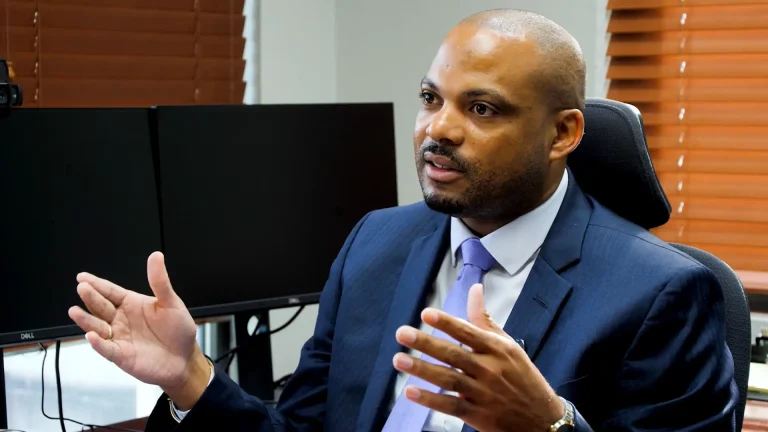
The pace of economic growth may have slowed down, but diversification across and within business sectors makes for a steadying of the ship called Bermuda.

This from Jason Hayward, Labour & Economy Minister, who this week released the Gross Domestic Product figures for 2024.

The 1.9% year-on-year increase is less than half the annual growth of the previous three post-pandemic years.

The Minister told Gary Foster Skelton that this is in line with global trends. While International Business is still the primary contributor to GDP, he highlights how the economy has expanded outside of the IB-led growth of the last few years. (WATCH above)

WHO chief ‘not worried’ about US bilateral deals affecting pandemic treaty

The U.S. signed a new five-year agreement with Kenya earlier this month under an ‘America First’ global health plan

International News via Reuters:

The World Health Organization chief said on Thursday that he was hopeful an annex to a pandemic treaty would be adopted next year, saying that he did not see bilateral negotiations between the United States and African states as a threat.

WHO chief Tedros Adhanom Ghebreyesus told reporters at a press briefing in Geneva he was “hopeful” that a deal on an annex covering the sharing of pathogenic information could be finalised before a major WHO summit in May 2026. 

“Bilateral agreements are no problem to be honest. It doesn’t affect (the annex) and I’m not worried,” he told the ACANU press briefing.

The U.S. signed a new five-year agreement with Kenya earlier this month under an ‘America First’ global health plan.

Health experts have voiced concerns that such deals would bypass the WHO and even derail the ongoing negotiations. 

At the same press briefing, Tedros voiced concerns that deep cuts to donors’ foreign spending on health would soon hit childhood mortality.

“Early estimates are indicating that childhood mortality could increase for the first time this century,” he said, without giving a projection.

But he voiced optimism about the U.N. health agency’s financial future, saying he was confident that a $1 billion budget cut could be filled. “Our standing is very good,” he said.

Reporting by Emma Farge, Editing by Miranda Murray

Strong winds leave millions in Sao Paulo without power, cutting water and flights

Damaging wind storms also caused vast power outages in 2023 and 2024, putting utility firm Enel under intense public scrutiny

International News via Reuters:

About 1.5 million homes and businesses were without electricity on Thursday after an extratropical cyclone swept through Sao Paulo’s metropolitan area, toppling trees and power lines and disrupting flights and the water supply.

Damaging wind storms also caused vast power outages in 2023 and 2024, putting utility firm Enel under intense public scrutiny.

Enel said gusts of up to 98 km/h (61 mph) battered the region during a 12-hour gale on Wednesday, with impacts lingering into Thursday across the city of 11.5 million people and the wider metro region.

About 2 million customers in the area lost electricity during the storm’s peak, Enel said in a statement early on Thursday, adding that service had been restored to 500,000.

Power regulator Aneel demanded the company provide detailed explanations for the disruptions.

Water utility Sabesp warned that outages had hit its pumps, affecting neighborhoods across the area. 

“The long time without power to pump water heavily impacted the system. Supply is being resumed gradually,” Sabesp said.

Air travel also faced disruptions. Airport operator Aena said Sao Paulo’s Congonhas Airport, which handles domestic flights, was open on Thursday but had canceled 31 arrivals and 15 departures, after scratching 181 flights on Wednesday.

At Guarulhos International Airport, one of Latin America’s busiest, 61 arrivals and 56 departures were canceled since Wednesday, its operator said in a separate statement, adding that operations were back to normal early on Thursday.

Reporting by Leticia Fucuchima in Sao Paulo and Rodrigo Viga Gaier in Rio de Janeiro; Writing by Gabriel Araujo; Editing by Brad Haynes and Bill Berkrot