Friday, November 6, 2026
Home Blog Page 597

‘Grief touches every life’

Grief Recovery Conference starts tomorrow at Willowbank

Screenshot

Angria Bassett of Wrap Your Mind is proud to present The Bermuda Grief Recovery Conference, a two-day community-focused event dedicated to understanding grief, supporting individual healing, and strengthening collective resilience across Bermuda.

The conference offers a compassionate space for learning, connection, and hope.

This transformative gathering addresses a universal reality: grief touches every life. The Bermuda Grief Recovery Conference will bring together local counselors, therapists, and keynote speakers with personal and professional expertise in the grief process. The event will honor those we have lost while guiding attendees toward healing as a unified community.

Conference Theme & Purpose

The central theme—grief and recovery from grief—reflects the Conference’s mission to
provide a supportive, evidence-informed forum for understanding the grieving process.
Key goals include:

  • Creating an open, safe, community-centered space for dialogue and shared experiences
  • Reducing stigma surrounding grief and encouraging honest conversation
  • Offering practical tools, insights, and therapeutic approaches for healing
  • Connecting participants with local resources and support networks

Who Should Attend

The conference is open to the general public, especially individuals and families who have experienced grief and are seeking tools, community connection, and guidance to help understand and process their unique journey.

Location & Dates

Venue: Willowbank Resort and Conference Center
Dates: Friday, December 12th 4:30-9pm and Saturday, December 13th 2025, 8:30am-5pm
Virtual Option: There is no virtual component for this event.

Agenda Highlights
The two-day program includes:

  • Keynote Address: Author & sSpeaker, Angria Bassett
  • General Plenary Sessions
  • Workshops, Dance, Refreshments, Meals Included
  • Panel Discussions led by mental-health professionals, speakers, counselors, and
    community leaders
  • Educational and inspirational topics designed to guide, uplift, and support healing
  • Performing arts: Dance/mime, spoken word poetry
  • Meals: Meals and refreshments throughout the day

Key Messages

This press release highlights the three core messages most meaningful for community members
experiencing grief:

  1. Empowering Healing
    • The conference provides tools, discussion, and community support to help individuals navigate grief and take meaningful steps toward healing.
  2. Breaking the Silence Around Grief
    • The event encourages open, stigma-free conversations about loss, fostering compassionate and culturally sensitive approaches to grief in Bermuda.
  3. Building a Supportive Community
    • Attendees will connect with others who share similar experiences, creating and strengthening networks of support across the island.

Quote from the Organizer

“Grief is something every one of us faces, yet few of us feel equipped to navigate it. The Bermuda
Grief Recovery Conference was created to bring our community together—to remember, to
learn, and to heal. By opening up conversations about loss, we make room for compassion,
strength, and hope. Healing is not a solitary journey; it is something we can walk through
together.”
— Angria Bassett, Conference Organizer

Registration

Registration is now open.

Tickets are $100 and include meals.
To register, please visit: www.bdatix.com

Tickets are available at the door.

$100k donation helps renovate classroom

‘A shining example of what can be achieved through strategic partnerships’

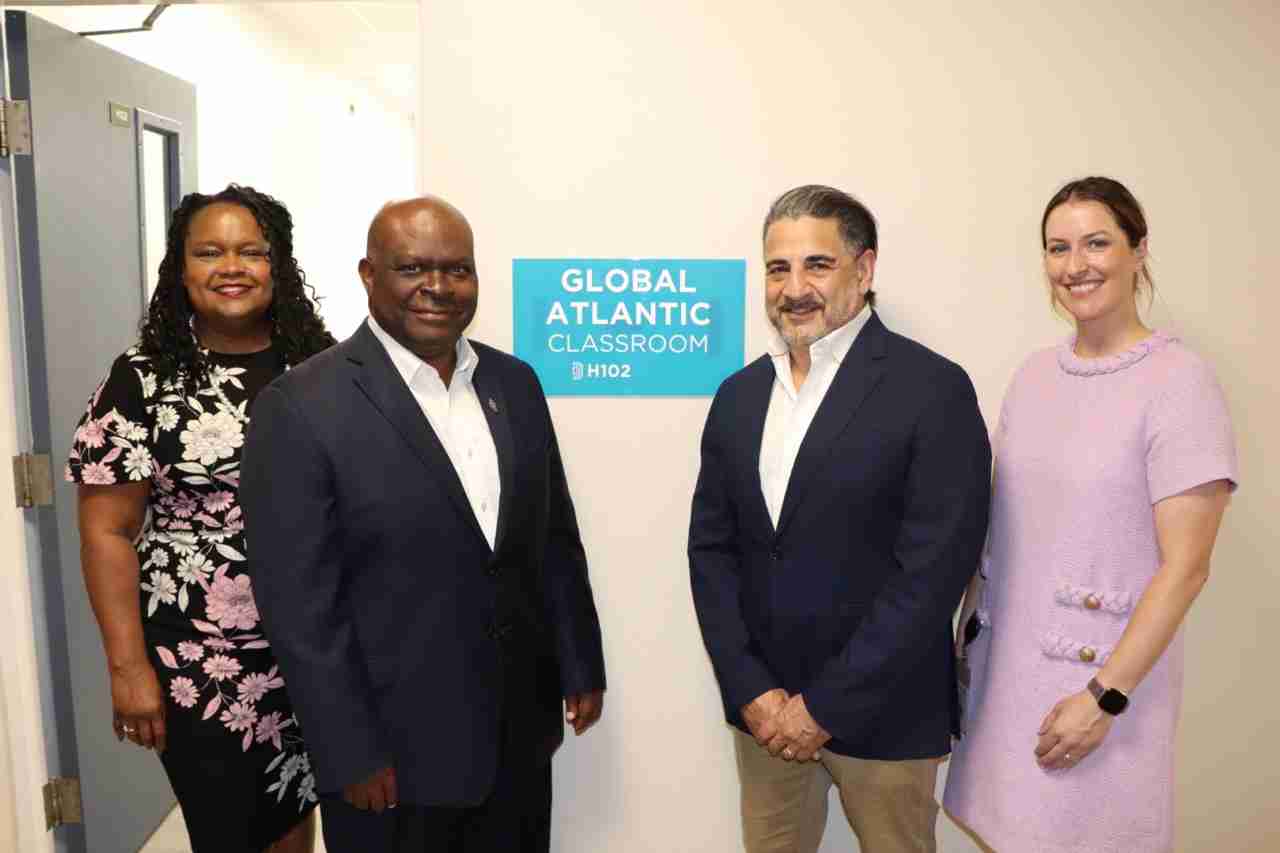
(L to R): Pamela Alexander –Head of Corporate Citizenship, KKR; Dr. David Sam – President, Bermuda College; Alberto Autmezguine – Managing Director Global Atlantic and Chief Financial Officer of Global Atlantic; Erin Fast – Citizenship, KKR, Global Atlantic Re

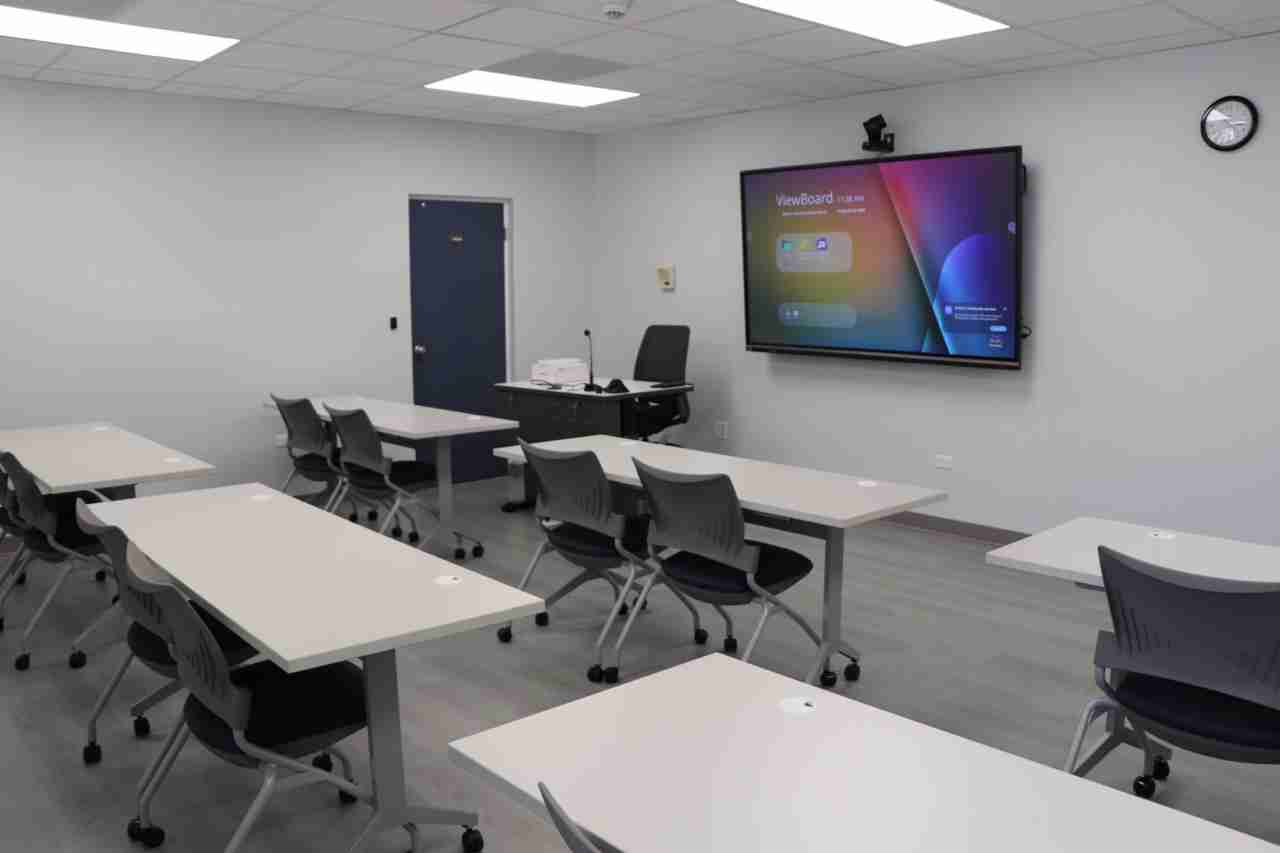
Paget, Bermuda: Thursday, 11 December 2025 – Bermuda College Foundation is proud to announce the completion of a newly renovated, state-of-the-art classroom at Bermuda College, made possible through a generous $100,000 donation from Global Atlantic Re. The 402-square-foot classroom has been fully modernised to support hybrid learning and will serve students across a variety of academic programmes.

The extensive renovation project, led by Cleun Gaiton, Bermuda College’s Director of Facilities, and undertaken by Limestone Construction, included a full electrical upgrade, installation of energy-efficient LED lighting, removal of outdated ductwork and insulation, a new HVAC system, new flooring, ceiling tiles, and a fresh coat of paint—transforming the space into a modern, comfortable, and a cutting edge, tech-enabled learning environment that includes:

  • An 86” wall-mounted display
  • Wired and wireless video connectivity via secure Crestron Air Media
  • Flexible display options for single or multiple video sources
  • Ceiling-mounted speakers and wireless microphones for clear audio
  • Connectivity to the Athene Lecture Theatre for overflow sessions
  • Full hybrid learning capabilities, allowing students to join remotely due to illness, travel, or other circumstances
  • New, flexible classroom furniture that enables a collaborative learning environment
(L to R): Pahn-ya Ratteray – Development Director, Bermuda College Foundation; Pamela Alexander –Head of Corporate Citizenship, KKR; Dr. David Sam – President, Bermuda College; Alberto Autmezguine – Managing Director, Global Atlantic and Chief Financial Officer of Global Atlantic Re; Erin Fast – Citizenship, KKR, Global Atlantic Re; Kerry Judd – Executive Director, Bermuda College Foundation; Cleun Gaiton – Director of Facilities, Bermuda College

“This project is a shining example of what can be achieved through strategic partnerships,” said Kerry Judd, Executive Director of Bermuda College Foundation. “Global Atlantic’s generosity has enabled us to create a space that reflects the future of education—flexible, inclusive, and technologically advanced. This donation, along with their ongoing scholarship commitment, reflects their belief in the power of education to transform lives and communities and we are truly grateful for their ongoing support.”

Dr. David Sam, President of Bermuda College, added: “Thank you Global Atlantic. This renovated classroom is more than just a physical upgrade—it is an investment in our students’ success. The ability to use and be comfortable with cutting-edge technology and to attend virtually, if unexpected occurrences come up, ensures that no student is left behind, regardless of their circumstances. We deeply appreciate Global Atlantic’s support, which has made this transformation possible and will benefit out students for years to come.”

View of Classroom

Darryl Herrick, Managing Director, Co-Head of Reinsurance at Global Atlantic and President of Global Atlantic Re, said, “Bermuda College plays a vital role in our community, empowering young adults with quality education that sets them up for career success. We’re honored to support this project and hope it will create an inspiring environment where students can learn and thrive.”

In addition to this renovation, in 2023, Global Atlantic committed to a four-year annual donation of $25,000 to Bermuda College Foundation. These funds support scholarships and education grants for eligible Bermuda College students.

The newly renovated classroom is was made available for faculty and students at the start of the current academic term.

ABOUT BERMUDA COLLEGE FOUNDATION:

Bermuda College Foundation was launched in October 2019 to provide dedicated fundraising support to Bermuda College and ensure its long-term sustainability and ability to provide a state-of-the-art education experience to the students it serves. The Foundation is a Bermuda registered charity (Charity #341) and has its own Board and governance structure.

Serious crash involving a motorcycle close to Somerset Bridge

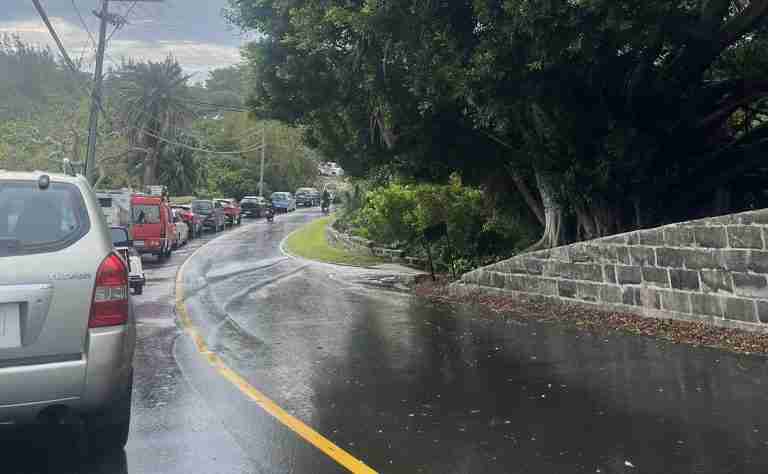
There has been a serious road traffic collision involving a motorcycle in the area of Somerset Bridge.

All traffic is being diverted onto the railway trail at this time.

Motorists are urged to approach with caution and follow the instructions of police officers at the diversion points.

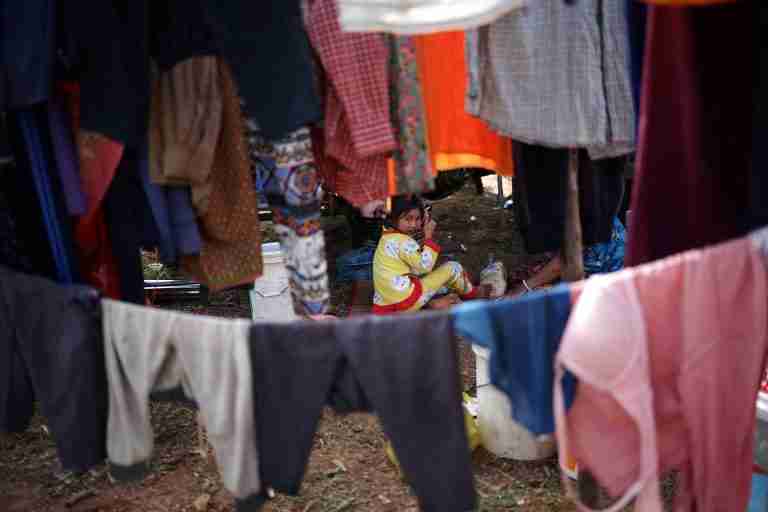
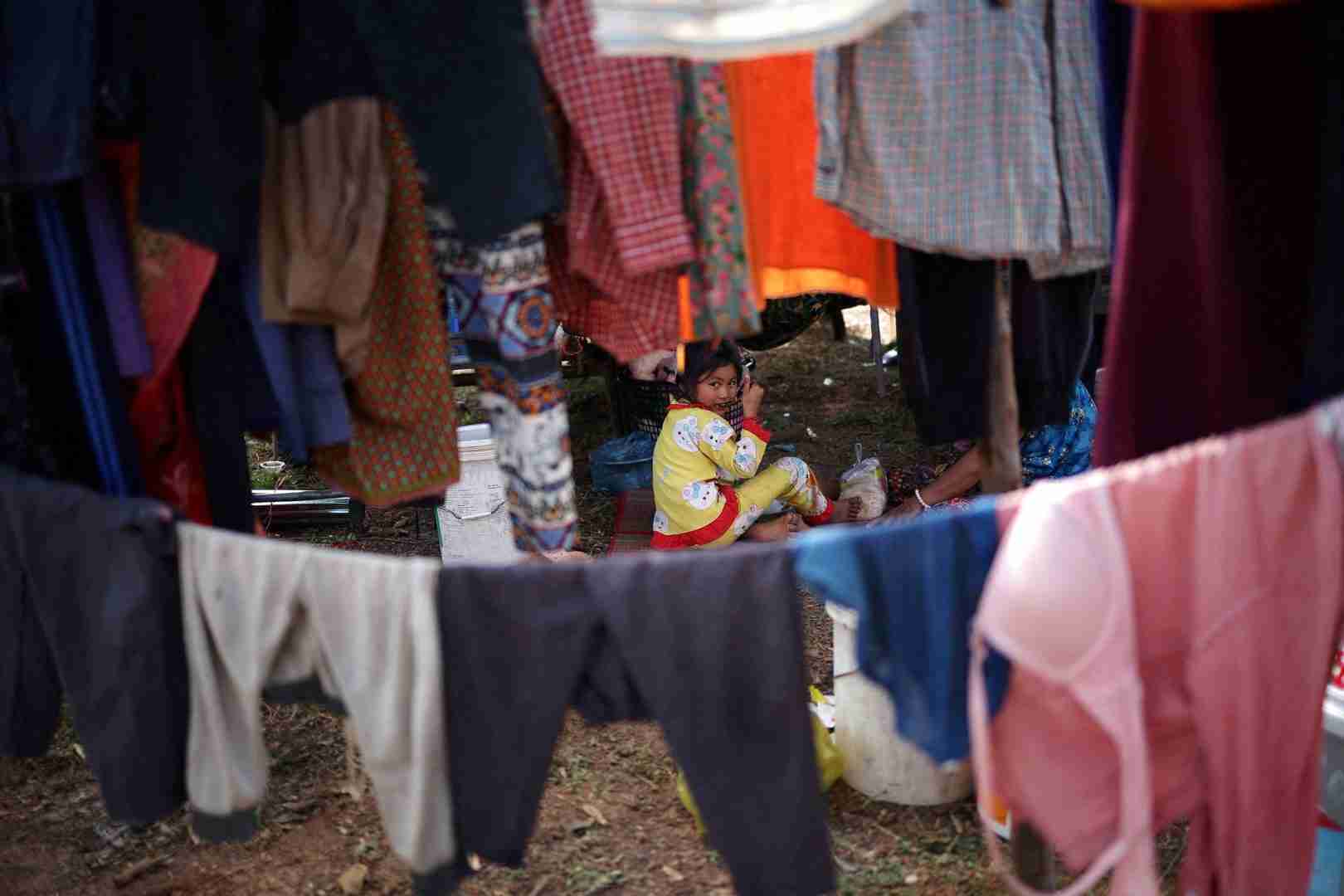
Thailand and Cambodia keep fighting across contested border ahead of expected Trump calls

On Wednesday, clashes at more than a dozen locations along the 817-km (508-mile) Thai-Cambodian border saw some of the most intense fighting since a five-day battle in July

International News via Reuters:

Fighting between Thailand and Cambodia entered its fourth day on Thursday as both sides waited for a promised telephone call from U.S. President Donald Trump, who says he believes he can again end the conflict between the two Southeast Asian nations.

On Wednesday, clashes at more than a dozen locations along the 817-km (508-mile) Thai-Cambodian border saw some of the most intense fighting since a five-day battle in July, which was the worst conflict in recent history.

In July, Trump stopped the fighting with calls to both leaders in which he threatened to halt trade talks unless they ended the conflict. Trump says he expects to speak with the countries’ leaders on Thursday.

“I think I can get them to stop fighting,” Trump told reporters on Wednesday. “I think I’m scheduled to speak to them tomorrow.”

However, Thailand has reacted more warily this time to overtures from Trump and Malaysian Prime Minister Anwar Ibrahim, who helped broker the July deal, which resulted in an extended ceasefire signed in October. Thailand insists the matter is for the two countries to resolve.

Anwar said he had spoken with leaders of Thailand and Cambodia on Tuesday and, though no definitive resolution was reached, he appreciated “the openness and willingness of both leaders to continue negotiations in order to ease tensions”.

Thai Prime Minister Anutin Charnvirakul said on Thursday he would “explain and clarify” the situation if Trump called.

“He will need to hear the details directly from me if he contacts me,” he told reporters. “I believe the foreign minister will already be providing information at the diplomatic level.”

Thailand and Cambodia have blamed each other for the latest clashes that started this week, and have traded accusations that civilians were being targeted in artillery and rocket attacks.

“Right now, no one wants conflict, especially with neighboring countries,” Anutin said. “But Thailand is very confident that it has been invaded. Therefore, it is necessary to safeguard the country’s independence and sovereignty.”

In a Wednesday evening update, Cambodia’s Interior Ministry said homes, schools, roads, pagodas and ancient temples had been damaged by “Thailand’s intensified shelling and F-16 air strikes targeting villages and civilian population centres up to 30 km inside Cambodian territory”.

On Thursday, Cambodia’s defence ministry accused Thailand of committing “brutal acts of aggression” against civilian targets, including schools and temples.

Thailand denies that it targets civilian infrastructure.

The clashes have already taken a heavy toll on civilians, with 10 people killed in Cambodia, including an infant, and 60 people wounded, according to its government.

Nine Thai soldiers have been killed in the fighting and more than 120 were wounded, the Thai army said. Hundreds of thousands of people have been evacuated from border areas in both countries.

Reporting by Reuters Staff, Panarat Thepgumpanat, Orathai Sriring and Devjyot Ghoshal in Bangkok; Writing by John Mair and David Stanway; Editing by Michael Perry

Australian leader defends social media ban as teens flaunt workarounds

A day after the law took effect with bipartisan support from the major political parties, the country’s social media feeds were flooded with comments from people claiming to be under 16

International News via Reuters:

Australian Prime Minister Anthony Albanese on Thursday took aim at young people parading themselves on social media a day after a world-first ban on under-16s went live, saying the rollout was always going to be bumpy but would ultimately save lives.

A day after the law took effect with bipartisan support from the major political parties and backing by some three-quarters of Australian parents, the country’s social media feeds were flooded with comments from people claiming to be under 16, including one on the prime minister’s TikTok account saying “I’m still here, wait until I can vote”.

Under the law, 10 of the biggest platforms including TikTok, Meta’s Instagram and Alphabet’s YouTube must bar underage users or face a fine of up to A$49.5 million ($33 million). The government has said it would take some time for the platforms to set up processes to do this.

“This is the law, this isn’t something that can be flouted,” Albanese said on News Corp’s Sky News.

“Some young people who haven’t yet been pulled off social media are sending out notices bragging about it. That just tells the platforms who they are, and so it will be taken down.”

Governments around the world have said they would monitor the Australian ban as they weigh whether to do something similar. U.S. Republican senator Josh Hawley endorsed the ban as it took effect, Nine newspapers reported, while France, Denmark, Malaysia and others have said they plan to emulate the Australian model.

The Australian internet regulator, the eSafety Commissioner, would ask all affected platforms to report numbers of under-16 accounts on the days before and after the ban went live on Wednesday, Communications Minister Anika Wells said.

Albanese has pitched the ban as an intervention to protect young people from mental health risks associated with social media, including bullying, body image problems and addictive algorithms.

While some teens trumpeted their ability to flout the ban, Australian content creators are reporting large falls in follower numbers and views. The government says some 200,000 accounts have been deactivated on TikTok alone since the ban went live.

Meta repeated its opposition to the law, saying some experts, advocates and parent groups were concerned it was driving teenagers to less regulated parts of the internet and that there was “little interest in compliance”.

“This will result in inconsistent application of the law and ultimately does not make young people safer,” a spokesperson said.

TikTok and Snap, owner of Snapchat, declined to comment on the implementation, while YouTube, X, Amazon’s Twitch, Reddit and Australian-owned Kick – all of which are covered by the ban – were not immediately available for comment.

HEATED GLOBAL REACTIONS

The ban generated impassioned reactions across the spectrum of global commentators – including from U.S. psychologist Jonathan Haidt, whose book “The Anxious Generation” featured prominently in the Australian debate.

The ban was “the most significant measure to protect children from social media harms”, he wrote on social media.

“Dr” Phil McGraw, the U.S. television presenter, in an interview on NewsNation’s “On Balance with Leland Vittert”, said the measure would “help immensely and force them to engage with the environment, with friends, get out into the real world”.

A week earlier, American talk show host Oprah Winfrey said the ban would change the lives of a generation.

The United Nations children’s agency UNICEF warned in a statement the ban might encourage children to visit less regulated parts of the internet and could not work alone.

“Laws introducing age restrictions are not an alternative to companies improving platform design and content moderation,” the statement said.

Albanese, visiting a school in Canberra, said the ban would lead to better educational outcomes and behaviour” since “you get better social interaction when students aren’t subject to looking at their devices constantly”.

Australian searches for virtual private networks (VPNs), which can mask an internet user’s location, surged to the highest level in about 10 years in the week before the legislation took effect, according to publicly available Google data.

All 10 platforms named by the ban opposed it before saying they would comply. As the legislation came into force, some platforms not covered by the ban rose to the top of app download charts, prompting the Australian government to say the platform list was “dynamic”.

One app, Lemon8, which is owned by TikTok parent ByteDance, introduced an age minimum of 16. Photo-sharing app Yope told Reuters it had experienced “very fast growth” to about 100,000 Australian users. About half its users were over 16.

The company told Reuters it had told the Australian internet regulator overseeing the ban that it considered itself a private messaging service, not social media.

($1 = 1.4995 Australian dollars)

Reporting by Byron Kaye; Additional reporting by Alasdair Pal; Editing by Stephen Coates

Thousands rally again in Bulgaria to demand government’s resignation

The protests in the capital Sofia and dozens of other towns and cities across the Black Sea nation are the latest in a series of rolling demonstrations and come as Bulgaria prepares to adopt the euro on January 1

International News via Reuters:

Thousands of Bulgarians rallied on Wednesday evening against the country’s minority government and what they say is its failure to tackle endemic corruption in the European Union’s poorest member state.

The protests in the capital Sofia and dozens of other towns and cities across the Black Sea nation are the latest in a series of rolling demonstrations and come as Bulgaria prepares to adopt the euro on January 1.

Protesters used lasers to project the words “Resignation”, “Mafia Out”, and “For Fair Elections” on the parliament building in central Sofia.

“I think the energy of the people will gradually force them (the government) to step down because many reforms are needed,” said Dobri Lakov, 64, a Sofia resident.

“First and foremost, judicial reform. If the judicial system is fixed, everything else will fall into place, absolutely everything.”

Bulgaria’s parliament will hold a vote of no-confidence on Thursday in the government of Prime Minister Rosen Zhelyazkov , the sixth such vote since it took power on January 15 this year. 

Last week, the government withdrew its 2026 budget plan, the first drafted in euros, due to the mass protests. Opposition parties and other organisations said they were protesting against plans to hike social security contributions and taxes on dividends to finance higher state spending.

Despite the government’s retreat over the budget plan, the protests have continued unabated in a country which has held seven national elections in the past four years – most recently in October 2024 – amid deep political and social divisions.  

“It is finally time for normality to come to Bulgaria and for us to free ourselves from the oligarchy, the mafia, and the forces that represent them,” said Angelin Bahchevanov, an IT specialist.

Bulgarian news agency BTA reported on Wednesday that Boyko Borissov, a former prime minister and leader of the ruling GERB party, said the ruling coalition partners had agreed not to resign before Bulgaria joins the euro zone on January 1. 

However, Assen Vassilev of the reformist opposition party “We Continue the Change”, which was among the organisers of Wednesday’s protest, said: “We will enter the euro zone, even if the government has resigned.”

Reporting by Fedja Grulovic; Writing by Ivana SekularacEditing by Gareth Jones

Dollar choppy as risk-off mood, dovish Fed unsettle markets

Investors dumped risk assets like stocks and cryptocurrencies after disappointing earnings from U.S. cloud computing giant Oracle reignited fears that surging AI infrastructure costs could outpace profitability

International News via Reuters:

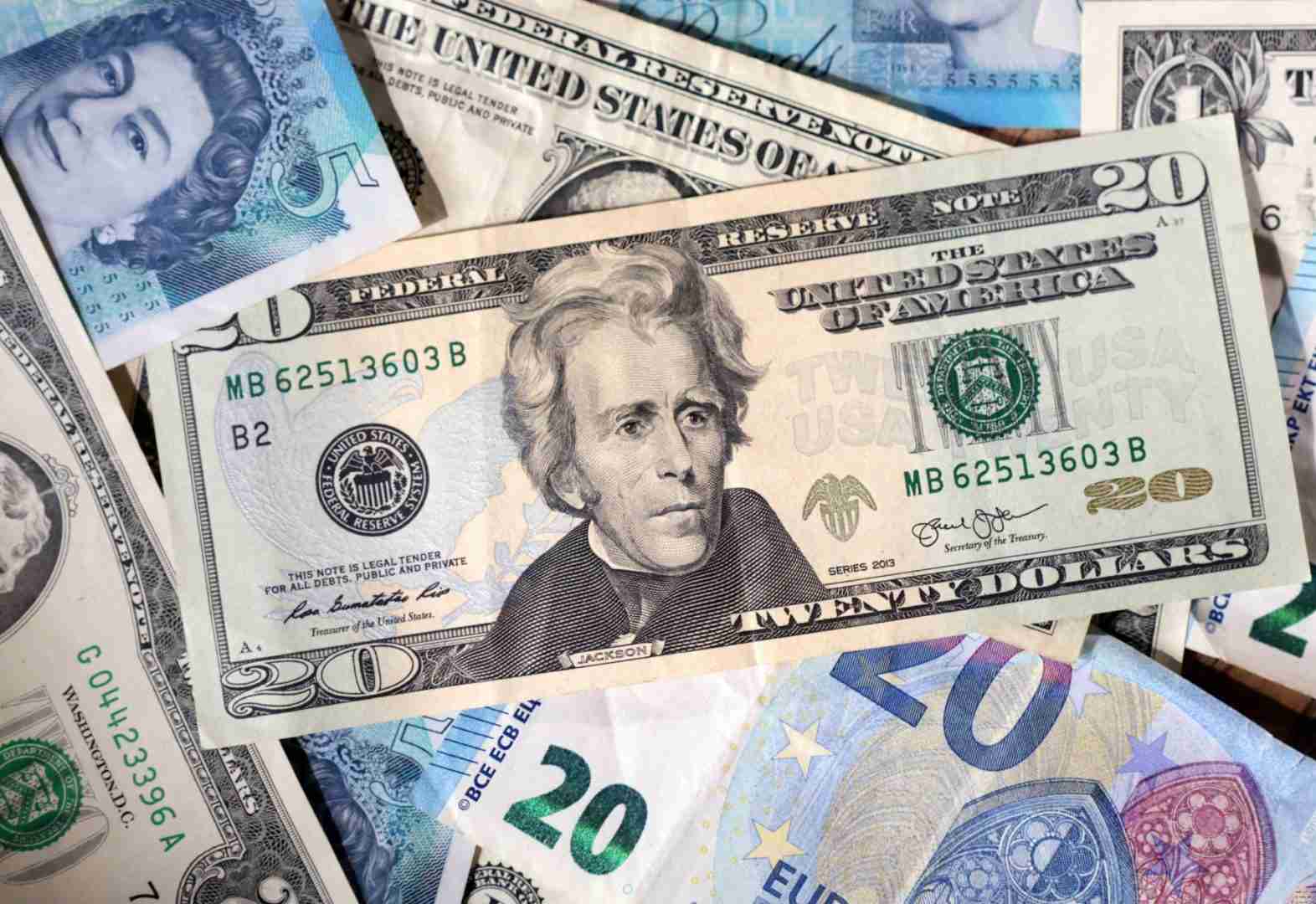
The dollar found some support on Thursday from a broad risk-off mood in markets, but failed to recoup most of its losses after the Federal Reserve delivered a less hawkish outlook than some had anticipated.

Investors dumped risk assets like stocks and cryptocurrencies after disappointing earnings from U.S. cloud computing giant Oracle reignited fears that surging AI infrastructure costs could outpace profitability.

That helped stem the safe-haven dollar’s slide, which initially faced selling pressure after remarks from Fed Chair Jerome Powell surprised some who had been positioned for a more hawkish tone.

The Australian dollar meanwhile got caught in the flight from risk and fell 0.7% to $0.6629, while the New Zealand dollar lost 0.44% to trade at $0.5791.

Bitcoin, often viewed as a barometer of risk appetite, slid back below the $90,000 level, while ether was down more than 4% at $3,197.15.

“Even with a softer Fed outlook, the market is still working through the excess leverage from October, so reactions to macro signals are slower than usual,” Gracie Lin, OKX’s Singapore CEO, said of the fall in crypto prices.

“The 25-basis-point cut was already priced in, short-term traders are taking profit into thin liquidity, and the wider macro and geopolitical backdrop is still uncertain. All of that keeps the immediate response muted.”

DOLLAR FALLS OUT OF FAVOUR

At the conclusion of its two-day policy meeting on Wednesday, the Fed lowered rates by 25 basis points as expected.

“For us, the big takeaway was a dovish tilt to the accompanying commentary, and at Fed Chair Powell’s press conference,” said Nick Rees, head of macro research at Monex Europe.

That gave investors confidence to short the dollar as they bet on two more rate cuts next year, going against policymakers’ median expectation for a single quarter-percentage-point reduction.

The euro rose above the key $1.17 level and close to a two-month high of $1.1707 in the early Asian session, before paring some of those gains to trade 0.08% lower at $1.1686.

Sterling touched a 1-1/2-month peak of $1.3391, though was last down 0.17% at $1.3360. The yen was little changed at 156.07 per dollar.

Against a basket of currencies, the dollar was up 0.1% at 98.74, having earlier hit its lowest since October 21.

“We still see room for rate cuts in 2026, especially if the job market turns out to be softer than the Fed’s forecast,” said Tai Hui, APAC chief market strategist at J.P. Morgan Asset Management.

U.S. Treasuries attracted bids after the Fed announced that it would start buying short-dated government bonds beginning December 12 to help manage market liquidity levels, with an initial round totalling around $40 billion in Treasury bills.

“The earlier start and size of the T-bill purchases surprised investors,” said analysts at Societe Generale in a note.

The two-year U.S. Treasury yield fell 3.5 bps to 3.5300%. The benchmark 10-year yield was similarly down 4 bps to 4.1215%. Bond yields move inversely to prices. [US/]

Reporting by Rae WeeEditing by Shri Navaratnam

ECB proposes simpler bank capital rules

Banks have long complained the supervision has become onerous and others, particularly the United States, are now pushing to cut regulation and soften capital rules

International News via Reuters:

The European Central Bank proposed a simplification of bank capital buffer rules on Thursday, looking to prune some of the complex regulation put in place after the global financial crisis without easing the overall regulatory burden.

Banks have long complained the supervision has become onerous and others, particularly the United States, are now pushing to cut regulation and soften capital rules on the premise the supervision constrains bank activity.

But the ECB stuck to its promise that simplification cannot mean lower capital requirements and Thursday’s proposals, still subject to European Commission approval, are focused on fewer rather than lower requirements for the amount of capital lenders must hold to cushion against potential shocks.

“These proposals intend to simplify the framework, while maintaining the resilience of the European banking system,” the ECB said in a statement.

FEWER BUT NOT LOWER CAPITAL REQUIREMENTS 

The ECB’s number one recommendation is to simplify the design of banks’ capital requirements and buffers, called the capital stack, as Reuters reported earlier.

The ECB aims to merge existing layers of buffers into just two: a non-releasable and a releasable buffer which authorities can lower in bad times.

The new releasable buffer would result from merging the countercyclical capital buffer with the systemic risk buffer, which are normally built up during tranquil periods and released during downturns. 

However, the non-binding Pillar 2 guidance on capital levels would be kept separate, on top of the releasable buffer. 

The ECB also wants to reduce the leverage ratio framework from four elements to two, to include a 3% minimum requirement and a single buffer, which could be set to zero for smaller banks, the bank said in a statement. 

The ECB also proposed expanding the so-called ‘small banks regime’ so more lenders would fall under simpler supervision requirements. 

CONVERTIBLE BOND REFORM?

The ECB also argued that the loss-absorbing capacity of convertible bonds called Additional Tier 1 (AT1) instruments “has been questioned” because banks rarely use the instrument to actually absorb losses, and the security could be reformed along two possible alternatives.

Such instruments made headlines in 2023 when Credit Suisse wiped out 16.5 billion francs worth of such bonds during the state-engineered takeover by its rival UBS. The move was later ruled illegal by a Swiss court, though an appeal is still pending.

In the first alternative, AT1 instruments could be enhanced to further ensure their loss absorption capacity but the role of the instrument itself would not be modified.

Alternatively, it could be completely removed from the going-concern capital stack but that may not be compliant with Basel rules, may go against the principles of simplification and would lead to changes in the regulatory capital demand, the ECB said.

The ECB also called for a reform of the scope and methodology of EU-wide bank stress tests to make them more useful both for the bank and from a systemic perspective.

The recommendations, endorsed by the ECB’s Governing Council, will now be presented to the European Commission for consideration and any actual change could still take months if not years.

Reporting by Balazs Koranyi; Editing by Toby Chopra

Vietnam urges factories to cut output as Hanoi chokes on smog

Vietnam’s Ministry of Health earlier this week urged power, steel and chemical plants to cut output when the air quality index exceeds 200

International News via Reuters:

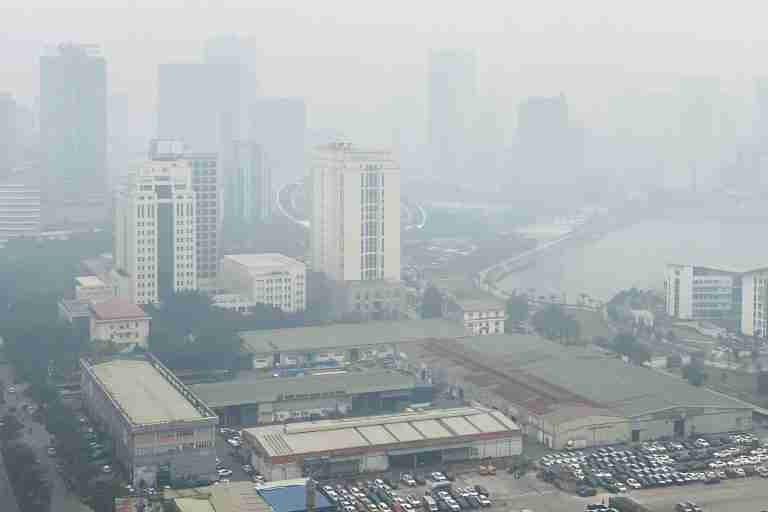
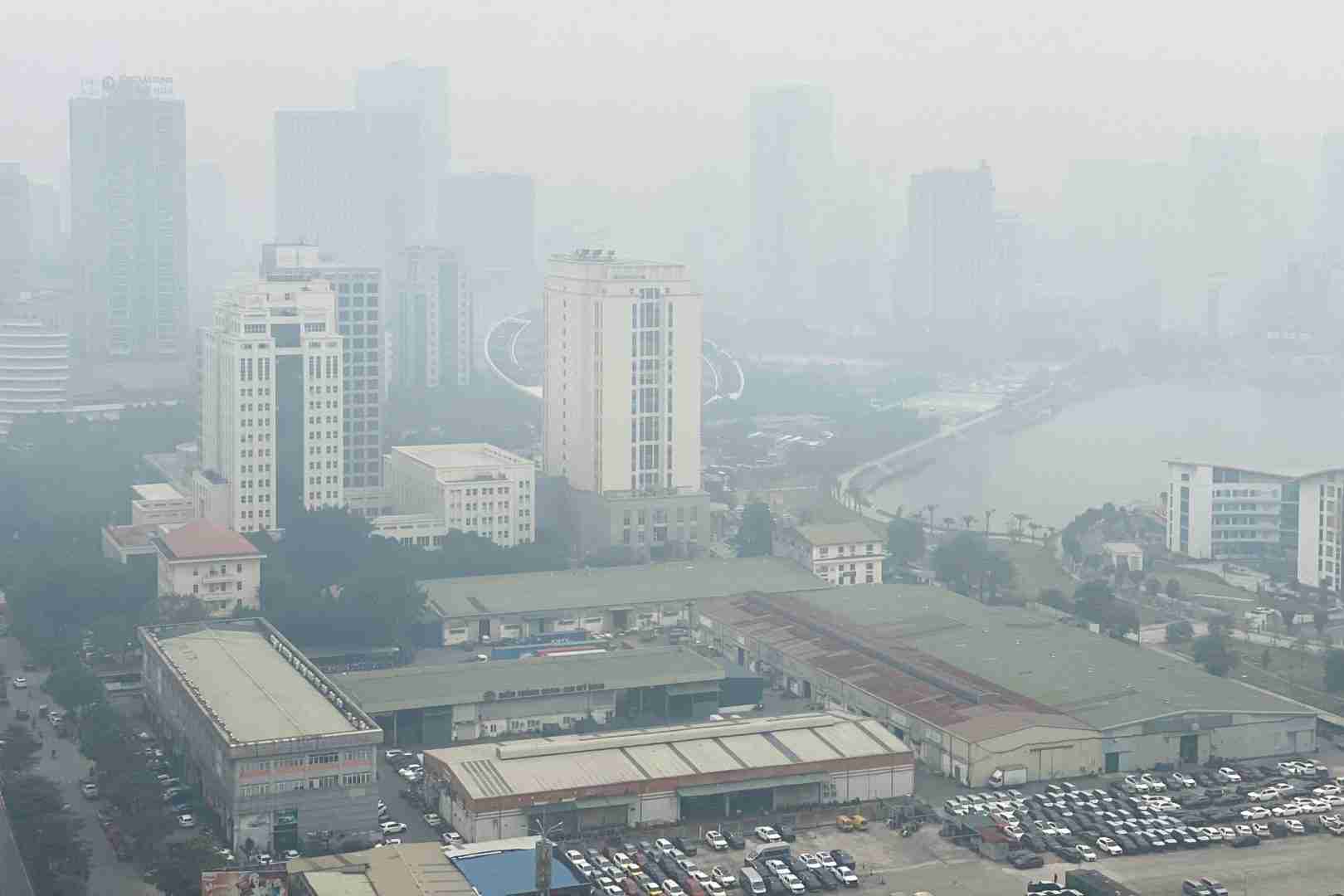
Industrial plants in the Vietnamese capital of Hanoi have come under renewed pressure to scale back their operations as authorities respond to a week of heavy and hazardous smog in the city.

Vietnam’s Ministry of Health earlier this week urged power, steel and chemical plants to cut output when the air quality index exceeds 200. The index gauges the volumes of hazardous small particles known as PM2.5 that are in the air.

The AQI hit 243 midday on Thursday, putting Hanoi fourth on the list of the world’s most-polluted cities, according to AirVisual, which provides independent global air pollution information via a phone app.

The city has topped the list on a number of occasions this week, according to the app, a position it also held in January.

The Southeast Asian country, a regional manufacturing hub which is urbanising rapidly, has been suffering from severe air pollution for years, especially in Hanoi.

“My eyes are itchy, and there’s always a blanket of smog that blocks my vision,” said Hanoi resident Pham Thu Giang, 30. “I have to wear a mask all the time.”

The authorities have identified transportation, industrial production, construction activities and the burning of garbage and agricultural residue as the main sources of air pollution in the city.

“Gasoline-powered motorbikes are used widely in Hanoi, making them a major source of air pollution,” Le Thanh Thuy, an official of the city’s department of agriculture and environment, told local media on Thursday.

The city will impose partial bans on gasoline-powered motorbikes in downtown areas from mid-2026 and will gradually expand the ban thereafter to fossil-fuel-powered cars.

“The current air conditions are very dangerous for the capital Hanoi,” said 75-year old resident Luong Van Toi. “I feel very tired.”

If Hanoi’s AQI is converted into actual PM2.5 concentrations, the pollution this week could be as much as 50 times the 5-microgram/cu m level recommended by the World Health Organization.

Reporting by Thinh Nguyen; Writing by Khanh Vu; Editing by David Stanway

First climate migrants arrive in Australia from sinking Tuvalu in South Pacific

More than one-third of Tuvalu’s 11,000 population applied for a climate visa to migrate to Australia, under a deal struck between the two countries two years ago

International News via Reuters:

The first climate migrants to leave the remote Pacific island nation of Tuvalu have arrived in Australia, hoping to preserve links to their sinking island home, foreign affairs officials said on Thursday.

More than one-third of Tuvalu’s 11,000 population applied for a climate visa to migrate to Australia, under a deal struck between the two countries two years ago.

The intake is capped at 280 visas annually to prevent a brain drain in the small island nation.

Among the islanders selected in the initial intake of climate migrants is Tuvalu’s first female forklift driver, a dentist, and a pastor focused on preserving their spiritual life thousands of kilometres (miles) from home, Australian government officials said.

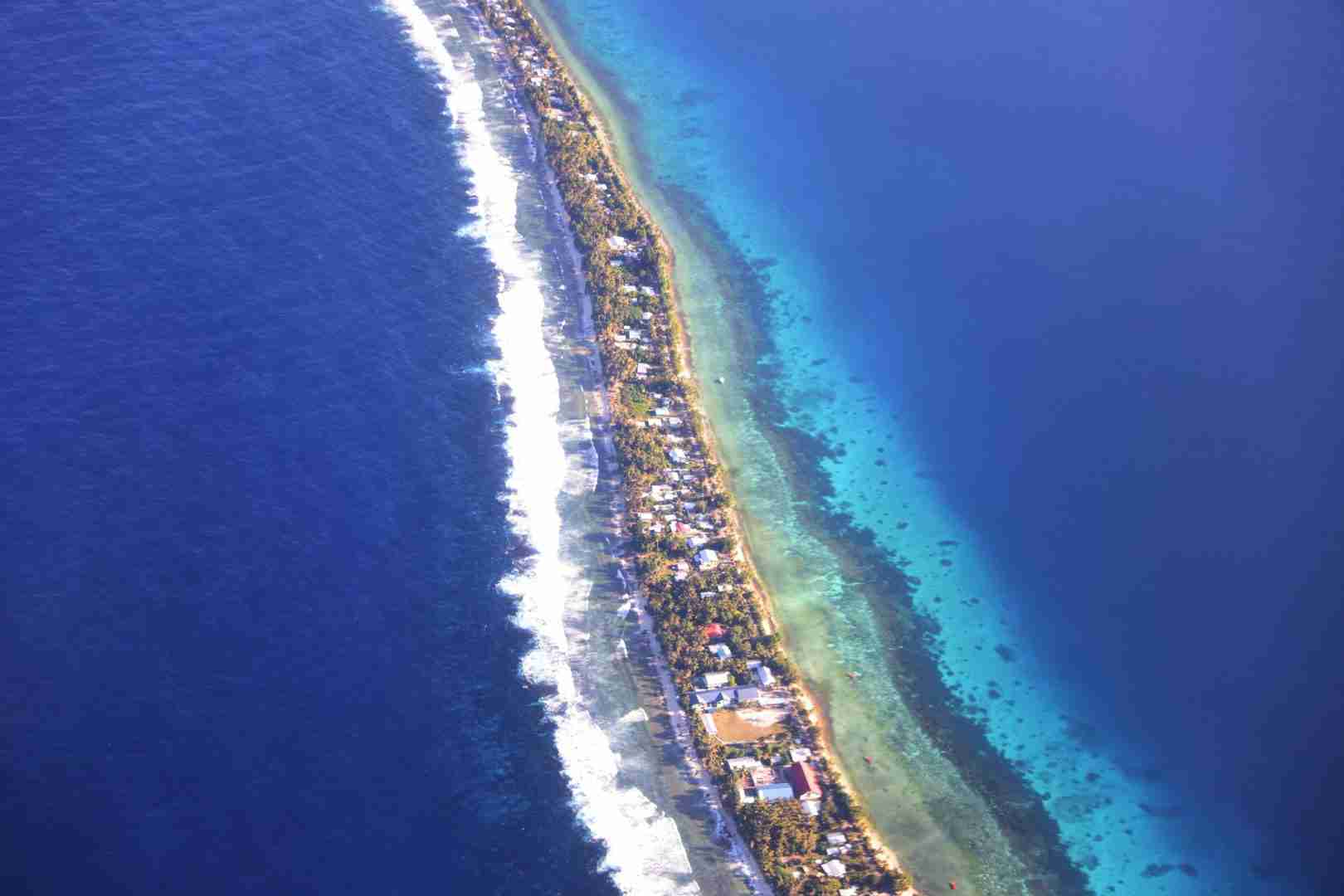
Tuvalu, one of the countries at greatest risk from climate change because of rising sea levels, is a group of low-lying atolls scattered across the Pacific between Australia and Hawaii.

Manipua Puafolau, from Tuvalu’s main island of Funafuti, arrived in Australia a fortnight ago. A trainee pastor with the most prominent church in Tuvalu, he plans to live in the small town of Naracoorte in the state of South Australia, where several hundred Pacific Islanders work in seasonal agriculture and meat processing jobs.

“For the people moving to Australia, it is not only for their physical and economic well-being, but also calls for spiritual guidance,” he said in a video released by Australia’s foreign affairs department.

Tuvalu Prime Minister Feleti Teo visited the Tuvaluan community in Melton, Melbourne, last month to emphasise the importance of maintaining strong ties and cultural bonds across borders as citizens migrate, Tuvalu officials said.

On Tuvalu’s main atoll of Funafuti, the land is barely wider than the road in many stretches. Families live under thatched roofs, and children play football on the airport runway due to space constraints.

By 2050, NASA scientists project daily tides will submerge half of Funafuti atoll, home to 60% of Tuvalu’s residents, where villagers cling to a strip of land as narrow as 20 metres (65 feet). The forecast assumes a one-metre rise in sea levels, while the worst case, double that, would put 90% of the country’s main atoll under water.

CLIMATE VISAS OFFER ‘MOBILITY WITH DIGNITY’

Australia’s Foreign Minister Penny Wong said the climate migrants would contribute to Australian society.

The visa offered “mobility with dignity, by providing Tuvaluans the opportunity to live, study and work in Australia as climate impacts worsen”, Wong said in a statement to Reuters.

Support services are being established by Australia to help Tuvaluan families set up in the east coast city of Melbourne, Adelaide in South Australia and in the northern state of Queensland.

Kitai Haulapi, the first female forklift driver in Tuvalu, recently married and will relocate to Melbourne, population five million. In a video released by Australia’s foreign affairs department she says that she hopes to find a job in Australia and continue to contribute to Tuvalu by sending money back to her family.

Dentist Masina Matolu, who has three school-aged children and a seafarer husband, will move with her family to the northern Australian city of Darwin. She plans to work with indigenous communities.

“I can always bring whatever I learn new from Australia back to my home culture, just to help,” she said in a video statement.

Reporting by Kirsty Needham; Editing by Michael Perry

Many UK firms say volatile pound triggered losses in 2025, need to hedge grows

The report surveyed over 250 chief financial officers and treasurers at UK companies in October about their hedging plans and costs

International News via Reuters:

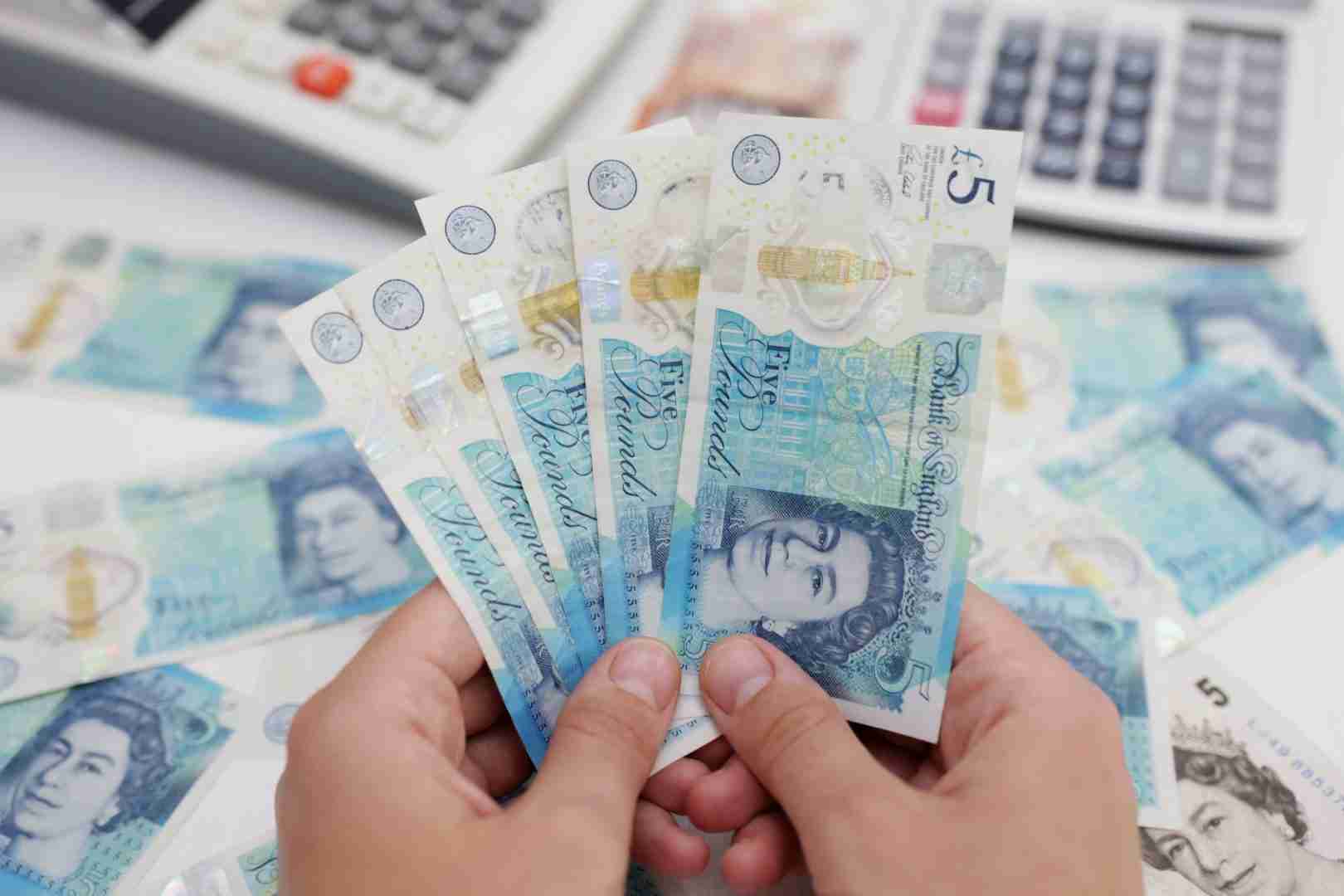
Nearly half of UK businesses surveyed by FX and cash management solutions provider MillTech say that they have lost money due to a volatile pound and plan to hedge more of their currency risk, and for longer, a report released on Thursday showed.

The report surveyed over 250 chief financial officers and treasurers at UK companies in October about their hedging plans and costs. It showed 48% of those polled said they had lost money as a result of the big swings in sterling’s value.

WHY IT’S IMPORTANT 

Currency volatility has accelerated this year, as geopolitical uncertainty has picked up and global trade relations have become more unpredictable since U.S. President Donald Trump has pushed to enact his “America First” agenda.

Hedging rates by UK corporates have risen for their third consecutive year to 78%, up from 76% in 2024 and 70% in 2023. Among firms not currently hedging, 68% are now considering doing so in response to market conditions, MillTech’s survey showed.

KEY QUOTE

“Most CFOs treat FX like a slow-dripping tap. It’s something they can put off fixing while it’s only a nuisance. But this year, that drip turned into a full-on leak, and many UK firms have been scrambling with towels and buckets,” Eric Huttman, chief executive of MillTech, said.

CONTEXT

Sterling hit four-year highs above $1.37 in July against a broadly weak dollar, then fell back as UK fiscal worries weighed on sentiment. It is set for its most volatile year since 2022, LSEG data shows.

BY THE NUMBERS

The mean hedge ratio, or the percentage of companies’ foreign exchange exposure that they protect, is at 53%, up from 45% in 2024. Hedges in 2025 cover an average period of 5.52 months, versus 5.55 months in 2024, but well above the 4.04 months in 2023. 

Reporting by Amanda Cooper. Editing by Dhara Ranasinghe and Mark Potter