Monday, November 2, 2026
Home Blog Page 707

Digital euro could drain up to 700 billion euros of deposits in bank run, ECB says

The study, requested by European legislators, was aimed at evaluating the risks that a digital currency would pose to the banking sector under different scenarios
International News via Reuters:

A digital euro could drain up to 700 billion euros ($810.88 billion) in deposits during a run on commercial banks, pushing around a dozen euro zone lenders into a liquidity squeeze, a European Central Bank simulation showed on Friday.

The study, requested by European legislators, was aimed at evaluating the risks that a digital currency, essentially an electronic wallet guaranteed by the ECB, would pose to the banking sector under different scenarios, including a hypothetical “flight to safety”.

The ECB has presented the digital currency as an alternative to U.S.-dominated means of payment, but bankers and some lawmakers fear it may empty banks’ coffers.

The ECB’s study found that, were there to be an unprecedented run on commercial banks, depositors would withdraw 699 billion euros from euro zone banks to park them in digital euros if a limit on individual holdings was set at 3,000 euros each.

This is equal to 8.2% of all retail sight deposits, although the impact would be greater for small market lenders and retail banks, the ECB said.

Under this scenario, which the ECB described as highly unlikely, 13 of the 2,025 banks in the analysis would deplete their mandatory cash buffer, as measured by the Liquidity Coverage Ratio.

These figures may be an overestimation as they don’t consider the fact that some depositors have more than one bank account, the ECB said.

Under the ECB’s “business as usual scenario”, in which depositors don’t make full use of their digital euro allowance, just over 100 billion euros would flee banks’ coffers, leaving the sector well within liquidity requirements, the study found.

And even this outflow could be more than offset by an ongoing trend out of cash and into electronic means of payment, which should add to banks’ deposits, the ECB added.

The ECB also simulated individual holding limits of 500 euros, 1,000 euros and 2,000 euros, obtaining lower outflow estimates.

“The analysis confirms that holding limits effectively restrict deposit outflows from the banking sector to levels that safeguard the stability of the financial system and support the correct formulation and implementation of monetary policy,” the ECB said.

It also found that a 3,000 euro holding limit would reduce banks’ return on equity by an average 30 basis points, although the impact differs country by country.

EU finance ministers agreed last month a roadmap for launching the digital euro but retained a say on its eventual introduction and on the holding limit.

($1 = 0.8633 euros)

Reporting by Francesco CanepaEditing by Frances Kerry

Under strike threat, Lufthansa to continue talks with pilots’ union

The union’s members had previously voted in favour of a walkout to pressure Lufthansa into agreeing a more generous pension deal

International News via Reuters:

Lufthansa will continue talks with German pilots’ union VC over a pension dispute, both parties said on Friday, averting a possible strike at its core airline for the time being.

The union’s members had previously voted in favour of a walkout to pressure Lufthansa into agreeing a more generous pension deal.

After constructive talks on Thursday, both parties said they are exploring the option of further negotiations and new dates.

While Lufthansa has not submitted a new offer, there have been indications that a solution can be found, said a spokesperson for VC, or Vereinigung Cockpit.

“We are still committed to finding a solution without strikes,” said a Lufthansa spokesperson.

The union is demanding higher employer contributions to company pension plans for the 4,800 cockpit employees of the core airline brand Lufthansa and the cargo subsidiary Lufthansa Cargo.

Lufthansa sees no financial leeway for this, as its core brand has excessive costs and hasn’t been earning any money since last year, and has threatened to move more jobs to its cheaper subsidiaries, Discover and City Airlines.

Reporting by Ilona Wissenbach, Writing by Miranda MurrayEditing by Ludwig Burger

Yen and euro struggle as Japan and France’s political dramas heat up

The yen edged up 0.2% to 152.7 per U.S. dollar but was still close to its weakest since mid-February, heading for a 3.5% drop in the week, its biggest decline since last October

International News via Reuters:

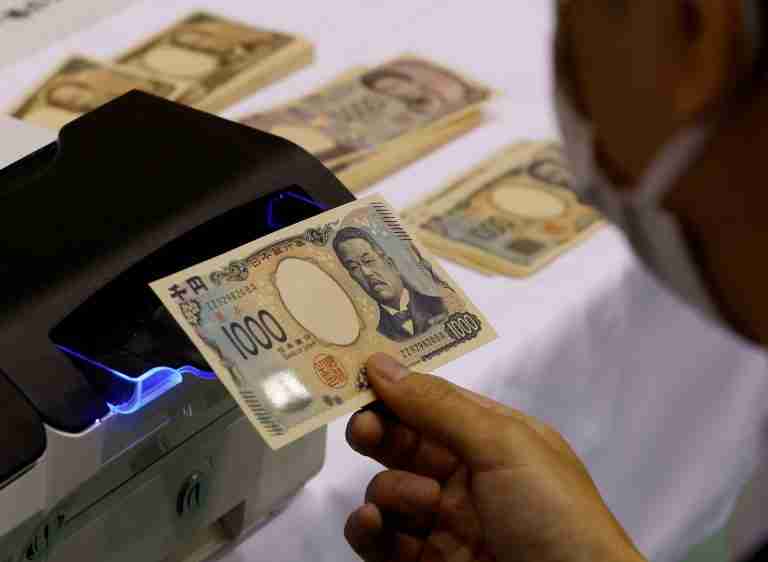
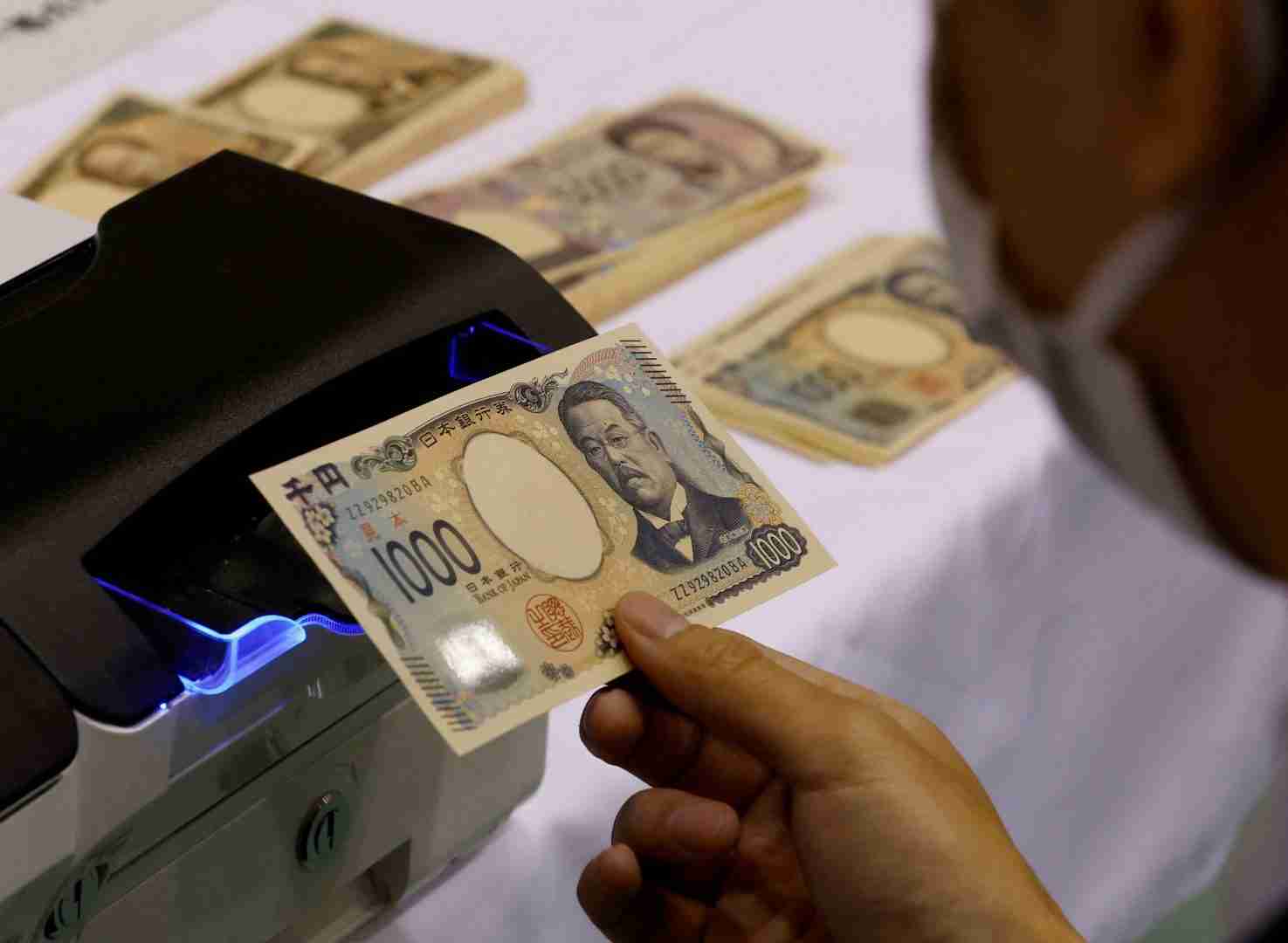
The yen headed for its steepest weekly drop in a year on Friday, as the chances of a near-term rate hike faded, while the euro was rooted near two-month lows by political crisis in France.

The yen edged up 0.2% to 152.7 per U.S. dollar but was still close to its weakest since mid-February, heading for a 3.5% drop in the week, its biggest decline since last October.

Its drastic drop has been triggered by concerns that the Bank of Japan may not hike interest rates again this year after fiscal dove Sanae Takaichi’s surprise victory to lead the ruling party, stoking worries of Japanese authorities needing to step in to support the yen.

Japanese Finance Minister Katsunobu Kato said on Friday that the government was concerned about excessive volatility in the foreign exchange market. Takaichi said on Thursday she did not want to trigger excessive declines in the yen.

“The Ministry of Finance is very sophisticated, they’re very experienced, and I think they would use verbal intervention beforehand. And in a way, I think they have,” Rabobank chief strategist Jane Foley said.

Takaichi said on Thursday that the BOJ is responsible for setting monetary policy but that any decision it makes must align with the government’s goal.

She looked set to become Japan’s first female prime minister in a parliament vote that was expected on October 15. But the date will be likely pushed back after the Liberal Democratic Party’s junior coalition partner Komeito pulled its support, breaking their 26-year-old alliance. 

Traders are currently pricing an about 45% chance of a rate hike from the BOJ in the December meeting and are only fully pricing in a 25-basis-point hike in March.

FRENCH DRAMA DENTS EURO

The euro headed for its biggest weekly decline in 11 months, but managed to edge up 0.2% to $1.1586, near its lowest for two months. Political turmoil in France has weighed heavily on the single currency in the last week.

President Emmanuel Macron is searching for yet another prime minister, hoping his next pick – the sixth in under two years – can steer a budget through a legislature riven by crisis.

The political paralysis has made it deeply challenging to pass a belt-tightening budget and has made investors increasingly worried about France’s yawning deficit, on top of evidence of slowing momentum in other key economic engines such as Germany.

“The data from Germany’s not good, and therefore I think that makes the euro a little bit more susceptible to wobbles on the French news,” Rabobank’s Foley said.

As a result, the dollar index, which measures the U.S. currency against six others, neared two-month highs around 99.24 and headed for a weekly rise of 1.7%, its biggest in a year.

“The recent dollar rally has gone against market positioning and prompted a partial covering of USD shorts,” said Chris Weston, head of research at Pepperstone.

“There remains a high degree of scepticism that the USD can materially push through 100, a level in the dollar index that was quickly reversed in May,” he said in a note.

With the U.S. government shutdown continuing and little to no economic data for investors to parse through for clues on the path the Federal Reserve is likely to take, markets are keeping an eye on comments from policymakers.

The influential New York Federal Reserve President John Williams signalled on Thursday he would be comfortable with cutting interest rates again, despite some policymakers’ qualms about rising inflation that suggest such a decision would not be easily made.

Traders are pricing in a 95% chance that the Federal Reserve cuts rates by 25 bps at its October meeting, while the odds of an additional cut in December have dropped to 80%, from 90%, in the past week, according to the CME Group’s FedWatch Tool.

Additional reporting by Ankur Banerjee in Singapore; Editing by Jacqueline Wong, Kim Coghill and Emelia Sithole-Matarise

Raising funds for breast cancer one paddle swing at a time

Thousands raised at the fifth annual Dink for Pink breast cancer fundraiser on Saturday

It was a sea of pink at the W.E.R. Joell Stadium on Saturday, as dozens hit the pickleball courts for a cause close to many hearts. The fifth annual ‘Dink for Pink’ fundraiser brought players together for more than just a game — they rallied to raise funds and awareness for breast cancer, one paddle swing at a time.

Stop and search measures crack down on illegal machetes

Assistant Commissioner Martin Weekes of the Bermuda Police Service said the powers under section 315F under the criminal code have been in effect since 2024

Police have recovered several knives, machetes, other bladed weapons and firearms through stop and search powers.


The number of recoveries is similar to levels seen back in the 1970s.


I sat down with Assistant Police Commissioner Martin Weekes to discuss the situation.

High US stock valuations bring back memories of dotcom exuberance

International Monetary Fund chief Kristalina Georgieva warned on Wednesday about the risks to the world economy from potentially large corrections in lofty stock markets

International News via Reuters:

In 1996, then-Federal Reserve chairman Alan Greenspan wondered aloud how we could know when “irrational exuberance” had gripped financial markets, comments that led many to later describe him as a sage who anticipated the dotcom boom and bust.

Now, when markets repeatedly peak as the prospects of artificial intelligence lift valuations of several technology heavyweights including Nvidia, Microsoft and Oracle, similar warnings are stacking up.

International Monetary Fund chief Kristalina Georgieva warned on Wednesday about the risks to the world economy from potentially large corrections in lofty stock markets.

Meanwhile, JPMorgan Chase CEO Jamie Dimon warned of a heightened risk of a significant correction in the U.S. stock market within the next six months to two years, the BBC reported.

“Jamie Dimon is like the Greenspan of today,” said Mark Malek, chief investment officer at Siebert Financial, who back then was working on multiple acquisition deals on behalf of Lucent Technologies, which itself went from being an internet market darling to a poster child for Greenspan’s irrational exuberance.

In December 1996, Greenspan posed a seemingly innocuous rhetorical question during a dinner speech: “How do we know when irrational exuberance has unduly escalated asset values?”

The market reaction was immediate. Asian stocks fell 3%; those in Europe followed suit and the next morning, the S&P 500 tumbled 2%. But within days, those losses had evaporated, and within a few weeks, stocks had not only regained all that lost ground but were trading 10% above the levels they were when Greenspan spoke.

It would take more than three years for the dotcom bubble to burst and give Greenspan the reputation of possessing uncanny foresight, even though anyone who heeded his dinner warning bell would have forfeited gains of more than 100% over that time period.

BULLISH BEHAVIOR ON DISPLAY 

Investors draw both parallels and divergences with the current market, where the S&P 500, Nasdaq and the Dow have hit new heights this year. The S&P 500 and the Nasdaq hit fresh record highs on Thursday and are up about 15% and 19%, respectively. The Dow has gained about 10% year-to-date.

In the U.S. equity options market, with one measure of bullish trading near four-year highs, much of the bullish options flow concentrated in high-flying tech names, particularly those exposed to the AI investment theme.

“That’s kind of the epicenter of it … people chasing tech upside,” Greg Boutle, head of U.S. equity & derivative strategy at BNP Paribas, said.

The S&P 500’s price-to-earnings ratio, based on expected 12-month earnings for its constituents, last stood at around 23 times, according to LSEG Datastream. That level is near its highest in five years and well above its 10-year average of 18.7, although the P/E ratio reached around the 25 level in 1999 and 2000, the data showed.

The heavyweight technology sector was trading at 30 times forward earnings estimates, above its long-term average of 21.4. The sector’s valuation surged as high as 48 times during the dotcom era.

Today’s bull market again brings fears about over-exuberance surrounding artificial intelligence may lead to a significant correction in the broader market, some warn.

In 1996, “we were all blinded to the reality of what was happening, and some would argue we’re in the same situation today,” said Malek.

Malek said that today he still carries with him the memory of those years and that he tries to remain aware that this time, too, he could be wrong in believing that the stock market’s remarkable AI-fueled gains are all justified.

“I know I need to keep my pencil sharp,” he said.

But other investors maintain an optimistic outlook. Goldman Sachs analysts argued that while history suggests that bubbles are driven by exuberance that builds around transformative technology, the current market rally is different because it seems to be driven by “fundamental growth rather than irrational speculation” and AI has been dominated by a few incumbents.

Comparisons to 1996 and the dotcom bubble fall short on several fronts, said Art Hogan, market strategist at B. Riley Wealth in Boston. Back in 1996, he was a trader specializing in technology stocks, watching the dotcom boom explode in front of his eyes.

“Hundreds of companies that had dreams in place of business models came public and saw their stock prices double or triple overnight,” Hogan said. “Today, the companies that are leading this revolution already existed before AI began dominating the market chatter, and had significant businesses and growth. And those valuations today aren’t as ridiculous.”

Reporting by Chibuike Oguh and Suzanne McGee in New York; Additional reporting by Saqib Iqbal Ahmed, Lewis Krauskopf and Chuck Mikolajczak; editing by Alden Bentley, Megan Davies and Nick Zieminski

EU Parliament plans to cut back sustainability law further

The European Union’s corporate sustainability due diligence directive was adopted last year and requires companies to fix human rights and environmental issues within their supply chains

International News via Reuters:

Lawmaker groups holding a majority in the European Parliament agreed a deal late on Wednesday to make deeper cuts to the EU’s corporate sustainability law, lawmakers and officials told Reuters.

The European Union’s corporate sustainability due diligence directive (CSDDD) was adopted last year and requires companies to fix human rights and environmental issues within their supply chains, or face fines of 5% of global turnover.

It has become one of the most politically contested parts of Europe’s green agenda, and Brussels is now negotiating changes to simplify the rules for European companies, after pushback from Germany and France – as well as the United States and Qatar, and companies including Exxon Mobil.

The centre-right European People’s Party group – the biggest lawmaker group in the European Parliament – on Wednesday struck a deal with socialist and liberal lawmakers to pare back the law further, Jorgen Warborn, the EPP lawmaker leading the negotiations, told Reuters.

A key change would be to only apply the rules to companies with 5,000 or more employees and at least 1.5 billion euros ($1.74 billion) in turnover, he said. Currently, CSDDD covers companies with 1,000 or more employees and above 450 million euros in turnover.

“I’m focusing on making sure that we put Europe back to growth, so that we can produce more jobs and more long-term prosperity,” Warborn said.

Brussels has argued changes are needed to avoid overburdening companies with complex reporting requirements before the law is scheduled to apply in 2027. But campaigners and some companies have warned the EU risks gutting corporate accountability.

Socialist lawmakers had initially balked at the plans, but on Wednesday said they had agreed after the EPP threatened to strike a deal with far-right lawmakers instead, and weaken the law further.

“This compromise is not our preferred option but the alternative was a worse EPP agreement with the far right,” a spokesperson for the Socialists and Democrats group said.

Dutch Socialist lawmaker Lara Wolters said she had resigned as the group’s negotiator on Wednesday in response.

An official from the liberal Renew group confirmed it had also backed the deal. Together, the three lawmaker groups hold a majority of seats in the EU Parliament.

The EU Parliament will vote on the deal later this month, before negotiating the final changes to the law with EU countries.

($1 = 0.8601 euros)

Reporting by Kate Abnett; Editing by Lincoln Feast.

Ferrari lifts the hood on EV tech in maiden electric car

In a closely-guarded event at its Maranello headquarters, a Ferrari-red cover was pulled back on a stage to reveal the Elettrica’s production-ready chassis

International News via Reuters:

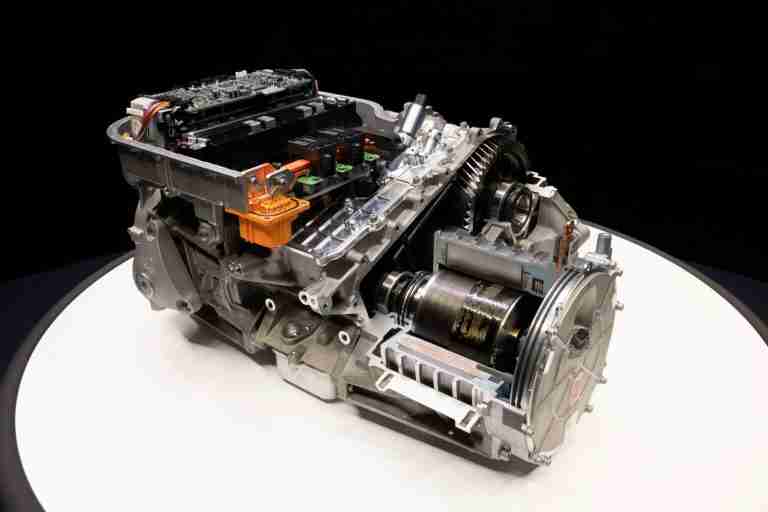
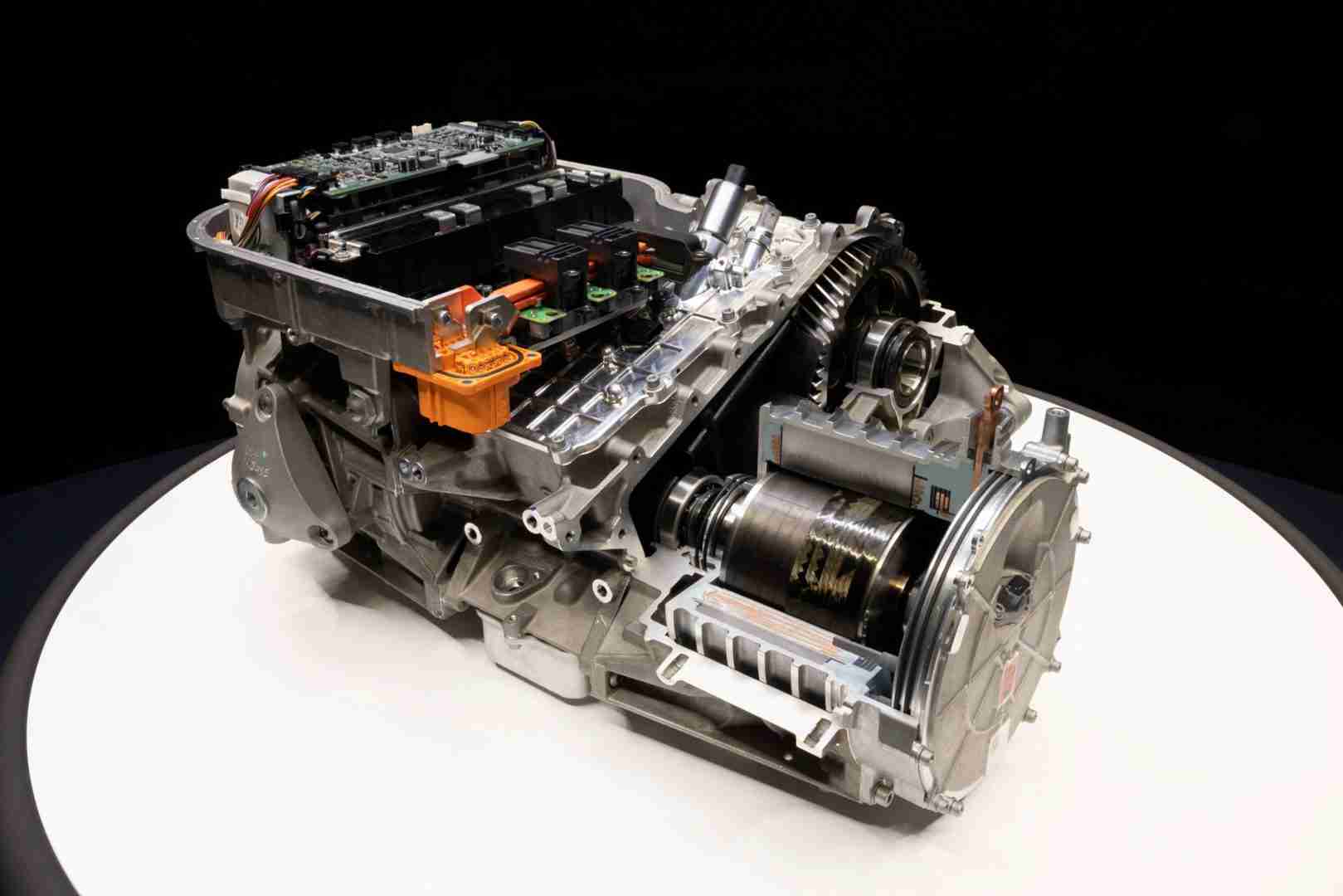
Ferrari has unveiled the technology which will power its hotly-anticipated first electric car, the Elettrica, as the 78-year-old luxury Italian sportscar maker looks to add battery power to its hybrid and petrol-engine models.

In a closely-guarded event at its Maranello headquarters, a Ferrari-red cover was pulled back on a stage to reveal the Elettrica’s production-ready chassis: a car base, with battery pack and electric motor, though with no wheels or outer shell.

The completed car, which Ferrari is expected to present next year at a global premiere, will have a top speed of 310 kilometres per hour (193 miles) – slightly slower than most of its engined models and a range of at least 530 km.

The four-door, four-plus seat car will have a specially-designed sound system to amplify actual vibrations from its powertrain to create a distinctly electric Ferrari sound, rather than just faking engine noise.

The unveiling of the inner workings of Ferrari’s maiden electric car marks a milestone for the auto industry that is grappling more widely with a shift from the internal combustion engine to the electric battery.

“Today… is an historic day for us. We all have goosebumps,” said CEO Benedetto Vigna, who said the electric car would complement, not replace, the company’s existing models. “The EV is an addition, not a transition.”

FERRARI NEEDS AN EV FOR NEXT GENERATION OF RICH KIDS

Like other high-performance brands, Ferrari has been cautious about electrification. Reuters reported in June that it had delayed a second EV model until 2028 because of a lack of demand. Rival Lamborghini, part of Volkswagen, has delayed its first EV until 2029, saying the market is not ready.

Luxury automaker Porsche forged ahead with EVs, but has been caught between a crowded Chinese market and Western buyers who still want Porsche’s loud combustion engines. Delays to its EV roll-out have hit parent Volkswagen.

Ferrari is aiming to have 20% of its model line-up fully-electric by 2030, its long-term business plan unveiled on Thursday shows. That is below the 40% target it set for 2030 in its business plan three years ago.

Ferrari is under less pressure than mainstream automakers to go electric ahead of a 2035 European Union ban on new fossil-fuel car sales, as it can sell combustion-engine models running on higher-cost synthetic e-fuels its customers can afford. 

But wealthy younger buyers are keen to go electric.    

“If you think about the next generation of kids, to remain relevant, maybe Ferrari needs an electric line-up that represents the pinnacle of its type,” former Aston Martin CEO Andy Palmer told Reuters.

FERRARI NEEDS “AN EV THAT IS MORE THAN AN EV”

The Ferrari Elettrica, expected to cost at least 500,000 euros ($580,400), Reuters reported last year, comes almost two decades after the first hybrid technology appeared in its Formula One cars in 2009. Ferrari began selling hybrid models in 2019.

The Elettrica’s chassis and body will be made from 75% recycled aluminium and the battery is fully integrated into the floor to help lower its centre of gravity, which will help with performance and speed. It will have a fast-charging battery.  

Industry experts said the challenge for brands like Ferrari was how to create something more than just a high-spec version of a premium EV, which already has instant acceleration.

The upcoming Tesla Roadster, for example, is advertised with a top speed of more than 250 mph.

Ferrari’s cars, which start with a price tag of more than 200,000 euros, need to offer more.

“If Ferrari is going to be successful, it has to bring to the market an EV that is more than an EV,” Palmer said. “(It) is not offering you acceleration, it’s not offering you top speeds because you can buy that in a 30,000 euro BYD.”

Phil Dunne, a managing director at consultancy Grant Thornton Stax, said demand was yet to catch up, but Ferrari’s strength would be offering its large base of wealthy consumers the same experience and feeling its combustion-engine models do today.

“If their customers want to be environmentally friendly today, they can have a Tesla, they can have some other EV,” Dunne said. “Teslas can give you an amazing feeling of power, but it doesn’t feel anything like a Ferrari.”

($1 = 0.8615 euros)

Reporting by Giulio Piovaccari in Maranello; Editing by Nick Carey, Adam Jourdan and Jane Merriman

UK signs $468 million deal to supply India with missiles

The announcement came as British Prime Minister Keir Starmer was visiting Indian Prime counterpart Narendra Modi in Mumbai

International News via Reuters:

Britain said on Thursday it had signed a 350 million pound ($468 million) contract to supply the Indian army with UK-manufactured lightweight missiles, as part of a deepening weapons and defence partnership between the two countries.

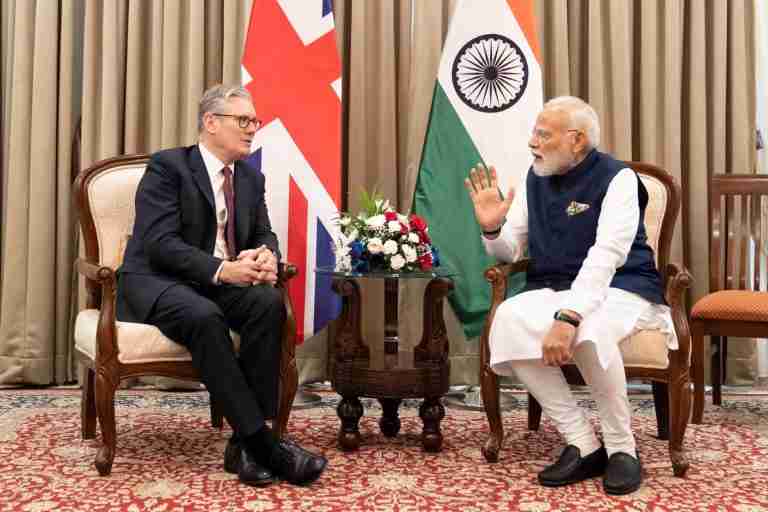
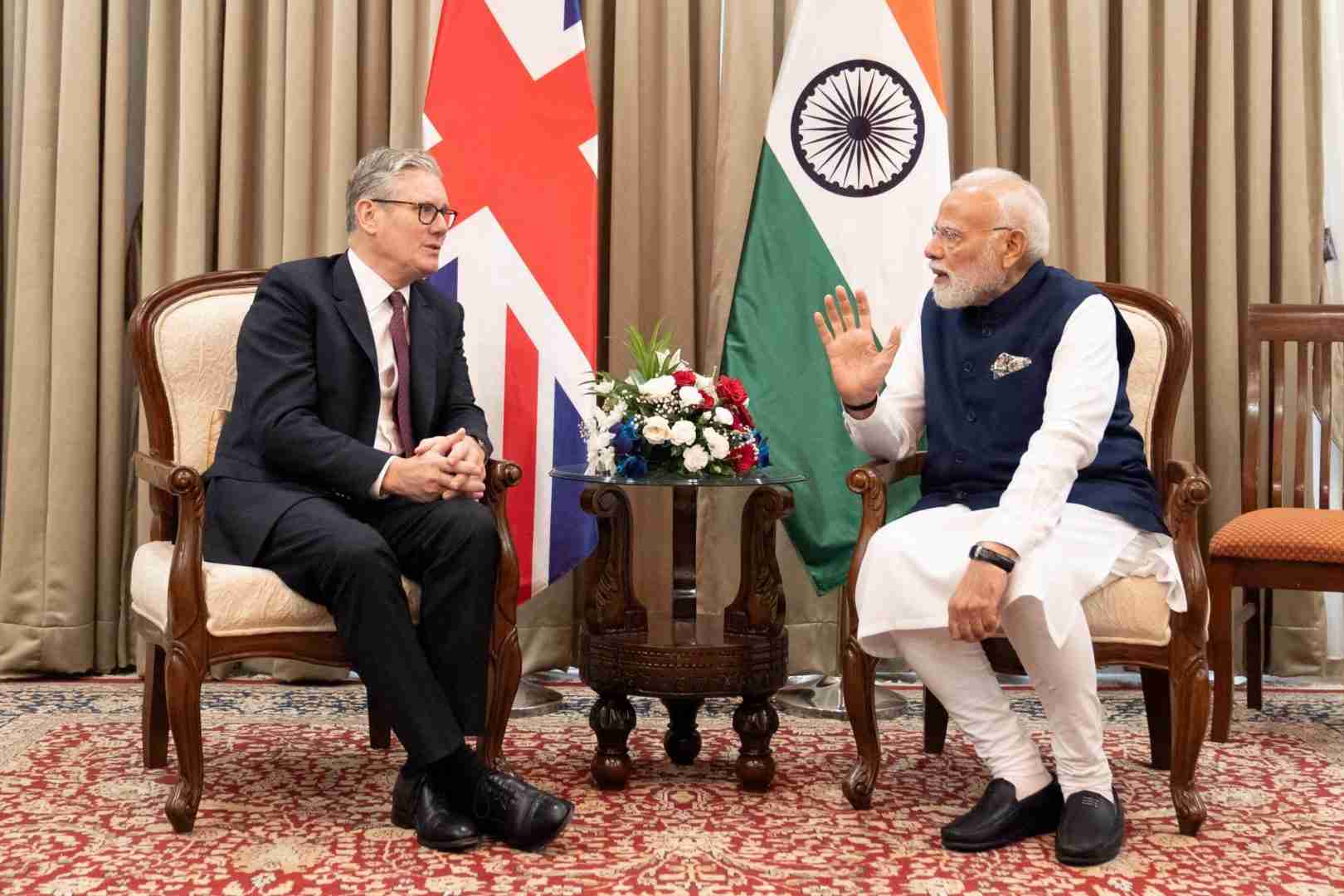
The announcement came as British Prime Minister Keir Starmer was visiting Indian Prime counterpart Narendra Modi in Mumbai, where the pair hailed the potential of the commercial links from their months-old trade deal.

In its statement on the defence deal, the British government said the new contract for Lightweight Multirole Missiles made by Thales in Northern Ireland would secure 700 jobs at a factory which currently makes the same weapons for Ukraine.

“The deal paves the way for a broader complex weapons partnership between the UK and India, currently under negotiation between the two governments,” it said.

Starmer has over the last 12 months thrown his weight behind Britain’s defence sector to try to drive higher economic growth, pledging to up spending in line with NATO targets, as well as focusing on winning exports, such as a recent $13.5 billion frigate contract with Norway.

Britain also said on Thursday it reached a new milestone with India on a tie-up for electric-powered engines for naval ships as both countries signed the next phase of a deal, worth an initial 250 million pounds.

($1 = 0.7481 pounds)

Reporting by Muvija M and Alistair Smout, writing by Sarah Young; editing by Michael Holden

Everyone welcome: The ‘Not So Scary Halloween Bazaar’

MSA event takes place Friday and Saturday

Press release:
Mount Saint Agnes Academy (MSA) is pleased to invite the community to its annual Bazaar, taking place on Friday, October 10, and Saturday, October 11, from 10:00 AM to 10:00 PM each day.

This year’s theme, “Not So Scary Halloween Bazaar,” promises a festive and family-friendly Halloween atmosphere across the MSA campus. Guests of all ages can enjoy a wide range of activities, including:

  • Kiddyland for our youngest visitors
  • Bingo, a Photo Booth and several exciting game stalls
  • A giant inflatable slide
  • A secondhand treasures area for thrift lovers
  • A bake stall featuring fresh malasadas and other delicious treats
  • A variety of food options to satisfy every craving

One of the highlights is the dunking stool, where attendees will have the chance to dunk members of the Class of 2026—a guaranteed crowd-pleaser!

Raffle tickets will also be available for purchase, offering the chance to win fantastic prizes. For over 110 years, the MSA Bazaar has been one of Bermuda’s most beloved family events, bringing joy, connection, and unforgettable experiences to generations of attendees. We look forward to welcoming you to this year’s celebration!