Monday, November 2, 2026
Home Blog Page 714

Stocks, bonds regain some poise, ‘political noise’ blunts underlying optimism

In Europe, the euro fell for a second day, while stocks dipped, although volatility was more contained, as investors awaited developments in France
International News via Reuters:

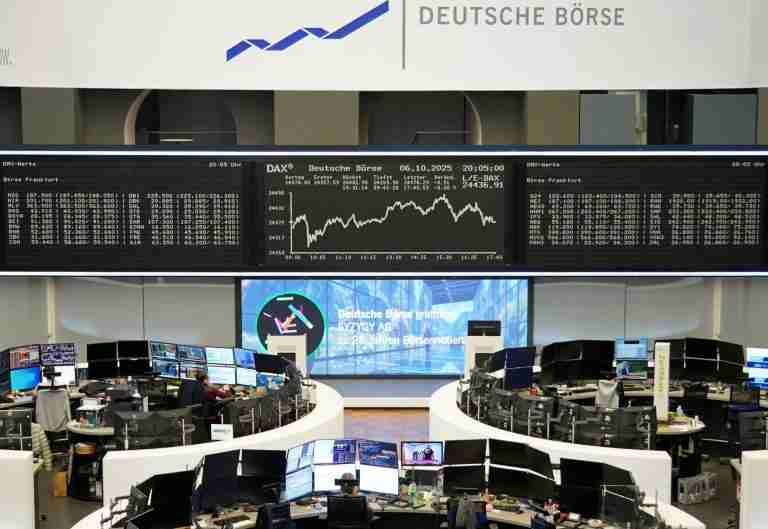
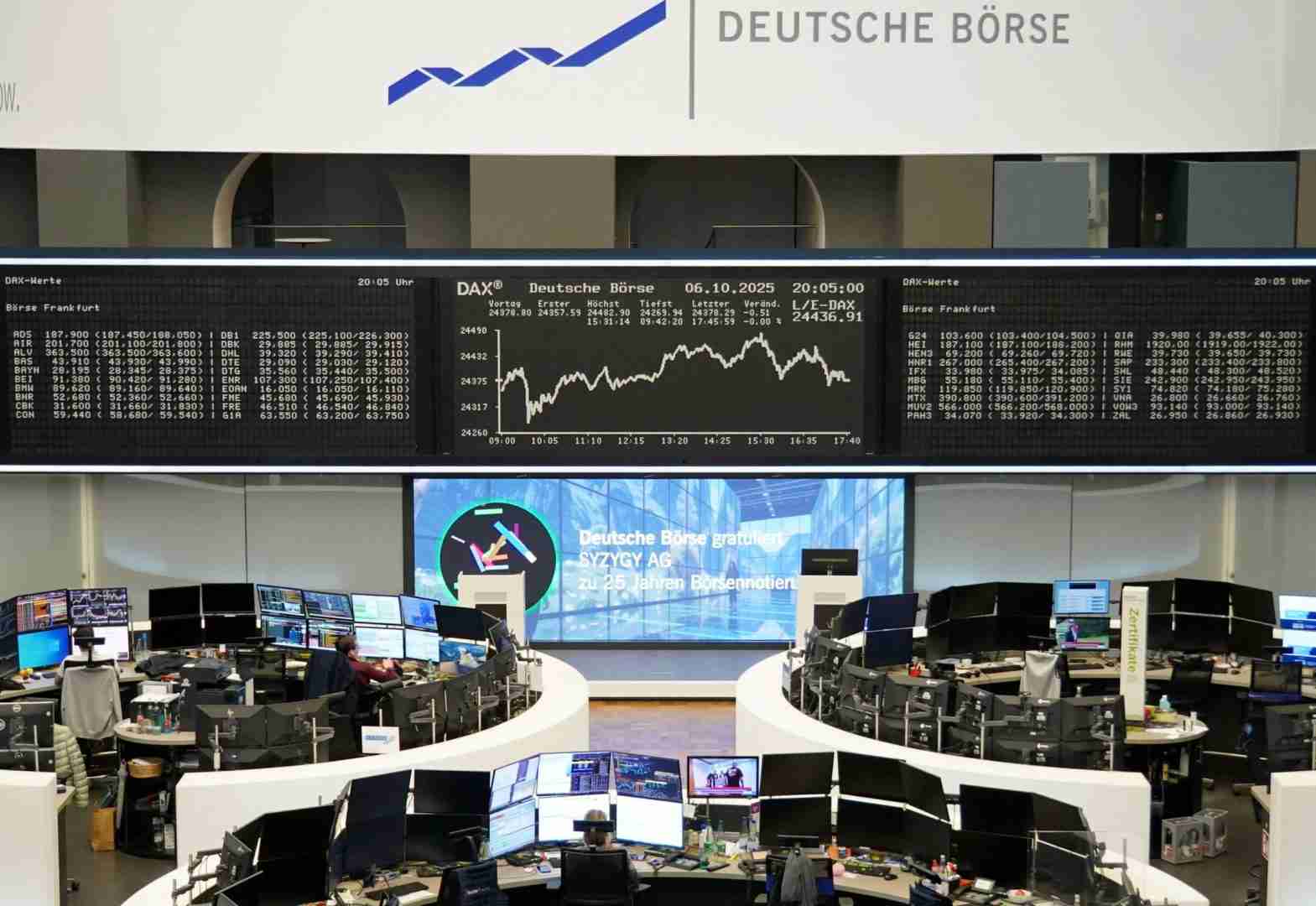
Global stocks and bonds regained some stability on Tuesday, as political upheaval in France, Japan and the U.S. rippled through markets, but did not offset underlying investor optimism over a possible boost from lower U.S. interest rates.

In Europe, the euro fell for a second day, while stocks dipped, although volatility was more contained, as investors awaited developments in France, where the shock resignation of Prime Minister Sebastien Lecornu on Monday threw Europe’s second-biggest economy deeper into crisis.

Meanwhile, the week-old U.S. government shutdown rumbled on, with little sign of the impasse breaking.

And in Japan, investors snapped up a sale of government debt, in a sign of easing nervousness after Sanae Takaichi, a proponent of low rates and high spending, was elected leader of the ruling party, prompting a selloff in domestic bonds and the currency and sending stocks to record peaks.

STOCKS NEAR RECORD HIGHS

That said, world stocks hovered near record highs, underpinned by optimism over the likelihood of rate cuts from the U.S. Federal Reserve and by another jolt of AI-related euphoria following a multi-billion-dollar chip-supply deal between AMD and OpenAI.

“The fundamental narrative is still one of Fed rate cuts, and that is likely to continue for the remainder of the year and into next year,” said Daiwa Capital economist Chris Scicluna.

“Coupled with the AI story and the boost to the demand in activity that is going to be associated with it … is something that should sustain demand for risk assets,” he added. “You’ve got political noise maybe interrupting that, but it’s certainly not a showstopper at the moment.”

The dollar rose 0.3% against a basket of currencies, led mainly by gains versus the euro and the yen, which struggled at two-month lows on the weaker side of 150 per dollar, eliciting a warning from Finance Minister Katsunobu Kato about excess volatility.

“The yen looks likely to remain under pressure for some time. The political shift under Sanae Takaichi has reinforced expectations that fiscal stimulus will take precedence over monetary tightening, reducing the odds of a near-term BOJ rate hike,” said Tareck Horchani, head of prime brokerage dealing at Maybank Securities.

“Fiscal expansion financed by higher bond issuance is also steepening the yield curve and weighing further on sentiment toward the currency.”

On the European market, the STOXX 600, which hit record highs last week, fell 0.2%. Paris’ CAC 40 dipped 0.3%, having posted its largest one-day fall since late August on Monday.

President Emmanuel Macron has given Lecornu a chance to hold last-ditch talks with members of various parties on Tuesday to seek a way out of the crisis.

French bond yields edged up 2.4 basis points to 3.59%, matching Monday’s highs, while the euro remained under pressure, easing 0.3% to $1.168.

WORLD BANK UPS CHINA 2025 GROWTH FORECAST

Political undercurrents aside, U.S. stock futures dipped just 0.1%, pointing to a softer open later for the benchmark indexes, which hit all-time highs on Monday.

The World Bank, meanwhile, lifted its forecasts for Chinese growth in 2025 and those for much of the region, although it warned of slowing momentum next year.

In commodities, oil prices steadied on Tuesday, with Brent crude futures up 0.17% to $65.58 a barrel. Gold hit an all-time high of $3,977.19 an ounce, while bitcoin hovered just below a record $126,223.

Reporting by Rae Wee; Editing by Christopher Cushing, Kim Coghill and Louise Heavens

UK house prices rise by least since April 2024, Halifax says

Prices unexpectedly fell in month-on-month terms, dropping by 0.3% from August

International News via Reuters:

British house prices rose by a slower-than-expected 1.3% in the 12 months to September, the weakest annual increase since April 2024, as economic and tax uncertainty overshadowed the market, figures from mortgage lender Halifax showed on Tuesday.

Prices unexpectedly fell in month-on-month terms, dropping by 0.3% from August.

Economists polled by Reuters had forecast prices would be 2.2% higher than a year earlier and rise 0.2% on the month.

In August prices rose by 2.0% compared with August 2024 and by a monthly 0.2%.

British house prices have increased more slowly this year than they did in the second half of 2024 when they were rising by between 4% and 5% annually due to worries about the economy and potentially more tax on properties with finance minister Rachel Reeves looking to shore up her budget in November.

“Although the broader economic outlook remains uncertain, with the affordability picture gradually improving we continue to expect modest growth through the remainder of the year,” Amanda Bryden, head of mortgages at Halifax, said.

Ashley Webb, an economist with Capital Economics, said the weak price data followed other indications that Britain’s slowing jobs market, still high borrowing costs and tax hike speculation were weighing on demand for housing.

“Tax rises in the budget would dent real household disposable incomes and weigh on the housing market next year,” Webb said.

House prices in London rose by 0.6% from 12 months earlier while the strongest growth was reported in Northern Ireland where prices rose by 6.5%, Halifax said.

Data from rival mortgage lender Nationwide published last week showed that prices rose by 0.5% in September alone, pushing annual house price inflation up to 2.2%.

Writing by William Schomberg; Editing by Kate Holton and Sarah Young

Police recover six firearms, conduct 1,400 Searches in crackdown on violent crime

Assistant Commissioner Antoine Daniels outlines key results from Operation Sentinel

Police today revealed key results from Operational Sentinel – a targeted initiative to tackle violent crime.

Some 1,400 stop and search operations have been carried out – and 6 firearms have been recovered.

Assistant Commissioner Antoine Daniels, speaking to the press this afternoon, firstly recapped the major incidents that have marred our community in recent months.

Overflowing poop bins create a stink

Unclear if new contractor has been assigned to service Dogi Pot stations; dog owners keep adding to the poop pile

An apparent lack of maintenance for dog poop stations on the Railway Trail has created a stink – and concerns about whether it is a health hazard.

We know an RFQ, or request for quotations, was issued on July 14. The successful applicant would be contracted to maintain the 67 Dogi Pot stations across the National Park system.

Some stations along the Railway Trail are supposed to be serviced every three weeks, but others, like the station near Ess Hill in Paget, should be emptied every week.

The foundation of plastic bags and poop forming around the base of the station this afternoon suggests this has not been the case.

While some online commenters have voiced their displeasure at the situation, others have criticised the dog owners who are adding to the poop pile.

It is still the dog owner’s responsibility to clean up after their pet, they say, even if that means taking the refuse home with them.

We’ve reached out to Government to ask if a new contractor has been assigned to service the Dogi Pots. It had been anticipated that an agreement would have been reached a month ago, on September 5th.

Factbox-Companies pouring billions to advance AI infrastructure

Investments in systems powering AI have surged since OpenAI launched ChatGPT in 2022

International News via Reuters:

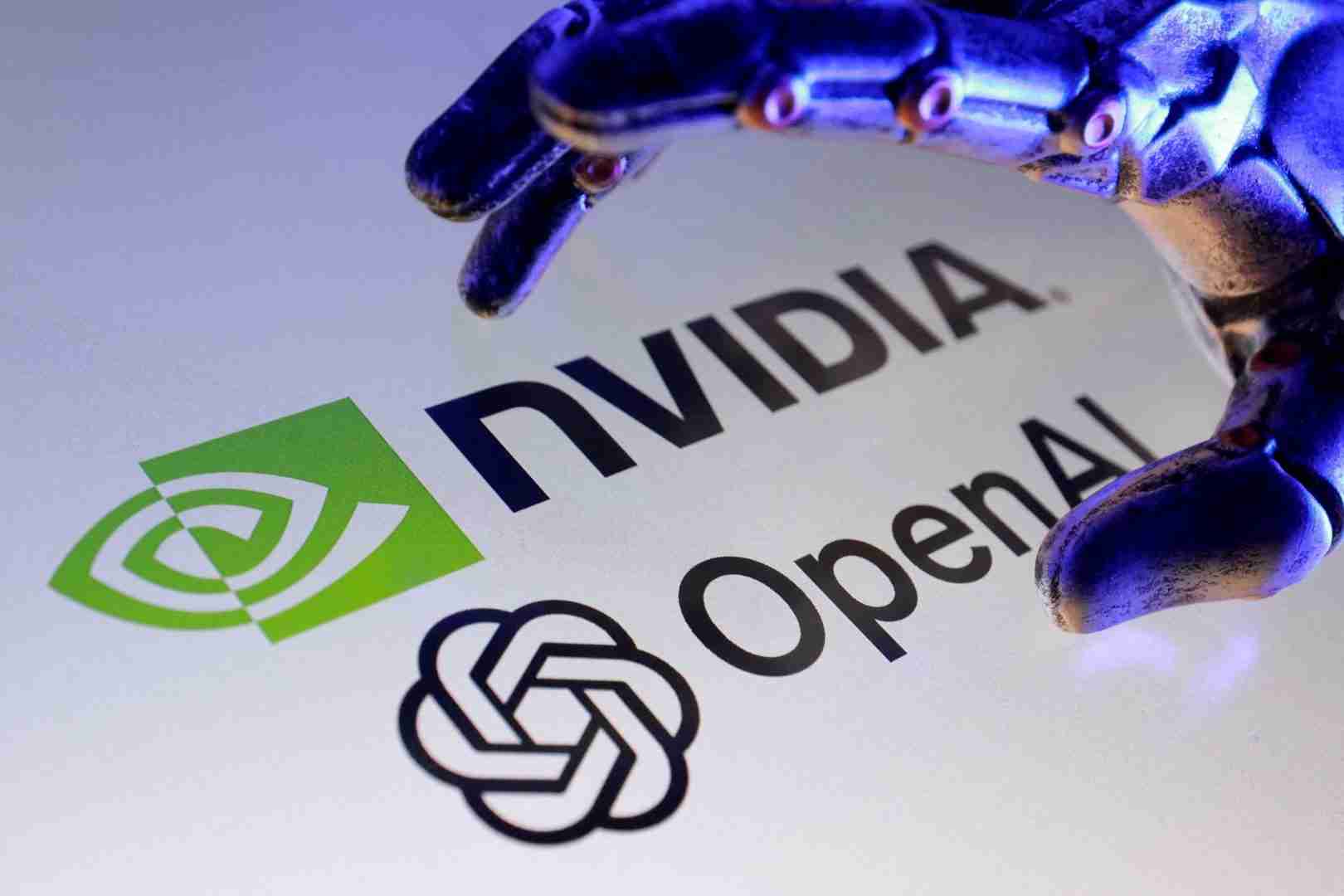
Nvidia is set to invest up to $100 billion in OpenAI and supply it with data center chips, in a deal that gives the chipmaker a financial stake in the world’s most prominent AI company, which is already an important customer.

Investments in systems powering AI have surged since OpenAI launched ChatGPT in 2022, on expectations that companies across sectors will integrate the technology into their products and services.

Here is a list of multi-billion dollar AI, cloud and chip deals signed recently:

Nvidia and Intel

Nvidia will invest $5 billion in Intel, giving it roughly 4% of the company after new shares are issued.

Oracle and Meta

Oracle is in talks with Meta for a multi-year cloud computing deal worth about $20 billion, underscoring the social media giant’s drive to secure faster access to computing power.

Oracle and OpenAI

Oracle is reported to have signed one of the biggest cloud deals ever with OpenAI, under which the ChatGPT maker is expected to buy $300 billion in computing power from the company for about five years.

CoreWeave and Nvidia

CoreWeave signed a $6.3 billion initial order with backer Nvidia, a deal that guarantees that the AI chipmaker will purchase any cloud capacity not sold to customers.

Nebius Group and Microsoft

Nebius Group will provide Microsoft with GPU infrastructure capacity in a deal worth $17.4 billion over a five-year term.

Meta and Google

Google struck a six-year cloud computing deal with Meta Platforms worth more than $10 billion, Reuters had reported in August.

Intel and SoftBank Group

Intel is getting a $2 billion capital injection from SoftBank Group, making the Japanese tech investor one of the top-10 shareholders of the troubled U.S. chipmaker.

Tesla and Samsung

Tesla signed a $16.5 billion deal to source chips from Samsung Electronics, with the EV maker’s CEO Elon Musk, saying that the South Korean tech giant’s new chip factory in Texas would make Tesla’s next-generation AI6 chip.

Meta And Scale AI

Meta took a 49% stake for about $14.3 billion in Scale AI and brought in its 28-year-old CEO, Alexandr Wang, to play a prominent role in the tech giant’s artificial intelligence strategy.

Google and Windsurf

Google hired several key staff members from AI code generation startup Windsurf and will pay $2.4 billion in license fees as part of the deal to use some of Windsurf’s technology under non-exclusive terms.

CoreWeave and OpenAI

CoreWeave signed a five-year contract worth $11.9 billion with OpenAI in March, before the Nvidia-backed startup’s IPO.

Stargate datacenter project

Stargate is a joint venture between SoftBank, OpenAI and Oracle to build data centers. The project was announced in January by U.S. President Donald Trump, who said that the companies would invest up to $500 billion to fund infrastructure for artificial intelligence.

Amazon and Anthropic

Amazon.com pumped $4 billion into OpenAI competitor Anthropic, doubling its investment in the firm known for its GenAI chatbot Claude.

Reporting by Juby Babu in Mexico City; Editing by Anil D’Silva

AMD signs AI chip-supply deal with OpenAI, gives it option to take a 10% stake

Shares of AMD surged more than 34% to touch a more than one-year high of $226.71 and added $80 billion to its market capitalization

International News via Reuters:

AMD said on Monday it will supply artificial intelligence chips to OpenAI in a multi-year deal that would bring in tens of billions of dollars in annual revenue and give the ChatGPT creator the option to buy up to roughly 10% of the chipmaker.

Shares of AMD surged more than 34% to touch a more than one-year high of $226.71 and added $80 billion to its market capitalization.

The latest deal, among a string of investment commitments, is a testament to OpenAI and the broader AI industry’s voracious appetite for computing power as companies race toward developing AI technology that meets or exceeds human intelligence.

The deal offers OpenAI an opportunity to take a stake in one of Nvidia’s most formidable rivals and is a major vote of confidence in AMD’s AI chips and software.

“We view this deal as certainly transformative, not just for AMD, but for the dynamics of the industry,” AMD executive vice president Forrest Norrod told Reuters on Sunday.

The agreement covers the deployment of hundreds of thousands of AMD’s AI chips, or graphics processing units (GPUs), equivalent to six gigawatts, over several years beginning in the second half of 2026. This is roughly equivalent to the energy needs of 5 million U.S. households, or the electricity produced by the Hoover Dam thrice over.

AMD said OpenAI would build a one-gigawatt facility based on its forthcoming MI450 series of chips beginning next year, and that it would begin to recognize revenue then.

AMD executives expect the deal to net tens of billions of dollars in annual revenue. Because of the ripple effect of the agreement, AMD expects to receive more than $100 billion in new revenue over four years from OpenAI and other customers, they said.

“Other people are going to come along with it because this is really the pioneer, a pioneer in the industry that has a lot of influence over the broader ecosystem,” AMD strategy chief Mat Hein said.

The deal with AMD will help OpenAI build enough AI infrastructure to meet its needs, OpenAI CEO Sam Altman said in a statement.

It was not immediately clear how OpenAI would fund the massive deal with AMD.

OpenAI has generated around $4.3 billion in revenue in the first half of 2025 and has burned through $2.5 billion in cash, according to media reports, as the startup splurges on attracting top talent, while investing heavily in developing new AI tools.

Analysts, on average, estimate AMD will generate revenue of $32.78 billion this year, according to LSEG data.

As part of the arrangement, AMD issued a warrant that gives OpenAI the ability to buy up to 160 million shares of AMD for 1 cent each over the course of the chips deal. The warrant vests in tranches based on milestones that the two companies have agreed on.

The first tranche will vest after the initial shipment of MI450 chips set for the second half of 2026. The remaining milestones include specific AMD stock price targets that escalate to $600 a share for the final installment of stock to unlock.

OpenAI has a valuation of $500 billion.

OPENAI WANTS MORE GPUs

OpenAI has worked with AMD for years, providing inputs on the design of older generations of AI chips such as the MI300X.

The San Francisco-based AI company has been taking a number of steps to ensure it has the chips needed for its future needs.

In September, Nvidia announced an investment of up to $100 billion in OpenAI that included a plan to supply at least 10 gigawatts worth of Nvidia systems. The plan includes OpenAI deploying a gigawatt of Nvidia’s next-generation Vera Rubin chips in late 2026.

Altman has floated expectations of reaching 250 gigawatts of compute in total by 2033, The Information has reported.

In addition to using Nvidia hardware, cloud computing giants such as Alphabet’s Google and Amazon build their own in-house processors. Similarly, OpenAI is in the process of developing its own silicon for AI use and has partnered with Broadcom, Reuters reported last year.

Shares of Nvidia dipped more than 1%, while those of Broadcom were little changed.

OpenAI and its main backer Microsoft also announced last month that they had signed a non-binding agreement to restructure OpenAI into a for-profit entity, signaling further changes in the governance of the fast-growing AI company.

A person familiar with the matter said the deal with AMD does not change any of OpenAI’s ongoing compute plans, including that effort or its partnership with Microsoft.

Reporting by Max A. Cherney in San Francisco; Additional reporting by Deepa Seetharaman in San Francisco and Arsheeya Bajwa in Bengaluru; Editing by Muralikumar Anantharaman and Anil D’Silva

Immune system breakthrough wins Nobel medicine prize for US, Japan scientists

The institute said all three laureates brought to the fore so-called regulatory T cells, a class of white blood cells that act as the immune system’s security guards

International News via Reuters:

American scientists Mary Brunkow and Fred Ramsdell and Shimon Sakaguchi from Japan won the 2025 Nobel Prize in Physiology or Medicine on Monday for work shedding light on how the immune system spares healthy cells, creating openings for possible new autoimmune disease and cancer treatments.

Their discoveries relate to peripheral immune tolerance, or “how we keep our immune system under control so we can fight all imaginable microbes and still avoid autoimmune disease”, said Marie Wahren-Herlenius, a rheumatology professor at Sweden’s Karolinska Institute, the awarding body.

The institute said all three laureates brought to the fore so-called regulatory T cells, a class of white blood cells that act as the immune system’s security guards that keep immune cells from attacking our own body.

RESEARCH INTO WHAT STOPS IMMUNE SYSTEM ATTACKING ITSELF

Brunkow, who found out she had won after being woken by her dog barking at a news photographer on the front porch of her Seattle home, said she, Ramsdell and their colleagues had isolated a gene called FOXP3 that could be used as a marker for the cells.

“They’re rare, but powerful, and they’re critical for sort of dampening an immune response,” she said in an interview, describing the cells as a braking system that prevents the body’s immune system from tipping over into attacking itself.

Sakaguchi expressed surprise at a press conference in Osaka, western Japan, because he felt any major recognition would have depended on more development advances.

“I used to think that some sort of reward may be forthcoming if what we have been doing will advance a little further and it will become more beneficial to people in clinical settings,” he said in a calm voice, cracking a smile now and then.

The press conference was interrupted for Sakaguchi to take a congratulatory phone call from Japanese Prime Minister Shigeru Ishiba, who asked him how effective immunotherapy could be for cancer treatment in the future.

“I believe the time will come when cancer is no longer a scary disease, but a curable one,” said Sakaguchi.

The winners of the award are selected by the Nobel Assembly of the Karolinska Institute, a leading medical university, and receive a prize sum of 11 million Swedish crowns ($1.2 million), as well as a gold medal presented by Sweden’s king.

Brunkow is senior programme manager at the Institute for Systems Biology in Seattle, while Ramsdell is scientific adviser at Sonoma Biotherapeutics in San Francisco. Sakaguchi is a professor at Osaka University.

MORE THAN 200 TRIALS ON HUMANS IN PROGRESS

Jeffrey Bluestone, a decades-long friend of Ramsdell and a co-founder with him of Sonoma Biotherapeutics, told Reuters that his associate’s extraordinary contribution was finding the FOXP3 gene, initially in mice, that controlled the development of regulatory T cells. They described their findings in a paper in 2001.

“Those cells were the master regulators of the tolerance of the immune system,” said Bluestone.

Ramsdell could not be reached by Reuters – nor by Brunkow or Bluestone, with Bluestone saying he may be on a hiking trip in an area without cell phone reception.

After announcing the winners, the Karolinska Institute’s Thomas Perlmann said specific therapies had yet to win market clearance but more than 200 trials on humans involving regulatory T cells were ongoing.

Among companies in the early race, Ramsdell’s Sonoma Biotherapeutics is partly funded and supported by U.S. drugmaker Regeneron to work on therapies against diseases including inflammatory bowel disease.

Also targeting that condition, Quell Therapeutics has partnered with AstraZeneca. Other biotech firms exploring the approach include Bayer’s BlueRock.

MEDICINE THE FIRST PRIZE OF NOBEL SEASON

The Nobel Prizes were established through the will of Alfred Nobel, the Swedish inventor of dynamite and a wealthy businessman.

They have been awarded since 1901 for outstanding contributions in science, literature, and peace. The economics prize was added later and is funded by Sweden’s central bank.

Winners are selected by expert committees from various institutions. All prizes are awarded in Stockholm, except for the Peace Prize, which is presented in Oslo.

Past recipients of the Nobel Prize in Physiology or Medicine include renowned scientists such as Alexander Fleming, who shared the 1945 award for discovering penicillin. In recent years, the prize has recognized major breakthroughs, including those that enabled the development of COVID-19 vaccines.

Last year’s medicine prize was awarded to U.S. scientists Victor Ambros and Gary Ruvkun for their discovery of microRNA and its key role in how multicellular organisms grow and live. 

Medicine in accordance with tradition kicks off the annual Nobels. The physics award is next, on Tuesday.

The awards culminate in ceremonies attended by the royal families of Sweden and Norway, followed by lavish banquets held on December 10 – the anniversary of Alfred Nobel’s death.   

($1 = 9.3898 Swedish crowns)

Reporting by Niklas Pollard, Johan Ahlander in Stockholm; Additional reporting by Terje Solsvik in Oslo, Jonathan Allen in New York, Kiyoshi Takenaka in Tokyo and Marie Mannes and Greta Fondahn in Stockholm; Writing by Ludwig Burger in Frankfurt; editing by Alex Richardson

Skyport to host Health and Wellness Expo tomorrow

It runs from 10am to 2pm outside the terminal building

Skyport press release:

Skyport will host a free Health and Wellness Expo at L.F. Wade International Airport tomorrow, Tuesday, 7 October, as part of its annual Airport Safety Week.

The Expo, which runs from 10am to 2pm outside the terminal building, will bring together a wide range of organisations focused on health, wellness and safety, including the Bermuda Red Cross, EAP Bermuda, Department of Health, Bermuda Diabetes Association, Argus, WorkSafe Bermuda and Oceanrock Wellness.

Attendees can enjoy fitness demonstrations from Hindssight Fitness & Wellness, explore resources from OnSight Optometry and Vision Bermuda, and learn more about community safety through participation from the Bermuda Fire & Rescue Service and Bermuda Civil Aviation Authority. Support is also provided by valued airline partners, including BermudAir, Delta and United Airlines.

The event will include interactive breakout sessions on topics such as fatigue risk management, autism awareness and CPR training, along with a live workout session. Popular social media personality, Mr Fotogenik will lead the day’s activities, with music provided by a live DJ to keep energy levels high.

Pre-booked aircraft tours for local senior school students will be taking place, giving them a rare opportunity to experience the view from the flight deck and see how pilots ensure flight safety for everyone on board.

Chloe Minors, Director of Environment, Health and Safety at Skyport, said: ‘Airport Safety Week is an important opportunity for us to highlight the role safety plays across every part of our operations and our community. The Health and Wellness Expo is a way to bring that message to life by offering engaging, hands-on sessions that not only inform but also empower. We are grateful to all our participating partners who are helping us to build a stronger culture of health and safety in Bermuda.’

The Health and Wellness Expo is free and open to the public. For more information on Airport Safety Week, please email ehs@skyport.bm.

Spaces at the airport’s short term parking lot may be limited between 8am and 3pm on October 7th, during the Expo.

Japanese and French politics help sterling to gain on euro and yen

Britain-specific news was fairly thin on the ground, but the euro dropped to 86.74 pence, its lowest since September 18

International News via Reuters:

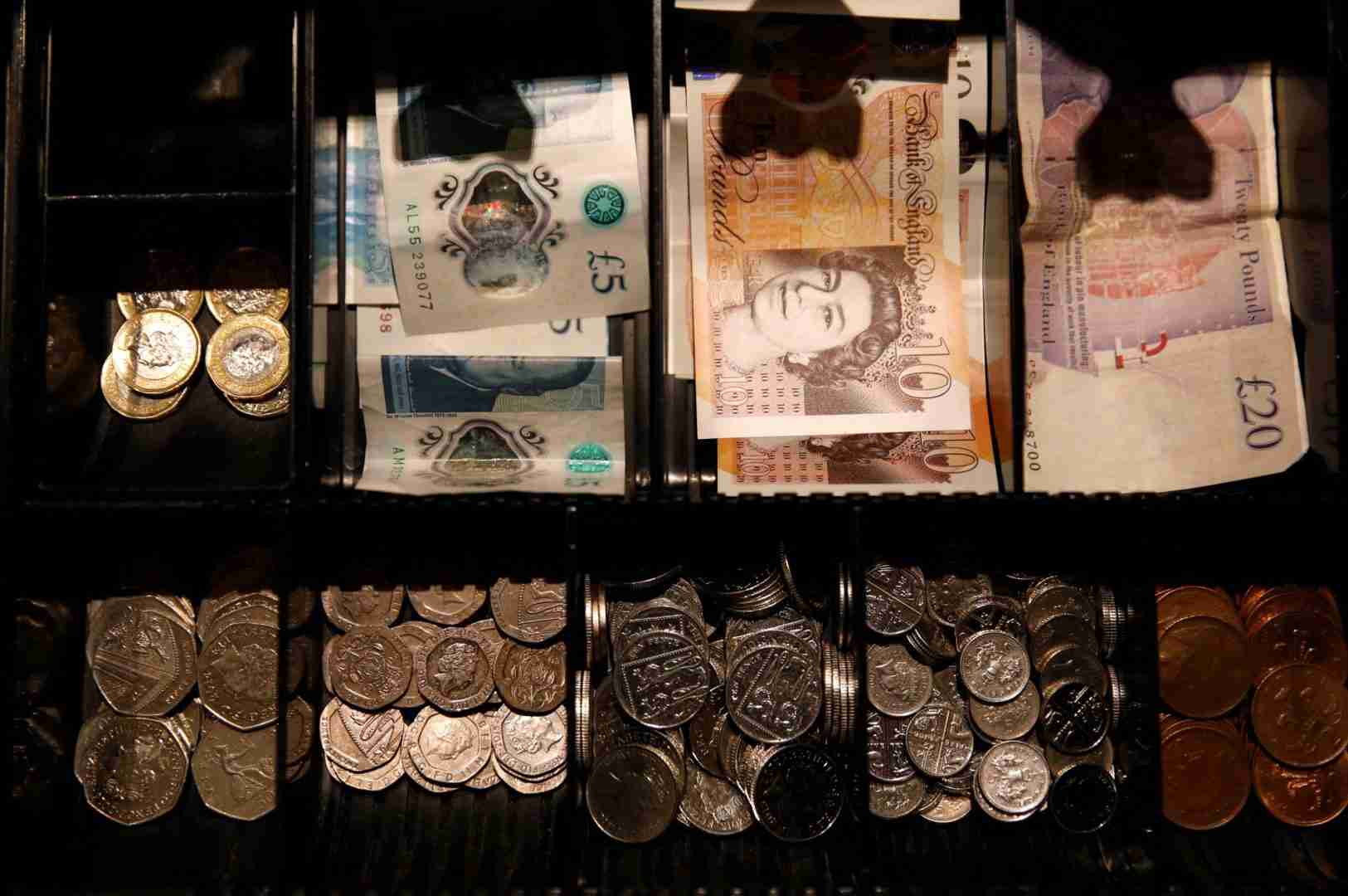
The pound benefited from weakness elsewhere on Monday, reaching its strongest in nearly four weeks on the euro, and an over one-year top on the tumbling Japanese yen, with both currencies hit by domestic political developments. 

Britain-specific news was fairly thin on the ground, but the euro dropped to 86.74 pence, its lowest since September 18, after France’s new Prime Minister Sebastien Lecornu and his government resigned on Monday, just hours after Lecornu had announced his cabinet line-up. 

Euro/sterling is the most traded currency pair globally not involving the U.S. dollar, and was caught up in the selloff in French stocks and bonds. 

Traders are waiting to see what President Emmanuel Macron’s next steps will be. 

“The President may be forced to announce a new dissolution (of Parliament) in the coming days, which could increase upward pressure on French interest rates and the underperformance of the CAC 40, with a significant risk of tensions spreading to other assets such as French banks, the euro and peripheral spreads,” said Michaël Nizard, head of multi-asset and overlay, at Edmond de Rothschild Asset Management in emailed comments. 

Sterling yen is less heavily traded, but it too was in focus on Monday, with the pound reaching as high as 202.23 yen, its highest since July last year.. It was last up 1.6% at 201.81.

The yen weakened sharply after Sanae Takaichi, a proponent of an expansionist economic stance and loose monetary policy, won the presidency of Japan’s ruling party and is now set to become the country’s prime minister. 

That caused traders to push back bets on Bank of Japan rate hikes, weakening the currency.

Versus the dollar, the pound was down 0.15% at $1.345.  

British economic data is thin on the ground this week, but a raft of data next week will set the tone for Bank of England policy for the rest of this year. 

Traders are also increasingly focused on late November’s UK budget.

Reporting by Alun John; Editing by Sharon Singleton

Door opened to floating solar projects

Bermuda is turning to the sea to explore its energy future. The Regulatory Authority of Bermuda (RA) has launched an open call for developers to explore floating solar technology, an innovation that could see solar panels installed on water, delivering clean power without taking up valuable land.

With space on the island at a premium, traditional large-scale solar farms are difficult to accommodate. Floating solar presents a practical alternative, making use of designated marine areas to generate up to 10 megawatts of renewable energy. If realised, the project would mark the first of its kind in Bermuda and could play an important role in meeting the island’s target of sourcing 85 percent of its electricity from renewables by 2035.

“Floating solar is an emerging technology with real potential for Bermuda,” said Nigel Burgess, Director of Energy at The RA and a chartered engineer. “It gives us the ability to capture the island’s strong solar resource without competing for limited land. The systems are designed to withstand marine conditions, and if successful, could help diversify our energy mix while keeping costs and reliability in focus. This is about applying engineering innovation to Bermuda’s unique challenges.”

The RA’s request for Expressions of Interest invites qualified developers to propose how floating solar could be deployed locally, from technical design and site assessments through to construction and operation. The process will also assess cost impacts, helping determine whether floating solar can deliver affordable, clean energy for consumers.

This initiative is part of Bermuda’s broader energy transition, which includes examining alternative generation sources identified under the Integrated Resource Plan. The RA will manage a staged and competitive selection process to ensure transparency, value for money, and adherence to regulatory standards.

Interested developers must submit their Expressions of Interest by 4 November 2025. Full details, including submission requirements, are available at www.ra.bm or by contacting electricity@ra.bm.

###

About the Regulatory Authority of Bermuda (RA)

The Regulatory Authority of Bermuda is an independent regulatory body that oversees various sectors, including the Electricity, Electronic Communications, and Submarine Communication Cables sectors. The RA is committed to promoting competition, safeguarding the interests of residents and consumers, stimulating the Bermudian economy, promoting innovation, and fulfilling any additional functions as specified by sectoral legislation.