
Thursday, October 22, 2026
Home Blog Page 73

BUEI builds new partnership for sandcastle competition

The Bermuda Underwater Exploration Institute (BUEI) is pleased to announce a new partnership with Hannah Emmerson, longtime organiser of the Bermuda Sandcastle Competition, to host the beloved community event in 2027, a year that also marks BUEI’s 30th anniversary.

The annual sandcastle competition was founded by Nicky Gurret and has been managed by Ms. Emmerson since 2017. The event, which is a favourite amongst locals and overseas visitors alike, has been postponed for Labour Day weekend 2026, with plans for its return in 2027. Ms. Emmerson, who began competing in the competition in 2002, is partnering with BUEI to bring the event back next year, with BUEI taking on the administration and logistics while Ms. Emmerson continues to provide creative direction and leadership.

“I’m so thankful to have BUEI step in to help take this event to its next level. It’s the perfect merger between celebrating nature and our environment, and creative expression in sand. I’m so excited to see what BUEI can do with their team and wide range of resources focused on the event,” said Ms. Emmerson.

Ms. Emmerson will remain closely involved with the competition’s creative elements, continuing to lead sandcastle-building workshops, welcoming new and returning teams on the beach, and serving as a creative consultant with BUEI taking on all other facets of event coordination.

“BUEI is excited to partner with Hannah to bring this much-loved Bermuda tradition back in 2027,” said Traci Burgess, Chief Executive Officer of BUEI. “The Bermuda Sandcastle Competition is a natural fit with BUEI because it brings together creativity, community and an appreciation for the ocean and Bermuda’s natural environment. It gives people a fun and accessible way to connect, explore, discover and be inspired, while reinforcing the importance of caring for our ocean and environment, which sits at the heart of BUEI’s mission. Our role is to provide the organisational platform and resources to help this event thrive for years to come, while Hannah’s creative leadership remains an important part of its identity.”

Additional details regarding the 2027 Bermuda Sandcastle Competition will be announced next year.

About BUEI

The Bermuda Underwater Exploration Institute (BUEI) is a registered Bermuda charity #326 whose mission is to nurture an appreciation for the ocean around Bermuda and promote environmental stewardship through education, experiences and exploration.


Road closure in Devonshire extended

The Ministry of Public Works and Environment advises motorists that the ongoing single lane closure on Middle Road, between Garthowen Road and Leeson Lane, Devonshire, has been extended through Sunday, 6 September 2026, to accommodate repairs to a roadside retaining wall.

The road will fully reopen on Monday, 7 September 2026. Temporary traffic lights will remain in place to manage traffic through the affected area.

Motorists are advised to avoid the area where possible and use alternative routes via North Shore Road and South Shore Road.

The Ministry encourages the cooperation of the motoring public and apologises for any inconvenience caused.

Preserving the memory of the Bermuda Technical Institute

The Bermuda Technical Institute might have closed its doors decades ago, but its legacy lives on.
Alumni are preserving its history — and calling for more dedicated technical and vocational training in Bermuda.

A gala and other events will boost their cause.

Katie Martin reports.

https://vimeo.com/1223374284?share=copy&fl=sv&fe=ci

Opinion: OBA is ‘rich in outrage, poor on solutions’

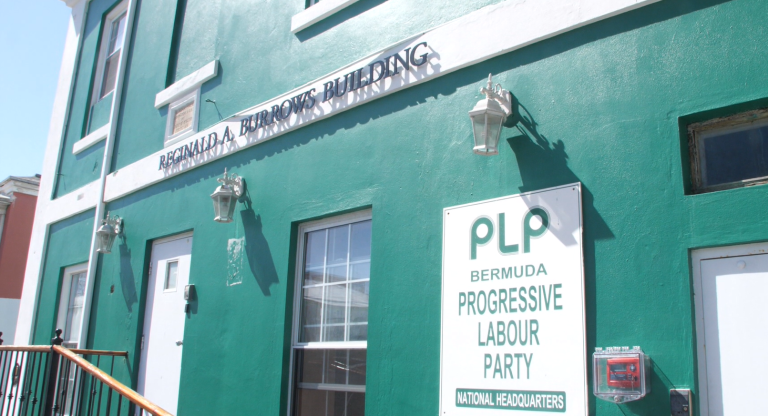
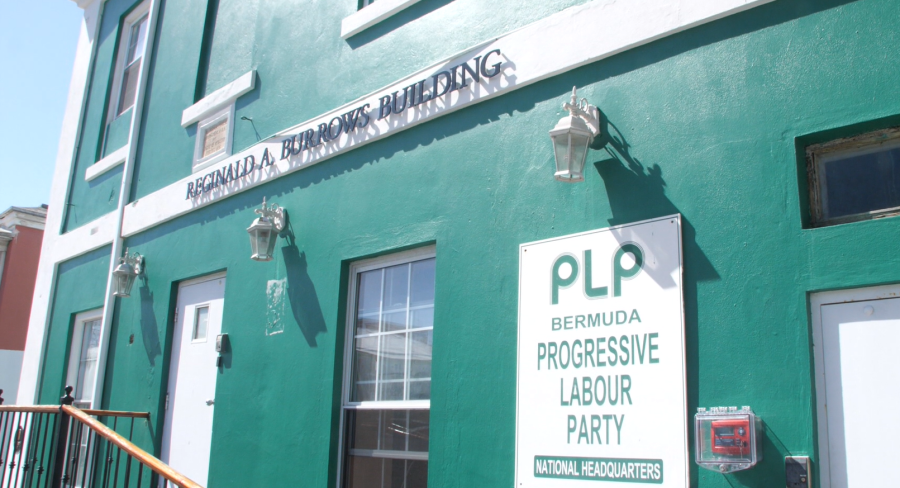
Statement from the Progressive Labour Party in response to MP Dwayne Robinson on the Integrated Resource Plan and energy policy:

Mr. Robinson’s statement is rich in outrage but poor in solutions.

The reality is that the Minister acted to ensure Bermuda gets an energy plan that delivers for consumers, not one that simply locks in costs and limits future opportunities. The Government has been clear that renewable energy remains a priority, alongside reducing electricity costs and strengthening regulatory oversight.

Bermudians deserve a responsible energy transition, not political soundbites designed to create uncertainty. The focus should be on securing the best outcome for families and businesses, not rushing through a process simply because the Opposition demands it.

It is also remarkable that Mr. Robinson has found time to lecture the Government on leadership while his own party is dealing with an internal crisis following Robert King’s announcement. Perhaps he should spend less time playing politics with Bermuda’s energy future and more time addressing the serious questions facing the One Bermuda Alliance.

This Government remains focused on delivering an affordable, reliable, and sustainable energy future for Bermuda. The Opposition remains focused on headlines.

Opinion: ‘PLP indecision’ on energy is costing Bermudians

Statement by Dwayne Robinson, Shadow Minister of Home & Community Affairs:

The National Electricity Sector Policy (NESP) 2026 has charted a course for the future of Bermuda’s energy. However, with the Minister of Home Affairs issuing a suspension of the Integrated Resource Plan (IRP) 2026, the investment window for implementing the objectives of NESP 2026 could be missed.

With the potential legality challenges of the IRP suspension instituted by the Minister, Bermudians need to receive a timeline on when the revised IRP 2026 will be finalized and when they can expect relief regarding their energy bills.

Bermudians continue to grapple with substantial electricity costs. The Government has committed to prioritize renewable energy in our resource mix. However solar customers have reported seeing increases of $250 and up on their Belco bills after making a large investment in solar panels, trusting that they were helping the island’s renewable energy goals and securing lower bills for their families. How will the Government renew the public sentiment in solar, when current users are considering removing their solar panels?

Meanwhile non-solar customers bear the brunt of maintaining the electrical grid and the fluctuations of energy consumption demands, waiting for the promised relief from the PLP government for the last 9 years and beyond.

Why should Bermudians continue to pay more for Progressive Labour Party indecision and poor leadership in the energy sector? Bermuda’s energy transition to more renewable energy will require a lot of investment. How will we acquire the necessary investment if Government continues to shift its benchmarks and reserves the right to override a finalized IRP process? 

Bermuda needs Belco to invest in utility wide solar to reduce customers’ exposure to external price shocks. Solar energy needs to be more widely accessible, such as plug in solar panels that are being utilized overseas. 

The working population needs to increase so that the costs to maintain the electrical grid can be spread across more people, with less Ministerial interference in the IRP process.

I am happy to see the Minister’s proposal for the Regulatory Authority to be strengthened to better regulate in the consumers favour and to have more ownership over the IRP planning process. However, if the Minister retains the power to override our independent regulator, the process is not truly independent.

BELCO hails ‘significant’ health and safety milestone

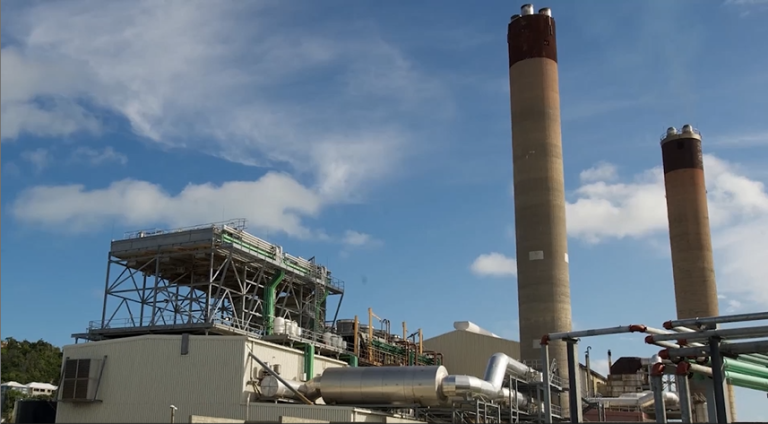
Bermuda Electric Light Company Limited (BELCO) today announced a major achievement for the Company, certification to the ISO 45001 Occupational Health and Safety standard.

The International Organization for Standardization (ISO) publishes International Standards developed by global experts covering nearly all industries around the world. ISO, which is based out of Switzerland, has members from 161 countries.

ISO 45001 is the globally recognised international standard for Occupational Health and Safety Management Systems. It provides a framework for organisations to proactively manage workplace risks, prevent work-related injuries and illnesses, and continually improve overall safety performance.

Since 2010, BELCO’s integrated Occupational Health, Safety, and Environment (OHSE) Management System has been registered the ISO 14001 Environmental Management standard and now the Company is also certified to the ISO 45001 Occupational Health and Safety standard.

This certification places BELCO among a select group of organization worldwide and makes BELCO the only company in Bermuda to hold both ISO 45001 and ISO 14001.

Mark Pacheco, Director Operational Support Services said: “This is a significant milestone for our Company. We are now the only company on island with both certifications. This demonstrates our diligent approach to OHSE management and commitment to continual improvement in these important areas. This certification is not an award for the OHSE team alone, but rather a reflection of the entire Company. It recognises everyone who influences safe behaviours, prioritises the implementation of safety controls, and genuinely believes in protecting our environment. It also demonstrates that, at every level of our organisation, we are committed to keeping our employees, contractors, and visitors safe when they interact with our operations, while consistently working to reduce potential impacts that our operations may have on the environment. I would like to thank all our dedicated employees who contribute to this success daily and continue to commit to the ongoing improvement and maintenance of BELCO’s integrated OHSE Management System.”

About ISO 45001:

ISO 45001 is an international standard that specifies requirements for an occupational health and safety (OH&S) management system. It provides a framework for BELCO to manage risks and improve OH&S performance. The standard establishes criteria for an OH&S policy, objectives, planning, implementation, operation, auditing and review. Key elements include leadership commitment, worker participation, hazard identification and risk assessment, legal and regulatory compliance, emergency planning, incident investigation and continual improvement.

About ISO 14001:

ISO 14001 is the International Standard for Environmental Management Systems (EMS). The Standard provides BELCO with a framework to protect the environment and respond to changing environmental conditions in balance with socio-economic needs. BELCO’s certification to ISO 14001 reinforces the organization’s aim of contributing to the environmental pillar of sustainability. In addition to meeting legal obligations, the Standard helps BELCO to improve resource efficiency, reduce waste, and consistently manage its environmental responsibilities.

For more information about ISO, please visit www.iso.org.

EU deforestation law to force compliance even on non-EU coffee supply chains, study finds

From end-December, the EU Deforestation Regulation will require importers to prove their products weren’t made with raw materials from deforested land by, amongst other measures, tracing the materials back to the plot they were grown on

International News via Reuters:

The EU’s new anti-deforestation law will push many coffee firms to ensure all their products meet the bloc’s rules, not just those destined specifically for EU markets, according to a study by the non-profit Trase.

From end-December, the EU Deforestation Regulation will require importers to prove their products weren’t made with raw materials from deforested land by, amongst other measures, tracing the materials back to the plot they were grown on.

For coffee producers that ship most, but not all, of their coffee to the EU, Trase found it would often be less costly to extend EUDR-compliance across their entire supply chain, rather than running segregated EU and non-EU chains.

• The EU accounts for about 40% of global coffee imports, but according to Trase, firms that supply the bloc handle nearly 80% of the world’s coffee shipments.

• Coffee major JDE Peet’s ships 84% of its beans to the EU, while trading firms Louis Dreyfus and Neumann Gruppe ship 63% and 53%, respectively.

• “For such companies, extending traceability requirements across their supply (chains) may be most cost effective. This means the deforestation law could punch far above the EU’s weight,” said Trase.

• The EUDR has long faced criticism it will lead to segregated supply chains that cut small-scale farmers in remote, rural areas out of the lucrative EU market, with exporters loath to ship their beans to the bloc as they will have to trace them.

• The Trase study calls into question this critique.

• “The fact that many companies ship to both the EU and other markets suggests similar standards may be more easily adopted by those companies beyond the EU,” it said.

• Deforestation is the second leading cause of climate change after the burning of fossil fuels. The EUDR aims to end the 10% of global deforestation fuelled by EU imports.

Reporting by May Angel; Editing by Jan Harvey

BP appoints former Balfour Beatty CEO Ian Tyler as chair

Amanda Blanc, BP’s senior independent director, who oversaw Manifold’s and Tyler’s appointments, will not seek re-election at next year’s annual general meeting and will step down once a successor for her has been found

International News via Reuters:

BP has appointed Ian Tyler, former CEO of building group Balfour Beatty, as its permanent chair, it said on Wednesday, after it fired Albert Manifold in May, citing governance and conduct concerns.

Amanda Blanc, BP’s senior independent director, who oversaw Manifold’s and Tyler’s appointments, will not seek re-election at next year’s annual general meeting and will step down once a successor for her has been found, BP said.

Manifold’s surprise dismissal, less than eight months after he took office to help oversee efforts to refocus BP on its oil and gas business, followed years of management churn at BP.

The company’s share price dropped by 0.6% by 0828 GMT, versus a 0.2% fall for the wider European energy sector. Year-to-date, BP shares have gained 25%, in line with gains for shares in Shell. The U.S.-Israeli war on Iran has boosted profits for oil majors, especially for those with large trading desks such as the two British groups.

Tyler, who also chairs building materials firm Grafton Group and is senior independent director for mining company Anglo American, joined BP’s board last year and had replaced Manifold on an interim basis in May.

“I will lead the board’s evolution, ensuring we have the depth, experience and capabilities needed to support the company’s strategic priorities and long-term value creation,” Tyler said in a statement.

He also said he would establish “regular and transparent engagement” with shareholders.

“Given the significance of the role, Ian will review his existing board commitments to ensure that he can devote the appropriate time and attention to the company,” BP said.

BP’S FIVE STRATEGIC PRIORITIES

BP CEO Meg O’Neill, who took over the role in April and is the fifth CEO since 2020, outlined last month five priorities for BP: further strengthening the balance sheet, simplifying the portfolio, tightening investment discipline, improving operational performance, and creating structures that enable faster decision-making and greater accountability.

The group aims to increase profitability and analysts expect BP to hit its net debt reduction target of $14 billion to $18 billion ahead of its end-2027 target.

Manifold has said he disputed BP’s version of events, which did not go into detail about the company’s conduct and governance concerns, and that he would not let this “false narrative” go unchallenged.

Four sources with knowledge of the matter said at the time of Manifold’s dismissal in May he had acted aggressively with different colleagues across the company, citing that as one reason for his firing.

Manifold hired law firm Mishcon de Reya to represent him after his ouster, a source familiar with the situation told Reuters in May. Representatives for Manifold declined to comment on Wednesday.

Reporting by Shadia Nasralla and Stephanie Kelly in London, additional reporting by Yadarisa Shabong in Bengaluru; Editing by Nivedita Bhattacharjee, Sharon Singleton, Louise Heavens and Barbara Lewis

UK fines Citibank London $6 million over Russia sanctions breaches

Britain’s Office of Financial Sanctions Implementation (OFSI) said the bank had enabled multiple transactions in breach of its regime, most of which occurred between February and November 2022

International News via Reuters:

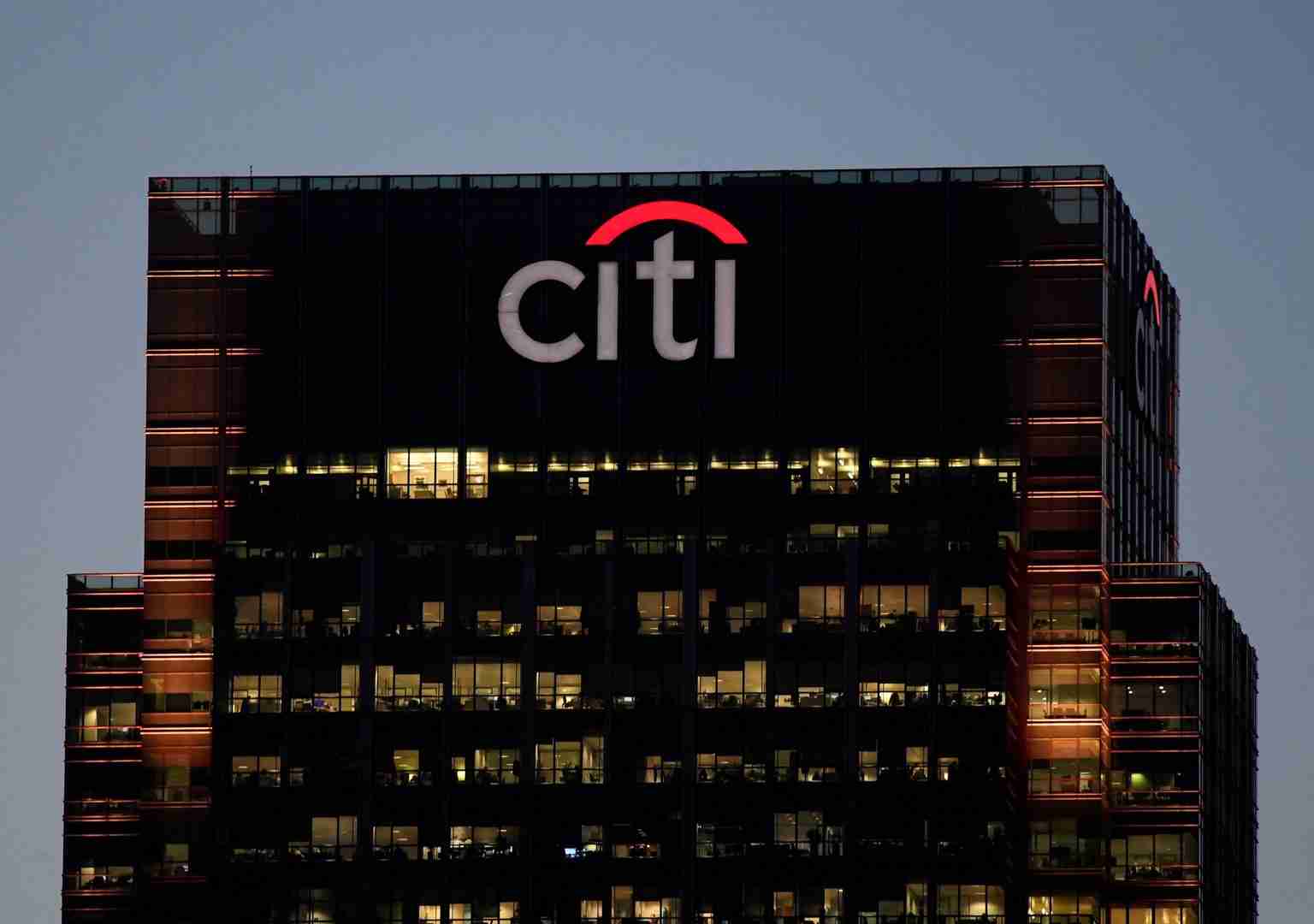
Britain fined Citibank £4.7 million ($6.35 million) on Wednesday under its Russia sanctions regime, saying that a variety of failings and errors at the U.S. bank’s London branch had led to funds being made available to sanctioned individuals.

Britain’s Office of Financial Sanctions Implementation (OFSI) said the bank had enabled multiple transactions in breach of its regime, most of which occurred between February and November 2022, after Britain and its Western allies had imposed sweeping sanctions on thousands of individuals, companies and vessels following Russia’s invasion of Ukraine.

The bank voluntarily disclosed the majority of the breaches, OFSI said.

A Citi spokesperson said the bank welcomed the conclusion of the case and that it took sanctions compliance very seriously.

The regulator said many of the breaches at Citibank, N.A. London Branch, arose in the immediate aftermath of the introduction of sanctions, which placed “significant strain on the bank’s alert handling and investigation processes”. 

In total, Citibank’s London branch processed 970 payments with a cumulative value of £19.7 million which OFSI said breached its regime, some of which were for accounts owned by state-owned shipping company PJSC Sovcomflot, while the bank also processed payments for designated Russian banks Alfa-Bank, PJSC Gazprombank and Credit Bank of Moscow.

“OFSI does not consider there to have been any intent by CBNA London to breach sanctions. However, the errors and failings referred to above were, in aggregate, material and significant and they occurred across a wide range of business areas and systems within the bank,” the regulator said in a statement.

 The Citi spokesperson said in a statement that the bank had cooperated with OFSI throughout the investigation and continued to invest significantly in its global sanctions compliance framework.

“We remain committed to working closely with sanctions authorities and supporting our clients through a strong and effective control environment,” the spokesperson added. 

Citi said in August 2022 that it would wind down its exposure to Russia. In late 2025 its board approved the sale of its Russian unit AO Citibank to Renaissance Capital, a local investment bank.

($1 = 0.7407 pounds)

Reporting by Phoebe Seers and William James, editing by Sarah Young and Gareth Jones

Denmark sends conscripts to Greenland as Arctic tensions grow

U.S. President Donald Trump has repeatedly sought to acquire the semi-autonomous Danish island, citing national security concerns and accusing Copenhagen of neglecting Arctic defence

International News via Reuters:

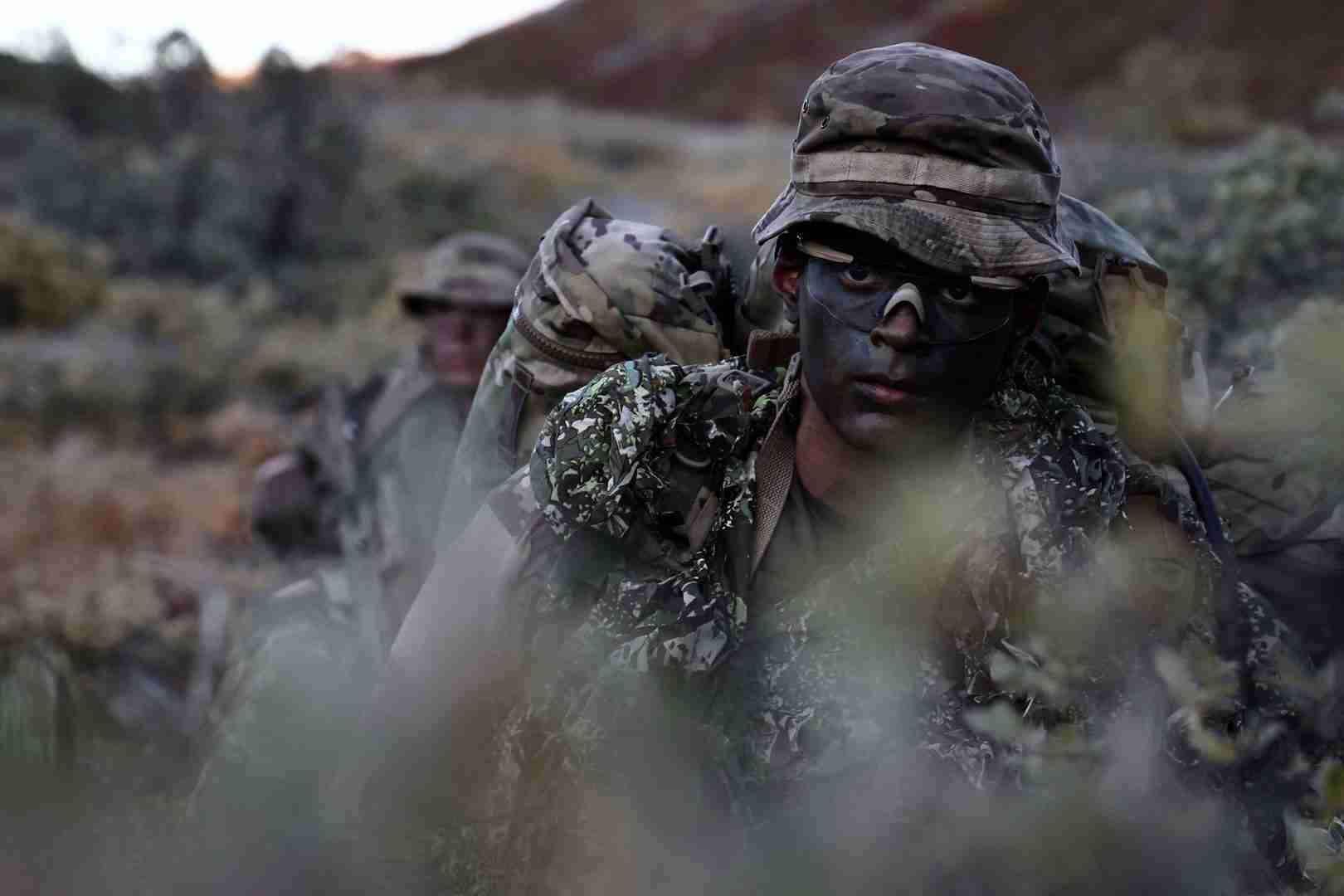
For the first time in recent history, Danish conscripts have been deployed to Greenland, as Denmark moves to bolster its presence in the Arctic after U.S. demands to acquire the territory.

U.S. President Donald Trump has repeatedly sought to acquire the semi-autonomous Danish island, citing national security concerns and accusing Copenhagen of neglecting Arctic defence. Denmark and Greenland have firmly rejected the idea.

The conscripts are part of the first cohort under Denmark’s new extended conscription programme, aimed at producing soldiers able to operate in one of the kingdom’s most strategically important and challenging regions.

“It shows presence that we’re here and not just thinking of our own skin. And also thinking of the people in Greenland,” 19-year-old conscript David told Reuters.

Copenhagen has pledged billions of dollars to strengthen Arctic defences after Denmark’s defence minister acknowledged years of underinvestment in the region.

“Of course, we are a part of a bigger picture of the strategic communication about Greenland, but our role here is just to continue the training of the conscripts, the soldiers, and get more experience with the training in the Arctic terrain and climate,” company commander Captain Laura Jepsen said.

The conscripts are taking part in Arctic Endurance, a Danish military exercise that trains soldiers for combat and survival in extreme cold-weather conditions.

The drill forms part of Arctic Sentry, a NATO mission launched this year to strengthen the alliance’s Arctic presence and ease tensions within NATO after Trump’s remarks about Greenland.

Russia, which maintains the Arctic’s largest military footprint, has criticised NATO’s growing activity in the region, describing it as a direct security threat that increases the risk of confrontation.

China has increased its activity in the mineral-rich region, mostly in partnership with Moscow.

Training north of the Arctic Circle, the conscripts moved through a landscape of bare rock and open expanses with no trees in sight.

“I think it sends a message that Denmark is reinforcing itself for the future,” Anton, 22, one of the conscripts, said.

($1 = 6.4472 Danish crowns)

Reporting by Tim Barsoe in Kangerlussuaq, writing by Stine Jacobsen, editing by Ros Russell

Stocks slide, bond rout deepens as US and Iran trade attacks

The U.S. struck Iranian military targets near the Strait of Hormuz, while Tehran said it had targeted U.S. assets across the region, marking the most significant exchange of fire since July

International News via Reuters:

World stocks fell on Wednesday as fresh U.S. airstrikes on Iran pushed oil prices to five-week highs, stoking inflation concerns and extending a global bond selloff.

The U.S. struck Iranian military targets near the Strait of Hormuz, while Tehran said it had targeted U.S. assets across the region, marking the most significant exchange of fire since July.

Fears of further disruption to energy supplies lifted oil prices, with Brent crude futures last up 0.6% at $95.18 a barrel. [O/R]

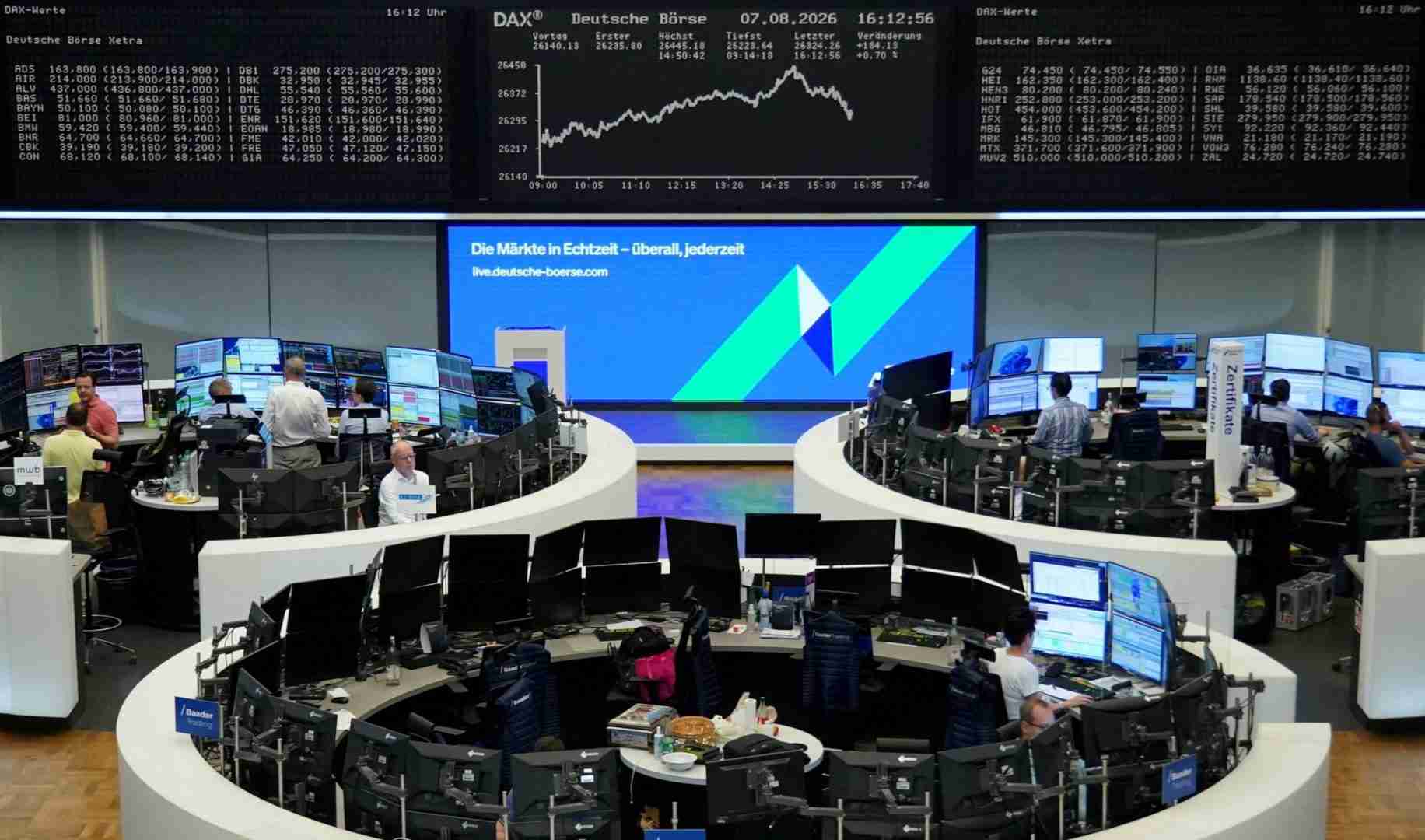
Wall Street futures pointed to another weak start after hitting one-month lows in the prior session. The pan-European STOXX 600 fell 0.3%, after sharper losses in Asia. South Korea’s KOSPI dropped almost 4%, while the Nikkei 225 was down 2.9%.

“The recent increase in energy prices has put additional upward pressure on bond yields, which had already been on the rise on the back of some fiscal concerns,” said Kiran Ganesh, multi-asset strategist at UBS Global Wealth Management.

“Stocks had been quite resilient to the increase in yields but at some point the faster rate of increase does start to put some pressure on equity markets.”

The yield on the benchmark U.S. 10-year Treasury bond rose to near a three-year high of 4.8182%, while the yield on the 10-year Japanese government bond held above 3% for a second straight session after hitting a three-decade high earlier this week.

The rise in borrowing costs across major economies deepened concerns about tighter monetary policy and deteriorating fiscal dynamics.

The U.S. dollar index, which measures the greenback against a basket of six currencies, was up 0.1% at 99.734, near its highest since August 17. It was also supported by rising bets for a U.S. interest rate hike.

Rising yields and escalating geopolitical tensions underpinned the U.S. dollar’s safe haven appeal, while reducing demand for equities and other riskier investments.

“With the market already pricing quite a hawkish outlook for the Fed, we think there’s much more scope for downward surprises for the dollar than there is for some of the other currencies,” Ganesh said.

DATA-DEPENDENT

The escalation in the Middle East and the global bond selloff have given September a shaky start, adding to pressure on markets days after hawkish comments from Federal Reserve Chair Kevin Warsh prompted investors to increase bets on a U.S. interest rate hike.

Traders now assign a roughly two-in-three chance that the Fed will deliver a 25-basis-point rate increase this month, up from 37% a week ago, according to CME Group’s FedWatch tool.

Ahead of the Fed’s September 16 meeting, investors are looking to upcoming U.S. economic data for clues on whether the economy remains strong enough to justify monetary policy tightening. ADP private payrolls data is due on Wednesday, the nonfarm payrolls report on Friday and the consumer inflation report on September 11.

Elsewhere, policy meetings from the European Central Bank and the Bank of Japan will also be closely watched as markets gauge how far major central banks are prepared to tighten policy in response to persistent inflation risks.

“September looks set to test just how far central banks are willing to go to keep inflation risks in check,” said Matthew Ryan, head of market strategy at financial services firm Ebury.

Gold was down 0.1% at $4,322.24 an ounce, while bitcoin edged 0.6% lower to $76,951.01 and ether was off 1% at $2,394.57.

Reporting by Gregor Stuart Hunter in Singapore and Medha Singh in Bengaluru. Editing by Tom Hogue, Mark Potter and Gareth Jones

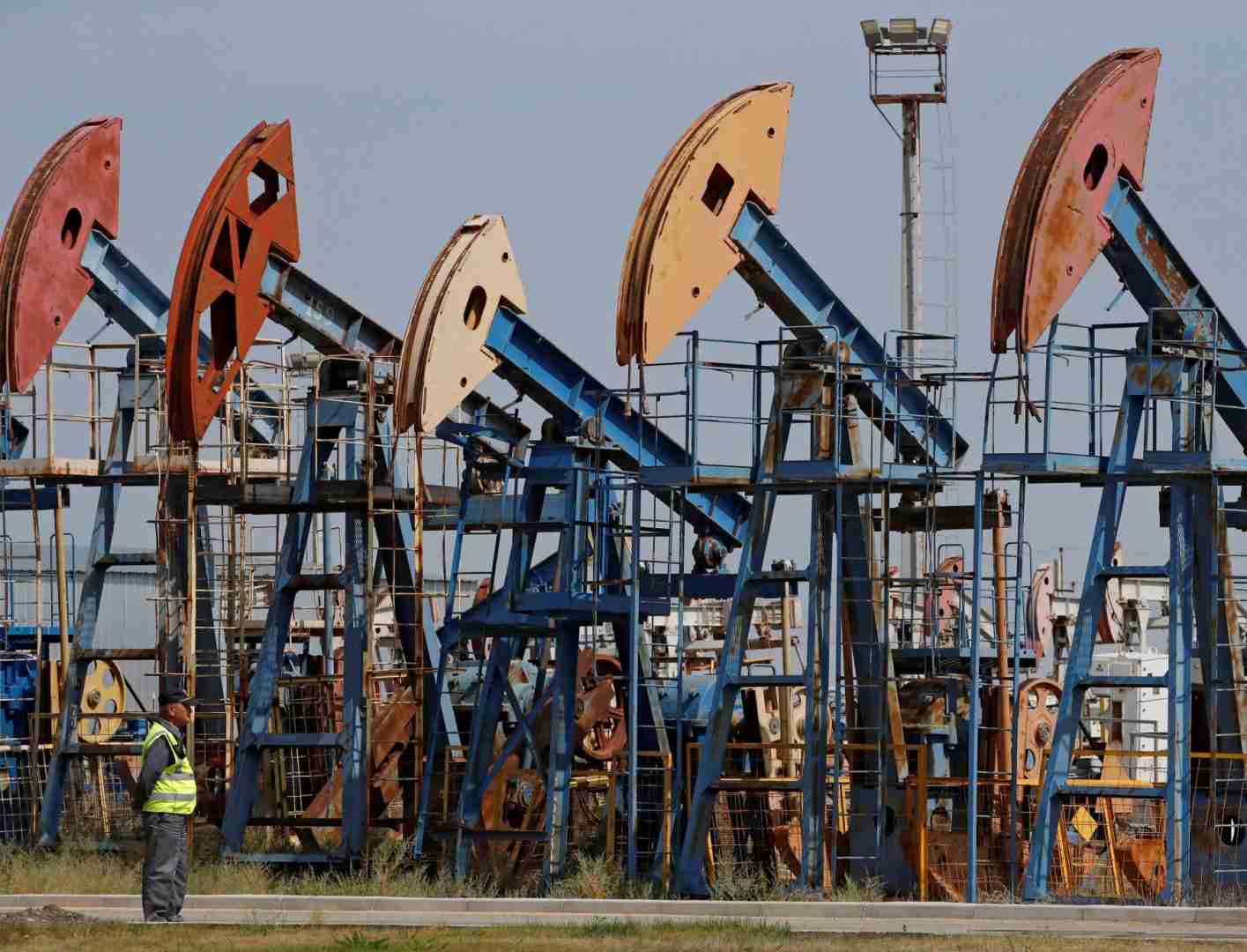
Oil prices steady as traders weigh supply risks

Brent crude futures rose 11 cents, or 0.12%, to $94.76 a barrel by 0949 GMT and U.S. West Texas Intermediate crude futures were up 1 cent, or 0.04%, to $90.26

International News via Reuters:

Oil prices were little changed on Wednesday after climbing to more than one-month highs earlier in the session as traders weighed the risk of supply disruptions following overnight U.S. and Iranian strikes against signs that crude supplies continue to reach the market.

Brent crude futures rose 11 cents, or 0.12%, to $94.76 a barrel by 0949 GMT and U.S. West Texas Intermediate crude futures were up 1 cent, or 0.04%, to $90.26.

Brent crude and U.S. West Texas Intermediate crude earlier climbed to their highest levels since July 24, reaching session highs of $97.04 and $92.29 a barrel, respectively.

“The market is facing a binary risk,” said Saxo Bank head of commodity strategy Ole Hansen.

“An announcement that a deal has been reached, or that progress is being made, could send prices tumbling, while any escalation would further undermine the prospect of a peace deal. That’s why oil remains highly volatile, with a potential $5 move in either direction on fresh developments.”

The U.S. and Iran were back on a war footing on Wednesday after the most significant exchange of fire in weeks, with Washington threatening more devastating strikes.

The Islamic Revolutionary Guard Corps said the U.S. attacks would further restrict traffic through the Strait of Hormuz, a critical waterway that carried about one-fifth of the global oil consumed before the conflict and which Iran has effectively closed to commercial shipping.

Two oil tankers hit sea mines and were disabled while attempting to transit the Strait of Hormuz, Iran’s Revolutionary Guards said on Wednesday, in a statement shared by state media.

“Ship-to-ship transfers in recent weeks has meant that some oil has continued to be exported through the Strait of Hormuz, alleviating some of the pressure on the oil market. However, these flows are at high risk of being disrupted by military strikes,” said Hamad Hussain, senior climate and commodities economist at Capital Economics.

U.S. Secretary of Energy Chris Wright said on Tuesday that 17 million barrels of oil transited the Strait of Hormuz on Monday, saying it marked the highest level of crude oil to pass through the waterway since the Iran war had reduced flows.

“If the conflict escalates further and there is even greater disruption to shipping in the Middle East, Brent crude prices could feasibly rise beyond $100,” Hussain added.

Elsewhere, Russia carried out a “massive” missile and drone attack on energy infrastructure in Ukraine’s southern region of Odesa overnight, transmission system operator Ukrenergo said on Wednesday.

Reporting by Siddharth Cavale, Trixie Yap and Anushree Mukherjee; Editing by Muralikumar Anantharaman, Jamie Freed, Alexandra Hudson