Saturday, October 31, 2026
Home Blog Page 759

Applications Open for 2025 Graduate Apprenticeship Programme

The Ministry of Economy and Labour is pleased to announce that the Department of Workforce Development (DWD) is now accepting applications for the 2025 Graduate Apprenticeship Programme (GAP).

GAP helps qualified Bermudian graduates gain meaningful, career-ready experience while building valuable connections in high-demand sectors such as Healthcare, Hospitality, Finance, Information Technology, and Skilled Trades.

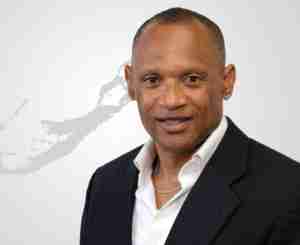
Minister of Economy and Labour, the Hon. Jason Hayward, JP, MP, said, The Graduate Apprenticeship Programme is a vital initiative that bridges the gap between academic achievement and professional opportunity. By creating training-to-employment pathways, we are helping young Bermudians transition successfully into the workforce while addressing the skills needed in our economy. The Government remains committed to empowering Bermudians and investing in our future leaders.”

Who Should Apply?

  • Graduated between September 2023 and 2025 with a bachelor’s or master’s degree
  • Currently unemployed
  • Eligible to work in Bermuda

Applications are open now at dwd.bm. The application deadline is Wednesday, 24 September 2025.

For more information, please email youthemployment@gov.bm.

Wells on Target in Goal-Filled Weekend for Bermudians

Bermuda’s footballers making headlines around the globe

Bermuda’s footballing talent across the UK had a dramatic weekend, marked by goals, FA Cup progression, and a number of hard-fought draws.

The standout performance came from Nahki Wells, who scored his first goal for Luton Town. Coming on at half-time, Wells made an instant impact, converting a penalty just four minutes later to level the score at 2-2. However, it wasn’t enough to prevent a 3-2 defeat to Plymouth.

In the FA Cup, Willie Clemons found the net for Leiston FC in their dominant 4-1 victory, while Keziah Martin and Deniche Hill both came off the bench to help Buxton FC to a 3-0 win, with both teams advancing to the next round.

Meanwhile, Nathan Trott continued his strong start with Cardiff City, securing a 1-1 away draw against Stockport to maintain their undefeated run.

Other results saw Harry Twite and Loughborough University FC draw 2-2, while FA Cup replays are on the cards for Milan Butterfield‘s Halesowen Town and Justin Donawa‘s Brackley Town following 1-1 and 0-0 draws respectively.

Several other players were unused substitutes as their teams progressed in the FA Cup, including Jutorre Burgess (Harborough Town) and Reggie Lambe (Needham Market), while Ne-Jai Tucker (Southport) and Kane Crichlow (Sutton United) were also on the bench.

‘BMA was right not to disclose information’

Information Commissioner backs BMA’s decision not to share records on a regulated fund

On 5 September 2025, Information Commissioner Jason Outerbridge issued Decision 15/2025, Bermuda Monetary Authority, which reviewed the BMA’s refusal to disclose records related to a regulated fund. The BMA’s internal review decision stated that the BMA was prohibited from disclosing the records because of the secrecy provision contained in the BMA Act 1969. The provision mandates the BMA to preserve the secrecy of all matters relating to the affairs of the Government, the BMA or any person that comes to the BMA’s knowledge in the course of its duties. During the Commissioner’s review, the BMA confirmed that records responsive to the request existed but maintained that they were exempt from disclosure under the PATI Act.

The Information Commissioner upheld the BMA’s decision, finding that disclosure of the records was prohibited under the BMA’s secrecy provision as the records related to a legal person and came to the knowledge of the BMA in the course of its duties to supervise, regulate and inspect the relevant fund. Although the Applicant argued that the BMA’s secrecy provision permitted the BMA to disclose information to the Minister of Finance and the Registrar of Companies under certain limited circumstances (e.g. where it was in the public interest or required for the Minister’s oversight responsibilities), the Information Commissioner found that these gateways to disclosure were discretionary to the BMA and the oversight of the exercise or non-exercise of that discretion was outside the limited jurisdiction of the Information Commissioner under the PATI Act.

About the ICO: The Information Commissioner’s Office is an independent public office responsible for promoting the use of, and overseeing compliance with, the Public Access to Information Act 2010. The PATI Act gives the public a right to access records held by public authorities, subject to listed exemptions, exceptions and administrative grounds for denial of access. Individuals who are dissatisfied with the response of a public authority may seek a review by the Information Commissioner. The Information Commissioner’s Office investigates, and decisions and orders by the Information Commissioner are legally binding. The PATI Act is the ICO’s governing legislation.

Further information about the ICO is available at ico.bm

‘Opening doors for the next generation’

Fintech graduates lauded by the Premier

The Economic Development Department (EDD), in partnership with the Department of Workforce Development (DWD), celebrated the graduation of the fourth and fifth cohorts of the 2025 EDD Fintech Education Programme on September 4. This year’s class also included students from The Berkeley Institute’s Fintech Signature, marking another milestone in Bermuda’s commitment to building a skilled digital finance workforce

This achievement underscores the Government’s continued commitment to equipping Bermudians with the skills necessary to excel in the island’s growing digital finance sector.

Premier, the Hon. E. David Burt, JP, MP, recognising that Bermuda’s digital finance future is brighter thanks to their commitment to Fintech education, commended the graduates, stating, “Your success embodies the vision we set in 2017 to make Bermuda a world-leading jurisdiction in this sector. We are already seeing the ripple effect: past graduates are now educators and innovators, opening doors for the next generation. This Government is proud to support you in becoming the leaders who will shape our future economy.”

Acting Minister of Economy and Labour, the Hon. Kim Wilson, JP, MP, highlighted the programme’s role in talent development, stating, “The journey that you, our graduates, have completed is a powerful testament to personal commitment and to the value of continuous learning. The mission of the Ministry of Economy and Labour is to ensure Bermudians are equipped to not only participate in our economy but to lead within it. This Programme is a perfect example of that mission in action.”

Minister Wilson also emphasised the importance of collaboration, noting the combined efforts of the EDD, DWD, and community partners such as Chubb and Paradise Mobile, stating, “This synergy between government and the private sector is a blueprint for how we will build a more resilient and inclusive economy for all Bermudians.”

The EDD’s core Fintech Education Programme, which in 2025 held its annual summer session and an accelerated winter session, consists of three key components:

  1. Internationally recognised online courses from institutions such as the Centre for Finance, Technology, and Entrepreneurship (CFTE) and ViableEdu;
  2. Professional development modules delivered by DWD, including Project Management, Change Management, Digital Citizenship, and Cybersecurity; and
  3. Networking opportunities and learning sessions led by leading professionals in the local industry.

Malika Cartwright, Director of the Department of Workforce Development, underscored the programme’s comprehensive approach, “The Fintech Education Programme goes beyond technical knowledge. It provides participants with critical professional development skills that are highly valued in the modern workplace. Our graduates have completed modules in diverse areas, ensuring they are well-rounded, effective, and resilient professionals who can thrive in a technology-driven environment.”

Educator Dee-Ah Iris, Business Studies Instructor at The Berkeley Institute, expressed her enthusiasm for the programme’s impact on the next generation of professionals. “Tonight marks the culmination of a powerful collaboration that is preparing our students for a competitive global landscape. The real hands-on experience our students have gained through internships with companies like Paradise Mobile and Chubb will position them to compete on the global stage. I look forward to seeing even more companies step forward to provide training opportunities for our young Bermudians.”

The Government of Bermuda remains committed to developing a resilient and future-ready workforce. Through initiatives like the Fintech Education Programme, Bermudians are being equipped to participate in and lead the digital economy.

‘Engage, Empower, Elevate’: Celebrating Wellness Week

The Department of Health is Celebrating Wellness from September 22 to 28 under the theme Engage, Empower, Elevate: Working together to improve health and well-being for all. This annual initiative invites the public to embrace healthier lifestyles through a series of free, family-friendly events designed to promote physical activity, community connection, and lifelong wellness habits.

“Celebrating Wellness in 2025 is an opportunity to build a healthier you, a stronger family, and a more connected community,” said Minister of Health Kim Wilson, JP, MP. “Events like these bring families, coworkers, and neighbours together in ways that strengthen both individual and population health. By making wellness accessible, fun, and social, we encourage healthier lifestyles that benefit all of Bermuda.”

The week’s activities begin on Tuesday, September 23, with Dancing in the City from 5:30 to 7:00 PM at the Bermuda Marquee Sign on Front Street. Led by Wanda Maxwell, this lively line dancing session features easy-to-follow moves suitable for all ages and skill levels. No registration is required.

On Wednesday, September 24, Family Fitness Fun will take place from 5:30 to 7:30 PM at Victoria Park. Families are invited to enjoy fun castles, refreshments, group exercises, and interactive games in a joyful, inclusive setting.

The celebration continues Thursday, September 25, with the Corporate Fitness Challenge from 5:30 to 7:30 PM at Barr’s Bay Park. This high-energy event encourages coworkers to team up for Xtreme Games, group fitness activities, and wellness challenges that promote teamwork and reduce stress. Registration is required by September 19 at https://forms.office.com/r/PfY5dN9w9r. Teams can have a maximum of 8 participants.

Minister Wilson added, “Join us in making wellness a shared priority, and let’s inspire each other to live our healthiest, happiest lives.”

For more information, visit www.gov.bm/wellnessweek2025, call the Health Promotion Office at 278-4900, or email healthpromotion@gov.bm. Follow @departmentofhealthbermuda on Facebook and Instagram for updates.

‘AI playing a stronger role in fraud’

Statement by Dion Smith, who ran in the February 2025 General Election for the OBA in constituency 27, Warwick North Central:

Until It Happens to You: Banking Fraud and AI Scams in Bermuda

Many of us navigate life juggling too much at once to pay attention to every warning or crisis until something happens to us, or someone close to us. It’s human nature to tune things out until they hit home.

In previous opinion pieces, I’ve raised concerns about the increasing number of Bermudians being scammed some out of their life savings through both banking fraud and artificial intelligence (AI) deception. These issues are still very much with us, and they deserve a fresh spotlight.

Banking Fraud in Bermuda: A Known Vulnerability

Bermuda has seen a disturbing number of cybercrime incidents in which funds have been directly extracted from personal bank accounts. Despite the security measures that exist, many people don’t realize just how limited these protections really are.

In many cases, even if a person is cautious and self-aware, the system doesn’t give them enough control over their own financial safety. For example, why not allow customers the option to disable wire transfers on their accounts? Not everyone needs this functionality and for those who don’t, disabling it could serve as a simple but powerful fraud prevention tool.

Wire transfers have been the method of choice for many fraudsters. Once the money leaves a Bermudian bank and travels through other institutions especially ones without established relationships with our banks it becomes nearly impossible to trace or recover. Banks are well aware of this, and yet the tools to mitigate it remain optional or poorly communicated.

AI and the Deepfake Threat: It’s Not Just Sci-Fi Anymore

AI is now playing a growing role in fraud, particularly through impersonation. Several scams have made the rounds where AI-generated videos and audio clips appear to show popular Bermudians endorsing investment schemes. These look and sound convincing because they use the real person’s face and voice, cloned from interviews, podcasts, or public appearances.

This isn’t theoretical anymore. This is now a threat to anyone with a digital footprint.

We urgently need legislation in Bermuda that gives individuals ownership over their own biometric data specifically, their voice and image. This would make it illegal for others to use AI to replicate someone’s likeness without consent.

Denmark is already addressing this issue. According to CNN, Legal News (June 28, 2025), Danish lawmakers are pushing for stricter protections for artists and public figures from digital identity theft. Bermuda should be doing the same.

 We must protect not just artists and public figures, but all individuals from the new forms of identity theft made possible by AI. A few simple changes like offering users more control over their accounts and legislating AI usage could go a long way.

Let’s not wait until it happens to you. Let’s act now, while we still have the chance to get ahead of this advance technology.

Dion Smith ran in the February 2025 General Election in constituency 27, Warwick North Central.

Pension reform took years due to ‘consultative process’

Premier believes country should appreciate the work done to “fix the problem once and for all”

Major changes to public sector pensions are in the works, to prevent to funds running out and the burden falling on taxpayers.

Following a review of pensions that started in 2019, amendments tabled in the House of Assembly today could see all public sector retirement ages progressively raised by 5 years over the next decade.

Contributions will increase by 2% over the next three years, and the formula for calculating public sector pensions is to be adjusted.

The changes will impact public school teachers, police officers, nurses, prison officers and other public officers.

Mandatory retirement age – the oldest age at which a public officer can continue to work – will increase to 70 for most public sector workers, and 60 for uniformed officers.

The lump sum conversion factor will no longer be static but assessed at each calculation, and the board that governs the public service pension fund will have a more formal role in advising on future reforms.

Detailing these measures today, Premier and Finance Minister David Burt said they will prevent the pension fund running out by 2045. Instead, it could achieve fully-funded status by the year 2060.

He also says that Bermuda is following a global trend of increasing retirement ages to match increasing life expectancy.

Speaking to our Gary Foster Skelton, Premier Burt addressed the time it has taken to bring forward these reforms. (WATCH the interview above, SCROLL DOWN for the Premier’s full statement)


Ministerial Statement by Premier & Finance Minister David Burt:

Ministerial Statement
To the House of Assembly
By
The Hon. E. David Burt, JP, MP
Premier and Minister of Finance
Public Service Superannuation (PSSF Stabilisation) Amendment Act 2025
Date: 12th September, 2025


Madam Acting Speaker,
In the Government’s 2024/25 Budget Statement, and again in my statement to this Honourable House in
May of this year, I committed that the Government would bring forward reforms to ensure the
sustainability of the Public Service Superannuation Fund (Fund). Later today, I will table the Public
Service Superannuation (PSSF Stability) Amendment Act 2025, in this Honourable House.
This has been a long journey. In 2019, the review process began in earnest, and since then there have
been years of consultation, study, and discussion. The Fiscal Responsibility Panel has urged action. The
Opposition has urged action. And the public, including public officers themselves, have asked when
Government will act.
Madam Acting Speaker, that time is now.
This Government has demonstrated that when we make commitments, we deliver. Since returning to
office, the Progressive Labour Party has taken on the tough issues of Bermuda’s public finances. We
reversed years of unsustainable deficits, made our tax system more fair, and successfully balanced
Bermuda’s budget delivering the first budget surplus in 23 years. We have restored fiscal credibility,
reduced gross debt, and ensured that Bermuda’s finances are on a stable footing. Public sector pension
reform is the next step in that journey: securing the future not just for public servants, but of Bermuda’s
fiscal house as a whole.
The Challenge
Madam Acting Speaker, the Public Service Superannuation Fund, which pays the pensions of our
teachers, police officers, nurses, prison officers, firefighters, and the many other public officers who serve
this country, is not on a sustainable footing.
The most recent actuarial valuation, as of March 2023, shows an actuarial deficit of just over $1 billion.
The Fund is only 37 percent funded. Without reform, the Fund is projected to deplete its assets by 2045.
That is within the working lifetime of many Bermudians now in the public service.
The numbers matter, but let me explain what they mean in plain terms. A funding ratio of 37 percent
means that for every dollar owed in pensions, the Fund has only 37 cents in assets. A deficit of $1 billion
means that unless changes are made, taxpayers will be required to cover the shortfall, leading to
increased taxes for residents and businesses. And depletion in 2045 means that a Bermudian in the
public service today could reach retirement only to find the Fund exhausted.
Madam Acting Speaker, that is a risk that no responsible government can accept. The math is clear. The
contributions going into the Fund are not enough to cover the benefits being paid out. As people live
longer, the number of retirees grows, and the pressure on the Fund increases. Unless changes are made,
taxpayers will face an ever-increasing liability that could jeopardise both pensions and Bermuda’s wider
economy putting credit ratings under pressure and leading to increase interest rates for all.
The current path is unsustainable, and to do nothing would be irresponsible.
Global Context
Madam Acting Speaker, Bermuda is not alone in facing this challenge. Across the world, governments
have been compelled to act.
The United Kingdom has legislated gradual increases in retirement age, moving toward 68. Canada has
raised contribution rates for its public sector pensions. In the United States, many states have reformed
their systems, raising both contributions and retirement ages to preserve solvency.
Elsewhere, the Netherlands has linked its retirement age to life expectancy, automatically adjusting as
people live longer. Ireland has extended retirement ages and restructured public sector benefits.
Australia has raised both contribution rates and retirement ages in recognition of demographic change.
The OECD has reported that nearly every major public pension system has undergone reform in the past
decade. The global trend is clear: as life expectancy increases and pension promises become more
expensive, governments have had to make adjustments.
Madam Acting Speaker, Bermuda is part of that global reality, and this PLP government is taking the
necessary and responsible steps now to ensure long-term sustainability of public sector pensions.
The Reforms
Madam Acting Speaker, the reforms the Government is introducing today are the product of careful
analysis, actuarial advice, legal advice, and extensive consultation. They are phased, they are fair, and
they are designed to make public sector pensions secure for the future.
First: Earliest Unreduced Pension Age.
Madam Acting Speaker, this is the most important change. At present, non-special group members can
receive an unreduced pension at age 60, and special group members at 50. Under these reforms, those
thresholds will rise gradually to 65 and 55 respectively, phased between 2027 and 2035.
This is effectively the retirement age for most public officers, because it is the point at which they can
retire without penalty. The change from 60 to 65 for most public officers is significant. However, even at
65, Bermuda’s effective retirement age remains well below the benchmarks in most developed countries,
where retirement ages are 67 or higher. This change is about aligning with demographic realities while
still providing our public officers with one of the more generous public pension systems globally.
Second: Contributions.
Madam Acting Speaker, at present, non-special group members, the majority of public officers, contribute
8 percent of their salary. This will increase gradually to 10 percent over three years. For our uniformed
services, contributions will increase from 9.5 percent to 11.5 percent over the same period.
Importantly, these increases will be offset by negotiated salary uplifts, meaning that public officers will
not see their take-home pay reduced. This approach balances the need to strengthen the Fund with
fairness to workers.
Third: Pension Formula.
Madam Acting Speaker, today, pensions are calculated based on the final year’s salary. This is generous,
but it is also unsustainable and creates inequities. Under the reforms, pensions will be calculated based
on the average of the final ten years of salary phased in over a 10-year period. This change prevents
anomalies, ensures fairness, and aligns Bermuda with global best practice.
Fourth: Mandatory Retirement Age.
Madam Acting Speaker, the maximum age at which a public officer must retire is 65 for teachers, 68 for
other non-special group members and 55 for uniformed services. These will gradually increase to 70 and
60 respectively by 2035.
It is important for Honourable Members and public officers to note, this is not the earliest age at which
someone can retire, but the latest age at which they must retire. These changes reflect longer life
expectancy and modern working realities.
Fifth: Lump Sum Conversion Factor
Madam Acting Speaker, currently a retiring member can commute part of their pension into a lump sum,
calculated by a fixed factor of 11.5 which is static in legislation. This provision has proven costly to the
Fund. Going forward, this conversion factor will be actuarially assessed at each valuation, ensuring that
lump sums are properly funded and do not weaken the Fund’s long-term sustainability.
Sixth: Governance
Finally, Madam Acting Speaker, governance of the Fund will be strengthened. The Public Service
Superannuation Board will have a more formal role in reviewing actuarial valuations and advising on
future reforms. Decisions about pensions will be based on evidence and actuarial advice. It is only right
that the representatives of those who depend on public sector pensions play a more active role in
determining the future sustainability of the Fund.
Madam Acting Speaker, taken together, these reforms will transform the trajectory of the Fund. Actuarial
modelling indicates that instead of depleting by 2045, the Fund can achieve fully funded status by 2060.
In practical terms, that means that pensions will be secure not only for today’s retirees but for
generations to come.
Consultation and Balance
Madam Acting Speaker, these reforms did not come easily. They are the product of years of consultation.
The Government has engaged with unions, staff associations, and stakeholders across the public service.
Multiple meetings were held. Proposals were revised. Adjustments were made to ensure that what is
brought to this House is both fair and workable.
We recognise, and I want to emphasise this point, that any change to pensions is deeply personal. People
plan their lives around their retirement expectations. For many, the pension they earn through years of
public service is their most important financial asset.
That is why these reforms have been carefully phased in. That is why we have sought to protect take-
home pay. That is why we have chosen reforms that, while necessary, are fair and sustainable.
We listened to stakeholders. Unions stressed the importance of gradual implementation, and we agreed.
Workers expressed concern about protecting the value of their pensions, and we responded by ensuring
that reforms secure the Fund for the future. Stakeholders asked for fairness, and we delivered reforms
that share responsibility across contributors, current and future beneficiaries, and the Government.
Madam Acting Speaker, I acknowledge that some may feel that benefits are being diminished. To them I
say: these reforms are about protection, not reduction. With this bill, the pace of accrual of benefits, and
the level benefits that you will be paid are not changing. These reforms will ensure that your pension, and
the pensions of those who come after you, will be able to be paid when you retire.
Current Retirees
Madam Acting Speaker, I also want to speak directly to our current retirees. One of the most difficult
consequences of the Fund’s financial challenges has been the freeze on pension increases since 2014. This
has placed increasing pressure on many of our retirees as the cost of living has risen. The reforms we are
bringing forward today are not only about securing pensions for those still in service, they are also about
creating the financial capacity to advance benefit increases for those already retired – and for those who
will retire in the future.
With these reforms, and subject to actuarial advice, we will be in a position to consider benefit increases.
While this Bill does not enact those increases, during this Legislative session, after consultation with the
actuaries and the Public Service Superannuation Board, the Government will bring forward legislation to
increase pension benefits for current public sector retirees.
Madam Acting Speaker, that is an important commitment, and it is only possible because we are taking
the steps today to place the Fund on a secure footing.
Closing
In closing Madam Acting Speaker, this has been a long journey. Multiple rounds of consultation, years of
study, and careful consideration have led to the reforms the Government is bringing forward today.
These changes are not easy, but no one in Bermuda should doubt that they are necessary.
This bill will reduce our unfunded liabilities, protect pensions for current and future public officers and
secure the financial future of the Public Service Superannuation Fund.
These reforms are about responsibility. They are about fairness. And above all, they are about ensuring
that the men and women who dedicate their lives to serving Bermuda and its people, can retire with
dignity and security.
This Government has shown before that it will not shy away from difficult problems. We delivered a
budget surplus after years of deficits. We made our tax system more fair, reducing taxes on workers in
Bermuda. We restored fiscal stability to Bermuda’s public finances and are now positioned to reduce our
national debt. And today, we take another step in that tradition: securing pensions for the future.
Madam Acting Speaker, these reforms are the right thing to do. They are fair, they are responsible, and
they will ensure that Bermuda’s public officers, today and tomorrow, can depend on the pensions they
have worked so hard to earn.
Thank you, Madam Acting Speaker.


Former chief justice Karki named Nepal’s first female PM after violent unrest

Karki’s appointment by the president followed negotiations between Paudel, army chief Ashok Raj Sigdel and the protesters who led Nepal’s worst upheaval in years

International News via Reuters:

Former chief justice Sushila Karki was sworn in as Nepal’s interim prime minister on Friday, becoming the first woman to lead the country after deadly anti-graft protests forced Prime Minister K.P. Sharma Oli to resign.

President Ramchandra Paudel administered the oath of office to Karki at the presidential palace in a ceremony broadcast live.

Karki’s appointment by the president followed negotiations between Paudel, army chief Ashok Raj Sigdel and the protesters who led Nepal’s worst upheaval in years. 

Karki is tasked with holding fresh elections to the lower house of parliament by March 11, 2026, the president’s office said. She is expected to appoint other ministers in a few days, authorities said.

Fifty-one people were killed and more than 1,300 injured this week in anti-graft protests by the ‘Gen Z’ movement, named for the age of its mainly young supporters.

Gen Z protester Manjita Manandhar said she had “mixed emotions” over Karki’s appointment, which came after the death of so many young people during the unrest.

“But we did it!!!! For them! For New Nepal! The journey has just begun. We all Nepalis have to stay strong and put our best foot forward to make Nepal the best in the world. This is just the beginning,” she said.

The protest was sparked by a social media ban that has since been rolled back. The violence subsided only after Oli resigned on Tuesday.

The only woman to have served as chief justice, Karki was the preferred choice of the protesters who cite her reputation for honesty and integrity and her stance against corruption.

She held the top judicial post for about a year until mid-2017.

Bipin Adhikari, a constitutional expert and analyst, said Karki’s first challenge was to investigate the violence and destruction of public property during the protest and bring those responsible to justice.

“She must provide good governance, control corruption, maintain law and order, assure the people about the security conditions and make policing strong,” he said, adding that all these were major challenges.

RESTORATION OF NORMALCY 

Nepal has grappled with political and economic instability since the abolition of its monarchy in 2008, while a lack of jobs drives millions to seek work in other countries and send money home.

As the country of 30 million people inched back towards normality on Friday – with shops reopened, cars back on roads, and police replacing the guns they wielded earlier this week with batons – families reclaimed the bodies of those killed in the protests.

Some roads were still blocked, although streets were patrolled by fewer soldiers than before. 

“While his friends backed off (from the protests), he decided to go ahead,” Karuna Budhathoki said of her 23-year-old nephew, as she waited to collect his body at Kathmandu’s Teaching Hospital.

“We were told he was brought dead to the hospital.” 

Another protester who died, Ashab Alam Thakurai, 24, had been married only a month earlier, his relatives said. 

“The last we spoke to him … he said he was stuck with the protest. After that we could not contact him … eventually we found him in the morgue,” said his uncle, Zulfikar Alam.

Reporting by Gopal Sharma and Aftab Ahmed; Additional reporting by Sarita Chaganti Singh; Writing by Sakshi Dayal and Sudipto Ganguly; Editing by YP Rajesh, Peter Graff and Nia Williams

Costa Rican police arrest 4 in killing of Nicaraguan opposition figure

Among those arrested is a man suspected of acting as an intermediary between the shooter and those who ordered Samcam killed, according to authorities

International News via Reuters:

Costa Rican police arrested four people suspected of involvement in the June killing of a Nicaraguan ex-military officer living in exile, authorities said on Friday.

Roberto Samcam, a retired Sandinista major, was shot to death in his condo on the outskirts of the Costa Rican capital, San Jose. He had been a vocal critic of the Nicaraguan government led by President Daniel Ortega.

Among those arrested is a man suspected of acting as an intermediary between the shooter and those who ordered Samcam killed, according to authorities.

The head of Costa Rica’s judicial investigation body, Randall Zuniga, said investigators had not arrested the mastermind behind the killing and that they had so far not established a link between Samcam’s murder and any other country outside of Costa Rica.

A number of Nicaraguan opposition figures fled to Costa Rica after widespread anti-government protests broke out in 2018.

The protests, rights groups allege, were met with deadly force by authorities, and hundreds of people were believed to have been killed. Samcam had denounced Ortega’s military as being involved in the suppression.

Reporting by Alvaro Murillo; Writing by Kylie Madry; Editing by Rod Nickel

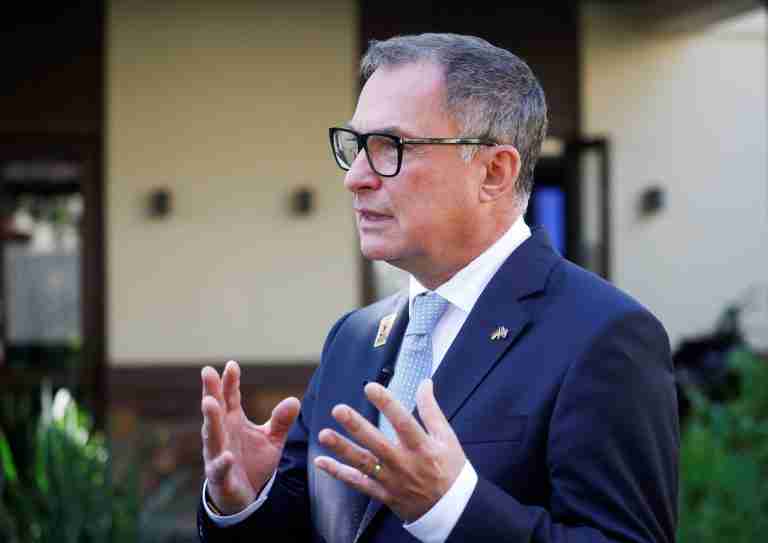
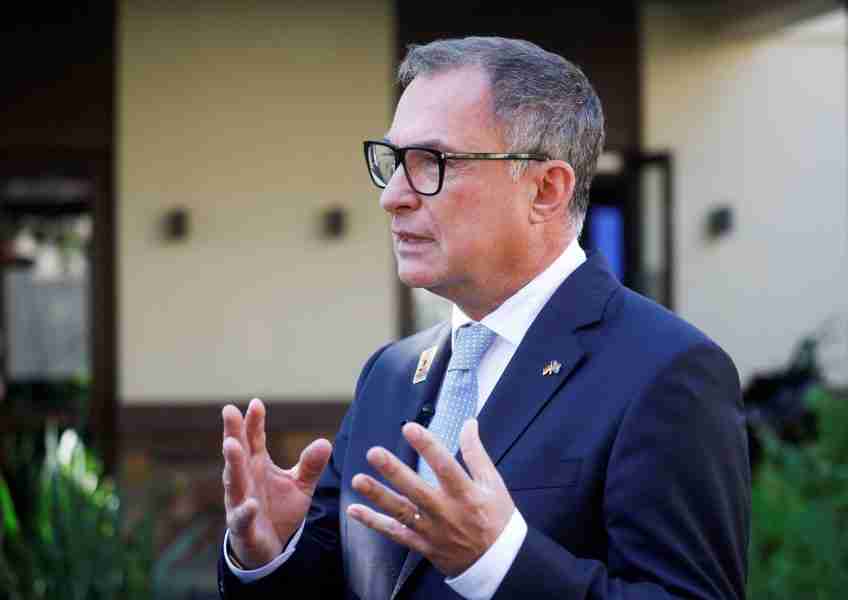
ECB’s Nagel says further rate cuts would threaten price stability

The European Central Bank (ECB) left interest rates unchanged on Thursday

International News via Reuters:

Further interest rate cuts could jeopardise hard-won price stability as the euro zone economy is already set for a boost from rising German public spending, ECB policymaker Joachim Nagel said in an interview published on Friday.

The European Central Bank (ECB) left interest rates unchanged on Thursday, as expected, and maintained an upbeat view on growth and inflation, dampening expectations for any further cuts in borrowing costs.

“We have decided to leave our key interest rates unchanged in the current situation because the latest forecasts indicate that inflation is roughly in line with our medium-term objective,” Nagel, who is also the President of Germany’s Bundesbank, told Italian daily Il Sole 24 Ore.

“Further interest rate cuts could jeopardize this objective,” he added.

Nagel said increased spending in Germany on defence and infrastructure were already acting as a stimulus for the euro zone economy. “This is having an impact throughout Europe,” he said.

Reporting by Romolo Tosiani in Gdansk, editing by Alvise Armellini