
Thursday, October 22, 2026
Home Blog Page 76

Finalists revealed in tourism competition for young people

The finalists have been named in Bermuda’s inaugural Tourism Youth Speech Competition, following a strong preliminary round that brought together students from schools across the island to share their ideas about tourism and its future.

In partnership with Youth Parliament Bermuda, the competition now moves into its most exciting stage – and on September 10, Bermuda is invited to come out, cheer on the finalists and see who will earn the opportunity to represent the island in Guyana.

Following an impressive evening of presentations, three students have earned their place in the final, where they will compete to become Bermuda’s Junior Tourism Ambassador.

Congratulations to our finalists:

Simari-Lee Bermuda Institute

Christopher Madeiros Saltus Grammar School

Princess Mitch Dioko Cedarbridge Academy

Held in Bermuda for the first time this year, the competition was extended to schools island-wide, giving students the opportunity to explore tourism-related issues, bring their own perspectives to the conversation and consider the role their generation can play in the future of Bermuda’s visitor economy.

The students committed part of their summer to researching, writing, practising and preparing – building their public-speaking and leadership skills along the way. Their presentations reflected fresh thinking about Bermuda’s visitor experience, culture, community and the opportunities ahead.

“I’m incredibly proud of every student who stepped forward to be part of this,” said Jan Hutton, Chief Executive Officer of the Bermuda Tourism Authority. “Tourism belongs to all of us, and Bermudians will always be at the heart of what makes the experience of this island so distinctive and authentic. As tourism evolves, we have an opportunity to inspire a new generation to see the possibilities within it – not only as a career, but as a place for their ideas, talents, creativity and leadership. These young people are part of that future, and I want them to know that their voices matter. I’m excited to see our finalists take the stage in September, and I hope Bermuda will come out and cheer them on.”

The competition forms part of a broader commitment to strengthening the connection between Bermuda’s young people and its visitor economy – helping the next generation see the breadth of opportunities tourism can create while building the talent and leadership that will help move the industry forward.

Tourism’s impact reaches well beyond the traditional visitor experience, supporting businesses, entrepreneurs, creatives, events, culture and communities across the island.

At its heart are Bermudians themselves – the people, stories and experiences that give the destination its character and make a visit to Bermuda unlike anywhere else.

In addition to the finalists, the Bermuda Tourism Authority celebrates all students who participated in the preliminary round and the schools they represented:

Aiden Glazebrook Mount Saint Agnes Academy

Daniela Ratteray Bermuda Institute

Every student who took part represented their school with confidence and commitment after weeks of preparation over the summer.

Bermuda, Get Ready for the Final
Thursday, Spetember 10
6 pm
RSVP

The excitement now builds toward the Bermuda Tourism Youth Speech Competition Final on Thursday, September 10, at Bermuda Underwater Exploration Institute at 6:00pm.

The final is open to the public, giving family, friends, schools and the wider community the opportunity to support the students, hear their ideas first-hand and share in a celebration of Bermuda’s next generation.

To attend, please click RSVP by Monday, September 7.

Media will also be invited to cover the final, with additional details to follow.

At the end of the evening, one student will be named Bermuda’s Junior Tourism Ambassador and advance to the Caribbean Tourism Organization’s regional competition in Guyana.

For one young Bermudian, it will be the chance to take their voice beyond the island. For Bermuda, it is another opportunity to celebrate the talent, ambition and ideas of the generation that will help shape what comes next.


Chamber ‘concerned about potential over-regulation’

Business group shares its analysis of Government’s cost of living bill

Check out the PDF below for the full Chamber of Commerce report on the cost of living bill.

Nepal flood death toll crosses 1,000, rescuers reach remote areas

Specialised rescue teams from China, India and Nepal built temporary bridges to reach remote areas and dug through the ruins of hydropower projects in the Himalayas, using excavators to rescue close to 300 workers trapped inside tunnels

International News via Reuters:

The death toll in Nepal’s flood crossed 1,000 on Tuesday, as rescuers used heavy machinery, helicopters and excavators to reach the thousands still missing, nearly a week after the catastrophic Himalayan disaster left a trail of destruction across towns and valleys.

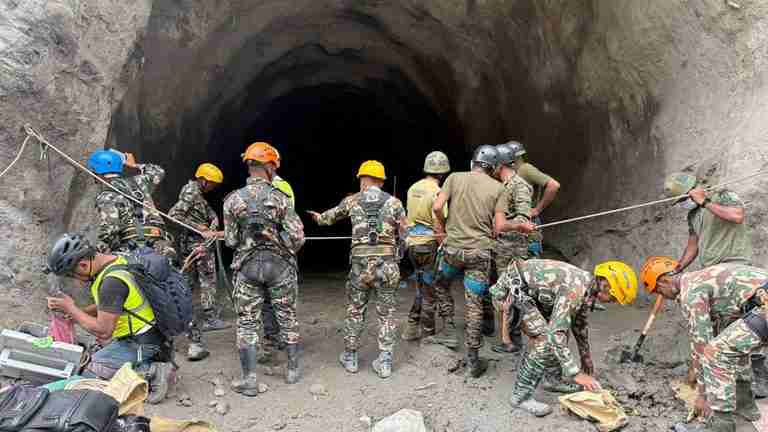
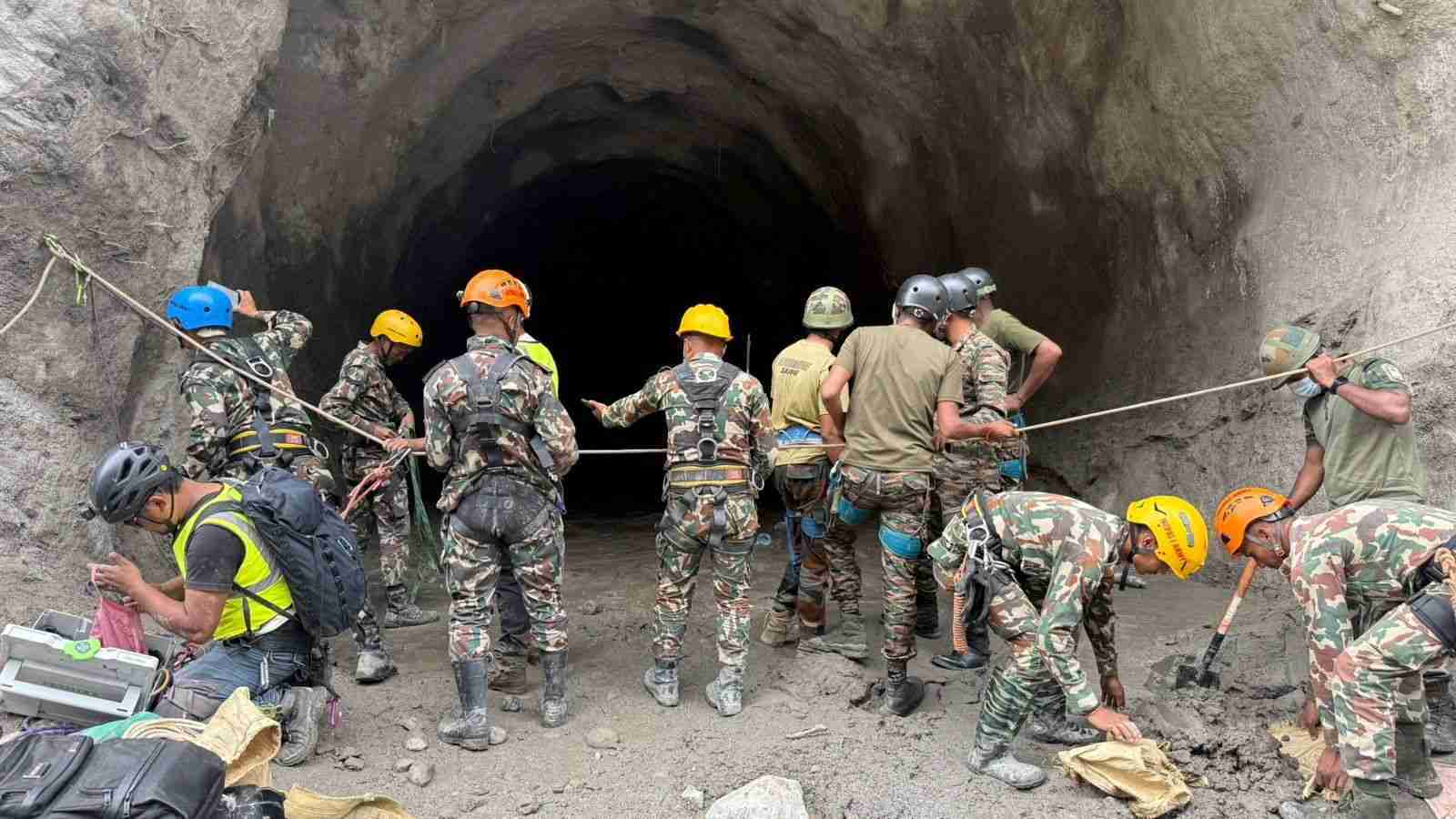
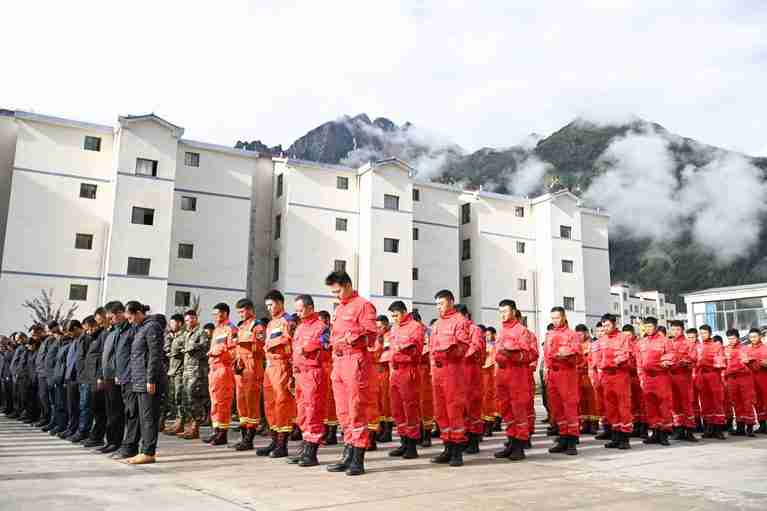
Specialised rescue teams from China, India and Nepal built temporary bridges to reach remote areas and dug through the ruins of hydropower projects in the Himalayas, using excavators to rescue close to 300 workers trapped inside tunnels.

The collapse of a glacier on August 26 sent a deluge of ice, rock and mud sweeping through the impoverished nation’s border region with China.

At least 639 people remain stuck in several devastated hydropower stations that have become the focus of rescue efforts, the country’s disaster management authority said on Tuesday.

The total confirmed death toll rose to 1,003, with about 4,000 people still missing, including 590 foreign nationals from 39 countries. 

“Thousands of citizens have lost their homes, families, loved ones and property,” Prime Minister Balendra Shah said in a late-night social media post on Monday.

Over 11,000 people have been rescued across the affected region, and power and communication lines were restored in some areas, he said, promising support for those who were displaced.

More than 9,200 personnel were deployed in the affected areas, coordinating the search and rescue of the injured, assisting in the management of bodies, opening blocked roads and conducting emergency treatment, the army said.

“We did not have the time to grab anything before fleeing,” said a survivor from the hard-hit Rasuwa district, who said she had walked to Nuwakot with scores of other villagers who survived. “What we were wearing is the only pair of clothes we have. And even they are wet from rain.”

Rescue teams had managed to restore road networks to Nuwakot, one of the worst-affected districts, facilitating rescue operations and distribution of relief material, Shah said. 

FOREIGN HELP FLOWS IN

In China, rescue teams worked through the night to reopen access to the Nepali border, on a steep mountain gorge with unstable cliffs on one side and fast-flowing river channels on the other.

Beijing will send DNA testing experts to disaster-hit areas as well as a second batch of relief supplies, its foreign ministry said, adding that equipment would include drones and water purification.

South Korea, nine of whose nationals were working at a hydropower project and are missing, also said it will send a 44-member emergency relief team to support search-and-rescue operations in the Rasuwa region.

Nepal last week turned down foreign involvement in general search and rescue but said it needed specialised services and advanced technological support in areas such as life-detecting machines, large refrigerators and pre-fabricated bridges.

Aid worth more than $42 million had poured into the country after the disaster, Shah said, and the government expected the contributions to increase.

RESCUE EFFORTS FOCUS ON HYDROPOWER STATIONS

Shah said 279 workers had been rescued from hydropower projects, with joint teams from Nepal, India and China working on search-and-rescue operations.

Rescue teams drained water from tunnel heads and used rock breakers to make entry paths into the tunnels, Nepal’s army said, as troops tried to reach those still believed to be trapped inside.

“Our first rescue observation at Trishuli Hydro Power plant shows that it is not humanly possible to go into the tunnel,” Asish Gurung, a mountain guide helping in the tunnel rescue, told Reuters from Haku village in Rasuwa district.

“We need machines like bulldozers and excavators. There are two of them here now. One is not functioning and the other is being repaired. There may be about 500 people trapped inside,” he said.

There has been a boom in hydropower projects in Nepal since the turn of the century as the mountainous country sought to take advantage of its Himalayan water resources to address chronic domestic power shortages and exploit prospects for selling electricity to southern neighbour India.

Prime Minister Shah said the disaster signalled the growing risks the Himalayan region faces from a warming planet.

“The time has come for us to strongly raise before the international community the disasters we are experiencing as a consequence of climate change,” Shah said in his post.

Last week’s flood was “caused by glacier instability under the long-term effects of global warming”, China’s state broadcaster said on Monday.

Reporting by Gopal Sharma, Sahana Bajracharya, Liz Lee, Ethan Wang; Writing by Shilpa Jamkhandikar; Editing by Saad Sayeed and YP Rajesh

Brazil races to rein in AI weeks before election

With the October 4 first-round vote quickly approaching, Brazil’s top elections court, the TSE, is expected on Tuesday to set new limits on the use of AI-generated or altered content used in electoral contexts

International News via Reuters:

Brazilian authorities are grappling with how to keep AI from undermining the country’s hotly contested election, as AI-generated content floods voters’ social media feeds and loose-lipped chatbots challenge regulators’ abilities to rein in misinformation. 

With the October 4 first-round vote quickly approaching, Brazil’s top elections court, the TSE, is expected on Tuesday to set new limits on the use of AI-generated or altered content used in electoral contexts. 

Tuesday’s case involves the right’s leading presidential candidate, Senator Flávio Bolsonaro, whose party convention provoked quick legal challenges in July when it showcased an AI avatar of his father, former President Jair Bolsonaro, who is under house arrest and prohibited from addressing the public.

The avatar case raised questions about AI’s use in campaigns and underscored challenges still facing the TSE in its efforts to keep the new technology from undermining the integrity of the electoral process.

AI has already dominated much of the digital campaign. Politicians aligned with the candidates leading the polls, Bolsonaro and President Luiz Inácio Lula da Silva, shared hundreds of social media posts formally labeled as AI-generated over a 15-day period, according to Instituto Democracia em Xeque (Democracy in Check Institute). 

Mandatory labels on AI-generated content are part of the TSE’s expanded restrictions on AI rolled out for this year’s election, alongside bans on deepfakes and candidate recommendation systems, and a blackout on the publication or paid promotion of new AI-generated material immediately before and after voting.

Tuesday’s ruling is expected to offer a clearer definition of what constitutes a deepfake.

Much of the content that has flooded users’ feeds could be considered harmless, like a right-wing gubernatorial candidate using AI to promote her ballot number into different landscapes across Amazonas state, or a Lula ally appearing to dance alongside the incumbent president.

While Lula’s campaign largely shuns AI-generated content, Bolsonaro’s camp has embraced it. Bolsonaro has shared, for example, at least one AI-produced campaign song, as well as a video of him and his running mate as dancing dolls. When Bolsonaro shared an AI animation of himself as a chiseled hunk in a swim brief, a slew of memes quickly followed.

DEEPFAKE RISKS

However, what is most concerning for the TSE is potential deepfakes that convincingly depict events that never happened, said João Victor Archegas, legal coordinator at the Institute of Technology and Society (ITS) of Rio de Janeiro. 

“It is not the tool itself that is the problem. It is its potential use in certain contexts that may lead to dangerous outcomes for our democracy,” he said. 

The TSE already received 19 cases involving the use of AI in the first 11 days of this year’s campaign, according to court data. In early August, TSE Justice André Mendonça ordered the removal of a video portraying Bolsonaro alongside Daniel Vorcaro, the former banker at the center of a massive fraud scandal, in situations that never occurred.

With AI already part of the daily lives of 75% of Brazilians, according to a survey by the Fundação Itaú Observatory, the technology is influencing voters in a variety of ways, like fake testimonials about candidates and fabricated polls.

Another area of concern involves chatbots swaying voters. A survey of voters by Projeto Brief in May found that nearly 63% were willing to consult AI tools about candidates.

The TSE’s rules for 2026 include a ban on generative AI systems, such as ChatGPT, from recommending or ranking candidates, even when users explicitly request it. A study by ITS Rio, however, found that seven of the most widely used chatbots in Brazil ranked or ordered candidates in 90% of their responses.

Reporting by Bruna Cabral in Rio de Janeiro and Ricardo Brito in Brasilia; Editing by Brendan O’Boyle and Aurora Ellis

London stocks slide as rising gilt yields weigh; Reckitt gains

The export-focused FTSE 100 index dropped 1% to a two-week low of 10,725.6 points by 1019 GMT, while the domestically-focused FTSE 250 declined 1.9% and was shy of a one-month low

International News via Reuters:

London’s FTSE indexes fell on Tuesday as Middle East tensions pushed global bond yields higher on inflation concerns, while Reckitt Benckiser gained after a favourable U.S. court ruling in a baby formula case.

The export-focused FTSE 100 index dropped 1% to a two-week low of 10,725.6 points by 1019 GMT, while the domestically-focused FTSE 250 declined 1.9% and was shy of a one-month low. The midcap index was on track to log its biggest one-day drop since March.

• The U.S. and Iran traded fresh fire, sending Brent crude prices up to over $92 a barrel and sparking a bond selloff globally as investors mulled the repercussions on the world economy.

• The yield on the UK 10-year Gilt hit its highest since 2008, while investors now see the Bank of England hiking interest rates by at least 32 basis points by year end, up from around 24 bps last week, LSEG-compiled data showed.

• Rate-sensitive sectors were especially hit. Banking stocks such as Barclays fell 3.4%, Standard Chartered dropped 1.4% and Prudential lost 1.3%.

• Housing goods and home construction fell 3.3%, while precious metal miners tanked 7.1% and led sectoral losses, tracking lower precious metal prices in the face of rising yields.

• On the data front, house prices rose in August, mortgage lender Nationwide Building Society said, reflecting demand held up despite an uncertain economic outlook.

• On the flip side, energy stocks BP and Shell rose 3.9% and 1.6%, respectively tracking higher crude prices. [O/R]

• Reckitt Benckiser added 4.4% after a U.S. jury favoured the company in its trial over claims the company failed to warn that its products for premature babies could cause a deadly bowel disease.

• Bodycote jumped 4.1% after U.S.-based private equity firm Veritas Capital agreed to buy the thermal processing services company in a £1.85 billion ($2.51 billion) deal.

• WPP fell 2.5% after a report said the advertisement company will cut up to 1,000 more jobs by year-end.

Reporting by Anand Gopal and Johann M Cherian in Bengaluru; Editing by Nivedita Bhattacharjee

Euro zone inflation rises above 3%, cementing ECB rate hike bets

Inflation in the 21 nations sharing the euro accelerated to 3.3% in August from 2.9% in July, driven almost entirely by higher energy costs as crude oil and natural gas prices both rose, and refiners bumped up their margins

International News via Reuters:

Euro zone inflation rose back above 3% in August on higher energy costs, cementing an already solid case for another European Central Bank interest rate hike this month as the Iran war keeps putting upward pressure on prices.

Inflation in the 21 nations sharing the euro accelerated to 3.3% in August from 2.9% in July, driven almost entirely by higher energy costs as crude oil and natural gas prices both rose, and refiners bumped up their margins, data from Eurostat showed on Tuesday.

Underlying price pressures remained modest, however, offering some reassurance to policymakers that the energy price surge is not yet setting off the kind of second-round effects that could perpetuate rapid inflation and force the ECB into more aggressive action.

Indeed, core inflation — figures which exclude volatile food and fuel prices — eased to 2.4% last month from 2.5% as growth in services prices, the single biggest component of the consumer price basket, slowed to 3.0% from 3.3%.

Tuesday’s figures are broadly consistent with the ECB’s own expectations and suggest that a widely telegraphed hike in the deposit rate to 2.50% on September 10, the bank’s second move this year after a hike in June, will be a relatively easy decision, almost a non-event for markets.

Financial investors have already priced in the move, suggesting that their focus will be on the rate path further down the line, a more complicated issue as views diverge on just how deep the euro zone’s inflation problems run.

WILL MORE RATE HIKES BE NEEDED?

Policymakers appear to have no appetite for now to signal any further rate hikes and economists also see a high chance the ECB will stop in September, holding rates at what many consider the top end of the ‘neutral’ range — an interest rate level that neither restricts nor stimulates growth.

This is partly because the labour market is relatively soft and price pressures have not set off any visible rise in wage growth, reinforcing views that only gentle policy tightening may be enough.

Economic growth at just around 1% is also fairly weak and was at risk of slowing further, if the conflict continued.

But financial markets see two more rate hikes in the next year on the premise that higher energy prices will eventually start seeping into broader price setting, especially since the war in Iran is showing no signs of winding down, keeping inflation high.

Natural gas prices are also rising while the broader economy has also proven resilient to the economic stress of wars, tariffs, and higher rates, so the ECB may need to do more to stem price pressures, some argue.

In addition, global peers, including the Federal Reserve, may also be forced into rate hikes, boosting market bets for a global rate-hike cycle.

Still, even if the ECB is forced into further hikes, there appears to be little urgency in follow-up moves, so policymakers may skip the October meeting and focus on the next round of economic projections in December.

Reporting by Balazs Koranyi; Editing by Andrew Heavens

Utah judge to decide if accused killer of Charlie Kirk will stand trial, face death penalty

Graf will rule from the bench after up to four hours of closing arguments

International News via Reuters:

Nearly a year after Charlie Kirk was shot dead at a Utah university, a judge on Tuesday is expected to rule whether the Utah man accused of killing the conservative activist will stand trial and whether he should face the death penalty.

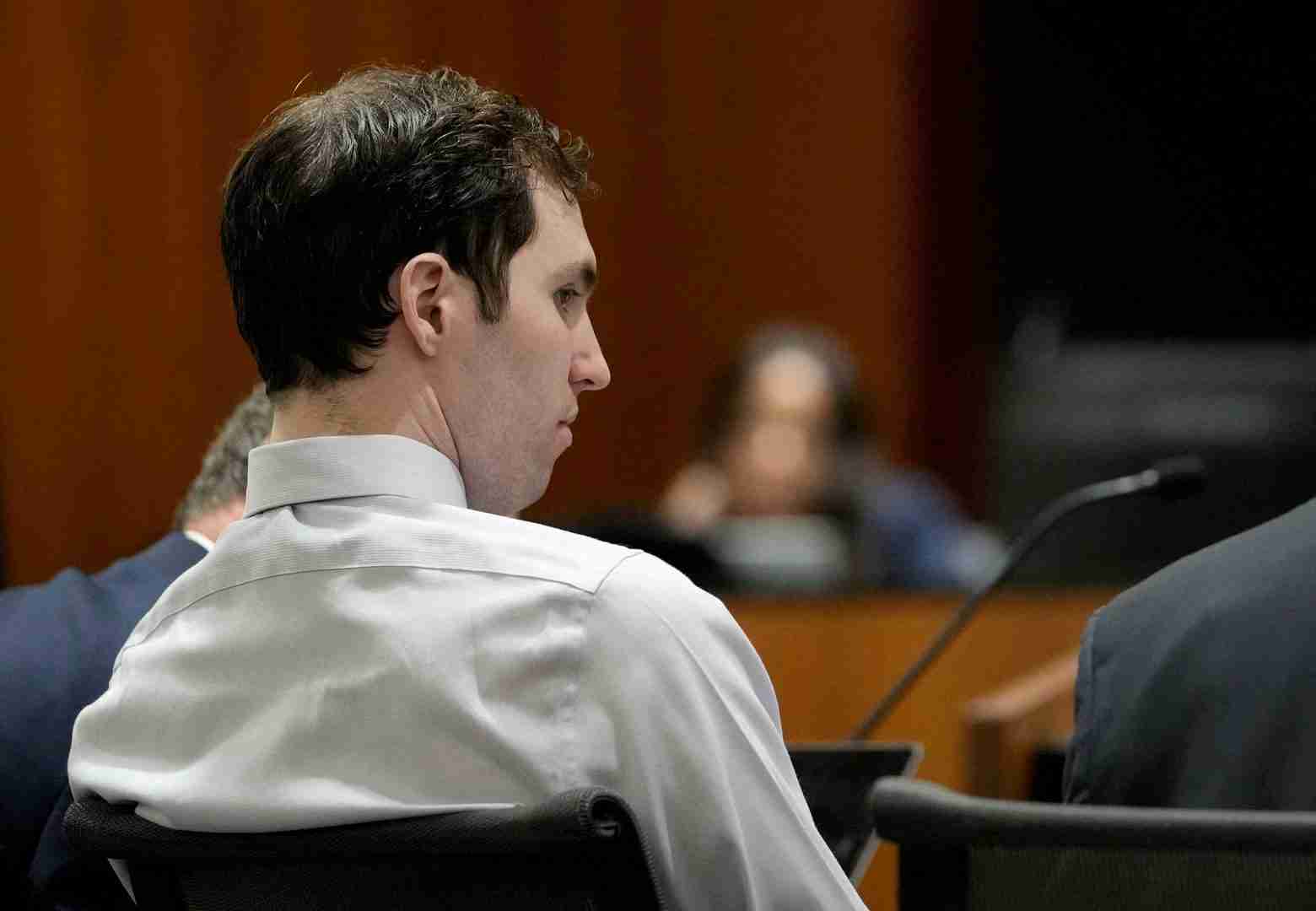
At a 10 a.m. (1600 GMT) hearing in Provo, Utah, Judge Tony Graf will decide whether there is sufficient evidence to try Tyler Robinson, 23, and allow prosecutors to seek the death penalty for the murder of one of the U.S. right’s most prominent figures.

Graf will rule from the bench after up to four hours of closing arguments. Should he find probable cause for a trial, an arraignment could follow, a Utah courts spokesperson said in an email. Robinson has yet to enter a plea.

Prosecutors have accused the former electrical apprentice of firing the single shot that killed Kirk, 31, as he debated with students at Utah Valley University in Orem on September 10, 2025.

Tuesday’s proceedings follow a week-long preliminary hearing in July that was attended by Kirk’s widow, Erika Kirk. She was expected to be at Tuesday’s session.

During the preliminary hearing, prosecutors presented what they called “overwhelming” evidence, including test results that allegedly show Robinson’s DNA on the murder weapon. Robinson’s lawyers questioned the prosecution’s DNA testing and said police failed to investigate evidence someone else might have carried out the killing.

Robinson is charged with aggravated murder for also endangering the lives of others at the event, a count that carries the death penalty in Utah. His attorneys have argued the shooting is not a capital offense as the shooter hit the “intended target” and did not put anyone else’s life at risk.

Prosecutors also allege Robinson, who was in a relationship with roommate Lance Twiggs, targeted Kirk for his political views against gay marriage and transgender rights. That argument could bolster the prosecution as it pursues the death penalty.

Defense lawyers have said there is no evidence Robinson disagreed with Kirk’s political views. Kirk, co-founder of Turning Point USA, helped build support for President Donald Trump among young voters and aided Republican voter-turnout efforts.

At a memorial following Kirk’s shooting, Erika Kirk, who became CEO and board chair of Turning Point USA after her husband’s death, said she forgave the alleged shooter. She has not commented on the death penalty charge.

Reporting by Andrew Hay in New Mexico; editing by Donna Bryson and Cynthia Osterman

UK mortgage approvals fall to lowest since January 2024, Bank of England data shows

The BoE said lenders approved 56,053 mortgages in July, the lowest since January 2024, below all forecasts in a Reuters poll of economists that had instead pointed to a rise to 59,500

International News via Reuters:

British lenders approved the fewest mortgages for house purchase since January 2024 in July and consumer lending grew more than expected, according to Bank of England data on Tuesday.

The BoE said lenders approved 56,053 mortgages in July, the lowest since January 2024, below all forecasts in a Reuters poll of economists that had instead pointed to a rise to 59,500. June’s reading was revised up to 58,215 from the 58,200 first reported.

Tuesday’s data showed net unsecured lending to consumers rose by £2.006 billion ($2.71 billion) on the month, above economists’ forecast of a £1.8 billion increase and the biggest rise since November 2025.

“July’s money and lending figures show that the near-term outlook for the housing market is weak, households may have funded some of their spending in July by lowering their saving rate and borrowing more, and overall monetary conditions are not conducive of a long period of high inflation,” said Ruth Gregory, deputy chief UK economist at Capital Economics.

Mortgage lender Nationwide reported earlier on Tuesday that house prices rose 1.6% in the 12 months to August, well below the rate of consumer price inflation.

The central bank is widely expected to keep interest rates unchanged at 3.75% this month, and financial markets are pricing in a quarter-point increase by the end of the year.

($1 = 0.7390 pounds)

Reporting by Suban Abdulla; editing by Andy Bruce

LSEG plans tokenised UK shares, partners with Kraken-owner Payward

The move marks the latest push by the London Stock Exchange to embrace crypto assets, after announcing in February that it would build a blockchain-based settlement service

International News via Reuters:

London Stock Exchange Group plans to launch tokenised UK shares to expand global access to London-listed shares, it said on Tuesday, and will partner with Payward, parent of crypto exchange Kraken, to explore new ways to trade on equity markets.

The move marks the latest push by the London Stock Exchange to embrace crypto assets, after announcing in February that it would build a blockchain-based settlement service.

LSEG said the new plans would enable UK-listed companies to be represented as blockchain-based tokens and trade round the clock, while maintaining the shareholder rights, protections and governance standards that underpin public markets.

Broker Robinhood has launched tokenised stocks in the EU while crypto exchange Coinbase is also making a push into the nascent sector.

LSEG recently announced plans to launch LSE 24, a round-the-clock trading venue, in the first half of next year.

As part of the collaboration with Payward, London Stock Exchange said it intends to list xStocks, tokenised representations of publicly traded shares, on LSE 24 in 2027, subject to regulatory approval.

Proponents of tokenisation say it could revolutionise stock markets by allowing shares to be traded 24/7 and settled instantly, boosting liquidity and reducing transaction costs.

But the World Federation of Exchanges last year called on securities regulators to clamp down on tokenised stocks, saying that they create new risks for investors and could harm market integrity.

“Tokenisation has the potential to change how investors access, and how issuers use, financial markets, but it must develop in a way that preserves the trust, rights and role of regulated markets,” said Julia Hoggett, CEO of London Stock Exchange and head of digital and securities markets at LSEG.

Reporting by Yadarisa Shabong in Bengaluru and Samuel Indyk in London; Editing by Rashmi Aich and Susan Fenton

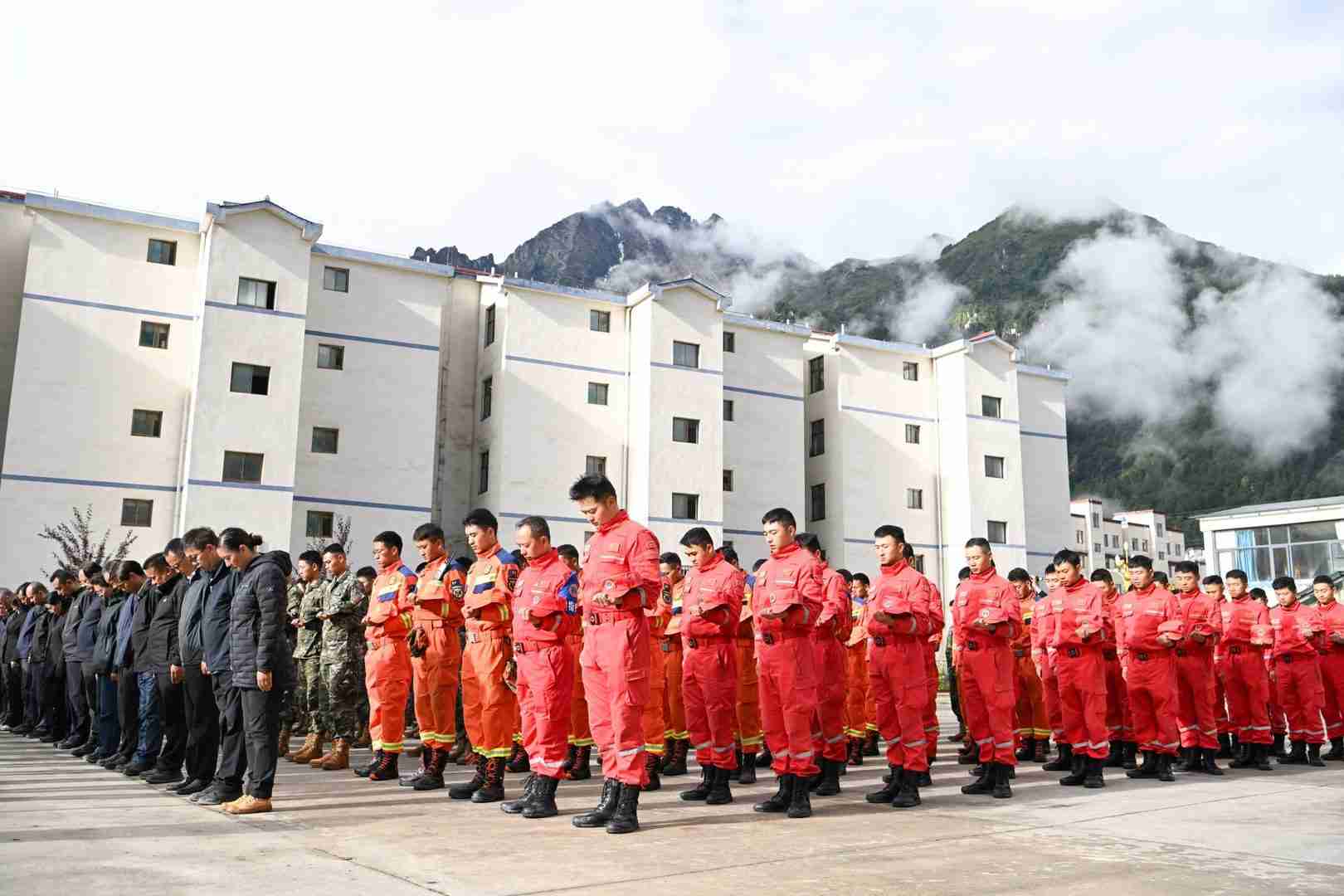
Chinese rescue work in Tibet flood disaster zone still trudging along days later

Reopening access to the China-Nepal border crossing has been a battle with the elements, with rescuers working in a narrow mountain gorge squeezed between crumbling cliffs and a raging river

International News via Reuters:

Chinese rescue teams worked through the night and frequent rain to restore the last stretch of the sole road leading to the Gyirong border crossing into Nepal, torn apart by a catastrophic mudslide last week.

Reopening access to the China-Nepal border crossing has been a battle with the elements, with rescuers working in a narrow mountain gorge squeezed between crumbling cliffs and a raging river.

With river currents flowing at 6 to 7 metres per second — up to six times normal river speeds — efforts to rebuild the road over the past few days have been repeatedly swallowed up by the rapids, state broadcaster CCTV said on Tuesday.

Excavators left with no solid ground to stand on teeter at the road’s shattered edge — clinging to a bend where the highway simply vanishes into the water, CCTV footage showed.

But by noon on Tuesday, the team had advanced to 800 metres away from the worst-hit area on the Tibet side of the border.

Chinese state-owned rescue operator China Anneng deployed 158 personnel and 33 heavy equipment, working around the clock under a “crews rotate, machines keep running” system, CCTV said.

Power crews are also racing to restore electricity access to the disaster zone.

National Highway G216, the vital artery running along the Gyirong Tsangpo river to the border, was gutted when a backflow of debris gushed in from the direction of the border crossing complex.

Road repairs began Wednesday, after a glacier collapse sent mudslides and floods tearing through river systems in both Nepal and China.

DANGER IS NOT OVER

While earlier lakes formed on the Tibetan side from debris flushed down from the glacier collapse have been draining naturally, landslide risk and a volatile body of water upstream in Nepal could still dam the rivers — and any sudden burst could send a fresh torrent into the rescue zone.

The crater left by last Wednesday’s glacier collapse — estimated to hold water equal to 260 Olympic swimming pools — is shrinking, CCTV reported Monday.

But authorities fear a fresh glacier collapse into the crater could trigger another disaster, while forecasters warn of heavier rain through Wednesday, threatening to swell rivers and lakes even further.

“These types of dams are structurally very loose and can easily fail because of prolonged saturation and erosion from water,” a Chinese water resources ministry official told the state broacaster.

By Tuesday afternoon, more than 60 rescuers had trekked into the disaster zone, combing the wreckage twice for survivors, CCTV said.

The scars of the mudslide’s force are etched into the surrounding slopes, reaching 60 metres (196.85 feet) high, roughly the height of a 20-storey building.

China’s official count has remained unchanged from Sunday’s, with 16 people killed and 546 still missing.

Reporting by Liz Lee and Ethan Wang; Editing by Saad Sayeed

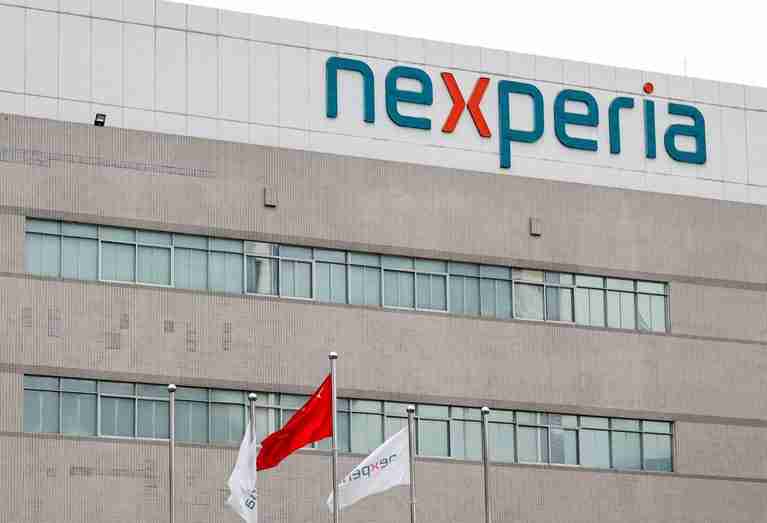
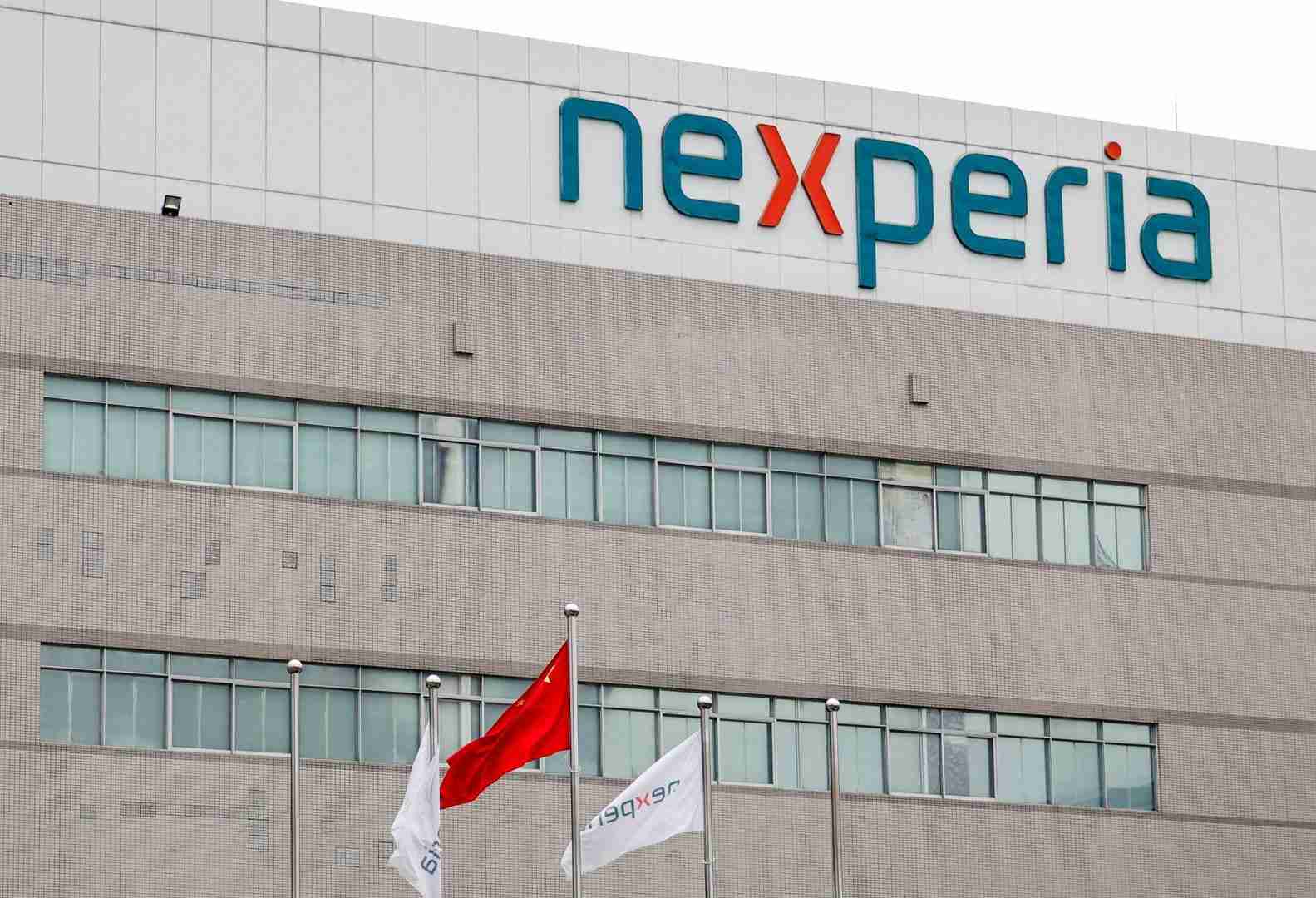
Chinese court freezes $300 million of Nexperia assets in Wingtech case

Wingtech was stripped of control of Nexperia last year by the Dutch authorities

International News via Reuters:

A Chinese court has frozen up to 2.14 billion yuan ($300 million) of assets held by Dutch chipmaker Nexperia and its equipment arm, in a case brought by the firm’s Chinese owner, electronics group Wingtech Technology.

Wingtech was stripped of control of Nexperia last year by the Dutch authorities. The dispute has strained relations between China and the Netherlands and threatened global supplies of chips used in cars and consumer electronics. 

The Chinese court action gives Wingtech fresh leverage in its effort to regain control of Nexperia, though it does not change the company’s management or resolve the broader ownership fight.

Measures imposed by the court “do not affect the day-to-day operations, management, or business continuity of Nexperia,” Nexperia said in a reaction, noting that the case has not yet been heard on its merits.

The dispute began a year ago when the Dutch government intervened at Netherlands-headquartered Nexperia, citing concerns that technology, funds and production assets could be transferred abroad. A Dutch business court later suspended Nexperia’s chief executive and put voting rights tied to Wingtech’s shareholding under independent management.

China responded with export controls on Nexperia’s China operations, disrupting shipments. After talks between Beijing and The Hague, China agreed to allow supplies to resume and the Netherlands suspended its order.

But Wingtech has not recovered the voting control it lost, leaving the underlying corporate dispute unresolved. 

Wingtech sued Nexperia and three executives in May. It alleged the defendants carried out what Wingtech called discriminatory Dutch restrictions, and sought 8 billion yuan in damages.

The Dongguan Intermediate People’s Court ordered the freeze, Wingtech said in a filing. The case has not yet gone to trial.

The order covers Nexperia’s stakes in four China-based businesses, including its semiconductor operations in the Chinese cities of Wuxi and Shanghai as well as its equipment arm’s wholly owned Wuxi unit. The measures took effect between August 20 and August 25, and they run until August 2029.

Reporting by Eduardo Baptista; Additional reporting by Toby Sterling; Editing by Peter Graff and Cynthia Osterman