Bermuda’s National Men’s Football team is set for a challenging, yet historic, journey to the 2026 FIFA World Cup. CONCACAF has officially announced the match schedule for the final round of qualifiers, placing Bermuda in a tough Group B alongside regional heavyweights Jamaica, Curacao, and Trinidad & Tobago.
This final stage features 12 national teams across three groups of four. Each side will play a rigorous home-and-away round-robin, totaling six matches – three at home and three away – during the FIFA windows of September, October, and November 2025.
The stakes are high: group winners earn direct World Cup berths, joining co-hosts Canada, Mexico, and the United States. The two best second-place finishers will advance to a FIFA Intercontinental Playoff in March 2026 for additional spots. This format could see up to eight CONCACAF teams at the World Cup for the first time ever.
Bermuda’s campaign kicks off with a highly anticipated home clash against Jamaica at the National Sports Center on Friday, September 5th, 2025. They then travel to Curacao on September 9th. October sees them host Trinidad and Tobago before an away match against Jamaica. Their final two fixtures in November are at home to Curacao and away to Trinidad and Tobago.
The “Gombey Warriors” will need to leverage their home advantage in these crucial fixtures as the road to 2026 intensifies.
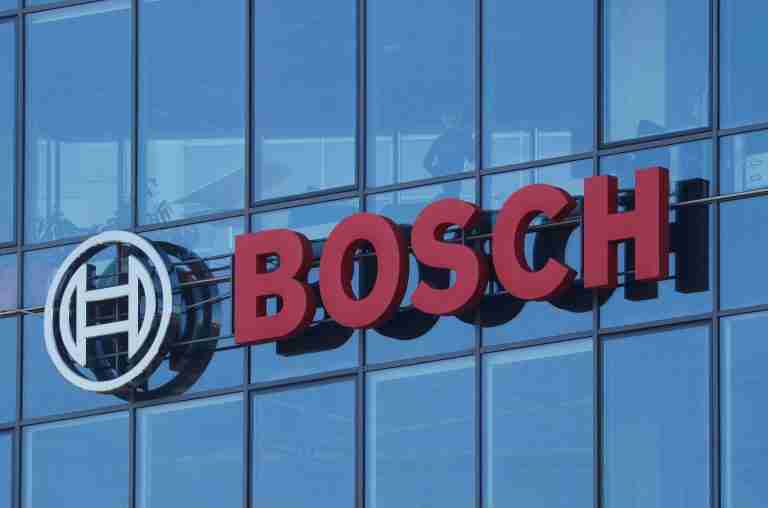
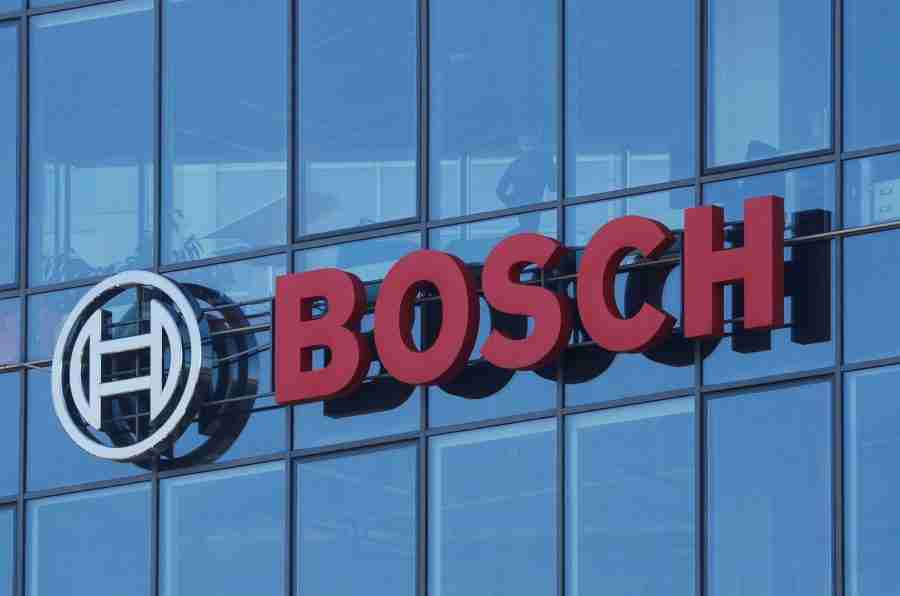
German car parts maker Bosch will cut up to 1,100 jobs by 2029 and restructure its Reutlingen plant as a rapidly worsening auto market drives down sales, a senior company official said on Tuesday.
Bosch will focus the plant mainly on manufacturing semiconductors, as making electronic control units is no longer competitive, a statement said.
“The European market for control units is highly price-driven and fiercely contested by new entrants,” said Bosch’s executive vice president of semiconductor operations, Dirk Kress.
“The necessary job cuts are not easy for us, but they are urgently needed to secure the future of the site.”
Bosch employs around 10,000 people in Reutlingen.
German and European auto makers have come under pressure from high costs and ferocious foreign competition, as well as a tariff war between the United States and its global trading partners.
Reporting by Ilona Wissenbach, writing by Matthias Williams, editing by Rachel More and Thomas Seythal
Coca-Cola is looking to use “the whole toolkit available of sweetening options”
International News via Reuters:
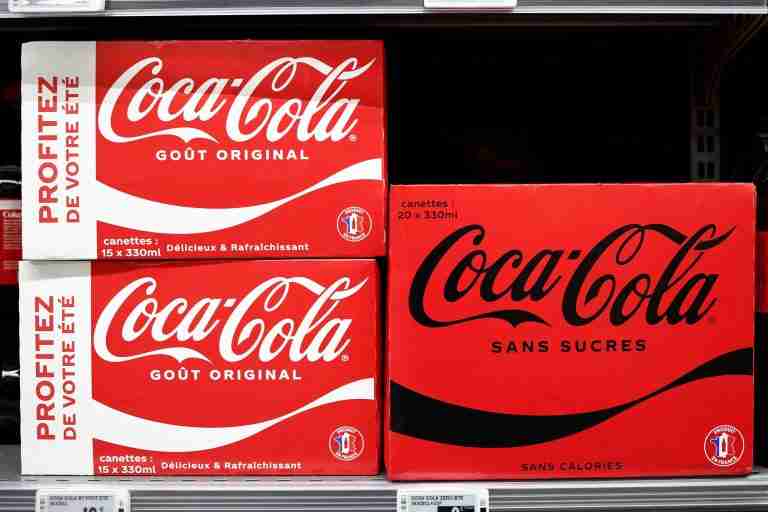
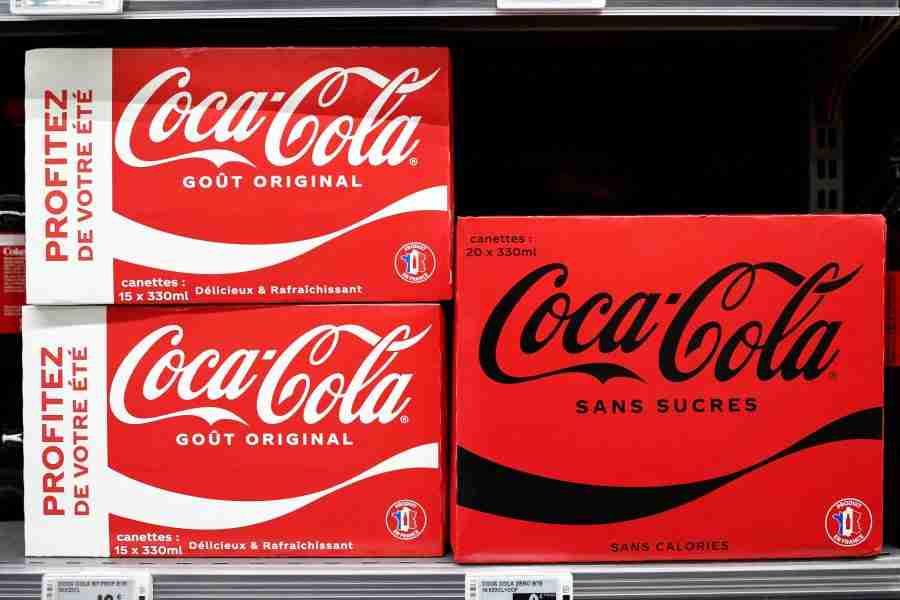
Coca-Cola on Tuesday laid out plans to launch a new product made with cane sugar in the U.S. this year and beat estimates for quarterly results on resilient demand for zero-calorie drinks as well as higher prices.
Food companies are seeking healthier substitutes as they respond to Health Secretary Robert F. Kennedy Jr.’s Make America Healthy Again campaign. Last week, President Donald Trump said Coca-Cola had agreed to use real cane sugar in the U.S.
Coca-Cola is looking to use “the whole toolkit available of sweetening options” where there is consumer demand, CEO James Quincey said on a post-earnings call.
Rival PepsiCo, which topped quarterly earnings estimates last week, also said it would use natural ingredients if consumers wanted them.
Coca-Cola already sells Coke made from cane sugar in other markets, including Mexico, and some U.S. grocery stores carry glass bottles with cane sugar labeled “Mexican” Coke.
While there are some slight differences between cane sugar and corn syrup as sweeteners, experts have said too much of either is not good for consumers.
The switch to cane sugar will also drive up costs, including significant adjustments to supply chains, industry analysts have said.
Coca-Cola reiterated that the hit to costs due to “global trade dynamics” remained manageable. About 61% of its revenue comes from overseas markets.
The company has said it would look at affordable packaging options such as plastic bottles when Trump imposed a 25% duty on aluminum imports. As of June, tariffs on aluminum imports have hit 50%.
HIGHER PRICING OFFSETS VOLUME HIT
The company’s comparable revenue rose 2.5% to $12.62 billion in the three months ended June 27, beating estimates of $12.54 billion, according to data compiled by LSEG.
Volumes slipped 1% after rising 2% each in the previous two quarters, largely due to declines in key markets such as Mexico and India, as well as in its Coca-Cola brand in the U.S.
North America volumes fell “due to the continued uncertainty and pressure on some socioeconomic segments of consumers,” Quincey said.
Demand for pricey sodas has remained choppy in recent quarters, especially in developed countries, with lower-income consumers turning more price-conscious.
Quincey said a boycott-related hit to demand in the U.S. and Mexico was now largely resolved.
North America volumes fell in the first half of the year, mostly due to Hispanic consumers in the U.S. and Mexico boycotting Coca-Cola’s legacy brands after a viral video of the company laying off Latino staff and reporting them to Immigration and Customs Enforcement (ICE).
Reuters in February found no public evidence that the company had reported its migrant employees to ICE.
Prices rose 6% overall in the second quarter, led by increases in some inflationary markets.
“While (the U.S. cane sugar product launch) made headlines, the real story is that growth was due more to increased price changes and not volumes sold,” said Jay Woods, chief global strategist at investment banking firm Freedom Capital Markets.
Annual comparable earnings per share is expected to be near the top end of its target of a 2% to 3% rise, helped by a weaker dollar.
Coca-Cola Zero Sugar was a bright spot, with volumes jumping 14% on growth across all geographies.
Excluding items, the company earned 87 cents per share, beating estimates of 83 cents.
Coca-Cola’s shares were down 1% at $69.42 in early trading.
Reporting by Juveria Tabassum and Aishwarya Venugopal in Bengaluru; additional reporting by Jessica DiNapoli in New York; Editing by Sriraj Kalluvila
The EU appealed the case at the Multi-Party Appeal Arbitration Arrangement
International News via Reuters:
World Trade Organization arbitrators on Monday reversed part of a previous panel decision that had rejected the European Union’s claims that China had violated the global watchdog’s rules on intellectual property.
In April, a WTO panel rejected the EU’s complaint, lodged in 2022, that China had violated the global watchdog’s IP rules over patents for 3G, 4G and 5G mobile technology. However, it said that China had failed to comply with all WTO transparency obligations.
The EU appealed the case at the Multi-Party Appeal Arbitration Arrangement – a surrogate for the WTO’s Appellate Body which was shuttered in 2019 after the United States repeatedly blocked judge appointments.
On Monday, the arbitrators reversed part of the previous panel decision and found that the Chinese courts’ prohibition of patent holders to enforce their patent rights in countries outside of China, through the use of anti-suit injunctions, was not consistent with Trade-Related Aspects of Intellectual Property Rights rules concerning patent rights.
The arbitrators upheld the previous findings on four issues but reversed the panel’s findings on three issues. It has given China 90 days to remedy its measures to comply with WTO rules.
China’s Ministry of Commerce said on Tuesday it had taken note of the situation.
While welcoming some of the conclusions, it said the arbitration tribunal had erroneously concluded that WTO members should avoid affecting a patent holder’s ability to enforce their rights in other members’ jurisdictions.
“China expresses dissatisfaction with this aspect of the ruling,” it said, adding it would carefully assess the decision and handle the matter appropriately in accordance with WTO rules.
Additional reporting by Yukun Zhang Reporting by Kanjyik Ghosh in Bengaluru and Olivia Le Poidevin in Geneva; Writing by Friederike Heine;Editing by Tomasz Janowski and Bernadette Baum
Four visitors arrested along with deadly carfentanyl
The Bermuda Police Service issued the following media release.
Four U.S. cruise visitors have been arrested after they were detained by the security staff of Carnival Cruise-lines in waters just off the coast of Bermuda, after they were found in possession of a significant amount of illegal drugs and drug paraphernalia, believed destined for Bermuda.
These included:
* Several compressed packages containing cannabis * One package containing fentanyl * Vape pens * A quantity of suspected THC gummies.
Upon landing in Bermuda, all four suspects were arrested and detained at Hamilton Police Station. A court file is being prepared, and charges are anticipated.
Acting Detective Superintendent Derricka Burns expressed grave concern about the quantity and type of fentanyl recovered, “Fentanyl, even in extremely small amounts poses a threat to someone’s life. What was seized in this case is a very dangerous drug known as “Carfentanyl”.
Ms. Burns warned, “Carfentanyl is extremely potent, in fact it is about 100 times more potent than regular fentanyl, and was originally developed for veterinary use, more specifically to tranquilize large animals such as elephants. This seizure has potentially prevented tragedy from occurring.”
“The Bermuda Police Service continues to work with partner agencies, both local and international to prevent the flow of these dangerous substances into the island. The interdiction of these drugs is evidence of the success of these partnerships.”
We urge anyone with information on illegal drug or any other criminal activity to get in contact with us by calling the main police number, 295-0011, or 211. You may also share the information with a police officer you’re familiar with or by using the community reporting portal at https://portal.police.bm. If you’d prefer, please call the independent and confidential Crime Stoppers number, 800-8477
An investigation into this matter is being conducted by officers from the Narcotics Unit.
No further information will be provided at this time.
In recent years climate change has led to longer and more severe heatwaves, as well as destructive floods and wildfires
International News via Reuters:
Labourers were pausing outdoor work and tourists seeking out shade on Tuesday as Greece sweltered under its third heatwave of the summer and soaring temperatures gripped the wider Balkan region, fuelling wildfires in Albania.
Situated at Europe’s southernmost tip, Greece, which attracts dozens of millions of tourists every year, has always had hot and dry summers. But in recent years climate change has led to longer and more severe heatwaves, as well as destructive floods and wildfires.
Couriers, food delivery riders and builders in the wider area of the Greek capital Athens and other regions were among those ordered to pause work from midday until 5 p.m., as the mercury was expected to climb as high as 43 degrees Celsius, the labour ministry said.
Workers with underlying health issues were advised to work remotely to avoid heat stress. Outside the parliament building in central Athens, a soldier used a towel to wipe the sweat from the face of a presidential guard.
Tourists in Athens, one of the most densely populated capitals in Europe sitting on a plain flanked by mountains, sought out air-conditioned restaurants and stores, and some said they were staying inside in the middle of the day.
ACROPOLIS SHUT
Authorities announced that the Acropolis, which sits on a rocky hill offering barely any shade and is Greece’s most visited ancient site, would be closed for five hours from midday on Tuesday and Wednesday, a common step when temperatures soar.
The heatwave will continue until Sunday, the Greek meteorological service said.
Scorching heat also gripped neighboring Bulgaria on Tuesday, with authorities urging businesses to give away water and cut physical labour during high-risk hours.
In Montenegro, major roads were congested as many rushed to the beaches to find relief from the heat. In Albania, firefighters assisted by four aircraft from Italy and Greece battled two wildfires at a national park in the north and near the southwestern village of Dukat.
Last month, large parts of Western Europe sweltered in another severe heatwave that left many dead and triggered forest fires and health alerts across the region.
Across the globe, 2024 was the warmest year on record, with temperatures exceeding 1.5 Celsius above the pre-industrial era for the first time.
Research published last week showed that the soil surface temperature around Athens rose in some places by as much as 10 degrees Celsius since July 2024 after fires destroyed vegetation.
Reporting by Stamos Prousalis, Angeliki Koutantou and Fatos Bytyci; Writing by Angeliki Koutantou; Editing by Aidan Lewis
Jarion Richardson will step down as leader from September 6th but says he will continue to serve his constituents in Paget West
In major political news, Jarion Richardson always knew it wasn’t going to be forever … and now is the right time to step away.
Mr Richardson sat down with us on Monday after his announcement that he is stepping down as leader of the OBA, effective September 6th.
He will continue serving as MP for Paget West and tells us, he looks forward to spending more time with family, and re-focusing on his career in compliance.
Mr. Richardson, who became leader in August 2023, says it’s a good time to book end his tenure as head of the “super minority” opposition party.
Jasmine Patterson interviewed Mr. Richardson in studio.
Joe Biden reversed those decisions after taking office in 2021, returning the U.S. to UNESCO, the WHO and the climate agreement
International News via Reuters:
The United States will leave the United Nations’ culture and education agency UNESCO as President Donald Trump continues to pull his country out of international institutions he has long criticized, the New York Post reported on Tuesday, citing a White House official.
The White House did not immediately respond to a request for comment outside regular business hours.
The move is a blow to the Paris-based agency, founded after World War Two to promote peace through international cooperation in education, science, and culture.
Trump took similar steps during his first term, quitting the World Health Organization, the U.N. Human Rights Council, a global climate change accord and the Iran nuclear deal.
Joe Biden reversed those decisions after taking office in 2021, returning the U.S. to UNESCO, the WHO and the climate agreement.
With Trump now back in the White House, the U.S. is once again pulling out of these global bodies. The administration has also ordered a 90-day pause on all U.S. foreign assistance to assess alignment with Trump’s foreign policy priorities.
UNESCO is best known for designating World Heritage Sites, including the Grand Canyon in the United States and the ancient city of Palmyra in Syria.
The United States initially joined UNESCO at its founding in 1945 but withdrew for the first time in 1984 in protest against alleged financial mismanagement and perceived anti-U.S. bias, returning almost 20 years later in 2003 under President George W. Bush, who then said the agency had undertaken needed reforms.
UNESCO’s full name is the United Nations Educational, Scientific and Cultural Organization.
UNESCO officials said the agency was already a lot less dependent on the United States than in the past, but the move would nonetheless impact the agency, with some limited impact on programmes the United States was financing.
The United States provides about 8% of UNESCO’s total budget, down from about 20% at the time Trump first pulled the United States out of the agency.
Reporting by Shubham Kalia in Bengaluru, John Irish in Paris; writing by Ingrid Melander; Editing by Hugh Lawson
The benchmark FTSE 100 was flat by 0944 GMT, after registering a record closing high on Monday
FILE PHOTO: Branding is seen inside the LSEG (London Stock Exchange Group) headquarters in Paternoster Square, London, Britain, April 25, 2025. REUTERS/Toby Melville/File Photo
International News via Reuters:
London’s main stock indexes were mixed on Tuesday as investors parsed a spate of corporate earnings, and awaited the release of key economic data this week.
The benchmark FTSE 100 was flat by 0944 GMT, after registering a record closing high on Monday. The domestically oriented midcap FTSE 250 lost 0.4%.
Industrial miners rose 1.1%, tracking a rise in copper prices, buoyed by hopes for firmer Chinese demand. Glencore gained 2.2%, while Rio Tinto rose 1.1%. [MET/L]
Homebuilders and household goods stocks led sectoral losses, falling 1.6%. Vistry down 2.7%.
Data showed Britain borrowed more than expected in June as a jump in inflation pushed up the government’s debt costs.
In company news, British food catering firm Compass Group rose 6.1% to the top of the blue-chip index, after it agreed to buy European premium food services business Vermaat Groep for about 1.5 billion euros ($1.75 billion), including debt and also raised its annual profit forecast.
Energy firm Centrica surged 3.9% after Britain approved the 38 billion pound ($51 billion) Sizewell C nuclear plant in eastern England. The company holds a 15% stake in the project.
Greencore jumped 10.5%, to top the FTSE mid-cap index, after the convenience food manufacturer raised its annual profit expectations.
Kier Group fell 5.1%, to the bottom of the mid-cap index, after the British infrastructure and construction group said that its CEO Andrew Davies would be stepping down, and named insider Stuart Togwell as his successor, effective November 1, 2025.
Meanwhile, AstraZeneca on Monday said it plans to invest $50 billion in the U.S. to expand manufacturing and research capabilities as it reacts to White House trade policy.
On the radar this week are UK flash Purchasing Managers’ Index for July and June retail sales data.
Reporting by Sukriti Gupta; Editing by Shinjini Ganguli
The funding is expected to unlock an additional 826 million euros ($966 million) in private investments to the companies
International News via Reuters:
The European Commission approved on Tuesday up to 403 million euros ($471 million) in public funding for 10 mostly small and medium-sized companies in a bid to support innovation in medical devices.
The funding is expected to unlock an additional 826 million euros ($966 million) in private investments to the companies, the commission said in a statement.
The commission said the projects are expected to create around 800 jobs and will include the introduction of new digital and artificial intelligence features in medical devices.
($1 = 0.8548 euros)
Reporting by Makini Brice; Editing by Benoit Van Overstraeten
Bailey was speaking to the Treasury Committee alongside other members of the BoE’s Financial Policy Committee
International News via Reuters:
Bank of England Governor Andrew Bailey said on Tuesday that a rise in British government borrowing costs was not out of line with increases in other countries.
“We have seen steepening of yield curves going on now,” Bailey told lawmakers on parliament’s Treasury Committee.
“I think the important thing to say is that is a global phenomenon. It’s not in any sense unique to this country. In fact, the pattern in this country is not in any sense out of line with what we’ve seen in other markets, and we’ve seen steeper increases in some other markets.”
Rising borrowing costs were being driven by concerns about the impact on global trade from trade policy decisions and uncertainty about fiscal policy, he said.
U.S. President Donald Trump has imposed tariffs on imports of many goods and has also won approval in Congress for tax cuts that are forecast to push up U.S. public debt.
Bailey was speaking to the Treasury Committee alongside other members of the BoE’s Financial Policy Committee.
Randall Kroszner, a former U.S. Federal Reserve official who is a member of the FPC, said he saw no clash between financial stability and a relaxation of regulations announced by finance minister Rachel Reeves.
“But always the devil is in the detail,” Kroszner said.
Reporting by David Milliken and Suban AbdullaWriting by William Schomberg
The firm is among the staunchest supporters of the green hydrogen industry, which uses renewable energy for its production
International News via Reuters:
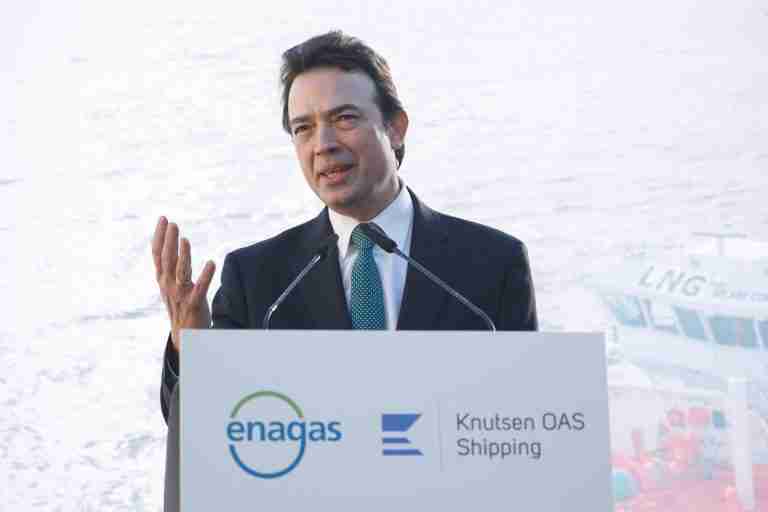
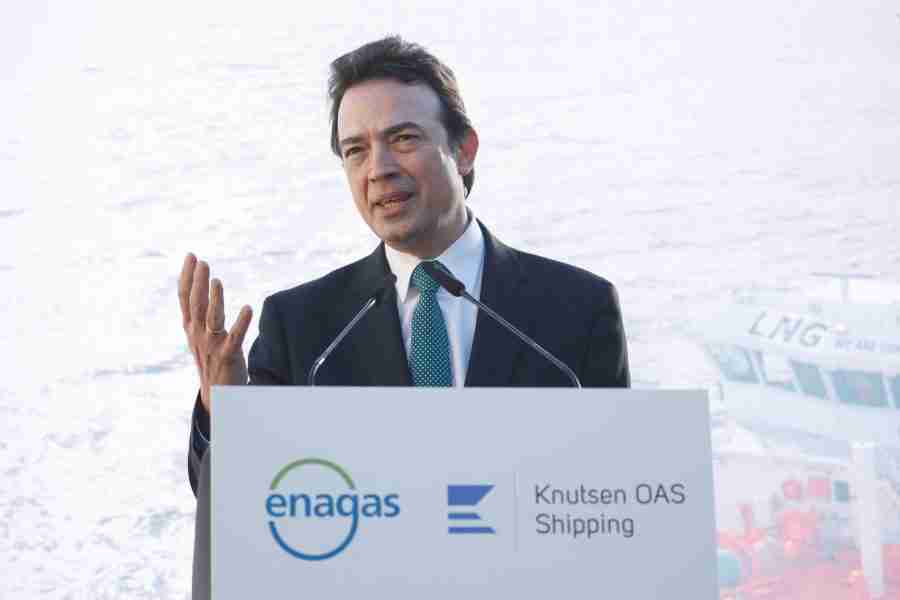
The deployment of pipes and other infrastructure to ship hydrogen across Europe faces delays of two or three years, the head of Spanish gas grid operator Enagas said on Tuesday.
The firm is among the staunchest supporters of the green hydrogen industry, which uses renewable energy for its production.
Earlier this year, Enagas pledged to invest more than 4 billion euros by the end of the decade, mostly to diversify into managing a network of hydrogen infrastructure.
It plans to build a 2,600 km (1,615 mile) hydrogen network in Spain to be connected to the planned trans-European H2Med corridor aimed at connecting the Iberian region with northwest Europe.
Enagas still expects the Spanish network to be ready by 2030. However, at the European level delays of two or three years are likely, Chief Executive Arturo Gonzalo said.
“Are there delays in Europe? I would say delays of a very limited scope…Different member states are setting the launch date for their hydrogen infrastructures between 2030 and 2032,” he said.
That’s beyond the 2030 target for H2Med to be operational.
Reporting by Pietro Lombardi; Editing by Kirsten Donovan
To provide the best experiences, we use technologies like cookies to store and/or access device information. Consenting to these technologies will allow us to process data such as browsing behavior or unique IDs on this site. Not consenting or withdrawing consent, may adversely affect certain features and functions.
Functional
Always active
The technical storage or access is strictly necessary for the legitimate purpose of enabling the use of a specific service explicitly requested by the subscriber or user, or for the sole purpose of carrying out the transmission of a communication over an electronic communications network.
Preferences
The technical storage or access is necessary for the legitimate purpose of storing preferences that are not requested by the subscriber or user.
Statistics
The technical storage or access that is used exclusively for statistical purposes.The technical storage or access that is used exclusively for anonymous statistical purposes. Without a subpoena, voluntary compliance on the part of your Internet Service Provider, or additional records from a third party, information stored or retrieved for this purpose alone cannot usually be used to identify you.
Marketing
The technical storage or access is required to create user profiles to send advertising, or to track the user on a website or across several websites for similar marketing purposes.