Government seeks feedback on imports, housing, utilities and food following stakeholder Summit
The Government of Bermuda issued the following media release.
As the Ministry of Home Affairs continues to advance the Government’s Cost of Living agenda, residents are encouraged to weigh in on recommendations derived from research and industry feedback by participating in four key surveys that launched during the Cost of Living Summit.
Last week’s Summit, which is available for rewatch on Government’s YouTube channel at www.youtube.com/user/citvbermuda, received an extraordinary wave of positive feedback from the public and business community alike.
The event marked a pivotal moment in Bermuda’s national conversation about affordability.
The public can still be a part of the conversation by completing the surveys which can be found at www.costofliving.gov.bm/surveys.
The surveys will remain open until July 8, 2025. In response to the Summit’s call to action, the surveys invite the community’s perspectives on the most critical aspects of daily life:
Imports
Housing
Utilities
Food
Today the Minister of Home Affairs, the Hon. Alexa Lightbourne JP, MP, said, “Each survey seeks key insights from residents, consumers, businesses and general members of the public on how costs in these sectors are affecting them. Feedback from these surveys will directly help to inform the final report on Bermuda’s cost of living strategy.”
Residents can complete all four surveys in under five minutes. By visiting the Cost of Living Summit website, users can scan the QR codes for quick access to the surveys, making it easier than ever to contribute to the community dialogue.
Appointments for July and August are fully booked, clients may be placed on a waiting list
The Government of Bermuda issued the following media release.
The Department of Health is advising the public that the Travel Health Clinic continues to experience exceptionally high demand for consultations and travel-related vaccinations. Due to the nature of many vaccines, which require multiple doses and time to become fully effective, travelers are strongly encouraged to book appointments at least 2 to 3 months prior to departure.
As international travel increases, advance preparation is more important than ever. Appointments for July and August are now fully booked, and while every effort will be made to accommodate additional requests, clients may be placed on a waiting list.
To schedule an appointment or inquire about availability, please contact the Travel Health Clinic at (441) 444-0720.
The Department of Health thanks the public for their understanding and cooperation and reminds all travelers: early planning is key to a healthy and safe journey.
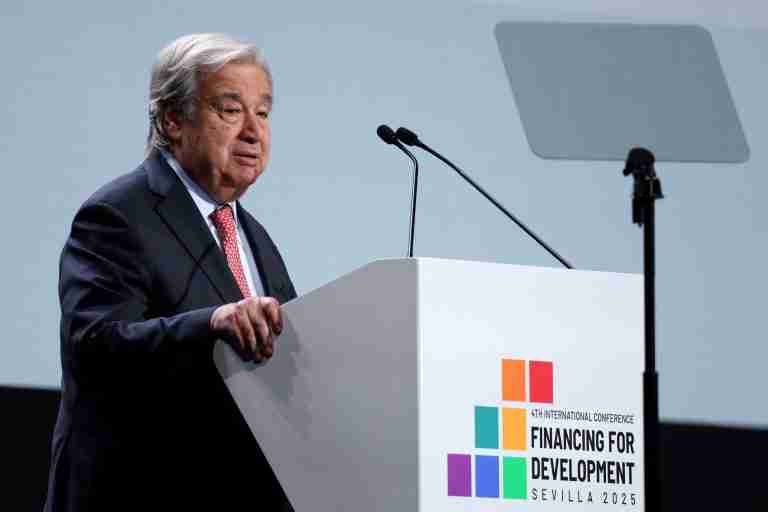
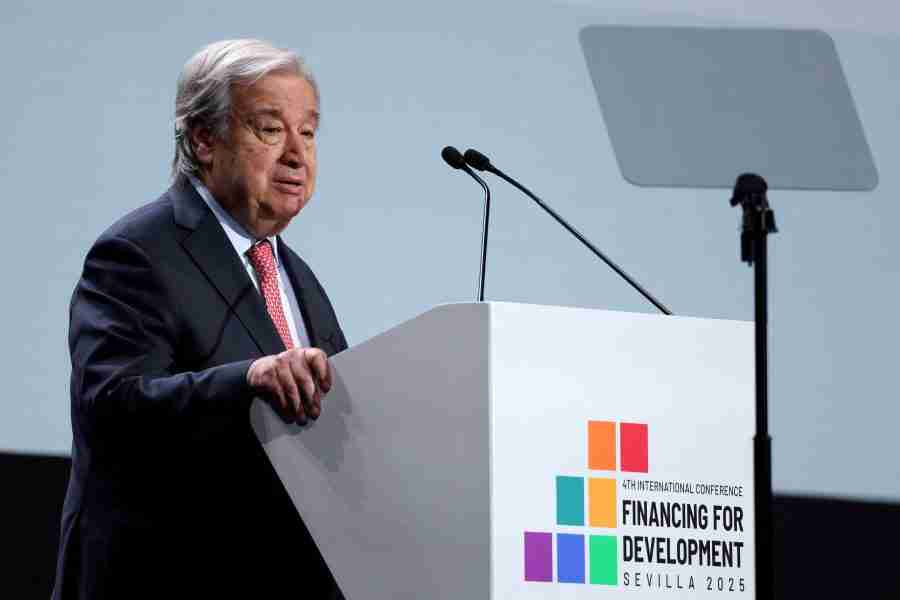
Event leaders were relieved to produce an outcome document
International News via Reuters:
Brutal heat scorched Spain this week, a blistering reminder of the climate change that is battering the world’s poorest countries – stretching their finances even as government debt climbs to new heights.
But at a once-a-decade UN development finance conference in Seville, two key ingredients were in less abundance: money and power.
Just one G7 leader – France’s Emmanuel Macron – attended the event, where he and Spanish Prime Minister Pedro Sanchez addressed rooms with dozens of empty chairs. Organisers initially said they expected 70 heads of state; that was whittled to 50 as the conference got under way.
Back in Washington, Paris, London and Berlin, rich-country leaders are slashing aid and cutting bilateral lending in a pivot to defence spending and rising debt at home.
“The mood is … I would say realistic, but also a sense of unity and of pragmatism,” said Alvaro Lario, president of the International Fund of Agricultural Development, adding the question on everyone’s mind this week was how to do more with less.
“How can we come together, or think out of the box, or create new types of ways of really stretching it more?”
The Financing For Development meeting is a flagship UN conference, charting the trajectory to help tackle changes the world must make to tax policies, aid spending or key areas such as debt, health and education. Its outcomes guide global aid funding and UN policies for the decade to come.
EMPTY CHAIRS, MISSING LEADERS
Few disagree over the need for action. Hundred-year floods and storms are happening with alarming regularity, and rising debt-servicing costs are siphoning money away from health, education and infrastructure spending in the developing world.
But even top developing-world leaders Mia Mottley, the Barbados prime minister and prominent global climate champion, and South African President Cyril Ramaphosa, currently chairing the Group of 20 major economies, backed out of the event at the last minute.
The media room was stacked with Spanish press gossiping about a domestic political scandal while disillusioned civil-society leaders stalked the halls, upset with the watered-down agenda and the lack of fiscal or political firepower.
“We are facing a backsliding of many agendas that we had advanced a few years ago,” said Henrique Frota, director of ABONG, a Brazilian association of NGOs.
“Developed countries are reducing their investment in (official development assistance) and European countries are not fulfilling their commitment … they are giving less and less money right now for every kind of agenda.”
Event leaders were relieved to produce an outcome document – despite gnawing fears in the past months that Washington would torpedo any deal.
In the end, U.S. officials backed out altogether.
“The entire community was very afraid of coming here because one country wasn’t attending,” said UN Assistant Secretary General Marcos Neto. “But the document ended up working out … I’m leaving happy, with more optimism than I thought I would leave with.”
Neto highlighted significant steps toward implementing climate and development goals, including the Seville Platform and multiple agreements from public and private sectors to leverage funds for the biggest possible impact.
The Seville Commitment included tripling multilateral lending capacity, debt relief, a push to boost tax-to-GDP ratios to at least 15%, and get more rich countries to let the IMF use “special drawing rights” money for countries that need it most.
But in Seville, only host nation Spain signed on to commit 50% of its “Special Drawing Rights” for the purpose.
Civil society organisations were critical of the measures outlined in the document, saying it was watered down by wealthier nations unwilling to walk the talk.
FUNDING UNDER PRESSURE
UN Deputy Secretary-General Amina J. Mohammed acknowledged that the attendance was not as star-studded as hoped, and that public funds were under pressure.
“But there’s innovative financing, there’s the private sector, there’s the triple lending of MDBs … so the resources are there,” she said.
“We just have to have the political will to leverage through these mechanisms that have come out of the platform of action and continue moving with them.”
U.S. President Donald Trump, despite his country’s absence, loomed large over the event; his climate change scepticism, hostility toward diversity initiatives and pledge to review U.S. participation in multilateral organisations made some keen to strip out references to climate change and rebrand initiatives as focused on resilience, education or health.
Still, some said the gloomy backdrop should not deter leaders focused on progress.
“Ultimately the important thing is doing it,” said Jose Vinals, former group chairman of Standard Chartered and co-chair of both the FFD4 Business Steering Committee and the Global Investors for Sustainable Development Alliance.
“The private sector is, for the most part, still willing to walk the talk.”
Reporting by David Latona in Seville; Additional reporting by Karin Strohecker, Simon Jessop and Marc Jones in London; Writing by Libby George; Editing by Daniel Wallis, Edmund Klamann and Kate Mayberry
China spared major cognac producers LVMH, Pernod Ricard and Remy Cointreau
International News via Reuters:
EU spirits association spiritsEUROPE on Friday welcomed China’s decision to exempt major cognac producers from dumping duties on imports into the country, but called on the government to drop all punitive measures.
China spared major cognac producers LVMH, Pernod Ricard and Remy Cointreau from new duties of up to 35% on EU brandy announced on Friday, provided they sell at a minimum price.
But duties of up to 34.9% for a period of five years starting from Saturday would be levied on producers without minimum price commitments or those that breached promised minimums, the government said in a statement.
spiritsEUROPE Director General Hervé Dumesny said this decision “risks fuelling trade tensions at a time when mutual cooperation is more important than ever”.
“We (…) welcome the conclusion of price undertakings with certain companies, as they offer partial relief, and we urge that this option be extended to all companies that have signed up.”
Reporting by Elisa Anzolin in Milan. Writing by Josephine Mason in London. Editing by Mark Potter
The U.S. imposed fresh sanctions targeting Iran’s oil trade on Thursday
International News via Reuters:
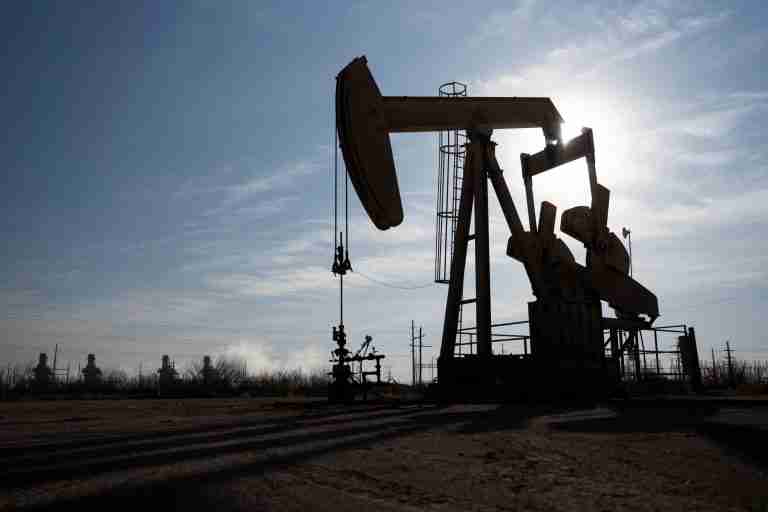
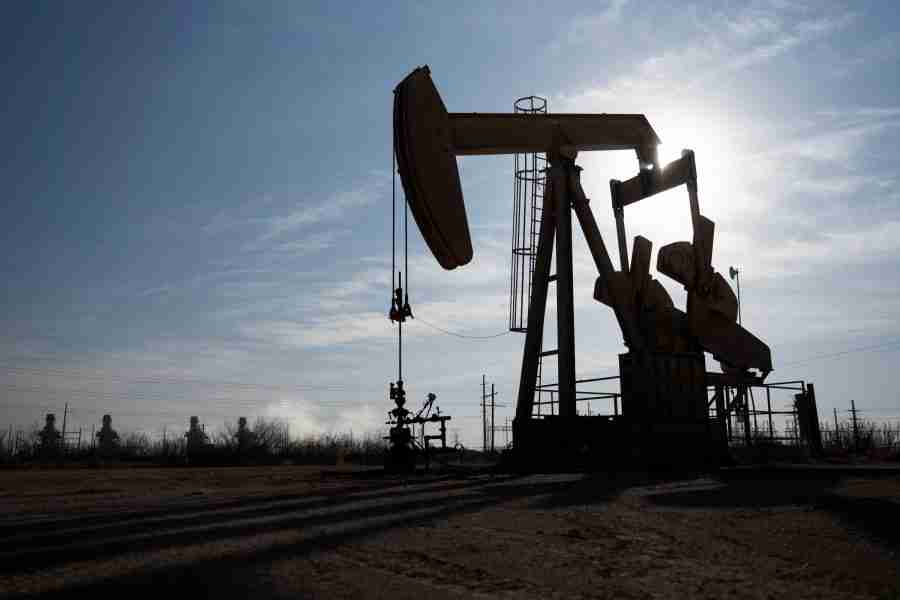
Oil futures fell slightly on Friday after Iran reaffirmed its commitment to nuclear non-proliferation, while major producers from the OPEC+ group are set to agree to raise their output this weekend.
Brent crude futures were down 49 cents, or 0.71%, to $68.31 a barrel by 0831 GMT, while U.S. West Texas Intermediate crude fell 41 cents, or 0.61%, to $66.59.
Trade was thinned by the U.S. Independence Day holiday.
U.S. news website Axios reported on Thursday that the United States was planning to meet with Iran next week to restart nuclear talks, while Iran Foreign Minister Abbas Araqchi said Tehran remained committed to the nuclear Non-Proliferation Treaty.
The U.S. imposed fresh sanctions targeting Iran’s oil trade on Thursday.
Saudi Arabian Defence Minister Prince Khalid bin Salman met with President Trump and other officials at the White House to discuss de-escalation efforts with Iran, media reports said.
Trump also said on Thursday that he would meet with representatives of Iran “if necessary”.
“Thursday’s news that the U.S. is preparing to resume nuclear talks with Iran, and Araqchi’s clarification that cooperation with the U.N. atomic agency has not been halted considerably eases the threat of a fresh outbreak of hostilities,” said Vandana Hari, founder of oil market analysis provider Vanda Insights.
Araqchi made the comments a day after Tehran enacted a law suspending cooperation with the U.N. nuclear watchdog, the International Atomic Energy Agency.
OPEC+, the world’s largest group of oil producers, is set to announce an increase of 411,000 bpd in production for August as it looks to regain market share, four delegates from the group told Reuters.
Meanwhile, uncertainty over U.S. tariff policies resurfaced as the end of a 90-day pause on higher levy rates approaches.
Washington will start sending letters to countries on Friday specifying what tariff rates they will face on goods sent to the United States, a clear shift from earlier pledges to strike scores of individual trade deals.
President Trump told reporters before departing for Iowa on Thursday that the letters would be sent to 10 countries at a time, laying out tariff rates of 20% to 30%.
Trump’s 90-day pause on higher U.S. tariffs ends on July 9, and several large trading partners have yet to clinch trade deals, including the European Union and Japan.
Separately, Barclays said it raised its Brent oil price forecast by $6 to $72 per barrel for 2025 and by $10 to $70 a barrel for 2026 on an improved outlook for demand.
Reporting by Robert Harvey in London, Mohi Narayan in New Delhi and Florence Tan in Singapore; Additional reporting by Arathy Somasekhar in Houston; Editing by Tom Hogue and Emelia Sithole-Matarise
Strong winds and faulty power lines have fuelled the flames, officials said
International News via Reuters:
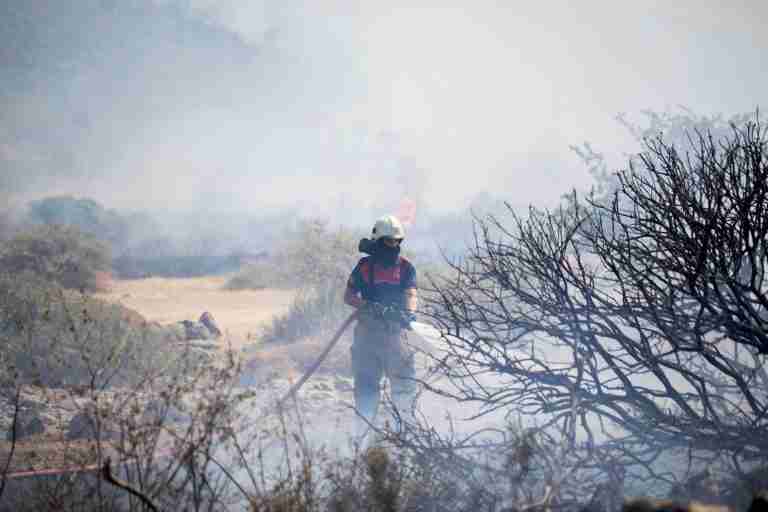
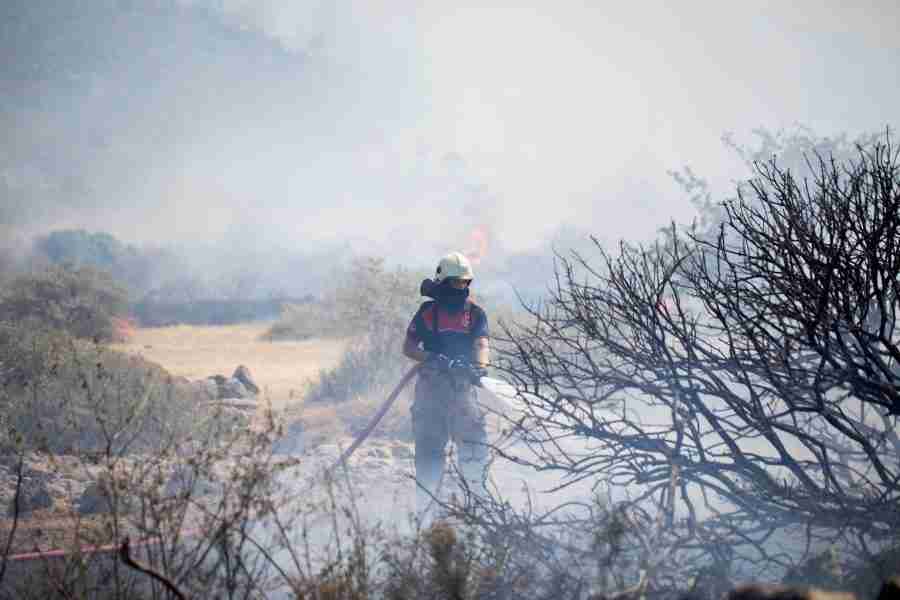
Firefighters in Turkey have contained six of nine wildfires tearing across western Izmir province, officials said on Friday, after the blazes killed two people and forced thousands to evacuate their homes earlier in the week.
Strong winds and faulty power lines have fuelled the flames, officials said.
“With the intense efforts of our forest heroes throughout the night and aerial intervention at first light, the fire in Cesme has been brought under control,” Forestry Minister Ibrahim Yumakli said on X on Friday.
“Our intense efforts by air and land continue to bring the fires in Odemis and Buca under control,” he added.
Greece and other Mediterranean countries are in an area dubbed “a wildfire hotspot” by scientists – with blazes common during hot and dry summers. These have become more destructive in recent years due to a fast-changing climate.
Izmir governor Suleyman Elban said the main challenge was strong and shifting winds. “It constantly changes direction,” he told reporters.
Elban said nine planes, 22 helicopters and 1,100 vehicles were battling the fires across the region.
Two people were killed on Thursday: an 81-year-old bedridden man, and a backhoe operator who died while helping firefighting efforts, state media reported.
Elban said preliminary findings indicated that recent fires in the province, including those brought under control earlier in the week, were caused by power cables.
Reporting by Ece Toksabay; Editing by Jonathan Spicer and Sharon Singleton
Global markets were subdued after Trump said Washington will start sending letters with tariff rates to countries
International News via Reuters:
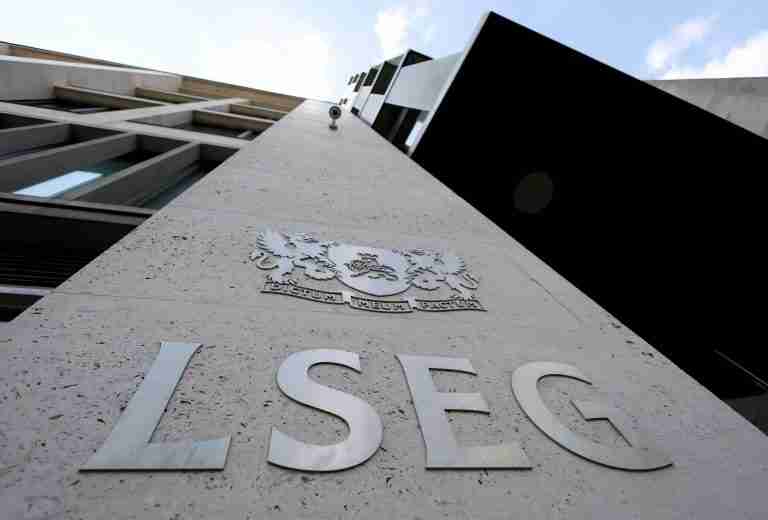
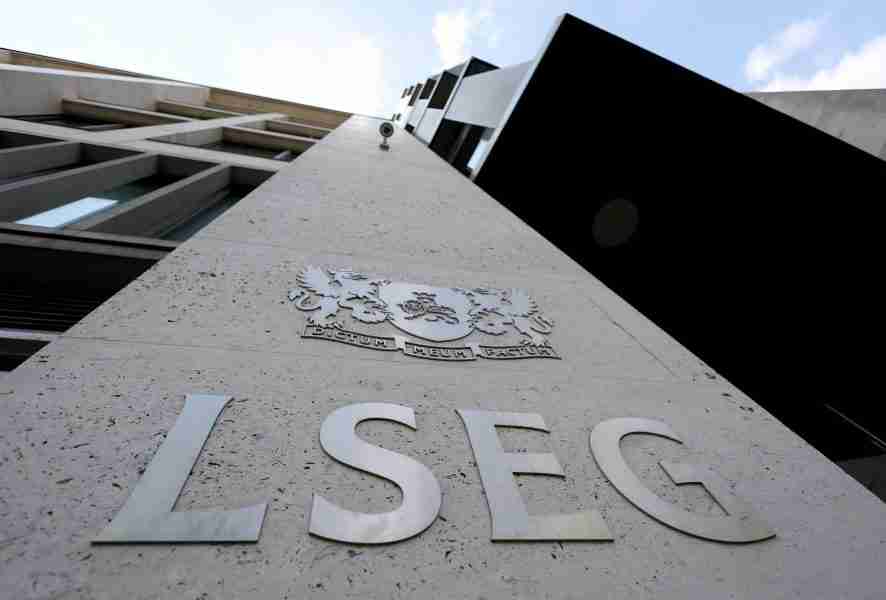
London’s main stock indexes fell on Friday, weighed down by domestic fiscal worries and weaker global sentiment ahead of a looming tariff deadline.
As of 0910 GMT, the benchmark FTSE 100 was down 0.3%, while the domestically-focussed FTSE 250 lost 0.7%. Both indexes are set to end the week lower.
The midcap index ended the second quarter on Monday by logging its largest quarterly gain in over four years, but has since come under pressure as U-turns on welfare reforms have blown a hole in Finance Minister Rachel Reeves’ budget plans.
The reform bill passed on Tuesday, but with limited cost-reduction measures from the initially expected 5 billion pounds ($6.83 billion) in savings, leading to concerns of raised taxes or spending cuts elsewhere.
S&P Global said the inability to make modest cuts to welfare spending showed the government’s “limited budgetary room for manoeuvre.”
Among sectors, homebuilder stocks led sectoral losses on Friday, dropping 2% after MJ Gleeson warned of profit being at the lower end of market expectations for fiscal 2026 due to subdued demand.
The group slumped 6.7% and was the top decliner on the smallcap index.
Larger peers Vistry, Persimmon and Taylor Wimpey fell 3.1%, 1.6% and 1.5%, respectively.
Industrial metal stocks fell, tracking lower metal prices. Anglo American, Antofagasta and Glencore slipped over 1% each. Atalya lost 3%.
On the economic data front, S&P’s UK construction PMI showed Britain’s construction industry downturn reduced in June with homebuilding growth, but commercial building tumbled due to economic worries.
Elsewhere, global markets were subdued after U.S. President Donald Trump said Washington will start sending letters with tariff rates to countries on Friday.
Britain remains one of the only countries to have cinched a deal with the U.S.
Among individual stocks, greeting card and gifting retailer Moonpig fell nearly 6% to the bottom of the midcap index after a rating downgrade by Deutsche Bank.
($1 = 0.7323 pounds)
Reporting by Twesha Dikshit; Editing by Sonia Cheema
Five people were hospitalised with minor burns and injuries from shattered glass
International News via Reuters:
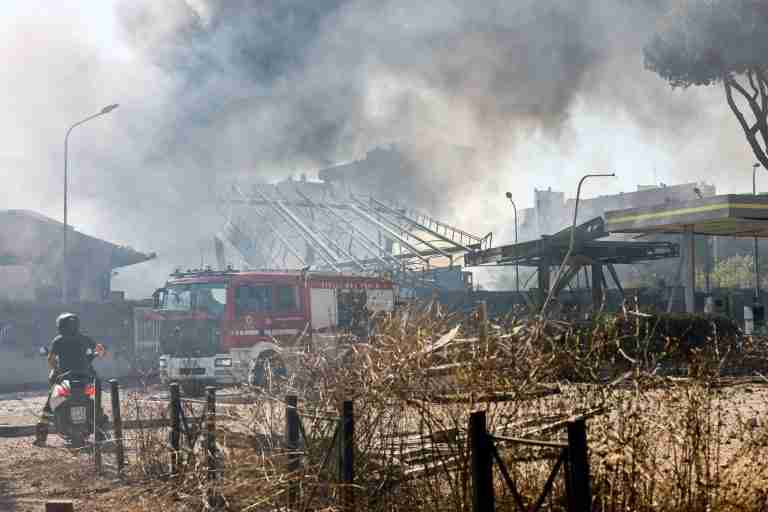
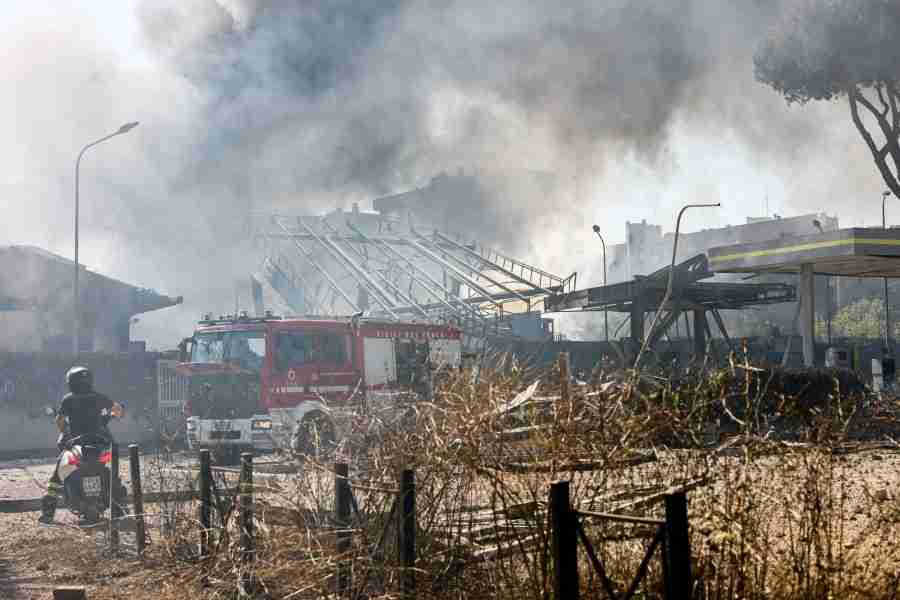
More than 20 people, including nine police officers and a firefighter, were injured on Friday in a huge explosion at a petrol station in an eastern district of Rome, Italian authorities said.
Website Roma Today published a photograph of a huge ball of flame and smoke rising high into the sky. Separate images released by the fire department showed the petrol station almost completely gutted.
Apart from the first responders, 16 civilians including the manager of the station were injured, the head of Rome’s police, Roberto Massucci, was quoted by Italian news agencies as saying. He added that no one was in a life-threatening condition.
Health authorities said five people were hospitalised with minor burns and injuries from shattered glass.
The large blast at the distributor of petrol, diesel and liquefied petroleum gas (LPG) in the Prenestino neighbourhood was heard across the Italian capital just after 8 am (0600 GMT).
“I pray for the people involved in the explosion of a gas station (…) in the heart of my Diocese. I continue to follow the developments of this tragic incident with concern,” Pope Leo XIV wrote on X.
Firefighters and ambulance workers were caught up in the blast as they had been called to the scene earlier, after a truck hit a pipeline at the fuel distributor, local reports said.
“We are working on a tank explosion … the fire is still ongoing,” the fire department said in a statement, adding that one of its officers had been hospitalised.
A sports centre, which hosts a youth summer camp and sits opposite the station, was evacuated before the blast, a representative of the centre said in a Facebook video.
The fire spread to a nearby depot, and the shockwave from the explosion damaged nearby buildings.
Prime Minister Giorgia Meloni was following the situation, her office said in a statement.
Additional reporting by Paolo Chiriatti in Rome; Editing by Giulia Segreti, Kate Mayberry anda Kim Coghill
Tesla sold 7,719 units in June, up 14% from a year earlier, according to the SMMT
International News via Reuters:
Tesla’s new car sales in Britain rose year-on-year in June amid a broader recovery in the electric-vehicle market, data showed on Friday, as the U.S. auto maker started deliveries of its updated Model Y last month.
Overall, Britain’s new car registrations grew 6.7% in June from a year earlier to 191,316 units, the Society of Motor Manufacturers and Traders (SMMT) said in a report, boosted by demand for battery electric vehicles.
Though sales remained below pre-COVID levels, it was the best June since 2019. Battery electric car demand rose 39% to 47,354 units, with every one in four buyers going electric, the SMMT said.
“That EV growth, however, is still being driven by substantial industry support with manufacturers using every channel and unsustainable discounting to drive activity, yet it remains below mandated levels,” SMMT Chief Executive Mike Hawes said in the report.
Tesla sold 7,719 units in June, up 14% from a year earlier, according to the SMMT. Data from research group New AutoMotive earlier in the day showed a 12% increase in June to 7,891 units.
The SMMT and New AutoMotive use different sources of data and methods of calculation, explaining the differences in the figures published.
Despite the growth in June, Tesla’s UK sales are still down nearly 2% so far this year, while those of Chinese rival BYD have increased nearly four-fold to 2,498 units, according to New AutoMotive.
US automaker Ford’s EV sales grew the fastest among its rivals in Britain in the first half of 2025, rising more than four-fold from a year earlier, New AutoMotive said.
“Further growth in sales, and the sector, will rely on increased and improved charging facilities to boost mainstream electric vehicle adoption,” Jamie Hamilton, automotive partner and head of electric vehicles at Deloitte, said.
The US-UK trade deal lowering some tariffs on imports from Britain, including for British car manufacturers that will now be able to export to the U.S. under a reduced 10% tariff quota from an earlier 27.5%, came into effect this week.
Reporting by Raechel Thankam Job and Yadarisa Shabong in Bengaluru; Editing by Leroy Leo and Subhranshu Sahu
Air India Express is a subsidiary of Air India, which is owned by the Tata Group
International News via Reuters:
India’s aviation watchdog reprimanded Air India’s budget carrier in March for not timely changing engine parts of an Airbus A320 as directed by European Union’s aviation safety agency, and falsifying records to show compliance, a government memo showed.
In a statement, Air India Express told Reuters it acknowledged the error to the Indian watchdog and undertook “remedial action and preventive measures”.
Air India has been under intense scrutiny since the June Boeing Dreamliner crash in Ahmedabad which killed all but one of the 242 people onboard. The world’s worst aviation disaster in a decade is still being investigated.
The engine issue in the Air India Express’ Airbus was raised on March 18, months before the crash. But the regulator has this year also warned parent Air India for breaching rules for flying three Airbus planes with overdue checks on escape slides, and in June warned it about “serious violations” of pilot duty timings.
Air India Express is a subsidiary of Air India, which is owned by the Tata Group. It has more than 115 aircraft and flies to more than 50 destinations, with 500 daily flights.
The European Union Aviation Safety Agency in 2023 issued an airworthiness directive to address a “potential unsafe condition” on CFM International LEAP-1A engines, asking for replacement of some components such as engine seals and rotating parts, saying some manufacturing deficiencies had been found.
The agency’s directive said “this condition, if not corrected, could lead to failure of affected parts, possibly resulting in high energy debris release, with consequent damage to, and reduced control of, the aeroplane.”
The Indian government’s confidential memo in March sent to the airline, seen by Reuters, said that surveillance by the Directorate General of Civil Aviation (DGCA) revealed the parts modification “was not complied” on an engine of an Airbus A320 “within the prescribed time limit”.
“In order to show that the work has been carried out within the prescribed limits, the AMOS records have apparently been altered/forged,” the memo added, referring to the Aircraft Maintenance and Engineering Operating System software used by airlines to manage maintenance and airworthiness.
The mandatory modification was required on Air India Express’ VT-ATD plane, the memo added. That plane typically flies on domestic routes and some international destinations such as Dubai and Muscat, according to the AirNav Radar website.
The lapse “indicates that the accountable manager has failed to ensure quality control,” it added.
Air India Express told Reuters its technical team missed the scheduled implementation date for parts replacement due to the migration of records on its monitoring software, and fixed the problem soon after it was identified.
It did not give dates of compliance or directly address DGCA’s comment about records being altered, but said that after the March memo it took “necessary administrative actions”, which included removing the quality manager from the person’s position and suspending the deputy continuing airworthiness manager.
The DGCA and the European safety agency did not respond to Reuters queries.
Airbus and CFM International, a joint venture between General Electric and Safran, also did not respond.
The lapse was first flagged during a DGCA audit in October 2024 and the plane in question took only a few trips after it was supposed to replace the CFM engine parts, a source with direct knowledge said.
“Such issues should be fixed immediately. It’s a grave mistake. The risk increases when you are flying over sea or near restricted airpsace,” said Vibhuti Singh, a former legal expert at the India’s Aircraft Accident Investigation Bureau.
The Indian government told parliament in February that authorities warned or fined airlines in 23 instances for safety violations last year. Three of those cases involved Air India Express, and eight Air India.
The Tata Group acquired Air India from the Indian government in 2022 and the Dreamliner crash has cast a shadow on its ambitions of making it a “world class airline”.
While Air India has aggressively expanded its international flight network over the months, it still faces persistent complaints from passengers, who often take to social media to show soiled seats, broken armrests, non-operational entertainment systems and dirty cabins.
Reporting by Aditya Kalra and Aditi Shah; Editing by Kim Coghill
To provide the best experiences, we use technologies like cookies to store and/or access device information. Consenting to these technologies will allow us to process data such as browsing behavior or unique IDs on this site. Not consenting or withdrawing consent, may adversely affect certain features and functions.
Functional
Always active
The technical storage or access is strictly necessary for the legitimate purpose of enabling the use of a specific service explicitly requested by the subscriber or user, or for the sole purpose of carrying out the transmission of a communication over an electronic communications network.
Preferences
The technical storage or access is necessary for the legitimate purpose of storing preferences that are not requested by the subscriber or user.
Statistics
The technical storage or access that is used exclusively for statistical purposes.The technical storage or access that is used exclusively for anonymous statistical purposes. Without a subpoena, voluntary compliance on the part of your Internet Service Provider, or additional records from a third party, information stored or retrieved for this purpose alone cannot usually be used to identify you.
Marketing
The technical storage or access is required to create user profiles to send advertising, or to track the user on a website or across several websites for similar marketing purposes.