Monday, October 26, 2026
Home Blog Page 951

New role for Wayne Caines

BELCO boss appointed chairman of CARILEC

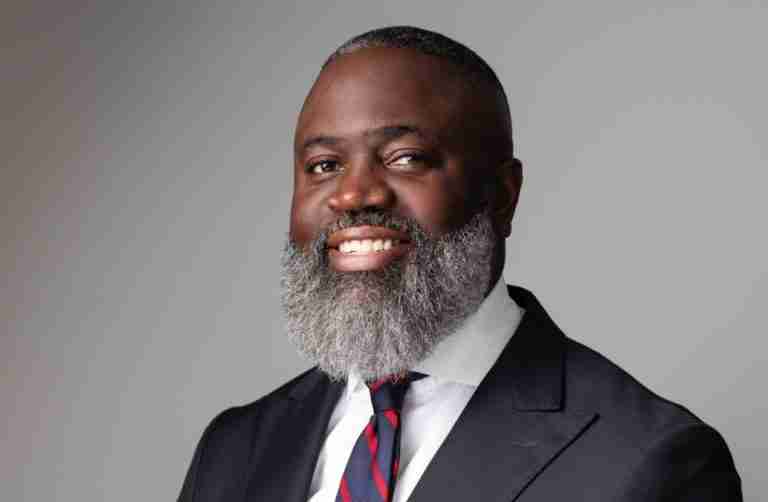
Wayne Caines: “By uniting our voices and talent, we’ll create comprehensive solutions and build a resilient, sustainable Caribbean energy future.”   Photo supplied

Press release:
The Caribbean Electric Utility Services Corporation (CARILEC), a regional association of energy solutions providers and other stakeholders operating in the energy sector, has announced the appointment of a new Chairman and Board of Directors following its 37th Annual General Meeting (AGM) of Shareholders held on Tuesday, May 20, 2025, in Willemstad, Curacao.
The newly appointed Chairman is Mr. Wayne Caines of the Bermuda Electric Light Company Limited (BELCO). Mr. Caines, an Attorney-at-Law, former Cabinet Minister and Member of Parliament, C-Suite Business Executive, brings a wealth of experience to the role, serving for the past five years as President and CEO of BELCO and the Vice Chairman of CARILEC’s Board of Directors for two years. Mr. Caines said “As the new CARILEC Chairman and BELCO President, I’m honored to follow my predecessor’s strong leadership. My island utility experience gives me insight into our common challenges—regulatory uncertainty, high costs, grid modernization, and the utility death spiral. I’ll prioritize using our collective expertise to strengthen regional advocacy while collaborating with governments, regulators, and academia. By uniting our voices and talent, we’ll create comprehensive solutions and build a resilient, sustainable Caribbean energy future.”
Caines succeeds Mr. Roger Blackman, Managing Director of the Barbados Light & Power Company (BLPC) who served as Chairman from January 2023 to May 2025. In his outgoing address to members, Roger Blackman said “We are navigating uncharted territories. The rules of the energy sector are changing. The risks are evolving. And the expectations from regulators, consumers, and our own people are rising. We need bold, collaborative, and future-focused leadership. The kind that reimagines what’s possible in our sector and repositions the Caribbean as a leader in innovation, sustainability, and resilience. As I pass the baton of Chairmanship, I do so with confidence in the leadership that follows. I offer my warmest congratulations and unwavering support to Mr. Caines. May your tenure be guided by wisdom, strengthened by unity, and inspired by the same spirit of collaboration that has brought us this far.”
Another notable development is the appointment of Mrs. Ruth Forbes, President and CEO of FortisTCI in the Turks and Caicos Islands, as the first female Vice-Chairperson of CARILEC’s Board of Directors. Prior to assuming the leadership role at FortisTCI, Mrs. Forbes served as Senior Vice President of Corporate Services, Chief Financial Officer, and Company Secretary. With over 15 years of experience in utilities, she has had oversight of several business functions including finance, internal audit, legal, customer service, corporate communications, human resources and supply chain management.
Mr. Leroy A.E. Abraham, Chief Executive Officer (CEO) of the Grenada Electricity Services Ltd. (GRENLEC) was also newly elected to CARILEC’s Board of Directors, replacing outgoing Director Clive Hosten, Chief Engineer of GRENLEC. Gianni Moreno of Hitachi Energy was elected as the Associate Member Director and Hugo Hodge of HKT Energy as the Alternate Associate Member Director.
The following Directors were also confirmed for re-election during the Annual General Meeting (AGM), for the 3-year term: 2025 to 2028:

  • Mr. Andre Matthias (Antigua Public Utilities Authority)
  • Mr. Clement Williams (St. Kitts Electricity Company)
  • Mr. Vaughn Lewis (St. Vincent Electricity Services Ltd.)
  • Mr. Hugh Grant (Jamaica Public Service Company)

    CARILEC plays a crucial role in uniting and providing valued services to regional energy stakeholders. This leadership transition comes at a critical time as the Caribbean region accelerates efforts toward energy resilience, decarbonization, and the adoption of innovative technologies. With increasing vulnerability to the adverse impacts of climate change, volatile fuel markets, and grid modernization needs, this new Board is well positioned and fully equipped to guide CARILEC and its members through this historic, transformative era.

    About CARILEC:
    The Caribbean Electric Utility Service Corporation (CARILEC) is an association of over one hundred energy solution providers and other stakeholders operating in the electricity industry in the Caribbean. CARILEC was established in 1989 with nine (9) members as part of an electric Utilities modernization project funded by USAID and implemented by NRECA under a five-year “Co-operative Agreement.”


Family Centre kicks off 35th anniversary with an open house

The country’s only nonprofit, non-gov mental health organization for children ages 4-18

Family Centre update via press release:

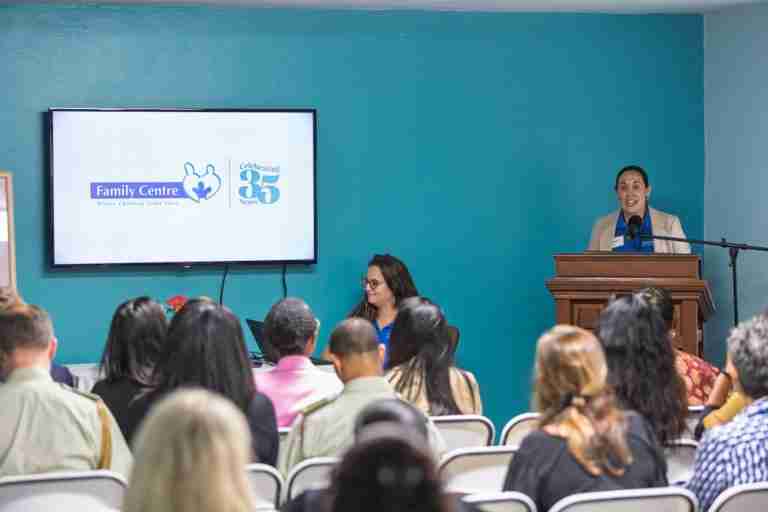
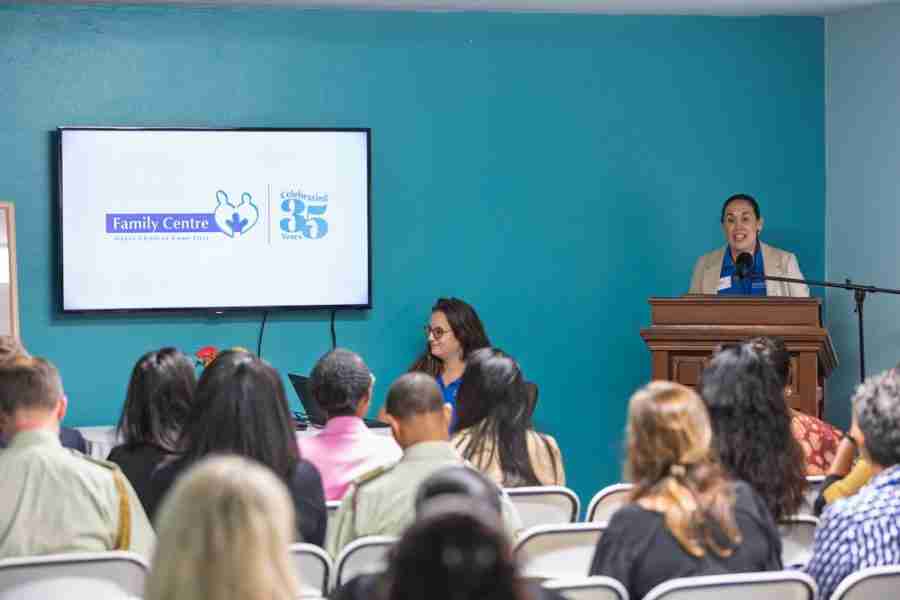
An Open House on Thursday, May 15th kicked off the 35th Anniversary of Family Centre, a Bermuda registered charity that provides therapeutic counselling services, community outreach programmes, and advocacy to support the social and emotional wellbeing of children, teens, and their families. Family Centre is Bermuda’s only nonprofit mental health organization for children ages 4-18 that is not hospital or government based. 

Dr. Sandy De Silva, Family Centre Executive Director explains, “We invited the community to our Open House to experience our therapeutic spaces and learn about our 35-year history that has shaped our current Continuum of Care, offering services from prevention to intervention. It is important to us that our community is aware that our fully accredited therapeutic programmes and services are offered at the highest quality standards, with no out-of-pocket expense to families. At Family Centre, we take great pride in removing as many barriers as we can to seeking help for children and teens.” 

Family Centre’s humble beginnings were the brainchild of the late Martha Dismont, MBE. She observed several children experiencing academic challenges that she knew would affect their future. She offered free after-school tutoring services at her home, and parents and teachers began to observe a difference in the children’s performance and self-esteem.

Through this work, Martha noticed that the nurture and care provided to these students was having a positive ripple effect on their emotional wellbeing. Parents were encouraged by the results in their children’s behaviour, and wanted to keep that change going, often recommending Martha’s services to other families.

Thirty-five years later, Family Centre continues Martha’s legacy and mission to help children and families thrive by addressing the social and economic factors that greatly impact children and their families. 

Today, thanks to Martha’s vision, donor support, a compassionate community, and a dedicated team of therapeutic staff, Family Centre has evolved into a holistic, fully accredited human services organization. It advocates for and provides safe spaces for children and teens to heal from their mental health challenges and have hope for a brighter future. 

According to Thania Redman, Family Centre’s Relationship Development Director, “This anniversary, we are reflecting on the many milestones we have achieved so far. We were first to introduce the groundbreaking Adverse Childhood Experiences (ACEs) Conferences to 

Bermuda and led on the Bermuda ACEs Research Study. ACEs research continues globally, keeping the conversation going on how adverse childhood experiences affect our adult mental and physical health, which in turn negatively impacts our work life and increases our health risks. 

Family Centre was the first to tackle the subject of multi-generational trauma in Bermuda with a wrap-around approach. We led the island’s adoption of the National Children’s Agenda, and we constantly work towards systemic collaboration. We know that we cannot do this work alone if we want to achieve greater impact.” 

Family Centre can only sustain its services for children and families through funding received from grants, corporate and individual donations, and fundraisers that are held throughout the year. 

This month, the charity is launching an island-wide ‘35 for 35’ Campaign. It is an opportunity for the community to personally become involved in the care and nurture of children and families in Bermuda and make mental health care more accessible. 

Family Centre’s Fund Development Specialist, Hannah Collins de la Cruz explains, “The 35 for 35 Campaign is a personal pledge of $35 that directly impacts children and families that need our services. The campaign will run during our Anniversary Year, May 2025 to April 2026.

To support this anniversary campaign, go to https://tfc.bm/donate-35 and select a pledge that is most impactful for you. You will receive a confirmation of your donation, and that will complete your personal pledge to Bermuda’s children and families.” 

Family Centre invites you to learn more about the many milestones in their organization’s 35-year history and how together we can continue to impact the social and emotional wellbeing of families in Bermuda. Visit https://tfc.bm/35years.

France, Vietnam sign Airbus, defence deals as Macron visits Hanoi

Airbus Defence and Space signed a separate declaration of intent with Vietnam on satellites

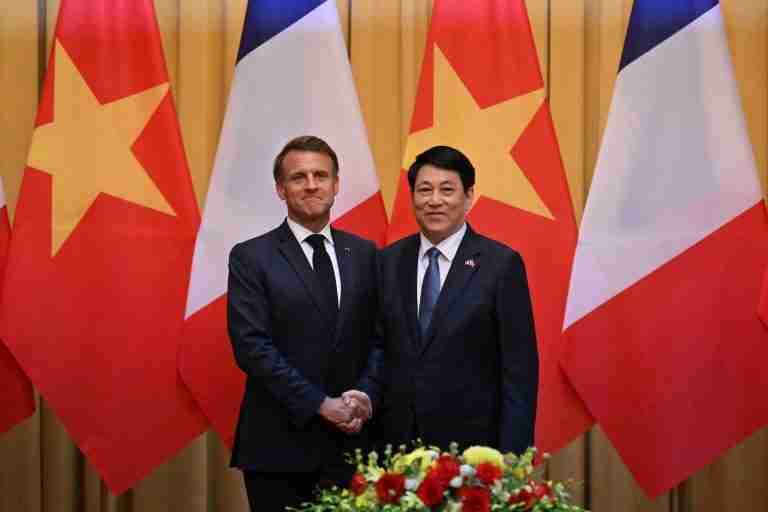
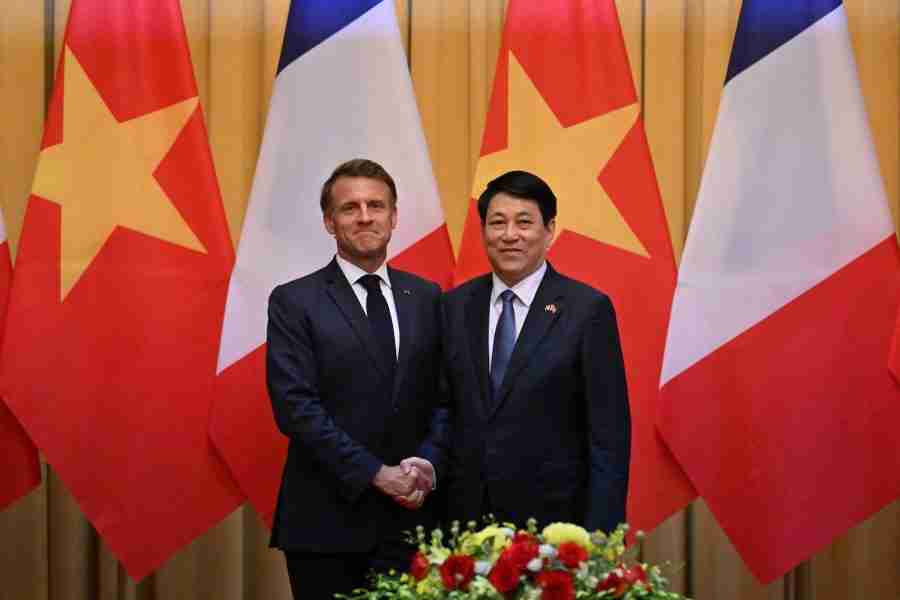
France’s President Emmanuel Macron and Vietnam’s President Luong Cuong shake hands during a meeting at the Presidential Palace in Hanoi on May 26, 2025. NHAC NGUYEN/Pool via REUTERS

International news via Reuters:

France and Vietnam signed a deal on Monday for 20 Airbus planes, as well as defence and space pacts, as President Emmanuel Macron visited Hanoi seeking to boost France’s influence in its former colony, grappling with threats of crippling U.S. tariffs.

Macron’s first formal visit to Vietnam, the first by a French president in nearly a decade, follows U.S. President Donald Trump’s threats on Friday to impose 50% duties on European Union goods from June 1, fuelling tensions with the 27-country bloc, though he later delayed that deadline to July 9. 

Export-dependent Vietnam, under pressure from Washington to buy more American goods, has made pledges in trade talks to try to avert 46% tariffs that could impair its growth, fanning European concerns about deals at the region’s expense.

Deals signed during Macron’s visit covered the plane purchase, cooperation on nuclear energy, defence, rail and maritime transport, Airbus earth-observation satellites and Sanofi vaccines, a list of documents seen by Reuters showed, confirming an earlier report. 

In total 14 deals were signed, which would be short of the dozens that the French presidential palace had said were in preparation before the visit, but more agreements were expected to be announced on Tuesday, an official said.

In statements to the press with no questions allowed, Macron reiterated France’s support of freedom of navigation, an issue dear to Vietnam as it often clashes with Beijing over contested boundaries in the South China Sea.

Macron added the partnership with Vietnam “entails a reinforced defence cooperation”, citing the signing of multiple projects on defence and space.

Vietnam’s President Luong Cuong said the defence partnership involved “sharing of information on strategic matters” and stronger cooperation in the defence industry, cybersecurity and anti-terrorism.

France ruled the Southeast Asian country for about 70 years until it was forced out in 1954 after a major defeat at Dien Bien Phu in northern Vietnam. Ties have improved in recent decades, being upgraded last year to Vietnam’s highest level.

On his trip, the first leg of a Southeast Asian tour that includes Indonesia and Singapore, Macron met Vietnamese leaders and will visit a university in Hanoi on Tuesday, before flying to Jakarta, the Indonesian capital.

On arriving in Hanoi on Sunday night, Macron’s wife Brigitte appeared to push him in the face when they were still on the plane, a video showed, in an incident that the Elysee played down as “a moment of closeness”.

PLANES, SATELLITES

The deal with European planemaker Airbus for Vietnam’s low-cost airline VietJet to buy 20 A330neo wide-body aircraft follows last year’s agreement for 20 of the jets.

The companies did not announce the price or delivery schedule for the planes. 

The signing followed urging by European officials in recent weeks for Vietnam to be careful in concessions made to the White House, two officials based in Vietnam with knowledge of the discussions had told Reuters, referring to concerns on Airbus. 

Airbus is the main supplier of jets to Vietnam, but with an economy heavily dependent on U.S. exports, Vietnamese officials have signalled the possible purchase of at least 250 Boeing planes by flag carrier Vietnam Airlines and rival VietJet in moves meant to help cut the country’s huge trade surplus with the United States and possibly appease Trump.

Airbus Defence and Space signed a separate declaration of intent with Vietnam on satellites.

The company has long been in talks with Hanoi for the replacement of Vietnam’s earth-observation satellite, built by Airbus’ predecessor EADS and launched in 2013. The new pact involves “exploring a future programme”, Airbus said in a statement.

During the visit, French transport company CMA CGM said it signed a deal with Saigon Newport to build a deepwater container terminal in north Vietnam by 2028 for a joint investment worth $600 million. 

Reporting by Francesco Guarascio, Phuong Nguyen, Thinh Nguyen and Khanh Vu in Hanoi; Additional reporting by Tim Hepher, Lisa Barrington, Elizabeth Pineau and Sudip Kar-Gupta; Editing by Clarence Fernandez, Michael Perry and Mark Potter

Eleven countries demand EU weakens deforestation law further, document shows

The EU already delayed its launch by a year following complaints from trading partners

European Union flags flutter outside the European Commission headquarters, in Brussels, Belgium June 30, 2019. REUTERS/Yves Herman

International news via Reuters:

The European Union is facing further pressure from member countries to delay and weaken its upcoming law to restrict deforestation, with 11 governments demanding changes, a document seen by Reuters showed.

The world-first policy aims to end the 10% of global deforestation fuelled by EU consumption of imported soy, beef, palm oil and other products, but has become a politically contested part of Europe’s green agenda.

The EU already delayed its launch by a year to Dec. 2025, following complaints from trading partners including Brazil and the U.S., and cut back reporting rules after industry criticism. Last week, the Commission said it would spare the vast majority of countries the strictest checks. 

A group of 11 countries, led by Austria and Luxembourg, has demanded the European Commission simplify the rules further, and urged delaying its application date again.

“The requirements imposed on farmers and foresters remain high, if not impossible to implement. They are disproportionate to the regulation’s objective,” the countries said in a paper, which EU agriculture ministers will discuss in Brussels on Monday.

Bulgaria, Croatia, the Czech Republic, Finland, Italy, Latvia, Portugal, Romania and Slovenia also signed the paper.

From December, the EU policy would require operators placing soy, beef, palm oil, cocoa, coffee and other goods onto the EU market, to provide due diligence statements proving the commodities did not fuel deforestation. 

Due diligence requirements would also apply to EU exports, making countries worried about the impact on their own industries.

Companies could face penalties of up to 4% of their EU turnover for non-compliance.

The governments proposed amendments including creating a new class of countries deemed to have very low risk of deforestation, which would be exempt from customs checks and tracking the origin of goods.

A Commission spokesperson did not immediately respond to a request for comment.

Reporting by Kate Abnett; Editing by Aidan Lewis

Separatists’ sit-at-home protests lead to 700 deaths in Nigeria’s southeast, report says

Civilians who defied the weekly stay-at-home order were murdered

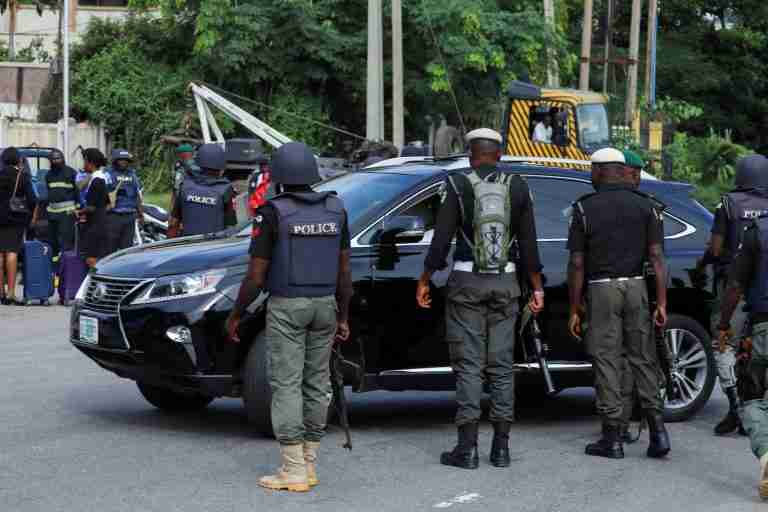
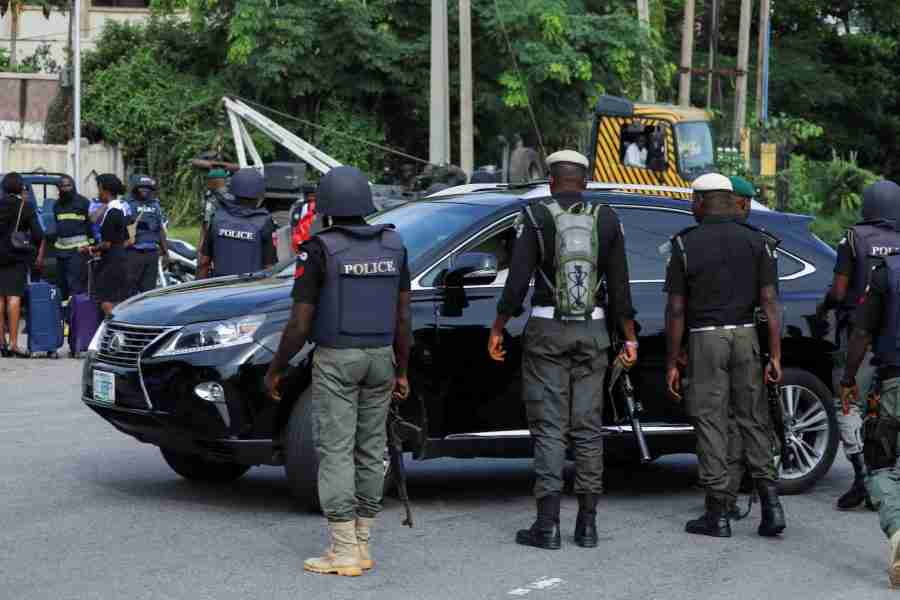
FILE PHOTO: Police officers are seen conducting checks on vehicles at the Federal High court in Abuja, Nigeria October 21, 2021. REUTERS/Afolabi Sotunde/File Photo

International news via Reuters:

A sit-at-home order by banned separatist group Indigenous People of Biafra in Nigeria’s southeast has led to the death of over 700 people in the region over the past four years, an intelligence consultancy said in a new report.

The IPOB, campaigning for the secession of the southeast that is predominantly inhabited by the Igbo ethnic group, has been labelled a terrorist organisation by Nigerian authorities.

SBM Intelligence reported that the fatalities resulted from the killing of civilians who defied the weekly stay-at-home order every Monday and on other specific days, as well as from clashes between the IPOB and Nigerian security forces.

“IPOB’s enforcement tactics, including arson, looting and targeted assassinations, have created a climate of fear,” the SBM report said. 

“While there was a high rate of compliance with sit-at-home orders in 2021 (82.61%), surveys reveal that actual support is much lower (29%) now, with many complying under duress.”

An IPOB spokesperson denied the group was responsible for the deaths.

“Those causing the killings are the kidnappers and criminals recruited by government to blackmail and demonize IPOB,” the spokesperson said.

The government did not respond to a request for comment.

The IPOB launched the sit-at-home protest in August 2021 across the five states of Nigeria’s southeast, using it as leverage to demand the release of its leader, Nnamdi Kanu, who is facing trial in the capital Abuja on terrorism charges.

The group suspended the weekly protest days later, citing a “direct order” from Kanu, who has been in custody since 2021, and reinstated it only on days the IPOB leader would be appearing in court. 

However, other armed groups claiming allegiance to IPOB and factions within the group have persisted in enforcing the weekly protest, launching attacks on government facilities and perceived pro-government individuals.

Despite IPOB’s attempts to disassociate itself from the region’s violence, the police have accused the group of involvement in several incidents, including a 2021 attack on a prison and the murder of over 30 travellers earlier this month.

The IPOB denied responsibility for those two attacks.

The SBM report added that beyond the deaths, the sit-at-home order, which suspends economic activities in the southeast every Monday and on days when Kanu appears in court, has resulted in economic losses surpassing 7.6 trillion naira ($4.79 billion).

Civil war engulfed the restive Biafra region in the late 1960s, killing more than 1 million people.

($1 = 1,598.5100 naira)

Reporting by Ben Ezeamalu; editing by Mark Heinrich

Hong Kong urges universities to facilitate students after Harvard ban

Chinese nationals make up about a fifth of Harvard’s foreign student intake in 2024

FILE PHOTO: A view of the Business School campus of Harvard University in Cambridge, Massachusetts, U.S., April 15, 2025. REUTERS/Faith Ninivaggi/File Photo

International news via Reuters:

Hong Kong’s Education Bureau said that it had called on universities in the Chinese territory to attract top talent following a ban on Harvard University enrolling foreign students.

U.S. President Donald Trump’s administration revoked Harvard University’s ability to enrol international students and is forcing current foreign students to transfer to other schools or lose their legal status.

The ban, effective for the 2025-2026 school year, comes as the administration said Harvard fostered antisemitism and coordinated with the Chinese Communist Party. Chinese nationals make up about a fifth of Harvard’s foreign student intake in 2024.

“The Education Bureau has promptly called on all universities in Hong Kong to introduce facilitation measures for those eligible with a view to safeguarding the legitimate rights and interests of students and scholars, and to attract top talent,” the bureau said in an emailed statement.

The bureau has contacted the Harvard Club of Hong Kong to offer support for students who have been admitted to Harvard for further studies. 

“We will continue to keep a close eye on the needs of students whose studies have been affected by the shifting global education landscape,” it said, adding that it would consider support measures as part of the city’s role as an “international education hub.”

Hong Kong, a former British colony with a population of 7.5 million, has five universities in the top 100 of the Times Higher Education World University Rankings and was until recently regarded as one of Asia’s freest academic arenas.

Schools and universities in the financial hub are now obliged to integrate national security and patriotic themes into their teaching, bringing them closer in line with education in mainland China. 

Hong Kong’s University of Science and Technology (HKUST) on Friday announced an open invitation to international undergraduate and postgraduate students at Harvard University, as well as those holding confirmed offers to continue their studies at HKUST. 

“The university will provide unconditional offers, streamlined admission procedures, and academic support to facilitate a seamless transition for interested students.”

Reporting by Farah Master; Editing by Stephen Coates

Malaysia PM hails ‘significant’ engagement on Myanmar as Southeast Asian leaders meet

Six Southeast Asian countries targeted by Washington face steep tariffs of up to 49% in July

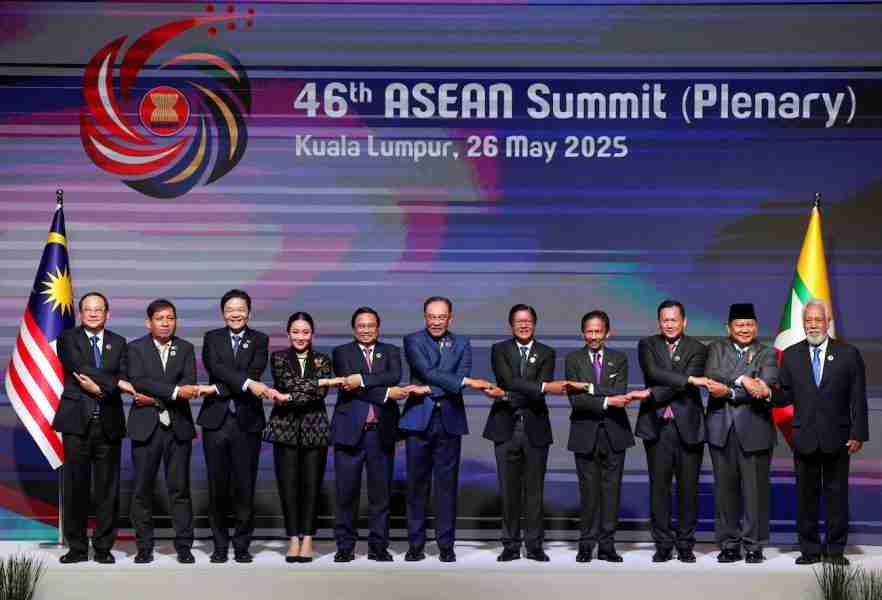
Laos’ Prime Minister Sonexay Siphandone, Myanmar’s Permanent Secretary of Foreign Affairs Aung Kyaw Moe, Singapore’s Prime Minister Lawrence Wong, Thailand’s Prime Minister Paetongtarn Shinawatra, Vietnam’s Prime Minister Pham Minh Chinh, Malaysia’s Prime Minister Anwar, Ibrahim, Philippines’ President Ferdinand Marcos Jr, Brunei’s Sultan Hassanal Bolkiah, Cambodia’s Prime Minister Hun Manet, Indonesian President Prabowo Subianto, and Prime Minister of Timor-Leste Xanana Gusmao join hands for a group photo as they attend the 46th ASEAN Summit, at the Kuala Lumpur Convention Centre in Kuala Lumpur, Malaysia, May 26, 2025. REUTERS/Hasnoor Hussain TPX IMAGES OF THE DAY

International news via Reuters:

Malaysia’s Prime Minister Anwar Ibrahim on Monday hailed “significant” steps to engage warring sides in Myanmar, as Southeast Asian leaders met for talks to address the protracted conflict and offset global trade uncertainty from U.S. President Donald Trump’s tariff threats.

Myanmar has been in turmoil since its military overthrew the elected civilian government of Nobel laureate Aung San Suu Kyi in 2021, triggering pro-democracy protests that morphed into a widening rebellion and conflict that has displaced more than 3.5 million people, according to the United Nations.  

Association of Southeast Asian Nations leaders were expected to discuss ways to jumpstart ASEAN’s faltering Myanmar peace process and build on recent efforts by Anwar, the bloc’s current chair, to bring rival groups to the table. 

Anwar last month held a closed-door meeting in Bangkok with junta chief Min Aung Hlaing and virtual talks with the shadow National Unity Government, describing those on Monday as “significant”, but fragile. 

“We have been able to move the needle forward in our efforts for the eventual resolution of the Myanmar crisis,” he said while opening the summit in Kuala Lumpur.  

“I wish to stress that throughout this process, quiet engagement has mattered. The steps may be small and the bridge may be fragile but as they say, in matters of peace, even a fragile bridge is better than a widening gulf.” 

The junta aims to hold an election later this year, which critics have widely derided as a one-sided sham to keep the military in power through proxies. ASEAN has yet to discuss a common position on the election.  

ASEAN’s top diplomats held special meetings on Myanmar at the weekend, where Malaysian Foreign Minister Mohamad Hasan stressed a lot of negotiating was needed and said he would visit Myanmar next month. 

The ministers agreed to discuss creating a permanent ASEAN envoy for Myanmar, possibly for terms of three years, rather than changing envoys each year, he added.  

Thailand’s foreign minister last week said he intends to propose broader international engagement with the junta, which remains barred from ASEAN summits over its failure to follow the peace plan.  

TARIFF TREMORS

ASEAN leaders will meet Chinese Premier Li Qiang for an economic summit on Tuesday along with counterparts from Gulf countries, at a time of global market volatility and slowing economic growth sparked by Trump’s trade tariff threats.

Six Southeast Asian countries targeted by Washington face steep tariffs of between 32% and 49% in July, unless negotiations on reductions succeed. 

Anwar said on Monday he had written to Trump requesting a meeting on the tariffs between the United States and ASEAN, a region with a combined gross domestic product of $3.8 trillion.  

In remarks ahead of the summit, Philippine President Ferdinand Marcos Jr said ASEAN leaders would compare responses to the tariffs, adding “we must find a way to find consensus amongst the disparate situations that the different member states are operating under”. 

Marty Natalegawa, an Indonesian former foreign minister, said ASEAN should identify key areas to guide each member country’s negotiations with Washington.

“Otherwise, there could be a risk of a lose-lose cycle in our own region,” he said. 

Also up for discussion is advancing ASEAN’s drawn-out talks with Beijing on a code of conduct for the South China Sea, where tensions have long simmered over the activities of China’s coast guard in the exclusive economic zones of its neighbours. China says it is operating lawfully in what are its waters.      

The most heated confrontations have taken place between China and the Philippines, with Marcos on Monday calling for urgency in completing a legally binding code. 

“This is to safeguard maritime rights, promote stability, and prevent miscalculations,” he said. 

Reporting by Danial Azhar in Kuala Lumpur; Additional reporting by Karen Lema in Manila and Panu Wongcha-um in Bangkok; Editing by Kay Johnson, William Mallard, Martin Petty and Saad Sayeed

Trump says Putin has ‘gone absolutely CRAZY’, considering more sanctions on Russia

Russia pummelled Ukrainian cities and other targets with at least 367 drones and missiles

FILE PHOTO: Daily newspapers with covers, dedicated to the recent phone call of Russian President Vladimir Putin and U.S. President Donald Trump, are laid out at a newsstand in a street in Moscow, Russia, February 13, 2025. REUTERS/Maxim Shemetov/Illustration/File Photo

International news via Reuters:

U.S. President Donald Trump said Vladimir Putin had “gone absolutely CRAZY” by unleashing the largest aerial attack of the war on Ukraine and said he was weighing new sanctions on Moscow, though he also scolded Ukrainian President Volodymyr Zelenskiy.

Trump posted the remark on Truth Social as sleeping Ukrainians woke to a third consecutive night of Russian aerial attacks, listening for hours to drones buzzing near their homes and eruptions of Ukrainian anti-aircraft fire. 

The Ukrainian air force said Russia had launched 355 drones and nine cruise missiles against Ukraine overnight, a huge salvo that the air force’s spokesman told Reuters made it Russia’s largest drone attack of the war to date. 

“Something has happened to him (Putin). He has gone absolutely CRAZY!” Trump said of the Russian president on Truth Social, referring to the previous night’s attack by Russia. 

“I’ve always said that he wants ALL of Ukraine, not just a piece of it, and maybe that’s proving to be right, but if he does, it will lead to the downfall of Russia!”

Trump also criticised Zelenskiy, posting that the Ukrainian leader “is doing his Country no favours by talking the way he does. Everything out of his mouth causes problems, I don’t like it, and it better stop.”

The Kremlin, asked about Trump’s specific remarks about Putin being “crazy”, thanked the U.S. people and Trump in person for their assistance in launching peace negotiations but suggested Trump and others might be emotionally overloaded.

“This is a very crucial moment, which is associated, of course, with the emotional overload of everyone absolutely and with emotional reactions,” Kremlin spokesman Dmitry Peskov said.

The Ukrainian air force said the third Russian aerial attack in a row hit targets in five locations, but did not elaborate, implying military damage.

A 14-year-old boy was reported injured in the Black Sea region of Odesa. Residential buildings and industrial facilities were damaged in western Ukraine, officials said.

The Kremlin said the attacks on Ukraine were directed at military targets and that the strikes were a response to significant Ukrainian attacks on Russian civilian targets.

Zelenskiy, in a post on X, did not directly address Trump’s criticism, but said the world appeared to be spending more effort on dialogue with Putin than with actually exerting real pressure on the Kremlin chief.

Russia, Zelenskiy said, can only be constrained by force, and called again for additional sanctions on Russia. 

‘I’M NOT HAPPY’ 

Speaking to reporters at the airport in Morristown, New Jersey, Trump said of Putin: “I don’t know what’s wrong with him. What the hell happened to him? Right? He’s killing a lot of people. I’m not happy about that.”

He raised the possibility of imposing more sanctions on Russia in response to the ongoing attacks.

In the biggest aerial assault of the war, Russia pummelled Ukrainian cities and other targets with at least 367 drones and missiles overnight into Sunday, killing at least 12 people, including three children in the northern region of Zhytomyr, Ukrainian officials said.

The Russian attack was the largest of the war in terms of weapons fired, although other strikes have killed more people.

Trump has been pressuring Russia and Ukraine to end the more than three-year war, but the two sides remain far apart – and while major powers talk, the war is intensifying and Russian forces are advancing in eastern Ukraine. 

Swarms of drones are being launched by both sides while fierce fighting is underway along key parts of the front.

The Kremlin says it is conducting what it calls a “special military operation” in Ukraine to protect Russia from NATO encroachment on its borders. Ukraine says Russia launched an unprovoked war of aggression.

Reporting by Guy Faulconbridge and Dmitry Antonov in Moscow, Tom Balmforth and Yulia Dysa in Kyiv and Jeff Mason and Steve Holland in MORRISTOWN, New Jersey; Editing by Toby Chopra and Gareth Jones

King Charles heads to Canada in show of support for realm eyed by Trump

Charles has made subtle signals of his backing for Canada in recent months

Britain’s King Charles and Queen Camilla, visits Canada House, Trafalgar Square, to mark 100 years since it opened in June 1925, in London, Britain May 20, 2025. Arthur Edwards/Pool via REUTERS

International news via Reuters:

King Charles flies to Canada on Monday for a highly symbolic visit showing support for the nation that recognises him as its sovereign but is coveted by U.S. President Donald Trump as a 51st U.S. state.

Following an invitation from Prime Minister Mark Carney, Charles will open parliament in Ottawa on Tuesday, the first time a British monarch has carried out the duty since his mother, the late Queen Elizabeth, did so 68 years ago.

The 76-year-old king is still undergoing cancer treatment, which has limited his workload, so the two-day trip shows his commitment to Canada, one of 15 countries where he is monarch.

Trump has repeatedly expressed a desire to annex Canada, a proposition fiercely rebuffed by Carney whose election win last month came partly on the back of that stance. 

“The prime minister has made it clear that Canada is not for sale now, is not for sale ever,” Canada’s envoy to the UK, Ralph Goodale, told reporters during a visit last week by Charles to Canada’s high commission.

“The king, as head of state, will reinforce the power and the strength of that message.”

Charles has made subtle signals of his backing for Canada in recent months, wearing Canadian medals, calling himself the king of Canada, and describing its flag as “a symbol that never fails to elicit a sense of pride and admiration”.

However, he faces a tricky balancing act as British Prime Minister Keir Starmer is working to keep Trump onside over Ukraine and trade ties.

When Starmer visited the White House in February he made great show of an invite from Charles for an unprecedented second state visit for Trump, whose mother was born in Britain and who has repeatedly praised the British royal family. 

Carney, the former governor of the Bank of England, said that had irked Canadians. 

‘MOMENTOUS OCCASION’

Charles’ trip, which he will make with his wife Queen Camilla, will be his first visit to the former British colony since becoming king in September 2022.

On Monday, the royal couple will visit a large park in Ottawa and meet vendors and artists, according to Buckingham Palace. The king will then participate in a ceremonial puck drop to launch a street hockey demonstration before planting a tree in another part of the city. 

It will be just the third time a sovereign has delivered a “Speech from the Throne” in the Canadian Senate, an event which opens every new session of parliament. 

Charles and Camilla will travel to the Senate in a ceremonial horse-drawn carriage with a 28-horse escort to deliver a 25-minute speech written by Carney’s government.

Canadian Identity and Culture Minister Steven Guilbeault said it would be a “momentous occasion – one that brings Canadians together in celebration of our rich history, our democracy and the institutions that serve us all.” 

Reporting by Michael Holden and David Ljunggren; Editing by Andrew Cawthorne

South Koreans eye constitutional change to president’s power after martial law

The election was called after former President Yoon Suk Yeol was impeached

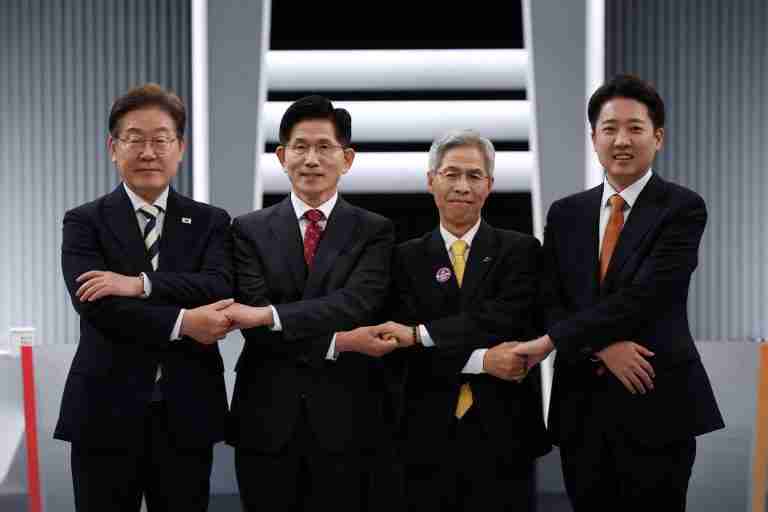
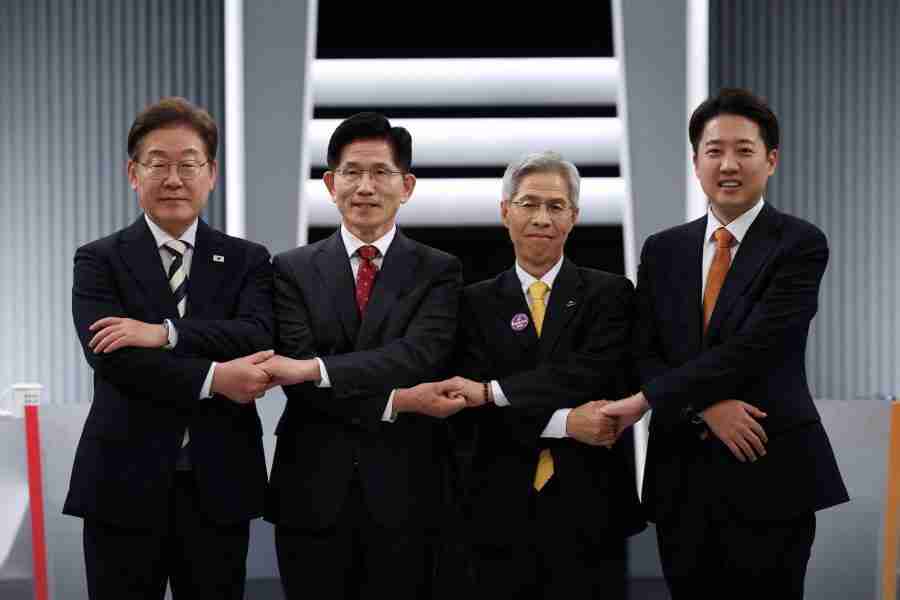
FILE PHOTO: South Korea’s presidential candidates, Kim Moon-soo of the People Power Party, Kwon Young-guk of the Democratic Labor Party, Lee Jun-seok of the New Reform Party and Lee Jae-myung of the Democratic Party pose for photograph ahead of the second televised debate for the upcoming presidential election in Seoul, South Korea, May 23, 2025. REUTERS/Kim Hong-Ji/Pool/File Photo

International news via Reuters:

South Korea’s political crisis has ignited bipartisan calls for constitutional amendments to reshape the power of the president, an issue hotly debated ahead of the June 3 snap election.

The election was called after former President Yoon Suk Yeol was impeached and removed from office over his shock martial law decree in December, and contenders from the major parties have vowed to pursue constitutional reforms.

“Chances to succeed in a constitutional amendment are higher than ever,” said Chae Jin-won, a professor at Kyunghee University’s Institute of Public Governance.

The constitution was last revised in 1987 to introduce direct presidential elections and a single, five-year term. Changes have long been debated but never implemented. 

Frontrunner Lee Jae-myung, of the liberal Democratic Party, has proposed four years in office and two consecutive terms for presidents who would take office from 2030 and onwards, a run-off system for presidential elections and parliamentary nomination on the prime minister.

“The responsibility of the president should be strengthened and powers should be decentralised,” he said on May 18. 

Kim Moon-soo, presidential nominee from the conservative People Power Party, has also unveiled a reform proposal including a four-year, two-term presidential system for future presidents. 

He promised to cut his own term down to three years if he is elected as the next leader so presidential and general elections could happen in the same year from 2028. He also pledged to strike down presidential immunity.

Yoon was a member of the PPP until he resigned from the party on May 17.

In recent years, presidential candidates from across the political spectrum have supported revisions including giving presidents two four-year terms, but there have been few concrete steps after new leaders were chosen.

A Gallup Korea opinion survey last month found 67% of respondents supported revising the constitution to fix the presidential system, with 21% saying it is unnecessary.

In April, Lee rejected a proposal by Woo Won-shik, the speaker of the parliament, to hold a referendum on constitutional reform on the June 3 presidential election day.

At the time Lee said ending the political turmoil was the top priority. 

The next president should begin to gather public consensus based on election pledges for the constitutional amendment and move forward with bipartisan support, he told reporters on Sunday.

Kim and his party criticised Lee for not pledging to reduce the term for the next presidency, but Lee said stable governance and economic recovery would be more important for the next leader than spending much of the term only on the constitutional revision.    

Professor Chae said while Lee and Kim shared similar goals, the two contenders were driven by differing motivations.

“I think candidate Kim put forward the idea of a transitional government to revise the constitution as a way to apologise for the martial law,” he said. 

“Candidate Lee initially didn’t want to jump to it, not to divert attention toward him, but now he is saying it to bring in more moderate voters.”

Reporting by Ju-min Park; Editing by Josh Smith and Saad Sayeed

BBC Radio News: Monday Morning – 26 May 2025

Includes sports, politics, finance, and human interest stories

https://soundcloud.com/bermuda-broadcasting/bbc-radio-news-monday-26-may?si=180c88d9d62e4b4e9cd2fdbb8cf4264d&utm_source=clipboard&utm_medium=text&utm_campaign=social_sharing