Wednesday, November 4, 2026
Home Blog Page 99

UK fines Citibank London $6 million over Russia sanctions breaches

Britain’s Office of Financial Sanctions Implementation (OFSI) said the bank had enabled multiple transactions in breach of its regime, most of which occurred between February and November 2022
International News via Reuters:

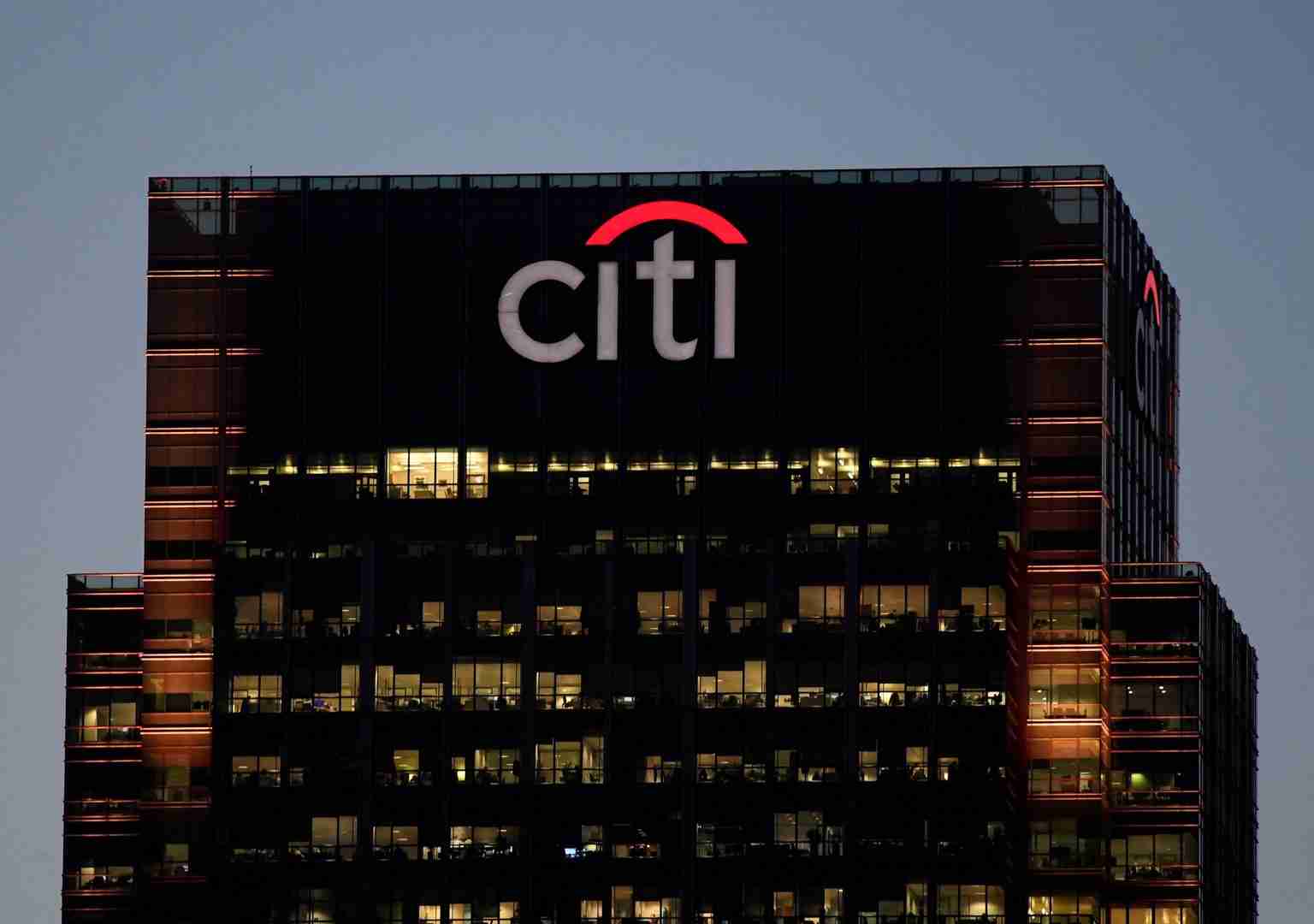
Britain fined Citibank £4.7 million ($6.35 million) on Wednesday under its Russia sanctions regime, saying that a variety of failings and errors at the U.S. bank’s London branch had led to funds being made available to sanctioned individuals.

Britain’s Office of Financial Sanctions Implementation (OFSI) said the bank had enabled multiple transactions in breach of its regime, most of which occurred between February and November 2022, after Britain and its Western allies had imposed sweeping sanctions on thousands of individuals, companies and vessels following Russia’s invasion of Ukraine.

The bank voluntarily disclosed the majority of the breaches, OFSI said.

A Citi spokesperson said the bank welcomed the conclusion of the case and that it took sanctions compliance very seriously.

The regulator said many of the breaches at Citibank, N.A. London Branch, arose in the immediate aftermath of the introduction of sanctions, which placed “significant strain on the bank’s alert handling and investigation processes”. 

In total, Citibank’s London branch processed 970 payments with a cumulative value of £19.7 million which OFSI said breached its regime, some of which were for accounts owned by state-owned shipping company PJSC Sovcomflot, while the bank also processed payments for designated Russian banks Alfa-Bank, PJSC Gazprombank and Credit Bank of Moscow.

“OFSI does not consider there to have been any intent by CBNA London to breach sanctions. However, the errors and failings referred to above were, in aggregate, material and significant and they occurred across a wide range of business areas and systems within the bank,” the regulator said in a statement.

 The Citi spokesperson said in a statement that the bank had cooperated with OFSI throughout the investigation and continued to invest significantly in its global sanctions compliance framework.

“We remain committed to working closely with sanctions authorities and supporting our clients through a strong and effective control environment,” the spokesperson added. 

Citi said in August 2022 that it would wind down its exposure to Russia. In late 2025 its board approved the sale of its Russian unit AO Citibank to Renaissance Capital, a local investment bank.

($1 = 0.7407 pounds)

Reporting by Phoebe Seers and William James, editing by Sarah Young and Gareth Jones

Denmark sends conscripts to Greenland as Arctic tensions grow

U.S. President Donald Trump has repeatedly sought to acquire the semi-autonomous Danish island, citing national security concerns and accusing Copenhagen of neglecting Arctic defence

International News via Reuters:

For the first time in recent history, Danish conscripts have been deployed to Greenland, as Denmark moves to bolster its presence in the Arctic after U.S. demands to acquire the territory.

U.S. President Donald Trump has repeatedly sought to acquire the semi-autonomous Danish island, citing national security concerns and accusing Copenhagen of neglecting Arctic defence. Denmark and Greenland have firmly rejected the idea.

The conscripts are part of the first cohort under Denmark’s new extended conscription programme, aimed at producing soldiers able to operate in one of the kingdom’s most strategically important and challenging regions.

“It shows presence that we’re here and not just thinking of our own skin. And also thinking of the people in Greenland,” 19-year-old conscript David told Reuters.

Copenhagen has pledged billions of dollars to strengthen Arctic defences after Denmark’s defence minister acknowledged years of underinvestment in the region.

“Of course, we are a part of a bigger picture of the strategic communication about Greenland, but our role here is just to continue the training of the conscripts, the soldiers, and get more experience with the training in the Arctic terrain and climate,” company commander Captain Laura Jepsen said.

The conscripts are taking part in Arctic Endurance, a Danish military exercise that trains soldiers for combat and survival in extreme cold-weather conditions.

The drill forms part of Arctic Sentry, a NATO mission launched this year to strengthen the alliance’s Arctic presence and ease tensions within NATO after Trump’s remarks about Greenland.

Russia, which maintains the Arctic’s largest military footprint, has criticised NATO’s growing activity in the region, describing it as a direct security threat that increases the risk of confrontation.

China has increased its activity in the mineral-rich region, mostly in partnership with Moscow.

Training north of the Arctic Circle, the conscripts moved through a landscape of bare rock and open expanses with no trees in sight.

“I think it sends a message that Denmark is reinforcing itself for the future,” Anton, 22, one of the conscripts, said.

($1 = 6.4472 Danish crowns)

Reporting by Tim Barsoe in Kangerlussuaq, writing by Stine Jacobsen, editing by Ros Russell

Stocks slide, bond rout deepens as US and Iran trade attacks

The U.S. struck Iranian military targets near the Strait of Hormuz, while Tehran said it had targeted U.S. assets across the region, marking the most significant exchange of fire since July

International News via Reuters:

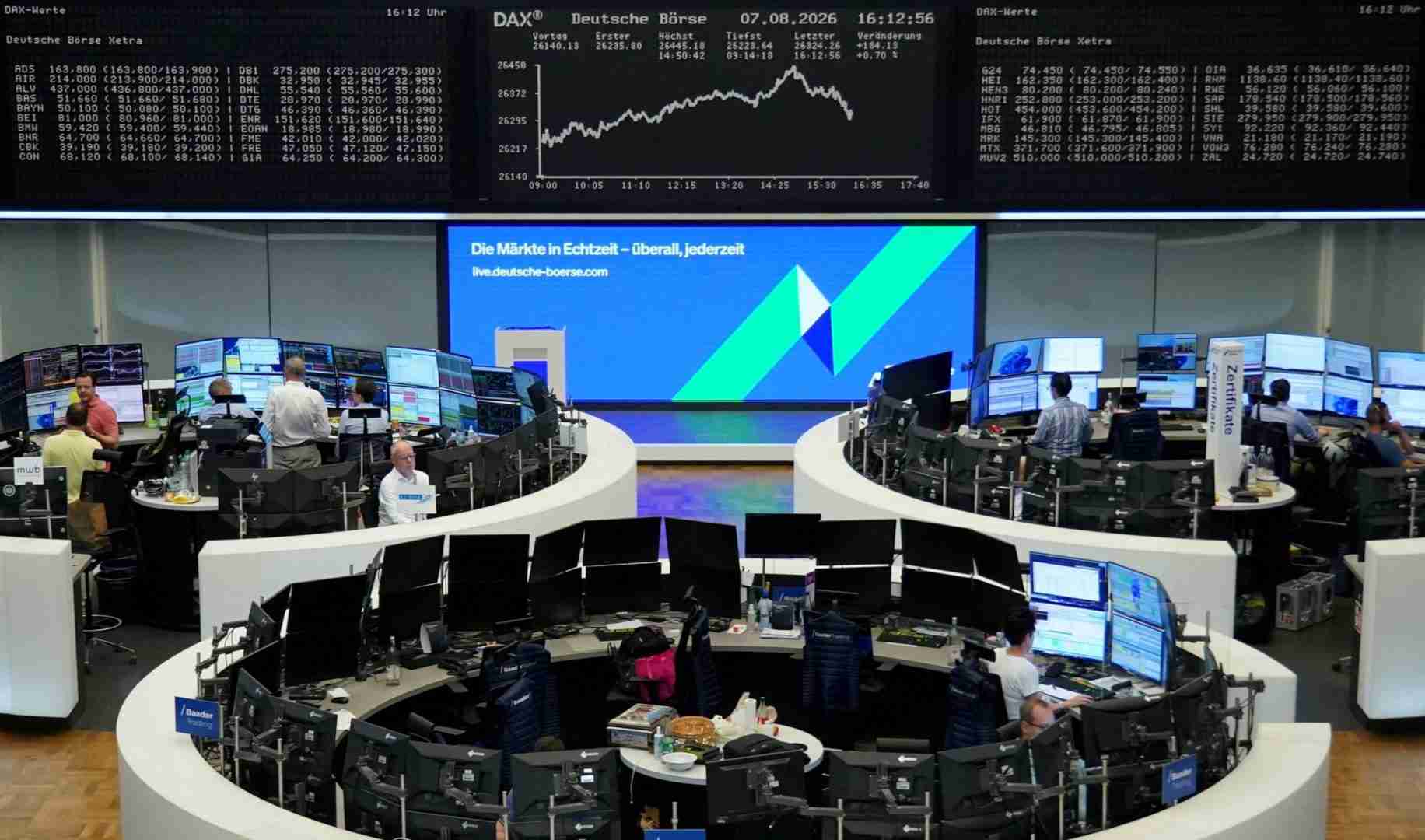
World stocks fell on Wednesday as fresh U.S. airstrikes on Iran pushed oil prices to five-week highs, stoking inflation concerns and extending a global bond selloff.

The U.S. struck Iranian military targets near the Strait of Hormuz, while Tehran said it had targeted U.S. assets across the region, marking the most significant exchange of fire since July.

Fears of further disruption to energy supplies lifted oil prices, with Brent crude futures last up 0.6% at $95.18 a barrel. [O/R]

Wall Street futures pointed to another weak start after hitting one-month lows in the prior session. The pan-European STOXX 600 fell 0.3%, after sharper losses in Asia. South Korea’s KOSPI dropped almost 4%, while the Nikkei 225 was down 2.9%.

“The recent increase in energy prices has put additional upward pressure on bond yields, which had already been on the rise on the back of some fiscal concerns,” said Kiran Ganesh, multi-asset strategist at UBS Global Wealth Management.

“Stocks had been quite resilient to the increase in yields but at some point the faster rate of increase does start to put some pressure on equity markets.”

The yield on the benchmark U.S. 10-year Treasury bond rose to near a three-year high of 4.8182%, while the yield on the 10-year Japanese government bond held above 3% for a second straight session after hitting a three-decade high earlier this week.

The rise in borrowing costs across major economies deepened concerns about tighter monetary policy and deteriorating fiscal dynamics.

The U.S. dollar index, which measures the greenback against a basket of six currencies, was up 0.1% at 99.734, near its highest since August 17. It was also supported by rising bets for a U.S. interest rate hike.

Rising yields and escalating geopolitical tensions underpinned the U.S. dollar’s safe haven appeal, while reducing demand for equities and other riskier investments.

“With the market already pricing quite a hawkish outlook for the Fed, we think there’s much more scope for downward surprises for the dollar than there is for some of the other currencies,” Ganesh said.

DATA-DEPENDENT

The escalation in the Middle East and the global bond selloff have given September a shaky start, adding to pressure on markets days after hawkish comments from Federal Reserve Chair Kevin Warsh prompted investors to increase bets on a U.S. interest rate hike.

Traders now assign a roughly two-in-three chance that the Fed will deliver a 25-basis-point rate increase this month, up from 37% a week ago, according to CME Group’s FedWatch tool.

Ahead of the Fed’s September 16 meeting, investors are looking to upcoming U.S. economic data for clues on whether the economy remains strong enough to justify monetary policy tightening. ADP private payrolls data is due on Wednesday, the nonfarm payrolls report on Friday and the consumer inflation report on September 11.

Elsewhere, policy meetings from the European Central Bank and the Bank of Japan will also be closely watched as markets gauge how far major central banks are prepared to tighten policy in response to persistent inflation risks.

“September looks set to test just how far central banks are willing to go to keep inflation risks in check,” said Matthew Ryan, head of market strategy at financial services firm Ebury.

Gold was down 0.1% at $4,322.24 an ounce, while bitcoin edged 0.6% lower to $76,951.01 and ether was off 1% at $2,394.57.

Reporting by Gregor Stuart Hunter in Singapore and Medha Singh in Bengaluru. Editing by Tom Hogue, Mark Potter and Gareth Jones

Oil prices steady as traders weigh supply risks

Brent crude futures rose 11 cents, or 0.12%, to $94.76 a barrel by 0949 GMT and U.S. West Texas Intermediate crude futures were up 1 cent, or 0.04%, to $90.26

International News via Reuters:

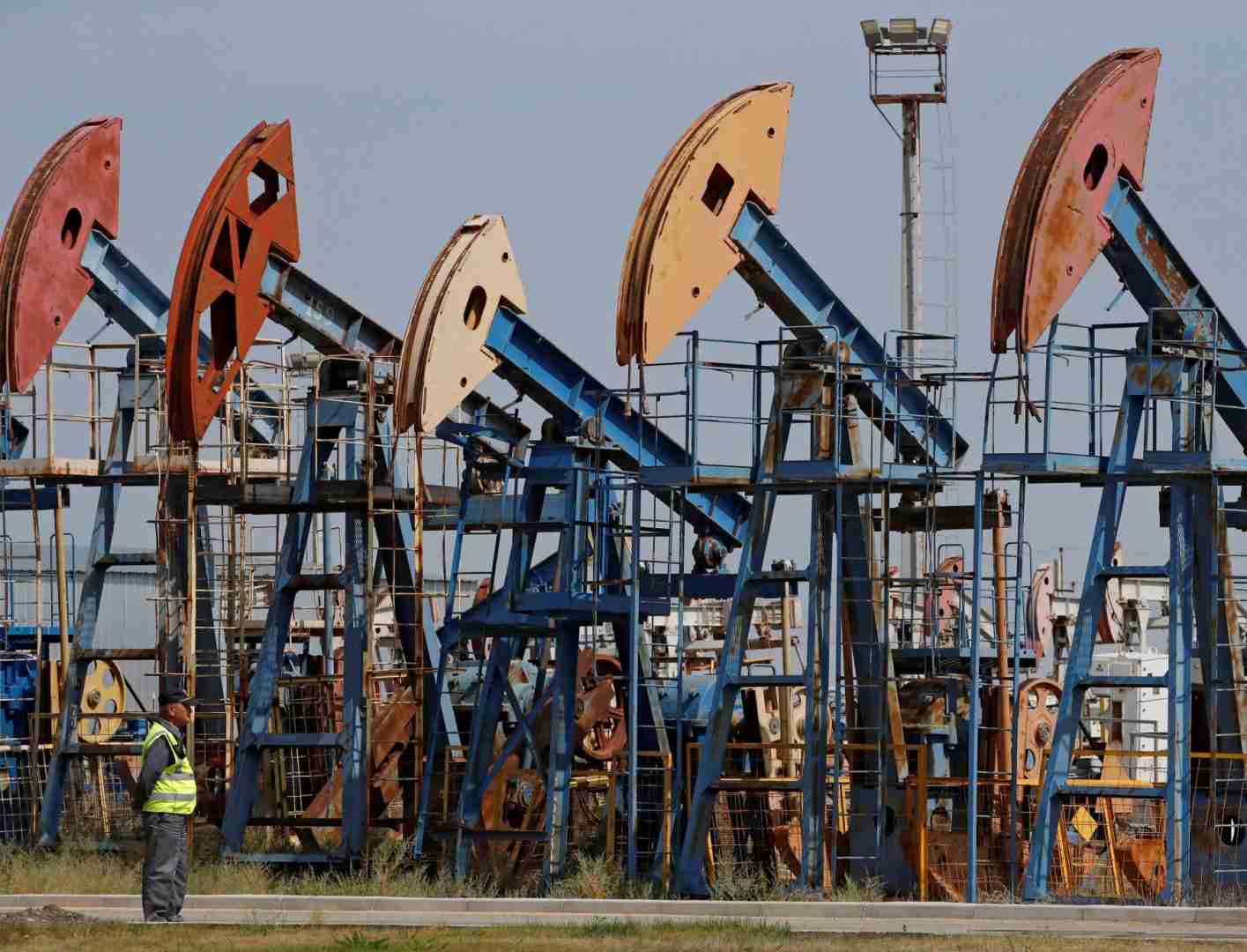
Oil prices were little changed on Wednesday after climbing to more than one-month highs earlier in the session as traders weighed the risk of supply disruptions following overnight U.S. and Iranian strikes against signs that crude supplies continue to reach the market.

Brent crude futures rose 11 cents, or 0.12%, to $94.76 a barrel by 0949 GMT and U.S. West Texas Intermediate crude futures were up 1 cent, or 0.04%, to $90.26.

Brent crude and U.S. West Texas Intermediate crude earlier climbed to their highest levels since July 24, reaching session highs of $97.04 and $92.29 a barrel, respectively.

“The market is facing a binary risk,” said Saxo Bank head of commodity strategy Ole Hansen.

“An announcement that a deal has been reached, or that progress is being made, could send prices tumbling, while any escalation would further undermine the prospect of a peace deal. That’s why oil remains highly volatile, with a potential $5 move in either direction on fresh developments.”

The U.S. and Iran were back on a war footing on Wednesday after the most significant exchange of fire in weeks, with Washington threatening more devastating strikes.

The Islamic Revolutionary Guard Corps said the U.S. attacks would further restrict traffic through the Strait of Hormuz, a critical waterway that carried about one-fifth of the global oil consumed before the conflict and which Iran has effectively closed to commercial shipping.

Two oil tankers hit sea mines and were disabled while attempting to transit the Strait of Hormuz, Iran’s Revolutionary Guards said on Wednesday, in a statement shared by state media.

“Ship-to-ship transfers in recent weeks has meant that some oil has continued to be exported through the Strait of Hormuz, alleviating some of the pressure on the oil market. However, these flows are at high risk of being disrupted by military strikes,” said Hamad Hussain, senior climate and commodities economist at Capital Economics.

U.S. Secretary of Energy Chris Wright said on Tuesday that 17 million barrels of oil transited the Strait of Hormuz on Monday, saying it marked the highest level of crude oil to pass through the waterway since the Iran war had reduced flows.

“If the conflict escalates further and there is even greater disruption to shipping in the Middle East, Brent crude prices could feasibly rise beyond $100,” Hussain added.

Elsewhere, Russia carried out a “massive” missile and drone attack on energy infrastructure in Ukraine’s southern region of Odesa overnight, transmission system operator Ukrenergo said on Wednesday.

Reporting by Siddharth Cavale, Trixie Yap and Anushree Mukherjee; Editing by Muralikumar Anantharaman, Jamie Freed, Alexandra Hudson

UK’s midcaps hit nearly a one-month low as gilt yields surge

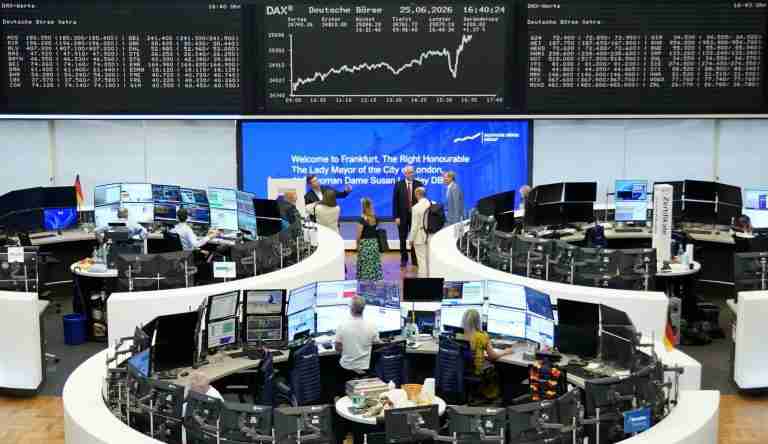
The blue-chip FTSE 100 index fell 0.56% to 10,728.90 points by 10:10 GMT, while the midcap FTSE 250 slipped 0.8% to its lowest since August 4

International News via Reuters:

London’s mid-cap stocks slipped to nearly a one-month low on Wednesday, extending losses as UK’s bond yields hit 18-year highs on renewed inflation fears after U.S. and Iran exchanged fresh strikes in the Middle East. 

The blue-chip FTSE 100 index fell 0.56% to 10,728.90 points by 10:10 GMT, while the midcap FTSE 250 slipped 0.8% to its lowest since August 4. 

• The yield on UK’s 10-year gilt rose to its highest since June 2008, tracking a sell-off in global bonds.

• “This rise in yields, which will eat directly into the government’s fiscal headroom, raises the risk of tax hikes in the autumn, even before accounting for any additional spending increases that Burnham seems likely to pursue,” said Matthew Ryan, head of market strategy at Ebury.

• Oil prices traded near $95 a barrel at more than a one-month high following renewed hostilities in the Gulf region between U.S. and Iran. [O/R]

• Industrial metal miners dropped 1.2%, as copper and zinc prices were pressured by a stronger dollar.

• Rio Tinto and Glencore slipped 1.3% and 1%, respectively.

• Media shares led sectoral losses, slipping 2% with advertising group WPP down 2.8%.

• Britain’s economy is set to grow a bit faster than previously expected in 2026 after withstanding the initial impact of the Iran war but firms remain wary about investment, the British Chambers of Commerce said on Tuesday.

• Among the top decliners, education company Pearson fell 2.5% after brokerage Citigroup cut to “neutral” from “buy”.

• Limiting losses, heavyweight banks gained 0.3%.

Reporting by Anand Gopal and Utkarsh Hathi in Bengaluru; Editing by Nivedita Bhattacharjee

Sterling hits 3-week low versus dollar, Middle East and gilts in focus

The U.S. and Iran were back on a war footing on Wednesday after the most significant exchange of fire in weeks

International News via Reuters:

Sterling hit a three-week low against a strengthening dollar on Wednesday as investors kept a close watch on the conflict in the Middle East and renewed selling pressure in the gilt market.

The U.S. and Iran were back on a war footing on Wednesday after the most significant exchange of fire in weeks. 

UK government bond yields hit fresh 18-year highs, adding to the challenge facing finance minister John Healey ahead of his first budget. 

The British pound was down 0.05% to $1.3510 after reaching $1.3490, the lowest level since August 14.

The greenback hit a two-week high as investors turned to the U.S. currency amid growing concerns about the energy shock and weighed diverging monetary policy paths across major economies. 

Healey will present his first budget on October 28 and has pledged to stick to the borrowing rules he inherited from his predecessor Rachel Reeves. 

“One-month implied volatility in sterling has fallen to more than 12-year lows, though we expect that to prove a floor for some time given brewing budget jitters,” said Matthew Ryan, head of market strategy at Ebury.

“This rise in yields, which will eat directly into the government’s fiscal headroom, raises the risk of tax hikes in the autumn, even before accounting for any additional spending increases that Burnham seems likely to pursue,” he added.

The euro fell 0.05% to 85.72 pence.

The Bank of England rate path remained in the background with the BoE widely expected to leave rates unchanged at 3.75% this month, and markets pricing in a quarter-point increase by the end of the year.

“The cocktail of higher inflation, household inflation expectations and a stabilising labour market reduces the need for less restrictive policy,” Sanjay Raja, chief UK economist at Deutsche Bank, said, after flagging that his base case remains for no change to the Bank Rate.

“We think the debate around whether rates remain sufficiently restrictive will gather momentum in the coming months.”

Reporting by Stefano Rebaudo; Editing by Alison Williams

Workers may join union over payroll controversy

A payroll correction that could delay wages for BDC2000 staff is prompting employees to join the union, the BIU President says

More and more workers across stores in the BGA and Pheonix family are turning to the Union over a payroll dispute.

This, from BIU President Chris Furbert, who met with employees at BGA yesterday.

According to BDC2000, the parent company of Pheonix Stores, BGA, Brown & Co, SAL and others, an update to the payroll system requires employees to forego three week’s worth of wages in September.

The company has offered employees an interest-free loan to help cover any shortfall, or to allow them to exchange unused vacation or use Christmas account savings to fill the gap.

Today, however, the union rejected the position of BDC2000 that employees have been overpaid or paid in advance.

WATCH the report above.

Nestle to divest mainstream supplements business for $1 billion

The deal includes seven brands — Nature’s Bounty, Osteo Bi-Flex, Ester-C, Gard, Nuun, Puritan’s Pride and Sisu — and the U.S. private-label supplements business

International News via Reuters:

Nestle on Tuesday agreed to divest Holistic Health platform, its mainstream vitamins, minerals and supplements (VMS) business, to private equity firm Yellow Wood Partners for $1 billion, according to a statement from the two companies.

The deal includes seven brands — Nature’s Bounty, Osteo Bi-Flex, Ester-C, Gard, Nuun, Puritan’s Pride and Sisu — and the U.S. private-label supplements business, the Swiss food giant said in its statement.

“We are focusing our resources where we have the strongest competitive advantage”, Nestle CEO Philipp Navratil said, adding that “the mainstream VMS business requires a different approach under dedicated ownership”. 

The deal, which is expected to close by the first half of 2027, is Yellow Wood’s sixth acquisition from major consumer companies since 2019.

The Boston-based firm acquired lip balm brand ChapStick from Haleon in 2024, and Unilever’s non-core beauty and personal care division Elida Beauty in 2023. 

Reporting by Chandni Shah in Bengaluru; Editing by Shailesh Kuber and Joyjeet Das

UK to unveil ‘comprehensive’ response to Israeli West Bank settlement plans in coming weeks

Miliband told lawmakers that Israel’s E1 settlement project would cut across land which the Palestinians seek for a state and “risks making a Palestinian state unviable”

International News via Reuters:

Britain will set out a “comprehensive” package of measures on Israeli settlements in the occupied West Bank in the coming weeks, Foreign Secretary Ed Miliband said on Tuesday.

Miliband told lawmakers that Israel’s E1 settlement project would cut across land which the Palestinians seek for a state and “risks making a Palestinian state unviable”.

“This government will not acquiesce in the destruction of the two-state solution,” he said. “We will act and I will set out a comprehensive set of measures in the coming weeks.”

Britain and other European nations have criticised Israel’s plans, while Prime Minister Andy Burnham said before taking office that he was “looking at measures to ban trade in goods with illegal settlements”.

The Times reported on Monday that U.S. President Donald Trump’s administration is “closely” tracking any plans to introduce a trade ban.

Reporting by William James, writing by Sam Tabahriti and Sam Tobin

EU antitrust regulators quiz publishers on Google’s AI search opt-out

The U.S. tech giant, which plans to roll out the opt-out globally, declined to comment and referred to its June 3 blog post on the topic

International News via Reuters:

EU antitrust regulators are seeking feedback from publishers on Google’s proposal to let them opt out of AI search without affecting their rankings in search results, a questionnaire seen by Reuters showed.

The publishers’ feedback could determine the outcome of an ongoing EU investigation that could result in yet another hefty fine for Google if the proposal fails to address competition concerns and publishers’ worries about unfair use of their content.

Google announced its AI opt-out for publishers in June, the same day the UK antitrust watchdog ordered it to allow publishers the option to stop their content being used to power its AI features.

The U.S. tech giant, which plans to roll out the opt-out globally, declined to comment and referred to its June 3 blog post on the topic.

Its AI Overviews, which are AI-generated summaries that appear above traditional hyperlinks, have triggered EU antitrust complaints by publishers concerned about falling traffic and declining revenues.

The EU questionnaire, sent out in July with an August 28 deadline for replies, asked if publishers will make use of the opt-out and the factors influencing their decision.

The document also asked publishers for their views on changes to Google’s search box announced in May which included bringing AI Overviews and AI Mode into one AI Search.

The world’s most popular internet search engine has racked up more than 10 billion euros in EU antitrust fines for various violations over nearly two decades.

Reporting by Foo Yun Chee; Editing by Cynthia Osterman

Wellness programme for women to host retreat

Helping women reconnect with themselves physically and emotionally are core goals of Radiant Flower, a women’s wellness programme.

It was founded by Nina London and designed particularly for women over the age of 45.

Mrs. London says the programme grew out of her own personal hardships and a period in her life when she found herself working to rediscover her femininity, confidence, and sense of self. 
She is taking that work a step further with a Radiant Flower retreat that will take place in November.

Kendal Trott spoke with Mrs. London about her journey, the work she is doing with women in Bermuda, and what participants can expect from the upcoming retreat.