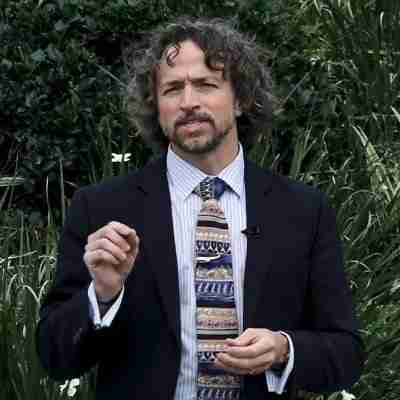
Attendees at Budget Breakfast get to dig in to Government’s fiscal plans
Ask me anything, the Premier and Finance Minister David Burt told the Bermuda business community on Monday – and they did.
From Corporate Income Tax to population numbers, increased spending to price controls, attendees at the Chamber of Commerce Budget Breakfast were given free – respectful – rein, to dig into Government’s budget plans.
( Full comments & Q&A above, Selected highlights of the Q&A below)
Video: Selected Highlights of the Chamber of Commerce Budget Breakfast Q&A
Corporate Income Tax
Questioned on potential revenues from the Corporate Income Tax, with 187.5-million budgeted for this coming year – Premier Burt is still confident in the estimates given early last year.
He said, “we haven’t adjusted the number since we got the first projections, I would say early in 2024… All the information that has come in since confirms that that number is a sound one.”
Future CIT revenues are budgeted at 600 million a year.
Attendees voting on how they would like to see CIT revenues used wanted debt repayment to be a priority, followed by eliminating payroll taxes, and investing in infrastructure.
The Premier responded, saying “I think that that is broadly reflective of where we’ll go… I came in for some criticism inside the Throne Speech, by saying that it is expected that Bermuda would be able to retire its debt in ten years… I stand by that statement.”
Price Controls?
While a pre-budget Government post heralded possible pricing controls on groceries, Premier Burt sought to re-frame the discussion around price oversight, saying “in 2022, we eliminated the customs duty on essential goods. But the reality is those savings have not gone through to consumers, and we’ve seen increases.”
“Importers will say that’s because our costs become higher – I’m not going to argue with that. But we don’t know.”
“The headlines will go ‘price controls, price controls, price controls’. I have said in Parliament on numerous occasions, price controls do not work if you put them on a broad measure. But, to ensure that cost savings from duty and zero rate duty is passed on to consumers, I think, is a very fair application of government oversight.”
Public Sector Salaries
On the increased expenditure, Premier Burt said there has been low capital spending since 2010 and there is a need to address infrastructure, along with investments in IT, and salary increases for public sector workers.
“Government workers are underpaid for what they do”, the Premier said. “Public sector salaries in 2008 were higher than the private sector. Now they are significant lower. We bleed some of our best people to the private sector.”
“We’ve been through a review. We are going to see more expenses on the line of salaries. However, the investments of which we make in technology will be able to make sure that we are not constantly increasing positions in those spaces.”
Population numbers
On the population numbers, the Premier conceded that Government’s system of estimating the population between census dates has not been accurate. I.T. updates will ensure more accurate numbers following the 2026 census.
He said, “one of the things of which we’ve done is put in place IT systems so that we can do population estimates… In so far as you just measure the amount of change of persons at your borders.”
“Unfortunately, right now we only in the population estimates put out measure births and deaths. We know that is not an accurate measure of population.”
“I think from 2024 we’re pretty good on the data. But the minister said that he’s not going to be releasing anything until we get to 2026 with a baseline, the census, and then we’ll be using those things are going forward.”