Olivia Gazzard and Isabella Sousa crowned a flawless, undefeated campaign by capturing the gold medal at the ECVA U20 Beach Volleyball Championship in St Kitts.
The rising stars secured regional supremacy with a thrilling 2-1 victory over local favorites Celina Alwani and Shaylee Pinney on the sands of Frigate Bay.
After taking the opening set 21-16, the Bermudian duo were pinned back as the hosts roared through the second 21-11. Faced with a raucous home crowd in the decider, Gazzard and Sousa showcased immense composure to edge out the final set 15-12.
The golden finish caps a dominant week for the pair, who had earlier powered into the final by dismantling another St Kitts & Nevis duo—Azaria Amritt and Arjenel Browne—21-7, 21-11 in the semi-finals.
The historic triumph sees Gazzard and Sousa return home deservingly crowned as the new ECVA Under-20 champions.
Bermuda’s young athletes wrapped up their 2026 NACAC Under-18 and Under-23 Championship campaign in Apizaco, Mexico, with a superb podium finish on the field.
Tatiana Sousa claimed a magnificent silver medal for the island contingent with an outstanding performance in the Under-18 Women’s Javelin.
Defying a highly competitive continental field and the grueling elements of high altitude, Sousa produced a superb series of throws. Her top effort of the day measured an impressive 39.33m (129 feet) to comfortably lock down second place.
On the track, Surii Russell delivered a gritty performance in a fast, tactical Under-18 Men’s 800m final. Russell crossed the line in 2:04.73 to finish a commendable eighth overall.
The championship concludes a vital week of elite international experience for Bermuda’s emerging talent against the very best junior athletes in the region.
Bermuda’s Sakari Famous enjoyed a dream start to her professional high jump career, securing a stunning victory at the Murphey Classic while matching her own national record.
The 26-year-old transitioned seamlessly into the pro ranks, clearing a majestic 1.85 metres (6ft 0.75in) to claim the top spot on the podium.
The leap mirrors the spectacular national benchmark she set just weeks ago in Texas, demonstrating remarkable consistency as she establishes herself on the elite international circuit.
Faced with a highly competitive field for her professional bow, Famous showed immense composure over the bar, focusing entirely on technical execution rather than the magnitude of the occasion.
“I went into this meet with no expectations and only a focus on executing what I’ve practiced,” Famous said after her victory. “I’m nothing but grateful for my performance!
“Also, I’m truly blessed to have great guidance from Marissa Chew and sooo much support from my training partners, friends and family. I’m glad to have put up a great effort this past weekend.”
The performance is a massive boost for the Bermudian as she continues to build momentum in her outdoor campaign, validating her decision to join the professional ranks under the watchful eye of coach Chew.
With her technical precision firing on all cylinders, Famous looks well-positioned to raise the bar even higher as she prepares to represent Bermuda on the world stage in Scotland later this year.
In this episode, Dianne sits down with Melissa from Clarien Bank & Steven from Bermuda Triathlon Association to explore the importance of building strong foundations in youth through sports and financial education. Discover how early involvement in activities like Iron Kids can foster resilience, confidence, and financial literacy.
UPDATE: From the Bermuda Police Service, “The regular police telephone numbers are working once again. The Bermuda Police Service thanks the public for their patience and understanding.”
The Bermuda Hospitals Board (BHB) has issued an urgent public advisory advising residents that the current Digicel outage is affecting 911 emergency calls.
Members of the public experiencing a medical emergency are being asked to contact the Emergency Department directly at 239-1301 while the disruption continues.
BHB said it will provide a further update once 911 services have been restored.
Residents are encouraged to use the temporary emergency number only for urgent medical emergencies until normal service resumes.
It said the “Team Gaza Initiative”, launched at the Palestine Donor Group meeting in Brussels, would support ongoing and planned early recovery projects for the people of Gaza
International News via Reuters:
The European Commission said on Monday it had launched an initiative with 15 partners to deliver €883.6 million ($1 billion) in aid to Gaza.
It said the “Team Gaza Initiative”, launched at the Palestine Donor Group meeting in Brussels, would support ongoing and planned early recovery projects for the people of Gaza.
Twelve European countries and Japan joined the initiative, together with the World Bank and the European Investment Bank, the Commission said. ($1 = 0.8747 euros)
Reporting by Bart Meijer; editing by Philip Blenkinsop
Meta, owner of Facebook and Instagram, had launched Muse Image on Tuesday, its first image-generation model from Meta Superintelligence Labs
International News via Reuters:
Meta said on Friday it is discontinuing an AI feature launched this week that allowed users to generate images using public Instagram accounts, after drawing widespread criticism over privacy concerns, including from a Hollywood union.
“Our intent was to provide a useful creative tool and to give people control over whether their public content could be referenced in this way,” Meta said in a statement.
“We’ve heard the feedback that this feature missed the mark, so it’s no longer available,” it said.
Meta, owner of Facebook and Instagram, had launched Muse Image on Tuesday, its first image-generation model from Meta Superintelligence Labs. The feature, integrated into its Meta AI chatbot, can use photos as input and lets users edit generated images directly through sketches.
The feature soon faced backlash over privacy concerns and being an automatic opt-in for users.
Emmy-winning actor Hannah Einbinder, known for “Hacks,” criticized the feature on Instagram, saying it had been turned on automatically and urging users to turn it off.
SAG-AFTRA, the union representing actors and other media professionals, also urged members and other Instagram users on Thursday to opt out of the feature.
“Anything other than a clear and conspicuous opt-in for these types of uses of Instagram users’ images is unacceptable, and an utter miscalculation of public sentiment regarding the obvious dangers and harms inherent in such use,” SAG-AFTRA said.
Following Meta’s decision to remove the feature, SAG-AFTRA welcomed the move.
“With the dangers of nonconsensual digital replicas well known to all, a feature that encouraged that behavior is unwise. We appreciate its discontinuance. It is the responsible thing to do,” a union spokesperson said.
The reversal reflects increasing pressure on technology companies to give users clear control over how their publicly shared content is used by AI features.
Reporting by Natalia Bueno Rebolledo and Mrinmay Dey in Mexico City; Editing by Edmund Klamann and Tom Hogue
Von der Leyen presented a paper from two experts recommending a tiered approach, with under-13s only allowed to use social media for limited periods under the supervision of parents, caregivers and teachers
International News via Reuters:
The European Union will move to limit young children’s access to social media across the 27-member bloc, European Commission President Ursula von der Leyen said on Monday, in what would be the biggest such effort to date to guard against online dangers.
Von der Leyen presented a paper from two experts recommending a tiered approach, with under-13s only allowed to use social media for limited periods under the supervision of parents, caregivers and teachers. The curbs would be lifted gradually as teenagers got older.
“It is clear we need age-appropriate restrictions to platforms,” von der Leyen told reporters in Brussels.
“The question is no longer if children face risks online, but what can we do to give children a safer start online,” she said.
Von der Leyen indicated that she was likely to follow the experts’ suggestions and that the Commission would present a concrete proposal after the summer. She is expected to announce it at her state of the union address in September.
Australia, Britain, China, India and the United States have already imposed a social media ban or are considering one, which would mainly target TikTok, Alphabet’s YouTube and Meta’s Instagram and Facebook.
Those companies did not immediately respond to emailed requests for comment. Social media platforms have said they have measures to protect younger users and many have already imposed age restrictions.
“We first need to consider the type of platforms that are harmful to our children. The evidence shows that this is mainly social media platforms, but also other providers with age-inappropriate and addictive features. So think of it as social media plus,” von der Leyen said.
“And when we have this clearly defined category, I believe we need to consider phased and gradual access for different age ranges,” she added.
The fire broke out alongside a highway near Fontainebleau, home to one of France’s best-known royal palaces, which once served as a hunting lodge and autumn residence for past monarchs
International News via Reuters:
More than 400 French firefighters worked through the night to contain a wildfire in the historic Fontainebleau forest south of Paris, and authorities sent two waterbombing planes on Monday to tackle the blaze as a heatwave gripped western Europe.
The fire broke out alongside a highway near Fontainebleau, home to one of France’s best-known royal palaces, which once served as a hunting lodge and autumn residence for past monarchs. By midnight, the flames had scorched more than 800 hectares (1,980 acres), fanned by hot winds.
Just 70 kilometres (43.5 miles) from Paris, the blaze forced the closure of the A6 highway linking Paris with Lyon and the south. Smaller fires in the area also disrupted high-speed train services.
“The fight continues today,” the French fire service said on X. Local residents have been warned that the Canadair planes will have to scoop water from the river Seine, which flows through central Paris.
European countries are worried about increasingly frequent heatwaves and record-breaking temperatures. Most scientists say the fires are driven by climate change, with large swathes of continental Europe parched.
Wildfires have already ripped through regions of France, Spain, Portugal and Greece, charring thousands of hectares of land.
The death toll from a blaze that swept through Spain’s southeastern Almeria province rose to 13 over the weekend, when a 93-year-old British woman died of burns.
Western Europe is gripped by its third prolonged spell of baking temperatures this summer.
A heatwave in late June likely killed thousands of people, with countries reporting more than 10,000 excess deaths. Power supplies were disrupted, schools shut and temperature records broken in France, Spain and Britain.
“To have this kind of excess at this time of year is unusual. It’s really high,” said Lasse Vestergaard, chief physician at Denmark’s Statens Serum Institut, which hosts EuroMOMO, a Europe-wide mortality surveillance system.
“It is difficult to explain this high excess mortality by anything but the extreme heat,” Vestergaard told Reuters.
Reporting by Benoit Tessier and Sudip-Kar-Gupta; Writing by Richard Lough, editing by Andrei Khalip
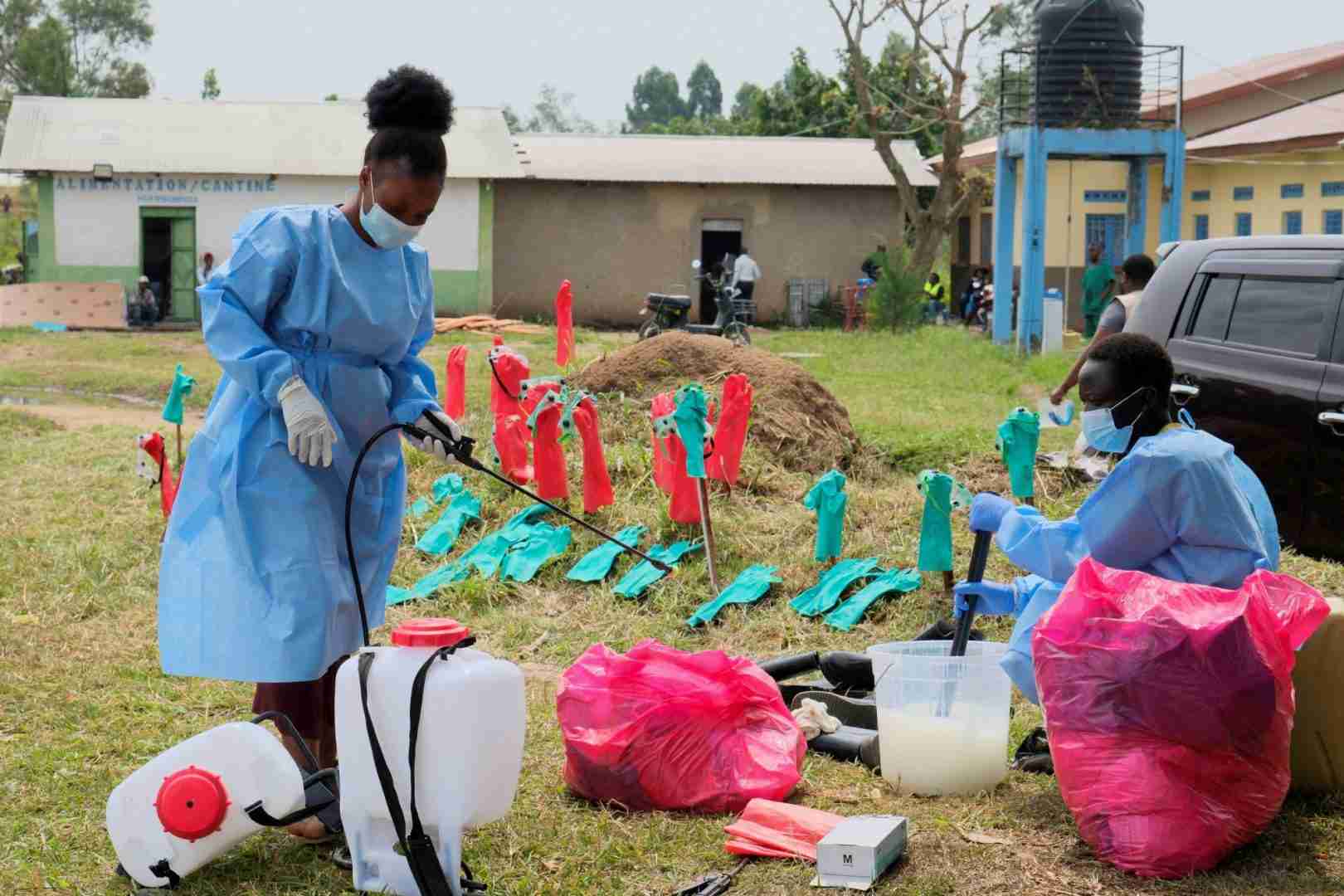
The early-stage trial, known as BD-Ebov, will evaluate the safety and immune response of the ChAdOx1 BDBV vaccine in 50 healthy adults aged 18 to 55 in Oxford, the university said on Monday
International News via Reuters:
The University of Oxford has launched the first human trial of a vaccine against Bundibugyo ebolavirus, seeking to accelerate efforts to combat an outbreak spreading in the Democratic Republic of Congo and Uganda.
The early-stage trial, known as BD-Ebov, will evaluate the safety and immune response of the ChAdOx1 BDBV vaccine in 50 healthy adults aged 18 to 55 in Oxford, the university said on Monday.
Here are the details:
• Recruitment has begun, with vaccinations expected to start in the coming weeks pending regulatory approval.
• The vaccine was developed by scientists at Oxford’s Vaccine Group and Pandemic Sciences Institute using the same viral vector platform as the Oxford/AstraZeneca COVID-19 shot.
• Serum Institute of India, which is partnering on the programme, said it manufactured and stockpiled about 620,000 doses of the vaccine candidate within two weeks and supplied 4,000 investigational doses for the early-stage study.
• In May, the World Health Organization recommended prioritising ChAdOx1 BDBV vaccine, alongside a single-dose candidate known as rVSV Bundibugyo, being developed by the International AIDS Vaccine Initiative, for clinical evaluation as part of the response to the ongoing outbreak.
• The Coalition for Epidemic Preparedness Innovations said it would initially invest up to $8.6 million for the development of the shot.
• Preparations are also under way for additional clinical studies in Uganda, subject to regulatory approval, through partnerships including the Medical Research Council/Uganda Virus Research Institute and the London School of Hygiene and Tropical Medicine Uganda Research Unit.
• If the early-stage trial is successful, CEPI said it would work with Oxford and Serum Institute to support late-stage studies needed to seek emergency-use authorisation or full regulatory approval.
• The partners said they aim to ensure rapid and affordable vaccine supplies for affected countries.
Reporting by Siddhi Mahatole in Bengaluru; Editing by Mrigank Dhaniwala
Described by critics as “versatile” and “reliably excellent”, Neill landed starring roles across many genres, ranging from a submarine officer in the 1990 action-thriller “The Hunt for Red October” to the anti-Christ in 1981’s Omen III
International News via Reuters:
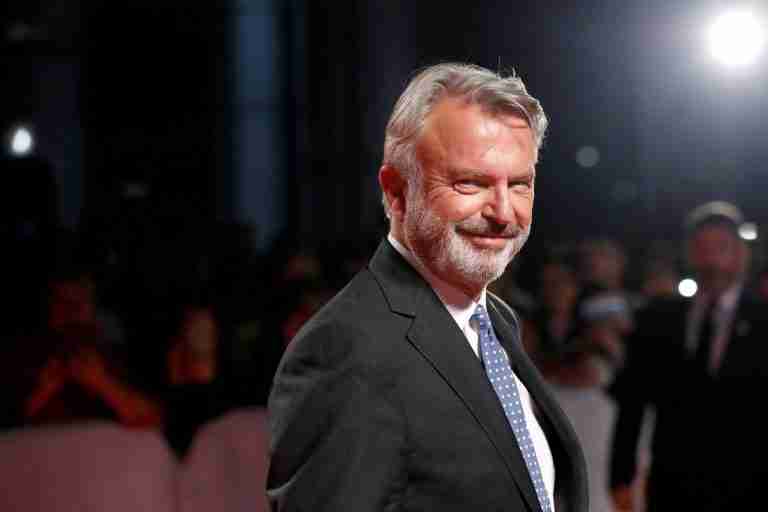
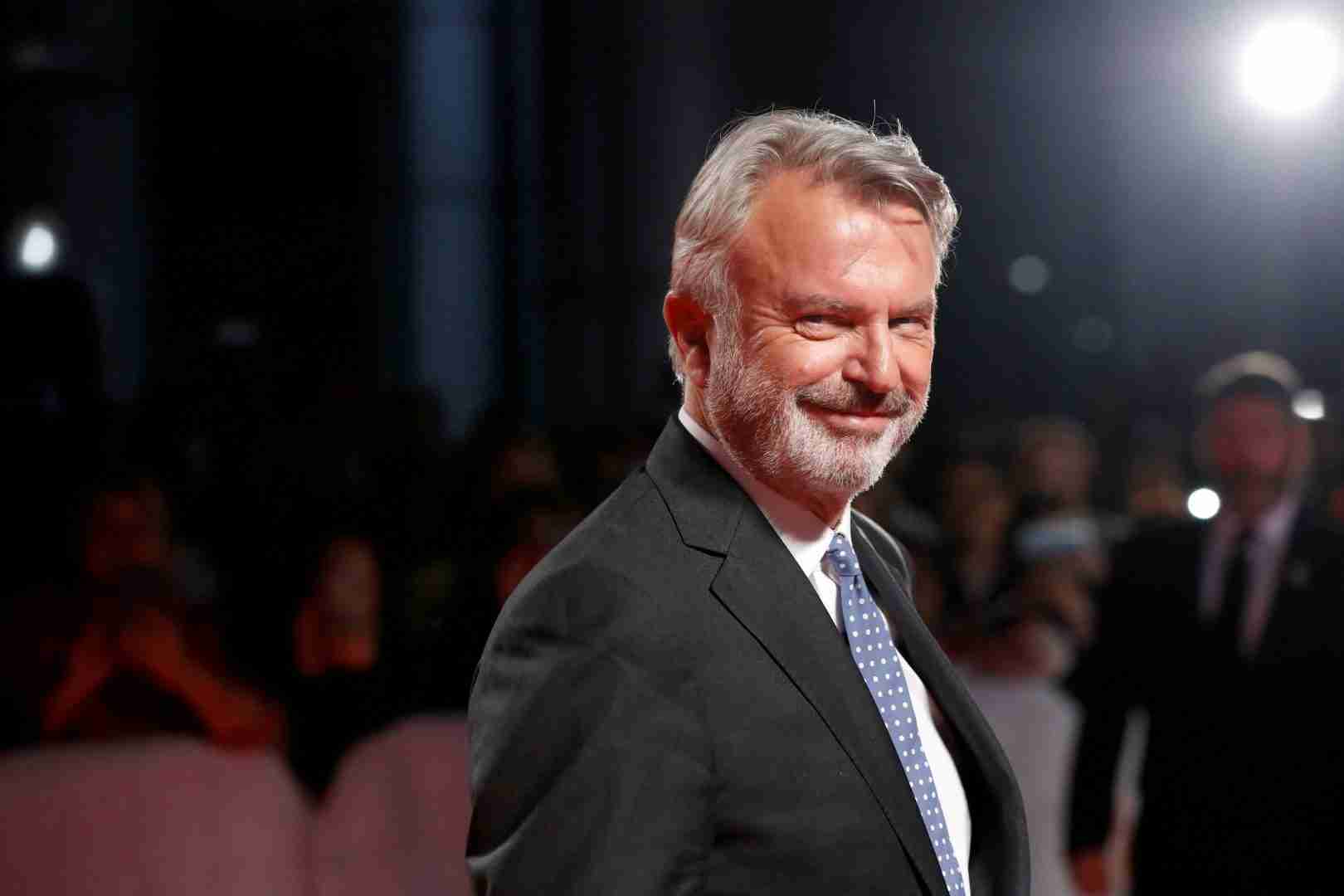
Sam Neill, the New Zealand actor best known for playing paleontologist Dr Alan Grant in dinosaur blockbuster “Jurassic Park” and whose career included more than 50 movies, has died at the age of 78.
A post shared on social media by his family said Neill’s death in Sydney “was sudden and unexpected but blessed by the fact that Sam remained cancer free.” In April, Neill announced he was cancer free after a public battle with blood cancer.
Described by critics as “versatile” and “reliably excellent”, Neill landed starring roles across many genres, ranging from a submarine officer in the 1990 action-thriller “The Hunt for Red October” to the anti-Christ in 1981’s Omen III.
He also played countless anguished husbands, including opposite Holly Hunter in the Oscar-winning “The Piano” (1993) and opposite Meryl Streep in 1988’s “Evil Angels”, also known as “A Cry in the Dark”.
Born in Omagh, a town in Northern Ireland, Nigel John Dermot Neill moved to New Zealand when he was seven as his father, a New Zealander, retired from the army and wanted to return home.
At the age of 11, he changed his name to Sam. In his 2023 memoir “Did I ever tell you this?” he wrote that “to land in a primary school with a plum in the voice and Nigel for a name was asking for trouble.”
Sam was “easy to say, sounds friendly, sounds a bit blokey and has a touch of Labrador about it,” he wrote.
Neill described himself as a wonky, nerdy, unsporty, stuttering boy, but it was at school that he took his first tentative steps towards acting, earning minor roles in school plays including a bridesmaid in The Pirates of Penzance. “I liked getting a laugh,” he wrote in the book.
Neill’s big break came with the low-budget New Zealand film “Sleeping Dogs” (1977), garnering him sufficient attention to be offered roles in bigger-budget films in neighbouring Australia.
But even as his fame grew, he continued to return to New Zealand to work. At home, he was perhaps most adored for his role as the curmudgeon Hector in the low-budget “Hunt for the Wilderpeople” (2016) directed by Taika Waititi.
He missed out on a chance for mega-stardom in the mid-1980s when he did a screen-test for the role of James Bond, but said his heart wasn’t in it and during his daylong audition he’d felt awkward.
“You never want to be the Bond that no one likes – that’s a fate worse than death,” he once told an Australian breakfast show.
Neill was nominated for three Golden Globe awards and two Primetime Emmys. He won three Australian television awards including one in 2025 for The Twelve.
In 2022, he accepted a knighthood for outstanding contribution to film after years of turning down the honour. He said he only accepted it because it was vital that all the arts were recognised.
“Acting might look easy, but it’s actually very hard. In fact, if it looks like it’s easy, it means that the actor is doing something very hard, very well,” he said of his job.
The actor, who was married and divorced twice, spent much of his later years in Australia and at his vineyard in New Zealand’s Central Otago.
Earning plaudits for his wine, Neill started releasing Pinot Noir on land he owned in central Otago under the label “Two Paddocks” in 1997, a process he described as both enthralling and labour-intensive.
He often entertained fans by posting pictures of animals on his farm, many named after his celebrity pals including a hen called Laura Dern and a bull called Graham Norton. Recently, he has publicly opposed plans for a new mine in the area.
He is survived by two sons and two daughters.
For more obituaries, click here.
Reporting by Lucy Craymer; Editing by Edwina Gibbs and Lincoln Feast.
To provide the best experiences, we use technologies like cookies to store and/or access device information. Consenting to these technologies will allow us to process data such as browsing behavior or unique IDs on this site. Not consenting or withdrawing consent, may adversely affect certain features and functions.
Functional
Always active
The technical storage or access is strictly necessary for the legitimate purpose of enabling the use of a specific service explicitly requested by the subscriber or user, or for the sole purpose of carrying out the transmission of a communication over an electronic communications network.
Preferences
The technical storage or access is necessary for the legitimate purpose of storing preferences that are not requested by the subscriber or user.
Statistics
The technical storage or access that is used exclusively for statistical purposes.The technical storage or access that is used exclusively for anonymous statistical purposes. Without a subpoena, voluntary compliance on the part of your Internet Service Provider, or additional records from a third party, information stored or retrieved for this purpose alone cannot usually be used to identify you.
Marketing
The technical storage or access is required to create user profiles to send advertising, or to track the user on a website or across several websites for similar marketing purposes.