

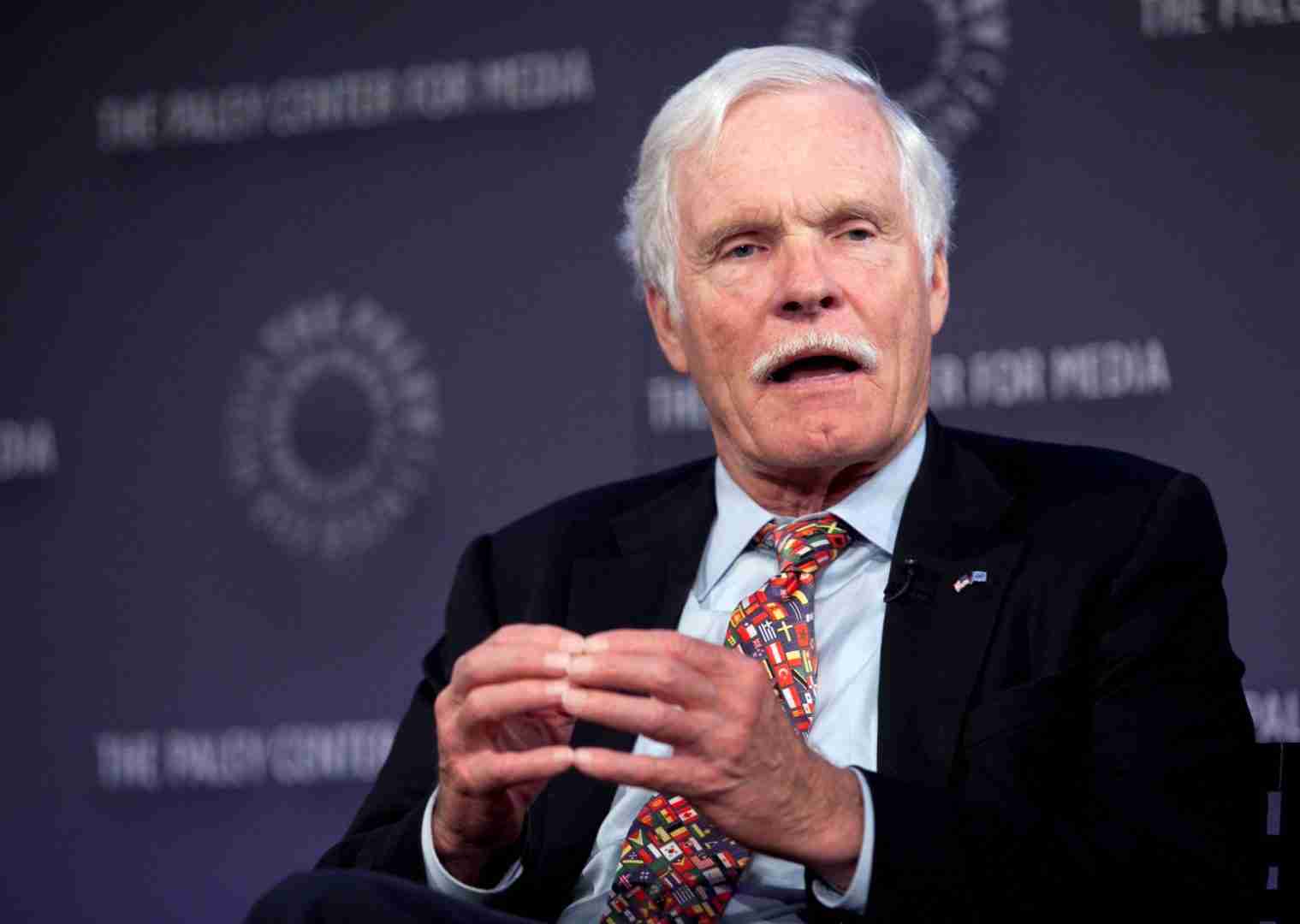
Ted Turner, outspoken founder of CNN, dies at 87
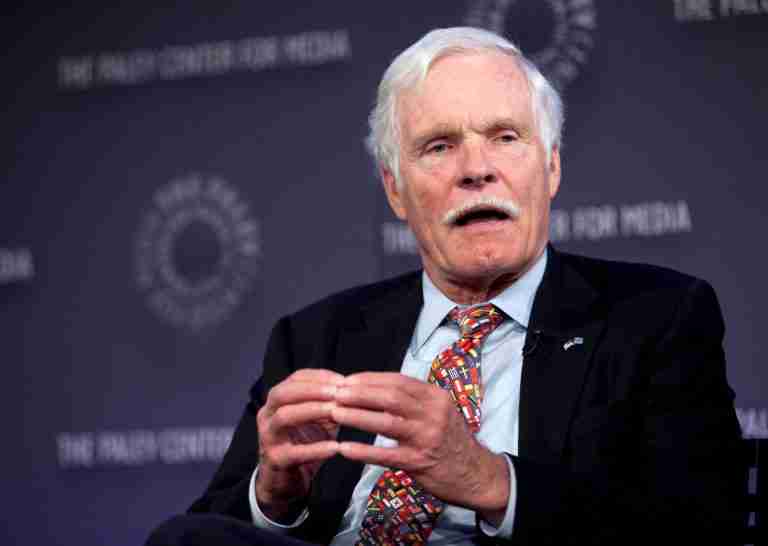
In September 2018 Turner revealed that he had Lewy body dementia, a degenerative nerve disease
International News via Reuters:
Ted Turner, the brash sportsman and entrepreneur whose ambition and instincts led to a media empire that included groundbreaking news network CNN, has died, CNN reported on Wednesday citing a press release from Turner Enterprises. He was 87.
No cause of death was given.
In September 2018 Turner revealed that he had Lewy body dementia, a degenerative nerve disease.
One nickname was not enough for a personality as roguish and bold as Turner’s. He was known variously as the “Mouth of the South,” “Captain Outrageous,” and “Terrible Ted.”
He became a billionaire by taking over his father’s billboard business, buying a television station in 1970 and parlaying that into what would become a vast ground-breaking television group.
Turner became one of the most powerful figures in U.S. media and entertainment, his networks specializing in news, sports, re-runs, and old movies. But he did not stop there. He added the MGM/UA movie studio to his portfolio before making an even bigger move – merging his Turner Broadcasting System with Time Warner in 1996.
Turner headed the new company’s cable networks division and was its leading shareholder, but he had trouble fitting into a corporate system after decades of free-wheeling as his own boss. He eventually lost control of his networks.
Turner also became one of the world’s leading environmentalists, one of the largest land owners in the United States, and a major philanthropist, giving $1 billion to the United Nations.
With a slender mustache, gap-toothed grin, dimpled chin and mischievous glint in his eye, Turner pursued a range of passions. In the 1970s he owned the Atlanta Braves baseball team and the Atlanta Hawks of the National Basketball Association and skippered his yacht the Courageous to the America’s Cup. The many women in his life included Oscar-winning actress Jane Fonda.
In 1986 he started the Goodwill Games, an Olympic-like competition, and two years later bought a wrestling organization that provided more TV content. His concerns about nuclear war led him to co-found the Nuclear Threat Initiative in 2001.
Forbes estimates Turner’s fortune at $2.8 billion.
“If I only had a little humility, I’d be perfect,” he once said.
ROCKY START IN TV
Robert Edward Turner III was born in Cincinnati on November 19, 1938, moving to the South with his family when he was 9. He was sent to military schools where he became a champion debater and yachtsman.
He enrolled at Brown University in Rhode Island and angered his father by studying the classics rather than business. Turner got in trouble for having a girlfriend in his room, among other offenses, and he never graduated.
He joined his family’s advertising company in Savannah, Georgia, selling space on billboards. At 24 he was left in charge after his father killed himself.
The business was sold to pay debts but after a family debate in which Turner was victorious, he repurchased the firm and made it successful. In 1970, against the counsel of advisers, he bought a failing Atlanta UHF television station, now called WTBS, for $2.5 million.
After a rocky start, Turner eventually made the station profitable with low-cost 24-hour programming. The station’s fortunes rose in 1976 after a federal ruling that cable television systems could use satellite signals for programming. By being a satellite pioneer, Turner helped WTBS become the first “superstation,” with programming picked up by local cable systems across the country.
In 1980, he started CNN in Atlanta, which he said would counter “sleazy” coverage by the major networks CBS, NBC and ABC. Offering low pay but the lure of adventure, Turner signed up journalists and technical crew who endured ridicule that the “Chicken Noodle Network” would fail. Instead, as the first 24-hour news outlet, it set a template for worldwide news coverage of wars, trials, revolutions and manmade and natural disasters.
“Barring satellite problems, we won’t be signing off until the world ends,” Turner said in a 2013 CNN interview. In 2018, in the middle of President Donald Trump’s stormy first term, Turner said in an interview that he rarely watched the network he had founded any more, saying that it focused too much on politics.
As a “televisionary,” Turner was named Man of the Year in 1991 by Time magazine for “influencing the dynamic of events and turning viewers in 150 countries into instant witnesses of history.”
In 1996 Time Warner Inc bought his Turner Broadcasting System for $7.5 billion, creating the world’s largest communications company, with properties such as HBO, Warner Bros movie studio, Time magazine, CNN, Cartoon Network and Turner Classic Movies.
In 2001, Time Warner merged with online provider AOL, a $99 billion deal that Turner voted in favor of. But in the ensuing reorganization, he was stripped of his position overseeing the cable networks that he had created and ultimately lost billions as the value of the company’s stock fell. In 2003 he quit as vice chairman and three years later stepped down as a Time Warner director.
He battled depression and often spoke of suicide, according to his biographer.
BLUNT TALKER
In his early days Turner had a reputation as a raucous drinker who bluntly spoke whatever was on his mind.
“I don’t have any idea what I’m going to say,” he once told the New Yorker magazine. “I say what comes to my mind.”
He ticked off the Catholic church when he called some of his employees “Jesus freaks” because of the Ash Wednesday marks on their foreheads and told a group of Germans that after being on the wrong side of two world wars, they could turn things around just as his losing Braves baseball team had done.
Turner had a long-running feud with fellow media mogul Rupert Murdoch that began in 1983 when a Murdoch-sponsored yacht collided with Turner’s boat in an Australian race, which led Turner to challenge Murdoch to a fist fight. Their ill will intensified in 1996 when Murdoch started Fox News as a conservative rival of CNN. Turner called him a warmonger and likened him to Adolf Hitler.
During his ownership of the Atlanta Braves baseball team, Turner appointed himself manager and directed the team for one game, a 2-1 loss to Pittsburgh, in 1977. Baseball officials then ordered him to relinquish the manager’s job.
But he was also a major philanthropist. In 1997 he made philanthropic history by announcing that he was donating $1 billion to fund United Nations operations. In 2017, after the last installment of the donation, Turner called it “the best investment I’ve ever made.”
His Turner Foundation also gave millions to environmental groups, while he promoted and invested in clean energy.
Turner became one of the largest private landowners in the United States with more than 1.9 million acres (770,000 hectares) in six states, including Montana, where he spent much of his time. He owned a herd of some 50,000 bison, which he used to supply a restaurant chain he founded in 2002 called Ted’s Montana Grill. He also owned ranches in Argentina’s Patagonia.
Turner was married and divorced three times and had five children. His third marriage, to Fonda, which lasted 10 years, ended in 2001.
Editing by Rosalba O’Brien
New project to honour and inspire our youth

The Ministry of Youth, Social Development and Seniors has launched a new annual initiative titled Youth Trailblazers Out Front 2026, aimed at recognizing Bermuda’s graduating students for their achievements, leadership, creativity, perseverance, and community impact. Honorees will be celebrated through public profiles, digital features, ministerial recognition, and a Front Street flag installation in the heart of Hamilton.
Kendal Trott spoke with Tinée Furbert, Minister of Youth, Social Development and Seniors, who shared that this is the first initiative of its kind focused on highlighting Bermuda’s youth. She is encouraging schools, sports clubs, and community organizations to submit nominations before the May 11th deadline.
Stocks jump and oil slides after Iran peace deal report
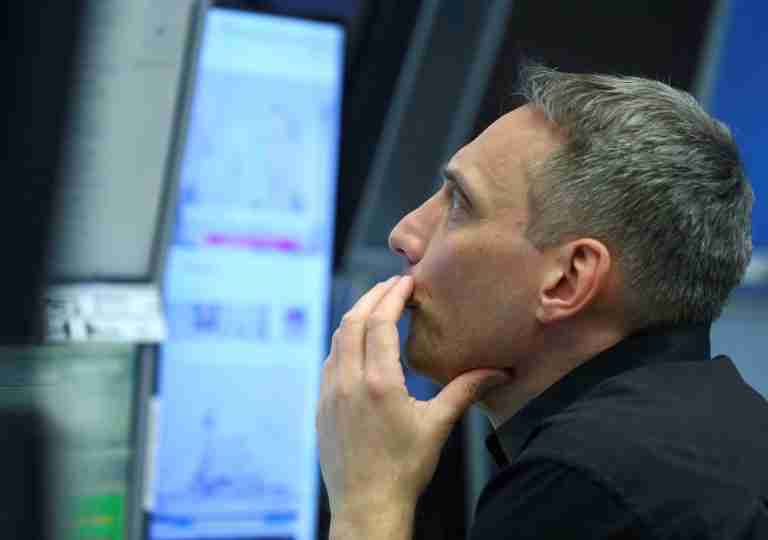
Brent crude, the global benchmark, plunged to just below $100 per barrel, its lowest in two weeks, given the importance of oil passing through the Strait of Hormuz
International News via Reuters:
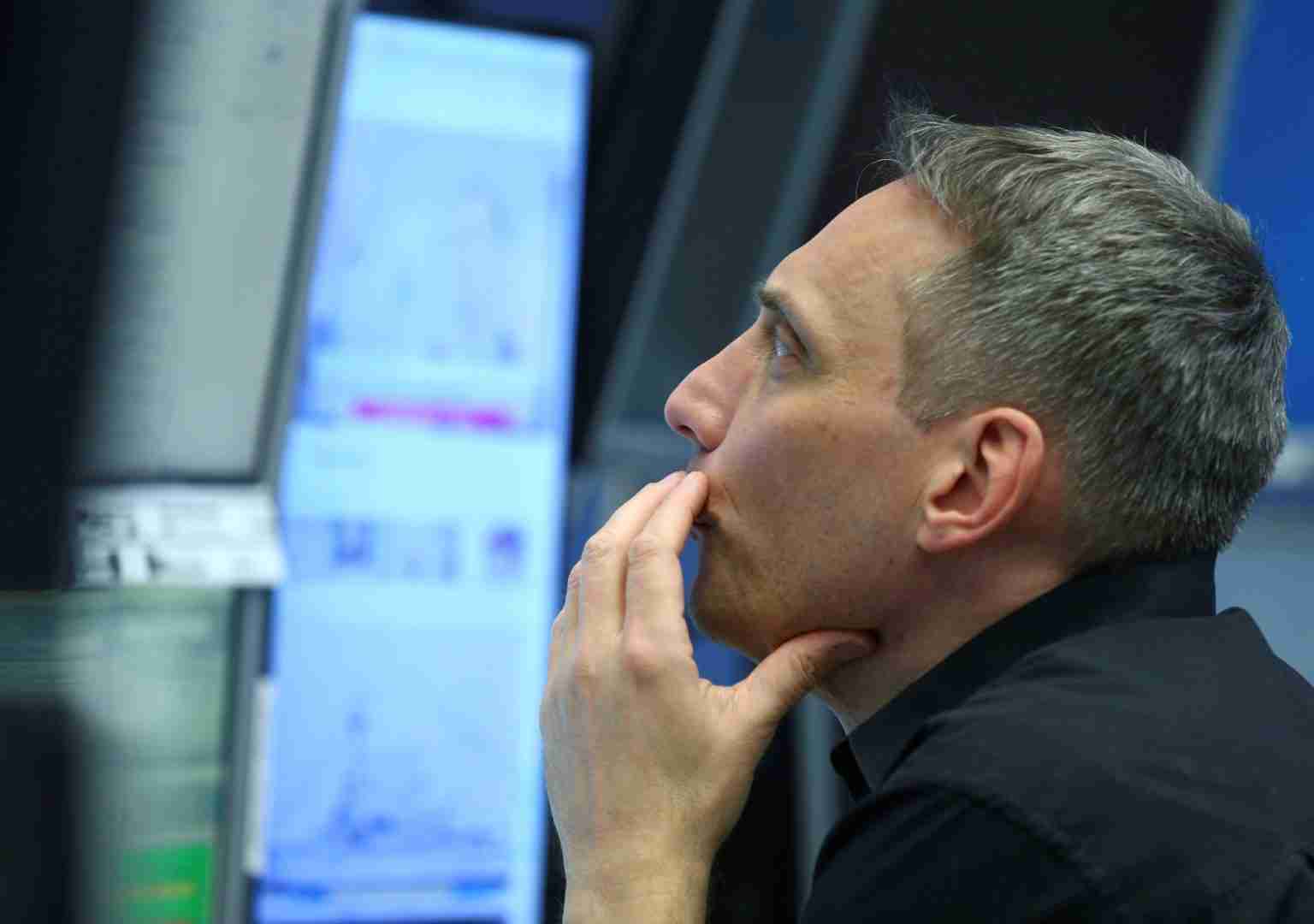
Stocks surged and oil prices dropped on Wednesday after a report that the United States and Iran are closing in on an agreement to end the war in the Gulf, while momentum in AI-driven trades accelerated.
Brent crude, the global benchmark, plunged to just below $100 per barrel, its lowest in two weeks, given the importance of oil passing through the Strait of Hormuz. Brent was last trading at $102.1, down 7% on the day.
On Wall Street, a humming U.S. corporate profit engine continued to rally U.S. stocks to record highs. The Dow Jones Industrial Average added 1.3%, the S&P 500 rose 1.2%, and the Nasdaq Composite jumped 1.4%.
Europe’s STOXX 600 index extended its gains and was last up 2.2% after climbing 0.7% a day earlier. MSCI’s All-Country World Index climbed 1.63% to a fresh record.
“A pretty punchy move on the back of those stories, almost as if the market has shifted into ‘buy everything’ mode,” said Michael Brown, senior research strategist at Pepperstone.
“It’s difficult to say how close to a deal we might be,” he said. “Market participants, though, aren’t going to wait for confirmation of good news and are essentially now front-running a positive outcome.”
The U.S. dollar, which has been a safe haven during the Iran war, dropped 0.3% against its major peers, reflecting investor hopes for a possible deal.
The yen rose by as much as 1.8% against the dollar in a swift move, triggering speculation of another round of intervention.
Meanwhile, yields on government bonds fell along with oil prices as traders dialled down their bets on central bank rate hikes. The 10-year U.S. Treasury yield fell 6.2 basis points to 4.354%.
Although stocks have rallied sharply, ructions in energy and bond markets could weigh on global growth. Oil prices are around 35% higher than they were when the conflict began in late February, while 10-year Treasury yields are around 40 bps higher.
AI RALLY BOOSTS GLOBAL STOCKS
In the U.S., shares in chipmaker Advanced Micro Devices jumped around 15% as the company forecast second-quarter revenue above Wall Street expectations, helping drive AI enthusiasm across markets. Rival Intel <INTC.O> also rose to a record high, while chip designer Arm Holdings <ARM.O> and chipmaker Qualcomm <QCOM.O> also surged.
The broadest index of Asia-Pacific shares outside Japan jumped 3.2%. Samsung Electronics surged 14%, topping a $1 trillion market value and overtaking Berkshire Hathaway.
“Due to the capex spend we are seeing from (AI) hyperscalers in the U.S., the earnings growth trajectory for sectors such as semiconductors, tech hardware, industrials and materials in Asia exceeds anything I have seen in a long time,” said Rushil Khanna, head of equity investments for Asia at Ostrum, an affiliate of Natixis Investment Managers.
Reporting by Lawrence Delevingne in Boston, Harry Robertson in London and Gregor Stuart Hunter in Singapore; Editing by Thomas Derpinghaus, Kirsten Donovan, Joe Bavier, Nick Zieminski and Nia Williams
Global debt hits record of near $353 trillion, with signs of move away from US
IIF’s quarterly Global Debt Monitor said that strengthening international demand for Japanese and European government bonds contrasted with broadly stable demand for U.S. Treasuries since the start of the year
International News via Reuters:
Investors are showing signs of diversifying away from U.S. Treasuries as global debt levels hit a record of nearly $353 trillion by end-March, a report by the Institute of International Finance published on Wednesday found.
IIF’s quarterly Global Debt Monitor said that strengthening international demand for Japanese and European government bonds contrasted with broadly stable demand for U.S. Treasuries since the start of the year.
“These trends partly reflect diverging debt trajectories, which are increasingly influencing investor allocation decisions,” Emre Tiftik, director at the IIF for Global Markets and Policy, wrote.
“Under current policies, the U.S. debt-to-GDP ratio is expected to continue rising, and recent Congressional Budget Office projections indicate a further deterioration in the long-term fiscal outlook.”
This stood in contrast to debt ratios in the euro zone and Japan, which are projected to follow a more moderate path even with continued fiscal expansion, the report said.
However, U.S. corporate bond markets continue to boom, supported by AI-related issuance and strong overseas inflows.
RISING DEBT LEVELS
Washington’s borrowing push was one of the main drivers for global debt to rise by over $4.4 trillion in the first quarter, the fastest increase since mid‑2025 and the fifth straight quarterly increase, the IIF report said.
Tiftik said the rise in U.S. debt had been largely driven by government borrowing.
He pointed to a sharp acceleration in debt at the start of the year by Chinese non-financial corporate borrowers – predominantly state-owned firms – which significantly outpaced borrowing by the country’s government.
Outside the world’s two biggest economies, debt across mature markets edged lower, while emerging markets, excluding China, saw levels rising modestly to a record $36.8 trillion driven by government borrowing.
Looking at key debt ratios, global debt stood at 305% of world economic output, broadly stable where it had been since 2023. However, debt ratios followed a similar pattern as debt levels – trending lower in mature markets and rising steadily in emerging economies.
Overall, the biggest increases over the past quarter were recorded in Norway, Kuwait, China, Bahrain, and Saudi Arabia – each recording gains of more than 30 percentage points of GDP, the IIF report showed.
The IIF predicted that structural pressures – including aging populations, rising spending on defense, energy security and diversification, cybersecurity and AI-related capital expenditure – would push both government and corporate debt levels higher over the medium- to long-term.
“The recent conflict in the Middle East is set to further intensify some of these pressures,” Tiftik said.
Reporting by Karin Strohecker; Editing by Dhara Ranasinghe and Tomasz Janowski
More than 700 vapes seized by health officials


Environmental Health Officers from the Department of Health conducted targeted enforcement inspections at two retail locations on Thursday, 30 April, resulting in the seizure of a significant quantity of harmful vapes. A total of 756 vapes, valued at more than $30,000, were confiscated from shops in Devonshire and Smith’s. The products were found to contain either metatine, a toxic chemical, or nicotine levels above the legal limit. Both substances are controlled in Bermuda due to their association with addiction, lung disease, and certain cancers.
Minister of Health Kim Wilson, JP, MP, stated: “Despite warnings, these shops continued to stock illegal vapes. Keeping harmful products off our streets, and especially out of the hands of children, remains a priority for the Government. Regulating and enforcing controls on harmful products is one of the many tools we use to help prevent cancer and protect public health in Bermuda.”
These enforcement actions align with the Minister’s ongoing warnings about the health risks associated with vaping. She has consistently cautioned that vaping products containing high‑dose nicotine or toxic chemicals pose serious risks, particularly to young people, and that illegal sales undermine Bermuda’s public health protections.
Under the Pharmacy and Poisons Act 1979, nicotine‑containing vapes may only be sold in registered pharmacies by licensed pharmacists, ensuring proper age verification, professional guidance, and controlled access. This safeguard exists to protect the public by preventing unregulated exposure to addictive or harmful substances and ensuring that anyone who chooses to use these products does so under appropriate oversight.
Selling harmful vapes is a criminal offence. This includes vapes that:
- contain prescription‑only substances;
- contain substances that may only be sold by a pharmacist;
- contain more than 2.1% nicotine; or
- contain nicotine with a flavour other than mint.
Members of the public are encouraged to report shops suspected of selling illegal vapes by contacting Environmental Health at 246‑7766 or by emailing envhealth@gov.bm.
Canarians worry arrival of hantavirus cruise ship will bring repeat of Covid quarantines
The MV Hondius, carrying 150 people, is expected to reach Tenerife on Saturday, where it will dock after Spain agreed to requests from the World Health Organization to receive it despite protests from the local government
International News via Reuters:
The arrival this weekend of a cruise ship hit by an outbreak of hantavirus is reviving memories for residents of Spain’s Canary Islands of the quarantines they experienced during the Covid pandemic.
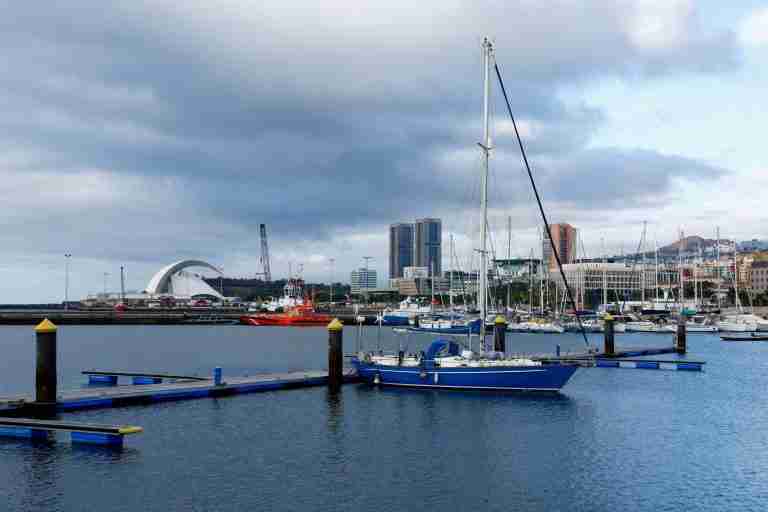
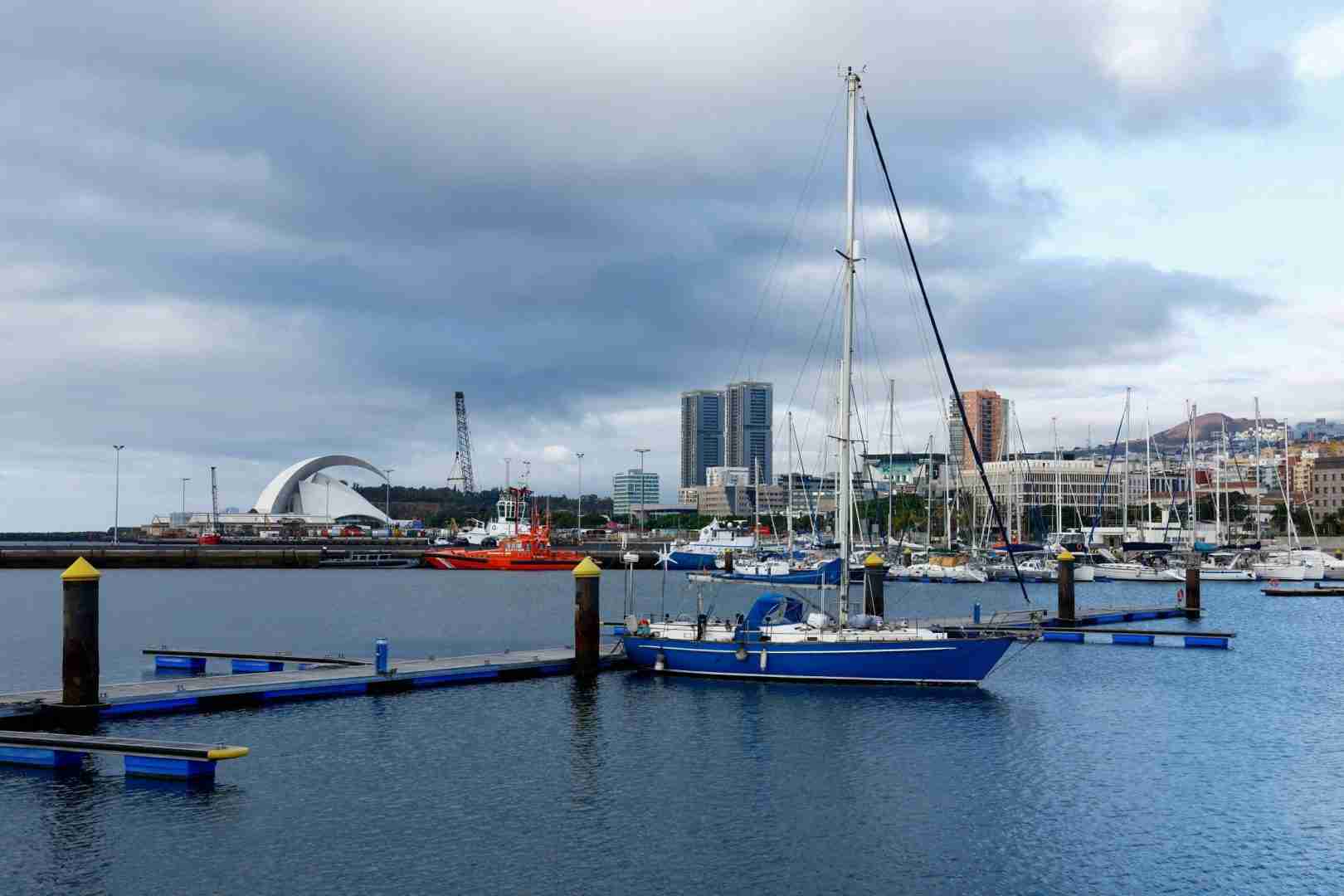
The MV Hondius, carrying 150 people, is expected to reach Tenerife on Saturday, where it will dock after Spain agreed to requests from the World Health Organization to receive it despite protests from the local government.
The archipelago was one of the first places in Europe to undergo quarantines during the early days of the pandemic. More than 700 holidaymakers were stranded in a hotel in Tenerife for 14 days in February 2020 after authorities cloistered the compound to prevent the spread of the virus, weeks before it propagated to the rest of Europe.
Other epidemics, such as an outbreak of Ebola in 2014, have also affected the islands, whose economy relies heavily on tourism. The archipelago has also complained that it has had to bear the brunt of a migration crisis from Western Africa.
“We are a community that’s already quite flexible when it comes to helping others and being accommodating to people, but I think this is excessive,” said local resident Margarita Maria, 62. “People are scared, people are worried. Spain is a huge country with plenty of ports where the cruise ship could go.”
The World Health Organization says the risk to the public remains low and the variant detected among passengers can spread between humans only through close, prolonged contact.
Nevertheless, the news was stirring fears that hospitals and health centres on Tenerife would have to be locked down, said a nurse who asked not to be identified.
“It will be just like Covid … People are worried about their children, elderly relatives and the vulnerable,” the nurse said, adding that the islands’ quarantine protocol for viruses, if one was declared, would affect schools and healthcare centres.
All the passengers left on board the ship were not presenting symptoms of the disease and would be repatriated to their countries, while the 14 Spaniards on board would be flown to a hospital in Madrid to quarantine, Spanish Health Minister Monica Garcia said on Wednesday.
Some residents complained that the Canaries’ status as a safe destination meant it always had to shoulder responsibilities other tourist markets shirk.
“Tourist destinations competing with the Canary Islands in the international market, such as Morocco, have not been taken into account, and the decision has been made to bring the cruise ship to the Canary Islands – there must be a reason for that,” said Jorge Marichal, president of Tenerife’s hotels association, Ashotel.
Madrid has failed to communicate what was expected of the archipelago, which was making it difficult to assuage the tourism industry, said the regional government’s tourism minister, Lope Afonso.
Some Canarians worried it could have an impact on Pope Leo’s scheduled visit to the Canaries in June.
“Can you imagine the Pope with hantavirus? That’s a headline we don’t want,” local comedian Omayra Cazorla said on Instagram.
Reporting by Corina Pons and Borja Suarez; writing by Charlie Devereux, Editing by William Maclean
EU struggles to finalise US trade deal under threat of higher auto tariffs
Trump said on Friday he would increase tariffs on EU cars and trucks to 25% this week, from 15% currently, because the EU was not complying with the terms of a deal struck in Scotland last July
International News via Reuters:
EU lawmakers and governments aim on Wednesday to finalise a deal scrapping duties on U.S. imports under renewed pressure from President Donald Trump, though divisions over safeguards dim chances of a swift agreement.
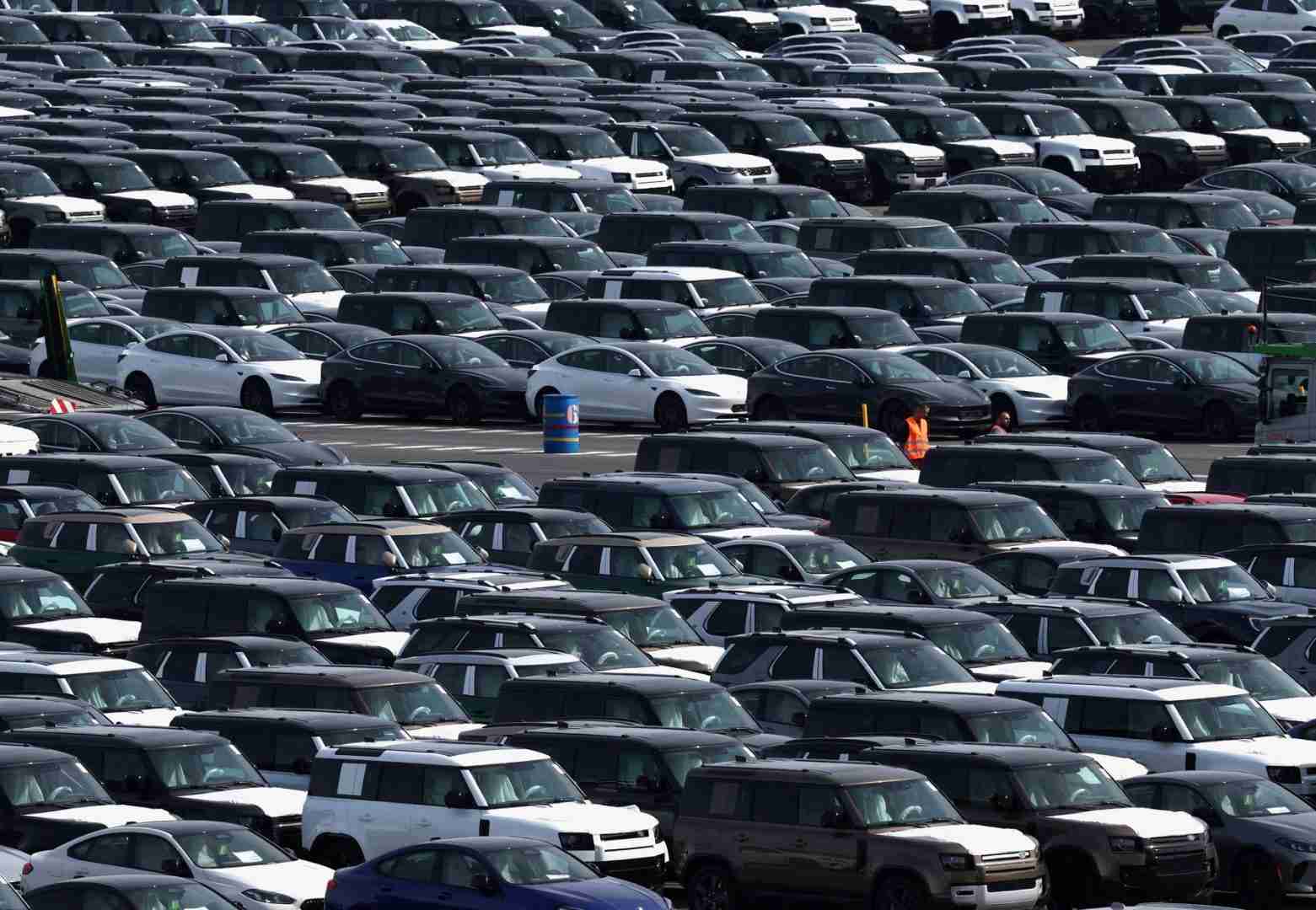
Trump said on Friday he would increase tariffs on EU cars and trucks to 25% this week, from 15% currently, because the EU was not complying with the terms of a deal struck in Scotland last July.
Many EU countries want to ward off that threat and are pushing for swift implementation of legislation to remove import duties on U.S. industrial goods and grant preference access to U.S. farm and sea produce, as set out in the trade accord.
However, nine months after the deal was struck, the European Parliament and the Council, the body representing EU governments, still have to agree a common text before the duty reductions can enter force.
LAWMAKERS WANT TOUGHER SAFEGUARDS
EU lawmakers want tougher safeguards, including suspending the deal if the U.S. fails to comply, making tariff cuts conditional on U.S. action, and ending EU tariff concessions entirely on March 31, 2028.
EU governments had little appetite for inserting such items, one EU diplomat said. Another said the two sides were still far apart, with further talks likely to be required next month.
Manfred Weber, president of the centre-right European People’s Party, the largest group in the European Parliament, said he wanted to see a final vote in the EU assembly in May.
However, that appears ambitious given a number of political groups believe Trump’s latest threat means strong safeguards are essential.
The car tariff threat cast a shadow over a meeting of G7 trade ministers meeting in Paris on Wednesday.
German Economy Minister Katherina Reiche, whose country would be among those hardest hit by the car tariff increase, said she was in intense talks with U.S. officials and was hopeful they would ‘solve this challenge.”
EU Trade Commissioner Maros Sefcovic said he would be heading to Brussels to attend the negotiations later in the day.
Reporting by Philip BlenkinsopEditing by Bernadette Baum
At a glance: Power boat race schedule released
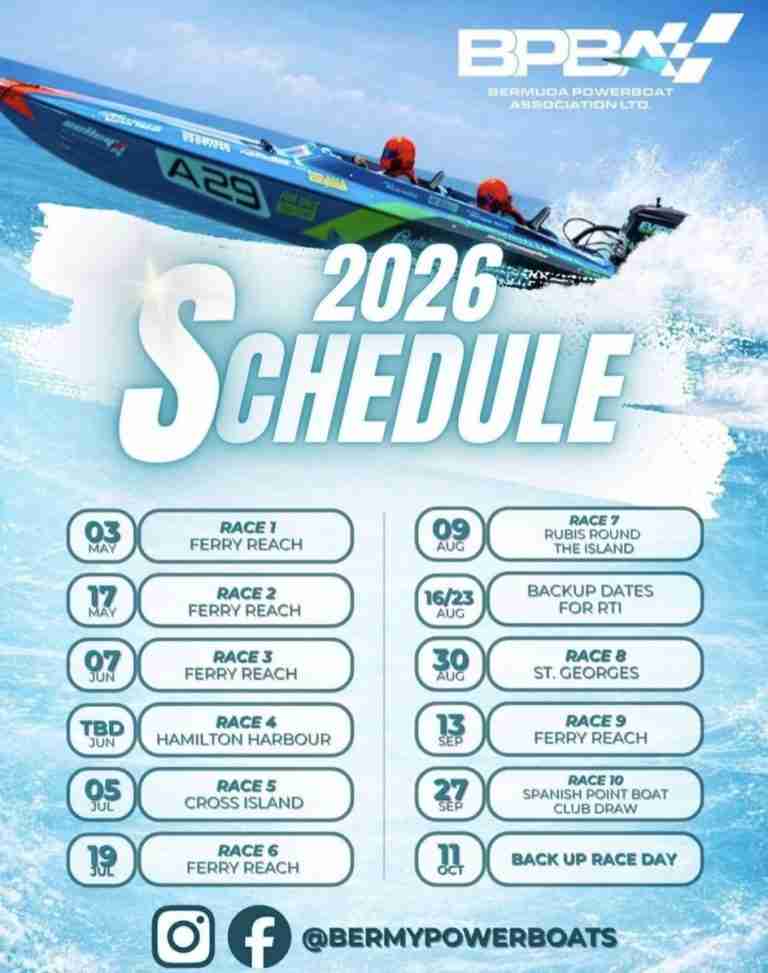
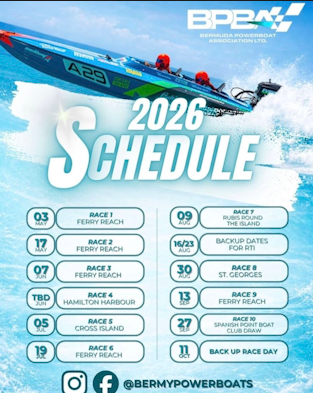
The Bermuda Power Boat Association has officially released its summer lineup of races and events, giving powerboat racing fans plenty to look forward to in the months ahead.
Organizers are encouraging the public to come out and support the upcoming race season as competitors prepare to return to the water for another exciting summer of action and entertainment.
Carrick edged out in Tortola five-set thriller

Bermudian squash standout Taylor Carrick suffered a heartbreaking exit in the opening round of the $6,000 EMCS Tortola Classic 2026 after a marathon battle in the British Virgin Islands.
The tournament, hosted at the Tortola Sports Club, saw Carrick drawn against the United States’ Tad Carney in what would prove to be the most grueling match of the opening day. Both players showcased incredible fitness and tactical depth in a contest that spanned 63 minutes of high-intensity play.
The match was a rollercoaster of momentum from the first serve. Carney took the early advantage with a clinical opening frame, but Carrick responded with trademark resilience to level the score.
First Set: Carney asserted his authority early, taking it 11-6.
The Response: Carrick found his rhythm in the second, reversing the scoreline with an 11-6 win of his own.
The Lead: Building on that momentum, the Bermudian dominated the third set 11-4 to put himself within one game of the second round.
Despite being on the brink of defeat, Carney refused to fold. The American powered through a one-sided fourth set, winning 11-3 to force a winner-takes-all decider.
In the final frame, both players traded blows in extended rallies, but it was Carney who managed to maintain his composure during the critical closing points. He secured the set 11-6, bringing an end to Carrick’s campaign in the British Virgin Islands.
Bermudian golfers into early lead at Kitty Michael Invitational

Bermuda’s elite female golfers have seized total control of the 46th Kitty Michael Invitational, ending the opening day at the summit of the leaderboard after a masterclass in challenging conditions.
Navigating the treacherous trade winds of the Old Quarry Golf Course, the ten-player squad—led by Captain Tracy Burgess and Vice Captain Maria Harris—distanced themselves from the international field to claim first place in both the Gross and Net Team Events. It was a performance defined by collective depth, with the entire roster, including Valerie Nearon, Tracy Nash, and Ann Symonds, contributing to the dominant display.
Tracy Burgess: Set the pace in the Gross Division with an authoritative eight-over par 80, featuring three birdies and nine pars.
Maria Harris: Topped the Net Division at even par, recovering brilliantly from a quadruple bogey to maintain her individual lead.
Lesley Wollmann: Cemented the net team advantage with a sharp three-over par 75, highlighted by a remarkable five birdies.
Ann Symonds: Bolstered both totals, carding a gross 88 and a net 77, including four birdies in the net category.
As the tournament progresses, Bermuda carries significant momentum into the final rounds. Their clinical execution under pressure has established them as the firm favourites to secure the overall title at this prestigious international showpiece.