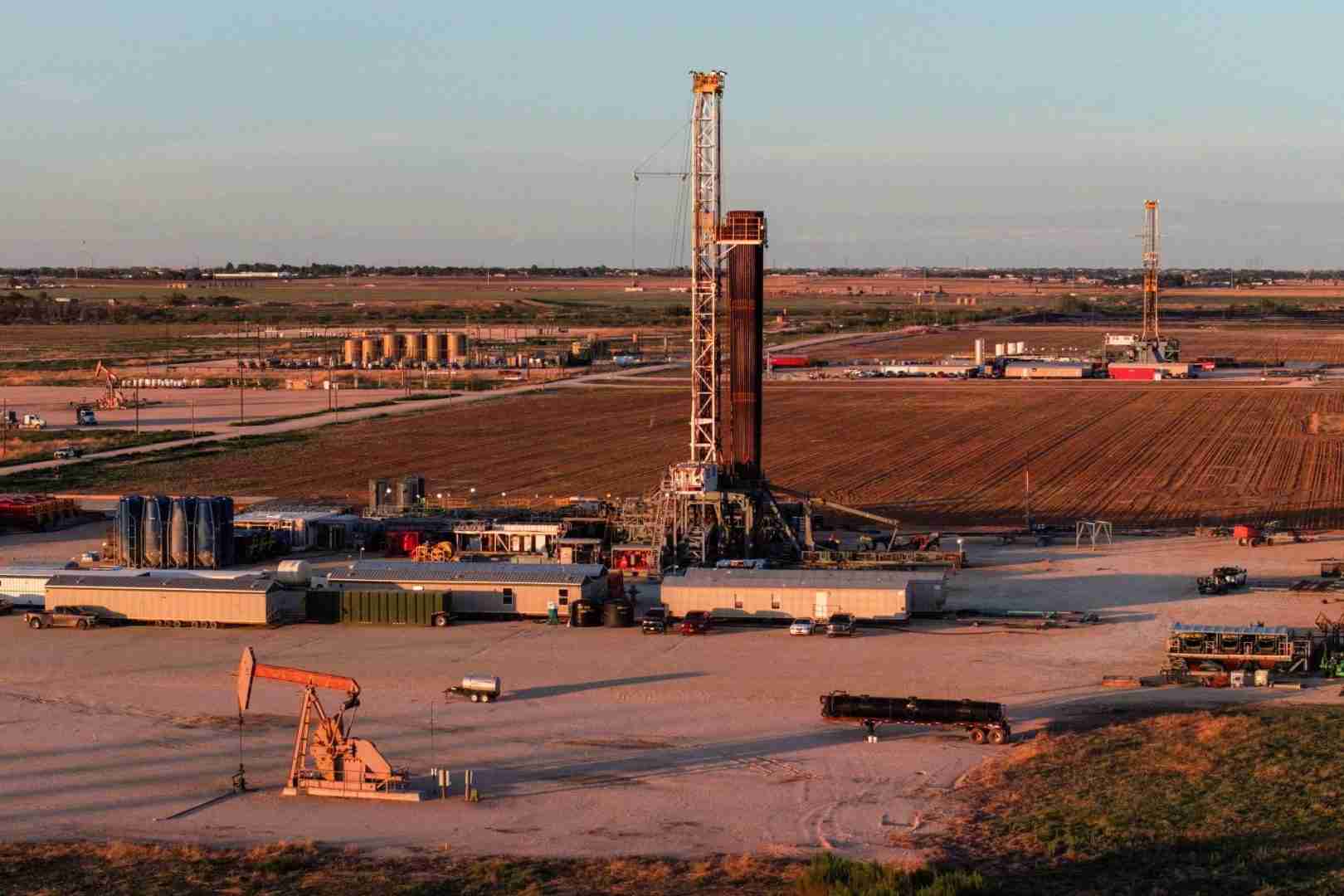
The oil major said it plans to sell a portion of its equity in the Net Zero Teesside (NZT) Power project and the Northern Endurance Partnership project (NEP) in Northern England
International News via Reuters:
BP said on Thursday it would sell stakes in two flagship UK carbon capture and storage projects, opening the door to new partners as construction starts at both sites.
The oil major said it plans to sell a portion of its equity in the Net Zero Teesside (NZT) Power project and the Northern Endurance Partnership project (NEP) in Northern England, without disclosing the size of the stakes on offer or potential buyers.
Here are some details:
• “As the NZT Power and NEP projects have reached major milestones, including financial close and the start of construction, BP considers this the right time to sell a portion of its equity in both projects,” it said in an emailed statement to Reuters.
• Carbon capture is the process of trapping carbon dioxide emissions from sources such as power plants, and storing them underground to prevent them from entering the atmosphere.
• Norwegian energy firm Equinor and TotalEnergies are partners with BP in the NEP project, which is expected to permanently store up to an initial 4 million tonnes of carbon dioxide per year.
• The NZT Power project, a joint venture between BP and Equinor, is poised to be the world’s first gas power plant with carbon capture, and deliver power to an estimated one million homes in the UK from 2028.
• Shell was also among the original partners in NEP, but pulled out of the project in 2023.
Reporting by Yamini Kalia in Bengaluru and Stephanie Kelly in London; Editing by Shilpi Majumdar
Shares in Maersk were down 6.5% at 1100 GMT after its results, underperforming a broadly flat Copenhagen benchmark index amid worries that high fuel prices could hit profits
International News via Reuters:
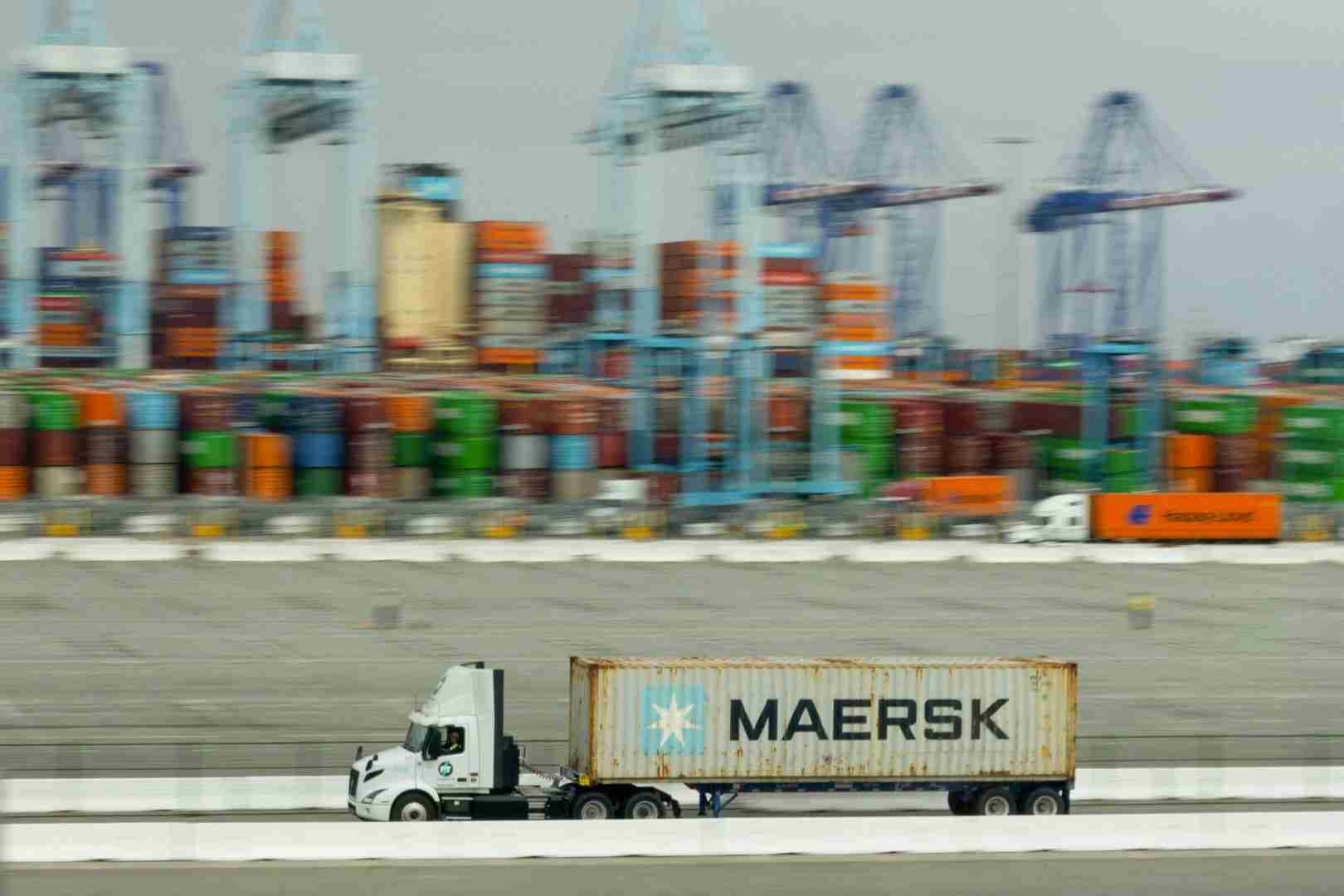
Shipping group Maersk beat first-quarter profit forecasts on Thursday but warned the Iran war had pushed its fuel costs up by nearly $500 million a month and that the energy crisis would persist even if a peace deal was reached.
Shares in Maersk were down 6.5% at 1100 GMT after its results, underperforming a broadly flat Copenhagen benchmark index amid worries that high fuel prices could hit profits.
Maersk CEO Vincent Clerc said the war had added roughly 3 billion Danish crowns ($472.7 million) to the company’s monthly costs as bunker fuel prices surged from around $600 to just under $1,000 per metric ton.
Clerc said Maersk had so far managed to recover those costs in full through contract renegotiations and spot rate increases, but cautioned that the energy crisis showed no sign of fading.
“The energy crisis does not go away the day peace comes,” Clerc told a press conference. “Oil companies I speak to … expect it to last at minimum several more months, possibly many more months,” he added.
Clerc said passing on the higher costs to customers had been difficult but that Maersk had managed it until now. “They can understand, even if they don’t like it, why we have to do it,” he said. “(It) is not something we can just absorb.”
Maersk, which is viewed as a bellwether for global trade, still projects global container volume growth of between 2% and 4% this year but said the situation remained volatile.
PROFIT DOWN BUT BEATS FORECAST
Maersk’s earnings before interest, taxes, depreciation and amortisation (EBITDA) for the January to March period were $1.73 billion, compared to a median forecast of $1.66 billion in a company-provided poll of 10 analysts, but well below the $2.71 billion for the same period a year ago.
The first quarter does not capture the Iran war’s full impact on global supply chains as it began on February 28 when the U.S. and Israel launched coordinated strikes on Iran.
The war has disrupted shipping routes after Iran closed the Strait of Hormuz to commercial traffic. The company has six ships trapped in the Gulf, a spokesperson said.
Clerc said only 2% to 3% of global container trade flows to and from the Gulf, giving the container shipping industry enough resilience to handle the closure of the Strait.
The bigger risk, he said, was if sustained high energy prices triggered broad inflation leading to recession and a drop in demand. He described a scenario of high costs, weak demand and overcapacity as “a dangerous cocktail”.
The Middle East situation also impacts shipping in the Red Sea, forcing Maersk to continue to reroute vessels around Africa, away from the Suez Canal and the Bab el-Mandeb Strait.
This marked an abrupt stop to Maersk’s tentative efforts for a gradual return of some services to the Suez route, seen as a key step towards ending years of global trade disruption caused by attacks on ships in the Red Sea by Yemen’s Houthi rebels.
Maersk is currently assessing whether conditions in the Red Sea will soon be safe enough to resume some sailings through Suez, which would significantly reduce fuel costs and transit times on the critical Asia-Europe corridor, Clerc said.
($1 = 6.3466 Danish crowns)
Reporting by Stine Jacobsen and Jesus Calero, editing by Terje Solsvik and Alexander Smith
The Australian government said on Wednesday that four women and nine children who had been detained in northeast Syria planned to return to Australia, but would receive no government assistance
International News via Reuters:
A group of Australian women and children linked to the extremist group Islamic State arrived home on Thursday after years in a camp in Syria, with some facing arrest at the airport, Australian media reported.
The Australian government said on Wednesday that four women and nine children who had been detained in northeast Syria planned to return to Australia, but would receive no government assistance.
One woman and her child arrived in Sydney on Thursday evening via Doha, the Australian Broadcasting Corporation reported. Police boarded the plane and took the woman into custody, the Sydney Morning Herald reported. A second group touched down in Melbourne.
Local media said there was a heavy police presence at both airports in anticipation of their arrival.
Home Affairs Minister Tony Burke’s office did not respond to a request for comment on the group’s travel plans.
Australian Federal Police said earlier that some in the group could be arrested and charged on arrival, while others might remain under investigation. The children are expected to enter community reintegration and support programmes.
Some Australian women travelled to Syria between 2012 and 2016 to join their husbands, who had allegedly become ISIS members.
Following ISIS’s territorial defeat in 2019, many relatives of suspected fighters were detained in camps, including al-Roj in the northeast of the country where the latest Australian returnees were held, according to the ABC.
In January, the United States began moving detained ISIS members out of Syria after the collapse of the Kurdish-led Syrian Democratic Forces, which had been guarding around a dozen facilities holding fighters and affiliated civilians, including foreigners.
The Australian government repatriated four women and 13 children from Syrian camps in 2022.
About 21 Australians remain in al-Roj, the ABC reported.
Reporting by Renju Jose in Sydney; Editing by Kate Mayberry
Brent crude futures fell $1.95, or 1.93%, to $99.32 a barrel by 0912 GMT. U.S. West Texas Intermediate dropped $1.93, or 2.03%, to $93.15
International News via Reuters:
Oil prices extended losses on Thursday, sliding around 2% to below $100 a barrel on renewed hopes for a U.S.-Iran peace deal that could bring a gradual reopening of the Strait of Hormuz.
Brent crude futures fell $1.95, or 1.93%, to $99.32 a barrel by 0912 GMT. U.S. West Texas Intermediate dropped $1.93, or 2.03%, to $93.15.
Thursday’s session was volatile, with Brent trading in a range of up 1% to down 3.8% versus the previous close.
Both benchmarks slumped more than 7% on Wednesday, hitting two-week lows on optimism over a possible end to the Middle East war.
Price drops continued into Thursday, as investors reacted to fresh headlines of progress towards potential peace talks.
Analysts flagged a report from Saudi Arabia’s Al Arabiya news channel that understandings have been reached to ease the U.S. blockade in exchange for a gradual reopening of the Strait of Hormuz, and another by Israel’s Channel 12 that Iran allegedly agreed to transfer its stockpile of 60% enriched uranium to a third country. Reuters could not immediately verify the contents of either report.
“From a broader perspective, oil markets have remained stuck between diplomacy and disruption for more than two months, with investors’ emotions being manipulated by headlines almost daily,” said Priyanka Sachdeva, senior market analyst at Phillip Nova.
“If a formal deal eventually materialises, oil prices could witness a free fall as geopolitical premiums rapidly evaporate from the market. However, any fresh signs of attacks on oil infrastructure or escalation in the Middle East could easily trigger another parabolic spike in crude prices.”
Iran had said on Wednesday that it was reviewing a U.S. peace proposal that sources said would formally end the war while leaving unresolved the key U.S. demands that Iran suspend its nuclear programme and reopen the Strait of Hormuz.
Earlier in the week, U.S. Treasury Secretary Scott Bessent urged China to intensify its diplomatic efforts to persuade Iran to open the Strait of Hormuz to international shipping, adding that President Donald Trump and Chinese counterpart Xi Jinping will discuss the subject when they meet next week.
“While peace negotiations are likely to continue at least until next week’s U.S.-China summit, the outlook beyond that remains uncertain,” said Hiroyuki Kikukawa, chief strategist of Nissan Securities Investment.
Reporting by Robert Harvey in London, Yuka Obayashi in Tokyo and Emily Chow in SingaporeEditing by David Goodman and Susan Fenton
Three people – a Dutch couple and a German national – died in the outbreak on the MV Hondius
International News via Reuters:
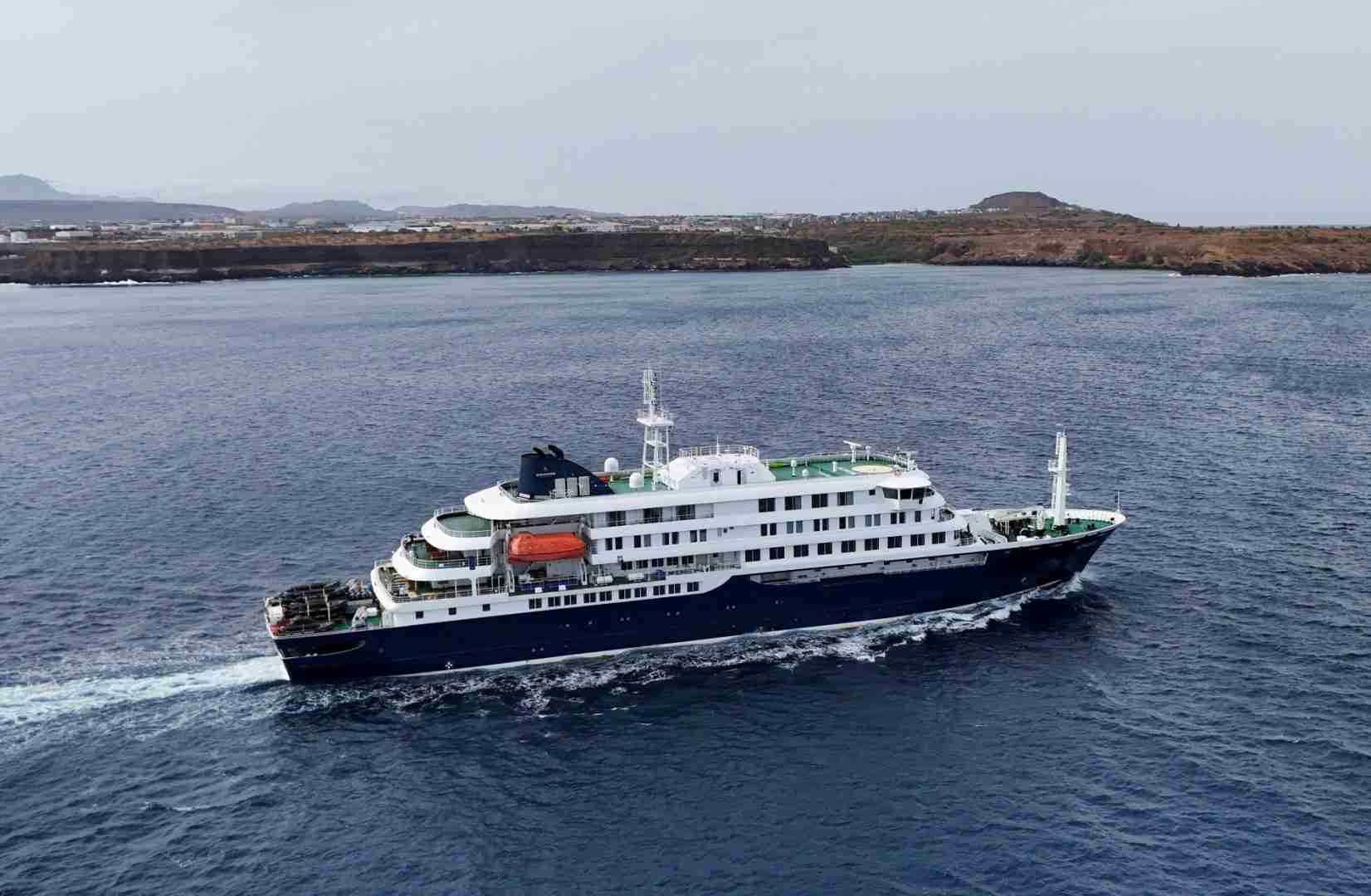
Countries worldwide scrambled on Thursday to trace people who had left the cruise ship hit by a hantavirus outbreak before it got marooned off the coast of Cape Verde, to prevent further spread of the disease.
Three people – a Dutch couple and a German national – died in the outbreak on the MV Hondius. Eight people, including a Swiss citizen, are suspected to have contracted the virus, according to the World Health Organization.
The Dutch government has said around 40 passengers had disembarked the ship in Santa Helena, where the ship made a stop on its way to Cape Verde – before the outbreak was reported.
CONTACT TRACING
The whereabouts of many of these passengers is as yet unknown.
One of those to disembark was the wife of the Dutchman who had died aboard the ship on April 11. She fell sick herself and died before she could reach the Netherlands.
Dutch airline KLM on Wednesday said it had taken the woman off a plane in Johannesburg on April 25 due to her deteriorating medical condition.
According to broadcaster RTL, a KLM stewardess who had been in contact with her has now been admitted to a hospital in Amsterdam after showing possible symptoms of a hantavirus infection.
The Dutch health ministry did not mention her job or who she may have been in contact with, but did confirm that a Dutch woman has been admitted to hospital and will be tested to determine whether she is infected with the hantavirus.
A spokesperson for KLM said the company could not “discuss individual cases” due to privacy concerns.
CONTAGION REQUIRES VERY CLOSE CONTACT
The virus found in the victims has been confirmed as the Andean strain, which can spread among humans through very close contact.
Experts have stressed that contagion is very rare and requires very close contact, but the outbreak has put health authorities on high alert.
The United States’ Centers for Disease Control and Prevention (CDC) said it was closely monitoring the situation with U.S. travellers on board the ship, adding that the risk to the American public was extremely low at the time.
One French citizen has been in contact with a person who had fallen ill but was not currently showing symptoms, French Foreign Minister Jean-Noel Barrot said.
Argentina’s health ministry has said it will carry out rodent trapping and analysis in the southern city of Ushuaia, the origin point of the cruise ship.
SHIP HEADS FOR SPAIN
The MV Hondius, with nearly 150 people on board, headed for Spain late on Wednesday and is expected to dock in Spain’s Tenerife, in the Canary Islands, on Sunday, the EU’s Centre for Disease Prevention and Control (ECDC) said.
There is still no one showing any hantavirus symptoms on the ship, the ECDC, which is part of the medical team onboard the Hondius, said, adding that it was working with Spanish authorities to finalise a protocol for disembarkation.
Once in Tenerife, if they are still healthy, all non-Spanish citizens will be repatriated to their countries, while 14 Spanish passengers will be quarantined in a military hospital in Madrid.
Three patients were evacuated from the ship on Wednesday. One of them has been admitted to a hospital in the Netherlands, while another one was transferred to Germany for medical care.
The plane carrying the third patient landed in the Netherlands on Thursday morning, after facing a delay due to a problem with the patient’s life support system.
Additional reporting by Toby Sterling; Writing by Bart Meijer and Ingrid Melander;Editing by Alexandra Hudson
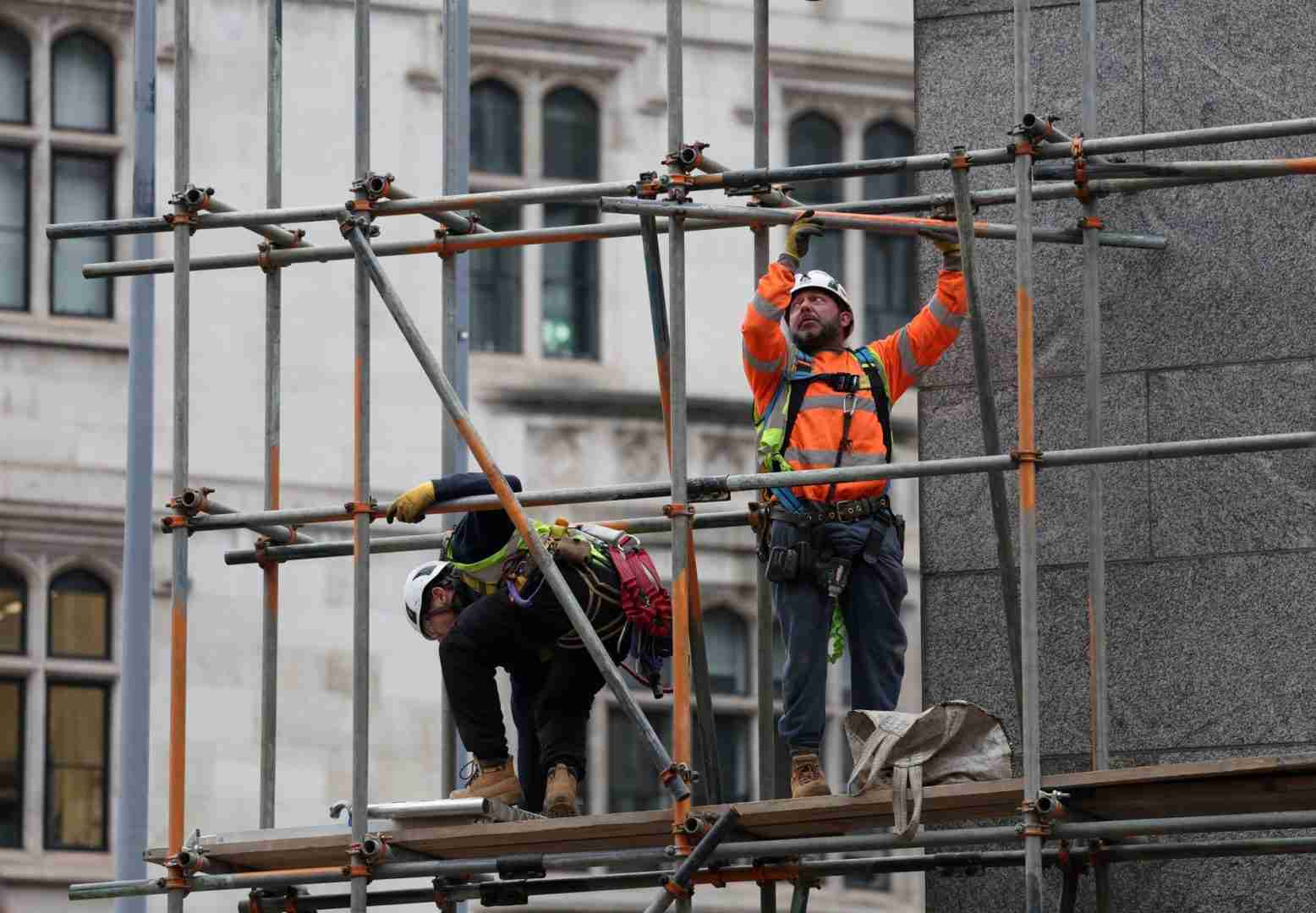
The S&P Global UK Construction Purchasing Managers’ Index’s measure of input cost inflation leapt to 81.4, its highest since June 2022
International News via Reuters:
British builders saw one of the biggest month-on-month jumps in cost inflation on record in April, according to a survey on Thursday that also showed the Iran war increased delivery delays and other supply chain difficulties.
The S&P Global UK Construction Purchasing Managers’ Index’s measure of input cost inflation leapt to 81.4, its highest since June 2022. The jump from 70.5 in March was the second-biggest rise since 1997 when the data series began, only just shy of the 11-point jump from February to March.
The headline construction PMI, which measures overall activity, fell to 39.7 from 45.6, its weakest since November and below all economists’ expectations in a Reuters poll.
S&P said around 69% of survey respondents reported a rise in their input costs in April, up from 48% in the month before.
“A rapid acceleration of input cost inflation was seen across the UK construction sector in April. Aside from the post-pandemic surge in input prices from early-2021 to mid-2022, the latest rise in purchasing costs was the steepest in three decades of data collection,” said Tim Moore, economics director at S&P Global Market Intelligence.
The Bank of England is closely monitoring measures of input prices and prices charged by companies as it tries to gauge whether the inflation impact from the war will last long enough to require increases in borrowing costs.
Businesses reported the most widespread delays in shipping times since December 2022, S&P said, as vessels were largely unable to pass through the Strait of Hormuz.
The conflict in the Middle East also hit new orders, which declined at the sharpest rate since last November.
The pace of job-shedding also accelerated in April, with the employment index at its lowest since December, as firms cited less work and higher payroll costs.
Companies’ optimism about the coming 12 months dropped too.
The construction PMI showed civil engineering and residential house-building were the biggest drag on activity, while commercial building contracted less severely.
The wider all-sector PMI, which includes previously released services and manufacturing figures, rose to 51.5 from March’s 49.9, reflecting stronger services performance.
A separate survey from the Royal Institution of Chartered Surveyors, published earlier on Thursday, showed construction activity in the three months to March was the weakest since the three months to June 2020, when the COVID-19 pandemic partially closed building sites.
The euro was up 0.1% on the day at $1.1763 after gaining 0.47% on Wednesday, while sterling was 0.16% higher at $1.3615 after rallying 0.4% the previous day
International News via Reuters:
The dollar stayed on the defensive on Thursday as hopes for a de-escalation in the Iran-U.S. war supported oil-exposed currencies, while Tokyo resumed its verbal intervention in support of the yen, making speculators cautious.
President Donald Trump predicted a swift end to the war as Tehran considered a U.S. peace proposal that Reuters reported would formally end the conflict, while leaving unresolved key U.S. demands that Iran suspend its nuclear programme and reopen the Strait of Hormuz.
But moves were much more muted on Thursday compared to Wednesday, when the latest proposals were reported.
The euro was up 0.1% on the day at $1.1763 after gaining 0.47% on Wednesday, while sterling was 0.16% higher at $1.3615 after rallying 0.4% the previous day.
“Everyone is still very focused on the Middle East and where we are on the negotiations but really we just don’t know, and markets are reflecting that the easiest thing is to wait and see what happens,” said Nick Rees, head of macro strategy at Monex Europe.
Oil prices continued to show some hopes of de-escalation that could allow exports from the Gulf to resume and benchmark Brent June futures were at $98.6 a barrel, well off their recent highs, but also well above pre-war levels. [O/R]
The Japanese yen was also a fraction stronger at 156.21 per dollar, having appreciated sharply on Wednesday with speculation that Japanese authorities had again intervened in markets to buy their currency.
Japan’s top currency diplomat Atsushi Mimura said on Thursday the country was not restricted on intervention.
U.S. Treasury Secretary Scott Bessent will meet Japan’s Prime Minister Sanae Takaichi next week, and the Nikkei newspaper said they would discuss curbing speculative yen selling, among other issues.
Sources told Reuters that authorities intervened on Thursday last week, with money market data suggesting they sold about $35 billion to support the yen. Since then, the market has seen three abrupt spikes in the yen through to Wednesday.
But analysts do not expect the yen to remain firm for long.
“Without stronger BOJ follow-through via consecutive hikes to address its behind-the-curve stance, the yen is likely to remain weak in the near term,” said Masahiko Loo, senior fixed income strategist at State Street Investment Management.
Repeated interventions raise the likelihood of broader policy action in the June–July window, consistent with the late 2024 playbook, Loo added.
Elsewhere, Norway’s crown strengthened after the central bank raised its policy rate to 4.25% from 4% and warned inflation was too high. The dollar slid 0.6% to 9.249 crowns, while the euro was 0.4% lower at 10.878.
The risk-sensitive Australian dollar rose 0.3% and last fetched $0.7242, just below the four-year high it touched on Wednesday. [AUD/]
The Swedish crown was slightly stronger at 10.846 per euro and 9.21 per dollar after the central bank said the risk that the Middle East war would lead to higher inflation had increased somewhat, though it kept its policy rate unchanged at 1.75%, as expected.
Reporting by Alun John in London and Wayne Cole in Sydney, additional reporting by Ankur Banerjee in Singapore; Editing by Kim Coghill and Clarence Fernandez
The FCA, which infrequently uses its powers to enforce competition law among financial services firms, said on Wednesday that it had reached no conclusions about whether UK competition law had been broken
International News via Reuters:
PayPal, Mastercard and Visa are being investigated for alleged anti-competitive conduct linked to the funding and usage of PayPal’s digital wallet, in a rare move by the Financial Conduct Authority.
The FCA, which infrequently uses its powers to enforce competition law among financial services firms, said on Wednesday that it had reached no conclusions about whether UK competition law had been broken.
The announcement came after PayPal issued a filing stating it had received notices in March of investigations and related requests for information from the FCA about its contractual agreements with the two card giants.
COOPERATING WITH THE FCA
All three payment companies said they were cooperating with the regulator.
Mastercard confirmed that it had received an information notice from the FCA requesting details of its contractual relationship with PayPal.
“Mastercard works to ensure we meet the highest standards of competition law and will be cooperating fully and transparently with the FCA,” a spokesperson said.
A Visa representative said it had been informed by the FCA of an inquiry into “contractual provisions regarding the PayPal digital wallet” and it was cooperating with the FCA.
“As this is a pending investigation, we cannot comment further at this time,” a PayPal spokesperson said.
Digital wallet usage has surged in Britain. The FCA and Payment Systems Regulator, which is tasked with ensuring an accessible, reliable and fair payment system, said last year that the proportion of card transactions using a digital wallet had jumped to 29% from 8% in 2023.
The watchdogs said in a joint statement issued in February 2025 that they had heard calls for better competition among digital wallet providers that would allow new players to enter the market to bolster innovation.
The investigation follows last year’s report by the FCA and Payment Systems Regulator on digital wallets, which raised competition concerns that were shared with Britain’s antitrust watchdog, the Competition and Markets Authority, to avoid duplication.
The CMA launched an inquiry into Apple and Google’s mobile ecosystems, including their digital wallets, in January 2025.
The CMA said in February it had secured commitments from the tech giants, the two largest digital wallet providers, to improve fairness in their app store processes and enhance interoperability.
The CMA did not immediately respond to a request for comment about the FCA investigation.
Reporting by Kirstin Ridley, Phoebe Seers and Sam Tabahriti; Editing by William James, Louise Heavens, Bernadette Baum and Mark Porter
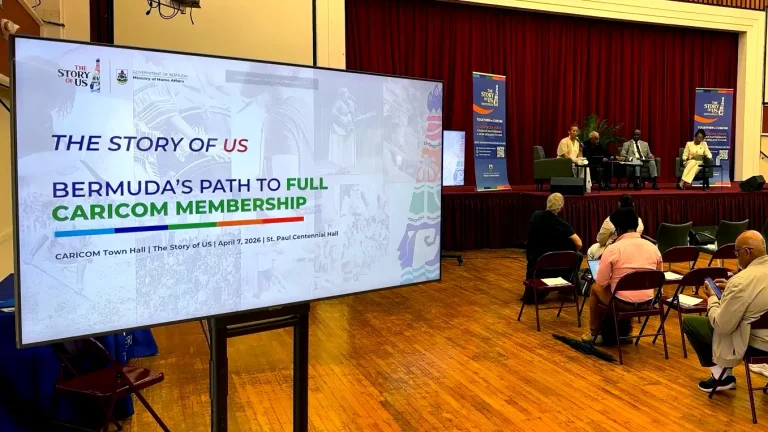
The communities in the east and west ends will have the chance to hear more, and have their say, on full CARICOM Membership
Government is going on the road once again with its CARICOM plans – this time to both ends of Bermuda.
Two more Town Halls have been planned in St George’s and in Sandys, to, quote, “bring the conversation directly to communities in the West End and East End of the island.”
Town Halls will take place on Thursday May 14th at St. James Church Hall in Sandys, and then on Tuesday May 19th at Penno’s Wharf in St. George’s.
Government states that strengthened CARICOM engagement could deliver tangible benefits in terms of access to regional markets, enhanced food security, workforce mobility and climate resilience… a full picture of how these benefits may manifest is still to be painted.
Because of our status as a British Overseas Territory, a number of reservations for full CARICOM membership must be agreed upon with the UK, and accepted by CARICOM.
As of the last Town Hall, Government was waiting on a response from the UK on 42 proposed reservations, and we have reached out to Government for an update on the status of those submissions.
WATCH the report above. Government press release below…
Government of Bermuda Press Release:
The Hon. Alexa N. H. Lightbourne, JP, MP, Minister of Home Affairs, announced two additional public meetings as part of the national consultation on Bermuda’s deepened relationship in the Caribbean Community (CARICOM).
The sessions will take place on Thursday, 14 May at St. James Church Hall in Sandys and on Tuesday, 19 May at Penno’s Wharf Cruise Ship Terminal in St. George’s, and both sessions will begin at 7:00 p.m.
These public meetings follow earlier consultation events and are designed to bring the conversation directly to communities in the West End and East End of the island.
The meetings build on the existing conversation related to CARICOM including Public Consultation, which the Ministry launched alongside a Green Paper, an online public survey, and a series of targeted stakeholder discussions spanning youth groups, community organisations, the education sector, the public and private sectors, unions, and healthcare. The consultation is open to all residents and reflects the Government’s commitment to grounding this decision in public input before any position is advanced.
The Green Paper outlines several areas where strengthened CARICOM engagement could deliver tangible benefits for Bermuda: expanded economic access to regional markets, trade, and investment; enhanced food security through stronger regional supply chains and resilience against global disruption; workforce mobility and skills exchange to support economic growth and opportunity for Bermudians; and deeper regional partnerships in climate resilience, disaster response, and shared services.
Bermudians are encouraged to review the Green Paper in advance, submit questions ahead of each session, and complete the public consultation survey at togetherforcaricom.gov.bm.
Minister Lightbourne said, “This consultation belongs to the people of Bermuda, and these town halls exist so that every person has the opportunity to be heard.”
Gorka, the White House counter-terrorism director, told reporters that Trump signed the document on Tuesday “driven by the principle that America is our homeland and must be protected.”
International News via Reuters:
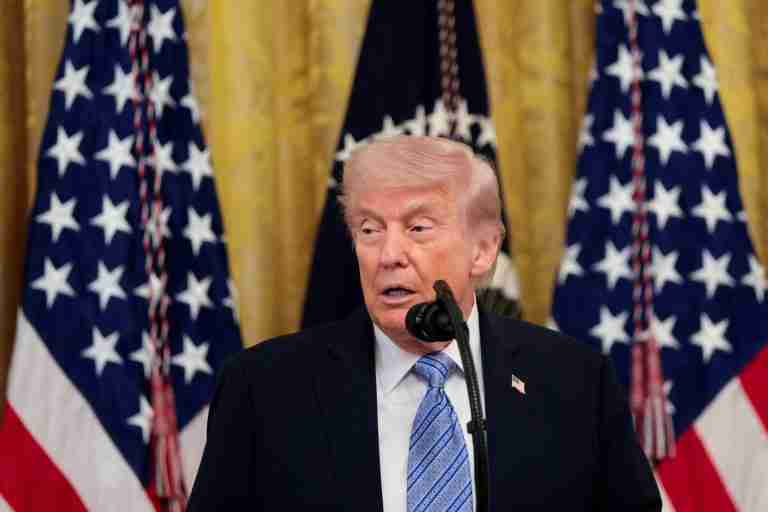
President Donald Trump has signed a new national counter-terrorism strategy that focuses in part on the “neutralization” of hemispheric threats and incapacitating cartel operations, top White House adviser Sebastian Gorka said on Wednesday.
Gorka, the White House counter-terrorism director, told reporters that Trump signed the document on Tuesday “driven by the principle that America is our homeland and must be protected.”
Reporting by Steve Holland; Editing by Daphne Psaledakis
Asked how he evaluated the attacks by Trump of Leo, Vatican Secretary of State Cardinal Pietro Parolin responded: “For me it seems a bit strange, to say the least.”
International News via Reuters:
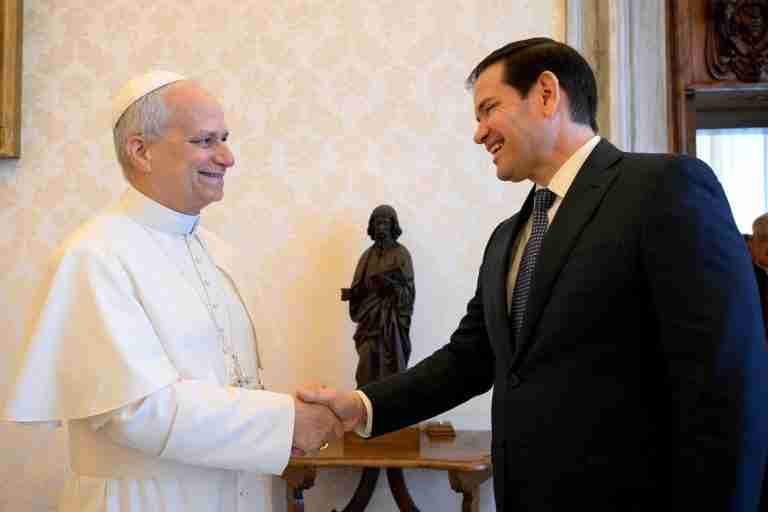
A senior Vatican cardinal on Wednesday called U.S. President Donald Trump’s disparaging attacks on Pope Leo over the Iran war “strange,” a day before the U.S. Secretary of State is due to hold talks with the pope.
Asked how he evaluated the attacks by Trump of Leo, Vatican Secretary of State Cardinal Pietro Parolin responded: “For me it seems a bit strange, to say the least.”
“I wouldn’t want to get into judgments or personal evaluations about this,” the cardinal told journalists outside an event near the Vatican.
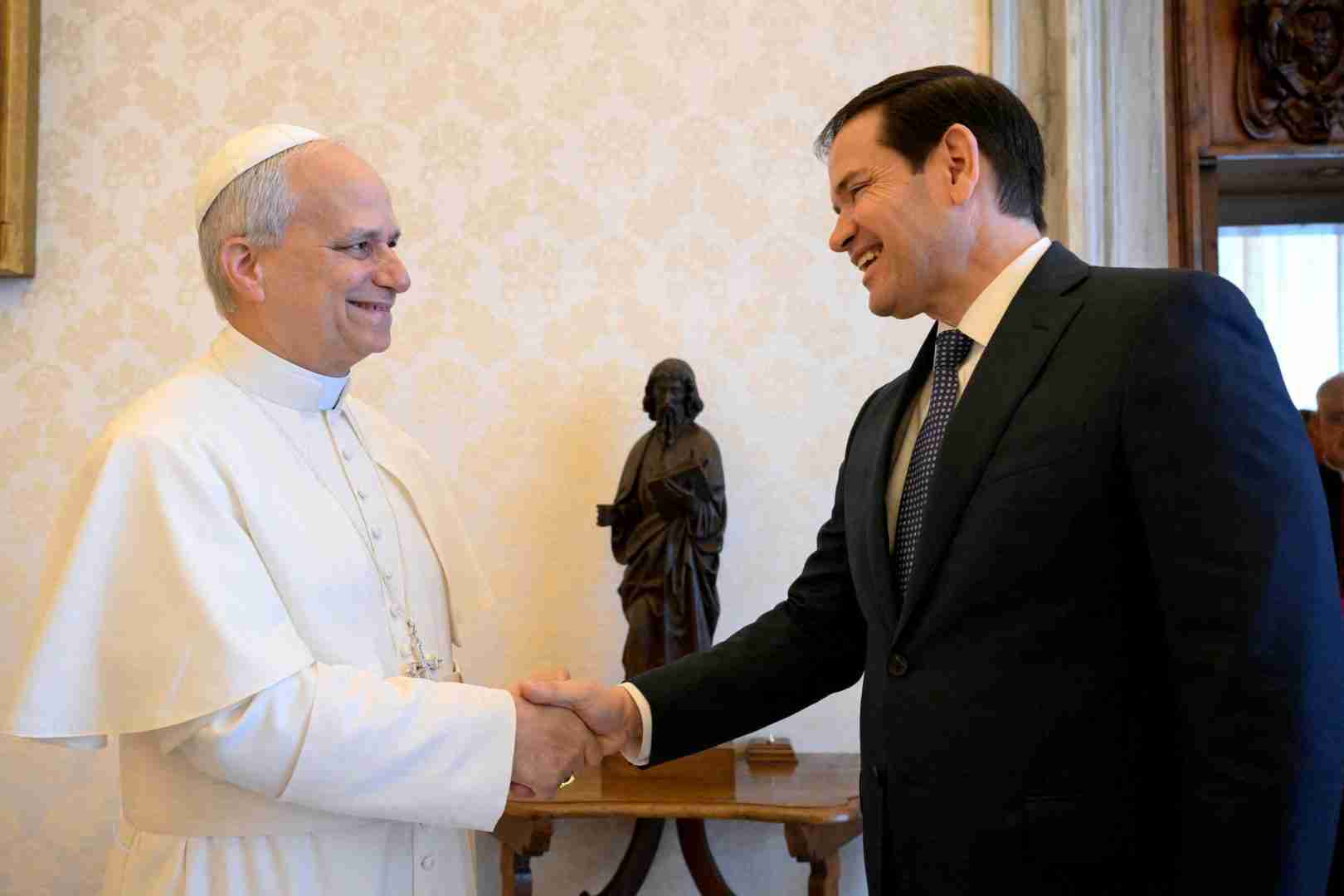
Leo, who will welcome U.S. Secretary of State Marco Rubio to the Vatican for a meeting on Thursday, drew Trump’s ire after becoming a firm critic of the U.S.-Israeli war on Iran and the Trump administration’s hardline anti-immigration policies.
The president has kept up an unprecedented series of public attacks on the pope in recent weeks, drawing a backlash from Christian leaders across the political spectrum.
The U.S. ambassador to the Holy See told journalists on Tuesday that the conversation between Leo and Rubio, the first known meeting between the pope and a Trump cabinet official in nearly a year, was likely to be “frank”.
Parolin said on Wednesday the meeting was requested by the U.S. He said Leo would listen carefully to what Rubio had to say.
“I imagine they’ll talk about everything that has happened in recent days,” said the cardinal.
On Monday, Trump falsely suggested the pope believed it was okay for Iran to obtain nuclear weapons and said Leo was “endangering a lot of Catholics” by opposing the war.
Leo told journalists after the latest attack that he was spreading the Christian message of peace. The pope also firmly rejected the idea that he supported nuclear weapons, which the Catholic Church teaches are immoral.
Reporting by Joshua McElwee, editing by Alvise Armellini and Deepa Babington
To provide the best experiences, we use technologies like cookies to store and/or access device information. Consenting to these technologies will allow us to process data such as browsing behavior or unique IDs on this site. Not consenting or withdrawing consent, may adversely affect certain features and functions.
Functional
Always active
The technical storage or access is strictly necessary for the legitimate purpose of enabling the use of a specific service explicitly requested by the subscriber or user, or for the sole purpose of carrying out the transmission of a communication over an electronic communications network.
Preferences
The technical storage or access is necessary for the legitimate purpose of storing preferences that are not requested by the subscriber or user.
Statistics
The technical storage or access that is used exclusively for statistical purposes.The technical storage or access that is used exclusively for anonymous statistical purposes. Without a subpoena, voluntary compliance on the part of your Internet Service Provider, or additional records from a third party, information stored or retrieved for this purpose alone cannot usually be used to identify you.
Marketing
The technical storage or access is required to create user profiles to send advertising, or to track the user on a website or across several websites for similar marketing purposes.