Monday, November 2, 2026
Home Blog Page 336

EU needs energy union to compete with US and China, Eurogroup chief says

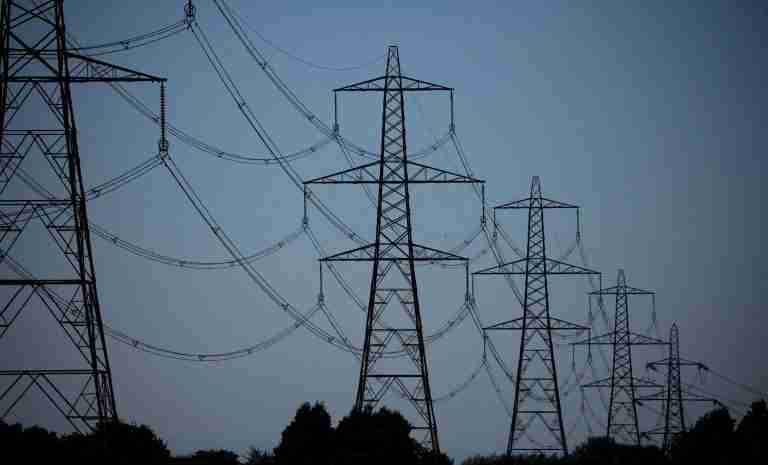
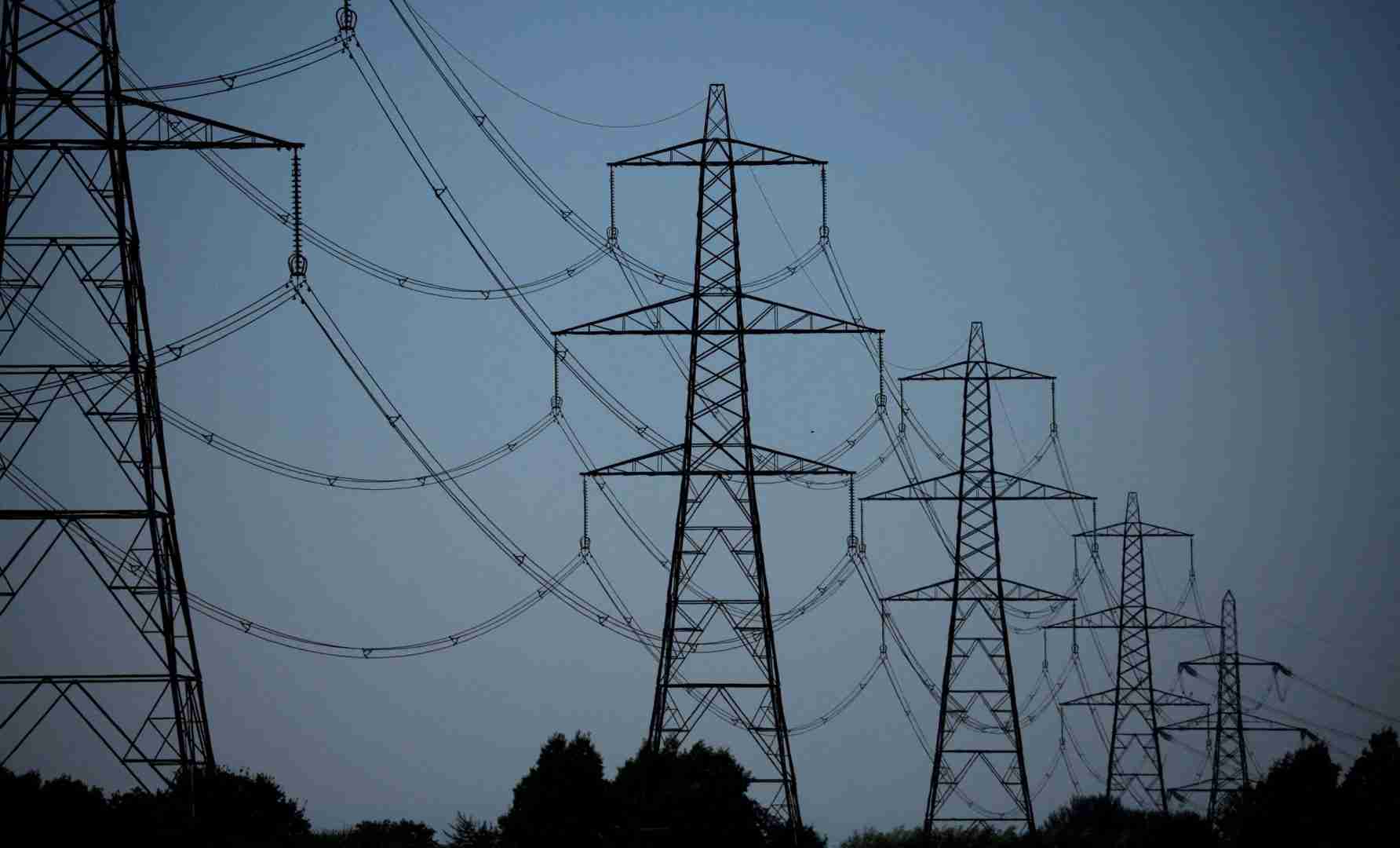
Pierrakakis said the EU had to create a real energy union that would allow energy to flow easily across borders to lower electricity prices across the single market of 450 million people

International News via Reuters:

A European energy union is a prerequisite to other reforms that the European Union is planning to stay competitive against the U.S. and China, Kyriakos Pierrakakis, the chairman of the euro zone’s finance ministers’ group, said on Thursday.

Speaking at the International Monetary Fund in Washington, Pierrakakis said the EU had to create a real energy union that would allow energy to flow easily across borders to lower electricity prices across the single market of 450 million people.

European energy prices are two to three times higher than in the U.S. or China, putting the 27-nation EU at a big competitive disadvantage to global competitors.

“Advancing the energy union in Europe … will have a direct … positive impact, both energy-wise, but I would say competitiveness-wise. We need that … to be able to implement the whole vision of the Draghi and Letta reports,” Pierrakakis told a seminar during the International Monetary Fund and World Bank spring meetings in Washington.

In 2024 two former Italian prime ministers – Mario Draghi and Enrico Letta – prepared reports on how to boost Europe’s competitiveness and make the EU’s single market work better, recommending dozens of reforms.

Among them are efforts to consolidate the EU’s 27 national capital markets into a single one, introduce a special legal regime for pan-European companies that would be the same across the bloc, and launch a digital euro that would be a European-controlled means of online payments. 

“But without the deployment of a full-scale energy union, we won’t be able to generate the necessary conditions to be able to achieve these previous elements of policy,” Pierrakakis said.

The EU’s energy union is a project that has been running since 2015 to coordinate national energy policies and create a single, integrated market for power and gas, allowing electricity from one part of the continent to be easily sold and transferred to another.

Progress requires large investment in modernizing and connecting national European electricity networks, joint purchasing and storage, as well as overcoming vested interests of national energy sectors and other political obstacles.

The plan has become all the more urgent after the energy crisis of 2022 caused by the Russian invasion of Ukraine and, more recently, by the closure of the Strait of Hormuz, the gateway for a fifth of the world’s oil and gas, as a result of the U.S.-Israeli war with Iran.

Reporting by Jan Strupczewski; Editing by Paul Simao
BELCO welcomes updated national electricity sector policy

The utility says it’s committed to being a ‘collaborative partner every step of the way’

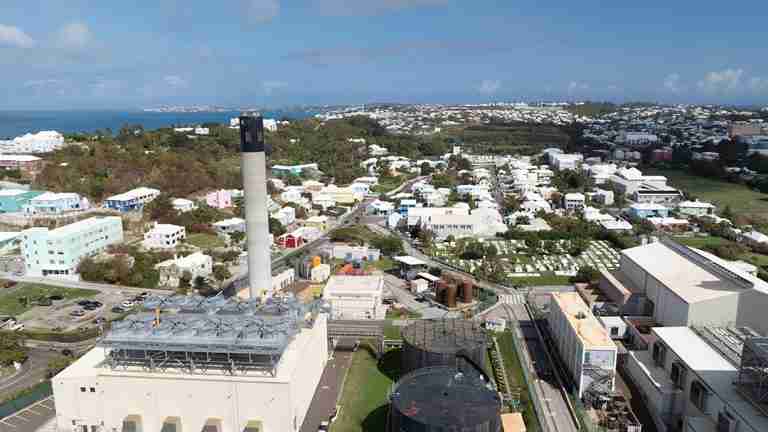
Bermuda Electric Light Company Limited (BELCO or the Company) today welcomed the Government of Bermuda’s update of Bermuda’s National Electricity Sector Policy (NESP) and supports the Government’s effort to provide clear, modern guidance for the sector.

BELCO President Wayne Caines said: “The NESP emphasis on affordability, reliability, and sustainability reflects the practical realities of operating an isolated island power plant and grid and aligns with what matters most to customers. A measured, evidence-based approach to integrating new technologies will help protect grid stability and customer affordability.

Getting this transition right requires meaningful partnership, and BELCO is committed to being a collaborative partner every step of the way. We strongly support a fulsome stakeholder engagement process that ensures all voices, including those of customers, businesses, and community organisations, are heard and reflected in the decisions that shape Bermuda’s energy future. Community education will also be essential, because an informed public is better equipped to participate in, and benefit from, the changes ahead.

On cost management, we believe every sector must carry its fair share of the weight. Sustainable progress cannot rest on any single party, and the policy framework must ensure that costs and responsibilities are distributed equitably across all electricity users and generators. Importantly, that principle of equitable regulation should extend to all sources of electricity generation, including solar PV. A level playing field strengthens the integrity of the system and protects all ratepayers.

We live on one island, and the environmental choices we make have real costs, whether we act or choose not to. BELCO is committed to responsible stewardship of Bermuda’s environment and recognises that the cost of sustainability must be acknowledged honestly and managed thoughtfully rather than deferred to future generations.

For many years BELCO has made substantial investments in scholarships, apprenticeships, and internships, and welcomes the NESP focus on workforce development, inclusion, and public engagement. BELCO supports the policy’s commitment to right-sizing the energy transition, recognising Bermuda’s limited land, lack of interconnection, and exposure to volatile global fuel markets. Realistic targets and achievable timelines are essential to delivering real emissions reductions while managing costs and maintaining system reliability.

NESP 2026 provides a balanced foundation for meaningful progress that works for Bermudians today and into the future, and our entire team at BELCO looks forward to working with the Government, stakeholders, and our customers to chart a path for a reliable, sustainable, and affordable energy future.

Let me also thank the Energy Policy Steering Committee for their commitment to producing a comprehensive consultation document. I encourage the public to review the consultation documents and submit feedback at forum.gov.bm by the consultation deadline at 5:00 p.m. on Monday, 4 May 2026.”

Switch off and read, France’s Macron tells teenagers

Following Australia’s groundbreaking social media ban for children launched last year, a growing number of European nations are weighing their own restrictions

International News via Reuters:

French President Emmanuel Macron urged high school pupils on Thursday to switch off their phones and read, pushing for one “no screens day” per month for all, and a blanket social media ban for those under 15 years of age.

Following Australia’s groundbreaking social media ban for children launched last year, a growing number of European nations are weighing their own restrictions as concerns mount over social media’s impact on the health and safety of minors.

“We left you in this jungle and it robbed you of your attention,” Macron told high school kids, speaking of the lack of rules on social media. “We need to slow down and help you become adults, and above all citizens.”

“That’s why what we want to do is say that before 15 years old, no more social media. And we’d like, one day a month, to have an offline day … to show it’s possible,” he said, adding that this day could be used to read aloud, do theatre or other activities.

BANNING ACCESS?

In France, a draft bill is going through parliament with the aim to establish a ban for those under 15. But while the lower house has voted for a blanket ban, senators want to block access only ​for platforms that are ​considered harmful for ⁠children. This means Macron’s aim to have the new legislation in place for the start of the new academic year in September may not be met.    

So far, at least a dozen European countries, including non-EU nations Britain and Norway, have enacted or are considering legislation setting minimum age limits – typically between 13 and 16 years – for social media usage. And the EU is readying an age verification app.

Cyprus was the latest to announce plans to establish a ban, with President Nikos Christodoulides saying on Thursday that his country would set the age of 15 as the minimum for creating and using an account on social media platforms.

Later in the day, Macron will host a ​video call with other ‌EU leaders ​to push for a ​coordinated approach. The conference is focused on creating a “digital majority” in Europe, limiting access for children below a defined age and requiring age verification, officials said.

MIXED FEELINGS

In Villers-Cotterets, in northern France, where Macron laid out some of his plans, high school students had mixed feelings about a ban.

“I think it’s rather up to parents to check up on their children,” said 12-year-old Erdem Duran. Fabien Andronic, aged 15, also disagreed with a ban. “I like social networks, we learn a lot there,” he said. 

But Manel Zerouali, also aged 15, agreed with a ban for those under 15, so they can be protected. “On social network there is cyberbullying,” she stressed.

One thing all agreed on was that most youngsters would find a way around a ban.

Australia has seen a huge spike in downloads of virtual private networks (VPNs) since it introduced its social media ban, as users seek to bypass the measure to access restricted platforms.

TAKE RESPONSIBILITY

Meanwhile, in Britain, Prime Minister Keir Starmer told social media companies on Thursday to take responsibility for children’s safety on their platforms and meet parents’ demands for credible protection rather than “tweaks around the edges”.

He said he wanted to hear what actions the platforms were going to take because “right now, social media is putting our children at risk” at the start of a meeting with executives from Meta, Snap, Google, TikTok and X.

Britain is consulting until next month on whether to restrict children’s access to social media, including a possible ban for under-16s, as well as curfews, app time limits and curbs on what it described as addictive design features.

Reporting by Michaela Cabrera in Villers-Cotterets, Michel Rose in Paris, Sam Tabahriti, Muvija M in London, Daria Sito-Sucic in Sarajevo; Additional reporting by Ingrid Melander, Gianluca Lo Nostro, David Latona; Writing by Ingrid Melander; Editing by Toby Chopra

UK economy surged ahead of Iran war, but energy shock to test resilience

Gross domestic product expanded 0.5% month-on-month in February, the biggest increase since January 2024, the Office for National Statistics said

International News via Reuters:

Britain’s economy put on a burst of growth in February, suggesting it was in slightly better shape before the start of the Iran war than many economists had feared, official figures showed on Thursday.

Gross domestic product expanded 0.5% month-on-month in February, the biggest increase since January 2024, the Office for National Statistics said. Economists polled by Reuters had forecast a much more modest reading of 0.2%.

While the figures are likely to cheer finance minister Rachel Reeves, economists said Britain remained vulnerable to the fallout from the Middle East conflict, being highly dependent on imported energy and prone to higher inflation than peers.

“Unfortunately, the latest energy price shock has likely pulled the rug on this momentum, with another year of above-target inflation and a softening labour market likely to come,” said Fergus Jiminez-England, associate economist from the National Institute for Economic and Social Research.

Britain suffered the sharpest cut to economic growth forecasts for large rich economies by the International Monetary Fund due largely to the Iran war, in forecasts published on Tuesday.

SERVICES SECTOR SPURRED FEBRUARY ECONOMIC GROWTH

“Growth increased further in the three months to February led by broad-based increases across services,” ONS chief economist Grant Fitzner said.

“Meanwhile car production recovered from the effects of the autumn cyber incident.”

Economic growth for the three months to February was 0.5%, the ONS said, putting Britain’s economy on track for a conspicuously strong first quarter, for a third year running.

That pattern has led to suspicions among some economists that the ONS’ process of seasonal adjustment has gone awry following unusually large swings in output during the COVID-19 pandemic – something the ONS rejects.

“We’re confident in our figures and seasonal adjustment processes,” an ONS spokesperson said on Thursday, adding that statisticians had looked thoroughly at the issue.

James Smith, economist at ING, said he still doubted whether the ONS had fully accounted for the influence of the last period of high inflation in its seasonal adjustment process, and the timing of price increases.

“We wrote in our reaction to the January data that February or March could see a strong bounce back for exactly this reason,” Smith said.

“Suffice to say, all of this is old news anyway, given the crisis we find ourselves in today.”

Separate ONS data showed Britain’s total trade deficit, excluding the volatile movements of precious metals, rose in inflation-adjusted terms in February to 5.627 billion pounds ($7.62 billion), its highest since November 2024.

The widening was driven by imports rising to their second-highest reading on record, after December 2022.

($1 = 0.7385 pounds)

Additional reporting by Suban Abdulla, graphic by Pasit Kongkunakornkul, editing by Hugh Lawson and Ros Russell

Who could be Bermuda’s next OBE, MBE or Knight?

Well, the Governor is calling for all residents to nominate their candidates for the new King’s Honours List.

Nominations are now open for The King’s Honours, recognising individuals who have made outstanding contributions to the community. The awards highlight achievements across areas such as public service, education, business, and the arts. Kendal Trott took to the streets to find out who you’d like to see honoured at Buckingham Palace.

Submit your nominations by May 1st.

For the different levels and types of awards, www.gov.uk/honours/type-of-honours-and-awards.

Government blocks fuel price increase

The Ministerial Direction holds prices at current levels for up to six months and comes in response to volatility in global fuel-markets

The Minister of Home Affairs, the Hon. Alexa Lightbourne, JP, MP, has issued the Retail Fuels (Consumer Protection Standstill) Ministerial Direction 2026 to prevent an increase in retail fuel prices that would have otherwise taken effect today (April 16, 2026). 

The Direction holds prices at current levels for up to six months and protects households already contending with the rising cost of groceries, electricity, and everyday essentials.

Under the Regulatory Authority’s (RA) proposed monthly adjustment, Bermudians would have paid an additional 11.1 cents per litre for gasoline, 15.3 cents per litre for diesel, and 18.8 cents per litre for kerosene beginning April 16.

The Direction responds to conditions that have reshaped energy affordability worldwide. Global oil and refined-product markets have experienced sustained volatility driven by the ongoing war in Ukraine, disruption to maritime shipping routes and the cumulative effects of climate-related supply shocks. For small island economies, they import virtually all of their refined fuel and absorb the full cost of freight, insurance, and currency movement, and that volatility hits consumers harder, faster, and with fewer buffers than in larger markets.

The Direction was issued in consultation with the Regulatory Authority and in close coordination with the Premier and the Ministry of Finance, the Hon. David Burt JP, MP.

Under an arrangement agreed with the Minister of Finance, the Ministry of Finance will provide targeted customs-duty relief to licensed fuel importers in an amount sufficient to offset any verified revenue shortfall attributable to compliance with the standstill. The Government absorbs the cost of stability, consumers are protected, and the fuel supply chain is kept whole.

What the Direction delivers for Bermudians:

  • Prices held at current levels for up to six months
  • Government backing through the Ministry of Finance: customs-duty relief ensures the stability 

The Direction forms part of the broader cost of living agenda central to the 2025 Throne Speech and the Ministry’s mandate. It builds on a record that includes the reduction of payroll taxes for working Bermudians, the introduction of Bermuda’s first minimum wage, an increase in senior pensions, and targeted measures to address the cost of essential goods and energy.

Media release supplied by the Government of Bermuda.

BPSU calls for deeper consultation on job evaluation methods

The Bermuda Public Services Union’s membership rejected the government’s reform and outlined several critical concerns with pay models for civil servants

The Bermuda Public Services Union has rejected proposed changes to public servant’s pay structure to a performance-based pay model.
Under amendments to the Public Services Commission Regulations 2001, the government has made suggestions to modernise the governance and pay structure within the civil service.

However, the BPSU said it is gravely concerned with the proposal in its current form.

In a position paper by the BPSU seen by Bermuda Broadcasting, the union’s membership outline several critical concerns with a new pay model for civil servants. 

The BPSU argued that the system is being advanced without proper consultation, that it relies on performance appraisal mechanisms not yet defined or tested, and lacks safeguards to protect members from bias. 

Furthermore, they said the model risks inequity between legacy staff and new hires. 

The union said it agrees with the need to address workforce challenges and modernise the public service, including updating job evaluation methods. 

The Government provided the union with draft legislative changes to the Public Service Commission Regulations 2001 in February. 

Based on the feedback from members, the BPSU has called for “an immediate pause in the implementation and a return to structured, transparent, and consultative process.” 

A presentation to members said the Government’s aim is to address a ‘cumbersome, lengthy, recruitment process,’ as the country faces a declining birth rate, a growing number of posts difficult to fill and a highly competitive local and global job market which the reform aims to address. 

A seven-factor job evaluation method and 15-level pay grading structure is meant to create internal equity across roles.  

The Head of the Public Service, Cherie Whitter responded to the BPSU’s comments to clarify that the Government is not considering the introduction of traditional performance-based pay system for civil servants, ordinarily linked to bonuses or incentive pay on top of base pay.

She said, “Instead, what is currently under consideration is the implementation of a new job evaluation tool and corresponding grade structure, aligned with the Public Service Strategic Plan 2024–2027, to strengthen recruitment, retention and attraction.The new competency‑based job evaluation tool, developed in partnership with PwC, is designed to assess the value of public service roles across government.”

Ms. Whitter added that the government’s current job evaluation system has been in place for more than 50 years and the grading structure is designed to provide a ‘more modern and competitive structure’.

A timeline suggests the transition to new grade structure would begin within the public services ideally before the end of 2026.   

Ms. Whitter said, “While grade progression will continue to be linked to performance, under the new framework, progression will be directly linked to a structured performance appraisal process.

“Importantly, the transition to the new job evaluation tool and grade structure is subject to ongoing consultation with Union partners.”

OUTBermuda launches first Pride art exhibition

The charity is inviting local artists to submit works for its first ever Pride art exhibition, ‘Deep Roots: Queer Liberation’, running at the Bermuda Society of Arts from 17 July to 11 August 202

OUTBermuda is inviting local artists to take part in their first ever Pride Exhibition,“Deep Roots: Queer Liberation”. Hosted by the Bermuda Society of Arts from July 17th to August 11th 2026. This exhibition seeks to explore what liberation, freedom and joy means to Bermuda’s LGBTQ+ community.

OUTBermuda is Bermuda’s only charity dedicated to helping LGBTQ+ people to feel seen, valued and supported through advocacy & education, community events, support programs and bursaries. The Bermuda Pride line-up has historically consisted of a variety of uplifting events including an open mic, a drag brunch, and the signature Pride Parade. The art exhibition is the newest event to join the line-up, building on a commitment to increasing visibility, opportunities and acceptance for Bermuda’s LGBTQ+ community.

Joshua Samuels, the Executive Director of OUTBermuda, says “Bermuda Pride is about creating space for our community to be seen, heard, and celebrated. Deep Roots: Queer Liberation is an art exhibition that extends that space to queer Bermuda artists, giving them a platform to share stories, emotions, and truths that are often hard to express elsewhere. Grounded in this year’s Pride theme, Deep Roots, this exhibition honours where we come from, celebrates our joy, and strengthens the connections that help our community thrive.”

Creatives from all backgrounds and mediums are encouraged to submit up to 3 artworks, one of which can include a performance or installation piece proposal.

Artworks will be selected by a committee of OUTBermuda representatives and will be for sale. The opening reception, which is open to the public, will be held at the Bermuda Society of Arts from 5:00-7:00 pm on July 17th, 2026 where patrons can enjoy complimentary beverages and a live DJ set.

Sophia Tessitore, the lead organiser and curator for this exhibition, said: “We’re excited to platform LGBTQ+ and allied artists in this showcase and hope to uplift our community in celebration of Pride. We look forward to all the submissions we’ll receive – no matter
how big or small.”

To submit artwork, please visit www.pride.bm. Submissions are open from April 14th to July 12th and anonymous submissions will be accepted. Space is limited and early submissions are encouraged. For any submission inquiries, please email sophia@pride.bm.

Media release supplied by OUTBermuda.

Botanical Gardens primed for 85th Agricultural Exhibition

The event returns to the Botanical Gardens from 23 to 25 April 2026, featuring three days of equestrian competition, live entertainment, and community performances

The Botanical Gardens are busy this week as workers from the Department of Parks prepare the grounds for the opening of the 85th Annual Agricultural Exhibition, which will take place from Thursday, 23 April to Saturday, 25 April 2026.

From site preparation and general maintenance to ensuring the grounds are presentation-ready, the work now underway will help set the stage for a successful three-day show next week.

This year’s Exhibition will once again showcase Bermuda’s agriculture, horticulture, baking, craftsmanship, student work and community talent.

Visitors can also look forward to the return of pigs, which remain one of the traditional attractions many families enjoy seeing at the show.

A major highlight in the Lower Ring this year will be the return of the internationally recognised Paul Bunyan Lumberjack Show, which will perform on each day of the Exhibition and is expected to be a major draw for attendees.

The Minister of Public Works and Environment, the Hon Jaché Adams, JP, MP, said, “The Exhibition is a special part of Bermuda’s calendar and a great opportunity for families and the wider community to come together.

“I encourage everyone to come out and enjoy the many exhibits, attractions and activities on offer this year.”

Minister Adams added, “A lot of work goes into getting the grounds ready for the public, and I want to thank the staff who are putting in that effort this week. Their work helps make sure the Exhibition is ready to open and enjoyed by all.”

Key Information:

• Event Dates: Thursday 23 April to Saturday 25 April 2026.

• Opening Hours: Exhibition grounds open daily from 8:00 a.m. to 6:00 p.m.; Exhibition houses open daily from 9:00 a.m. to 6:00 p.m.

• Admission: $10 for adults; $5 for seniors; $5 for children under 16; free for children aged 5 and under.

• Tickets: Available in advance electronically at gpass.bm or on site upon arrival.

• Lower Ring Performance: The Paul Bunyan Lumberjack Show, performing daily.

• Programme: The programme for all three days is attached to this release and can also be viewed here. 

For general information about this year’s show, visit gov.bm/exhibition

Media release and images supplied by the Government of Bermuda.

ECB wary of premature hike at March meeting, accounts show

The ECB kept its key interest rate at 2% at the March 18-19 meeting and policymakers are inclined to do so again this month

International News via Reuters:

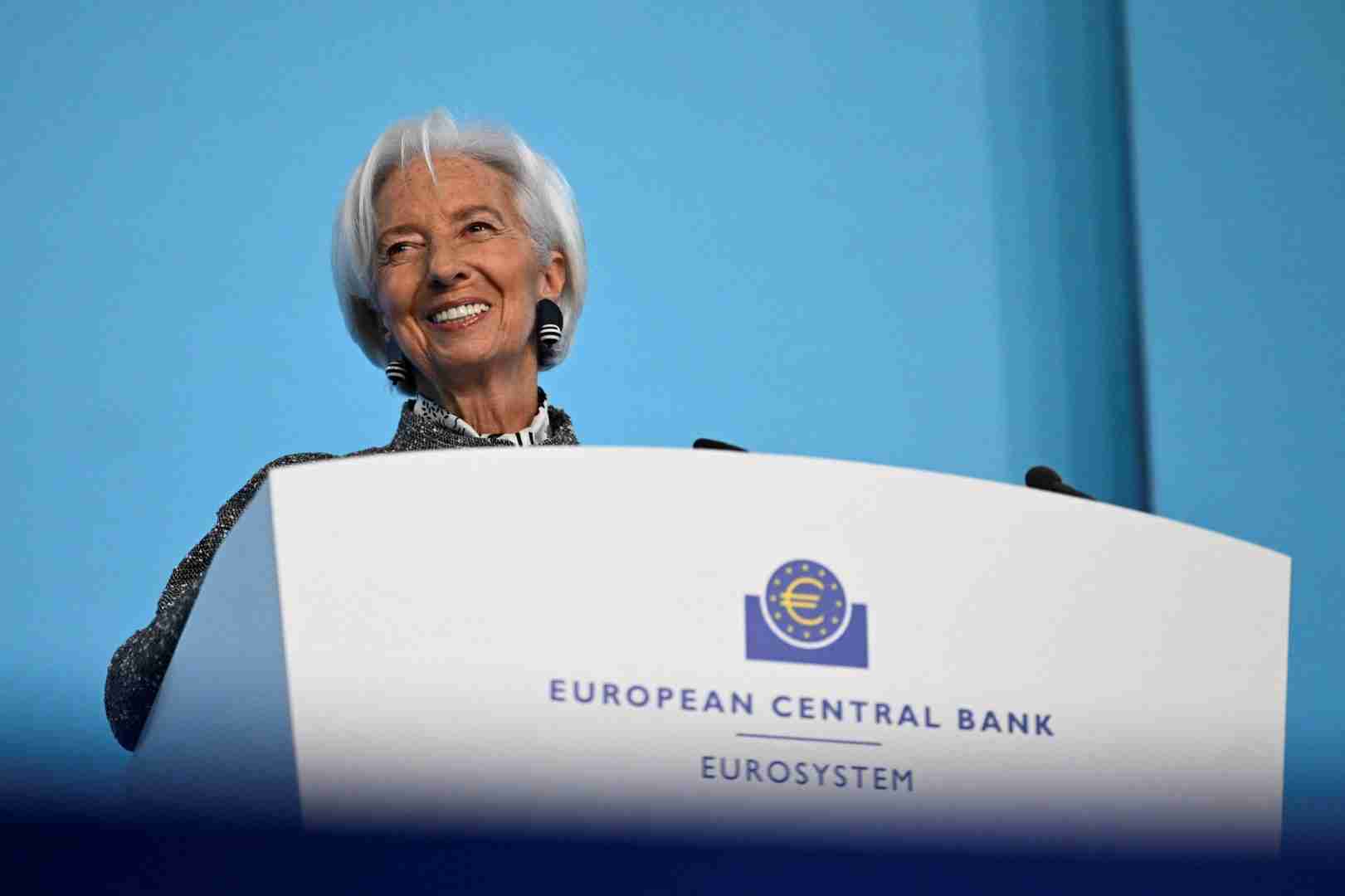
European Central Bank policymakers were wary of raising interest rates prematurely when they met last month amid growing fears of a new energy-driven surge in euro zone inflation, accounts of the gathering showed on Thursday.

The ECB kept its key interest rate at 2% at the March 18-19 meeting and policymakers are inclined to do so again this month, judging they don’t have enough evidence to conclude that the Iran war would durably raise inflation in the bloc.

The central bank’s baseline projections, published at the time of the March meeting, assumed the hit from the Iran war would be short-lived. But they were accompanied by adverse and severe scenarios that incorporate a sharper increase in energy prices, greater uncertainty and international spillover.

“Incoming data could then be monitored to assess which scenario seemed to be crystallising, thereby facilitating swift policy action if necessary,” the ECB said in its account of the meeting.

“At the same time, it was important not to act prematurely on the basis of adverse or severe scenarios, unless incoming data suggested that they were becoming increasingly likely.”

ING’s global head of macro Carsten Brzeski said the accounts showed the ECB had turned “hawkish” – minded to raise rates – but “in no hurry to react”.

APRIL MAY BE TOO EARLY

Policymakers hoped they would have more information about the duration and extent of the war at their following April 29-30 meeting but acknowledged it may still be too early to draw conclusions about the implications for inflation.

They said they would monitor inflation expectations, selling prices, companies’ profits, labour market data, underlying inflation figures and supply chain disruptions among key factors.

“All of this would help to assess whether developments were moving in line with the baseline outlook or one of the scenarios, even though it might still be difficult to judge whether there was a threat to the price stability objective,” the ECB said.

ECB President Christine Lagarde has since said the central bank would respond in a forceful or persistent way if inflation looked set to sit well above its 2% target for an extended period, but even a more modest overshoot could call for a “measured” rate move.

Reporting by Francesco CanepaEditing by Peter Graff

Trump says Israel and Lebanon agree on ceasefire, optimism grows on ending Iran war

Trump said in a social media post that the ceasefire would start at 5 p.m. EST (2100 GMT), aiming to halt a conflict between Israel and the Iran-aligned Lebanese group Hezbollah

International News via Reuters:

U.S. President Donald Trump announced on Thursday that Lebanon and Israel had agreed on a 10-day ceasefire, as optimism grew that the Iran war may be nearing an end.

Trump said in a social media post that the ceasefire would start at 5 p.m. EST (2100 GMT), aiming to halt a conflict between Israel and the Iran-aligned Lebanese group Hezbollah that was reignited by the U.S.-Israeli war against Iran.

He said he had held “excellent conversations” with Israeli Prime Minister Benjamin Netanyahu and Lebanese President Joseph Aoun.

“These two Leaders have agreed that in order to achieve PEACE between their Countries, they will formally begin a 10 Day CEASEFIRE at 5 P.M. EST,” he said. “Both sides want to see PEACE, and I believe that will happen, quickly!”

Trump said he had directed U.S. Vice President JD Vance, Secretary of State Marco Rubio and Chairman of the Joint Chiefs of Staff Dan Caine to work with the two countries to achieve lasting peace.

The war with Iran spilt into Lebanon on March 2, when Hezbollah opened fire in support of Tehran, prompting an Israeli offensive in Lebanon just 15 months after the last major conflict.

BREAKTHROUGH ON ‘STICKY ISSUES’ BETWEEN U.S. AND IRAN

Hopes of a deal between Iran and the United States have also been growing after nearly seven weeks of war.

A security source said a Pakistani mediator had made a breakthrough on “sticky issues”, although Tehran said the fate of its nuclear program had not been resolved.

The U.S. and Pakistan have been talking up prospects for a deal after nearly seven weeks of war, with Trump saying the accord would open the Strait of Hormuz, through which a fifth of the world’s oil and gas supply flows. 

Closure of the strait has caused the worst oil price shock in history and forced the International Monetary Fund to downgrade its outlook for the global economy, warning prolonged conflict could push the world to the brink of recession. 

Pakistan’s army chief and Field Marshal Asim Munir, an important figure in mediation efforts, arrived in Tehran on Wednesday to try to prevent a renewal of the conflict after talks in Islamabad that ended without a deal.

A senior Iranian official told Reuters on Thursday the trip had led to greater hopes for a second round of talks and an extension of a two-week ceasefire, but said fundamental differences remain over its nuclear program.

The war began with U.S.-Israeli attacks on Iran on February 28, triggering Iranian attacks on Iran’s Gulf neighbours and reigniting the Israel-Hezbollah conflict.

Thousands of people have been killed, mostly in Iran and Lebanon. Soaring energy costs have rattled investors and policymakers globally.

Reporting by Reuters bureaus, Writing by Lincoln Feast, Sharon Singleton and Timothy Heritage; Editing by Raju Gopalakrishnan, Alexandra Hudson and Andrew Heavens

Britain to scrap carbon tax on electricity generation as pressure mounts on bills

Domestic energy prices are expected to soar from July following wholesale energy prices which have risen due to the Iran conflict and as the regulator’s price cap enters a new pricing quarter from July to September

International News via Reuters:

Britain’s carbon tax on electricity generation will be scrapped from April 2028, the government said on Thursday as it seeks to curb electricity prices for households and businesses.

Domestic energy prices are expected to soar from July following wholesale energy prices which have risen due to the Iran conflict and as the regulator’s price cap enters a new pricing quarter from July to September.

Britain introduced the tax, called the Carbon Price Support, on emissions from power plants in April 2013 as part of its efforts to meet climate targets, by making polluting fossil fuel power production, particularly coal, more expensive.

“The removal of the Carbon Price Support represents a positive step towards lowering retail electricity prices,” Pranav Menon, Senior Research Associate, Aurora Energy Research, said in an emailed statement.

The government had frozen the tax at 18 pounds ($24) per metric ton of carbon dioxide until April 2028, in last year’s budget.

“CPS has done its job and is no longer fit for purpose. Coal has been driven off the grid,” Dan Tomlinson, exchequer secretary to the treasury, said in a written statement to parliament announcing the change.

Britain’s last coal-fired power plant closed in 2024 and the government has been ramping up renewable power as it strives to meet a target to largely decarbonise its electricity sector by 2030. 

“With our Clean Power 2030 mission, we are already reducing our electricity system’s reliance on volatile fossil fuels and we no longer need this additional tax to provide incentives in the system to decarbonise our grid,” Tomlinson said.

The tax is paid by fossil fuel electricity generators on top of costs under the country’s Emissions Trading System, where benchmark prices currently trade around 49 pounds per ton.

Analysts at Bernstein said the CPS adds around 7 pounds per megawatt hour to wholesale electricity prices with the scrapping of the tax equating to a cost saving of around 21 pounds per year on an average household electricity bill.

($1 = 0.7381 pounds)

Reporting by Susanna Twidale; Editing by Toby Chopra, Emelia Sithole-Matarise and Andrew Heavens