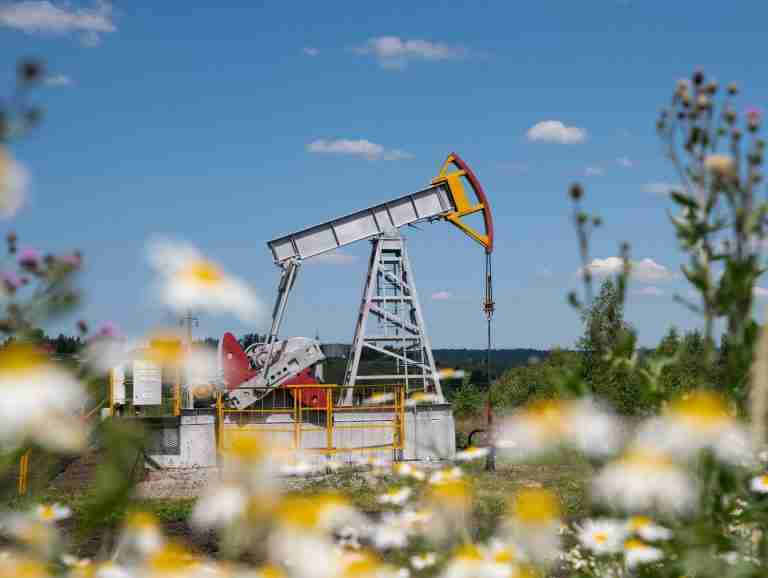
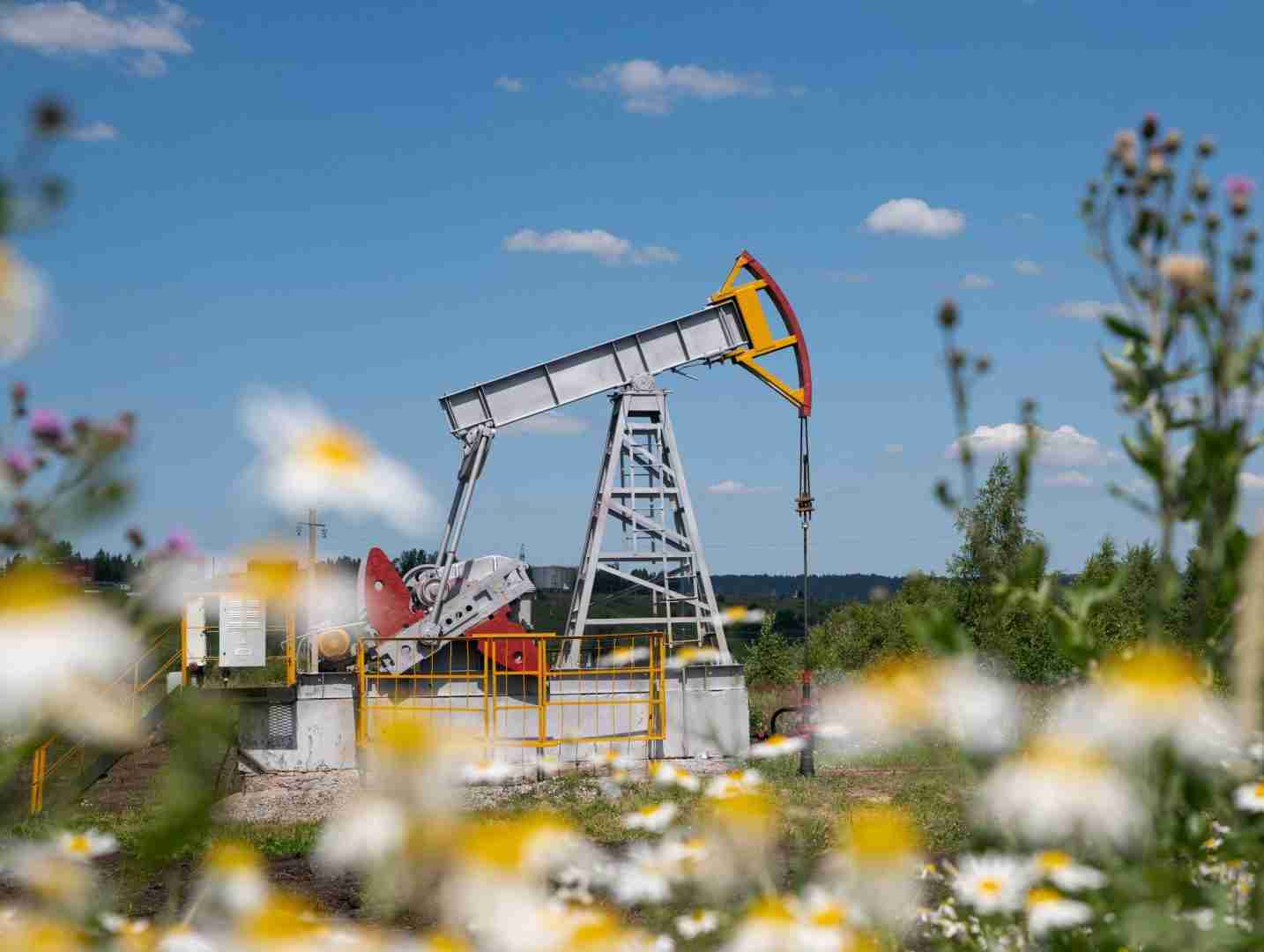
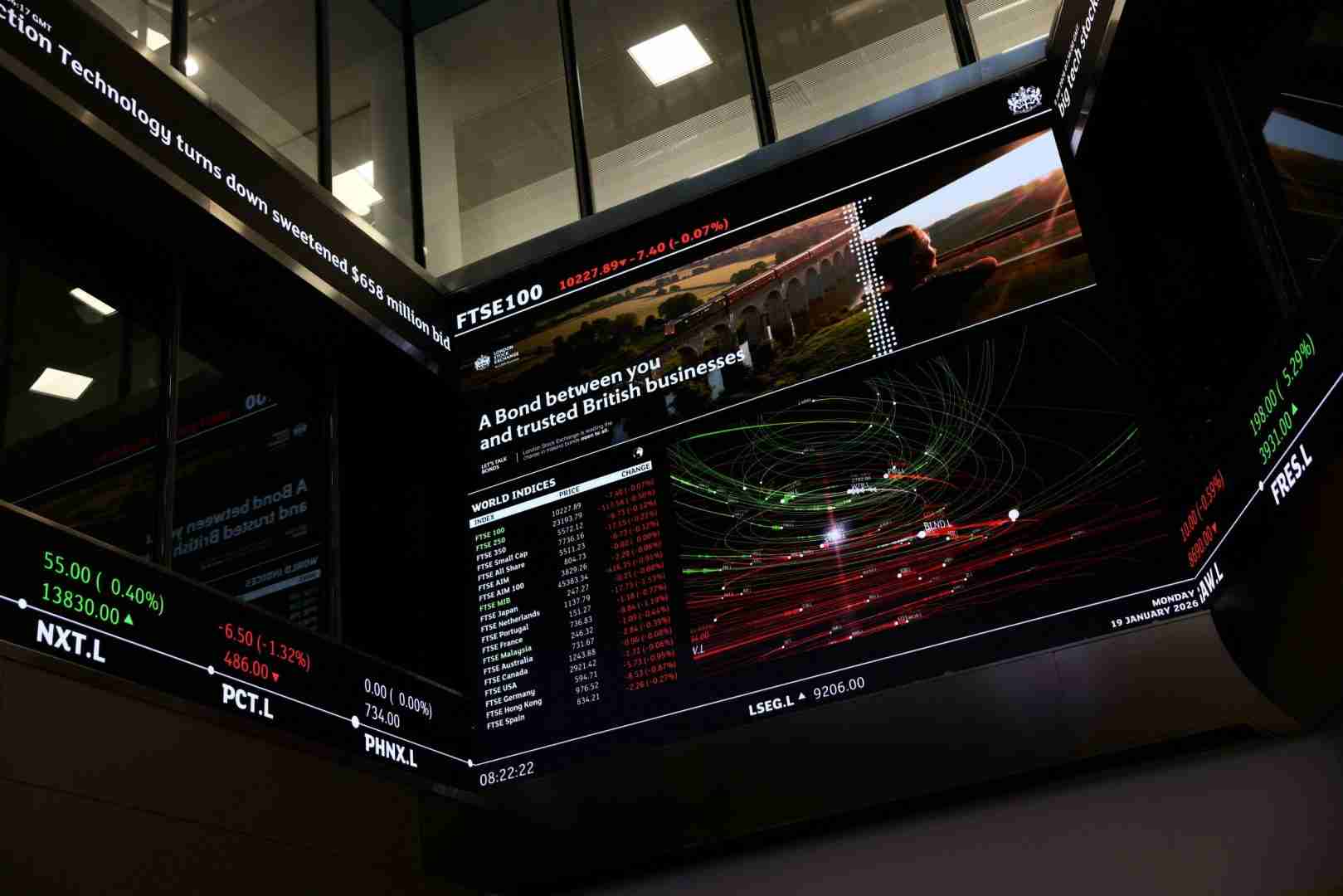
Brent crude futures were up 81 cents, or 0.9%, at $95.74 a barrel at 1100 GMT
International News via Reuters:
Oil prices rose on Thursday, reversing earlier declines as the market questioned whether peace talks between the U.S. and Iran would achieve a deal to end the war that has disrupted energy supplies from the Middle East.
Brent crude futures were up 81 cents, or 0.9%, at $95.74 a barrel at 1100 GMT. U.S. West Texas Intermediate crude futures climbed 34 cents, or 0.4%, to $91.63 a barrel.
Both benchmarks settled little changed on Wednesday after trading in a wide range during the session.
“We remain sceptical of any immediate solving of this war,” said PVM oil market analyst John Evans. “Pick any headline and there is always a counter.”
The U.S.-Israeli war on Iran has caused unprecedented disruption of global oil and gas. It has led to the halting of traffic through the Strait of Hormuz, which typically carries about 20% of the world’s oil and liquefied natural gas flows.
POSSIBLE RESUMPTION OF PEACE TALKS
U.S. and Iranian officials were considering returning to Pakistan for further talks as early as the coming weekend. Pakistan’s army chief arrived in Tehran on Wednesday as a mediator.
A source briefed by Tehran told Reuters that Iran could consider allowing ships to sail freely through the Omani side of the Strait of Hormuz in the event of a deal to prevent renewed conflict after a two-week ceasefire started on April 8.
In another sign of a potential easing of military actions, Israel’s cabinet met on Wednesday to discuss a possible ceasefire in neighbouring Lebanon, a senior Israeli official said, more than six weeks into its war with Iran-backed Hezbollah.
Analysts from ING estimate that roughly 13 million barrels per day of oil flow has been disrupted by the closure of the Strait, after taking into consideration pipeline diversions and the trickle of tankers that have passed through the gateway.
With the U.S. blockade on Iranian ports announced after the collapse of peace talks over the weekend, the disruption could increase, although some U.S. sanctioned tankers have made it through.
U.S. Treasury Secretary Scott Bessent said that Washington will not be renewing sanction waivers for some Iranian and Russian oil.
Highlighting the constraints on global crude and oil product supply, U.S. inventories of oil, gasoline and distillate fuels fell last week, the Energy Information Administration said on Wednesday, as countries seeking barrels to replace the disrupted flows drove exports and meant imports shrank.
Additional reporting by Yuka Obayashi in Tokyo and Siyi Liu in Singapore; Editing by Lincoln Feast, Christian Schmollinger, Thomas Derpinghaus, Barbara Lewis and Jane Merriman
The 45-year-old stayed in court in KuGompo City as magistrates considered whether to accept an appeal against the sentence
International News via Reuters:
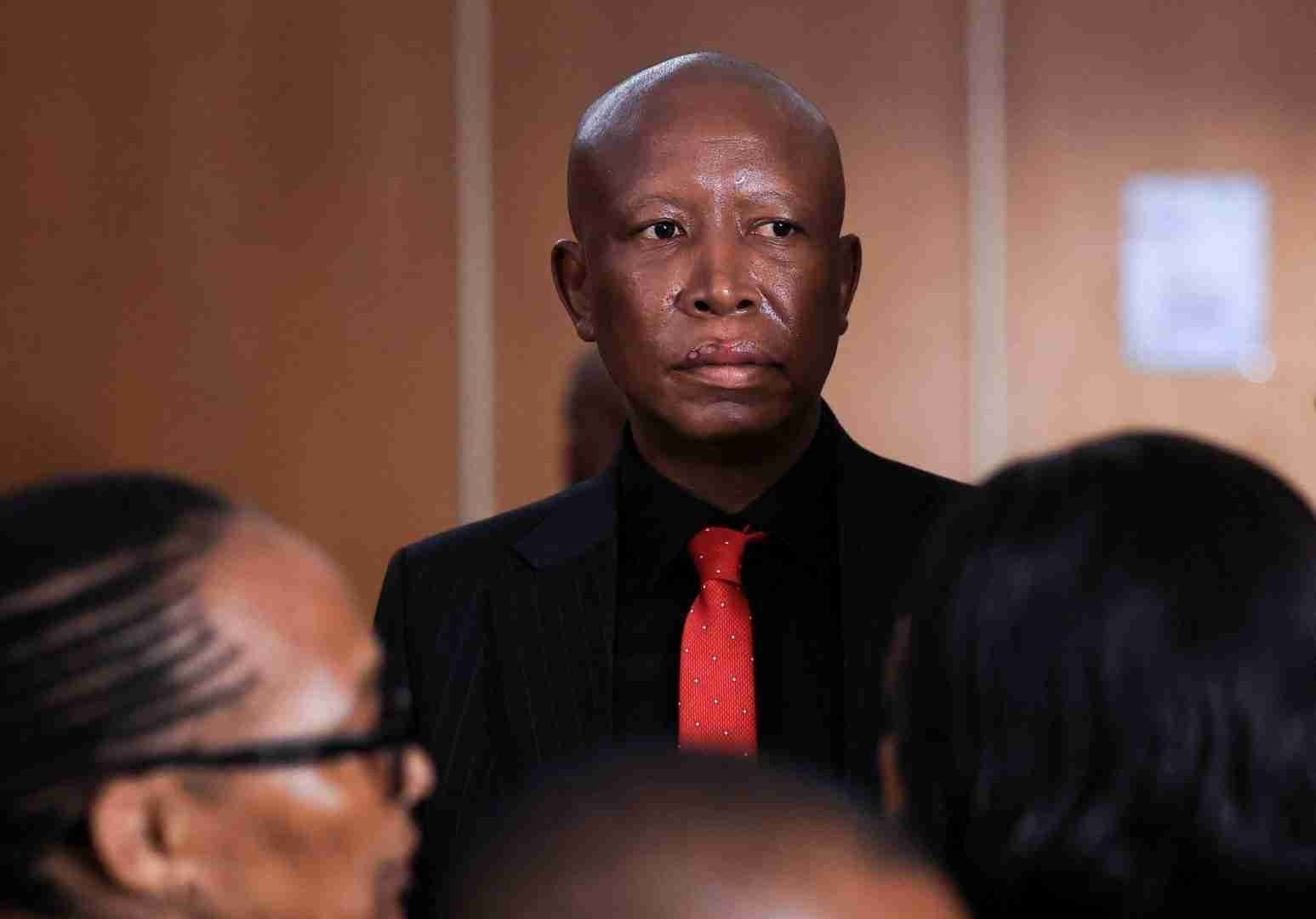
South African opposition leader Julius Malema was sentenced to five years in jail on Thursday for firing a rifle in the air at a rally, a judgement that could bar the prominent campaigner from parliament.
The 45-year-old stayed in court in KuGompo City as magistrates considered whether to accept an appeal against the sentence. It was not immediately clear if that process would delay his transfer to prison.
Malema, head of the far-left Economic Freedom Fighters, the fourth-biggest party in parliament, was convicted last year on five charges after firing the gun at a stadium in the Eastern Cape province in 2018.
“It is clear that if crimes are allowed to go unchecked and unpunished, it poses a serious threat to our democratic state,” magistrate Twanet Olivier said before delivering the sentence.
The court sentenced Malema to five years in prison for unlawful possession of a firearm and two years for unlawful possession of ammunition.
It gave him fines for the other three offences, including discharging a firearm in a built-up area with prison time if he doesn’t pay. The sentences will run at the same time.
SETBACK FOR MALEMA’S FAR-LEFT PARTY
According to South Africa’s constitution, a prison sentence of 12 months or more, if confirmed after all appeals, would bar Malema from serving as a lawmaker.
That would be a major setback for his party, which has strong support among young South Africans frustrated by the racial inequality that has persisted since the end of white minority rule in 1994.
The Economic Freedom Fighters advocate nationalising mines and seizing land from white farmers.
The state prosecutor had told the court on Thursday it would set a bad precedent if Malema got off without jail time and urged the magistrate to impose the maximum possible sentence of 15 years.
Malema’s lawyers had argued he did not intend to cause any harm by firing the gun in a celebratory gesture, and called for a more lenient sentence such as a fine.
($1 = 16.3842 rand)
Additional reporting by Anathi Madubela, Nilutpal Timsina and Olivia Kumwenda-Mtambo;Editing by Alexander Winning and Andrew Heavens
He said he wanted to hear what actions the platforms were going to take because “right now, social media is putting our children at risk” at the start of a meeting with executives from Meta, Snap, Google, TikTok and X
International News via Reuters:
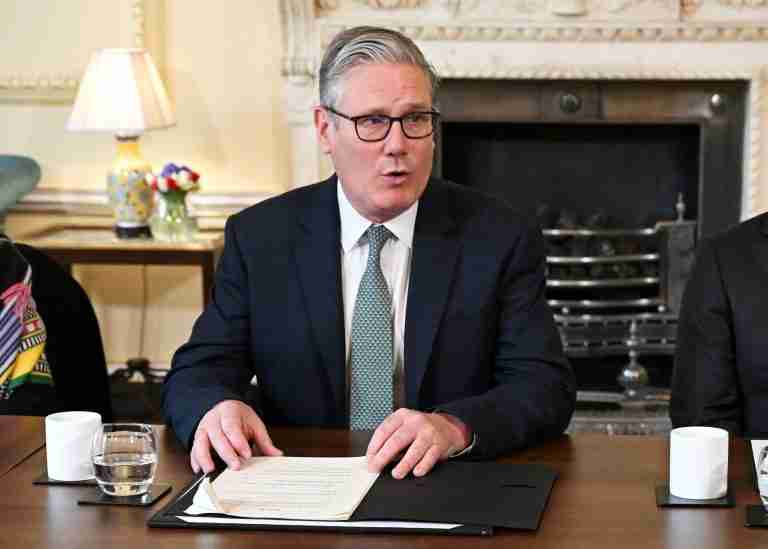
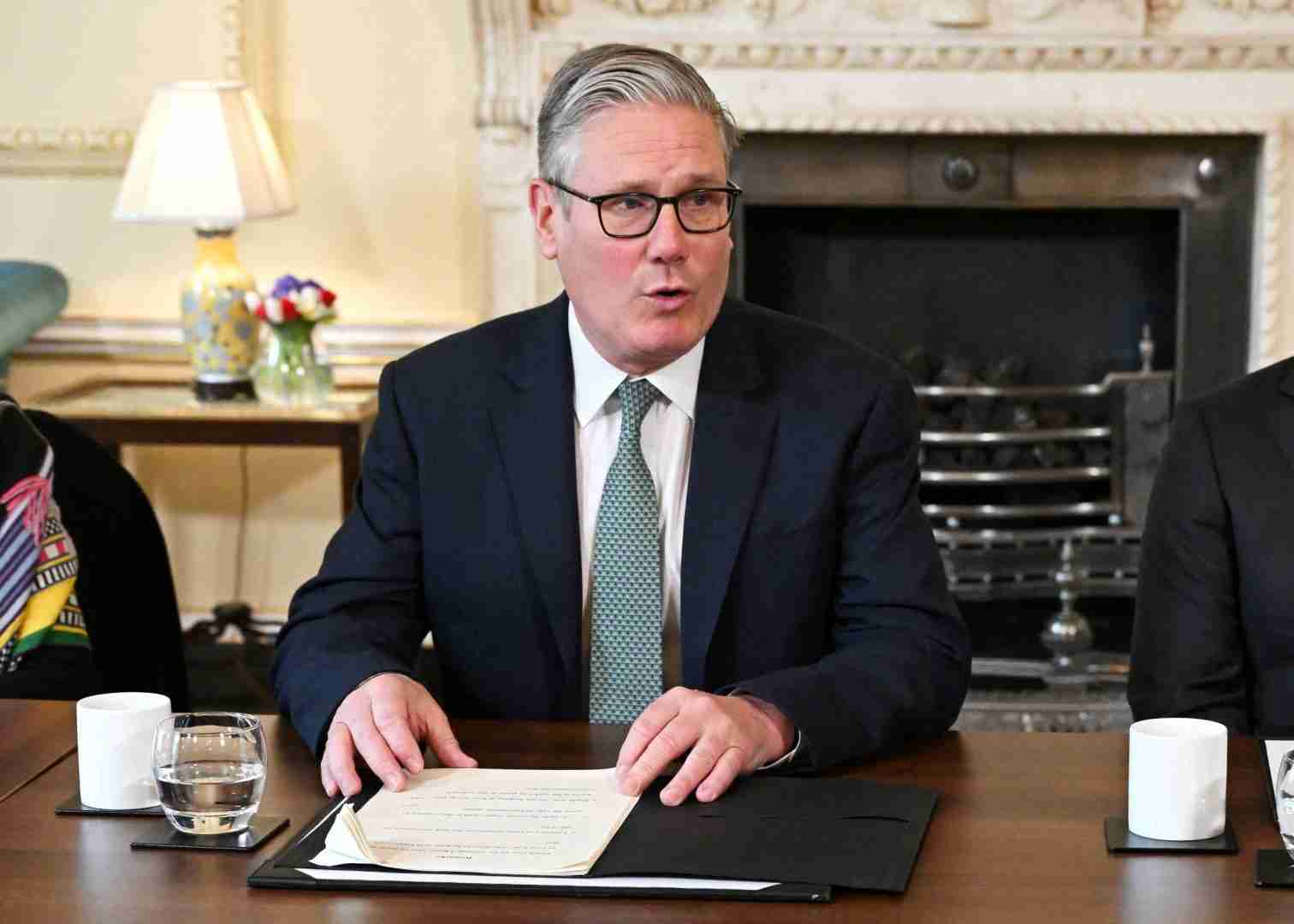
British Prime Minister Keir Starmer told social media companies on Thursday to take responsibility for children’s safety on their platforms and meet parents’ demands for credible protection rather than “tweaks around the edges”.
He said he wanted to hear what actions the platforms were going to take because “right now, social media is putting our children at risk” at the start of a meeting with executives from Meta, Snap, Google, TikTok and X.
Starmer’s government has ramped up scrutiny of social media companies, saying children were being exposed to harm online without clear accountability, and has pledged to act to limit the impact of such apps on sleep, family life and schoolwork.
He said the companies had introduced some protections – such as disabling autoplay on YouTube for children and giving parents greater control over screen time, including curfews – but he wanted them to go further.
“Companies have to grip this and work with us to do better by British children and to demonstrate credibly and quickly how these products can be made appropriate for children,” Starmer said.
He highlighted growing concerns about escalating bullying and social pressures, as well as the lack of clear boundaries between school and home life.
“It’s clear to me that parents aren’t asking us for tweaks at the edges,” he told the executives, who were not named by the government.
“They’re asking us whether a system that clearly isn’t working for children should be allowed to continue at all.”
Britain is consulting until next month on whether to restrict children’s access to social media, including a possible ban for under-16s, as well as curfews, app time limits and curbs on what it described as addictive design features.
Australia last year became the first country to ban social media for children under 16, with European countries considering similar measures.
French President Emmanuel Macron is due to push for a coordinated approach among European Union leaders on banning social media for minors.
Reporting by Sam Tabahriti and Muvija M, Editing by Paul Sandle and Alex Richardson
“Trump has no right to wake up in the morning and threaten a country,” Lula told El Pais, referring to the president’s public threat on April 7 to wipe out Iranian civilisation as part of the U.S.-Israeli war on Iran
International News via Reuters:
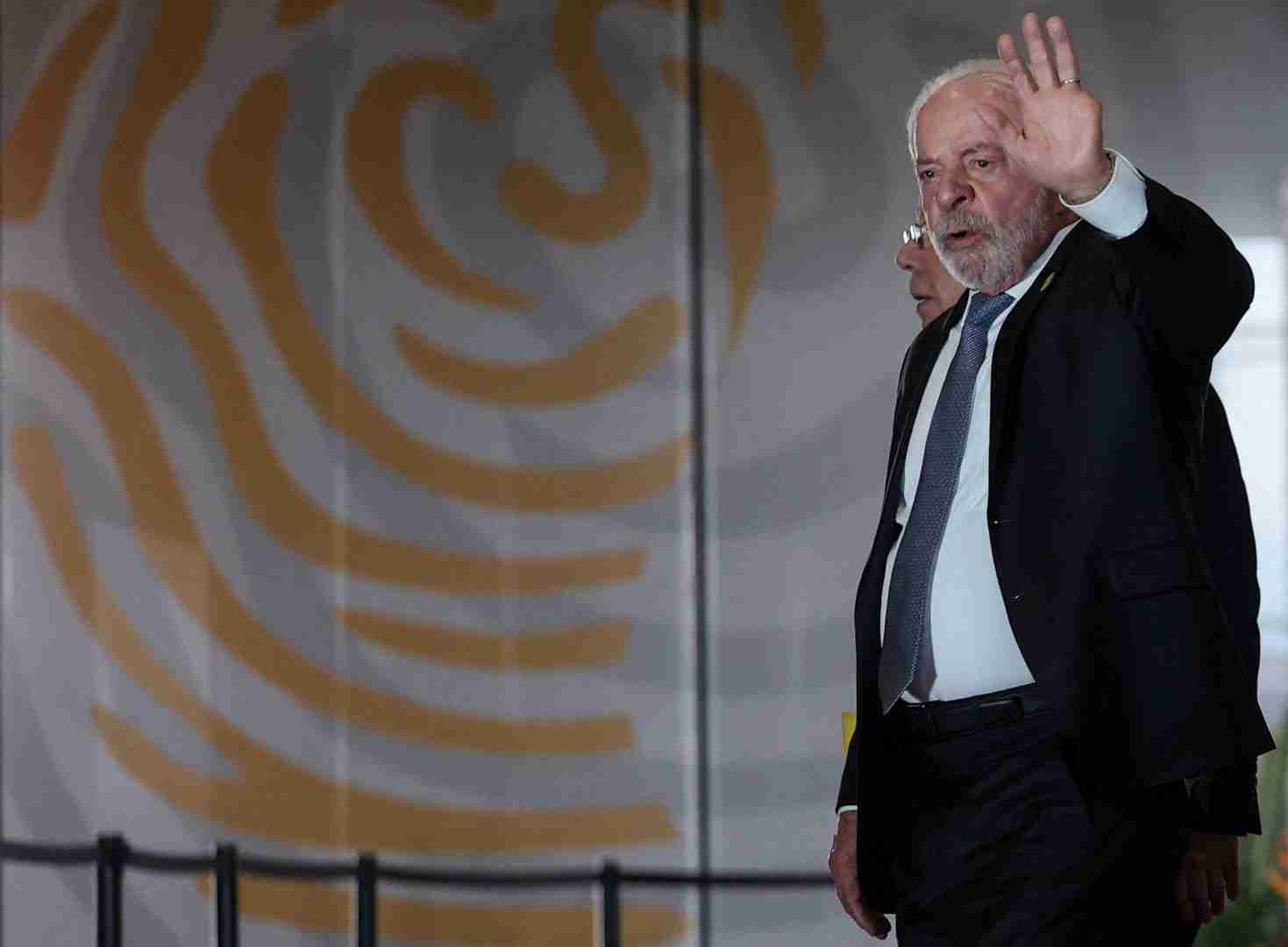
Brazil’s President Luiz Inacio Lula da Silva delivered a blunt critique of U.S. President Donald Trump in an interview with Spanish newspaper El Pais published on Thursday, saying world leaders should seek respect rather than rule by fear.
“Trump has no right to wake up in the morning and threaten a country,” Lula told El Pais, referring to the president’s public threat on April 7 to wipe out Iranian civilisation as part of the U.S.-Israeli war on Iran.
“He wasn’t elected for that, and his Constitution doesn’t allow it.”
Lula, who is set to meet another leftist critic of Trump, Spanish Prime Minister Pedro Sanchez, on Friday in Barcelona, called the U.S. president’s approach to foreign policy “a very misguided game” driven by the assumption that Washington’s military and economic power allows it to set the rules.
“No one has the right to frighten others,” Lula added. “It’s essential that the powerful take greater responsibility for maintaining peace.”
The Brazilian president described himself as a leader who prefers respect to fear.
He also called for free elections in Venezuela without interference from Washington, following a surprise January 3 raid by U.S. special forces who captured Venezuelan President Nicolas Maduro in Caracas.
“What cannot happen is for the U.S. to think it can run Venezuela. That’s not normal; it has no place in a democracy,” Lula said.
Lula has frequently clashed with Trump over the past decade. His main rival in the last election, far-right former President Jair Bolsonaro, who is now serving a 27-year sentence for plotting a coup to remain in power, was Trump’s close ally and supporter.
Lula, 80, also alluded to his and Trump’s advanced age as he recalled how he had called for restraint when Trump, 79, imposed hefty tariffs on Brazil and sanctioned judges handling the Bolsonaro case. The sanctions were later removed and tariffs rolled back.
“Two countries governed by two gentlemen in their eighties should speak with great maturity,” Lula said.
Reporting by David Latona; Editing by Andrei Khalip, William Maclean
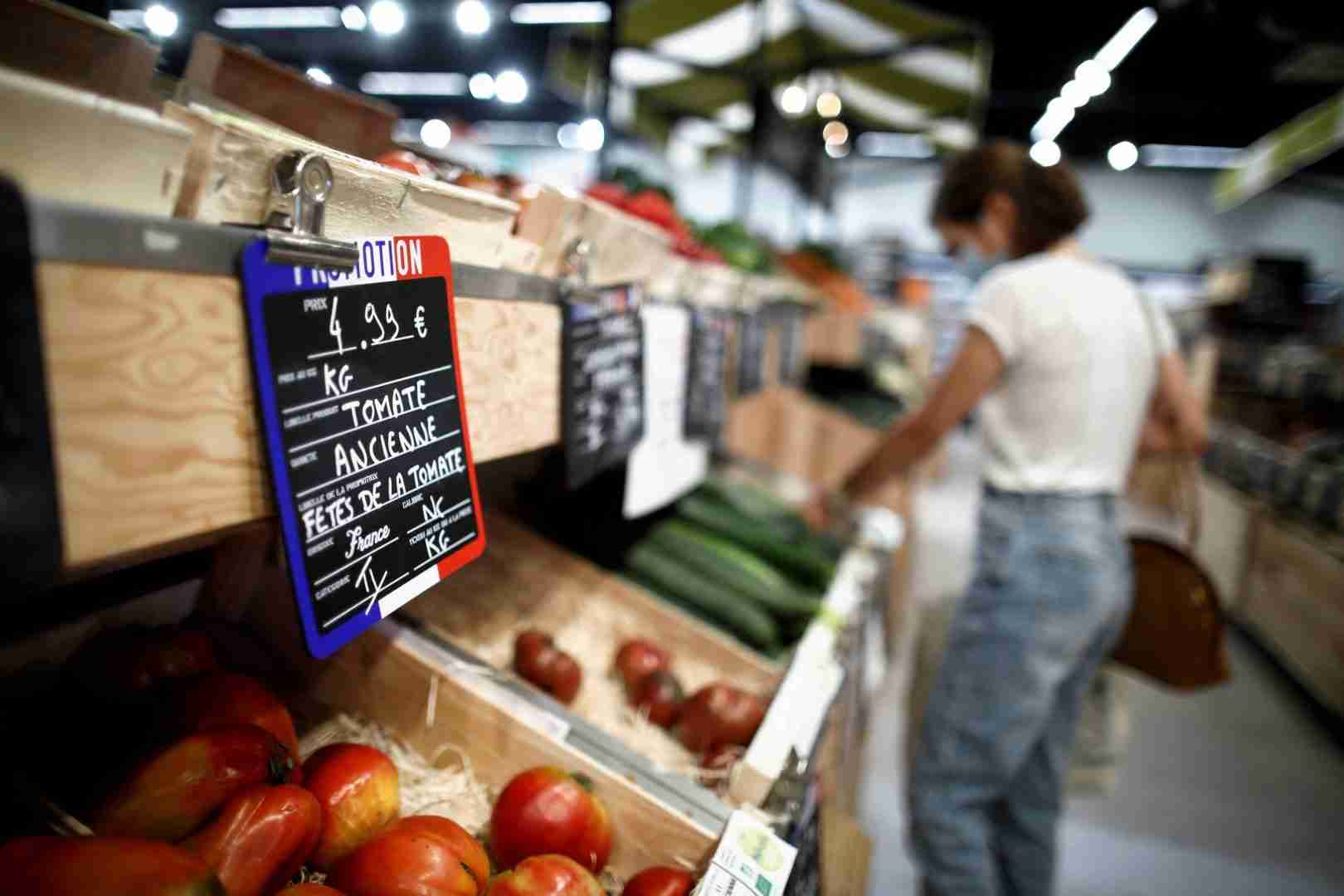
The collusion happened as sales of organic food products expanded in France, mainly in supermarkets
International News via Reuters:
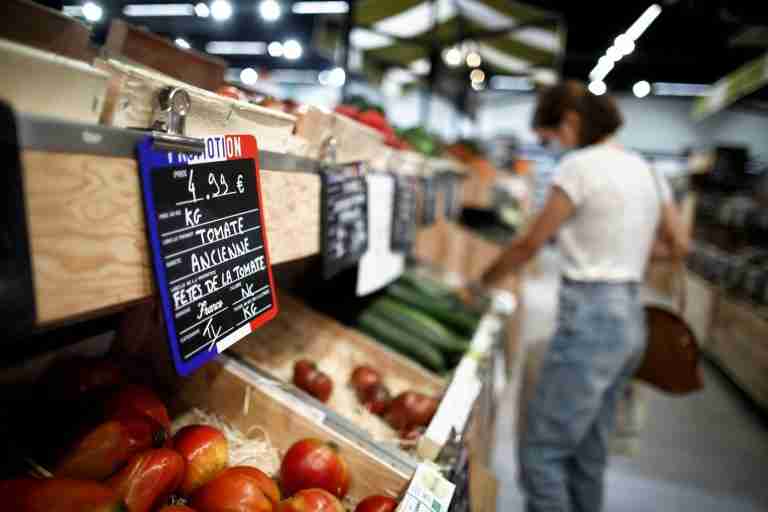
France’s antitrust watchdog fined four organic food wholesalers, including one owned by Carrefour, a combined 12.7 million euros ($14.96 million) for colluding to fix their product prices over a seven-year period up to 2024.
The companies set up a “unique, complex and continuous agreement” to separate organic food product brands sold in specialized organic stores and regular supermarkets to prevent price comparison, which would have led to a general price decrease in organic stores, Autorite de la Concurrence said in a statement on Thursday.
The collusion happened as sales of organic food products expanded in France, mainly in supermarkets.
Synadis Bio was fined 10 million euros, while Carrefour’s Greenweez was fined 1.85 million euros, ITM Enterprises, which operates Intermarche supermarkets, was ordered to pay 740,000 euros, and Les Comptoirs de la Bio, 80,000 euros.
The four companies fined did not immediately respond to requests for comment. They can appeal the decision in court.
The agreement started in 2017, the statement said, quoting board meeting transcripts from Synadis Bio in reaction to the sale of products sold by Bio C Bon supermarkets on internet retail giant Amazon.
“This represents a new and worrying competing activity for specialized organic stores because it blurs the lines between distribution channels and promotes price comparability,” Synadis Bio’s board said at the time, according to the watchdog.
Synadis Bio proceeded into sealing agreements with different wholesalers to keep different brands in the different kinds of stores, the watchdog said.
“The Authority considers this practice to be serious insofar as it has undeniably limited intra-brand and inter-brand competition, as well as price competition, between the two distribution channels,” the statement said.
Overall sales of organic food products quadrupled between 2010 and 2020, while specialized organic stores’ market share fell by 5 percentage points.
($1 = 0.8488 euros)
Reporting by Inti Landauro; Editing by Susan Fenton
Gross domestic product expanded 0.5% month-on-month in February, the biggest increase since January 2024, the Office for National Statistics said
International News via Reuters:
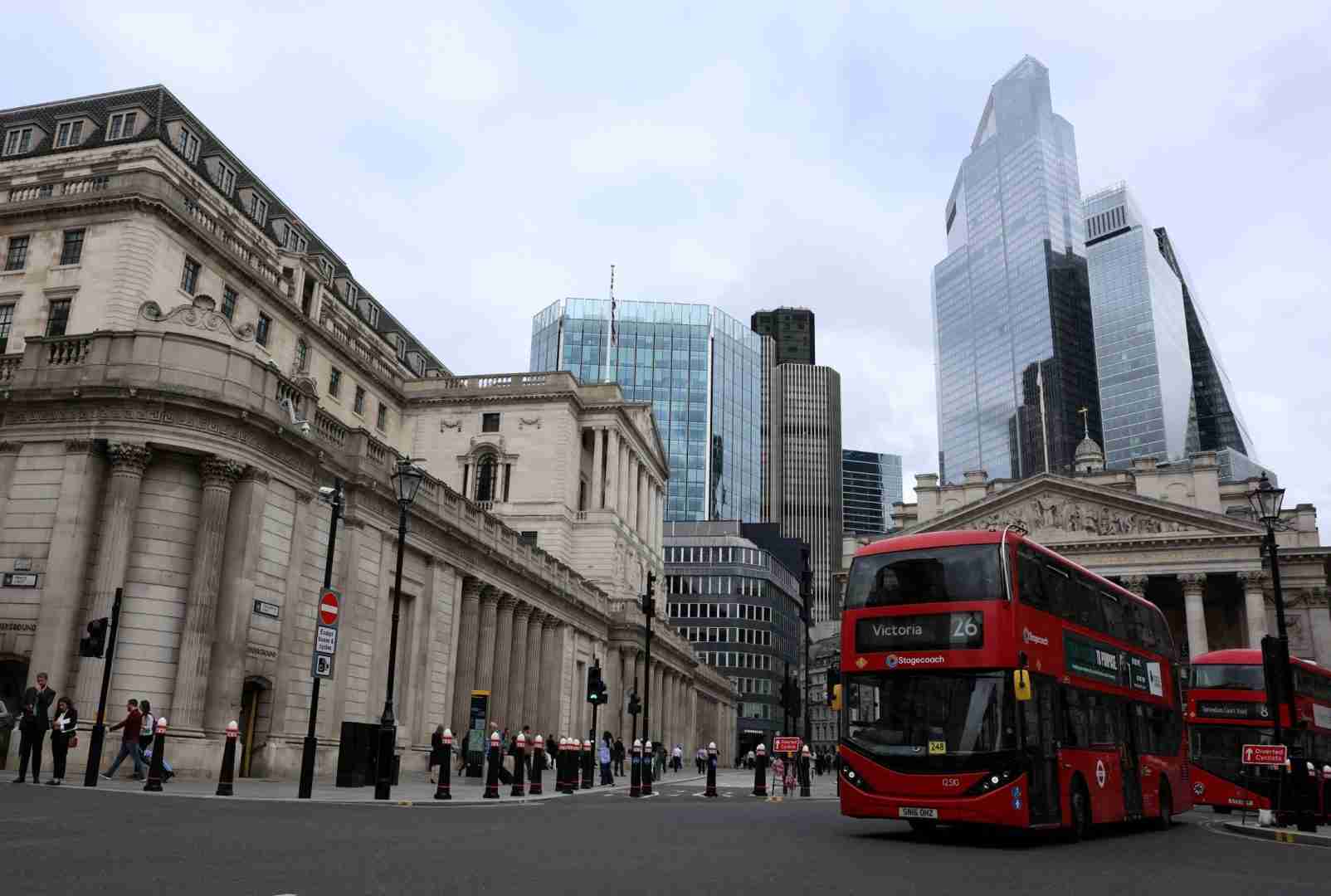
Britain’s economy put on a burst of growth in February, suggesting it was in slightly better shape before the start of the Iran war than many economists had feared, official figures showed on Thursday.
Gross domestic product expanded 0.5% month-on-month in February, the biggest increase since January 2024, the Office for National Statistics said. Economists polled by Reuters had forecast a much more modest reading of 0.2%.
While the figures are likely to cheer finance minister Rachel Reeves, economists said Britain remained vulnerable to the fallout from the Middle East conflict, being highly dependent on imported energy and prone to higher inflation than peers.
“Unfortunately, the latest energy price shock has likely pulled the rug on this momentum, with another year of above-target inflation and a softening labour market likely to come,” said Fergus Jiminez-England, associate economist from the National Institute for Economic and Social Research.
Britain suffered the sharpest cut to economic growth forecasts for large rich economies by the International Monetary Fund due largely to the Iran war, in forecasts published on Tuesday.
SERVICES SECTOR SPURRED FEBRUARY ECONOMIC GROWTH
“Growth increased further in the three months to February led by broad-based increases across services,” ONS chief economist Grant Fitzner said.
“Meanwhile car production recovered from the effects of the autumn cyber incident.”
Economic growth for the three months to February was 0.5%, the ONS said, putting Britain’s economy on track for a conspicuously strong first quarter, for a third year running.
That pattern has led to suspicions among some economists that the ONS’ process of seasonal adjustment has gone awry following unusually large swings in output during the COVID-19 pandemic – something the ONS rejects.
“We’re confident in our figures and seasonal adjustment processes,” an ONS spokesperson said on Thursday, adding that statisticians had looked thoroughly at the issue.
James Smith, economist at ING, said he still doubted whether the ONS had fully accounted for the influence of the last period of high inflation in its seasonal adjustment process, and the timing of price increases.
“We wrote in our reaction to the January data that February or March could see a strong bounce back for exactly this reason,” Smith said.
“Suffice to say, all of this is old news anyway, given the crisis we find ourselves in today.”
Separate ONS data showed Britain’s total trade deficit, excluding the volatile movements of precious metals, rose in inflation-adjusted terms in February to 5.627 billion pounds ($7.62 billion), its highest since November 2024.
The widening was driven by imports rising to their second-highest reading on record, after December 2022.
($1 = 0.7385 pounds)
Additional reporting by Suban Abdulla, graphic by Pasit Kongkunakornkul, editing by Hugh Lawson and Ros Russell
Optimism over a deal to end the war was boosted by comments from both Washington and Tehran and with $95-a-barrel oil now well off the near $120 peaks of March, MSCI’s main world stocks index advanced 0.25%
International News via Reuters:
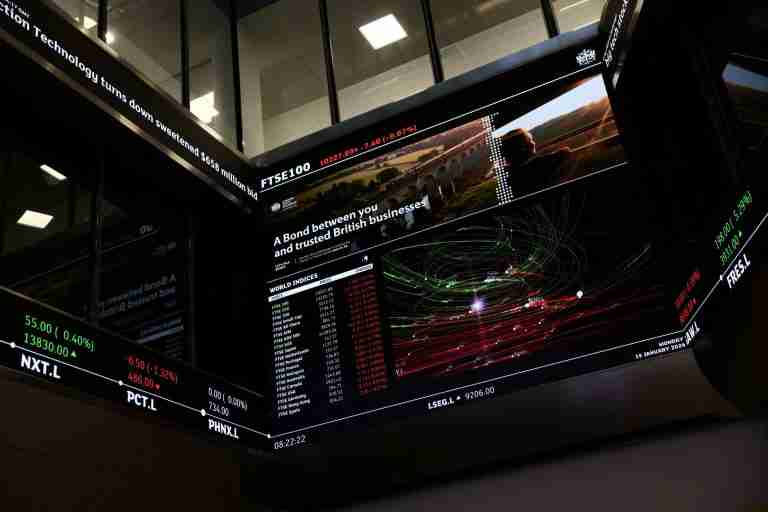
World stocks climbed for a 10th straight day to hit new record highs on Thursday, as equity markets completed a remarkable six-week round trip from the heavy selloffs sparked by the United States’ and Israel’s attacks on Iran.
Optimism over a deal to end the war was boosted by comments from both Washington and Tehran and with $95-a-barrel oil now well off the near $120 peaks of March, MSCI’s main world stocks index advanced 0.25%.
It was its first all-time high since the hostilities erupted at the end of February, and after reassuring global bank earnings lifted the U.S. S&P 500 above 7,000 points on Wednesday, capped an 11% rebound for MSCI World.
“It almost looks like the perfect V-shaped recovery,” said Standard Chartered’s Chief Investment Officer for Africa, Middle East and Europe, Manpreet Gill, explaining that U.S. tech stocks and the easing of oil prices had been big drivers in the bounce.
European stocks weren’t back to their pre-war highs, but they also moved 0.2% higher [.EU]. The region’s government borrowing costs dipped again too as traders dialled back bets of higher interest rates, though bonds also remain well off pre-conflict levels.
Gill added that if the spike in energy prices does now fade and the impact on inflation proves a temporary one-off, then leading central banks are likely to try to “look through” the move.
“I think what everyone’s going to be obviously quite cautious of is, whether there are any second-round effects that we see that come later,” he said.
OIL ON THE BOIL
Back in oil markets, Brent crude hovered just above $95 a barrel after a source briefed by Tehran told Reuters that Iran could consider allowing ships to sail freely through the Omani side of the Strait of Hormuz without risk of attack as part of proposals it has offered in negotiations with the United States.
The U.S. dollar index, which measures the greenback’s strength against a basket of six currencies, was around 0.1% stronger, after eight consecutive day of declines.
Aside from war watching, U.S. President Donald Trump has reignited his spat with Fed Chair Jerome Powell, threatening to fire him from his standalone seat on the U.S. central bank’s Board of Governors if Powell does not vacate it when his term as Fed chief ends on May 15.
The dollar’s move also meant the euro lost traction, having edged to within touching distance of its highest level since the war began at $1.182325.
Japan’s yen firmed to 158.71 meanwhile after the country’s finance minister said Tokyo and the U.S. had agreed to intensify communication on exchange rates following her meeting with U.S. Treasury Secretary Scott Bessent on Wednesday.
“Markets are now basically looking past the conflict and pricing that there’s going to be some kind of settlement,” said Khoon Goh, the head of Asia research at ANZ.
“As markets are pricing out the war premium, we could see the dollar coming under further pressure and resuming the downtrend that has been established since basically last year.”
China’s yuan traded at near a three-year high of 6.8152 per dollar in offshore markets and Chinese stocks rose over 1% after forecast-beating data showed the economy grew 5.0% in the first quarter as strong exports offset still-sluggish domestic consumption.
AUSSIE DOLLAR AND GOLD GAIN
MSCI’s broadest gauge of Asia-Pacific shares rose 1.2% as Japan’s Nikkei 225 jumped 2.4% to a fresh record.
Taiwan and Korea’s markets weren’t too far behind either as Taiwan Semiconductor Manufacturing Co (TSMC), a linchpin of the AI sector, posted a 58% surge in quarterly profits.
“We remain constructive overall” on emerging market stocks as “underlying profit growth is likely to be strong,” analysts from Goldman Sachs wrote in a research report.
Gold clawed back 0.8% to $4,825.79 while in cryptocurrencies bitcoin was up 0.3% at $75,084.56 and ether was down 0.2% at $2,359.89.
The Aussie dollar also rose 0.3% to a four-year high of $0.71890 after data there showed Australian employment rose broadly in line with expectations in March as firms hired more full-time workers, while the jobless rate held steady at 4.3%.
“The latest data will reinforce the RBA’s assessment that upside risks to inflation are greater than downside risks to the labour market,” analysts from Capital Economics wrote in a research report, referring to the Reserve Bank of Australia.
President Donald Trump said the U.S.-Israeli war on Iran was “close to over,” while the White House expressed optimism about a deal, saying more in-person talks would likely take place in Pakistan again
International News via Reuters:
The U.S. dollar rose slightly on Thursday, but remained near its lowest level since early March, as markets waited hopefully for further news about a possible U.S.-Iran peace deal.
President Donald Trump said the U.S.-Israeli war on Iran was “close to over,” while the White House expressed optimism about a deal, saying more in-person talks would likely take place in Pakistan again.
Yet an Iranian official said big splits remained on Thursday, including over Tehran’s nuclear ambitions, even as the two sides have made some progress, helping cool market optimism.
The euro briefly strengthened past $1.18 after rising for eight consecutive sessions, but was last down 0.1% just below that level.
Sterling was last roughly flat at $1.3553, after data showed UK growth beat expectations in February.
Both currencies hovered near their highest levels since before the Iran war began in February.
The dollar index, which measures the currency’s strength against six major peers, rose 0.15% to 98.15.
It declined for eight straight sessions through Wednesday to give up most of the gains sparked by the war, as a tentative ceasefire revived appetite for riskier currencies.
“Markets are now basically looking past the conflict and pricing that there’s going to be some kind of settlement,” said Khoon Goh, the head of Asia research at ANZ.
“As markets are pricing out the war premium, we could see the dollar coming under further pressure and resuming the downtrend that has been established since basically last year.”
The Japanese yen was little changed at 158.96 per dollar after the country’s finance minister said Japan and the U.S. agreed to intensify communication on exchange rates after her meeting with U.S. Treasury Secretary Scott Bessent on Wednesday.
Data showed China’s economy grew 5.0% in the first quarter, beating analysts’ expectations, picking up speed on strong exports and policy support.
The offshore yuan traded at 6.8187 yuan per dollar, hovering near a three-year high.
The Australian dollar, which is often seen as a proxy for sentiment about the global economy, strengthened to a four-year high of $0.7197.
Australian employment rose broadly in line with expectations in March, prompting markets to maintain bets on a roughly 70% chance the Reserve Bank of Australia will raise rates again in May.
Reporting by Jiaxing Li in Hong Kong and Rae Wee in Singapore; Additional reporting by Harry Robertson in London; Editing by Thomas Derpinghaus, Kim Coghill, William Maclean
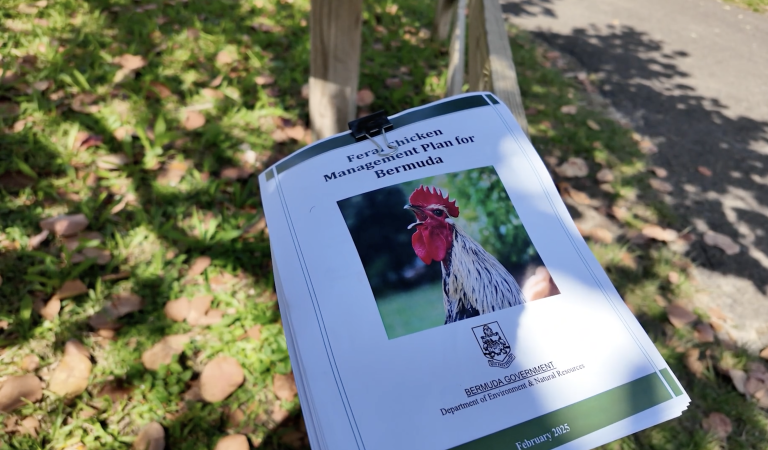
Officials say the feral chicken proposal was considered but found not viable for safety and regulatory reasons
Media Release:
A Government spokesperson has responded to claims raised in The Royal Gazette opinion article published on 14 April under the headline, “Government must tackle crisis over food security.”
The spokesperson said: “Food security is an important matter for Bermuda, and the Government welcomes constructive public discussion on ways to improve resilience and support greater local food production.
“However, it is equally important that public commentary does not create the misleading impression that practical proposals are being ignored or that matters affecting food security are not being taken seriously.”
The spokesperson added: “In relation to the suggestion that feral chickens could be redirected into a local food or egg production system, that proposal was considered but was not found to be viable for several practical, regulatory, biosecurity and public health reasons.
“Feral chickens are not domestic farm animals raised in controlled conditions. Because they live outside any managed agricultural system, there are legitimate concerns about disease, contamination, biosecurity exposure and whether they could safely meet the standards required for food or egg production.
“Those are not minor concerns. They go directly to public health, food safety and the protection of Bermuda’s agricultural environment.”
The statement continued: “Any attempt to bring feral chickens into the food chain would require substantial oversight, specialised infrastructure and ongoing monitoring to ensure compliance with proper health and regulatory standards.
“In practical terms, the level of intervention required would likely outweigh any potential benefit.”
The Government notes that feral chickens are primarily an animal control and population management issue, rather than a realistic food security solution.
“Current evidence indicates that targeted population control methods are the more effective and responsible means of addressing feral chicken numbers,” added the spokesperson.
“Simply attempting to round up birds for farming or egg production would not resolve the underlying problem, particularly given how quickly feral populations can recover,” the spokesperson noted.
The Ministry of Public Works and Environment emphasises that the proposal was not dismissed without consideration, but was assessed against the practical realities involved.
The Government remains committed to sensible, evidence-based measures that support Bermuda’s food security and agricultural resilience, and it remains open to constructive dialogue on ideas that are practical, safe and sustainable for our island.
Chapel Road will close for repairs in Paget on 16 and 17 April and the Cambridge Classic five-kilometre and 10-kilometre races will affect roads in Sandys on 19 April
Media Release:
The Ministry of Public Works and Environment advises the public of two upcoming road traffic notices affecting Paget and Sandys this week.
The first notice concerns a temporary road closure on Chapel Road in Paget to facilitate road repair works. The second relates to the Cambridge Classic 5K and 10K races, which will take place in Sandys on Sunday.
Chapel Road, from Middle Road to Latte’s Café, will be closed on Thursday, 16 April and Friday, 17 April 2026, between 7:30 a.m. and 3:00 p.m. each day.
The closure is required to accommodate road repair works, with traffic control under the direction of representatives from Joell’s Asphalt Services & Maintenance Ltd. Local access for residences and businesses, including Latte’s Café, will be available via Harbour Road.
Motorists are advised to avoid the area and use alternative routes via Middle Road, Manse Road and Cobbs Hill Road.
The Cambridge Classic 5K and 10K races will take place on Sunday, 19 April 2026, from 8:30 a.m. until 10:00 a.m. in the Cambridge Beaches Resort and western Sandys area.
Motorists should expect temporary traffic controls during the event and are urged to use caution when travelling in the area.
Please refer to the attached Road Traffic Notices for full details on the race route and traffic arrangements.
The doctor who went public about emergency care issues that he believes puts lives at risk, says that he had been trying for years to present his concerns to the Bermuda Hospitals Board
Dr. Ed Shultz, Chief of Emergency from 1998 until 2018, says the hospital management were not receptive to his concerns that issues with emergency facilities in the new Acute Care Wing were putting lives at risk.
However, Dr. Shultz told us last week that while he was both Chief of Emergency and later a board member, BHB had “not taken my concerns seriously or acted on them in a serious way”.
WATCH the report above.
We reached out to the Bermuda Hospitals Board for a response to Dr. Shultz’ comments.
A BHB spokesperson responded:
“The Bermuda Hospitals Board (BHB) recognises the concern in the community regarding the current pressures in the Emergency Department, and we are committed to addressing these challenges with urgency and care.
“BHB has been in active discussions with the Ministry of Health, and we are aligned in our shared priority of improving patient flow, reducing bottlenecks, and strengthening the overall experience for those who rely on emergency services.
“We are moving forward with an independent, focused operational assessment to identify immediate, practical steps that can support our teams and enhance the safety and efficiency of care. Our staff continue to work exceptionally hard under difficult conditions, and we are committed to supporting them while this process is underway.
“We remain dedicated to providing timely, safe, and compassionate care for our community.”
Bermuda Broadcasting also reached out to Dr. Michael Richmond, Chief of Staff then CEO of BHB during Dr Shultz’ time on the board.
Now working for the National Health Service in the UK, he told us “Having left the Trust in December 2023, Dr Richmond considers any further discussion on this issue to be a matter for the current Board.”
To provide the best experiences, we use technologies like cookies to store and/or access device information. Consenting to these technologies will allow us to process data such as browsing behavior or unique IDs on this site. Not consenting or withdrawing consent, may adversely affect certain features and functions.
Functional
Always active
The technical storage or access is strictly necessary for the legitimate purpose of enabling the use of a specific service explicitly requested by the subscriber or user, or for the sole purpose of carrying out the transmission of a communication over an electronic communications network.
Preferences
The technical storage or access is necessary for the legitimate purpose of storing preferences that are not requested by the subscriber or user.
Statistics
The technical storage or access that is used exclusively for statistical purposes.The technical storage or access that is used exclusively for anonymous statistical purposes. Without a subpoena, voluntary compliance on the part of your Internet Service Provider, or additional records from a third party, information stored or retrieved for this purpose alone cannot usually be used to identify you.
Marketing
The technical storage or access is required to create user profiles to send advertising, or to track the user on a website or across several websites for similar marketing purposes.