Tuesday, November 3, 2026
Home Blog Page 356

Stocks surge, oil dives below $100 as Iran ceasefire sparks relief rally

Trump announced the ceasefire less than two hours before his deadline for Iran to reopen the strait or face devastating attacks on its civilian infrastructure
International News via Reuters:

Oil prices sank below $100 a barrel and stocks and bonds surged on Wednesday, after U.S. President Donald Trump announced a two-week ceasefire with Iran that brought some relief to markets on hopes for a resumption of oil and gas flows through the Strait of Hormuz.

Trump announced the ceasefire less than two hours before his deadline for Iran to reopen the strait or face devastating attacks on its civilian infrastructure. Iran said it would cease counter-attacks and provide safe passage through the waterway if attacks against it stop. 

The market rally revived investor talk of the ‘TACO trade’ – or ‘Trump Always Chickens Out’ – after past policy reversals, although some noted the damage to energy infrastructure across the Middle East over the month-long conflict would inflict long-term strains on the global economy and the prospect of a lasting peace were far from certain.

“It’s a huge relief to see that we finally have a ceasefire between the U.S. and Iran,” said Nabil Milali, portfolio manager at Edmond de Rothschild, adding he believed Trump had calculated that further escalation would likely backfire. 

“So he did the only other option he had in front of him, which is a unilateral TACO,” he said.

Oil prices would likely remain “structurally higher” for a while, he added.

Brent oil futures were last down 13.7% at $94.29, while U.S crude futures were down 16% at $94.93 a barrel, but were still well above pre-war levels.

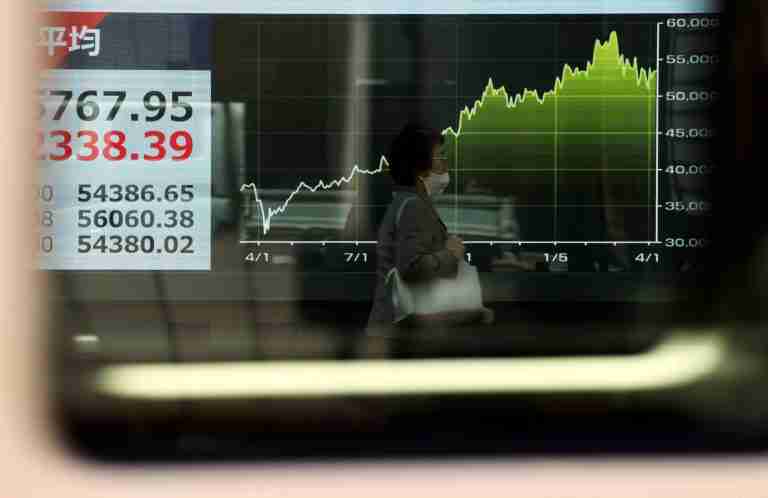
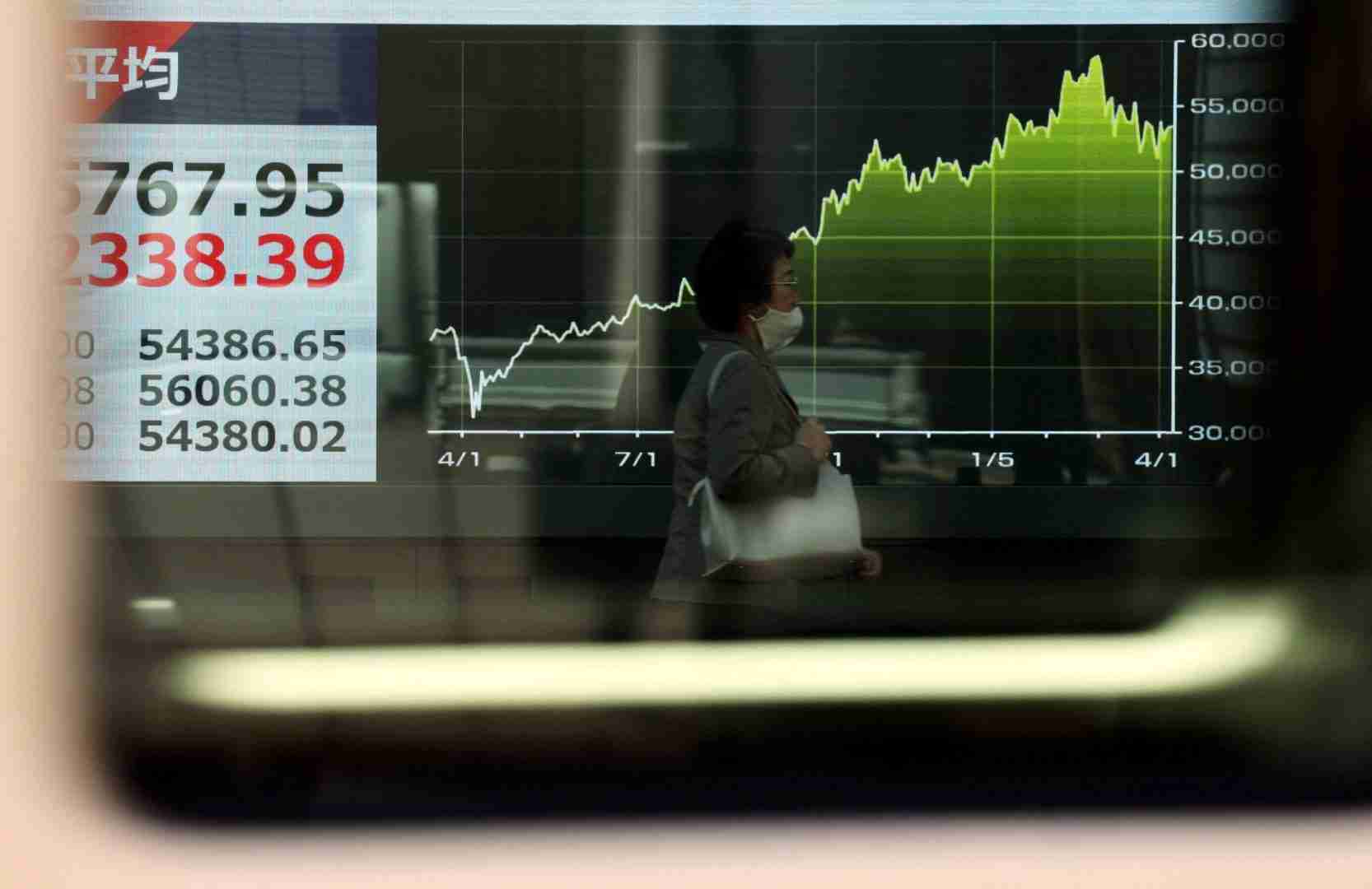
European stocks rose 4%, following strong gains across Asian markets. Wall Street futures pointed to gains of 2.7%-3.5%.

The U.S. dollar fell broadly, having been the haven of choice during the tumult, with the index against other major currencies easing to 98.842. [FRX/]

“Markets can worry about the complexities later. For now, they’ve been given the green light to rally,” said Matt Simpson, a senior market analyst at StoneX.

TWO WEEKS OF RELIEF

Beyond the immediate relief, investors were keen to see whether the ceasefire leads to a broader resolution before placing major bets. 

“Does it mean people are going to take new risks? No, it doesn’t,” said Martin Whetton, head of financial markets strategy at Westpac. “It would have to actually be a lasting peace (to change things). People aren’t actually taking risk.”

Gold prices climbed 1.7% to $4,783 per ounce. [GOL/]

U.S. Treasuries surged after the announcement with traders putting the prospect of rate cuts from the Federal Reserve later in the year back on the table, although doubts about whether oil prices will go back to pre-war levels kept enthusiasm in check.

The yield on the benchmark U.S. 10-year Treasury note dropped to 4.2438%, the lowest since mid-March, while the U.S. 2-year Treasury notes sank to 3.7318%.

Euro zone government bond yields also dropped sharply, as the ceasefire prompted traders to dramatically scale back their bets on future rate hikes from the European Central Bank.

“The evolution of oil would determine if this rally (in bonds) continues or gets faded which of course depends on how the negotiations go,” said Rohan Khanna, head of euro rates strategy at ‌Barclays.

“In the very short term, it may remove the impulse for the ECB to hike rates in April and the market has repriced that meeting accordingly, but the meeting is still three weeks away and that’s a long time in these markets.”

Reporting by Iain Withers, Tom Westbrook and Ankur Banerjee; Additional reporting by Dhara Ranasinghe; Editing by Jamie Freed, Chris Reese, Shri Navaratnam, Kevin Buckland and Kim Coghill


Opinion: The Friends of St Peter’s Church – Conserving a Cultural Icon 

Nonprofit Alliance of Bermuda Third Sector Spotlight: The Friends of St Peter’s Church 

By Alison Outerbridge, Manager, The Friends of St Peter’s Church 

At the heart of the UNESCO World Heritage Site in the Town of St George stands a building that quietly tells the story of Bermuda itself. St Peter’s Church, Their Majesties Chappell, is more than a historic landmark – it is a living record of the island’s past and an enduring symbol of the community that has grown around it for more than four centuries. 

Recognized for its exceptional architecture and craftsmanship, St Peter’s Church reflects key phases of Bermuda’s history and holds outstanding universal value. Preserving such a site is not simply about protecting a building; it is about safeguarding the stories, traditions, and shared identity that shape our island.  

This is the mission that guides the work of The Friends of St Peter’s Church. 

For our organisation,  preservation is both a responsibility and a privilege. St Peter’s stands as a tangible link to Bermuda’s past, offering residents and visitors alike an opportunity to experience history where it happened. Maintaining the church ensures that future generations will continue to learn from and connect with this remarkable place. 

St Peter’s occupies a singular place in Bermuda’s story. It is the island’s first institution, its first church and the site of Bermuda’s earliest meeting of government. Few historic buildings carry such significance, and none face quite the same level of public engagement. and no other community church bears comparable public access demands welcoming visitors six days a week. 

Today, the church welcomes approximately 35,000 visitors each year. These include more than 600 local students who participate in on-site learning experiences, along with over 100 international students who arrive aboard visiting college training vessels. Every guided tour of the Town of St George led by certified Bermudian guides includes a stop at the church, underscoring its significant role in Bermuda’s cultural landscape. 

For students especially, St Peter’s offers an unmatched opportunity for place-based learning. Thanks to funding from The Friends of St Peter’s Church, Government P5 classes visit the site as part of the Bermuda National Trust Learning Journey, “The Development of Slavery in Bermuda.”  

Within the church and its surrounding grounds, students explore topics such as early settlement, architecture, military occupation, enslavement and emancipation, and key moments including the American War of Independence, the War of 1812, and the American Civil War. These experiences strengthen students’ understanding of Bermuda’s history while fostering a deeper sense of identity and belonging. 

Yet caring for a structure of such age and significance is an ongoing challenge.  Maintaining a structure of such age and importance requires ongoing care and specialised expertise.The Friends of St Peter’s Church works year-round to ensure the site remains preserved and accessible. Our efforts include identifying and funding conservation projects, providing ongoing maintenance, supporting educational programming, and fostering community engagement. Recent restoration work has included repairing blinds and windows, servicing the historic 18th-century clock, maintaining exterior cedar elements, rebuilding collapsed graves, and restoring and painting the churchyard walls. 

A key part of this work involves collaborating with skilled Bermudian artisans. Their expertise in traditional masonry and carpentry is essential to preserving the authenticity of Bermuda’s built heritage. By engaging local craftspeople, we not only safeguard historic structures but also help sustain the knowledge and skills that keep these traditions alive. 

The church also remains a place where history and community continue to meet. Each year, the Friends host two commemorative services, including the Pilot James Darrell Commemorative Service. This event honours a remarkable Bermudian who gained his freedom through his extraordinary skill as a pilot, later becoming one of the first King’s Pilots and the first Black Bermudian to own property. Held in the church he attended and where he is laid to rest, the service brings together community leaders, Bermuda’s Branch Pilots, the Bermuda Sea Cadet Corps and descendants of Pilot Darrell to celebrate a legacy that speaks powerfully to resilience and achievement. 

The work of The Friends of St Peter’s Church benefits the entire community. Bermuda’s students, residents, and international visitors all gain from the preservation of this historic site. Our trustees are St Georgians and Bermudians with deep personal connections to the church and a shared commitment to heritage preservation. 

Preserving St Peter’s Church is about more than maintaining a historic structure. It is about protecting a place where Bermuda’s story continues to be told, where past and present meet, and where future generations can discover the roots of the island they call home. 

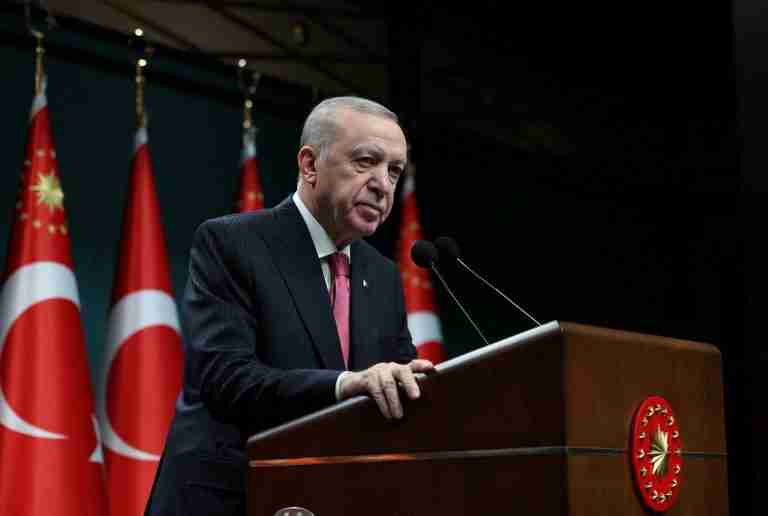
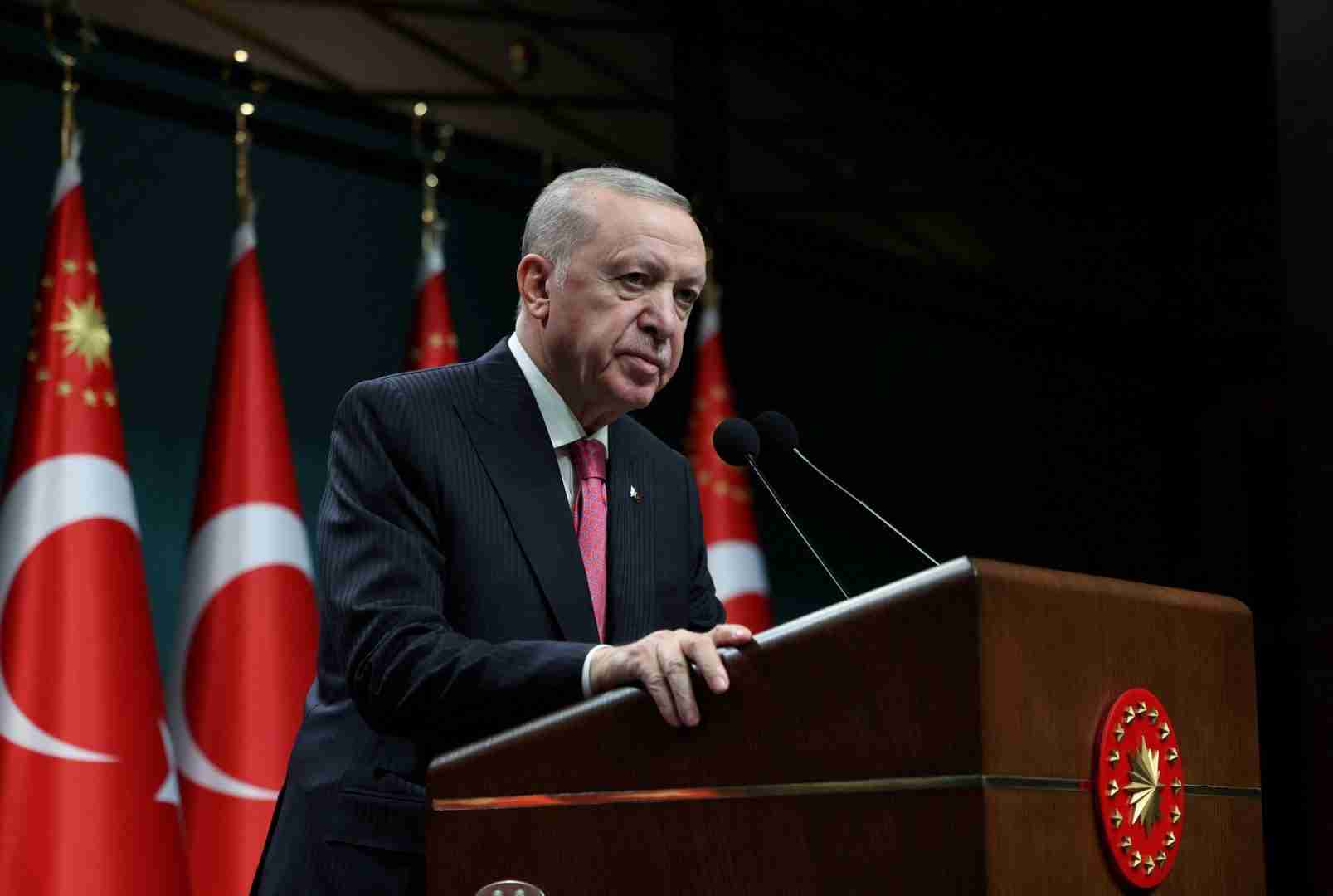
Turkey’s Erdogan welcomes Iran ceasefire, urges full implementation

He said he hoped the ceasefire would hold and that the region could return to peace after suffering from conflict and instability since late February

International News via Reuters:

Turkish President Tayyip Erdogan on Wednesday welcomed a ceasefire declared in the Iran war, urging its full implementation on the ground and warning against any provocations or acts of sabotage.

He said he hoped the ceasefire would hold and that the region could return to peace after suffering from conflict and instability since late February, adding that Turkey would continue to support efforts towards a lasting peace. 

Reporting by Ece Toksabay; Editing by Daren Butler

Greece to ban social media for under-15s from 2027, PM says

In a video message addressed to young people, Mitsotakis said children spending long hours in front of screens do not allow their minds to rest

International News via Reuters:

Greece will ban access to social media for children under the age of 15 from January 1, 2027, Prime Minister Kyriakos Mitsotakis said on Wednesday, citing rising anxiety, sleep problems and the addictive design of online platforms.

In a video message addressed to young people, Mitsotakis said children spending long hours in front of screens do not allow their minds to rest and face growing pressure from constant comparison and online comments.

The Greek prime minister said he had spoken with many parents who reported that their children do not sleep well, become anxious easily and spend long hours on their phones.

An opinion poll by ALCO published in February showed about 80% of those surveyed approved of a ban. The Greek government has already outlawed mobile phones in schools and set up parental control platforms to limit teenagers’ screen time.

“Greece will be among the first countries to take such an initiative,” Mitsotakis said. “I am certain, however, that it will not be the last. Our goal is to push the European Union in this direction as well.”

Australia became the world’s first country to ban social media for children under 16 in December, blocking access to platforms including TikTok, Alphabet’s YouTube and Meta’s Instagram and Facebook.

Meta, Snapchat and TikTok have said they continued to believe Australia’s ban would not protect young people but committed to complying with it.

Other countries are also tightening rules on social media with the United Kingdom, Malaysia, France, Denmark and Poland either considering a ban or in the process of legislating one.

Writing separately to European Commission President Ursula von der Leyen, Mitsotakis called for coordinated European Union action, arguing that national measures alone would not be sufficient to protect minors from internet addiction.

In the letter, he proposed establishing an EU‑wide “digital age of majority” at 15, mandating age verification and regular re-verification for all platforms, and setting up a harmonised enforcement and penalty framework, urging the bloc to put a unified system in place by the end of 2026.

Reporting by Antonis Pothitos; Editing by Sharon Singleton and Janane Venkatraman

France plans 36 billion euro boost to rearmament, nuclear deterrent expansion

The increase reflects mounting security pressures from wars in Ukraine and the Middle East and growing uncertainty over U.S. commitments to NATO under President Donald Trump

International News via Reuters:

France plans to add a further 36 billion euros ($39 billion) to its defence spending between now and 2030 under an updated military planning law that expands its nuclear arsenal and boosts missile and drone stocks.

The increase, proposed despite one of the euro zone’s biggest budget deficits, reflects mounting security pressures from wars in Ukraine and the Middle East and growing uncertainty over U.S. commitments to NATO under President Donald Trump.

The revised 2024–2030 law would lift defence spending to 2.5% of GDP by the end of the decade from about 2% now, with the annual budget reaching 76.3 billion euros in 2030, almost double its 2017 level.

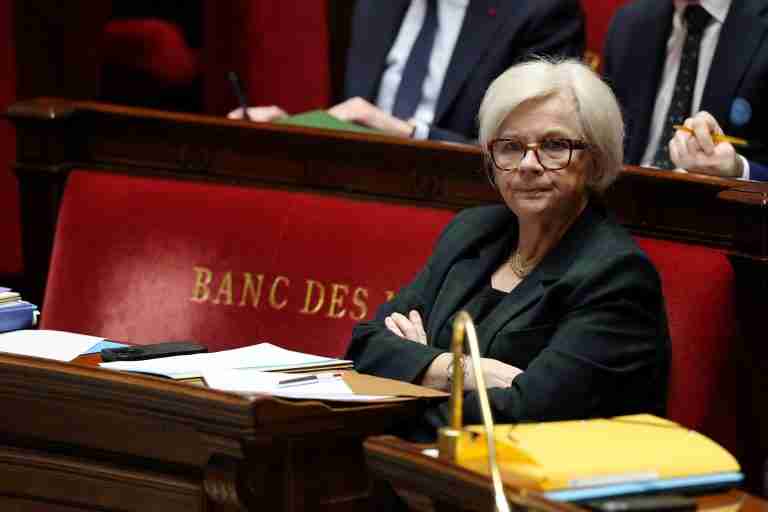
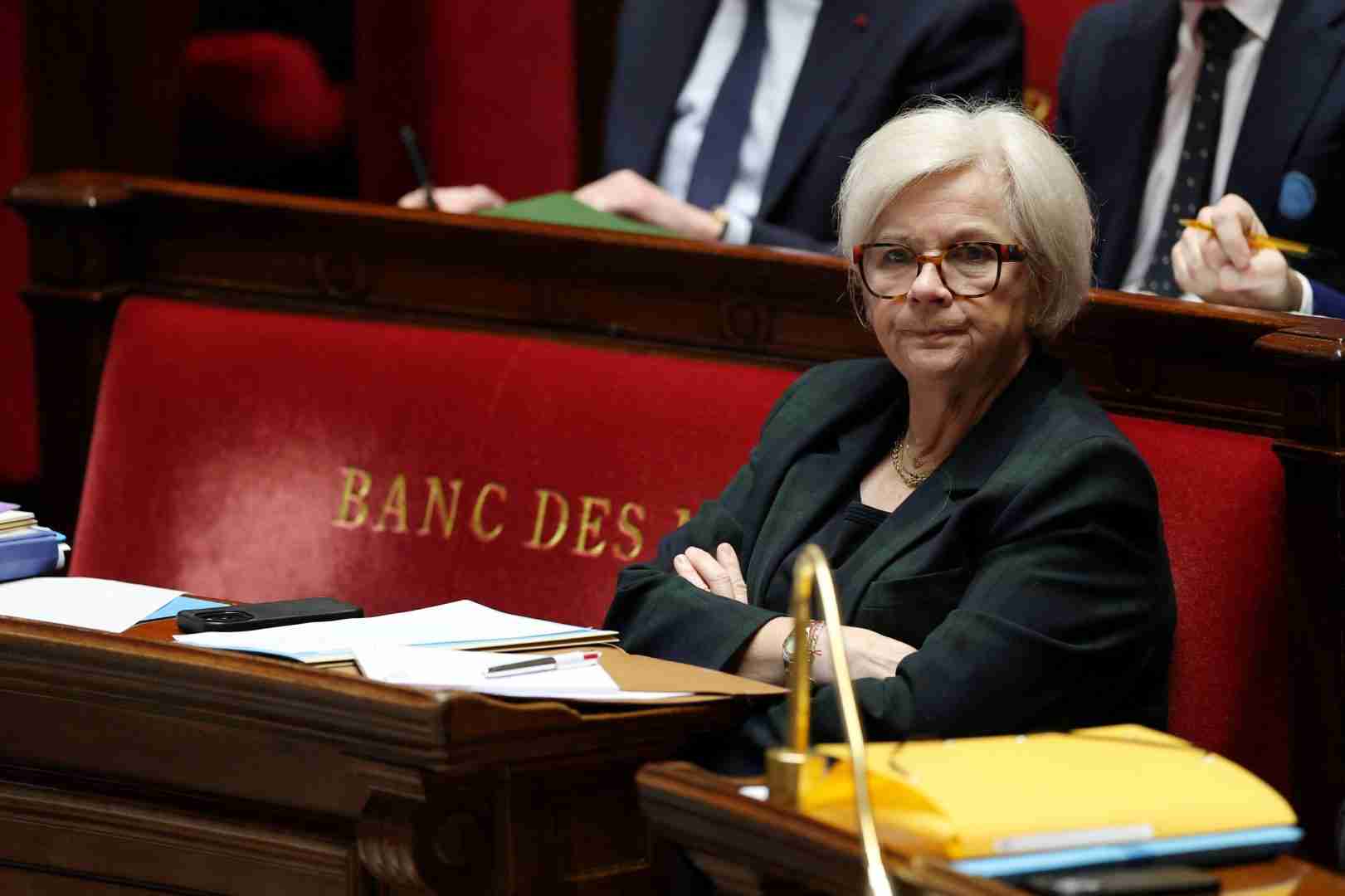
“The deep and brutal shift in the balance of international geopolitics forces us to go harder and faster,” Defence Minister Catherine Vautrin wrote in a summary of the bill issued on Wednesday. “France has acknowledged the global shift toward enduring and multidimensional conflict.”

EXPANDING FRANCE’S NUCLEAR DETERRENT

France complies with NATO’s 2% target but the range of defence commitments it funds is broader than most, from a nuclear arsenal to an aircraft carrier. Meanwhile it is aiming to cut its budget deficit from around 5% of GDP to the European Union ceiling of 3% by 2029.

Central to the defence update is the strengthening of the nuclear deterrent, announced by President Emmanuel Macron in March when he also opened the door to allowing European partners to host French aircraft on nuclear deterrence ‌missions.

The draft law proposes an increase in the number of nuclear warheads, whilst maintaining nuclear arms spending at about 13% of the overall defence budget.

France spends roughly 5.6 billion euros ($6.0 billion) a year to maintain its stockpile of 290 submarine- and air-launched weapons — the world’s fourth-largest arsenal.

Russia’s war in Ukraine has highlighted major gaps in NATO allies’ arsenals, shortages that the conflict in the Middle East has compounded. The bill sharply increases investment in conventional capabilities.

An extra 8.5 billion euros will be earmarked for rebuilding stocks of artillery shells, air defence interceptors and long‑range missiles.

The draft also emphasises the importance of deep-strike capabilities, with studies launched for a new conventional ballistic missile with a range of up to 2,500 km (1,550 miles), alongside upgrades to cruise missiles.

Air and missile defences will see additional funding of 1.6 billion euros to accelerate delivery of SAMP/T NG systems, co-produced with Italy, and expand counter‑drone capabilities on land, at sea and around critical infrastructure.

Drone and robotic warfare will receive another 2  billion euros, including expanded naval and MALE (medium-altitude, long-endurance) capabilities, with a view to replacing U.S.-made Reaper drones by 2035, as well as robots that dive to the ocean floor.

Highlighting concerns over Europe’s reliance on the United States for its security, France also plans to develop an early‑warning system capable of detecting missile launches.

That would include ground‑based radar and a planned European infrared detection satellite by 2035.

Reporting by John Irish; editing by Richard Lough and Kevin Liffey

Trump meets NATO chief as Iran war strains alliance

The Republican president has threatened to withdraw from the 32-member transatlantic alliance and denounced Washington’s European allies in recent weeks

International News via Reuters:

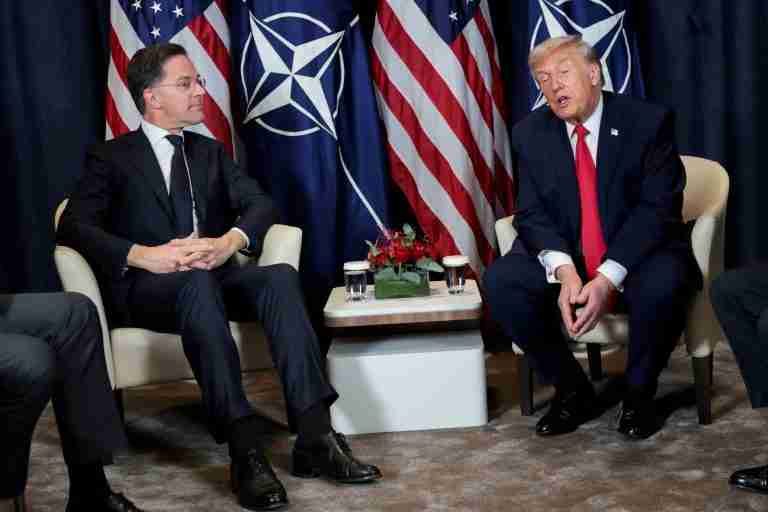
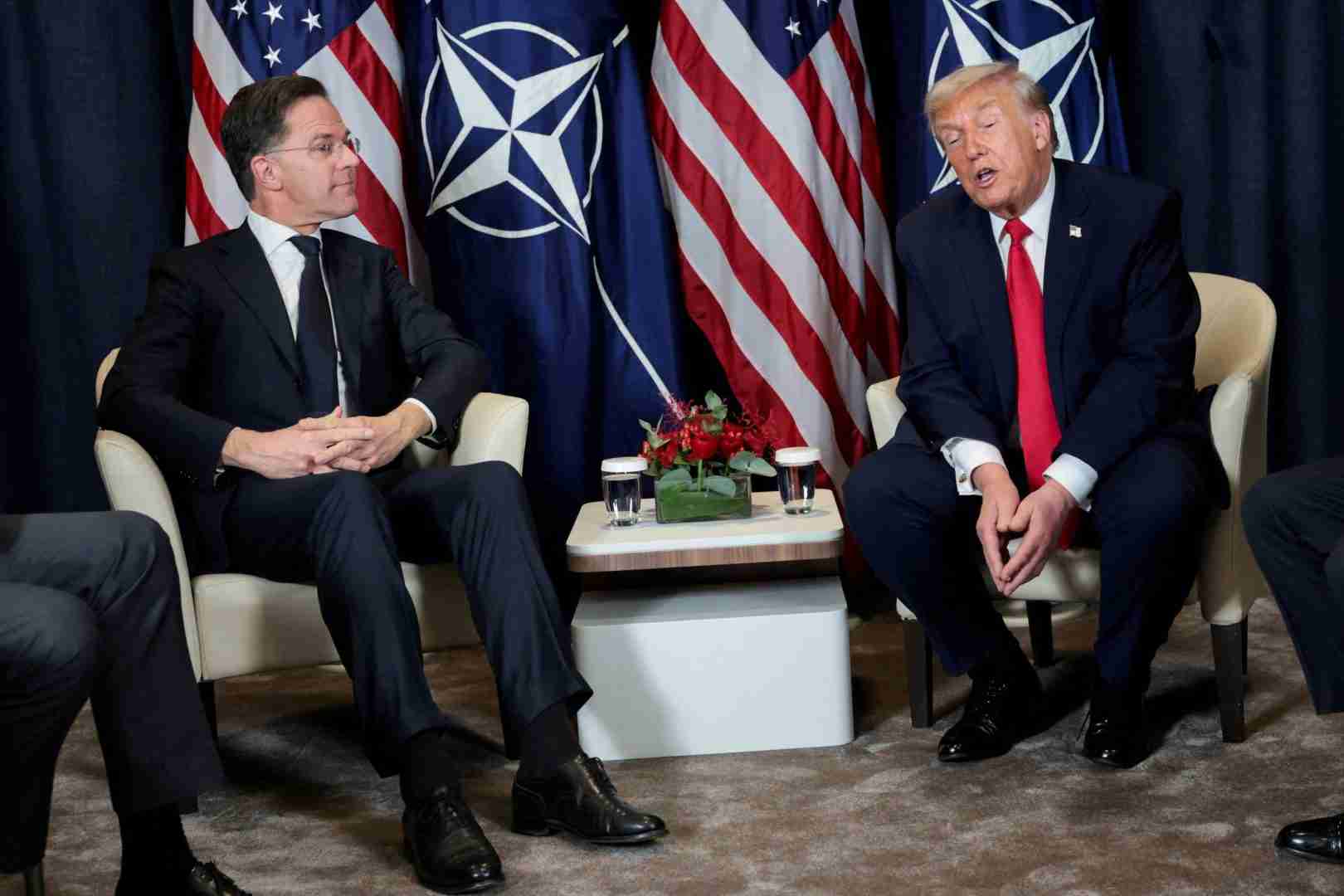
President Donald Trump welcomes NATO chief Mark Rutte to the White House on Wednesday, as the war with Iran has pushed U.S. relations with other members of the military alliance to a crisis point.

The Republican president has threatened to withdraw from the 32-member transatlantic alliance and denounced Washington’s European allies in recent weeks for what he said was inadequate support for the U.S.-Israeli bombing campaign in Iran. Trump said on Tuesday the attacks would be paused after the two sides agreed to a two-week ceasefire.

Trump has called for countries that depend on oil from the Gulf region to break Iran’s chokehold on the Strait of Hormuz, but European countries are unlikely to join mine-clearing or other missions to free up navigation as long as hostilities continue, according to two European diplomats.

Iran has vowed to obstruct the vital chokepoint with mines until the war ends. 

A ‘DANGEROUS POINT’ FOR THE ALLIANCE

Rutte, known in Europe as a “Trump whisperer,” has cultivated a warm relationship with Trump despite the tensions and referred to him last year as a “daddy” handling a schoolyard brawl between Israel and Iran. Another European diplomat described Rutte’s approach to Trump as deferential but effective.

Conflict over Iran has worsened transatlantic anxieties over Ukraine, Greenland and military spending, although senior U.S. officials have privately reassured European governments that the administration remains committed to NATO, according to one of the two European officials, who was involved in such conversations.

“This is a dangerous point for the transatlantic alliance,” said Oana Lungescu, a former NATO spokesperson now at the Royal United Services Institute, a London-based think tank.

When the two men meet, Rutte is likely to express a shared interest in restoring normal maritime trade after hostilities caused energy prices to spike globally, the first two diplomats said. He is also expected to attempt to sway the U.S. leader away from public criticism of the alliance, while touting steps European countries are taking to increase defense spending.

A NATO official said Rutte would seek to increase defense-industry cooperation and to discuss the wars in Iran and Ukraine. 

But it is unclear whether NATO, a defensive alliance focused on North America and Europe, would play an extensive role in the Middle East. Rutte has not been tasked by European leaders with committing to an operation in the Strait of Hormuz when he meets with Trump, according to one of the diplomats.

“I expect he will keep up the dialogue on Ukraine and burden-shifting within NATO,” another senior European diplomat said, adding that the former Dutch politician has said alliance members “should lean into opening Hormuz” after a ceasefire. 

Trump’s Oval Office meetings with foreign leaders are often a spectacle, with both praise and grievances aired publicly before television cameras. The White House has not said whether Trump and Rutte’s meeting would be open to the press.

TRUMP CALLS NATO A ‘PAPER TIGER’ 

NATO, which includes European countries, the U.S. and Canada, was formed in 1949 to counter the risk of Soviet attack and has been the cornerstone of the West’s security ever since.

In recent weeks, Trump has repeatedly called NATO a “paper tiger” that is unhelpful in times of need. Asked by a Reuters reporter earlier this month about withdrawing from NATO, Trump said: “Wouldn’t you if you were me?”

His focus on the Middle East has also further threatened to divert U.S. weapons from Ukraine, whose defense is a major priority for most of NATO’s European members. Trump’s criticism of Ukraine, engagement with Russia and threats to take over Greenland from NATO member Denmark have alarmed those allies.

“He has been disappointed by NATO and other allies’ unwillingness to be helpful throughout Operation Epic Fury, even though his effort to destroy the threat posed by Iran is to their benefit,” said White House spokeswoman Anna Kelly. “As he said, the United States will remember.”

Reporting by Trevor Hunnicutt in Washington and Lili Bayer in Brussels; Additional reporting by John Irish and Andrea Shalal; Editing by Andy Sullivan and Edmund Klamann

Turkey detains 10 suspects over Istanbul gun attack outside Israeli consulate, media reports

One attacker was killed and two others were wounded in the extended gun battle with police outside the tower building in Istanbul’s main financial district that houses the consulate

International News via Reuters:

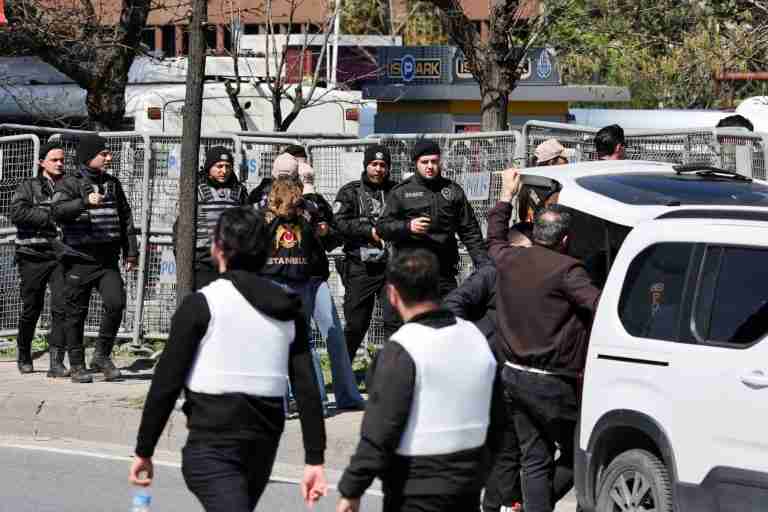
Turkish authorities have detained 10 people in connection with Tuesday’s gun attack near the Israeli consulate in Istanbul as the investigation widened, Turkish media reported on Wednesday.

One attacker was killed and two others were wounded in the extended gun battle with police outside the tower building in Istanbul’s main financial district that houses the consulate.

Those detained include the two wounded assailants, who are being questioned in hospital as they undergo treatment, state-owned news agency Anadolu reported. The remaining eight suspects were arrested in operations in Istanbul and the nearby province of Kocaeli following the attack, it reported.

The interior ministry declined to comment on the detentions, while Istanbul police and the prosecutor’s office could not immediately be reached for comment.

Authorities have not detailed a motive for the assault, and the investigation is ongoing. U.S. Ambassador to Turkey Tom Barrack in a post on X called it an attack on the Israeli consulate and condemned it.

Interior Minister Mustafa Ciftci has said the three attackers had links to a group that “exploits religion” without specifying further. Two of them were brothers, who had travelled in a rented car from the city of Izmit, he added.

The attacker killed at the scene was identified as Yunus Emre Sarban, according to an interior ministry source.

Sarban had previously been linked to financial networks with ties to the Islamic State militant group, leading to his assets being frozen in 2021, according to the government’s Official Gazette.

Reporting by Ece Toksabay; Editing by Daren Butler and Joe Bavier

US and Iran agree to two-week ceasefire brokered by Pakistan

Trump announced the agreement late on Tuesday, just two hours before a deadline he had set for Iran to open the blockaded Strait of Hormuz or face the destruction of its “whole civilisation”

International News via Reuters:

The United States and Iran agreed to a two-week ceasefire brokered by Pakistan, potentially suspending a six-week-old war that has killed thousands, spread across the Middle East and caused unprecedented disruption to the world’s energy supplies.

Trump announced the agreement late on Tuesday, just two hours before a deadline he had set for Iran to open the blockaded Strait of Hormuz or face the destruction of its “whole civilisation”.

Pakistani Prime Minister Shehbaz Sharif said he had invited Iranian and U.S. delegations to meet in Islamabad on Friday. The deal is subject to Iran’s agreement to pause its blockade of oil and gas passing through the strait, Trump said.

The waterway typically handles about one-fifth of global oil and liquefied natural gas shipments. News of the deal, and the prospect that the worst disruption to global energy markets in history could finally come to a close, caused a sharp fall in oil prices and a surge in share markets around the world. 

Iran’s foreign minister, Abbas Araqchi, said in a statement Tehran would cease counter-attacks and provide safe passage through the waterway – if attacks against it stopped.

IRAN’S RULING ESTABLISHMENT SURVIVES 

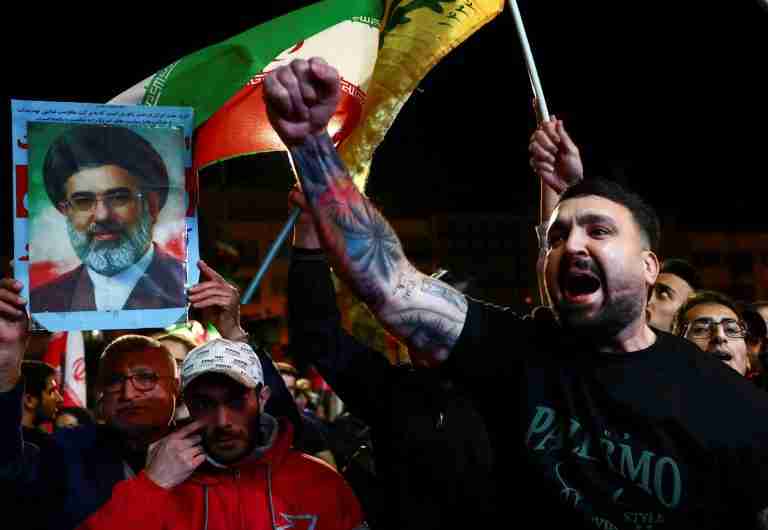
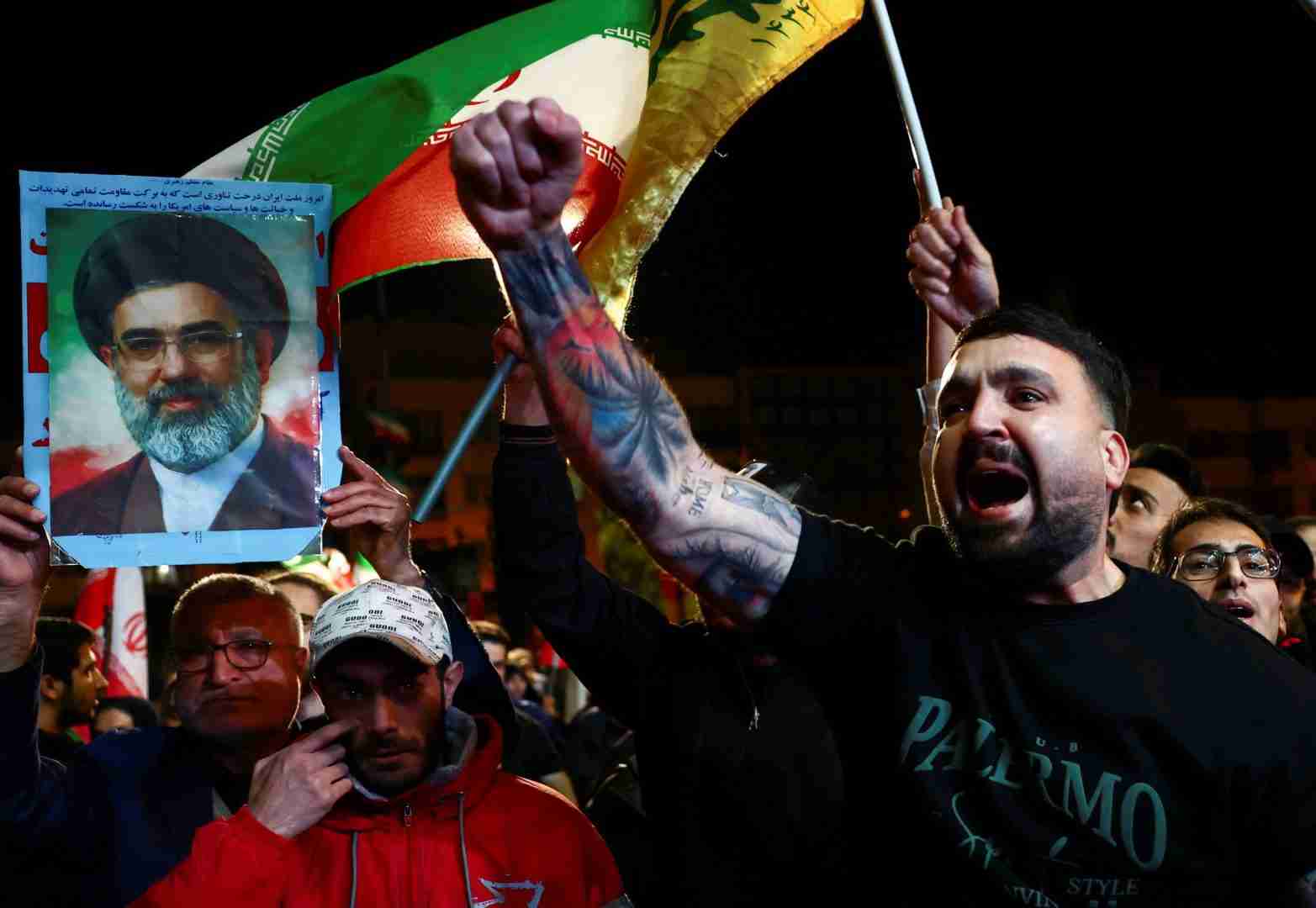
Crowds took to the streets of Iran overnight to celebrate, waving Iranian flags and burning flags of the United States and Israel. But there was also wariness that a deal would not hold.

“Israel will not allow diplomacy to work and Trump might change his view tomorrow. But at least we can sleep tonight without strikes,” Alireza, 29, a government employee in Tehran, told Reuters by phone.

The ceasefire suspends the war launched on February 28 by Trump and Israeli Prime Minister Benjamin Netanyahu, who had said at the time that they sought to prevent Iran from projecting force beyond its borders, end its nuclear programme and create conditions for Iranians to topple their rulers.

Trump told the French news agency AFP that the ceasefire represented a “total and complete victory” and said on Truth Social that the U.S. had achieved its military objectives.

But the war has yet to deprive Iran either of its stockpile of near-weapons-grade highly enriched uranium or its ability to hit its neighbours with missiles and drones. The clerical leadership, which faced a mass uprising months ago, withstood the superpower onslaught with no sign of domestic opposition.

And Tehran’s proven ability to cut off Gulf energy supplies, despite the massive U.S. military presence built across the region over decades, could reshape the power dynamics of the Gulf for generations.

“The enemy, in its unjust, illegal and criminal war against the Iranian nation, has suffered an undeniable, historic and crushing defeat,” Iran’s Supreme National Security Council said in a statement.

Netanyahu’s office said Israel supported the decision to suspend strikes on Iran for two weeks. But the agreement is likely to be seen as a blow for the Israeli leader, who had repeatedly said he wanted Iran’s rulers to fall.

“There has never been such a diplomatic disaster in all our history,” opposition politician Yair Lapid said. “It will take us years to repair the diplomatic and strategic damage that Netanyahu caused due to arrogance, negligence and lack of strategic planning.”

Yair Golan, a former military deputy chief of staff who plans to run in the next election, wrote on X that the outcome was a “complete failure that endangered Israel’s security”.

“The nuclear program was not destroyed. The ballistic threat remains. The regime is still intact and is even emerging from this war stronger,” he said.

ISRAEL’S ATTACKS ON LEBANON CONTINUE

Reviving shipping from the Gulf could take time: shipping companies will need assurances of safety before sailing.

Container shipper Maersk said it was not yet making changes: “Any decision to transit the Strait of Hormuz will be based on continuous risk assessments, close monitoring of the security situation, and available guidance from relevant authorities and partners.”

The agreement did not halt Israel’s parallel campaign in Lebanon, which it invaded in March in pursuit of the Iran-aligned Hezbollah militia. Netanyahu’s office said the ceasefire did not apply to Lebanon, apparently contradicting Sharif.

The Lebanese state news agency NNA reported continued Israeli strikes across southern Lebanon, including artillery shelling and a dawn air strike on a building near a hospital that killed four people. Israel’s military issued repeated urgent warnings to residents that it planned to attack the city of Tyre in southern Lebanon.

A senior Lebanese official told Reuters that Lebanon had received no information on its inclusion in the ceasefire, and had not been involved in talks.

The U.S.-Iranian truce leaves the main demands of the warring sides unresolved.

An Israeli official said senior Trump administration officials had assured Israel that they would firmly insist, in talks over the next two weeks, on previous conditions such as the removal of Iran’s nuclear material, a halt to enrichment and the elimination of ballistic missiles.

But Iran could also make further demands. It has previously demanded the lifting of all sanctions, compensation for damage, guarantees that the war will not resume and a new system that would allow it to collect payment from ships that use the Strait of Hormuz.

Hossein Shariatmadari, editor-in-chief of Kayhan, a newspaper closely associated with late supreme leader Ayatollah Ali Khamenei, derided the ceasefire in an editorial, saying “compromise and negotiation are a gift to the enemy”.

Reporting by Reuters bureaus worldwide; Writing by David Dolan and Peter Graff; Editing by Kevin Liffey

Pound heads for biggest gain in three weeks after US/Iran ceasefire

Sterling is just 0.4% below where it was prior to the start of the conflict in late February and was last up 1% on the day at $1.342, the highest since March 23

International News via Reuters:

The pound headed for its biggest one-day gain in three weeks on Wednesday, after the United States and Iran agreed to a two-week ceasefire that ignited a surge of optimism across global markets as oil prices slid. 

Sterling is just 0.4% below where it was prior to the start of the conflict in late February and was last up 1% on the day at $1.342, the highest since March 23.

Brent crude futures fell by as much as 16% in early trading, as investors welcomed the prospect of a sustained truce that might allow the resumption of flows of marine traffic through the Strait of Hormuz, which Iran has effectively blocked since the start of the war.

Money markets showed traders have scaled back their bets on a series of rate hikes by the big central banks this year. Prior to the announcement, traders were pricing in the prospect of at least two rate hikes by the Bank of England this year. That has now been brought back to just one hike in 2026, with an outside chance of a second. 

Against the euro, the pound was marginally stronger on the day, as the single European currency traded down 0.2% at 87.12 pence, which ING strategist Chris Turner was a little surprising, given that investors have not cut back their expectations for the European Central Bank quite as aggressively as for the BoE, which in theory, would give the euro a lift.

“One might have thought EUR/GBP could be trading a little higher were Bank of England policy tightening to be priced out more quickly than that of the ECB. Still, EUR/GBP continues to trade over 0.8700 and should find good support on dips,” he said.

Reporting by Amanda CooperEditing by Keith Weir

Divine hits top-ten target in Donington test

Bermuda’s Aeziah Divine has signaled his intent for the 2026 R&G Moto4 British Cup season, delivering a breakout performance during the official two-day test at Donington Park.

Competing in a combined field of 35 riders, Divine consistently hit his pre-season target of a top-ten finish across six sessions. The young racer showed impressive pace from the outset, posting finishes of P9 and P8 on the opening day, despite battling mechanical clutch issues that saw him slip to P12 in the final afternoon stint.

Divine carried that momentum into the second morning, clocking his fastest lap of the test at 1:41.817. The time secured another P9 finish both in his class and the overall group. Although the final sessions were disrupted by red flags and high winds, Divine ended the test P12 overall—a massive leap from his P24 result at the same stage last year.

“It was awesome being back out with the team,” Divine said, reflecting on a weekend that marked a significant step forward in his development. “I’m really happy with how it went, and I can’t wait for Oulton Park.”

With a refined training program now in place to maintain his position at the sharp end of the grid, Divine turns his focus to the next official test at Oulton Park on Wednesday, 22 April. Based on this showing at Donington, he is firmly established as a rider to watch this season.

Jones Jr. wins Premier Division title & Golden Boot

The Dandy Town Hornets have officially been crowned the Bermuda Premier Division champions after a relentless campaign saw them fend off a spirited challenge from the Devonshire Colts.

Finishing at the summit with 43 points, the Hornets secured the silverware with a narrow two-point cushion. Central to their triumph was the clinical form of David Jones, the league’s standalone leading marksman with 17 goals, including several decisive strikes during the high-pressure final weeks.

The Devonshire Colts finished as gallant runners-up on 41 points, spearheaded by the prolific partnership of Senoj Mitchell (15 goals) and Elisha Darrell (11 goals). PHC Zebras secured the final podium spot with 37 points, powered by Enrique Russell’s 14-goal haul.

Further down the standings, North Village Rams claimed fourth (29 points), followed by Devonshire Cougars (26 points) and X-Road’s (22 points), who relied on the standout Donovan Thompson and his 14 goals to secure top-flight status.

At the foot of the table, the curtain came down on a difficult year for two established names. Young Men’s Social Club were relegated with 10 points, despite a heroic 15-goal season from Zeiko Lewis. They are joined in the drop to the First Division by the Boulevard Blazers, who finished with 9 points. Both clubs now face the task of regrouping for a promotion charge next season.