Tuesday, November 3, 2026
Home Blog Page 365

Ahead of Greek social media ban, parents desperate to separate children from phones

The government has declined comment on the ban or when and how it will be implemented

International News via Reuters:

Greek mother Georgia Efstathiou has tried everything to loosen the grip that social media has on her 14-year-old son: heart-to-heart talks; internet-free time; confiscating his phone. Arguments flare as she fights the allure of his screen and its videos and messages.

Now, Efstathiou may be getting the help she desperately wants. In the coming days, the Greek government is expected to announce a social media ban for children under 15, joining the growing ranks of nations seeking to shield young children from addiction and online abuse.

“Ban them, shut them down. We’ve reached our limits… We parents need help,” said Efstathiou, 43, holding her son’s mobile phone in her living room in Athens. 

Efstathiou isn’t alone. An opinion poll by ALCO published in February showed about 80% of those surveyed approved of a ban. Prime Minister Kyriakos Mitsotakis’ government has already outlawed mobile phones in schools and set up parental control platforms to limit teenagers’ screen time.

The government has declined comment on the ban or when and how it will be implemented.

Reuters reported on the plan in February and sources said a formal announcement is pending. Last month, Mitsotakis told a Greek-Australian newspaper that Greece will move “in a similar direction to that of Australia”, where social media companies were ordered in December to keep out users under 16 or face fines.

WORRIES OF ADDICTION AND BULLYING ABOUND 

As in countries across the world, Greece faces a reckoning with social media sites such as Meta’s Instagram, TikTok and online gaming platforms. 

At the EU-funded Greek Safer Internet Centre in Athens, calls to a helpline which offers support to child victims of cyberbullying more than doubled between 2024 and 2025, said George Kormas, who runs the helpline. Other complaints include blackmail of minors, misinformation and hate speech. 

According to the helpline’s data, 75% of children using social media in Greece are of primary‑school age.

“This undoubtedly worries us, because they cannot handle social media or protect themselves,” he said. 

The head of the National Organization for the Prevention and Treatment of Addictions, Athanasios Theocharis, said roughly 48% of teenagers have felt the negative impact of social media. 

“Clearly (the ban) has the potential to provide a significant degree of protection,” he said.

KIDS CAN’T IMAGINE A LIFE WITHOUT SOCIAL MEDIA

Meanwhile, parents who spoke to Reuters fear they have lost control of what their children do online or expressed concern that kids will find a way around the ban. Some prefer no government intervention at all.

“I’d prefer a different approach, limiting mobile phone use within the family,” said Dimitris, 44. “But where that’s not possible, perhaps a ban would work as the extreme remedy.”

His 14-year-old daughter Catherine says most teenagers her age have never known a world without social media. 

“It is the way we learned since we were born,” she told Reuters, before playing basketball with her father near the Acropolis.

“I can control it — but then again I usually get carried away.”

Additional reporting by Deborah Kyvrikosaios and Louisa Gouliamaki in Athens; Editing by Edward McAllister and Lincoln Feast


Energy crisis raises concerns for financial stability, ECB’s Panetta warns

Addressing a conference in Rome, Panetta said changes in global investors’ risk perception could quickly lead to pressure on government bonds, especially given high levels of public debt in many economies, such as Italy

International News via Reuters:

Tensions in the energy markets due to the U.S.-Israeli war on Iran are a cause of concern for their potential repercussions on financial stability, European Central Bank Governing Council member Fabio Panetta said on Thursday.

Addressing a conference in Rome, Panetta said changes in global investors’ risk perception could quickly lead to pressure on government bonds, especially given high levels of public debt in many economies, such as Italy.

“There are already signs pointing in this direction, as the rise in the value of the dollar, pressure on long-term interest rates and capital outflows from emerging markets reflect a growing preference for safer assets,” he said.

At the same event, Foreign Minister Antonio Tajani said the war could boost migration flows if the Strait of Hormuz, normally the conduit for large amounts of fertiliser for Africa in particular, as well as oil and gas, remained largely blocked.

Panetta also warned about liquidity and leverage levels in non-bank financial institutions, with investors having growing concerns about the U.S. private credit sector.

Even if there were a swift end to the war, which has embroiled the whole Gulf region, a return to normal production would take time, Panetta said, pointing to more pessimistic ECB scenarios that energy supply would recover in the fourth quarter of 2026 or in 2027.

Euro zone inflation rose sharply to 2.5% in March from 1.9% in February as energy prices surged.

These data “highlight the intensity and speed with which the energy shock is being transmitted, whose effects are also likely to be reflected in the data for the coming months as well”, Panetta said.

“At the same time, the trend in leading indicators, in particular the decline in household confidence, points to a possible slowdown in the real economy.”

Despite the darkening outlook, both Panetta and Tajani said Italy was in a better position now than when Russia began its war on Ukraine in 2022, as investors had a more favourable perception of Italy’s public finances.

“This has kept us safe so far,” Panetta said.

Reporting by Giuseppe Fonte; Editing by Emelia Sithole-Matarise and Kevin Liffey

UK firms report biggest jump in price expectations in nearly two years, BoE survey shows

The BoE is keeping a close watch on companies’ pricing plans as it tries to gauge how much of the spike in energy prices caused by the Iran war will be passed on and push up inflation

International News via Reuters:

British companies expect to raise prices more quickly in the coming 12 months as they respond to a surge in energy prices due to the Iran war, cut jobs and raise pay by less than before, a Bank of England survey showed on Thursday.

The BoE is keeping a close watch on companies’ pricing plans as it tries to gauge how much of the spike in energy prices caused by the Iran war will be passed on and push up inflation.

The monthly Decision Maker Panel showed firms polled in March expected to raise their prices by 3.7% over the next year, the most since October.

This rate was up from 3.4% among firms surveyed in February, before the start of the conflict, and represents the biggest month-to-month increase in the rate since April 2024.

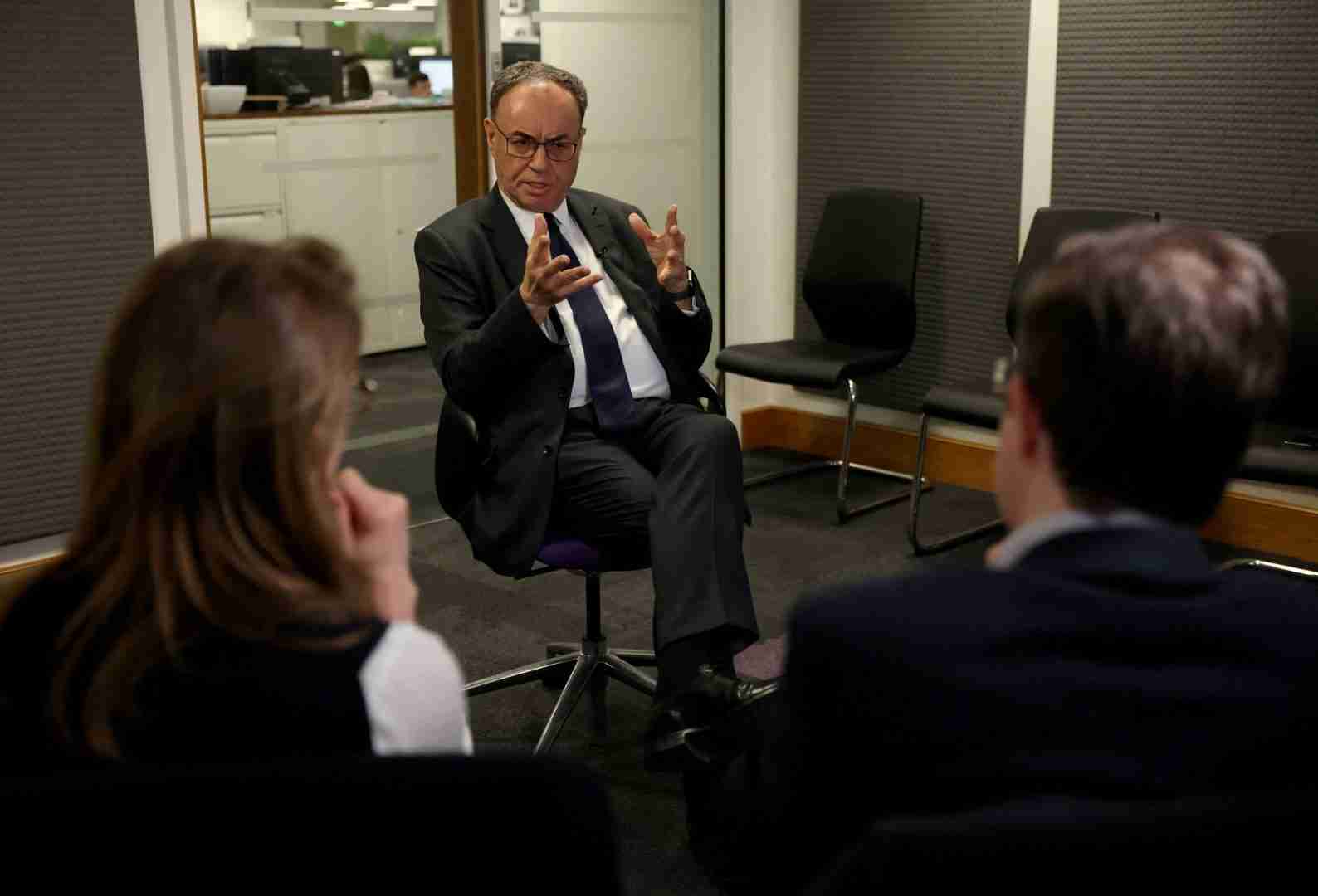
BoE Governor Andrew Bailey told Reuters in an interview on Wednesday that firms had limited pricing power to pass on cost increases to their customers although some pass-through of higher energy costs was likely.

Firms’ expected year-ahead wage growth fell to 3.5% on a three-month moving-average basis in March and 3.4% on a monthly basis, both the lowest since the series started in 2022.

Companies also said they expected to cut jobs, with average staffing levels expected to fall 0.3% over the coming year compared with a 0.3% increase expected in February.

Businesses expected consumer price inflation of 3.5% in the coming 12 months, the highest since December 2023 and 0.5 percentage points higher than in February, making it the biggest month-on-month jump since September 2022.

“More dovish members on the Monetary Policy Committee will likely be tempted to discount that increase as news-driven noise for now. But rate setters will be acutely aware of other measures of households’ inflation expectations jumping recently … so risks of second-round effects will remain a major worry,” said Elliott Jordan-Doak, senior economist at Pantheon Macroeconomics.

Britain’s headline rate of inflation held at 3.0% in February and had been expected to fall to near the BoE’s 2% target in April before the Middle East conflict, but the BoE now forecasts it will rise towards 3.5% in the middle of the year.

Investors added to their bets on interest rate hikes by the central bank on Thursday and are fully pricing in two quarter-point hikes this year.

The BoE survey was conducted from March 6-20, after the U.S.-Israeli attacks on Iran started on February 28, and received 2,004 responses.

Reporting by Suban Abdulla; editing by David Milliken, Alexandra Hudson

UK to host talks with 35 countries on reopening Strait of Hormuz

British foreign minister Yvette Cooper will chair the virtual meeting of about 35 countries including France, Germany, Italy, Canada and the United Arab Emirates around midday in London

International News via Reuters:

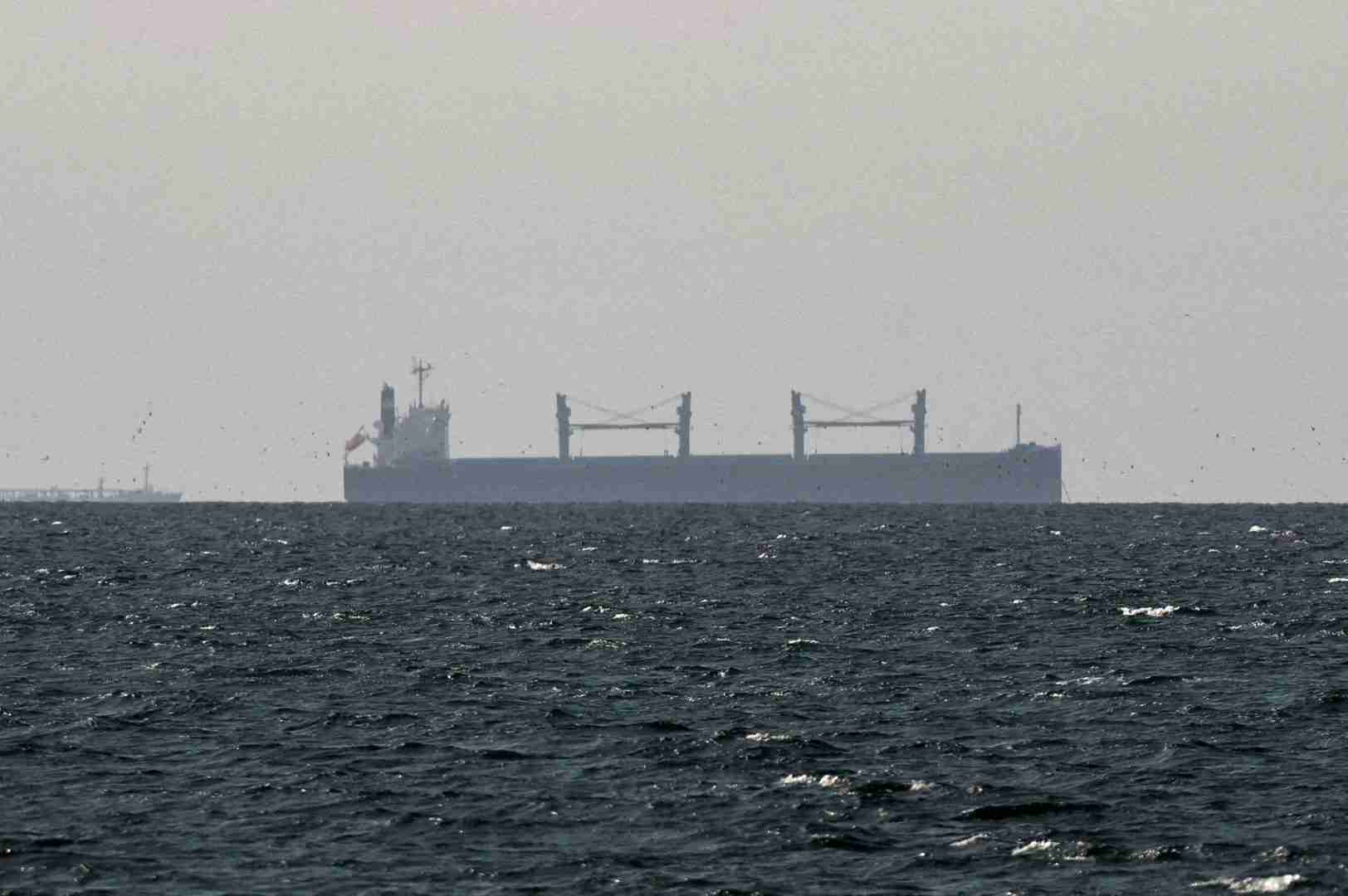
Britain will host talks on Thursday aimed at forming a coalition of countries to explore ways to reopen the Strait of Hormuz after U.S. President Donald Trump said securing the vital waterway was a problem for other nations to resolve.

British foreign minister Yvette Cooper will chair the virtual meeting of about 35 countries including France, Germany, Italy, Canada and the United Arab Emirates around midday in London to explore ways to restore freedom of navigation in the area. The United States is not due to attend.

The meeting takes place after Trump said in an address to his nation on Wednesday evening that the Strait could open “naturally” and it was the responsibility of countries that rely on the waterway to ensure it was open.

FOCUS ON MINES, PROTECTING TANKERS

Iran has effectively shut down the Strait, which carries about a fifth of the world’s total oil consumption, in retaliation for U.S.-Israeli strikes which began in late February. Reopening the waterway has become a priority for governments around the world as energy prices soar.

British Prime Minister Keir Starmer said on Wednesday the meeting would assess “all viable diplomatic and political measures” to restore the freedom of navigation in the area after a ceasefire has been reached.

European countries initially refused Trump’s demand to send their navies to the area because of fears about being dragged into the conflict.

But concerns about the impact of the rising cost of energy on the global economy have prompted them to try to form a coalition to explore ways to reopen the waterway once a ceasefire is agreed, according to European officials.

The talks on Thursday will be the first formal meeting of the group before more detailed discussions involving military planners over the coming weeks, the officials said.

One European official said it was expected that any first phase of any plan for reopening the Strait would be on ensuring the waterway was free of mines, followed by a second phase to protect tankers crossing the area.

Starmer said reopening the waterway would “not be easy” and would require “a united front of military strength and diplomatic activity” alongside working with the shipping industry.

Trump said on Wednesday that other countries that use the Strait of Hormuz should “build up some delayed courage” and “just grab it”.

“Just take it, protect it, use it for yourselves,” he said.

Reporting by Andrew MacAskill; Editing by Andrew Heavens

Sterling slides as Trump vows more strikes on Iran, driving up dollar

Sterling was last down 0.7% at $1.321, just a day after rising 0.6% on hopes that the war could soon be winding down

International News via Reuters:

The pound fell sharply on Thursday after U.S. President Donald Trump vowed more aggressive strikes on Iran and gave little reassurance about the reopening of the Strait of Hormuz, sending oil surging and investors flocking to the U.S. dollar.

Sterling was last down 0.7% at $1.321, just a day after rising 0.6% on hopes that the war could soon be winding down.

The fall was largely a function of a jump in the dollar, which is seen as a safe-haven asset. The index measuring the U.S. currency against its peers rose 0.5%.

In a televised address on Wednesday, Trump said military operations would be intensified in the next two to three weeks and offered no concrete timeline for ending the conflict.

“We’re going to hit them extremely hard over the next two to three weeks,” he said. “We’re going to bring them back to the Stone Ages where they belong.”

Trump said the U.S. did not need the Strait of Hormuz and again challenged allies who depend on Gulf oil to work towards reopening it.

Oil prices jumped after Trump’s speech and stock markets and equity futures tumbled. Brent crude, the global benchmark, was last up 6.6% at $107.90 a barrel.

“Risk aversion is following the typical playbook that we’ve seen throughout the conflict,” said Michael Brown, senior research strategist at Pepperstone.

“Crude rallying, and taking everything but the dollar lower in turn, with the greenback remaining the only real safe haven.”

The pound and British government bonds have been hit hard during the conflict, reflecting worries about the economy due to the country’s reliance on imported energy and its fragile public finances.

Sterling dipped against the euro on Thursday, with the euro zone’s currency up 0.15% at 87.24 pence.

Reporting by Harry Robertson; Editing by Jan Harvey

Registration opens for municipal elections

The Parliamentary Registry asks eligible voters to review their details ahead of the 7 April 2026 deadline

The Parliamentary Registry advises that the Writ of Election has been issued for the Ordinary Municipal Elections for the Corporation of Hamilton and the Corporation of St. George.

In accordance with the Parliamentary Election Act 1978, a seven (7) day registration period is now open for eligible business ratepayers and residents within the municipal areas to ensure their details are current and that they are properly registered to participate in the upcoming elections.

The registration period will close on Tuesday, 7 April 2026. All applications and updates must be completed by the end of this period.

Eligible persons are strongly encouraged to review their registration details as soon as possible by visiting the Parliamentary Registry’s website at https://elections.gov.bm/.

Please note that applications for registration or updates are not available online and must be completed in person at the Parliamentary Registry.

Nomination Day has been appointed for Wednesday, 23 April 2026. Advanced Polling will take place on Wednesday, 30 April 2026, and Polling Day has been set for Wednesday, 7 May 2026.

The Parliamentary Registry remains committed to ensuring that all eligible voters are afforded the opportunity to participate in the electoral process and encourages timely action to avoid any inconvenience.

For further information, members of the public may visit the website or contact the Parliamentary Registry directly on 293-VOTE.

Rider and driver sustain non-life-threatening injuries

Police continue inquiries and ask witnesses to contact Constable Thomas Greenslade

A collision involving a male motorcyclist and a car around 7:25pm Tuesday, 31st March 2026, has apparently resulted in less serious injuries for the rider than initially believed.

The man hurt, understood to be a 42-year-old Pembroke resident, was medically assessed and ultimately treated at King Edward VII Memorial Hospital for non-life threatening injuries.

The car driver, said to be a 58-year-old Pembroke man, also sustained non-life threatening injuries.

Both vehicles were damaged and traffic diversions lasted for approximately three hours, while the collision scene was processed.

Inquiries continue and any witnesses that have not already come forward are encouraged to contact Constable Thomas Greenslade by calling 211, or e-mailing tgreenslade@bps.bm.

One-way traffic on Langton Hill to facilitate tree removal

Motorists are asked to use caution and expect delays during the works

The Ministry of Public Works and Environment advises the motoring public that a one-way traffic flow will be in effect on Langton Hill, Pembroke, from North Shore Road to Mount Hill to facilitate tree removal works. The traffic measure will be in place on Tuesday, 7 April 2026, and Wednesday, 8 April 2026.

Working hours will be from 9 a.m. to 4 p.m. on both days. Residents will continue to have access during the works.

Traffic controls will be managed by Bermuda Arborist using barriers and stop-and-go personnel within the one-way system. Motorists are asked to use caution, expect delays, and allow crews to carry out the work safely.

Ryanair warns Middle East war, fuel shortages could hit summer season flights

O’Leary said the Irish carrier, Europe’s largest by passenger numbers, is holding daily calls with all of its fuel suppliers across Europe to assess the situation, which the suppliers say will remain stable until the end of May

International News via Reuters:

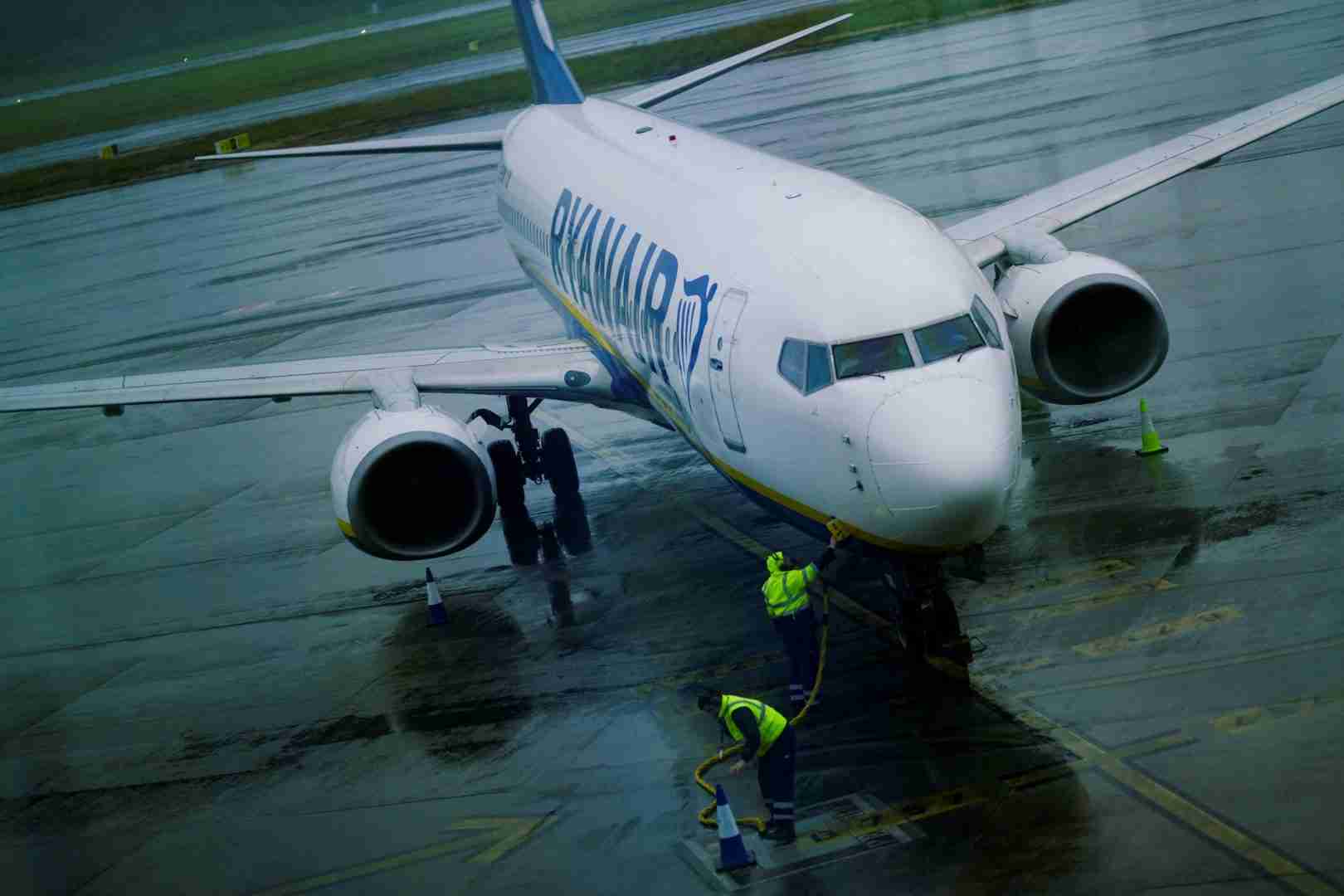
Ryanair CEO ​Michael O’Leary said jet fuel supply to Europe could be disrupted from June if the Middle East conflict does not end in the next month, potentially forcing the airline and rivals to consider cancelling summer season flights.

O’Leary said the Irish carrier, Europe’s largest by passenger numbers, is holding daily calls with all of its fuel suppliers across Europe to assess the situation, which the suppliers say will remain stable until the end of May.

Global airlines are contending with fuel shortages and high prices as the month-old U.S.-Israeli war against Iran snarls the Strait of Hormuz, a major oil shipping waterway from the Persian Gulf. Jet fuel prices have spiked since the conflict began.

“If this (the conflict) continues through to the end of April, we’re looking at a risk to supplies in early June. If it runs into May, then we don’t know what goes on,” O’Leary told a news conference in London.

“If there’s a risk to 10% or 20% of the fuel supply in June or July or August, then we and other airlines will have to start looking at cancelling some flights or taking some capacity out.”

Germany’s Lufthansa is also preparing for possible fuel shortages outside Europe, with the airline seeing early warning signs in Asia, CEO Carsten Spohr said on Wednesday.

“If shortages in the kerosene supply occur, they are likely to be felt first outside Europe,” Spohr told the FAZ newspaper, adding that some Asian airports were no longer accepting extra flights due to limited fuel availability.

NO KNOCK-ON IMPACT ON FARES

The head of the International Energy Agency said on Wednesday that oil supply disruptions will increase in April and begin to impact Europe’s economy, with the lack of jet fuel and diesel likely to be the biggest problem.

The situation has roiled airlines from Vietnam to the United States and badly dented major Gulf carriers including Emirates and Etihad. Scandinavian airline SAS and Vietnam Airlines have cancelled some flights, while United Airlines is cutting some unprofitable flights due to high oil prices.

Ryanair’s O’Leary said the budget carrier would decide where to cut flights on a rolling weekly basis and focus on whichever airports have constrained fuel supply.

As European airlines make most of their profit from June to September, Ryanair does not have the luxury of cutting out loss-making routes, he added.

He singled out the United Kingdom as the European market most exposed to potential jet fuel shortages due to the amount of oil it imports from Kuwait.

The International Air Transport Association estimates that around 25% to 30% of Europe’s jet fuel demand originates from the Gulf, which it warned puts it among the most exposed regions.

However, European airline stocks rose on Wednesday on hopes of a de-escalation of the conflict.

O’Leary said Ryanair is not seeing much of a knock-on impact on its airfares from the conflict so far and that it still expects ticket prices to rise by 3 to 4% year-on-year from April to June, with traffic set to grow by about 5% over that period.

Reporting by Sam Tabahriti; Writing by Padraic Halpin in Dublin; Editing by Jan Harvey, Kirsten Donovan

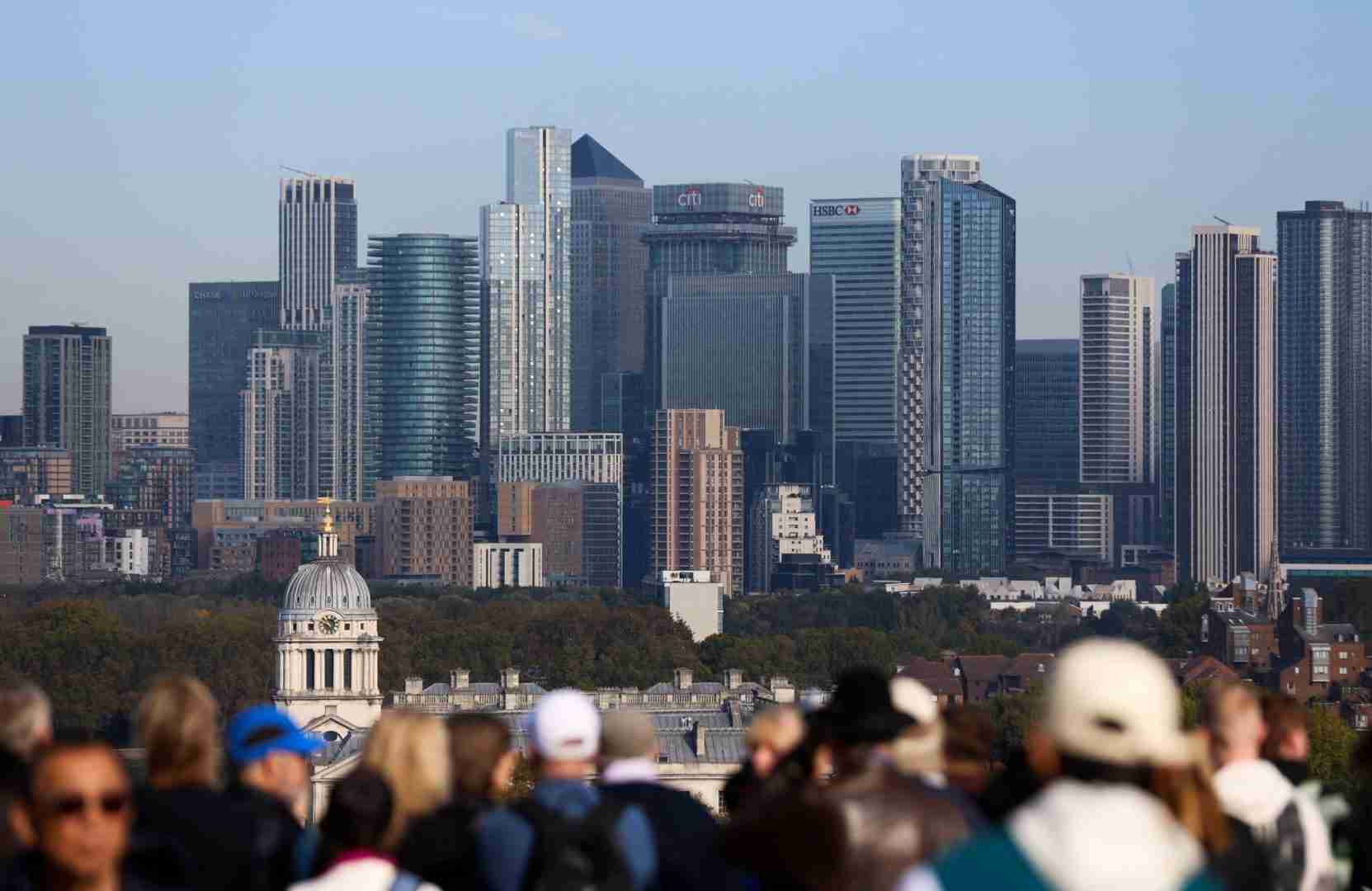
Exclusive-Bank of England’s Bailey says investors should not count on UK rate hikes

Bailey, speaking to Reuters at the central bank’s London headquarters, said BoE policymakers would need to keep a clear focus on risks to growth and jobs as well as inflation when making their next decision on rates

International News via Reuters:

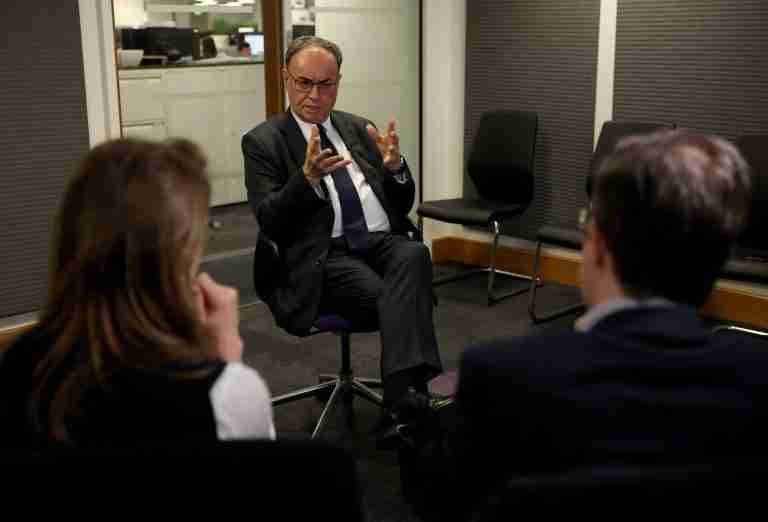
Bank of England Governor Andrew Bailey said on Wednesday that markets were still getting ahead of themselves by pricing in interest rate hikes by the central bank, which wants to avoid adding to the damage Britain’s economy faces from the Iran war.

Bailey, speaking to Reuters at the central bank’s London headquarters, said BoE policymakers would need to keep a clear focus on risks to growth and jobs as well as inflation when making their next decision on rates.

The war in the Middle East has driven up energy prices sharply, fuelling inflation but also dealing a wider blow to the global economy.

“We will have to, obviously, act on monetary policy if we think it’s appropriate to do so. But it strikes me, and it still strikes me today, that the most important thing to do is to tackle the source of the shock,” Bailey said in the interview.

“Of course, we have to deal with the shocks that come our way. But our remit is very clear on this that … we have to do so in a way that … causes the least damage in terms of activity in the economy and in terms of jobs,” he added.

Bailey also highlighted the risks the Iran war posed to heavily leveraged financial markets, following the central bank’s warning earlier in the day of fragility in private credit and bond markets.

MARKETS ‘GETTING AHEAD OF THEMSELVES’

Financial markets are currently pricing in two rate hikes by the BoE this year – and have previously priced in as many as four – while most economists polled by Reuters expect rates to stay on hold.

“(The market)’s still pricing us to raise rates. I would still say that is a judgment markets have to make but I think they’re getting ahead of themselves,” Bailey said.

British government bond prices rose briefly after Reuters published the interview and U.S. bank J.P. Morgan said it now only expects the BoE to raise rates in June, rather than its previous forecast of hikes in April and July.

While the BoE voted unanimously to keep interest rates on hold at 3.75% last month, Bailey has been the swing voter on the Monetary Policy Committee in previous meetings.

“Bailey’s comments suggest April is too soon for a majority for a hike to develop,” J.P. Morgan’s chief UK economist, Allan Monks, wrote in a note to clients.

Some members have talked about a possible need to raise rates to stave off inflation threats but Bailey said a precautionary rate rise might not be in line with his view of how the BoE should implement its remit to keep inflation at 2% over the medium term.

“I’m sure that will be debated in the MPC, it would be appropriate to do so. But we have got to judge that in the context of the way our remit is constructed,” he said.

Bailey approvingly cited comments made during a jump in inflation in 2011 by then-BoE Governor Mervyn King, who said it was the BoE’s job to discharge its remit in a way that causes the least damage to the economy and the people.

The MPC announces its next interest rate decision on April 30.

BUSINESSES LACK PRICING POWER, BAILEY SAYS

Before the crisis, British inflation was on course to fall back to its 2% target and the BoE had said cutting rates further was likely. That changed dramatically with the start of the Iran war, a shift that Bailey said was “intensely frustrating”.

Britain’s economy is considered to be particularly exposed to the inflationary impact of the rise in global energy prices, due in large part to its heavy reliance on natural gas to generate electricity and heat homes.

Last month the BoE said it expected inflation to hit 3.5% in the third quarter of 2026, almost double its 2% target but well below a peak of 11.1% in October 2022.

Bailey said the BoE was looking at a sharp rise in households’ inflation expectations last month “very carefully” but said they often reflected moves in headline inflation and that the message he had received from businesses was that they had limited ability to raise prices.

“Businesses consistently say to me that they’re operating in a context of an absence of pricing power,” he said.

Bailey said some pass-through of higher energy costs by businesses was likely, but the overall climate was one of economic weakness, in contrast to 2022 when energy prices surged due to Russia’s full-scale invasion of Ukraine.

“The context at the moment is of a softening labour market. We think activity is a bit below potential – so a bit of an output gap is opening up,” he said.

Additional reporting by Andy Bruce and Suban Abdulla; Writing by David Milliken; Editing by William Schomberg and Toby Chopra

Residents urged to take part in sustainability efforts

The Greenrock Earth Hour campaign is now in full flow, with a series of initiatives taking place throughout the month in collaboration with non-profit environmental organizations. 
The campaign will lead up to a community event on April 22nd, in which residents will take part in sustainability efforts across the island. 

We spoke to Eugene Dean, Executive Director of Greenrock, who told us about the initiatives planned through the end of the month and encouraged the public to get involved, even through small individual actions.


Japan, France agree rare earths deal to cut China reliance, NHK reports

During French President Emmanuel Macron’s three-day visit to Japan for talks with Prime Minister Sanae Takaichi, officials signed a roadmap to cooperate on critical minerals supply chains, NHK said

International News via Reuters:

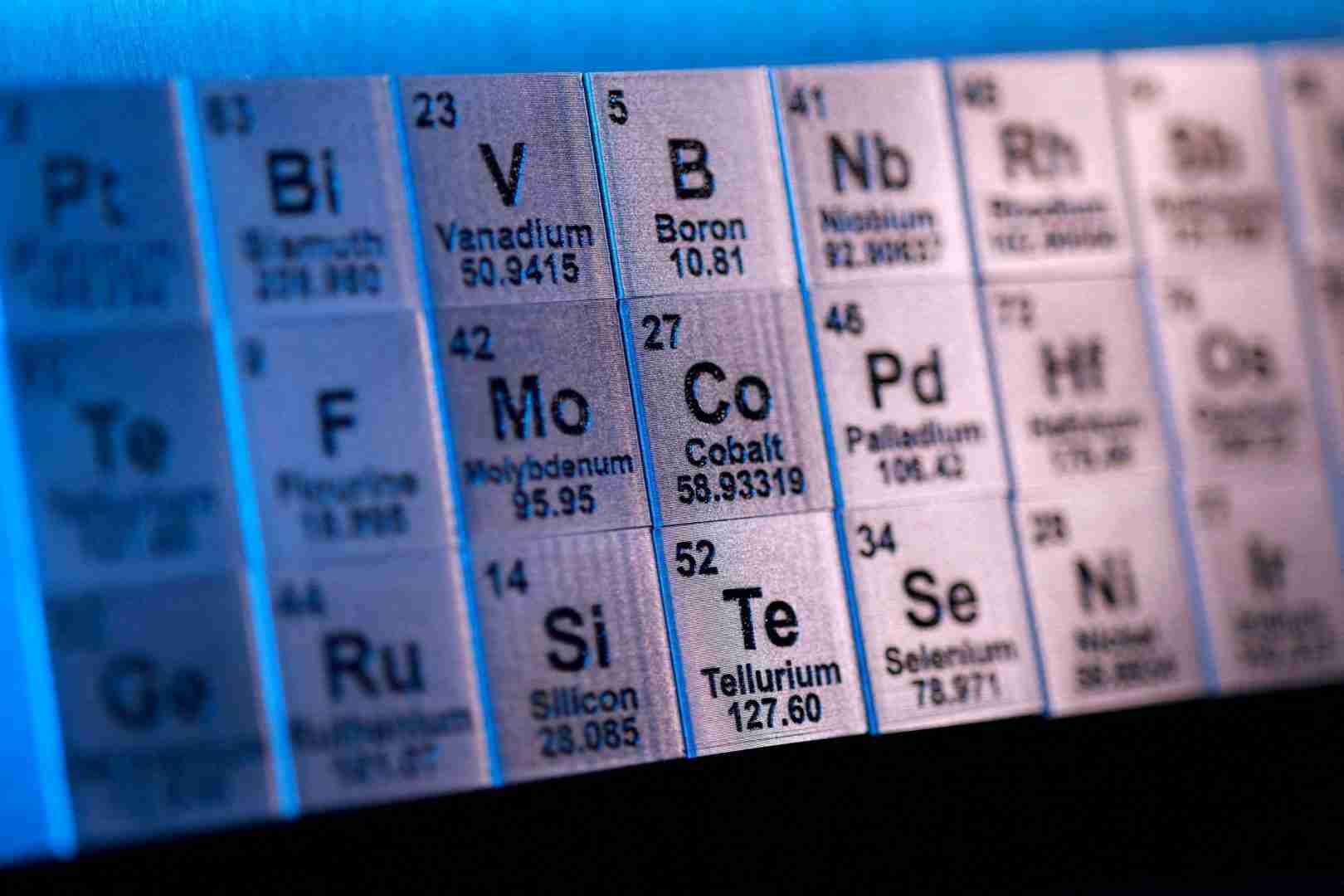
Japan and France agreed to strengthen support for rare earths supply chains on Wednesday, Japan’s public broadcaster NHK reported, in the latest moves by both countries to lessen dependence on the world’s dominant supplier, China.

During French President Emmanuel Macron’s three-day visit to Japan for talks with Prime Minister Sanae Takaichi, officials signed a roadmap to cooperate on critical minerals supply chains, NHK said.

“We cannot rely solely on specific countries, especially China,” French Finance Minister Roland Lescure was quoted as saying by NHK.

The two sides also agreed to secure raw material supplies for a rare earths refining project in southern France, called Caremag, the broadcaster said.

The state-owned Japan Organization for Metals and Energy Security and gas firm Iwatani, along with the French government, are investors in Caremag, which is due to start operations in late 2026.

Japan plans to get about 20% of its future demand for dysprosium and terbium from the refining plant, heavy rare earth oxides used in magnets for EV motors, offshore wind turbines and electronic components.

Takaichi and Macron are due to issue a joint statement calling for diversifying supplies of rare earths and other critical minerals during their summit on Wednesday, the Nikkei newspaper reported separately.

DIVERSIFYING FROM CHINA

The deal comes at a critical moment, with Japan and Western governments and manufacturers scrambling to secure supplies of rare earths minerals to reduce their dependency on China, the world’s dominant rare earths producer and supplier.

In February, China prohibited exports of so-called dual-use items to 20 Japanese entities, which it said supply Japan’s military.

That was after Takaichi angered Beijing with comments about Taiwan in November.

The rules cover seven rare earths and associated materials currently on China’s dual-use control list, including dysprosium and yttrium, along with a swathe of other controlled critical minerals.

“China is pursuing a strategy of using rare earths as a diplomatic card, and if U.S.-China and Japan–China relations improve, exports could recover quickly,” said Kotaro Shimizu, principal analyst at Mitsubishi UFJ Research and Consulting.

Japan has reduced its reliance on China to 60% from 90% following a 2010 diplomatic incident which saw Beijing restricting rare earths supply to Tokyo.

Japan has been boosting investments in overseas projects like trading house Sojitz’s tie-up with Australia’s Lynas Rare Earths, and promoting rare earths recycling and manufacturing processes.

In the latest set of steps, Japan’s Mitsubishi Materials this week agreed to acquire a stake in U.S. ReElement, a company involved in rare earth element recycling, as both countries have set up an action plan for China alternatives.

Japan and the U.S. are also considering joint development of rare-earth-rich mud deposits, near the remote Minamitori Island, and Japan is in talks with India to jointly explore rare earths in the desert state of Rajasthan.

Japan and France will also seek cooperation in space, with companies from the two countries expected to sign memorandums of understanding on 12 joint projects, including space debris removal and rocket launches, the Nikkei said.

Reporting Katya Golubkova and Yusuke Ogawa in Tokyo; Additional reporting by Rajasik Mukherjee & Nichiket Sunil in Bengaluru; Editing by Shailesh Kuber and Kevin Buckland