Tuesday, November 3, 2026
Home Blog Page 373

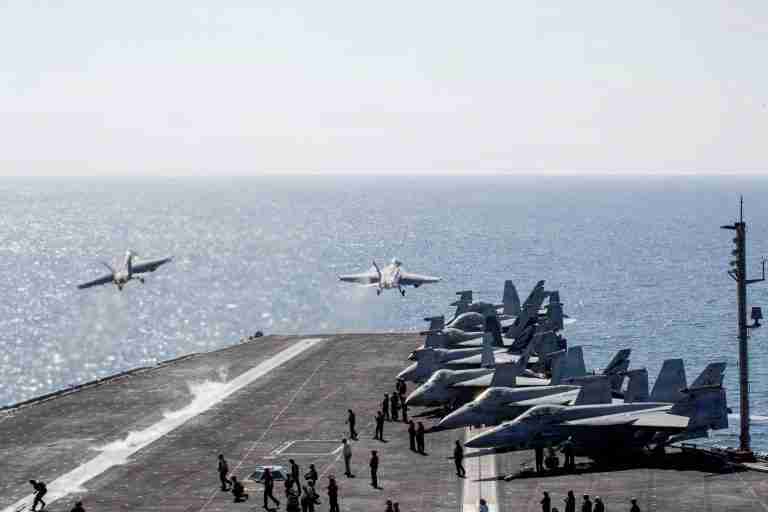
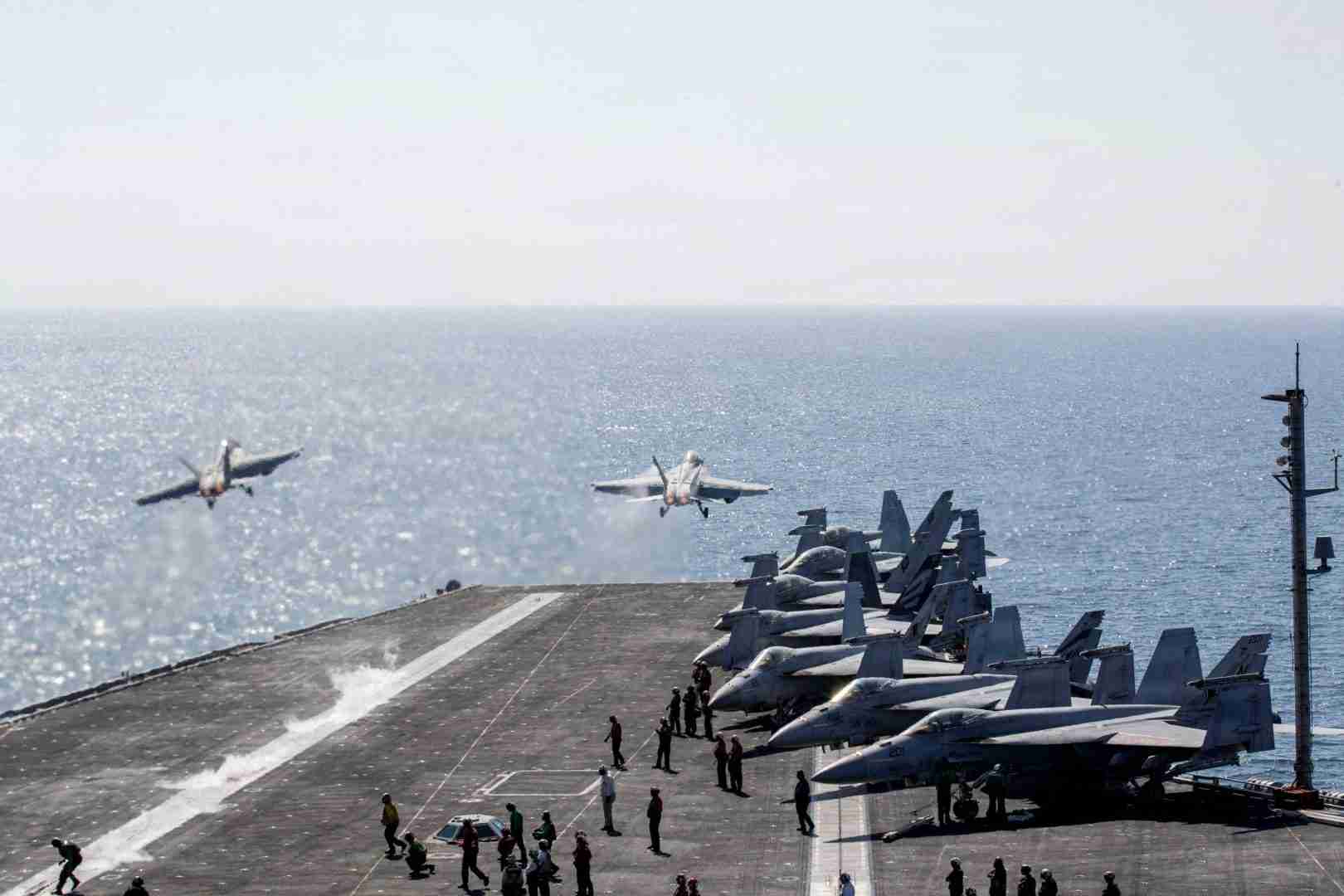
Thousands of US Army paratroopers arrive in Middle East as buildup intensifies

Reuters first reported on March 18 that Trump’s administration was considering deploying thousands of additional U.S. troops to the Middle East
International News via Reuters:

Thousands of soldiers from the U.S. Army’s elite 82nd Airborne Division have started arriving in the Middle East, two U.S. officials told Reuters on Monday, as President Donald Trump weighs his next steps in the war against Iran.

Reuters first reported on March 18 that Trump’s administration was considering deploying thousands of additional U.S. troops to the Middle East, a move that would expand options to include the deployment of forces ​inside Iranian territory. 

The paratroopers, based out of Fort Bragg, North Carolina, add to the thousands of additional sailors, Marines and Special Operations forces sent to the region. Over the weekend, about 2,500 Marines arrived in the Middle East. 

The officials, speaking on the condition of anonymity, did not say specifically where the soldiers were deploying to, but the move was expected.

The additional Army soldiers include elements of the 82nd Airborne Division headquarters, some logistics and other support, and one brigade combat team.

No decision has been made to send troops into Iran, but they will build up capacity for potential future operations in the region, one of the sources said.

OPTIONS FOR TRUMP

The soldiers could be used for several purposes in the Iran war, including an attempt to seize Kharg Island, the hub for 90% of Iran’s oil exports.

 Earlier this month, Reuters reported there had been discussions within the Trump administration about an operation to take the island. Such a move would be highly risky, since Iran can reach the island with missiles and drones.

Reuters has previously reported the administration has discussed using ground forces inside Iran to extract highly enriched uranium, though that option could mean U.S. troops deeper inside Iran for potentially longer periods of time, trying to dig out material that is deep underground. 

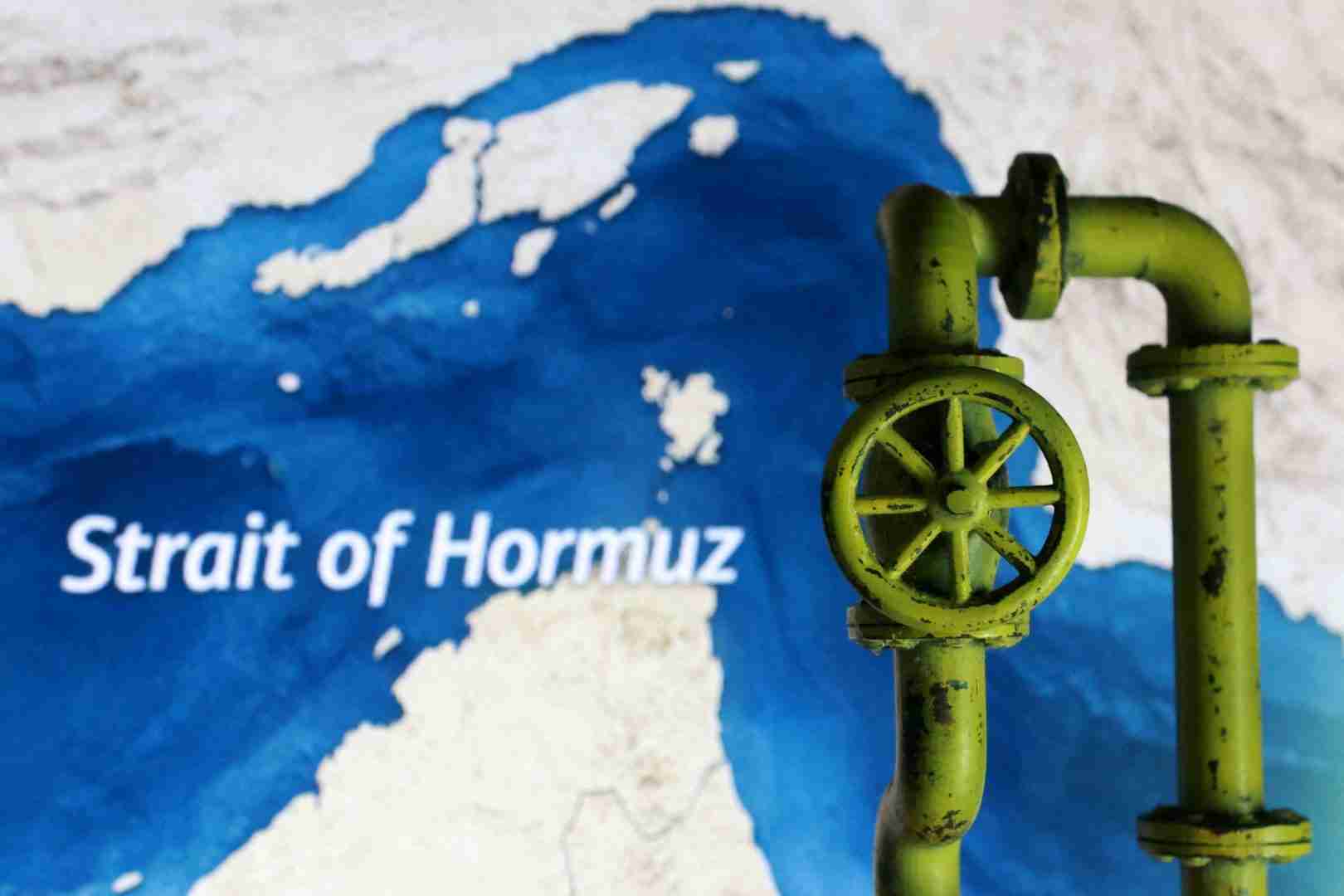
The internal Trump administration discussions have also included potentially putting U.S. troops inside Iran to secure safe passage for oil tankers through the Strait of Hormuz. While that mission would be accomplished primarily through air and naval forces, it could also mean deploying U.S. troops to Iran’s shoreline.

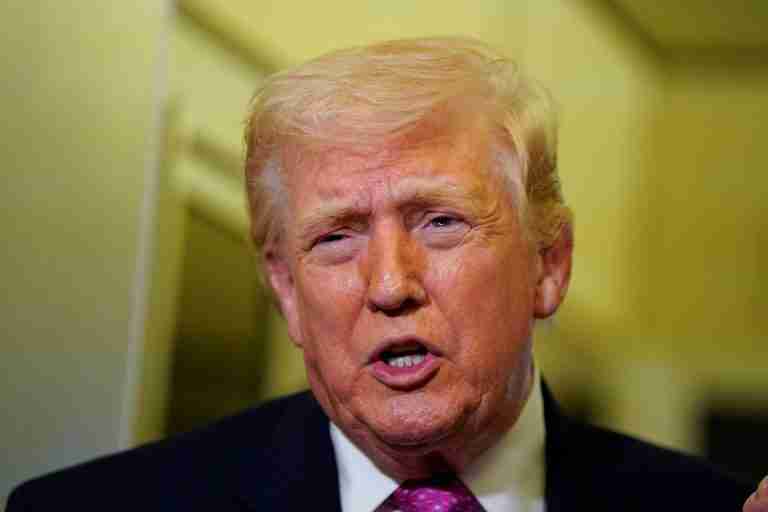
Trump said on Monday the United States was in ​talks with a “more reasonable regime” to end ‌the war in Iran, but repeated his warning to Tehran to open the Strait of Hormuz or risk U.S. attacks on its oil wells ​and power plants.

Any use of U.S. ground troops – even for a limited mission – could pose significant political risks for Trump, given low ⁠American public ​support for the Iran campaign and Trump’s own pre-election promises to avoid entangling the ​U.S. in new Middle East conflicts.

Since operations started on February 28, the U.S. has carried out strikes against more than 11,000 targets. More than 300 U.S. troops have been injured and 13 service members have been killed as part of Operation Epic Fury.

Reporting by Idrees Ali and Phil StewartEditing by Rod Nickel
Turkey says NATO defences down missile from Iran

There was no immediate comment from Tehran which has denied specifically targeting its neighbour Turkey during the conflict and has said it was not involved in the previous three missile launches

International News via Reuters:

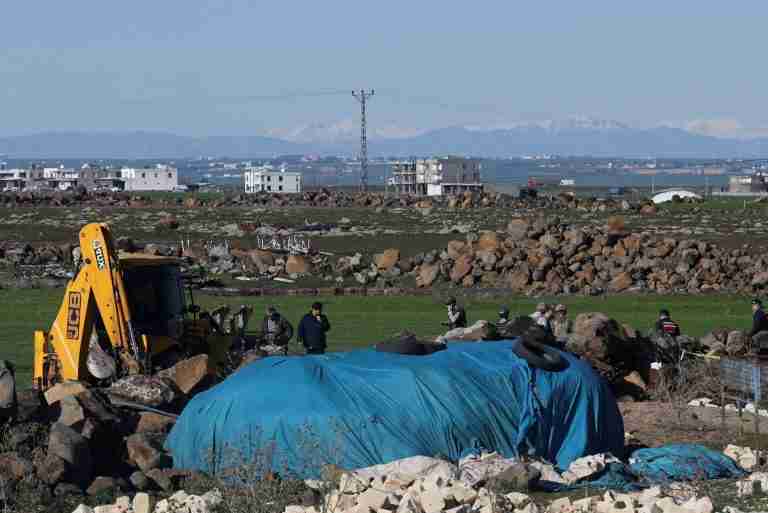
A ballistic missile fired from Iran entered Turkish airspace on Monday and was shot down by NATO defences, Ankara said, in the fourth such incident reported since the start of the U.S.-Israeli war on Iran.

There was no immediate comment from Tehran which has denied specifically targeting its neighbour Turkey during the conflict and has said it was not involved in the previous three missile launches, which were all downed by NATO defences.

NATO’s spokesperson said the alliance intercepted an Iranian missile heading towards its member country Turkey, adding that it was “prepared for such threats and will always do what is necessary to defend all Allies”.

Iran has fired missiles at countries across the Middle East since the start of the conflict, striking oil infrastructure and bases with U.S. forces in the region.

Turkey’s defence ministry did not say where it thought the missile was heading on Monday.

Turkey’s Incirlik Air Base in the southern Adana province hosts U.S., Turkish, Polish, Qatari and other personnel.

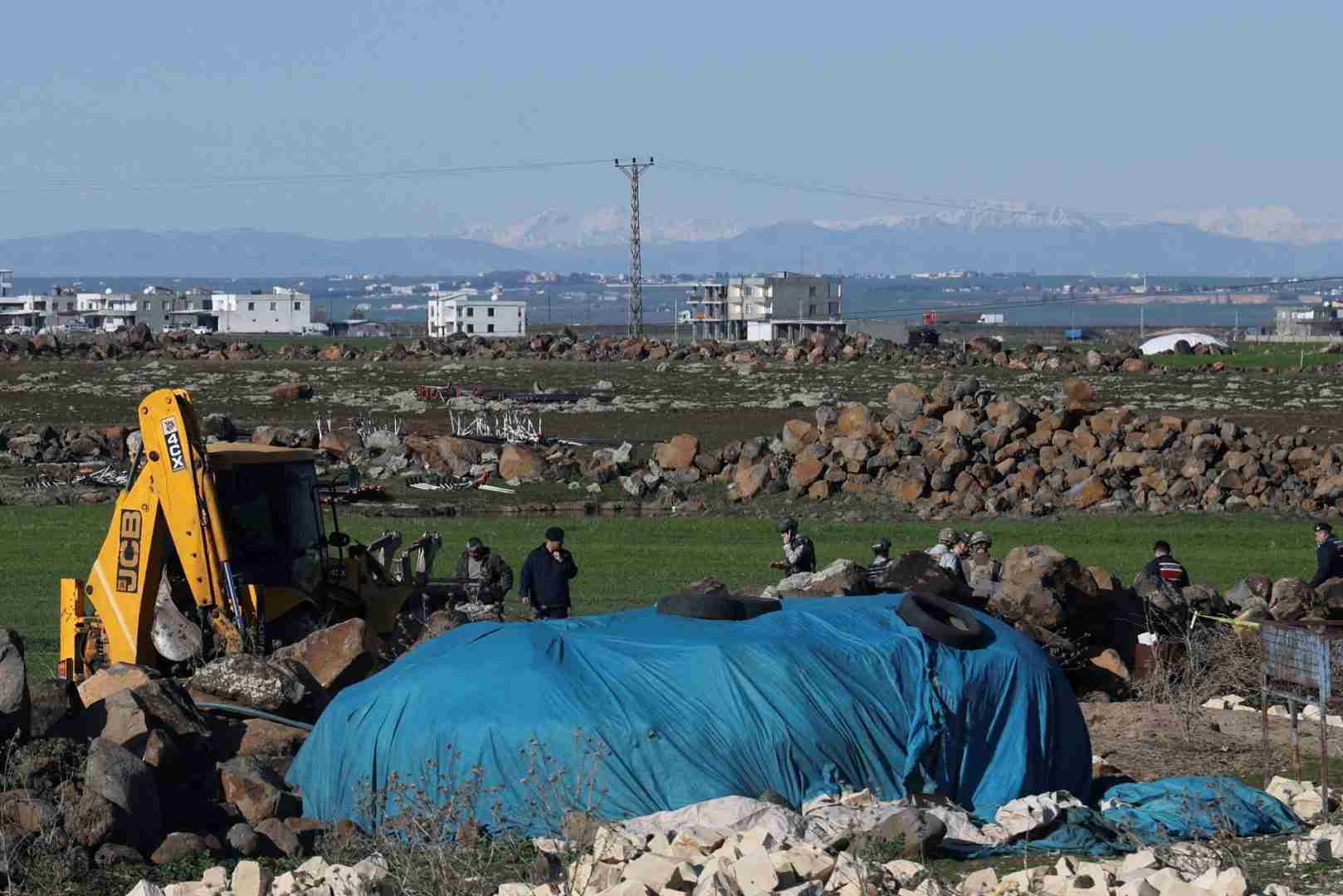
U.S. personnel are also stationed at NATO’s Kurecik radar station in Turkey’s southeastern Malatya province where the alliance recently deployed a Patriot missile defence system.

Separately, Turkey’s Chief of the General Staff, General Selcuk Bayraktaroglu, held a video conference with NATO Military Committee Chair Admiral Giuseppe Cavo Dragone on Monday, to discuss regional defence and security issues, the defence ministry said.

The ministry said all necessary measures were being taken “decisively and without hesitation” against any threat directed at Turkey’s territory and airspace.

The incident comes after talks in Islamabad at the weekend between the top diplomats of Turkey, Pakistan, Egypt, and Saudi Arabia on potential ways to end the war and reopen the Strait of Hormuz to shipping.

Turkey had offered and tried to mediate between Iran and the United States before the war started at the end of last month.

Ankara has repeatedly called for an end to the conflict, criticised the U.S.-Israeli attacks as illegal, and described Iran’s attacks on regional countries as unacceptable.

Reporting by Ece Toksabay and Tuvan Gumrukcu; Editing by Jonathan Spicer and Andrew Heavens

Opening doors for Bermudian students overseas

We spoke with students Kennan Jones-Landy and Kal-El Smith, who shared how attending school outside of Bermuda has opened new doors for them both academically and athletically. They spoke about the opportunities created through international exposure and the personal growth they’ve experienced, highlighting the benefits of adapting to new environments, building independence, and competing on a global stage. The Gothia Cup itself brings together around 1,900 teams from 80 nations, with more than 40,000 participants, offering them a truly global experience.

Volvo Cars to exclusively sell Lynk & Co electric cars in Europe

The new partnership will allow both brands to reach a wider audience, as they target different customers and segments without additional product investments

International News via Reuters:

Volvo Cars has signed a memorandum of understanding with its Chinese sister company Geely Auto to become the exclusive importer and distributor of Lynk & Co electric vehicles in Europe, the company said on Monday.

After Volvo Cars last year brought back CEO Hakan Samuelsson – a trusted confidant of Geely-owner Li Shufu who ran Volvo Cars for over a decade – the company has strengthened its collaboration with brands, suppliers and technology that are ultimately controlled by privately held Geely Holding.

Among them, Lynk & Co, founded in 2016 in Sweden, is a premium brand that sells and rents vehicles in several European markets and has expanded beyond its original 01 plug-in hybrid SUV.

“Volvo Cars intends to use Volvo Cars retailers for the sale of Lynk & Co cars and use its sales and servicing system in relevant markets,” Volvo Cars said.

The new partnership will allow both brands to reach a wider audience, as they target different customers and segments without additional product investments, it said further.

“By leveraging Volvo Cars’ central commercial operations and mature dealer network, Lynk & Co Europe will achieve faster scalability capable of supporting higher volumes,” Lynk & Co said in a separate statement.

AIMS TO RANK AMONG THE FIVE BIGGEST

Geely Holding in January said it aimed to rank among the world’s five leading automakers with global sales of over 6.5 million vehicles by 2030 and last week it announced plans to double by next year the number of vehicle projects it manages at its European technology hub.

Until 2024, Volvo Cars planned to go all-electric by the end of the decade, but it has continued to introduce hybrids as demand for fully electric vehicles has slowed.

Geely Holding has a large portfolio of automotive brands that also includes Zeekr, Lotus and Polestar. Over the last two years, it has shifted its focus from acquisitions to cost-cutting and tighter integration, consolidating brands such as Lynk & Co and Zeekr under Geely Auto.

Reporting by Anna Ringstrom, Marie Mannes and Alessandro Parodi, editing by Essi Lehto and Barbara Lewis

European, African oil market gets tighter as Asia buys more

The Iran war has forced the shutdown of at least 10 million barrels per day of oil from the Middle East due to Iran’s effective closure of the strait

International News via Reuters:

The European and African oil market is showing more signs of tightness with some crude differentials hitting record highs as peak summer demand nears and Asia seeks supplies to fill shortages caused by Iran’s blocking of the Strait of Hormuz, now into its fifth week.

 The Iran war has forced the shutdown of at least 10 million barrels per day of oil from the Middle East due to Iran’s effective closure of the strait, and attacks on Iranian and other Middle East Gulf nations’ energy infrastructure.  That production volume represents at least 10% of daily global oil consumption.

Asia has been most affected by oil and gas disruptions, as it is the world’s largest oil-importing continent and relies on supplies from the Middle East. The Middle East Dubai oil benchmark hit an all-time high of $169.75 on March 23, breaking Brent futures’ previous record of $147.50 set in 2008 to become the most expensive oil benchmark ever. 

In an example of tightening markets, North Sea Forties crude surged to a $7.20 per barrel premium to dated Brent on Friday, the highest on record according to LSEG data. The paper markets surrounding North Sea physical prices also show tightness. The first week of the short-term Brent swaps curve, known as contracts for differences, which indicates the dated Brent value, was trading $12.35 a barrel higher than the contract six weeks ahead on March 27, also a record.

“Globally, there are fewer barrels available, so the people who need them are bidding prices up,” said Neil Atkinson, former head of the oil markets division at the International Energy Agency and a veteran oil analyst.

ASIA BUYING MORE OIL FROM EUROPE, AFRICA

Shortages and stiff competition from Asian buyers looking to secure valuable barrels elsewhere have pushed up prices for European buyers, Morgan Stanley analysts said on Monday.

“The supply being diverted east is coming out of the pool that Europe would otherwise use to balance itself,” the Morgan Stanley analysts said, adding that more oil from West Africa, which can swing between European and Asian buyers, is heading to Asia.

On Monday,  U.S. WTI Midland crude, which helps set the dated Brent benchmark, traded at a record $9.50 per barrel premium to dated Brent for delivery to Europe, almost $8 higher than before the war started.

Crude and products shipments to Asia from Europe, plus key West African producers Angola and Nigeria, are set to rise by about 200,000 bpd in March from February to 3.72 million bpd, according to Kpler.

Some fuel shipments have even rerouted away from Europe towards Asia and Africa, a further sign of tough global competition for short supplies. 

Four tankers carrying 168,000 tons of U.S. diesel and gasoil have diverted away from Europe and towards South Africa in recent weeks, according to consultancy Energy Aspects. That follows at least four other tankers carrying a combined 430,000 tons of Middle Eastern and Indian diesel in late-February to early-March, which began sailing towards Europe and then U-turned towards Southeast Asia, the data showed.  

European gasoline cargoes are also heading to Asia after Asian prices surged on tightening supply, and Asia is also taking more crude cargoes from Europe and West Africa, according to trade sources and shipping data. 

Reporting by Robert Harvey in London, editing by Rod Nickel

Trump again warns Iran to open Strait of Hormuz

Trump also threatened to attack the desalination plants that supply clean water in Iran

International News via Reuters:

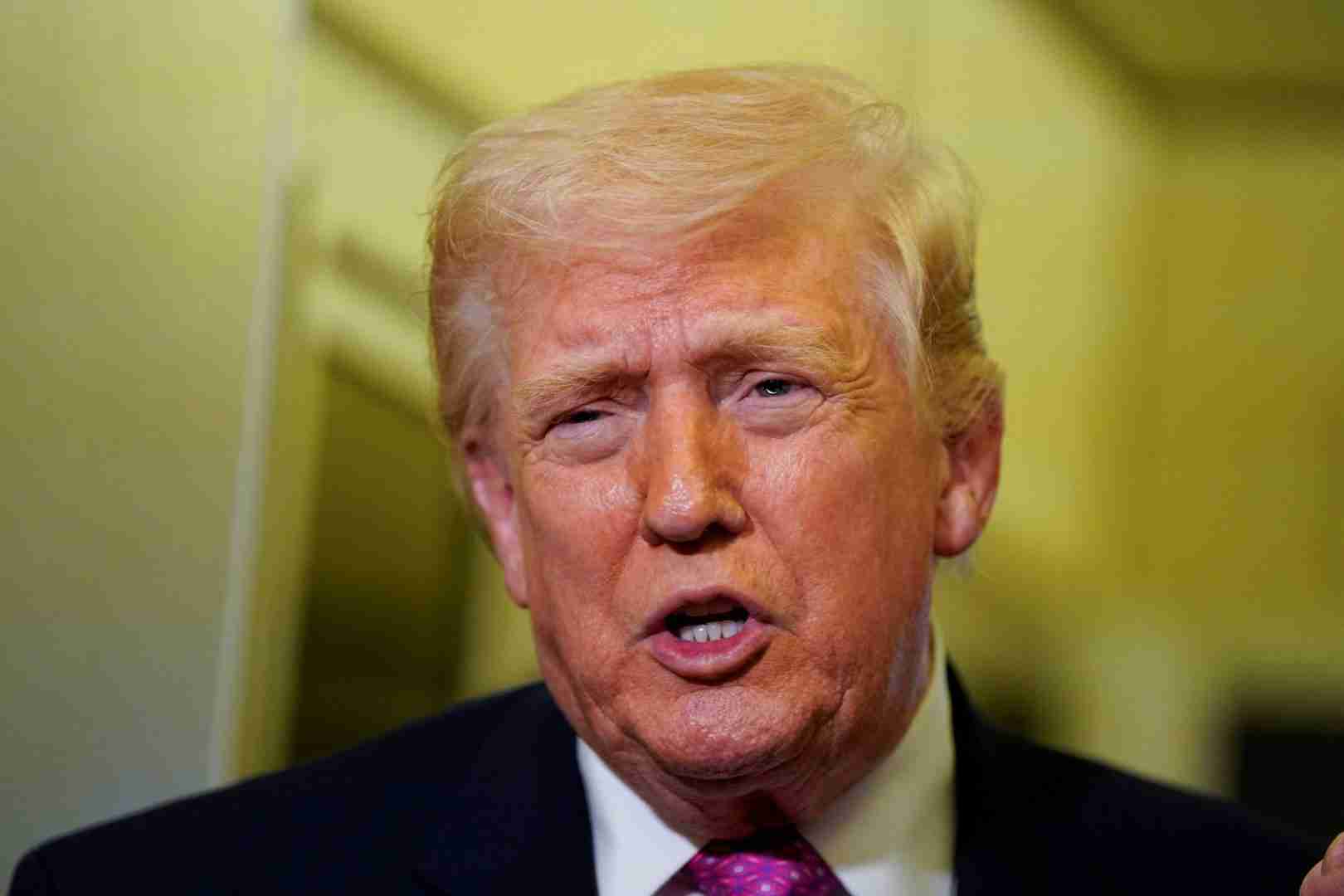
President Donald Trump said on Monday the United States was in talks with a “more reasonable regime” to end the war in Iran but repeated his warning to Tehran to open the Strait of Hormuz or risk U.S attacks on its oil wells and power plants.

“Great progress has been made but, if for any reason a deal is not shortly reached, which it probably will be, and if the Hormuz Strait is not immediately ‘Open for Business,’ we will conclude our lovely ‘stay’ in Iran by blowing up and completely obliterating all of their Electric Generating Plants, Oil Wells and Kharg Island,” Trump wrote in a social media post.

Trump also threatened to attack the desalination plants that supply clean water in Iran.

The U.S. president said last week he would pause attacks on Iran’s energy plants for 10 days, which would be until April 6, U.S. time.

While Trump has said the U.S. and Iran are making progress in talks, he has also been sending more U.S. ​troops to the region, leading Iran’s parliament speaker to accuse Washington of sending messages about possible negotiations while planning a ground invasion, prompting more defiance ⁠from Tehran.

Iranian leaders have denied being in direct talks with the U.S.

Reporting by Susan Heavey and Doina Chiacu; Editing by Alex Richardson and Kevin Liffey

UK regulator lowers car finance mis-selling bill to $12 billion

The headline number, published by the Financial Conduct Authority (FCA) after the stock market’s close, was lowered from an originally proposed 11 billion pounds amid pushback during a consultation with the industry

International News via Reuters:

Britain’s motor finance industry must pay 9.1 billion pounds ($12 billion) to compensate consumers for unfair vehicle loans, the markets regulator said on Monday, as it unveiled its final bill for one of Britain’s costliest financial mis-selling scandals.

The headline number, published by the Financial Conduct Authority (FCA) after the stock market’s close, was lowered from an originally proposed 11 billion pounds amid pushback during a consultation with the industry, which includes Lloyds, Close Brothers, Barclays and the finance arms of vehicle manufacturers.

The controversial plan has rattled the industry and tested the mettle of the FCA, which is seeking to draw a line under a 17-year scandal by balancing its duty to protect consumers from harm with government pressure to boost growth and competition by easing the regulatory load.

INADEQUATE DISCLOSURE OF COMMISSIONS, COMMERCIAL TIES

The FCA last October proposed an 11 billion pound scheme, including 2.8 billion in costs, arguing the industry had inadequately disclosed commissions and contractual ties between lenders and car dealerships that it said encouraged brokers to hike vehicle loan rates between 2007 and 2024.

Under a twin plan unveiled on Monday, the FCA said 12.1 million agreements were eligible for redress, fewer than under its original proposals. The average payout was raised to around 830 pounds from 700 pounds per agreement.

The regulator is implementing two schemes – one from April 2007 to March 2014 and one from April 2014 to November 2024. This would help ensure speedy payouts to later motorists if the earlier period is subject to legal challenge, the regulator said.

“Our final approach is fair for consumers and proportionate for firms,” the FCA said, adding: “We have tightened eligibility so only those treated unfairly receive compensation.”

If 75% of eligible consumers  make a claim, total redress paid will be 7.5 billion before administrative costs. 

Some in the industry had argued the FCA’s methodology for establishing liability was so broad that customers would be compensated who had suffered no loss or unfairness – partly because they said dealerships sometimes used commissions to discount vehicle prices or interest rates on loans.

Some also called for material changes to the plan.

($1 = 0.7583 pounds)

Reporting by Kirstin Ridley and Phoebe Seers; Editing by Tommy Reggiori Wilkes

WTO suffers fresh blow after trade reform push hits wall in Cameroon

The deadlock after four days of talks in Cameroon’s capital Yaounde could give added impetus to groups of countries seeking deals among themselves outside the WTO

International News via Reuters:

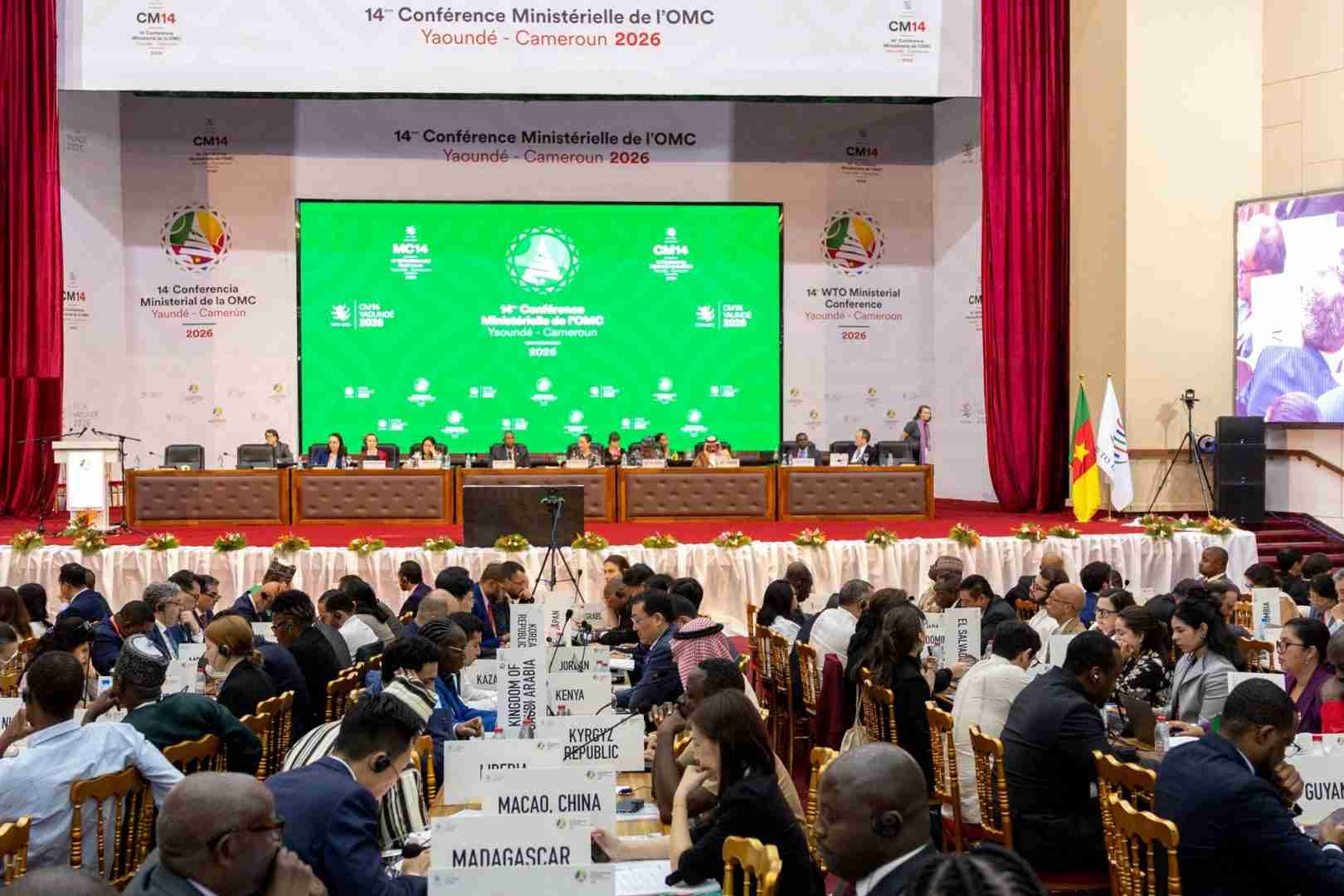
World Trade Organization talks broke up on Monday with no agreement on reform plans or even on extending a moratorium on e-commerce duties, piling more pressure on the body that finds itself increasingly sidelined by economic nationalism.

The deadlock after four days of talks in Cameroon’s capital Yaounde could give added impetus to groups of countries seeking deals among themselves outside the WTO, analysts said, potentially further weakening the global system it underpins.

The meeting ended in the early hours with Brazil blocking a bid by the U.S. and others to prolong a moratorium on duties for electronic transmissions including digital downloads and streaming.

RISK OF A ‘SPAGHETTI BOWL’ OF DEALS

“It marks another crack in the foundations of the WTO system,” Andrew Wilson, Deputy Secretary General of the International Chamber of Commerce, said. He urged delegates to renew the moratorium before states hit digital services with new charges.

Expectations for progress had been low before the talks, but there were hopes the moratorium – which has been regularly renewed since 1998 – would at least be extended.

Trade ministers could not agree to extend it for more than two years, which was not enough for the United States, diplomats said. One said the WTO’s future was being jeopardized.

U.S. officials and business groups voiced frustration, and Britain’s Business and Trade Secretary Peter Kyle said the outcome was a “major setback for global trade”.

The talks tested the WTO’s relevance after a year of huge trade turmoil and more recent disruptions in the Middle East.

Still, a subset of 66 members did agree to sidestep previous ​hurdles to ‌usher in the world’s first baseline deal on digital trade rules among participants.

Svitlana Taran of the European Policy Centre think tank said the talks’ failure would likely boost interest in pursuing accords between limited groups of countries, rather than in trying for global deals.

The parties of the Comprehensive and Progressive Agreement for Trans-Pacific Partnership – 12 countries including Japan, Britain, Canada, Mexico and Australia, but not the U.S. – met with the EU on the sidelines of the WTO talks.

As diplomats pursue a mix of agreements between two or larger subsets of countries, they risk creating a complex “spaghetti bowl” of agreements, Dmitry Grozoubinski, executive director of the Geneva Trade Platform, said.

E-COMMERCE TEST

Agreeing on an e-commerce moratorium was seen as key to securing U.S. support for the WTO, which under President Donald Trump has retreated from global multilateral bodies.

WTO Director-General Ngozi Okonjo-Iweala said the trade body hoped the moratorium could still be restored and that Brazil and the U.S. were trying to reach agreement on it.

She said progress was made on a reform roadmap, and talks on issues like making subsidy use more transparent and facilitating decision-making are expected to continue in Geneva.

The U.S. and the EU argue that China in particular has taken advantage of current rules to their detriment. China has long dismissed accusations that it flouts trade rules and said it supports the multilateral system, including the WTO.

Diplomats worked through Sunday to close the gap between Brazil’s initial two-year proposal on the moratorium and the U.S., which wanted a permanent extension, by drafting a plan for a four-year extension with a one-year sunset buffer.

Brazil then offered a four-year extension with a mid-term review clause, but it lacked sufficient support.

Developing countries opposing a lengthy extension argue the moratorium denies them potential tax revenue.

A U.S. official said Brazil had opposed a “near-consensus document”. A Brazilian diplomat said “the U.S. wanted the sky,” and that a longer extension was not prudent given rapid developments in digital trade.

Another diplomat said U.S. Trade Representative Jamieson Greer made delegates “uncomfortable” by warning of “natural consequences” if a long-term extension was not agreed.

A U.S. official said Greer explained the WTO would become less relevant without that agreement and that digital trade discussions would take place outside the organisation.

Keith Rockwell, a trade analyst at the Hinrich Foundation and a former WTO director, said Brazil’s efforts to leverage e-commerce for concessions on agriculture failed because the U.S. was no longer so invested in the WTO.

“In the old days because they felt responsibility for the system the Americans would have swallowed hard and taken a hit,” he said. “But now they won’t do that anymore.”

Additional reporting by Emma Farge in Geneva and Lisandra Paraguassu in Brasilia and David Lawder in Washington, D.C.Writing by Dave Graham; Editing by Hugh Lawson and Andrew Heavens

President Sheinbaum defends Mexico’s right to supply oil to Cuba

Sheinbaum’s remarks came one day after U.S. president Donald Trump softened his stance on the block of oil shipments to the Communist-run island and as a Russian oil tanker approached Havana

International News via Reuters:

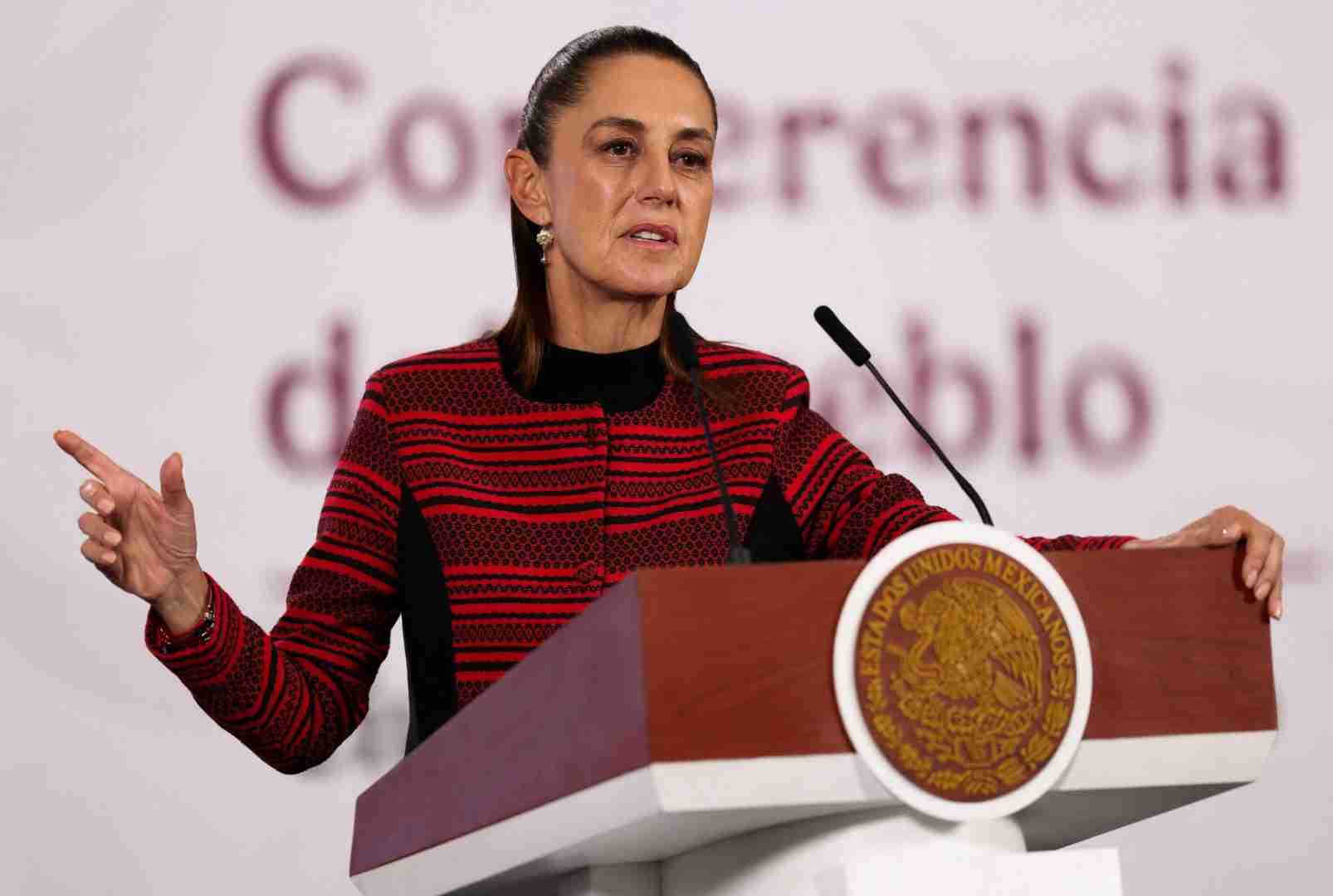
Mexico President Claudia Sheinbaum said on Monday that her country has every right to send fuel to Cuba, whether for humanitarian or commercial reasons. 

Sheinbaum’s remarks came one day after U.S. president Donald Trump softened his stance on the block of oil shipments to the Communist-run island and as a Russian oil tanker approached Havana.

The Mexican government “always seeks (to send) humanitarian aid, and it is in that context that we will make the decision,” Sheinbaum responded at her morning press conference, in response to a question about fuel shipments to Cuba.

She did not specify or give a timeline for when Mexico could decide to send an oil shipment to Cuba.

Sheinbaum also said that private companies in Cuba, such as hotels, have approached the Mexican government to purchase oil from state-owned energy company Pemex.

Reporting by Aida Pelaez-Fernandez and Raul Cortes; Editing by Emily Green

Smith surges to fifth in Mossel Bay as Hayward tests mettle in Portugal

Bermudian triathlete Tyler Smith has recorded his strongest finish of the 2026 season so far, clinching a superb fifth place at the Africa Triathlon Premium Cup in Mossel Bay.

Competing on South Africa’s world-renowned Garden Route, Smith navigated a testing standard-distance course in 1:51:28. After exiting the 1.5km swim in ninth, he maintained his position through a grueling 40km bike segment. However, it was the final 10km run where the 27-year-old truly excelled, clocking a blistering 32:31—the second-fastest time in the elite field—to surge into the top five.

Meanwhile, in Quarteira, Portugal, fellow Bermudian Oliver Hayward gained vital experience against Europe’s best young talent. Competing in the Junior Elite Men’s Division, the 17-year-old finished 43rd with a time of 59:07. Hayward remained resilient through a high-intensity 750m swim and 20km bike before closing with an 18:13 run.

The results mark a significant weekend for the Bermuda Triathlon Association across two continents. While Smith continues his hunt for world ranking points, Hayward’s performance provides a vital stepping stone for the island’s next generation of triathletes.

Team Bermuda masters the chop to claim dominant St. Pete victory

Bermuda’s David Selley and Steven Bridges produced a flawless display of offshore powerboat racing to claim a wire-to-wire victory on the second day of the 6th Annual St. Pete Powerboat Grand Prix.

Competing in the highly competitive Super Stock class, the duo piloted the S-25 Team Bermuda boat with clinical precision, leading every lap of a grueling four-lap contest. Despite “rough bay” conditions in St. Petersburg, Florida, Selley and Bridges utilized their pole position to perfection, maintaining a commanding gap over a world-class field to clock a winning time of 12:24.295.

The victory marks a significant statement of intent for the pair on the 2026 international circuit. Their ability to handle the turbulent Gulf waters proved the difference, leaving two-time F1H2O world champion Shaun Torrente to settle for second in the S-54 STR-Allied entry. The podium was completed by the S-8 Wozencraft boat, which fended off a spirited charge from Big East Construction.

Bermuda’s presence in the top tier was further bolstered by Luis Martins and Nick Imprescia in the S-12 Nuff Said. Navigating the same punishing conditions, the pair secured a solid sixth-place finish in 13:01.973, ensuring both island entries finished within the top half of the elite field.

The triumph reinforces Bermuda’s standing as a powerhouse in the Super Stock category, with the team now looking to carry this momentum into the next leg of the championship.