With the CARIFTA Aquatics Championships fast approaching, the spotlight turns to the history books where Bermuda’s swimmers have carved out a formidable legacy of continental records.
The island’s dominant presence at the regional showpiece is immortalized in several long-standing times that continue to set the standard for young talent across the Caribbean. In the Boys 11–12 category, Sam Williamson remains the gold standard for Breaststroke. During a rampant 2017 campaign in Nassau, Williamson swept the records for the 50m, 100m, and 200m distances with times of 32.42, 1:13.04, and 2:36.67 respectively.
Perhaps no name looms larger over the CARIFTA record books than Elan Daley, whose versatile brilliance across the 2018 and 2019 championships remains unparalleled in the Girls’ divisions. In 2018, competing in Kingston, Jamaica, Daley produced a whirlwind of record-breaking swims in the 11–12 Age Group, setting current marks in the 50m Freestyle (26.59) and 100m Freestyle (1:00.06).
Daley’s dominance extended beyond sprints, claiming records in the 200m backstroke and both Butterfly distances. Her tactical range was further evidenced in 2019 when she moved into the Girls 13–14 Age Group 200m Freestyle, clocking a sensational 2:06.13 in Bridgetown.
The individual accolades are complemented by a historic performance in the relay events. Bermuda’s 4×100m Freestyle Relay squad, featuring Elan Daley, Jessica Bruton, Taylor White, and Payton Zelkin, still holds the championship mark of 4:16.14 from April 2017. As the 2026 cohort prepares for their turn in the spotlight, these historic marks provide the ultimate inspiration for a new era of podium hopefuls.
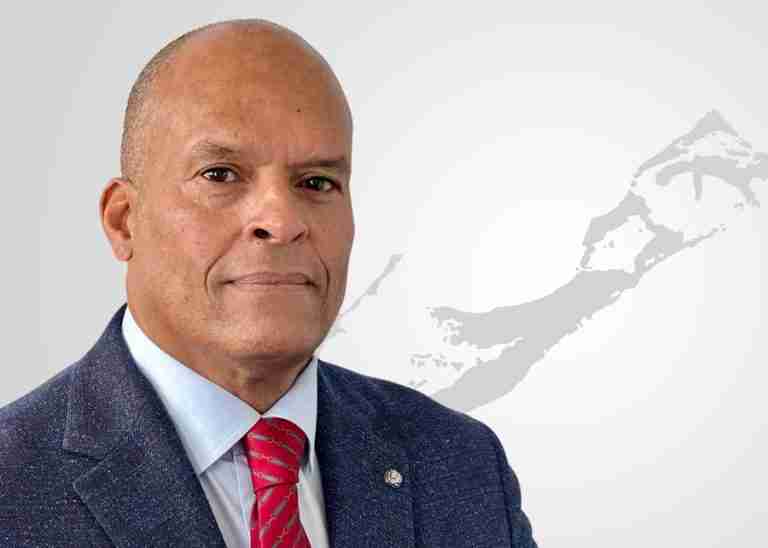
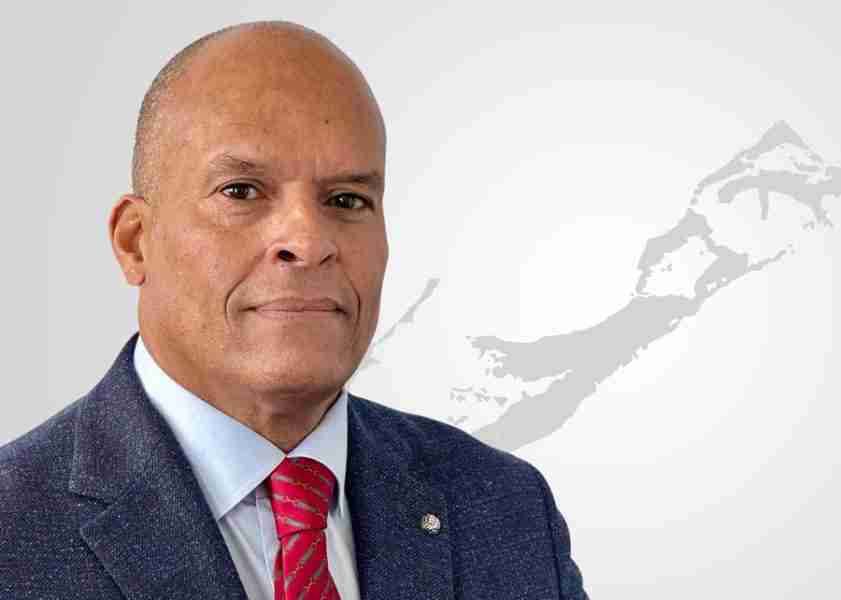
Shadow Minister for National Security Robert King issued an urgent call to action
One death is too many. One preventable death due to gun or knife violence, or unsafe roads, is one too many. And, it must no longer be tolerated.
Most Bermudians remember life on this island when gun violence and motor vehicle accidents were rare occurrences. It was not so long ago. According to Bermuda Police Service figures firearms incidents increased sharply in 2024, rising from 10 incidents in 2023 to 32 incidents in 2024 – more than tripling in a single year.
These are not just incidents. They are lives. The most recent a father shot and killed in cold blood in his yard. The resulting trauma for the family, including two young children who have lost their father, and for the community, is unspeakable. And, it is devastating lives and damaging our island community. This can no longer be accepted.
With every death, a part of Bermuda disappears.
This year’s budget for National Security stands at $137 million – about $2100 per resident. Funding is directed at policing, corrections, border security, emergency services and violence reduction initiatives. And, when funding for these critical investments increases significantly, Bermudians deserve to see clear evidence of results.
The men and women who serve in our uniformed services protecting the public deserve the resources necessary to do their jobs well. We need the infrastructure and technology to prevent guns and crime from being imported onto our island. We need support for our victims and our communities. We must have not just rehabilitation services for those caught up in crime, but we need a national strategy to prevent criminal engagement, through education, opportunity, affordability, homes and health care, including mental health care. Initiatives that help steer young people away from crime play a critical role in ending the pathway to violence before it begins.
Road traffic fatalities remain one of Bermuda’s most persistent and preventable public safety challenges. Driver training is sorely needed for every person on the road. Speed and road rules must be strictly enforced.
Bermuda cannot afford a system where spending increases year after year without the desired results. And, the results don’t require a lot of analysis. They come in simple numbers. One death is too many.
The work to make the dollars we are spending yield the results will take more than we are doing now. It will take all of us saying no more. It will take all of us supporting each other in our neighbourhoods and through meaningful government initiatives to turn the tide. But it starts when we all say no. No more. Not one.
Bermuda must never accept gun violence as part of island life. We must have zero tolerance targets for gun and knife violence. We must employ every measure to improve road safety and prevent road deaths and serious traffic injuries. We must lower recidivism rates and improve emergency response and public protection supports.
We need a national security strategy grounded in honest evaluation, potent policy, and effective implementation. Our police officers, firefighters, corrections officers and border security personnel work tirelessly to keep this island safe. They deserve a national security framework that supports them effectively and measures success honestly. At the same time, enforcement alone cannot solve the problem of violence. Prevention, rehabilitation, opportunity for young people and strong community partnerships must all play a role in a comprehensive approach.
This is not political criticism. This is an urgent call to action. It is about ensuring that every dollar invested in national security delivers the greatest possible benefit to the people of Bermuda.
At the end of the day, Bermudians are not interested in how much the government spends — they are interested in whether their communities are safer. Every parent should feel confident that their child can walk home safely. Every family should feel secure in their neighbourhood. And every dollar invested in national security must achieve that goal.
That is the standard Bermudians deserve. It is the standard to which we must hold ourselves. One death is one too many.
Brent futures were up $6.08, or 5.7%, at $113.46 a barrel by 0814 GMT, after climbing almost $8 to the highest since March 9 to a session high of $115.10
International News via Reuters:
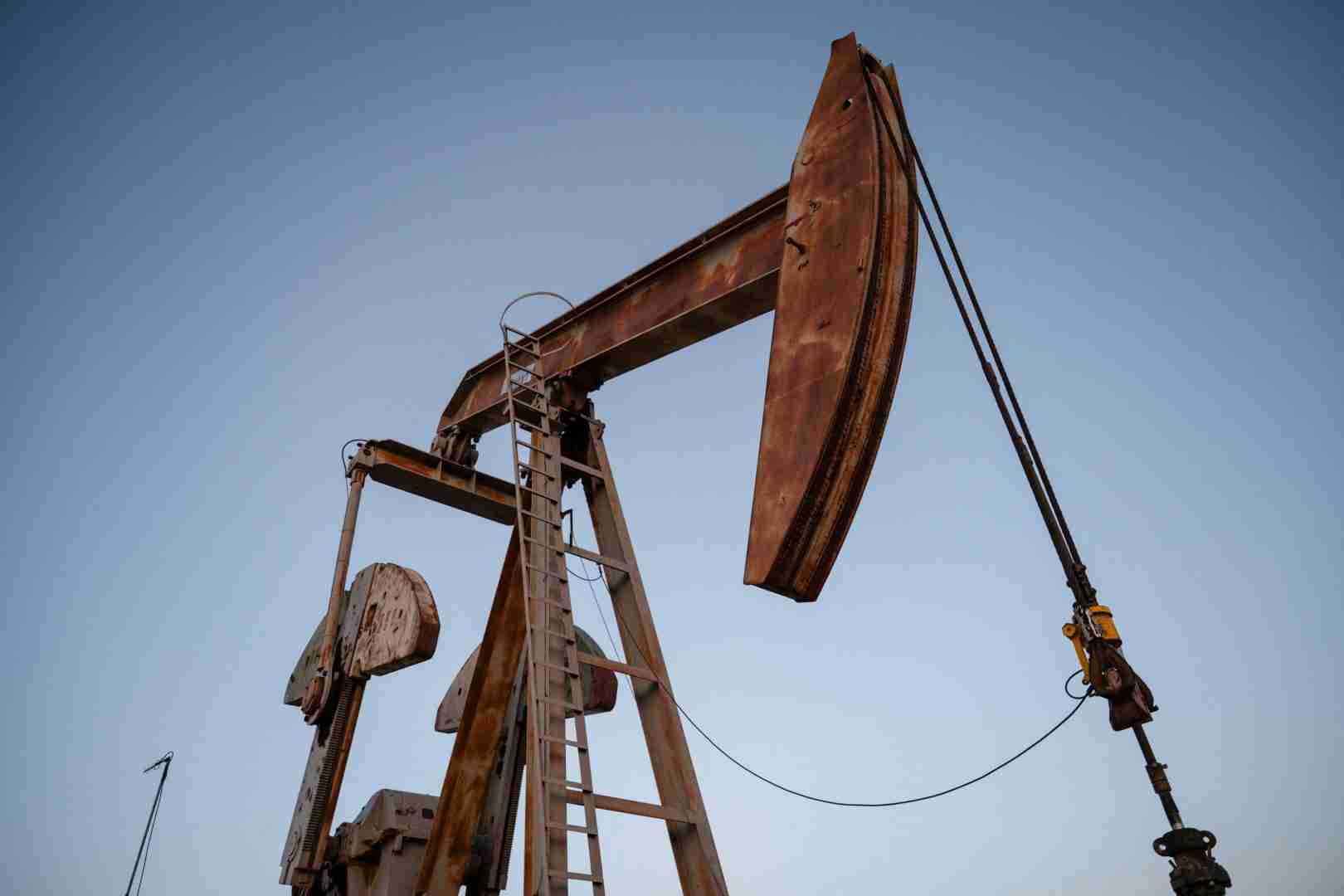
Oil prices jumped on Thursday, with benchmark Brent rising to its highest in more than a week to more than $115 a barrel, after Iran attacked energy facilities across the Middle East following Israel’s strike on its South Pars gas field, a major escalation in the war.
Brent futures were up $6.08, or 5.7%, at $113.46 a barrel by 0814 GMT, after climbing almost $8 to the highest since March 9 to a session high of $115.10.
U.S. West Texas Intermediate crude rose 57 cents, or 0.6%, to $96.89 a barrel, after earlier gaining almost $4 to trade at $100.02.
WTI has been trading at its widest discount to Brent in 11 years due to releases from U.S. strategic reserves and higher freight costs, while renewed attacks on Middle Eastern energy facilities boosted support for Brent.
“Escalation in the Middle East, precise attacks on oil infrastructure, and the death of Iranian leadership all point to a prolonged disruption in oil supplies,” Phillip Nova analyst Priyanka Sachdeva said in a note.
“Adding fuel to the fire, the Federal Reserve served ‘steady rates’ with a hawkish narrative, pointing to the economic concerns that follow a war.”
U.S. FED HOLDS STEADY
The U.S. central bank held interest rates steady on Wednesday, projecting higher inflation as policymakers take stock of the impact of the U.S.-Israel war with Iran.
On Wednesday, QatarEnergy said Iranian missile attacks on Ras Laffan, the site of Qatar’s core LNG processing operations, caused “extensive damage” to its energy hub.
Saudi Arabia said it intercepted and destroyed four ballistic missiles launched on Wednesday toward Riyadh and an attempted drone attack on a gas facility.
Saudi Aramco’s SAMREF refinery in the Red Sea port of Yanbu was also targeted in an aerial attack on Thursday.
Kuwait Petroleum Corporation said an operational unit at its Mina al-Ahmadi refinery was hit by a drone, igniting a limited fire.
Iran issued evacuation warnings before its attacks for several oil facilities across Saudi Arabia, the UAE and Qatar, as it prepared to retaliate for strikes on its own energy infrastructure in South Pars and Asaluyeh.
South Pars is the Iranian sector of the world’s largest natural gas deposit, which Iran shares with U.S. ally Qatar on the other side of the Gulf.
Israel carried out the South Pars gas field attack, but the United States and Qatar were not involved, President Donald Trump said late on Wednesday.
He added that Israel would not further attack Iranian facilities in South Pars unless Iran attacked Qatar, and warned that the United States would respond if Iran acted against Doha.
Earlier, Reuters reported that Trump’s administration is considering deploying thousands of U.S. troops to reinforce its operation in the Middle East, in preparation for the next steps of its campaign against Iran.
Additional reporting by Sam Li and Lewis Jackson in Beijing, Emily Chow in Singapore; Editing by Tom Hogue, Clarence Fernandez and Louise Heavens
China’s show of willingness to work with the region of more than 700 million people would be welcome relief to Southeast Asian oil importers
International News via Reuters:
China, home to the world’s biggest oil refining sector, said it was ready to work with Southeast Asia in addressing energy problems stemming from the war in Iran and called on the parties involved to immediately cease military operations.
China’s show of willingness to work with the region of more than 700 million people would be welcome relief to Southeast Asian oil importers after an order by Beijing earlier this month to ban Chinese exports of diesel, gasoline and jet fuel.
The ban would worsen shortages and further hike prices for some of China’s strategic partner-nations in Southeast Asia, which have already been reeling from supply cuts brought on by the U.S.-Israeli war against Iran.
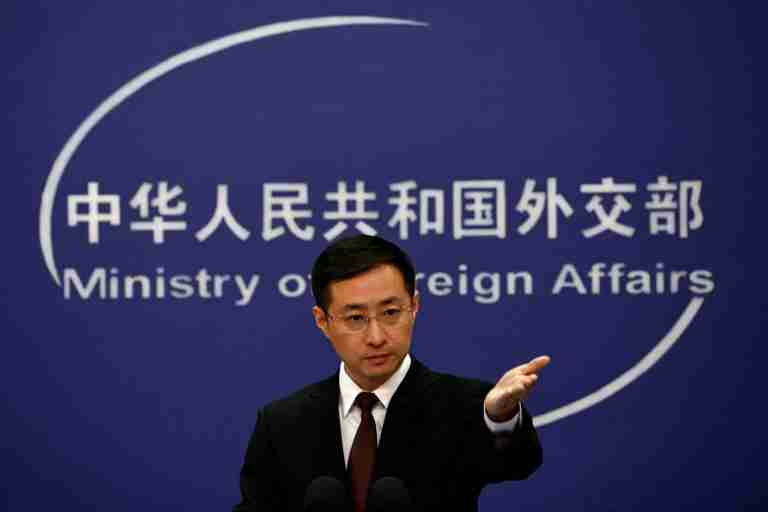
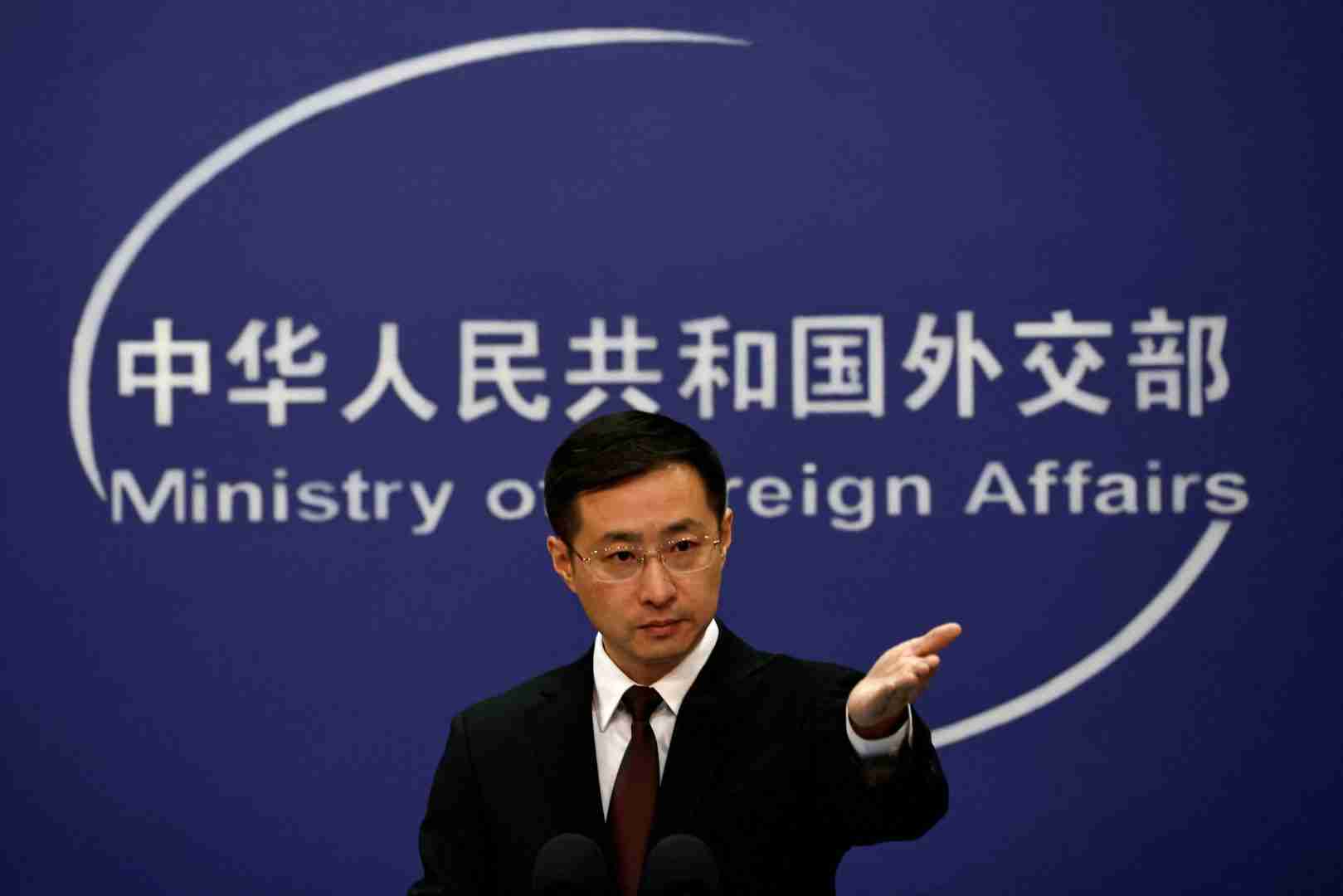
“The situation in the Middle East has disrupted global energy security,” said Lin Jian, spokesperson at the Chinese foreign ministry, told a regular news conference when asked if Southeast Asian nations had reached out to China for help.
“The countries involved should immediately cease military operations to prevent regional instability from having a greater impact on global economic development,” said Lin.
“China is willing to strengthen coordination and cooperation with Southeast Asian countries to jointly address energy security issues,” Lin added.
Any easing of Beijing’s ban could help soothe fuel jitters in countries from the Philippines to Cambodia.
Philippine Energy Secretary Sharon Garin met with the Chinese ambassador to the Philippines on Tuesday to discuss cooperation in energy, a departure from the two countries’ arguing over maritime rights in the South China Sea.
Reporting by Liz Lee; writing by Ryan Woo; Editing by Muralikumar Anantharaman and Alexander Smith
Plans to develop a futuristic air combat system together with Spain are hanging by a thread amid a public dispute over control between France’s Dassault Aviation and Airbus
International News via Reuters:
The German government has set a mid-April deadline for reaching an agreement with France on the crisis-hit FCAS fighter programme, a government official said on Thursday.
“Germany and France have agreed on a final attempt at mediation between the industries, to be carried out by experts,” the official said.
“Due to the upcoming decisions on the federal budget, a result must be reached by mid-April,” they added.
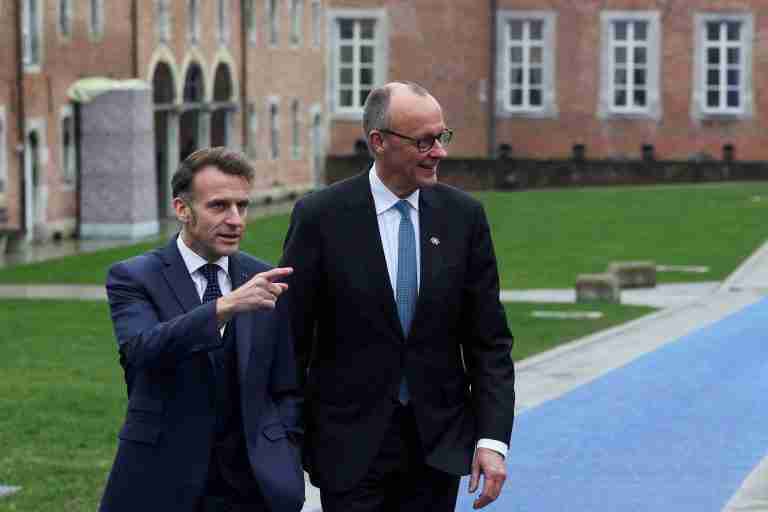
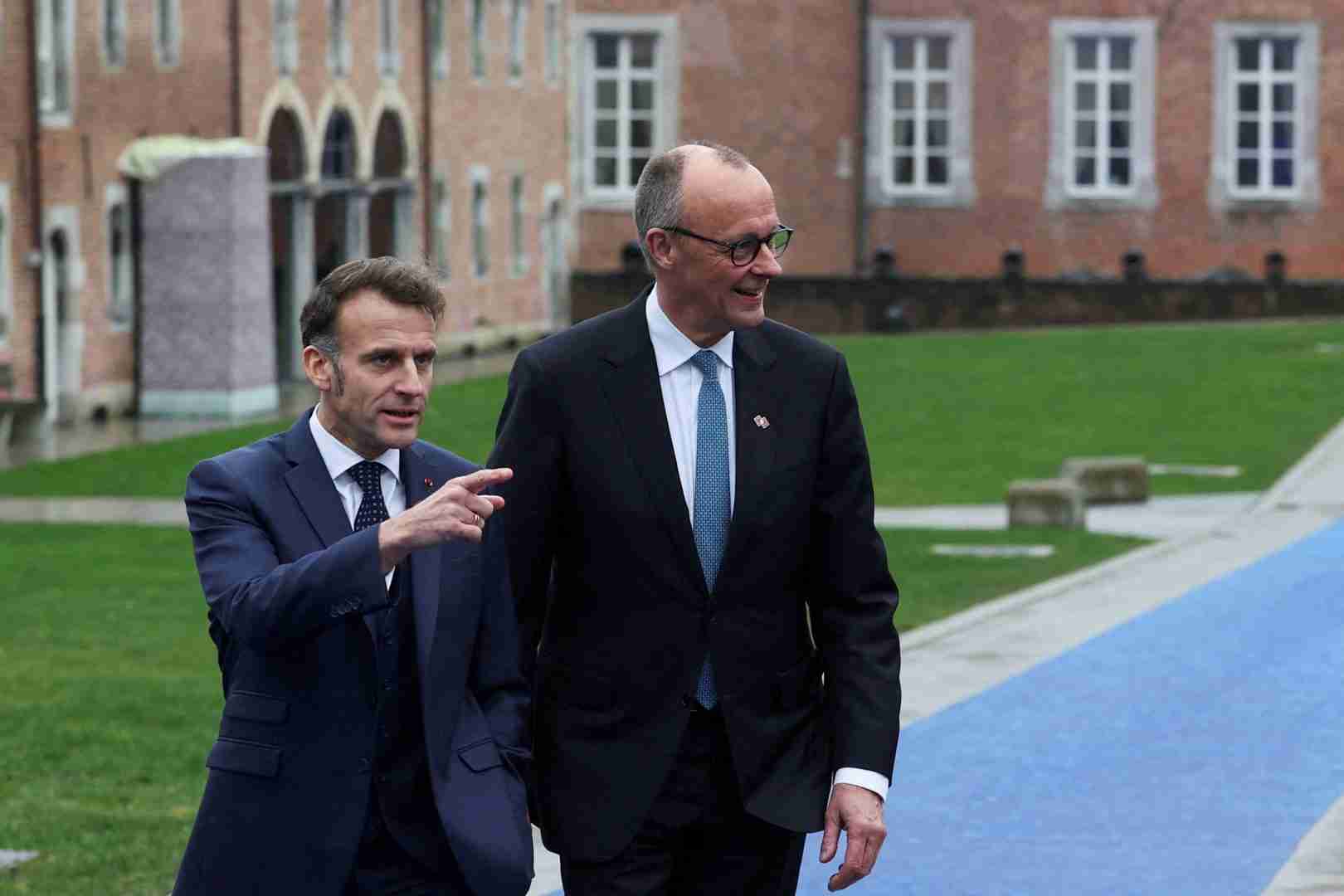
The news comes after French President Emmanuel Macron and German Chancellor Friedrich Merz met late Wednesday ahead of a March 19-20 EU leaders’ summit.
Plans to develop a futuristic air combat system together with Spain are hanging by a thread amid a public dispute over control between France’s Dassault Aviation and Airbus, which represents Germany and Spain in the 100-billion-euro project.
Macron co-launched the project with then-German Chancellor Angela Merkel in 2017, with Spain joining later.
Reporting by Andreas Rinke, Writing by Friederike Heine, Editing by Madeline Chambers
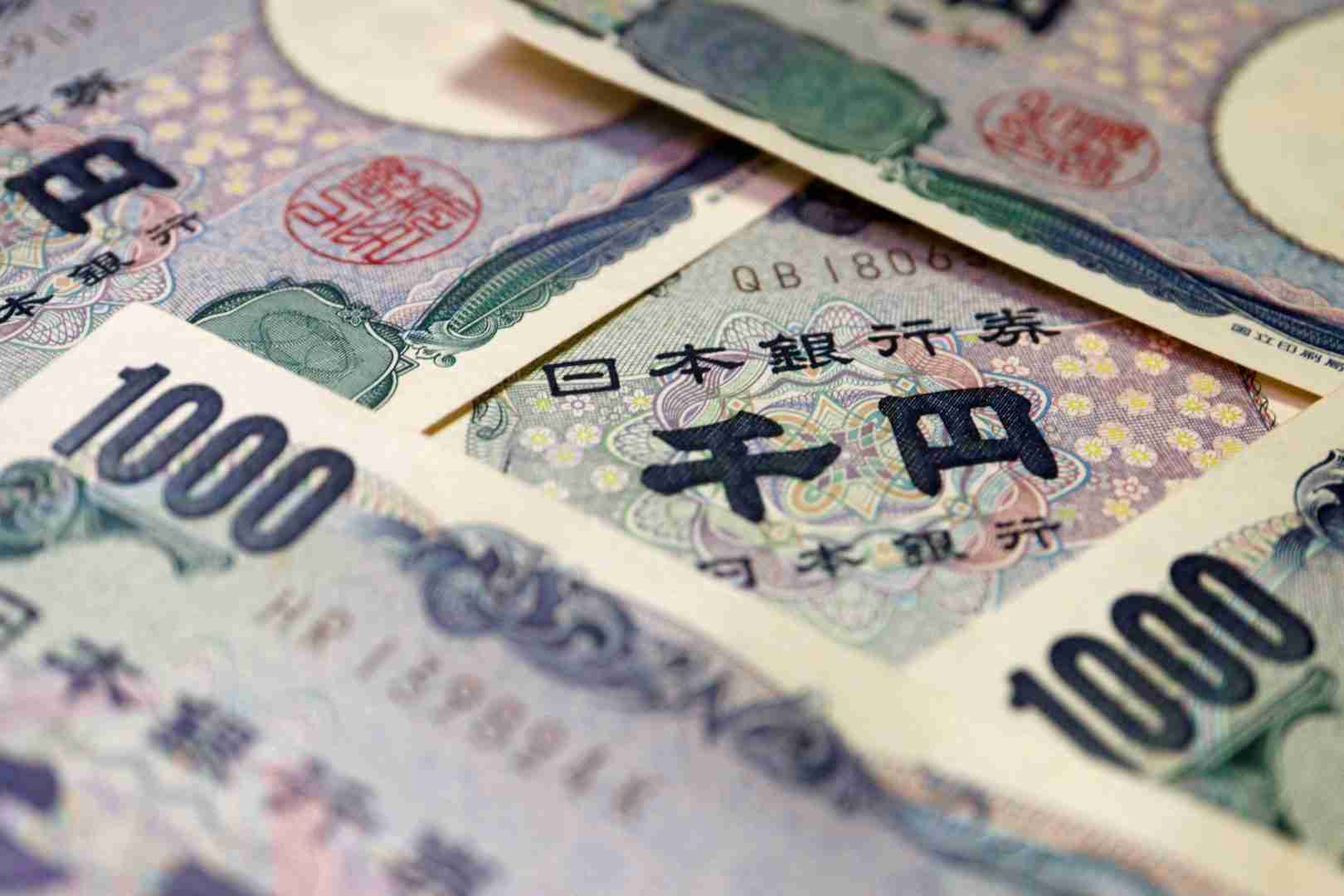
The yen was 0.3% firmer at 159.40 per dollar, having picked up during Ueda’s comments
International News via Reuters:
The U.S. dollar was steady on Thursday while the yen strengthened slightly against the greenback after the Bank of Japan left rates unchanged and its governor, Kazuo Ueda, gave remarks in the shadow of the Iran conflict.
The yen was 0.3% firmer at 159.40 per dollar, having picked up during Ueda’s comments. The BOJ kept its rate at 0.75% and maintained its assessment that the economy was recovering moderately.
Ueda was even more cautious than usual in his remarks at the press conference, said David Chao, global market strategist for Asia-Pacific at Invesco in Singapore.
“It’s so hard to read the tea leaves to begin with, and today was even more so,” he said.
The Bank of Japan’s decision comes midway through a pivotal stretch of major central bank meetings, as traders hunt for clues on how policymakers will respond to the energy price shock.
The Federal Open Market Committee held interest rates steady on Wednesday and projected higher inflation, steady unemployment and a single reduction in borrowing costs this year, a path that Fed Chair Jerome Powell said was subject to unusually high uncertainty as policymakers take stock of the U.S.-Israeli strikes on Iran.
“Chair Powell was extremely vague on how the FOMC would respond to the war,” said Steve Englander, global head of G10 FX research at Standard Chartered in New York.
“The hawkish part was the frustration Powell expressed at the slow pace of disinflation, very explicitly conditioning further policy rate cuts on inflation moving closer to target.”
The dollar was steady Thursday as traders assessed the Fed’s decision to hold rates against the backdrop of accelerating U.S. inflation amid the raging Middle East conflict and surging oil prices.
The U.S. dollar index, which measures the greenback’s strength against a basket of six currencies, was last 0.05% lower at 100.16, near its highest levels over the last four months, as traders reined in bets that the Fed would cut interest rates later this year.
Financial markets are almost fully pricing in a hold at the U.S. central bank’s April 29 meeting, with expectations of further easing pushed out to 2027.
Oil prices climbed further, with Brent crude futures rising 5.9% to $113.74 a barrel after Iran attacked several energy facilities across the Middle East following a strike on its South Pars gas field.
The euro nudged 0.14% higher to $1.1465, while the British pound edged up 0.1% to $1.3266, after data showed that British wages, excluding bonuses, rose at their slowest pace since late 2020 in the three months to January.
Both the European Central Bank and the Bank of England are expected to keep rates on hold when they announce policy decisions later on Thursday.
The Australian dollar edged up 0.2% to $0.7037, after data for February showed unemployment ticked up to 4.3%, slightly above market estimates, and the Reserve Bank of Australia on Thursday warned the conflict in the Middle East was a material risk to the domestic economy.
Bitcoin was around 1.5% lower at $70,144.24, while ether was down 0.8% at $2,170.70.
Reporting by Sophie Kiderlin in London and Gregor Stuart Hunter in Singapore; Editing by Shri Navaratnam, Thomas Derpinghaus and Andrew Heavens
With trade between the two countries at a record high, Charles is using the two-day visit to highlight the pair’s deep cultural and commercial links
International News via Reuters:
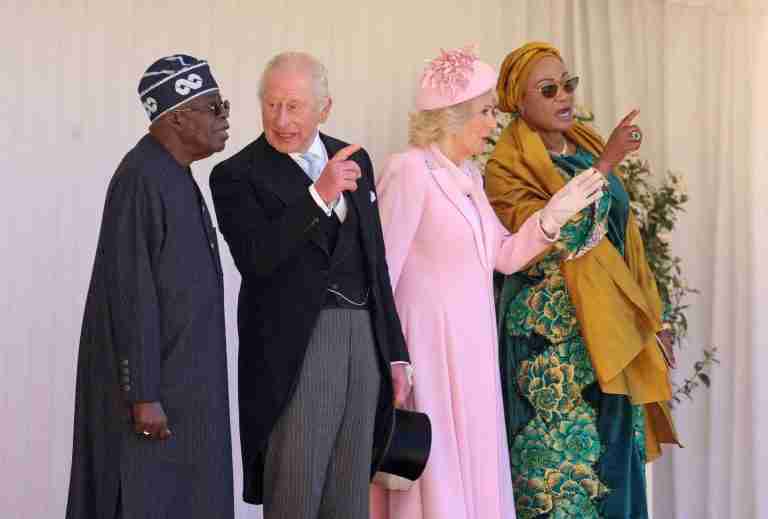
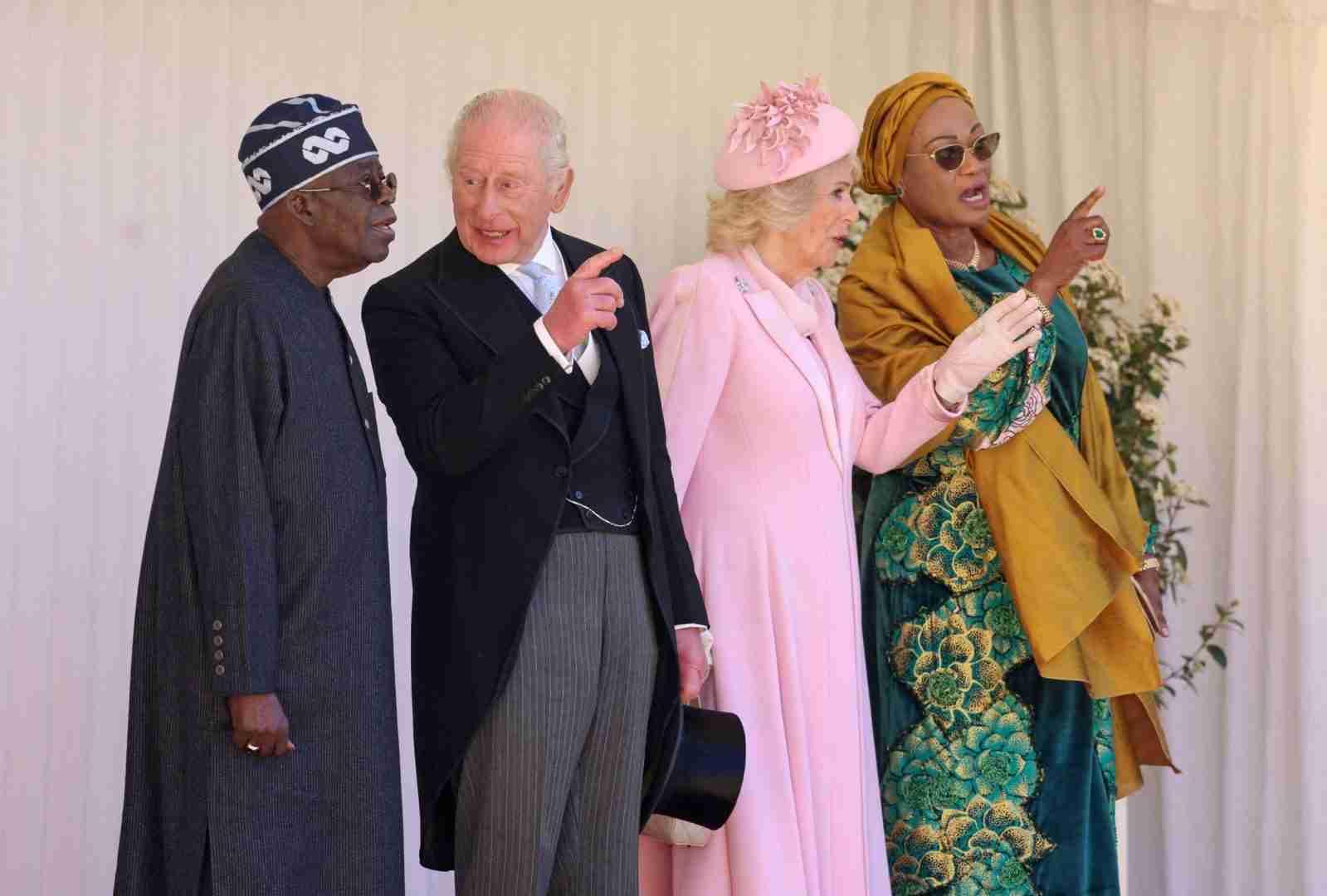
Britain’s King Charles hosted Nigerian President Bola Tinubu at Windsor Castle on Wednesday, in the first state visit by a Nigerian leader in 37 years, which is aimed at strengthening bilateral ties.
With trade between the two countries at a record high, Charles is using the two-day visit to highlight the pair’s deep cultural and commercial links.
After a carriage procession, Tinubu arrived in a courtyard at the castle for a royal salute, where he joined Charles in the sunshine to inspect British soldiers in traditional scarlet jackets and bearskin hats.
The state visit did not include a lunch as Tinubu is a practising Muslim who is fasting during Ramadan, but a state banquet will take place later on Wednesday evening.
STRONG LINKS WITH NIGERIA
Britain is home to a large Nigerian diaspora, with about 300,000 Nigerians living in the UK.
One of the most high-profile Britons of Nigerian heritage is Kemi Badenoch, the main opposition Conservative leader who is the first Black woman to lead a major British political party. She was born in London to Nigerian parents.
The British government hopes the visit will reinforce the UK’s role as a global centre for African business.
Charles spent the afternoon showing Tinubu items related to Nigeria from the royal collection, accompanied by their wives, Queen Camilla and Oluremi, and heir to the throne Prince William and his wife Kate.
Among the items were a manuscript written by Ben Okri, the Nigerian-born British poet and novelist, who was the first Black writer to win the Booker Prize, and a Yoruba throne, stitched with thousands of small, coloured beads, which Nigeria had presented to Charles’s mother, the late Queen Elizabeth in 1956.
The visit also included a trip to her tomb in St George’s Chapel to lay a wreath of flowers.
Charles, who is still undergoing regular treatment for cancer, has hosted several high-profile state visits over the last nine months, welcoming German President Frank-Walter Steinmeier, U.S. President Donald Trump and French President Emmanuel Macron.
The government advises the monarch on his relations with foreign leaders in Britain, and Prime Minister Keir Starmer has not been shy in harnessing the soft power of the royal family to try to boost the country’s stagnant economy.
Starmer is due to meet Tinubu on Thursday, while the president’s wife, Oluremi, a Christian, is due to visit Lambeth Palace, the London residence of the Archbishop of Canterbury.
Reporting by Sarah YoungEditing by Ros Russell and Louise Heavens
Oil and gas prices have jumped since the U.S.-Israeli attacks on Iran began, raising the risk that higher energy costs will drive up consumer prices across the 21-nation currency bloc, which relies heavily on imported fuel
International News via Reuters:
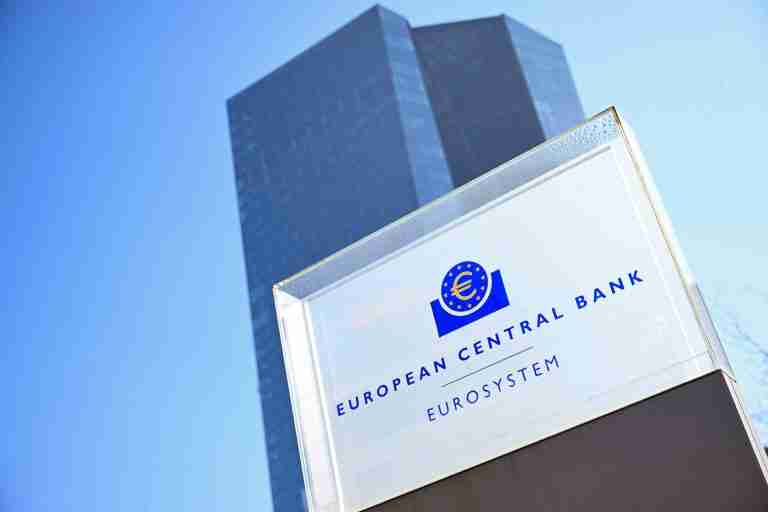
The European Central Bank is all but certain to keep its key interest rate on hold at 2% on Thursday but will make clear it stands ready to raise it if the Iran war fuels a lasting surge in euro zone inflation.
Oil and gas prices have jumped since the U.S.-Israeli attacks on Iran began, raising the risk that higher energy costs will drive up consumer prices across the 21-nation currency bloc, which relies heavily on imported fuel.
Financial markets now expect inflation to climb above 3% over the next year and only slowly drift back toward the ECB’s 2% target in the four years that follow. Traders are betting on two rate hikes by December, even as most economists still see no change.
Central bankers from across the euro zone have warned that the war will push inflation up and growth down. But the size of the hit depends on how long the conflict lasts – a variable they admit they have little visibility on for now.
That means ECB President Christine Lagarde and colleagues are likely to stick to signalling rather than action, offering reassurance they will respond if needed without committing to anything prematurely.
“The ECB isn’t expecting to hike any time soon but equally at this point will want to project vigilance,” Ebrahim Rahbari, head of rates strategy at Absolute Strategy, said.
The Bank of Japan sent a similar message early on Thursday, and the Bank of England, Sweden’s Riksbank and the Swiss National Bank were all expected to follow suit later in the day.
The U.S. Federal Reserve, meeting late on Wednesday, left rates unchanged and even kept a rate cut for later this year on the table.
But it raised its inflation forecast, and chair Jerome Powell said the central bank had low conviction in its own projections given exceptional uncertainty around energy costs and the duration of the war.
U.S. stocks fell after what were seen as hawkish comments by Powell and an attack on a major gas field in Iran.
PAINFUL PRECEDENT HAS LEFT SCARS
Economics textbooks say central banks should look past temporary supply restrictions, such as the current closure of the Strait of Hormuz – a point underlined this week by the Bank for International Settlements.
But for many ECB policymakers, the Iran war will revive memories of the energy-driven surge in inflation that followed Russia’s invasion of Ukraine in 2022, which the ECB initially wrote off as transitory.
With other central banks across the developed world, it was then forced to raise borrowing costs sharply amid criticism it had reacted too late.
“The experience of the 2022 energy crisis, and consumers’ expectations still scarred from that episode, could make the ECB quicker to hike if energy pressures are sustained,” HSBC economist Fabio Balboni said.
Isabel Schnabel, a prominent anti-inflation “hawk” among ECB policymakers, has also warned about the “scars” that episode left on households and businesses. She notes an important difference, however: monetary and fiscal policies are not loose this time, which should help limit inflationary pressures.
The ECB’s key policy rate stands at 2%, roughly matching February inflation, which pre-dates the first attacks on Iran on February 28.
ECB TO DRAW SCENARIOS ABOUT GROWTH, INFLATION
The ECB will give updated quarterly forecasts for growth and inflation on Thursday, although these projections will not fully reflect the impact of the Iran war on energy prices.
More importantly, the central bank is expected to publish scenarios outlining how the economy might evolve if the conflict ends quickly or if it drags on.
Economists at Barclays said the ECB would raise rates in a scenario where Brent crude settled at around $100 a barrel, roughly its current level, and natural gas at 70 euros per megawatt-hour, some 15 euros above where it was on Wednesday.
“Headline and core inflation could increase to a point where the overshooting from the ECB’s target in the medium term would become large and persistent, leading the (ECB) to increase policy rates later this year,” they wrote in a note.
“The macro and monetary outlook, however, will also depend on the fiscal response to this crisis.”
MORE FISCAL SPENDING AHEAD?
Bond markets are already bracing for higher government borrowing in response to the Iran crisis – a shift that adds to Germany’s plans to ramp up military and infrastructure spending.
This rise in government bond yields is likely to push up borrowing costs for euro zone companies and households even before any ECB rate hike. But for now, the ECB is expected to tolerate this tightening of credit conditions.
“The objective at this stage has to be to prevent second-round effects – inflation expectations from rising and, in particular, manifesting themselves in wages,” Spyros Andreopoulos, founder of the Thin Ice Macroeconomics consultancy, said.
Regular earnings rose by 3.8% in the November-to-January period, the slowest increase since the three months to November 2020 and down from 4.1% in the final quarter of 2025
International News via Reuters:
British wages, excluding bonuses, rose at their slowest pace since late 2020 in the three months to January, according to official data published on Thursday which also suggested a weakening in employment might have bottomed out.
Regular earnings rose by 3.8% in the November-to-January period, the slowest increase since the three months to November 2020 and down from 4.1% in the final quarter of 2025, the Office for National Statistics said.
Economists polled by Reuters had mostly expected pay growth of 4.0%.
The ONS data also showed Britain’s unemployment rate – which is calculated from a survey that the ONS is still overhauling – held at 5.2%, its highest since the COVID-19 pandemic period.
The number of people in payrolled employment rose by a provisional estimate of 20,000 people between February and January.
In January, payrolls rose by a revised estimate of 6,000 compared with a provisional estimate of a fall of 11,000.
Until this month, the Bank of England had been trying to gauge whether lingering inflation heat in the labour market or a weakening of hiring in recent months posed the bigger risk to the economy.
But new inflation pressures have emerged, caused by the jump in energy prices after the start of the war in the Middle East.
The BoE is expected to keep borrowing costs on hold at 1200 GMT on Thursday at the end of the Monetary Policy Committee’s March meeting which until recently had been expected to result in a quarter-point rate cut.
Writing by William Schomberg; Editing by Muvija M and David Milliken
The yen <JPY=> wobbled near the psychologically significant 160 per dollar level as the BOJ left interest rates unchanged with traders looking for signs of intervention after strong comments from Japanese finance minister
International News via Reuters:
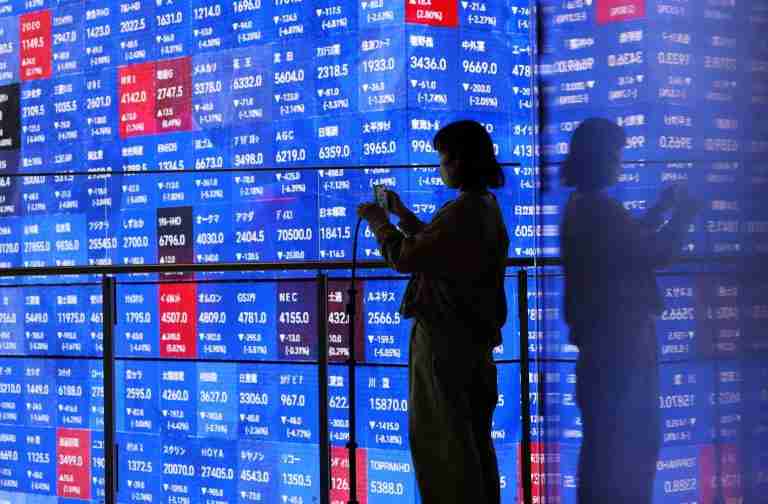
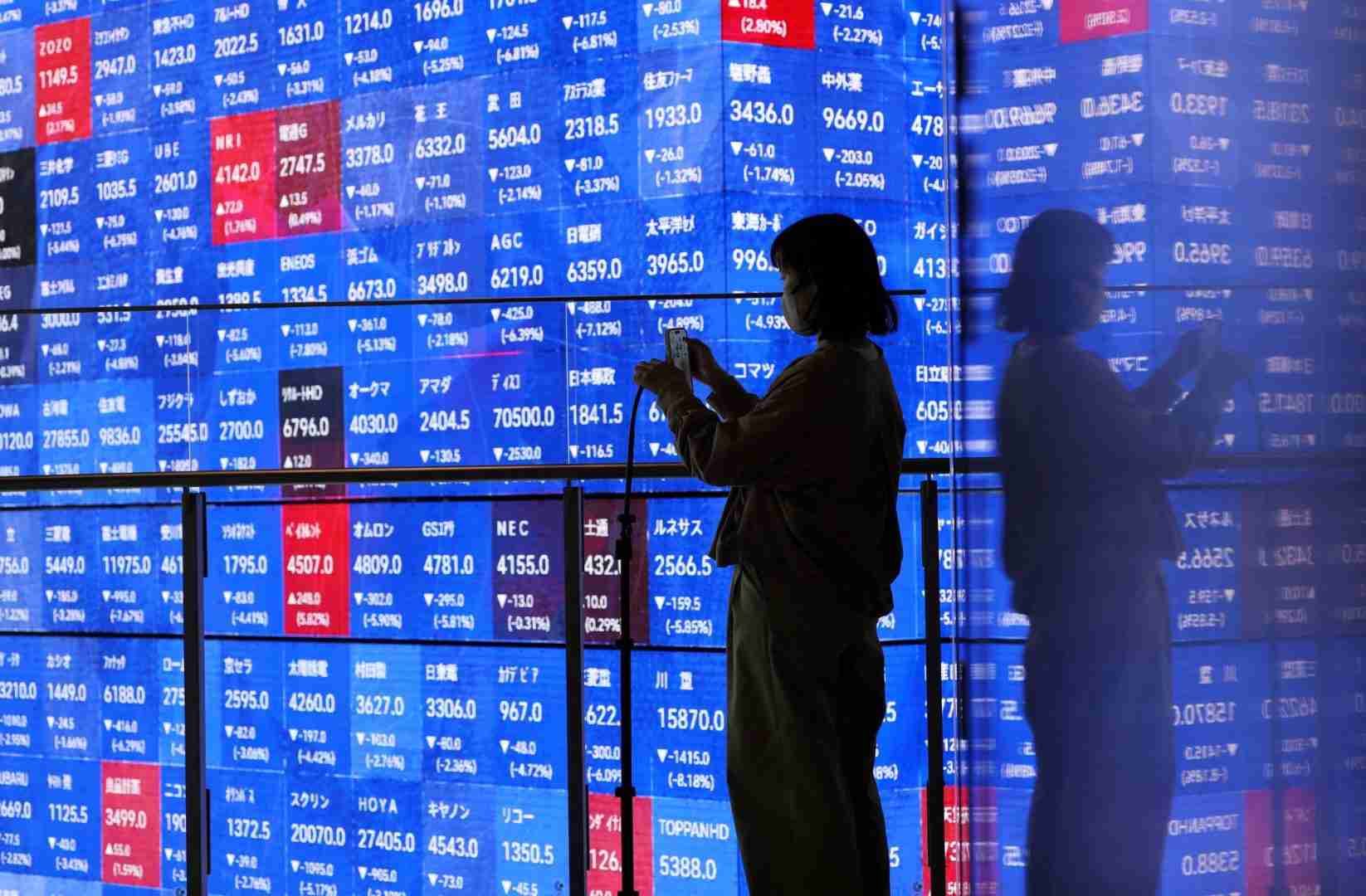
Stocks slid and oil prices rose sharply on Thursday after a major escalation in the U.S. and Israel’s war with Iran rattled investors, while the Bank of Japan became the latest central bank to warn about the impact of energy costs on inflation.
The yen <JPY=> wobbled near the psychologically significant 160 per dollar level as the BOJ left interest rates unchanged with traders looking for signs of intervention after strong comments from Japanese finance minister Satsuki Katayama earlier in the day.
Focus remains on the war in the Middle East as investors come to the realisation that the conflict is shaping up to be a prolonged one, stoking the risk of stagflation – weak growth coupled with high inflation.
U.S. President Donald Trump said an angry Israel “violently lashed out” and attacked Iran’s major gas field, prompting a threat by Iran to attack oil and gas targets across the Gulf, while it fired missiles at Qatar and Saudi Arabia.
The hits to energy infrastructure sent shockwaves across markets as U.S. crude futures extended gains above $97 per barrel. Natural gas surged 3%, while Brent futures rose to $111.87 a barrel, up 4% on the day. [O/R]
In stocks, Japan’s Nikkei was down over 3%, while South Korean equities fell 2.8%. MSCI’s broadest index of Asia-Pacific shares outside Japan fell more than 2.5%. European futures were down more than 1.5%.
“This latest escalation feels like a turning point for markets because the conflict is no longer just about military headlines or Strait of Hormuz closure,” said Charu Chanana, chief investment strategist at Saxo in Singapore.
“It is now hitting the plumbing of the global energy system. What is unsettling markets now is the growing stagflation risk… It means this is no longer just a geopolitical story but a macro one.”
The dollar strengthened across the board, also buoyed by the Federal Reserve predicting just one more cut this year as the central bank left rates unchanged on Wednesday. Traders though are no longer fully pricing in any easing in 2026.
The dollar index, which measures the U.S. currency against six other units, is up 2.5% since the war broke out at the end of February as investors look to the greenback as the haven of choice. The index was last at 100.15, slightly lower after a 0.7% rise on Wednesday.
The two-year U.S. Treasury yield, which typically reflects near-term rate expectations, was up roughly 6 basis points in Asia to 3.8051%, its highest since August 2025.
ECB AND BOE UP NEXT
In a week filled with policy meetings across the globe, investors have been parsing through comments to gauge the impact of the war, with the European Central Bank and Bank of England due later in the day.
As widely expected, the Bank of Japan left unchanged its short-term policy rate at 0.75% but joined the U.S. Federal Reserve and Bank of Canada in striking a cautious tone about the war and pricing pressures.
BOJ Governor Kazuo Ueda, at his post-meeting briefing, will aim to frame the balance between the need to support a shock-hit economy and avoid being behind the curve on inflation in the face of a persistently weak yen.
The yen was last at 159.71 per dollar, having dropped over 2% against the dollar this month.
Fred Neumann, chief Asia economist at HSBC, said the path ahead for the BOJ is narrowing, noting rising price pressures, from soaring energy costs and a weaker currency, are pointing to prompt and decisive tightening.
“Governor Ueda will likely want to keep his options open for the coming months. As elsewhere, monetary officials will want to play for time, seeing out the conflict in the Middle East evolves in the coming weeks and its impact on global energy and financial markets.”
Reporting by Ankur Banerjee in Singapore; Editing by Christopher Cushing
Framework supports taxis while offering regulated backup during peak demand
The Senate of Bermuda has today passed ridesharing legislation, marking an important step in strengthening and modernising the island’s transport offering.
The legislation is designed to support the existing taxi industry while addressing long-standing gaps in service, particularly during peak periods and times of high demand. Taxis will continue to take priority, with rideshare providing a regulated back-up option when service is not readily available.
Transportation reliability also continues to be identified as a key factor in the overall visitor experience, reinforcing the importance of a more responsive and accessible system.
The framework introduces clear standards for all operators, including requirements around licensing, insurance, and safety. It also brings greater visibility and accountability through the use of digital platforms, allowing for improved tracking of service levels and demand across the island.
The Minister of Tourism & Transport, Culture & Sport, the Hon. Owen Darrell, JP, MP, noted that the passage of the legislation represents a meaningful step forward for the island.
Minister Darrell said, “We’re pleased to have reached this point. This has been a thoughtful process, and the end result is a balanced approach that supports our taxi industry while addressing the very real challenges people experience when trying to get around. For too many people, getting around hasn’t always been easy. Ridesharing will expand transportation options, improve accessibility, and help create a more connected Bermuda. It also opens new opportunities for Bermudians to earn, offering another way to participate in our economy. The Government’s approach supports a balanced transportation system: taxis first, rideshare when needed. Our taxi industry remains a vital part of Bermuda’s transport network, and this legislation is designed to strengthen the system, not replace it. The Government heard your concerns, took action, and is delivering for the people of Bermuda. Ultimately, this is about improving the overall transport experience in Bermuda and making sure people can get where they need to go, when they need to. The Government will now move into the implementation phase, working closely with industry stakeholders to ensure a smooth and practical rollout.”
And Sen. Mischa Fubler said, “Taxi operators remain a vital part of Bermuda’s transport system and are widely recognised as frontline ambassadors for the island. This framework is intended to support the overall system by ensuring that when taxis are unavailable, residents and visitors are not left without options.”
Carbon fibre mast shows damage consistent with lightning strike
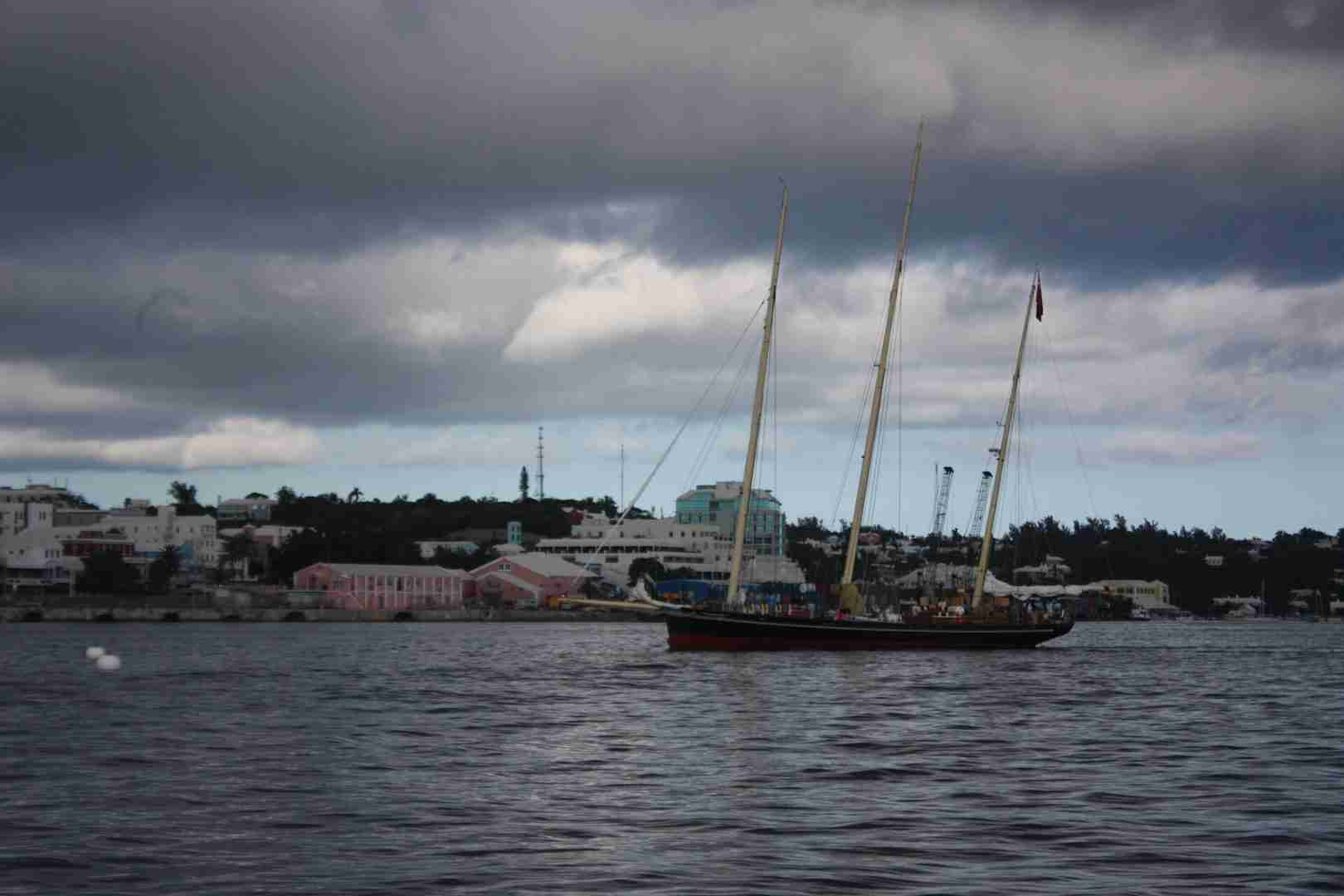
Bermuda Sloop Foundation (BSF) announces that the mainmast on Spirit of Bermuda has been removed for specialist repairs. Routine maintenance recently identified damage to the mast consistent with a lightning strike.
Following an assessment by the Foundation’s Marine Operations Team, in consultation with the vessel’s builder and the mast constructor, it was determined that the mainmast requires overseas inspection and repair by composite engineering specialists.
The mast, constructed of carbon fibre composite, will undergo advanced diagnostic testing, including ultrasound scanning, to determine the full extent of the damage.
The mast is scheduled to depart Bermuda aboard the M.V. Oleander on Monday, 23 March. From Port Elizabeth, New Jersey, it will be transported via specialist haulage to the Hinckley Shipyard in Newport, Rhode Island, where the repairs will be conducted.
“Our routine inspection protocols allowed us to identify this unexpected damage before it became a major structural safety issue,” said JP Doughty, Executive Director of BSF. “We are currently working with our marine partners to ensure the mast is repaired to the required standard.”
Spirit of Bermuda remains operational with its two remaining masts. The Foundation anticipates no disruption to scheduled activities, including charter commitments and the upcoming ‘Pirates of Bermuda’ event next month.
The vessel is expected to sail to Newport, Rhode Island, in late May for the reinstallation of the mast. All repairs are scheduled to be completed and certified in accordance with American Bureau of Shipping standards ahead of the Newport Bermuda Race.
Bermuda Sloop Foundation extends its sincere thanks to the partners and supporters assisting with this logistical operation, including: Crisson Construction; ; Neptune Group Bermuda; the Captain and Crew of M.V. Oleander; Stevedoring Services; Langan Design; Composite Engineering – Van Dusen Racing Boats; Alfresco Composites; Alex Wadson; Amarone Movers and Haulage; Hinckley Boat Yard, Rhode Island; and the Captain, professional crew, and team of Spirit of Bermuda.
To provide the best experiences, we use technologies like cookies to store and/or access device information. Consenting to these technologies will allow us to process data such as browsing behavior or unique IDs on this site. Not consenting or withdrawing consent, may adversely affect certain features and functions.
Functional
Always active
The technical storage or access is strictly necessary for the legitimate purpose of enabling the use of a specific service explicitly requested by the subscriber or user, or for the sole purpose of carrying out the transmission of a communication over an electronic communications network.
Preferences
The technical storage or access is necessary for the legitimate purpose of storing preferences that are not requested by the subscriber or user.
Statistics
The technical storage or access that is used exclusively for statistical purposes.The technical storage or access that is used exclusively for anonymous statistical purposes. Without a subpoena, voluntary compliance on the part of your Internet Service Provider, or additional records from a third party, information stored or retrieved for this purpose alone cannot usually be used to identify you.
Marketing
The technical storage or access is required to create user profiles to send advertising, or to track the user on a website or across several websites for similar marketing purposes.