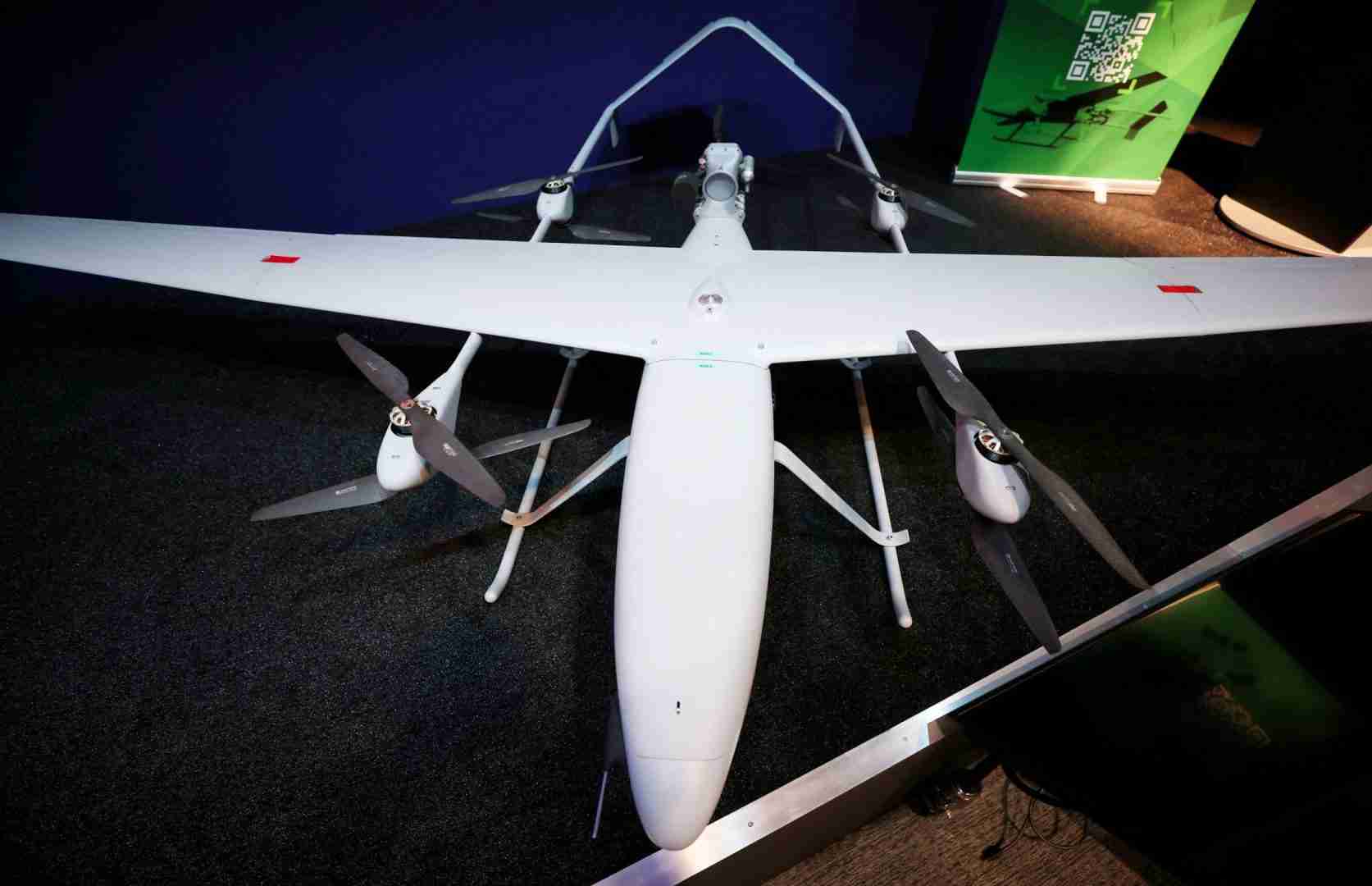
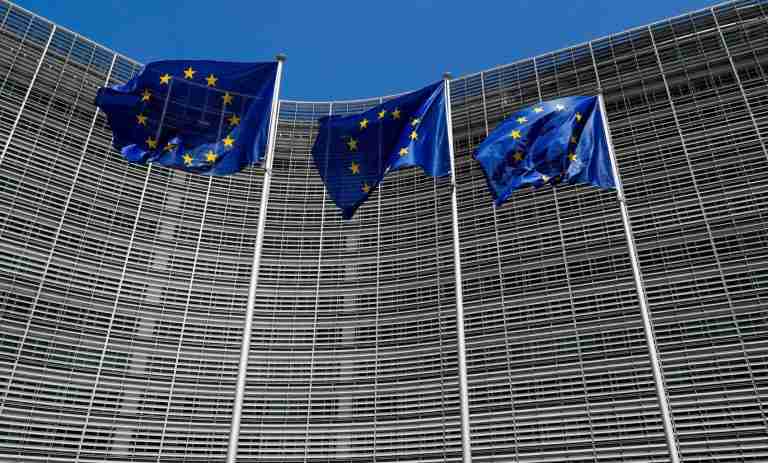
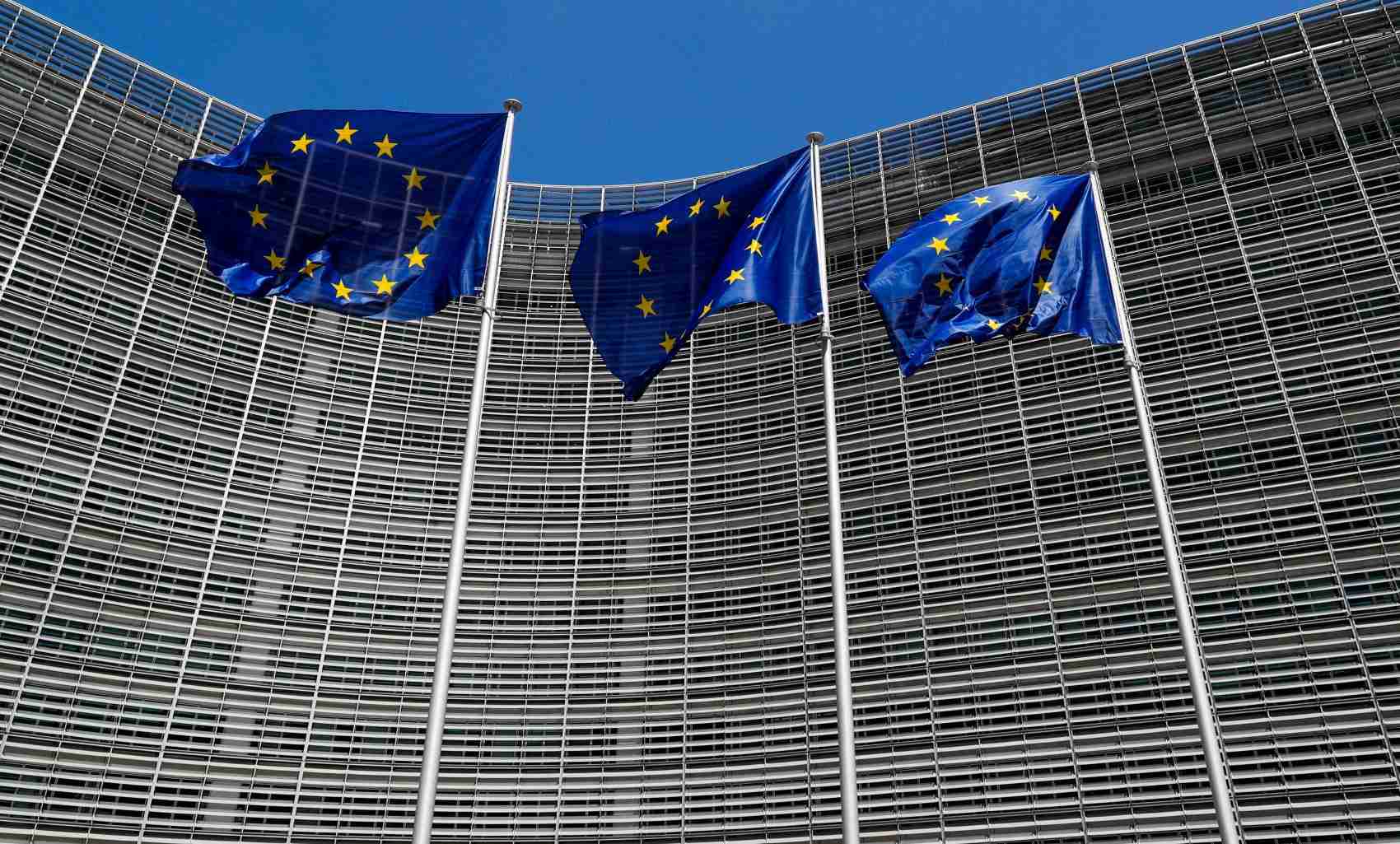
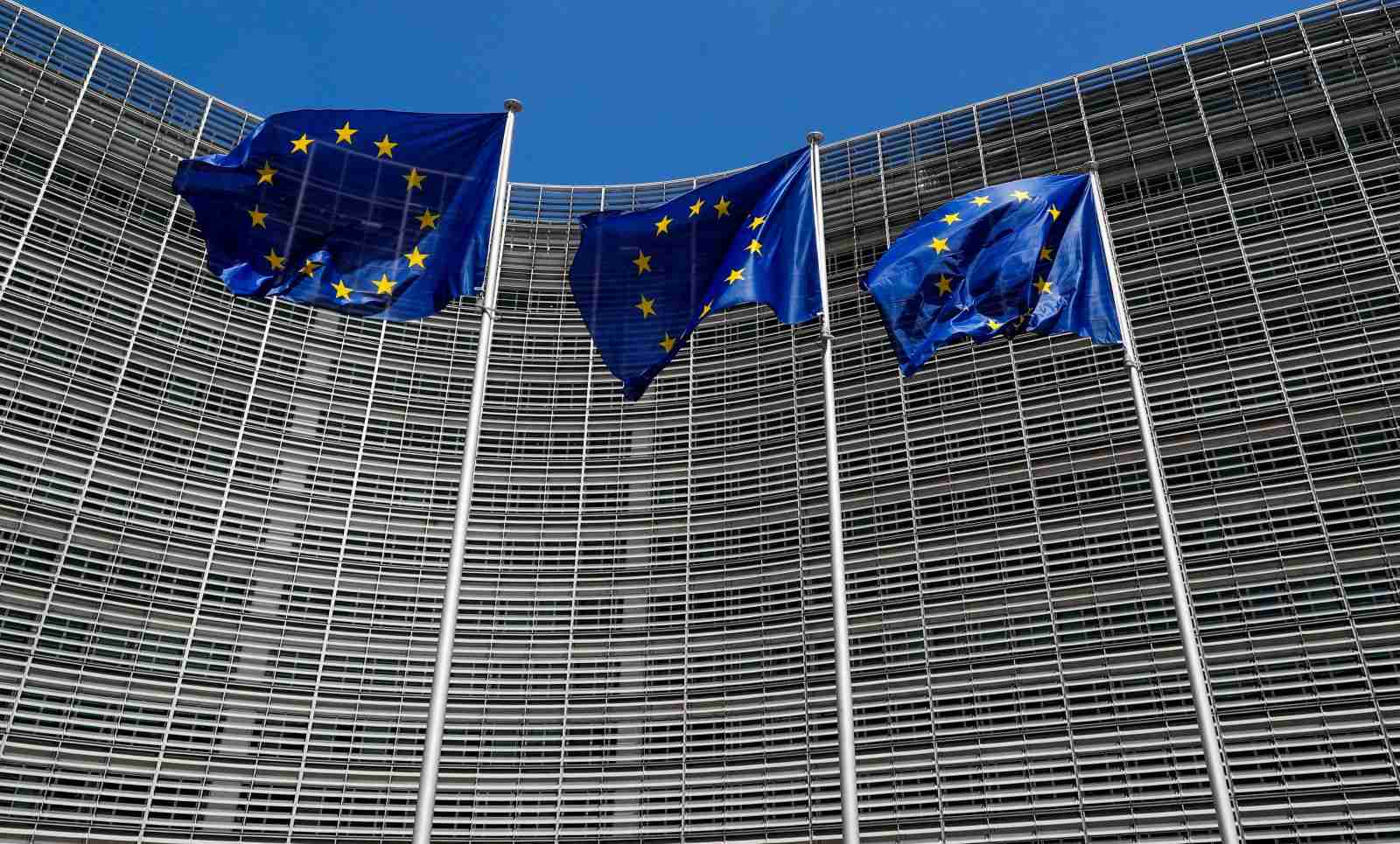
European countries have rushed to boost defence spending since Russia invaded Ukraine in 2022 and U.S. President Donald Trump made clear they should expect less U.S. support through the NATO military alliance
International News via Reuters:
European politicians need to provide more clarity on who should do what to boost the continent’s defences, or risk wasting money due to slow decision-making and overlapping projects, a leading figure representing Europe’s defence companies has said.
European countries have rushed to boost defence spending since Russia invaded Ukraine in 2022 and U.S. President Donald Trump made clear they should expect less U.S. support through the NATO military alliance.
Alongside national governments and NATO – the long-dominant players in European defence policymaking and funding – EU bodies such as the European Commission and the European Defence Agency have become increasingly involved in the sector in recent years.
Many of their initiatives seek to fill gaps in Europe’s defences such as counter-drone systems, reduce reliance on the United States and encourage joint procurement of weapons.
“It’s a bit of an alphabet soup of organisations that have a role,” Camille Grand, secretary-general of the Aerospace, Security and Defence Industries Association of Europe, told Reuters in an interview.
“We don’t have yet a clean governance for all of that, to define who does what and how decisions are taken,” said Grand, speaking at the Brussels office of his organisation, which represents more than 4,000 companies in 21 countries.
EU GETTING MORE INVOLVED IN DEFENCE SECTOR
Recent EU initiatives include Security Action for Europe, a 150 billion euro loan scheme for defence spending, the European Defence Industrial Programme to boost the sector and a Defence Readiness Roadmap to get the continent ready to defend itself by 2030.
“It all boils down to getting a little more clarity on: How do we govern this necessary collective effort to deliver capabilities faster?” Grand said.
He highlighted air and missile defence as an area that would benefit from more clarity, as projects and initiatives from different bodies have emerged to protect against missiles, drones and other threats.
Some European officials also see a need for greater coordination. European Defence Commissioner Andrius Kubilius has called for the establishment of European Security Council, which could include countries outside the EU such as Britain in some decisions.
But EU foreign policy chief Kaja Kallas has expressed scepticism about the idea. “I don’t think another institution will actually make it easier,” she told reporters in Brussels on Tuesday.
Reporting by Andrew Gray; Editing by Alex Richardson
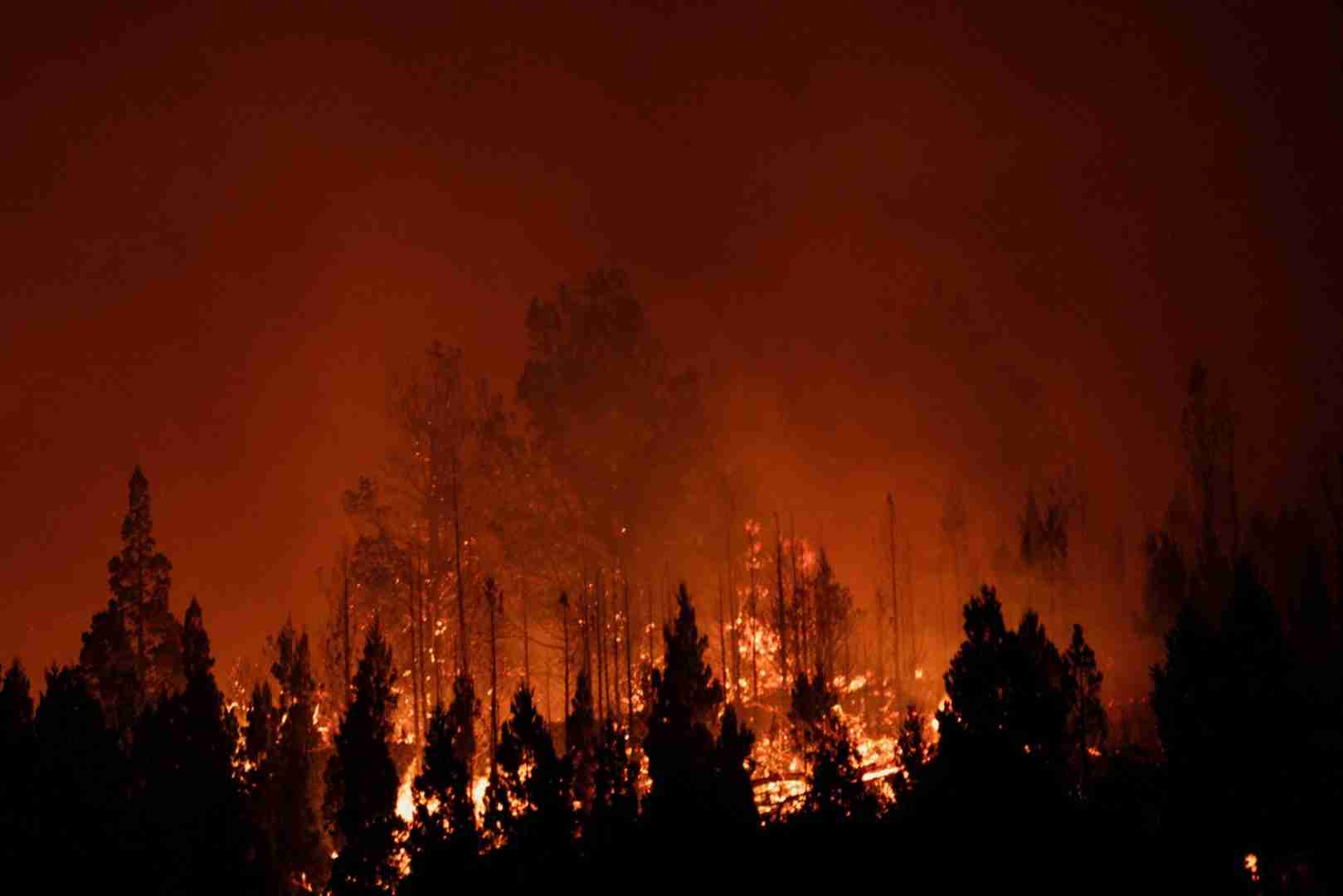
The extremes are occurring even as the world remains under the cooling influence of a weak La Nina, a climate cycle marked by cooler waters in the central and eastern Pacific that began in December 2024
International News via Reuters:
From Argentina to Australia to South Africa, record heat and raging wildfires are rampaging through the Southern Hemisphere at the start of 2026, with scientists predicting that even more extreme temperatures could lie ahead – and possibly another global annual high – after three of the hottest years on record.
In January, a record-setting heat dome enveloped Australia, sending temperatures near 50 degrees C (122 degrees F) while heat and catastrophic wildfires gripped parts of South America, setting remote parts of Argentina’s Patagonia ablaze and killing 21 people in coastal towns in Chile. In addition, South Africa has been experiencing its worst wildfires in years.
The extremes are occurring even as the world remains under the cooling influence of a weak La Nina, a climate cycle marked by cooler waters in the central and eastern Pacific that began in December 2024. Despite this moderating factor, temperatures are reaching record highs in various locales.
“This means the effect of human-caused climate change is overwhelming natural variability,” said climate scientist Theodore Keeping of Imperial College London and the international research collaboration World Weather Attribution, who specializes in research on wildfires and extreme heat.
“As we transition into a neutral or even El Nino phase, we’ll expect the incidence of extreme heat events around the world to be further amplified,” Keeping added.
El Nino typically has the opposite effect of La Nina, warming the central and eastern Pacific and boosting global temperatures.
This year is forecast to be about 1.46 degrees C (2.6 degrees F) above pre-industrial levels, which would make it the fourth consecutive year to be higher than 1.4 degrees C (2.5 degrees F) above pre-industrial levels, according to Adam Scaife, head of the long-range prediction at the United Kingdom’s national weather and climate service.
The 2015 international climate treaty known as the Paris Agreement aimed to keep warming below 1.5 degrees C (2.7 degrees F) above pre-industrial levels.
“If a big El Nino were to develop quickly in 2026 then it’s still possible 2026 could be a record,” Scaife said.
The World Meteorological Organization said last month that the past three years were the warmest on record.
FIRE RAGES FROM WOODS TO WATER
While most wildfires are caused by human activity, they are also a natural part of many ecosystems. Persistent heat, drought and extreme temperatures, however, are turning once-manageable fires into increasingly uncontrollable and destructive events.
Many ecosystems are not adapted to such hot, dry conditions, allowing fires to grow larger and more intense, often causing permanent damage, Keeping said.
The fires that burned through Argentina’s Los Alerces National Park illustrate the shift, according to meteorologist Carolina Vera of the Center for Ocean and Atmospheric Research at the University of Buenos Aires.
The park, a UNESCO World Heritage site, is home to trees that have lived more than 3,000 years.
Local officials determined that a lightning strike caused the fire. The blaze initially was under control. But Vera said a heat wave and strong winds caused it to spread about 20 km (12 miles) in a single day, making it the worst wildfire there in two decades.
The region has been drought-stricken since 2008. Temperatures during the first two weeks of January were about 6 degrees C (11 degrees F) above normal.
“These fires used to burn themselves out and form part of the forest’s natural dynamics,” Vera said.
“This is an example of how climate change can alter a natural fire, because it appeared to be caused by lightning,” Vera said.
There are no towns in that remote area.
Fires erupted in the southern part of neighboring Chile later in January and crossed into the greater Concepcion area, the country’s third-largest metropolitan region, destroying hundreds of homes and killing 21 people in coastal communities.
Keeping said the blazes mirrored recent disasters in places such as Los Angeles, Athens and the Hawaiian island of Maui.
“Where there’s been the greatest loss of life, it almost always comes down to evacuation being difficult or impossible,” Keeping said. “That’s particularly true in regions affected by strong downslope winds toward the coast.”
WHIRLWINDS OF FIRE
About 80% of Punta de Parra, a small coastal town in southern Chile surrounded by hills and forests, was destroyed.
Punta de Parra residents said they had little time to evacuate. Doralisa Silva, 34, said she heard about a fire in a nearby community the night the blaze reached the town.
“Out of nowhere, the forest started burning and all the houses caught fire,” Silva said. “The fire was on us in the blink of an eye. There was nothing we could do.”
Silva said her family was among the last to try to flee because they had no vehicle. Silva said flames blocked their exit as embers rained down as she and her partner Hermes Barrientos fled with their 2-year-old daughter.
Barrientos said winds of nearly 70 km per hour (43.5 mph) whipped through the area, creating whirlwinds of fire that spread to the beach and trapped residents. The family and others eventually found refuge in a large dirt field at the center of town, and spent the night watching their community burn.
A FUTURE FILLED WITH FIRES
Record-breaking heat in southeastern Australia has also fueled the country’s worst fires since the deadly 2019-2020 season, when 33 people were killed.
In addition, the 2025-2026 fire season has been the most severe in South Africa in a decade, according to officials, killing wildlife and hitting tourist destinations such as Mossel Bay and Franschhoek.
“The hot, dry and windy conditions that drive the most extreme wildfires are becoming more intense and more likely,” Keeping said. “And it’s happening all around the world.”
The Southern Hemisphere has warmed by about 0.15 to 0.17 degrees C (0.27 to 0.30 degrees F) per decade since the 1970s, compared to 0.25 to 0.30 degrees C (0.45 to 0.54 degrees F) in the Northern Hemisphere – largely because its vast oceans absorb heat more slowly and because of Antarctic meltwater.
Still, southern land masses are now warming at similar rates to northern land masses, and contrasts between warming land and cold meltwater can intensify weather patterns, leading to prolonged heat waves, droughts or flooding.
Keeping said adaptation is critical, including authorities managing vegetation near cities and developing effective evacuation plans, and builders using fire-resistant materials.
Wildfires are inflicting mounting economic damage. A 2026 report by insurance broker Aon estimated global insured wildfire losses at $42 billion in 2025, up from an average of $4 billion annually between 2000 and 2024. The Los Angeles fires last year were the costliest on record.
Swiss Re, the world’s second-largest reinsurer, found that wildfires accounted for about 1% of global insured losses from natural disasters before 2015, but now represent 7%, with economic losses linked to fires rising by about $170 million a year since 1970.
“You actually cannot stop a lot of these really large intense wildfires. They’re simply too big,” Keeping said.
The most important way forward, Keeping said, is to “have a serious conversation about limiting future climate change to prevent this issue from worsening.”
Reporting by Alexander Villegas in Santiago; Additional reporting by Wendell Roelf in Cape Town and Canan Sevgili in Gdansk; Editing by Cassandra Garrison and Will Dunham
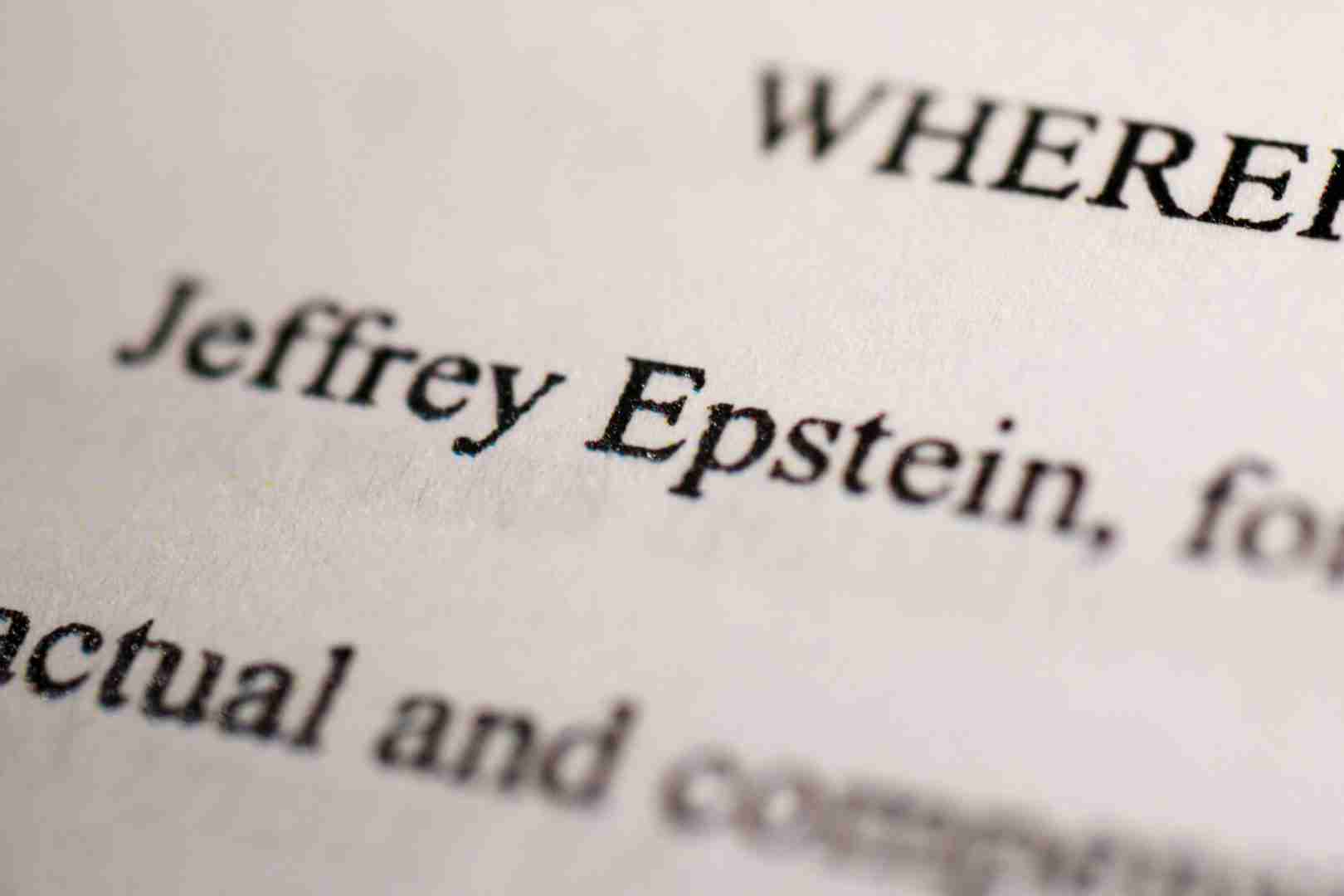
Norway’s white-collar crimes police have opened an investigation into Thorbjoern Jagland, former prime minister and foreign minister and ex-chair of the Nobel Peace Prize committee
International News via Reuters:
The Council of Europe, the continent’s leading human rights watchdog, said on Wednesday it has agreed to lift the diplomatic immunity of its former Norwegian secretary general, allowing police to investigate his links to Jeffrey Epstein.
Norway’s white-collar crimes police have opened an investigation into Thorbjoern Jagland, former prime minister and foreign minister and ex-chair of the Nobel Peace Prize committee, on suspicion of aggravated corruption.
The decision to investigate Jagland, the Council of Europe’s Secretary General from 2009 to 2019, was based on information revealed by newly released files related to Epstein, the convicted U.S. sex offender who died while in prison in 2019.
Jagland’s lawyer, Anders Brosveet, said the decision to lift his immunity was as expected, and Jagland would cooperate with the investigation to clarify all matters.
“He takes this matter very seriously, but wishes to emphasize that he believes there are no circumstances that constitute criminal liability,” Brosveet said in a statement.
In order to conduct a police investigation, it was necessary to remove Jagland’s immunity, and Norway’s foreign ministry said it had asked the 46 nations of the Council of Europe’s Committee of Ministers to do so.
INVESTIGATING WHETHER GIFTS, TRAVEL, LOANS WERE RECEIVED
Jagland has not been charged with any crime but the investigation will seek to uncover whether gifts, travel and loans were received in connection with his position, the police have said.
“Jagland as elected Secretary General of the Council of Europe would have violated the special trust attached to his position, if he received bribes,” Norwegian police said in a February 8 letter asking the council to lift the immunity.
The release of a cache of new files in the U.S. has revealed a host of new Epstein connections with politicians, royals and the ultra-rich across Europe and the United States.
The files show among other things that Jagland and Epstein’s assistants made detailed plans in 2014 for Jagland, his wife, two children and his son’s girlfriend to visit Epstein at Palm Beach and the Caribbean island that he owned.
Jagland, then secretary general of the Council of Europe rights watchdog, has denied ever visiting Epstein’s private island.
In an email in 2014, he sought Epstein’s help in financing an apartment in Oslo.
Emails from 2018 showed Epstein asking Jagland to arrange for him to meet Russian Foreign Minister Sergei Lavrov and saying he had insights to offer President Vladimir Putin. Jagland promised to bring it up with Lavrov’s assistant.
Norwegian police said on Monday they are also investigating two high-profile diplomats in another corruption probe linked to Epstein, while the country’s crown princess has repeatedly apologised over her friendship with the disgraced financier.
Norway’s parliamentary oversight committee unanimously agreed on Tuesday to appoint a rare external inquiry into foreign ministry links to Epstein.
Reporting by Louise Rasmussen in Copenhagen, Johan Ahlander in Stockholm and Terje Solsvik in Oslo, Editing by William Maclean
The attack brought to Canada the type of mass shooting more common in the neighboring United States, and was carried out by a shooter described as female, police said
Vehicles are parked outside the Tumbler Ridge Secondary School, the site of a deadly mass shooting in Tumbler Ridge, British Columbia, Canada, February 10, 2026, in this screengrab obtained from a social media video. Trent Ernst/Tumbler RidgeLines/via REUTERS
International News via Reuters:
Ten people including the shooter are dead after an assailant opened fire at a high school in western Canada on Tuesday in one of the country’s deadliest mass casualty events in recent history.
The attack brought to Canada the type of mass shooting more common in the neighboring United States, and was carried out by a shooter described as female, police said.
Six people were found dead inside a high school in the town of Tumbler Ridge, in British Columbia, two more people were found dead at a residence believed to be connected to the incident, and another person died on the way to hospital, the Royal Canadian Mounted Police said.
At least two other people were hospitalized with serious or life-threatening wounds, and as many as 25 people were being treated for non-life-threatening injuries, police said.
Police did not say how many of the victims may have been minors.
SUSPECTED SHOOTER ALSO FOUND DEAD
A suspected shooter was also found dead from what appeared to be a self‑inflicted injury, police said, adding they did not believe there were any more suspects or ongoing threat to the public.
“It’s hard to know what to say on a night like tonight. It’s the kind of thing that feels like it happens in other places and not close to home,” British Columbia Premier David Eby told reporters.
Police released almost no details about the shooter except to say the person was described as female – potentially an unusual development as mass shootings in North America are almost always carried out by men.
A police active shooter alert said the suspect was described “as female in a dress with brown hair”. Police Superintendent Ken Floyd later confirmed at a press conference that the suspect described in the alert was the same person found dead in the school.
“TIGHT-KNIT COMMUNITY”
Canada has stricter gun laws than the United States, but Canadians can own firearms with a license.
The Trudeau government introduced a number of restrictions on handgun ownership and assault-style weapons since 2020, partly in response to a mass shooting in Nova Scotia and the Uvalde school shooting in Texas.
However, attempts to ban certain types of rifles and shotguns were abandoned after opposition from farmers and hunters.
Tumbler Ridge, the scene of the shooting, is a remote municipality with a population of around 2,400 people in the foothills of the Rocky Mountains in northern British Columbia, approximately 1,155 km (717 miles) northeast of Vancouver. Images of the town show a snow-covered landscape filled with pine trees.
Tumbler Ridge Secondary School has 160 students in grades seven through 12, roughly ages 12 to 18, according to its website. The school was closed for the rest of the week and counseling will be made available to those in need, school officials said.
Officials said the town’s small police force was on the scene within two minutes of receiving a call, and that victims were still being assessed hours after the incident.
“This is a small, tight-knit community with a small RCMP detachment as well, who responded in two minutes, no doubt saving lives today,” Nina Krieger, British Columbia’s public safety minister, told reporters.
The shooting ranks among the deadliest in Canadian history.
In April 2020, a 51-year-old man disguised in a police uniform and driving a fake police car shot and killed 22 people in a 13-hour rampage in the Atlantic province of Nova Scotia, before police killed him at a gas station about 90 km (60 miles) from the site of his first killings.
In Canada’s worst school shooting, in December 1989, a gunman killed 14 female students and wounded 13 at the Ecole Polytechnique in Montreal, Quebec, before committing suicide.
In response to the shooting, Canadian Prime Minister Mark Carney postponed a planned announcement in Halifax on Wednesday of a new Defence Industrial Strategy and subsequent trip to Germany for the Munich Security Conference, a spokesperson said.
“I am devastated by today’s horrific shootings in Tumbler Ridge, B.C. My prayers and deepest condolences are with the families and friends who have lost loved ones to these horrific acts of violence,” Carney said on X.
Reporting by Ismail Shakil in Ottawa and Ryan Patrick Jones in Toronto; Writing by Daniel Trotta; Editing by Michael Perry, Don Durfee and Toby Chopra
EU growth has been persistently lower than that of the United States over the past two decades, with EU productivity and innovation, particularly in fields like AI, falling short
International News via Reuters:
The European Union must simplify its regulations to make the bloc more competitive against the likes of the United States and China, European Commission President Ursula von der Leyen said ahead of summits of EU political and business leaders.
EU growth has been persistently lower than that of the United States over the past two decades, with EU productivity and innovation, particularly in fields like AI, falling short.
“Let me take the U.S. example again. One financial system, one financial capital,” von der Leyen said on Wednesday. “Here in Europe, we do not only have 27 different financial systems, each with its own supervisor. But also, more than 300 trading venues across our Union. That is fragmentation on steroids. We need one large, deep and liquid capital market.”
BUSINESS LEADERS’ DEMANDS
Before EU leaders gather in a Belgian castle on Thursday to thrash out how they can compete economically with China and the U.S. as the rules-based world order frays, some leaders including France’s Emmanuel Macron and Germany’s Friedrich Merz will convene on Wednesday with company chiefs for an industry summit to hear the demands of European business.
Firms including Europe’s largest steelmaker ArcelorMittal, building materials firm Heidelberg Materials and chemicals group Solvay will make their pitch for stronger EU action to stem industrial decline.
Among business leaders’ asks are that the EU tackle Europe’s high energy prices and step in to stir up demand for low-carbon products.
“The good thing about European problems is that Europe could actually fix them itself if it wanted to. Because a lot is about flexibility, less bureaucracy, more flexible labour laws,” Siemens Energy CEO Christian Bruch told Reuters.
EU TRENDING DOWNWARDS?
Industry-commissioned research, published on Wednesday, suggested Europe’s economic vital signs are trending downward.
The report by Deloitte found the EU had a clear advantage over international peers in just three of 22 assessed criteria for competitiveness, including use of recycled materials. On energy prices, and the cost to businesses of bureaucracy and other metrics, Europe trailed behind the U.S. and China.
The EU is drafting a law to set “Made in Europe” requirements for goods bought through public contracts, to attempt to reduce its heavy reliance on China for key technologies.
Brussels is also preparing to overhaul its main climate policy, the EU carbon market, which has become increasingly politically sensitive as industries struggle with high energy prices and cheaper imports.
DIVERGENCE OVER STRATEGY
The EU is contending with Donald Trump’s trade war as well as Chinese restrictions on exports of critical minerals that the 27-nation bloc urgently needs.
It needs greater wealth to cover decarbonisation and digitalisation and strengthen its defence in the face of a belligerent Russia.
But while all EU countries want a more competitive bloc, they disagree on how to get there.
French President Emmanuel Macron has renewed his call for the EU to embark on more common borrowing to invest at scale and challenge the hegemony of the dollar, as well as pushing the “Made in Europe” strategy.
The approach has split EU countries and alarmed automakers, who get many components for cars from outside the EU.
Germany says the key is to boost productivity rather than build new debt, stressing the need for trade deals.
Former Italian prime ministers Mario Draghi and Enrico Letta, authors of two influential reports in 2024 on the EU’s competitiveness challenge and its single market, will attend Thursday’s summit.
Letta said his key message would be to commit to a deadline of completing the EU single market by 2028.
“I think that is the only way to respond to Trump and to external pressures that the European Union is under from China, Russia and the U.S. in different ways,” he told Reuters.
($1 = 0.8393 euros)
Additional reporting by Lili Bayer, Sudip Kar-Gupta, Julia Payne, Jan Strupczewski, A Lennon in Brussels, Sarah Marsh and Christoph Steitz in Berlin; Writing by Phil Blenkinsop, Kate Abnett, Ingrid Melander; Editing by Aidan Lewis
The U.S. dollar fell for a fourth straight session and the yen extended its rally, in a potential shift in investor thinking since Sunday’s landslide election victory for Japan’s Prime Minister Sanae Takaichi
International News via Reuters:
European stocks were little changed on Wednesday as jitters about artificial intelligence disruption persisted, while S&P 500 futures edged higher as investors awaited U.S. jobs data later in the day.
The U.S. dollar fell for a fourth straight session and the yen extended its rally, in a potential shift in investor thinking since Sunday’s landslide election victory for Japan’s Prime Minister Sanae Takaichi.
Europe’s benchmark STOXX 600 index was last roughly flat. Tech stocks were hit by a fall in French software maker Dassault Systemes amid simmering fears about disruption from artificial intelligence to companies ranging from insurers and software makers to wealth managers.
“What we’re seeing now is investors being a lot more discerning in terms of their selections within the AI sphere,” said Aneeka Gupta, equity and commodity strategist at WisdomTree.
Germany’s DAX slipped 0.14%, while Britain’s FTSE 100 rose 0.72%.
Futures on the U.S. S&P 500 rose 0.15% while those for the tech-dominated Nasdaq were 0.1% higher.
INVESTORS WEIGH AI’S IMPACT
Benchmark stock indexes have continued to trade near all-time highs despite worries about AI hitting certain sectors, as investors have pivoted towards companies they see as less likely to be negatively affected.
The S&P finished less than 1% below January’s all-time high on Tuesday, slipping 0.3%, even as wealth management firms suffered a selloff over renewed fears that new AI models could shake up the sector.
Europe’s STOXX 600 and Britain’s FTSE 100 both hit record highs earlier this month.
“Large language models can’t simply create replacements for medicines and raw materials,” said Derren Nathan, head of equity research at Hargreaves Lansdown. “Surging energy and rare earths demand can be taken as a positive for some key industries.”
KEY US JOBS DATA LOOMING
Data due at 8:30 a.m. ET (1330 GMT) is expected to show U.S. non-farm payrolls increased by 70,000 last month after rising 50,000 in December.
But annual benchmark payrolls revision could downgrade job growth over the last year by 750,000 to 900,000 positions, according to analysts. The report was initially due last Friday but was delayed by a government shutdown.
Data on Tuesday showed U.S. retail sales unexpectedly flatlined in December, causing traders to nudge up bets on Federal Reserve rate cuts this year.
Benchmark 10-year U.S. Treasury yields slipped to a one-month low of 4.129% on Wednesday, after falling 5 basis points on Tuesday.
DOLLAR WILTS AS YEN SHINES
The potentially weaker economic outlook and a resurgent yen weighed on the dollar on Wednesday, with the key index tracking the U.S. currency down 0.34% to 96.58, around a two-week low.
Trade in Asia was lightened by a holiday in Japan, but a third straight session of gains for the yen had it at 153.13 per dollar and set traders talking about whether it was catching a boost from Tokyo or riding high on dollar softness.
It is up about 2.5% on the dollar since Takaichi won a sweeping victory on Sunday, confounding some expectations that concern about her stimulus plans would keep pressure on the currency and on bonds.
“The fact that she has had such a landslide victory in a way is giving a lot more policy clarity to investors,” said Gupta, adding that the threat of government intervention to boost the yen still loomed in the background.
Nikkei futures rose on Wednesday as Asian stocks climbed, though the cash market was shut for a holiday.
Gold rose back above $5,000 an ounce, while bitcoin slipped 2% to around $67,000.
Reporting by Harry Robertson in London and Tom Westbrook in Singapore; Editing by Kim Coghill, Joe Bavier and Alex Richardson
Preparations are underway for the 2026 Bermuda Biennial, the internationally juried contemporary art competition hosted by the Bermuda National Gallery. Organizers report a record number of artists’ submissions, marking the strongest response in the event’s history here in Bermuda. This year also introduces a new chapter, with the Green family stepping in as sponsors for the first time. We spoke to Jennifer Phillips, who told us about the logistics, the new sponsorship – and what audiences can expect when the exhibition opens at the end of September.
Robert King had shaken the trust of his OBA colleagues before he was even elected leader, Ben Smith says, and adds that the party’s internal voting system may need reform
Deposed leader of the OBA, Robert King, had stepped on the toes of his parliamentary colleagues even before he became party leader, his successor says.
Speaking to Gary Foster Skelton today, new OBA leader Ben Smith said while party members vote, it’s the MPs who have to do the work.
Trust between MPs and the former leader was never fully restored, it seems, even as the party brought in professional mediation.
Going back to the leadership election night in September, Mr Smith says there were individuals who had run against the OBA in the February 2025 General Election who turned up to vote.
He conceded that the party’s voting process may need to be reformed, but added that there are mechanisms that allow corrections to be made. This, he says, is what he and his colleagues did last week by using a no confidence vote.
When asked about Robert King’s future and whether he may remain with the OBA, Mr Smith said that the action they have taken is not about him as a person, but what is in the best interests of the community.
He says he would have preferred the transition to be easier, but Robert King chose a different method, and now he has to decide if he wants to progress forward with the team.
“He got elected under the One Bermuda Alliance. He is part of our team”, Ben Smith said.
“Obviously, continuing to say negative things about the party… makes that harder… not impossible.”
“What you have to do now is decide, if you want to be part of the team, how are you going to rebuild that trust?”
Bermuda Broadcasting has reached out to Robert King for a response.
WATCH the interview clip above. FULL interview to come…
The European Union anti-cyberbullying initiative comes as countries around the world consider curbing children’s social media access because of its impact on their health and safety
International News via Reuters:
Online platforms may have to do more to fight cyberbullying, the European Commission said on Tuesday as it announced a slew of measures to tackle a problem that affects one in six children and sparked mounting concerns about their mental health.
The European Union anti-cyberbullying initiative comes as countries around the world consider curbing children’s social media access because of its impact on their health and safety.
The Digital Services Act, which requires online platforms to do more to counter illegal and harmful content, contains guidelines on protecting minors, with measures to ensure that children can block and mute any user and that they cannot be added to groups online without their consent.
The landmark rulebook will be updated to strengthen the measures that online platforms will have to take to prevent minors from being exposed to harmful content and to easily report it, the EU executive said.
It said another piece of legislation known as the Audiovisual Media Services Directive, which governs television, broadcasters and video sharing platforms, will also be updated to address the issue.
“Combating cyberbullying means saving lives, because cyberbullying harms, hurts, and sometimes takes the people we love. It is a pandemic we must address,” Glenn Micallef, EU Commissioner for youth, culture and sport said in a statement.
The Commission said its action plan included rolling out an EU-wide app allowing victims to report cyberbullying to a national helpline, store and send evidence as well as get support.
Reporting by Foo Yun Chee; Editing by Emelia Sithole-Matarise
The country has a target to largely decarbonise its electricity sector by 2030, which will require a huge scale-up of renewable power, including wind and solar
International News via Reuters:
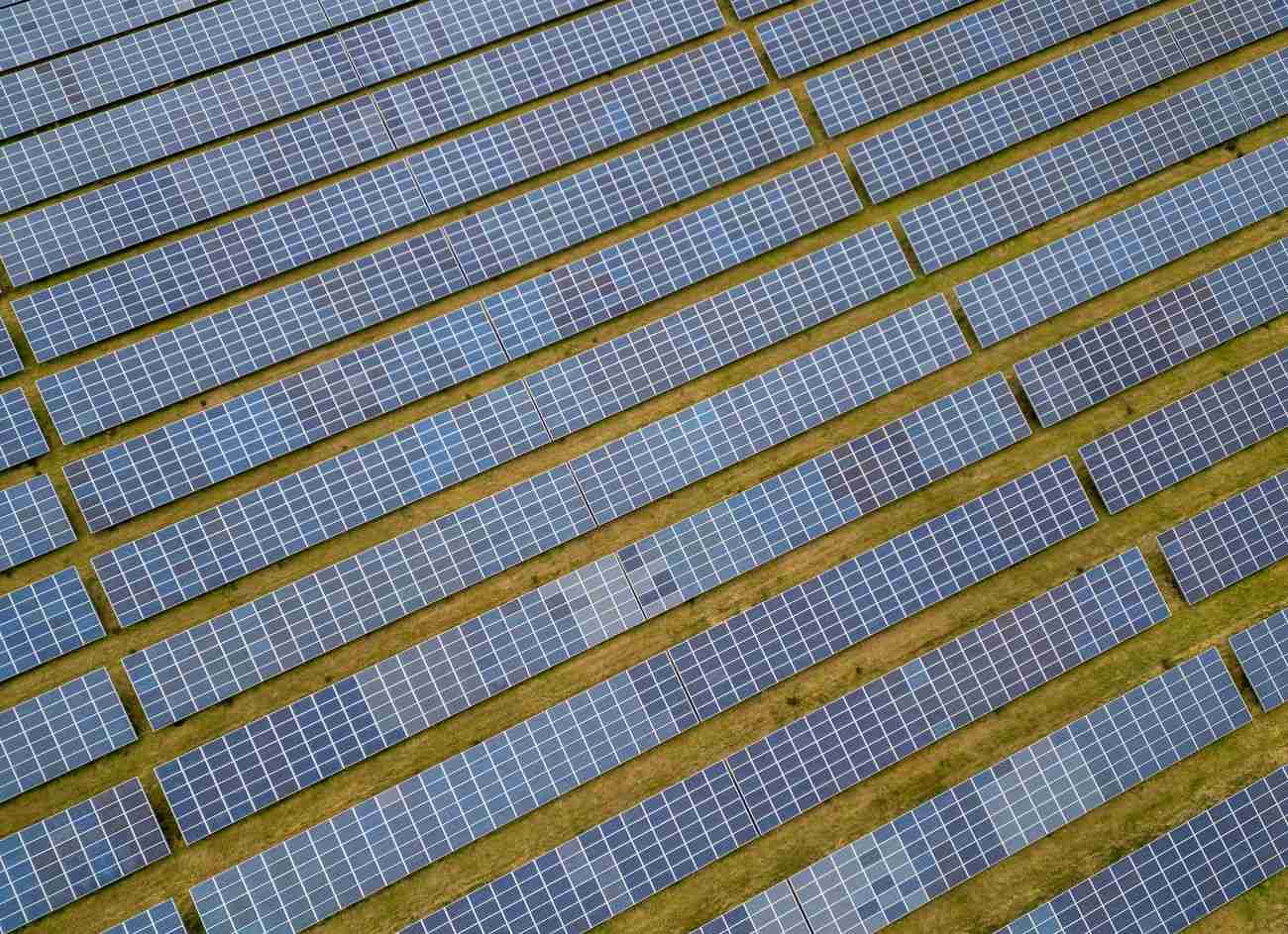
Britain secured a record amount of solar power in an auction offering guaranteed electricity price contracts to renewable projects, the government said on Tuesday, as it seeks to meet its clean energy targets and drive down costs.
The country has a target to largely decarbonise its electricity sector by 2030, which will require a huge scale-up of renewable power, including wind and solar.
A total of 6.2 gigawatts of onshore wind, solar and tidal power projects won contracts with the bulk, some 4.9 GW, going to solar.
“By backing solar and onshore wind at scale, we’re driving bills down for good and protecting families, businesses, and our country from the fossil fuel roller coaster,” Energy Secretary Ed Miliband said in a statement.
Through the auctions, usually held annually, the government invites renewable project developers to bid for government-backed price guarantees for the electricity produced, called Contracts for Difference (CfDs).
When wholesale electricity prices are lower than the minimum, the government covers the difference, and if they go above, producers pay back the difference to the government.
This was the seventh such auction and Last month the government announced a record amount of offshore wind was also secured.
ENOUGH ELECTRICITY TO POWER 16 MILLION HOMES
Together, the seventh auction has secured a total of 14.7 GW of capacity, enough to power around 16 million homes, the government said.
The electricity price contracts, or strike prices, for onshore wind were 72.24 pounds per megawatt hour (MWh) in 2024 prices, while solar projects were awarded 65.23 pounds/MWh, which the government said was significantly cheaper than building new gas-fired power plants.
Some 157 solar projects secured contracts including EDF’s Cressing Solar Farm and RWE’s Clachaig Glen project.
Reporting By Susanna Twidale; Editing by Joe Bavier and Susan Fenton
The move follows the departure of Tesla’s head of North American sales, Raj Jegannathan, marking the latest in a string of executive exits at the EV maker over the past couple of years
International News via Reuters:
Tesla has named its head of European operations, Joe Ward, to oversee the company’s sales globally, Bloomberg News reported on Tuesday, citing people familiar with the matter.
The move follows the departure of Tesla’s head of North American sales, Raj Jegannathan, marking the latest in a string of executive exits at the EV maker over the past couple of years.
Tesla did not immediately respond to a Reuters request for comment.
Ward joined Tesla as a logistics intern in 2010 and rose up the ranks to be named vice president for the EMEA region in 2022, according to his LinkedIn profile.
The Elon Musk-led EV maker’s sales have been pressured by increasing competition, particularly from Chinese and legacy automakers offering lower-priced EVs and brand damage from the CEO’s right-wing political stance.
The company reported its second consecutive drop in annual deliveries last month despite the EV maker’s efforts to drum up demand with incentives.
Tesla is pivoting to focus on developing its full self-driving system, robotaxis, and humanoid robots, as it shifts away from being primarily a carmaker even though its core EV business brings most of the company’s revenue.
Reporting by Akash Sriram in Bengaluru; Editing by Alan Barona
To provide the best experiences, we use technologies like cookies to store and/or access device information. Consenting to these technologies will allow us to process data such as browsing behavior or unique IDs on this site. Not consenting or withdrawing consent, may adversely affect certain features and functions.
Functional
Always active
The technical storage or access is strictly necessary for the legitimate purpose of enabling the use of a specific service explicitly requested by the subscriber or user, or for the sole purpose of carrying out the transmission of a communication over an electronic communications network.
Preferences
The technical storage or access is necessary for the legitimate purpose of storing preferences that are not requested by the subscriber or user.
Statistics
The technical storage or access that is used exclusively for statistical purposes.The technical storage or access that is used exclusively for anonymous statistical purposes. Without a subpoena, voluntary compliance on the part of your Internet Service Provider, or additional records from a third party, information stored or retrieved for this purpose alone cannot usually be used to identify you.
Marketing
The technical storage or access is required to create user profiles to send advertising, or to track the user on a website or across several websites for similar marketing purposes.