The case exposed the dangers firms face when operating in Mexico, particularly in the tourist and industrial hub that props up a multi-billion-dollar sector but is also plagued by cartel violence
International News via Reuters:
Mexican authorities on Thursday arrested the mayor of the municipality of Tequila, birthplace of the agave spirit, for allegedly extorting major distillers in collusion with the Jalisco New Generation Cartel (CJNG).
The case exposed the dangers firms face when operating in Mexico, particularly in the tourist and industrial hub that props up a multi-billion-dollar sector but is also plagued by cartel violence.
Authorities said Mayor Diego Rivera was detained during federal raids alongside the town’s security director and the heads of public works and the land registry. The group led a corruption ring that targeted beer and tequila producers in the municipality, Security Minister Omar Garcia Harfuch said.
The world’s largest tequila producer, Becle, was targeted by their scheme, investigators said in December. The Jose Cuervo producer filed a complaint accusing the mayor’s administration of imposing an exorbitant property tax up to 20 times the legal rate and a fine of more than 60 million pesos ($3.45 million) while withholding permits and attempting to shutter one of its plants.
State authorities intervened, with the Jalisco governor saying at least 10 companies had filed complaints against the local administration.
Becle did not immediately respond to a request for comment. The Tequila Regulatory Council said it did not have a position on the matter.
Officials allege Rivera’s network was not only extorting businesses but also diverting public funds and collaborating with the CJNG, one of Mexico’s most powerful and violent criminal organizations.
Rivera had previously drawn scrutiny after a local concert featured projected images of the cartel’s fugitive leader, Nemesio Oseguera “El Mencho.”
($1 = 17.3993 Mexican pesos)
Reporting by Lizabeth Diaz and Natalia SiniawskiEditing by Rod Nickel
Local residents’ association United in Defence of Covas do Barroso and ClientEarth group said they filed the lawsuit with the EU’s Court of Justice after Brussels refused to reconsider its 2025 decision under the Critical Raw Materials Act
International News via Reuters:
Environmental groups filed a lawsuit on Thursday against the European Commission over its decision to grant preferential “strategic” status to Portugal’s Barroso lithium mine project, developed by London-listed Savannah Resources.
Local residents’ association United in Defence of Covas do Barroso and ClientEarth group said they filed the lawsuit with the EU’s Court of Justice after Brussels refused to reconsider its 2025 decision under the Critical Raw Materials Act.
That was “despite detailed evidence showing the project poses serious environmental, social and safety risks”, they said in a statement.
Projects like Savannah’s in Portugal are seen as a key test of Europe’s ability to produce lithium and other materials seen as essential to the energy transition, but they often face opposition from environmental groups.
Barroso has been a World Heritage site for agriculture since 2018.
The groups said that securing access to critical raw materials “cannot come at the expense of environmental protection, public participation or community rights.”
“The energy transition must be based on law, science and justice – not political shortcuts that turn rural regions into sacrifice zones,” they said.
Savannah is developing the mining project in northern Barroso, which has estimated resources of the spodumene deposit — one of the lithium-bearing minerals — exceeding 39 million metric tons, making it the largest such deposit in Europe.
Last month, the Portuguese government awarded a 110 million euros ($130 million) grant to the project.
The Portuguese government hopes to launch a long-delayed tender for lithium prospecting licences this year, seen as key to building a domestic lithium value chain and cutting Europe’s reliance on imports from countries including China.
($1 = 0.8473 euros)
Reporting by Sergio Goncalves; editing by Andrei Khalip and Susan Fenton
European companies are expected to report a 3.1% drop in 2025 fourth-quarter earnings, on average, according to LSEG I/B/E/S data, slightly better than the 3.9% decrease analysts expected a week ago
International News via Reuters:
The outlook for European corporate health has improved, the latest forecasts, based on LSEG I/B/E/S data, showed on Thursday, even as investors assessed a mixed bag of earnings in Europe and as world stocks extended a losing streak.
European companies are expected to report a 3.1% drop in 2025 fourth-quarter earnings, on average, according to LSEG I/B/E/S data, slightly better than the 3.9% decrease analysts expected a week ago.
That would still be the worst earnings performance in the past seven quarters, based on the LSEG data.
WHY IT MATTERS
Even with the gloomy outlook, out of the 52 companies in the STOXX 600 index that have reported to date, 73.1% reported results exceeding analyst estimates, the data showed, whereas in a typical quarter 54% beat analyst estimates.
The results were dominated this week by a tech stocks rout and Novo Nordisk’s plunge on Wednesday, which wiped $50 billion off the weight-loss drugmaker’s market capitalisation after it warned its sales and profits would fall in 2026.
CONTEXT
Results next week from Ray-Ban-maker EssilorLuxottica, luxury group Hermes and beauty conglomerate L’Oreal could shed some light on how consumer- oriented European exporters are dealing with the current trade situation.
The outlook for revenues at STOXX 600 companies has also improved and they are now expected to fall by 3.2% compared with the same quarter last year, a slightly smaller drop than last week’s expectation of a 3.5% slump, the LSEG report showed.
Reporting by Javi West Larrañaga; Editing by Jane Merriman
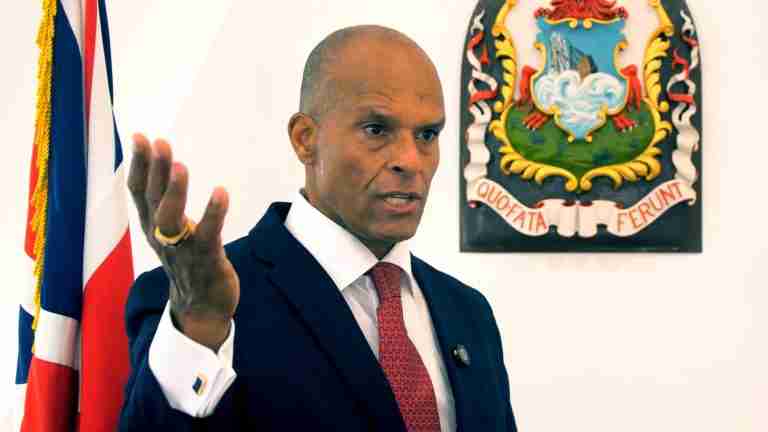
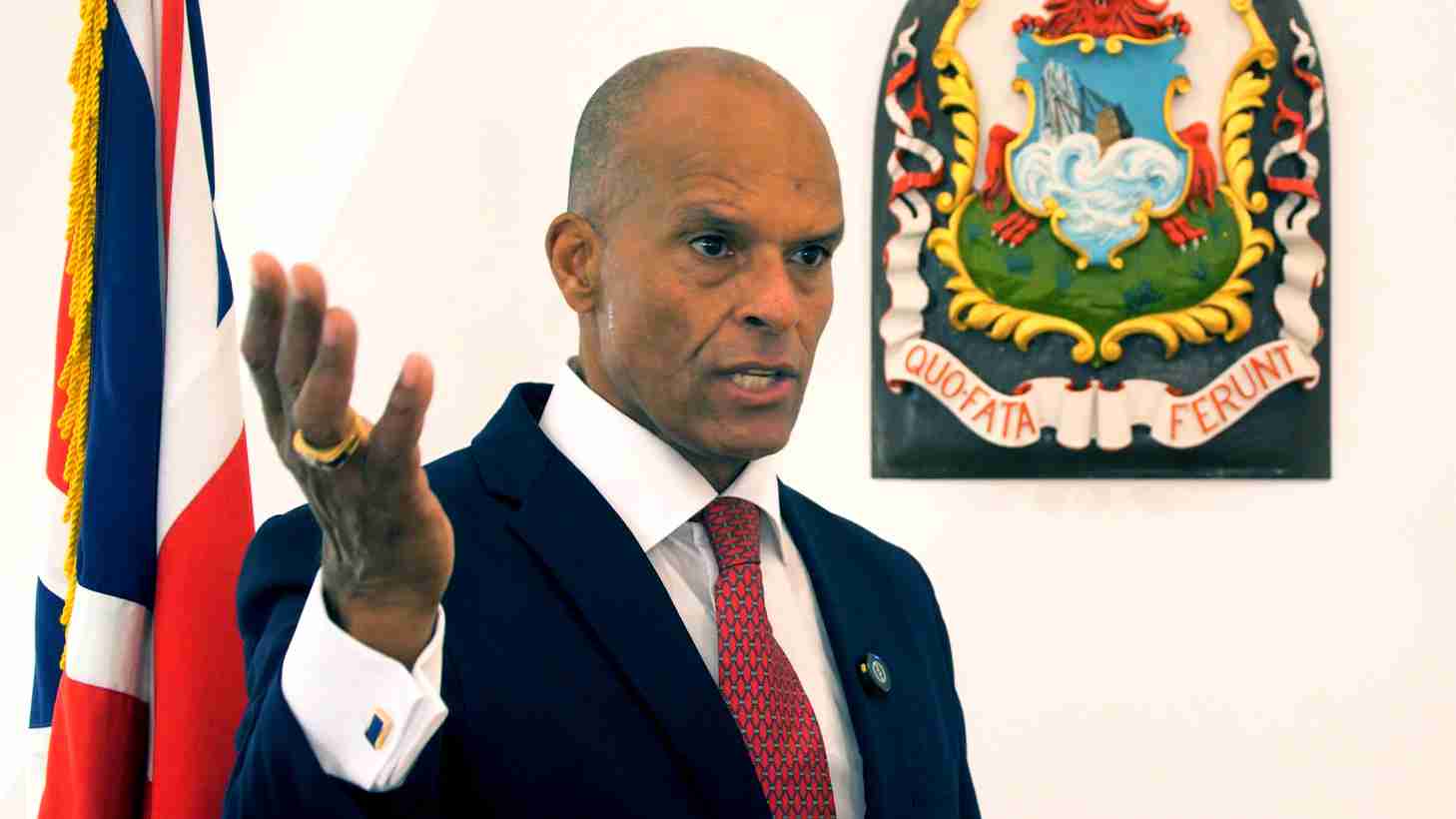
Ben Smith was sworn in as Opposition Leader this afternoon at Los Zorros, the temporary location of Government House.
His appointment comes after Robert King was forced out of the role.
OBA MPs voted almost unanimously in a no-confidence motion against Mr. King’s leadership, resulting in his removal as Opposition Leader.
Governor Andrew Murdoch thanked Mr. King for his period of service, saying he valued their interactions and wished Mr. King and his family well for the future.
Mr. Smith also thanked Mr. King for his time as Leader and offered heartfelt thanks to his team.
“The confidence you have given me today is something I will cherish, and I will use it to do everything we possibly can to help the country,” he said.
Mr. Smith also declared his mandate to fight for young people and their futures.
“Today is the beginning of what we are going to do to win back our community,” he added.
Deputy Opposition Leader Scott Pearman briefly spoke to the media about how the party arrived at this moment, saying MPs had expressed concerns about Mr. King’s leadership and ability to lead.
“This is democracy in action,” Mr. Pearman said.
He added that Ben Smith has the confidence of his parliamentary colleagues to take on the role.
Meanwhile, in a written statement to media, Mr. King said: “I was called to Government House by Governor Andrew Murdoch this morning. He informed me that he had a letter signed by members of the One Bermuda Alliance (OBA) parliamentary caucus asking to remove me as Opposition Leader. My commitment to my constituency, the membership of the OBA and the people of Bermuda remains unwavering.”
We will have more details on this developing story in a subsequent report.
New Opposition Leader Ben Smith is being sworn-in, after almost all OBA MPs voted no confidence in the leadership of Robert King
Robert King has been forced out as Opposition Leader – and we are live at the temporary Government House at Los Zorros in Paget for his successor, Ben Smith, to be sworn-in as Opposition Leader…
A process to identify potential investors is under way, the report said, adding that the timing of any agreement remains uncertain and could extend into next year
International News via Reuters:
BP is looking for a partner to help boost output and share costs at Iraq’s Kirkuk oil field, one of the Middle East’s oldest, Bloomberg News reported on Thursday, citing people familiar with the matter.
A process to identify potential investors is under way, the report said, adding that the timing of any agreement remains uncertain and could extend into next year.
BP declined to comment.
BP signed a contract last year with Iraq’s North Oil Company to help redevelop the Kirkuk oil fields, with investment expected to reach up to $25 billion.
The company was part of the group of companies which discovered oil in Kirkuk during the 1920s. The area is estimated to hold about 9 billion barrels worth of recoverable crude oil.
BP has been refocusing on oil and gas in recent years after a failed five-year strategy focusing on clean energy and net zero.
Reporting by Yamini Kalia and Unnamalai L in Bengaluru; Editing by Shailesh Kuber
Bank of England governor Andrew Bailey on Thursday welcomed U.S. President Donald Trump’s choice of former Federal Reserve Governor Kevin Warsh to head the U.S. central bank when Jerome Powell’s leadership term ends in May
International News via Reuters:
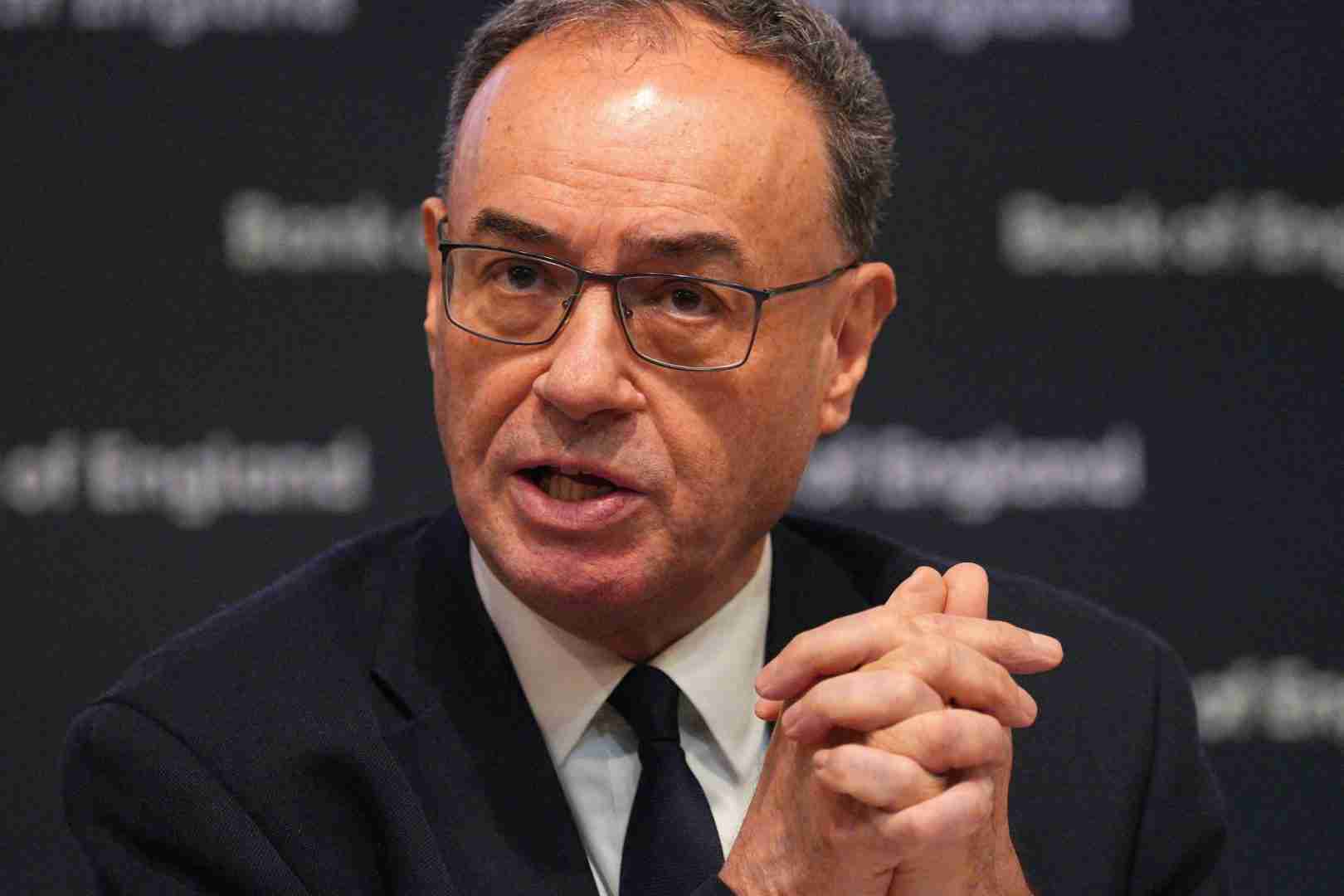
Bank of England governor Andrew Bailey on Thursday welcomed U.S. President Donald Trump’s choice of former Federal Reserve Governor Kevin Warsh to head the U.S. central bank when Jerome Powell’s leadership term ends in May.
“I welcome the nomination of Kevin Warsh. I’ve known Kevin for a long time,” Bailey told a press conference in his first public remarks on the topic.
Bailey has spoken out previously on the importance of the Federal Reserve retaining its independence over setting interest rates and of his support for Powell after Trump repeatedly called on him to slash rates and the Department of Justice threatened him with a criminal probe.
Bailey indicated that these comments should not be read as any criticism of Warsh.
“I just want to entirely separate things that I’ve said … in the context of Jay Powell and things I say about Kevin Warsh. This is not a Jay versus Kevin thing…. I know both of them very well. They’re both very qualified,” he added.
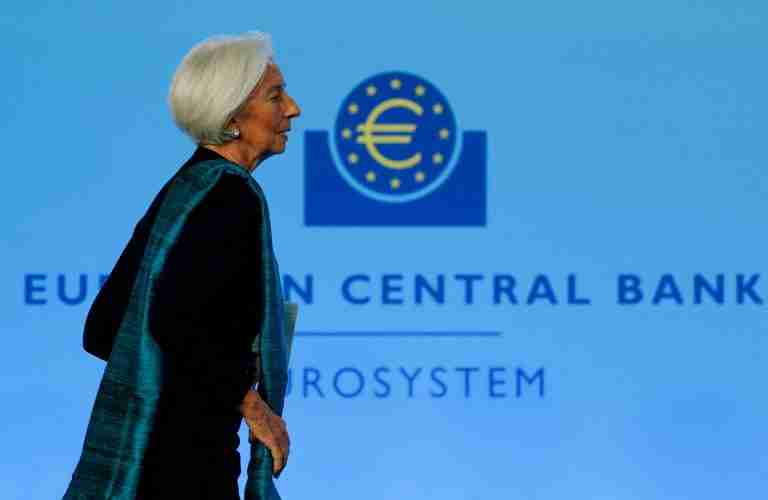
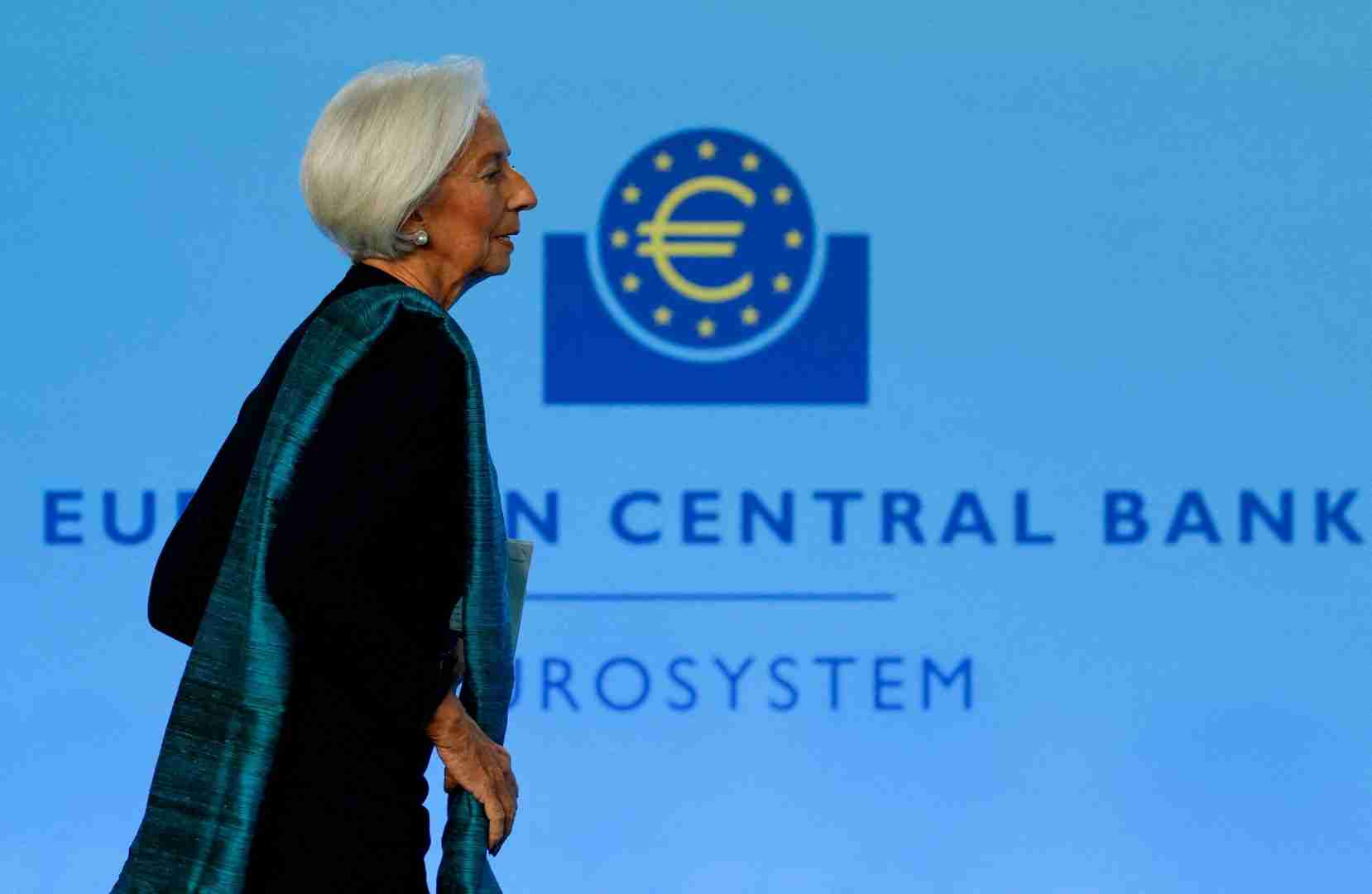
European Central Bank President Christine Lagarde also said on Thursday that she welcomed Warsh’s nomination.
Warsh was a Fed governor from 2006 to 2011, and he saw off other Fed officials and National Economic Council Director Kevin Hassett to win Trump’s backing.
Warsh’s appointment is still subject to approval by the U.S. Senate Banking Committee.
He is familiar with the BoE where he led a review in 2014 aimed at boosting the transparency and accountability of the BoE’s Monetary Policy Committee, while retaining scope for private deliberations.
Following the report, the BoE under then-Governor Mark Carney began publishing minutes of MPC discussions at the same time as the policy decision, rather than with a delay, and reduced the frequency of its meetings to eight a year from 12.
Reporting by David Milliken and Andy Bruce, writing by William James; Editing by Kate Holton and William Schomberg
The world’s largest cryptocurrency fell to a low of $66,675.12, its weakest since October 2024, a month before Republican Donald Trump won the U.S. presidential election
International News via Reuters:
Bitcoin plunged on Thursday, its decline accelerating amid weakening risk sentiment driven in part by volatility in precious metals and a broad selloff in tech shares.
The world’s largest cryptocurrency fell to a low of $66,675.12, its weakest since October 2024, a month before Republican Donald Trump won the U.S. presidential election, having signaled his intention to support crypto on the campaign trail. It was last down 6.5% at $67,817.
All told, the global crypto market has lost $2 trillion in value since hitting a peak of $4.379 trillion in early October, CoinGecko data showed, with some $800 billion wiped out in the last month alone.
Bitcoin has already fallen 11% for the week, taking its losses for the year so far to 23%. Ether, the second-largest cryptocurrency in terms of market capitalization, was down more than 7% at $1,973 on Thursday. Ether has fallen nearly 14% this week, with losses of roughly 34% so far this year.
Sentiment on crypto was affected by the latest selling in metals and stocks. Gold and silver, for instance, have become more volatile as a result of leveraged buying and speculative flows. Silver, for one, fell as much as 16.6% to a low of $73.41.
In equities, the S&P 500 slid to near two-week lows, and the Nasdaq sank to its lowest level in more than two months on Thursday, as the AI theme came under renewed pressure.
“It’s clear the crypto market is now in full capitulation mode,” said Nic Puckrin, investment analyst and co-founder of Coin Bureau. “If previous cycles are anything to go by, this is no longer a short-term correction, but rather a transition from distribution to reset – and these typically take months, not weeks.”
The latest crypto tumble has knocked down shares of companies holding bitcoin and other digital assets, stoking worries that the market turmoil is spreading beyond token prices.
MARKETS ‘FEAR A HAWK’ WITH WARSH
Trump’s selection of Kevin Warsh as his pick to become the next Federal Reserve chair has also fueled the latest rout in cryptocurrencies, due to expectations he could shrink the Fed’s balance sheet.
Cryptocurrencies have widely been regarded as beneficiaries of a large balance sheet, having tended to rally while the Fed greased money markets with liquidity – a support for speculative assets.
“The market fears a hawk with him,” said Manuel Villegas Franceschi from the next generation research team at Julius Baer. “A smaller balance sheet is not going to provide any tailwinds for crypto.”
To be sure, cryptocurrencies have struggled for months since a record crash last October sent bitcoin tumbling from a peak as leveraged positions got washed out. That has left investors less keen on digital assets and sentiment toward the industry fragile.
“We believe this broader decline is mainly driven by massive withdrawals from institutional ETFs (exchange traded funds). These funds have seen billions of dollars flow out each month since the October 2025 downturn,” Deutsche Bank analysts said in a note to clients.
They added that U.S. spot bitcoin ETFs witnessed outflows of more than $3 billion in January, following outflows of about $2 billion and $7 billion in December and November respectively.
“This steady selling in our view signals that traditional investors are losing interest, and overall pessimism about crypto is growing,” the analysts said.
BROADER ISSUES IN TECH SECTOR
Bitcoin’s fortunes have been tied to the broader tech sector for some time. The price tended to rise, particularly on the back of investor enthusiasm over artificial intelligence.
This week’s rout in global software stocks has accelerated the slide in the value of bitcoin, ether and other tokens.
Market watchers are starting to question if this decline marks the start of a steeper correction.
“Concerns are being raised around the crypto miners and whether we could be looking at forced liquidations if prices continue to fall, which could lead to a vicious cycle,” Jefferies strategist Mohit Kumar said in a note.
“Our view on crypto has always been that it should be never more than a very small portion of the overall portfolio. However, it is also an asset class that is heavily owned, particularly by retail investors, and hence adds to the overall market risk,” Kumar said.
Reporting by Gertrude Chavez-Dreyfuss in New York, Rae Wee in Singapore and Amanda Cooper in London; Additional reporting by Lucy Raitano in London; Editing by Edwina Gibbs, Joe Bavier, Will Dunham and Jan Harvey
The euro zone’s central bank has been on hold since ending a year-long run of rate cuts in June, and surprisingly resilient growth has taken nearly all pressure off policymakers to provide any further support
International News via Reuters:
The European Central Bank left interest rates on hold as expected on Thursday and played down the impact of dollar moves on its future choices, with a largely unchanged inflation outlook also suggesting steady policy for months to come.
The euro zone’s central bank has been on hold since ending a year-long run of rate cuts in June, and surprisingly resilient growth has taken nearly all pressure off policymakers to provide any further support.
The ECB acknowledged continued uncertainties around global trade policy and geopolitical tensions but said it still saw inflation stabilising at its 2% target over the medium term, and that the euro zone economy was travelling on the path outlined in its December projections.
ECB REMAINS IN GOOD PLACE
“We are in a broadly balanced situation at the moment,” ECB President Christine Lagarde told a press conference of upside and downside risks to that outlook, reaffirming that monetary policy remained in a “good place”.
The Governing Council did, however, spend time discussing exchange rate moves after the dollar tumbled last week.
Asked about the currency, Lagarde said the ECB was keeping a close eye on markets but ultimately concluded that no big change has taken place in recent months.
“In the last few weeks, in fact since the summer, it has fluctuated in a range,” she said, adding policymakers had therefore concluded that foreign exchange rate moves since last year were “incorporated in our baseline”.
The dollar fell sharply early last year around the announcement of tariffs, and that move is still working its way through the economy.
Hoping to capitalise on this shift away from the U.S. currency, governors discussed opening the ECB’s liquidity facility more widely, giving central banks outside the euro zone greater access to euros in times of crisis.
MARKETS SEE NO RATE MOVE IN 2026
A strong euro relative to the dollar lowers import costs, especially for energy, curbing inflation at a time when it is already below target, if only temporarily.
With the dollar dip unwinding in recent days, the euro is actually weaker on a trade-weighted basis than at the ECB’s December meeting, reinforcing market and economist expectations for no interest rate changes in 2026, followed by some policy tightening later in 2027.
“Our base case remains that the ECB will stay on hold for the rest of the year,” Modupe Adegbembo at Jefferies said, adding that risks are skewed toward the next move being a cut, rather than a hike.
“We see little evidence of emerging inflationary pressures: currency appreciation, the potential deflationary impulse from technological innovation, and China’s push to diversify its trading partnerships all point toward a softer price environment,” Adegbembo said.
Lagarde repeated the bank’s official line that policy would be data-dependent and that it had no pre-determined rate path.
Inflation, the ECB’s primary focus, slipped to 1.7% across the euro zone last month on lower energy costs, and could dip further before a forecast rebound next year, stirring memories of the ECB’s struggle to rekindle price growth for the decade before the COVID pandemic.
But if anything, longer-term inflation expectations have been inching up, not down, on solid activity data and energy price rises.
“The bar remains high for future action,” Lorenzo Codogno at LC Macro Advisors said. “Even from a risk-management perspective, the threshold for action remains high.”
The euro zone has proven surprisingly resilient to trade strife as domestic consumption seems to be taking up the slack created by weak exports and poor industrial production.
Given exceptionally high domestic savings and a strong labour market, economists expect consumption to keep the bloc growing, with the German government’s planned fiscal splurge on defence and infrastructure a further push to expansion.
Writing by Balazs Koranyi; Editing by Catherine Evans
Almost all OBA MPs have voted no confidence in Robert King’s leadership
File photo
OBA MPs have almost unanimously gone against Robert King in a no confidence vote in his leadership, resulting in his removal as Opposition Leader.
Bermuda Broadcasting understands OBA MPs met with Robert King in his office yesterday afternoon and asked him to resign.
Mr King refused, and subsequently 9 of the 11 OBA MPs submitted a no confidence vote against Mr King to Government House. We understand one OBA MP abstained to vote.
Governor Andrew Murdoch will be appointing his successor at a swearing-in ceremony at Government House at 4pm. We understand the Opposition Leader to be sworn-in is Ben Smith, who Mr King defeated in a leadership race last September.
While Robert King is no longer Opposition Leader, we understand he will remain as OBA leader until the party membership meets to vote on the leadership position.
The Royal Gazette reported earlier today that Mr King was under pressure to step down.
Prior to being removed as Opposition Leader, Mr King had released a statement thanking his constituents and “the large number of OBA members” who elected him leader, “for their confidence and the opportunity to serve the public good.”
He said, “I will continue to do so, and I will work with all my respected colleagues to make Bermuda stronger.”
Bermuda Broadcasting will be live at the Swearing-In Ceremony at 4pm this afternoon.
The opening round of the 2026 Moongate Tour has concluded with an extraordinary three-way tie at the top of the inaugural Moongate Cup Team Leaderboard. As the tour introduced its highly anticipated team format at Port Royal this week, the competitive depth of the island’s premier golfers was on full display, leaving the race for the title in a state of absolute deadlock.
Leading the charge are the perennial contenders from Mid Ocean Club, who finished the day at a combined twelve over par. The trio of Jarryd Dillas, Damon Smith, and Chaka DeSilva displayed remarkable consistency, navigating the challenging coastal conditions to ensure their club remains a firm favorite. Dillas, a seasoned veteran of the international amateur circuit, provided the steady hand necessary to anchor the team through a difficult closing stretch.
Matching them stroke for stroke were the Port Royal Founder’s, who utilized their home-course advantage to great effect. The team, comprised of Jevon Roberts, Kenny Leseur, and Jordan Swan, matched the twelve-over-par total to stake their claim at the summit. Leseur, continuing his transition from a standout junior career, provided several moments of brilliance that kept the Founders in contention even as the wind began to pick up across the back nine.
The parity at the top was completed by Turtle Hill, who joined the leaders at twelve over par to ensure a three-way split for the lead. The team of Adam Perry, Scott Roy, and Chris Smith proved that the shorter, more technical demands of their home turf have prepared them well for the broader challenges of the tour. Their performance rounds out a fascinating top of the table that sees the top nine players separated by nothing more than tie-breaking procedures.
With the first round now in the books, the Moongate Cup has immediately delivered the drama promised by the new season launch. As the tour moves into its next phase, these three leading outfits have set a high bar, leaving the rest of the field with significant work to do if they are to disrupt the current stalemate at the top of Bermudian golf.
To provide the best experiences, we use technologies like cookies to store and/or access device information. Consenting to these technologies will allow us to process data such as browsing behavior or unique IDs on this site. Not consenting or withdrawing consent, may adversely affect certain features and functions.
Functional
Always active
The technical storage or access is strictly necessary for the legitimate purpose of enabling the use of a specific service explicitly requested by the subscriber or user, or for the sole purpose of carrying out the transmission of a communication over an electronic communications network.
Preferences
The technical storage or access is necessary for the legitimate purpose of storing preferences that are not requested by the subscriber or user.
Statistics
The technical storage or access that is used exclusively for statistical purposes.The technical storage or access that is used exclusively for anonymous statistical purposes. Without a subpoena, voluntary compliance on the part of your Internet Service Provider, or additional records from a third party, information stored or retrieved for this purpose alone cannot usually be used to identify you.
Marketing
The technical storage or access is required to create user profiles to send advertising, or to track the user on a website or across several websites for similar marketing purposes.