Saturday, November 7, 2026
Home Blog Page 494

Canada’s Carney wins admiration globally but struggles to lower food costs at home

Among Group of Seven countries, Canada recorded the highest rate of food inflation in December, according to government data
International News via Reuters:

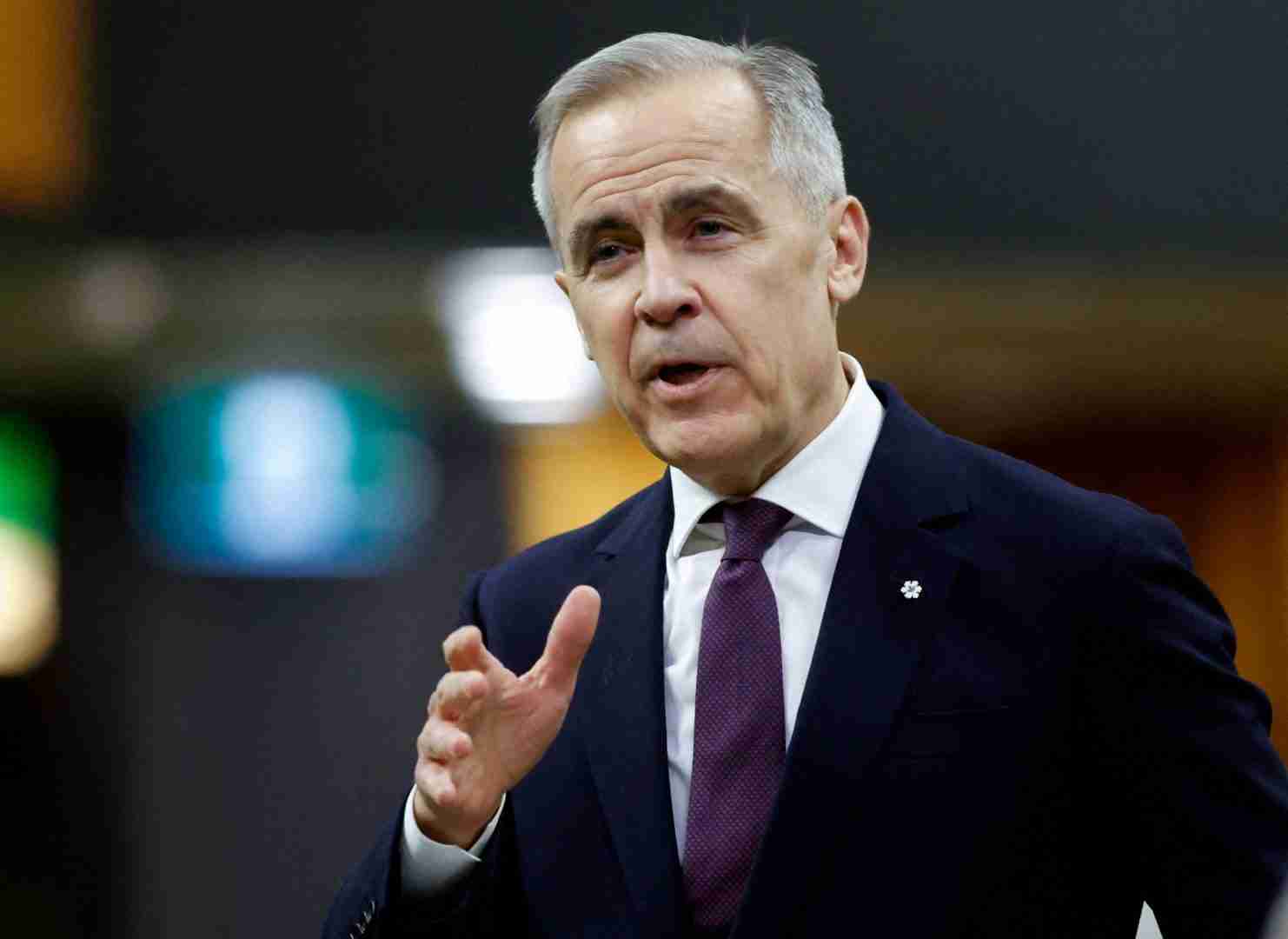
Canadian Prime Minister Mark Carney has earned global admiration for openly declaring the end of a global order based on rules, but he has had far less success addressing a growing and more quotidian concern at home: the rising cost of food. 

Among Group of Seven countries, Canada recorded the highest rate of food inflation in December, according to government data. Food prices rose by 6.2% in December, double the rate in the U.S., and more than three times the rates in France and Germany.  

Carney leads a minority government in Canada and relies on support from other parties to pass legislation and stay in power. While Canadians have consistently rated Carney as the best leader to deal with threats from U.S. President Donald Trump, voter sentiment could change quickly if concerns about American aggression lessen – and cost-of-living issues become more urgent, as they have in Britain, the U.S. and elsewhere. 

A statement from the Bank of Canada this week noted that grocery prices jumped by 22% in the last three years, compared to 13% for other consumer prices. The central bank said last year’s food inflation was mostly driven by imported foods, supply shortages caused by extreme weather and the significant depreciation of the Canadian dollar in 2024. 

Carney announced last week that the country’s poorest 12 million people will get a tax credit for the next five years, “to make sure Canadians have the support they need now.” The government is also taking other measures, like setting aside C$500 million to help businesses deal with supply chain disruptions and allowing producers to write off greenhouse expenses.

TAX CREDITS AND SUPPLY CHAIN SUPPORT

But the measures do little to lower food prices in Canada, which is now the biggest driver of inflation, according to Jeremy Kronick, director of the Centre on Financial and Monetary Policy at the C.D. Howe Institute think tank in Toronto. 

“This will mostly provide relief to people who are choosing between paying rent or buying food, but it is not going to bring food prices down,” said Michael von Massow, a professor at the University of Guelph who specializes in food economics.

John Fragos, press secretary for Canada’s Finance Minister Francois-Philippe Champagne, said the new government initiatives were only a first step towards curbing food costs. 

“We’ve bridged the food inflation gap as it exists now and we’re taking aim at structural issues that will, over the medium and long term, bring down the price of groceries,” said Fragos.

In late 2024, ex-Prime Minister Justin Trudeau also announced a two-month suspension of a sales tax on selected goods “to give Canadians more money in their pockets.” It had mixed results, with some sectors like restaurants reporting increased sales while other businesses did not see an impact.

CANADA’S UNIQUE GROCERY MARKET PROBLEMS

Academics point to entrenched issues including the dominance of just five companies in the grocery sector, a shorter growing season for produce in Canada, and a reliance on the U.S. that has resulted in higher prices via supply chain disruptions.

“There are some uniquely Canadian problems that make the cost of food here so very expensive,” said Michael Widener, who studies food systems at the University of Toronto. 

“Labour and transportation costs are higher, and geographically, we are not close to many other markets,” he said, adding that the dependence on produce from the U.S. and Mexico made Canada extremely vulnerable.

Sylvain Charlebois, an expert in food distribution at Dalhousie University in Nova Scotia, said the government should focus on efforts like eliminating high transportation costs between provinces, addressing the high internal costs of production due to labour laws and the industrial carbon tax among other constraints, and increasing competition within the grocery sector. Canada is a major producer of canola, wheat, dairy and meat but is almost entirely dependent on imports of fresh produce during the winter.

Fresh fruit and vegetables routinely cost at least twice as much in Canada as they do in Britain and elsewhere in Europe; a two-pound bag of carrots in Canada costs $2.21, compared to $0.95 in Britain and $1.18 in Germany, according to online retailers.

Conservative leader Pierre Poilievre has long railed against the high cost of food for Canadians, but that has not translated into increased support. He still trails Carney by double digits in opinion polls — and Carney’s approval has risen since his widely praised Davos speech that openly called out the world’s superpowers for using “economic integration as weapons,” according to several polls.  

A poll by Nanos on January 30 showed 54% of Canadians approved of Carney but also noted that 11.4% said inflation was their biggest concern, up from 9.3% a month earlier. 

The Conservatives’ co-deputy leader Melissa Lantsman told reporters on Monday that “no amount of tax rebates” will solve the problem of food inflation, adding that more than 2 million Canadians, or about 5% of the population, now rely on food banks, the highest-ever recorded number. 

Shachi Kurl, president of the non-profit pollster Angus Reid, said despite food costs consistently ranking among Canadians’ top concerns, Trump’s repeated threats to annex the country have translated into a bigger issue for voters.

“For the time being, food prices are not a voting issue,” Kurl said. “But if Canadians think that is something they can hold their leader accountable for, it may yet become one.”

Ashton Arsenault, who was an aide to a Conservative minister under previous leader Stephen Harper, said exorbitant food costs should present an opportunity for Conservatives to win more public support, but that a steady rise in prices over the years have largely left most Canadians resigned to the inflation.

“Even when things get really bad, we are still very Canadian and polite about it and don’t take to the streets to protest,” he said. “This is a very tough problem to fix and it will take political courage to do it.”

Reporting by Maria Cheng; Editing by Caroline Stauffer and Deepa Babington

Oil falls more than 1% on easing supply concerns after US, Iran agree to talks

Brent crude futures were down 86 cents, or 1.2%, at $68.6 per barrel at 1036 GMT

International News via Reuters:

Oil prices fell more than 1% on Thursday but held close to multi-month highs after the U.S. and Iran agreed to hold talks in Oman on Friday.

Brent crude futures were down 86 cents, or 1.2%, at $68.6 per barrel at 1036 GMT. U.S. West Texas Intermediate crude prices fell 82 cents, or around 1.3%, to trade at $64.32.

However Brent remained only $3 from the five-month high it hit at the end of January on worries over oil supply disruptions. 

Oil prices are strongly influenced by tensions in the Middle East, with markets closely watching the talks in Oman, said UBS analyst Giovanni Staunovo. 

The discussions come as the U.S. builds up forces in the Middle East, and regional players seek to avoid a military confrontation that many fear could escalate into a wider war.

About a fifth of the world’s total oil consumption passes through the Strait of Hormuz between Oman and Iran. Other OPEC members, Saudi Arabia, the United Arab Emirates, Kuwait and Iraq, export most of their crude via the strait, as does Iran.

PVM Oil Associates analyst John Evans said that ahead of Friday’s meeting the market would likely drift with hopes of a diplomatic breakthrough.

“However, there will be no comfort as such in prices, for one untoward remark or a breakdown in talks and the Brent price will soon be banging on the door of $70 a barrel and looking at year-to-date highs,” he said.

Volatility has led to investors rushing to lock in oil prices this year, trading a record number of WTI Midland at Houston contracts in January, amid concerns Middle Eastern supply risks and more Venezuelan barrels heading to the U.S. Gulf Coast.

Strength in the U.S. dollar and volatility in precious metals also weighed on commodities and risk sentiment more broadly on Thursday, analysts said. 

Reporting by Seher Dareen in London, Katya Golubkova in Tokyo and Siyi Liu in Singapore; Editing by Sonali Paul, Jamie Freed and Jan Harvey

Apple Ads and Apple Maps should not be designated under Digital Markets Act, says EU

The European Commission said on Thursday Apple’s Maps and Ads services will not be designated as gatekeepers under the EU’s Digital Markets Act, citing their relatively low usage and limited market impact in Europe

International News via Reuters:

The European Commission said on Thursday Apple’s Maps and Ads services will not be designated as gatekeepers under the EU’s Digital Markets Act, citing their relatively low usage and limited market impact in Europe.

“The Commission has concluded that Apple does not qualify as a gatekeeper in relation to Apple Ads and Apple Maps, as neither of these platform services constitute an important gateway for business users to reach end users,” it said in a statement.

Apple said it welcomed the decision.

“These services face significant competition in Europe, and we’re pleased the Commission recognized they do not meet the criteria for designation under the Digital Markets Act,” it said in a statement.

The EU’s DMA is among the strictest laws worldwide aimed at curbing the market power of major tech companies, designed to make it easier for users to switch between competing services such as social media platforms, web browsers and app stores.

Reporting by Charlotte Van Campenhout;Editing by Sudip Kar-Gupta and Bernadette Baum

UK borrowing costs rise as concerns about Starmer’s future mount

The gap between two-year and 10-year yields rose to 85.5 bps, around its highest since last April’s seven-year peak, according to LSEG data

International News via Reuters:

British borrowing costs rose on Thursday as concerns grew over whether Prime Minister Keir Starmer could survive the fallout from his decision to appoint Peter Mandelson as U.S. ambassador despite knowing about his ties to Jeffrey Epstein.

Longer-dated British government bond yields rose for a second day on Thursday, while European borrowing costs remained flat, as investors questioned whether Starmer could remain in office, just over 18 months after he won a landslide election victory.

If Starmer – and possibly his finance minister Rachel Reeves – were replaced, markets were unsure whether a new Labour leader would stick to the government’s current borrowing limits.

Ten-year gilt yields rose to the highest since November 20, up about 3 basis points on the day, to 4.605% at 1031 GMT, and were last up around 4 bps.

Thirty-year bond yields, which are sensitive to concerns about future borrowing, touched the highest since November 21 – before Reeves delivered her second budget – up around 7 bps at 5.406%.

The gap between two-year and 10-year yields rose to 85.5 bps, around its highest since last April’s seven-year peak, according to LSEG data.

STARMER’S LEADERSHIP UNDER PRESSURE

Gilt yields had also risen late on Wednesday.

Starmer has come under huge pressure in recent days to explain why he appointed Mandelson as his U.S. envoy when the vetting process had flagged that he had an ongoing relationship with the late sex offender Jeffrey Epstein.

Critics in opposition parties charge that the government wanted to appoint the Labour Party veteran because they believed he would be able to handle U.S. President Donald Trump, meaning they may have overlooked any concerns that were raised.

Starmer has said Mandelson lied repeatedly about the depth of his ties to Epstein.

The furore dominated the front pages of the newspapers in Britain, with the Daily Mail saying Starmer was in “grave peril” and the Times stating that he was fighting for his future.

Cathal Kennedy, senior UK economist at RBC, said markets were concerned about who might replace Starmer and what that means for the direction of fiscal policy over the remainder of Labour’s time in parliament.

The Eurasia Group, a political risk consultancy, put the probability of a leadership challenge and Starmer’s removal this year at 80%, up from 65% previously.

“If Starmer were to step aside, and it’s still an if at this stage, Angela Rayner would be the favourite to take up the mantle of Prime Minister,” Matthew Amis, investment director for rates management at fund manager Aberdeen Investments, said.

“Rayner is seen as more left-leaning and therefore the market would expect looser fiscal policy and a greater supply of gilts.”

The pound fell 0.7% on the day to around $1.356, making it the worst-performing major currency against the dollar, which staged a broad rally.

Expectations for rate futures were little changed. The Bank of England is expected to keep its main interest rate at 3.75% on Thursday, after cutting rates four times in 2025, and investors are pricing in one or two more reductions in borrowing costs this year.

Reporting by Suban Abdulla, Kate Holton and Amanda Cooper;Editing by William Schomberg, William James and Toby Chopra

Police trained to tackle ‘complex, high-risk incidents’

The Bermuda Police Service proudly congratulates 12 Inspectors and Sergeants from the Bermuda Police Service and the Royal Virgin Islands Police Force, on their successful completion of the Incident Commander Course, delivered through the Training and Development Unit of the Bermuda Police Service.

This course was facilitated in partnership with the Foreign and Commonwealth Development Office and Investigo Government Solutions UK, highlighting the value of international collaboration in strengthening policing capability and leadership.

This engagement reflects a continued commitment to the enhancement of leadership capacity across policing.

The Incident Commander Course is a scenario-based, command-focused programme designed to support Inspectors in managing complex, high-risk incidents. The programme focused on:

• Professional judgement and decision-making

• Risk ownership and escalation

• Multi-agency coordination

• Managing competing demands and public scrutiny

• Exercising defensible command under pressure

Congratulations to all graduates on reaching this important professional milestone. Your dedication continues to strengthen public safety and policing standards locally and regionally.

Fake news: Police debunk social media story

BPS refute claims a body was found at Paget Primary School

The Bermuda Police Service has issued a public statement refuting claims circulating on social media that a body was found at Paget Primary School.

Full BPS Statement:

The Bermuda Police Service is aware of information circulating on social media suggesting that a body was found at Paget Primary School. We wish to clearly and unequivocally state that this information is false.

There is no incident of this nature at Paget Primary School, and there is no cause for public concern.

We recognise that misinformation can spread quickly, particularly online, and can unintentionally cause fear and distress within the community.

We therefore encourage members of the public not to share unverified information.

The Bermuda Police Service thanks the public for their cooperation and understanding

Rivers and reservoirs close to breaching as Storm Leo pounds Iberian Peninsula

Portugal raised its alert level to the maximum until at least Friday, with authorities warning several rivers were at high risk of flooding

International News via Reuters:

Rivers and reservoirs in Spain and Portugal were on the verge of overflowing on Wednesday as a new weather front pounded the Iberian peninsula just a week after Storm Kristin left six people dead and thousands without power.

In southern Spain’s Andalusia, 14 rivers and 10 dams were at “extreme” risk of overflowing, compounded by saturated ground from earlier storms this month, according to Antonio Sanz, head of the regional government’s interior department.

Portugal raised its alert level to the maximum until at least Friday, with authorities warning several rivers were at high risk of flooding.

In Alcacer do Sal, a town 90 kilometres (55.92 miles) south of Lisbon, the Sado river overflowed its banks on Wednesday, flooding parts of the town.

“I’ve never seen anything like this, never. It’s surreal. I have no words,” said longtime local resident Maria Cadacha.

“The entire lower part of the city is flooded, the whole waterfront is inundated,” said mayor Clarisse Campos.

“We have businesses flooded. We are monitoring people who live in those areas to determine whether it is necessary to evacuate them and move them to a safe place,” she added.

In Spain, Andalusian authorities described the situation in the municipality of Grazalema as dire, with an overwhelmed sewage system leading to water gushing from homes. Television footage showed water flowing out of electrical sockets and workers drilling holes into walls to drain floodwaters. A house wall collapse in Ubrique, Cadiz, injured one person. 

 At least 3,500 residents were evacuated in Andalusia. Authorities cancelled classes across the region, warned residents to avoid unnecessary travel and deployed 1,200 emergency personnel and 400 military service members to assist in flood-prone areas. Emergency aircraft and helicopters were also called in to monitor critical zones.

“It’s been raining like this for hours. The river has already overflowed, and people are very worried inside their homes. We are experiencing many power cuts,” Jose Luis Castillo, who lives in Jimera de Libar, told Reuters.

Spain’s state weather agency AEMET forecast continuous and intense rainfall in parts of Andalusia, central Spain, and Galicia in the northwest lasting through Saturday. It warned of possible landslides and damage to property and infrastructure.

Portugal’s National Civil Protection service said water levels are likely to rise over the coming days and the armed forces have deployed 1,600 personnel, including marine teams with 35 inflatable boats, to rescue people from flood-hit areas.

Reporting by Emma Pinedo and David Latona in Madrid, Sérgio Gonçalves in Lisbon; Editing by Sharon Singleton, Charlie Devereux, Nia Williams and Nick Zieminski

Coast Guard averaging two search & rescues weekly

Operating as law enforcement on the water, the Bermuda Coast Guard’s Commanding Officer says they patrol the waters about 1,200 times a year

Photo supplied by the Royal Bermuda Regiment

Safety at sea has been a headline this week, after three men had to be rescued off Bermuda’s eastern coast when their yacht was stranded.

Their distress call was received by local Maritime Operations and relayed to the US Coast Guard. The USCG sent an aircraft to the scene, and the sailors were eventually rescued by the carrier ship Genco Bourgogne to be transported to Baltimore in the US.

Closer to home, Bermuda’s own Coast Guard has been in operation for nearly six years.

The team recently opened up their headquarters to the public.

Commanding Officer, Major Jeff Patterson, says it’s a very active unit, particularly in the summer, averaging about two search and rescues every week:


The latest group of Royal Bermuda Regiment volunteers will start their training at Recruit Camp Alpha on Sunday.

Corporal J.D. Symonds and Private Sofia Card spoke to us about the benefits of volunteering, citing camaraderie as a factor that’s keeping people in the RBR longer than conscription once did.

UK’s Starmer expresses regret over Mandelson, says ex-ambassador ‘lied repeatedly’

Starmer ceded to pressure from the opposition Conservative Party to release documents on how Mandelson was appointed

International News via Reuters:

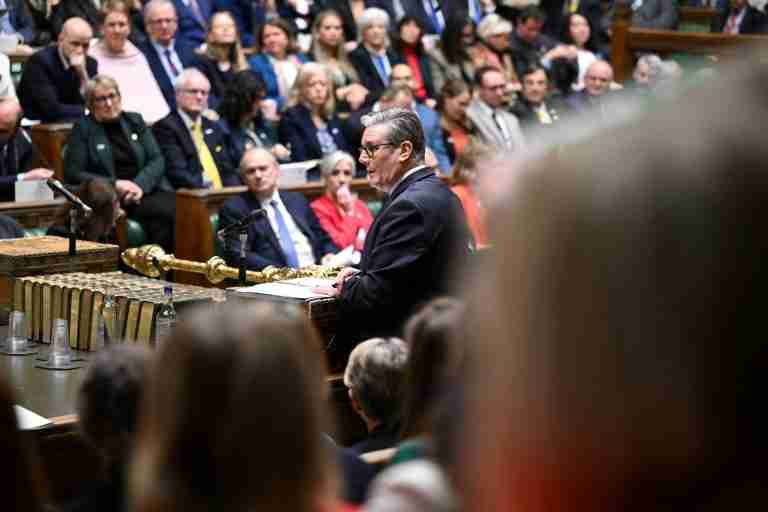
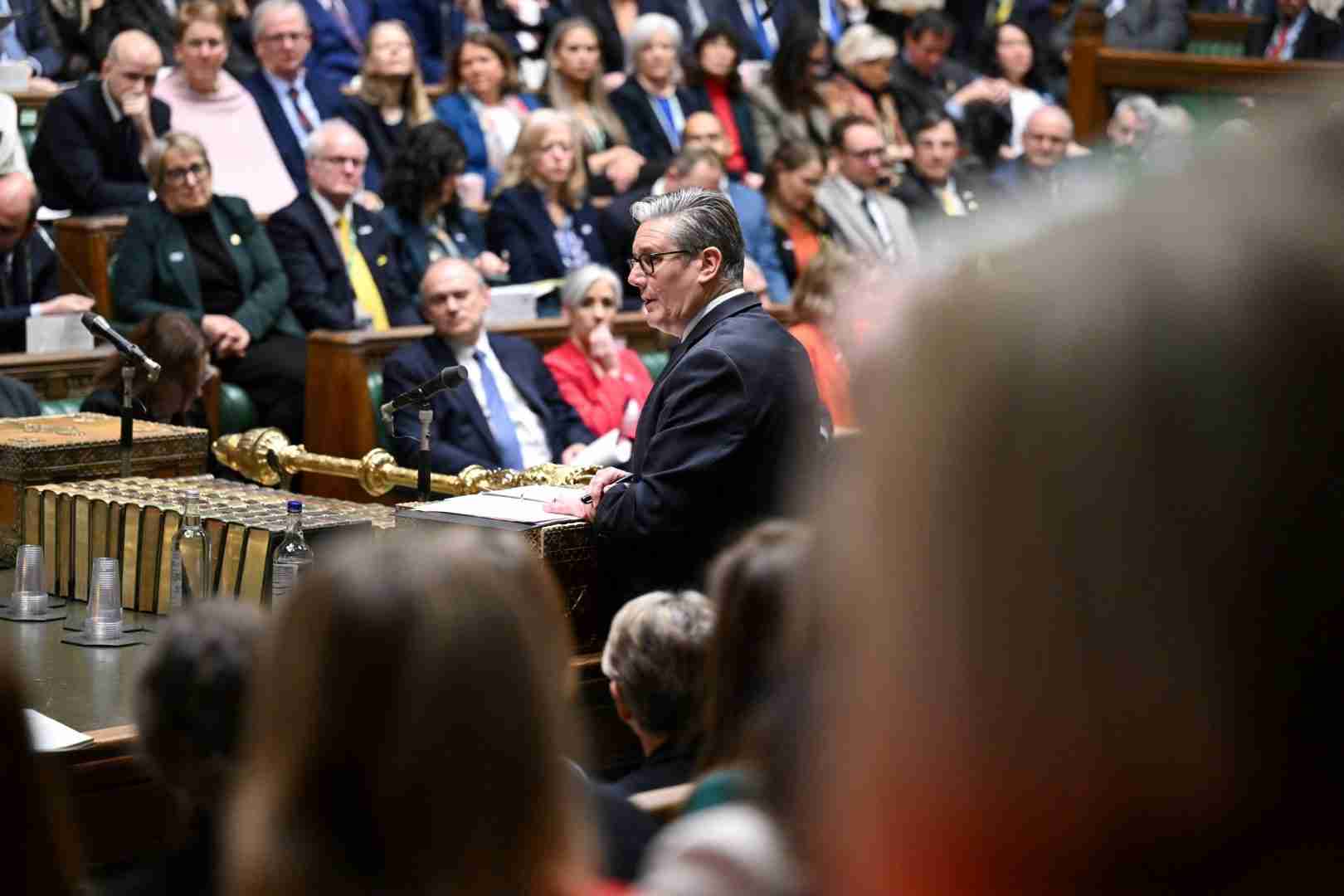
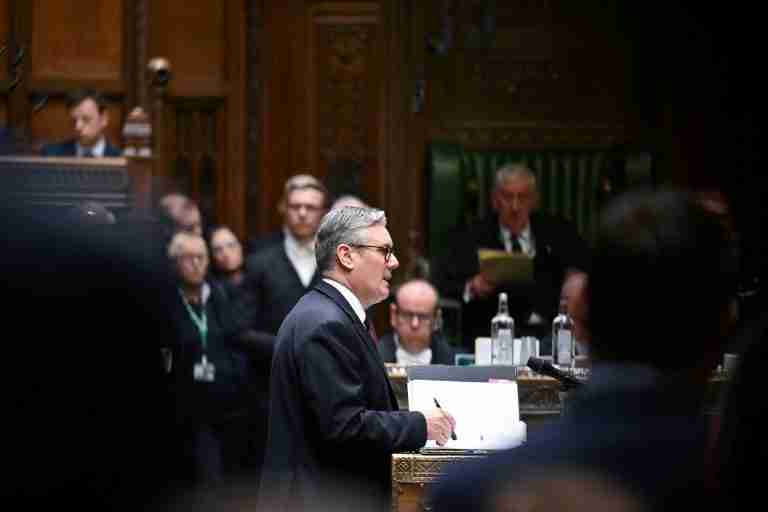
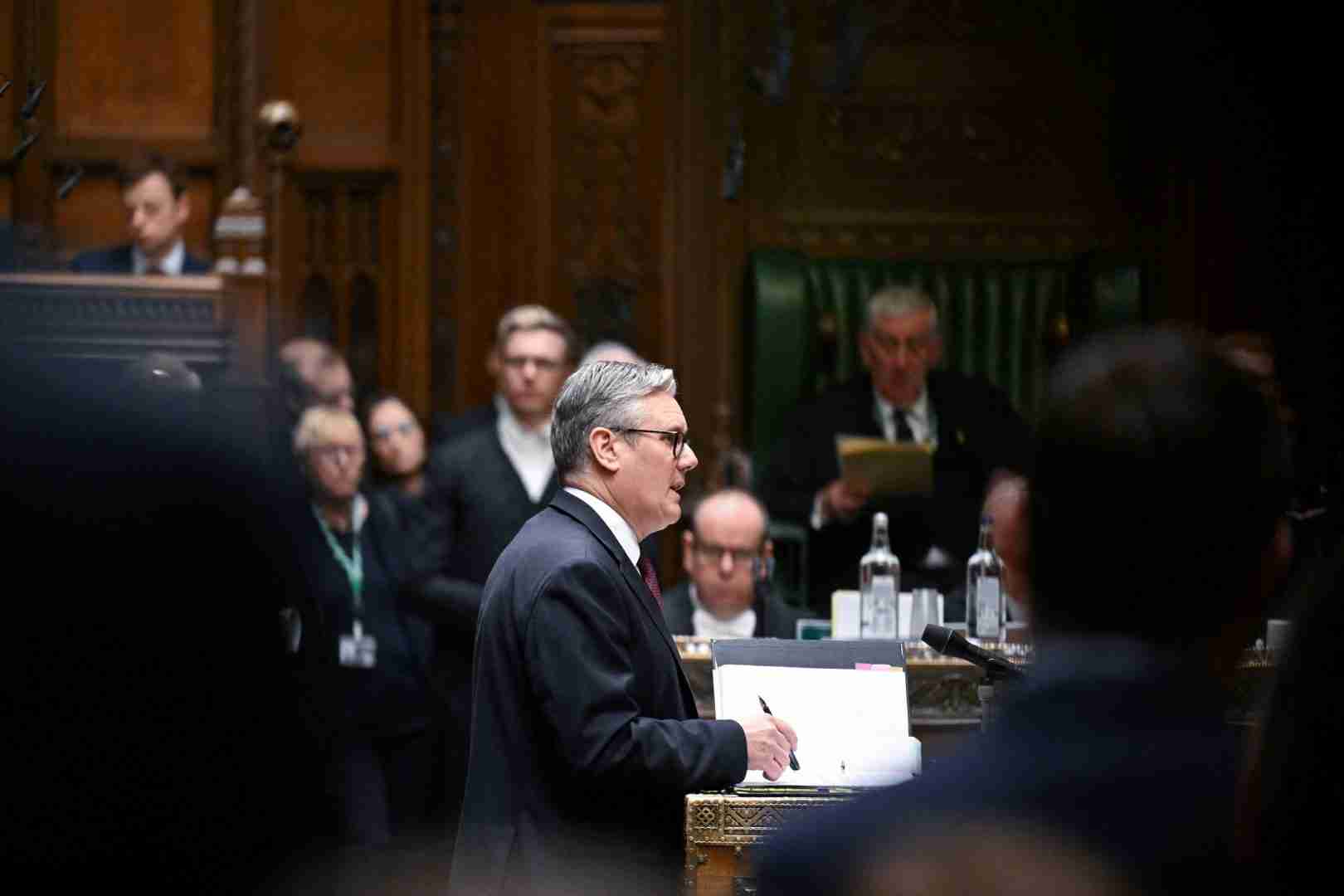
Prime Minister Keir Starmer expressed regret on Wednesday for appointing Peter Mandelson as UK ambassador to Washington, saying the Labour veteran had created a “litany of deceit” about his ties to U.S. sex offender Jeffrey Epstein.

Starmer ceded to pressure from the opposition Conservative Party to release documents on how Mandelson was appointed, and was forced to water down an attempt to limit the scope of that disclosure after facing a revolt in his own Labour Party.

Mandelson, a government minister when Labour was previously in power more than 15 years ago, quit the House of Lords on Tuesday over links to Epstein, and is now under police investigation for alleged misconduct in office.

Files released by the U.S. Justice Department last week include emails suggesting Mandelson had leaked government documents to Epstein, and that Epstein had recorded payments to Mandelson or his then-partner, now husband.

OPPOSITION QUESTIONS STARMER’S JUDGEMENT

Mandelson has said he does not recall having received payments. He has not commented publicly on allegations he leaked documents, and did not respond to messages seeking comment.

On Wednesday, Starmer defended his own response, saying he had moved quickly to strip all titles and roles from a man he accused of “betraying” Britain.

But Starmer’s explanation of how Mandelson was appointed did little to quieten opposition voices, who said the ambassador’s selection in late 2024 put a question mark over the judgment of Starmer and his closest adviser, Morgan McSweeney.

It also did little to quell anger in the Labour Party, with lawmakers increasingly frustrated over Starmer’s appointment of Mandelson and a series of embarrassing policy U-turns.

MANDELSON ‘LIED REPEATEDLY’

“I am as angry as anyone about what Mandelson has been up to. The disclosures that have been made this week of him passing sensitive information at the height of the response to the 2008 financial crash is utterly shocking and appalling,” Starmer told a rowdy session of parliament.

“He has betrayed our country, he’s lied repeatedly, he’s responsible for a litany of deceit. But this moment demands not just anger but action, and that’s why we’ve moved quickly,” he said after telling lawmakers he had agreed with King Charles to remove Mandelson from the sovereign’s formal body of advisers.

A chaotic afternoon in the House of Commons, in which lawmakers from all sides lined up to criticise Starmer and demand maximum transparency, culminated in the government agreeing a compromise to avoid an embarrassing defeat.

After Labour Party lawmakers complained, the government dropped a proposal to withhold documents about Mandelson that it deemed prejudicial to national security or international relations. They will instead be handed to parliament’s Intelligence and Security Committee.

British police said they had also asked the government not to release some documents over concerns that could undermine their investigation into allegations against Mandelson of misconduct in public office.

EMAILS SENT TO EPSTEIN

Emails released last week appeared to indicate that in 2009 Mandelson had sent Epstein a government memo about possible UK asset sales and tax changes, and in 2010 gave Epstein advance notice of a European Union 500-billion-euro bailout package.

Starmer appointed Mandelson in late 2024, arguing that his past work in the governments of Tony Blair and Gordon Brown and as the EU’s trade commissioner made him an ideal person to navigate relations with Washington under President Donald Trump.

Starmer sacked Mandelson in September after seven months in the job, when documents emerged showing he had remained close to Epstein after the financier was found guilty in 2008 of child sex crimes.

Reporting by Muvija M, Sam Tabahriti and Elizabeth Piper; Additional reporting by Sarah Young; Writing by Sam Tabahriti and William James; Editing by Paul Sandle, Peter Graff and David Holmes

Entrepreneurs invited to BEDC Small Business Expo

This weekend’s event connects business owners with service providers, panels and local vendors

Calling all entrepreneurs – The Bermuda Economic Development Corporation’s 4th Annual small business expo takes place this weekend.

Ondreyah Rochester and Tahkeesha Welch from the BEDC stopped by the studio to share more about the event which provides networking opportunities, guidance and direct access to service providers – resources that will help you move your businesses forward.

The Expo will include a trade-show style vending opportunity to promote business services and a range of engaging panel discussions.

This year also sees the introduction of a Vendor Village, allowing attendees the opportunity to shop local.

The BEDC’s small business expo will be held in the Gymnasium at Cedar Bridge Academy on Saturday from 11 am to 4pm.

Don’t forget to register your attendance online at bedc.bm.

Dental sector may steady in 2026, but full recovery remains distant, analysts say

From Henry Schein and Invisalign maker Align Technology to Envista and Dentsply Sirona, major companies contended a choppy 2025 marked by uneven dental visits throughout the year

International News via Reuters:

Wall Street is hoping dental-product makers will offer a brighter 2026 outlook, but analysts say a full industry rebound may still be some time away.

From Henry Schein and Invisalign maker Align Technology to Envista and Dentsply Sirona, major companies contended a choppy 2025 marked by uneven dental visits throughout the year.

While there appears to be some green shoots in demand, last year’s volatility has left investors cautious, analysts said.

“The general expectations are for steady messaging and better/less bad results,” Leerink analyst Michael Cherny said, noting that while trends that led to weakness last summer seem to have stabilized, there was not any meaningful acceleration.

At least four analysts expect U.S. dental demand to look relatively stable in 2026, a marked improvement from the “roller-coaster” swings of the past two years. But stability, they warn, should not be mistaken for recovery.

“The market generally remains soft, with demand for expensive procedures still depressed,” said J.P.Morgan analyst Lilia-Celine B Lozada. She expects management teams to frame forecasts conservatively to allow for more predictable performance through the year.

There, however, are pockets of improvement. Patient volumes appear to be edging up and demand for clear aligners has shown some firmness, though analysts caution the category remains highly exposed to household budget pressures. The fourth quarter, typically boosted by seasonality and year-end spending, offered some relief.

Yet, confidence in a sustained rebound remains fragile. Elevated prices, labor market anxiety and shifting consumer sentiment continue to weigh on discretionary dental care.

“The consumer in dental is very fickle, it takes one tweet tomorrow to wake up to that we’re putting tariffs back on and then all of the optimism goes away,” said William Blair analyst Brandon Vazquez.

Reporting by Sriparna Roy and Padmanabhan Ananthan in Bengaluru; Editing by Shilpi Majumdar