The water utility’s senior lenders presented their plan to fix the company’s finances and stop it being nationalised earlier this month
International News via Reuters:
Britain’s Thames Water said on Tuesday it had agreed to defer once again its challenge to the regulator’s decision on how much it can raise customer bills while it works to secure a rescue plan funded by its creditors.
The water utility’s senior lenders presented their plan to fix the company’s finances and stop it being nationalised earlier this month, including writing off 7.5 billion pounds ($10.1 billion) of debt.
($1 = 0.7451 pounds)
Reporting by Paul Sandle; editing By William James
Only a small pool of criminals would be capable of such a job as Sunday’s audacious robbery in Paris and may already be known to police
International News via Reuters:
Crime gangs around Europe are increasingly robbing valuable jewels and gold from cash-needy museums like the Louvre, but while police often catch the thieves, they struggle to recover the priceless goods, law enforcement and art experts say.
Only a small pool of criminals would be capable of such a job as Sunday’s audacious robbery in Paris and may already be known to police, the specialists say. But the objects themselves could be quickly broken down into component parts and sold on.
“If I steal a Van Gogh, it’s a Van Gogh. I can’t dispose of it through any other channel than an illicit art market,” said Marc Balcells, a Barcelona-based expert in crimes against cultural heritage. “But when I am stealing … jewellery, I can move it through an illicit market as precious stones.”
The brazen heist of crown jewels from the Louvre, the world’s most visited museum, has been decried by some as a national humiliation and sparked security checks across France’s multitude of cultural sites.
“If you target the Louvre, the most important museum in the world, and then get away with the French crown jewels, something was wrong with security,” said art investigator Arthur Brand.
Officials at the Louvre, home to artworks such as the Mona Lisa, had in fact already sounded the alarm about lack of investment.
And at least four French museums have been robbed in the last two months, according to media reports.
On Tuesday, prosecutors said they had charged a Chinese-born woman for the theft of six gold nuggets worth about 1.5 million euros ($1.75 million) from Paris’s Museum of Natural History last month. She was arrested in Barcelona trying to dispose of some melted gold, they said.
Christopher Marinello, founder of Art Recovery International, which tracks stolen art, said museum heists were on the rise across Europe and further afield.
He cited cases in the Netherlands, France, Egypt.
“If you have jewels or gold in your collections, you need to be worried,” Marinello said.
WHODUNNIT?
Paris prosecutors have entrusted the investigation to a specialised Paris police unit known as the BRB, which is used to dealing with high-profile robberies.
Former police officer Pascal Szkudlara, who served in the unit, said the BRB handled the 2016 Kim Kardashian probe, when Paris thieves stole her $4 million engagement ring, as well as a recent spate of kidnappings of wealthy crypto bosses.
He said the BRB has about 100 agents, with over a dozen specialised in museum thefts. Investigators will look at video footage, telephone records, and forensic evidence, while informants will also be activated.
“They can have teams working on it 24/7 and for a long period,” Szkudlara said, expressing “100%” confidence the thieves would be caught.
Police will be poring over security footage going back weeks, looking to identify suspicious people casing out the joint, Brand said.
Corinne Chartrelle, who previously worked at the French Police’s Central Office for the Fight against Trafficking in Cultural Property, said the jewels could feasibly end up in a global diamond centre like Antwerp where there “are probably people who aren’t too concerned about the origin of the items.”
The diamonds could also be cut into smaller stones and the gold melted down, leaving buyers unaware of their provenance.
If the thieves feel the net closing, they could chuck or destroy the loot altogether.
Police are clearly in a race against time.
“Once they’re been cut into smaller jewels, the deed is done. It’s over. We’ll never see these pieces again intact,” said Marinello. “It’s a very small percentage, recovering stolen artworks. When it comes to jewellery, that percentage is even less.”
Any theory about the objects being ordered up by a mysterious buyer was laughable, said Brand. “That’s unheard of,” he said. “You only see it in Hollywood movies.”
Cultural authorities across Europe will be looking at how to better secure museums at a time of tight public finances.
Brand said it was impossible to properly safeguard a museum, so the best thing was to slow down the time it takes to steal objects and escape, giving police longer to respond by making windows or display cases thicker, or adding more doors.
“They know they have only five, six minutes to get away with it because after six minutes, the police show up. So if they go into a museum … and they find out that it takes more than six, seven, eight minutes, they will not do it,” he said.
Finland’s National Gallery Director General Kimmo Leva said financial realities meant tough decisions.
“A tightening everyday economy is, naturally, not the best basis for making the investments needed to mitigate potential threats,” Leva said.
($1 = 0.8575 euros)
Reporting by Gabriel Stargardter, Juliette Jabkhiro, Elissa Darwish; Additional reporting by Anne Kauranen, Vitalii Yalahuzian, Ilze Filks, Javi West Larrañaga; Editing by Andrew Cawthorne
Having won an all-male race to be chosen by her ruling Liberal Democratic Party as its leader on October 5, Takaichi had to scramble for support
International News via Reuters:
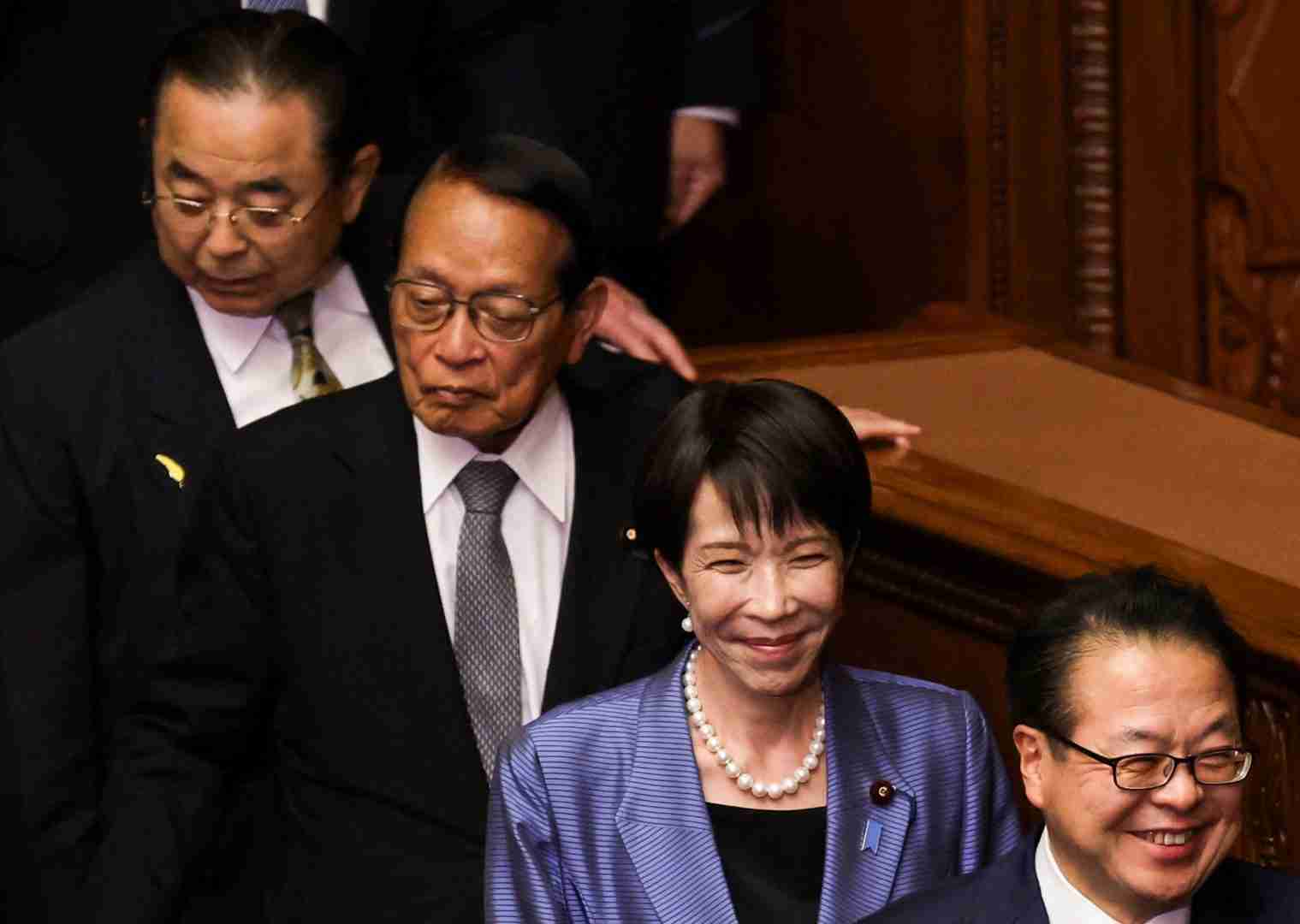
Hardline conservative Sanae Takaichi was voted in by parliament as Japan’s first female prime minister on Tuesday, emulating her hero, Britain’s late leader Margaret Thatcher, after a whirlwind few weeks of political wrangling.
Having won an all-male race to be chosen by her ruling Liberal Democratic Party as its leader on October 5, Takaichi had to scramble for support after her party’s more moderate coalition partner quit their 26-year alliance.
Attention now turns to her big spending plans that may jolt investor confidence in one of the world’s most indebted economies, and her nationalistic positions that could stoke friction with powerful neighbour China, political analysts say.
‘ABENOMICS’ ADVOCATE MAY CAUSE SHOCKWAVES
Takaichi, 64, who narrowly lost in a run-off to lead the LDP last year, must also prepare to host U.S. President Donald Trump who is due to visit Japan next week.
A former economic security and interior minister, Takaichi has repeatedly referred to Thatcher as a source of inspiration, citing her strong character and convictions coupled with her “womanly warmth”.
She said she met the conservative Thatcher, a divisive figure in British politics known as “the Iron Lady”, at a symposium shortly before Thatcher’s death in 2013.
Like Thatcher, Takaichi’s relatively humble background – her mother was a police officer and her father worked at a car company – stands out in a party where many leaders hail from elite political families.
But unlike Thatcher – known for her tough budgeting – Takaichi is an advocate of fiscal largesse and easy monetary policies that have shaken investor confidence in the world’s fourth-largest economy.
A long-time advocate of the late prime minister Shinzo Abe’s “Abenomics” stimulus policies, she has called for higher spending and tax cuts and pledged to reassert government sway over the Bank of Japan.
NOISEMAKER WITH NATIONALIST BENT
A drummer and a fan of heavy metal, Takaichi is no stranger to creating noise.
She is a regular visitor to the Yasukuni shrine, which honours Japan’s war dead – including some executed war criminals – and is viewed by some Asian neighbours as a symbol of its past militarism.
She also favours revising Japan’s pacifist postwar constitution, and suggested this year that Japan could form a “quasi-security alliance” with Taiwan, the democratically governed island claimed by China.
Although Takaichi has pledged to increase the number of female cabinet ministers, an area where Japan has lagged its G7 peers, polls show her conservative positions chime more with men than women.
She opposes same-sex marriage and allowing married couples to have separate surnames, an issue that has broad public support in Japan but faces staunch opposition within conservative circles.
SOFTER SIDE TO HARDLINE CONSERVATIVE
Pledging a crackdown on rule-breaking foreigners – a lightning rod issue for some voters amid record rises in migrants and tourists – she led a key campaign speech with a story about visitors kicking deer in her hometown of Nara.
But her friends and supporters in Nara stressed a softer side to the hardline conservative in interviews with Reuters.
Her former hairdresser, Yukitoshi Arai, said even her hairstyle – which he has dubbed the ‘Sanae Cut’ – is designed to show she is paying attention to people.
“It has a sleek, sharp, and stylish look. The sides are long, but she deliberately tucks them behind her ears as a way of showing that she listens carefully to other people,” he said.
Takaichi graduated from Kobe University with a degree in business management before working as a congressional fellow in the U.S. Congress, according to her website.
She broke into Japanese politics winning a lower house seat in 1993 as an independent, before joining the LDP in 1996.
Dollar funding fears have been at the back of central bankers’ minds since Trump announced a wave of trade tariffs and began putting pressure on the Federal Reserve earlier this year
International News via Reuters:
Euro zone banks may come under pressure if U.S. dollar funding – the lifeblood of financial markets – were to dry up, the European Central Bank’s chief economist Philip Lane said on Tuesday amid concern over U.S. President Donald Trump’s policies.
Dollar funding fears have been at the back of central bankers’ minds since Trump announced a wave of trade tariffs and began putting pressure on the Federal Reserve earlier this year.
Lane said euro zone banks had navigated the turmoil well but could still find themselves in a tight spot given their significant exposure to the dollar, which accounted for anywhere between 7% and 28% of all their liabilities and 10% of assets in the second quarter of the year.
Any sudden changes in these net exposures could not be ruled out and could potentially limit banks’ lending to the economy, he said.
“An increased probability of such a risk event would then generate pressures on both sides of banks’ balance sheets and potentially downward pressure on on-balance sheet exposures like loans to the real economy,” Lane added.
European banks typically borrow dollars from U.S. banks and other financial institutions. This makes this form of funding less reliable in a crisis than deposits, which tend to move more slowly.
ECB supervisors have been telling banks to watch their dollar exposures and reduce any mismatch between their assets, such as loans, and liabilities – each bank’s own borrowing.
Central bankers from outside the United States have even toyed with the idea of pooling their dollar reserves to backstop banks in case the Fed were to withdraw its emergency swap lines.
But any such cooperation, as well as being politically difficult, was unlikely to suffice given the multi-trillion-dollar size of the international market for loans denominated in the U.S. currency.
In a bid to avert a dollar squeeze, the Federal Reserve has kept swap lines with other central banks since the last financial crisis. These facilities essentially let commercial lenders outside the U.S. borrow dollars from their own central banks when they cannot source them on the market.
Lane noted that euro zone banks had built up their cash buffers in U.S. dollars, with their liquidity coverage ratio, or LCR, rising from some 85% at the end of 2021 to well above 110% now. A ratio above 100% indicates that a bank has enough high-quality, easily sellable assets to cover total net cash outflows over a 30-day stress period.
This allowed them to withstand pressure during the market gyrations in April, for example, when U.S. Treasuries sold off at the same time as the dollar weakening, depriving banks of their usual hedge against any losses.
“Since the euro area banking system has made progress in increasing their USD LCRs in recent years…it did not experience sizeable liquidity strains even at the height of the exchange rate volatility in early April, though the episode may have altered the algebra of liquidity management for the remainder of the year,” Lane said.
Reporting By Francesco Canepa; Editing by Alex Richardson and Hugh Lawson
AWS hosts applications and computer processes for companies around the world, and the disruption knocked workers from London to Tokyo offline
International News via Reuters:
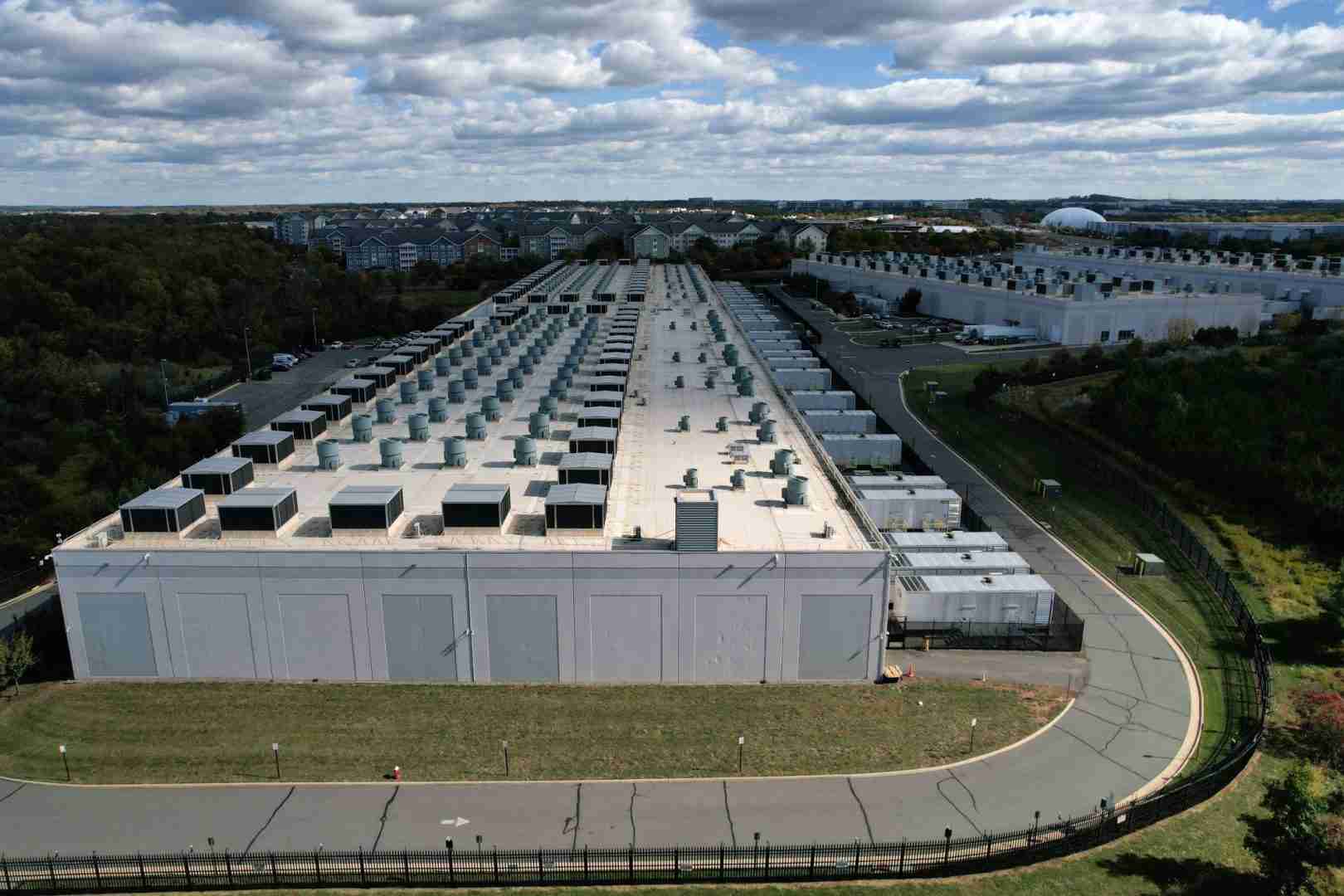
Amazon.com cloud service returned to normal operations on Monday afternoon, the company said, after an internet outage that caused global turmoil among thousands of sites, including some of the web’s most popular apps like Snapchat and Reddit.
Still, Amazon said some AWS services had a backlog of messages that would take a few hours to process.
AWS hosts applications and computer processes for companies around the world, and the disruption knocked workers from London to Tokyo offline and halted others from conducting normal everyday tasks like paying hairdressers or changing their airline tickets. Users on Monday afternoon had complained of lingering difficulties using services such as digital wallet Venmo and video calling site Zoom.
It was the largest internet disruption since last year’s CrowdStrike malfunction hobbled technology systems in hospitals, banks and airports, highlighting the vulnerability of the world’s interconnected technologies.
It was at least the third time in five years that AWS’s northern Virginia cluster, known as US-EAST-1, contributed to a major internet meltdown.
Amazon did not address a request for more clarity about why that particular data center keeps being impacted. The problems stemmed from what is known as the Domain Name System, or DNS, which prevented applications from finding the correct address for AWS’s DynamoDB API, a cloud database relied upon to store user information and other critical data.
ROOT CAUSE IS NETWORK HEALTH MONITOR
Earlier, AWS said the root cause of the outage was an underlying subsystem that monitors the health of its network load balancers used to distribute traffic across several servers.
The issue, AWS said, originated from within the “EC2 internal network”, Amazon’s “Elastic Compute Cloud” service, which provides on-demand cloud capacity within AWS.
Shortly after 3 p.m. PT (2200 GMT), Amazon said, “all AWS services returned to normal operations. Some services such as AWS Config, Redshift, and Connect continue to have a backlog of messages that they will finish processing over the next few hours.”
Ken Birman, a computer science professor at Cornell University, said software developers need to build better fault tolerance. He said AWS provides tools developers can use to protect themselves in the event of a problem at one of any of its sprawling network of data centers, and developers can also create backups with other cloud providers.
“When people cut costs and cut corners to try to get an application up, and then forget that they skipped that last step and didn’t really protect against an outage, those companies are the ones who really ought to be scrutinized later,” Birman told Reuters.
ISSUE ORIGINATED FROM AWS SITE KNOWN FOR PREVIOUS OUTAGES
AWS provides computing power, data storage and other digital services to companies, governments and individuals and is the world’s largest cloud provider, followed by Microsoft’s Azure and Alphabet’s Google Cloud.
Disruptions to its servers can cause outages across websites and platforms – ranging from food delivery apps to gaming platforms and airline systems – that rely on its cloud infrastructure.
AWS said on its status page that Monday’s outage originated at its US-EAST-1 location, its oldest and largest for web services. The site suffered outages in 2021 and 2020.
According to documentation on the AWS website, the US-EAST-1 site is often the default region for many AWS services.
“FRAGILE INFRASTRUCTURES”
The problem highlights how interconnected everyday digital services have become and their reliance on a small number of global cloud providers, with one glitch wreaking havoc on business and day-to-day life, experts and academics said.
“This outage once again highlights the dependency we have on relatively fragile infrastructures,” said Jake Moore, global cybersecurity advisor at European cybersecurity firm ESET.
In Britain, Lloyd Bank, Bank of Scotland and telecom service providers Vodafone and BT were all hit, according to Downdetector’s UK website, as was UK tax, payments and customs authority HMRC’s website.
“The main reason for this issue is that all these big companies have relied on just one service,” said Nishanth Sastry, director of research at the University of Surrey’s Department of Computer Science.
Ookla, which owns Downdetector, said over 4 million users reported issues due to the incident.
“For major businesses, hours of cloud downtime translate to millions in lost productivity and revenue,” said Ryan Griffin, U.S. cyber practice leader at insurance broker McGill and Partners.
Wall Street was largely unfazed, sending Amazon shares 1.6% higher to $216.48.
FROM SNAPCHAT TO VENMO: OUTAGE TAKES DOWN APPS
Ookla said at least a thousand companies were affected by the outage.
Apps like Reddit, Roblox, Snapchat and Duolingo had all been affected.
Artificial intelligence startup Perplexity, cryptocurrency exchange Coinbase and trading app Robinhood all experienced platform disruptions and attributed them to AWS.
Amazon’s own services, including its shopping website, Prime Video and Alexa, were also hit.
Fortnite, owned by Epic Games, Clash Royale and Clash of Clans were among the gaming platforms affected. Uber rival Lyft was also knocked down in the United States.
In a post on X, Signal President Meredith Whittaker confirmed the messaging app was hit by the outage, though billionaire Elon Musk, who owns X, said his platform continued to work.
Reporting by Shubham Kalia, Devika Nair, Ananya Palyekar and Deborah Sophia in Bengaluru; Additional reporting by James Pearson, Jaspreet Singh and Arsheeya Bajwa; Editing by Saumyadeb Chakrabarty, Joe Bavier, Richard Chang and David Gregorio
Portugal’s Office for Air and Rail Accident Investigations said in the report late on Monday it was still impossible to say whether the use of an inadequate cable had caused the crash
International News via Reuters:
The cable that snapped and caused a Lisbon funicular railcar to hurtle down a hill in September, killing 16 people, was not certified for use in passenger transport, according to a preliminary report that also pointed to maintenance flaws.
Portugal’s Office for Air and Rail Accident Investigations (GPIAAF) said in the report late on Monday it was still impossible to say whether the use of an inadequate cable had caused the crash, as other factors were also at play.
GPIAAF’s final report is due by next September.
The yellow tram-like carriage, which carries people up and down a steep hillside in the Portuguese capital, hit a building after leaving the track on September 3.
Gloria, which opened in 1885, is one of three old funiculars operated by the municipal public transport company Carris, which suspended their use after the incident. The line carried around 3 million tourists and locals a year.
GPIAAF said the maintenance procedures, designed by Carris, have not been updated for many years and “the use of cables that did not comply with the specifications and usage restrictions was due to several accumulated failures in the process of acquiring, accepting, and using them by Carris”.
Carris’ internal control mechanisms “were not sufficient or adequate to prevent and detect such failures.”
Carris has outsourced maintenance of the elevator since 2007 and the GPIAAF also identified deficiencies in this area.
“There is evidence that maintenance tasks recorded as completed do not always correspond to the tasks actually performed,” it said.
Carris said in a statement “it is not possible at this stage to say whether the nonconformities in the use of the cable are relevant to the accident or not.”
Reporting by Sergio Goncalves; Editing by Andrei Khalip
The Bermuda Tourism Authority has officially launched the third annual Art Month, a month-long celebration of Bermuda’s art, culture, and creative innovation.
Running throughout October, the initiative highlights the island’s artistic community and offers opportunities to experience Bermuda’s creativity outside of the peak tourism season.
In an interview, Zina Edwards, Director of Corporate Communications and Stakeholder Relations at the BTA, told us about this year’s event and issued a special last call for submissions to the BTA’s Art Month Competition, before the deadline closes later this month.
Trump’s trade war has hiked U.S. tariffs to their highest levels since the 1930s
International News via Reuters:
Global companies have flagged more than $35 billion in costs from U.S. tariffs heading into third-quarter earnings, but many are lowering their initial forecasts as new trade deals reduce exposure to President Donald Trump’s levies.
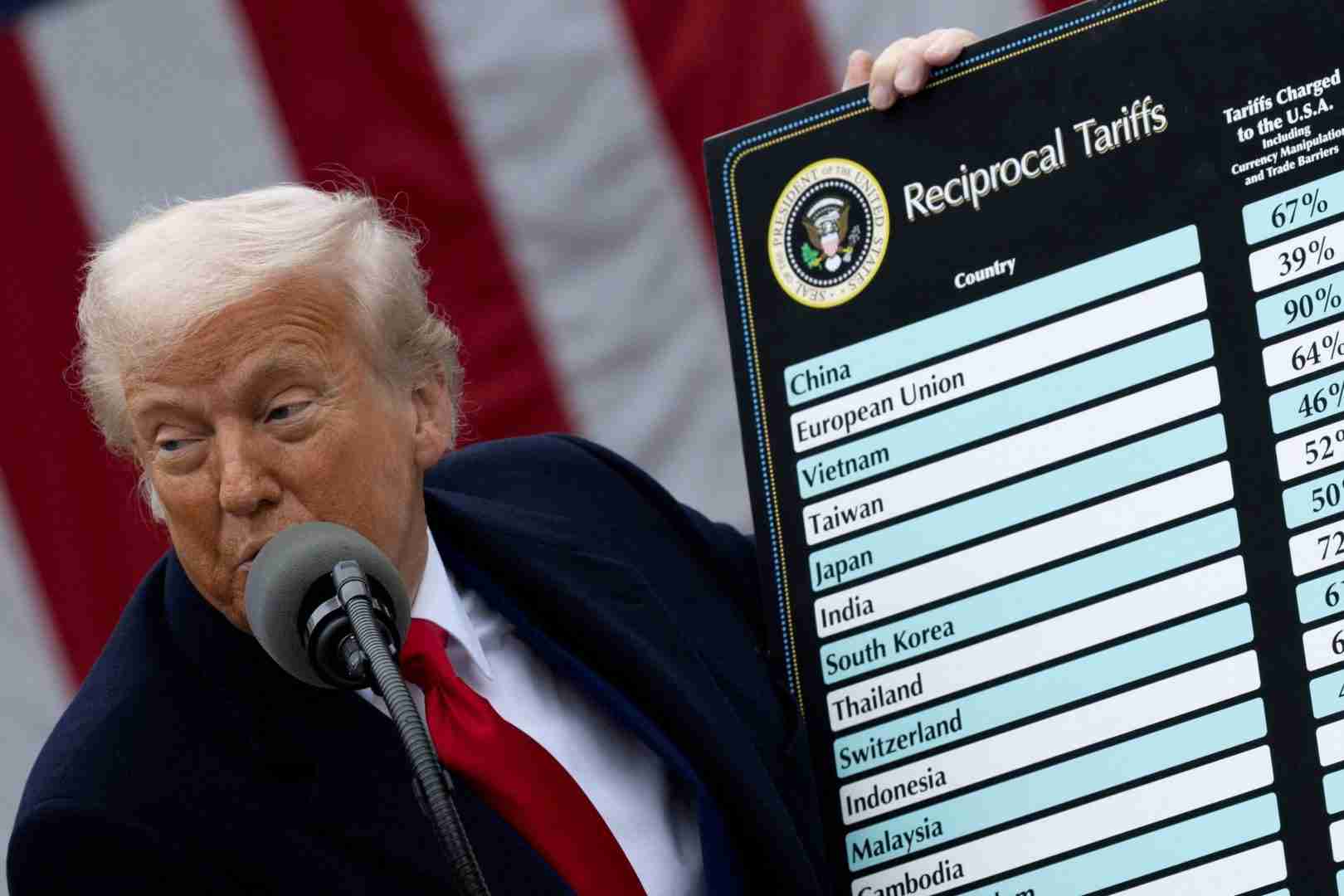
Trump’s trade war has hiked U.S. tariffs to their highest levels since the 1930s, and the president has regularly threatened more duties, but overall, the fog that paralyzed many businesses is clearing, allowing executives to forecast costs and make plans – including some price hikes.
Companies expected a combined financial hit of $21.0 billion to $22.9 billion for 2025, with an impact of nearly $15 billion calculated for 2026, according to a Reuters analysis of hundreds of corporate statements, regulatory filings and earnings calls between July 16 and September 30.
The total of more than $35 billion compares with $34 billion tallied in May, shortly after Trump’s “Liberation Day” tariffs in April rattled global supply chains. But the trajectory masks a shift: the increase is largely due to Toyota’s $9.5 billion estimate. Many other companies have lowered their earlier worst-case forecasts after Trump reached lower-rate trade deals with the EU and Japan. The figures combine annual and partial-year estimates from an overlapping group of firms. Both groups include about 60 firms.
French spirits makers Remy Cointreau and Pernod Ricard both lowered estimates of tariff pain after the EU deal, while Sony in August cut its forecast. Trump also carved out exceptions, with only about a third of Brazil’s exports facing a 50% tariff, for instance.
“Tariffs are getting clearer and clearer. And we believe that tariffs will be just another variable of our business equation that we need to be ready to manage, and we will,” Stellantis CEO Antonio Filosa told Reuters in a mid-October interview, introducing new details of a $13 billion, four-year investment in U.S. manufacturing. Stellantis in July warned of a 1.5 billion-euro hit from U.S. tariffs this year.
“I think there is this sense that we reached a kind of landing point with some of the bilateral trade deals,” said International Chamber of Commerce Deputy Secretary General Andrew Wilson.
“But there will continue to be much greater complexity and this massive uncertainty.”
Case in point: Trump earlier this month floated the idea of additional 100% tariffs on China. On Friday, he said the proposed tariffs would not be sustainable, and blamed Beijing for the latest tensions in trade talks between the two countries.
CONSUMER AND MANUFACTURING HIT HARDEST
S&P 500 companies are projected to show an earnings growth rate of 9.3% in the July-September period, a decline from 13.8% in the second quarter, according to LSEG data. Much of that is on the back of the U.S. IT sector, driven by AI investment. Europe’s Stoxx 600 is expected to clock 0.5% growth, down from 4% in the previous quarter.
The pain is concentrated on companies that depend on countries that do not have trade deals.
Nike, heavily dependent on suppliers in Vietnam and other Asian countries, raised its tariff impact estimate late last month to $1.5 billion from $1 billion. In Europe, Tefal kitchen-ware maker SEB recently cut its profit outlook, citing weaker demand as customers adopted a wait-and-see attitude partly due to tariffs, while H&M cautioned that U.S. tariffs on imports would weigh more heavily on margins in the quarter through November.
“We are cautious about the U.S. heading into the fourth quarter, both connected to the impact of tariffs on the gross margin but equally also the consumer sentiment,” H&M CEO Daniel Erver told Reuters. “We can see the price increases.”
Price increases are the most frequent effect of tariffs cited by companies in the Reuters tracker.
Carmakers including Ford, Stellantis, Volkswagen and Toyota collectively have reported billions in tariff-related costs. Ford, for instance, is expecting a cumulative $3 billion impact.
Still, optimism has ticked up among automakers and auto parts suppliers as Trump has moved toward significant tariff relief for U.S. auto production that could effectively eliminate many of the costs that have hit top car companies.
Drug makers also have started rolling out deals on drug pricing and manufacturing that are tied to U.S. tariff exemptions. Pfizer and AstraZeneca have led the way, and others are expected to follow.
Reporting by Deborah Sophia, Arpan Varghese in Bengaluru and the tariff tracking teams in Bengaluru and Gdansk; Additional reporting by Josephine Mason in London, Nora Eckert in Detroit and David Gaffen in New York;Editing by Peter Henderson and Matthew Lewis
Under the deal, French beauty giant L’Oreal will acquire Kering’s fragrance line Creed
International News via Reuters:
Gucci owner Kering has agreed to sell its beauty business to L’Oreal for 4 billion euros ($4.7 billion), the first major gambit by new CEO Luca de Meo as he stamps his mark on the luxury group and cuts back its debt pile.
Under the deal, French beauty giant L’Oreal will acquire Kering’s fragrance line Creed, as well as exclusive rights to develop fragrance and beauty products for 50 years under Kering’s fashion labels including Bottega Veneta and Balenciaga.
That marks a sharp swerve in direction by de Meo less than two months after taking the helm, as he unwinds one of his predecessor Francois-Henri Pinault’s biggest strategic pivots. Pinault, whose family controls the group, spearheaded the acquisition of Creed in 2023 for 3.5 billion euros.
Analysts said L’Oreal had struck a savvy deal for the assets, while de Meo was hitting a key target: quickly cutting high debt levels that had become a mill stone for the group.
Shares in Kering jumped 4.8% on Monday while L’Oreal rose 1.2%.
“We believe selling Kering Beauté at around the same price paid for Creed two years ago is bitter but necessary medicine,” analysts at Bernstein said.
MORE DEALS TO COME FOR KERING AND DE MEO?
Under the deal, L’Oreal will also get the Gucci licence for 50 years, once a deal with Coty, which analysts believe is set to last until 2028, expires. Coty shares were down 4% in New York trading following the news.
Commenting on the deal, de Meo told the Financial Times on Monday that “you’ll see others”, adding that his priority was to focus on the areas where Kering has “critical size and skills”.
The paper also cited de Meo as saying he won’t “close the door” on a potential sale of Kering’s eyewear division, the other pillar of the company’s recent diversification push.
While the idea of selling the beauty business had been identified as an option before de Meo officially took charge in September, the Italian dramatically accelerated discussions with L’Oreal this month, two sources familiar with the matter said.
Kering beauty will be L’Oreal’s largest acquisition to date, bigger than its purchase of Australian brand Aesop for $2.5 billion in 2023. The deal makes sense strategically, Bernstein analysts said, with Creed one of the most exciting brands in the growing luxury fragrances area.
SIGNIFICANT STEP TOWARD REDUCING DEBT
The sale is a significant step towards reducing Kering’s net debt, which stood at 9.5 billion euros at the end of June, on top of 6 billion euros in long-term lease liabilities.
Kering set up its beauty business in 2023 after acquiring perfume maker Creed to cut its reliance on star brand Gucci, which accounts for most of its profits.
But the French conglomerate has struggled to ramp up the business. The division that comprises beauty operations reported a 60 million euro operating loss for the first half of the year.
Kering is also battling weaker growth at Gucci as demand in the key Chinese market slows. Gucci’s revenue slumped 25% year-on-year in the last reported quarter, piling pressure on Kering to deleverage to avoid more credit downgrades.
De Meo had told shareholders he planned to take some difficult decisions to reduce debt at the group, including rationalising and reorganising where necessary.
The company has also postponed a plan to fully acquire Italian fashion brand Valentino, and aims to sell stakes in its real estate to raise cash.
‘PUNCHY’ PRICE-TAG JUSTIFIED FOR L’OREAL
L’Oreal, the maker of Maybelline make-up and CeraVe skincare, already produces blockbuster perfumes under the Yves Saint Laurent label after acquiring rights to the brand from Kering for 1.15 billion euros in 2008. The two companies also said they were setting up a joint venture to provide experiences and services for luxury clients.
Bruno-Roland Bernard, a consultant and adjunct professor for corporate finance and luxury management at the Institut Francais de la Mode, said L’Oreal would be excited to gain licenses to Kering’s “prestigious yet relatively underdeveloped brands”.
“It’s also possible they are taking advantage of a favourable bargaining position – with limited competition: who has the credentials and the firepower to deal with a Kering under time pressure?” he said.
It is not clear where the deal leaves talks between Armani Group and L’Oreal, which was named in the will of late designer Giorgio Armani as one of the preferred buyers for a minority stake in his fashion house.
Kering was advised by Evercore and Centerview, and L’Oreal by Bank of America and Rothschild. The deal is expected to close in the first half of 2026.
($1 = 0.8576 euros)
Reporting by Dominique Patton and Tassilo Hummel in Paris, Anusha Shah in Bengaluru; Additional reporting by Mathieu Rosemain; Editing by Louise Heavens and Susan Fenton
It was a full weekend of activities for HRH, the Duchess of Gloucester during her official visit to Bermuda.
Following Saturday’s Trooping of the Colours, which was a spectacular display, yesterday, HRH the Duchess of Gloucester, attended a special Sunday Service at the Cathedral of the Most Holy Trinity, as part the ongoing official engagements while in Bermuda.
The Premier, the Hon. David Burt, JP, MP, was also in attendance at the Sunday Service at the Cathedral. Accompanied by His Excellency the Governor, Andrew Murdoch, CMG, prior to the start of the service, HRH was presented with a bouquet of flowers and greeted by The Rt. Rev. Nicholas Dill, Bishop of Bermuda and an Honour Guard of Boys and Girls Brigades on steps of the Cathedral.
Following yesterday’s service, The Duchess met and chatted with Premier Burt, and members of the youth and senior choir.
HRH then travelled to the Royal Bermuda Regiment (RBR) yesterday to participate in a in a medal presentation ceremony for service, to bury a commemorative time capsule, and as Colonel-in-Chief of the RBR, participate in the official Battalion photograph.
And rounding out the day, Her Royal Highness attended HOME Bermuda, where she learned more about the charity and their work to support people out of homelessness.
The Duchess was met by the Minister of Youth, Social Development and Seniors, the Hon. Tinee Furbert, HOME Chairman Arthur Wightman (Chairman) and HOME coordinators and case managers.
The Duchess of Gloucester is visiting Bermuda as part of the RBR’s 60th Anniversary celebrations. She winds down her visit to Bermuda today, departing the island later this evening.
The break-in raised awkward questions about security at the Louvre
International News via Reuters:
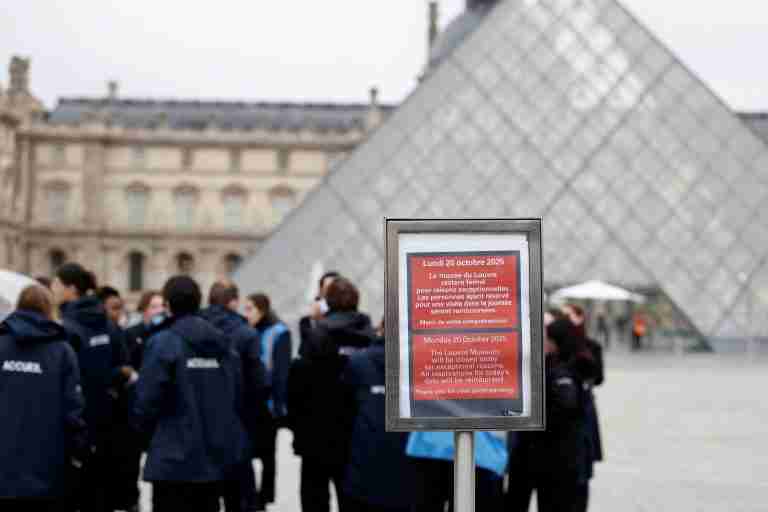
France ordered a security review at the Louvre and checks at other cultural sites on Monday while a hunt was underway for thieves who lifted priceless crown jewels in an audacious daylight heist at the world’s most popular museum.
In what some politicians branded a national humiliation, four people broke into the Louvre on Sunday using a crane to smash an upstairs window. They took objects from a gallery for royal jewellery before escaping on motorbikes.
Some media dubbed it the “heist of the century”.
Crowds gathered outside the still-closed museum on Monday, some snapping the now infamous window.
“I’m passing by here just to immortalize this little moment, which is not very glorious for France,” said Victor Sauvageot.
‘DEPLORABLE IMAGE’
The break-in raised awkward questions about security at the Louvre, which had 8.7 million visitors in 2024 and is home to artworks such as the Mona Lisa.
“What is certain is that we failed,” Justice Minister Gerard Darmanin acknowledged to France Inter radio.
“Someone was capable of putting a crane truck in the open in the streets of Paris, to have people walk up for a couple of minutes and take priceless jewels and give France a deplorable image.”
The Culture and Interior Ministers agreed in an emergency meeting to investigate what went wrong and to strengthen security measures where necessary at cultural institutions across the nation.
“For too long we have looked into the security of visitors but not the security of art works,” Culture Minister Rachida Dati told M6TV, adding that she was hoping to put in place shortcuts to public procurement rules to speed up security enhancements in museums.
The robbery took between six and seven minutes and was carried out by people who were unarmed but who threatened guards with angle grinders, a prosecutor said.
The probe has been entrusted to a specialist police unit that has a high success rate in cracking high-profile robberies.
“I would like to understand for myself how it was done,” said another visitor to the site, 56-year-old Daniela Fernandes da Costa, from Brazil.
DISMAY OVER ROBBERY
Darmanin vowed the robbers would be caught but that did not quell dismay, especially at a time of political crisis.
“The Louvre is a global symbol of our culture. This robbery … is an unbearable humiliation for our country,” said Jordan Bardella, leader of the far-right National Rally party. “How far will the disintegration of the state go?”
Francois-Xavier Bellamy, of the conservative Republicans party, called it “a symptom of a country that cannot protect its heritage”.
The eight items of stolen jewellery included a tiara and earring from the set of Queen Marie-Amélie and Queen Hortense, of the early 19th century. The crown of Empress Eugenie was found outside the museum, apparently dropped during the getaway.
Maryanne Day, a U.S. visitor, was shocked, saying: “It feels like a museum like this would have the security that would stop something like that”.
Christopher Marinello, founder of Art Recovery International, an organisation specialising in the recovery of stolen art, said most museums complained they did not have enough funding for security.
“The Louvre is one of the most well funded museums in the world. And if they’re going to be hit, every museum is vulnerable,” he told Reuters.
Reporting by Dominique Vidalon, Inti Landauro, Lucien Libert, Juliette Jabkhiro, Lauren Bacquie and Vitalii Yalahuzian; Writing by Ingrid Melander; Editing by Alison Williams and Andrew Cawthorne
To provide the best experiences, we use technologies like cookies to store and/or access device information. Consenting to these technologies will allow us to process data such as browsing behavior or unique IDs on this site. Not consenting or withdrawing consent, may adversely affect certain features and functions.
Functional
Always active
The technical storage or access is strictly necessary for the legitimate purpose of enabling the use of a specific service explicitly requested by the subscriber or user, or for the sole purpose of carrying out the transmission of a communication over an electronic communications network.
Preferences
The technical storage or access is necessary for the legitimate purpose of storing preferences that are not requested by the subscriber or user.
Statistics
The technical storage or access that is used exclusively for statistical purposes.The technical storage or access that is used exclusively for anonymous statistical purposes. Without a subpoena, voluntary compliance on the part of your Internet Service Provider, or additional records from a third party, information stored or retrieved for this purpose alone cannot usually be used to identify you.
Marketing
The technical storage or access is required to create user profiles to send advertising, or to track the user on a website or across several websites for similar marketing purposes.