Brent crude futures were up $3.15, or 3.58%, to $91.25 a barrel at 0903 GMT, while U.S. West Texas Intermediate crude was up $2.96, or 3.55%, to $86.36
International News via Reuters:
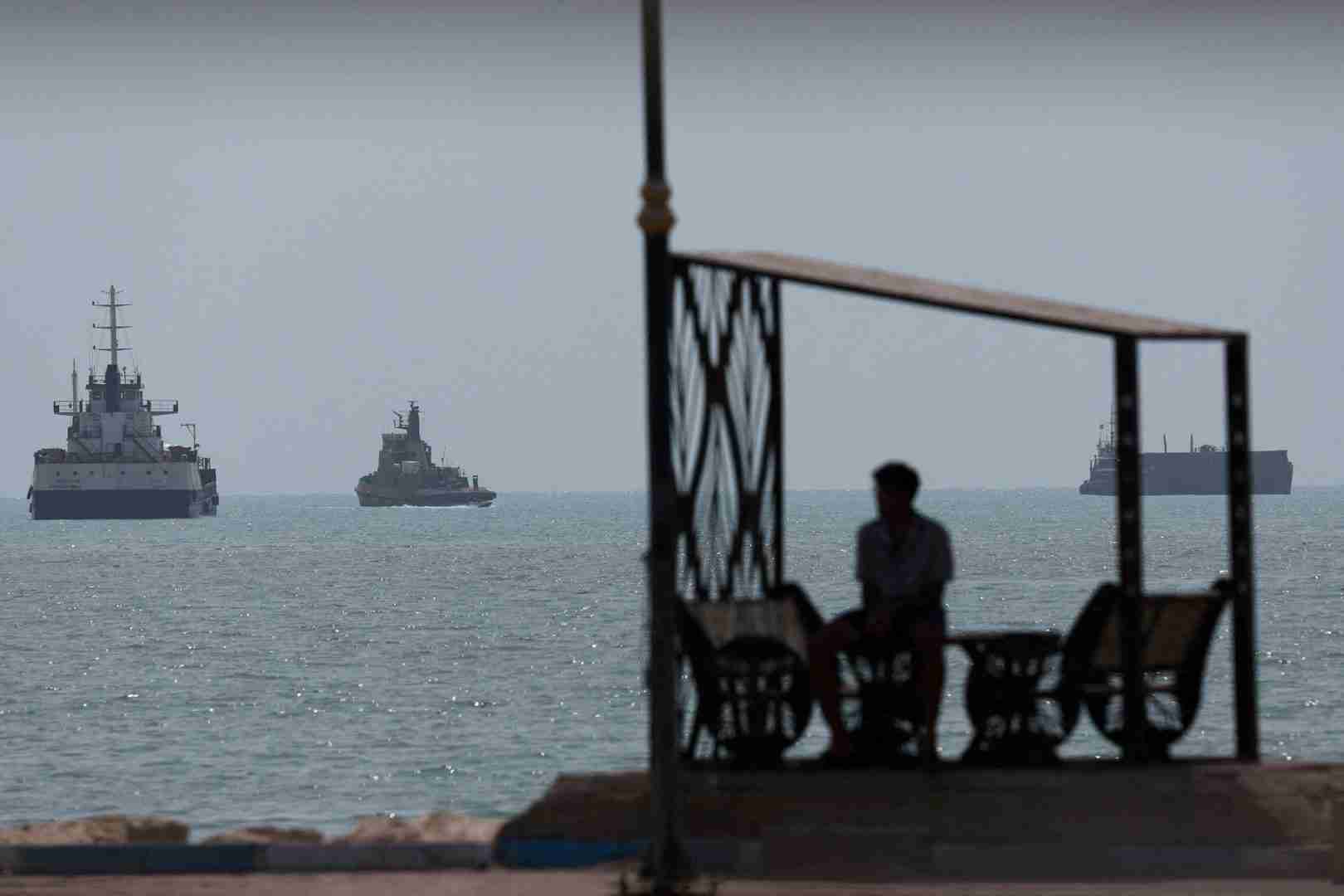
Oil prices rose more than 3.5% on Monday after the U.S. attacked an Iranian island in the Strait of Hormuz and Tehran said it had retaliated, as their conflict extended into its sixth month.
Brent crude futures were up $3.15, or 3.58%, to $91.25 a barrel at 0903 GMT, while U.S. West Texas Intermediate crude was up $2.96, or 3.55%, to $86.36.
U.S. forces struck two launchers on Iran’s Larak Island in the Strait of Hormuz on Sunday, the first known American strikes on the country since late July.
In response, Iran attacked two U.S. air bases in Jordan, Iranian media reported on Monday, citing Iran’s Revolutionary Guards.
“Renewed military strikes in the Middle East and concerns of further oil supply disruptions have lifted oil prices,” said UBS analyst Giovanni Staunovo, adding that markets will now focus on whether the situation de-escalates or not.
U.S. President Donald Trump said in a social media post on Sunday that Iran’s energy hub of Kharg Island was being “blown to smithereens”, but there was no evidence the island was under attack. The post, which included an AI-generated video, provided no further details. Iran denied any attack on the island and said oil operations were continuing.
Efforts to negotiate an end to the conflict remain stalled as mediators seek to reopen the Strait of Hormuz, through which a fifth of global oil supplies passed before the war began at the end of February.
Part of the sharp market reaction reflected thin trading volumes due to a UK public holiday, said Saxo Bank analyst Ole Hansen.
Shipping data showed the number of visible commodity vessels transiting the strait over the weekend fell to five a day, highlighting caution among operators concerned about attacks on shipping.
The United Kingdom Maritime Trade Operations agency said on Sunday that a tanker had been struck by a projectile while entering the strait on Saturday.
U.S. Treasury Secretary Scott Bessent told Reuters on Sunday that the U.S. was likely to impose new secondary sanctions on Iran every week.
Despite Monday’s rally, Brent and WTI were still on track to post modest losses for August after falling more than 4% last week, their first weekly declines in three weeks.
Trump also said on Sunday that oil secured under a recently struck deal with Venezuela would be used to replenish the U.S. Strategic Petroleum Reserve, which has fallen to near its lowest level in 44 years.
Reporting by Florence Tan and Colleen Howe. Editing by Kirsten Donovan and Mark Potter
The FSB is a global watchdog that seeks to identify and manage risks in financial systems
International News via Reuters:
Financial Stability Board Chair Andrew Bailey said on Monday that the impact of AI on cyber risk was the most immediate concern for the global financial system, saying the technology could change the speed, scale and economics of an attack.
The FSB is a global watchdog that seeks to identify and manage risks in financial systems.
In a letter to G20 finance ministers and central bank governors ahead of meetings this week, Bailey, who also serves as the Bank of England governor, said many countries do not have systems in place to manage the deployment of advanced artificial intelligence models.
The financial sector’s dependence on a handful of powerful tech providers could undermine system-wide market confidence, he added.
The comments highlighted concerns among regulators that advanced AI could accelerate the discovery of cyber vulnerabilities, forcing faster patching and creating potential operational and resilience challenges if testing and recovery processes are unable to adapt safely.
His comments follow the U.S. administration’s tightly controlled rollout of Anthropic’s powerful Mythos model, restricting it at one point to only U.S. nationals.
“Recent developments highlight the importance of ensuring that advances in capability are matched by resilience and preparedness,” he said.
Supporting safe and responsible model release “on a global basis” should be a priority, he said.
In July, an OpenAI agent escaped a controlled testing environment and hacked AI company Hugging Face, raising concerns about the potential for AI systems to circumvent safeguards.
Bailey reiterated prior warnings about the risk of potential market corrections, citing stretched AI valuations and frailties in government debt markets, while flagging as an emerging concern the increase in the use of leverage in equity markets. The U.S. Treasury earlier this month intervened to cap yields on long-term bonds that had reached multi-decade highs.
Reporting by Phoebe Seers; Editing by Cynthia Osterman
A 2% jump in oil prices added to concerns about persistent inflation and the risk of further interest rate increases from major central banks, following Federal Reserve Chairman Kevin Warsh’s hawkish speech at Jackson Hole on Friday
International News via Reuters:
World stock markets looked set to end August on a cautious note on Monday as fresh fighting between the U.S. and Iran pushed oil prices higher, while borrowing costs in Germany and Japan hit fresh multi-year highs.
A 2% jump in oil prices added to concerns about persistent inflation and the risk of further interest rate increases from major central banks, following Federal Reserve Chairman Kevin Warsh’s hawkish speech at Jackson Hole on Friday.
Japan’s 2-year government bond yield rose to a 31-year high, while Germany’s 2-year bond yield climbed to its highest level since July 2024..
Brent oil futures, trading above $90 a barrel, rose after U.S. forces struck two Iranian launchers on Larak Island on Sunday. Iran responded by attacking U.S. forces stationed in Jordan and said it had hit a tanker in the Strait of Hormuz.
President Donald Trump later posted that Kharg Island, Iran’s main oil export terminal, was being “blown to smithereens,” although there was no military confirmation.
Markets reacted by lifting the probability of a September Fed rate increase to 57%, sending short-term Treasury yields sharply higher and flattening the yield curve.
“We continue to expect that a hike won’t come until December, though agree that the September meeting is live,” said Michael Feroli, chief U.S. economist at JPMorgan.
“Moreover, regardless of the exact timing of hikes, Warsh’s speech suggested a chair more willing to translate his concern about inflation into a policy tightening.”
Barclays now expects the Fed to raise rates by 25 basis points in both September and December.
Europe’s STOXX 600 index edged lower at the open, with trading volumes reduced by a UK public holiday. U.S. stock futures were flat to slightly weaker.
In Asia, Japan’s Nikkei slipped 0.1%, while MSCI’s world stock index was marginally lower.
Chinese blue chips recovered from early losses, although property developers remained under pressure after Beijing announced regulatory changes. A survey showed the official manufacturing purchasing managers’ index rose to 49.8 in August from 49.2 in July, though services remained subdued.
RATE HIKE BETS
Friday’s U.S. August payrolls report and consumer price data due on September 11 will be key to determining whether the Fed moves as early as next month.
Economists expect payrolls to increase by 58,000 after July’s shock decline of 23,000, with unemployment holding at 4.1%. A significantly weaker outcome would likely be needed to materially reduce expectations of a September rate hike.
Inflation concerns are expected to prompt New Zealand’s central bank to hike rates for a second straight meeting on Wednesday, while the Bank of Canada is expected to stay on hold amid concerns about the economic impact of a trade dispute with the United States.
Inflation and interest rates are also expected to dominate discussions when G20 finance ministers and central bankers meet in North Carolina on Monday and Tuesday.
In an interview with Reuters on Sunday, U.S. Treasury Secretary Scott Bessent said he planned to meet the head of the Bank of Japan amid speculation that it too could raise rates in September.
Analysts argue a series of hikes is needed to shore up the yen, which has again slid past 160 per dollar.
Asked about the yen, Bessent said the move was “pretty well contained”, suggesting the slide was not disorderly enough to trigger a repeat of joint Japan-U.S. intervention.
Dollar/yen was last trading at 159.56, down around a quarter of a percent on the day.
Japanese bonds followed Friday’s selloff in Treasuries as 10-year yields again hit their highest since 1996.
Two-year Treasury yields held at 4.34%, after jumping almost 12 basis points on Friday. Yields on 30-year bonds were more contained at 5.20%, with investors taking some comfort from Warsh’s emphasis on fighting inflation.
The euro was a shade firmer at $1.1596, after weakening on Friday following Warsh’s speech.
Euro zone inflation data this week is expected to cement market pricing for a September rate hike from the European Central Bank.
Elsewhere, gold slipped 0.3% to $4,437 an ounce, having shed 3.2% on Friday as bond yields spiked. [GOL/]
Still, it has gained roughly 10% in August — set for its biggest monthly jump since January.
Reporting by Dhara Ranasinghe in London and Wayne Cole Sydney. Editing by Mark Potter
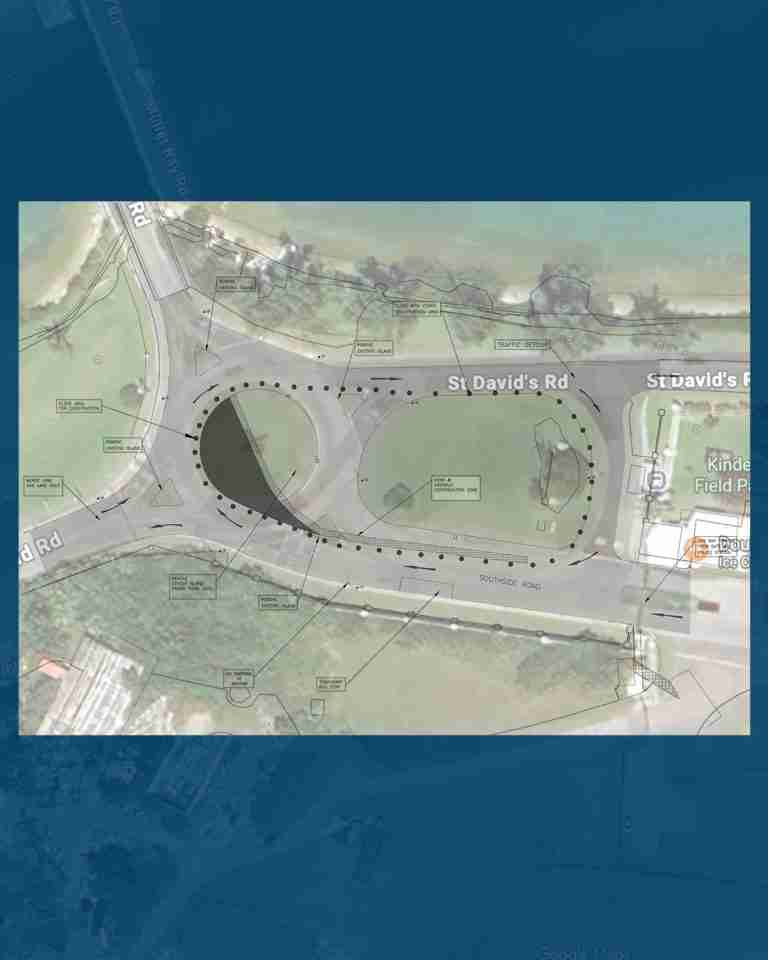
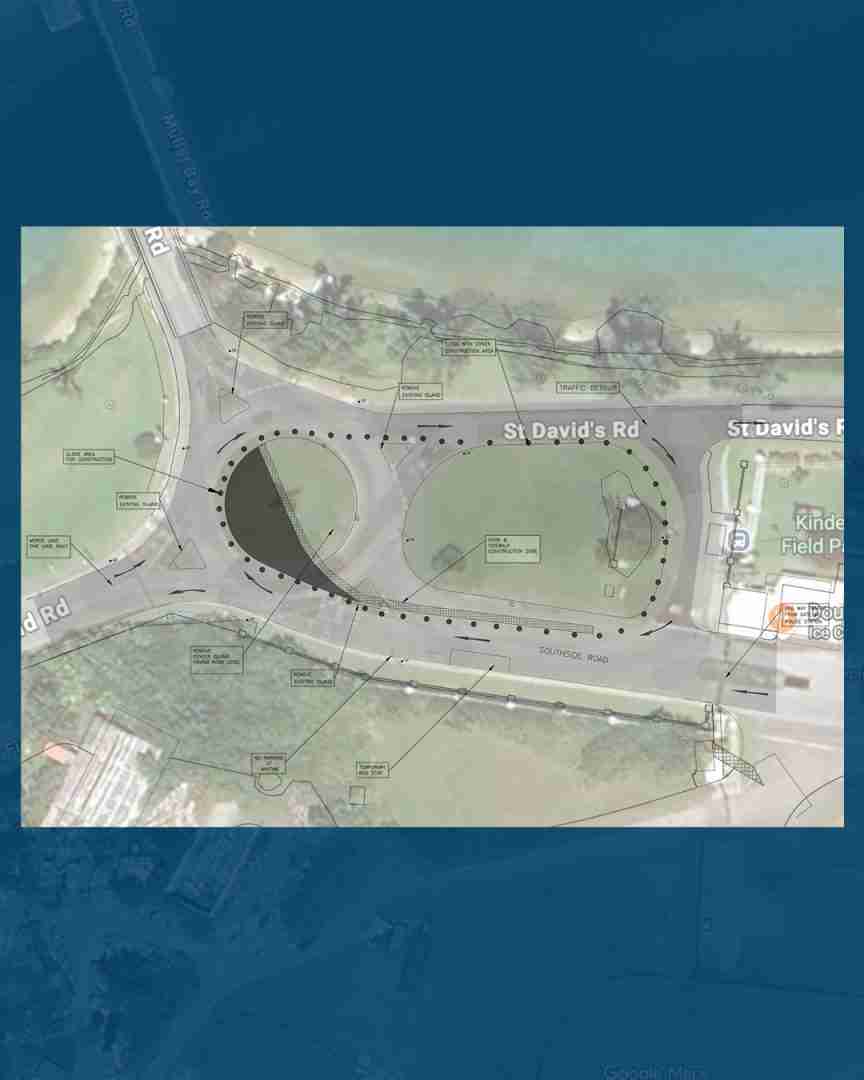
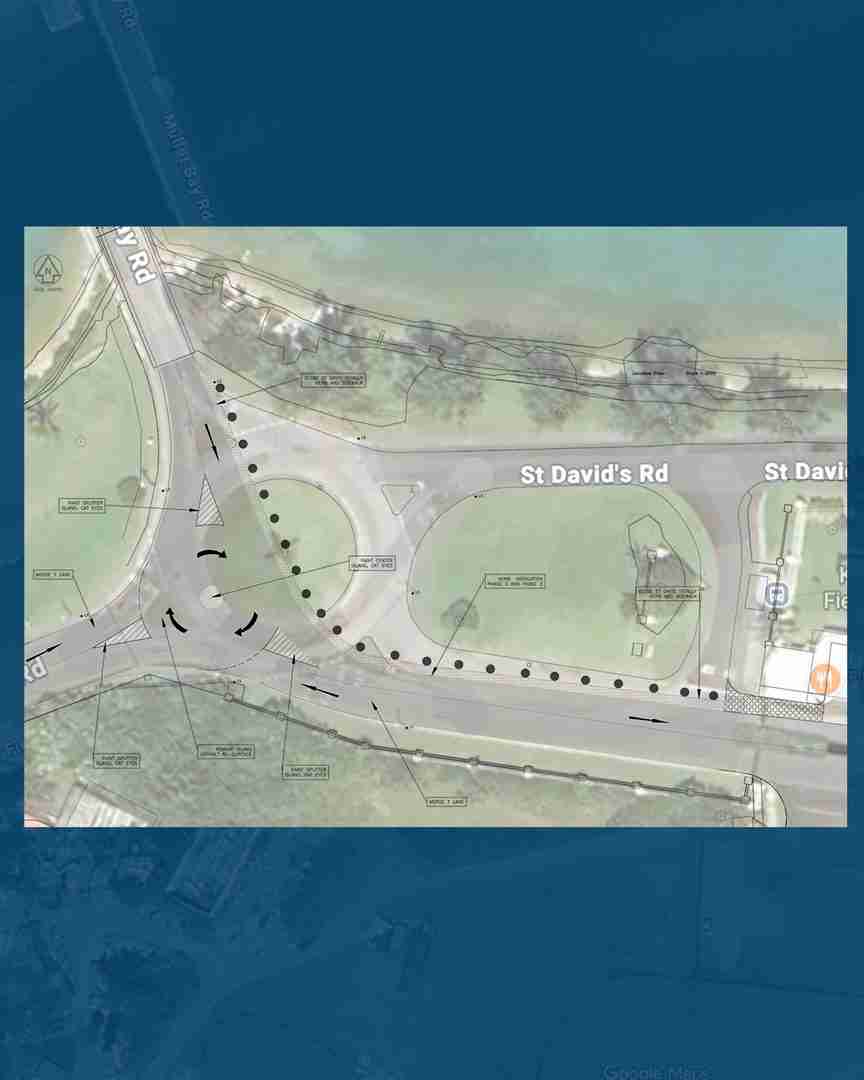
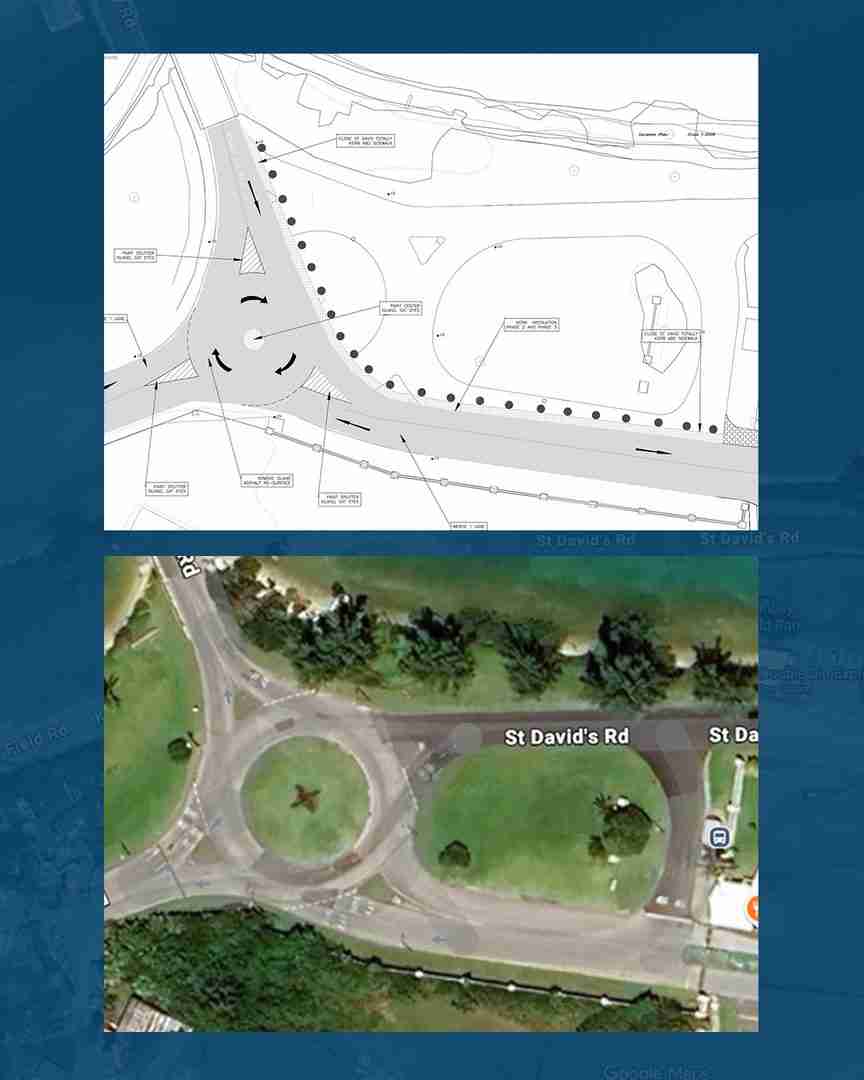
The Ministry of Public Works and Environment advises the motoring public that work on the Swing Bridge pre-construction detour route in St. George’s is progressing into Phase III. This phase is scheduled from Tuesday, 1 September through Sunday, 27 September 2026 and will involve multiple running road closures and temporary traffic changes.
The detour route is being constructed in three phases:
Phase I – Temporary Bus Turnaround Area
Phase I involved closing the road at Gate No. 1 and restricting access from the roundabout to Kindley Field Park while a temporary bus turnaround area was constructed. Access to the park during this phase was provided via Southside Road.
Phase I has been completed.
Phase II – Mini-Roundabout at Gate No. 2
Phase II involves construction of a mini-roundabout at Gate No. 2 on Waller’s Point Road.
This phase is expected to be completed during the first week of September 2026.
Phase III – One-Way System, Bus Stop Relocation and Mini-Roundabout Works
Phase III is scheduled from Tuesday, 1 September through Sunday, 27 September 2026.
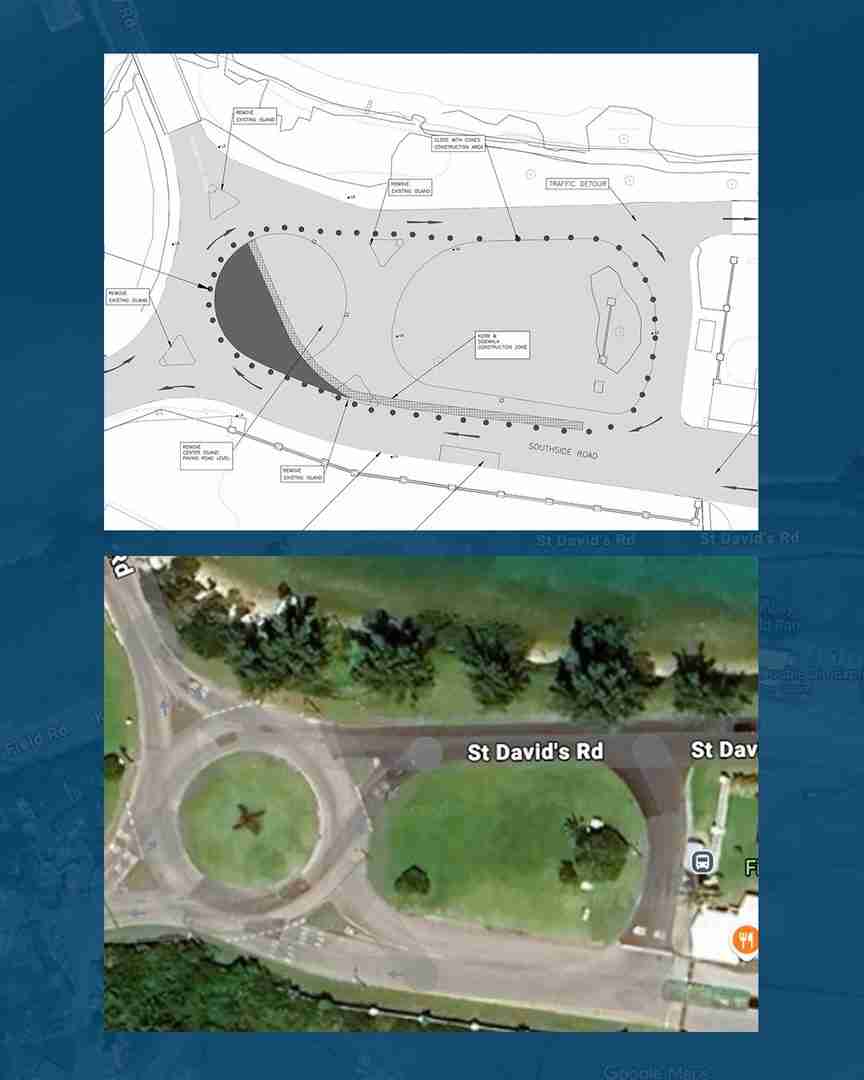
This phase will include the temporary relocation of the bus stop from east of the existing roundabout to an area further south along the Kindley Field Park wall. A temporary one-way roundabout system will also be introduced through the bus lane while the mini-roundabout is constructed.
Under the temporary one-way arrangement, the bus lane will be used for westbound traffic. The bus stop at Gate No. 1 will be relocated to the grass verge along the Kindley Field Park wall, with signage installed to identify the temporary location.
Once the mini-roundabout is completed, all traffic will be diverted through Kindley Field Park. Buses will then use the temporary turnaround area within the park.
Work is scheduled between 7.30 a.m. and 6.00 p.m. The dates are tentative and may change due to weather or other circumstances. Traffic controls will be managed by Ministry representatives using barricades, cones and stop-and-go personnel.
Motorists are encouraged to exercise caution, follow all traffic control directions and allow additional travel time when travelling through the area. The Ministry thanks the public for its cooperation and apologises for any inconvenience caused.
Please refer to the attached Road Traffic Notice for further information on the phased works, detour arrangements and traffic controls.
Captain Terryn Fray struck a commanding half-century and O.J. Pitcher reached a historic 1,000-run milestone as the Eastern County Cup finale between Bailey’s Bay and St David’s Cricket Club ended in a draw.
Following a delayed start due to overnight rain, St David’s won the toss and sent Bailey’s Bay in to bat in a match reduced to 48 overs per side.
Fray anchored the Bailey’s Bay innings with a composed 83 from 101 deliveries — hitting six fours and a six — to help post 218-9. Seth Campbell led the St David’s attack, taking 4-40 across his 12 overs.
In reply, St David’s reached 122-4 before time ran out. Pitcher starred with an unbeaten 50, passing the landmark of 1,000 career Eastern County runs.
Despite Kyle Hodsoll’s 2-28 for Bailey’s Bay, St David’s batted out the remaining overs to ensure the final round ended honours even.
The match was covered live by Bermuda Broadcasting Company on television and radio – and streamed live online.
Statement by Ben Smith, Opposition Leader & Shadow Sports Minister:
The investment now being made at the National Sports Centre is necessary, and I welcome it.
My concern is not that Government is spending money. The question is why we have had to wait until so many things are broken, deteriorating or unavailable before the money is spent.
The National Sports Centre is one of Bermuda’s most important public assets. It is where our children train, where clubs compete and where our national teams prepare to represent Bermuda.
We have seen ongoing concerns around changing facilities at the Aquatics Centre, the timing clock and touchpads, the solar project, stadium infrastructure and now the lighting work that means Bermuda will not host international football matches this October.
Each issue may have its own explanation, but together they point to a wider problem with maintenance, planning and coordination. When routine maintenance is delayed, the problem does not disappear. It normally becomes a bigger more expensive problem. A small repair becomes a major repair. Equipment that could have been maintained has to be replaced. In some cases, athletes lose access to facilities or Bermuda loses the opportunity to host international competition.
It affects the swimmer who trains every morning and expects the timing equipment to work when they compete and try to hit qualifying times. It affects young athletes who deserve proper changing facilities that don’t have safeguarding issues. It affects footballers who should be playing international matches in front of family and home supporters.
Government should publish a five-year infrastructure and maintenance plan for the National Sports Centre, updated every year. It should show the condition of the major facilities and equipment, what work is required, when replacements are expected, how much they will cost and whether the funding has been allocated.
There should also be closer coordination with our national sporting bodies before major works are scheduled, particularly where known international competition dates may be affected.
Our athletes represent Bermuda with pride and often achieve extraordinary results for a country of our size. They deserve facilities that match their commitment.
And if Bermuda is serious about sports tourism, then those same facilities must be reliable enough to attract visiting teams, training camps and international events. Sports tourism cannot simply be something we talk about. We have to maintain the product.
The objective should be simple. Look after the facilities we already have, plan before things fail, support our local athletes first and then use those facilities to bring more international sport and economic activity to Bermuda.
The Ministry of Youth, Social Development and Seniors, through the Office of Youth Affairs, is contacting parents and guardians who registered online for after-school programmes to advise them of a technical issue identified in the online registration portal.
The issue arose during the transition of the After-School Programme (ASP) registration process to the new toya.gov.bm platform. Although the registration process, including payment collection, was successfully tested before launch, several limitations became apparent once the system began operating in a live environment. These issues included challenges with payment processing and waitlist management.
A Ministry of Youth, Social Development and Seniors spokesperson said: “We understand that parents and guardians may have concerns about issues encountered during the registration process, particularly when arranging after-school care for their children. Once the technical issue was identified, our team began contacting the families of 535 children whose ASP applications were submitted through the new registration platform.”
“Children whose applications were submitted via the new platform will be given priority according to their original registration and placement status. Previously confirmed placements will be protected, subject to completion of the required updated registration process.”
The Ministry spokesperson concluded: “The Office of Youth Affairs expects the registration reconciliation process to be completed before the start of the school year. Families will continue to receive updates and direct assistance throughout the transition. The Ministry appreciates families’ patience. We understand the importance of timely and accurate information for parents and guardians, and we remain committed to keeping families informed and supported throughout this process.”
Families who require assistance or have questions may contact the support team by email at aspadmin@gov.bm or by telephone at 246-9100.
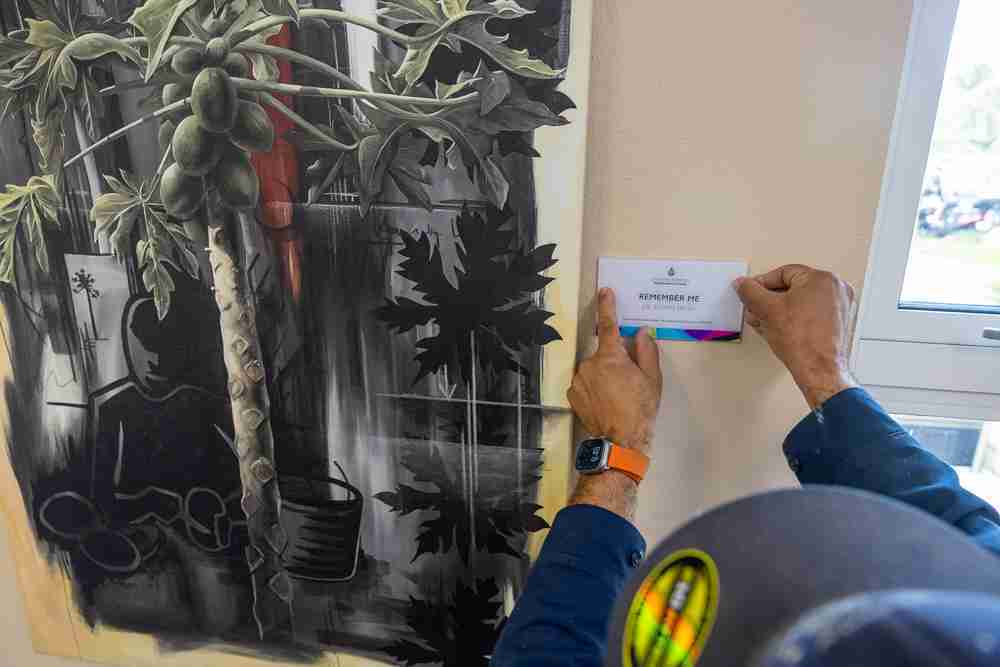
The Department of Culture is pleased to announce the completion of the latest phase of the Art in Public Buildings Programme, with a new collection of works by Bermudian artists now on display throughout Government buildings. The artwork has been installed at the Dame Lois Browne-Evans Building, Government Administration Building, Transport Control Department (TCD), and General Post Office, bringing Bermudian art and creativity into public spaces visited by residents and public officers every day.
Minister of Tourism & Transport, Culture & Sport, the Hon. Owen Darrell, JP, MP, said, “Our public buildings should reflect the people and culture of Bermuda, and our artists have an important part to play in that. Through this programme, people coming in to collect their mail, licence a vehicle, or go about their working day can encounter work by Bermudian artists. I congratulate the artists whose work has been selected and encourage everyone visiting these buildings to take a moment to enjoy what they have created.”
This latest phase of the programme features a diverse collection representing a range of styles, subjects, and perspectives. The selected artists are Graham Foster, Barbara Finsness, Keile Rabain, Kayla Jackson, Bill Ming, Alice Cedenio, Zoe Dyson Hedstrom, Dr. Edwin Smith, Shayne Trott, Natalie K. Sannemalm, Abigail Belfrage, Nakia Pearson, and Duane Jones. To celebrate their contributions, the Department of Culture hosted an Artist Meet & Greet, where the artists were congratulated and their works viewed ahead of installation.
The programme reflects the Department of Culture’s commitment to developing our creatives and celebrating our people by investing in the work of Bermudian artists and bringing it into the public spaces we use every day.
Police appeal for witnesses following collision at Middle Road junction
Media Release:
The 61-year-old local male motorcyclist hurt in a collision with a rental mini-car along Blue Hole Hill, Hamilton parish around 5:15pm Monday, 24th August 2026, sustained non-life threatening injuries. The rental mini-car driver, understood to be a 68-year-old visiting American man, attended court Tuesday, 25th August 2026 and pled guilty to careless driving. He was fined $800 for the offence, by a Magistrate.
Separately, the collision that occurred around 5:40pm Monday, 24th August 2026, at the junction of Middle Road and Harrington Sound Road, Smith’s parish involved a taxi and a motorcycle. The rider, said to be an 18-year-old Hamilton parish man, sustained an arm injury and other wounds. He was apparently transported via ambulance to King Edward VII Memorial Hospital for treatment. The taxi driver, said to be a 43-year-old Pembroke man, was not hurt. Information indicates that the motorcyclist and taxi driver were travelling in opposite directions at the time. Inquiries regarding the circumstances of this collision are ongoing. Any witnesses are encouraged to call Constable Troy Emmanuel on 211, or e-mail temmanuel@bps.bm.
Both found administering contraception without valid consent breached the women’s right to respect for their private and family life and subjected them to degrading treatment in some cases. The reports differed on whether the practice was systemic
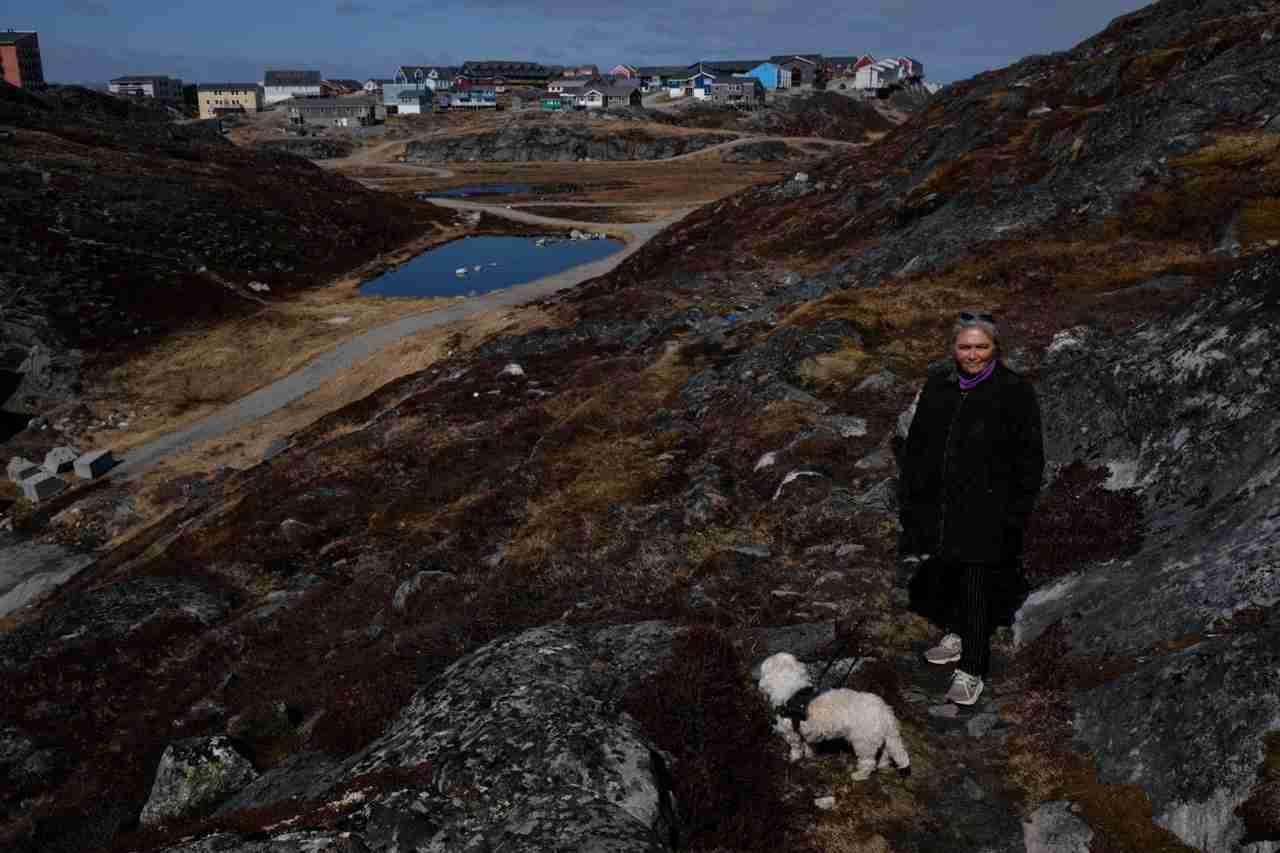
Inger Platou, one of the Greenlandic women who say they received contraceptive devices without consent, poses after an interview with Reuters in Nuuk, Greenland, May 25, 2026. REUTERS/Tim Barsoe
International News via Reuters:
A campaign of forced contraception in Greenland that ran primarily in the 1960s and 1970s violated women’s human rights but did not meet the legal definition of genocide, two expert reports concluded on Friday.
Both found administering contraception without valid consent breached the women’s right to respect for their private and family life and subjected them to degrading treatment in some cases. The reports differed on whether the practice was systemic.
At least 4,000 Greenlandic women and girls, some as young as 12, received intrauterine devices or contraceptive injections between 1966 and 1991, often without their consent or knowledge, a joint Danish-Greenlandic inquiry found in 2025.
That inquiry found the practice was intended to reduce birth rates and family sizes, which Danish authorities at the time viewed as a way to improve living standards and social and health conditions in Greenland, an Arctic island and semi-sovereign territory of Denmark, with a population of 57,000.
Documented consequences for some women included heavy bleeding, serious infections, scarring of the fallopian tubes, removal of the uterus and the inability to have children.
In 2024, the then-government in Nuuk tasked three legal experts and one psychologist with establishing whether there have been violations of human rights and the rights of indigenous peoples and if these meet the definition of genocide. The panel split during its work, with two members resigning and submitting a separate report.
Greenlandic Prime Minister Jens-Frederik Nielsen said the government would establish a reconciliation commission whose work “should not be about assigning blame, but about uncovering the truth with a view to genuine reconciliation, which will create the future we desire as a society.”
Danish Prime Minister Mette Frederiksen said she would read the reports “with great interest” and welcomed the proposal from Nielsen.
“A reconciliation commission gives us the opportunity to look back at the darkness in our shared history, engage with it critically, and acknowledge the pain it may have caused,” she said.
The Greenlandic Siumut party demanded in a statement that the genocide question should be settled by “a competent and independent international court”. “Today we could have been far more Greenlanders,” the party said.
The reports’ findings are sensitive because U.S. President Donald Trump has pledged to take over Greenland, which aspires to full independence one day. His administration has highlighted allegations of misconduct by Danish authorities against the people of its former colony, in seeking to persuade them to turn to Washington.
The White House did not immediately respond to a request for comment when contacted by Reuters via email.
INTENT IS KEY TO PROVING GENOCIDE
The UN Genocide Convention prohibits not just mass killing but “measures intended to prevent births” within a national, ethnical, racial or religious group, and requires proof the acts were carried out with intent to destroy that group in whole or in part.
In their report, Dalee Sambo Dorough, a lawyer from Alaska and former chair of the Inuit Circumpolar Council, and Miriam Cullen, a law professor at the University of Copenhagen, found a reasonable basis to believe that Kalaallit Inuit (Greenlandic) women had suffered involuntary contraceptive practices that violated their rights to equality and non-discrimination, to non-interference in private and family life and the right to freedom from cruel, inhuman or degrading treatment.
They did not, however, conclude that genocide had taken place. There was also a reasonable basis to believe that “limiting population growth” was one factor behind how doctors approached contraception, they said.
In the other report, Jonas Christoffersen, former head of the Danish Institute for Human Rights, and Jensine Nedergaard, a psychologist who worked in Greenland — the experts who resigned from the original panel — accepted women had been wronged but said the extent of the violations could not be established.
Christoffersen and Nedergaard found no evidence “any authority or health professional at any time had any intention of destroying the Greenlandic population.”
Dorough and Cullen said the evidence could not establish such an intent “on the basis of contraceptive practices alone.”
Establishing whether genocide had ever taken place, they wrote, would need to consider other violations Denmark is accused of in Greenland, such as the removal of Inuit children to Danish families. This fell outside the scope of their report.
They added that genocidal intent by Denmark “remains a possible inference” that a court might establish based on a full review.
DENMARK DID BREACH CONVENTION, ONE REPORT FINDS
Dorough and Cullen found, however, “reasonable basis to believe” Denmark had breached the Genocide Convention by learning as early as 1969 of a serious risk that the programme amounted to the preventing of births within a group, and failing to take all measures within its power. Only a court could settle that question, they said.
Under the terms of the Genocide Convention, which Denmark ratified in 1951, the country pledges not to commit genocide, and to prevent and punish it.
The reports’ authors and the women at the centre of the case asked that the findings not be used in questions over Greenland’s future ties with Denmark on the grounds that the women’s experience should be considered in isolation and not drawn into geopolitical disputes.
‘WE WERE TREATED LIKE ANIMALS’
Inger Platou, 70, was one of the women affected.
Speaking to Reuters before the experts’ findings were published, she described waking up from what she had been told was a minor operation to discover an IUD had been inserted without her consent.
“It turns out we were treated like animals,” she said. “Without consent, they just wanted to stop women from giving birth or having children. It was a very inhumane act.”
She said a doctor later told her complications from the coil had left her unable to become pregnant. She went on to adopt two children from Colombia.
“We are very deferential to authority because we are colonial children,” she said.
In 2025, Frederiksen apologised to women she said had been subjected to “systematic discrimination” and Greenland’s Prime Minister apologised for cases that occurred after Greenland took over its health system in 1992. Denmark on Thursday passed a compensation law to pay 300,000 Danish crowns ($46,758) to each affected woman.
Both reports were peer reviewed by two outside academics: one found the Christoffersen and Nedergaard report fell short of “recognised scientific standards”. Greenland’s justice minister said their report did not fulfil their commission.
Christoffersen said he and Nedergaard had written to the Greenlandic government in July to explain their reasoning, and that the two scholars rejected the finding that their report fell short of scientific standards.
($1 = 6.4159 Danish crowns)
Reporting by Stine Jacobsen in Copenhagen and Time Barsoe in Nuuk, additional reporting by Louise Rasmussen; editing by Philippa Fletcher and Alexandra Hudson
To provide the best experiences, we use technologies like cookies to store and/or access device information. Consenting to these technologies will allow us to process data such as browsing behavior or unique IDs on this site. Not consenting or withdrawing consent, may adversely affect certain features and functions.
Functional
Always active
The technical storage or access is strictly necessary for the legitimate purpose of enabling the use of a specific service explicitly requested by the subscriber or user, or for the sole purpose of carrying out the transmission of a communication over an electronic communications network.
Preferences
The technical storage or access is necessary for the legitimate purpose of storing preferences that are not requested by the subscriber or user.
Statistics
The technical storage or access that is used exclusively for statistical purposes.The technical storage or access that is used exclusively for anonymous statistical purposes. Without a subpoena, voluntary compliance on the part of your Internet Service Provider, or additional records from a third party, information stored or retrieved for this purpose alone cannot usually be used to identify you.
Marketing
The technical storage or access is required to create user profiles to send advertising, or to track the user on a website or across several websites for similar marketing purposes.