Tuesday, November 3, 2026
Home Blog Page 89

Brent crude rises above $100 a barrel as Middle East conflict intensifies

The move brought futures prices into line with physical crude and fuel markets, where prices have already been trading above the psychological threshold
International News via Reuters:

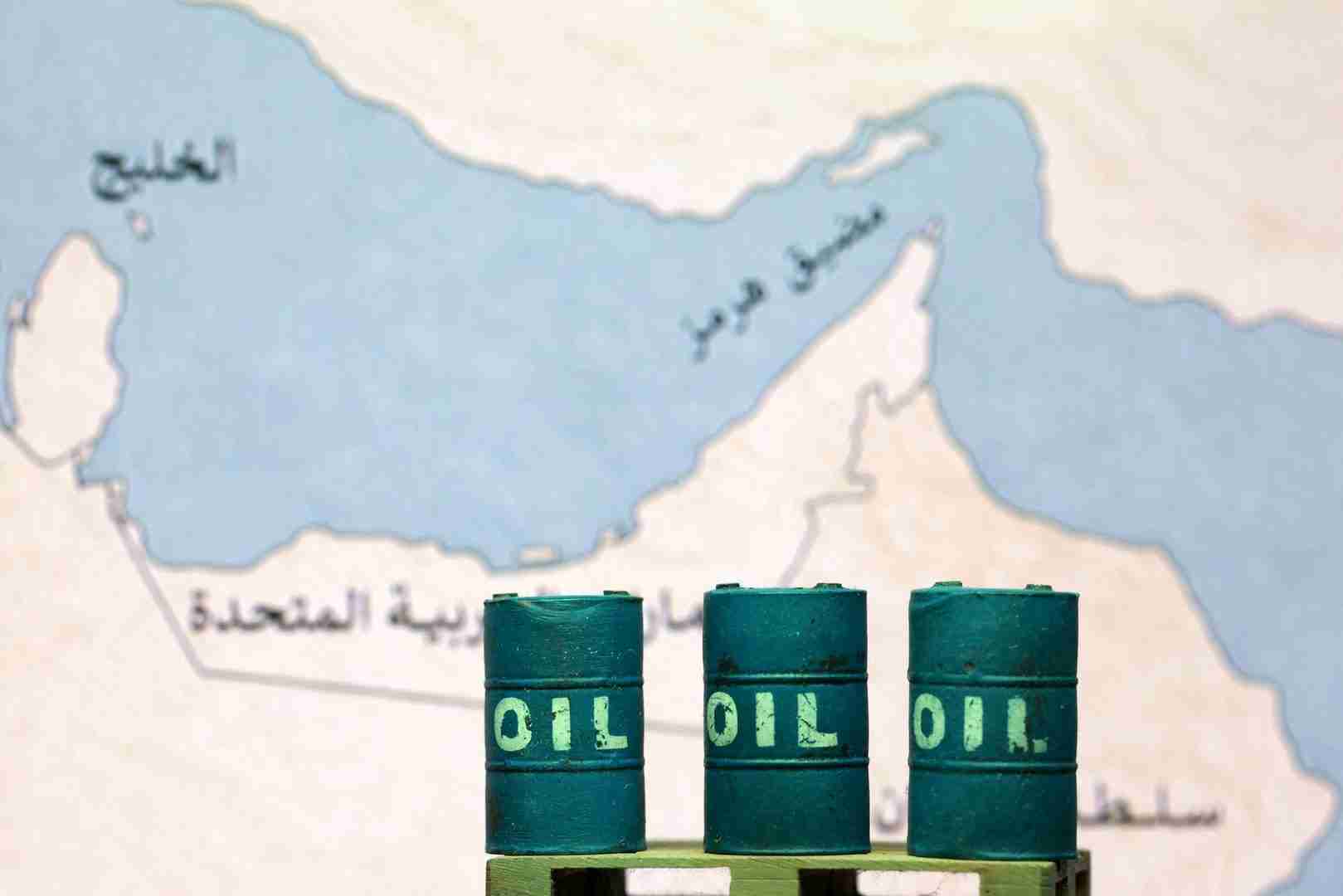
Brent crude futures breached $100 a barrel on Wednesday for the first time since July 24, hitting a six-week high as the escalating Middle East conflict stoked concerns over oil supplies.

The move brought futures prices into line with physical crude and fuel markets, where prices have already been trading above the psychological threshold.

Brent crude futures were up $2.88, or 2.94%, at $100.80 a barrel by 1210 GMT, after earlier touching $100.95. U.S. West Texas Intermediate crude was up $2.57, or 2.76%, at $95.60 a barrel, its highest level since early June.

Since the Iran war began on February 28, Brent has surged as high as $126.41 a barrel, a peak reached on April 30.

“The move towards and back above $100 Brent is reflecting a market that increasingly has to change its view on how long the Middle East crisis will continue to curb supply from the region,” said Ole Hansen, head of commodity strategy at Saxo Bank.

This week, attacks by Iran-backed Houthis on Saudi energy facilities set oil installations ablaze, threatening a significant expansion of the conflict.

The attacks also threaten crude shipments via the Red Sea, which has been a key alternative route to the crucial Strait of Hormuz, where oil flows have been severely curtailed.

In a sharp escalation of the six-month-old war, U.S. forces also hit multiple Iranian oil tankers and Iran targeted a U.S. base in Jordan and attacked ships.

SUPPLY RISKS MOUNT

“Market participants appear to be pricing in a more prolonged conflict in the Middle East as well as the risk that the latest escalation in military strikes disrupts oil flows from the Middle East,” said Hamad Hussain, senior climate and commodities economist at Capital Economics.

“The key risk is whether the recent attacks on oil tankers lead to fewer ship-to-ship transfers taking place in the Gulf of Oman, which have so far played a key role in providing oil to global markets and keeping a lid on prices.”

A tanker carrying about 2 million barrels of Iraqi fuel oil was struck by a drone in Iraqi territorial waters on Wednesday, port officials said, while UKMTO, a British navy-linked agency, reported that several merchant vessels in the Gulf had been hit by disabling fire overnight.

In the week before a resumption in fighting on August 30, roughly 8 million to 9 million barrels per day had flowed through Hormuz, double the previous week’s volume, according to Rystad Energy’s Chief Economist Claudio Galimberti. More recently, flows have fallen below 2 million bpd.

FUELS, PHYSICAL CRUDE OIL ALREADY ABOVE $100

In the physical crude oil market, the dated Brent oil benchmark, against which roughly two-thirds of supply is priced, has been above $100 per barrel since September 3, according to LSEG data.

Physical oil markets react quickly to supply disruptions as buyers need to go into the market to seek alternative cargoes.

Meanwhile, consumers have been paying over $100 for their oil in the form of refined fuels such as gasoline and diesel for most of this year, as conflicts created a global refining crunch which sent fuel prices soaring even relative to crude.

European diesel futures were trading at around $199 per barrel on Wednesday, and have not been below $100 per barrel since the start of the Iran war.

Diesel refining margins, or the fuel’s premium to crude, have been at all-time highs since August as fuel shortages gripped markets, touching $78.90 per barrel on September 1.

By contrast, the margin averaged $21 per barrel in 2025 and $19.52 in 2024.

“We’re in a situation where actually, if we had normal refining margins, crude would be the equivalent of about $150,” said Alan Gelder, senior vice-president for refining, chemicals and oil markets at Wood Mackenzie.

Refining is tight globally because of lower exports from the Strait of Hormuz and Russia, and restrained throughputs in Asia, he added.

European gasoline has also been above $100 since March, and its premium to crude neared all-time highs of above $60 per barrel at the start of the month.

In the U.S., consumers faced record gasoline prices over the Labor Day holiday weekend, while diesel prices hit all-time highs last week as supply concerns continued to tighten fuel markets.

“It complicates the picture because central banks around the world are trying to grapple with high inflation,” said Nitesh Shah, commodity strategist at WisdomTree.

Reporting by Tony Munroe and Jeslyn Lerh in Singapore, Sethuraman N R in New Delhi, Anushree Mukherjee in Bengaluru, Robert Harvey in London. Editing by Louise Heavens, Jan Harvey and Mark Potter


Pound nears two-week highs; Bailey says ‘no secret plan’ for rate hikes

With crude now 40% above where it was prior to the start of the war at the end of February, and European natural gas prices around three times higher, central banks are under pressure to raise interest rates

International News via Reuters:

The pound edged towards two-week highs against the dollar on Wednesday, shrugging off a rally in the oil price above $100 a barrel as the conflict in the Middle East widened.

With crude now 40% above where it was prior to the start of the war at the end of February, and European natural gas prices around three times higher, central banks are under pressure to raise interest rates.

Britain is especially reliant on energy imports. Consumer inflation picked up to a rate of 2.9% in July, from June’s 15-month low of 2.6%.

Money markets show traders do not expect the Bank of England to raise interest rates when it meets next week, but at least two hikes are priced in by next March, with a 40% chance of a third by then. The Federal Reserve, by contrast, is only expected to raise rates twice by that point, according to the rates market. 

The pound was last a touch stronger on the day at $1.3545, its highest since August 28. It has been one of the better-performing major currencies against the dollar this year, with a gain of 0.5%, compared with a 1% drop in the euro, or the 2% decline in the yen. 

INTEREST RATE EXPECTATIONS

Much of sterling’s tailwind has come from the expectation that the BoE will have to raise interest rates, especially with growth holding up.

Economists and analysts are at odds with the market, as is BoE Governor Andrew Bailey, who on Tuesday pushed back against the idea of a rate hike being inevitable. 

“What I want to dispel is the idea that we’ve really got a secret plan, we know where we’re going to go to and it’s unconditional,” he said at a hearing before lawmakers in parliament.

There is good reason for the belief that higher energy prices could be a factor in the rate outlook, according to ING strategists, who say that, since the start of the Iran war, every $10 increase in Brent has added around 15 basis points to 2-year rates, compared with 11 bps for euro zone rates and 8 bps for U.S. ones.

The British rate outlook, as reflected by the market, appears to be overdone, ING strategist Michiel Tukker said, but the level of uncertainty around the oil price and the fiscal risks ahead, starting with the Autumn Budget next month, complicate the prospects for the pound itself.

“Only once the predictability of oil prices improves do we see scope for tactical opportunities. But with oil likely to test $100 again, we stay on the sidelines,” he said. 

Reporting by Amanda Cooper; Editing by Alex Richardson

World Physiotherapy Day highlights role of physio in heart health, stroke recovery

Today marks World Physiotherapy Day, highlighting the important role physiotherapists play in keeping people healthy, mobile and independent.

This year’s focus is on cardiovascular disease and stroke, kicking off a four-year global focus on noncommunicable diseases.

Qian Dickinson spoke with Dr. Kimberley Watkins, Senior Rehabilitation Physiotherapist at Evolution Healing Center, about the significance of the day and the role physiotherapy can play in prevention, recovery and improving quality of life.

But physiotherapy extends well beyond recovery from major illness or injury. We also asked about some of the most common reasons people in Bermuda seek physiotherapy — and the conditions therapists are seeing most often.

And finally, if you’ve been living with pain, discomfort or limited mobility and putting off getting help, the message is simple — don’t wait.

Here’s why seeking physiotherapy sooner rather than later can make a difference.

PLP leadership contender condemns ‘vitriolic comments, threats’

Former finance Minister and PLP leadership candidate Curtis Dickinson, issued a statement following a rift within the ruling PLP has spilled over into the Supreme Court 


Divisive messages, threats, hateful language … unsubstantiated rumours – a bleak picture of conflict engulfing the PLP.

The words are from Curtis Dickinson, who is vying for leadership of the ruling party.

His is among the plaintiffs in a legal suit seeking to prevent a change in membership rules, ahead of ahead of next month’s leadership challenge.  

Jasmine Patterson reports.

Air traffic control issue disrupts flights at major UK airports

The cancellation of hundreds of flights and delays to hundreds more renews scrutiny on NATS three years after a flight-plan processing failure caused even more widespread disruption

International News via Reuters:

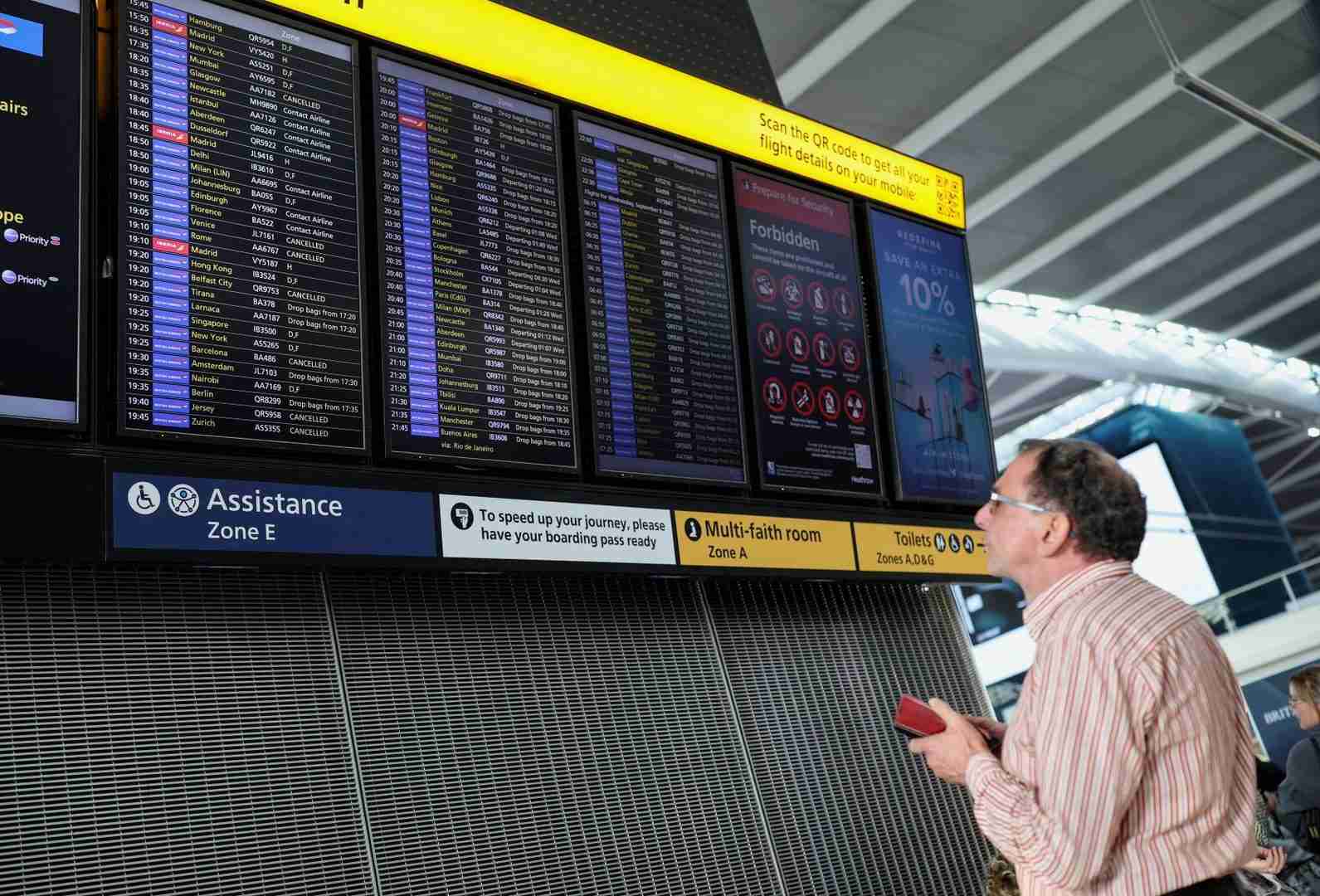
Flights at major British airports were disrupted on Tuesday by a technical fault at air traffic control provider NATS, the latest in a series of failures that renewed questions about the resilience of Britain’s aviation infrastructure.

The cancellation of hundreds of flights and delays to hundreds more renews scrutiny on NATS three years after a flight-plan processing failure caused even more widespread disruption.

As passengers waited for information in departure halls across the country on Tuesday, airlines questioned whether the country’s air traffic control system was fit for purpose.

NATS said it was solving the problem.

“We have implemented a fix and our flight system is starting to recover. We are continuing to work closely with our airline and airport customers on recovery,” NATS said in a statement.

HUNDREDS OF FLIGHTS DELAYED AND MANY CANCELLED

Close to a thousand flights were disrupted on Tuesday, including to and from the largest UK airport, Heathrow.

Data on flight-tracking platform FlightAware said some 490 departures were delayed at six airports, including Heathrow, Gatwick, London City, Luton, Edinburgh and Bristol as of 1518 GMT.

Some 525 arrivals at those six airports were either cancelled or delayed, the website data shows.

At Heathrow, 38 of 661 scheduled arrivals had been cancelled or were unable to operate, according to aviation analytics company Cirium. British Airways was the most affected carrier at the airport, cancelling 16 of 333 scheduled departures.

EUROPE’S TRAFFIC-FILLED SKIES

Air traffic control is a tightly timed system in Europe’s extremely busy skies.

Aviation analyst John Strickland said the consequences of even a relatively short outage can be severe because delays quickly cascade through tightly scheduled airline networks.

“A few hours of outage may on the face of it sound limited but the impact is enormous when a substantial number of airports across the UK are affected,” Strickland said.

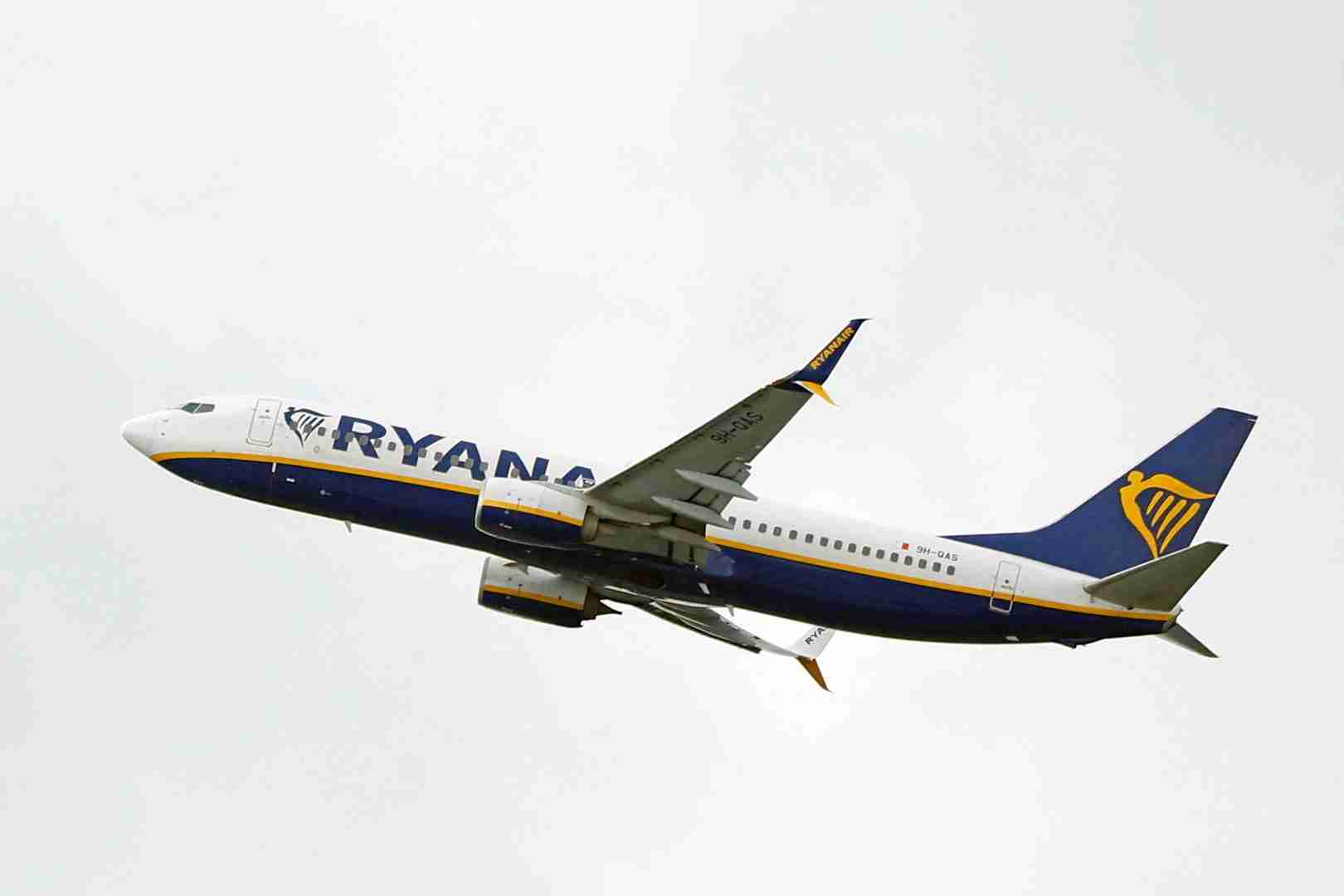
Ryanair said more than 65,000 of its passengers had been affected by delays of up to eight hours and that it had cancelled more than 50 flights, calling on NATS Chief Executive Martin Rolfe to resign.

“How many more failures do passengers have to suffer before overpaid failure NATS CEO, Martin Rolfe, accepts responsibility for his repeated mismanagement and resigns?” Ryanair Chief Operating Officer Neal McMahon said.

NATS did not immediately respond to a request for comment on McMahon’s comments.

Wizz Air also called for urgent reform of the air traffic controller, saying airlines, passengers and airports should not continue to bear the consequences of recurring system failures.

“A critical national infrastructure provider should not repeatedly bring the aviation system to a standstill. NATS is simply not fit for purpose in its current form,” Wizz Air said.

Britain’s aviation regulator said it would expect NATS to share a full report of Tuesday’s incident.

The Civil Aviation Authority said it would then consider whether any further steps need to be taken to secure the reliability of the UK’s air traffic control system.

In 2024, the CAA said NATS needed to review its contingency plans for outages after the automatic processing of flight plans had malfunctioned a year earlier, causing chaos across Britain’s airports. 

Airline bosses said that outage had cost them over £100 million ($135.49 million) in refunds and compensation.

In July last year, a radar-related technical issue in Britain’s air traffic control system disrupted flights for over four hours at major airports in London and elsewhere, including Heathrow.

($1 = 0.7381 pounds)

Reporting by Sam Tabahriti, Josephine Mason, Joanna Plucinska and Pushkala Aripaka; editing by Alison Williams, William James and Barbara Lewis

Canada’s retaliatory tariffs take effect as US trade talks stall

The Canadian levies follow 50% tariffs the United States imposed on some $20 billion of Canadian goods last month, after several rounds of negotiations collapsed

International News via Reuters:

Canada’s retaliatory tariffs on U.S. goods took effect after midnight on Tuesday, intensifying an 18-month-old trade war and spurring Prime Minister Mark Carney to urge a further shift away from the country’s biggest trading partner.

The Canadian levies follow 50% tariffs the United States imposed on some $20 billion of Canadian goods last month, after several rounds of negotiations collapsed. The breakdown has widened a rift between the longtime allies, both of whom have blamed the other for the failed talks.

“We have everything we need to pivot and prosper,” Carney said on Tuesday in a video posted on YouTube after the tariffs came into effect.

“That pivot will come at a cost. There’s always a cost to action. But it doesn’t come close to the cost of standing still,” he said.

A government source said there are currently no talks between the two sides on the level of ministers or government officials.

Ottawa designed the retaliatory measures to put economic and political pressure on Washington, Canadian government officials said, and the tariffs are expected to hit sectors in some competitive states such as Michigan and Ohio, ahead of U.S. midterm elections in November.

The counter-tariffs cover some $20 billion of U.S. goods, with duties ranging from 15% to 50% across products from steel and furniture to clothing and electronics. 

While the new tariffs affect a small amount of exports compared with total trade between the U.S. and Canada, some analysts worry the standoff could destabilize the U.S.-Mexico-Canada Agreement, the free-trade pact that succeeded NAFTA. Together they have underpinned commerce across North America for decades.

“What we are worried about is an escalatory spiral,” said Michael Harvey, executive director of the Canadian Agri-Food Trade Alliance and a member of Carney’s advisory committee on bilateral U.S. economic relations.

“But at the same time, we totally understand that the prime minister needs to find areas of leverage,” Harvey said. 

Trump’s social media posts focused on Canada over the holiday weekend as Ottawa’s tariff deadline approached.

Canadian private jet maker Bombardier would no longer be allowed to sell its planes in the United States unless it started manufacturing in the country, Trump said in a post on Truth Social on Monday, without saying whether an official government order would follow. The company’s shares opened down more than 6% on the Toronto Stock Exchange on Tuesday.

On Monday, Trump posted a map of North America draped in the U.S. flag, including Canada and Mexico. He also shared an AI-generated image reviving a running jab at Carney, calling him “Governor,” a reference to his repeated taunt that Canada should become the 51st U.S. state.

U.S. TARIFFS HIT CANADIAN WINE, FURNITURE, DAIRY

Trump’s tariffs implemented last month hit sectors including wine, furniture, dairy products, cement, clothing, fishing rods and hockey equipment, covering $20 billion, or 5%, of Canadian exports to the U.S.

According to Canadian and U.S. government data, Canada has shipped almost 68% of total exports to the U.S. this year, out of which roughly 80% moved duty-free due to exemptions under the USMCA pact. Protections under the agreement have provided the domestic economy some resilience.   

The new tariffs, imposed under a Depression-era U.S. law, do not allow Ottawa to exercise USMCA exemptions.

Concerns about the USMCA’s future have fuelled uncertainty about investment and growth, as Canada wages a trade war against an economy 13 times its size. 

Polls also show Carney has broad support from Canadians, but that could disappear within months as the consequences of the trade war sink in, according to political analysts.

A new poll from Angus Reid on Tuesday showed that approval of Carney’s performance jumped 11 points to 62% from an August poll.

Meanwhile, just 20% of Americans approved of Trump’s tariffs on Canadian goods, a Reuters/Ipsos poll found. 

Trump threatened last month to raise U.S. tariffs on all cars, trucks and automotive parts from Canada to 50% starting January 1, and signed an executive order renaming Lake Ontario as Lake America.

Reporting by Promit Mukherjee; Editing by Caroline Stauffer, Rod Nickel and Deepa Babington

EasyJet faces $72 million lawsuit over stranded Airbus planes, FT reports

The lawsuit, filed in London’s High Court by STLC Europe Eight, a unit of GTLK Europe, alleges easyJet left leased Airbus jets in Madrid and Cyprus in 2022 without maintenance while airport storage charges continued to accrue

International News via Reuters:

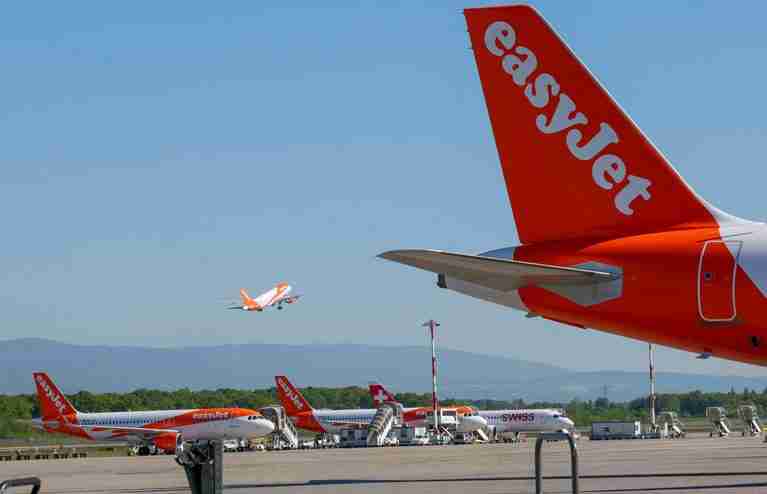
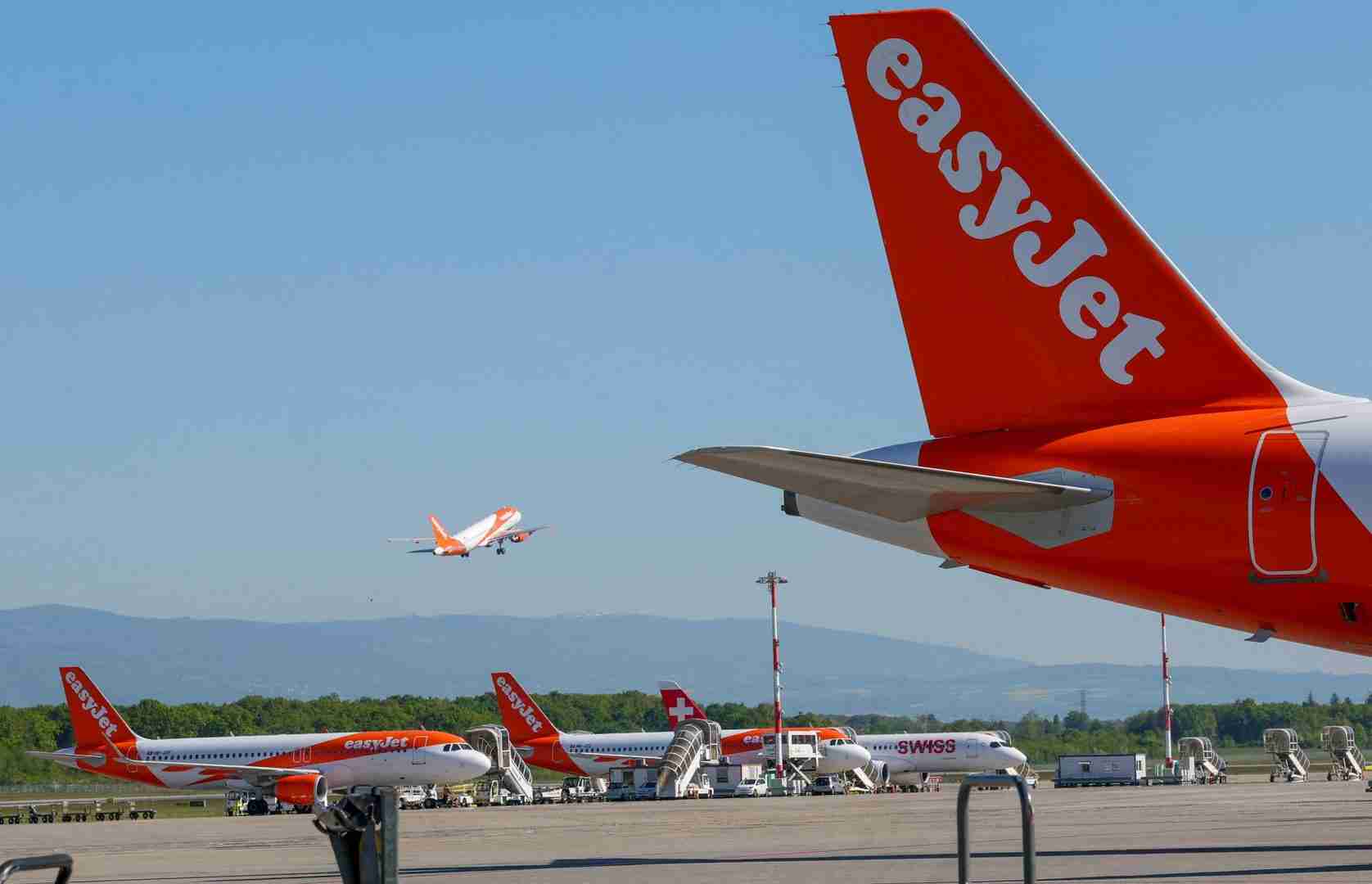
British budget airline easyJet is being sued for at least $72 million by an Irish unit of Russian state-owned aircraft lessor GTLK over allegations it unlawfully abandoned six Airbus planes after terminating their leases following sanctions, the Financial Times reported on Tuesday.

The lawsuit, filed in London’s High Court by STLC Europe Eight, a unit of GTLK Europe, alleges easyJet left leased Airbus jets in Madrid and Cyprus in 2022 without maintenance while airport storage charges continued to accrue.

According to the claim, the carrier leased the aircraft from STLC and notified the lessor in April 2022 that it was terminating the leases because EU sanctions prevented it from maintaining or repairing the jets.

STLC argues the sanctions did not apply because the aircraft remained outside Russia and the leasing entity was based in Ireland, the report added.

Three jets at Cyprus’ Larnaca International Airport were eventually recovered and sold, but fetched at least $32.5 million less than expected because of their poor condition. The remaining three aircraft in Madrid have yet to be sold, according to the report.

An easyJet spokesperson said the airline intends to defend the claim in full and declined to comment further on the ongoing litigation. GTLK did not immediately respond to Reuters’ request for comment.

Reporting by Rishab Shaju and Sruthi Narasimha Chari in Bengaluru; Editing by Diti Pujara and Tasim Zahid

Wizz Air, Ryanair call for NATS overhaul after UK flight disruption

Rival Ryanair also criticised the agency and called for the resignation of its CEO, Martin Rolfe

International News via Reuters:

European budget carriers Wizz Air and Ryanair on Tuesday called for an overhaul of Britain’s air traffic control provider NATS following a new technical issue that disrupted hundreds of flights at key airports in the country.

“A critical national infrastructure provider should not repeatedly bring the aviation system to a standstill. NATS is simply not fit for purpose in its current form,” a spokesperson for Wizz Air said in a statement.

Rival Ryanair also criticised the agency and called for the resignation of its CEO, Martin Rolfe.

“Following the 2023 collapse, we were told lessons would be learned. We were told ‘resilience would improve’. We were told the systems had been fixed. Yet here we are again,” Ryanair Chief Operations Officer Neal McMahon said.

NATS did not immediately respond to a request for comment.

In 2024, Britain’s aviation regulator said NATS needed to review its contingency plans for outages after the automatic processing of flight plans had malfunctioned a year earlier, causing chaos across Britain’s airports.

The UK’s civil aviation body on Tuesday said it had been in touch with NATS over the incident and expects the latter to share a full report on the incident.

“We will then consider whether any further steps need to be taken to help secure the safe reliability of the UK’s air traffic control system,” a spokesperson for the Civil Aviation Authority said.

Reporting by Pushkala AripakaEditing by Tomasz Janowski

London shares inch lower as oil rally fuels inflation concerns

The blue-chip FTSE 100 index closed 0.1% lower at 10,811.66 points after briefly turning positive earlier in the day, while the mid-cap FTSE 250 slipped 0.64%

International News via Reuters:

London’s benchmark FTSE 100 ended slightly lower on Tuesday, with gains in commodity-linked shares helping offset broader market weakness, as a week packed with economic data worldwide got under way.

The blue-chip FTSE 100 index closed 0.1% lower at 10,811.66 points after briefly turning positive earlier in the day, while the mid-cap FTSE 250 slipped 0.64%.

• Yemen’s Tehran-backed Houthis attacked energy facilities in Saudi Arabia, in a major expansion of the ongoing conflict, sending Brent crude to near $99 a barrel earlier in the day.

• Energy stocks in London rose, with BP and Shell up 0.68% and 0.52%, respectively. [O/R]

• Miners Antofagasta and Glencore gained 4.7% and 4.2% as copper prices hit a record high. The industrial metal miners sector rose 2.7%.[MET/L]

• Pharma stocks were the biggest drags, with medical products maker Smith+Nephew down 3.6% and index heavyweight AstraZeneca sliding 1.4%.

• Other consumer-focused sectors also took a hit. Dunelm tumbled 14.3% after the homeware retailer issued a profit warning for 2027, citing hot summer weather.

• Rising oil prices have reinforced inflation concerns, pushing global bond yields to multi-month highs and hitting risk assets lately.

• Traders are pricing in a 60% chance of a U.S. interest rate hike next week, while they expect the Bank of England (BoE) to remain on hold, according to LSEG data.

• A key U.S. inflation report and economic growth data in the UK due later this week could influence these bets.

• BoE Governor Andrew Bailey said the market curve for interest rate expectations reflected investors adding a “risk premium” because of their worry about further energy price increases.

• Among other stocks, technology service provider Computacenter said its annual profit would top market expectations. The company’s shares, however, closed 7.8% lower, having surged to record highs earlier in the day.

• Mechanical engineering company Goodwin slumped 23.2%. The Financial Times reported that U.S. private equity firm Cerberus is nearing a £1 billion ($1.36 billion) deal for Goodwin’s defence business.

($1 = 0.7390 pounds)

Reporting by Anand Gopal and Purvi Agarwal in Bengaluru; Editing by Maju Samuel

EU faces complaint over plan to simplify more environmental laws

The complaint is the latest by environmental groups over the European Union’s efforts to simplify and scale back policies, a strategy known as the EU “omnibus,”

International News via Reuters:

Environmental campaign groups lodged a complaint against the European Commission on Tuesday, accusing the EU executive of moving ahead with an overhaul of water protection and management laws without enough evidence.

The complaint is the latest by environmental groups over the European Union’s efforts to simplify and scale back policies, a strategy known as the EU “omnibus,” which responds to complaints from industries who say burdensome laws hurt their competitiveness with global rivals like the U.S. and China.

The complaint concerns a Commission plan to revise the EU’s main water legislation this year, in part in response to concerns by mining and metals companies that say the law’s environmental safeguards are delaying permits for new critical raw materials mines and other industrial projects.

In a complaint filed with the European Ombudsman — the EU’s independent watchdog — the World Wildlife Fund, the European Environmental Bureau and three other groups said the Commission had failed to sufficiently gather evidence and consult stakeholders before announcing the planned revision, and that this failure amounted to maladministration.

“Their cumulative effect amounts to a flagrant deviation from established due process, one that materially affects citizens’ rights,” the NGOs said. They argued that the EU water laws are not the reason new mines struggle to get permits, and do not need revising.

A Commission spokesperson did not immediately respond to a request for comment.

The Ombudsman will now decide whether to open an inquiry into the complaint. That process can take a few weeks, a spokesperson for the watchdog told Reuters.

The EU watchdog does not have enforcement powers, but rather makes recommendations that can affect future EU lawmaking, and increases scrutiny of the Commission. 

Last year, the Ombudsman obliged the Commission to publicly explain why it had fast-tracked other proposals to curb sustainability laws, and not assessed whether the changes complied with Europe’s climate change commitments.

Reporting by Kate Abnett; Editing by Paul Simao

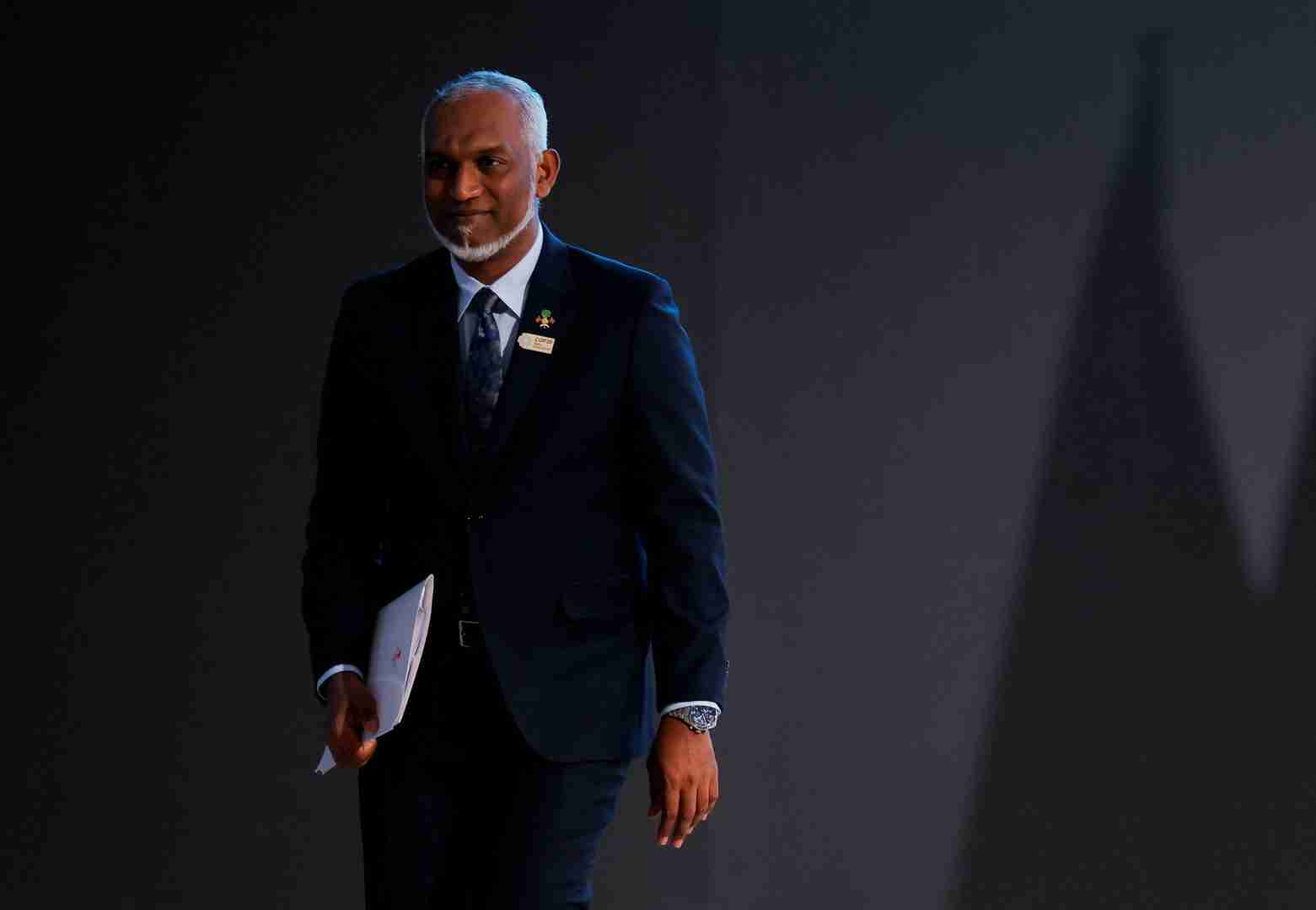
Maldives’ Muizzu asks UK PM Burnham to reopen talks over Chagos Islands sovereignty

The spokesperson said Muizzu was “deeply disappointed” that Britain did not consult the Maldives when British Prime Minister Keir Starmer agreed to cede sovereignty of the Indian Ocean archipelago to Mauritius

International News via Reuters:

Maldives President Mohamed Muizzu has written to British Prime Minister Andy Burnham, asking him to reopen talks over the sovereignty of the Chagos Islands, a spokesperson said on Tuesday in a statement.

The spokesperson said Muizzu was “deeply disappointed” that Britain did not consult the Maldives when British Prime Minister Keir Starmer agreed to cede sovereignty of the Indian Ocean archipelago to Mauritius.

A spokesperson for Britain’s foreign office said in a statement: “We continue to speak to our counterparts in the Maldives on a regular basis about a range of issues.

“However, the question of sovereignty over the Chagos Archipelago is a matter for the UK and Mauritius, which is why the previous government launched negotiations with Mauritius on the issue in 2022, rather than with the Maldives.”

Reporting by Sam Tobin; editing by William James