Wednesday, November 4, 2026
Home Blog Page 392

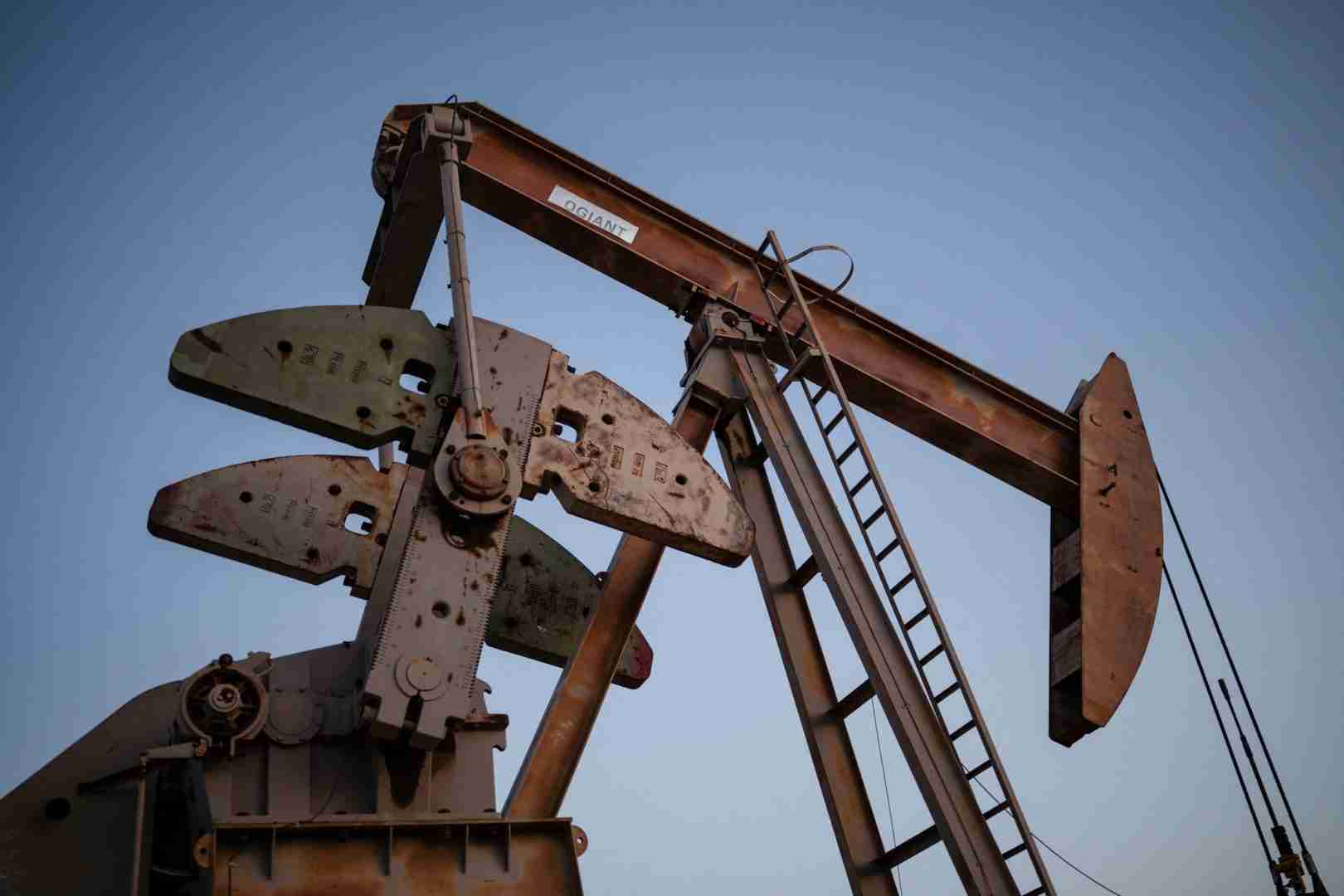
Oil up despite efforts by US, allies to boost supply and open Strait of Hormuz

“The potential for a quick reversal in energy prices is unlikely because damage has been done to production,” said Ole Hansen, the head of commodity strategy at Saxo Bank
International News via Reuters:

Oil prices gained on Friday despite leading European nations, Japan and Canada offering to join efforts to secure safe passage for ships through the Strait of Hormuz and the U.S. outlining moves to boost oil supply.

“The potential for a quick reversal in energy prices is unlikely because damage has been done to production,” said Ole Hansen, the head of commodity strategy at Saxo Bank. “The fact on the ground remains that we have a tight market.”

Brent futures rose $1.67, or 1.5%, to $110.32 a barrel at 1030 GMT, while U.S. West Texas Intermediate (WTI) crude added 33 cents, or 0.3%, to $96.47.

For the week, benchmark Brent was on track to rise nearly 7%, while WTI was set to fall about 2% in its first weekly decline in five weeks. 

Israel and Iran traded fresh attacks on Friday, following a hit on an oil refinery in Kuwait.

In a joint statement on Thursday, after earlier hesitating, Britain, France, Germany, Italy, the Netherlands and Japan expressed “our readiness to contribute to appropriate efforts to ensure safe passage through the Strait”, through which 20% of the world’s oil and LNG transit. 

Looking to curb soaring oil prices, U.S. Treasury Secretary Scott Bessent said the U.S. may soon remove sanctions from Iranian oil stranded on tankers, and said a further release of crude from the U.S. Strategic Petroleum Reserve was possible.

Brent jumped higher than $119 a barrel on Thursday, coming close to a March 9 peak, after Iran responded to an Israeli attack on a major gas field by ​knocking out 17% of Qatar’s LNG capacity, causing damage that will take up to five years to repair.

U.S. President Donald Trump said he told Israel not to repeat attacks on Iranian gas infrastructure. Israeli Prime Minister Benjamin Netanyahu said his country had acted alone in the attack and Iran no longer has the capacity to enrich uranium or make ballistic missiles. 

Earlier in the Friday session, both benchmarks had shed some of their “war premiums” as world leaders started to acknowledge a need for restraint and de-escalation, said Priyanka Sachdeva, senior market analyst at Phillip Nova. She added that markets will remain sensitive to the critical Hormuz chokepoint.  

“The damage has been inflicted, and even if safe passage for tankers is somehow negotiated through Hormuz, reviving logistics fully fledged can take an awfully long time,” Sachdeva said.      

In a boost to U.S. supply, North Dakota’s crude output is expected to rise this month and in the following months as operators in the third-largest oil-producing ‌state restart inactive wells and winter restrictions are eased, the state’s regulator said on Thursday.

The North Dakota Department of Mineral Resources said, however, the pace of ​activity would depend on how long oil prices stay high ​and that oil majors’ budgets have already been set.

Reporting by Anna Hirtenstein in London. Additional reporting by Jeslyn Lerh in Singapore and Helen Clark in Perth; Editing by Sonali Paul and Thomas Derpinghaus
Norway’s crown princess says she was ‘manipulated and deceived’ by Epstein

The U.S. Justice Department’s release of millions of Epstein documents has sent shockwaves around the world, revealing the disgraced financier’s ties to prominent people

International News via Reuters:

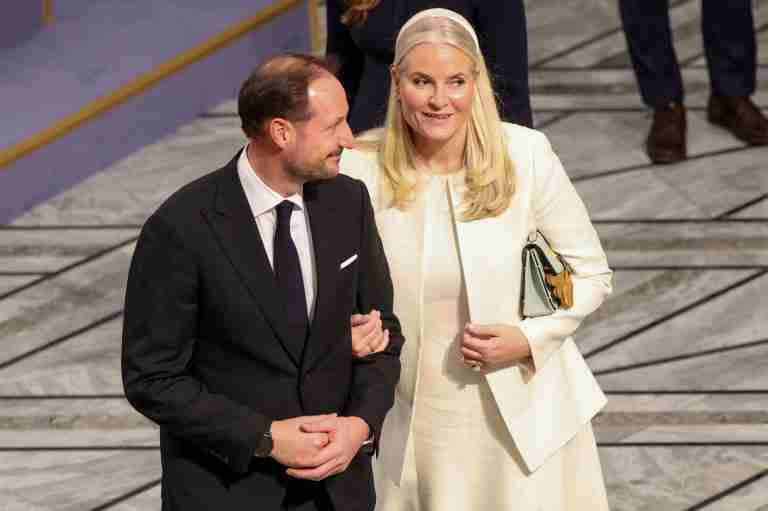
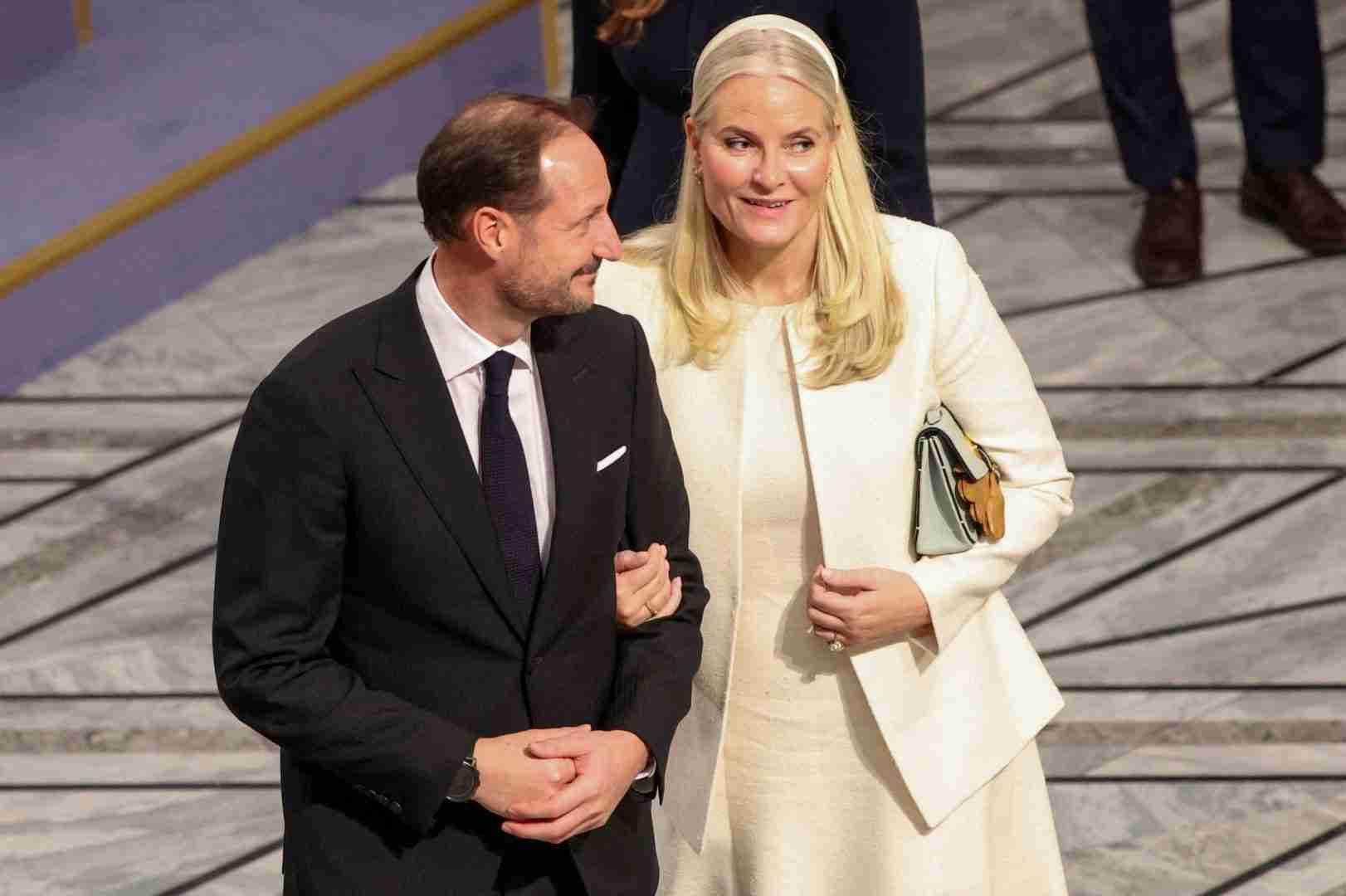
Norway’s Crown Princess Mette-Marit said on Friday she regretted her friendship with the late sex offender Jeffrey Epstein, seeking to contain one of the biggest scandals to hit the country’s royal family.

The U.S. Justice Department’s release of millions of Epstein documents has sent shockwaves around the world, revealing the disgraced financier’s ties to prominent people, including the crown princess and top Norwegian politicians, business executives and diplomats.

“I was manipulated and deceived,” Mette-Marit said in a tearful interview with public broadcaster NRK screened on Friday morning.

“Of course, I wish I had never met him,” she said of Epstein.

FILES SHOW FREQUENT CONTACT

The files showed frequent communication between Mette-Marit and Epstein that occurred long after he pleaded guilty in 2008 to soliciting an underage girl. The 52-year-old crown princess, who apologised to King Harald and Queen Sonja in a February 6 statement, has not been accused of any criminal wrongdoing.

While earlier media coverage had shown that Mette-Marit had links to Epstein, the new documents showed a more extensive relationship, prompting an unusual rebuke from the prime minister and demands that she give a full account.

The princess, the spouse of Crown Prince Haakon, the heir to the throne, maintained contact with Epstein from 2011 to 2014, and stayed at his Palm Beach house for four days during a private trip in 2013, the U.S. files show.

“He used the fact that we had a mutual friend, and that I’m gullible. I like to believe the best about people. But I also chose to end contact with him,” Mette-Marit said.

“I’ve never seen anything illegal,” she told NRK.

The Epstein files appeared to contradict a statement she gave in 2019, in which she apologised for not having investigated his past and said she would never have associated with him had she known the seriousness of the crimes he committed.

In one released email from October 2011, three years after Epstein pleaded guilty, Mette-Marit wrote to him that she had googled him and that she agreed “it didn’t look too good”, followed by a smiley.

When asked about the email by NRK, Mette-Marit said she could not remember why she wrote it.

“But if I had found information that made me realise that he was an abuser and sex offender, I wouldn’t have written a smiley face behind it,” she said.

PERSONAL STRUGGLES

Sitting beside her, Mette-Marit’s husband Haakon said he supported his wife at a difficult time and that marriage is both for “the good days and the bad”.

“Mette is caring, wise and really strong. And that’s why I will always have her on the team when something difficult happens,” the crown prince said.

While Haakon and the rest of the royal family have maintained a busy schedule — including visiting the Winter Olympics in Italy and attending functions in Norway — the crown princess has not appeared in public for weeks.

Suffering from a chronic lung disease that will eventually require her to have a lung transplant, Mette-Marit is also dealing with the trial of her eldest son from a previous relationship, who is accused of rape and other crimes.

Her son, Marius Borg Hoiby, 29, has declared himself not guilty of rape and domestic abuse while admitting in court to some lesser charges.

The Norwegian royal family’s popularity has taken a hit in recent months, a February survey of 1,009 respondents showed.

Some 60% of Norwegians supported the monarchy, down from 70% in January, according to the Norstat poll published on February 21 by public broadcaster NRK, while 27% supported a republic, up from 19% over the same period.

The prime minister’s office did not immediately respond to a request for comment.

Reporting by Terje Solsvik in Oslo and Gwladys Fouche in Oslo, and Johan Ahlander in Stockholm; Editing by Lincoln Feast and Ros Russell

ECB, BoE could hike as soon as April on inflation pressures, brokerages say

Both central banks kept borrowing costs unchanged on Thursday and signalled they were closely monitoring the impact of surging oil prices on growth and inflation

International News via Reuters:

Major global brokerages see a higher likelihood of the European Central Bank and Bank of England delivering rate hikes, potentially as early as April, after policymakers warned that the Middle East war is driving renewed inflation risks.

Both central banks kept borrowing costs unchanged on Thursday and signalled they were closely monitoring the impact of surging oil prices on growth and inflation, stressing they stand “ready to act” to contain risks from the war.

Europe remains particularly vulnerable, given its heavy reliance on imported energy and the region’s still-fragile inflation backdrop.

The U.S. Federal Reserve, too, left rates unchanged on Wednesday, projecting higher inflation amid elevated uncertainty.

CONSENSUS RISING FOR ECB RATE HIKES

Barclays and J.P. Morgan expect a rate hike in the ECB’s April policy meeting. The two also forecast a further increase in June and July, respectively.

Both Morgan Stanley and Deutsche Bank expect a 25-basis-point (bp) hike each in June and September.

This is a sharp shift from their previous forecasts for rates to remain on hold this year, and comes as ECB policymakers are expected to discuss hikes in the coming months, with the Iran war threatening to push up inflation in the euro zone.

In Goldman Sachs’ “very adverse” scenario—which is close to the ECB staff’s “adverse” scenario—the bank expects a cumulative 75 bps hike from the ECB, with sequential 25 bps hikes starting in June, but added that an early April hike was also possible.

“We believe that the likelihood of this hiking scenario has risen given the continued upward pressure on energy prices,” Goldman added.

Traders are betting on about 72 bps worth of hikes from the ECB in 2026, as per data compiled by LSEG.

DIVERGING CALLS ON BOE MOVE J.P. Morgan expects the BoE to hike rates by 25 bps each in April and July, changing its stance of no changes this year, after the central bank turned hawkish.

The BoE kept the bank rate steady at 3.75% on Thursday and said inflation could climb to around 3.5%, above its 2% target, over the next two quarters.

Strategists at Goldman, BNP Paribas and Barclays also flagged a significant risk of a near-term rate hike—potentially as early as April—if global energy prices continue to climb.

Meanwhile, Goldman, Morgan Stanley and Citigroup pushed back their forecasts of two rate cuts this year and now expect the central bank to remain on an extended hold.

Citigroup and Morgan Stanley added they did not yet see enough evidence for policymakers to tighten policy soon.

“All of this is to say that while a hike is possible, it appears to be path dependent on variables that are yet unknown and difficult to predict,” Citigroup said.

J.P. Morgan expects inflation to ease next year, but only from spring, and is now forecasting two rate cuts in 2027, while Morgan Stanley said it could “see some chance of a cut” in the fourth quarter this year if there is a swift resolution to the conflict.

Traders are betting on about 78 bps worth of hikes from the BoE in 2026, as per data compiled by LSEG.

Reporting by Siddarth S and Joel Jose in Bengaluru; Editing by Sonia Cheema and Janane Venkatraman

Dollar set for weekly fall as central banks turn hawkish

Before the U.S.-Israeli war on Iran began at the end of February, investors expected two Fed cuts this year

International News via Reuters:

The dollar slipped from multi-month highs this week as soaring energy prices transformed the outlook for global interest rates, leaving the U.S. Federal Reserve the only major central bank that is not expected to raise rates this year.

Before the U.S.-Israeli war on Iran began at the end of February, investors expected two Fed cuts this year. They now believe one is a distant prospect and the outlook for other major central banks has turned even more hawkish.

The euro, yen, sterling and Swiss franc headed for weekly gains against the dollar as policymakers laid the groundwork for higher interest rates in response to the war in the Middle East, which has choked oil and gas supplies.

EURO, YEN AND STERLING EDGE HIGHER OVER THE WEEK

“The dollar is suffering on the back of surprising overseas hawkishness, but also from some tentative optimism in energy markets,” said ING FX strategist Francesco Pesole. 

The euro, albeit slightly weaker on Friday at $1.1572, is up 1.3% for the week. The yen, which trades at 158.47 per dollar, has gained 0.8% and sterling, hovering at $1.3420, is up 1.5%.

Benchmark Brent crude futures are up about 50% since the U.S. and Israel attacked Iran, which has all but closed the Strait of Hormuz and disrupted Middle East energy exports. 

International crude prices fell sharply from their highs hit on Thursday as global governments work to ease supply disruptions. 

EUROPEAN CENTRAL BANK KEEPS RATES ON HOLD 

The European Central Bank kept rates on hold on Thursday but warned of inflation driven by energy prices. Sources told Reuters policymakers are likely to start discussing hikes next month – a contrast with the Fed’s wait-and-see approach.

Investors now fully price in a hike by June, while some major banks think next month’s policy meeting could see them raise rates.

“The balanced and calm message reiterating downside risks to growth and highlighting that long-term inflation expectations remain anchored argues for the ECB to be unchanged in April,” said Kirstine Kundby-Nielsen, FX strategist at Danske Bank. 

“But we could see a risk of a rate hike this year if this continues in the Middle East and energy prices continue to rise.”

The Bank of England also kept rates on hold, but set off one of the sharpest routs yet in short-dated gilts by saying it was ready to act. Markets have priced 63 basis points of hikes by the year’s end, implying at least two quarter-point rate rises. Before the war, markets had almost fully priced a rate cut this month. 

Earlier on Thursday, the Bank of Japan left the door open to a hike as soon as April, wrongfooting investors who had bet on a further slide in the yen – and helping to lift the currency.

The Australian dollar was trading just shy of 71 cents on Friday for a weekly gain of 1.5%, after the Reserve Bank of Australia hiked interest rates for the second time in as many months and investors expect there is more to come.

The Fed left rates on hold, as expected, earlier this week but Chair Jerome Powell said it was too soon to know the scope and duration of the economic impact from the war.

Money market traders have scrapped their expectations for rate cuts from the Fed this year, but have yet to price in tighter policy, in contrast with other major central banks. 

The dollar index was up less than 0.1% on Friday at 99.35 and on track for a 1.1% weekly decline, its largest since late January. Still, many analysts think a prolonged fall is unlikely.    

“The longer the war drags on, the higher the U.S. dollar will go, because it will benefit from safe-haven demand arising from higher uncertainty (and) also from the U.S. being an energy exporter,” said Carol Kong, currency strategist at Commonwealth Bank of Australia. 

Crude prices dipped slightly on Friday after U.S. President Donald Trump told Israel not to repeat attacks on Iranian energy infrastructure, after a round of tit-for-tat strikes that crippled the world’s largest LNG complex.

Reporting by Samuel Indyk in London and Jiaxing Li in Hong Kong. Editing by Tom Westbrook, Thomas Derpinghaus and Barbara Lewis

Clinical Puerto Rico Too Strong for Young Gombey Warriors

Puerto Rico maintained their historical stranglehold over Bermuda with a clinical 9–0 victory in the final round of the 2026 Concacaf Women’s U-17 Qualifiers in Costa Rica.

Staged at the Costa Rica Federation Field in Alajuela, the encounter marked the sixth meeting between the two nations and their first-ever clash within the prestigious Concacaf Women’s U-17 Championship framework. Despite a resilient effort from Bermuda, the statistical gulf proved insurmountable as Puerto Rico extended their perfect winning record against the islanders dating back to 2007.

The breakthrough arrived in the 13th minute when Aleeya Olmo unleashed a powerful right-footed strike, followed quickly by a Giselle Falcon finish four minutes later. By the 25th minute, the scoreline reached 3–0 after Mia Colon pounced on a rebound. Falcon added her second in the 34th minute, heading into the interval with Puerto Rico boasting 60% possession.

Bermuda nearly found a response through Milan Gibbons-Thomas, who forced a spectacular diving save, but the pressure told in the second half. Jaeda Russell made it five in the 53rd minute before Camila Adame took center stage, scoring from close range and converting a 72nd-minute penalty.

Late strikes from Zoe Melia and Jan Mateo completed the scoring. The final statistics told the story of a one-sided affair, with Puerto Rico registering 38 shots to Bermuda’s six, ensuring a difficult afternoon for the squad led by Kyra Simmons and Riley Khan.

Pickleball tournament steps up a few gears

The Rally on the Rock curtain raiser to the Caribbean Pickleball Championships switched up a gear today, while also moving indoors. The championship itself gets underway tonight.

Bermuda Broadcasting will have live coverage of the championship tomorrow afternoon on ZFB TV-7, on our Bermuda Today app, and online at bbc.bm.

UK’s FTSE 100 closes at 2-month low as investors weigh BoE rate decision and Iran war

The blue-chip FTSE 100 finished at its lowest in about two months, down 2.4%

Signage is seen outside the LSEG (London Stock Exchange Group) headquarters in Paternoster Square, London, Britain, April 25, 2025. REUTERS/Toby Melville/File Photo

International News via Reuters:

London’s main indexes closed at multi-month lows on Thursday after the Bank of England’s unanimous decision to leave rates unchanged, while the intensifying Middle East conflict also suppressed risk appetite.

The blue-chip FTSE 100 finished at its lowest in about two months, down 2.4%.

The mid-cap FTSE 250 was also down 2.4%, its lowest level since November last year.

The BoE kept borrowing costs on hold as expected, warning of inflation risks from the war in the Middle East. Some of the policymakers also raised the prospect of raising rates.

“A low interest rate environment is beneficial for taxpayers and businesses alike, but the risk of inflation is a more important battle at this point,” said Nick Saunders, CEO of online investment platform Webull UK.

“The Bank cannot afford to fight a battle on two fronts.”

CENTRAL BANKERS ARE CAUTIOUS

Traders are pricing in two 25-basis-point rate hikes by the year-end.

Meanwhile, the European Central Bank kept its key interest rate unchanged, also acting cautiously because of the war.

On Wednesday, the U.S. Federal Reserve held rates steady and stuck to its projection for one cut in 2026.

In the UK market, the energy sector was the only one to trade in a positive territory, rising 1.6% as oil prices jumped after Iran attacked energy facilities across the Middle East following Israel’s strike on its South Pars gas field, a major escalation in the war. [O/R]

BP gained 4.9%. The oil giant agreed to sell its Gelsenkirchen refinery to Klesch Group and raised its cost‑cutting target.

Earlier in the day, data showed that British wages rose at their slowest pace since late 2020 in the three months to January, according to official data that also suggested a weakening in employment might have bottomed out before the start of the war in the Middle East.

Of the 100 stocks on the FTSE 100, 97 finished in the red. Metal miners and banks were down 7.8% and 4.3% respectively, making them the day’s worst performers.

HSBC dropped 3.1% after Bloomberg reported that the bank is considering job cuts of up to 20,000 roles.

Reporting by Tharuniyaa Lakshmi in Bengaluru; Editing by Nivedita Bhattacharjee and Barbara Lewis

IMF says prolonged increase in energy prices could boost inflation, lower growth

The conflict has disrupted seaborne oil and natural gas shipments, sending Brent crude oil prices over $100 a barrel

International News via Reuters:

The IMF said on Thursday it was closely monitoring the Iran war and the resulting disruptions to energy production, warning that prolonged increases in energy prices could boost inflation and lower growth globally. 

The conflict has disrupted seaborne oil and natural gas shipments, sending Brent crude oil prices over $100 a barrel.

The global lender has not received formal requests for emergency financing but stood ready to help member countries, Julie Kozack, spokesperson for the International Monetary Fund, told reporters. She said IMF officials were engaging with finance ministers and central bankers from member countries, as well as with regional institutions.

IMF TO UPDATE OUTLOOK WITH WAR IMPACT

Kozack said the war’s impact would depend on its duration, intensity and extent. The IMF will include the war’s impact in an updated global economic outlook to be released in mid-April during the IMF-World Bank spring meetings.

“Oil and gas prices, as you know, have increased by more than 50% over the last month, to over $100 a barrel for Brent. In addition, fertilizer shipments have been disrupted, and this, along with transportation disruptions, raise risks that we could see increases in food prices, and those could be substantial, again, depending on the duration and intensity,” she said.

With no end in sight almost three weeks into the war, European powers and Japan said on Thursday they would act to stabilize energy markets and join “appropriate efforts” to open the Gulf’s energy chokepoint after tit-for-tat strikes on energy plants dramatically escalated the U.S.-Israeli war with Iran.

Kozack cited an IMF rule of thumb which held that every 10% increase in energy prices, if sustained for about a year, would result in a 40-basis-point increase in global inflation, as well as a drop in output of 0.1% to 0.2%. If oil prices remain over $100 for a year, that would translate into significant impacts on inflation and global economic output.

Central banks, she said, should keep a careful eye on whether inflation was expanding beyond energy prices and whether inflation expectations were remaining well-anchored.

HIGHER VOLATILITY

Global markets have also reacted, with stock prices down and bond yields increasing across a range of countries, including the U.S., Britain and Europe, as well as in emerging and developing countries, she said.

“Volatility has increased. The U.S. dollar has appreciated, and the currencies of a number of emerging economies have weakened,” Kozack said.

She said the IMF’s preliminary assessment was that the war would weaken growth in Gulf Cooperation Council countries, but gave no specifics. Much would depend, she noted, on the countries’ ability to resume exports of oil and gas.

Most GCC countries have substantial policy buffers and have implemented reforms to strengthen resilience.

Iranian attacks have knocked out 17% of Qatar’s liquefied natural gas export capacity, causing an estimated $20 billion in lost annual revenue and threatening supplies to Europe and Asia, QatarEnergy’s CEO and state minister for energy affairs told Reuters on Thursday.

Kozack said IMF staff were meeting with Lebanese authorities for an initial assessment of the Iran conflict’s impact on that country.

She said the war was compounding a humanitarian crisis in Lebanon and exacerbating the country’s fragile macroeconomic situation, as well as damaging infrastructure. Lebanese authorities have shown their commitment to continuing discussions on comprehensive reforms despite the war’s impact, she said.

The war’s impact on Egypt’s economy was contained thus far, Kozack said, lauding the country’s “proactive, timely and well coordinated” response.

Reporting by Andrea Shalal and Rodrigo Campos; Editing by Chizu Nomiyama, Rod Nickel

Health dept. monitoring UK Meningitis B outbreak

The Ministry of Health said the risk to Bermuda remains low, but recognise that many Bermudians study and reside who may travel over the Easter period

Graphic of Meningitis B strain under microscopic lens. Photo: Meningitis Research Foundation

Full statement from the Ministry of Health:

The Ministry of Health is aware of the meningococcal (meningitis B) disease outbreak reported at the University of Kent and is monitoring developments through established public health channels. At this time, the risk to Bermuda remains low, but we recognise that many Bermudians study and reside in the United Kingdom, and that travel may increase over the Easter period.

Minister Wilson stated: “Our priority is always the health and safety of the Bermudian public. While the risk to Bermuda remains low, taking precautionary steps, especially for those abroad, helps ensure that our community stays protected.

The Ministry is currently reviewing the situation and will provide further guidance as needed.

In the interim, Bermudians who are studying or living in the UK are encouraged to follow the advice of local health authorities and to familiarise themselves with the signs and symptoms of meningococcal disease, which can include sudden fever, severe headache, neck stiffness, vomiting, sensitivity to light, confusion, or a rapidly developing rash.

Anyone experiencing these symptoms should seek immediate medical attention.

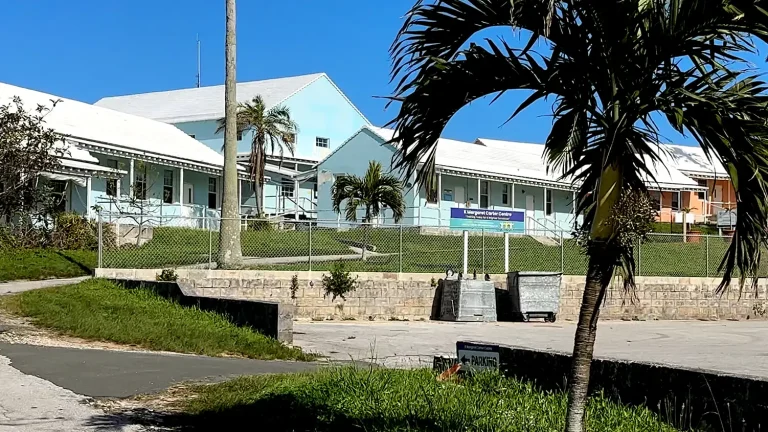
Sudden shutdown of special needs centre ‘disrespectful’

Government is working to provide a temporary alternate location for K. Margaret Carter Centre’s programmes

K. Margaret Carter Centre. Photo by Gary Foster Skelton

The sudden shutdown of the K. Margaret Carter Centre on Monday triggered an angry response from parents.

A short-term substitute location is in the works to provide ongoing support for adults with special needs, the government said in a news release on Monday.

One concerned parent told us the last minute notice of closure was “totally disrespectful”.

The government-managed Centre provides for adults with learning and physical disabilities.

It’s temporary closure was announced on Monday afternoon to, quote, “facilitate mould remediation works and air quality improvements to ensure a safe and healthy environment for all clients and staff”, end quote.

A parent told Bermuda Broadcasting that as they were picking up their dependent from the facility, they were told there would be no classes the next day.

“What is a working parent supposed to do?”, they asked. “Is your employer expected to accept that you have to remain at home with your child until further notice?”

“That type of notice is totally disrespectful to the plight of a special needs parent”, they said.

We sought a response from the Government to the concerns, and clarification if any notice was given other than the announcement on Monday.

There was no response by Thursday newstime.

However, we understand parents have been alerted that Prospect Primary has been identified as the most suitable temporary location for clients. All the same, providing accessibility solutions plus health and safety checks could take some weeks. No timeline for occupancy was provided to parents.

Where does the EU get its gas and how is it impacted by the Iran conflict?

Qatar produces of 20% of the world’s liquefied natural gas (LNG) and has said the attack will impact exports for up to five years

International News via Reuters:

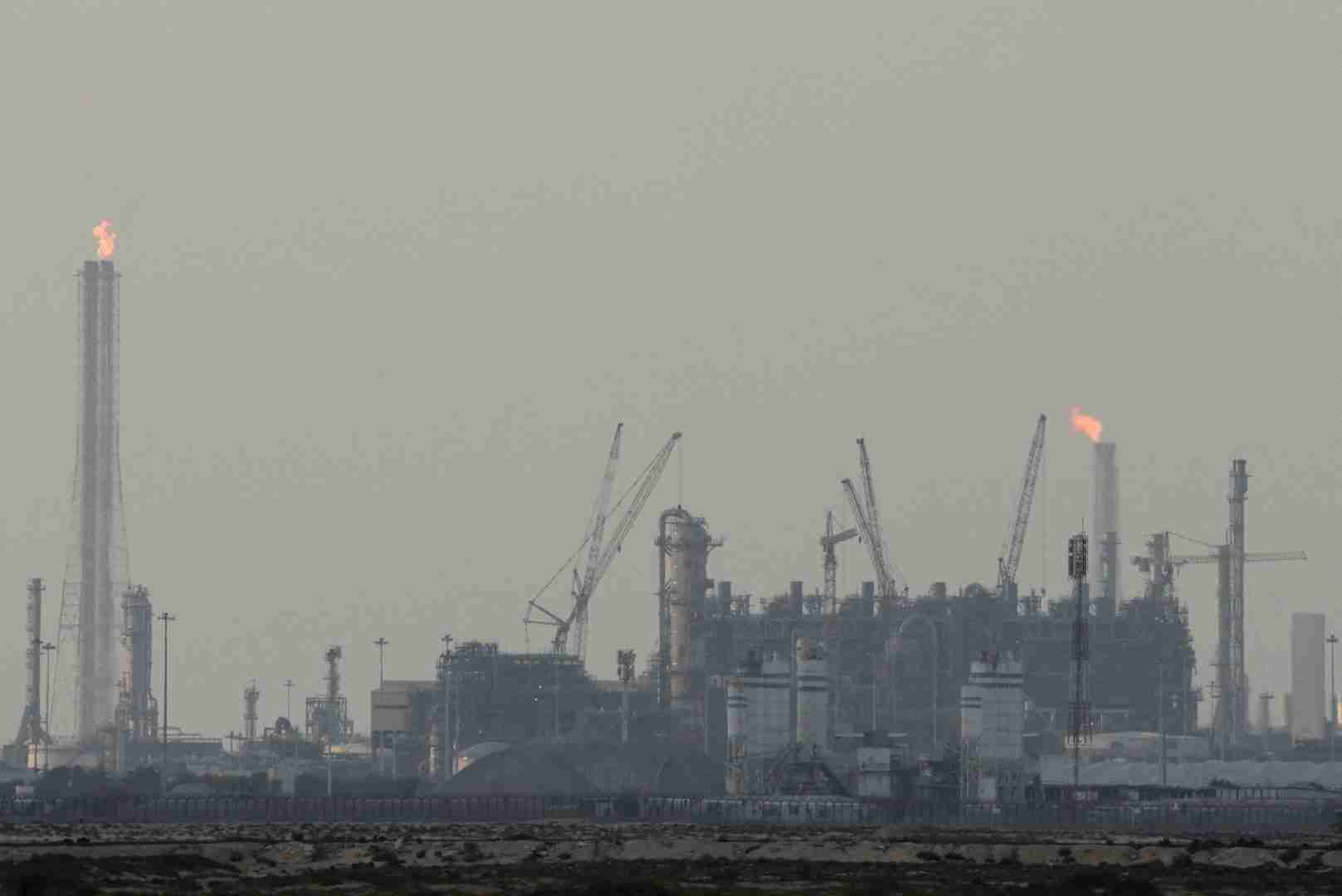
Iran’s attack on Qatar’s Ras Laffan LNG complex, the world’s largest, has focused attention on the risks to gas supply, including buyers in Europe.

Qatar produces of 20% of the world’s liquefied natural gas (LNG) and has said the attack will impact exports for up to five years.

WHAT HAS HAPPENED TO GAS SUPPLY?

Qatar, which supplies the EU with some 9% of its LNG according to EU data, halted production after Iranian threats to shipping effectively halted tanker traffic leaving the Gulf.

QatarEnergy then reported extensive damage to several of its LNG facilities after a missile attack from Iran.

Asian buyers, including China, Japan, and India, are the main victims as they buy some 80% of QatarEnergy’s LNG.

But Europe will experience a knock-on effect as Asian buyers increasingly compete for spot cargoes.

CAN EUROPE GET MORE FROM ELSEWHERE?

Norway is Europe’s largest overall gas supplier, providing more than a third of the bloc’s gas versus some 4% from Qatar in 2025.

Its state-owned gas producer, Equinor, told Reuters earlier in March that the company does not have spare capacity to increase its output or exports.

The United States became the EU’s main source of LNG in 2025, supplying 25% of its gas imports.

Yet while many gas producers have large output expansion plans, U.S. facilities are currently operating at close to full capacity and are unlikely to be able to ramp up supply significantly in the short term.

U.S. natural gas prices have also risen, drawing calls from some energy-intensive industries for a curb on U.S. gas exports to help alleviate price spikes.

CAN RUSSIAN SUPPLY COME BACK?

Europe’s gas imports have undergone significant transformation since Russia’s invasion of Ukraine in 2022 and the European Union’s subsequent drive to wean the bloc off Russian energy.

Russia had previously supplied more than 40% of the EU’s gas. That fell to around 13% in 2025 and current plans call for a full ban on Russian gas imports by late 2027.

Some countries, such as Hungary, have urged the EU to lift measures on Russian energy imports, but European Commission President Ursula von der Leyen said returning to Russian energy would ⁠be “a ​strategic blunder” and make Europe more vulnerable.

WHAT IS HAPPENING TO GAS PRICES?

European wholesale gas prices have doubled since the war in Iran began on Feb 28.

The benchmark front-month Dutch contract hit an intra-day high of 74 euros/megawatt hour on March 19, its highest level since January 2023, yet well below highs seen during the 2022 energy crisis above 300 euros/MWh.

Reporting by Susanna Twidale; editing by Nina Chestney and Jason Neely