Thursday, November 5, 2026
Home Blog Page 447

Morrison header rescues dramatic draw for Bermuda in Group E opener

The young Gombey Warriors draw 2-2 with Trinidad and Tobago in U20World Cup Qualifiers
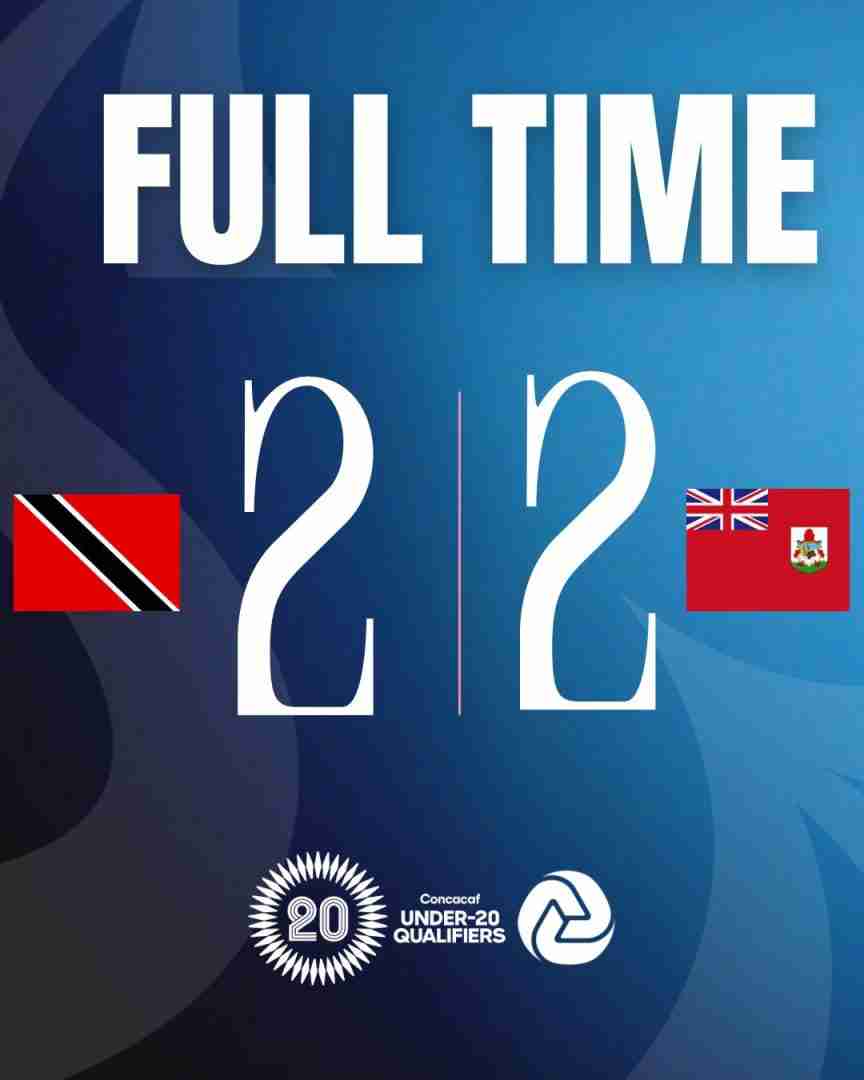
Bermuda’s Under-20s displayed immense character to rescue a hard-fought 2–2 draw against Trinidad and Tobago, after a late defensive collapse threatened to derail their Concacaf qualifying opener in Alajuela.

In the fifth historical meeting between these two nations at this level, the “Gombey Warriors” appeared on course for a statement victory at the Complejo Deportivo FCRF-Plycem. Following a resilient opening half hour, Jace Donawa broke the deadlock in the 38th minute. The striker showcased his blistering pace to latch onto a searching long ball, outmaneuvering his marker and calmly slotting past the advancing goalkeeper to give Cecoy Robinson’s side a deserved half-time lead.

However, the second half transformed into a test of Bermuda’s resolve as the game swung wildly in the final quarter. Two minutes of defensive misfortune appeared to hand the initiative to the “Soca Warriors.” In the 78th minute, a moment of hesitation in the Bermuda box resulted in an own goal under intense pressure from the Trinidadian attack. Barely sixty seconds later, the turnaround was complete; a lapse in concentration at the back allowed Trinidad to regain possession directly from the restart and fire home to take a 2–1 lead.

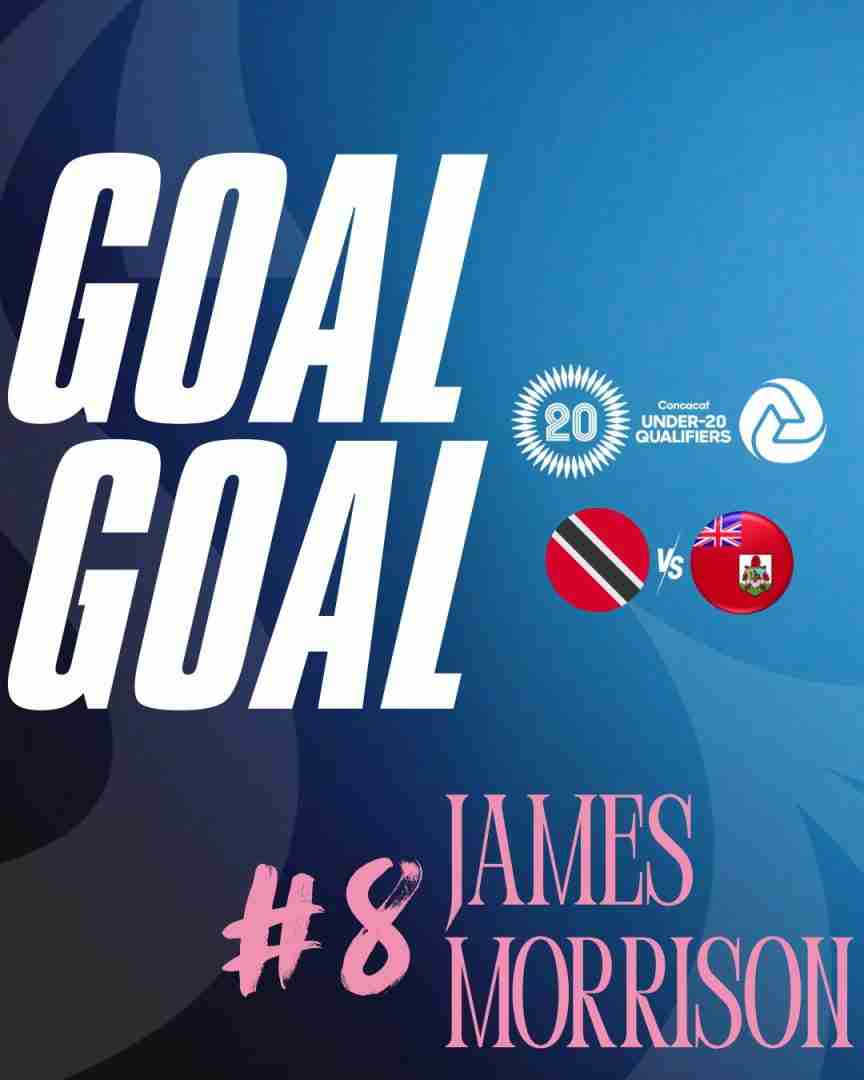
Stunned but not defeated, Bermuda threw bodies forward in search of a late lifeline. It arrived in the 84th minute via substitute James Morrison. Rising highest in a crowded penalty area, Morrison connected with a pinpoint free-kick delivered from deep in the Trinidadian half, looping a powerful header over the outstretched hand of the goalkeeper to level the scores.
The result maintains the historic parity between the two sides, with their head-to-head record now standing at one win apiece and three draws. For Bermuda, participating in their 14th qualification campaign, the point provides a vital platform as they prepare for Saturday’s clash with Sint Maarten. With only the group winner progressing to the Championship in July, every moment of resilience like Morrison’s header could prove the difference in the final standings.
Doctors & Health Council weigh in on ‘pharmacy exclusivity’

Bermuda’s medical doctors cite concerns medicine becoming increasingly corporate; Health Council suggests “trade-offs” are needed in the face of our shrinking population

Doctors and the Health Council have weighed in on Allshores making Phoenix its sole provider for certain medications. (SCROLL down for press releases)

The Bermuda Medical Doctors Association has expressed serious concern over the move towards “pharmacy exclusivity”, citing the risk of a fragmented system in which a patient may need to shop at different pharmacies, increasing the possibility of duplicate therapies and delays in identifying adverse medication combinations.

The BMDA is also concerned about medicine becoming increasingly corporate in structure, where “financial and contractual arrangements may influence care pathways.”

“Healthcare decisions should remain grounded in physician clinical judgment and individualized patient needs — not corporate consolidation strategies.”

Meanwhile, the Bermuda Health Council suggests there may need to be “trade-offs” in the face of our shrinking population.

A spokesperson says they understand that “issues of patient choice, safety, affordability, and fairness matter deeply to our community”.

BHeC does not regulate private contracts between insurers and pharmacies, but the public reaction “reflects something bigger than one contracting decision”.

“Bermuda currently has more than 30 pharmacies serving a population that has been gradually declining. In a small country, when the number of providers grows while the population shrinks, margins tighten.”

“We value patient choice and physician independence. But in a small, high-cost system, access, competition, infrastructure, and affordability must be carefully balanced. These trade-offs are real.”

The BheC spokesperson said that, given the level of concern, they will “engage constructively with the insurer and other stakeholders as implementation progresses to better understand impacts on patients and providers.”

The spokesperson added that BHeC is implementing the national drug formulary to introduce clearer pricing discipline.


Bermuda Medical Doctors Association Press Release:

The Bermuda Medical Doctors Association (BMDA) is expressing serious concern regarding the recent policy announcement by Allshores that, effective March 1 [editor’s note: effective date is now April 1st] , 2026, GLP-1 medications and other designated high-cost prescription drugs must be dispensed exclusively through Phoenix Pharmacies for affected members.

While the BMDA recognizes the need for responsible cost management in Bermuda’s healthcare system, we believe this policy raises significant concerns regarding patient choice, medication safety, administrative burden, and the increasing corporatization of medical care.

Medication Safety Concerns

The BMDA is particularly concerned about the potential risks associated with fragmented prescription dispensing.

If patients are required to obtain certain medications from one pharmacy while continuing to fill other prescriptions elsewhere, complete medication profiles may not be visible in a single system. Without seamless integration across pharmacies, this fragmentation could increase the risk of:

  • Incomplete drug-to-drug interaction screening
  • Duplicate therapies
  • Missed contraindications
  • Delays in identifying adverse medication combinations

Medication safety depends on comprehensive oversight. Any system that separates prescription records must ensure that patient safety remains the top priority.

Increased Administrative Burden and Cost to Patients

The BMDA is also concerned about the expanded pre-authorization requirements and additional paperwork that will likely result from this change.

Redirecting prescriptions to a designated pharmacy requires additional coordination between physicians, medical practices, pharmacies, and insurers. This includes:

  • Completing and resubmitting prior authorizations
  • Managing redirected prescriptions
  • Clarifying coverage limitations
  • Increased staff time handling insurer requirements

These administrative processes carry real costs. Medical practices may be forced to absorb this burden or pass the cost on to patients through administrative fees. Ultimately, patients are likely to bear the financial impact of increased paperwork and insurer-driven processes.

Growing Corporate Consolidation in Medicine

The BMDA is increasingly concerned about the broader structural implications of this decision.

It is publicly known that Allshores has acquired medical practices in Bermuda. When an insurer both owns medical practices and directs patients to a single designated pharmacy provider, the healthcare landscape shifts toward vertical integration.

Medicine risks becoming increasingly corporate in structure, where financial and contractual arrangements may influence care pathways. Healthcare decisions should remain grounded in physician clinical judgment and individualized patient needs — not corporate consolidation strategies.

Protecting Patient Choice

Patient choice is a fundamental pillar of a balanced healthcare system. Restricting pharmacy access for certain medications reduces flexibility and may create unintended barriers to care.

If trends toward insurer-directed care continue, patients may find their healthcare options increasingly determined by insurance policy structures rather than by shared decision-making with their physician.

Call for Transparency and Oversight

The BMDA calls upon regulators and policymakers to examine:

  • The safety implications of pharmacy exclusivity
  • The financial impact of increased administrative requirements
  • The competitive effects of market consolidation
  • The long-term impact of vertical integration on Bermuda’s healthcare system

Healthcare is not simply a financial transaction. It is a public trust that requires transparency, accountability, and patient-centered safeguards.

A Message to Patients

Patients are encouraged to engage in this conversation. If you believe that your healthcare decisions should be guided by you and your physician — and that your medication access should prioritize safety, choice, and fairness — your voice matters.

The BMDA remains committed to advocating for patients and supporting physicians in protecting the integrity, safety, and independence of Bermuda’s healthcare system.

About the Bermuda Medical Doctors Association
The BMDA represents physicians across Bermuda and advocates for high standards of patient care, professional integrity, and policies that safeguard access, safety, and fairness within the healthcare system.


Statement from a Bermuda Health Council spokesperson:

Many people have raised concerns about Allshores’ decision to create a preferred pharmacy network for certain high-cost medications. We understand why. Issues of patient choice, safety, affordability, and fairness matter deeply to our community.

Under the Bermuda Health Council Act 2004, the Health Council does not regulate private contracting arrangements between insurers and pharmacies. Our role is to oversee the health financing system, monitor performance, and protect equitable access and long-term sustainability.

We were aware that an RFP relating to certain high-cost medications was being issued to the industry. However, we were not involved in setting the selection criteria, determining the list of medications, deciding the timing, or approving the final contract. Consultation with the Council was not required under the law.

That said, the public reaction reflects something bigger than one contracting decision.

Bermuda currently has more than 30 pharmacies serving a population that has been gradually declining. In a small country, when the number of providers grows while the population shrinks, margins tighten. Even relatively small changes in how medicines are distributed can have significant ripple effects for small businesses and for patients.

We also rely heavily on a single primary importer to negotiate and manage national pharmaceutical supply. That provides stability, but it limits our leverage in global pricing negotiations. At the same time, Bermuda frequently sources medicines from some of the highest-priced markets in the world. By the time importation, distribution, and retail margins are added, costs compound quickly.

Meanwhile, medical science is advancing at remarkable speed. Biologics, GLP-1 therapies, oncology drugs, and increasingly personalized treatments are changing lives. But they are also extremely expensive. A small number of high-cost medications now account for a disproportionate share of total drug spending. In a system committed to Universal Health Coverage, that creates difficult choices.

We value patient choice and physician independence. But in a small, high-cost system, access, competition, infrastructure, and affordability must be carefully balanced. These trade-offs are real.

Cost containment must never come at the expense of safety. Concerns about medication visibility, coordination of care, and administrative burden are valid and must be addressed through strong safeguards and monitoring.

As Bermuda advances Universal Health Coverage, we are implementing the national drug formulary to introduce clearer pricing discipline. We are also strengthening procurement and importation frameworks so that Bermuda is not unnecessarily tied to the highest-cost supply chains when safe, quality alternatives exist.

Given the level of concern, the Health Council will engage constructively with the insurer and other stakeholders as implementation progresses to better understand impacts on patients and providers. We will continue to monitor access, continuity of care, and market dynamics, and incorporate lessons learned into ongoing reform.

This situation is part of a broader pattern of consolidation and structural change in our healthcare system. We intend to facilitate open dialogue about where the system is heading and how to balance affordability, competition, innovation, and access in a way that works for Bermuda.

We will also examine whether additional measures are needed to strengthen transparency and support fair competition within the pharmaceutical supply chain.

This is about more than one company or one contract. It is about ensuring that Bermuda’s healthcare system remains sustainable, equitable, and centered on patients as we navigate real economic and scientific pressures.

The Health Council remains committed to guiding that balance responsibly and transparently.

Pharmacists push back on Allshores/Phoenix deal

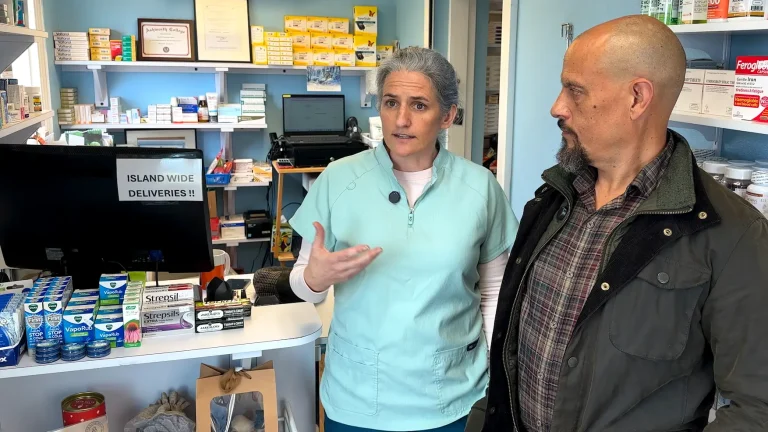
Independent pharmacists have voiced their concerns over Allshores restricting certain prescriptions to one network, citing the loss of established knowledge of, and relationships with, long-term patients

Patients “should have the right to choose where they collect their prescriptions”.

This is the response from an independent pharmacy, following a move by Allshores to narrow distribution of certain drugs to the Phoenix network.

Sheryl Martins of Caesar’s Pharmacy said, “this directive may penalize the patient who would prefer to collect these prescriptions from their independent pharmacy of choice”.

She is one of a handful of independent pharmacists who are pushing back, arguing that relying on a single pharmacy group and its parent wholesaler creates a fragile supply chain, and may drive up costs over time. (SCROLL down for their statement)

The eight pharmacies have written to Health Minister Kim Wilson with their concerns.

Speaking to Bermuda Broadcasting, Lindo’s CEO Wes Toavs cited problems that could arise if a patient on several medications is forced to pick up one of their drugs at somewhere other than their usual pharmacy.

“Sometimes, patients aren’t fully aware of all the medications they’re on,” Mr Toavs said.

“They may not give the Phoenix pharmacists the full picture of the medications that they’re on, and there might be a contraindication.”

Bermuda Broadcasting broke the story on Monday that Allshores, the amalgamation of health insurers Argus and BF&M, had made Phoenix their designated provider for certain drugs.

Allshores said consolidating distribution will secure better pricing, and assured customers that “this initiative does not reduce pharmacy benefits”.

“For most plans, eligible medications continue to be covered at 100% with no copay or deductible when dispensed through the designated pharmacy partner.”

All of the independent pharmacists we have spoken to have highlighted the connection between patients and pharmacists.

“We’re not just glorified shopkeepers”, said Jennifer Lightbourne of Northshore Medical Pharmacy, “we have very personal relationships with our customers.”

Mr Toavs says, “it’s not simply a matter of moving a prescription from one place to another. It’s that trusted relationship and the knowledge that a pharmacist has developed with a patient over a period of time, that I think is at jeopardy here.”

Jonathan Lightbourne, co-owner of Northshore Pharmacy with his wife Jennifer, also affirmed other pharmacist’s comments about maintaining the supply chain.

He says, “there’s an element of resilience that you get with lots of little players taking up a position in the market. When you start to consolidate supply chains and you start to consolidate all the services into one or two players, actually there’s less resilience and more risk.”

Allshores alerted pharmacies to the “critical change” last week, stating that a list of 46 prescription medications – including Ozempic, Adderall and Eliquis – “must be directed to Phoenix Pharmacies for dispensing”, beginning March 1st.

The eight Phoenix locations represent less than a third of pharmacies in Bermuda, half of them within the City of Hamilton.

“They’re not in St David’s. They’re not in St George’s. They’re not in Somerset”, Jennifer Lightbourne says, “so it’s very inconvenient for people who live in extremities of the island.”

Disquiet spread among other pharmacies after the announcement, a disquiet reflected by the community since Bermuda Broadcasting first reported the story on Monday.

The webpage containing the Phoenix Pharmacy prescription list originallly stated that certain prescriptions “must be filled exclusively through Phoenix Pharmacies in Bermuda”.

The language was subsequently changed to “new prescriptions for these medications filled at other pharmacies in Bermuda will be subject to coverage in accordance with the terms of individual health plans.” The effective date is now listed as April 1st.

Pharmacy operators have acknowledged the need to address rising health insurance costs, and Wes Toavs of Lindo’s commended the efforts of Allshores in this area.

“They are providing annual physicals with no co-pay”, he said. “They’re coordinating with health care providers abroad in order to negotiate good rates for people to still have excellent care, but at a reduced cost.”

Northshore’s Jennifer Lightbourne added that, if the list of Phoenix prescriptions was more targeted, what Allshores is doing could actually be beneficial for the independent operators.

“We often felt that the centralization of high cost medications was probably a good idea”, she says.

“For a small pharmacy like ours, if we have to order in a $10,000 drug for a cancer patient, and that patient unfortunately dies, then we’re left with $10,000 sitting on ourselves that we can’t dispense. ”

“So having a centralized process for that … I would welcome that.”

However, the inclusion of more common drugs that are not as expensive is problematic, she says…

“When a company starts to include other medications that are not high cost, for example Eliquis which is an anticoagulant, and all of the GLP-1 medications which are used for your diabetes… it’s quite concerning driving all of those people, because those people tend to be on a lot of other medications.”

“They’re going to want to get all of their medications from one pharmacy, and they’re going to lose out on that relationship that they’ve developed over the years with their pharmacist.”

Wes Toavs suggested an ‘in-network’ and ‘outside-network’ approach to pricing, as opposed to network exclusivity …

“Where they’ll say, if you go to one of our Allshores healthcare providers, we won’t charge you a copay, but if you go to your own, we’ll reimburse you up to, say, $120 or $130.”

“I know that probably gets a little bit messy from how to design a model… But I do think that, given some of the other risks that I discussed, that would probably be a prudent way of maybe managing this process.”

We have reached out to Allshores about the concerns raised, and await their response.


Upcoming event seeks to inspire spiritual awareness

The Word of Life Christian Youth Organisation is gearing up for its Super Bowl Games event, inviting middle and high school students to CedarBridge Academy on March 13th. The initiative aims to inspire positivity, spiritual awareness, and provide a fun, engaging social space for teens. We spoke with Mark Hall, Director of Word of Life Bermuda, who shared more about the purpose behind the event and what young people can expect.

Macron accepts resignation of Louvre museum chief after jewel theft

The Louvre has roiled by last October’s robbery, when four burglars made off with jewels worth $102 million that are still meeting

International News via Reuters:

French President Emmanuel Macron on Tuesday accepted the resignation of the head of Paris’ Louvre museum, which has been grappling with the fallout from a high-profile jewel heist and rolling strikes.

Laurence des Cars tendered her resignation, which Macron accepted “praising an act of responsibility at a time when the world’s largest museum needs calm and a strong new impetus to successfully carry out major projects involving security, and modernization,” his office said.

The Louvre has roiled by last October’s robbery, when four burglars made off with jewels worth $102 million that are still meeting. Strikes have also led to regular closures.

Reporting by Dominique Vidalon and Michel Rose

UK confident its trade deal with US still stands despite latest Trump tariff move

The United States began collecting the temporary new 10% tariff on Tuesday but the Trump administration was working to increase it to 15%

International News via Reuters:

British trade minister Peter Kyle said he was confident the trade deal Britain struck last year with the United States would still stand despite U.S. President Donald Trump’s latest move to apply a 10% global import tariff.

The United States began collecting the temporary new 10% tariff on Tuesday but the Trump administration was working to increase it to 15%, sowing confusion over U.S. tariff policies in the wake of last week’s Supreme Court defeat.

But Kyle said he was confident following engagement with the U.S. administration in recent days that a deal reached between the two countries last year would still stand.

“It was the best deal and it remains the best deal, and the fundamental terms that we had negotiated with the United States remain in place,” Kyle told a parliamentary committee.

Last year, Britain negotiated an ‘Economic Prosperity Deal’ that applied a basic 10% tariff, and preferential terms across a range of industries, including cars, planes and agriculture.

Some elements of that deal have yet to be fully negotiated and implemented.

Kyle said that while he would like a fully comprehensive trade deal with the U.S. that needed both parties to want to move forward at the same pace, and that only pursuing such an agreement could limit opportunities for other smaller deals.

“Let me be very clear again, that we believe that tariffs are a lose, lose… It is not good for American business, it is not good for British business, and is not good for the stability and predictability upon which you build a trading relationship,” he added.

“However, in these moments, we have maintained relations, conversations with counterparts, and we are… seeking other opportunities to move forward at pace.”

Reporting by Catarina Demony, writing by William James

Canada to press OpenAI safety officials in wake of school shooting

Jesse Van Rootselaar, 18, is suspected of killing eight people on February 10 before taking her own life

International News via Reuters:

Canada will press OpenAI officials on Tuesday about their safety protocols after it emerged the ChatGPT maker did not contact police about an account it banned belonging to an alleged mass shooter, a government minister said.

Jesse Van Rootselaar, 18, is suspected of killing eight people on February 10 before taking her own life. OpenAI said it banned her account last year on ChatGPT for policy violations, which it said did not meet internal criteria for reporting to law enforcement.

Evan Solomon, the federal minister in charge of artificial intelligence, has summoned OpenAI’s top safety officials for a meeting in Ottawa.

“I’m hoping (they) … will tell us more details about their safety protocols, their escalation thresholds and how they keep Canadians safe, and if they have a threat that they perceive, what the technology does and what the human process does,” he told reporters.

“We do want to know exactly what OpenAI does so Canadians have an understanding of what’s going on and some transparency.”

A spokesperson for Solomon said the minister would not speak to the media after the meeting, since it was scheduled to take place late on Tuesday.

In 2024, the Liberal government introduced draft legislation to crack down on online hate, but the effort stalled amid criticism it was too broad in scope. Ministers say they will try again this year with a revised bill.

“All options are on the table when it comes to understanding what we can do about AI chatbots,” said Solomon. 

Van Rootselaar, who police say was born male but identified as a woman and began transitioning six years ago, had a history of mental health problems. The killings took place in Tumbler Ridge, British Columbia, a town of around 2,400.

OpenAI says it banned Van Rootselaar’s account in 2025 after it was flagged by systems that identify “misuses of our models in furtherance of violent activities.” The company considered contacting police, but determined the account did not meet the threshold of posing an imminent and credible risk of serious physical harm to others.   

Reporting by David LjunggrenEditing by Rod Nickel

UK government to disclose former Prince Andrew’s vetting files for trade role

Last week’s arrest of Mountbatten-Windsor led some lawmakers to openly question during a debate if it was time to end the parliamentary convention that prevents them from criticising the royal family

International News via Reuters:

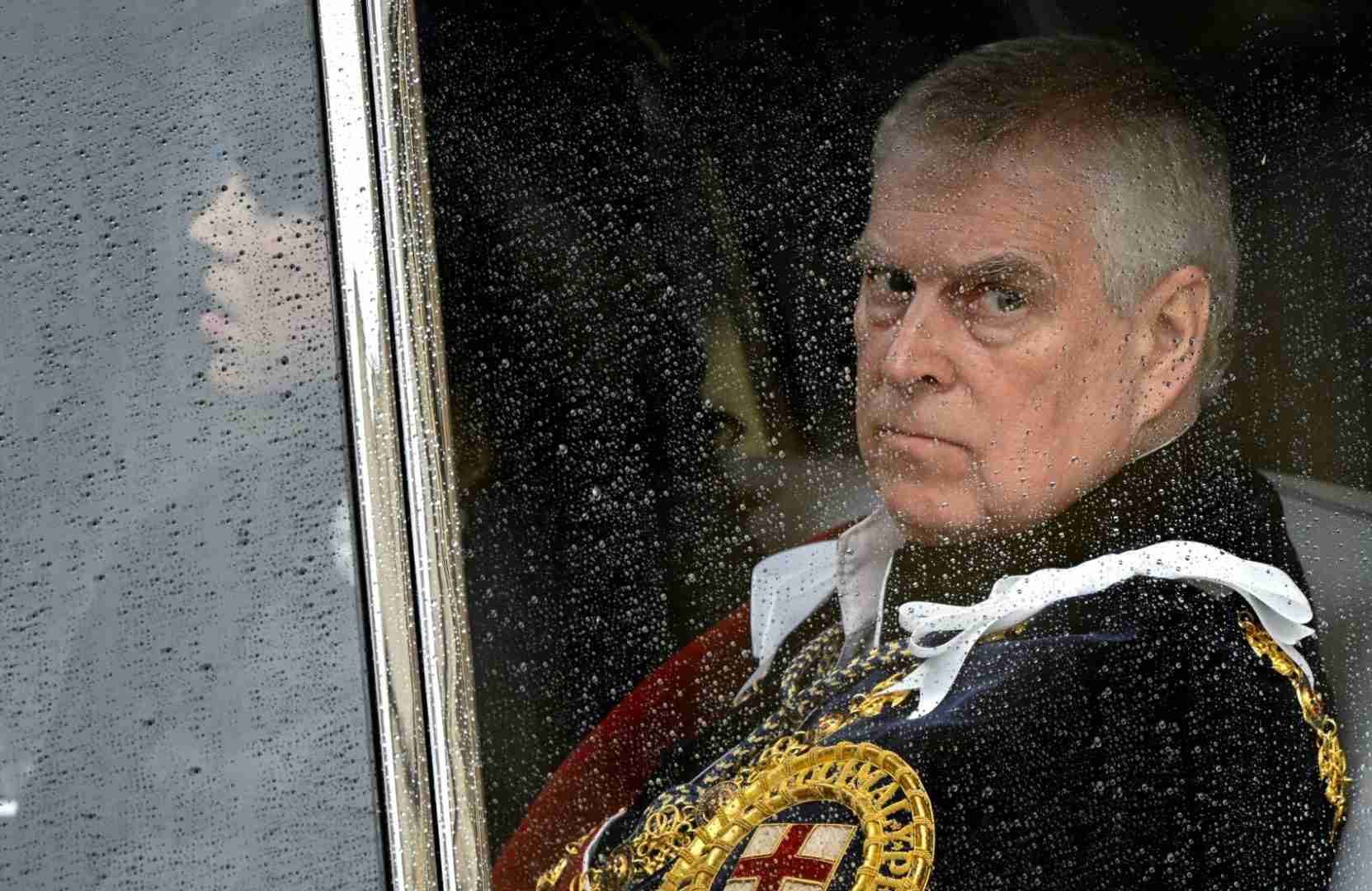
British Prime Minister Keir Starmer’s government agreed on Tuesday to release documents relating to the appointment of Andrew Mountbatten-Windsor as a trade envoy amid widening scrutiny over his ties to U.S. sex offender Jeffrey Epstein.

Last week’s arrest of Mountbatten-Windsor, King Charles’ younger brother, led some lawmakers to openly question during a debate if it was time to end the parliamentary convention that prevents them from criticising the royal family.

Mountbatten-Windsor, formerly known as Prince Andrew, was the first member of the British royal family to be arrested in more than three centuries when he was questioned by officers on suspicion of misconduct in public office.

He has always denied any wrongdoing in relation to Epstein, and said he regrets their friendship.

CONFIDENTIALITY RULES

Chris Bryant, a junior trade minister, said during the debate that Mountbatten-Windsor had been on “a constant self-aggrandising, self-enriching hustle” as the envoy.

Bryant called Mountbatten-Windsor “a rude, arrogant and entitled man who could not distinguish between the public interest which he said he served, and his own private interest”.

Mountbatten-Windsor, the second son of the late Queen Elizabeth, served as the UK’s Special Representative for International Trade and Investment between 2001 to 2011 in a role that allowed him to travel the world meeting senior business and government figures in the unpaid role.

The police began investigating Mountbatten-Windsor after the U.S. government last month released emails that appeared to show he had passed documents to Epstein while he worked as a trade envoy. Trade envoys are usually barred from sharing such material under confidentiality rules.

FILES COULD EMBARRASS FORMER MINISTERS AND ROYAL FAMILY

Lawmakers from opposition parties lined up to criticise Mountbatten-Windsor. At least four lawmakers said the convention shielding the royal family in parliament should end.

“These arcane rules make a mockery of our democracy,” said Brendan O’Hara, a member of parliament for the Scottish National Party. “Nobody, regardless of rank or privilege, should or must be above the law.”

The House of Commons Speaker had given lawmakers approval to discuss the former prince on the basis that he is no longer a member of the royal family, having been stripped of his titles.

The Liberal Democrats had put pressure on the government to compel it to release all the documents related to his appointment using an arcane parliamentary procedure known as a humble address.

Bryant said that the government supported the motion, and it was unanimously passed by lawmakers.

There was a small turnout from lawmakers from the ruling Labour Party and the opposition Conservatives, the two main political parties.

Bryant said he would try to get the documents released as soon as possible, but officials would need to check it would not interfere with the police investigation.

Publication of the vetting documents could embarrass figures who served in then Prime Minister Tony Blair’s government when he was appointed as well as members of the British royal family, which is facing its worst crisis in 90 years over Mountbatten-Windsor’s connections to Epstein.

Mountbatten-Windsor has not spoken publicly since the release of more than 3 million pages of documents by the U.S. government relating to Epstein, who was convicted of soliciting prostitution from a minor in 2008.

Those files suggested Mountbatten-Windsor had in 2010 forwarded to Epstein reports about Vietnam, Singapore and other places he had visited on official trips.

Reporting by Andrew MacAskill and Michael Holden; Editing by Alison Williams

Premier Division wide open as three-way title race ignites

The Bermuda Premier Division has descended into a thrilling three-way tussle for supremacy, with just two points separating the top three sides as the season enters its final stretch.

The PHC Zebras currently hold the narrowest of leads at the summit on 30 points. However, the Dandy Town Hornets and Devonshire Colts are looming large on 28 points apiece. The Colts appear to be the “dark horses” in this race; they crucially hold two games in hand over the leaders, a factor that could shift the balance of power in the coming weeks. With the Zebras and Hornets currently inseparable on a plus-13 goal difference, every strike is carrying immense weight.

At the bottom, a “four-way scrap” for survival is equally tense. St. George’s Colts and Young Men’s Social Club sit just above the trapdoor on 10 points, but the Paget Lions are only a point behind with two vital games in hand. The Boulevard Blazers remain rooted to the foot of the table on 6 points, facing a steep mountain to climb to retain their top-flight status.

In the individual stakes, the Zebras’ Enrique Russell leads the Golden Boot race with 12 goals, chased by Senoj Mitchell and Zeiko Lewis on 10. Meanwhile, the First Division has become a straight duel between the Somerset Trojans and Robin Hood, both locked on 22 points. While the team race is tight, the scoring chart is not; Robin Hood’s Keishen Bean has been in a world of his own, amassing a staggering 18 goals in just 10 matches to leave the rest of the field in his wake.

Hosts prove too strong for Bermuda’s junior stars in Guatemala

Bermuda’s young tennis hopefuls face a crucial period of recalibration after being outclassed by a clinical Guatemala side in their latest Under-16 qualifying fixture.

In a tie defined by shifting conditions and home-court advantage, the trio of Jaden Jones, Michael Collins, and Hasan Khan struggled to find their rhythm against the seasoned hosts. Jorge Estevez set the tone early, dismantling Jones 6-1, 6-0, before Martin Garcia secured an unassailable 2–0 lead for Guatemala with a 6-2, 6-3 victory over a resilient Collins.

Any hopes of a consolation point were extinguished in the doubles, as Collins and Khan fell 6-1, 6-2 to the dominant Garcia pairing. The result leaves Bermuda with no room for error in their remaining Group 1 matches as they chase a spot in April’s final qualifying rounds in Canada.

Veteran coach Brent Smith noted that while the team struggled with the “jitters” and altitude early on, technical improvements—including halving their double-fault count—offer a glimmer of hope. The focus now shifts to recovery and clinical execution as the squad looks to “hit the ground running” in their next rubber.