Traffic enforcement to be stepped up as leaders collaborate on ways to improve road safety. Sobriety checkpoints to start this week
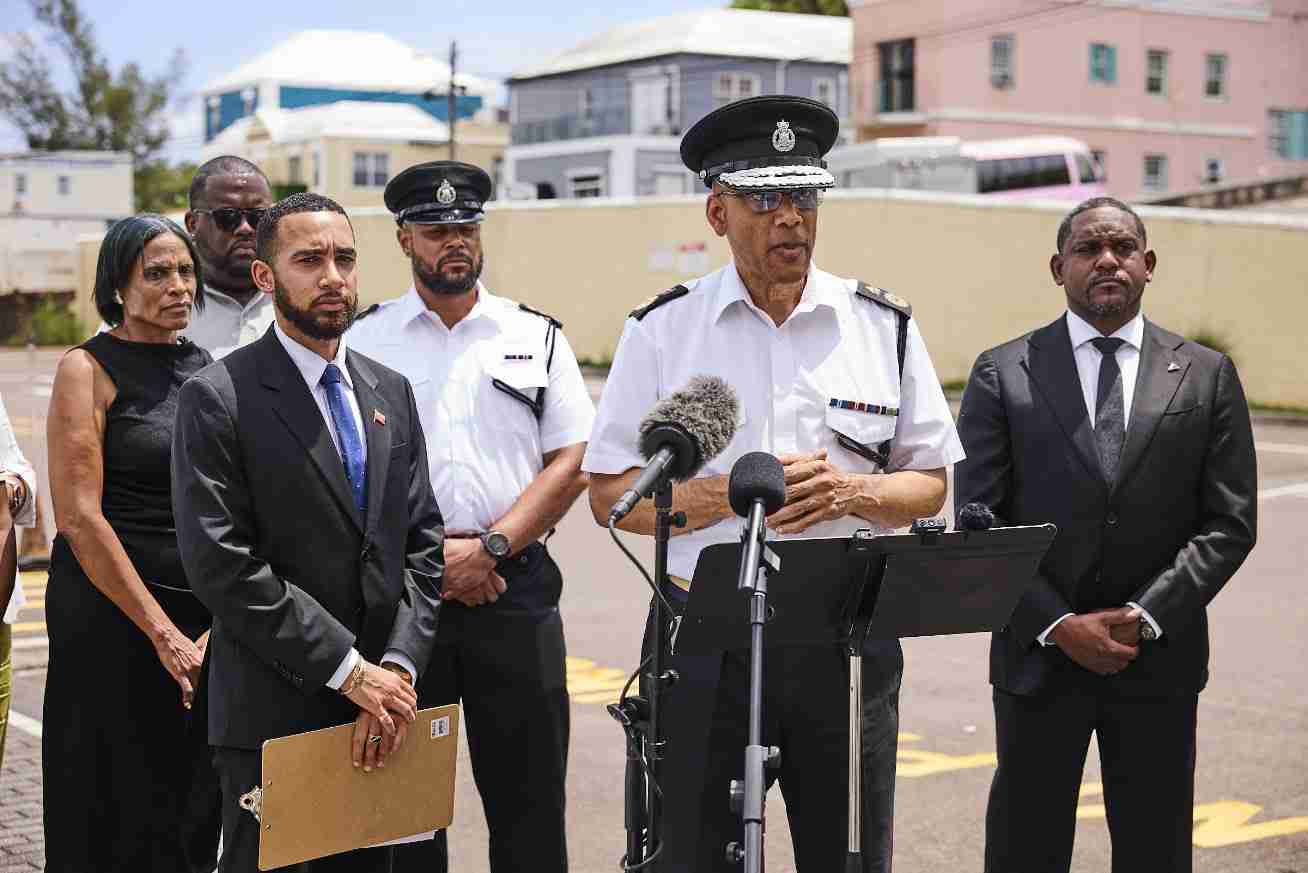
The current situation: every life matters, and road safety belongs to all of us. We are here following another terrible loss of life on Bermuda’s roads, and I want to acknowledge the families, friends and communities who are grieving. Thirteen people have now lost their lives on our roads this year. For an island of our size, that is simply too many, and the loss of even one life is unacceptable. The government has a clear responsibility to act, but road safety is also a shared responsibility. The choices each of us makes about speed, distraction, drinking and driving, and how we use our roads affect everyone around us. This therefore needs both a whole-of-Government response and a whole-of-Bermuda response.
We are acting now, while also doing the work needed for longer-term change. Longer-term change does not mean waiting to act. There are things Government can and is doing now. You will hear about increased enforcement today, while the Road Safety Council continues its immediate public awareness and education work. At the same time, we are looking more closely at what is driving serious collisions including causes, when and where they occur, and the age and gender of those involved and progressing work on speed cameras and other policy and legislative options. There is no single measure that will solve this. Enforcement, legislation, education, safer roads and vehicles, and changing behaviour all matter. We need immediate action alongside a sustained approach that reduces deaths and serious injuries over time.
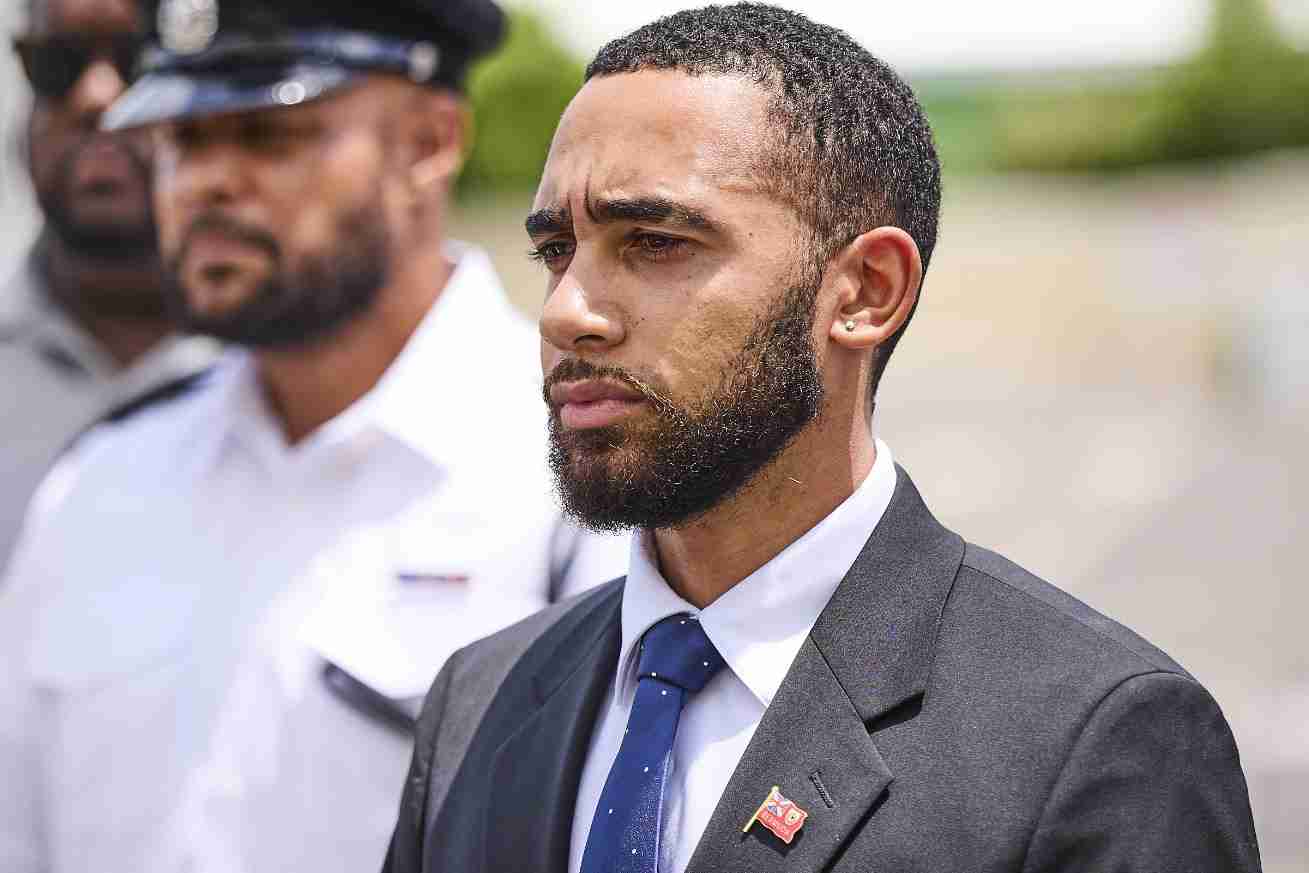
This is a shared Government responsibility and we are organised accordingly. Following the twelfth road fatality, Minister Robinson Perinchief and I convened an urgent meeting here at TCD on Monday, bringing together Transport, National Security, the Bermuda Police Service, the Road Safety Council, Health and Public Works. We brought together the work already underway, agreed our immediate priorities and strengthened our coordinated response. Transport will continue to lead road safety policy and strategy, the Road Safety Council and related education and policy work. National Security and the Bermuda Police Service have critical responsibilities for enforcement and operational policing, while Health, Public Works and others also have important roles. The priority is making sure all of these efforts work together responding with urgency now while building the sustained approach Bermuda needs.
One area where the public quite rightly wants to know what is happening immediately is enforcement. My colleague, the Minister of National Security and the Bermuda Police Service, leads that work, so I will hand over to Minister Robinson Perinchief to speak about the actions being taken now.
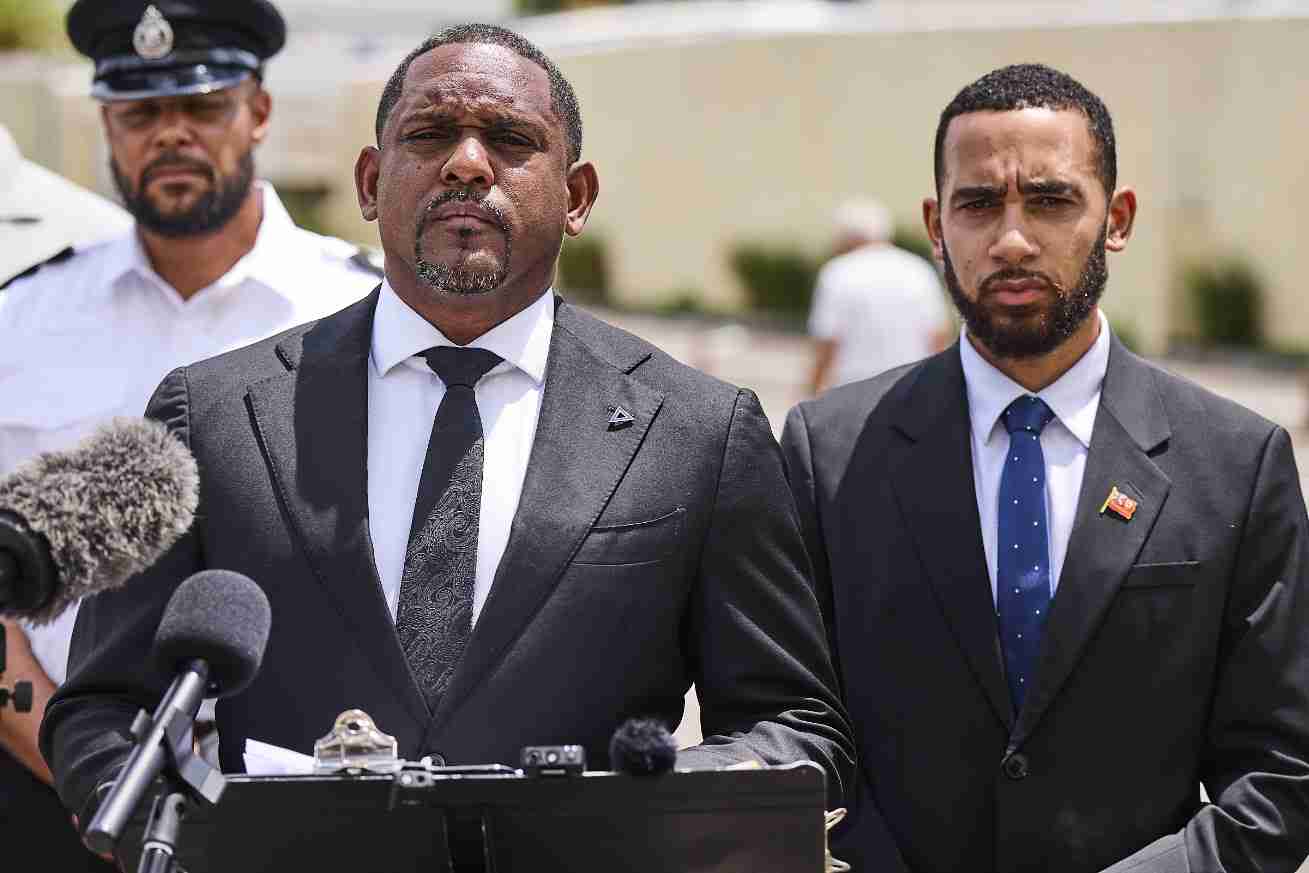
Remarks by the Minister of National Security, Senator, the Hon. Ryan Robinson Perinchief, JP
Over the last five days, two people travelling on Bermuda’s roads have lost their lives.
First, on Saturday, a Bermudian male motorcyclist. Then again on Tuesday, an American woman visiting our island — bringing the total this year to a heartbreaking thirteen. To the families, friends and loved ones of every victim, I am sorry for your loss, and I extend my deepest condolences.
I want to speak with you not just as a minister, but as someone who shares this island with you. I have also personally experienced loss this year, with a family friend falling victim to the behaviour on our roads. So as I stand here today, I want the public to know that this is an issue we are all feeling and seeing, and we are in this with you.
Thirteen deaths in eight months is not a number we should accept as our new normal, and it isn’t one I accept now. Our current situation is untenable for a flourishing Bermuda.
From an accountability and coordination point of view, let me be clear on what the public can expect from my Ministry.
National Security’s role is to support the Ministry of Transport when it comes to road safety particularly on the enforcement aspect when it comes to policing: that entails roadside visibility, compliance with the relevant laws, delivered by the Bermuda Police Service under the Commissioner.
Since taking office a month ago, I have already been meeting with the Police weekly on this, and road safety has been a standing priority in my regular engagement with Commissioner Simons, alongside the other public safety matters I’m accountable for.
In light of the recent uptick in recent collisions, I have spoken with Commissioner Simons around what immediate actions the Police can take to address public concerns around increased police visibility on our roads, and he will speak to the specific measures being taken which the public should expect to see in the coming days.
In our meeting on Monday, we heard from the Bermuda Police on the specific strategies and tactics they will be employing to demonstrate that targeting increased enforcement and police action on our roads is a top priority. That includes stepped-up enforcement operations already underway, and roadside sobriety checkpoints beginning this week.
I know that when it comes to the enforcement aspect of road safety, one of the big concerns people have has been the need for more police presence on our roads.
The good news about this is that we agree on this point. You will have no disagreement or defensiveness from me in acknowledging that there is a need for greater visibility from police on our roads. This is something the Commissioner also agrees with, and over the past month he and I have been discussing increased police visibility as a priority.
It is something we are actively working on together, and while you will see an increased police presence immediately in response to the current spate of road fatalities we are experiencing, a key aspect of the conversations I am having with the Commissioner is how we ensure that an increase in police presence can be sustained and consistent in light of the current demands placed on the police and the various responsibilities the service is facing.
I say that to acknowledge that to the extent that police and enforcement can help address our road safety problems, we are urgently reviewing what more can be done to assist, and the Commissioner will speak to this next. At the same time, I want to be clear about expectations on enforcement.
The evidence is clear that increasing enforcement alone does not solve the challenges we face when it comes to road safety.
Police cannot do it all, and the government cannot control every individual’s decision on the roads. There is a role of personal responsibility we must take here and a cultural shift which we can help to prompt but need to acknowledge as a shared effort. The behaviors behind almost every one of these thirteen deaths are ones we already know: speeding, driving while distracted, driving while impaired, and risk-taking that has become far too normalized on our roads.
The truth is, this is ultimately a cultural issue, and a shared responsibility. That is the approach we are taking — not enforcement as the answer, but enforcement as one part of a wider response.
I will continue weekly discussions with the Commissioner — not only on visibility, but on data collection and analysis, deployment, and the other tools that help us target enforcement where it will save the most lives. And I’ll continue working alongside the Bermuda Police Service and the Ministry of Transport on the wider measures needed for lasting change.
I’ll now ask Commissioner Simons to speak to the specific enforcement actions underway.
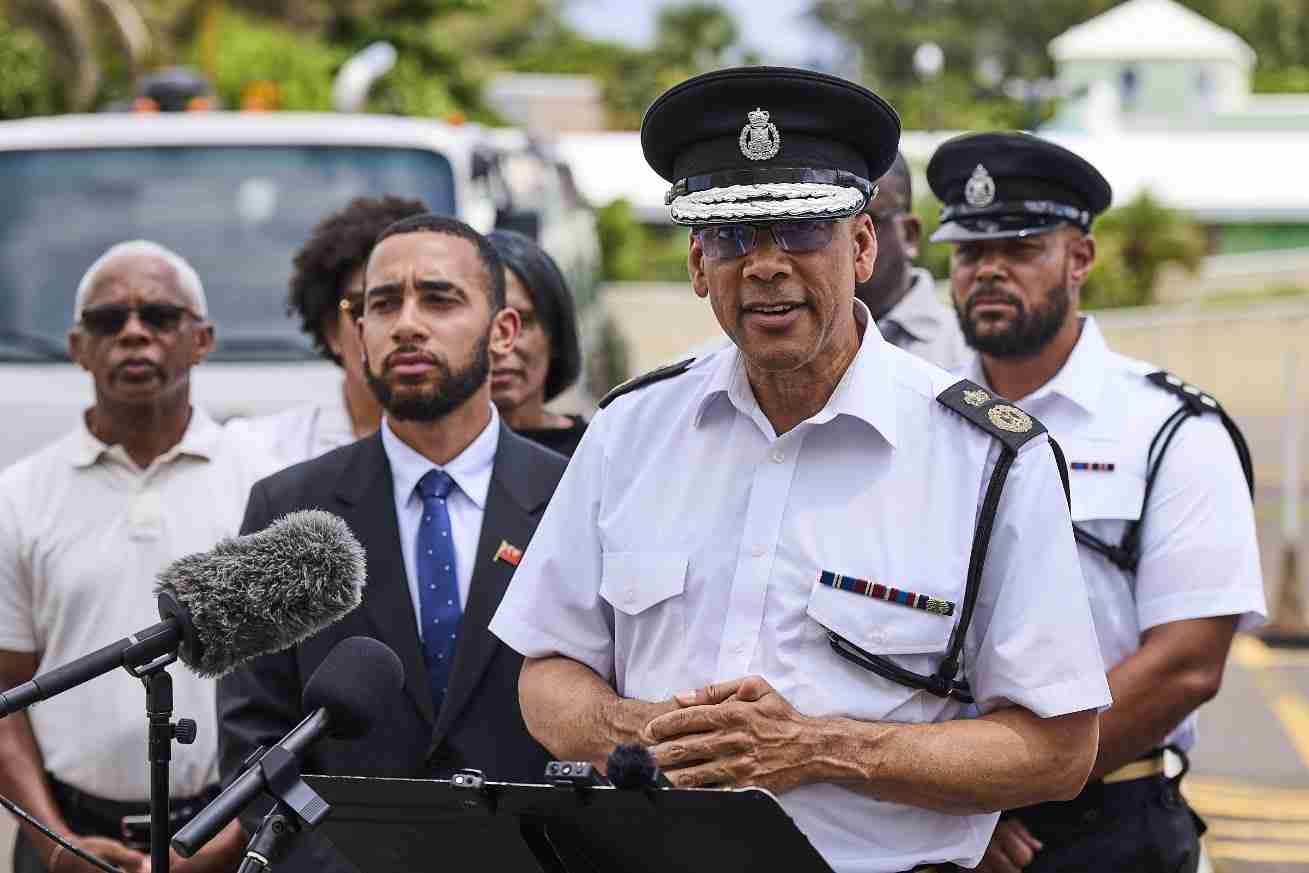
Remarks by Darrin Simons, Commissioner of Police, Bermuda Police Service
We have come together today in part to acknowledge the concern and frustration that people rightly feel, and to explain what is being done now.
Yesterday, Bermuda suffered another tragic road traffic fatality. Thirteen people have now lost their lives on our roads this year.
On behalf of the Bermuda Police Service, I extend my deepest condolences to the families and friends of all those who have died. Each loss is devastating. Each leaves families, friends and communities grieving.
Yesterday’s collision remains under active investigation, and it would be inappropriate to speculate causation before that work is complete.
What we know from serious and fatal collision investigations is that the same familiar, preventable behaviours arise repeatedly: excessive speed, inattention and distraction, including cellphone use, driving or riding while impaired by alcohol or drugs, dangerous driving and riding, and unsafe overtaking.
Bermuda has historically averaged around 12 road deaths each year. We have now exceeded that number in little more than seven months. For a community of approximately 64,000 people, that is a serious concern. Bermuda’s long-term road-fatality rate is approximately 19 deaths per 100,000 population, placing Bermuda at the higher end when compared with many other jurisdictions.
This must be treated as a significant public-safety issue. It requires an urgent, sustained and joined-up response.
The Bermuda Police Service is working with the Ministry of National Security, the Ministry of Transport, the Transport Control Department, the Road Safety Council, and other partners. We have met to ensure that the immediate response is coordinated and just as important that the longer-term work is properly focused. The Police Service has already increased traffic-enforcement visibility, with particular focus on speeding and other dangerous driving behaviour. During yesterday’s targeted operation, officers issued more than 60 tickets, the majority for speeding.
From Friday, BPS will strengthen this response further through dedicated, traffic enforcement operations during the County Games and Labour Day period. Additional officers will be deployed on overtime to support this work.
The public will see enhanced traffic enforcement. Our deployments will be guided by collision information and public complaints so that we can focus our activity where the risk is greatest. We will target the behaviours most likely to lead to death and serious injury:
- Speeding.
- Impaired driving.
- Dangerous and careless driving.
- Cellphone use.
- Unsafe overtaking.
- Failure to wear seatbelts and protective helmets.
- Unlicensed, uninsured and unroadworthy vehicles.
- Driving while disqualified and other serious moving violations.
Roadside sobriety operations will take place through the end of this month. Their timing and duration will be informed by risk, upcoming social events and operational assessment.
The Police Service will also work with colleagues from the Transport Control Department during selected operations. While Police address dangerous driving and criminal offending, TCD officers will address vehicle licensing, roadworthiness and other regulatory-compliance matters.
This is a practical example of a joined-up response.
We are encouraging members of the public to report dangerous and reckless driving. If you see behaviour that presents an immediate threat to life or safety, call 911. Timely reports can help us direct resources, assess available CCTV and other evidence, and respond where the circumstances require it.
Enforcement alone is not the solution. It is necessary, and it will be increased in the short term, but lasting improvement requires a change in behaviour, mindset and culture.
That means recognising that speeding is not normal. Using a phone while driving is not normal.
Driving or riding after drinking is not normal. Dangerous overtaking and reckless riding are not normal. These behaviours have become too tolerated, and they must become socially unacceptable.
It also means that families, friends, employers, event organisers and licensed premises have a role to play.
Responsible sale and service of alcohol is a public-safety issue. We will work with the relevant Government authorities to explore how responsible alcohol service and accountability can be strengthened.
Where alcohol is relevant to a fatal or serious collision, our investigations will carefully examine the surrounding circumstances. The purpose is to establish the facts, learn from them and prevent further tragedy.
The message today is clear:
Slow down.Put the phone away.Wear your helmet and seatbelt. Do not overtake dangerously. Do not drive or ride impaired. And do not allow someone you care about to do so.
Thirteen deaths are thirteen too many. This is a shared problem, and it will require a shared response.