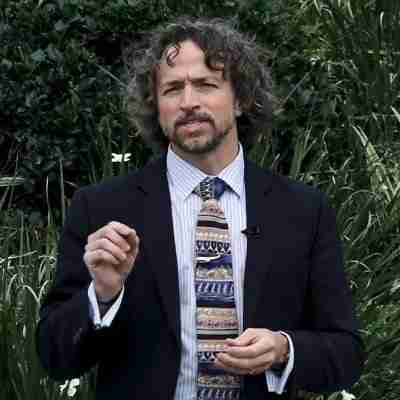
Speaker in line for $91,000 bump
Extra pay in politicians’ pockets at, we estimate, a total cost topping one million dollars (WATCH the report above for a visual breakdown).
Bumping MPs’ salaries is set to be one of the first acts of the newly-re-elected PLP Government.
The proposed raises are Government’s update to those recommended by the Salaries Review Board last November.
The Board is chaired by former UBP Cabinet Minister turned PLP member Maxwell Burgess and its members include ex-OBA leader Cole Simons, along with business people and unionist Ed Ball Jnr.
We understand the board was unanimous in its recommendations.
Up until now, it has not been clearly laid out just how much more money legislators could be taking home. We’re looking to fix that today.
Our projections show that if proposed salary increases are passed, all MPs could see their current pay packets fatten by 31%.
The Premier himself will take home an extra 50-thousand dollars a year, the Speaker an extra 90-thousand-plus… and the overall cost of the Legislature will balloon by more than a million dollars.
Our story last week was originally headlined ‘Near 10% pay hike for MPs’ – when actually it’s the Ministerial and some other roles that get the 9.6% pay raise.
This would be ON TOP of the raise they would get as MPs… and that 9.6% bump is based on what Cabinet members WOULD have been earning if their pay hadn’t been cut 12 years ago. So, it’s arguably a misleading figure.
Cabinet on 10% reduction since 2013
In March 2013, the governing One Bermuda Alliance implemented a 10% pay cut for Cabinet Ministers.
This means that from then until now, through the transition from OBA to PLP administrations, every Cabinet Minister has earned LESS than the 2009 figure cited in the table of adjustments released by Government (scroll down to view).
This is affirmed by the House of Assembly remuneration reported at parliament.bm (as of March 27, 2025).
We have attempted to work out what the proposed wage hike could mean in dollar terms, comparing what the legislators are earning TODAY, to what they would earn if the pay hikes are approved.
Here’s our estimates, based on Cabinet members working full-time…
What they could be making…
The proposed salary increase would add more than $50,000 dollars a year ($50,422) to Premier David Burt’s pay packet – more than a 24% increase.
It should be noted that this is more than $12,000 below the Board-recommended increase, which the Premier previously stated he did not support.
The Premier is also Finance Minister, so that position won’t immediately cost any more.
However, every other Cabinet member gets a better deal than the Board would have given them…
Deputy Premier and Minister of Housing, Zane De Silva, would get a $42,000 boost to the current gross salary ($42,089), or a 25% increase.
Attorney General, Senator Kim Wilkerson, is not an MP. Her combined Senate and Ministerial Salary will go up by more than $37.5K ($37,677), or 21%.
All other Cabinet Ministers will get a 25% increase, or an extra $39K-plus ($39,459).
The only exception is Education Minister Crystal Ceasar, a Senator rather than an MP, whose gross salary increases by 21%, or $27.6K (27,636).
Opposition Leader Jarion Richardson is looking at a 24% wage hike – another 20-thousand, 4-hundred dollars a year.
Government Whip Neville Tyrell could see a 35% boost – an extra $22K+, whereas Opposition Whip Craig Cannonier would get a 29% raise, or $18K+.
A similar 28% pay hike goes to Junior Ministers and MPs Wayne Furbert and Dennis Lister III, who both get $18.6K above the current salaries for their roles.
The remaining PLP and OBA MPs who don’t also serve in ministerial or other roles, would see an additional $17,532 every year, or a 31% raise.
PLP Senators serving as Junior Ministers would get nearly $7,000 more each, or 16%; Senate President Joan Dillas-Wright could see just over $7,000 more, that’s 16%, while an extra $6,000, or 18%, would go to Senate Vice President John Wight.
Other OBA and Independent Senators would receive an extra $5.7K a year – a 19% raise.
While Deputy Speaker Lovitta Foggo would see a slightly bigger increase than most other MPs – 27% or $18.8K – it’s the Speaker of the House whose earnings would skyrocket from his current take-home pay.
Dennis Lister’s wage could more-than-double from $82.5K, to more than $174,000 a year – almost an eye-watering $92K boost, or a 111% raise.
The Report of the Salaries Review Board justified this by stating that the role should be considered just as significant as that of a Cabinet Minister: “The Board believes that the duties and responsibilities of the Speaker [of the House] are undervalued and should be viewed as adding a more pivotal role to the House of Assembly and our democracy.”
On the wider salary increases, the Report of the Board cites that the cost of goods has increased by at least 18.8% since 2004, and lost buying power should be restored to the, quote “very demanding jobs” within the legislature.
David Burt, Premier & Finance Minister, told the House last Firday, “there has been no salary adjustment for Members of the Legislature in over 15 years… Ministers’ salaries were reduced by 10% in 2013, and those reductions have remained in place… it is essential that we collectively acknowledge that serving in public office is not easy… Fair compensation helps to attract and retain individuals with the expertise, dedication, and commitment required to govern efficiently and effectively.”
Some will see it as perfectly valid that the figures released by Government compare all the proposed increases to the 2009 salaries.
It could be argued that since the 2013 cuts, Cabinet Ministers have been under-paid and therefore the comparison to 2009 – the last time they got a raise – is more relevant.
However, it is also an indisputable fact that no Cabinet member has earned at 2009 levels since their wages were cut 12 years ago.
So if the salary increases are approved, we estimate the cost to the taxpayer will increase by 28%, or an additional 1 million and 72-thousand dollars every year.
*Note that Bermuda Broadcasting sent our estimates to Government on Wednesday afternoon, March 26. We had received no comment – nor any challenge to our numbers – by newstime the next day.