Ministry says humane practices are being followed and population control efforts “prioritise minimising suffering”
The Ministry of Public Works and Environment, along with the Department of Environment and Natural Resources (DENR), has acknowledged public concern following reports of dead or injured chickens in public spaces. In a statement, government reaffirmed its commitment to humane and environmentally responsible population control and stressed that while culling methods may seem harsh, they are guided by established protocols aimed at minimising suffering.
The Ministry also addressed concerns around dependent chicks, domestic birds, and proposals for managed care sites, noting the biological and logistical complexities of feral chicken management. The Ministry says it remains open to dialogue and refining their approach to achieve better outcomes for both the public and the environment.
The full response is below:
In response to the raised concerns about the management of the feral chicken population the Ministry of Public Works and Environment and the Department of Environment and Natural Resources (DENR) appreciate the public’s engagement on this matter, and we recognise the sensitivities involved when managing animal populations in a humane and responsible manner.
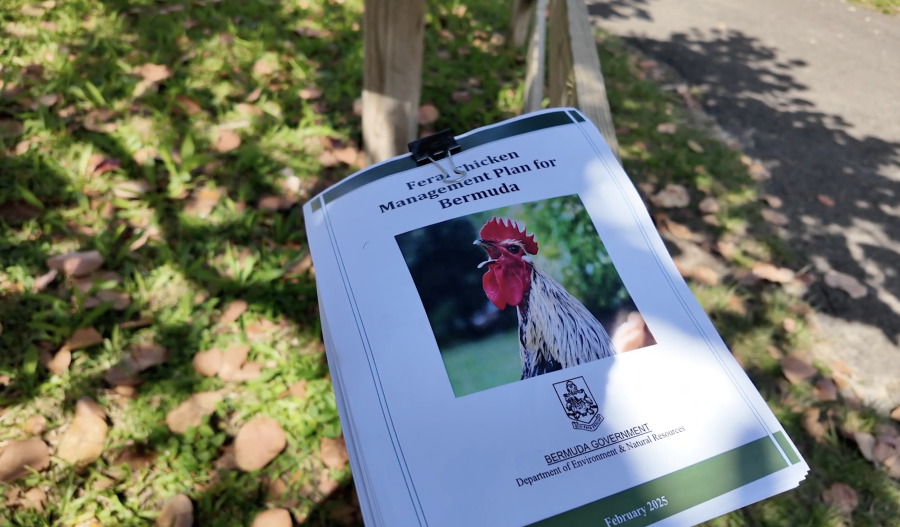
We acknowledge and understand that reports of dead or injured birds in public spaces are distressing. The DENR’s Feral Chicken Management Plan, released earlier this year, was developed to address these challenges in a structured, humane, and environmentally responsible way.
The Plan outlines procedures for the safe and efficient removal of feral chickens, including the collection of carcasses.
While DENR officers make every effort to retrieve all birds, there are occasional situations where mortally wounded birds may move into areas that are difficult to access immediately.
Regarding the methods used for population control, the DENR employs targeted removal efforts that prioritise minimising suffering. More direct methods are sometimes necessary as well to prevent overpopulation and protect public health, environmental balance, and agricultural activities.
While these measures may seem harsh, they are implemented carefully and under established guidelines for humane treatment.
We recognise community concerns about potential unintended impacts, including situations where dependent chicks are left behind. These outcomes are not desirable, and we continue to adapt strategies to minimise such occurrences.
On the matter of domestic chickens being released into the wild, enforcement remains a significant challenge, as successful prosecution requires direct evidence of abandonment. Nevertheless, we are committed to upholding the Care and Protection of Animals Act and exploring options to strengthen compliance.
We appreciate community members’ willingness to suggest alternative solutions, including establishing a managed care site for chickens.
However, it is important to note that feral chickens reproduce rapidly — with one hen potentially producing up to 190 offspring annually — making the establishment of a large sanctuary a complex undertaking that could inadvertently contribute to the overall population pressures we are working to manage. Proposals of this nature would require careful evaluation to ensure they are environmentally sustainable and logistically feasible.
The Ministry and DENR remain committed to managing the feral chicken population in a manner that balances animal welfare, public health, environmental stewardship, and the responsible use of resources. We welcome continued dialogue with the community and are open to refining our approach to achieve the best outcomes for all.