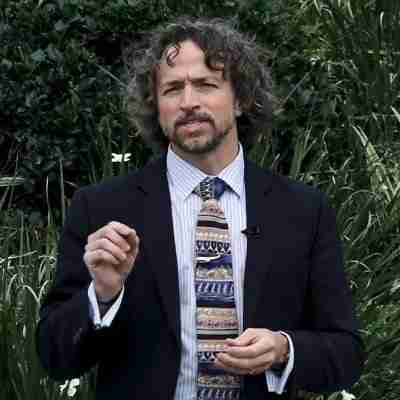
Reducing gang violence is a long-term mission, says Pastor Leroy Bean, providing insight into the work of the GVRT
The Gang Violence Reduction Team engages with fifteen-hundred people a month – from school students to work placement participants, from from incarcerated clients to the families of victims of violence.
In the second part of our extended interview, Pastor Leroy Bean provides detailed insight into the work of the GVRT. (SCROLL down for an overview of their work)
In this clip from the interview, the Gang Violence Reduction Coordinator says we must not judge the success of their programmes just by numbers, but also by the stories of those they have helped.
Ultimately, Pastor Bean says, gang violence will not stop without a change of mindset – and their job is to do their best to reduce the violence. (WATCH above)
In the upcoming final chapter of our interview with Pastor Bean, he acknowledges the money going into the GVRT – and says that they couldn’t pay enough for the work they do. Gary Foster Skelton also asks Pastor Bean on a theme that runs through his book – that Bermuda needs independence from the UK to truly address gang violence.
Gang Violence Reduction Team (GVRT)
avg. monthly activity & outcomes
(supplied by GVRT)
School Outreach & Youth Engagement
High Schools
• 20-30 students supported monthly through one-on-one and small-group sessions
• 40-60 small-group/individual mentoring sessions conducted monthly
• 16-20 family meetings and parent interventions
• 6-12 student mediations and 6-12 restorative circle meetings
• Daily lunch-time visits and mentoring presence
• 3-5 monthly incident management interventions
Middle Schools
• 2 school visits per month across all three middle schools and parish schools
• “I Am” Program pilot launched at Dellwood in 2019, ongoing expansion
• 2-3 monthly targeted interventions, small-group sessions, or incident supports
Primary Schools
• 2 school visits per term to all primary schools
• 2-3 monthly targeted interventions or small-group support sessions
I AM Program
• Over 400 students served since 2022
• 30 program cohorts delivered
• More than 240 sessions completed
• 2 full student summits hosted
After-School Monitoring
• Daily presence maintained at bus terminals and community areas
• 1 after school incident response per month on average
GED / Bermuda College / Workforce Development
• 8 students currently enrolled in GED programs
• 1 student enrolled at Bermuda College
• 2 students participating in Workforce Development placements
Redemption Program
• Since 2019, 96 participants have completed the program (15-18 per cohort)
• 10-15 resume and job-coaching sessions held monthly
• 90% of participants since 2022 have avoided anti-social or criminal behavior
Community Supervision
• 8-10 clients annually supervised during court-ordered community service placements
Work Placement & Mentoring Program
• Since 2019, 110 participants have completed the program (15-18 per cohort)
• 110 job-coaching sessions delivered each July-August intake
• 90% of participants since 2022 have remained free of anti-social behavior
Outreach & Case Management
• 20-35 high-risk clients (ages 18-35) actively supported monthly
• 70-85 mentoring and check-in sessions
• 15-18 inter-agency coordination meetings
• 10-14 family support meetings
• 8-18 clients receive court advocacy and guidance through the legal system
Employment & Resource Support
• 8-10 clients assisted with employment readiness and resume development
• 7-8 clients employed or placed in work programs (e.g., Workforce Development, Transportation, Bacardi Bartending)
• 1-2 clients supported through community service placement
• 8-12 clients receive food, financial assistance, or social support resources
Prison Outreach
• 2-4 prison visits each month (Co-Ed and Westgate facilities)
• 4-6 incarcerated clients engaged in ongoing personal development and reintegration planning
Crisis Response (CCRT)
• 3-7 hospital-based activations per month following violent incidents
• 6-8 follow-up meetings per family for post-incident victim support
• 10-13 emergency safe-house relocations annually
• 4-8 monthly family safety-planning sessions conducted to prevent retaliation and restore peace